

Taha 14 比特币
5.4k 投稿

Taha 14 比特币
 厳選トピック確認済+
報告
ユーザーをブロック
LIving Between Chart and Blockchain.
取引を発注
高頻度トレーダー
1.5年
1.6K+ フォロー
54.3K+ フォロワー
63.1K+ いいね
投稿
ポートフォリオ
すべて
引用
動画
ライブ
·
--
Sign Protocolがチェーン間の信頼を標準化する方法最初は、私はSign Protocolを単なる「オンチェーン証明書」ツールとして軽視していました。あなたも知っているタイプです:デジタルバッジ、社会的証明、正直なところその小さなエコシステムに閉じ込められてどこにも行かない基本的なものです。
しかし、その後私はSign ProtocolとTokenTableの背後にあるアーキテクチャを見始めました。「断片化された信頼」という核心的な問題に論理をたどったとき、それは単なるdappのように感じなくなりました。
それは根本的な変化のように感じました。
核心的な認識はシンプルですが深いです:信頼は一つのチェーンに閉じ込められるべきではありません。もし私がEthereumでアイデンティティや法的契約を確認するなら、その「証明」はPolygonやBNB Chainのプロトコルには見えないものであるべきではありません。Sign Protocolはより良いデータベースを構築しようとしているのではなく、普遍的な証拠レイヤーを構築しています。
Sign Protocolがチェーン間の信頼を標準化する方法
最初は、私はSign Protocolを単なる「オンチェーン証明書」ツールとして軽視していました。あなたも知っているタイプです:デジタルバッジ、社会的証明、正直なところその小さなエコシステムに閉じ込められてどこにも行かない基本的なものです。
しかし、その後私はSign ProtocolとTokenTableの背後にあるアーキテクチャを見始めました。「断片化された信頼」という核心的な問題に論理をたどったとき、それは単なるdappのように感じなくなりました。
それは根本的な変化のように感じました。
核心的な認識はシンプルですが深いです:信頼は一つのチェーンに閉じ込められるべきではありません。もし私がEthereumでアイデンティティや法的契約を確認するなら、その「証明」はPolygonやBNB Chainのプロトコルには見えないものであるべきではありません。Sign Protocolはより良いデータベースを構築しようとしているのではなく、普遍的な証拠レイヤーを構築しています。
しかし、その後私はSign ProtocolとTokenTableの背後にあるアーキテクチャを見始めました。「断片化された信頼」という核心的な問題に論理をたどったとき、それは単なるdappのように感じなくなりました。
それは根本的な変化のように感じました。
核心的な認識はシンプルですが深いです:信頼は一つのチェーンに閉じ込められるべきではありません。もし私がEthereumでアイデンティティや法的契約を確認するなら、その「証明」はPolygonやBNB Chainのプロトコルには見えないものであるべきではありません。Sign Protocolはより良いデータベースを構築しようとしているのではなく、普遍的な証拠レイヤーを構築しています。
10
125
·
--
Sign Protocol: 誰もが検証されたデータについて話しますが、インフラストラクチャについて話す人はいませんSign Protocolとそのアーキテクチャについて考えると、私はすぐに$SIGN chartsには行きません。そうは思いません。その「数字が上がる」というマインドセットは、ここでは…浅いと感じます。私はその構造に戻ってきます。
正直なところ、データが信頼できる世界を構築することは、単にPDFに「署名」することだけではありません。それほど単純ではありません。あなたは、デジタルの主張—アイデンティティ、契約、資格—がどのブロックチェーンでもチェックされ、疑問を呈され、責任を問われることができるシステムを構築しようとしているのです。それは別のゲームです。
Sign Protocol: 誰もが検証されたデータについて話しますが、インフラストラクチャについて話す人はいません
Sign Protocolとそのアーキテクチャについて考えると、私はすぐに$SIGN chartsには行きません。そうは思いません。その「数字が上がる」というマインドセットは、ここでは…浅いと感じます。私はその構造に戻ってきます。
正直なところ、データが信頼できる世界を構築することは、単にPDFに「署名」することだけではありません。それほど単純ではありません。あなたは、デジタルの主張—アイデンティティ、契約、資格—がどのブロックチェーンでもチェックされ、疑問を呈され、責任を問われることができるシステムを構築しようとしているのです。それは別のゲームです。
正直なところ、データが信頼できる世界を構築することは、単にPDFに「署名」することだけではありません。それほど単純ではありません。あなたは、デジタルの主張—アイデンティティ、契約、資格—がどのブロックチェーンでもチェックされ、疑問を呈され、責任を問われることができるシステムを構築しようとしているのです。それは別のゲームです。
1
11
294
·
--
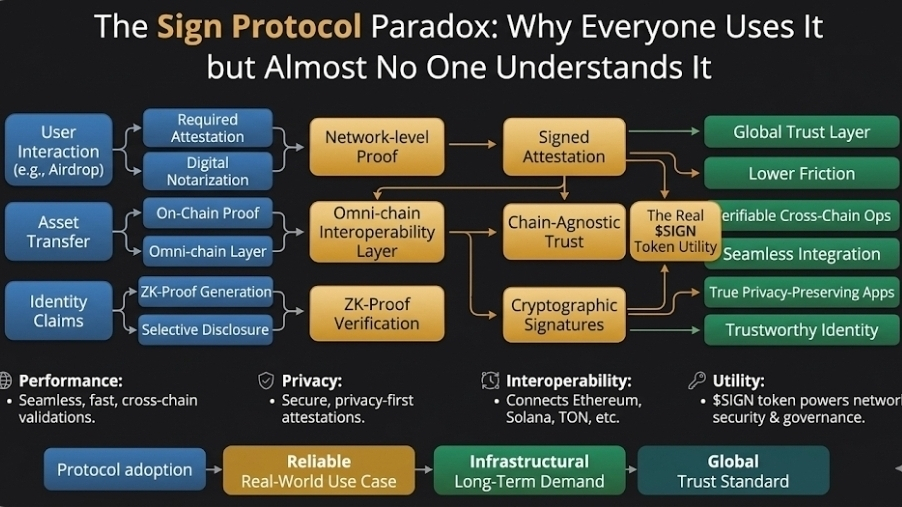
記事
誰もがSign Protocolを使用しています - ほとんどの人はそれを理解していません私は考えていました... 最近、みんなはクリプトカレンシーでチャートやハイプを見て走り回っていますが、スクリーンの裏でエコシステム全体を変えているテクノロジーについては、ほとんどの人が頭を悩ませていません。そんなプロジェクトがSign Protocolです。あなたは名前を聞いたことがあるかもしれませんが、多くの人がエアドロップや認証のためにこれを使用しています。しかし、面白いことに—多くの人が実際にこれが何であるか、またなぜこれが未来にとってこれほど重要であるかを知らないのです。
誰もがSign Protocolを使用しています - ほとんどの人はそれを理解していません
私は考えていました... 最近、みんなはクリプトカレンシーでチャートやハイプを見て走り回っていますが、スクリーンの裏でエコシステム全体を変えているテクノロジーについては、ほとんどの人が頭を悩ませていません。そんなプロジェクトがSign Protocolです。あなたは名前を聞いたことがあるかもしれませんが、多くの人がエアドロップや認証のためにこれを使用しています。しかし、面白いことに—多くの人が実際にこれが何であるか、またなぜこれが未来にとってこれほど重要であるかを知らないのです。
4
11
128
·
--
ブリッシュ
私はSign Protocolを調査してきましたが、彼らの技術は、すべての詳細を示すことなく物事が真実であることを証明することに関するものです。暗号的に署名された「アテステーション」を使用することで、証明はコンパクトで迅速に検証できます。これはゲームチェンジャーです。なぜなら、ブロックチェーンは通常、過剰なデータを処理しなければならないときに滞ります。彼らはこれをオムニチェーンレイヤーとして構築しており、異なるネットワークにわたってこれらの証明をスタックできることを意味しています。毎回ゼロから始めることなく信頼のレイヤーを構築できます。
私が本当に興味を引かれるのは、彼らがEthereum、Solana、TONのようなチェーンをどのようにリンクしているかです。ほとんどのチェーンは孤立しており、互いによく通信せず、プライバシーはしばしば考慮されません。Sign Protocolが実際に異なるエコシステムで機能する「オムニチェーン」アテステーションを成功させることができれば、それは業界全体にとって非常に有用です。
プライバシーは私が最も興奮している部分です。標準的なスマートコントラクトはしばしば過剰な情報を漏らしますが、Signはゼロ知識証明(ZKP)と選択的開示を使用して、必要なものだけを共有できるようにします。これにより、プライベートな身分証明や、公共の目に触れずに検証可能なビジネスロジックなどの現実世界の利用が開かれる可能性があります。
ただし、私は正直に言いますが、私は少し懐疑的です。なぜなら、クロスチェーン接続は常に書類上ではスムーズに聞こえますが、実際に実装するのは面倒だからです。プライバシーとスピードをバランスさせることはさらに難しいです。多くのプロジェクトは大きなゲームを語りますが、実際には成果を出しません。少なくとも、彼らは単なるアプリではなくインフラストラクチャレイヤーとして堅実な基盤から始めているので、まだ重要な成長段階にあります。
私はSign Protocolが全体のブロックチェーンを再発明しようとしていない点で正しい方向に進んでいると思います。代わりに、彼らはプライバシーと信頼を「グローバルトラストレイヤー」として一緒に機能させています。彼らが実用的なものを維持し、過度に複雑にしなければ、これは実際に重要になる可能性があります。単に宣伝を信じないでください—彼らが実際に機能する統合やクロスチェーンのユースケースを出荷するかどうかを見守ってください。
$SIGN @SignOfficial #SignDigitalSovereignInfra
$D $NOM
私はSign Protocolを調査してきましたが、彼らの技術は、すべての詳細を示すことなく物事が真実であることを証明することに関するものです。暗号的に署名された「アテステーション」を使用することで、証明はコンパクトで迅速に検証できます。これはゲームチェンジャーです。なぜなら、ブロックチェーンは通常、過剰なデータを処理しなければならないときに滞ります。彼らはこれをオムニチェーンレイヤーとして構築しており、異なるネットワークにわたってこれらの証明をスタックできることを意味しています。毎回ゼロから始めることなく信頼のレイヤーを構築できます。
私が本当に興味を引かれるのは、彼らがEthereum、Solana、TONのようなチェーンをどのようにリンクしているかです。ほとんどのチェーンは孤立しており、互いによく通信せず、プライバシーはしばしば考慮されません。Sign Protocolが実際に異なるエコシステムで機能する「オムニチェーン」アテステーションを成功させることができれば、それは業界全体にとって非常に有用です。
プライバシーは私が最も興奮している部分です。標準的なスマートコントラクトはしばしば過剰な情報を漏らしますが、Signはゼロ知識証明(ZKP)と選択的開示を使用して、必要なものだけを共有できるようにします。これにより、プライベートな身分証明や、公共の目に触れずに検証可能なビジネスロジックなどの現実世界の利用が開かれる可能性があります。
ただし、私は正直に言いますが、私は少し懐疑的です。なぜなら、クロスチェーン接続は常に書類上ではスムーズに聞こえますが、実際に実装するのは面倒だからです。プライバシーとスピードをバランスさせることはさらに難しいです。多くのプロジェクトは大きなゲームを語りますが、実際には成果を出しません。少なくとも、彼らは単なるアプリではなくインフラストラクチャレイヤーとして堅実な基盤から始めているので、まだ重要な成長段階にあります。
私はSign Protocolが全体のブロックチェーンを再発明しようとしていない点で正しい方向に進んでいると思います。代わりに、彼らはプライバシーと信頼を「グローバルトラストレイヤー」として一緒に機能させています。彼らが実用的なものを維持し、過度に複雑にしなければ、これは実際に重要になる可能性があります。単に宣伝を信じないでください—彼らが実際に機能する統合やクロスチェーンのユースケースを出荷するかどうかを見守ってください。
$SIGN @SignOfficial #SignDigitalSovereignInfra
$D $NOM
私が本当に興味を引かれるのは、彼らがEthereum、Solana、TONのようなチェーンをどのようにリンクしているかです。ほとんどのチェーンは孤立しており、互いによく通信せず、プライバシーはしばしば考慮されません。Sign Protocolが実際に異なるエコシステムで機能する「オムニチェーン」アテステーションを成功させることができれば、それは業界全体にとって非常に有用です。
プライバシーは私が最も興奮している部分です。標準的なスマートコントラクトはしばしば過剰な情報を漏らしますが、Signはゼロ知識証明(ZKP)と選択的開示を使用して、必要なものだけを共有できるようにします。これにより、プライベートな身分証明や、公共の目に触れずに検証可能なビジネスロジックなどの現実世界の利用が開かれる可能性があります。
ただし、私は正直に言いますが、私は少し懐疑的です。なぜなら、クロスチェーン接続は常に書類上ではスムーズに聞こえますが、実際に実装するのは面倒だからです。プライバシーとスピードをバランスさせることはさらに難しいです。多くのプロジェクトは大きなゲームを語りますが、実際には成果を出しません。少なくとも、彼らは単なるアプリではなくインフラストラクチャレイヤーとして堅実な基盤から始めているので、まだ重要な成長段階にあります。
私はSign Protocolが全体のブロックチェーンを再発明しようとしていない点で正しい方向に進んでいると思います。代わりに、彼らはプライバシーと信頼を「グローバルトラストレイヤー」として一緒に機能させています。彼らが実用的なものを維持し、過度に複雑にしなければ、これは実際に重要になる可能性があります。単に宣伝を信じないでください—彼らが実際に機能する統合やクロスチェーンのユースケースを出荷するかどうかを見守ってください。
$SIGN @SignOfficial #SignDigitalSovereignInfra
$D $NOM
1
9
153
·
--
スキーマ、証明、および力:Sign Protocolの内部しばらくの間、私の心に一つのことがありました… Sign Protocolについてのすべての話は、ようやく「ミドルウェア」から信頼性のある基盤へと移行しています。他のネットワークが単一のチェーンの立ち上げに焦点を当てる中、Sign Protocolはオムニチェーンレイヤーを構築しています。これは、あなたがEthereum、Solana、またはTONにいるかどうかを気にしないデジタル公証人です。
真実は、私たちが証明、アイデンティティ、SIGNトークンについて議論する限り、これらは実際のワークフローに統合されるまで概念に過ぎないということです。
スキーマ、証明、および力:Sign Protocolの内部
しばらくの間、私の心に一つのことがありました… Sign Protocolについてのすべての話は、ようやく「ミドルウェア」から信頼性のある基盤へと移行しています。他のネットワークが単一のチェーンの立ち上げに焦点を当てる中、Sign Protocolはオムニチェーンレイヤーを構築しています。これは、あなたがEthereum、Solana、またはTONにいるかどうかを気にしないデジタル公証人です。
真実は、私たちが証明、アイデンティティ、SIGNトークンについて議論する限り、これらは実際のワークフローに統合されるまで概念に過ぎないということです。
真実は、私たちが証明、アイデンティティ、SIGNトークンについて議論する限り、これらは実際のワークフローに統合されるまで概念に過ぎないということです。
1
6
284
·
--
ブリッシュ
私はSign Protocolとそのオムニチェーン認証アプローチについて調査しています。ほとんどの検証システムは単一のチェーンに固執するか、誰であるか、何を所有しているかを証明するために中央集権的なデータベースに依存しています。
Sign Protocolは、オンチェーンの認証、オフチェーンのストレージ(IPFS/Arweaveのような)、およびクロスチェーンのインデックス作成のいくつかの層を混ぜ合わせています。
それらはすべて、主張を検証するための「スキーマ」を作成する際に重要です。私はこのアイデアが好きです。それはより堅牢に感じられます—1つのエンティティが単一のデータベースをシャットダウンしたり、偽のアイデンティティや契約のために単一のチェーンを操作したりすることはできません。それは、法的文書やKYCのようなリアルなものに対してWeb3をはるかに信頼性の高いものにする可能性があります。
私はまだ少し疑問を感じています—Ethereum、Solana、およびTON全体での認証の同期は複雑に聞こえます。彼らは高いガス料金なしでどのようにすべてを一貫性を保つのでしょうか?それが安価なチェーンのユーザーに有利になり、他のユーザーを置き去りにすることになったらどうしますか?私は、実際のスケールに達したときに「ユニバーサル」プロトコルが失敗するのを見すぎました。
それでも、私は少し興奮しています。「スキーマ」システムが正しく機能すれば、互いにコミュニケーションをとるのに苦労している通常の断片化されたシステムよりも良く機能するかもしれません。
1つ言えることがあります:SIGNトケノミクスとSignScanのパフォーマンスを注意深く観察してから、深く関わってください。オムニチェーンフレームワークが実際のプレッシャーにどのように対処するかを見てください。クロスチェーンの検証がストレス下で持ちこたえるまで、真剣なリソースを投入しないでください。
$SIGN @SignOfficial #SignDigitalSovereignInfra
私はSign Protocolとそのオムニチェーン認証アプローチについて調査しています。ほとんどの検証システムは単一のチェーンに固執するか、誰であるか、何を所有しているかを証明するために中央集権的なデータベースに依存しています。
Sign Protocolは、オンチェーンの認証、オフチェーンのストレージ(IPFS/Arweaveのような)、およびクロスチェーンのインデックス作成のいくつかの層を混ぜ合わせています。
それらはすべて、主張を検証するための「スキーマ」を作成する際に重要です。私はこのアイデアが好きです。それはより堅牢に感じられます—1つのエンティティが単一のデータベースをシャットダウンしたり、偽のアイデンティティや契約のために単一のチェーンを操作したりすることはできません。それは、法的文書やKYCのようなリアルなものに対してWeb3をはるかに信頼性の高いものにする可能性があります。
私はまだ少し疑問を感じています—Ethereum、Solana、およびTON全体での認証の同期は複雑に聞こえます。彼らは高いガス料金なしでどのようにすべてを一貫性を保つのでしょうか?それが安価なチェーンのユーザーに有利になり、他のユーザーを置き去りにすることになったらどうしますか?私は、実際のスケールに達したときに「ユニバーサル」プロトコルが失敗するのを見すぎました。
それでも、私は少し興奮しています。「スキーマ」システムが正しく機能すれば、互いにコミュニケーションをとるのに苦労している通常の断片化されたシステムよりも良く機能するかもしれません。
1つ言えることがあります:SIGNトケノミクスとSignScanのパフォーマンスを注意深く観察してから、深く関わってください。オムニチェーンフレームワークが実際のプレッシャーにどのように対処するかを見てください。クロスチェーンの検証がストレス下で持ちこたえるまで、真剣なリソースを投入しないでください。
$SIGN @SignOfficial #SignDigitalSovereignInfra
Sign Protocolは、オンチェーンの認証、オフチェーンのストレージ(IPFS/Arweaveのような)、およびクロスチェーンのインデックス作成のいくつかの層を混ぜ合わせています。
それらはすべて、主張を検証するための「スキーマ」を作成する際に重要です。私はこのアイデアが好きです。それはより堅牢に感じられます—1つのエンティティが単一のデータベースをシャットダウンしたり、偽のアイデンティティや契約のために単一のチェーンを操作したりすることはできません。それは、法的文書やKYCのようなリアルなものに対してWeb3をはるかに信頼性の高いものにする可能性があります。
私はまだ少し疑問を感じています—Ethereum、Solana、およびTON全体での認証の同期は複雑に聞こえます。彼らは高いガス料金なしでどのようにすべてを一貫性を保つのでしょうか?それが安価なチェーンのユーザーに有利になり、他のユーザーを置き去りにすることになったらどうしますか?私は、実際のスケールに達したときに「ユニバーサル」プロトコルが失敗するのを見すぎました。
それでも、私は少し興奮しています。「スキーマ」システムが正しく機能すれば、互いにコミュニケーションをとるのに苦労している通常の断片化されたシステムよりも良く機能するかもしれません。
1つ言えることがあります:SIGNトケノミクスとSignScanのパフォーマンスを注意深く観察してから、深く関わってください。オムニチェーンフレームワークが実際のプレッシャーにどのように対処するかを見てください。クロスチェーンの検証がストレス下で持ちこたえるまで、真剣なリソースを投入しないでください。
$SIGN @SignOfficial #SignDigitalSovereignInfra
2
8
171
·
--
Sign Protocolはスケールでのクロスチェーン検証を解放しますデータ侵害はあらゆる規模の企業を悩ませ続けています。その根本的な原因はほぼ常に同じです:私たちはデータを巨大な中央集権的サイロに保管しています。すべてが一つのデータベースにあると、攻撃者には明確なターゲットがあります。彼らはすべてをつかむために一度侵入するだけで済みます。
Sign Protocolはこのダイナミクスを変えています。単なる別のデータベースではなく、情報を検証し信頼する方法を分散化するオムニチェーン証明プロトコルです。中央集権的な「公証人」から、検証可能なクロスチェーンの主張のシステムへ移行することで、データ侵害のリスクを根本的に低下させます。
Sign Protocolはスケールでのクロスチェーン検証を解放します
データ侵害はあらゆる規模の企業を悩ませ続けています。その根本的な原因はほぼ常に同じです:私たちはデータを巨大な中央集権的サイロに保管しています。すべてが一つのデータベースにあると、攻撃者には明確なターゲットがあります。彼らはすべてをつかむために一度侵入するだけで済みます。
Sign Protocolはこのダイナミクスを変えています。単なる別のデータベースではなく、情報を検証し信頼する方法を分散化するオムニチェーン証明プロトコルです。中央集権的な「公証人」から、検証可能なクロスチェーンの主張のシステムへ移行することで、データ侵害のリスクを根本的に低下させます。
Sign Protocolはこのダイナミクスを変えています。単なる別のデータベースではなく、情報を検証し信頼する方法を分散化するオムニチェーン証明プロトコルです。中央集権的な「公証人」から、検証可能なクロスチェーンの主張のシステムへ移行することで、データ侵害のリスクを根本的に低下させます。
7
14
224
·
--
ブリッシュ
私はSign Protocolと彼らがどのように「オムニチェーンの認証」を扱っているかを調査してきました。ほとんどの検証システムは一つのチェーンに閉じ込められていますが、SignはEthereum、Solana、さらにはTON全体で機能する普遍的な信頼レイヤーを構築しています。
単にトークンを移動させるのではなく、SIGNはデジタルIDや契約のようなあらゆる種類のデータのための「設計図」(スキーマ)を作成するための基盤です。ゼロ知識証明を使用しているため、プライベートな文書を実際に渡さずに、何かが真実であることを証明できます(例えば、18歳以上であること)。
私は、彼らがすでに1500万ドルの収益を上げ、UAEやシエラレオネのような場所でデジタルIDとCBDCのための政府のパイロットを持っていることに本当に感銘を受けています。この技術は「巧妙なアップグレード」というよりも、機能的なツールのように感じられます。
それでも、私は少しの間「懐疑的」な姿勢を保っています。2026年4月末に大きなトークンのロック解除があり、価格に多くの圧力をかける可能性があります。そのような新しい供給をバランスさせながらネットワークを安定させることは簡単ではありません。
私の計画は?私はSIGNエコシステムと彼らの「主権インフラ」の展開を来月まで注視しています。もし彼らが4月のロック解除を失速せずに処理できれば、長期的には適切なバランスを持っていることが証明されるかもしれません。「本当の圧力」の下でのパフォーマンスが明確になるまでは、真剣な時間やお金を投入しないでください。
$SIGN @SignOfficial #SignDigitalSovereignInfra
私はSign Protocolと彼らがどのように「オムニチェーンの認証」を扱っているかを調査してきました。ほとんどの検証システムは一つのチェーンに閉じ込められていますが、SignはEthereum、Solana、さらにはTON全体で機能する普遍的な信頼レイヤーを構築しています。
単にトークンを移動させるのではなく、SIGNはデジタルIDや契約のようなあらゆる種類のデータのための「設計図」(スキーマ)を作成するための基盤です。ゼロ知識証明を使用しているため、プライベートな文書を実際に渡さずに、何かが真実であることを証明できます(例えば、18歳以上であること)。
私は、彼らがすでに1500万ドルの収益を上げ、UAEやシエラレオネのような場所でデジタルIDとCBDCのための政府のパイロットを持っていることに本当に感銘を受けています。この技術は「巧妙なアップグレード」というよりも、機能的なツールのように感じられます。
それでも、私は少しの間「懐疑的」な姿勢を保っています。2026年4月末に大きなトークンのロック解除があり、価格に多くの圧力をかける可能性があります。そのような新しい供給をバランスさせながらネットワークを安定させることは簡単ではありません。
私の計画は?私はSIGNエコシステムと彼らの「主権インフラ」の展開を来月まで注視しています。もし彼らが4月のロック解除を失速せずに処理できれば、長期的には適切なバランスを持っていることが証明されるかもしれません。「本当の圧力」の下でのパフォーマンスが明確になるまでは、真剣な時間やお金を投入しないでください。
$SIGN @SignOfficial #SignDigitalSovereignInfra
単にトークンを移動させるのではなく、SIGNはデジタルIDや契約のようなあらゆる種類のデータのための「設計図」(スキーマ)を作成するための基盤です。ゼロ知識証明を使用しているため、プライベートな文書を実際に渡さずに、何かが真実であることを証明できます(例えば、18歳以上であること)。
私は、彼らがすでに1500万ドルの収益を上げ、UAEやシエラレオネのような場所でデジタルIDとCBDCのための政府のパイロットを持っていることに本当に感銘を受けています。この技術は「巧妙なアップグレード」というよりも、機能的なツールのように感じられます。
それでも、私は少しの間「懐疑的」な姿勢を保っています。2026年4月末に大きなトークンのロック解除があり、価格に多くの圧力をかける可能性があります。そのような新しい供給をバランスさせながらネットワークを安定させることは簡単ではありません。
私の計画は?私はSIGNエコシステムと彼らの「主権インフラ」の展開を来月まで注視しています。もし彼らが4月のロック解除を失速せずに処理できれば、長期的には適切なバランスを持っていることが証明されるかもしれません。「本当の圧力」の下でのパフォーマンスが明確になるまでは、真剣な時間やお金を投入しないでください。
$SIGN @SignOfficial #SignDigitalSovereignInfra
3
11
181
·
--
サインのエコシステムは長期的成長のために構築されていますあなたのミッドナイトに関する投稿の構造とトーンを取り入れて、サインプロトコルの物語を語るように再構成しました。
ミッドナイトは特定のZKブロックチェーンを通じて「プライバシー対コンプライアンス」の矛盾に焦点を当てていますが、サインプロトコルは「信頼対スケーラビリティ」の矛盾に全チェーンの証明層として取り組んでいます。
こちらが修正された投稿です:
デジタル世界における持続的な課題について考え続けています。
信頼とスケーラビリティ。ほとんどの場合、どちらか一方を選ばなければならないように感じます。
システムが厳密に中央集権化されている場合、速いですが、真実を伝える単一の権威を信頼しなければなりません。
サインのエコシステムは長期的成長のために構築されています
あなたのミッドナイトに関する投稿の構造とトーンを取り入れて、サインプロトコルの物語を語るように再構成しました。
ミッドナイトは特定のZKブロックチェーンを通じて「プライバシー対コンプライアンス」の矛盾に焦点を当てていますが、サインプロトコルは「信頼対スケーラビリティ」の矛盾に全チェーンの証明層として取り組んでいます。
こちらが修正された投稿です:
デジタル世界における持続的な課題について考え続けています。
信頼とスケーラビリティ。ほとんどの場合、どちらか一方を選ばなければならないように感じます。
システムが厳密に中央集権化されている場合、速いですが、真実を伝える単一の権威を信頼しなければなりません。
ミッドナイトは特定のZKブロックチェーンを通じて「プライバシー対コンプライアンス」の矛盾に焦点を当てていますが、サインプロトコルは「信頼対スケーラビリティ」の矛盾に全チェーンの証明層として取り組んでいます。
こちらが修正された投稿です:
デジタル世界における持続的な課題について考え続けています。
信頼とスケーラビリティ。ほとんどの場合、どちらか一方を選ばなければならないように感じます。
システムが厳密に中央集権化されている場合、速いですが、真実を伝える単一の権威を信頼しなければなりません。
5
16
156
·
--
なぜSIGNがリアルワールドアセットを安全にオンチェーンに持ち込むのか正直に言うと、SIGN(Sign Protocolのネイティブトークン)は、見出しを見ただけではスキップできないプロジェクトの1つです。それを理解するには、メカニズムに集中する必要があります。そのように見たとき、複数の市場サイクルの後では、興奮が自然に減少しますが、ここでは「SIGNトークン」と「証明レイヤー」の構造が、実世界のシステムのコア問題に直接対処します:セキュリティや法的有効性を犠牲にすることなく、どのように具体的な資産をオンチェーンに持ち込むかです。
リアルワールドアセット(RWAs)の物語は、しばしば表面に留まります。外から見ると、システムは「トークン化」されているように見えます。内部に入ると、同じ古いモデルです。実際に何がそれを支持しているのかの証明がないデジタルラッパーです。ここで、Sign Protocol(@sign_global)のアプローチは私には異なっているように思えました。役割が明確に分かれています。SIGNトークンは、インセンティブ、手数料、ネットワーク信号が存在するインターフェースの可視層です。一方、証明レイヤー(「証拠レイヤー」)は、すべての資産が検証可能で改ざん不可能なデータによって支持されていることを保証します。
なぜSIGNがリアルワールドアセットを安全にオンチェーンに持ち込むのか
正直に言うと、SIGN(Sign Protocolのネイティブトークン)は、見出しを見ただけではスキップできないプロジェクトの1つです。それを理解するには、メカニズムに集中する必要があります。そのように見たとき、複数の市場サイクルの後では、興奮が自然に減少しますが、ここでは「SIGNトークン」と「証明レイヤー」の構造が、実世界のシステムのコア問題に直接対処します:セキュリティや法的有効性を犠牲にすることなく、どのように具体的な資産をオンチェーンに持ち込むかです。
リアルワールドアセット(RWAs)の物語は、しばしば表面に留まります。外から見ると、システムは「トークン化」されているように見えます。内部に入ると、同じ古いモデルです。実際に何がそれを支持しているのかの証明がないデジタルラッパーです。ここで、Sign Protocol(@sign_global)のアプローチは私には異なっているように思えました。役割が明確に分かれています。SIGNトークンは、インセンティブ、手数料、ネットワーク信号が存在するインターフェースの可視層です。一方、証明レイヤー(「証拠レイヤー」)は、すべての資産が検証可能で改ざん不可能なデータによって支持されていることを保証します。
リアルワールドアセット(RWAs)の物語は、しばしば表面に留まります。外から見ると、システムは「トークン化」されているように見えます。内部に入ると、同じ古いモデルです。実際に何がそれを支持しているのかの証明がないデジタルラッパーです。ここで、Sign Protocol(@sign_global)のアプローチは私には異なっているように思えました。役割が明確に分かれています。SIGNトークンは、インセンティブ、手数料、ネットワーク信号が存在するインターフェースの可視層です。一方、証明レイヤー(「証拠レイヤー」)は、すべての資産が検証可能で改ざん不可能なデータによって支持されていることを保証します。
1
14
213
·
--
ブリッシュ
昨日、最新のスナップショットウィンドウが閉じてから数時間後、私はシミュレーションを再生していました - 機械の主権ではなく、検証可能な信頼のシミュレーションです。私はエージェント間の決済フローのストレステストを行い、特にSIGNプロトコルがこれらの相互作用の証拠レイヤーとしてどのように機能するかを見ていました。
前提は現実的に感じました:ZK証明と非対称暗号化によって確保された機密AI商取引。しかし、トレースログはより複雑な物語を語っていました。私は、認証が単なる「何が起こったか」の記録ではなく、「なぜそれが許可されたのか」の暗号的に署名された証明であるテスト転送を追跡しました。
そのループ内でのSIGNトークンのユーティリティを見たときに立ち止まりました。他の人と同様に、「監査ハッチ」—人間の権威が再導入される瞬間を心配しています。しかし、SIGNでは、焦点が主権インフラストラクチャに移ります。隠すことだけではなく、複数のチェーン(BNBからArweaveまで)にわたって改ざん不可能な証明のための普遍的な標準を作成することです。
私に残った対比は、SIGNがこれをどのように実現するかです:
経済的整合性:それは証明レイヤーのためのネイティブガスであり、KYCからエアドロップの適格性まで、すべての請求にコストと価値があることを保証します。
他のAIプロトコルのオープングラフと比較して、これは実際にロボット経済がスケールするために必要な「デジタル公証人」のように感じます。
私が繰り返し考える正直な部分はこれです:もし「信頼」が「検証」に置き換わる未来を構築しているのなら、SIGNトークンは単なる投機的資産ではなく、デジタル真実の担保です。私たちは単に機械を力を与えているのではなく、実際に彼らを信じることができるようにするインフラを構築しています。
まだ波紋を考えています:私たちは単に官僚的なプロセスを自動化しているのか、それともコードに法的および経済的に「正直」である能力を与えているのか?
$SIGN @SignOfficial #SignDigitalSovereignInfra
昨日、最新のスナップショットウィンドウが閉じてから数時間後、私はシミュレーションを再生していました - 機械の主権ではなく、検証可能な信頼のシミュレーションです。私はエージェント間の決済フローのストレステストを行い、特にSIGNプロトコルがこれらの相互作用の証拠レイヤーとしてどのように機能するかを見ていました。
前提は現実的に感じました:ZK証明と非対称暗号化によって確保された機密AI商取引。しかし、トレースログはより複雑な物語を語っていました。私は、認証が単なる「何が起こったか」の記録ではなく、「なぜそれが許可されたのか」の暗号的に署名された証明であるテスト転送を追跡しました。
そのループ内でのSIGNトークンのユーティリティを見たときに立ち止まりました。他の人と同様に、「監査ハッチ」—人間の権威が再導入される瞬間を心配しています。しかし、SIGNでは、焦点が主権インフラストラクチャに移ります。隠すことだけではなく、複数のチェーン(BNBからArweaveまで)にわたって改ざん不可能な証明のための普遍的な標準を作成することです。
私に残った対比は、SIGNがこれをどのように実現するかです:
経済的整合性:それは証明レイヤーのためのネイティブガスであり、KYCからエアドロップの適格性まで、すべての請求にコストと価値があることを保証します。
他のAIプロトコルのオープングラフと比較して、これは実際にロボット経済がスケールするために必要な「デジタル公証人」のように感じます。
私が繰り返し考える正直な部分はこれです:もし「信頼」が「検証」に置き換わる未来を構築しているのなら、SIGNトークンは単なる投機的資産ではなく、デジタル真実の担保です。私たちは単に機械を力を与えているのではなく、実際に彼らを信じることができるようにするインフラを構築しています。
まだ波紋を考えています:私たちは単に官僚的なプロセスを自動化しているのか、それともコードに法的および経済的に「正直」である能力を与えているのか?
$SIGN @SignOfficial #SignDigitalSovereignInfra
前提は現実的に感じました:ZK証明と非対称暗号化によって確保された機密AI商取引。しかし、トレースログはより複雑な物語を語っていました。私は、認証が単なる「何が起こったか」の記録ではなく、「なぜそれが許可されたのか」の暗号的に署名された証明であるテスト転送を追跡しました。
そのループ内でのSIGNトークンのユーティリティを見たときに立ち止まりました。他の人と同様に、「監査ハッチ」—人間の権威が再導入される瞬間を心配しています。しかし、SIGNでは、焦点が主権インフラストラクチャに移ります。隠すことだけではなく、複数のチェーン(BNBからArweaveまで)にわたって改ざん不可能な証明のための普遍的な標準を作成することです。
私に残った対比は、SIGNがこれをどのように実現するかです:
経済的整合性:それは証明レイヤーのためのネイティブガスであり、KYCからエアドロップの適格性まで、すべての請求にコストと価値があることを保証します。
他のAIプロトコルのオープングラフと比較して、これは実際にロボット経済がスケールするために必要な「デジタル公証人」のように感じます。
私が繰り返し考える正直な部分はこれです:もし「信頼」が「検証」に置き換わる未来を構築しているのなら、SIGNトークンは単なる投機的資産ではなく、デジタル真実の担保です。私たちは単に機械を力を与えているのではなく、実際に彼らを信じることができるようにするインフラを構築しています。
まだ波紋を考えています:私たちは単に官僚的なプロセスを自動化しているのか、それともコードに法的および経済的に「正直」である能力を与えているのか?
$SIGN @SignOfficial #SignDigitalSovereignInfra
3
16
255
·
--
なぜSignの認証システムがコンプライアンスとKYCにとって重要なのか私は数週間にわたりSign Protocolのオンチェーンデータと認証メトリクスを追跡してきましたが、正直なところ、私を引き戻すものは単なる "分散型公証人" のストーリーやEthSignの血統ではありません。それは、オムニチェーン認証フレームワークが静かにプロトコルを次の波の機関の採用のための重要なインフラ層に変えた方法です。
人々は単にアプリを期待しているのではなく、単一の "KYC合格" 認証が、ユーザーのEthereum、Solana、TON全体の旅を支えるシステムを見ています。彼らが生の機微データを再提出することなく、私はこの基準がどれほど無情に信頼を標準化するかを市場全体が完全には理解していないと誓います。
なぜSignの認証システムがコンプライアンスとKYCにとって重要なのか
私は数週間にわたりSign Protocolのオンチェーンデータと認証メトリクスを追跡してきましたが、正直なところ、私を引き戻すものは単なる "分散型公証人" のストーリーやEthSignの血統ではありません。それは、オムニチェーン認証フレームワークが静かにプロトコルを次の波の機関の採用のための重要なインフラ層に変えた方法です。
人々は単にアプリを期待しているのではなく、単一の "KYC合格" 認証が、ユーザーのEthereum、Solana、TON全体の旅を支えるシステムを見ています。彼らが生の機微データを再提出することなく、私はこの基準がどれほど無情に信頼を標準化するかを市場全体が完全には理解していないと誓います。
人々は単にアプリを期待しているのではなく、単一の "KYC合格" 認証が、ユーザーのEthereum、Solana、TON全体の旅を支えるシステムを見ています。彼らが生の機微データを再提出することなく、私はこの基準がどれほど無情に信頼を標準化するかを市場全体が完全には理解していないと誓います。
2
28
159
·
--
なぜMidnightが規制されたDeFiに理想的なのか正直に言います。私はこの作品を書くことをほぼしませんでした。
Midnightが退屈だからではありません - それは全く逆です。「規制されたDeFi」について書こうと座るたびに、私はどのようなコメントが来るか正確にわかっています。半分の人々は私を「監視技術」の提唱者と呼ぶでしょう。もう半分は「規制された」と「分散型」は矛盾していると言うでしょう。どちらのグループも実際の技術的アーキテクチャには特に興味がありません。
しかし、私はどうしても振り払えない特定のことについてMidnight Networkに戻ってきました。私たちが常に、完全な透明性(機関が嫌がる)と完全な匿名性(規制当局が嫌がる)の間で選択を強いられている世界で、Midnightは「第三の道」を試みています。
なぜMidnightが規制されたDeFiに理想的なのか
正直に言います。私はこの作品を書くことをほぼしませんでした。
Midnightが退屈だからではありません - それは全く逆です。「規制されたDeFi」について書こうと座るたびに、私はどのようなコメントが来るか正確にわかっています。半分の人々は私を「監視技術」の提唱者と呼ぶでしょう。もう半分は「規制された」と「分散型」は矛盾していると言うでしょう。どちらのグループも実際の技術的アーキテクチャには特に興味がありません。
しかし、私はどうしても振り払えない特定のことについてMidnight Networkに戻ってきました。私たちが常に、完全な透明性(機関が嫌がる)と完全な匿名性(規制当局が嫌がる)の間で選択を強いられている世界で、Midnightは「第三の道」を試みています。
Midnightが退屈だからではありません - それは全く逆です。「規制されたDeFi」について書こうと座るたびに、私はどのようなコメントが来るか正確にわかっています。半分の人々は私を「監視技術」の提唱者と呼ぶでしょう。もう半分は「規制された」と「分散型」は矛盾していると言うでしょう。どちらのグループも実際の技術的アーキテクチャには特に興味がありません。
しかし、私はどうしても振り払えない特定のことについてMidnight Networkに戻ってきました。私たちが常に、完全な透明性(機関が嫌がる)と完全な匿名性(規制当局が嫌がる)の間で選択を強いられている世界で、Midnightは「第三の道」を試みています。
5
30
213
·
--
ブリッシュ
正直に言うと、私はサインを何度もスルーしました。良いマーケティングといくつかの「オムニチェーン」のバズワードが付いた別の証明レイヤーのように感じました。
それから、実際のインフラストラクチャとこのプロジェクトを支えている人々を見ました。
バイナンスラボ、その他。この名前は、コールドメールのせいで現れるわけではありません。彼らは、99%のスペースに「ノー」と言うのが仕事の人々からの数ヶ月のデューデリジェンスと内部承認の後に現れます。
価格は、現在構築されているものの規模を反映していません。初期の12%のアンロックと数年にわたるベスティングスケジュールで、チャートは典型的な初期段階の外観を持っており、より広範な「アイデンティティ/資格」セクターは、完全には相応しくない荷物を抱えています。次の光る物を追いかけるために人々が離れていく理由がわかります。
しかし、私は自問自答を続けています。一番最後に、あなたがこの段階で何百万もの証明を処理し、「オムニチェーントラスト」の物語が主流になる前にトークンテーブルを通じて数十億の価値を確保しているプロトコルを見たのはいつですか?
今私が注目している唯一のことは、第三者アプリケーションの統合のペースです。その他のすべての後援者、技術スタック、実際の使用指標は、すでに私が予想していた以上のものでした。
$SIGN @SignOfficial #SignDigitalSovereignInfra
正直に言うと、私はサインを何度もスルーしました。良いマーケティングといくつかの「オムニチェーン」のバズワードが付いた別の証明レイヤーのように感じました。
それから、実際のインフラストラクチャとこのプロジェクトを支えている人々を見ました。
バイナンスラボ、その他。この名前は、コールドメールのせいで現れるわけではありません。彼らは、99%のスペースに「ノー」と言うのが仕事の人々からの数ヶ月のデューデリジェンスと内部承認の後に現れます。
価格は、現在構築されているものの規模を反映していません。初期の12%のアンロックと数年にわたるベスティングスケジュールで、チャートは典型的な初期段階の外観を持っており、より広範な「アイデンティティ/資格」セクターは、完全には相応しくない荷物を抱えています。次の光る物を追いかけるために人々が離れていく理由がわかります。
しかし、私は自問自答を続けています。一番最後に、あなたがこの段階で何百万もの証明を処理し、「オムニチェーントラスト」の物語が主流になる前にトークンテーブルを通じて数十億の価値を確保しているプロトコルを見たのはいつですか?
今私が注目している唯一のことは、第三者アプリケーションの統合のペースです。その他のすべての後援者、技術スタック、実際の使用指標は、すでに私が予想していた以上のものでした。
$SIGN @SignOfficial #SignDigitalSovereignInfra
それから、実際のインフラストラクチャとこのプロジェクトを支えている人々を見ました。
バイナンスラボ、その他。この名前は、コールドメールのせいで現れるわけではありません。彼らは、99%のスペースに「ノー」と言うのが仕事の人々からの数ヶ月のデューデリジェンスと内部承認の後に現れます。
価格は、現在構築されているものの規模を反映していません。初期の12%のアンロックと数年にわたるベスティングスケジュールで、チャートは典型的な初期段階の外観を持っており、より広範な「アイデンティティ/資格」セクターは、完全には相応しくない荷物を抱えています。次の光る物を追いかけるために人々が離れていく理由がわかります。
しかし、私は自問自答を続けています。一番最後に、あなたがこの段階で何百万もの証明を処理し、「オムニチェーントラスト」の物語が主流になる前にトークンテーブルを通じて数十億の価値を確保しているプロトコルを見たのはいつですか?
今私が注目している唯一のことは、第三者アプリケーションの統合のペースです。その他のすべての後援者、技術スタック、実際の使用指標は、すでに私が予想していた以上のものでした。
$SIGN @SignOfficial #SignDigitalSovereignInfra
4
24
319
·
--
ブリッシュ
私はNIGHTトークンが単に資産を保有することだけではないと考え続けています。それは単なる入り口です。実際に興味深いのは、DUSTを通じてネットワークのために「バッテリー」を作成する方法です。
スキーマとゼロ知識証明は抽象的な技術的防御のように聞こえるかもしれませんが、それらは信頼がどのように移動するかのテンプレートです。すべてのシステムが証明の構造に同意すれば、あなたが一つのdAppで構築した「評判」は、別のdAppに持ち運んでも壊れません。
ほとんどのチェーンでは、あなたは「燃やす」あなたのステーク(ガス)を使用して相互作用し、実質的にあなたの存在を減少させます。NIGHTでは、トークンを使って取引することはありません。あなたはNIGHTを保持し、それは防御された非譲渡可能なリソースであるDUSTを生成します。信頼は縮小する残高ではなく、再生可能なリソースになります。
今年の後半にHuaフェーズに到達する頃には、この信頼は単にMidnight内で移動するだけではありません。それは他のチェーンに埋め込むことができるプライバシーレイヤーになります。あなたの資格情報と行動はあなたと共に移動し、NIGHTに裏付けられた証明によって検証されますが、決して公共の台帳に公開されることはありません。
私たちはついに信頼そのもののUXを改善しているように感じます。
あなたの履歴があなたと共に移動する時- あなたが新しい場所に現れるたびに再構築されるのではなく。
それが本当の防御が形成される時です。
$NIGHT #night @MidnightNetwork
私はNIGHTトークンが単に資産を保有することだけではないと考え続けています。それは単なる入り口です。実際に興味深いのは、DUSTを通じてネットワークのために「バッテリー」を作成する方法です。
スキーマとゼロ知識証明は抽象的な技術的防御のように聞こえるかもしれませんが、それらは信頼がどのように移動するかのテンプレートです。すべてのシステムが証明の構造に同意すれば、あなたが一つのdAppで構築した「評判」は、別のdAppに持ち運んでも壊れません。
ほとんどのチェーンでは、あなたは「燃やす」あなたのステーク(ガス)を使用して相互作用し、実質的にあなたの存在を減少させます。NIGHTでは、トークンを使って取引することはありません。あなたはNIGHTを保持し、それは防御された非譲渡可能なリソースであるDUSTを生成します。信頼は縮小する残高ではなく、再生可能なリソースになります。
今年の後半にHuaフェーズに到達する頃には、この信頼は単にMidnight内で移動するだけではありません。それは他のチェーンに埋め込むことができるプライバシーレイヤーになります。あなたの資格情報と行動はあなたと共に移動し、NIGHTに裏付けられた証明によって検証されますが、決して公共の台帳に公開されることはありません。
私たちはついに信頼そのもののUXを改善しているように感じます。
あなたの履歴があなたと共に移動する時- あなたが新しい場所に現れるたびに再構築されるのではなく。
それが本当の防御が形成される時です。
$NIGHT #night @MidnightNetwork
スキーマとゼロ知識証明は抽象的な技術的防御のように聞こえるかもしれませんが、それらは信頼がどのように移動するかのテンプレートです。すべてのシステムが証明の構造に同意すれば、あなたが一つのdAppで構築した「評判」は、別のdAppに持ち運んでも壊れません。
ほとんどのチェーンでは、あなたは「燃やす」あなたのステーク(ガス)を使用して相互作用し、実質的にあなたの存在を減少させます。NIGHTでは、トークンを使って取引することはありません。あなたはNIGHTを保持し、それは防御された非譲渡可能なリソースであるDUSTを生成します。信頼は縮小する残高ではなく、再生可能なリソースになります。
今年の後半にHuaフェーズに到達する頃には、この信頼は単にMidnight内で移動するだけではありません。それは他のチェーンに埋め込むことができるプライバシーレイヤーになります。あなたの資格情報と行動はあなたと共に移動し、NIGHTに裏付けられた証明によって検証されますが、決して公共の台帳に公開されることはありません。
私たちはついに信頼そのもののUXを改善しているように感じます。
あなたの履歴があなたと共に移動する時- あなたが新しい場所に現れるたびに再構築されるのではなく。
それが本当の防御が形成される時です。
$NIGHT #night @MidnightNetwork
4
21
238
·
--
SIGNがアイデンティティとファイナンスの交差点に位置している理由正直に言うと、最初にお伝えしたいことがあります。SIGNが$0.131の高値から現在約$0.053まで下落しているのを見てきましたが、私が読んだ意見のほとんどは、崩壊を祝いながら見守る人たちか、それに賛同する人たちです。どちらも私には役に立ちません。だから、実際にどう思っているかをお話しします。私は価格がグローバルトラストインフラの現実を反映しているのか理解しようと時間を費やしてきた人間です。
最初に目を引いたのは、暴力的なボリュームストーリーです。2026年3月初旬、SIGNの取引ボリュームは24時間で$260百万を超え、時価総額は$80百万未満でした。それは正常な行動ではありません。これは、ホルダーの大部分がプロジェクトに対して何の愛着も持っていないときに見られるような売買です。彼らはおそらくBinance HODLERのエアドロップや初期エコシステムインセンティブでトークンを受け取り、売却できる数字を見て、売っているのです。
SIGNがアイデンティティとファイナンスの交差点に位置している理由
正直に言うと、最初にお伝えしたいことがあります。SIGNが$0.131の高値から現在約$0.053まで下落しているのを見てきましたが、私が読んだ意見のほとんどは、崩壊を祝いながら見守る人たちか、それに賛同する人たちです。どちらも私には役に立ちません。だから、実際にどう思っているかをお話しします。私は価格がグローバルトラストインフラの現実を反映しているのか理解しようと時間を費やしてきた人間です。
最初に目を引いたのは、暴力的なボリュームストーリーです。2026年3月初旬、SIGNの取引ボリュームは24時間で$260百万を超え、時価総額は$80百万未満でした。それは正常な行動ではありません。これは、ホルダーの大部分がプロジェクトに対して何の愛着も持っていないときに見られるような売買です。彼らはおそらくBinance HODLERのエアドロップや初期エコシステムインセンティブでトークンを受け取り、売却できる数字を見て、売っているのです。
最初に目を引いたのは、暴力的なボリュームストーリーです。2026年3月初旬、SIGNの取引ボリュームは24時間で$260百万を超え、時価総額は$80百万未満でした。それは正常な行動ではありません。これは、ホルダーの大部分がプロジェクトに対して何の愛着も持っていないときに見られるような売買です。彼らはおそらくBinance HODLERのエアドロップや初期エコシステムインセンティブでトークンを受け取り、売却できる数字を見て、売っているのです。
10
37
340
·
--
混雑したブロックチェーン空間でミッドナイトネットワークが際立つ理由プライバシープロトコルに関するナラティブに過剰に焦点を当てていた時期を覚えています。その頃、ゼロ知識証明に関連するものは次の明らかなサイクルのように感じました。プロジェクトが暗号化や匿名性について語るなら、長期的な価値があると自動的に思っていました。しかし、深く掘り下げてみると、ほとんどのシステムはサイロ内で構築されていることに気付きました。プライバシーを提供しているものの、現実のコンプライアンス、アイデンティティ、機関の信頼の要求に適合させることができていませんでした。完全な不透明性と機能的透明性の間に橋がありませんでした。
混雑したブロックチェーン空間でミッドナイトネットワークが際立つ理由
プライバシープロトコルに関するナラティブに過剰に焦点を当てていた時期を覚えています。その頃、ゼロ知識証明に関連するものは次の明らかなサイクルのように感じました。プロジェクトが暗号化や匿名性について語るなら、長期的な価値があると自動的に思っていました。しかし、深く掘り下げてみると、ほとんどのシステムはサイロ内で構築されていることに気付きました。プライバシーを提供しているものの、現実のコンプライアンス、アイデンティティ、機関の信頼の要求に適合させることができていませんでした。完全な不透明性と機能的透明性の間に橋がありませんでした。
7
33
293
·
--
ブリッシュ
ビジネス登録がどれほど混乱するかを見てきました。ドバイの友人は、承認を追いかけ、無限のフォーム、行き来するメールに何週間も費やしました。それから、センシティブなデータを露出することなくデジタルアイデンティティを確認するためにゼロ知識証明を使おうとしたところ、すべてがほぼ瞬時にクリアになりました。
このようなツールが時間と頭痛をどれほど節約するかは驚くべきことであり、だからこそ私はナイトトークン ($NIGHT) に注目しています。
ミッドナイトネットワークは「全か無か」のプライバシーモデルを超えています。その二重トークンシステムにより、NIGHTはネットワークを支える非保護のガバナンスおよびステーキング資産として機能します。しかし、真の魔法は、NIGHTを保持することでDUSTが生成されることです - プライベートな取引やスマートコントラクトを推進するために使用される再生可能な資源です。
資本資産を運用コストから分離することで、企業は予測可能な手数料を得る一方で、選択的開示を通じてデータを安全に保つことができます。
デジタル証明は「物事を成し遂げる」未来だけでなく、合理的でコンプライアンスのある、プライベートなエージェンティック経済の未来でもあります。
$NIGHT #night @MidnightNetwork
ビジネス登録がどれほど混乱するかを見てきました。ドバイの友人は、承認を追いかけ、無限のフォーム、行き来するメールに何週間も費やしました。それから、センシティブなデータを露出することなくデジタルアイデンティティを確認するためにゼロ知識証明を使おうとしたところ、すべてがほぼ瞬時にクリアになりました。
このようなツールが時間と頭痛をどれほど節約するかは驚くべきことであり、だからこそ私はナイトトークン ($NIGHT ) に注目しています。
ミッドナイトネットワークは「全か無か」のプライバシーモデルを超えています。その二重トークンシステムにより、NIGHTはネットワークを支える非保護のガバナンスおよびステーキング資産として機能します。しかし、真の魔法は、NIGHTを保持することでDUSTが生成されることです - プライベートな取引やスマートコントラクトを推進するために使用される再生可能な資源です。
資本資産を運用コストから分離することで、企業は予測可能な手数料を得る一方で、選択的開示を通じてデータを安全に保つことができます。
デジタル証明は「物事を成し遂げる」未来だけでなく、合理的でコンプライアンスのある、プライベートなエージェンティック経済の未来でもあります。
$NIGHT #night @MidnightNetwork
このようなツールが時間と頭痛をどれほど節約するかは驚くべきことであり、だからこそ私はナイトトークン ($NIGHT ) に注目しています。
ミッドナイトネットワークは「全か無か」のプライバシーモデルを超えています。その二重トークンシステムにより、NIGHTはネットワークを支える非保護のガバナンスおよびステーキング資産として機能します。しかし、真の魔法は、NIGHTを保持することでDUSTが生成されることです - プライベートな取引やスマートコントラクトを推進するために使用される再生可能な資源です。
資本資産を運用コストから分離することで、企業は予測可能な手数料を得る一方で、選択的開示を通じてデータを安全に保つことができます。
デジタル証明は「物事を成し遂げる」未来だけでなく、合理的でコンプライアンスのある、プライベートなエージェンティック経済の未来でもあります。
$NIGHT #night @MidnightNetwork
6
27
263
·
--
ブリッシュ
私はかつて、信頼とは最初からすべての答えを持っていることだと思っていました。しかし、デジタルシステムが拡大するにつれて、その考えは古く感じます。
Sign Protocolは私の視点を変えました。それは単なる署名ではなく、アイデンティティから現実の契約までの任意の主張を検証可能で再利用可能な真実に変えるオムニチェーンアテステーションレイヤーのことです。それは、仲介者がその事実を保証する必要なく、事実が現実であることを証明するインフラです。
もしかしたら、ウェブの未来は単にデータを増やすことではなく... より良い証拠を求めることなのかもしれません。すべてのチェーンで主張を発行し検証する方法を標準化することで、私たちは単に情報を共有しているのではなく、デジタルトラストのグローバルレイヤーを構築しているのです。
$SIGN @SignOfficial #SignDigitalSovereignInfra
私はかつて、信頼とは最初からすべての答えを持っていることだと思っていました。しかし、デジタルシステムが拡大するにつれて、その考えは古く感じます。
Sign Protocolは私の視点を変えました。それは単なる署名ではなく、アイデンティティから現実の契約までの任意の主張を検証可能で再利用可能な真実に変えるオムニチェーンアテステーションレイヤーのことです。それは、仲介者がその事実を保証する必要なく、事実が現実であることを証明するインフラです。
もしかしたら、ウェブの未来は単にデータを増やすことではなく... より良い証拠を求めることなのかもしれません。すべてのチェーンで主張を発行し検証する方法を標準化することで、私たちは単に情報を共有しているのではなく、デジタルトラストのグローバルレイヤーを構築しているのです。
$SIGN @SignOfficial #SignDigitalSovereignInfra
Sign Protocolは私の視点を変えました。それは単なる署名ではなく、アイデンティティから現実の契約までの任意の主張を検証可能で再利用可能な真実に変えるオムニチェーンアテステーションレイヤーのことです。それは、仲介者がその事実を保証する必要なく、事実が現実であることを証明するインフラです。
もしかしたら、ウェブの未来は単にデータを増やすことではなく... より良い証拠を求めることなのかもしれません。すべてのチェーンで主張を発行し検証する方法を標準化することで、私たちは単に情報を共有しているのではなく、デジタルトラストのグローバルレイヤーを構築しているのです。
$SIGN @SignOfficial #SignDigitalSovereignInfra
5
23
425
ログインして、さらにコンテンツを読む
厳選トピックで世界の暗号資産トレーダーの仲間入り
⚡️ 暗号資産に関する最新かつ有益な情報が見つかります。
💬 世界最大の暗号資産取引所から信頼されています。
👍 認証を受けたクリエイターから、有益なインサイトを得られます。
メール / 電話番号