
Muhammad Umer Arshad
362 投稿

Muhammad Umer Arshad
here I provide everything I do every trade I do and I also provide trading singnals
取引を発注
超高頻度トレーダー
2.5年
31 フォロー
52 フォロワー
359 いいね
投稿
ポートフォリオ
すべて
引用
翻訳参照
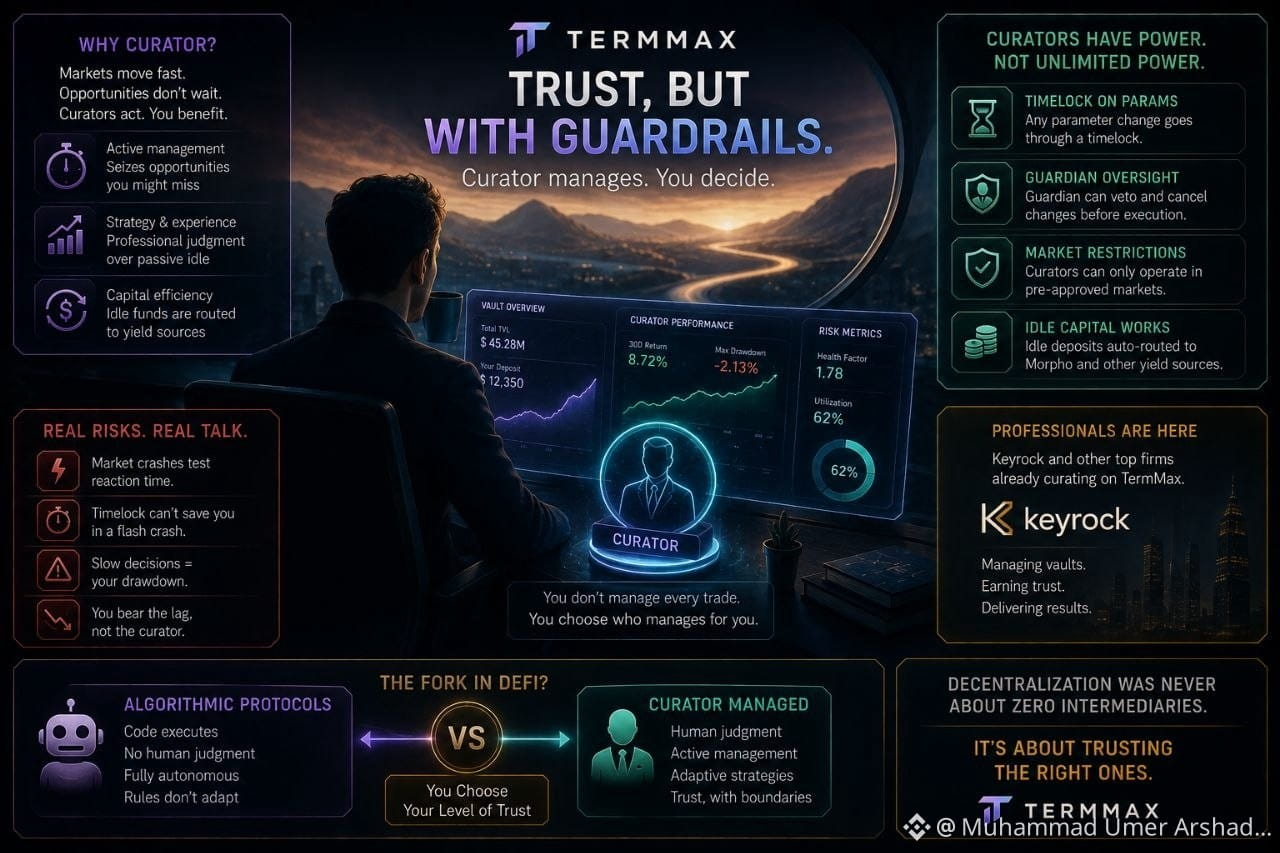
Kept digging into TermMax, and today it was the Curator role that stopped me cold. DeFi's whole pitch is cutting out middlemen, and here's a protocol handing fund management back to a person. Felt like a step backward before I'd even read the details.
Tried it anyway. Deposited into a vault and let it run without touching anything. The uncomfortable part wasn't the mechanism, it was the trust question underneath it. I pulled up the curator's on-chain history and honestly couldn't parse most of it. All I could really confirm was whether they'd lost money before. Sat with that uncertainty for a while before deciding it was fine.
Eventually it clicked, this is just what being a depositor actually means here. You're not removing trust, you're betting someone else's judgment beats sitting idle.
What eased it some was looking closer at what curators can't do. Parameter changes run through a timelock. A Guardian role can step in and cancel changes before they take effect. Curators are also restricted to pre-approved markets, they can't just wander into anything. On top of that, idle deposits get automatically routed into yield sources like Morpho, so capital isn't just sitting dead while waiting to be matched.
Still not fully settled on whether those guardrails hold up in a genuine crisis. A timelock doesn't help much in the middle of an active liquidation cascade. If a curator reacts too slowly, depositors absorb that lag regardless of what protections exist on paper.
Established names like Keyrock are already running curator vaults here, which at least tells me the skepticism isn't just mine.
My read: Curator might be DeFi's actual fork in the road, pure algorithmic protocols on one side, human-managed treasuries on the other. Decentralization was always meant to remove intermediaries you can't audit, not intermediaries themselves. That's where I'm landing on it for now.
@TermMax #TermMax #BinanceSquareTalks
Tried it anyway. Deposited into a vault and let it run without touching anything. The uncomfortable part wasn't the mechanism, it was the trust question underneath it. I pulled up the curator's on-chain history and honestly couldn't parse most of it. All I could really confirm was whether they'd lost money before. Sat with that uncertainty for a while before deciding it was fine.
Eventually it clicked, this is just what being a depositor actually means here. You're not removing trust, you're betting someone else's judgment beats sitting idle.
What eased it some was looking closer at what curators can't do. Parameter changes run through a timelock. A Guardian role can step in and cancel changes before they take effect. Curators are also restricted to pre-approved markets, they can't just wander into anything. On top of that, idle deposits get automatically routed into yield sources like Morpho, so capital isn't just sitting dead while waiting to be matched.
Still not fully settled on whether those guardrails hold up in a genuine crisis. A timelock doesn't help much in the middle of an active liquidation cascade. If a curator reacts too slowly, depositors absorb that lag regardless of what protections exist on paper.
Established names like Keyrock are already running curator vaults here, which at least tells me the skepticism isn't just mine.
My read: Curator might be DeFi's actual fork in the road, pure algorithmic protocols on one side, human-managed treasuries on the other. Decentralization was always meant to remove intermediaries you can't audit, not intermediaries themselves. That's where I'm landing on it for now.
@TermMax #TermMax #BinanceSquareTalks
確認済み
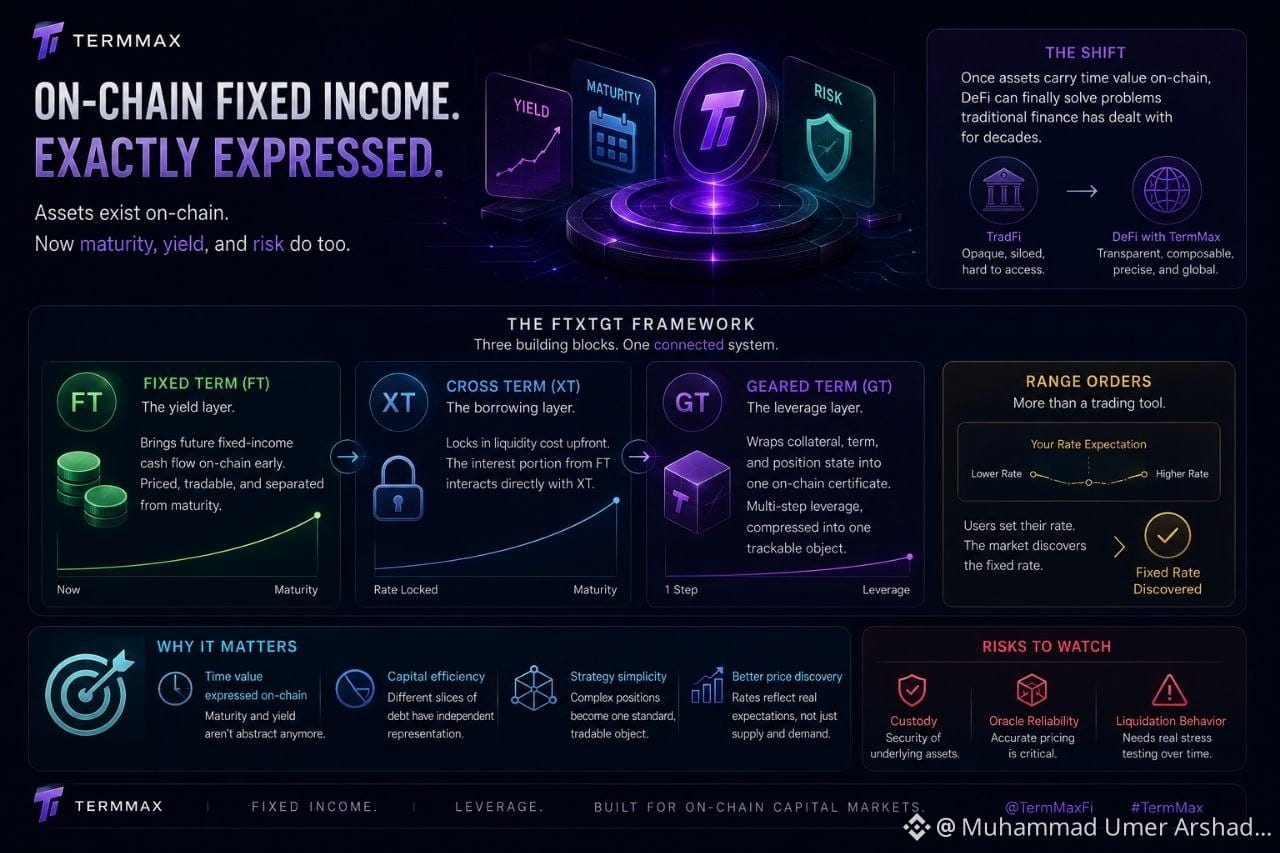
昨夜遅く、TermMaxのメモを整理していたところ、最初はただFT、XT、GTが実際にはどうつながっているのかを掴もうとしていました。結局、しばらくGTの章で足止めを食らい、ずっと頭から離れない疑問がありました。レバレッジをかけたポジションそのものを1つの取引可能なオブジェクトとして標準化できるなら、複雑な戦略の管理はずいぶん簡単になるのではないか、と。
その疑問が私をさらに深く引き込みました。TermMaxは、DeFiの既存の作法に後付けされた単なる貸借市場ではありません。DeFiが長年、静かに避けてきた何かに取り組んでいるのです。資産はオンチェーンに存在するのに、その資産の裏にある満期・利回り・リスクは、実際の精度をもって表現されることがほとんどありません。
FTは理解しやすいパーツでした。将来の固定利付キャッシュフローを、満期まで抽象的な約束として閉じ込めておくのではなく、早い段階でオンチェーン上に持ち込み、適切に価格付けされ、満期より前から取引可能にします。FTの中に含まれる利息部分は分離でき、XTと直接やり取りします。これにより、同じ債務の異なるスライスがそれぞれ独立した表現を持つわけです。
GTは、まさにそこが私の引っかかった部分でした。担保、期間、ポジション状態を1つのオンチェーン証明書にまとめて包み込むのです。従来は多段階の手作業によるレバレッジ手順が必要だったものが、単一の追跡可能なオブジェクトへ圧縮されます。そこで、設計全体の意図がようやく腑に落ちました。
レンジ・オーダーは、私の注意をまた別の方向へ向けました。単なる取引ツールとしてだけでなく、レート発見のメカニズムとしてです。多くのDeFi貸付では、レートは供給と需要に受動的に調整されますが、ユーザーは自分のレート期待を直接提示し、そこから市場が固定レートを見つけ出します。
カストディ、オラクルの信頼性、そして清算(リキデーション)の挙動は、時間をかけて本当のストレステストが必要です。それでも、コアとなる変化はどちらにせよ際立っています。オンチェーン資産が実際に時間価値を担えるようになった時、DeFiは、伝統的な金融が何十年も扱ってきた課題に触れ始めます。
だからこそ、この動向を注意深く見続ける理由があるのです。
@TermMax #TermMax
その疑問が私をさらに深く引き込みました。TermMaxは、DeFiの既存の作法に後付けされた単なる貸借市場ではありません。DeFiが長年、静かに避けてきた何かに取り組んでいるのです。資産はオンチェーンに存在するのに、その資産の裏にある満期・利回り・リスクは、実際の精度をもって表現されることがほとんどありません。
FTは理解しやすいパーツでした。将来の固定利付キャッシュフローを、満期まで抽象的な約束として閉じ込めておくのではなく、早い段階でオンチェーン上に持ち込み、適切に価格付けされ、満期より前から取引可能にします。FTの中に含まれる利息部分は分離でき、XTと直接やり取りします。これにより、同じ債務の異なるスライスがそれぞれ独立した表現を持つわけです。
GTは、まさにそこが私の引っかかった部分でした。担保、期間、ポジション状態を1つのオンチェーン証明書にまとめて包み込むのです。従来は多段階の手作業によるレバレッジ手順が必要だったものが、単一の追跡可能なオブジェクトへ圧縮されます。そこで、設計全体の意図がようやく腑に落ちました。
レンジ・オーダーは、私の注意をまた別の方向へ向けました。単なる取引ツールとしてだけでなく、レート発見のメカニズムとしてです。多くのDeFi貸付では、レートは供給と需要に受動的に調整されますが、ユーザーは自分のレート期待を直接提示し、そこから市場が固定レートを見つけ出します。
カストディ、オラクルの信頼性、そして清算(リキデーション)の挙動は、時間をかけて本当のストレステストが必要です。それでも、コアとなる変化はどちらにせよ際立っています。オンチェーン資産が実際に時間価値を担えるようになった時、DeFiは、伝統的な金融が何十年も扱ってきた課題に触れ始めます。
だからこそ、この動向を注意深く見続ける理由があるのです。
@TermMax #TermMax
確認済み
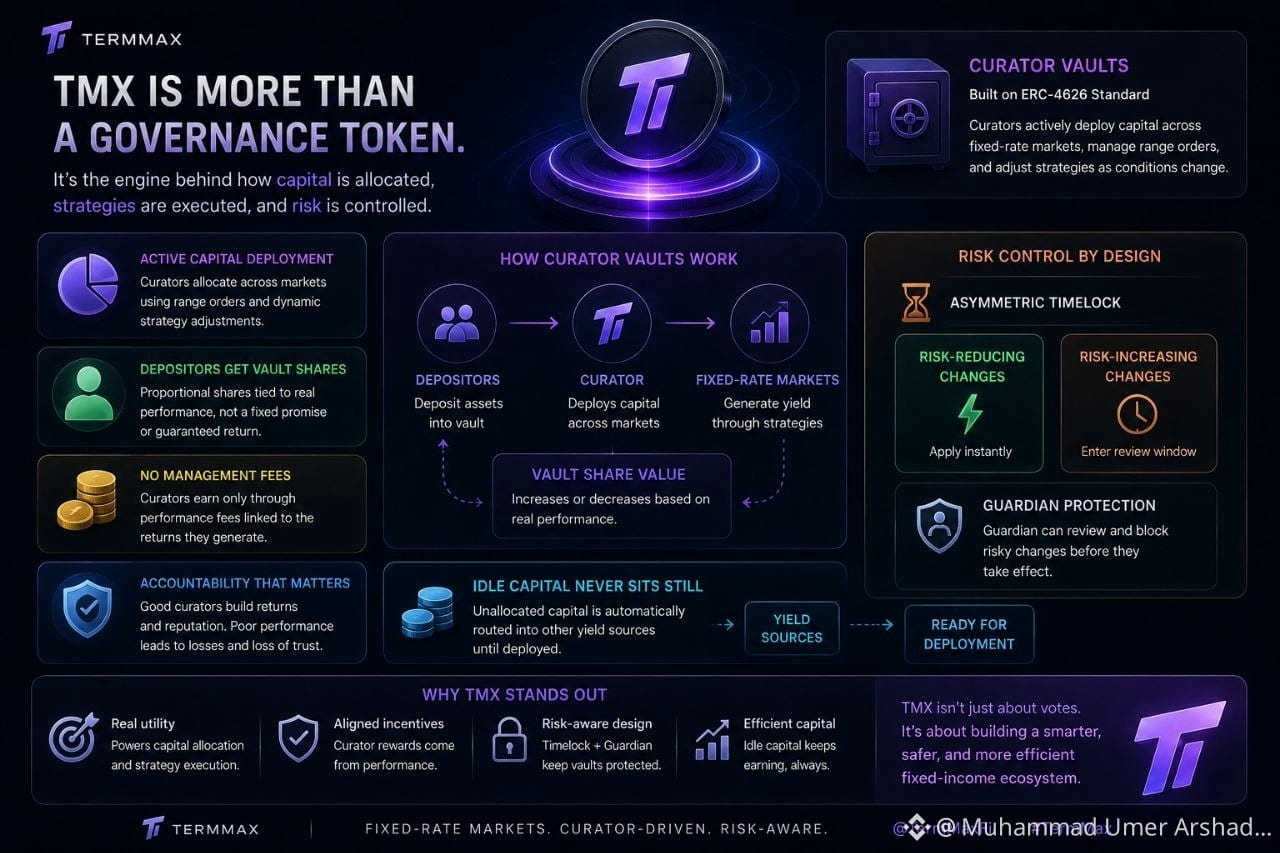
今週、見ていない間にたまたま急に動いた取引を逃しました。次のバズのサイクルを追いかける代わりに、TermMaxのTMX設計を実際に読み込む時間を使いました。そこで目についたのは「ガバナンストークン」というラベルそのものではなく、その下にどれだけ実際の機能が詰まっているかです。
理解する価値があるのはCurator Vaults(キュレーター・ボールト)です。これはトークンに単純な投票権をくっつけたものではありません。VaultsはERC-4626の標準に基づいており、キュレーターは預けられた資本を、固定金利の異なるマーケットに積極的に展開します。レンジ注文を実行し、条件が変われば戦略を調整し続けます。預け手には、固定の約束ではなく、実際のパフォーマンスに連動した比例配分のボールト・シェアが付与されます。
これが通常のDeFiガバナンスと違うのは、組み込まれた説明責任です。TermMaxはプロトコルの運営管理手数料を課しません。キュレーターの報酬は、彼らが生み出したリターンに直接結びつくパフォーマンスフィーのみです。良いキュレーターは報われ、弱いキュレーターは預けた資本と評判を失います。ボールトのパラメータ変更は非対称タイムロックを通して行われ、リスクを下げる変更は即時に適用されますが、リスクを高めるものはレビュー期間に入ります。この期間中、Guardianロールが介入して、発効前にブロックできます。
アイドル資本もただ寝かされるわけではありません。ポジションにマッチングされるまでの間、他の利回りソースへ自動的にルーティングされます。
だからこそ、TMXは典型的なガバナンストークンの売り文句以上に注目する価値があります。単に事後に行われる投票に紐づくのではなく、資本が実際にどのように配分され、どのようにリスクがレビューされるかに結びついているからです。
@TermMax #TermMax
理解する価値があるのはCurator Vaults(キュレーター・ボールト)です。これはトークンに単純な投票権をくっつけたものではありません。VaultsはERC-4626の標準に基づいており、キュレーターは預けられた資本を、固定金利の異なるマーケットに積極的に展開します。レンジ注文を実行し、条件が変われば戦略を調整し続けます。預け手には、固定の約束ではなく、実際のパフォーマンスに連動した比例配分のボールト・シェアが付与されます。
これが通常のDeFiガバナンスと違うのは、組み込まれた説明責任です。TermMaxはプロトコルの運営管理手数料を課しません。キュレーターの報酬は、彼らが生み出したリターンに直接結びつくパフォーマンスフィーのみです。良いキュレーターは報われ、弱いキュレーターは預けた資本と評判を失います。ボールトのパラメータ変更は非対称タイムロックを通して行われ、リスクを下げる変更は即時に適用されますが、リスクを高めるものはレビュー期間に入ります。この期間中、Guardianロールが介入して、発効前にブロックできます。
アイドル資本もただ寝かされるわけではありません。ポジションにマッチングされるまでの間、他の利回りソースへ自動的にルーティングされます。
だからこそ、TMXは典型的なガバナンストークンの売り文句以上に注目する価値があります。単に事後に行われる投票に紐づくのではなく、資本が実際にどのように配分され、どのようにリスクがレビューされるかに結びついているからです。
@TermMax #TermMax
DeFiで3年過ごしてきて、私の忍耐を実際に削っているのが低い利回りでも、利息でもないとすると──自分のお金がいつ戻ってくるのか分からないことです。
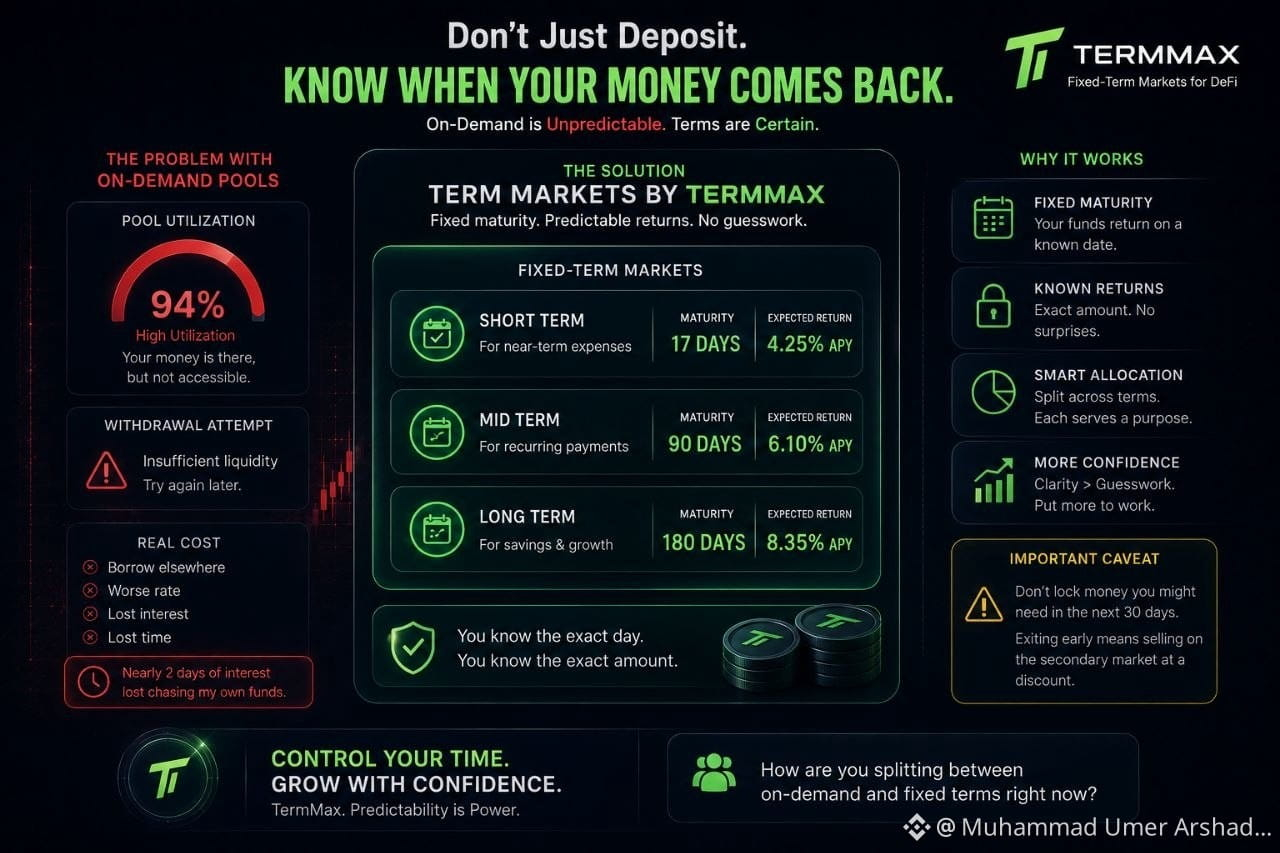
先月、私に起きたことを話します。変動金利のプールに資金を置いていて、17日に引き出してハードウェアの支払いに充てるつもりでした。2日前に引き出そうとしたところ、プールの利用率が94%になっていて、引き出せる残高はほとんどありませんでした。資金は技術的にはそこにあるのに、アクセスできないだけだったのです。埋め合わせのために、より悪いレートで他から借りるしかなくなりました。自分の資金を追いかけた結果、利息を約2日分失いました。
そこで、TermMaxの固定期間のマーケットでポジションを管理するように切り替えました。
オンデマンドのプールには構造的な問題があります。あなたの引き出しは、入金した瞬間に実際に保証されるわけではなく、その時点で同じプールに対してどれだけ他の人が借りているかに完全に左右されます。
ターム(期日)市場なら、その当てずっぽうが不要です。すべてのマーケットに固定の満期日があり、最初から明示されています。資金が戻ってくる正確な日と、正確な金額が分かります。私は今、預け入れを複数の期間に分散しています。近い出費には短め、繰り返しの支払いには中期、そして長めは「触らない貯蓄」として扱う。各バケットには役割があります。
最初は固定期間に抵抗がありました。多くの暗号資産ユーザーがそうです。お金を固定することは柔軟性を手放すように感じるからです。ですが実際に起きたのは逆でした。各部分がいつ戻ってくるかを正確に把握できたことで、待機しているだけの状態ではなく、より大きな割合を運用に回すことに安心して踏み切れました。
繰り返し1つ注意点があります:30日以内に必要になるかもしれない資金は、タームポジションに入れないでください。早期に退出することは、ディスカウントでセカンダリーマーケットに売ることを意味します。
あなたは今、オンデマンドと固定タームをどう分けていますか?
@TermMax #TermMax
先月、私に起きたことを話します。変動金利のプールに資金を置いていて、17日に引き出してハードウェアの支払いに充てるつもりでした。2日前に引き出そうとしたところ、プールの利用率が94%になっていて、引き出せる残高はほとんどありませんでした。資金は技術的にはそこにあるのに、アクセスできないだけだったのです。埋め合わせのために、より悪いレートで他から借りるしかなくなりました。自分の資金を追いかけた結果、利息を約2日分失いました。
そこで、TermMaxの固定期間のマーケットでポジションを管理するように切り替えました。
オンデマンドのプールには構造的な問題があります。あなたの引き出しは、入金した瞬間に実際に保証されるわけではなく、その時点で同じプールに対してどれだけ他の人が借りているかに完全に左右されます。
ターム(期日)市場なら、その当てずっぽうが不要です。すべてのマーケットに固定の満期日があり、最初から明示されています。資金が戻ってくる正確な日と、正確な金額が分かります。私は今、預け入れを複数の期間に分散しています。近い出費には短め、繰り返しの支払いには中期、そして長めは「触らない貯蓄」として扱う。各バケットには役割があります。
最初は固定期間に抵抗がありました。多くの暗号資産ユーザーがそうです。お金を固定することは柔軟性を手放すように感じるからです。ですが実際に起きたのは逆でした。各部分がいつ戻ってくるかを正確に把握できたことで、待機しているだけの状態ではなく、より大きな割合を運用に回すことに安心して踏み切れました。
繰り返し1つ注意点があります:30日以内に必要になるかもしれない資金は、タームポジションに入れないでください。早期に退出することは、ディスカウントでセカンダリーマーケットに売ることを意味します。
あなたは今、オンデマンドと固定タームをどう分けていますか?
@TermMax #TermMax
確認済み
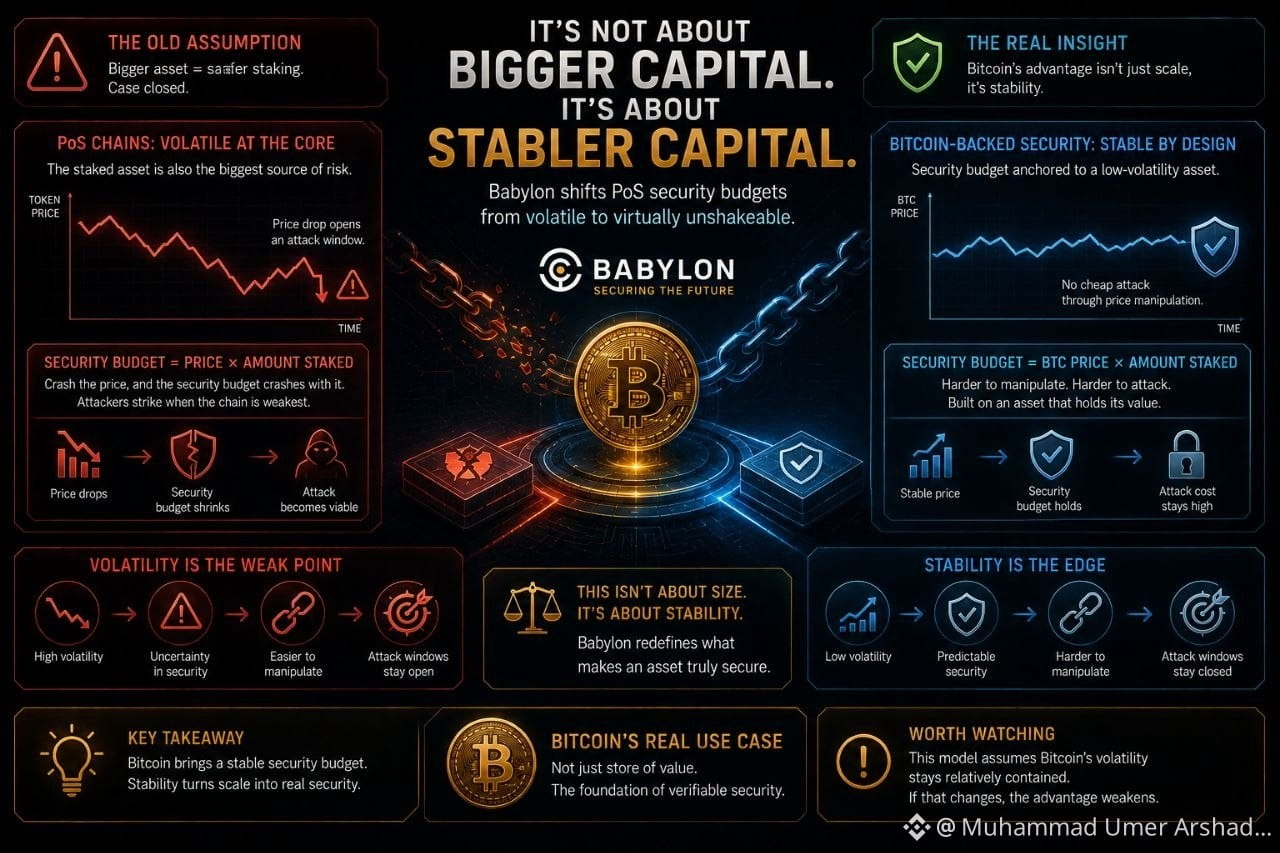
ある夜、バビロンのホワイトペーパーを読み漁っていて、ある数字に引っかかりました。時価総額が“兆”の単位の話です。最初の直感は単純で、「資産が大きいほどステーキングは安全、これで結論」と思いました。しかしすぐにその考えを捨てました。なぜなら、実際には自分が検証したことのない古い前提に寄りかかっていたからです。考え方を変えたのは、セクション2をちゃんと読み直したことでした。
私はずっと、ビットコインの優位性は純粋にスケール(規模)によるものだと考えていました。でも、ある一文がその考えを止めました。論文には、PoSチェーンのセキュリティはステークされる資産の時価総額の直接的な関数であり、急激な価格下落が現実の攻撃ウィンドウを開く、と書かれているのです。
その後、紙の上でロジックを整理してみました。セキュリティ予算は、ステークされる資産価格に、ステーク量を掛けたものです。ネイティブトークンの価格をクラッシュさせれば、セキュリティ予算も同時にクラッシュし、チェーンが最も弱いタイミングで攻撃者に道が開かれます。これは、すべてのPoSチェーンに組み込まれた構造的な欠陥であり、ステークされる資産が最大のリスク源でもある、ということです。ビットコインの比較的低いボラティリティは、その脆い方程式に対して“安定化装置”のように働きます。
バビロンが実際にやっているのは、より大きな資本を持ち込むことではありません。より“安定した資本”を持ち込むことです。セキュリティ予算のボラティリティのプロファイルを、値動きの激しいネイティブトークンではなくビットコイン側へと移します。攻撃者は、単に価格の投げ売りを待つだけで攻撃を安く成立させることができなくなります。なぜなら、裏側のステークが“操作しやすいアルトコイン”ではなくなるからです。
これは、予算の大きさを最適化しているのではなく、“本当に安全な資産”とは何かを再定義しています。サイズだけでは不十分で、サイズに安定性が組み合わさって初めて意味がある。ビットコインは、その特性に基づいた明確な実用例をようやく手に入れました。
正直に言って、これには一つ重要な前提があります。つまり、今後もビットコインのボラティリティが比較的抑えられた状態で推移する、という前提です。もしそれが変わって、BTCが値動きの激しいアルトコインのように振る舞い始めたら、この優位性はそれと一緒に弱くなります。とはいえ、その前提を引き続き厳しく見ています。
@BabylonLabs_io #baby $BABY
私はずっと、ビットコインの優位性は純粋にスケール(規模)によるものだと考えていました。でも、ある一文がその考えを止めました。論文には、PoSチェーンのセキュリティはステークされる資産の時価総額の直接的な関数であり、急激な価格下落が現実の攻撃ウィンドウを開く、と書かれているのです。
その後、紙の上でロジックを整理してみました。セキュリティ予算は、ステークされる資産価格に、ステーク量を掛けたものです。ネイティブトークンの価格をクラッシュさせれば、セキュリティ予算も同時にクラッシュし、チェーンが最も弱いタイミングで攻撃者に道が開かれます。これは、すべてのPoSチェーンに組み込まれた構造的な欠陥であり、ステークされる資産が最大のリスク源でもある、ということです。ビットコインの比較的低いボラティリティは、その脆い方程式に対して“安定化装置”のように働きます。
バビロンが実際にやっているのは、より大きな資本を持ち込むことではありません。より“安定した資本”を持ち込むことです。セキュリティ予算のボラティリティのプロファイルを、値動きの激しいネイティブトークンではなくビットコイン側へと移します。攻撃者は、単に価格の投げ売りを待つだけで攻撃を安く成立させることができなくなります。なぜなら、裏側のステークが“操作しやすいアルトコイン”ではなくなるからです。
これは、予算の大きさを最適化しているのではなく、“本当に安全な資産”とは何かを再定義しています。サイズだけでは不十分で、サイズに安定性が組み合わさって初めて意味がある。ビットコインは、その特性に基づいた明確な実用例をようやく手に入れました。
正直に言って、これには一つ重要な前提があります。つまり、今後もビットコインのボラティリティが比較的抑えられた状態で推移する、という前提です。もしそれが変わって、BTCが値動きの激しいアルトコインのように振る舞い始めたら、この優位性はそれと一緒に弱くなります。とはいえ、その前提を引き続き厳しく見ています。
@BabylonLabs_io #baby $BABY
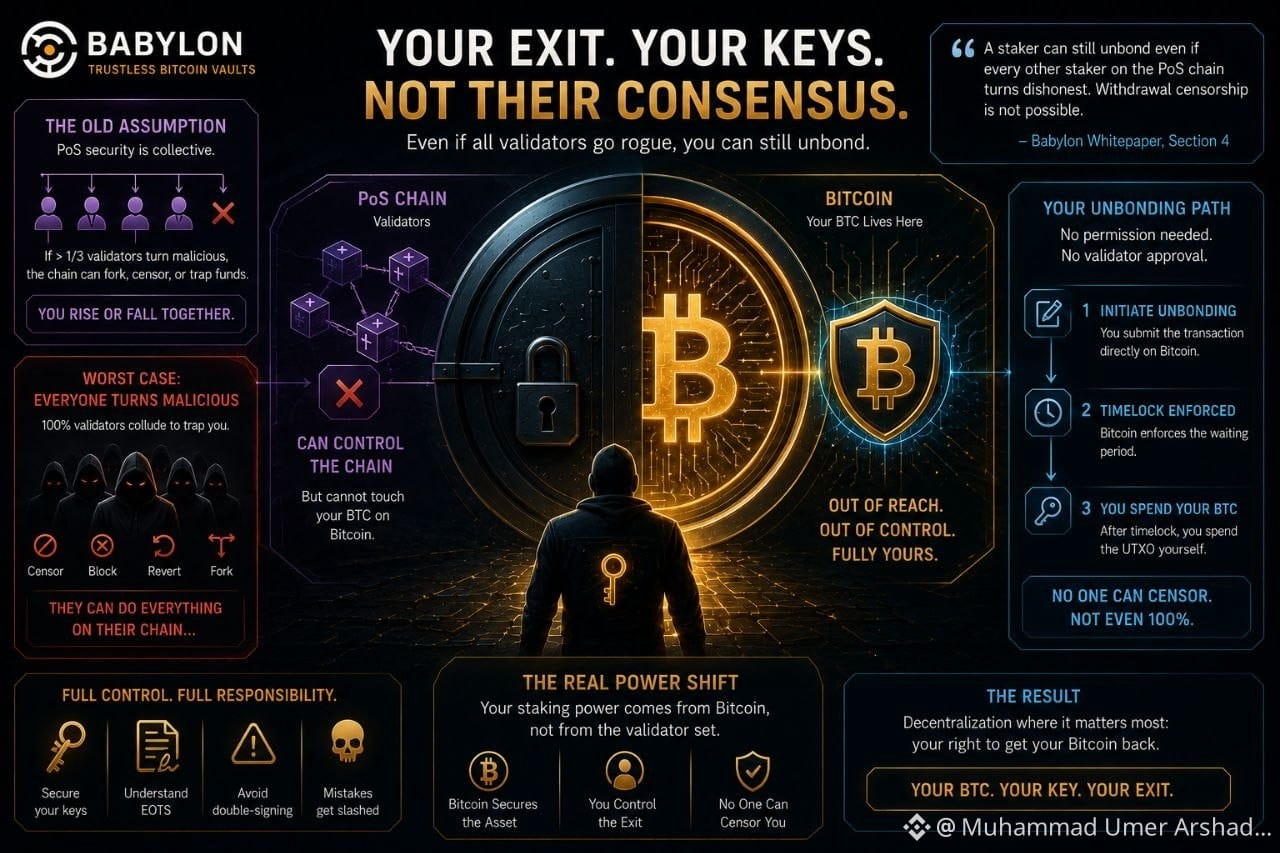
PoSのセキュリティに関する私の前提は常に「集団的なもの」で、安全は多数派が正直であり続けることにかかっている、というものでした。もしバリデータの3分の1超が悪意を持つようになれば、チェーンはフォークし、ステーカーは罰せられたり一緒に閉じ込められたりして、結果のダメージは皆で分け合う——そう感じていました。これは、ステーキングの仕組みについての当然の真実だと思っていたのですが、Babylonのホワイトペーパー第4節の1行で、読み進める手を止めさせられました。
その正確な文言が頭に残りました。「PoSチェーン上の他のすべてのステーカーが不誠実になったとしても、ステーカーはアンボンド(脱ステーク)できる。出金の検閲は不可能である。」二度読みました。「多数なら可能性がある」ではなく、「不可能」と書いてあるのです。「起こりにくい」でもなく「不可能」です。つまり、あなたの退出をブロックすることに全員合意した、完全に腐敗したバリデータ集合であっても、あなたがBTCを取り戻すことを止められないという意味です。
なぜこれが機能するのか理解するのに時間がかかりました。トリックはBabylonがPoSチェーン上で何をするかではなく、ステークされた資産が実際にどこに存在するかにあります。それはPoSチェーンそのものではなくBitcoin上にあります。だから、悪意を持つバリデータ集合は自分たちのチェーン上のあらゆるトランザクションを制御できますが、BitcoinのUTXOには一切手が届きません。アンボンドはBitcoin上で直接開始され、PoSチェーンからの承認は、どの時点でも必要ありません。
たとえば、鍵の仕組みを家主がBitcoinそのものに溶接してしまっていて、鍵を持っているのはあなただけ、というイメージです。隣人たちが共謀してあなたを中に閉じ込めようとしても、それでもあなたは外に出られます。これは、集団的なセキュリティが最適化されたという話ではなく、個々のステーカーの権限が、グループのコンセンサスから完全に切り離された場所に実際に存在することを、再定義しているのです。
ただしトレードオフも現実にあります。あなたは自分自身の鍵を管理し、EOTSが実際にどう機能するかを理解する責任があります。鍵を漏らす、あるいは不注意で二重署名してしまえば、罰せられ(スラッシュされ)ます。完全なコントロールには、完全な責任が伴うのです。
@BabylonLabs_io #baby $BABY
その正確な文言が頭に残りました。「PoSチェーン上の他のすべてのステーカーが不誠実になったとしても、ステーカーはアンボンド(脱ステーク)できる。出金の検閲は不可能である。」二度読みました。「多数なら可能性がある」ではなく、「不可能」と書いてあるのです。「起こりにくい」でもなく「不可能」です。つまり、あなたの退出をブロックすることに全員合意した、完全に腐敗したバリデータ集合であっても、あなたがBTCを取り戻すことを止められないという意味です。
なぜこれが機能するのか理解するのに時間がかかりました。トリックはBabylonがPoSチェーン上で何をするかではなく、ステークされた資産が実際にどこに存在するかにあります。それはPoSチェーンそのものではなくBitcoin上にあります。だから、悪意を持つバリデータ集合は自分たちのチェーン上のあらゆるトランザクションを制御できますが、BitcoinのUTXOには一切手が届きません。アンボンドはBitcoin上で直接開始され、PoSチェーンからの承認は、どの時点でも必要ありません。
たとえば、鍵の仕組みを家主がBitcoinそのものに溶接してしまっていて、鍵を持っているのはあなただけ、というイメージです。隣人たちが共謀してあなたを中に閉じ込めようとしても、それでもあなたは外に出られます。これは、集団的なセキュリティが最適化されたという話ではなく、個々のステーカーの権限が、グループのコンセンサスから完全に切り離された場所に実際に存在することを、再定義しているのです。
ただしトレードオフも現実にあります。あなたは自分自身の鍵を管理し、EOTSが実際にどう機能するかを理解する責任があります。鍵を漏らす、あるいは不注意で二重署名してしまえば、罰せられ(スラッシュされ)ます。完全なコントロールには、完全な責任が伴うのです。
@BabylonLabs_io #baby $BABY
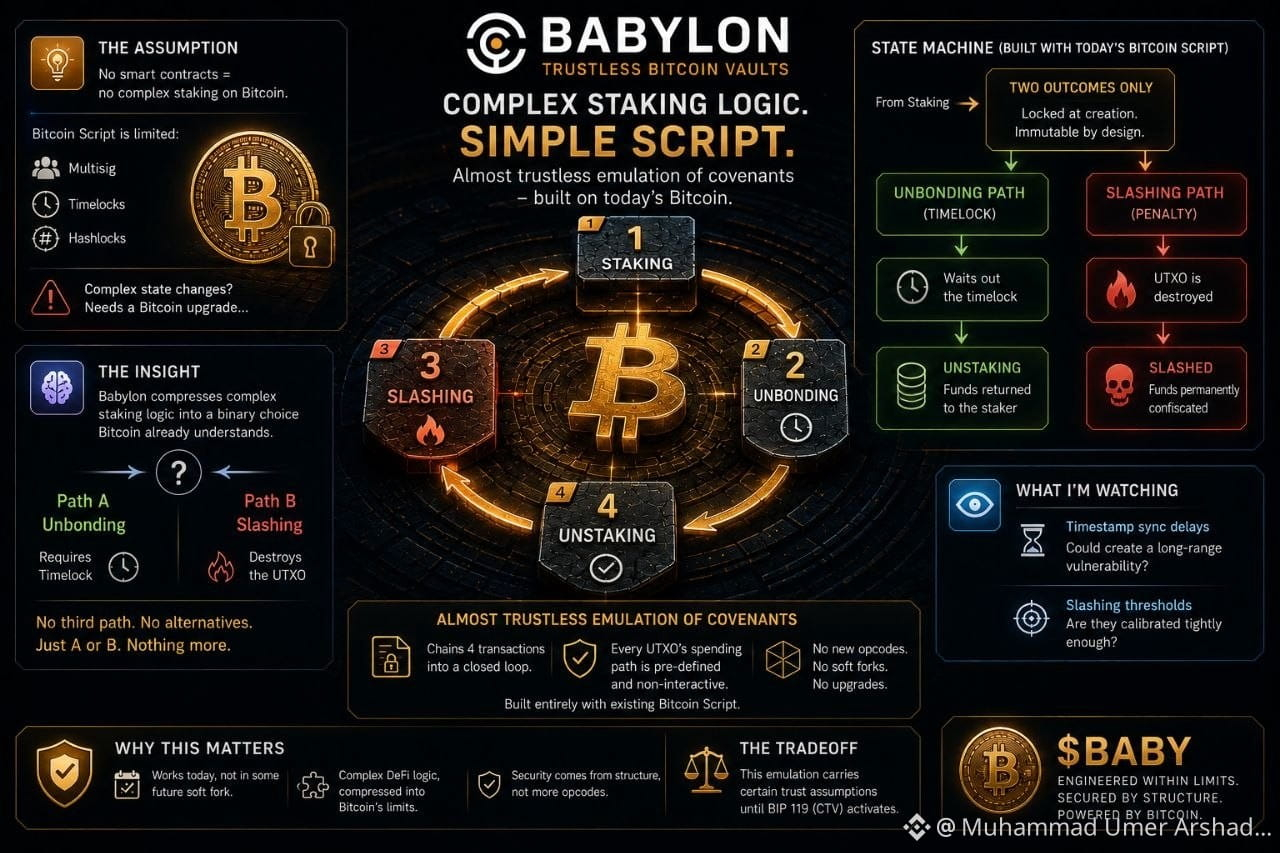
私のこれまでの前提は単純でした。「スマートコントラクトがないなら、ビットコイン上で複雑なステーキングロジックは存在しない」。ビットコインのスクリプトは基本的な条件、マルチシグ、タイムロック、ハッシュロックを扱うところまでが限界です。ですから、バビロンがステーキング、アンボンディング、スラッシングの状態を切り替えられると主張していたとき、私は「これが機能するには、少なくとも OP_CHECKTEMPLATEVERIFY のようなビットコインのアップグレードが必要なのでは」と最初に考えました。
しかし、彼らのホワイトペーパーのセクション7.1にある、いわゆる“共犯的(covenants)制約の、ほぼ信頼不要なエミュレーション”について述べている特定の一文に行き当たり、その言葉で立ち止まって、自分でも改めてステートマシンを描き直しました。
結論として、バビロンは将来のアップグレードを待っていません。既存のビットコイン・スクリプトだけで、4つの取引を連鎖させることで機能します。ステーキング、アンボンディング、スラッシング、アンステーキングまでを閉じたループにしているのです。各UTXOの支出経路は、ちょうど2つの結果に厳密に固定されています。タイムロックを必要とするアンボンディングか、それを破壊するスラッシングのどちらか。ほかに選択肢はありません。第三の道は存在しないのです。
これはビットコイン・スクリプトがより強力になったという話ではありません。逆です。ビットコインの限られたスクリプト機能の範囲に収まるまで、あらゆる用途を圧縮しているのです。ここでの本質的な洞察は「より強い言語」ではなく、「言語そのものの限界を踏まえて組み上げた、より賢い構造」です。複雑なステーキングロジックは、ビットコインがすでに理解できる二択にまで還元されます。経路Aか経路Bか、ただそれだけ。
ただし、このトレードオフについては正直に言うべきでしょう。このエミュレーションには、BIP 119のようなものが正式に有効化されるまで、一定の信頼前提が付きまといます。実運用の中で、継続的な敵対的圧力に耐えられるかどうか――それは私も注意深く見ています。
@BabylonLabs_io #baby $BABY
しかし、彼らのホワイトペーパーのセクション7.1にある、いわゆる“共犯的(covenants)制約の、ほぼ信頼不要なエミュレーション”について述べている特定の一文に行き当たり、その言葉で立ち止まって、自分でも改めてステートマシンを描き直しました。
結論として、バビロンは将来のアップグレードを待っていません。既存のビットコイン・スクリプトだけで、4つの取引を連鎖させることで機能します。ステーキング、アンボンディング、スラッシング、アンステーキングまでを閉じたループにしているのです。各UTXOの支出経路は、ちょうど2つの結果に厳密に固定されています。タイムロックを必要とするアンボンディングか、それを破壊するスラッシングのどちらか。ほかに選択肢はありません。第三の道は存在しないのです。
これはビットコイン・スクリプトがより強力になったという話ではありません。逆です。ビットコインの限られたスクリプト機能の範囲に収まるまで、あらゆる用途を圧縮しているのです。ここでの本質的な洞察は「より強い言語」ではなく、「言語そのものの限界を踏まえて組み上げた、より賢い構造」です。複雑なステーキングロジックは、ビットコインがすでに理解できる二択にまで還元されます。経路Aか経路Bか、ただそれだけ。
ただし、このトレードオフについては正直に言うべきでしょう。このエミュレーションには、BIP 119のようなものが正式に有効化されるまで、一定の信頼前提が付きまといます。実運用の中で、継続的な敵対的圧力に耐えられるかどうか――それは私も注意深く見ています。
@BabylonLabs_io #baby $BABY
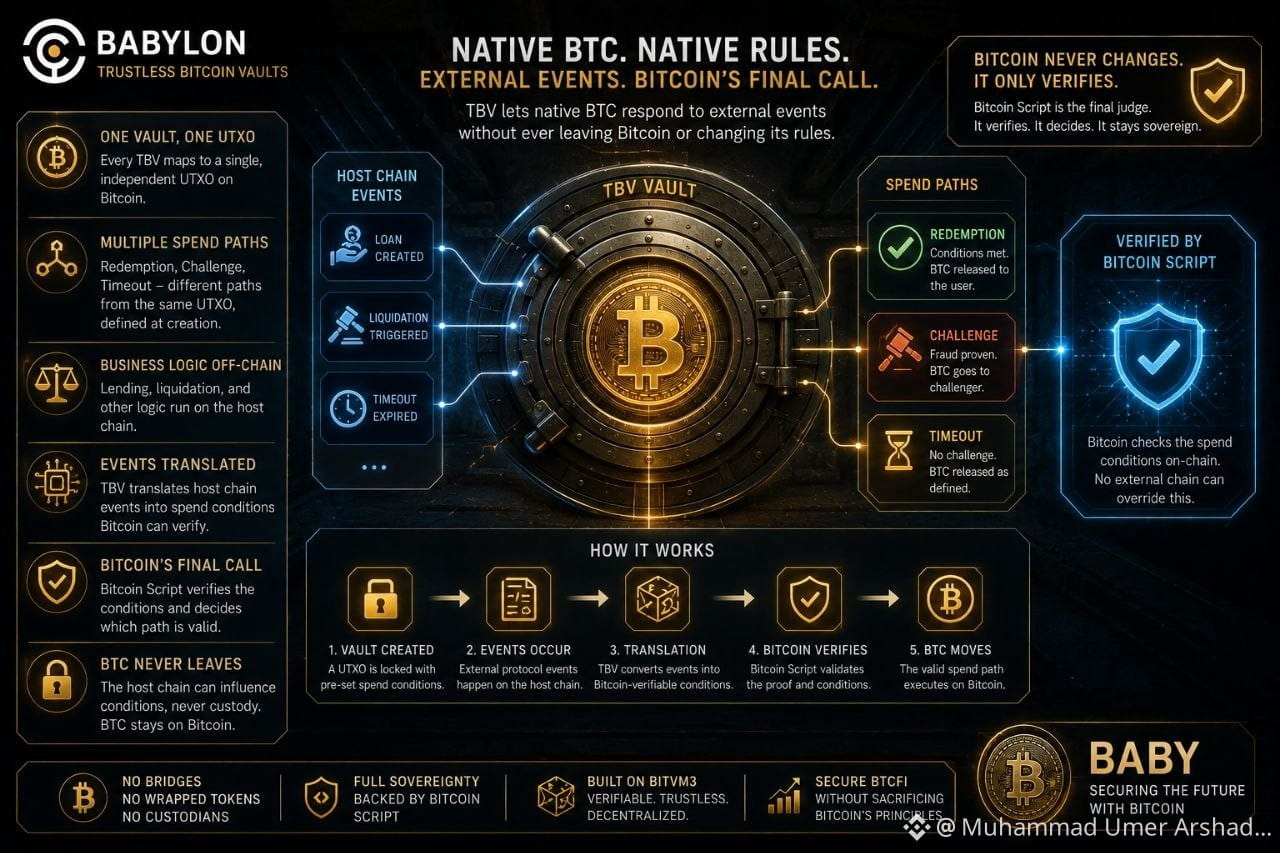
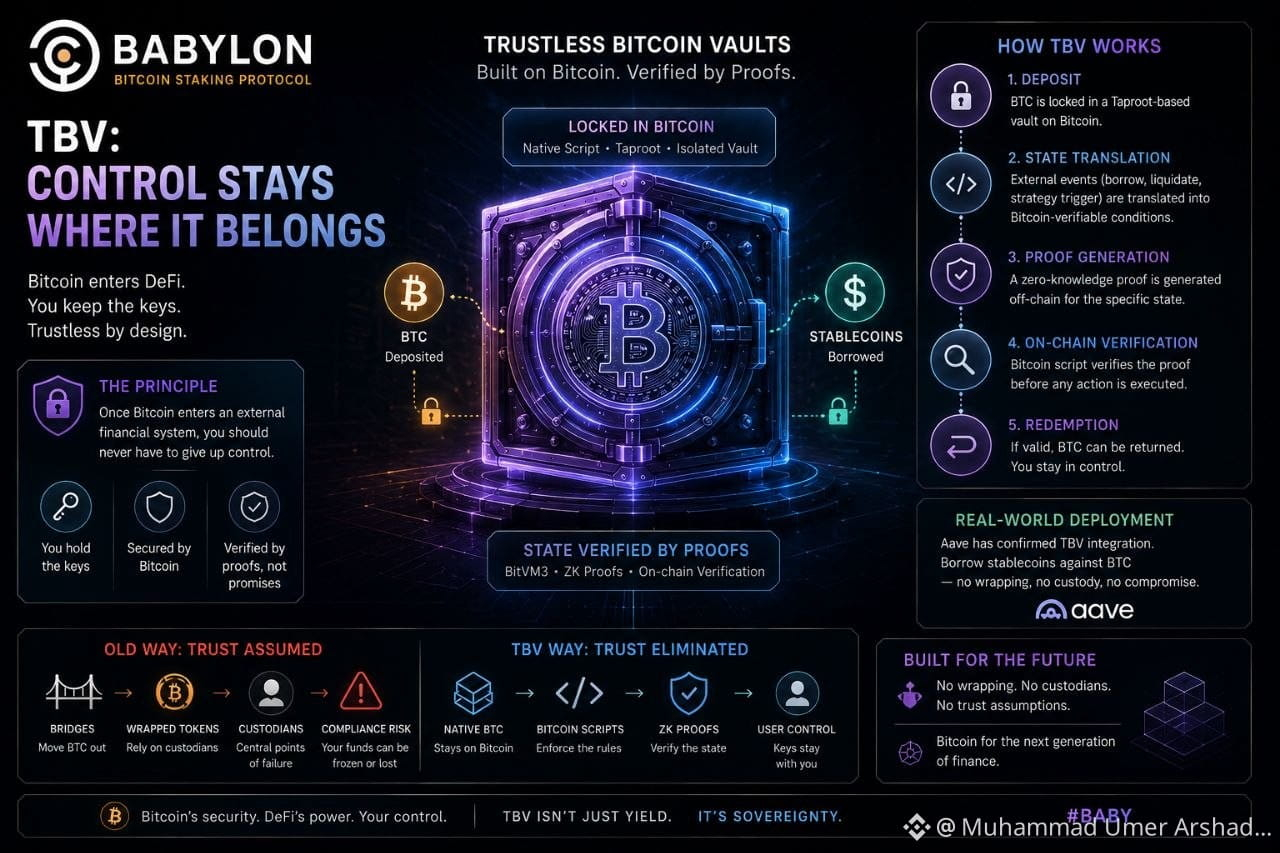
TBVに引き戻され続けたのは、新しいBTCFiプロダクトの約束ではなく、デザインのかなりの部分が「ビットコインが自分自身の検証ルールを決して変えないこと」に依存しているのを見て取れたからでした。ビットコインはスマートコントラクトを実行せず、別のチェーンがローンや清算を完了したからといって、BTCの支払い条件を変更することもしません。TBVが本当に解決しているのは、ネイティブBTCが、決してその一線を越えずに、外部で検証された出来事に安全に応答できるようにすることです。
今回はホワイトペーパーの「金庫(vault)」の図をちゃんと最初から辿り直したら、どこにでも同じパターンが現れました。すべての金庫は、1つの独立したUTXOに対応しています。償還(Redemption)、チャレンジ(Challenge)、タイムアウト(Timeout)は3つの別々のシステムではなく、同じUTXOから分岐する異なるspendパスであり、金庫が作られた瞬間にすべて定義されています。実際のビジネスロジックはホストチェーン上で実行されます。TBVは、それらのホストチェーン上の出来事を、ビットコインが自らの証明メカニズムで検証できるspend条件へと翻訳します。そこから先は、ビットコインのスクリプトだけが、そのUTXOが割り当てられたパスを満たすかどうかを判断します。いかなる時点でも、ホストチェーンがBTCそのものを支配することはありません。影響できるのは検証条件までで、資産ではありません。
それで、「Trustless Bitcoin Vaults(信頼不要のビットコイン金庫)」という繰り返し強調が、ようやく私の中で腑に落ちました。TBVはBTCを新しいセキュリティモデルへ移行しているのではなく、ビットコインに対して外部の何かを信じさせようともしていません。ビットコインは、自分自身のルールのもとで最終判断を下し続けます。これまで第三者の判断に依存していたものが、今ではプロトコルのロジックに依存するのです。
今後は、@BabylonLabs_io と$BABY を注意深く見守りますが、次のアプリのローンチのためではありません。長期的に本当に重要なのは、この金庫メカニズムが実際の過酷なストレス下でも成り立つかどうか、つまり、ネイティブBTCが安全に複雑なオンチェーンの仕組みに参加できる一方で、ビットコイン自身は決して自分のルールを曲げないことを、証明できるかです。
#baby
今回はホワイトペーパーの「金庫(vault)」の図をちゃんと最初から辿り直したら、どこにでも同じパターンが現れました。すべての金庫は、1つの独立したUTXOに対応しています。償還(Redemption)、チャレンジ(Challenge)、タイムアウト(Timeout)は3つの別々のシステムではなく、同じUTXOから分岐する異なるspendパスであり、金庫が作られた瞬間にすべて定義されています。実際のビジネスロジックはホストチェーン上で実行されます。TBVは、それらのホストチェーン上の出来事を、ビットコインが自らの証明メカニズムで検証できるspend条件へと翻訳します。そこから先は、ビットコインのスクリプトだけが、そのUTXOが割り当てられたパスを満たすかどうかを判断します。いかなる時点でも、ホストチェーンがBTCそのものを支配することはありません。影響できるのは検証条件までで、資産ではありません。
それで、「Trustless Bitcoin Vaults(信頼不要のビットコイン金庫)」という繰り返し強調が、ようやく私の中で腑に落ちました。TBVはBTCを新しいセキュリティモデルへ移行しているのではなく、ビットコインに対して外部の何かを信じさせようともしていません。ビットコインは、自分自身のルールのもとで最終判断を下し続けます。これまで第三者の判断に依存していたものが、今ではプロトコルのロジックに依存するのです。
今後は、@BabylonLabs_io と$BABY を注意深く見守りますが、次のアプリのローンチのためではありません。長期的に本当に重要なのは、この金庫メカニズムが実際の過酷なストレス下でも成り立つかどうか、つまり、ネイティブBTCが安全に複雑なオンチェーンの仕組みに参加できる一方で、ビットコイン自身は決して自分のルールを曲げないことを、証明できるかです。
#baby
先週末、友だちと電話しながら近況を話していたら、彼がふと「@BabylonLabs_io のTrustless Bitcoin Vaultsを読んでいた」と口にしたんです。私はただ別の利回り商品だと思って話を続けていました。今週になって資料をちゃんと読み直したところ、最初の理解が間違っていました。これは利回りの売り込みではありません。
TBVは、BTCがどうやって利息を得るのかを聞いているわけではありません。より根本的な問いを扱っています。ビットコインが外部の金融システムに入ったとき、ユーザーは本当にコントロールを維持できるのか? 以前の解決策はブリッジ、ラップトトークン、そしてカストディアンがあなたの代わりに状態を同期することに頼っていました。機能は増えますが、追加される機能のたびに、その上にもう一つ信頼前提が積み重なっていきます。TBVはまったく別の経路を取っていて、ビットコイン自身のスクリプトとアウトプット構造を通じてBTCをロックします。各バル トは互いに分離され、プールされることはありません。
理解に一番時間がかかったのは、状態がどのように受け渡されるのかでした。ビットコインには、融資、清算、あるいは戦略のトリガーといった概念が最初から組み込まれていません。外部のあらゆる出来事は、ビットコインのスクリプト自身が検証できる形に翻訳される必要があります。BitVM3の上に構築されたTBVは、計算の大半をオフチェーンに逃がし、オンチェーンでは圧縮された証明結果のみを検証します。償還には、特定の状態イベントに紐づいたゼロ知識証明が必要で、何かが動く前に検証されます。これは、本物の資産のふりをするラップド・アセットではありません。
Aaveは、このまさに同じ仕組みでの統合をすでに確認しています。ユーザーはBTCに対してステーブルコインを借り入れられます。ラップもありませんし、鍵を渡す必要もありません。現時点で私たちが持っている最も明確な実運用の形です。スケールさせるには、効率やセキュリティ面を注意深く見守る必要がありますが、方向性は正しい。BTCが複雑なユースケースに使われるようになっても、これまで必要としなかった信頼を継承してしまうべきではありません。
#baby $BABY
TBVは、BTCがどうやって利息を得るのかを聞いているわけではありません。より根本的な問いを扱っています。ビットコインが外部の金融システムに入ったとき、ユーザーは本当にコントロールを維持できるのか? 以前の解決策はブリッジ、ラップトトークン、そしてカストディアンがあなたの代わりに状態を同期することに頼っていました。機能は増えますが、追加される機能のたびに、その上にもう一つ信頼前提が積み重なっていきます。TBVはまったく別の経路を取っていて、ビットコイン自身のスクリプトとアウトプット構造を通じてBTCをロックします。各バル トは互いに分離され、プールされることはありません。
理解に一番時間がかかったのは、状態がどのように受け渡されるのかでした。ビットコインには、融資、清算、あるいは戦略のトリガーといった概念が最初から組み込まれていません。外部のあらゆる出来事は、ビットコインのスクリプト自身が検証できる形に翻訳される必要があります。BitVM3の上に構築されたTBVは、計算の大半をオフチェーンに逃がし、オンチェーンでは圧縮された証明結果のみを検証します。償還には、特定の状態イベントに紐づいたゼロ知識証明が必要で、何かが動く前に検証されます。これは、本物の資産のふりをするラップド・アセットではありません。
Aaveは、このまさに同じ仕組みでの統合をすでに確認しています。ユーザーはBTCに対してステーブルコインを借り入れられます。ラップもありませんし、鍵を渡す必要もありません。現時点で私たちが持っている最も明確な実運用の形です。スケールさせるには、効率やセキュリティ面を注意深く見守る必要がありますが、方向性は正しい。BTCが複雑なユースケースに使われるようになっても、これまで必要としなかった信頼を継承してしまうべきではありません。
#baby $BABY
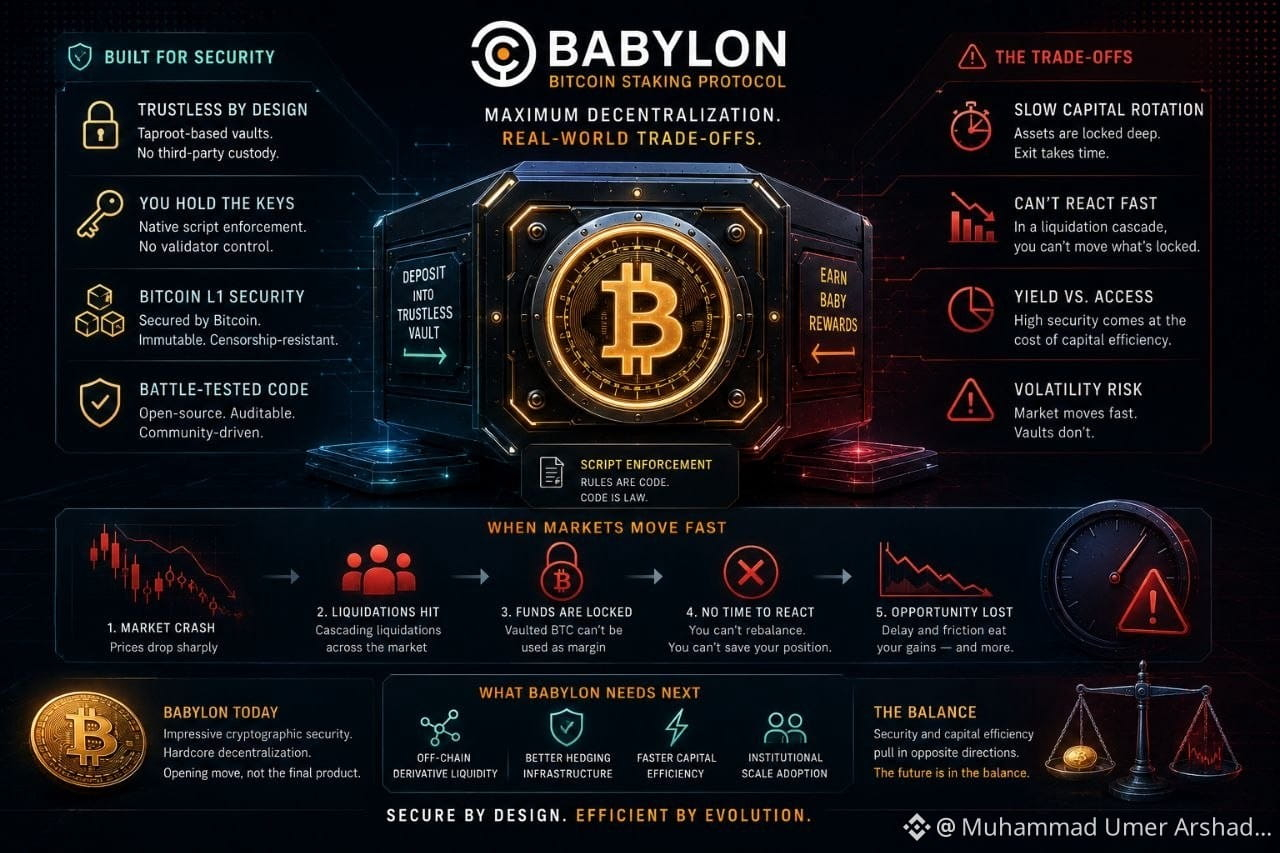
スポットとパーペットのアービトラージを10年続けて学んだことはひとつです。コールドストレージに眠っているBTCは、無駄な資本のように感じる。一方で、クロスチェーンのマッピングで利回りを追いかける行為は、あまりにも多くの人からポジションを丸ごと奪ってきました。私はブリッジが吸い上げられたり、マルチシグの仕組みが一夜で消し飛んだりするのを見てきました。だから、ようやく@BabylonLabs_io をちゃんと調べる腰を据えたときは、半信半疑でした。そこで見つかったのは、分散化に対する本気の、近道なしのアプローチでした。さらに、自分自身の取引モデルで回してみると、この種の安全性には実際のコストが伴うこともわかりました。
Taprootベースの信託レス・ボールト(信託なしの金庫)に預けることで、第三者によるカストディを完全に排除できます。バリデータはあなたの鍵を保持しません。すべてがネイティブなスクリプトの強制で動作します。この部分は堅いです。ですが、今週の極端なボラティリティの想定でストレステストしてみると、トレードオフがすぐに明白になりました。これほど深く資産をロックすると、ローテーション速度が犠牲になります。マージンを積極的に運用する人にとっては、その差が効いてきます。
たとえば、夜間に鋭い清算カスケードが起きるとします。このレベルで厳密に隔離された資産は、緊急のマージンとしてすぐに引き出せません。残高には資金があるように見えても、実際にリバランスが必要になったときには触れられないのです。その遅れと、それが生む摩擦が、最初に得たステーキングの利回りを静かに相殺してしまうことがあります。
ここでの暗号学的セキュリティは本当に目を見張るものです。反論の余地はありません。ですが、実市場では、セキュリティと資本効率は真逆の方向に引っ張り合います。$BABY のエコシステムが、規模で本当の機関投資家資本を解放するには、防御だけでは答えになりません。ヘッジを適切に行うための、オフチェーンのデリバティブ流動性がそれに見合って必要です。現状は、完成品というより「最初の一手」に見えます。
#baby $BABY
Taprootベースの信託レス・ボールト(信託なしの金庫)に預けることで、第三者によるカストディを完全に排除できます。バリデータはあなたの鍵を保持しません。すべてがネイティブなスクリプトの強制で動作します。この部分は堅いです。ですが、今週の極端なボラティリティの想定でストレステストしてみると、トレードオフがすぐに明白になりました。これほど深く資産をロックすると、ローテーション速度が犠牲になります。マージンを積極的に運用する人にとっては、その差が効いてきます。
たとえば、夜間に鋭い清算カスケードが起きるとします。このレベルで厳密に隔離された資産は、緊急のマージンとしてすぐに引き出せません。残高には資金があるように見えても、実際にリバランスが必要になったときには触れられないのです。その遅れと、それが生む摩擦が、最初に得たステーキングの利回りを静かに相殺してしまうことがあります。
ここでの暗号学的セキュリティは本当に目を見張るものです。反論の余地はありません。ですが、実市場では、セキュリティと資本効率は真逆の方向に引っ張り合います。$BABY のエコシステムが、規模で本当の機関投資家資本を解放するには、防御だけでは答えになりません。ヘッジを適切に行うための、オフチェーンのデリバティブ流動性がそれに見合って必要です。現状は、完成品というより「最初の一手」に見えます。
#baby $BABY
Binance 9周年おめでとう!🎉🕯️
9年でゼロから絶対的なレジェンドへ……なんて旅なんだ!このケーキは、すべての機会、イノベーション、そして最高の空気感に対する私からの小さな「ありがとう」の気持ちです。
10年目、そしてその先も一緒に築いていこう!
みんな他にもお祝いしてる?Binanceチームなら 💛 をつけてね!
#BinanceTurns9 #BinanceSquareTG
9年でゼロから絶対的なレジェンドへ……なんて旅なんだ!このケーキは、すべての機会、イノベーション、そして最高の空気感に対する私からの小さな「ありがとう」の気持ちです。
10年目、そしてその先も一緒に築いていこう!
みんな他にもお祝いしてる?Binanceチームなら 💛 をつけてね!
#BinanceTurns9 #BinanceSquareTG

一部該当
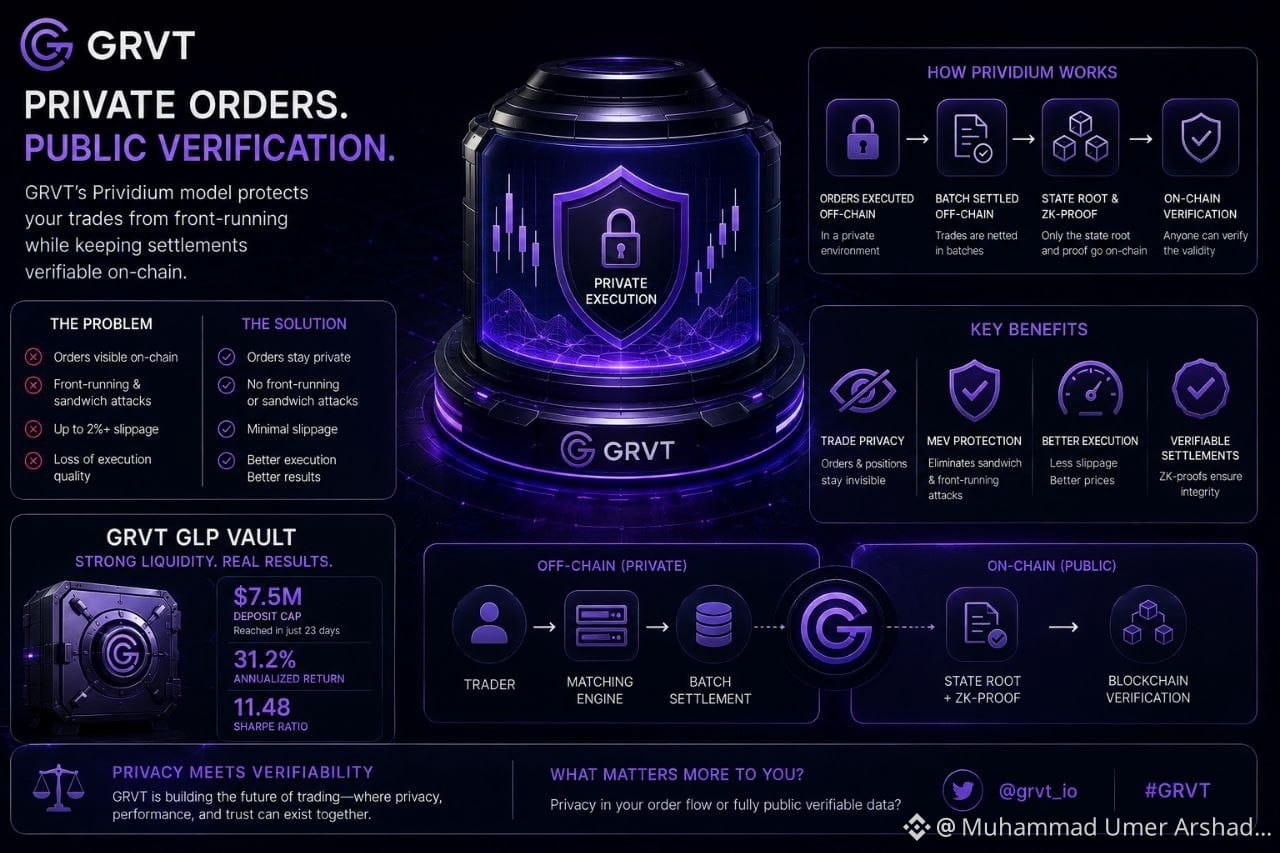
先週、公開のオーダーブックで挟まれてしまい、1回の取引でスリッページによって約2%を失いました。だからこそ、マーケティングページを眺めるだけではなく、GRVTのPrividiumの仕組みを実際に掘り下げることになったんです。
このモデルは、従来のDEXの前提をひっくり返します。誰でも見えて前読みできるように、すべての注文をオンチェーンでブロードキャストするのではなく、実行はオフチェーンのプライベート環境で行われます。チェーンに送られるのは、状態ルートと、バッチが正しく決済されたことを示すゼロ知識証明だけ。つまり、あなたのポジションや注文の詳細は見えないままで、サンドイッチボットやフロントランナーが依存している攻撃面の大部分が遮断されます。さらに、本人確認や非取引データも、決済と同じパイプにまとめず別管理にしている点も特徴です。
注目を集めたのは、流動性の数値そのものでした。GRVTのGLPバルブは、23日で700万5,000ドルの預託上限に到達し、年率31.2%のリターン、Sharpe比は11.48でした。Sharpeの値は異常に高いので、二度確認しましたが、出所の違う複数の情報でも整合していました。
ただ、トレードオフについては率直に言っておくべきですね。プライバシーのアーキテクチャでは、オフチェーンのデータはオペレーター側に置かれます。完全に公開されたチェーンでできるように、あなたが個別の取引を独立して取り出して検証することはできません。信頼は、ルールに従い、zk証明が成立していることを支えるオペレーターへと移ります。これは、生のオンチェーンの透明性とは別種の信頼です。
GRVTが実際に取り組んでいるのは、単に高速な実行だけではなさそうです。公開可能な検証性と、取引プライバシーの境界がどこにあるのかを見極め、その両方が、一方を犠牲にすることなく共存できるかどうかを探っているように見えます。
あなたにとって重要なのは、注文フローにおけるプライバシーですか?それとも、完全に公開されて検証可能なデータですか?みなさんの考えを聞いてみたいです。
@grvt_io #grvt $ARX $LAB
このモデルは、従来のDEXの前提をひっくり返します。誰でも見えて前読みできるように、すべての注文をオンチェーンでブロードキャストするのではなく、実行はオフチェーンのプライベート環境で行われます。チェーンに送られるのは、状態ルートと、バッチが正しく決済されたことを示すゼロ知識証明だけ。つまり、あなたのポジションや注文の詳細は見えないままで、サンドイッチボットやフロントランナーが依存している攻撃面の大部分が遮断されます。さらに、本人確認や非取引データも、決済と同じパイプにまとめず別管理にしている点も特徴です。
注目を集めたのは、流動性の数値そのものでした。GRVTのGLPバルブは、23日で700万5,000ドルの預託上限に到達し、年率31.2%のリターン、Sharpe比は11.48でした。Sharpeの値は異常に高いので、二度確認しましたが、出所の違う複数の情報でも整合していました。
ただ、トレードオフについては率直に言っておくべきですね。プライバシーのアーキテクチャでは、オフチェーンのデータはオペレーター側に置かれます。完全に公開されたチェーンでできるように、あなたが個別の取引を独立して取り出して検証することはできません。信頼は、ルールに従い、zk証明が成立していることを支えるオペレーターへと移ります。これは、生のオンチェーンの透明性とは別種の信頼です。
GRVTが実際に取り組んでいるのは、単に高速な実行だけではなさそうです。公開可能な検証性と、取引プライバシーの境界がどこにあるのかを見極め、その両方が、一方を犠牲にすることなく共存できるかどうかを探っているように見えます。
あなたにとって重要なのは、注文フローにおけるプライバシーですか?それとも、完全に公開されて検証可能なデータですか?みなさんの考えを聞いてみたいです。
@grvt_io #grvt $ARX $LAB
確認済み
GRVTのAPIセットアップで、オーダーブックの厚みや約定スピード以上に私の目を引いたのは、ひとつのディテールです。つまり「あるキーが実際に実行してよいこと」の範囲を、どれほど厳密に線引きしているかという点です。
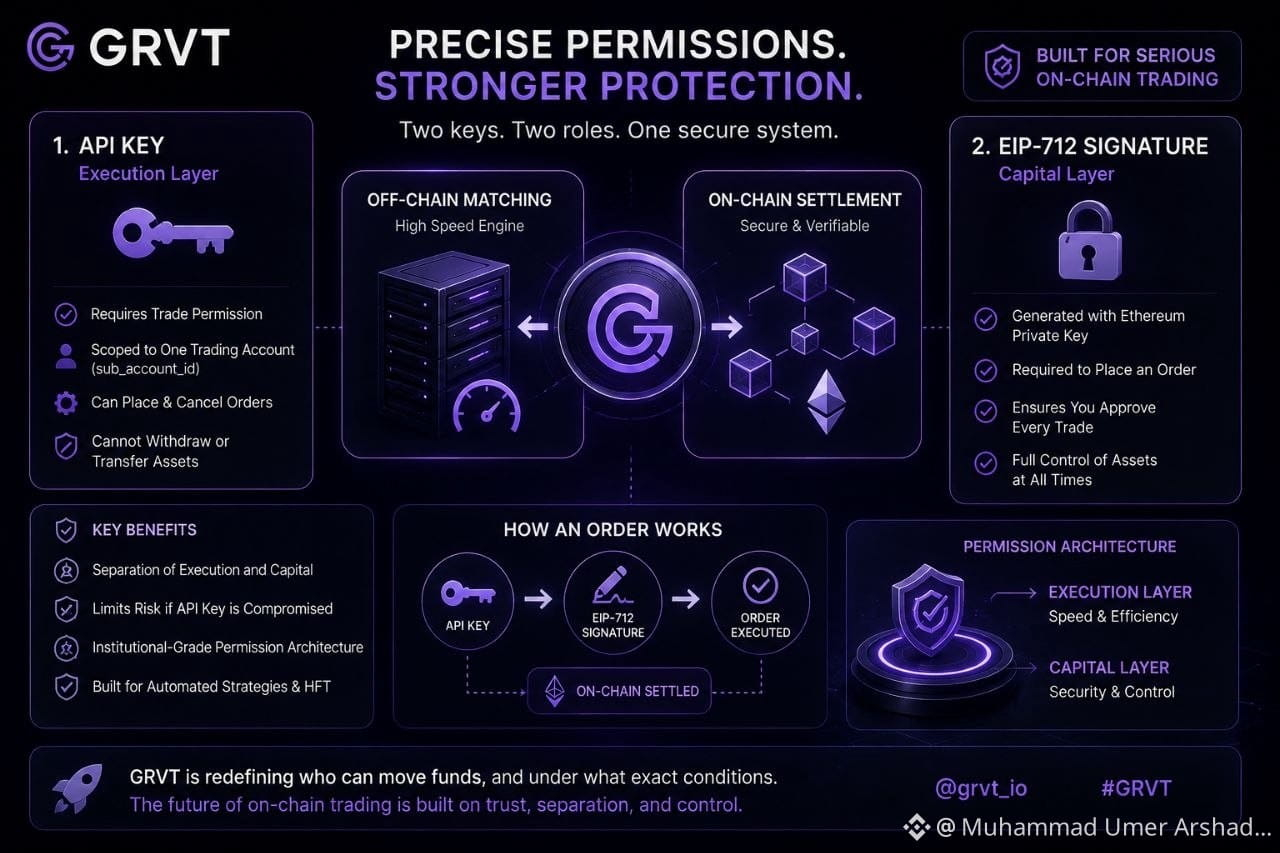
GRVTでAPIキーを生成する際は、Trade(取引)権限を明示的に付与する必要があります。そしてそのキーは、1つのTrading Accountにスコープされており、ドキュメントではsub_account_idとして管理されています。注文を出すには、さらにEthereumの秘密鍵からの別個のEIP-712署名が必要です。キーが2つであれば役割も2つ、別物です。
実務的には、APIキーを使って動く自動化された戦略は取引の実行はできますが、出金や資産移転への道はありません。この分離は、伝統的なクオンツのセットアップでも重要だと見たことがあります。つまり、実行レイヤーと資本レイヤーは決して同じシステムではない、ということです。実行レイヤーが壊れたり、キーが漏えいしたりしても、被害はその領域に封じ込められます。GRVTは同じ境界をオンチェーン上にも適用しています。
また、こうした考え方は彼らのHybrid Exchangeの全体構造とも一致しています。オフチェーンのマッチングがスピードを担うため、注文投入は中央集権型取引所に近いレイテンシまで到達できます。オンチェーンの決済が実際の状態変化を扱うので、取引は誰かの社内DBに1行追加されるだけではありません。権限をこれほど細かく分割するからこそ、双方が互いに常にトレードオフすることなく機能できます。
GRVTが本当に目指しているのは、単なる別のパーペット(無期限)プラットフォームではないように見えます。オンチェーン上でより本格的な資本が稼働し始める中で、「誰が資金を動かせるのか」と「どのような正確な条件のもとで動かせるのか」を再考しているのです。
これらはすべて、設計上“初心者向け”ではありません。そして許可(パーミッション)アーキテクチャは紙の上では整然として見えますが、本当の試練は、高頻度の戦略が本番環境でシステムを叩いたときに、その設計が本当に成り立つかどうかです。
@grvt_io #grvt $ARX $BILL
GRVTでAPIキーを生成する際は、Trade(取引)権限を明示的に付与する必要があります。そしてそのキーは、1つのTrading Accountにスコープされており、ドキュメントではsub_account_idとして管理されています。注文を出すには、さらにEthereumの秘密鍵からの別個のEIP-712署名が必要です。キーが2つであれば役割も2つ、別物です。
実務的には、APIキーを使って動く自動化された戦略は取引の実行はできますが、出金や資産移転への道はありません。この分離は、伝統的なクオンツのセットアップでも重要だと見たことがあります。つまり、実行レイヤーと資本レイヤーは決して同じシステムではない、ということです。実行レイヤーが壊れたり、キーが漏えいしたりしても、被害はその領域に封じ込められます。GRVTは同じ境界をオンチェーン上にも適用しています。
また、こうした考え方は彼らのHybrid Exchangeの全体構造とも一致しています。オフチェーンのマッチングがスピードを担うため、注文投入は中央集権型取引所に近いレイテンシまで到達できます。オンチェーンの決済が実際の状態変化を扱うので、取引は誰かの社内DBに1行追加されるだけではありません。権限をこれほど細かく分割するからこそ、双方が互いに常にトレードオフすることなく機能できます。
GRVTが本当に目指しているのは、単なる別のパーペット(無期限)プラットフォームではないように見えます。オンチェーン上でより本格的な資本が稼働し始める中で、「誰が資金を動かせるのか」と「どのような正確な条件のもとで動かせるのか」を再考しているのです。
これらはすべて、設計上“初心者向け”ではありません。そして許可(パーミッション)アーキテクチャは紙の上では整然として見えますが、本当の試練は、高頻度の戦略が本番環境でシステムを叩いたときに、その設計が本当に成り立つかどうかです。
@grvt_io #grvt $ARX $BILL
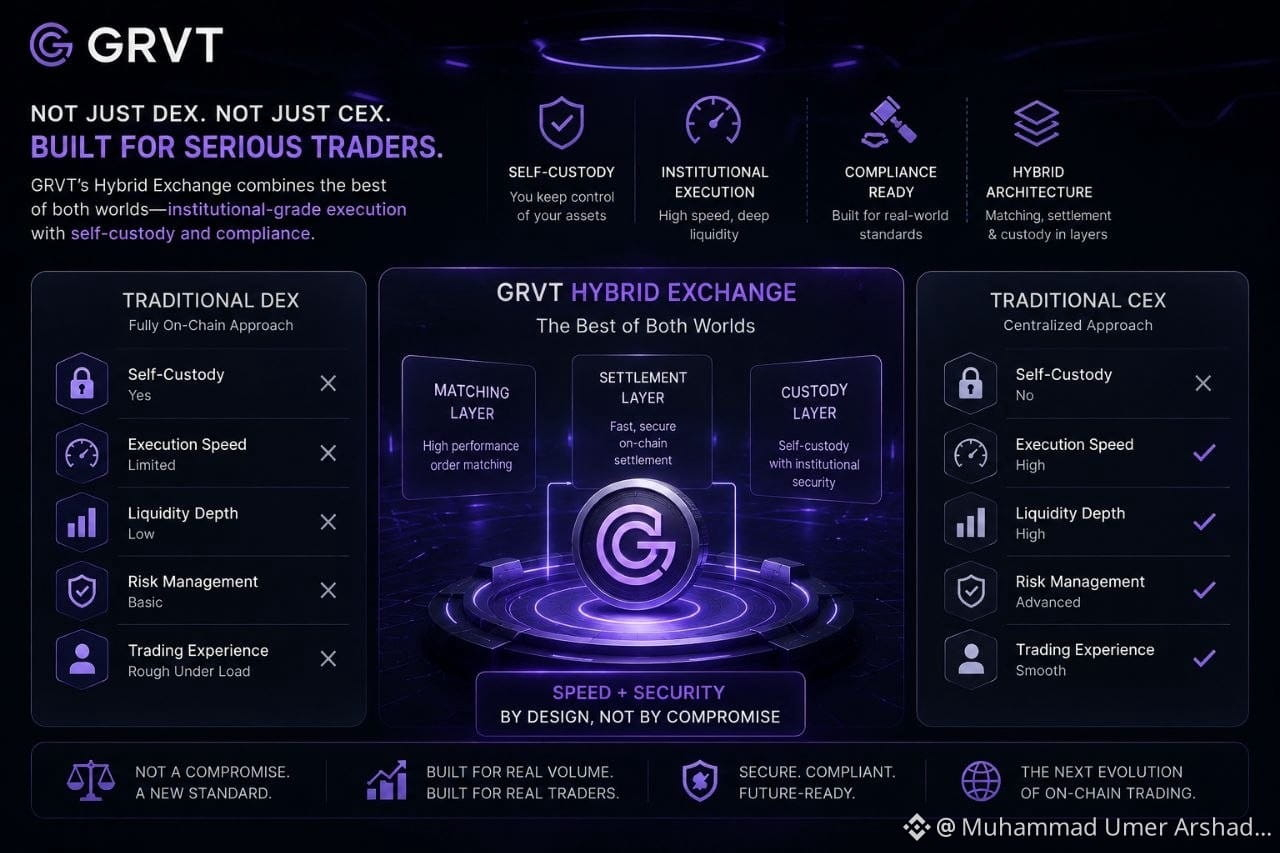
GRVTのドキュメントの中に、読み飛ばしてはまた戻ってきてしまうような細部がありました。今の多くの取引プロトコルは、とにかく「完全に分散化された」といったフレーズをあらゆるものに貼り付けようと競争しています。GRVTはその逆です。「機関投資家向けの実行(execution)」「自己保管(self-custody)」「コンプライアンス」を同じ息で語っています。最初の反応は、これは単なるブランディング上の選択なのだろうというものでした。ですが、実際に彼らのハイブリッド取引(Hybrid Exchange)モデルを、一般的なDEXがどのように作られているかと比べてみると、まったく同じ課題を解こうとしていないことに気づきました。
一般的な前提は、自分のウォレットに資産を置き続けていれば、取引体験が少し粗くても許容できる、というものです。これはカジュアルなユーザーには十分に成り立ちます。しかし誰かが本気で取引し始めると、話が別になります。その場合、執行速度、流動性の厚み(liquidity depth)、リスク管理、そして資産の保管(custody)を、個別に一部だけではなく、一緒にうまく機能させる必要が出てくるからです。中央集権型取引所は執行面をうまくこなしますが、その代わりに保管を預けるよう求めます。一方で純粋なオンチェーン取引は保管を守れますが、通常は実運用の取引負荷のもとで苦戦しがちです。GRVTのアプローチは、システム自体を分割することです。つまり、マッチング、決済、そして保管を別々のレイヤーとして扱い、それぞれが「実際に作られている」役割だけを担うようにしています。
彼らの自己保管とセキュリティのアーキテクチャを掘り下げると、その意図がより明確になりました。ユーザーはあらゆるステップで資産のコントロールを保ちますが、「完全にオンチェーン」がゴールであるとみなされることは、そもそも想定されていません。ここでは速度とセキュリティをトレードオフとして位置付けているのではなく、レイヤーをまたいだ設計上の意思決定として広く配置しているのです。
私が注目するのは、GRVTがDEX寄りなのかCEX寄りなのか、という点ではありません。常に相互に排他的だと扱われてきた2つのアプローチを統合しようとしていることです。それが実際のボリュームのもとで成立するのかどうかはまだ検証されていませんが、手数料の比較よりもずっと面白い問いだと思います。
@grvt_io #grvt $VELVET $CAP
一般的な前提は、自分のウォレットに資産を置き続けていれば、取引体験が少し粗くても許容できる、というものです。これはカジュアルなユーザーには十分に成り立ちます。しかし誰かが本気で取引し始めると、話が別になります。その場合、執行速度、流動性の厚み(liquidity depth)、リスク管理、そして資産の保管(custody)を、個別に一部だけではなく、一緒にうまく機能させる必要が出てくるからです。中央集権型取引所は執行面をうまくこなしますが、その代わりに保管を預けるよう求めます。一方で純粋なオンチェーン取引は保管を守れますが、通常は実運用の取引負荷のもとで苦戦しがちです。GRVTのアプローチは、システム自体を分割することです。つまり、マッチング、決済、そして保管を別々のレイヤーとして扱い、それぞれが「実際に作られている」役割だけを担うようにしています。
彼らの自己保管とセキュリティのアーキテクチャを掘り下げると、その意図がより明確になりました。ユーザーはあらゆるステップで資産のコントロールを保ちますが、「完全にオンチェーン」がゴールであるとみなされることは、そもそも想定されていません。ここでは速度とセキュリティをトレードオフとして位置付けているのではなく、レイヤーをまたいだ設計上の意思決定として広く配置しているのです。
私が注目するのは、GRVTがDEX寄りなのかCEX寄りなのか、という点ではありません。常に相互に排他的だと扱われてきた2つのアプローチを統合しようとしていることです。それが実際のボリュームのもとで成立するのかどうかはまだ検証されていませんが、手数料の比較よりもずっと面白い問いだと思います。
@grvt_io #grvt $VELVET $CAP
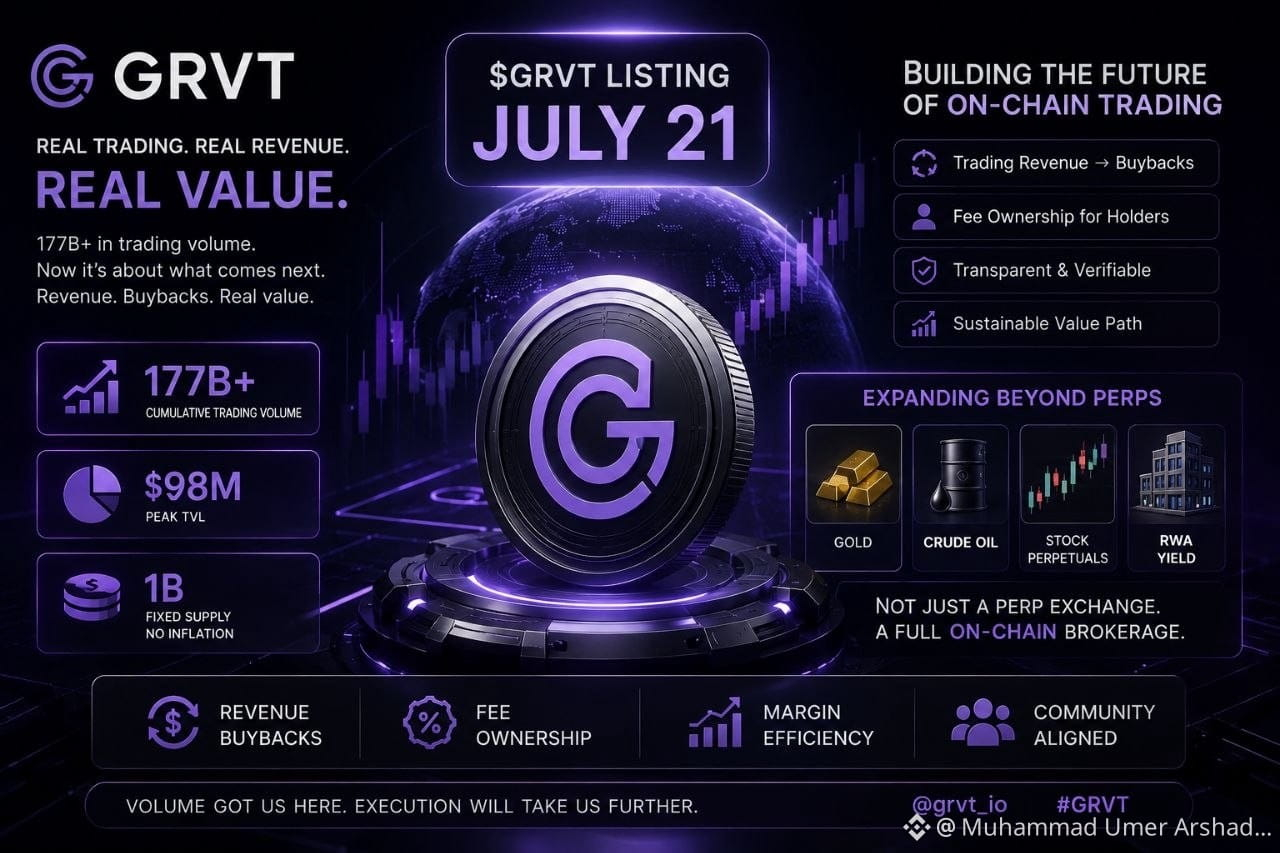
GRVTの上場日は7月21日に迫っており、議論がまた熱を帯びてきています。皆が同じことを尋ねています――実際にポイントはいったい何に換算されるのか、そしてエアドロップ待ちの価値は機会費用に見合うのか。どれももっともな疑問です。ですが、GRVTの過去1年の数字を見ていくと、私がより気になっているのは別の点です。\n
このプラットフォームは、本当に取引収益をトークンに還元できるのでしょうか?それとも、ただ傍観しているだけなのでしょうか。\n\n昨年GRVTは、累計の取引高として1770億ドルを処理し、ピーク時のTVLは9800万ドルに達しました。オンチェーンのデリバティブにおいて、これらは小さな数字ではありません。プラットフォームは明確に実際の取引活動を受け止めてきました。\n\nしかし、出来高だけでは「人が来た」ことしか証明できません。インセンティブが枯渇した後に、トークンが価値を維持できるかまでは分かりません。デリバティブ・プラットフォームに共通する、繰り返しの問題がここにあります。出来高は報酬が止まる瞬間に落ち込みますが、その速度は、多くの場合、誰もが想像するより速いのです。\n\nそこで私が実際に注目しているのは、次の3点です。\n収益の買い戻し、手数料の所有(フィー・オーナーシップ)、そしてマージン効率。GRVTは総供給10億トークンの固定で、インフレは内蔵されていません。保有者は、取引手数料やプラットフォーム全体の恩恵を受け取る立場にあります。\n\n買い戻しの規模が、実際の手数料収入に連動して伸びていき、かつプロセスが透明性を保つなら、追跡して検証できる「実際の価値の道筋」が存在します。もし上場後はポイントの償還にだけ寄りかかる形になったのなら、あの1770億ドルという出来高の数字は単なるマーケティング指標に過ぎなくなります。\n\nGRVTはさらに、ゴールド、原油、株式パーペチュアル、そしてRWAの利回り商品にも進出しています。もはや単なるパーペチュアル取引所で終わるつもりではなく、フルのオンチェーン証券ブローカーへ向けて構築しているのです。チャンスは大きい一方で、複数商品に流動性が薄く広がる余地も出てきます。\n\n7月21日には価格も見ますが、これは本当のシグナルではありません。本当のシグナルは、ローンチ後の有機的な出来高、本物の手数料収入、買い戻しの実行、そしてポイントが止まった後もユーザーが残るかどうかです。\n\n@grvt_io #Grvt
このプラットフォームは、本当に取引収益をトークンに還元できるのでしょうか?それとも、ただ傍観しているだけなのでしょうか。\n\n昨年GRVTは、累計の取引高として1770億ドルを処理し、ピーク時のTVLは9800万ドルに達しました。オンチェーンのデリバティブにおいて、これらは小さな数字ではありません。プラットフォームは明確に実際の取引活動を受け止めてきました。\n\nしかし、出来高だけでは「人が来た」ことしか証明できません。インセンティブが枯渇した後に、トークンが価値を維持できるかまでは分かりません。デリバティブ・プラットフォームに共通する、繰り返しの問題がここにあります。出来高は報酬が止まる瞬間に落ち込みますが、その速度は、多くの場合、誰もが想像するより速いのです。\n\nそこで私が実際に注目しているのは、次の3点です。\n収益の買い戻し、手数料の所有(フィー・オーナーシップ)、そしてマージン効率。GRVTは総供給10億トークンの固定で、インフレは内蔵されていません。保有者は、取引手数料やプラットフォーム全体の恩恵を受け取る立場にあります。\n\n買い戻しの規模が、実際の手数料収入に連動して伸びていき、かつプロセスが透明性を保つなら、追跡して検証できる「実際の価値の道筋」が存在します。もし上場後はポイントの償還にだけ寄りかかる形になったのなら、あの1770億ドルという出来高の数字は単なるマーケティング指標に過ぎなくなります。\n\nGRVTはさらに、ゴールド、原油、株式パーペチュアル、そしてRWAの利回り商品にも進出しています。もはや単なるパーペチュアル取引所で終わるつもりではなく、フルのオンチェーン証券ブローカーへ向けて構築しているのです。チャンスは大きい一方で、複数商品に流動性が薄く広がる余地も出てきます。\n\n7月21日には価格も見ますが、これは本当のシグナルではありません。本当のシグナルは、ローンチ後の有機的な出来高、本物の手数料収入、買い戻しの実行、そしてポイントが止まった後もユーザーが残るかどうかです。\n\n@grvt_io #Grvt
確認済み
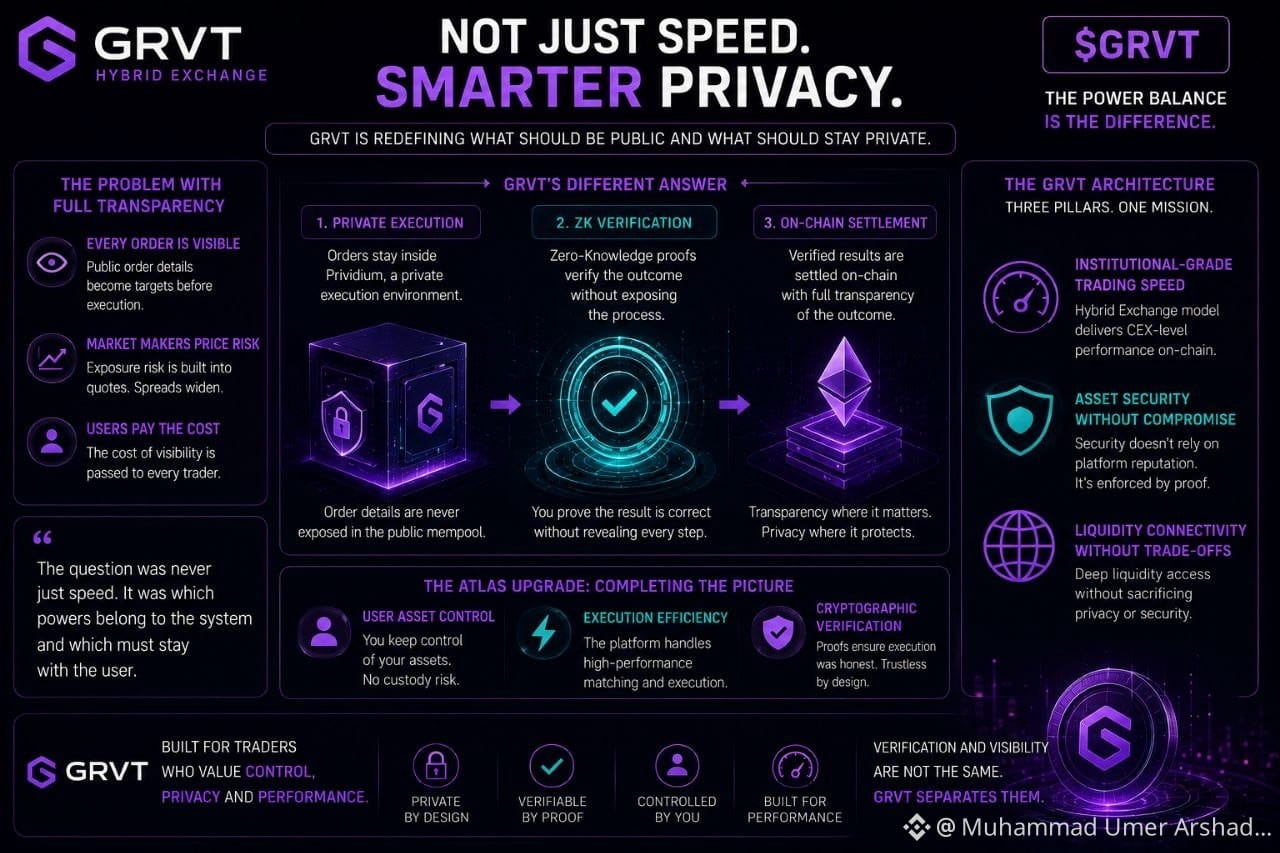
GRVTが実際に何を構築しているのか理解するのにしばらく時間がかかりました。「Hybrid Exchange(ハイブリッド取引所)」と読み進めるたびに、単なるスピード重視の別案件だと思い込んでいました。でも違います。
GRVTが答えようとしている本当の問いは別のものです。取引のどの部分を公開すべきで、どの部分は公開されると積極的に負債(リスク)になってしまうのか。
以前は、オンチェーンでの完全な透明性こそが常に安全だと思っていました。ですが、高頻度取引をもう少し慎重に考えると考えが変わりました。もしすべての注文の詳細が、発注から約定までの間ずっと公開環境に置かれるなら、それは標的になります。マーケットメイカーは、その曝露リスクを見越して事前に見積り(クオート)へ織り込みます。スプレッドは広がり、ユーザーはなぜそうなるのか理解しないままコストを負担することになります。
GRVTは、注文データをPrividiumというプライベートな実行環境の中に保持します。結果はゼロ知識証明を使ってオンチェーンで検証されます。すべての手順を見ている人たち全員にプロセスの細部を公開せずに、結果が正しいことを証明できるのです。
この違いは重要です。検証と可視性は同じものではありません。GRVTはそれを意図的に分離しています。
Atlasのアップグレードが、残りの全体像を埋めます。ユーザーは自分の資産の管理を維持します。プラットフォームは実行の効率を担います。暗号が、実行が誠実に行われたことを検証します。プラットフォームの評判を信頼する要件はありません。代わりに、その証明が担います。
GRVTのアーキテクチャは、3つのことを一体としてカバーしています。Hybrid Exchangeモデルによる業務機関レベルの取引スピード。プラットフォームの信頼性に依存しない資産のセキュリティ。そして最初の2つを損なうことなく向上する流動性接続性。
GRVTについて読んだ多くの人は「より速いハイブリッド取引所」で止まってしまいます。その捉え方では、その下にある実際の設計上の決定が見落とされます。
問いは、単に速度ではありませんでした。どの力(機能)がシステムに属し、どれがユーザーに留まるべきなのか――それが問題でした。
@grvt_io #grvt
GRVTが答えようとしている本当の問いは別のものです。取引のどの部分を公開すべきで、どの部分は公開されると積極的に負債(リスク)になってしまうのか。
以前は、オンチェーンでの完全な透明性こそが常に安全だと思っていました。ですが、高頻度取引をもう少し慎重に考えると考えが変わりました。もしすべての注文の詳細が、発注から約定までの間ずっと公開環境に置かれるなら、それは標的になります。マーケットメイカーは、その曝露リスクを見越して事前に見積り(クオート)へ織り込みます。スプレッドは広がり、ユーザーはなぜそうなるのか理解しないままコストを負担することになります。
GRVTは、注文データをPrividiumというプライベートな実行環境の中に保持します。結果はゼロ知識証明を使ってオンチェーンで検証されます。すべての手順を見ている人たち全員にプロセスの細部を公開せずに、結果が正しいことを証明できるのです。
この違いは重要です。検証と可視性は同じものではありません。GRVTはそれを意図的に分離しています。
Atlasのアップグレードが、残りの全体像を埋めます。ユーザーは自分の資産の管理を維持します。プラットフォームは実行の効率を担います。暗号が、実行が誠実に行われたことを検証します。プラットフォームの評判を信頼する要件はありません。代わりに、その証明が担います。
GRVTのアーキテクチャは、3つのことを一体としてカバーしています。Hybrid Exchangeモデルによる業務機関レベルの取引スピード。プラットフォームの信頼性に依存しない資産のセキュリティ。そして最初の2つを損なうことなく向上する流動性接続性。
GRVTについて読んだ多くの人は「より速いハイブリッド取引所」で止まってしまいます。その捉え方では、その下にある実際の設計上の決定が見落とされます。
問いは、単に速度ではありませんでした。どの力(機能)がシステムに属し、どれがユーザーに留まるべきなのか――それが問題でした。
@grvt_io #grvt
確認済み
取引口座の中で待機している資本を見ていると、ずっと気になっていました。あなたは入金して取引し、あとは資金がただ待機するだけ。利回りも、活用もなく、そこに置かれたままです。
それが私にGRVTをもっと詳しく調べさせました。
GRVTは、オンチェーンのパーペチュアル取引プラットフォームとして始まりました。しかし私の注意を引いたのは、その進む方向性です。取引、利回り、そして資産管理を、ひとつの統合された口座システムの中にまとめること。3つの別々のプロダクトを、都度ブリッジしなければならない形ではありません。ひとつの資本プールが、同時に複数のことを行います。
これは、伝統的な金融で機関投資家のデスクが動いている方法と同じです。単一のマージン・フレームワークが、取引ポジション、流動性管理、そして利回りを同時に支えます。オンチェーン・プロダクトの多くは、基本的に「ひとつの課題を解決するひとつのアプリ」に留まってきました。GRVTは、そのギャップを埋めようとしています。
特に注目すべき具体的なポイントが、利回りの統合です。GRVTはAaveから利回りソースを取り込み、Centrifugeを通じて機関投資家向けのトレジャリー利回りプロダクトを導入します。取引を積極的に行っていない間でも、取引口座に置かれている資金がリターンを生み出せるようになります。これは、資本効率の方程式を大きく変えます。
スポット市場のテスト環境も、もう一段階別の要素を加えます。ユーザーは、プラットフォームを行き来したり複数のウォレットを管理したりせずに、資産を保有し、取引し、割り当てることができます。
そして正直なところ。物語は簡単です。実行は簡単ではありません。
取引と利回りをつなぐプラットフォームは、関数間での資産状態の同期、ポジション間のリスク分離、そして市場が急速に動くときのシステム安定性を、きちんと扱う必要があります。これは、実際のプレッシャーがかかったときにしか見えてこない難しいエンジニアリング課題です。
私が次に追っているのは、ライブの取引量、初期ローンチ期間後のユーザー継続率、そして複数の資産機能がストレス下で同時に動いたときにシステムがどう振る舞うかです。
そのデータが、真実の物語を語ってくれます。
#grvt @grvt_io
それが私にGRVTをもっと詳しく調べさせました。
GRVTは、オンチェーンのパーペチュアル取引プラットフォームとして始まりました。しかし私の注意を引いたのは、その進む方向性です。取引、利回り、そして資産管理を、ひとつの統合された口座システムの中にまとめること。3つの別々のプロダクトを、都度ブリッジしなければならない形ではありません。ひとつの資本プールが、同時に複数のことを行います。
これは、伝統的な金融で機関投資家のデスクが動いている方法と同じです。単一のマージン・フレームワークが、取引ポジション、流動性管理、そして利回りを同時に支えます。オンチェーン・プロダクトの多くは、基本的に「ひとつの課題を解決するひとつのアプリ」に留まってきました。GRVTは、そのギャップを埋めようとしています。
特に注目すべき具体的なポイントが、利回りの統合です。GRVTはAaveから利回りソースを取り込み、Centrifugeを通じて機関投資家向けのトレジャリー利回りプロダクトを導入します。取引を積極的に行っていない間でも、取引口座に置かれている資金がリターンを生み出せるようになります。これは、資本効率の方程式を大きく変えます。
スポット市場のテスト環境も、もう一段階別の要素を加えます。ユーザーは、プラットフォームを行き来したり複数のウォレットを管理したりせずに、資産を保有し、取引し、割り当てることができます。
そして正直なところ。物語は簡単です。実行は簡単ではありません。
取引と利回りをつなぐプラットフォームは、関数間での資産状態の同期、ポジション間のリスク分離、そして市場が急速に動くときのシステム安定性を、きちんと扱う必要があります。これは、実際のプレッシャーがかかったときにしか見えてこない難しいエンジニアリング課題です。
私が次に追っているのは、ライブの取引量、初期ローンチ期間後のユーザー継続率、そして複数の資産機能がストレス下で同時に動いたときにシステムがどう振る舞うかです。
そのデータが、真実の物語を語ってくれます。
#grvt @grvt_io

それに対して強気

Details-Expert
·
--
$FOGO はすでに実証されており、私はそれを注意深く追っています。このトークンの公式ローンチとBinanceでの上場は、重要な信頼性の向上を提供します。クリエイターパッドキャンペーンは、コンテンツクリエイターに報酬を与え、強力なコミュニティエコシステムを構築するもので、今際立っています。@Fogo Official は単なる盛り上がりではなく、真のエンゲージメントと長期的成長に焦点を当てています。間違いなく注目すべきプロジェクトです。
#fogo #bullish
#fogo #bullish

フォゴは非常に良いプロジェクトです
Details-Expert
·
--
$FOGO はすでに実証されており、私はそれを注意深く追っています。このトークンの公式ローンチとBinanceでの上場は、重要な信頼性の向上を提供します。クリエイターパッドキャンペーンは、コンテンツクリエイターに報酬を与え、強力なコミュニティエコシステムを構築するもので、今際立っています。@Fogo Official は単なる盛り上がりではなく、真のエンゲージメントと長期的成長に焦点を当てています。間違いなく注目すべきプロジェクトです。
#fogo #bullish
#fogo #bullish
フォゴは非常に良いプロジェクトです
Details-Expert
·
--
FOGO UTILITIES
$FOGO チェーンユーティリティと長期的なビジョンは、私がより徹底的に研究する中で際立っています。これは単なる取引所にあるトークン以上のものであり、それ自身のネットワークで実際のユースケースを開発しています。エコシステムツール、オンチェーンアクティビティ、コミュニティ主導の成長に重点を置いているため、単なる取引コイン以上のものです。
私はまた、ソーシャルナンバーが急速に増加していることに気づきました。これをチェックしてください @Fogo Official 。フォロワーの数は着実に増加しており、エンゲージメントは自然に見えます。プロジェクトを立ち上げた後、このように注目を集め続ける場合、それは通常、大企業も見守っていることを意味します。
私はまた、ソーシャルナンバーが急速に増加していることに気づきました。これをチェックしてください @Fogo Official 。フォロワーの数は着実に増加しており、エンゲージメントは自然に見えます。プロジェクトを立ち上げた後、このように注目を集め続ける場合、それは通常、大企業も見守っていることを意味します。

ログインして、さらにコンテンツを読む