
Mohamed A. El-Erian Re-poster
1.3k 投稿

Mohamed A. El-Erian Re-poster
報告
ユーザーをブロック
Rene M Kern Prof of Prac at Wharton. Allianz Advisor. Gramercy Chair. Chair of UnderArmour Board. Former Pimco CEO/co-CIO and President of Queens' Col Cambridge
0 フォロー
650 フォロワー
1.1K+ いいね
投稿
すべて
動画
米政権は今日、現代的なテクノロジー中心の産業戦略を大きく前進させた。主なテーマは、同社を国家を代表する企業と位置づけ、最高経営責任者を国の宝と称賛するとともに、同社は今や揺らぐことすらないほど巨大だと主張することだった。
#経済 #市場 #nvidia @nvidia
米政権は今日、現代的なテクノロジー中心の産業戦略を大きく前進させた。主なテーマは、同社を国家を代表する企業と位置づけ、最高経営責任者を国の宝と称賛するとともに、同社は今や揺らぐことすらないほど巨大だと主張することだった。
#経済 #市場 #nvidia @nvidia
#経済 #市場 #nvidia @nvidia
125
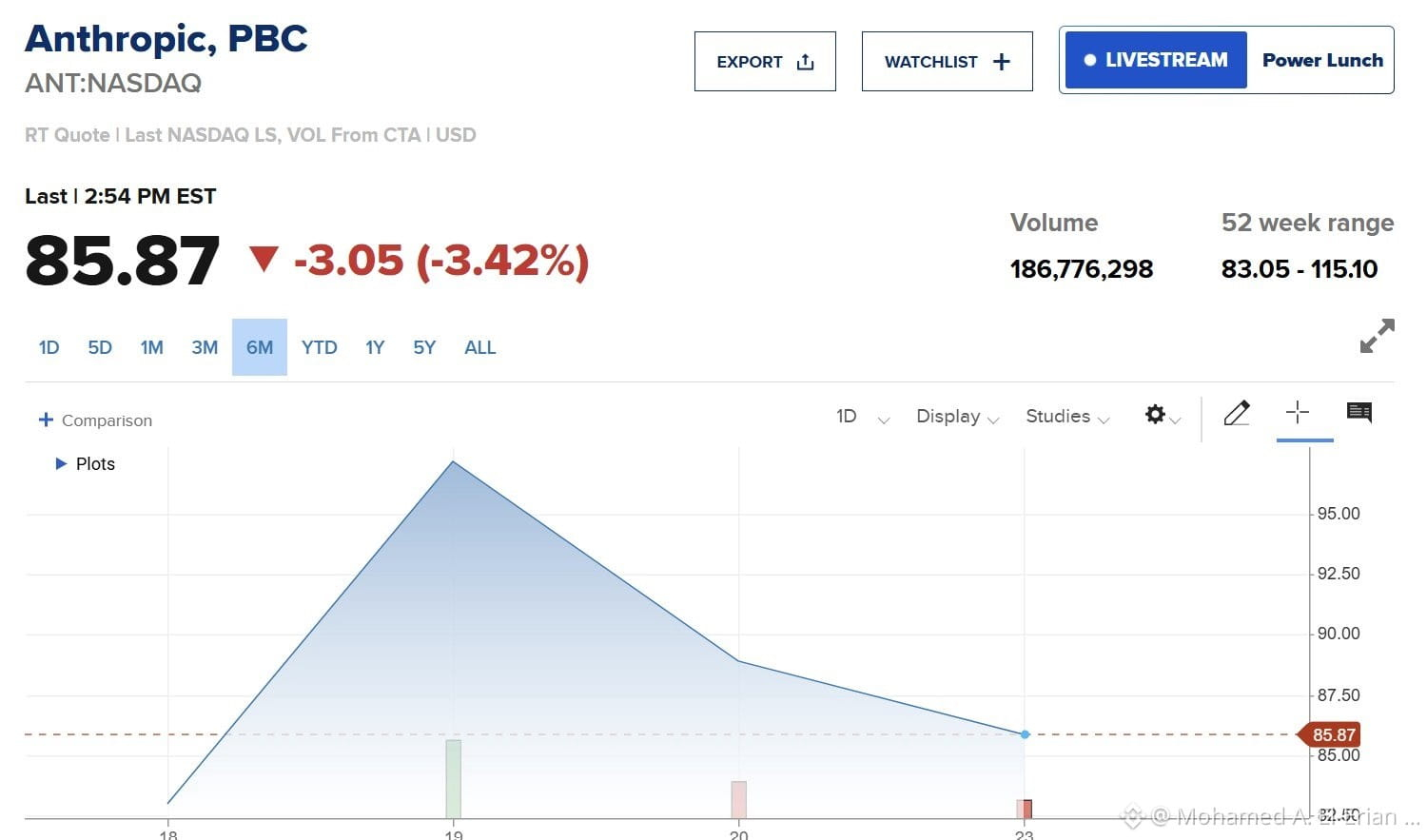
まだ序盤の段階ですが、Anthropic株の値動きは、かなり速いペースである点を除けば、SpaceXが株式公開後にたどった道筋をなぞっているようです。以下に表示されたCNBCのチャートにも、その様子が表れています。
#経済 #市場 #IPO #Anthropic #投資 #株式 #投資家 @AnthropicAI
まだ序盤の段階ですが、Anthropic株の値動きは、かなり速いペースである点を除けば、SpaceXが株式公開後にたどった道筋をなぞっているようです。以下に表示されたCNBCのチャートにも、その様子が表れています。
#経済 #市場 #IPO #Anthropic #投資 #株式 #投資家 @AnthropicAI
#経済 #市場 #IPO #Anthropic #投資 #株式 #投資家 @AnthropicAI
427
ジェンスン・フアンに関する最近の動向は、ほんの数週間前に共有した見解を改めて裏付けています。私たちは、前例のない時代に身を置き、並外れた業界、卓越した企業であるエヌビディア、そして決して典型的とは言えない最高経営責任者を目の当たりにしています。
この最新の動きによっていくつかの不確実性が明らかになる一方で、まったく新たな論点も浮かび上がっています。議論は、エヌビディアのガバナンスの仕組みといった企業レベルの問題から、大統領プット、政府の介入、ナショナル・チャンピオン、さらには市場全体への影響を含む、幅広いマクロ経済のテーマへと広がっています。
#経済 #市場 #エヌビディア #ジェンスンフアン
この最新の動きによっていくつかの不確実性が明らかになる一方で、まったく新たな論点も浮かび上がっています。議論は、エヌビディアのガバナンスの仕組みといった企業レベルの問題から、大統領プット、政府の介入、ナショナル・チャンピオン、さらには市場全体への影響を含む、幅広いマクロ経済のテーマへと広がっています。
#経済 #市場 #エヌビディア #ジェンスンフアン
118
翻訳参照
Even with all the discussion over the weekend, holding off on an interest rate increase on December 9th would be extraordinarily difficult for the Federal Reserve.
This outlook rests on two primary considerations. To begin with, sentiment across both prediction markets and financial pricing shows more than a 90% probability of a 25 bps hike, as noted in a previous post. Furthermore, although monetary action is not the ideal policy solution, the central bank is thrust into the spotlight once again due to the absence of a preferable fiscal approach.
Choosing a larger 50 bps adjustment over a 25 bps move would be ill-advised from both an economic standpoint and a financial stability perspective.
Looking past December, the path ahead turns considerably more complicated. Decision-makers must navigate various conflicting dynamics, including the two-sided impacts of the ongoing artificial intelligence investment surge and the vulnerabilities lingering in industries most vulnerable to borrowing costs.
#economy #markets #federalreserve #centralbanks
22
翻訳参照
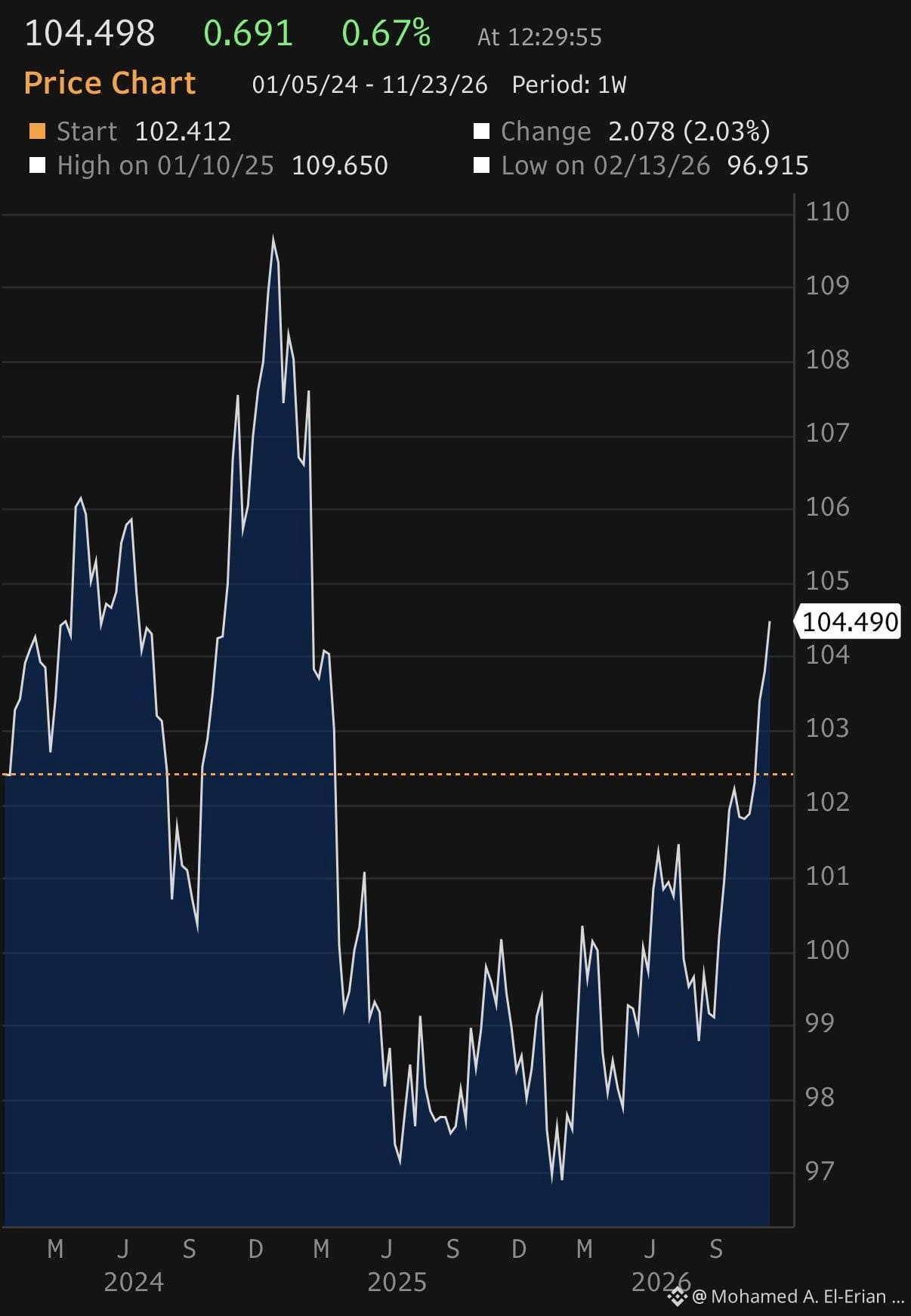
While it may not be drawing widespread attention, the ongoing rise of the dollar carries significant weight. As illustrated by the Bloomberg dollar index (DXY) chart, the currency continues to gain momentum. Key foreign exchange shifts include the euro dropping under 1.09 and the yen moving to 159.26.
#markets #USD #FX #economy #dollar
#markets #USD #FX #economy #dollar
1
翻訳参照
An engaging dialogue between CNBC host Scott Wapner and his panel offered an intriguing takeaway: the stock market might not be protected by a Fed put any longer, but rather by a presidential put.
#markets #economy #investing #investors #stocks @TheJudgeCNBC @CNBC @HalftimeReport
An engaging dialogue between CNBC host Scott Wapner and his panel offered an intriguing takeaway: the stock market might not be protected by a Fed put any longer, but rather by a presidential put.
#markets #economy #investing #investors #stocks @TheJudgeCNBC @CNBC @HalftimeReport
#markets #economy #investing #investors #stocks @TheJudgeCNBC @CNBC @HalftimeReport
31
翻訳参照
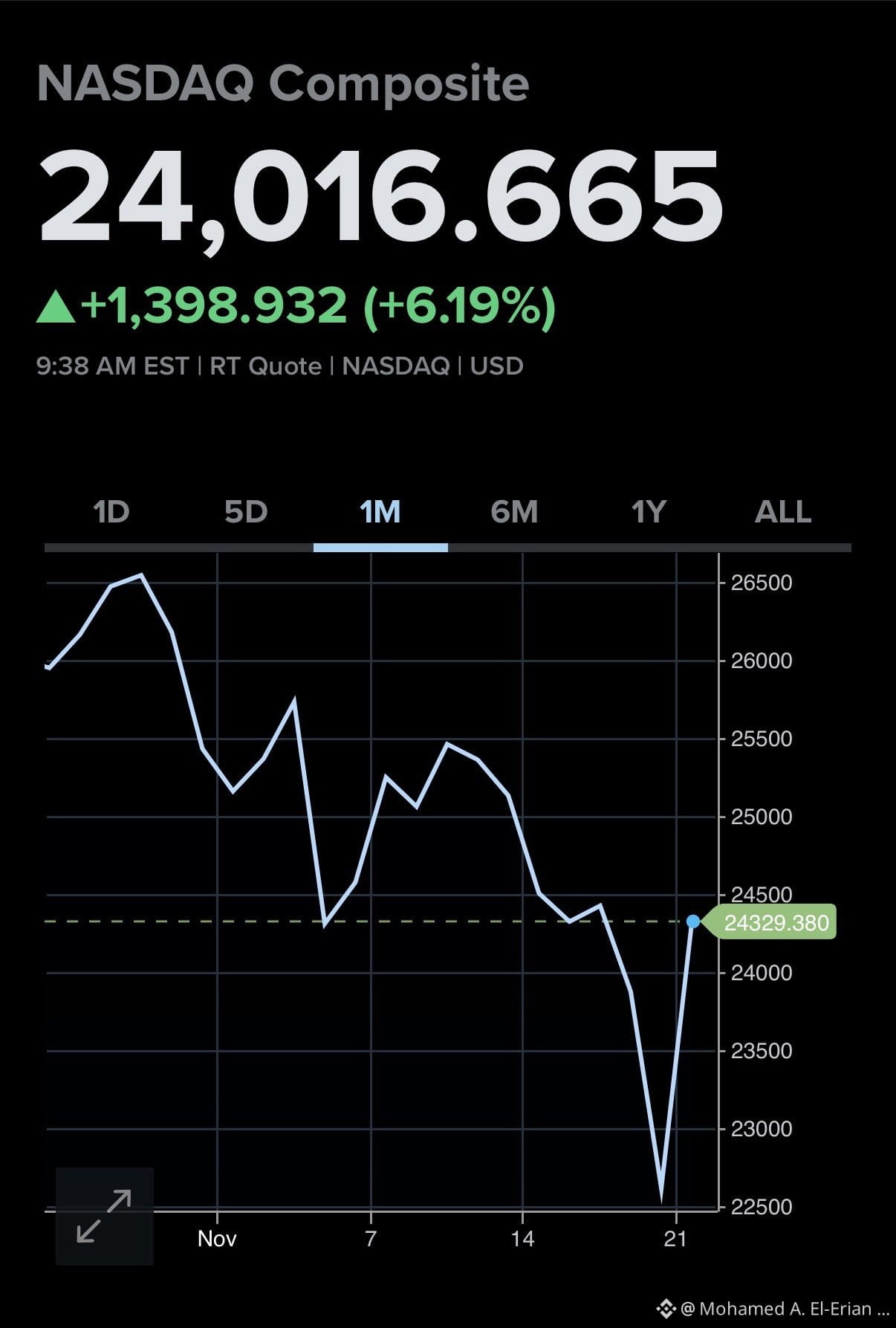
Watching the financial world today truly brings home how dynamic and unpredictable conditions can be, with rapid price swings that are simply astonishing to observe. A friend often describes sessions like this as simulations, though they could just as easily be seen as real-time natural experiments unfolding across the trading floor. Regardless of how one frames the action, the sheer momentum and turbulence remain remarkable.
The accompanying CNBC NASDAQ chart is provided below.
#economy #markets @nvidia #nvidia @cnbc
The accompanying CNBC NASDAQ chart is provided below.
#economy #markets @nvidia #nvidia @cnbc
115
翻訳参照
Are financial markets truly calling all the shots?
Prior to today, we already recognized that extreme market swings do not simply advise or shape economic strategy; they can actively dictate the policymaking agenda itself, regardless of our preferences. What we witnessed today, however, suggests this dynamic has stepped up to a whole new stage, bringing forward an even more significant series of pressing questions.
#economy #markets #policy #nvidia
46
翻訳参照
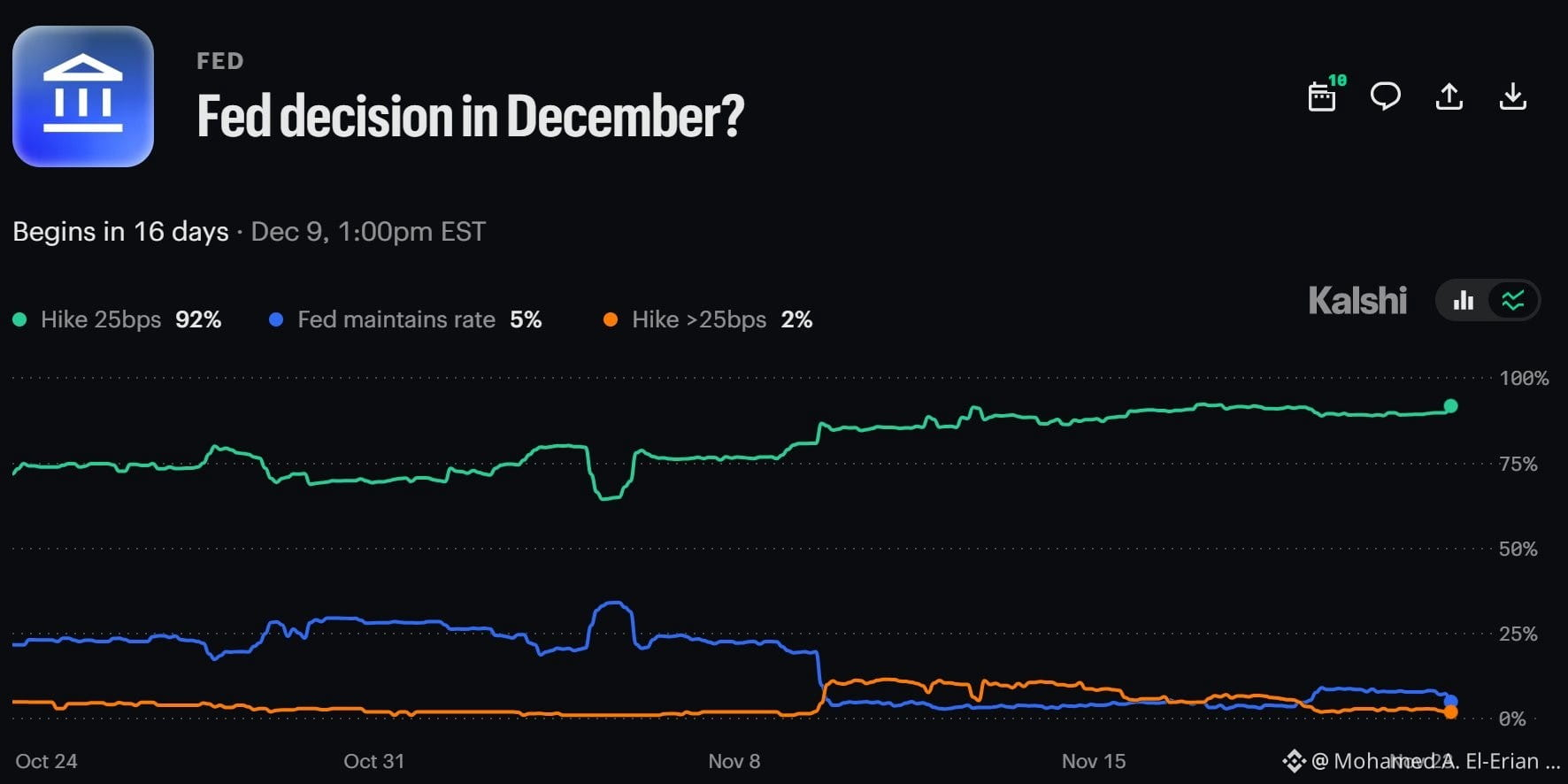
Despite the discussions that circulated over the weekend, the likelihood of a Federal Reserve rate hike continues to hold strong at over 90 percent for the moment. This holds true whether examining conventional market pricing or looking at forecast exchanges, with the relevant data from Kalshi detailed below.
#economy #markets #federalreserve
#economy #markets #federalreserve
58
翻訳参照
Good morning to you all.
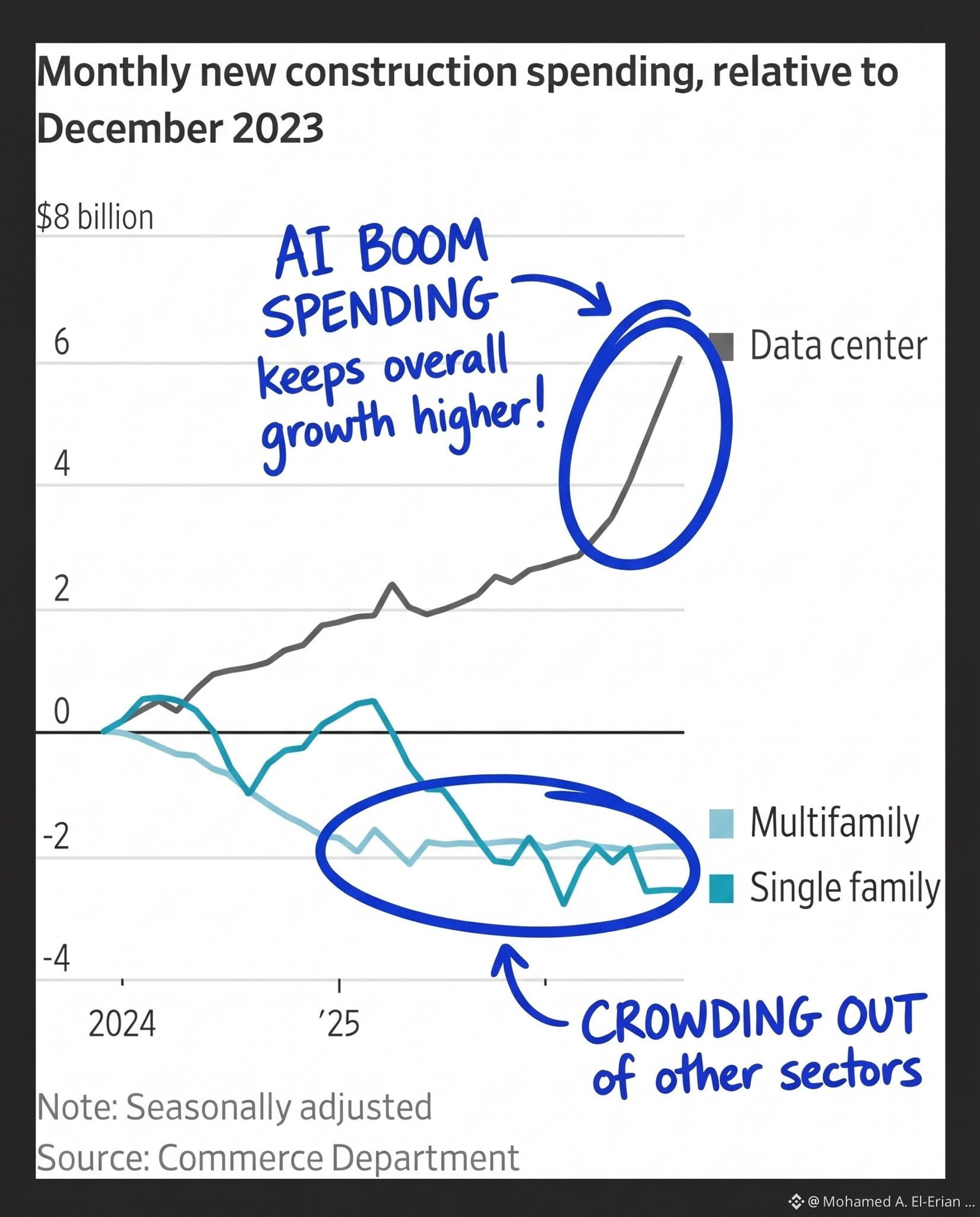
The relationship between massive capital expenditure in artificial intelligence and the broader economic landscape is genuinely multifaceted. Today, an article published by the @wsj—which is the source of this chart featuring my own annotations—centers primarily on the crowding out effect. However, it is just as vital to account for the outright boost to overall expansion.
Even though scaling back this historic wave of AI initiatives would diminish the potential for both direct and indirect crowding out, aggregate economic growth would very likely be weaker without it.
#economy #AI #markets #growth @wsj
83
翻訳参照
It was an exceptionally thrilling contest with an astonishing conclusion. Having surrendered a 20+ point lead, the New York Knicks were locked at 94 with Portland as the final seconds ticked away. Although Portland managed to move ahead 96-94, Madison Square Garden erupted moments later when New York buried a three-pointer right at the buzzer. @nyknicks
It was an exceptionally thrilling contest with an astonishing conclusion. Having surrendered a 20+ point lead, the New York Knicks were locked at 94 with Portland as the final seconds ticked away. Although Portland managed to move ahead 96-94, Madison Square Garden erupted moments later when New York buried a three-pointer right at the buzzer. @nyknicks
59
翻訳参照
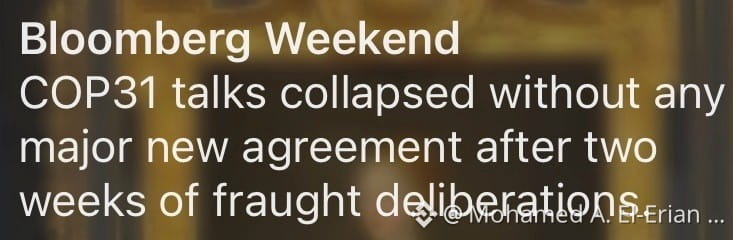
A widespread sense of economic unease has increasingly pushed nations toward narrow, short-term priorities, while the United States continues to step back from its historic position of international leadership in ways that go far beyond skipping this single event. Although some observers might view these developments strictly through the lens of climate policy, there is a much broader crisis underway: economies across the globe have largely lost their capacity to unite in tackling mutual difficulties. This breakdown is particularly pressing because the issues demanding unified worldwide collaboration, notably in areas such as artificial intelligence and cybersecurity, are only going to expand.
#economy #markets
#economy #markets
153
おはようございます。朝のマーケット速報をお届けします。
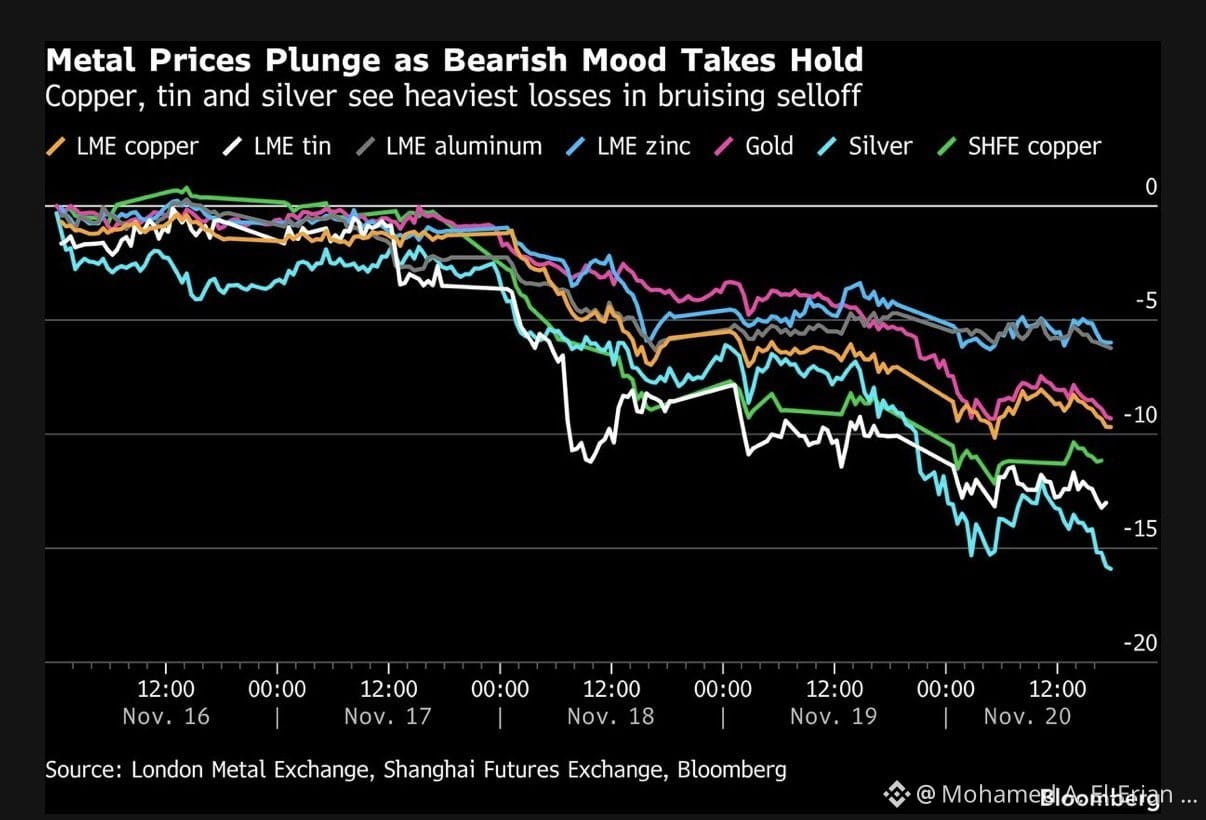
ブルームバーグの報道によると、金属セクターは特に厳しい一週間となりました。評価額が重要なテクニカル水準を下回った後、急激な下落傾向が勢いを増し、定量的なトレンド追随型ファンド(CTA)が売り持ち高を拡大しました。この売りの波により、当初の価格下落は連鎖的に広がり、自らを強める下落へと変わりました。
この急落の結果、買い持ちの市場参加者には追証が急速に積み上がりました。影響を受けた参加者には、原材料価格の日々の変動リスクをヘッジするために先物取引所を利用する銅加工業者も多く含まれていました。
#経済 #市場 #銅 #金属
おはようございます。朝のマーケット速報をお届けします。
ブルームバーグの報道によると、金属セクターは特に厳しい一週間となりました。評価額が重要なテクニカル水準を下回った後、急激な下落傾向が勢いを増し、定量的なトレンド追随型ファンド(CTA)が売り持ち高を拡大しました。この売りの波により、当初の価格下落は連鎖的に広がり、自らを強める下落へと変わりました。
この急落の結果、買い持ちの市場参加者には追証が急速に積み上がりました。影響を受けた参加者には、原材料価格の日々の変動リスクをヘッジするために先物取引所を利用する銅加工業者も多く含まれていました。
#経済 #市場 #銅 #金属
ブルームバーグの報道によると、金属セクターは特に厳しい一週間となりました。評価額が重要なテクニカル水準を下回った後、急激な下落傾向が勢いを増し、定量的なトレンド追随型ファンド(CTA)が売り持ち高を拡大しました。この売りの波により、当初の価格下落は連鎖的に広がり、自らを強める下落へと変わりました。
この急落の結果、買い持ちの市場参加者には追証が急速に積み上がりました。影響を受けた参加者には、原材料価格の日々の変動リスクをヘッジするために先物取引所を利用する銅加工業者も多く含まれていました。
#経済 #市場 #銅 #金属
325
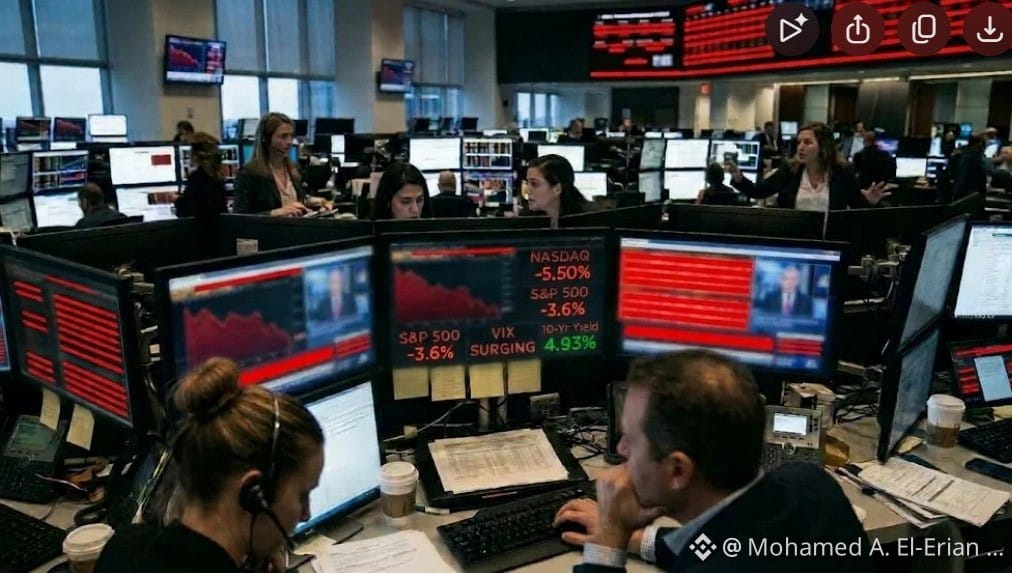
先週は、ファンダメンタルズよりも市場のテクニカル要因が重視されました。S&Pが調整局面入りし、NASDAQが2026年の上昇分をすべて失う一方、債券市場の上昇は比較的穏やかなものにとどまりました。原油価格が再び下落し、VIXが40に急上昇したにもかかわらずです。
何が起きたのか、こうした動きの背景にある要因、そして来週に控える二つの重要な問いについて、さらに詳しく知りたい方は、以下のリンクをご覧ください。
https://mohamedelerian.substack.com/p/the-weekly-look-at-the-global-economy-8a0?r=33wip&utm_campaign=post&utm_medium=web&showWelcomeOnShare=true
https://www.linkedin.com/pulse/weekly-look-global-economy-markets-mohamed-el-erian-qnyec/?trackingId=Y51gAVTBQu%2BFdKeoXYMbrw%3D%3D
#経済 #市場
92
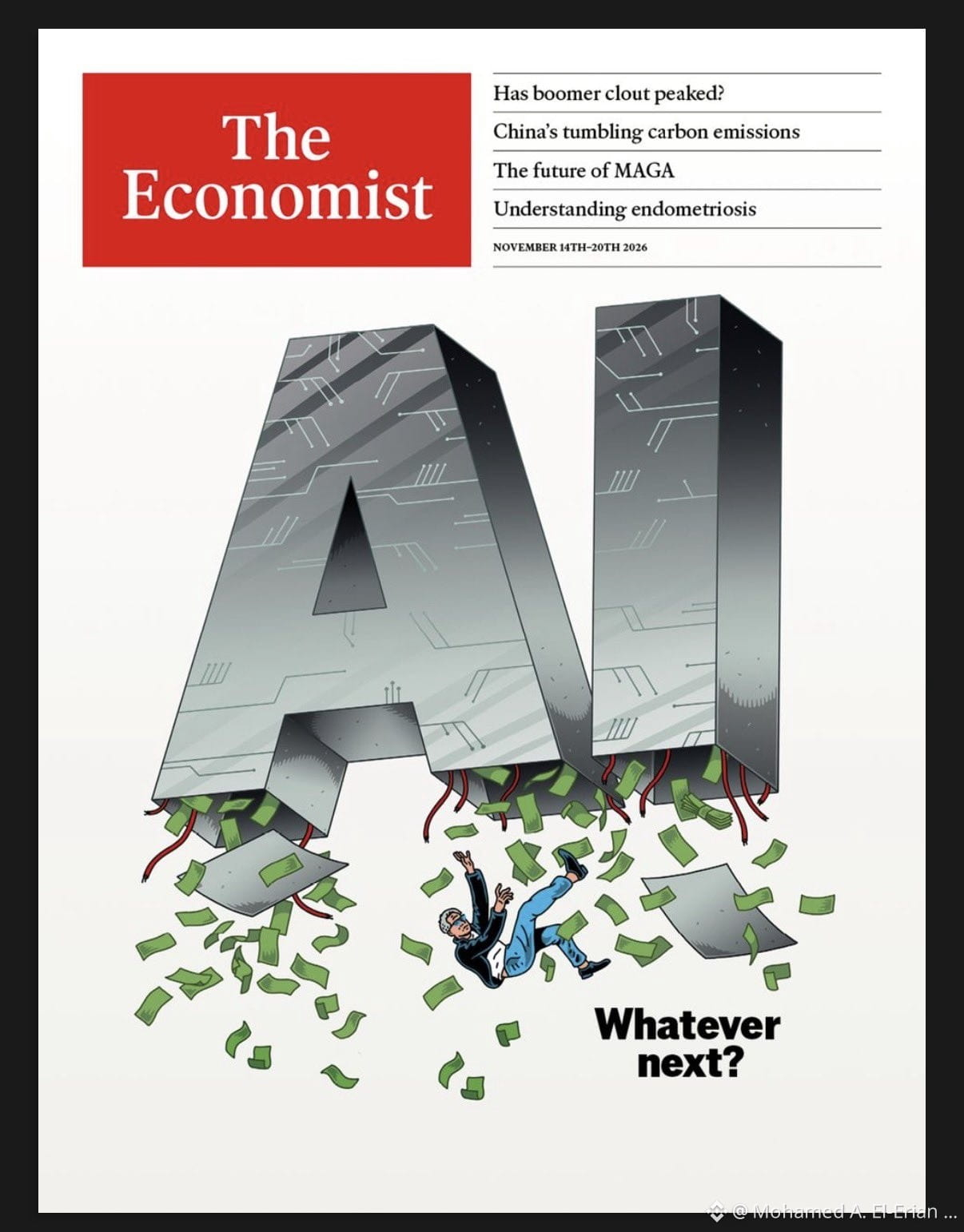
エコノミスト誌の最新週刊号に掲載された表紙をご紹介します。
#経済 #市場 @TheEconomist
エコノミスト誌の最新週刊号に掲載された表紙をご紹介します。
#経済 #市場 @TheEconomist
#経済 #市場 @TheEconomist
95
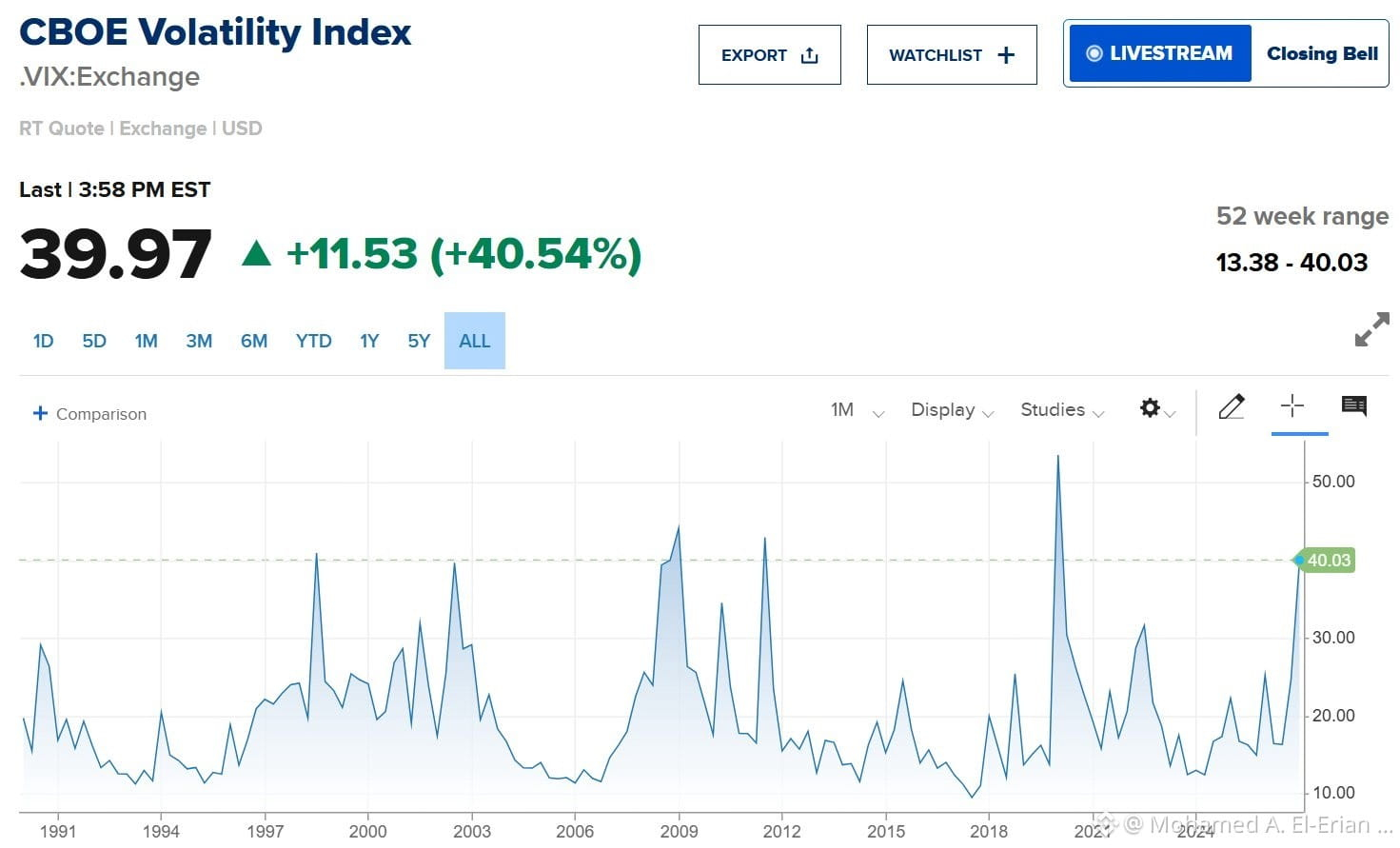
本日の取引が終了の鐘に近づくなか、すでに厳しい市場環境は一段と大きく悪化しています。不利なテクニカル要因が完全に主導権を握り、幅広い銘柄でファンダメンタルズ要因を押しのけています。
主要指標がその圧力を示しています。ナスダックは5%超下落し、VIXが40に迫るなか、市場のボラティリティは急上昇しました。一方、10年債利回りは4.93%まで低下しています。
週末を迎えるにあたり、市場を見守る人々には二つの重要な疑問が浮かびます。第一に、特にさらなる強制的なレバレッジ解消のリスクを踏まえると、根底にあるテクニカル面の損傷はどれほど深刻なのでしょうか。第二に、この広範な下落はより広い実体経済に波及し、その結果、企業収益に影響を及ぼす可能性はあるのでしょうか。
チャート提供:@CNBC。
#経済 #市場 #株式 #債券 #投資 #投資家
主要指標がその圧力を示しています。ナスダックは5%超下落し、VIXが40に迫るなか、市場のボラティリティは急上昇しました。一方、10年債利回りは4.93%まで低下しています。
週末を迎えるにあたり、市場を見守る人々には二つの重要な疑問が浮かびます。第一に、特にさらなる強制的なレバレッジ解消のリスクを踏まえると、根底にあるテクニカル面の損傷はどれほど深刻なのでしょうか。第二に、この広範な下落はより広い実体経済に波及し、その結果、企業収益に影響を及ぼす可能性はあるのでしょうか。
チャート提供:@CNBC。
#経済 #市場 #株式 #債券 #投資 #投資家

77
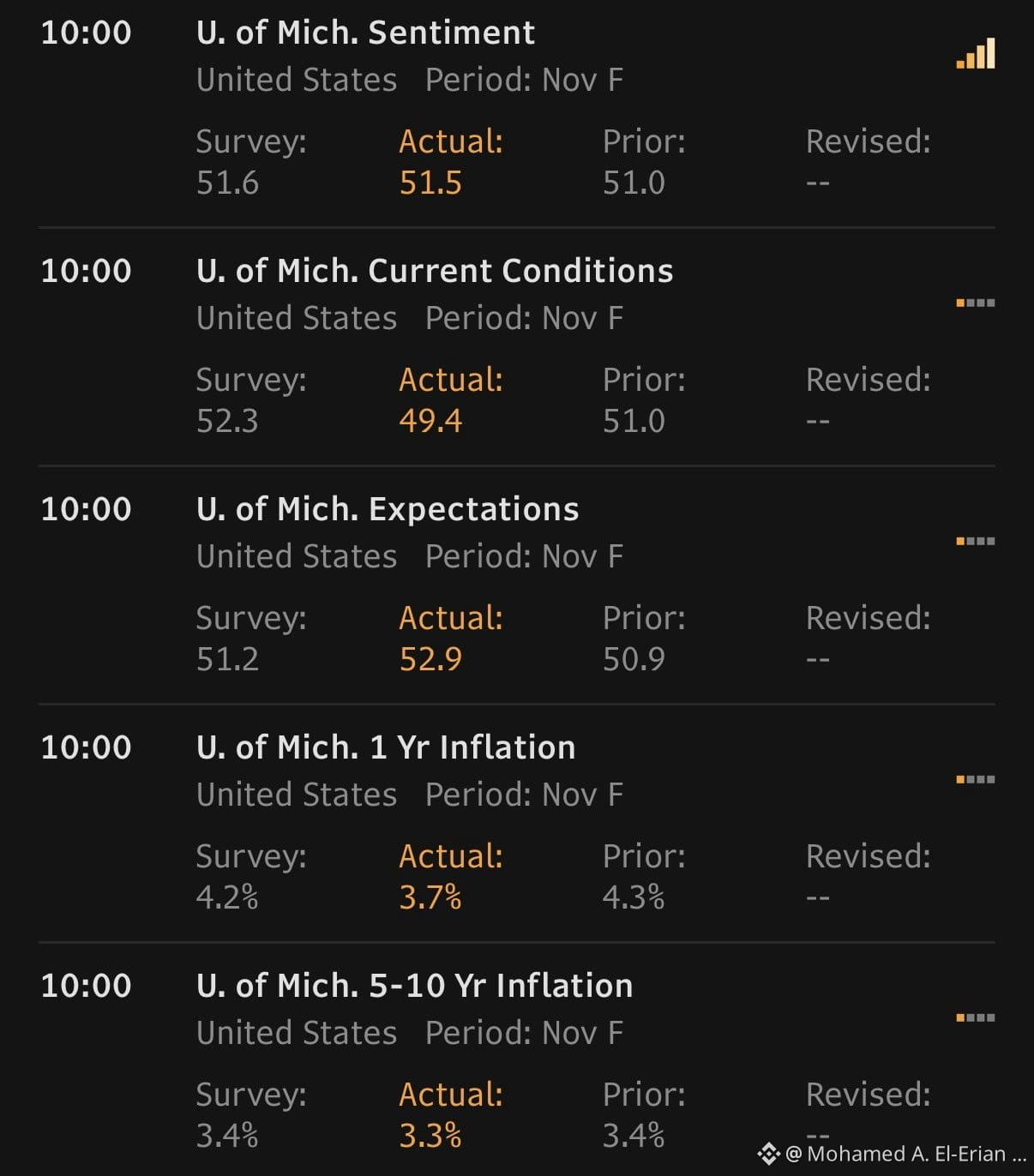
米国の最新経済指標を見てみましょう。
以下に示すブルームバーグのデータによると、ミシガン大学の消費者信頼感指数(速報値)は市場全体の予想とほぼ一致しました。現況指数はやや低下したものの、将来への楽観的な見方が強まったことで、その低下分は実質的に相殺されました。
特に注目すべき点として、短期・長期のインフレ予想はいずれも低下しました。これは、最近の原油価格の急落を反映したものです。
#経済 #市場
米国の最新経済指標を見てみましょう。
以下に示すブルームバーグのデータによると、ミシガン大学の消費者信頼感指数(速報値)は市場全体の予想とほぼ一致しました。現況指数はやや低下したものの、将来への楽観的な見方が強まったことで、その低下分は実質的に相殺されました。
特に注目すべき点として、短期・長期のインフレ予想はいずれも低下しました。これは、最近の原油価格の急落を反映したものです。
#経済 #市場
以下に示すブルームバーグのデータによると、ミシガン大学の消費者信頼感指数(速報値)は市場全体の予想とほぼ一致しました。現況指数はやや低下したものの、将来への楽観的な見方が強まったことで、その低下分は実質的に相殺されました。
特に注目すべき点として、短期・長期のインフレ予想はいずれも低下しました。これは、最近の原油価格の急落を反映したものです。
#経済 #市場
78
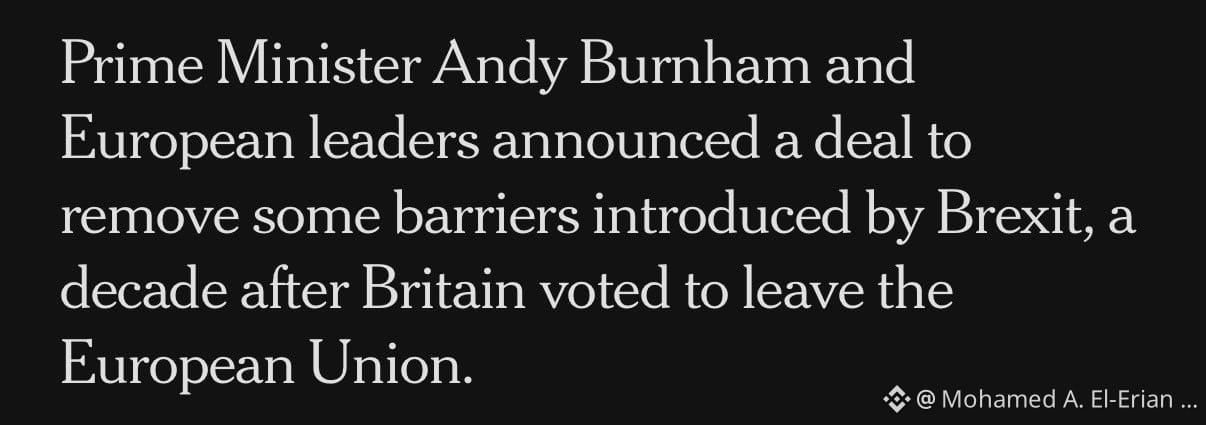
この最近の進展は、国際貿易をより重視する四つのエンジンによる成長モデルの実現を目指す英国にとって、明るい兆しです。しかし、ミドルパワーが世界経済秩序の中核で米国に取って代わる準備ができているという見方を裏付けるものではありません。現時点では、こうした中堅国にも中国にも、その役割を担う力はありません。その結果、米国の指導力が再び高まらない限り、世界経済はさらなる分断へ向かう可能性が最も高いでしょう。
このテーマについて詳しく知りたい方は、以下のリンクをご覧ください。
https://www.newstatesman.com/politics/2026/11/britain-is-finally-serious-about-growth
#経済 #市場 #英国 #EU
このテーマについて詳しく知りたい方は、以下のリンクをご覧ください。
https://www.newstatesman.com/politics/2026/11/britain-is-finally-serious-about-growth
#経済 #市場 #英国 #EU
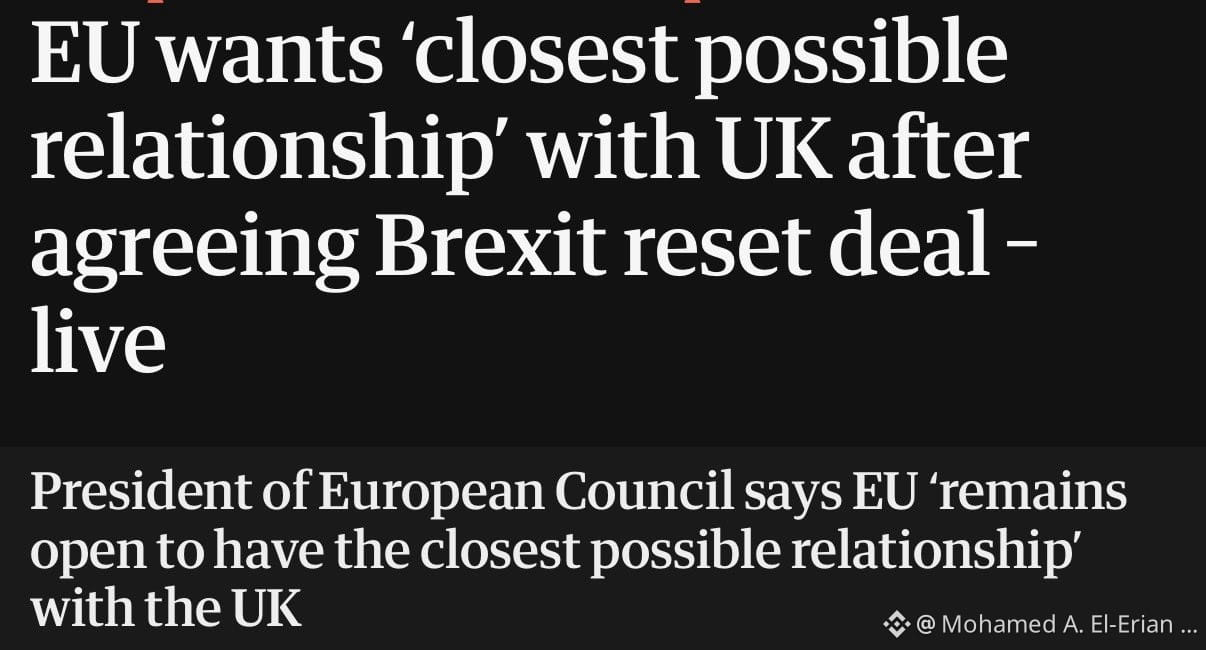
138
米国株式市場でテクノロジー関連銘柄主導の下落が続くなか、ナスダックは年初来の上昇分をすべて失いました。年初来リターンが0%となり、わずか1か月余り前に記録した約20%の上昇分が消失しました。
#経済 #株式 #市場 #テクノロジー
米国株式市場でテクノロジー関連銘柄主導の下落が続くなか、ナスダックは年初来の上昇分をすべて失いました。年初来リターンが0%となり、わずか1か月余り前に記録した約20%の上昇分が消失しました。
#経済 #株式 #市場 #テクノロジー
#経済 #株式 #市場 #テクノロジー
183
商品市場全体で、金をはじめとする金属にも影響する、より広範かつ顕著な下落が見られます。あなたの見方では、これは主に流動性確保の需要やリスク回避によるものでしょうか。それとも、景気減速への懸念の高まりも影響し始めているのでしょうか?
#市場 #商品市場 #金 #経済 #銅
商品市場全体で、金をはじめとする金属にも影響する、より広範かつ顕著な下落が見られます。あなたの見方では、これは主に流動性確保の需要やリスク回避によるものでしょうか。それとも、景気減速への懸念の高まりも影響し始めているのでしょうか?
#市場 #商品市場 #金 #経済 #銅
#市場 #商品市場 #金 #経済 #銅
186
ログインして、さらにコンテンツを読む
厳選トピックで世界の暗号資産トレーダーの仲間入り
⚡️ 暗号資産に関する最新かつ有益な情報が見つかります。
💬 世界最大の暗号資産取引所から信頼されています。
👍 認証を受けたクリエイターから、有益なインサイトを得られます。
メール / 電話番号