

MAVROS 11
3k 投稿

MAVROS 11
報告
ユーザーをブロック
🧠 Binance Content Creator | 📊 Technical Analysis Expert | 📈 Sharing Real Market Insights & Setups Daily
取引を発注

BNBホルダー
高頻度トレーダー
2.1年
245 フォロー
584 フォロワー
1.8K+ いいね
投稿
ポートフォリオ
すべて
引用
動画
ライブ
·
--
ブリッシュ
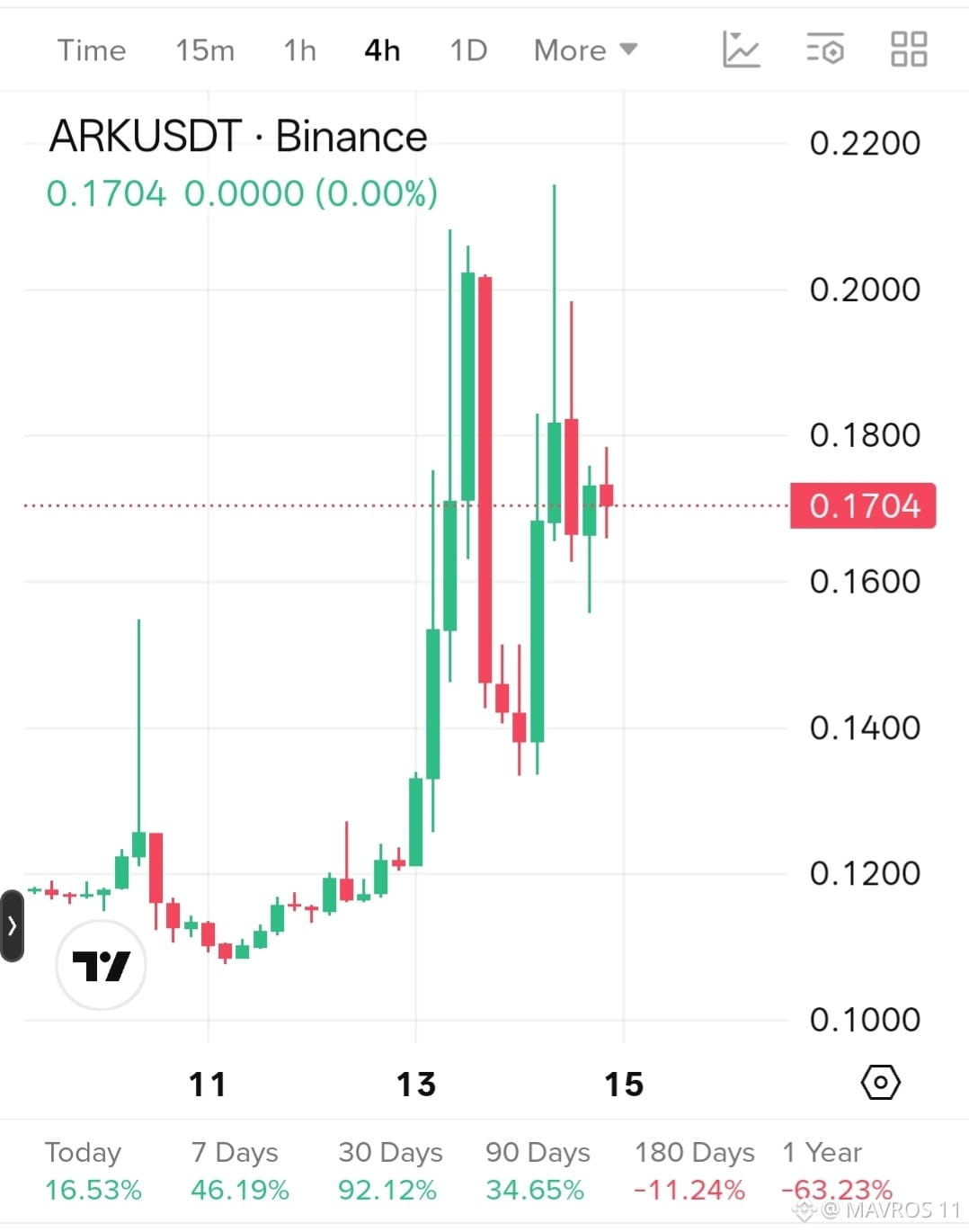
🚀 ARK/USDT — 4H 強気セットアップ
$ARK は強いブレイクアウトの後、0.1704 前後で推移しています。チャートは値動きが激しいですが、買い手は依然として 0.16〜0.17 の水準を防衛しています。
🟢 ロングエントリー: 0.164〜0.171
🛑 損切り( SL ): 0.153
🎯 TP1: 0.180
🎯 TP2: 0.195
🎯 TP3: 0.215
📌 サポート: 0.160〜0.165
📌 主要サポート: 0.145〜0.150
📌 レジスタンス: 0.180〜0.200
4Hでの明確なブレイクアウトと 0.180 以上での維持ができれば、0.195〜0.215 へ向かう道が開ける可能性があります。
⚠️ 直近の急騰の後は高ボラティリティ—追いかけるより、リテスト待ちのほうが良いでしょう。
見通し: 🟢 0.160 以上で強気
$ARK
{future}(ARKUSDT)
#AvalancheIntegratesIntoUAEPassDigitalVault #AnthropicCEOCallsForAISlowdown #BrazilCentralBankRaisesVASPCapitalRequirements #BitcoinThirdSingleBlockReorgInFourWeeks #FedHikeOddsRiseTo89%
🚀 ARK/USDT — 4H 強気セットアップ
$ARK は強いブレイクアウトの後、0.1704 前後で推移しています。チャートは値動きが激しいですが、買い手は依然として 0.16〜0.17 の水準を防衛しています。
🟢 ロングエントリー: 0.164〜0.171
🛑 損切り( SL ): 0.153
🎯 TP1: 0.180
🎯 TP2: 0.195
🎯 TP3: 0.215
📌 サポート: 0.160〜0.165
📌 主要サポート: 0.145〜0.150
📌 レジスタンス: 0.180〜0.200
4Hでの明確なブレイクアウトと 0.180 以上での維持ができれば、0.195〜0.215 へ向かう道が開ける可能性があります。
⚠️ 直近の急騰の後は高ボラティリティ—追いかけるより、リテスト待ちのほうが良いでしょう。
見通し: 🟢 0.160 以上で強気
$ARK
#AvalancheIntegratesIntoUAEPassDigitalVault #AnthropicCEOCallsForAISlowdown #BrazilCentralBankRaisesVASPCapitalRequirements #BitcoinThirdSingleBlockReorgInFourWeeks #FedHikeOddsRiseTo89%
$ARK は強いブレイクアウトの後、0.1704 前後で推移しています。チャートは値動きが激しいですが、買い手は依然として 0.16〜0.17 の水準を防衛しています。
🟢 ロングエントリー: 0.164〜0.171
🛑 損切り( SL ): 0.153
🎯 TP1: 0.180
🎯 TP2: 0.195
🎯 TP3: 0.215
📌 サポート: 0.160〜0.165
📌 主要サポート: 0.145〜0.150
📌 レジスタンス: 0.180〜0.200
4Hでの明確なブレイクアウトと 0.180 以上での維持ができれば、0.195〜0.215 へ向かう道が開ける可能性があります。
⚠️ 直近の急騰の後は高ボラティリティ—追いかけるより、リテスト待ちのほうが良いでしょう。
見通し: 🟢 0.160 以上で強気
$ARK
#AvalancheIntegratesIntoUAEPassDigitalVault #AnthropicCEOCallsForAISlowdown #BrazilCentralBankRaisesVASPCapitalRequirements #BitcoinThirdSingleBlockReorgInFourWeeks #FedHikeOddsRiseTo89%
160
·
--
ブリッシュ
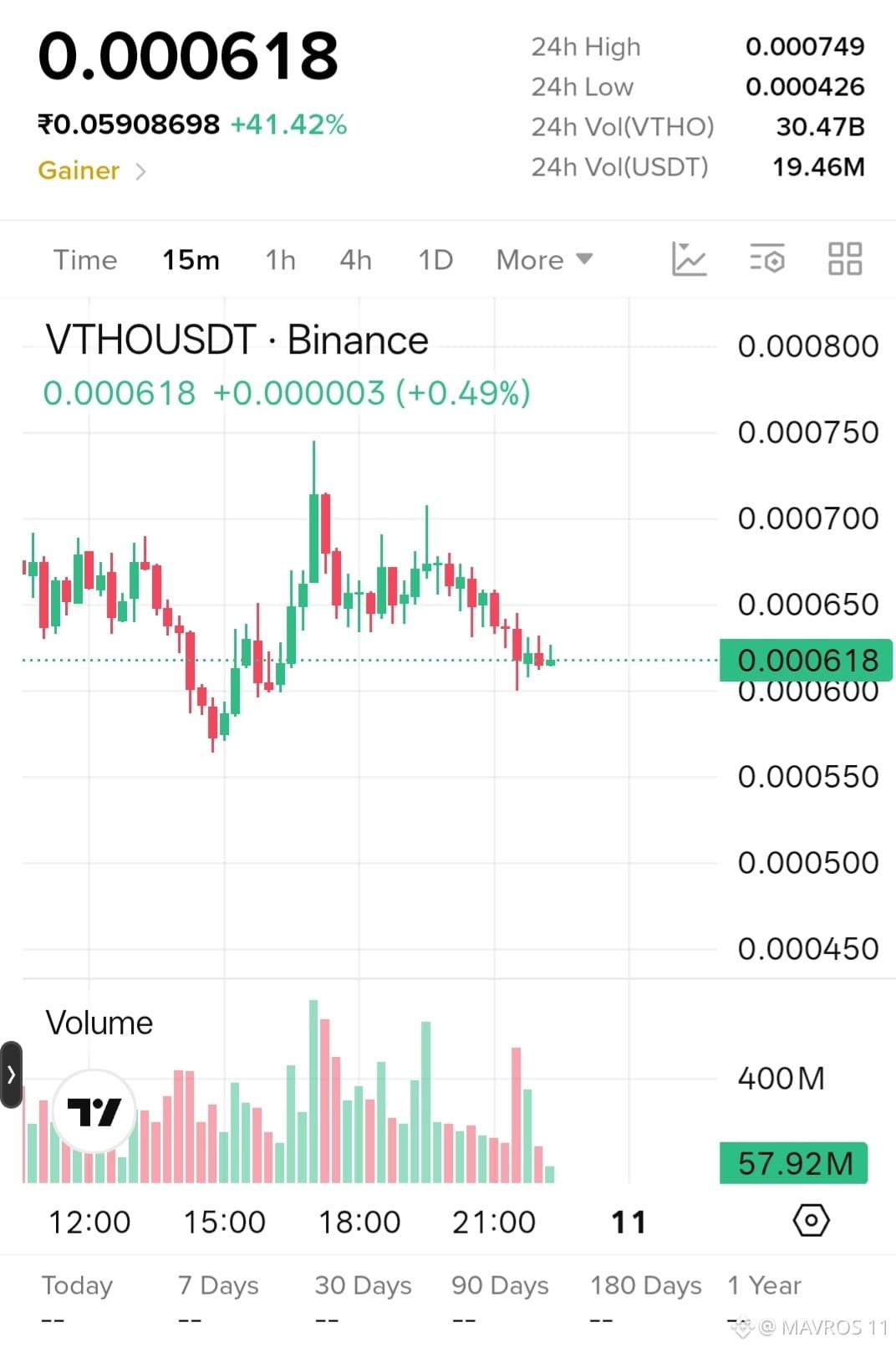
🔥 $VTHO USDT — 15M セットアップ
現在: 0.000618
価格は先ほどのポンプ後に値固め中で、0.00060が短期の重要なサポートとなっています。
🟢 LONG セットアップ
エントリー: 0.000605–0.000620
SL: 0.000585
TP1: 0.000650
TP2: 0.000680
TP3: 0.000720
📌 重要なレジスタンス: 0.000650–0.000680
📌 重要なサポート: 0.000600–0.000585
0.000650の上での明確なブレイク&ホールドができれば、より高い目標が視野に入ります。
⚠️ 価格が急騰しても追いかけず、確認/再テストを待ちましょう。
見通し: 🟢 0.000600#USAugustPPIRisesLessThanExpected #SECApprovesNasdaqTexasCommodityTrustRule #USContinuingJoblessClaims1.774M #USAugustPPIYoYRisesTo5.4% #TSMCAugustRevenueUp53.3%YoY $VTHO より上なら強気
{future}(VTHOUSDT)
🔥 $VTHO USDT — 15M セットアップ
現在: 0.000618
価格は先ほどのポンプ後に値固め中で、0.00060が短期の重要なサポートとなっています。
🟢 LONG セットアップ
エントリー: 0.000605–0.000620
SL: 0.000585
TP1: 0.000650
TP2: 0.000680
TP3: 0.000720
📌 重要なレジスタンス: 0.000650–0.000680
📌 重要なサポート: 0.000600–0.000585
0.000650の上での明確なブレイク&ホールドができれば、より高い目標が視野に入ります。
⚠️ 価格が急騰しても追いかけず、確認/再テストを待ちましょう。
見通し: 🟢 0.000600#USAugustPPIRisesLessThanExpected #SECApprovesNasdaqTexasCommodityTrustRule #USContinuingJoblessClaims1.774M #USAugustPPIYoYRisesTo5.4% #TSMCAugustRevenueUp53.3%YoY $VTHO より上なら強気
現在: 0.000618
価格は先ほどのポンプ後に値固め中で、0.00060が短期の重要なサポートとなっています。
🟢 LONG セットアップ
エントリー: 0.000605–0.000620
SL: 0.000585
TP1: 0.000650
TP2: 0.000680
TP3: 0.000720
📌 重要なレジスタンス: 0.000650–0.000680
📌 重要なサポート: 0.000600–0.000585
0.000650の上での明確なブレイク&ホールドができれば、より高い目標が視野に入ります。
⚠️ 価格が急騰しても追いかけず、確認/再テストを待ちましょう。
見通し: 🟢 0.000600#USAugustPPIRisesLessThanExpected #SECApprovesNasdaqTexasCommodityTrustRule #USContinuingJoblessClaims1.774M #USAugustPPIYoYRisesTo5.4% #TSMCAugustRevenueUp53.3%YoY $VTHO より上なら強気
2
237
·
--
ブリッシュ
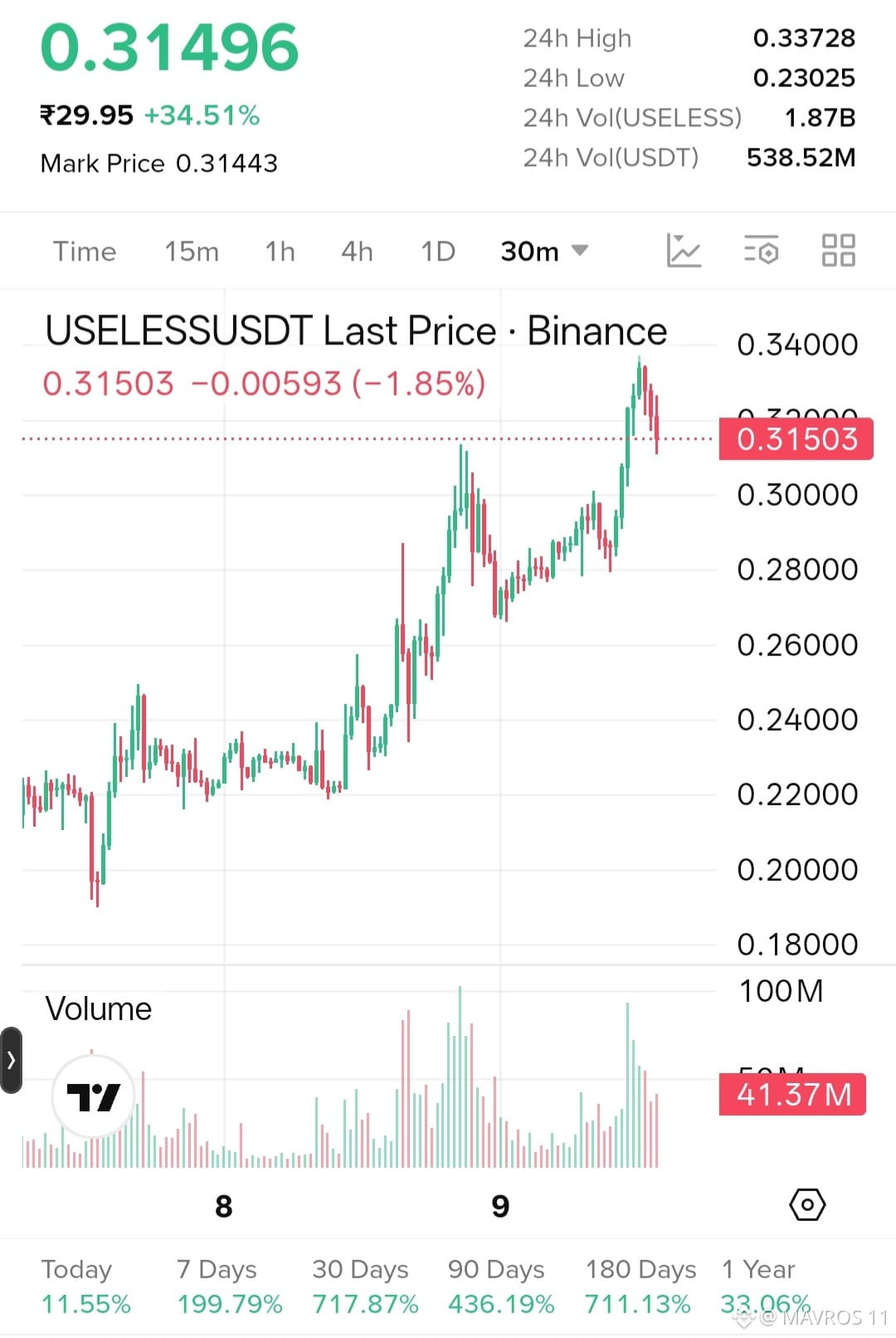
🔥 $USELESS USDT — 30M のセットアップ
現在: 0.3150
📈 強い上昇トレンドですが、0.337〜0.340付近での拒否後に価格が押し戻されています。
LONG セットアップ
エントリー: 0.308〜0.315
TP1: 0.325
TP2: 0.337
TP3: 0.350
SL: 0.298
⚠️ 最適なエントリーは、0.308〜0.315で確認された反発時です。急なグリーンの足を追いかけるのは避けましょう。
見通し: 🟢 強気 #USStrikesTargetsNearHormuzAndJask #USDestroysFiveIranianOilTankers #USStocksCloseLowerIntelRises9% #DowFallsOver600Points #useless $USELESS
{future}(USELESSUSDT)
🔥 $USELESS USDT — 30M のセットアップ
現在: 0.3150
📈 強い上昇トレンドですが、0.337〜0.340付近での拒否後に価格が押し戻されています。
LONG セットアップ
エントリー: 0.308〜0.315
TP1: 0.325
TP2: 0.337
TP3: 0.350
SL: 0.298
⚠️ 最適なエントリーは、0.308〜0.315で確認された反発時です。急なグリーンの足を追いかけるのは避けましょう。
見通し: 🟢 強気 #USStrikesTargetsNearHormuzAndJask #USDestroysFiveIranianOilTankers #USStocksCloseLowerIntelRises9% #DowFallsOver600Points #useless $USELESS
現在: 0.3150
📈 強い上昇トレンドですが、0.337〜0.340付近での拒否後に価格が押し戻されています。
LONG セットアップ
エントリー: 0.308〜0.315
TP1: 0.325
TP2: 0.337
TP3: 0.350
SL: 0.298
⚠️ 最適なエントリーは、0.308〜0.315で確認された反発時です。急なグリーンの足を追いかけるのは避けましょう。
見通し: 🟢 強気 #USStrikesTargetsNearHormuzAndJask #USDestroysFiveIranianOilTankers #USStocksCloseLowerIntelRises9% #DowFallsOver600Points #useless $USELESS
119
·
--
ブリッシュ
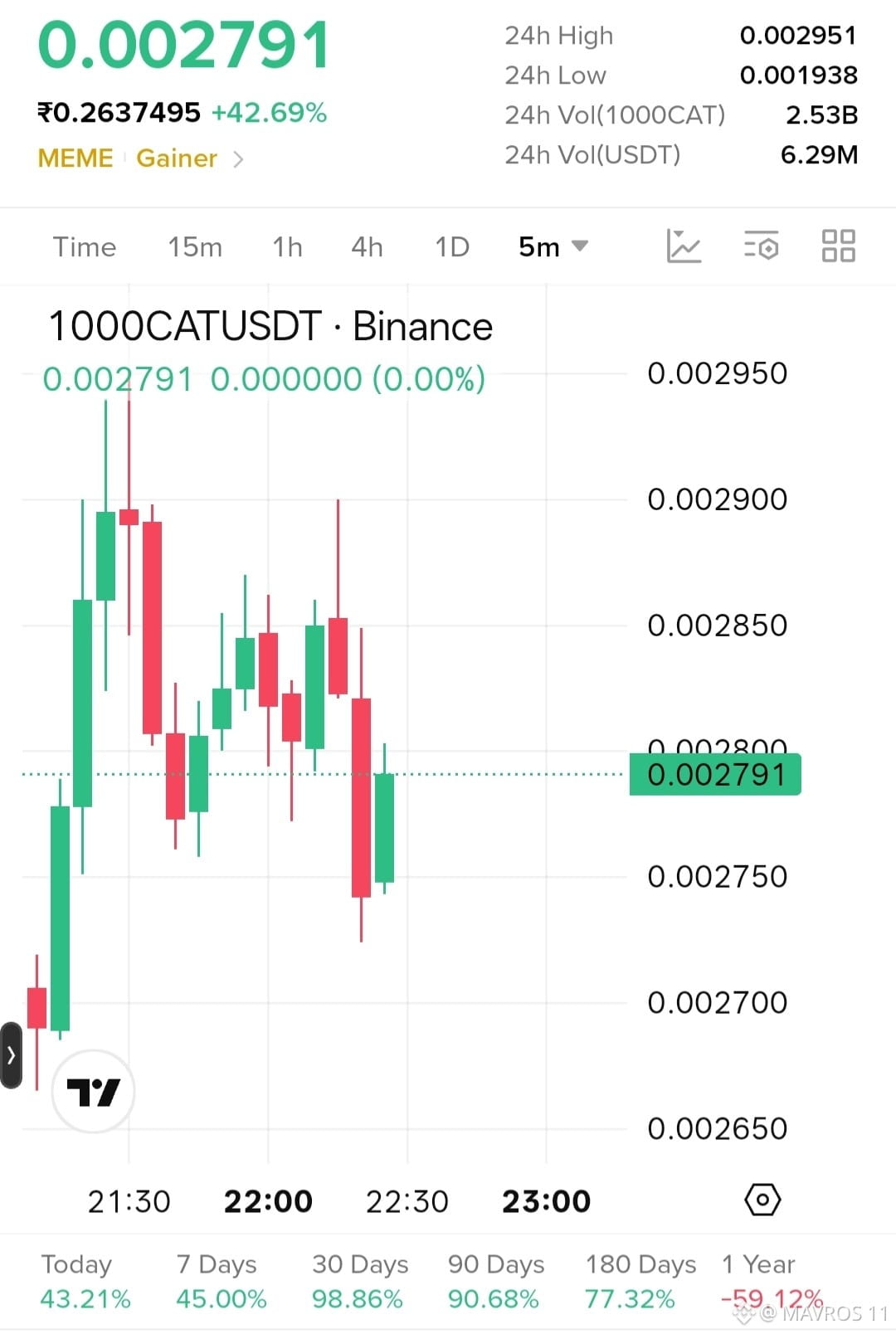
🔥 $1000CAT /USDT — 大きな値動き、ショートセットアップに注目!
本日すでに +42% 上昇していますが、5分足チャートでは高いボラティリティと高値付近での反発が強く見られます。📈⚠️
📉 現在のサポートゾーンを下抜ければ、ショートの好機となる可能性があります。
飛びつかず、適切な पुष्टिを待ちましょう!🔥
$1000CAT
{future}(1000CATUSDT)
#LululemonTumbles20%OnWeakGuidance #Crypto #Binance #trading #ShortSetup
🔥 $1000CAT /USDT — 大きな値動き、ショートセットアップに注目!
本日すでに +42% 上昇していますが、5分足チャートでは高いボラティリティと高値付近での反発が強く見られます。📈⚠️
📉 現在のサポートゾーンを下抜ければ、ショートの好機となる可能性があります。
飛びつかず、適切な पुष्टिを待ちましょう!🔥
$1000CAT
#LululemonTumbles20%OnWeakGuidance #Crypto #Binance #trading #ShortSetup
本日すでに +42% 上昇していますが、5分足チャートでは高いボラティリティと高値付近での反発が強く見られます。📈⚠️
📉 現在のサポートゾーンを下抜ければ、ショートの好機となる可能性があります。
飛びつかず、適切な पुष्टिを待ちましょう!🔥
$1000CAT
#LululemonTumbles20%OnWeakGuidance #Crypto #Binance #trading #ShortSetup
89
·
--
ブリッシュ
🔥 /USDT — 爆発的な急騰、ショートのセットアップに注目!
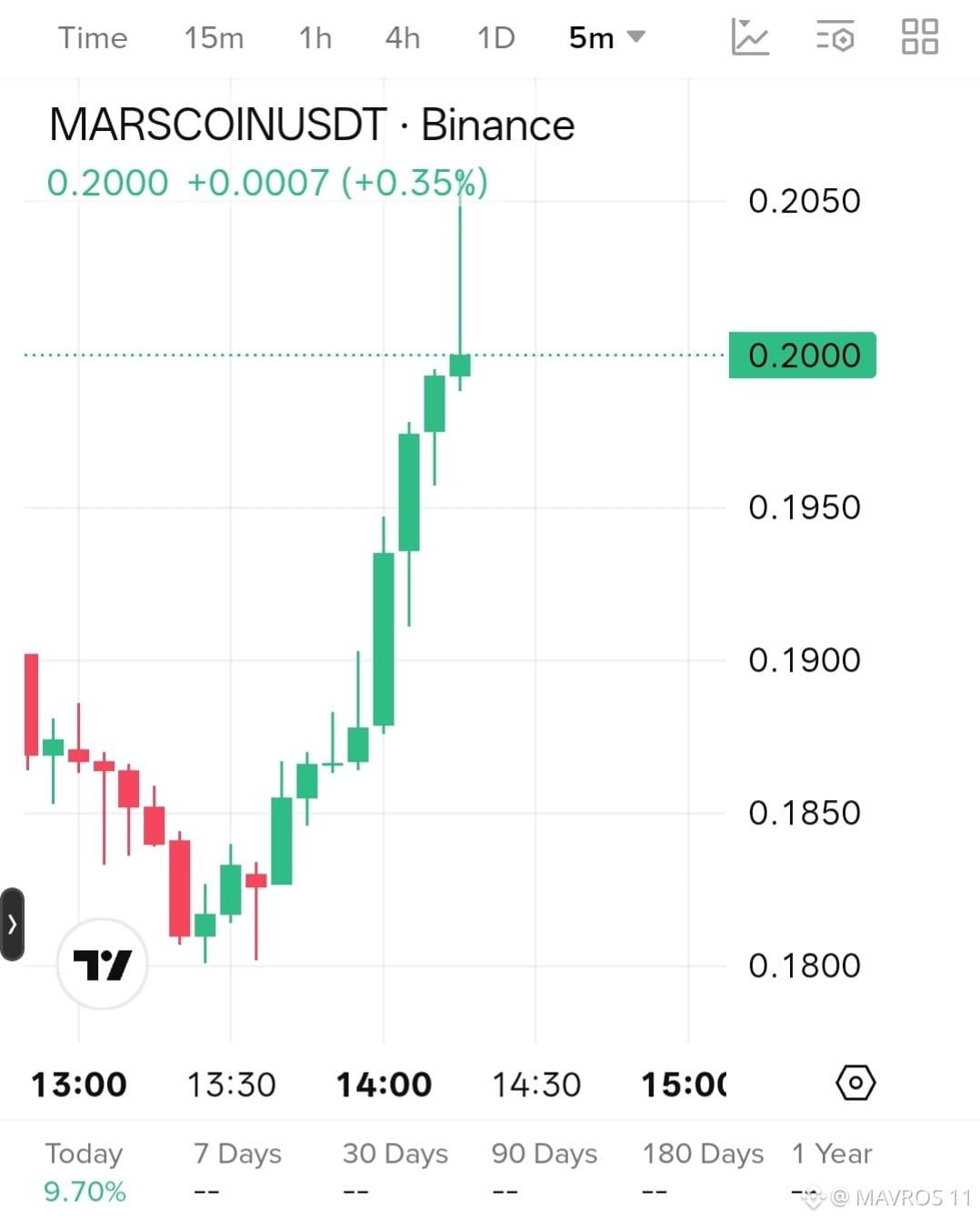
$MARSCOIN は +82% の大幅上昇で、5分足チャートでは鋭い垂直上昇を見せています。 🚀
⚠️ これほど激しい急騰の後は、現在のゾーンからの反落が面白いショート機会を生む可能性があります。
📉 確認を待ちましょう — 追いかけないでください。
高ボラティリティ・高リスクですが、間違いなく注目すべき一つです! 🔥
#MARSCOIN ショートセットアップ/USDT — 爆発的な急騰、ショートのセットアップに注目!
MARSCOIN は +82% の大幅上昇で、5分足チャートでは鋭い垂直上昇を見せています。 🚀
⚠️ これほど激しい急騰の後は、現在のゾーンからの反落が面白いショート機会を生む可能性があります。
📉 確認を待ちましょう — 追いかけないでください。
高ボラティリティ・高リスクですが、間違いなく注目すべき一つです! 🔥
$MARSCOIN
{future}(MARSCOINUSDT)
#Crypto #Binance #Trading #ShortSetup
🔥 /USDT — 爆発的な急騰、ショートのセットアップに注目!
$MARSCOIN は +82% の大幅上昇で、5分足チャートでは鋭い垂直上昇を見せています。 🚀
⚠️ これほど激しい急騰の後は、現在のゾーンからの反落が面白いショート機会を生む可能性があります。
📉 確認を待ちましょう — 追いかけないでください。
高ボラティリティ・高リスクですが、間違いなく注目すべき一つです! 🔥
#MARSCOIN ショートセットアップ/USDT — 爆発的な急騰、ショートのセットアップに注目!
MARSCOIN は +82% の大幅上昇で、5分足チャートでは鋭い垂直上昇を見せています。 🚀
⚠️ これほど激しい急騰の後は、現在のゾーンからの反落が面白いショート機会を生む可能性があります。
📉 確認を待ちましょう — 追いかけないでください。
高ボラティリティ・高リスクですが、間違いなく注目すべき一つです! 🔥
$MARSCOIN
#Crypto #Binance #Trading #ShortSetup
$MARSCOIN は +82% の大幅上昇で、5分足チャートでは鋭い垂直上昇を見せています。 🚀
⚠️ これほど激しい急騰の後は、現在のゾーンからの反落が面白いショート機会を生む可能性があります。
📉 確認を待ちましょう — 追いかけないでください。
高ボラティリティ・高リスクですが、間違いなく注目すべき一つです! 🔥
#MARSCOIN ショートセットアップ/USDT — 爆発的な急騰、ショートのセットアップに注目!
MARSCOIN は +82% の大幅上昇で、5分足チャートでは鋭い垂直上昇を見せています。 🚀
⚠️ これほど激しい急騰の後は、現在のゾーンからの反落が面白いショート機会を生む可能性があります。
📉 確認を待ちましょう — 追いかけないでください。
高ボラティリティ・高リスクですが、間違いなく注目すべき一つです! 🔥
$MARSCOIN
#Crypto #Binance #Trading #ShortSetup
1
176
·
--
🚨 — 大きなショート・セットアップ
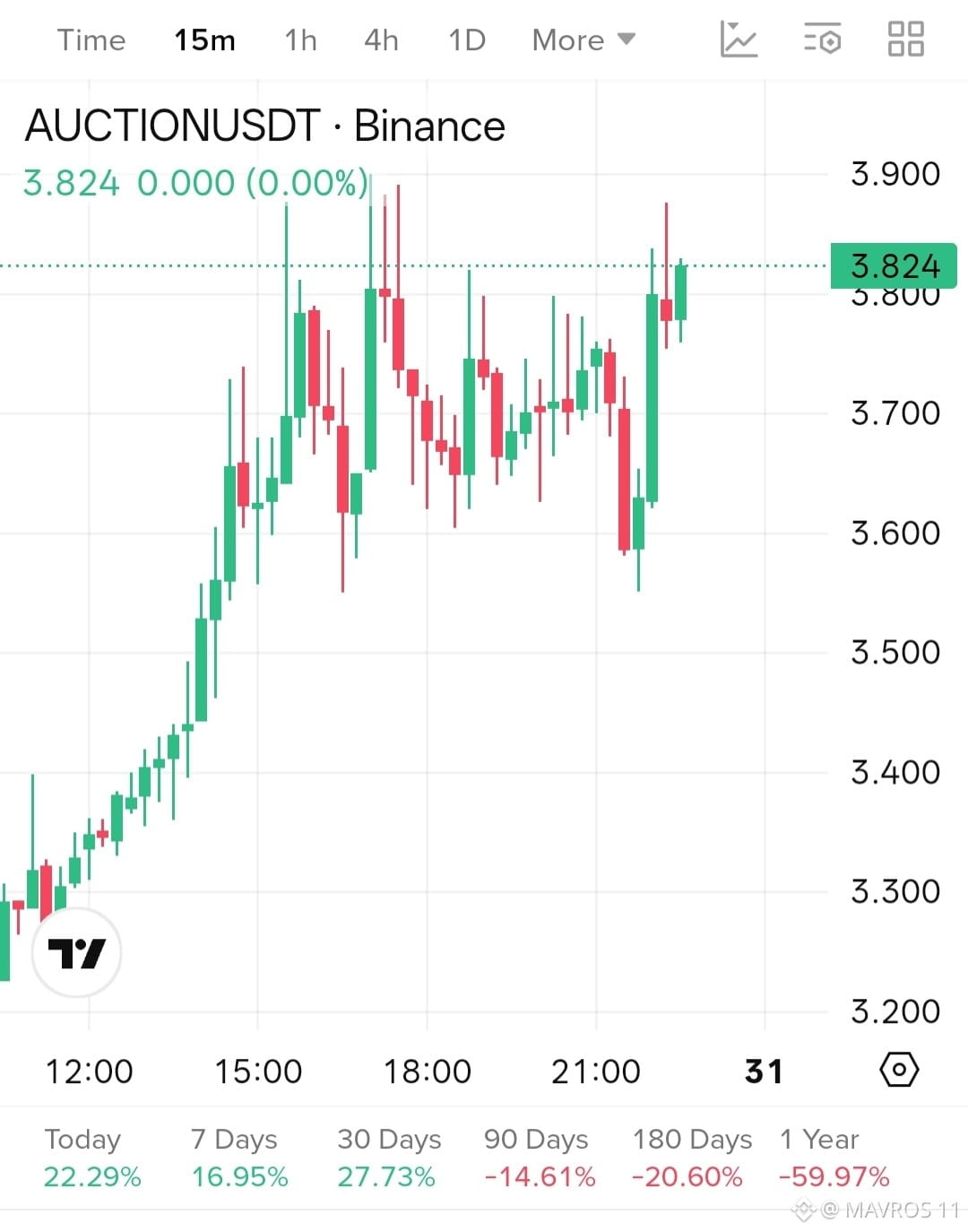
$AUCTION は本日+20%で、強い3.85〜3.90のレジスタンス帯をテストしています。
📉 ショート・ゾーン: 3.82〜3.90
🎯 TP1: 3.70
🎯 TP2: 3.60
🎯 TP3: 3.45
🛑 SL: 3.95+
⚠️ エントリーする前に、15Mで弱気のリジェクション/クローズを待ってください。3.90がブレイクして定着すれば、ショート・セットアップは無効になります。
高いレジスタンス+過度に伸びた動き=注目すべき押し目(プルバック)セットアップ。🔥📉$AUCTION
{future}(AUCTIONUSDT)
#GoldFalls3.24%ThisWeek #TrumpReachesVenezuelaOilDealOn17Fields #AfghanistanTalibanReportedlyBansCryptoNationwide #ICBAOpposesCLARITYActOverStablecoinLoophole #AntiQuantumBitcoinTransactionMinedOnMainnet
🚨 — 大きなショート・セットアップ
$AUCTION は本日+20%で、強い3.85〜3.90のレジスタンス帯をテストしています。
📉 ショート・ゾーン: 3.82〜3.90
🎯 TP1: 3.70
🎯 TP2: 3.60
🎯 TP3: 3.45
🛑 SL: 3.95+
⚠️ エントリーする前に、15Mで弱気のリジェクション/クローズを待ってください。3.90がブレイクして定着すれば、ショート・セットアップは無効になります。
高いレジスタンス+過度に伸びた動き=注目すべき押し目(プルバック)セットアップ。🔥📉$AUCTION
#GoldFalls3.24%ThisWeek #TrumpReachesVenezuelaOilDealOn17Fields #AfghanistanTalibanReportedlyBansCryptoNationwide #ICBAOpposesCLARITYActOverStablecoinLoophole #AntiQuantumBitcoinTransactionMinedOnMainnet
$AUCTION は本日+20%で、強い3.85〜3.90のレジスタンス帯をテストしています。
📉 ショート・ゾーン: 3.82〜3.90
🎯 TP1: 3.70
🎯 TP2: 3.60
🎯 TP3: 3.45
🛑 SL: 3.95+
⚠️ エントリーする前に、15Mで弱気のリジェクション/クローズを待ってください。3.90がブレイクして定着すれば、ショート・セットアップは無効になります。
高いレジスタンス+過度に伸びた動き=注目すべき押し目(プルバック)セットアップ。🔥📉$AUCTION
#GoldFalls3.24%ThisWeek #TrumpReachesVenezuelaOilDealOn17Fields #AfghanistanTalibanReportedlyBansCryptoNationwide #ICBAOpposesCLARITYActOverStablecoinLoophole #AntiQuantumBitcoinTransactionMinedOnMainnet
86
·
--
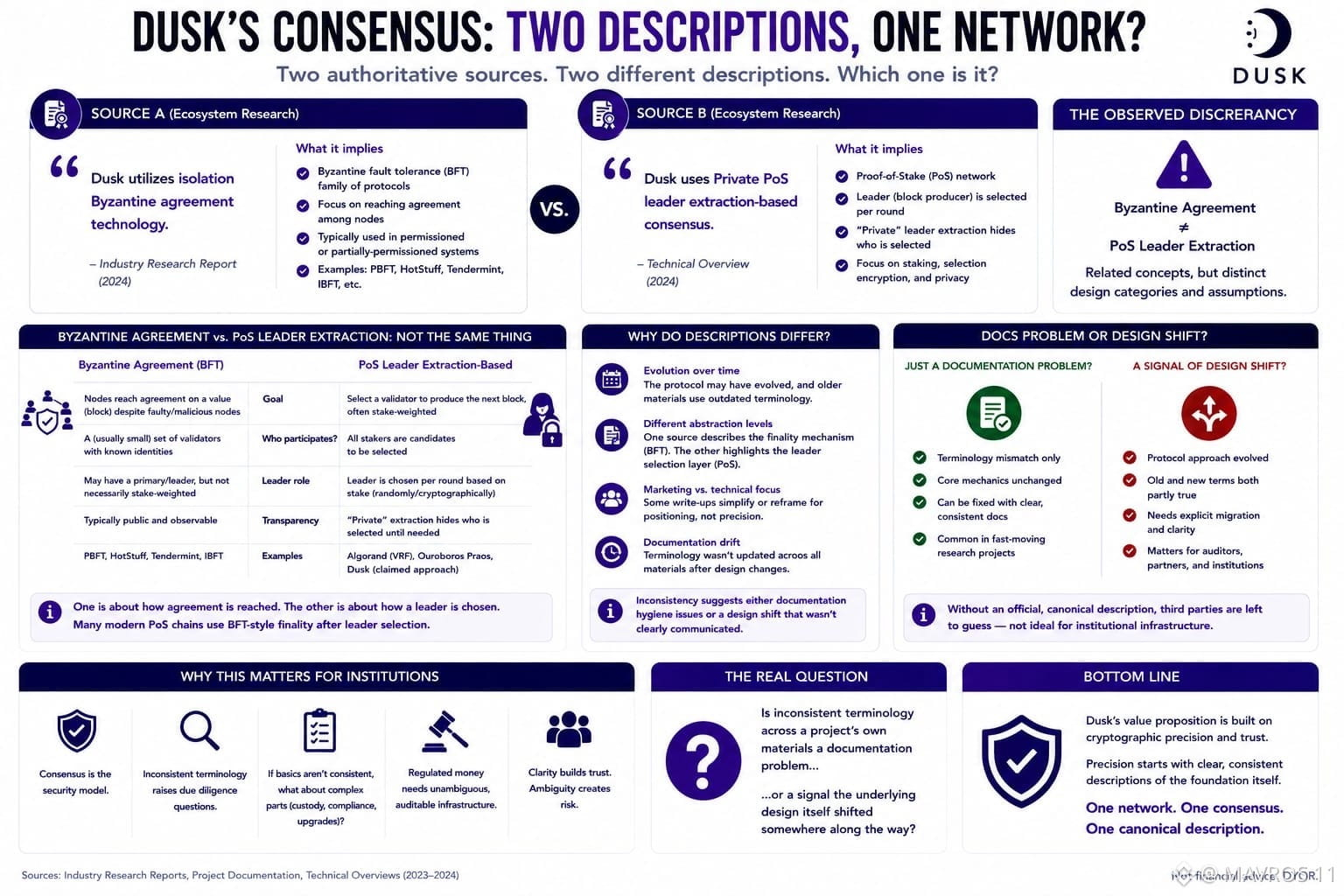
@Dusk_Foundation 自身のコンセンサス機構について、もっともらしい権威ある説明が2つあるにもかかわらず、互いに一致していません。1つの情報源では「分離型ビザンチン合意技術(isolation Byzantine agreement technology)」と説明されています。別の情報源は、同じ研究の記述の中で「プライベートPoSリーダー抽出ベースのコンセンサス(Private PoS leader extraction-based consensus)」と呼んでいます。これらは同じ概念の言い換えというだけではありません――ビザンチン合意とPoSリーダー抽出は、コンセンサス研究における関連はあるものの、別個の設計カテゴリです。
hmm 暗号学的な正確性に価値が全面的に依存しているチェーン――ゼロ知識証明、選択的開示、監査可能だが秘匿性のあるスマートコントラクト――で、そのコンセンサス機構がエコシステム資料の中で一貫しない形で記述されているのは、小さなものの、しかし示唆に富むギャップです。機関の技術的デューデリジェンス担当チームはドキュメントを細かく読み込みますし、二次情報源がネットワークがどのように合意に達するかという基本用語レベルでさえ一致できない場合、それはドキュメント自体が不整合なのか、あるいはプロトコルが進化していく過程で、これらの記述が古い/相反する内部説明をもとに書かれているサインである可能性があります。
これはそれ自体は軽微な例です。しかし、規制された決済インフラを機関に信頼させようとしているプロジェクトでは、注視すべきパターンです。コンセンサス用語がプロジェクト自身のエコシステム上のコンテンツ間で揺れたり矛盾したりするなら、本当により重要な部分――カストディ(保管)ロジック、コンプライアンスの開示ルール、アップグレード手順――についてのドキュメントはどれほど厳密に管理されているのでしょうか?
プロジェクト自身の資料間での用語の不一致は、ドキュメント上の問題なのか、それとも基盤となる設計が途中でどこか変化したことのサインなのでしょうか?$DUSK #dusk
{future}(DUSKUSDT)
@Dusk 自身のコンセンサス機構について、もっともらしい権威ある説明が2つあるにもかかわらず、互いに一致していません。1つの情報源では「分離型ビザンチン合意技術(isolation Byzantine agreement technology)」と説明されています。別の情報源は、同じ研究の記述の中で「プライベートPoSリーダー抽出ベースのコンセンサス(Private PoS leader extraction-based consensus)」と呼んでいます。これらは同じ概念の言い換えというだけではありません――ビザンチン合意とPoSリーダー抽出は、コンセンサス研究における関連はあるものの、別個の設計カテゴリです。
hmm 暗号学的な正確性に価値が全面的に依存しているチェーン――ゼロ知識証明、選択的開示、監査可能だが秘匿性のあるスマートコントラクト――で、そのコンセンサス機構がエコシステム資料の中で一貫しない形で記述されているのは、小さなものの、しかし示唆に富むギャップです。機関の技術的デューデリジェンス担当チームはドキュメントを細かく読み込みますし、二次情報源がネットワークがどのように合意に達するかという基本用語レベルでさえ一致できない場合、それはドキュメント自体が不整合なのか、あるいはプロトコルが進化していく過程で、これらの記述が古い/相反する内部説明をもとに書かれているサインである可能性があります。
これはそれ自体は軽微な例です。しかし、規制された決済インフラを機関に信頼させようとしているプロジェクトでは、注視すべきパターンです。コンセンサス用語がプロジェクト自身のエコシステム上のコンテンツ間で揺れたり矛盾したりするなら、本当により重要な部分――カストディ(保管)ロジック、コンプライアンスの開示ルール、アップグレード手順――についてのドキュメントはどれほど厳密に管理されているのでしょうか?
プロジェクト自身の資料間での用語の不一致は、ドキュメント上の問題なのか、それとも基盤となる設計が途中でどこか変化したことのサインなのでしょうか?$DUSK #dusk
hmm 暗号学的な正確性に価値が全面的に依存しているチェーン――ゼロ知識証明、選択的開示、監査可能だが秘匿性のあるスマートコントラクト――で、そのコンセンサス機構がエコシステム資料の中で一貫しない形で記述されているのは、小さなものの、しかし示唆に富むギャップです。機関の技術的デューデリジェンス担当チームはドキュメントを細かく読み込みますし、二次情報源がネットワークがどのように合意に達するかという基本用語レベルでさえ一致できない場合、それはドキュメント自体が不整合なのか、あるいはプロトコルが進化していく過程で、これらの記述が古い/相反する内部説明をもとに書かれているサインである可能性があります。
これはそれ自体は軽微な例です。しかし、規制された決済インフラを機関に信頼させようとしているプロジェクトでは、注視すべきパターンです。コンセンサス用語がプロジェクト自身のエコシステム上のコンテンツ間で揺れたり矛盾したりするなら、本当により重要な部分――カストディ(保管)ロジック、コンプライアンスの開示ルール、アップグレード手順――についてのドキュメントはどれほど厳密に管理されているのでしょうか?
プロジェクト自身の資料間での用語の不一致は、ドキュメント上の問題なのか、それとも基盤となる設計が途中でどこか変化したことのサインなのでしょうか?$DUSK #dusk
3
4
70
·
--
ブリッシュ
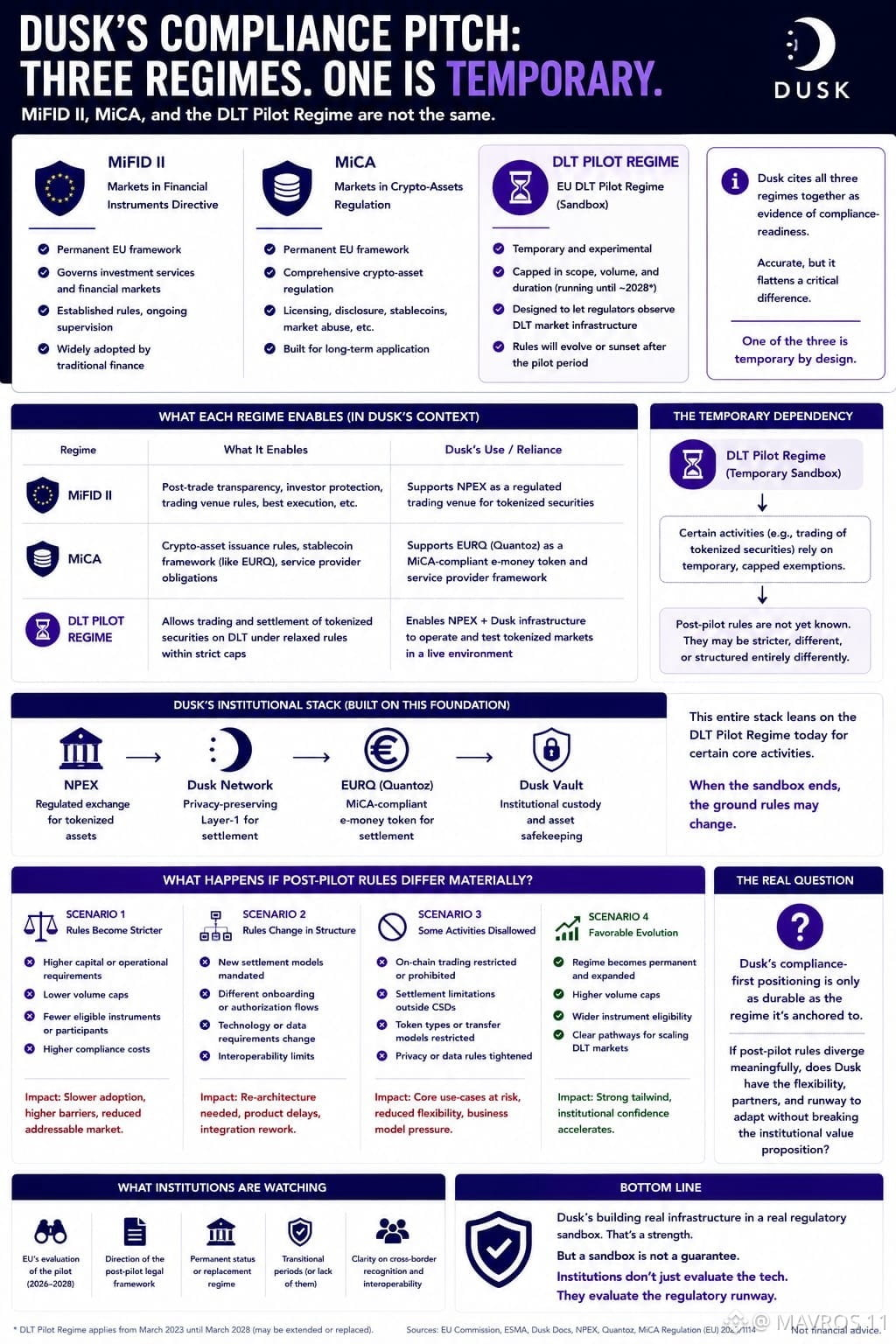
@Dusk_Foundation 自身のコンプライアンス言語の中に埋もれているものの、あまり一緒に論じられない重要な詳細があります。それは、MiFID II、MiCA、そしてDLTパイロット制度は、3つの恒久的で同等な法的枠組みではないという点です。パイロット制度は、特に一時的なEUサンドボックスであり、範囲と期間が上限付きで設定されています。規制当局が、DLT市場のインフラを観察し、恒久化するかどうかを判断するために設計されたものです。
この違いは、聞こえる以上に重要です。Duskは、3つの規制枠組みをすべてコンプライアンスへの準備ができている証拠として一括して挙げています。これは正確ですが、重要な差異を平たくしてしまっています。MiCAを見据えて構築することは、確立した継続的な規制体制に向けて構築することを意味します。一方、パイロット制度の下で運用することを前提に構築するのは、パイロット期間が終了し、規制当局が「恒久的なDLT市場インフラが実際にどのような姿であるべきか」を判断した後に、明示的に期限切れまたは発展することを意図して設計されたルールに向けて構築することを意味します。
複数年にわたる機関投資家向けインフラを販売するプロジェクト――NPEXのトークン化、Quantozの決済レール、Dusk Vaultによるカストディ――にとって、これは意味のある依存関係です。依拠している規制の地盤の一部は、そもそも一時的に設計されており、その後(パイロット期間が終わった後)に何が来るのかは、運用している規制当局でさえ現時点ではまだ分かりません。こうした領域へゆっくりと進出している機関は、真剣な資本投入を決める前に、パイロット後のルールがどうなるのかを見極めている面があります。
コンプライアンスを最優先するポジショニングの耐久性は、それが根拠を置いているコンプライアンス体制の強さにしか依存しません。パイロット後のルールが、現在の枠組みと比べて実質的に大きく異なる結果になった場合、Duskの機関投資家向け提案はどうなるのでしょうか?$DUSK #dusk
{future}(DUSKUSDT)
@Dusk 自身のコンプライアンス言語の中に埋もれているものの、あまり一緒に論じられない重要な詳細があります。それは、MiFID II、MiCA、そしてDLTパイロット制度は、3つの恒久的で同等な法的枠組みではないという点です。パイロット制度は、特に一時的なEUサンドボックスであり、範囲と期間が上限付きで設定されています。規制当局が、DLT市場のインフラを観察し、恒久化するかどうかを判断するために設計されたものです。
この違いは、聞こえる以上に重要です。Duskは、3つの規制枠組みをすべてコンプライアンスへの準備ができている証拠として一括して挙げています。これは正確ですが、重要な差異を平たくしてしまっています。MiCAを見据えて構築することは、確立した継続的な規制体制に向けて構築することを意味します。一方、パイロット制度の下で運用することを前提に構築するのは、パイロット期間が終了し、規制当局が「恒久的なDLT市場インフラが実際にどのような姿であるべきか」を判断した後に、明示的に期限切れまたは発展することを意図して設計されたルールに向けて構築することを意味します。
複数年にわたる機関投資家向けインフラを販売するプロジェクト――NPEXのトークン化、Quantozの決済レール、Dusk Vaultによるカストディ――にとって、これは意味のある依存関係です。依拠している規制の地盤の一部は、そもそも一時的に設計されており、その後(パイロット期間が終わった後)に何が来るのかは、運用している規制当局でさえ現時点ではまだ分かりません。こうした領域へゆっくりと進出している機関は、真剣な資本投入を決める前に、パイロット後のルールがどうなるのかを見極めている面があります。
コンプライアンスを最優先するポジショニングの耐久性は、それが根拠を置いているコンプライアンス体制の強さにしか依存しません。パイロット後のルールが、現在の枠組みと比べて実質的に大きく異なる結果になった場合、Duskの機関投資家向け提案はどうなるのでしょうか?$DUSK #dusk
この違いは、聞こえる以上に重要です。Duskは、3つの規制枠組みをすべてコンプライアンスへの準備ができている証拠として一括して挙げています。これは正確ですが、重要な差異を平たくしてしまっています。MiCAを見据えて構築することは、確立した継続的な規制体制に向けて構築することを意味します。一方、パイロット制度の下で運用することを前提に構築するのは、パイロット期間が終了し、規制当局が「恒久的なDLT市場インフラが実際にどのような姿であるべきか」を判断した後に、明示的に期限切れまたは発展することを意図して設計されたルールに向けて構築することを意味します。
複数年にわたる機関投資家向けインフラを販売するプロジェクト――NPEXのトークン化、Quantozの決済レール、Dusk Vaultによるカストディ――にとって、これは意味のある依存関係です。依拠している規制の地盤の一部は、そもそも一時的に設計されており、その後(パイロット期間が終わった後)に何が来るのかは、運用している規制当局でさえ現時点ではまだ分かりません。こうした領域へゆっくりと進出している機関は、真剣な資本投入を決める前に、パイロット後のルールがどうなるのかを見極めている面があります。
コンプライアンスを最優先するポジショニングの耐久性は、それが根拠を置いているコンプライアンス体制の強さにしか依存しません。パイロット後のルールが、現在の枠組みと比べて実質的に大きく異なる結果になった場合、Duskの機関投資家向け提案はどうなるのでしょうか?$DUSK #dusk
6
6
76
ログインして、さらにコンテンツを読む
厳選トピックで世界の暗号資産トレーダーの仲間入り
⚡️ 暗号資産に関する最新かつ有益な情報が見つかります。
💬 世界最大の暗号資産取引所から信頼されています。
👍 認証を受けたクリエイターから、有益なインサイトを得られます。
メール / 電話番号
トレンドトピック
ZcashETFPostsFirstWeeklyOutflow$93.6M
閲覧回数 23,039
63人が討論中
#ZcashETFPostsFirstWeeklyOutflow$93.6M 📊 グレイスケールのスポット・ジーキャッシュ(ZEC)ETF、週次で9,360万ドルの資金流出を記録
機関投資家の資金フローに新たなダイナミクスが見え始めています。グレイスケールのスポットZcash ETFは、初の大きな週次ネット資金流出を記録したばかりで、これまでの強い立ち上がりの勢いからの注目すべき変化を示しています。
🔹数字 グレイスケールのスポットZEC ETF(ティッカー:ZCSH)は、過去1週間で約9,360万ドルのネット流出を記録しました。特筆すべき引き出しは9月下旬と10月上旬に集中していました。
🔹 背景 これは堅調な初期局面に続く動きです。グレイスケールのZcash Trustから転換し、8月下旬にNYSE Arcaへ上場した後、このファンドは9月中旬までに累計でネット流入が2億7100万ドルに達していました。
💡 市場への影響分析
•短期的なダイナミクス 大型ETFの資金流出は、償還請求に対応するためにファンドが保有を調整する過程で、基礎となる資産に一時的な売り圧力をもたらす可能性があります。
•センチメント&リバランス この下落は、ジーキャッシュの長期的な有用性やプライバシー重視の価値提案が根本的に変わったことというより、初期の機関投資家による通常の利確、あるいはポートフォリオのリバランスを反映しているのかもしれません。
•エコシステムの注目点 市場参加者は、これがZCSHに特有の一過性の出来事なのか、それともプライバシー志向のデジタル資産に対する機関の食欲が広く冷え込んでいることを示唆するのかを注視します。
💬 あなたの見解は? この週次の資金流出を、強いスタートの後の健全な市場調整と見ますか?それとも、プライバシー・コインへの向けた機関のセンチメントが変化しているサインだと見ますか?下のコメント欄であなたの考えを聞かせてください!
#Zcash #ZEC #CryptoETF #InstitutionalCrypto #MarketUpdate
これは教育目的のみです。投資助言ではありません(NFA)。常に自己調査(DYOR)を行ってください。
$GLMR $QI $ONE
piknkkk
·いいね:0件
·閲覧回数 45
GreekPoliceBustCryptoScamRingArrest17
閲覧回数 34,222
365人が討論中
BitcoinRejectedAt$87K
閲覧回数 101,170
127人が討論中