

Trust Echo
1.8k 投稿

Trust Echo
報告
ユーザーをブロック
Promoting top crypto projects, daily crypto news, Signal Alerts, & hosting epic giveaways!🎁 🤝 DM for collabs. Follow on X: @Sumo76435074 🐻💰 Value-driven
取引を発注
高頻度トレーダー
5.5年
6 フォロー
3.0K+ フォロワー
6.2K+ いいね
投稿
ポートフォリオ
すべて
引用
動画
ライブ
·
--
翻訳参照
Starknet holders just voted to study leaving Ethereum. Not to leave. To study it.
The facts:
• Non-binding Snapshot poll, Oct 15-22, open to STRK stakers and delegators
• 93.52% of voting power in favor, 3,236 votes, the highest turnout in Starknet governance history (StarkWare abstained)
• Question: should Starknet research becoming an independent, post-quantum Layer 1?
• StarkWare + Starknet Foundation have formed a working group; a draft white paper is expected in November
• STRK stays the native token, no new token planned, Ethereum bridges expected to stay open
• Any actual move needs a separate, binding governance vote
Why it's on the table: STARK proofs are hash-based and accounts can adopt post-quantum signatures, but the bridge and data availability lean on Ethereum's elliptic-curve crypto. StarkWare wants quantum safety by 2027; Ethereum's target is 2029.
The market isn't buying the story yet. $STRK at 0.0464 (-6.1% 24h, Binance spot 16:18 KST), sitting on its 14-day low of 0.0457. It spiked to 0.1265 around the Oct 8 proposal, then gave the whole move back. $ETH 2,348 (-1.5%).
Bull case: a credible white paper turns "quantum-ready" into a real differentiator and STRK gets a narrative beyond L2 fees.
Bear case: leaving Ethereum means building its own consensus and validator security, fragmenting liquidity, and years of execution risk. Fresh lows show sellers still in charge.
Watch: the November white paper and whether STRK can hold the 0.045 area.
Is going solo a smart quantum hedge, or a costly break from Ethereum?
Source: https://starkware.co/blog/whats-next-following-the-starknet-l1-vote/
Not financial advice. DYOR.
#WriteToEarn

8
·
--
韓国の22%の暗号資産税が、報道によると4回目の延期となる見通しです。
報道内容(10月25日):
• 大統領府は、2027年1月1日に開始予定の課税を延期する方向で動いている
• ルール:年間の暗号資産の譲渡・貸付益のうち、250万ウォンの控除額を超える部分に合計22%の税率を適用
• 2020年に初めて可決され、すでに3回延期(2022年 → 2023年 → 2025年 → 2027年)
• 2029年が協議中の新たな時期。この年に米国がOECDの暗号資産報告枠組みCARFに参加することと関連している
• まだ確定ではない:法律の改正が必要で、11月の税制審議での検討が見込まれる
重要な理由:最も活発な個人投資家向け暗号資産市場の一つが、ひとまず新たな課税を免れることになる。また、CARFとの関連は、課税のタイミングが地域だけの問題ではなく、世界的な調整課題になりつつあることを示している。
市場チェック(Binance現物、韓国時間15:20):$BTC 80,672(-0.1%、24時間安値79,221) | $ETH 2,353(-1.1%、安値2,282)。
強気シナリオ:税制をめぐる不透明感が和らぎ、2027年に向けて個人投資家の取引や流動性が健全に保たれる。
弱気シナリオ:これは国内政策の延期であり、新たな需要が生まれたわけではない。価格は引き続きマクロ要因(10月27〜28日のFRB会合、原油)に左右され、審議で法案が変更される可能性もある。
世界的な報告ルールが整うまで、暗号資産への課税は待つべきでしょうか?
出典:https://en.sedaily.com/politics/2026/10/25/presidential-office-decides-to-delay-crypto-tax-again
投資助言ではありません。ご自身で調査してください。
#WriteToEarn

464
·
--
翻訳参照
Aave wants to lock down reentrancy without breaking flash-loan liquidations.
Aave Labs' V3.8 proposal (posted Oct 21) adds one security change: a reentrancy guard on Pool operations during external callbacks, built on EIP-1153 transient storage, so the lock lives only for one transaction and costs little gas.
Key clarification (Oct 23): flashLoan() and flashLoanSimple() stay OUTSIDE the guard. Liquidation bots that borrow via flash loan and liquidate inside the callback keep working as today.
Status: still an ARFC. Next comes Snapshot, then Certora + third-party audits, then an on-chain AIP. Nothing is deployed yet.
$AAVE: 138.14, -4.7% in 24h (range 134.00-145.14), sitting at its 14-day low after topping 173.03 (Binance spot, 12:16 KST).
My take: defense-in-depth before any incident is the right order, and the flash-loan carve-out avoids breaking the liquidation engine that keeps the protocol solvent.
Bull case: smooth vote + clean audits reinforce Aave's security reputation while price retests support.
Bear case: governance news rarely moves price, 134 is the line bulls must hold, and the final code still has to match the stated design.
Would you rather see more upgrades like this, or fewer moving parts?
Source: https://governance.aave.com/t/arfc-aave-v3-8/25891
#WriteToEarn
Not financial advice. DYOR.
Aave wants to lock down reentrancy without breaking flash-loan liquidations.
Aave Labs' V3.8 proposal (posted Oct 21) adds one security change: a reentrancy guard on Pool operations during external callbacks, built on EIP-1153 transient storage, so the lock lives only for one transaction and costs little gas.
Key clarification (Oct 23): flashLoan() and flashLoanSimple() stay OUTSIDE the guard. Liquidation bots that borrow via flash loan and liquidate inside the callback keep working as today.
Status: still an ARFC. Next comes Snapshot, then Certora + third-party audits, then an on-chain AIP. Nothing is deployed yet.
$AAVE : 138.14, -4.7% in 24h (range 134.00-145.14), sitting at its 14-day low after topping 173.03 (Binance spot, 12:16 KST).
My take: defense-in-depth before any incident is the right order, and the flash-loan carve-out avoids breaking the liquidation engine that keeps the protocol solvent.
Bull case: smooth vote + clean audits reinforce Aave's security reputation while price retests support.
Bear case: governance news rarely moves price, 134 is the line bulls must hold, and the final code still has to match the stated design.
Would you rather see more upgrades like this, or fewer moving parts?
Source: https://governance.aave.com/t/arfc-aave-v3-8/25891
#WriteToEarn
Not financial advice. DYOR.

70
·
--
翻訳参照
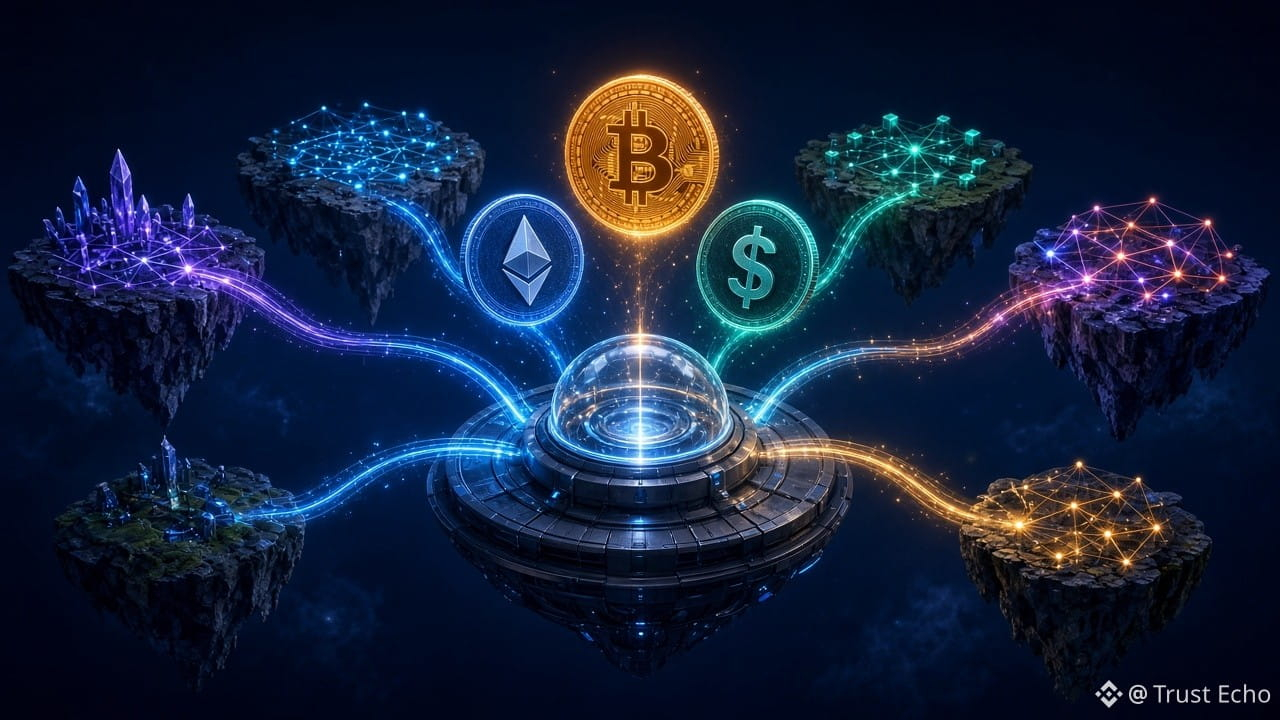
Circle just made wrapped Bitcoin multichain in one balance.
On Oct 23, Circle Gateway added cirBTC (its 1:1 BTC-backed token, launched Aug 21) and EURC alongside USDC:
- One unified balance per asset, crosschain access in under 500ms after a deposit finalizes
- cirBTC: Arc + Ethereum. EURC: Arc, Avalanche, Base, Ethereum, Solana, World Chain
- Circle natively mints on the destination chain, so no third-party bridge inventory
- Fees: waived on Arc at launch, 1 bp elsewhere (USDC 0.5 bp); permissionless withdrawals carry a 7-day delay
Why it matters: BTC liquidity on-chain is still fragmented across wrappers and bridges. A regulated issuer offering "deposit once, use anywhere" is aimed squarely at market makers, PSPs and AI-agent payments.
Bull case: easier BTC collateral for DeFi and payments, more competition for existing wrapped BTC.
Bear case: only 2 chains for cirBTC so far, custodial trust in one issuer, and adoption is unproven.
$BTC sits at $80,929 (flat 24h, 24h low $79,221; 14d range $79,221-$84,898, Binance spot 11:14 KST). Holding $80K matters more than any product launch this week.
Would you hold BTC as a Circle-issued token?
Source: https://www.circle.com/blog/circle-gateway-now-supports-cirbtc-and-eurc
Not financial advice. DYOR.
#WriteToEarn
40
·
--
本人確認中
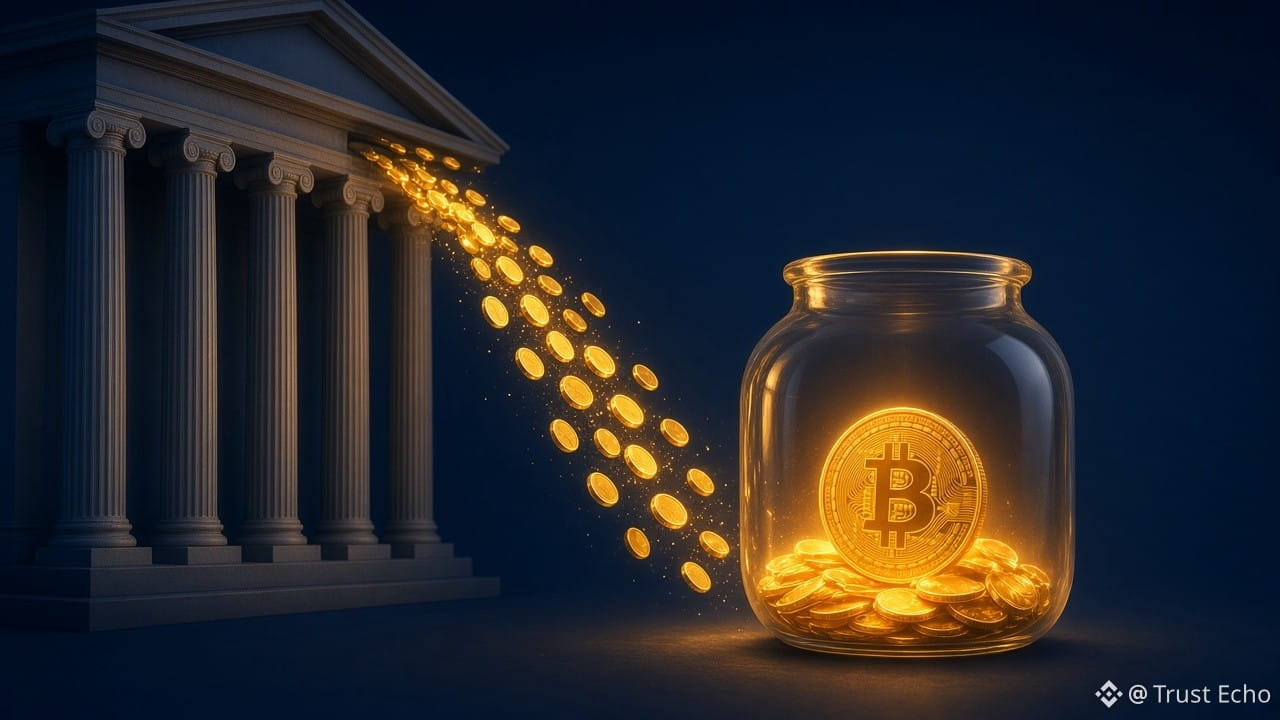
フランクリン・テンプルトンが、株式の配当をビットコインに変えようとしています。🧩
ナスダック上場予定の新しいETF、FBEQとFIBTの目論見書が、10月27日(火)に発効します(8-Aは10月22日提出)。取引開始日はまだ発表されていません。
仕組み:
• FBEQは米国の大型株500銘柄に連動し、株式約95%/BTC約5%で運用を開始。手数料は0.09%。
• FIBTは「イノベーション100」版で、手数料は0.19%。
• 配当はすべて、次の市場営業日にBTCへ再投資されます。
• 四半期ごとのリバランスでBTC比率が5%を超えていれば4.5%まで引き下げ。また、いつでも20%を超えた場合は引き下げられます。
私の見方:これはゆっくりと着実に、ルールに基づいてBTCを買い付ける仕組みです。各ファンドの規模は小さいものの、配当を重視する投資家がすでに理解している「一般的な」株式ファンドの枠組みに、BTCを組み込むものです。
$BTC 現在、約80,786(24時間で-0.2%、安値79,221、過去14日間のレンジは79,221~84,898)。
強気シナリオ:新たな個人投資家向けの投資商品が買い手層を広げる。一方、現物ETFからは木曜・金曜に約7億7,300万ドルが流出。
弱気シナリオ:資金流入はごく小規模に始まり、ローンチ日が再び延期される可能性もあり、4.5%の上限が影響を限定する。
BTCで配当を受け取れる株式を保有したいですか?
出典:https://www.sec.gov/Archives/edgar/data/1655589/000207184426001456/fibtfbeq8a12b10222026.htm
投資助言ではありません。ご自身で調査してください。
#WriteToEarn
1
1.8k
·
--
翻訳参照
Kraken just walked back its Monero withdrawal questionnaires, and the privacy-coin debate is back on.
What happened:
• Some Kraken clients who bought and withdrew XMR got emails asking for employer, source of funds and what they planned to do with the coins
• Co-CEO Arjun Sethi said on X the emails "were wrong" and "no rule required it"
• The requests are withdrawn; source-of-funds checks stay, but the "what will you do with your coins" question is gone
• XMR stays listed, subject to regional restrictions (no XMR trading for EEA/UK clients per Kraken's rules)
Market check (CoinGecko, 07:20 UTC+9):
$XMR ~$607, +2.7% 24h, up ~9% from ~$558 a week ago; 7d range ~$555–656
$ZEC ~$1,193, -2.5% 24h
BTC ~$80.4K, -1.1%
My read: the line Kraken drew matters more than the headline. "Where your money came from" = normal AML. "What you do after withdrawal" = a step most users won't accept. Clear rules like this help privacy coins stay on regulated venues.
Bull case: XMR holds above ~$600 and builds toward the ~$656 weekly high as access worries fade.
Bear case: risk-off (BTC under $80K, ETF outflows) drags it back toward ~$555; one exchange's U-turn doesn't change the wider regulatory pressure on privacy assets.
Monero's default privacy or Zcash's optional shielding: which model survives regulation better?
Source: https://thedefiant.io/news/cefi/kraken-scraps-monero-withdrawal-questionnaires-keeps-xmr-listed
#WriteToEarn
Not financial advice. DYOR.

414
·
--
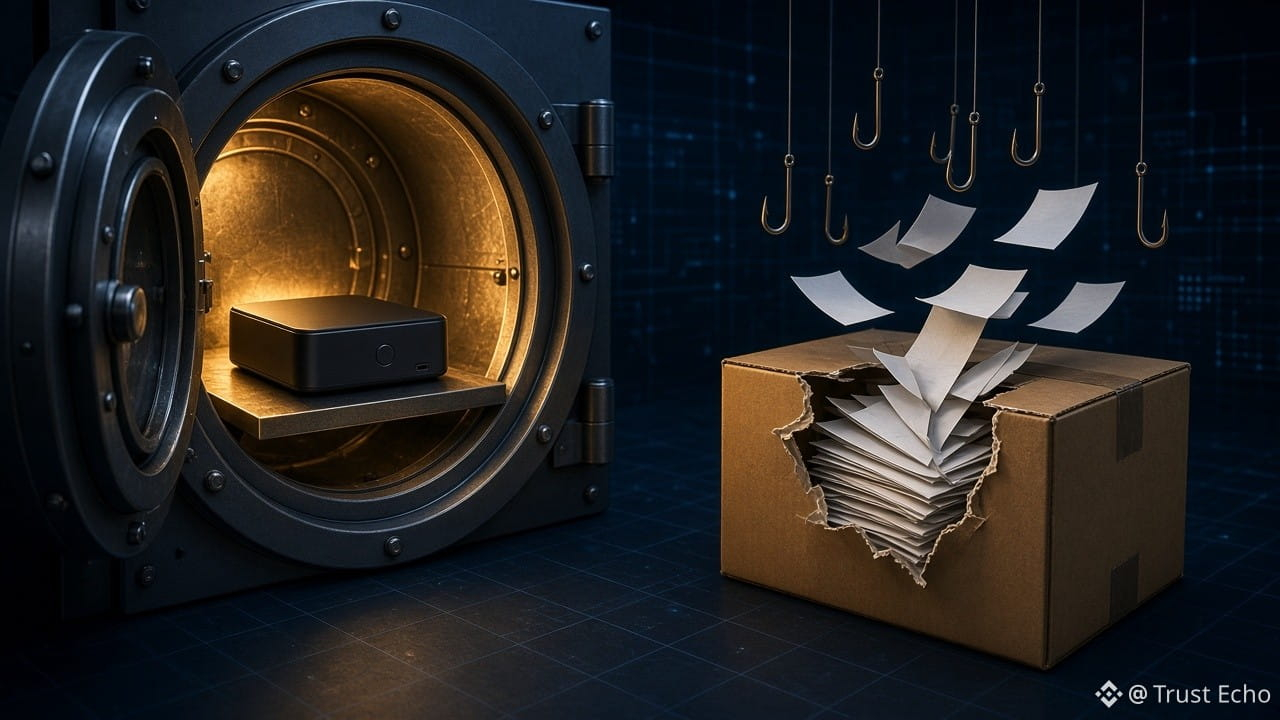
あなたのシードフレーズは安全です。でも、自宅の住所はそうとは限りません。
Keystone Hardware Walletは、第三者が公式ウェブサイトにアクセスしたと発表しました。同社によると、経緯は以下のとおりです。
• 10月20日:不正アクセスを検知
• 10月23日:Shopify APIの利用状況を調査後、顧客の配送情報が盗まれたことを確認
• 10月24日:公表
流出した情報:氏名、連絡先、配送先住所、購入した商品と価格。
流出していない情報(Keystoneによると):カード・銀行口座情報、リカバリーフレーズ、秘密鍵、ウォレットのパスワード。
アクセスは遮断され、脆弱性は修正済みです。影響を受けたユーザーにはメールで連絡しており、詳細な報告書は「数日以内」に公表するとのことです。
それでも注意が必要な理由:注文リストが流出すると、詐欺師はハードウェアウォレットの所有者が誰で、どこに住んでいるかを正確に把握できます。本物そっくりの偽の「返金」「交換機器」「配送トラブル」に関するメッセージに注意してください。
基本ルール:
• 正規のサポートチームがリカバリーフレーズを尋ねることはありません
• 自分で注文していない機器にシードフレーズを入力しないでください
• 突然届いたメールやSMSのリンクは無視し、公式サイトに直接アクセスしてください
市場の状況:Binanceの現物市場では、05:22 UTC+9時点で$BTC 80,566(24時間で-0.95%、安値79,221)。情報漏えいで価格が動くわけではありませんが、相場下落時は「緊急」を装った詐欺メッセージが増えやすい時期です。
強気シナリオ:迅速で透明性の高い報告により、信頼が回復する。
弱気シナリオ:今後数週間で標的型フィッシングが急増する。
ハードウェアウォレットは公式サイトから直接購入しますか、それとも販売代理店を通じて購入しますか?
出典:https://thedefiant.io/news/security/keystone-website-breach-exposes-customer-addresses-and-order-details
#WriteToEarn
投資助言ではありません。ご自身で調査してください。
29
·
--
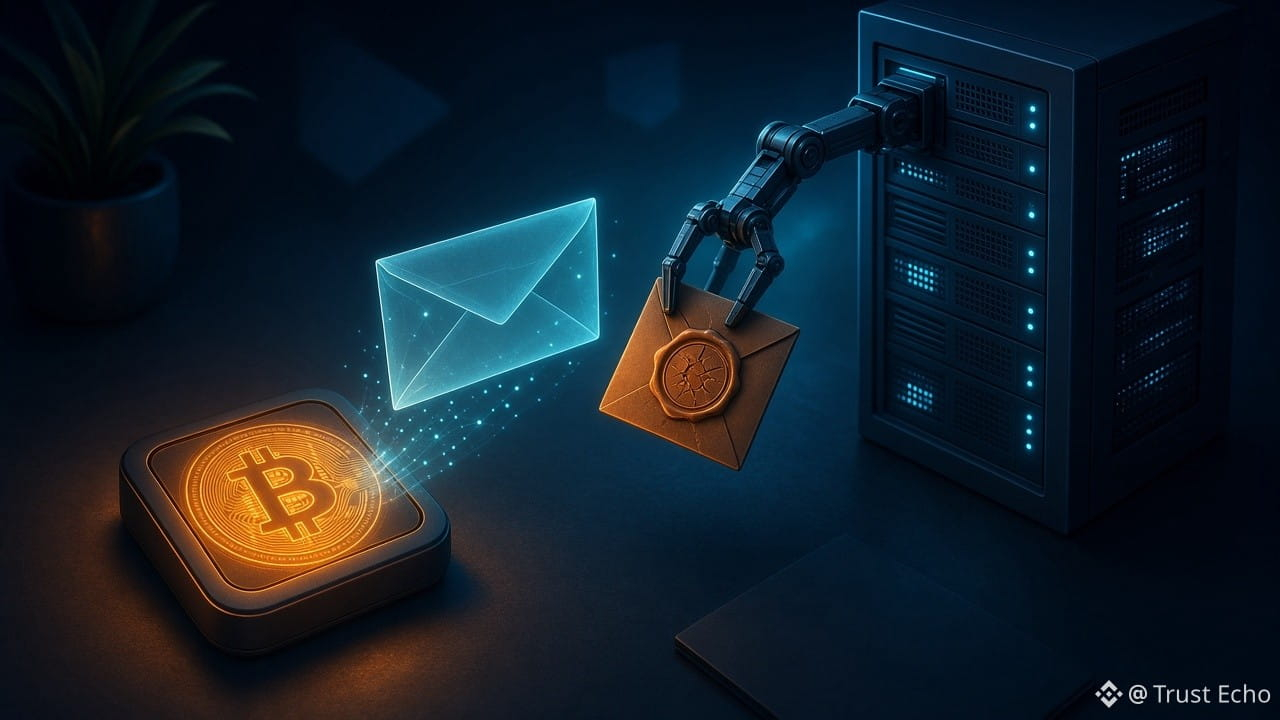
Electrumユーザーの皆さん:今すぐ4.8.3にアップデートしてください。
Electrumは10月24日、高深刻度のセキュリティ勧告を公開しました。悪意あるサーバーが、ブロードキャストしたばかりのトランザクションを「飲み込み」、履歴にそっくりな偽物を表示して、代わりに攻撃者へ支払いを送らせる可能性があります。
攻撃の仕組み:
• 偽のトランザクションは署名が無効ですが、ライトクライアントはサーバーのメンプール表示を信頼します
• 攻撃者のアドレスは、あなたのアドレスの末尾4文字と一致するように作られています
• 偽のトランザクションは手数料ゼロにできるため、RBFでの手数料引き上げを促します
• 引き上げると、ウォレットが攻撃者への実際の支払いに署名してしまいます
これは机上の空論ではありません。Electrumによると、実際に一部のサーバーでこの攻撃が行われています。ユーザーから2件の報告があり、そのうち1人は手数料を引き上げた後に資金を失いました。
対策:
• electrum.orgから4.8.3にアップデートし、署名を検証してください
• 保留中のトランザクションが「違って」見えたり、手数料がゼロと表示されたりしても、手数料を引き上げないでください。ブロックエクスプローラーでアドレス全体を確認してください
• 自分でサーバーを運用すれば、この種の攻撃を回避できます
背景:Binance現物市場で$BTC ~$80,519(現地時間04:20、24時間で-0.9%、安値$79,221)。相場が荒れる日は、急いで手数料を引き上げる人が増えます。まさにこの攻撃がそこにつけ込みます。
アドレス全体を確認していますか?それとも末尾の数文字だけですか?
セキュリティ勧告:https://github.com/spesmilo/electrum/security/advisories/GHSA-6jp4-8v48-cc5v
リリースノート:https://github.com/spesmilo/electrum/blob/master/RELEASE-NOTES
#WriteToEarn
投資助言ではありません。ご自身で調査してください(DYOR)。
34
·
--
EthereumはGlamsterdamの次のテストを延期しました。その理由は、遅れそのものより重要です。
10月26日(17:42 UTC)に予定されていたHoodiテストネットの有効化は中止されました。新たな日程は未定で、Hoodiで予定されていたガス上限の2億引き上げも取り下げられました。
理由:コア開発者は、EIP-8037(state creation gas)と、メインネットですでに稼働中のコントラクトへの影響を検証するため、さらに時間をかけたいと考えています。ChainSecurityは、EIP-8038と組み合わさることで、新しいガス計算により、一部のコントラクトが従来ならrevertしていた失敗処理コードを最後まで実行でき、その結果、失敗した操作が恒久的に確定してしまう可能性があると指摘しました。現実の事例を13件見つけており、非公開で開示しているとのことです。
私の見方:これはプロセスが機能している証拠です。Sepoliaではすでに10月6日に実施されており、メインネットではなくテストネットでエッジケースを見つけられるほうがよいでしょう。ただしGlamsterdamにはePBS、ブロック単位のアクセスリスト、ガス価格の再調整が含まれるため、延期のたびにL1スケーリングの実現が遠のきます。
$ETH ~2,327(24時間で-3.4%、出来高約5億1,400万ドル、Binance現物 03:15 KST)、24時間安値 2,282。ETH/BTC 0.0290。
強気シナリオ:2,280~2,300を維持し、開発者が修正計画を提示するなかで2,375~2,410を回復する。
弱気シナリオ:2,280を割り込み、日程が曖昧なままだと、低調な資金フローにさらなる逆風が加わる。
EFによると、メインネットの利用者やETH保有者に必要な対応はありません。
出典:https://blog.ethereum.org/2026/10/22/glamsterdam-hoodi-delay
延期か、それとも危機一髪で回避したのか?
#WriteToEarn
金融アドバイスではありません。DYOR(ご自身で調査してください)。
227
·
--
土曜夜の相場メモ:アルトコインは$BTC (約80,800、24時間で-1.2%)よりも大きく下落。注目しているシナリオは2つ、上方向と下方向を1つずつ👇
🔴 $NEAR SHORT(見通し:弱気)
価格:4.501(Binance現物、21:34 UTC+9)
エントリーゾーン:4.58~4.70(ブレイクした4.72付近へのリテスト)
損切り:4時間足終値で4.90を上回ったら
T1:4.30~4.32(10月8日の安値)
T2:4.05~4.10(9月下旬の安値)
根拠:10月22日に5.45を付けて以降、高値を切り下げており、4.43と直近7日間の安値を更新。ハッキングや障害があったわけではなく、リスク回避とロングの清算に加え、DFINITYによる特許取得やNEAR Intentsの中央集権性への批判を背景に、1日で-9%下落。
🟢 $SOL LONG(見通し:レンジ下限のサポート)
価格:101.71(Binance現物、21:34 UTC+9)
エントリーゾーン:100.4~101.5(10月15日と19日の安値、100.6/100.4)
損切り:4時間足終値で99.0を下回ったら
T1:104.8~105.2
T2:108.5~109.2(10月22日のレンジ高値)
根拠:SOLは今月、100~101の水準を3回維持。これはレンジ下限からの反発シナリオで、出来高を伴って100を割れば無効。
価格がゾーンに来るのを待ちましょう。ブレイクを追いかけると、計画が崩れます。
情報源:Binance現物データ、NEAR関連情報はCoinMarketCap https://coinmarketcap.com/top-stories/6adc66925bf20524616badc5/ およびTokenPost https://www.tokenpost.com/news/investing/39825
金融アドバイスではありません。セットアップは失敗することがあります。リスク管理を徹底し、ご自身で調査してください。
#WriteToEarn

135
·
--

記事
BTCが8万ドル付近で停滞するなか、銀行は実資金をオンチェーンに移したビットコインは80,700ドル付近で方向感に乏しい。一方、銀行はわずか1週間で、過去1年の大半の期間を上回る量のオンチェーン資金を送り出した。このギャップこそが今回の核心だ。
トレーダーが$BTC 81,000ドルを下回る動きを注視するなか、10月19日から23日にかけて、5つの異なる動きが相次いだ。それぞれ単独でも見出しになるニュースだが、まとめて見ると、規制下のデジタルマネーがどこへ向かうのか、そして暗号資産の流動性にどんな影響を与えうるのかが見えてくる。
何が起きたのか
1. HSBC RedCoinが稼働(10月23日)。HSBCはHKMA(香港金融管理局)の認可を受けた香港ドル建てステーブルコインRCHKDを、PayMe内でローンチした。330万人を超えるユーザーがウォレットを有効化し、P2P送金や10万店以上の加盟店での支払いに利用できる。HSBCの準備金ページによると、10月24日時点の流通額は約8,070万香港ドルで、そのほぼ全額が過去7日間に追加された。
BTCが8万ドル付近で停滞するなか、銀行は実資金をオンチェーンに移した
ビットコインは80,700ドル付近で方向感に乏しい。一方、銀行はわずか1週間で、過去1年の大半の期間を上回る量のオンチェーン資金を送り出した。このギャップこそが今回の核心だ。
トレーダーが$BTC 81,000ドルを下回る動きを注視するなか、10月19日から23日にかけて、5つの異なる動きが相次いだ。それぞれ単独でも見出しになるニュースだが、まとめて見ると、規制下のデジタルマネーがどこへ向かうのか、そして暗号資産の流動性にどんな影響を与えうるのかが見えてくる。
何が起きたのか
1. HSBC RedCoinが稼働(10月23日)。HSBCはHKMA(香港金融管理局)の認可を受けた香港ドル建てステーブルコインRCHKDを、PayMe内でローンチした。330万人を超えるユーザーがウォレットを有効化し、P2P送金や10万店以上の加盟店での支払いに利用できる。HSBCの準備金ページによると、10月24日時点の流通額は約8,070万香港ドルで、そのほぼ全額が過去7日間に追加された。
89
·
--
JPMorganはJPM CoinをEthereumに展開しました。しかし、オンチェーンでは依然として空です。
事実:
• 10月19日:J.P. Morgan傘下のKinexysは、米ドル預金トークンJPM Coin(JPMD)をBaseとともにEthereumメインネットへ展開。利用できるのは承認済みの機関投資家のみ。
• Kinexysによると、累計で4兆ドル超、1日あたり約70億ドルを処理している(内部データ)。
• 10月23日:Sentoraによるコントラクト調査では、Ethereum上のJPMD供給量と送金はいずれもゼロで、許可リスト登録済みアドレスは1つ。Base上の供給量は2つのアドレスに約100万ドル分あり、2025年11月以降変化なし。
私の見方:ローンチは利用許可の仕組みであって、普及を意味するわけではありません。JPMDは商業銀行預金であり、ステーブルコインではありません。実際の利用は、私たちには見えない社内またはオフチェーンの流れにある可能性があります。注目すべきなのは、オンチェーンの供給量と送金、そしてDeFiや担保との連携です。
$ETH:約2,381ドル(24時間で-1.0%、取引高約4億6,900万ドル、Binance現物、韓国時間16:22)。7日間のレンジ:約2,329~2,527ドル。
強気シナリオ:供給量がオンチェーンに現れ始め、決済にEthereum L1を選ぶ銀行が増え、トークン化された現金とファンドがオンチェーンで結びつく。
弱気シナリオ:コントラクトは休眠状態のまま、活動は許可制にとどまり、このニュースが短期的なETH需要にほとんど影響しない。
リスク:許可リスト方式、機関投資家による導入の遅れ、調査が1件のみであること。他のアドレスにある類似トークンはJPMorganのものではありません。
銀行の預金トークンはETHにとって重要でしょうか。それとも、単なるブランディングでしょうか?
出典:https://www.jpmorgan.com/payments/newsroom/jpm-coin-live-on-ethereum
データ:https://crypto.news/jpm-coin-ethereum-zero-supply-sentora/
#WriteToEarn
金融アドバイスではありません。ご自身で調査してください。
JPMorganはJPM CoinをEthereumに展開しました。しかし、オンチェーンでは依然として空です。
事実:
• 10月19日:J.P. Morgan傘下のKinexysは、米ドル預金トークンJPM Coin(JPMD)をBaseとともにEthereumメインネットへ展開。利用できるのは承認済みの機関投資家のみ。
• Kinexysによると、累計で4兆ドル超、1日あたり約70億ドルを処理している(内部データ)。
• 10月23日:Sentoraによるコントラクト調査では、Ethereum上のJPMD供給量と送金はいずれもゼロで、許可リスト登録済みアドレスは1つ。Base上の供給量は2つのアドレスに約100万ドル分あり、2025年11月以降変化なし。
私の見方:ローンチは利用許可の仕組みであって、普及を意味するわけではありません。JPMDは商業銀行預金であり、ステーブルコインではありません。実際の利用は、私たちには見えない社内またはオフチェーンの流れにある可能性があります。注目すべきなのは、オンチェーンの供給量と送金、そしてDeFiや担保との連携です。
$ETH :約2,381ドル(24時間で-1.0%、取引高約4億6,900万ドル、Binance現物、韓国時間16:22)。7日間のレンジ:約2,329~2,527ドル。
強気シナリオ:供給量がオンチェーンに現れ始め、決済にEthereum L1を選ぶ銀行が増え、トークン化された現金とファンドがオンチェーンで結びつく。
弱気シナリオ:コントラクトは休眠状態のまま、活動は許可制にとどまり、このニュースが短期的なETH需要にほとんど影響しない。
リスク:許可リスト方式、機関投資家による導入の遅れ、調査が1件のみであること。他のアドレスにある類似トークンはJPMorganのものではありません。
銀行の預金トークンはETHにとって重要でしょうか。それとも、単なるブランディングでしょうか?
出典:https://www.jpmorgan.com/payments/newsroom/jpm-coin-live-on-ethereum
データ:https://crypto.news/jpm-coin-ethereum-zero-supply-sentora/
#WriteToEarn
金融アドバイスではありません。ご自身で調査してください。

1
20
·
--
本人確認中
StarknetがEthereumからの独立を検討することを決議。それでも市場は売りに動いた。
STRKのステーカーとデリゲーターは、独立した耐量子Layer 1の研究を、投票権の93.52%(3,236票、10月15〜22日)で支持しました。StarkWareによると、Starknetのガバナンス史上、最も高い投票率でした。
この決議が意味すること、意味しないこと:
- 拘束力はありません。現時点でStarknetはEthereumのL2のままです。
- StarkWareとStarknet Foundationがワーキンググループを結成し、今後数週間以内にホワイトペーパーを発表する予定です。
- 実際に移行するには、別途、拘束力のある投票が必要です。トークンは引き続きSTRKで、新しいトークンの発行予定はありません。
なぜ今なのか:STARK証明はハッシュベースで、ハードフォークなしでアカウントを耐量子署名に切り替えられます。ただし、ブリッジとデータ可用性はEthereumの楕円曲線暗号を引き継ぐため、完全な量子耐性の実現時期はEthereumの約2029年というタイムラインに左右されます。
$STRK の値動き:約$0.0491、24時間で-7.6%、出来高約$9.0M(Binance現物、15:15 KST)。7日間のレンジは$0.0482〜$0.0660で、本日は週間安値を記録しました。
強気シナリオ:信頼性の高いホワイトペーパーによって、STRK独自のセキュリティ面での強みを打ち出し、ロードマップの主導権を高められます。
弱気シナリオ:独自のバリデーターとデータ可用性には多額のコストがかかり、流動性が分断される可能性があります。また、$ETH からの分離によって、一部のビルダーが離れるおそれもあります。
リスク:実行面の課題、ガバナンスの遅れ、リスク回避ムードの弱い市場環境(BTC約$81K、ETFからの資金流出)。
耐量子型の独立はL2にとって本当の強みになるのでしょうか。それとも、単なる気を散らす要因でしょうか?
出典:https://starkware.co/blog/whats-next-following-the-starknet-l1-vote/
#WriteToEarn
投資助言ではありません。ご自身で調査してください。

22
·
--
LIBRA事件の刑事訴訟は終結した。損失が実際にはなかったからではない。裁判官が、それは犯罪ではないと判断したからだ。
10月23日、アルゼンチンの連邦判事マルセロ・マルティネス・デ・ジョルジは、ハビエル・ミレイ大統領、カリーナ・ミレイ氏、そしてLIBRAの創設者ヘイデン・デイビス氏を含むほか9人に対する訴訟を棄却した。エドゥアルド・タイアノ検察官の申し立てを認めた形だ。
判決の主なポイント:
• 価格を吊り上げた後に暴落したというだけでは、損失を引き起こした欺瞞行為が立証されない限り、詐欺には当たらない
• 職権乱用は認められず、ミレイ氏が2025年2月14日にXへ投稿した際、公的な行為や国家資源の使用はなかった
• 約1億ドルが引き出されたと訴えた投資家は原告から除外された。連邦破棄院への不服申し立ては、現在も係属中
暗号資産にとって重要な理由:
強気派の見方:法的な懸念が取り除かれ、裁判所はトークンの宣伝と購入者への詐欺の境界線を示しつつある。
弱気派の見方:「犯罪ではない」は「損失がなかった」という意味ではない。個人投資家は暴落の損失を被ったままだ。また、この判例によって、有名人が宣伝するローンチが実際よりも低リスクに見えてしまうおそれがある。
教訓は変わらない。有名人の名前はデューデリジェンスの代わりにはならない。ローンチされたトークンを買う前に、流動性、保有者の集中度、供給量を誰が管理しているかを確認しよう。
この判決によって、政治家やインフルエンサーのトークン宣伝のあり方は変わると思いますか?
出典:https://www.batimes.com.ar/news/argentina/court-clears-milei-siblings-in-libra-cryptocurrency-case.phtml
投資助言ではありません。ご自身で調査してください。
#WriteToEarn

30
·
--
チェーンが停止し、ブリッジから資金が流出したのに、トークンは……上がった?
セキュリティインシデントを受け、Initiaは10月23日15:41 UTCにL1とすべてのロールアップを停止しました。共同創業者のZonによると、初期調査では、Cosmos SDK上のInitiaのMoveVMに「Day 0」バグがあり、攻撃者がL1でトークンを余分に発行できた可能性が示されています。停止前に、約270万ドル相当のAUSD、ETH、USDCがEthereumへブリッジされました。ネイティブトークンの$INIT は影響を受けていないとのことです。
確認済みのこと/未確認のこと:
- Initiaが確認済み:停止したこと、その時刻、セキュリティチーム・バリデーター・取引所との調査が進行中であること
- Initiaがまだ確認していないこと:根本原因、最終的な損失額、損失を誰が負担するか、再開時刻
- Agoraによると、AUSD自体は完全に裏付けられており、Initia上では発行されていません。損失はサードパーティ製ブリッジアダプターに生じています
価格チェック(Binance現物、韓国時間10:12):
$INIT 0.1445、24時間で+11.6%、出来高約880万ドル
24時間レンジ:0.1134(エクスプロイト時の急落値)~0.1574
私の見立て:市場は「バグは封じ込められ、INITは安全」と織り込んでいます。ただし、これはすぐに覆る可能性があります。
強気シナリオ:事後検証で問題が解明され、迅速に再開し、回復計画が示され、価格が0.143付近を維持する。
弱気シナリオ:バグの影響範囲がさらに広い、再開が遅れる、またはロック解除・上場廃止のうわさが広がり、0.113の急落値が再び意識される。
みんなへの教訓:クロスチェーンブリッジは、小さなバグが実際の損失につながる場所であり続けています。チェーンが停止すると資金も凍結されるため、そのリスクを踏まえてポジションサイズを決めましょう。
情報源:https://x.com/initia/status/2113661738625155217
金融アドバイスではありません。ご自身で調査してください。
#WriteToEarn
319
·
--
本人確認中
韓国最大級のIT企業がトークン化マネーに向けて動き出し、$LINK もその輪に加わりました。
ChainlinkとLG CNS(LGグループのテクノロジー部門で、韓国銀行の「Project Hangang」の主幹請負業者)は、10月22日に戦略的パートナーシップを発表しました。
内容は?
• Chainlinkのオラクル、クロスチェーン、データインフラを、韓国の機関向けにLG CNSのデジタル資産プラットフォームへ導入
• 韓国ウォン建てステーブルコインの流通とトークン化証券に注力
• 韓国のデジタル資産市場(発表によると680億ドル規模)に向けた技術標準の策定で協力
まだ含まれていないものは?名称の決まったウォン建てステーブルコインも、発行体も、ローンチ日もありません。LG CNSは「統合を検討中」です。これは計画であり、稼働中の取引量があるわけではありません。
今のところ、市場も同意しているようです。$LINK はBinanceの現物市場で11.77ドル(韓国時間09:20)、24時間で-1.7%、取引高は約1,690万ドル。7日間の安値11.53ドルをわずかに上回る水準で、30日間の高値15.78ドルを大きく下回っています。
強気シナリオ:韓国でステーブルコインの規制整備が進み、LG CNSが実際の統合を実現し、機関投資家による本格的な利用がChainlink経由で始まる。
弱気シナリオ:オンチェーン活動を伴わない提携発表への反応は、次第に薄れていく。11.53ドルを割り込めば、さらに低い価格帯へ移る可能性がある。約12.30ドル(24時間高値)を回復できれば、買い手が関心を示し始めた最初の兆候となる。
私の見方:韓国は世界でも有数の規模を誇る暗号資産市場なので、注目する価値はあります。ただし、価格を動かすのはプレスリリースではなく、実際の導入です。
出典:https://www.prnewswire.com/news-releases/chainlink-partners-with-lg-cns-to-power-koreas-digital-asset-market-302917379.html
投資助言ではありません。ご自身で調査してください。
#書いて稼ぐ

1
1.1k
·
--
土曜朝のチャートチェック:静かに安値を切り上げるコインがある一方、もう一方は直近の下値支持線を割りました。🧭
Binance現物、10月24日 08:30 KST(4時間足/日足):
🟢 $BNB、ロング目線(価格 ~736.5)
エントリーゾーン:押し目で728–735
シナリオ無効化:4時間足の終値が719を下回る
目標:750–752(レンジ上限)、次に772–778
理由:日足で安値を切り上げている(705.9 → 721.8 → 725.6 → 730.1)うえ、BTCとETHが下落するなか、当日はプラス圏。依然として752が上値の壁なので、サポートが維持される場合に限ったシナリオです。
🔴 $WLD、ショート目線(価格 ~0.481)
エントリーゾーン:割れた水準への戻りを試す局面で0.490–0.505
シナリオ無効化:4時間足の終値が0.522を上回る
目標:0.457–0.462(10月15日/18日の安値)、次に0.415–0.42
理由:1時間足で出来高が急増するなか(それまでの1時間あたり約$1.5–3Mに対し、約$13M)、0.508のサポートを割り込みました。ロングポジションが一方向に積み上がった後、24時間で約11%下落。WLD固有の悪材料は見つかっておらず、報道では市場全体のリスク回避によるロングポジションの投げ売りが指摘されています。売られ過ぎからの反発は急になることもあるため、ここで飛び乗るのは避けましょう。
市場環境:BTCは約80.9Kで、4時間足のEMAを下回り、日中安値の80.5K近辺にあります。BTCが80Kを割れば、ロングは不利になり、ショートは仕掛けやすくなります。
WLDの値動きに関する情報源:https://www.tokenpost.com/news/investing/39390
投資助言ではありません。想定どおりに動かないこともあります。リスク管理を徹底してください。ご自身で調査を。
#WriteToEarn
土曜朝のチャートチェック:静かに安値を切り上げるコインがある一方、もう一方は直近の下値支持線を割りました。🧭
Binance現物、10月24日 08:30 KST(4時間足/日足):
🟢 $BNB 、ロング目線(価格 ~736.5)
エントリーゾーン:押し目で728–735
シナリオ無効化:4時間足の終値が719を下回る
目標:750–752(レンジ上限)、次に772–778
理由:日足で安値を切り上げている(705.9 → 721.8 → 725.6 → 730.1)うえ、BTCとETHが下落するなか、当日はプラス圏。依然として752が上値の壁なので、サポートが維持される場合に限ったシナリオです。
🔴 $WLD 、ショート目線(価格 ~0.481)
エントリーゾーン:割れた水準への戻りを試す局面で0.490–0.505
シナリオ無効化:4時間足の終値が0.522を上回る
目標:0.457–0.462(10月15日/18日の安値)、次に0.415–0.42
理由:1時間足で出来高が急増するなか(それまでの1時間あたり約$1.5–3Mに対し、約$13M)、0.508のサポートを割り込みました。ロングポジションが一方向に積み上がった後、24時間で約11%下落。WLD固有の悪材料は見つかっておらず、報道では市場全体のリスク回避によるロングポジションの投げ売りが指摘されています。売られ過ぎからの反発は急になることもあるため、ここで飛び乗るのは避けましょう。
市場環境:BTCは約80.9Kで、4時間足のEMAを下回り、日中安値の80.5K近辺にあります。BTCが80Kを割れば、ロングは不利になり、ショートは仕掛けやすくなります。
WLDの値動きに関する情報源:https://www.tokenpost.com/news/investing/39390
投資助言ではありません。想定どおりに動かないこともあります。リスク管理を徹底してください。ご自身で調査を。
#WriteToEarn

1
464
·
--
a16zが社名から「crypto」を外した。👀
10月22日、Andreessen Horowitzはa16z Cryptoをa16z Frontierに改称。AI、ロボティクス、自律型マシン、生物学、人間と機械の新たなネットワークへと投資領域を広げた。
事実を整理すると:
• Chris Dixonが、Marc Andreessen、Ben Horowitz、ゼネラルパートナーのEddy LazzarinとGuy Wuolletとともに率いている
• この部門は2018年以降、5つのファンドで約100億ドルを調達(これまでの投資先にはCoinbase、Solana、Uniswapなど)
• Dixonによれば、これは事業拡大。今後も暗号資産への投資を続け、合理的な規制を求めていくという
私の見方👇
強気の見方:これこそ成熟の表れだ。ウォール街やフィンテック企業がブロックチェーン上で製品を展開するようになれば、「暗号資産企業」という呼び名は実態に合わなくなる。Dixonは、ブロックチェーンをAIエージェントや機械のネットワークにとってのネイティブな通貨レイヤーと位置づけている。
弱気の見方:VCの注目や資金には限りがある。優秀な創業者や資金がAIに向かえば、暗号資産のシード・アーリーステージへの資金供給が細る可能性がある。また、今回のようなニュースは「暗号資産はもう流行遅れ」という見方を助長しかねない。
ブランド変更か、それとも撤退か?名前ではなく、次の投資先を見届けよう。
出典:https://a16zfrontier.com/posts/article/a16z-frontier
投資助言ではありません。ご自身で調査を。
#WriteToEarn

1k
ログインして、さらにコンテンツを読む
厳選トピックで世界の暗号資産トレーダーの仲間入り
⚡️ 暗号資産に関する最新かつ有益な情報が見つかります。
💬 世界最大の暗号資産取引所から信頼されています。
👍 認証を受けたクリエイターから、有益なインサイトを得られます。
メール / 電話番号