
Tomas RADA
235 投稿

Tomas RADA
報告
ユーザーをブロック
#Binance Angel Program | Volunteer | Binance Lover 💛 | Community builder | Web3 *NFA
https://x.com/tomasradacrypto
高頻度トレーダー
5.7年
46 フォロー
40 フォロワー
59 いいね
投稿
·
--
11月28日と29日にバンコクへ向かうなら、Kite、Plasma、そして$TRX がトップスポンサーとして名を連ねているため、これらのプロジェクトが技術関連のステージやネットワーキングセッションの大半を占めることになります。一般ユーザーにとっては、これらのエコシステムのロードマップが最も大きく公に打ち出される日です。
私の見立てでは、これらのプロジェクトがプラチナスポンサーの地位にあることは、マーケティング予算が単なる消費者向けアプリではなく、インフラやスケーリングソリューションへと移りつつあることを示しています。次のユーザーの波に向けて技術が準備できていると証明する責任は、まさにこれらのチームにかかっています。
開発者と直接会うためにカンファレンスへ足を運びますか?それとも、必要な情報はすべてライブ配信で得られると思いますか?
#Binance #EvolveAtBinanceBlockchainWeek
私の見立てでは、これらのプロジェクトがプラチナスポンサーの地位にあることは、マーケティング予算が単なる消費者向けアプリではなく、インフラやスケーリングソリューションへと移りつつあることを示しています。次のユーザーの波に向けて技術が準備できていると証明する責任は、まさにこれらのチームにかかっています。
開発者と直接会うためにカンファレンスへ足を運びますか?それとも、必要な情報はすべてライブ配信で得られると思いますか?
#Binance #EvolveAtBinanceBlockchainWeek
38
·
--
翻訳参照
People are asking if markets will see a Thanksgiving relief rally while $BTC sits near 61,500 USDT. The actual date to watch is the December Fed meeting where a 25 basis point rate hike is widely expected. Bill Ackman is warning that another hike would be a mistake. The consequence is that liquidity remains tight and the risk stays with those holding assets that need lower rates to thrive. My read: The market is currently trying to balance a 3 percent daily gain against the reality of a central bank that is still pulling the brakes. Are you betting on a holiday bounce or keeping your capital on the sidelines until the December rate decision?
#WillMarketsStageAThanksgivingReliefRally?
#WillMarketsStageAThanksgivingReliefRally?
48
·
--
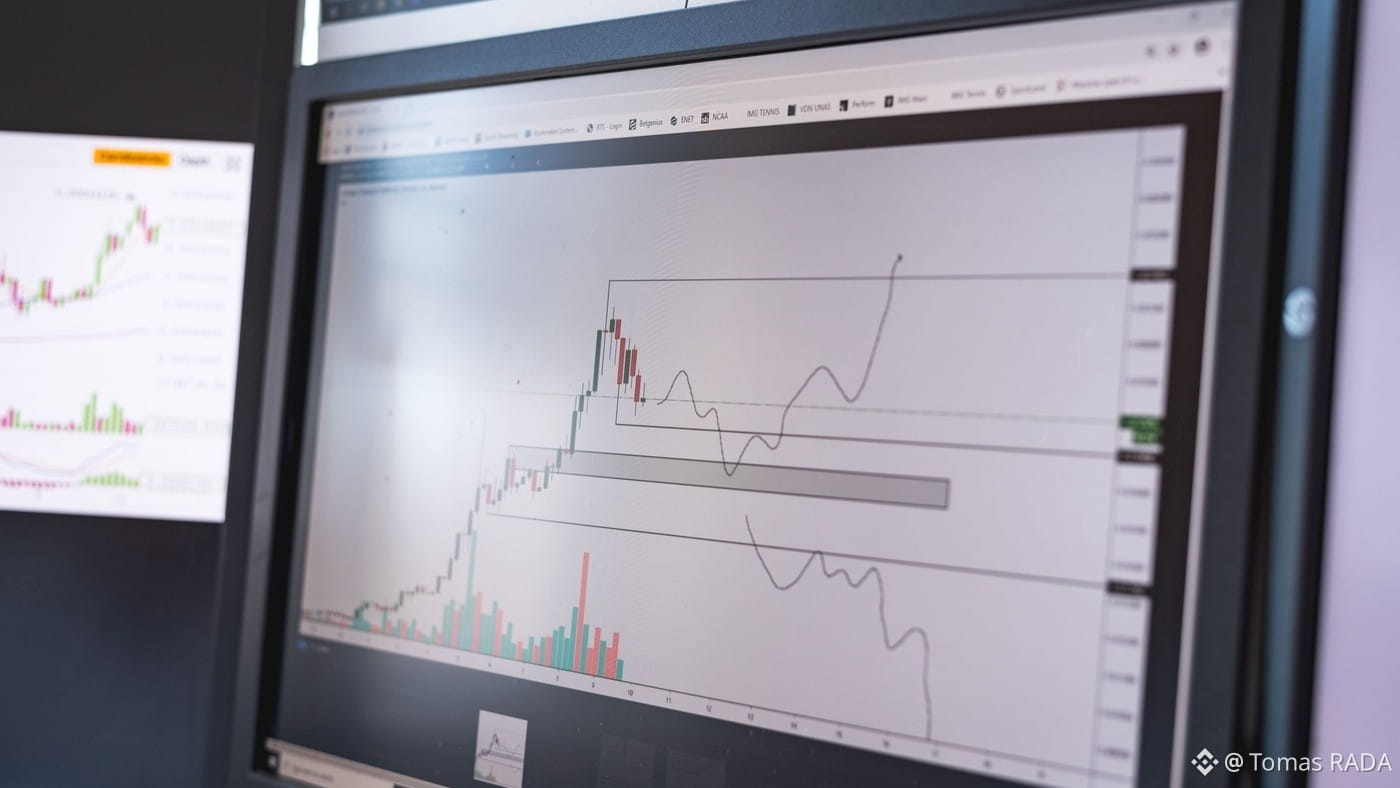
記事
翻訳参照
Kraken's $17,000 Bitcoin Flash Crash: Why the Trades StandBitcoin was trading near C$83,800 on Kraken’s Canadian dollar book on Friday afternoon. At the same time, the U.S. dollar pair for the same asset sat at roughly $58,300. This tracked the foreign exchange rate of about 70 U.S. cents per Canadian dollar. By early Saturday morning, however, the Canadian market decoupled from the rest of the world. Bitcoin prices on that specific book fell nearly 70 percent, bottoming at C$24,250. This is the equivalent of about $17,000.
The selling pressure began around 3 p.m. ET on Friday. Within an hour, the price of Bitcoin in Canadian dollars dragged below C$70,000. By 7 p.m. ET, it was under C$50,000. The absolute bottom occurred in the 15 minutes after 3 a.m. ET on Saturday. During this window, 976 separate trades were executed at the heavily discounted price. While this was happening, Bitcoin on Kraken’s U.S. dollar book remained near $57,700, having touched a separate two year low of $55,100 earlier that night.
ISOLATED LIQUIDITY RISKS
The primary reason for this massive price gap is how Kraken structures its trading environment. The exchange runs isolated order books for each fiat currency it supports. This means that a trader buying or selling Bitcoin with Canadian dollars is only matching against the liquidity available in that specific Canadian dollar pool. They are not tapping into the much deeper U.S. dollar liquidity pool that handles the bulk of global volume.
When a single fiat book loses its market makers, the results can be catastrophic for those with open positions. Market makers are participants who continuously post buy and sell quotes to keep the order book liquid. If these participants vanish or stop providing quotes, the order book becomes thin. Blockstream CEO Adam Back suggested that the market maker for Kraken’s U.S. dollar against Canadian dollar pair simply ran out of money. Without that backstop, thin resting bids dictated the prices.
THE STOP LOSS CASCADE
The breakdown in the CAD order book triggered a chain reaction. Automated stop loss orders are designed to sell an asset once it hits a certain price to prevent further losses. However, in a market with no liquidity, these orders fire into empty air. They fill at whatever price is available, even if that price is pennies on the dollar compared to global spot rates. Adam Back noted that this dislocation liquidated people whose orders fired based on a local false price.
The data shows the scale of the activity during the crash. Roughly 245 BTC changed hands between 1:30 a.m. and 4:45 a.m. ET on Saturday during 15 minute intervals where average prices stayed below C$50,000. Because the USD and CAD books were not linked, the arbitrage that usually keeps prices in line failed to happen fast enough to prevent the slide.
[Chart: Bitcoin price, last 30 days. Source: CoinGecko, 23 November 2026. The chart is in the amk.news version linked at the end.]
MULTI ASSET COLLAPSE
Bitcoin was not the only asset affected by the breakdown in the Canadian dollar market. A review of Kraken’s API data shows that several assets quoted in Canadian dollars collapsed simultaneously. Ether sank from about C$2,296 on Friday afternoon to a low of C$796. XRP shed more than 60 percent of its value to hit 41 Canadian cents.
Even Tether, a stablecoin pegged to the U.S. dollar, saw its CAD pair break. Normally worth roughly 143 Canadian cents, USDT dropped to 56 cents by 3 a.m. ET on Saturday. For a brief period, one Canadian dollar on Kraken could buy nearly two U.S. dollars worth of stablecoins. This represented more than double the real world value of the Canadian currency at the time.
EXCHANGE RESPONSE AND HISTORY
Despite the 70 percent deviation from global prices, Kraken has confirmed that it will not reverse the trades. The exchange's support account stated on X that every order had executed properly. Security teams conducted a review and found no evidence of a security breach or account compromise. Because the system functioned as intended, the executed trades stand.
This event echoes a previous breakdown on the same exchange. In June 2019, Kraken’s Canadian dollar Bitcoin pair briefly printed a price of C$101. In the most recent case, the exchange did not log an official incident on its status page. Prices on the Canadian book eventually recovered, climbing above C$79,000 by 5 a.m. ET on Saturday. By Monday, the markets were back in alignment with global rates, with Bitcoin trading at C$87,700 against $61,350 in U.S. dollars.
SOURCES
1. Coindesk, Bitcoin sold for $17,000 on Kraken's Canadian dollar market, and the trades stand, https://www.coindesk.com/markets/2026/11/23/bitcoin-sold-for-usd17-000-on-kraken-s-canadian-dollar-market-and-the-trades-stand
2. Cointelegraph, Bitcoin briefly drops to $17K on Kraken, exchange upholds trades, https://cointelegraph.com/news/bitcoin-17k-kraken-canadian-dollar-market-trades-stand
The version with the chart, the photos and clickable sources is on amk.news: https://amk.news/article/kraken-s-17-000-bitcoin-flash-crash-why-the-trades-stand
Kraken's $17,000 Bitcoin Flash Crash: Why the Trades Stand
Bitcoin was trading near C$83,800 on Kraken’s Canadian dollar book on Friday afternoon. At the same time, the U.S. dollar pair for the same asset sat at roughly $58,300. This tracked the foreign exchange rate of about 70 U.S. cents per Canadian dollar. By early Saturday morning, however, the Canadian market decoupled from the rest of the world. Bitcoin prices on that specific book fell nearly 70 percent, bottoming at C$24,250. This is the equivalent of about $17,000.
The selling pressure began around 3 p.m. ET on Friday. Within an hour, the price of Bitcoin in Canadian dollars dragged below C$70,000. By 7 p.m. ET, it was under C$50,000. The absolute bottom occurred in the 15 minutes after 3 a.m. ET on Saturday. During this window, 976 separate trades were executed at the heavily discounted price. While this was happening, Bitcoin on Kraken’s U.S. dollar book remained near $57,700, having touched a separate two year low of $55,100 earlier that night.
ISOLATED LIQUIDITY RISKS
The primary reason for this massive price gap is how Kraken structures its trading environment. The exchange runs isolated order books for each fiat currency it supports. This means that a trader buying or selling Bitcoin with Canadian dollars is only matching against the liquidity available in that specific Canadian dollar pool. They are not tapping into the much deeper U.S. dollar liquidity pool that handles the bulk of global volume.
When a single fiat book loses its market makers, the results can be catastrophic for those with open positions. Market makers are participants who continuously post buy and sell quotes to keep the order book liquid. If these participants vanish or stop providing quotes, the order book becomes thin. Blockstream CEO Adam Back suggested that the market maker for Kraken’s U.S. dollar against Canadian dollar pair simply ran out of money. Without that backstop, thin resting bids dictated the prices.
THE STOP LOSS CASCADE
The breakdown in the CAD order book triggered a chain reaction. Automated stop loss orders are designed to sell an asset once it hits a certain price to prevent further losses. However, in a market with no liquidity, these orders fire into empty air. They fill at whatever price is available, even if that price is pennies on the dollar compared to global spot rates. Adam Back noted that this dislocation liquidated people whose orders fired based on a local false price.
The data shows the scale of the activity during the crash. Roughly 245 BTC changed hands between 1:30 a.m. and 4:45 a.m. ET on Saturday during 15 minute intervals where average prices stayed below C$50,000. Because the USD and CAD books were not linked, the arbitrage that usually keeps prices in line failed to happen fast enough to prevent the slide.
[Chart: Bitcoin price, last 30 days. Source: CoinGecko, 23 November 2026. The chart is in the amk.news version linked at the end.]
MULTI ASSET COLLAPSE
Bitcoin was not the only asset affected by the breakdown in the Canadian dollar market. A review of Kraken’s API data shows that several assets quoted in Canadian dollars collapsed simultaneously. Ether sank from about C$2,296 on Friday afternoon to a low of C$796. XRP shed more than 60 percent of its value to hit 41 Canadian cents.
Even Tether, a stablecoin pegged to the U.S. dollar, saw its CAD pair break. Normally worth roughly 143 Canadian cents, USDT dropped to 56 cents by 3 a.m. ET on Saturday. For a brief period, one Canadian dollar on Kraken could buy nearly two U.S. dollars worth of stablecoins. This represented more than double the real world value of the Canadian currency at the time.
EXCHANGE RESPONSE AND HISTORY
Despite the 70 percent deviation from global prices, Kraken has confirmed that it will not reverse the trades. The exchange's support account stated on X that every order had executed properly. Security teams conducted a review and found no evidence of a security breach or account compromise. Because the system functioned as intended, the executed trades stand.
This event echoes a previous breakdown on the same exchange. In June 2019, Kraken’s Canadian dollar Bitcoin pair briefly printed a price of C$101. In the most recent case, the exchange did not log an official incident on its status page. Prices on the Canadian book eventually recovered, climbing above C$79,000 by 5 a.m. ET on Saturday. By Monday, the markets were back in alignment with global rates, with Bitcoin trading at C$87,700 against $61,350 in U.S. dollars.
SOURCES
1. Coindesk, Bitcoin sold for $17,000 on Kraken's Canadian dollar market, and the trades stand, https://www.coindesk.com/markets/2026/11/23/bitcoin-sold-for-usd17-000-on-kraken-s-canadian-dollar-market-and-the-trades-stand
2. Cointelegraph, Bitcoin briefly drops to $17K on Kraken, exchange upholds trades, https://cointelegraph.com/news/bitcoin-17k-kraken-canadian-dollar-market-trades-stand
The version with the chart, the photos and clickable sources is on amk.news: https://amk.news/article/kraken-s-17-000-bitcoin-flash-crash-why-the-trades-stand
63
·
--
$ETH は過去24時間、Binanceの現物市場で活発な取引があり、1,888,987件の取引が成立しました。価格は1,648.35 USDTから1,732.52 USDTの範囲で推移し、取引高は3億8,970万USDTに達しました。この1.64%の値動きは、ほぼ84 USDTの値幅で起こり、この時間帯に狭い損切り幅を管理する短期トレーダーにとって、差し迫ったリスクとなっています。
私の見方:取引高に対して個別の取引件数が多いことから、少数の大口機関投資家によるブロック取引ではなく、個人投資家の活動や小口の自動リバランスが、この売買を牽引しているようです。
今日はこの価格帯で取引しましたか?それとも、行動を起こす前に、さらに大きな値動きを待っていますか?
#ETH #BTC、クジラの押し目買いを受けて6万ドル超へ反発
私の見方:取引高に対して個別の取引件数が多いことから、少数の大口機関投資家によるブロック取引ではなく、個人投資家の活動や小口の自動リバランスが、この売買を牽引しているようです。
今日はこの価格帯で取引しましたか?それとも、行動を起こす前に、さらに大きな値動きを待っていますか?
#ETH #BTC、クジラの押し目買いを受けて6万ドル超へ反発
14
·
--
11月、$BTC ETFからの資金流出額は35億ドルに達しました。従来型ファンドが年末を前に資金を引き揚げています。この変化により、リスクは機関投資家のバランスシートから現物保有者へと戻ります。こうした資金流出の多くは、12月31日の期限前に運用成績を確定させたり、税負担を調整したりする必要があるファンドマネージャーによるものです。機関投資家の買い支えがないなか、市場が大規模な売りをどれだけ吸収できるかを試す重要な局面です。私の見立てでは、これは長期的なポジション取りよりも年次報告を優先する運用担当者による、機械的な年末の資産入れ替えのように見えます。35億ドルの資金流出の間も保有を続けましたか?それとも、彼らに合わせてポジションを減らしましたか?
#CryptoNews #世界株式は2023年以来最長の連敗に直面
#CryptoNews #世界株式は2023年以来最長の連敗に直面
28
·
--
Anthropicは上場2日目にIPOプレミアムを失いつつあり、935億ドルの資金調達後、市場は当初の評価額に反発しています。その結果、流動性が急激に逼迫し、$BTC は一時60,000を下回った後、60,817 USDTまで回復しました。最大手のAI企業が48%の調整に直面すると、リスクは熱狂のピークで買った人たちに完全に移ります。
私の見方:これは典型的なデレバレッジの局面です。投資家は、従来型テック企業の損失を埋めるため、売りたいものではなく、売れるものを売っています。
この下落を利用してポジションを増やしましたか?それとも、AIバブルについてさらに状況がはっきりするのを待っていますか?
#AnthropicPlungesTowardIPOPriceonDay2
私の見方:これは典型的なデレバレッジの局面です。投資家は、従来型テック企業の損失を埋めるため、売りたいものではなく、売れるものを売っています。
この下落を利用してポジションを増やしましたか?それとも、AIバブルについてさらに状況がはっきりするのを待っていますか?
#AnthropicPlungesTowardIPOPriceonDay2
25
·
--
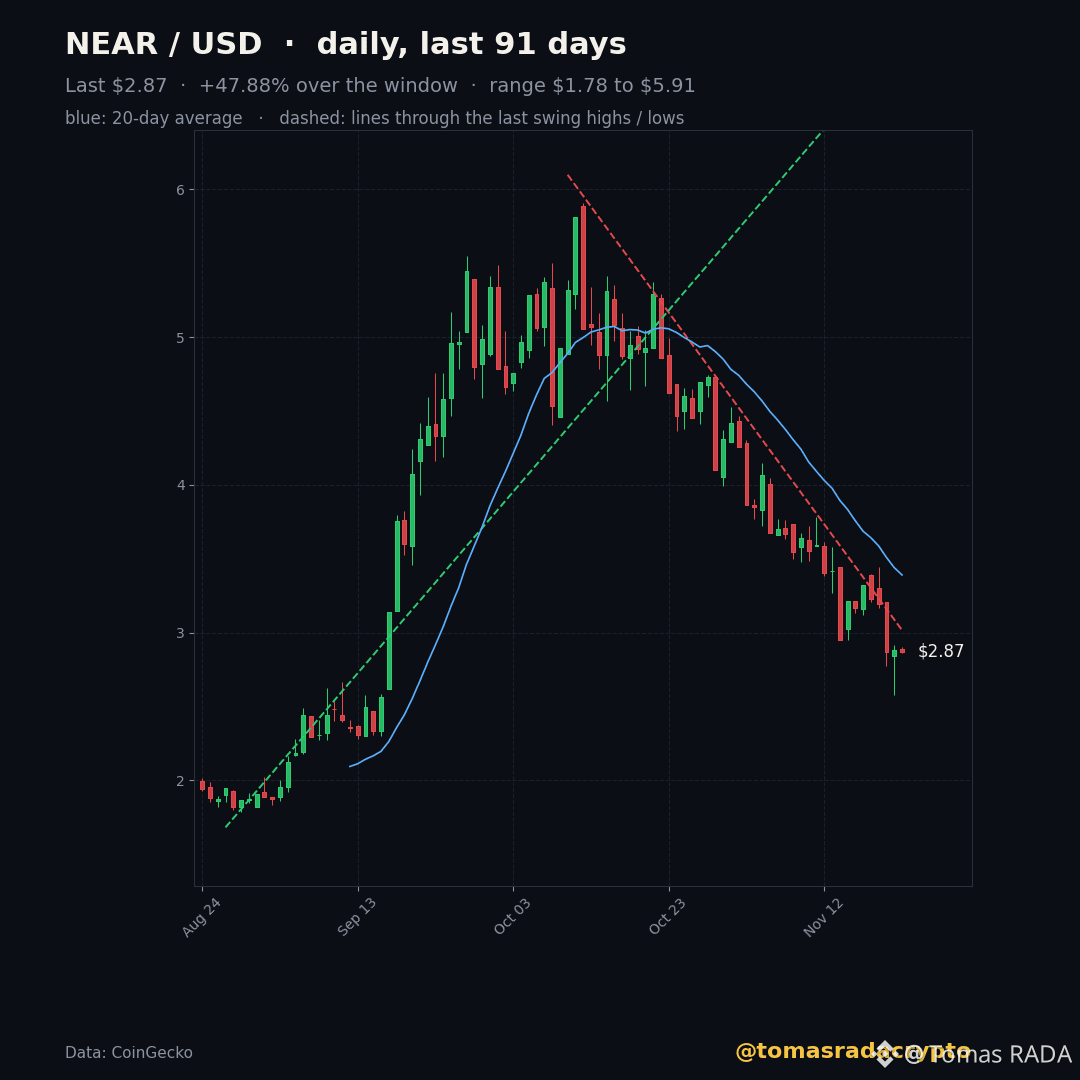
$NEAR の価格は2.99 USDTで、20日移動平均の3.39を約12%下回っています。過去91日間を見ると、価格は高値の5.90から安値の1.78までの広い範囲内で推移しています。Binanceの現物市場における取引高は、過去24時間で8,630万USDTに達し、取引件数は27万2,000件を超えました。チャートには、高値が切り下がる一方で安値が切り上がるパターンが見られ、価格が狭い範囲に収束しつつあることを示しています。
私の見立てでは、現在の日次反発率は5.43%ですが、価格が20日移動平均を下回っているというトレンドはまだ変わっていません。
移動平均線を上抜けるのを待っていますか?それとも、ラインの間のレンジで取引していますか?
#NEAR #世界株式、2023年以来最長の連敗に直面
私の見立てでは、現在の日次反発率は5.43%ですが、価格が20日移動平均を下回っているというトレンドはまだ変わっていません。
移動平均線を上抜けるのを待っていますか?それとも、ラインの間のレンジで取引していますか?
#NEAR #世界株式、2023年以来最長の連敗に直面
62
·
--
MSCIオール・カントリー・ワールド・インデックスは7営業日連続で下落し、2023年以来最長の連敗となりました。半導体メーカー株が6月の高値から35%下落する一方、$BTC はBinanceで約59744 USDTで取引されており、過去24時間で3%超上昇しています。目先のリスクは、米財務省が150億ドル相当の9日物短期証券を売却することです。株式市場が軟調になるなか、この動きはシステムから流動性を吸い上げます。
私の見方:暗号資産は、現在ナスダックを直撃しているのと同じマクロ経済の流動性ショックに依然として強く左右されるため、今回の乖離は一時的な異常に終わる可能性が高いでしょう。
この株式市場の下落を乗り切るために保有を続けますか?それともステーブルコインに戻しますか?
#世界株式市場、2023年以来最長の連敗に直面
私の見方:暗号資産は、現在ナスダックを直撃しているのと同じマクロ経済の流動性ショックに依然として強く左右されるため、今回の乖離は一時的な異常に終わる可能性が高いでしょう。
この株式市場の下落を乗り切るために保有を続けますか?それともステーブルコインに戻しますか?
#世界株式市場、2023年以来最長の連敗に直面
68
·
--
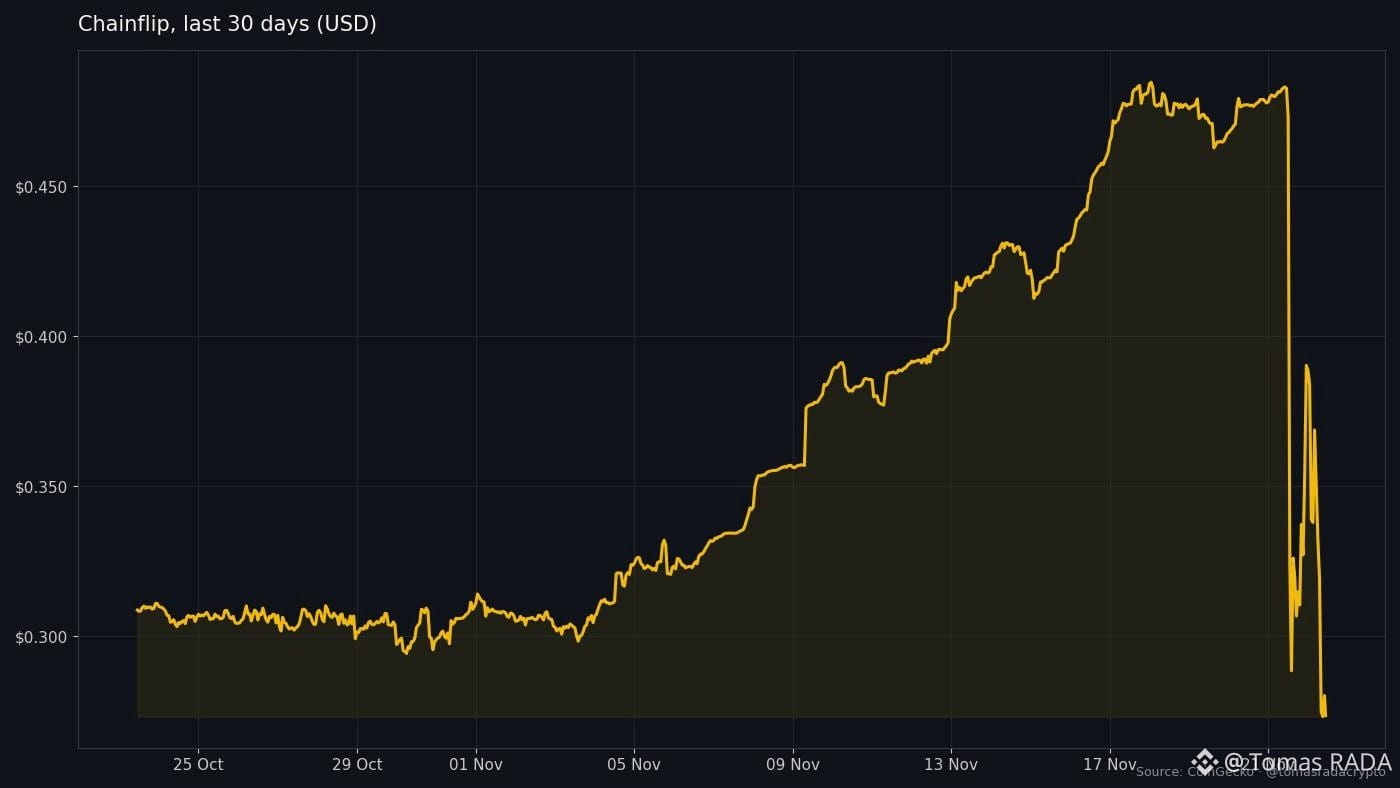
Chainflipは、保管庫から122.86 $BTC、520.22 $ETH、そして400万超相当のステーブルコインが流出し、1,200万ドルの損失が発生したことを確認しました。攻撃は驚くほど速く、資金がTornado Cashに移されるまでに10分もかかりませんでした。このニュースを受け、FLIPトークンの価格は最大42.9%下落し、時価総額は2,710万ドルまで減少しました。
調査担当者によると、攻撃者は有効な署名を使っていましたが、39桁というあり得ないノンスが確認されました。このことから、プロトコルの署名システムが回避されたか、侵害された可能性が示唆されています。Chainflipは、11月23日までに資金の90%を返還することを条件に、攻撃者へ10%の報奨金を提示しました。また、責任者の特定につながる可能性のあるサーバーとバリデーターのデータを保有しているとしています。
私の見解:今回の事件は、しきい値署名方式に潜む重大なリスクを浮き彫りにしています。保管庫全体のセキュリティが、スマートコントラクトのコードだけでなく、バリデーター環境の完全性にも依存しているのです。
記事全文:https://app.binance.com/uni-qr/cart/390930756058850?r=KU1Z4N85&l=en-TR
Chainflipは、保管庫から122.86 $BTC 、520.22 $ETH 、そして400万超相当のステーブルコインが流出し、1,200万ドルの損失が発生したことを確認しました。攻撃は驚くほど速く、資金がTornado Cashに移されるまでに10分もかかりませんでした。このニュースを受け、FLIPトークンの価格は最大42.9%下落し、時価総額は2,710万ドルまで減少しました。
調査担当者によると、攻撃者は有効な署名を使っていましたが、39桁というあり得ないノンスが確認されました。このことから、プロトコルの署名システムが回避されたか、侵害された可能性が示唆されています。Chainflipは、11月23日までに資金の90%を返還することを条件に、攻撃者へ10%の報奨金を提示しました。また、責任者の特定につながる可能性のあるサーバーとバリデーターのデータを保有しているとしています。
私の見解:今回の事件は、しきい値署名方式に潜む重大なリスクを浮き彫りにしています。保管庫全体のセキュリティが、スマートコントラクトのコードだけでなく、バリデーター環境の完全性にも依存しているのです。
記事全文:https://app.binance.com/uni-qr/cart/390930756058850?r=KU1Z4N85&l=en-TR
58
·
--
記事
Chainflipの1,200万ドル規模の不正流出:ホワイトハットによる資金回収をめぐる競争Chainflipの1,200万ドル規模の不正流出:ホワイトハットによる資金回収をめぐる競争
分散型金融の世界における土曜の朝の静寂は、東部時間午前2時10分、クロスチェーンスワッププロトコルであるChainflipのイーサリアム・ボルトから資金が流出し始めたことで破られた。それはゆっくりとした漏出ではなかった。10分足らずのうちに、一連の自動取引によってボルト内の流動資産がすべて引き出された。流出した資産には520.22イーサに加え、数百万ドル相当のステーブルコインが含まれていた。プロトコルがセーフモードを起動してさらなる処理を停止できた頃には、被害は当初のイーサリアム上での損失をはるかに超えて拡大していた。
Chainflipの1,200万ドル規模の不正流出:ホワイトハットによる資金回収をめぐる競争
Chainflipの1,200万ドル規模の不正流出:ホワイトハットによる資金回収をめぐる競争
分散型金融の世界における土曜の朝の静寂は、東部時間午前2時10分、クロスチェーンスワッププロトコルであるChainflipのイーサリアム・ボルトから資金が流出し始めたことで破られた。それはゆっくりとした漏出ではなかった。10分足らずのうちに、一連の自動取引によってボルト内の流動資産がすべて引き出された。流出した資産には520.22イーサに加え、数百万ドル相当のステーブルコインが含まれていた。プロトコルがセーフモードを起動してさらなる処理を停止できた頃には、被害は当初のイーサリアム上での損失をはるかに超えて拡大していた。
分散型金融の世界における土曜の朝の静寂は、東部時間午前2時10分、クロスチェーンスワッププロトコルであるChainflipのイーサリアム・ボルトから資金が流出し始めたことで破られた。それはゆっくりとした漏出ではなかった。10分足らずのうちに、一連の自動取引によってボルト内の流動資産がすべて引き出された。流出した資産には520.22イーサに加え、数百万ドル相当のステーブルコインが含まれていた。プロトコルがセーフモードを起動してさらなる処理を停止できた頃には、被害は当初のイーサリアム上での損失をはるかに超えて拡大していた。
73
·
--
あるビットコインマイナーが267 $BTC を清算し、2,200万ドルの負債を返済しました。この動きで差し迫った債務は解消されますが、採掘難易度が過去最高水準に近いままのなか、同社のバランスシートは大きく損なわれます。過去の設備融資を返済するために中核となる在庫を処分すれば、リスクは全面的に今後の生産効率へと移ります。運営コストが高止まりすれば、収益が落ち込んだときに会社を支える余力は残っていません。半減期後の苦境がついに非効率なマイナーに、すべてを清算するか、時間をかけて撤退するかの選択を迫っていることを示していると思います。
マイニング業界の淘汰はこんなに早く起きると思っていましたか?それとも、大手が経営難に陥った企業の設備を買い占めるだけだと思いますか?
#CryptoNews #BTCは6万ドル割れから反発できるか?
マイニング業界の淘汰はこんなに早く起きると思っていましたか?それとも、大手が経営難に陥った企業の設備を買い占めるだけだと思いますか?
#CryptoNews #BTCは6万ドル割れから反発できるか?
17
·
--
世界の株式市場は7日連続で下落しており、2023年以来最長の連続下落となっています。Nvidiaは今週22.9%下落し、Nasdaq 100は10%超下落しました。テクノロジー株が下落するなか、$BTC は本日60369.3で取引されました。直近の影響は香港に表れており、暗号資産のカストディアンやアドバイザーにライセンスを義務付ける新たな法案が、12月2日に立法会で初めて審議されます。この規則変更により、企業は特定の投資家保護基準を満たすか、事業を停止する必要があります。
私の見方:BTCが底堅さを保つ一方、半導体メーカーが6月のピークから35%下落するなか、テクノロジー株と暗号資産の相関関係が試されています。
今週はテクノロジー株を持ち続けましたか?それとも、暗号資産により多くの資金を移しましたか?
#世界の株式市場は2023年以来最長の連続下落
私の見方:BTCが底堅さを保つ一方、半導体メーカーが6月のピークから35%下落するなか、テクノロジー株と暗号資産の相関関係が試されています。
今週はテクノロジー株を持ち続けましたか?それとも、暗号資産により多くの資金を移しましたか?
#世界の株式市場は2023年以来最長の連続下落
175
·
--
Michael Saylorは、優先株への75億ドルの需要を取り込むことで、$BTC の財務基盤を強化する新たな方法を提案しています。この動きにより、リスクは通常の社債から、配当は支払われるものの議決権のない特定の種類株式へと移ります。信用市場が引き締まれば、この仕組みを維持するコストが上昇し、同社が実際に追加取得できるビットコインの量も制限されます。私の見立てでは、これは普通株のような価格変動を避けつつ、財務基盤への投資機会を求める機関投資家を呼び込むための方向転換です。この新株からの利回りを求めていますか?それとも、コインを保有して直接エクスポージャーを得るほうがお好みですか?
#CryptoNews #STRC
#CryptoNews #STRC
135
·
--
BTCは6万ドル割れ後に反発できるか? 機関投資家の下値支持線が移動したことで、状況が変わりつつあります。BlackRockのIBITでは木曜日に5億4,110万ドルの資金流出が記録され、ETF投資家にも限界があることが示されました。Binanceでは、$BTC が55,130まで下落し、10月のピークを35.1%下回っています。今やリスクを抱えているのは、6万ドルを揺るぎない下値支持線と考えていた買い手です。私の見方では、ハイテク株と暗号資産が同時に下落していることから、これは特定セクターの暴落ではなく、広範な流動性の引き揚げを示しています。この値動きの激しさを乗り切るために保有を続けますか? それとも6万ドル割れで損切り注文が発動しましたか?
#BTCは6万ドル割れ後に反発できるか?
#BTCは6万ドル割れ後に反発できるか?
69
·
--
米上院は11月19日(木)、DEATH BETS法案を発声採決で可決しました。アダム・シフ上院議員が主導する超党派のこの法案は、予測市場が戦争、テロ、暗殺に関する契約を提供することを禁止することを目的としています。この法案の背景には、2月に起きた重大な警告事例があります。イランに対する米国の攻撃が実施されるわずか数時間前に、それを予測して賭けたPolymarketの6つのウォレットが、合計120万ドルを獲得しました。
この法案は商品取引法の改正を目指し、CFTCにこうした「社会に有害な」賭けを禁止する明確な権限を与えます。一方、Kalshiはニューヨークで存続をかけて争っています。州司法長官レティシア・ジェームズ氏は、Kalshiを違法な賭博だと主張し、プラットフォームの閉鎖を命じる差し止め命令を求めています。Kalshiはニューヨークに拠点を置いているため、州レベルで禁止されれば、全米での事業停止を余儀なくされる可能性があります。
市場を取り巻く状況も、さらに厳しくなっています。
記事全文:https://app.binance.com/uni-qr/cart/390576814664283?r=KU1Z4N85&l=en-TR

43
·
--
Coinbaseは、自社の予測市場契約を2027年前半に開始することを目指しています。このスケジュールでは、米国のユーザーが規制下の国内代替サービスを待つ一方、海外のプラットフォームにはさらに2年間の余裕が生まれます。これらの契約が開始される頃には、$USDC を利用する競合他社は、流動性とユーザーベースを確立するための時間を何年も得ているでしょう。法的手続きが完了する頃には、すでに市場の勝敗が決している可能性があります。私の見方では、この慎重な展開は、現在の関心の波をつかむことよりも、規制当局との関係を優先していることを示しています。何年も安全策を取ることは、市場シェアを失う価値があるのでしょうか。それとも、もっと早いローンチを目指すべきだったのでしょうか?
#CryptoNews #6万ドルを下回った後、BTCは反発できる?
#CryptoNews #6万ドルを下回った後、BTCは反発できる?
66
·
--
$BTC バイナンスの現物取引高は、過去24時間で5,370,883件の取引を通じて2,106.8M USDTに達しました。価格は7.12%下落し、62,917.7 USDTの高値から58,055 USDTの安値まで変動した後、58,287.6 USDT付近で推移しています。この日中の値幅4,862.7 USDTにより、昨日の高値で買いに入った人々は、目先の下落の打撃を最も受けています。
私の見立て:現物取引高が多い中で7%下落したことは、受動的な清算ではなく、現物の積極的な売りを示しています。
今日は58,000 USDT付近で買いましたか?それとも今は様子見ですか?
#BTC #BTCは6万ドル割れ後に反発できる?
私の見立て:現物取引高が多い中で7%下落したことは、受動的な清算ではなく、現物の積極的な売りを示しています。
今日は58,000 USDT付近で買いましたか?それとも今は様子見ですか?
#BTC #BTCは6万ドル割れ後に反発できる?
9
·
--
Ondo Financeは、Anthropic株がNasdaqに上場した瞬間からその価格に連動するよう設計されたANTonトークンをローンチします。この仕組みにより、トレーダーは従来の証券会社での決済を待たずに、$ONDO インフラを利用してAI関連株へのエクスポージャーを得られます。株式公開の厳格なスケジュールに、分散型金融のスピードを効果的に持ち込むものです。私の見立てでは、これは個人投資家が未公開企業にアクセスするための条件を大きく変えるものですが、その仕組みが機能するかどうかは、寄り付き時の価格変動のなかで合成トークンがリアルタイムの板情報にどれだけ忠実に連動するかに全面的にかかっています。
初日にこうした合成トークンを取引しますか?それとも、従来の証券会社で株価が落ち着くのを待ちますか?
#CryptoNews #BTCは6万ドル割れから反発できる?
初日にこうした合成トークンを取引しますか?それとも、従来の証券会社で株価が落ち着くのを待ちますか?
#CryptoNews #BTCは6万ドル割れから反発できる?
74
·
--
市場ではゲームの発売が株価を押し上げるかどうかが議論される一方、$BTC は3.67%下落して61394.2 USDTとなり、テクニカル面でデッドクロスに直面しています。価格が61230の安値を付けるなか、取引高は1458.5M USDTに達しました。スウェーデンでは、H100が第3四半期にプールで30 BTCを失ったにもかかわらず、自社株買いにビットコインプールを利用する案について投票しています。金利上昇により、暗号資産購入のための新株発行が魅力を失うなか、企業が資金流動性の確保に苦慮していることがうかがえます。
私の見立てでは、企業の財務部門が暗号資産保有の資金を調達する方法の変化は、単独のゲーム発売よりも大きな下支えリスクです。
市場の健全性を測るうえで、テクニカルチャートのパターンと企業の財務資金の流れのどちらに注目していますか?
#GTA6の発売でTTWO株は上がる?
私の見立てでは、企業の財務部門が暗号資産保有の資金を調達する方法の変化は、単独のゲーム発売よりも大きな下支えリスクです。
市場の健全性を測るうえで、テクニカルチャートのパターンと企業の財務資金の流れのどちらに注目していますか?
#GTA6の発売でTTWO株は上がる?
26
·
--
Skyの$USDS ステーブルコインは、北朝鮮のハッカーが盗んだ資金の移動にこのプロトコルを利用したとの報道を受け、時価総額が30%以上下落しました。木曜日以降、約15億ドル相当の$USDC 流動性がSkyのペグ安定化モジュール(PSM)から流出し、その多くはPoloniexに関連する単一のアドレスからのものでした。調査により、このシステムを通じた不正関連取引が5億1,800万ドル分見つかり、その中には15億ドル規模のBybitハッキング事件からの1億190万ドルも含まれていました。
私の見立てでは、ここでの本当の危険はハッカーだけではありません。準備金を単一のアドレスに集約しているため、100億ドル全体の裏付け資産が、裁判所の命令による一度の凍結で危険にさらされることです。
分散型プロトコルは、機関投資家のパートナーや規制当局が求める審査ツールを導入するために、オープンで許可不要な性質を犠牲にすべきでしょうか。それとも、準備金が全面凍結されるリスクは、分散型を維持するための代償なのでしょうか?コメントでご意見をお聞かせください。
記事全文:https://app.binance.com/uni-qr/cart/390259775855751?r=KU1Z4N85&l=en-TR

40
ログインして、さらにコンテンツを読む
厳選トピックで世界の暗号資産トレーダーの仲間入り
⚡️ 暗号資産に関する最新かつ有益な情報が見つかります。
💬 世界最大の暗号資産取引所から信頼されています。
👍 認証を受けたクリエイターから、有益なインサイトを得られます。
メール / 電話番号
トレンドトピック
WillMarketsStageAThanksgivingReliefRally?
閲覧回数 54,124
903人が討論中
$BTC にとって、55Kが底だったの?正直に言うと…そうは思わない😅
ビットコインは55,130ドルまで急落した後、61Kドルを上回る水準まで回復…そして今、サンクスギビングのリリーフラリーの可能性について、みんなが話している。
でもみんな…もっと大きな視点で見てみて。
ビットコインは87Kドルからまだ約30%下落したまま。$ETH は1,538ドルを付けた後、1,727ドル付近で苦戦中。$ZEC も、あの激しい売りの後、784ドル付近でかろうじて回復しているところ。
緑のローソク足が数本出たからって、このダメージが急に全部解消するわけじゃない🥲
さて…サンクスギビングの上昇相場はあるかな?十分ありえるよ😁
特に、買い手が60Kドルを守り続けて、BTCが64K〜65Kドルに向けて再び上昇できればね。
でも、リリーフラリーと本格的な相場の反転は、まったく別のもの。
この回復の勢いが弱まれば、55Kドルを下回る下落がもう一度起きる可能性はあると思ってる。
だから、この反発を追いかけて買うつもりはない…ゆっくり積み立てながら、もっと安く買える時のためにUSDTを用意しておく。
しっかり回復すれば、それでよし。もう一度急落するなら、その時のために現金を用意しておきたい💪🏻
どう思う…サンクスギビングの上昇相場?それとも次の急落前の罠?👀
#WillMarketsStageAThanksgivingReliefRally?
ParvezMayar
·いいね:18件
·閲覧回数 8.8k
WillOctCorePCEShiftFedHikeExpectations?
閲覧回数 11,466
240人が討論中
BessentSoftensStanceOnHuang’sNvidiaReturn
閲覧回数 36,967
610人が討論中