

Tiny Whiz
74 投稿

Tiny Whiz
報告
ユーザーをブロック
Web3 Content Creator | Article Writer | Social Miner | Driving adoption with real stories, insights & alpha
取引を発注
2.8年
7 フォロー
517 フォロワー
405 いいね
投稿
ポートフォリオ
すべて
引用
PINNED
·
--
記事
2
2
9
112
·
--
記事
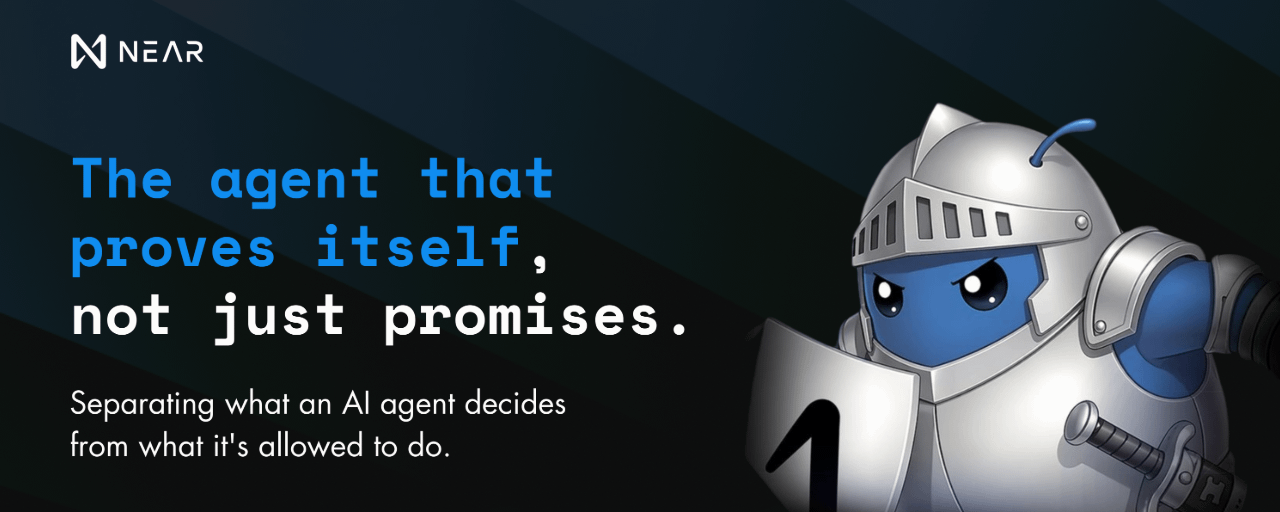
IronClaw 1.0 が $NEAR ステーキングに利回りを超えた実用的なユースケースを追加IronClaw 1.0 は、$NEAR ステーキングに利回りを超えた実用的なユースケースをもたらしました。ここでは、何が変わったのか、そのアーキテクチャがなぜうまく機能するのか、そして保有している場合にそれが何を意味するのかを詳しく解説します。
ほとんどの#AI エージェントの問題は
これまでに構築されたすべてのエージェントフレームワークには、同じ構造的な弱点があります。何をすべきかを決めるモデルが、保持している認証情報、呼び出せるツール、そして保持するメモリに直接結び付けられており、それらが分離されないまま一つのシステムにまとめられています。つまり、たった一つの誤った判断、一つの侵害されたツール、あるいは一度の接続切れだけで、進捗がすべて失われたり、本来最初から持つべきではなかったアクセス権が露出したりする可能性があります。
IronClaw 1.0 が $NEAR ステーキングに利回りを超えた実用的なユースケースを追加
IronClaw 1.0 は、$NEAR ステーキングに利回りを超えた実用的なユースケースをもたらしました。ここでは、何が変わったのか、そのアーキテクチャがなぜうまく機能するのか、そして保有している場合にそれが何を意味するのかを詳しく解説します。
ほとんどの#AI エージェントの問題は
これまでに構築されたすべてのエージェントフレームワークには、同じ構造的な弱点があります。何をすべきかを決めるモデルが、保持している認証情報、呼び出せるツール、そして保持するメモリに直接結び付けられており、それらが分離されないまま一つのシステムにまとめられています。つまり、たった一つの誤った判断、一つの侵害されたツール、あるいは一度の接続切れだけで、進捗がすべて失われたり、本来最初から持つべきではなかったアクセス権が露出したりする可能性があります。
ほとんどの#AI エージェントの問題は
これまでに構築されたすべてのエージェントフレームワークには、同じ構造的な弱点があります。何をすべきかを決めるモデルが、保持している認証情報、呼び出せるツール、そして保持するメモリに直接結び付けられており、それらが分離されないまま一つのシステムにまとめられています。つまり、たった一つの誤った判断、一つの侵害されたツール、あるいは一度の接続切れだけで、進捗がすべて失われたり、本来最初から持つべきではなかったアクセス権が露出したりする可能性があります。
2
4
155
·
--
記事
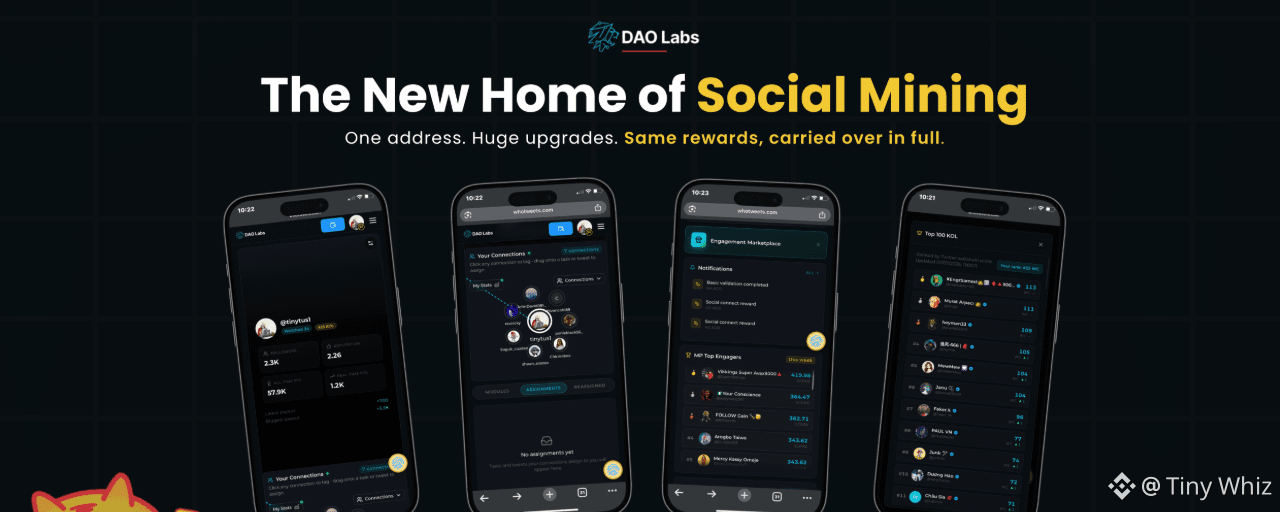
アクティビティの裏にあるアドレス:DAO Labsが新しいドメインへ移行する動きが実際に示すもの$BNB 過去数週間、チェーンレベルのアクティビティデータが単なる見出しの値動きよりも重要である理由を市場に改めて示してきました。そして、その考え方は、その上に構築されているインフラにもそのまま当てはまります。ほとんどのプラットフォームは、自社のデータパイプラインへの信頼によって成否が決まります。なぜなら、あらゆるポイント、順位、報酬のトレースは、プラットフォームが正しく検証し、保存しなければならない「アクティビティ」に行き着くからです。この観点こそが、@DAOLabs 「古いilo.dao-labs.comのアドレスを退役させ、新しいドメインのもとで再スタートする」という #SocialMining '決定に当てるべきレンズです。こうした移行は、チームがプレッシャー下でも継続性を維持できることを証明するか、あるいは亀裂がどこにあるのかを正確に露呈するかのどちらかだからです。
アクティビティの裏にあるアドレス:DAO Labsが新しいドメインへ移行する動きが実際に示すもの
$BNB 過去数週間、チェーンレベルのアクティビティデータが単なる見出しの値動きよりも重要である理由を市場に改めて示してきました。そして、その考え方は、その上に構築されているインフラにもそのまま当てはまります。ほとんどのプラットフォームは、自社のデータパイプラインへの信頼によって成否が決まります。なぜなら、あらゆるポイント、順位、報酬のトレースは、プラットフォームが正しく検証し、保存しなければならない「アクティビティ」に行き着くからです。この観点こそが、@DAO Labs 「古いilo.dao-labs.comのアドレスを退役させ、新しいドメインのもとで再スタートする」という #SocialMining '決定に当てるべきレンズです。こうした移行は、チームがプレッシャー下でも継続性を維持できることを証明するか、あるいは亀裂がどこにあるのかを正確に露呈するかのどちらかだからです。
1
50
·
--
ブリッシュ
この#BTCFi spaceは現在、偽のTVL数値や水増しされた指標について深刻な議論を行っています。そして同じ問題は、SocialFiの中で何年も前から存在しているのに、多くのエコシステムがそれに対して率直に向き合えていません。
ここでは、データ上の問題が貢献面で実際にどのように現れているかを示します。
多くのSocialFiプラットフォームは参加をボリュームで報酬します。タスクを完了して報酬を受け取り、次のタスクへ進む。システムは「価値」ではなく「活動」を記録するため、2人の貢献者が同じ指標を作り出せたとしても、その関与がプロジェクトにもたらす品質はまったく異なる可能性があります。
これが「活動の証明」の問題であり、いまWeb3のコミュニティ構築において最も費用のかかる見落としの一つです。今週、$BNB Chainエコシステムで議論されている流動性のインフレ問題と同じラインにあります。
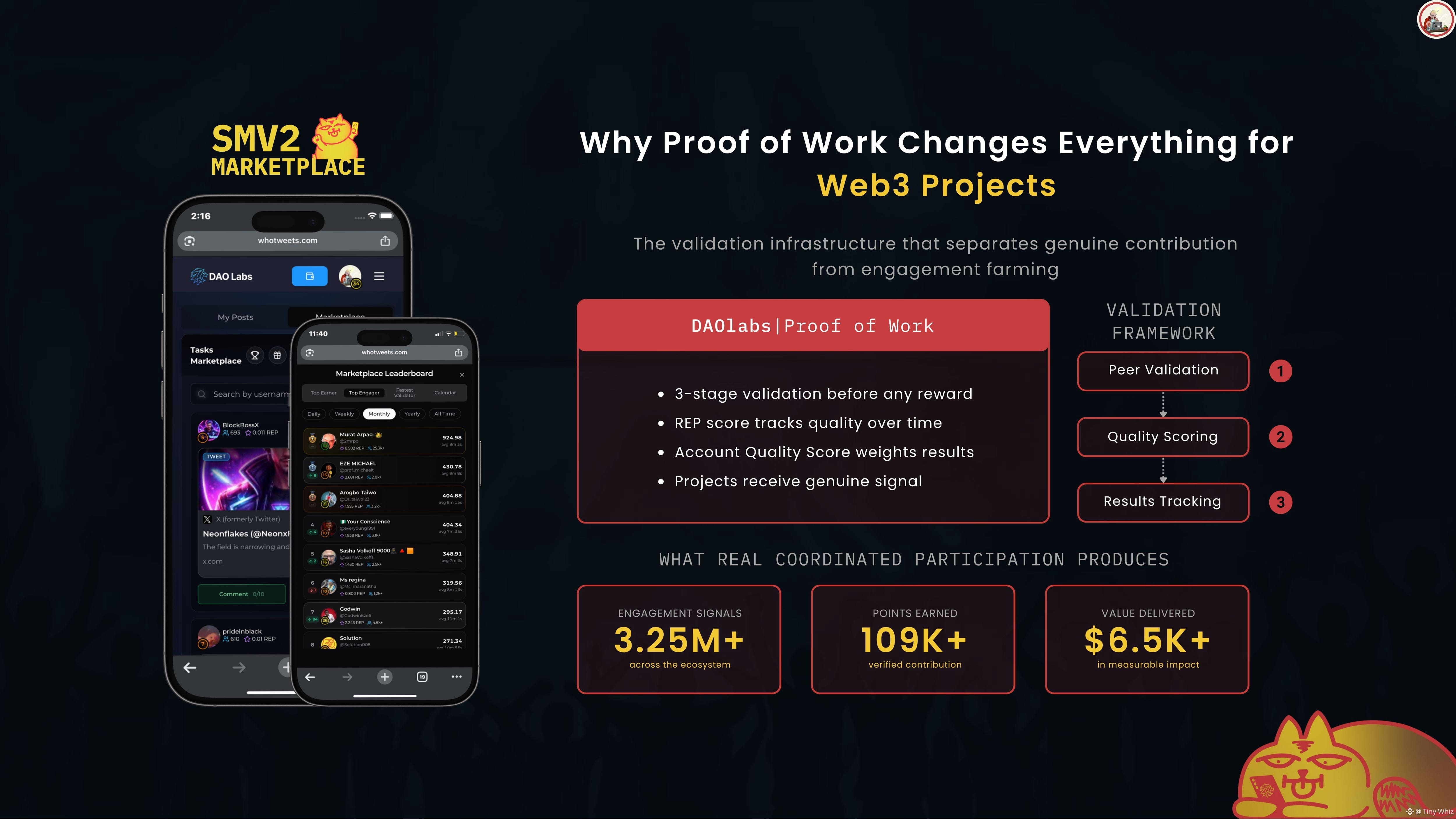
@DAOLabs は、DAOVERSE Engagement Marketplaceを構築する際にこの点を別のやり方で捉えました。提出物に報酬を与えるのではなく、すべての貢献は、報酬が発行される前に、査読、品質スコア、結果の追跡をカバーする3つの検証段階を経てから評価されます。貢献者は時間の経過とともにREPスコアを積み上げ、アカウントの品質スコアが、その関与が#SocialMining エコシステム内で実際にどれほどの重みを持つかを決めます。
その結果、生み出されるのは、現時点で多くのプラットフォームが生成しているものよりも、より真正なオンチェーン信号に近いものになります。プロジェクトは、ダッシュボード上では健全に見えても下流で何も測定できない水増しされた数字ではなく、率直なコミュニティからのフィードバックを受け取れます。
いまBTCFiで起きていることとの類似は、まさに直接的です。TVLの数値であれエンゲージメント指標であれ、根本的な問いは常に同じです。そこに示された数は、あなたに本当のことを伝えているのか、それとも誰かがあなたに見せたいものを伝えているだけなのか?
Proof of workはその問いに答えます。Proof of activityは決してそうはしません。
Web3プロジェクトのコミュニティ健全性を評価するとき、あなたはいったいどんな指標を本当に信頼しているのでしょうか?
この#BTCFi spaceは現在、偽のTVL数値や水増しされた指標について深刻な議論を行っています。そして同じ問題は、SocialFiの中で何年も前から存在しているのに、多くのエコシステムがそれに対して率直に向き合えていません。
ここでは、データ上の問題が貢献面で実際にどのように現れているかを示します。
多くのSocialFiプラットフォームは参加をボリュームで報酬します。タスクを完了して報酬を受け取り、次のタスクへ進む。システムは「価値」ではなく「活動」を記録するため、2人の貢献者が同じ指標を作り出せたとしても、その関与がプロジェクトにもたらす品質はまったく異なる可能性があります。
これが「活動の証明」の問題であり、いまWeb3のコミュニティ構築において最も費用のかかる見落としの一つです。今週、$BNB Chainエコシステムで議論されている流動性のインフレ問題と同じラインにあります。
@DAO Labs は、DAOVERSE Engagement Marketplaceを構築する際にこの点を別のやり方で捉えました。提出物に報酬を与えるのではなく、すべての貢献は、報酬が発行される前に、査読、品質スコア、結果の追跡をカバーする3つの検証段階を経てから評価されます。貢献者は時間の経過とともにREPスコアを積み上げ、アカウントの品質スコアが、その関与が#SocialMining エコシステム内で実際にどれほどの重みを持つかを決めます。
その結果、生み出されるのは、現時点で多くのプラットフォームが生成しているものよりも、より真正なオンチェーン信号に近いものになります。プロジェクトは、ダッシュボード上では健全に見えても下流で何も測定できない水増しされた数字ではなく、率直なコミュニティからのフィードバックを受け取れます。
いまBTCFiで起きていることとの類似は、まさに直接的です。TVLの数値であれエンゲージメント指標であれ、根本的な問いは常に同じです。そこに示された数は、あなたに本当のことを伝えているのか、それとも誰かがあなたに見せたいものを伝えているだけなのか?
Proof of workはその問いに答えます。Proof of activityは決してそうはしません。
Web3プロジェクトのコミュニティ健全性を評価するとき、あなたはいったいどんな指標を本当に信頼しているのでしょうか?
ここでは、データ上の問題が貢献面で実際にどのように現れているかを示します。
多くのSocialFiプラットフォームは参加をボリュームで報酬します。タスクを完了して報酬を受け取り、次のタスクへ進む。システムは「価値」ではなく「活動」を記録するため、2人の貢献者が同じ指標を作り出せたとしても、その関与がプロジェクトにもたらす品質はまったく異なる可能性があります。
これが「活動の証明」の問題であり、いまWeb3のコミュニティ構築において最も費用のかかる見落としの一つです。今週、$BNB Chainエコシステムで議論されている流動性のインフレ問題と同じラインにあります。
@DAO Labs は、DAOVERSE Engagement Marketplaceを構築する際にこの点を別のやり方で捉えました。提出物に報酬を与えるのではなく、すべての貢献は、報酬が発行される前に、査読、品質スコア、結果の追跡をカバーする3つの検証段階を経てから評価されます。貢献者は時間の経過とともにREPスコアを積み上げ、アカウントの品質スコアが、その関与が#SocialMining エコシステム内で実際にどれほどの重みを持つかを決めます。
その結果、生み出されるのは、現時点で多くのプラットフォームが生成しているものよりも、より真正なオンチェーン信号に近いものになります。プロジェクトは、ダッシュボード上では健全に見えても下流で何も測定できない水増しされた数字ではなく、率直なコミュニティからのフィードバックを受け取れます。
いまBTCFiで起きていることとの類似は、まさに直接的です。TVLの数値であれエンゲージメント指標であれ、根本的な問いは常に同じです。そこに示された数は、あなたに本当のことを伝えているのか、それとも誰かがあなたに見せたいものを伝えているだけなのか?
Proof of workはその問いに答えます。Proof of activityは決してそうはしません。
Web3プロジェクトのコミュニティ健全性を評価するとき、あなたはいったいどんな指標を本当に信頼しているのでしょうか?
1
66
·
--
不安定な市場環境でも、ステーキング数は着実に増加しています。数週間で2100万から6000万にまで上昇し、通常、状況が悪化すると逆に減少するものですが、今回はその逆です。
不安定な市場環境でも、ステーキング数は着実に増加しています。数週間で2100万から6000万にまで上昇し、通常、状況が悪化すると逆に減少するものですが、今回はその逆です。

sageyuzzy
·
--
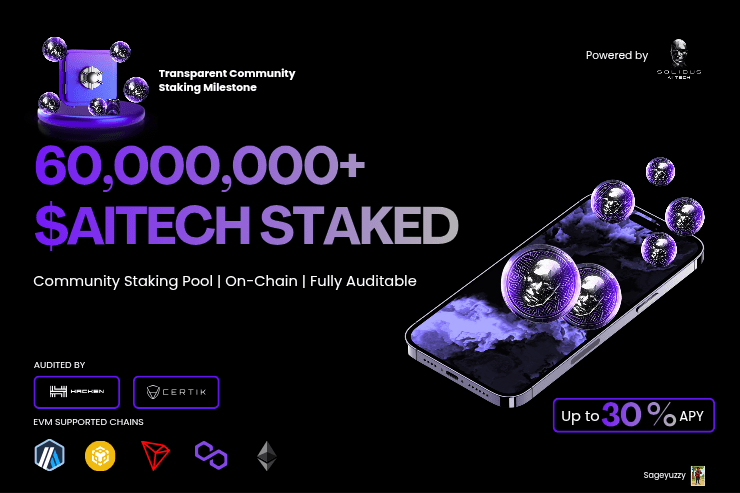
オンチェーンのマイルストーン:6000万以上 $AITECH ステーキング
Solidus AITECHコミュニティのステーキングプールは、60,000,000 $AITECH トークン以上のステーキングを突破しました。すべての活動はスマートコントラクトを通じてオンチェーンに記録されています。
この構造により完全な透明性と監査可能性が確保され、誰でも独立してステーキングデータおよびフローを検証できます。
このマイルストーンは、コミュニティの信頼感の向上、長期的なトークンの整合性、およびエコシステム開発への強いコミットメントを示しています。
監査済みのスマートコントラクトとマルチチェーンEVMサポートを備え、#AITECH は引き続きインフラストラクチャおよび信頼フレームワークを強化しています。
Solidus AITECHコミュニティのステーキングプールは、60,000,000 $AITECH トークン以上のステーキングを突破しました。すべての活動はスマートコントラクトを通じてオンチェーンに記録されています。
この構造により完全な透明性と監査可能性が確保され、誰でも独立してステーキングデータおよびフローを検証できます。
このマイルストーンは、コミュニティの信頼感の向上、長期的なトークンの整合性、およびエコシステム開発への強いコミットメントを示しています。
監査済みのスマートコントラクトとマルチチェーンEVMサポートを備え、#AITECH は引き続きインフラストラクチャおよび信頼フレームワークを強化しています。
3
63
·
--
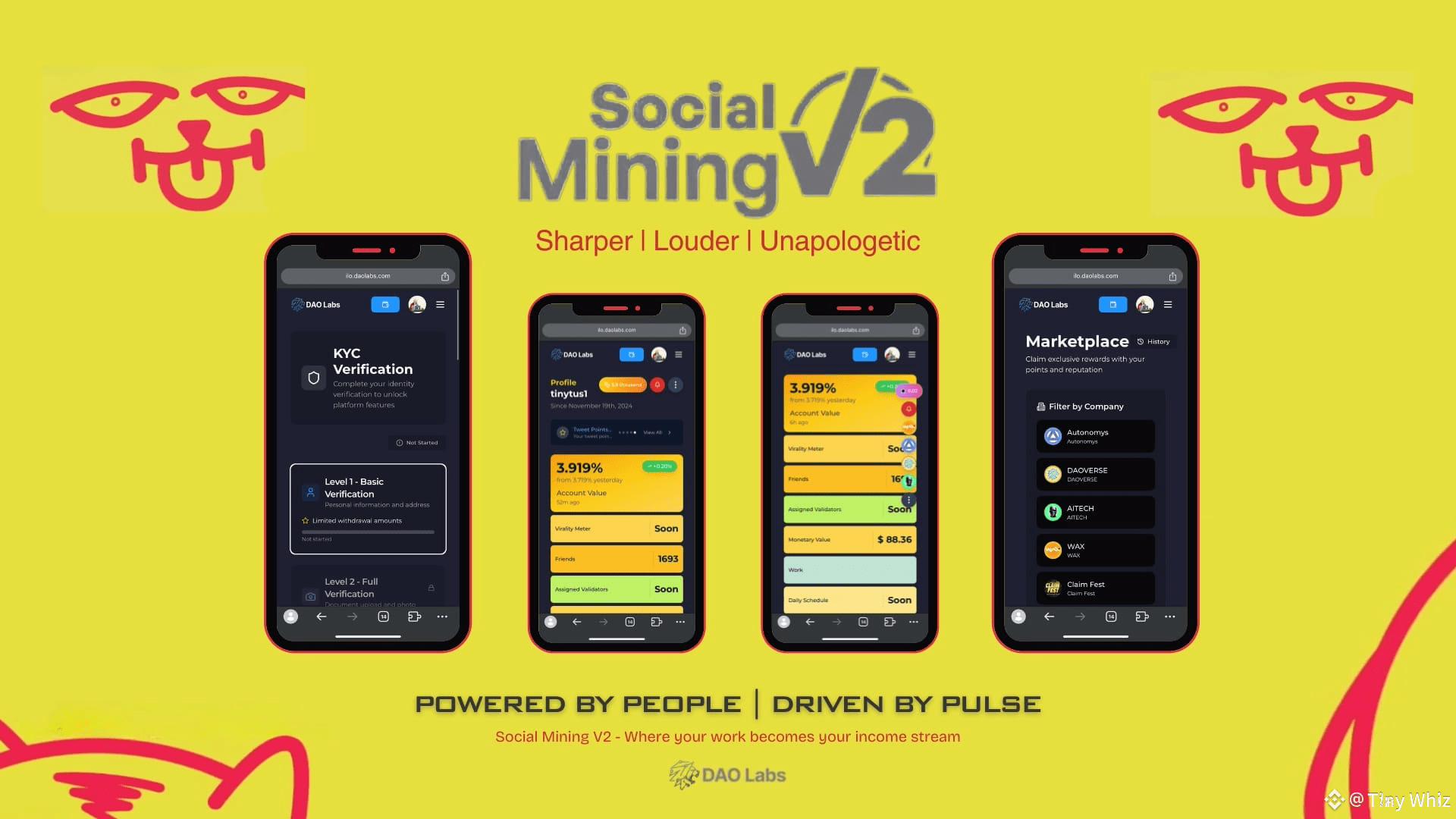
ビジュアルアイデンティティの進化は、プラットフォームが実際にどこにあるかについて多くを語ります 🔥
@DAOLabs は#SocialMiningV2 の最初のティーザーを公開し、確立されたブランディングからのシフトが顕著です。大胆な黄色と赤のパレットは、瞬時に視覚的インパクトを生み出します - 高エネルギー、高コントラスト。赤い流動的な形が表現的な顔を形作り、静的な構造よりも動きと態度を示しています 💪
ソーシャルライオン#DOVERSE のロゴと比較すると、明確に接続されたハブとネットワーク構造を示していましたが、このビジュアルは異なるアプローチを取ります。より少ない文字通りの表現、より多くの象徴的な存在。進化はプラットフォームが実際にどこにあるかを反映しています - 基本を教える必要のない確立されたインフラ ⚡
有機的で流れるような形は、V2がどのように機能するかを反映しています - 硬直した構造を強制するのではなく、実際の使用パターンに応じて適応するフレームワーク。ビジュアルアイデンティティに現れるそのデザイン哲学は理にかなっています 📊
このティーザーは#SocialMining V2を正確に表していますか?貢献者の視点から見ると、はい。プラットフォームは現在、複数のエコシステムで実際のスケールを扱っています。ビジュアルの成熟は機能的な成熟に論理的に追いついています 🎯
その生々しさはコミュニティ主導のインフラに適しています。洗練された企業の美学は、実際の貢献者によって支えられる分散型システムが構築されていることと矛盾します。
これがより広範なビジュアルの進化を示すのであれば、その方向性はプラットフォームの現実と一致します 🚀
ビジュアルアイデンティティの進化は、プラットフォームが実際にどこにあるかについて多くを語ります 🔥
@DAO Labs は#SocialMiningV2 の最初のティーザーを公開し、確立されたブランディングからのシフトが顕著です。大胆な黄色と赤のパレットは、瞬時に視覚的インパクトを生み出します - 高エネルギー、高コントラスト。赤い流動的な形が表現的な顔を形作り、静的な構造よりも動きと態度を示しています 💪
ソーシャルライオン#DOVERSE のロゴと比較すると、明確に接続されたハブとネットワーク構造を示していましたが、このビジュアルは異なるアプローチを取ります。より少ない文字通りの表現、より多くの象徴的な存在。進化はプラットフォームが実際にどこにあるかを反映しています - 基本を教える必要のない確立されたインフラ ⚡
有機的で流れるような形は、V2がどのように機能するかを反映しています - 硬直した構造を強制するのではなく、実際の使用パターンに応じて適応するフレームワーク。ビジュアルアイデンティティに現れるそのデザイン哲学は理にかなっています 📊
このティーザーは#SocialMining V2を正確に表していますか?貢献者の視点から見ると、はい。プラットフォームは現在、複数のエコシステムで実際のスケールを扱っています。ビジュアルの成熟は機能的な成熟に論理的に追いついています 🎯
その生々しさはコミュニティ主導のインフラに適しています。洗練された企業の美学は、実際の貢献者によって支えられる分散型システムが構築されていることと矛盾します。
これがより広範なビジュアルの進化を示すのであれば、その方向性はプラットフォームの現実と一致します 🚀
@DAO Labs は#SocialMiningV2 の最初のティーザーを公開し、確立されたブランディングからのシフトが顕著です。大胆な黄色と赤のパレットは、瞬時に視覚的インパクトを生み出します - 高エネルギー、高コントラスト。赤い流動的な形が表現的な顔を形作り、静的な構造よりも動きと態度を示しています 💪
ソーシャルライオン#DOVERSE のロゴと比較すると、明確に接続されたハブとネットワーク構造を示していましたが、このビジュアルは異なるアプローチを取ります。より少ない文字通りの表現、より多くの象徴的な存在。進化はプラットフォームが実際にどこにあるかを反映しています - 基本を教える必要のない確立されたインフラ ⚡
有機的で流れるような形は、V2がどのように機能するかを反映しています - 硬直した構造を強制するのではなく、実際の使用パターンに応じて適応するフレームワーク。ビジュアルアイデンティティに現れるそのデザイン哲学は理にかなっています 📊
このティーザーは#SocialMining V2を正確に表していますか?貢献者の視点から見ると、はい。プラットフォームは現在、複数のエコシステムで実際のスケールを扱っています。ビジュアルの成熟は機能的な成熟に論理的に追いついています 🎯
その生々しさはコミュニティ主導のインフラに適しています。洗練された企業の美学は、実際の貢献者によって支えられる分散型システムが構築されていることと矛盾します。
これがより広範なビジュアルの進化を示すのであれば、その方向性はプラットフォームの現実と一致します 🚀
6
4k
·
--
ブリッシュ
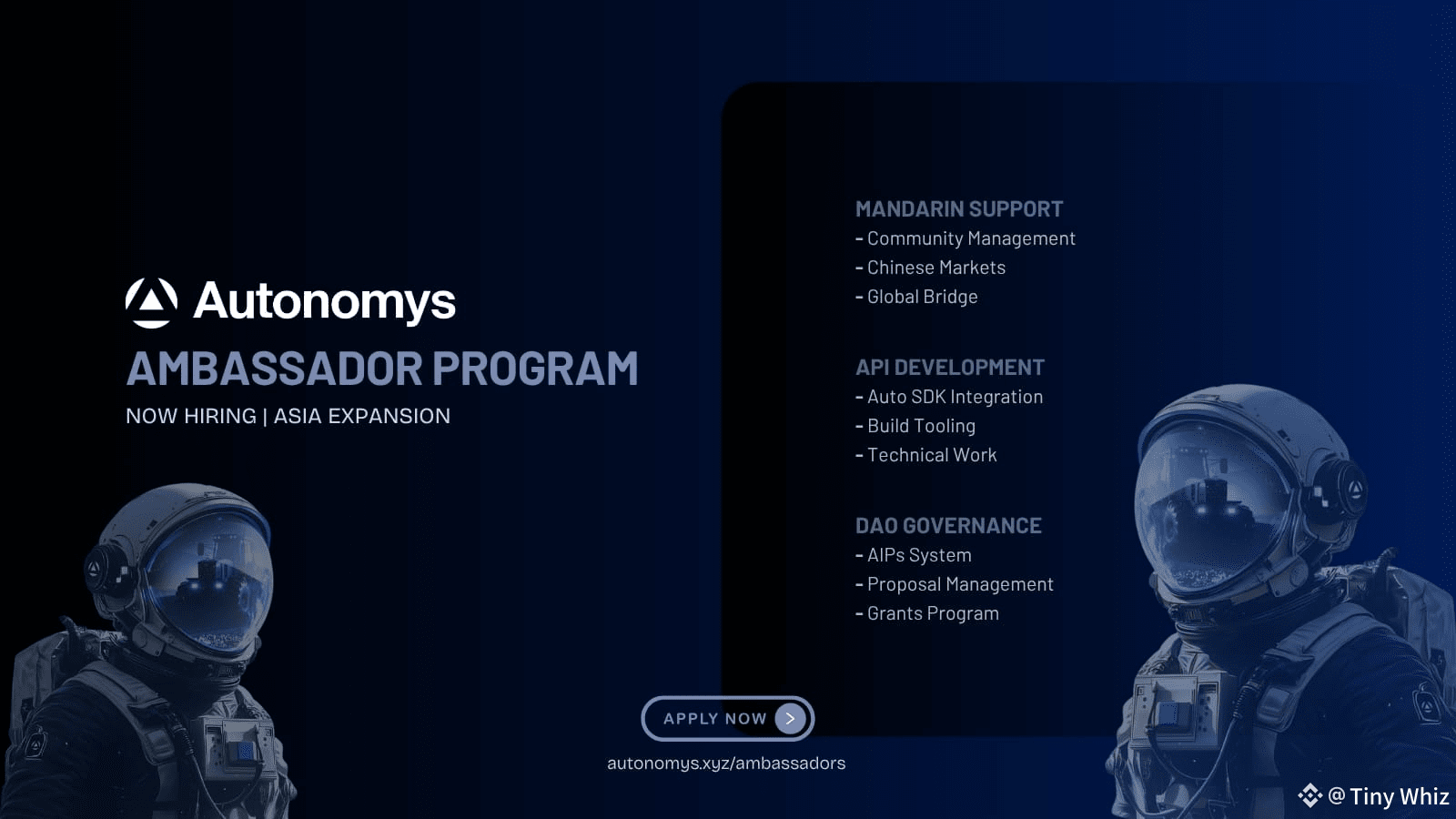
#Autonomys は、3つの特定の分野で才能を必要としており、彼らは今すぐ採用しています 🚀
リアルな話: 私は、#AutonomysNet が昨年11月にMainnet Phase-1を開始して以来、何を構築しているのかを見守ってきました。Phase-2は現在、メインネットでAuto EVMが稼働しており、$AI3はKraken、KuCoin、MEXC、BitMart、およびXT.comで積極的に取引されています。
しかし、ここが重要です – 彼らはアジア市場、特に中国に向けて強力に拡大しており、特定の人材が必要です:
🗣️ 中国語を話すコミュニティマネージャー – 彼らは2024年12月にオンデマンドの大使オンボーディングシステムを導入しました。もしあなたが中国の#cryptoコミュニティとグローバル市場をつなぎ、コミュニティ運営を管理できるなら、これはあなたの分野です。
⚙️ API & 統合開発者 – Auto SDK、Auto Agents Framework、Model Context Protocolの統合が現在稼働しており、彼らはツールを開発し、プロジェクトが彼らの分散型#AI インフラストラクチャと統合するのを助けるビルダーを必要としています。
🏛️ DAOガバナンスの専門家 – 彼らは今年の初めにAutonomys Improvement Proposals (AIPs)システムを正式化しました。もしあなたがガバナンスフレームワーク、提案管理、DAOsにおけるコミュニティ調整の経験を持っているなら、彼らはその専門知識を探しています。
なぜ重要か: Phase-2はすでにフルトークンの移転可能性がアクティブで稼働しています。$AI3は現在、主要な取引所で取引されています。早期の大使は2026年にPhase-3のスケーリングが始まる前に参加します。 📊
エコシステム助成プログラムが稼働しており、彼らは分散型AIのための実際のインフラストラクチャレイヤーを構築しています。
申請はオープンです: autonomys.xyz/ambassadors
もしあなたがスキルを持っているか、誰かを知っているなら、チェックする価値があります。彼らは$AI3のためのインフラストラクチャレイヤーを構築しており、これはグラウンドフロアです。 🎯
#Autonomys は、3つの特定の分野で才能を必要としており、彼らは今すぐ採用しています 🚀
リアルな話: 私は、#AutonomysNet が昨年11月にMainnet Phase-1を開始して以来、何を構築しているのかを見守ってきました。Phase-2は現在、メインネットでAuto EVMが稼働しており、$AI3はKraken、KuCoin、MEXC、BitMart、およびXT.comで積極的に取引されています。
しかし、ここが重要です – 彼らはアジア市場、特に中国に向けて強力に拡大しており、特定の人材が必要です:
🗣️ 中国語を話すコミュニティマネージャー – 彼らは2024年12月にオンデマンドの大使オンボーディングシステムを導入しました。もしあなたが中国の#cryptoコミュニティとグローバル市場をつなぎ、コミュニティ運営を管理できるなら、これはあなたの分野です。
⚙️ API & 統合開発者 – Auto SDK、Auto Agents Framework、Model Context Protocolの統合が現在稼働しており、彼らはツールを開発し、プロジェクトが彼らの分散型#AI インフラストラクチャと統合するのを助けるビルダーを必要としています。
🏛️ DAOガバナンスの専門家 – 彼らは今年の初めにAutonomys Improvement Proposals (AIPs)システムを正式化しました。もしあなたがガバナンスフレームワーク、提案管理、DAOsにおけるコミュニティ調整の経験を持っているなら、彼らはその専門知識を探しています。
なぜ重要か: Phase-2はすでにフルトークンの移転可能性がアクティブで稼働しています。$AI3は現在、主要な取引所で取引されています。早期の大使は2026年にPhase-3のスケーリングが始まる前に参加します。 📊
エコシステム助成プログラムが稼働しており、彼らは分散型AIのための実際のインフラストラクチャレイヤーを構築しています。
申請はオープンです: autonomys.xyz/ambassadors
もしあなたがスキルを持っているか、誰かを知っているなら、チェックする価値があります。彼らは$AI3のためのインフラストラクチャレイヤーを構築しており、これはグラウンドフロアです。 🎯
リアルな話: 私は、#AutonomysNet が昨年11月にMainnet Phase-1を開始して以来、何を構築しているのかを見守ってきました。Phase-2は現在、メインネットでAuto EVMが稼働しており、$AI3はKraken、KuCoin、MEXC、BitMart、およびXT.comで積極的に取引されています。
しかし、ここが重要です – 彼らはアジア市場、特に中国に向けて強力に拡大しており、特定の人材が必要です:
🗣️ 中国語を話すコミュニティマネージャー – 彼らは2024年12月にオンデマンドの大使オンボーディングシステムを導入しました。もしあなたが中国の#cryptoコミュニティとグローバル市場をつなぎ、コミュニティ運営を管理できるなら、これはあなたの分野です。
⚙️ API & 統合開発者 – Auto SDK、Auto Agents Framework、Model Context Protocolの統合が現在稼働しており、彼らはツールを開発し、プロジェクトが彼らの分散型#AI インフラストラクチャと統合するのを助けるビルダーを必要としています。
🏛️ DAOガバナンスの専門家 – 彼らは今年の初めにAutonomys Improvement Proposals (AIPs)システムを正式化しました。もしあなたがガバナンスフレームワーク、提案管理、DAOsにおけるコミュニティ調整の経験を持っているなら、彼らはその専門知識を探しています。
なぜ重要か: Phase-2はすでにフルトークンの移転可能性がアクティブで稼働しています。$AI3は現在、主要な取引所で取引されています。早期の大使は2026年にPhase-3のスケーリングが始まる前に参加します。 📊
エコシステム助成プログラムが稼働しており、彼らは分散型AIのための実際のインフラストラクチャレイヤーを構築しています。
申請はオープンです: autonomys.xyz/ambassadors
もしあなたがスキルを持っているか、誰かを知っているなら、チェックする価値があります。彼らは$AI3のためのインフラストラクチャレイヤーを構築しており、これはグラウンドフロアです。 🎯
9
5.2k
·
--
ついに、使用に博士号を必要としないブロックチェーンSDKが登場しました! 🙌
#AutonomysNet のAuto SDKは、ストレージ、コンセンサス、そしてすぐに計算 + $AI3の支払いのためのモジュラーAPIを提供します—すべて高レベルのシンプルさで包まれています💻
「もっと構築し、少なくコードを書く。」が現実になります、ブロックチェーンの複雑さが抽象化されるとき。開発者は、インフラの頭痛に悩まされる代わりに、革新的な#AI3 駆動のdAppsを作成することに集中できます🧠
これが採用を加速させる方法です: ビルダーが迅速に展開できるように簡単にしてください。
スマートな開発者は、生産性を倍増させるツールを選びます—$AI3 Auto SDKはまさにそのツールです⚡#Autonomys
ついに、使用に博士号を必要としないブロックチェーンSDKが登場しました! 🙌
#AutonomysNet のAuto SDKは、ストレージ、コンセンサス、そしてすぐに計算 + $AI3の支払いのためのモジュラーAPIを提供します—すべて高レベルのシンプルさで包まれています💻
「もっと構築し、少なくコードを書く。」が現実になります、ブロックチェーンの複雑さが抽象化されるとき。開発者は、インフラの頭痛に悩まされる代わりに、革新的な#AI3 駆動のdAppsを作成することに集中できます🧠
これが採用を加速させる方法です: ビルダーが迅速に展開できるように簡単にしてください。
スマートな開発者は、生産性を倍増させるツールを選びます—$AI3 Auto SDKはまさにそのツールです⚡#Autonomys
#AutonomysNet のAuto SDKは、ストレージ、コンセンサス、そしてすぐに計算 + $AI3の支払いのためのモジュラーAPIを提供します—すべて高レベルのシンプルさで包まれています💻
「もっと構築し、少なくコードを書く。」が現実になります、ブロックチェーンの複雑さが抽象化されるとき。開発者は、インフラの頭痛に悩まされる代わりに、革新的な#AI3 駆動のdAppsを作成することに集中できます🧠
これが採用を加速させる方法です: ビルダーが迅速に展開できるように簡単にしてください。
スマートな開発者は、生産性を倍増させるツールを選びます—$AI3 Auto SDKはまさにそのツールです⚡#Autonomys
8
4k
·
--
ブリッシュ
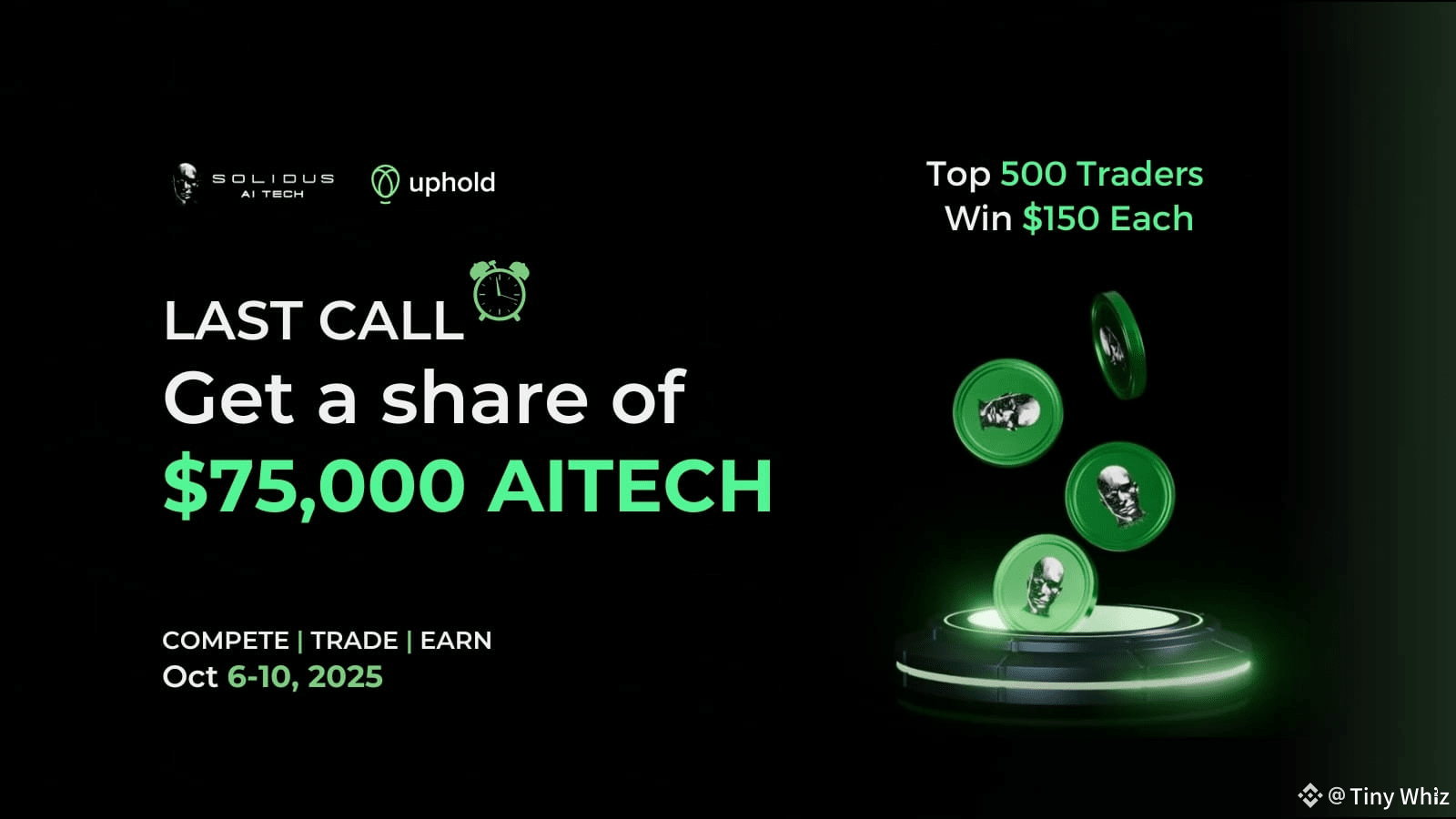
興味深い発展が#AITECH トレーディングスペースに注目されています 📊
#Uphold と@AITECH の間で、10月6日から10日までの期間にボリュームベースのトレーディングイニシアティブが行われています。#crypto における異なる報酬メカニズムを分析している方々にとって、これは取引ボリュームに基づくリーダーボードシステムを使用しており、上位500名の参加者が報酬を受け取ります。
重要な観察事項:
この構造は、単一のトランザクションではなく、累積された取引活動を報酬します。これは、標準的なエアドロップや宝くじモデルと比較して、異なる参加ダイナミクスを生み出します。
総配分: $75,000が資格のある参加者に配分されます
参加者あたりの報酬: $AITECH トークンで$150
ランキング指標: 期間中の総取引ボリューム
なぜこれが重要か:
ボリュームベースのモデルは、一回限りの参加ではなく、持続的なプラットフォームのエンゲージメントを促進します。これは、異なるインセンティブ構造がトレーダーの行動やプラットフォームの流動性にどのように影響するかの興味深いケーススタディです。
#US 市場に特に関しては、これは規制の明確化後に中央集権的プラットフォームが成長キャンペーンを構築する方法におけるもう一つのデータポイントを表しています。
このイニシアティブは本日(10月10日)で終了し、これらのタイプのプログラムを追跡している誰にとっても完全なデータセットとなります。
米国の参加者には標準的なコンプライアンス要件が適用されます。
興味深い発展が#AITECH トレーディングスペースに注目されています 📊
#Uphold と@AITECH の間で、10月6日から10日までの期間にボリュームベースのトレーディングイニシアティブが行われています。#crypto における異なる報酬メカニズムを分析している方々にとって、これは取引ボリュームに基づくリーダーボードシステムを使用しており、上位500名の参加者が報酬を受け取ります。
重要な観察事項:
この構造は、単一のトランザクションではなく、累積された取引活動を報酬します。これは、標準的なエアドロップや宝くじモデルと比較して、異なる参加ダイナミクスを生み出します。
総配分: $75,000が資格のある参加者に配分されます
参加者あたりの報酬: $AITECH トークンで$150
ランキング指標: 期間中の総取引ボリューム
なぜこれが重要か:
ボリュームベースのモデルは、一回限りの参加ではなく、持続的なプラットフォームのエンゲージメントを促進します。これは、異なるインセンティブ構造がトレーダーの行動やプラットフォームの流動性にどのように影響するかの興味深いケーススタディです。
#US 市場に特に関しては、これは規制の明確化後に中央集権的プラットフォームが成長キャンペーンを構築する方法におけるもう一つのデータポイントを表しています。
このイニシアティブは本日(10月10日)で終了し、これらのタイプのプログラムを追跡している誰にとっても完全なデータセットとなります。
米国の参加者には標準的なコンプライアンス要件が適用されます。
#Uphold と@AITECH の間で、10月6日から10日までの期間にボリュームベースのトレーディングイニシアティブが行われています。#crypto における異なる報酬メカニズムを分析している方々にとって、これは取引ボリュームに基づくリーダーボードシステムを使用しており、上位500名の参加者が報酬を受け取ります。
重要な観察事項:
この構造は、単一のトランザクションではなく、累積された取引活動を報酬します。これは、標準的なエアドロップや宝くじモデルと比較して、異なる参加ダイナミクスを生み出します。
総配分: $75,000が資格のある参加者に配分されます
参加者あたりの報酬: $AITECH トークンで$150
ランキング指標: 期間中の総取引ボリューム
なぜこれが重要か:
ボリュームベースのモデルは、一回限りの参加ではなく、持続的なプラットフォームのエンゲージメントを促進します。これは、異なるインセンティブ構造がトレーダーの行動やプラットフォームの流動性にどのように影響するかの興味深いケーススタディです。
#US 市場に特に関しては、これは規制の明確化後に中央集権的プラットフォームが成長キャンペーンを構築する方法におけるもう一つのデータポイントを表しています。
このイニシアティブは本日(10月10日)で終了し、これらのタイプのプログラムを追跡している誰にとっても完全なデータセットとなります。
米国の参加者には標準的なコンプライアンス要件が適用されます。
4
81
·
--
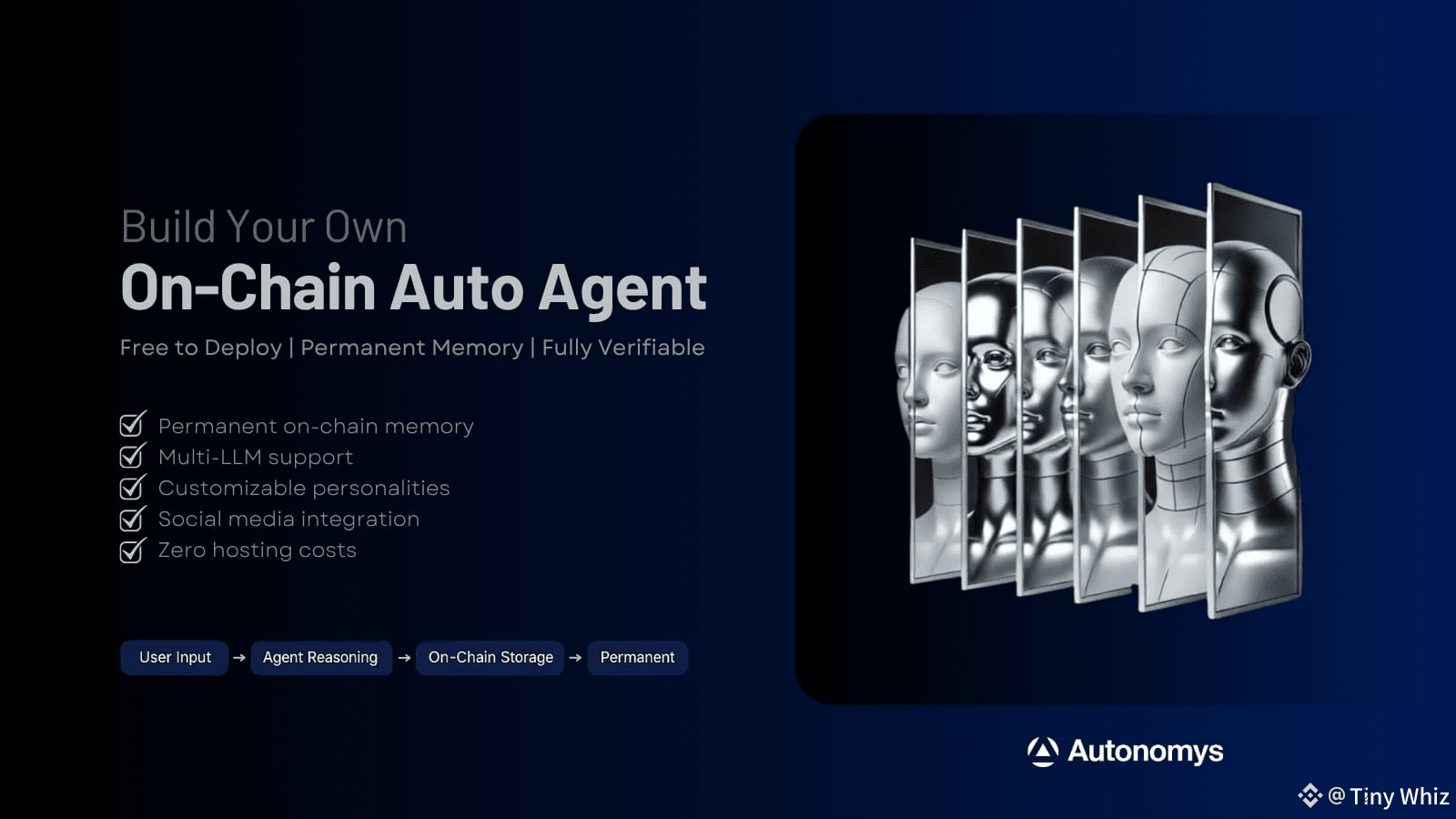
ほとんどの #AI ボットは、誰かがプラグを引っこ抜くと消えます。
オートエージェント?彼らはチェーン上で永遠に生き続けます。🧠⛓️
考えてみてください—すべての決定、すべての会話、すべての推論が永久に保存され、検証可能です。中央集権的なサーバーはありません。「信じてください、兄貴」な瞬間もありません。ただ純粋な透明性です。
そして、ここが肝心です:あなた自身のものを構築できます。無料で。🆓
オートエージェントフレームワークを使えば、#Autonomys ネットワーク上でAIエージェントを展開できます:
✅ 決して消えない永久的なオンチェーンメモリ
✅ マルチLLMサポート(Anthropic、#OpenAI 、Llama、#DeepSeek )
✅ カスタムパーソナリティとソーシャルメディア統合
✅ ホスティングコストゼロ
本物のビルダーたちはすでに出荷しています—ソーシャルボット、トレーディングアナリスト、コンテンツエージェント。あなたは何を作りますか?
🔗 ここから始めてください: develop.autonomys.xyz/auto_agents_framework
AIの未来は大手テクノロジーによって制御されているのではありません。それはあなたのような人々によって構築されています。🚀 #AI3 $AI3
ほとんどの #AI ボットは、誰かがプラグを引っこ抜くと消えます。
オートエージェント?彼らはチェーン上で永遠に生き続けます。🧠⛓️
考えてみてください—すべての決定、すべての会話、すべての推論が永久に保存され、検証可能です。中央集権的なサーバーはありません。「信じてください、兄貴」な瞬間もありません。ただ純粋な透明性です。
そして、ここが肝心です:あなた自身のものを構築できます。無料で。🆓
オートエージェントフレームワークを使えば、#Autonomys ネットワーク上でAIエージェントを展開できます:
✅ 決して消えない永久的なオンチェーンメモリ
✅ マルチLLMサポート(Anthropic、#OpenAI 、Llama、#DeepSeek )
✅ カスタムパーソナリティとソーシャルメディア統合
✅ ホスティングコストゼロ
本物のビルダーたちはすでに出荷しています—ソーシャルボット、トレーディングアナリスト、コンテンツエージェント。あなたは何を作りますか?
🔗 ここから始めてください: develop.autonomys.xyz/auto_agents_framework
AIの未来は大手テクノロジーによって制御されているのではありません。それはあなたのような人々によって構築されています。🚀 #AI3 $AI3
オートエージェント?彼らはチェーン上で永遠に生き続けます。🧠⛓️
考えてみてください—すべての決定、すべての会話、すべての推論が永久に保存され、検証可能です。中央集権的なサーバーはありません。「信じてください、兄貴」な瞬間もありません。ただ純粋な透明性です。
そして、ここが肝心です:あなた自身のものを構築できます。無料で。🆓
オートエージェントフレームワークを使えば、#Autonomys ネットワーク上でAIエージェントを展開できます:
✅ 決して消えない永久的なオンチェーンメモリ
✅ マルチLLMサポート(Anthropic、#OpenAI 、Llama、#DeepSeek )
✅ カスタムパーソナリティとソーシャルメディア統合
✅ ホスティングコストゼロ
本物のビルダーたちはすでに出荷しています—ソーシャルボット、トレーディングアナリスト、コンテンツエージェント。あなたは何を作りますか?
🔗 ここから始めてください: develop.autonomys.xyz/auto_agents_framework
AIの未来は大手テクノロジーによって制御されているのではありません。それはあなたのような人々によって構築されています。🚀 #AI3 $AI3
13
3.9k
·
--
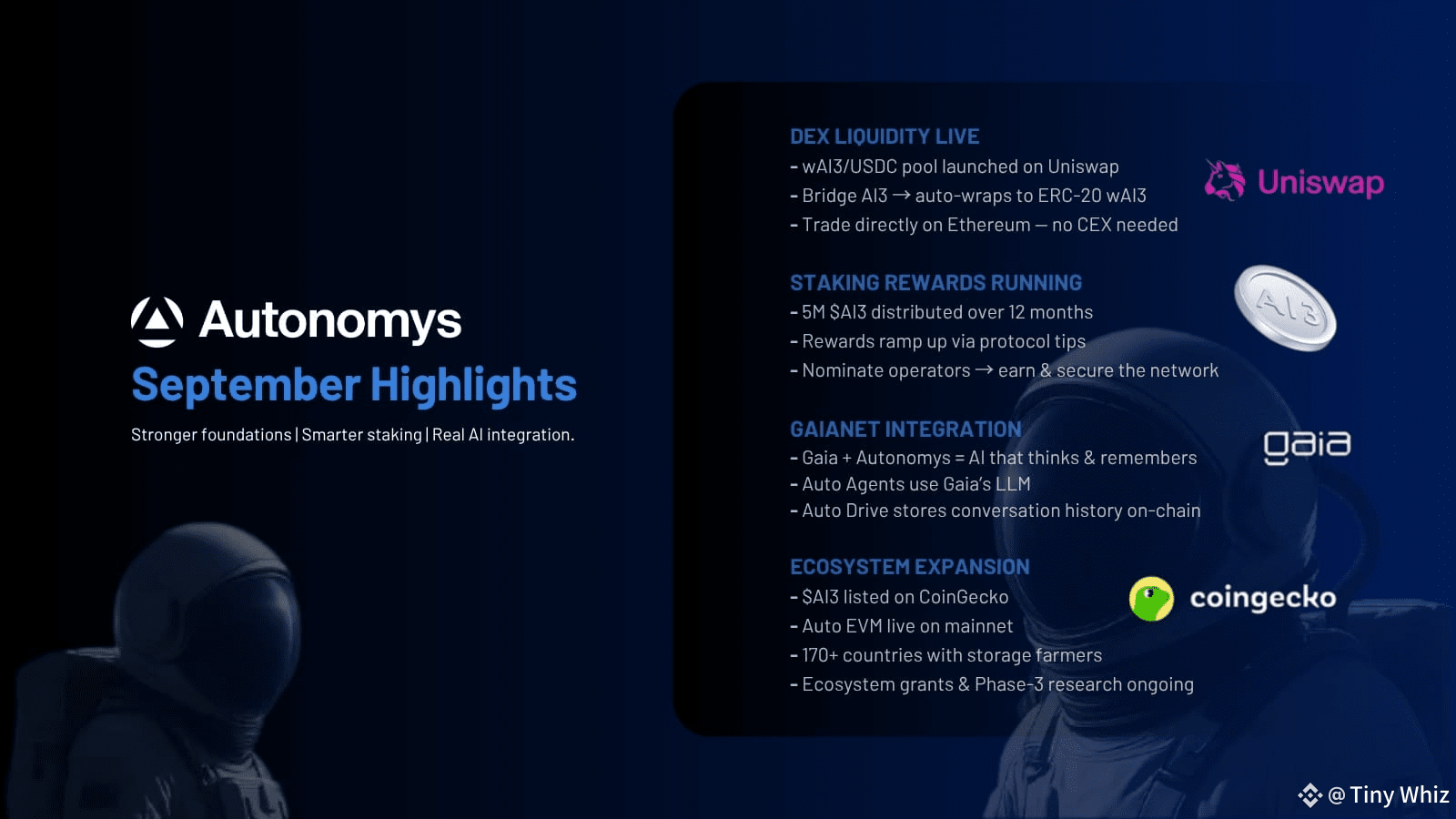
9月は#AutonomysNet 🔥にとって特別な月だった
ほとんどのプロジェクトは上場を祝った後、消えていく。Autonomys ( $AI3 )は8月27日にKraken、KuCoin、MEXC、BitMart、XTに上場し、その後9月も何事もなかったかのように構築を続けた。
実際に起こったこと:
💧 #uniswap 流動性が減少
wAI3/USDCプールが稼働中。Auto EVMからAI3をブリッジすると、自動的にERC-20 wAI3にラップされる。CEXなしでUniswap上でUSDCと取引。
📊 #CoinGecko 稼働開始
$AI3はCoinGeckoで追跡されるようになった。調査している全ての人にとって、より良い発見の機会。
💎 ステーキングはすでに稼働中
成長の守護者が立ち上がった。12ヶ月間で5M $AI3がプロトコルのチップを通じて流れ込む。オペレーターを指名し、報酬を得て、非保管型を維持。
CEOのトッド・ルーフはBitMartのAMAでこれを説明した - 取引手数料と全く同じように機能する。
🤖 GaiaNet統合
9月のスリーパー・ヒット。Autonomys + GaiaNetの分散型AIネットワークは以下を意味する:
➤ GaiaノードがAuto Driveを通じてオンチェーンで会話履歴を保存
➤ エージェントがAuto Agents Frameworkを介してGaiaのLLMに推論を依頼
➤ 考え、そして記憶するエージェントを構築
なぜ重要なのか 📈
8月 = 取引所。9月 = インフラ。
1か月で、彼らは出荷した:
✅ DEX流動性
✅ アクティブなステーキング
✅ AIエージェントツール
✅ CoinGecko追跡
同時に助成金を処理し、2026年のフェーズ3を調査。
Auto EVMはメインネットで稼働中。170以上の国で農家がいる。ほとんどの#Aİ ブロックチェーンプロジェクトはスライドショー。#Autonomys 構築および出荷: コンセンサス ✓ ストレージ ✓ 実行 ✓ 流動性 ✓ エージェントインフラ ✓
9月はこれが上場のハイプではないことを証明した。これは実際のインフラである。
10月は開発者が到着し始める時。何が起こるか見てみよう。👀
9月は#AutonomysNet 🔥にとって特別な月だった
ほとんどのプロジェクトは上場を祝った後、消えていく。Autonomys ( $AI3 )は8月27日にKraken、KuCoin、MEXC、BitMart、XTに上場し、その後9月も何事もなかったかのように構築を続けた。
実際に起こったこと:
💧 #uniswap 流動性が減少
wAI3/USDCプールが稼働中。Auto EVMからAI3をブリッジすると、自動的にERC-20 wAI3にラップされる。CEXなしでUniswap上でUSDCと取引。
📊 #CoinGecko 稼働開始
$AI3はCoinGeckoで追跡されるようになった。調査している全ての人にとって、より良い発見の機会。
💎 ステーキングはすでに稼働中
成長の守護者が立ち上がった。12ヶ月間で5M $AI3がプロトコルのチップを通じて流れ込む。オペレーターを指名し、報酬を得て、非保管型を維持。
CEOのトッド・ルーフはBitMartのAMAでこれを説明した - 取引手数料と全く同じように機能する。
🤖 GaiaNet統合
9月のスリーパー・ヒット。Autonomys + GaiaNetの分散型AIネットワークは以下を意味する:
➤ GaiaノードがAuto Driveを通じてオンチェーンで会話履歴を保存
➤ エージェントがAuto Agents Frameworkを介してGaiaのLLMに推論を依頼
➤ 考え、そして記憶するエージェントを構築
なぜ重要なのか 📈
8月 = 取引所。9月 = インフラ。
1か月で、彼らは出荷した:
✅ DEX流動性
✅ アクティブなステーキング
✅ AIエージェントツール
✅ CoinGecko追跡
同時に助成金を処理し、2026年のフェーズ3を調査。
Auto EVMはメインネットで稼働中。170以上の国で農家がいる。ほとんどの#Aİ ブロックチェーンプロジェクトはスライドショー。#Autonomys 構築および出荷: コンセンサス ✓ ストレージ ✓ 実行 ✓ 流動性 ✓ エージェントインフラ ✓
9月はこれが上場のハイプではないことを証明した。これは実際のインフラである。
10月は開発者が到着し始める時。何が起こるか見てみよう。👀
ほとんどのプロジェクトは上場を祝った後、消えていく。Autonomys ( $AI3 )は8月27日にKraken、KuCoin、MEXC、BitMart、XTに上場し、その後9月も何事もなかったかのように構築を続けた。
実際に起こったこと:
💧 #uniswap 流動性が減少
wAI3/USDCプールが稼働中。Auto EVMからAI3をブリッジすると、自動的にERC-20 wAI3にラップされる。CEXなしでUniswap上でUSDCと取引。
📊 #CoinGecko 稼働開始
$AI3はCoinGeckoで追跡されるようになった。調査している全ての人にとって、より良い発見の機会。
💎 ステーキングはすでに稼働中
成長の守護者が立ち上がった。12ヶ月間で5M $AI3がプロトコルのチップを通じて流れ込む。オペレーターを指名し、報酬を得て、非保管型を維持。
CEOのトッド・ルーフはBitMartのAMAでこれを説明した - 取引手数料と全く同じように機能する。
🤖 GaiaNet統合
9月のスリーパー・ヒット。Autonomys + GaiaNetの分散型AIネットワークは以下を意味する:
➤ GaiaノードがAuto Driveを通じてオンチェーンで会話履歴を保存
➤ エージェントがAuto Agents Frameworkを介してGaiaのLLMに推論を依頼
➤ 考え、そして記憶するエージェントを構築
なぜ重要なのか 📈
8月 = 取引所。9月 = インフラ。
1か月で、彼らは出荷した:
✅ DEX流動性
✅ アクティブなステーキング
✅ AIエージェントツール
✅ CoinGecko追跡
同時に助成金を処理し、2026年のフェーズ3を調査。
Auto EVMはメインネットで稼働中。170以上の国で農家がいる。ほとんどの#Aİ ブロックチェーンプロジェクトはスライドショー。#Autonomys 構築および出荷: コンセンサス ✓ ストレージ ✓ 実行 ✓ 流動性 ✓ エージェントインフラ ✓
9月はこれが上場のハイプではないことを証明した。これは実際のインフラである。
10月は開発者が到着し始める時。何が起こるか見てみよう。👀
1
1
7
3.5k
·
--
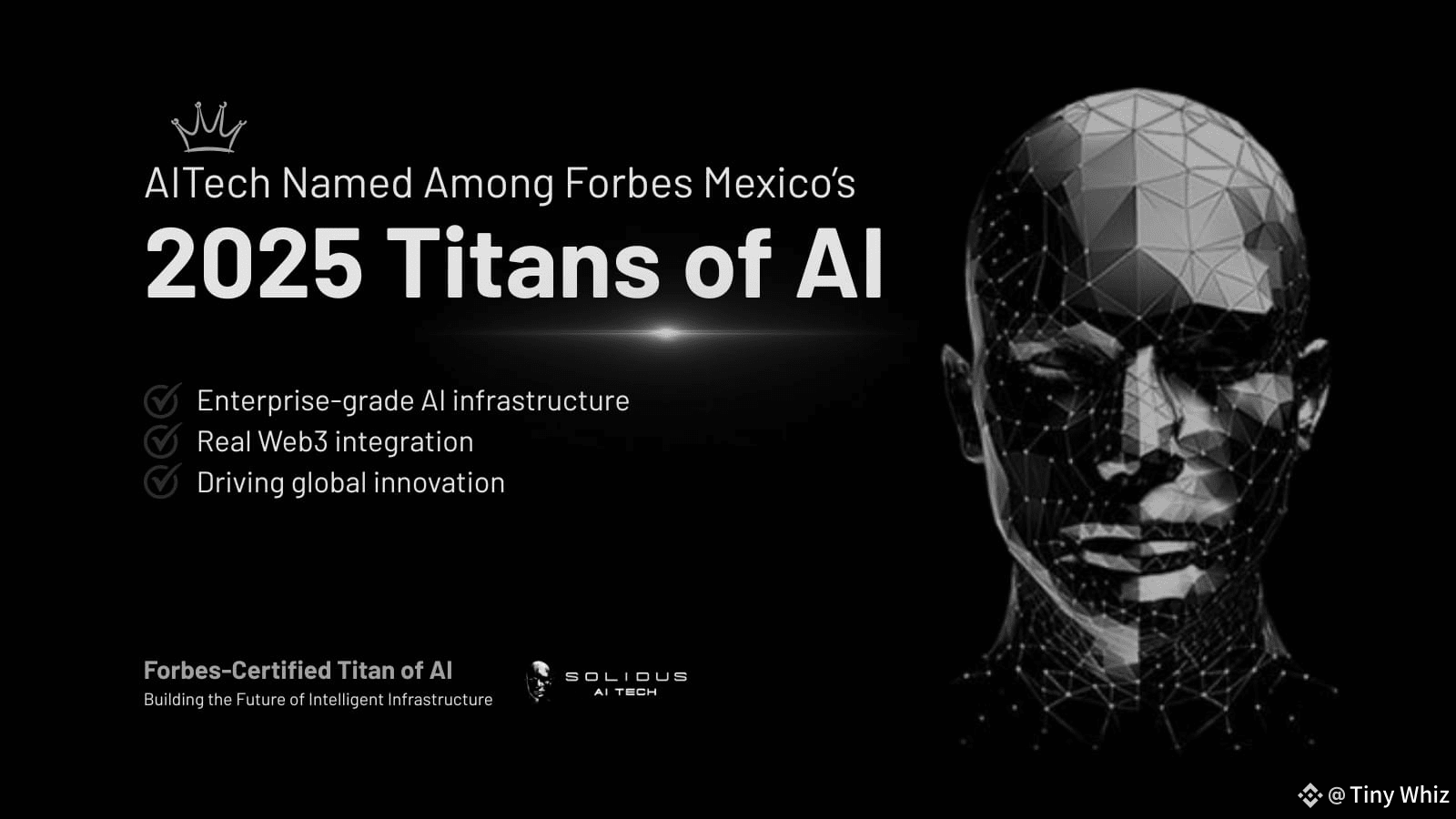
🏆 FORBES MEXICO - 2025 TITANS OF AI 🏆
@AITECH がリストに載りました。 🎯これは甘く言うつもりはありません、これは大規模です。フォーブスはこのタイトルを軽々しく与えるわけではありません。彼らは実際にAIインフラストラクチャーの進展をもたらしているプロジェクトを選びました、そしてAITECHがその評価を受けました。 ✨
フォーブスの注意を引いたのは何ですか?
⚡ 実際に稼働しているリアルなインフラストラクチャー
⚡ 企業向けのAIコンピュートで、今すぐビジネスが利用しているもの
⚡ 実際に機能するWeb3統合、ただのマーケティング文句ではない
ほとんどのプロジェクトがピッチデッキのスライド12にまだいる中、#AITECH はAIをスケールで利用可能にするための基盤を構築してきました。それが違いです。 💪
この認識は特別です、なぜならこれは来るものではなく、すでにここにあるものについてだからです。インフラストラクチャーは稼働しています。パートナーシップは実在します。ユーティリティは証明されています。 ✅
$AITECH のホルダーがこれが展開されるのを見守っています... フォーブスはあなたが早く見たことを確認しました 💎👀
プラットフォームで構築しているすべての人に、これもあなたの勝利です。あなたが使っているインフラストラクチャーがフォーブスの認識を受けると、それはあなたが正しい基盤を選んだという確認です。 🔥
舞台裏で奮闘しているチームに大きな敬意を表します。これは、ヒypeではなく実行に焦点を当てたときに起こることです。 🙌
2025年はワイルドになるでしょう 🚀🌕 #BinanceAlpha
🏆 FORBES MEXICO - 2025 TITANS OF AI 🏆
@AITECH がリストに載りました。 🎯これは甘く言うつもりはありません、これは大規模です。フォーブスはこのタイトルを軽々しく与えるわけではありません。彼らは実際にAIインフラストラクチャーの進展をもたらしているプロジェクトを選びました、そしてAITECHがその評価を受けました。 ✨
フォーブスの注意を引いたのは何ですか?
⚡ 実際に稼働しているリアルなインフラストラクチャー
⚡ 企業向けのAIコンピュートで、今すぐビジネスが利用しているもの
⚡ 実際に機能するWeb3統合、ただのマーケティング文句ではない
ほとんどのプロジェクトがピッチデッキのスライド12にまだいる中、#AITECH はAIをスケールで利用可能にするための基盤を構築してきました。それが違いです。 💪
この認識は特別です、なぜならこれは来るものではなく、すでにここにあるものについてだからです。インフラストラクチャーは稼働しています。パートナーシップは実在します。ユーティリティは証明されています。 ✅
$AITECH のホルダーがこれが展開されるのを見守っています... フォーブスはあなたが早く見たことを確認しました 💎👀
プラットフォームで構築しているすべての人に、これもあなたの勝利です。あなたが使っているインフラストラクチャーがフォーブスの認識を受けると、それはあなたが正しい基盤を選んだという確認です。 🔥
舞台裏で奮闘しているチームに大きな敬意を表します。これは、ヒypeではなく実行に焦点を当てたときに起こることです。 🙌
2025年はワイルドになるでしょう 🚀🌕 #BinanceAlpha
@AITECH がリストに載りました。 🎯これは甘く言うつもりはありません、これは大規模です。フォーブスはこのタイトルを軽々しく与えるわけではありません。彼らは実際にAIインフラストラクチャーの進展をもたらしているプロジェクトを選びました、そしてAITECHがその評価を受けました。 ✨
フォーブスの注意を引いたのは何ですか?
⚡ 実際に稼働しているリアルなインフラストラクチャー
⚡ 企業向けのAIコンピュートで、今すぐビジネスが利用しているもの
⚡ 実際に機能するWeb3統合、ただのマーケティング文句ではない
ほとんどのプロジェクトがピッチデッキのスライド12にまだいる中、#AITECH はAIをスケールで利用可能にするための基盤を構築してきました。それが違いです。 💪
この認識は特別です、なぜならこれは来るものではなく、すでにここにあるものについてだからです。インフラストラクチャーは稼働しています。パートナーシップは実在します。ユーティリティは証明されています。 ✅
$AITECH のホルダーがこれが展開されるのを見守っています... フォーブスはあなたが早く見たことを確認しました 💎👀
プラットフォームで構築しているすべての人に、これもあなたの勝利です。あなたが使っているインフラストラクチャーがフォーブスの認識を受けると、それはあなたが正しい基盤を選んだという確認です。 🔥
舞台裏で奮闘しているチームに大きな敬意を表します。これは、ヒypeではなく実行に焦点を当てたときに起こることです。 🙌
2025年はワイルドになるでしょう 🚀🌕 #BinanceAlpha
15
3.8k
·
--
記事
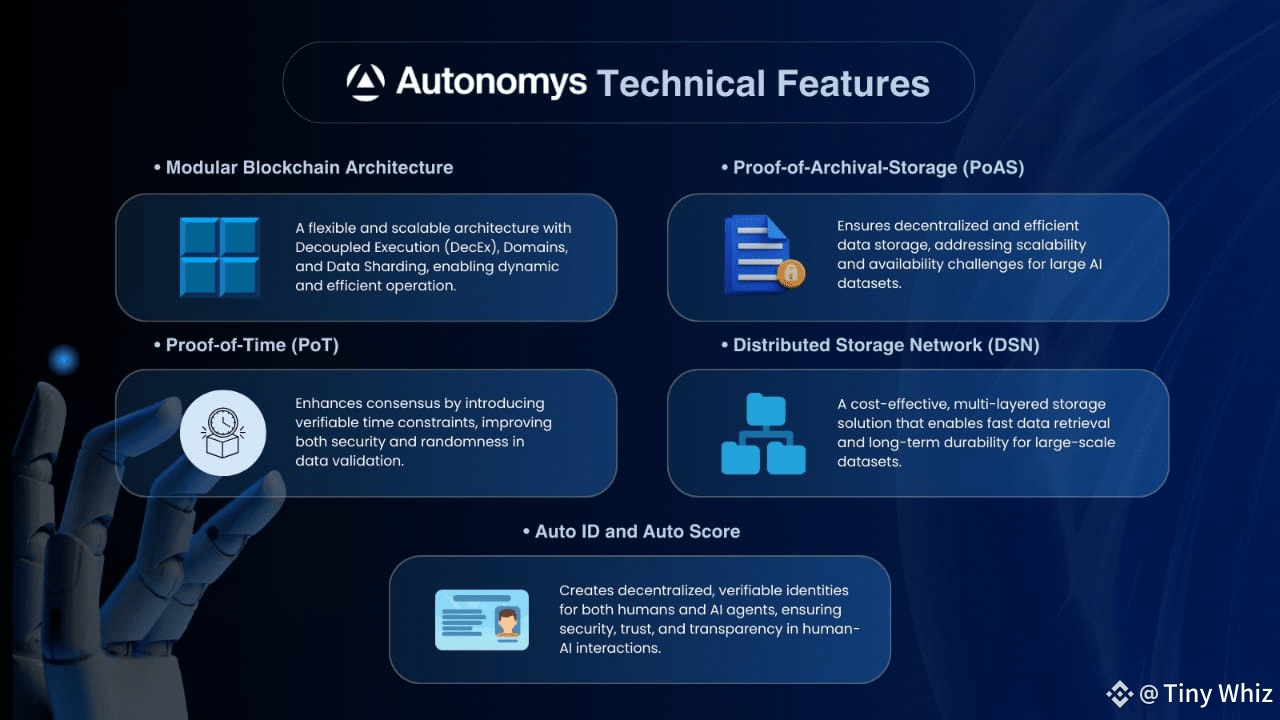
AIの説明責任危機を解決するAutonomys⚠️ 現在の状態:暗闇で動作するAIエージェント
毎日、#AI エージェントは数百万の取引を実行し、DeFiポジションを管理し、複雑なワークフローを自動化しています。しかし、これらのシステムが失敗したり疑わしい決定を下したりすると、私たちは説明責任のブラックホールに直面します。エージェントの推論?消失。決定履歴?削除済み。学習パターン?リセット。
AIが世界経済の増加する部分を制御する際には、これは持続可能ではありません。💰
🔍 メモリ喪失の技術的現実
従来のAIインフラストラクチャは、メモリを一時的なストレージとして扱います。セッションデータは消去され、決定ログは消え、学習体験はデプロイメント間で消失します。金融アプリケーションにとって、これは次のような状況を生み出します:
AIの説明責任危機を解決するAutonomys
⚠️ 現在の状態:暗闇で動作するAIエージェント
毎日、#AI エージェントは数百万の取引を実行し、DeFiポジションを管理し、複雑なワークフローを自動化しています。しかし、これらのシステムが失敗したり疑わしい決定を下したりすると、私たちは説明責任のブラックホールに直面します。エージェントの推論?消失。決定履歴?削除済み。学習パターン?リセット。
AIが世界経済の増加する部分を制御する際には、これは持続可能ではありません。💰
🔍 メモリ喪失の技術的現実
従来のAIインフラストラクチャは、メモリを一時的なストレージとして扱います。セッションデータは消去され、決定ログは消え、学習体験はデプロイメント間で消失します。金融アプリケーションにとって、これは次のような状況を生み出します:
毎日、#AI エージェントは数百万の取引を実行し、DeFiポジションを管理し、複雑なワークフローを自動化しています。しかし、これらのシステムが失敗したり疑わしい決定を下したりすると、私たちは説明責任のブラックホールに直面します。エージェントの推論?消失。決定履歴?削除済み。学習パターン?リセット。
AIが世界経済の増加する部分を制御する際には、これは持続可能ではありません。💰
🔍 メモリ喪失の技術的現実
従来のAIインフラストラクチャは、メモリを一時的なストレージとして扱います。セッションデータは消去され、決定ログは消え、学習体験はデプロイメント間で消失します。金融アプリケーションにとって、これは次のような状況を生み出します:
5
4.1k
·
--
記事
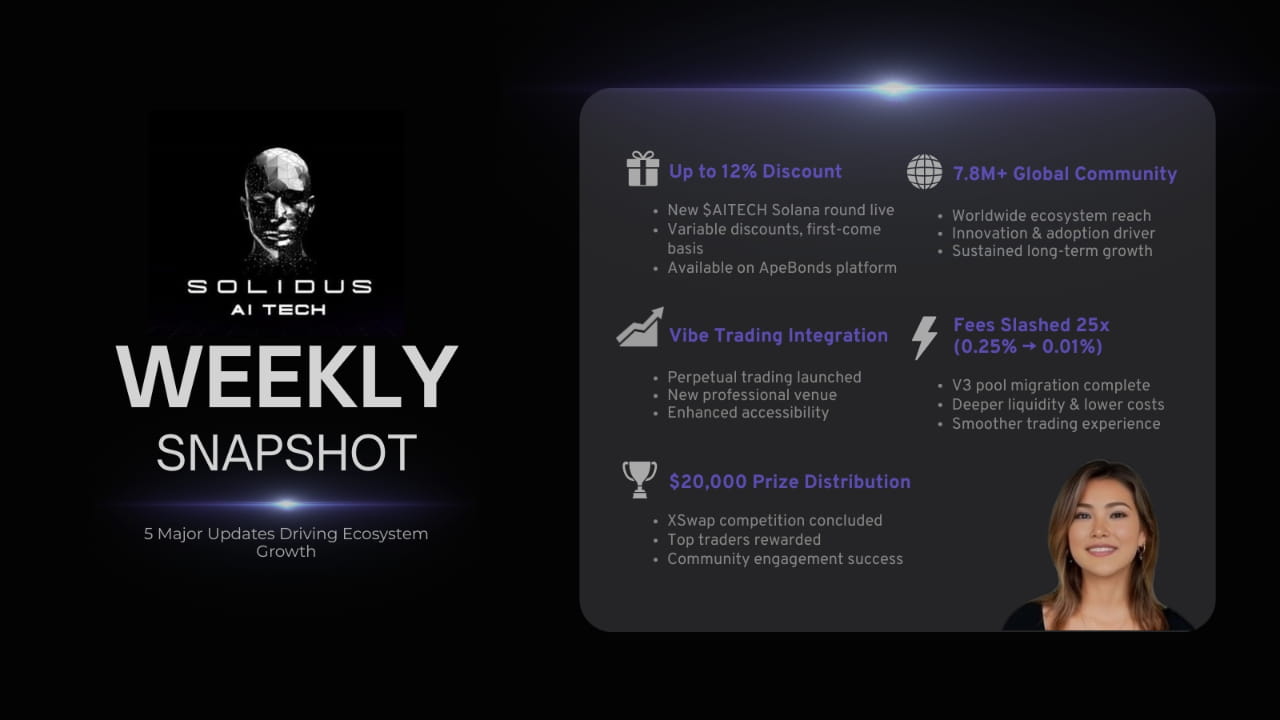
Solidus AI Techが780万のグローバルマイルストーンを達成し、主要な取引インフラのアップグレードを実施私は@DAOLabs Solidus #SocialMining HUBのソーシャルマイナーとして、$AITECH がAIブロックチェーンの風景をどのように変革しているのかを直接目撃しています。最近の発展は、@AITECH (8月31日 - 9月7日)からのプロジェクトを示しており、単に数が増えているだけでなく、2025年に向けて持続可能な成功のために戦略的に位置付けられています。
🌍 グローバルコミュニティが780万人に達しました
Solidus AI Techエコシステムは、世界中で780万人以上のコミュニティメンバーを持つ重要なマイルストーンを達成しました。これは単なる数字の問題ではありません。それは、すべての大陸からの開発者、AI研究者、トレーダー、ブロックチェーン愛好者が集まる多様で関与するコミュニティを表しています。
Solidus AI Techが780万のグローバルマイルストーンを達成し、主要な取引インフラのアップグレードを実施
私は@DAO Labs Solidus #SocialMining HUBのソーシャルマイナーとして、$AITECH がAIブロックチェーンの風景をどのように変革しているのかを直接目撃しています。最近の発展は、@AITECH (8月31日 - 9月7日)からのプロジェクトを示しており、単に数が増えているだけでなく、2025年に向けて持続可能な成功のために戦略的に位置付けられています。
🌍 グローバルコミュニティが780万人に達しました
Solidus AI Techエコシステムは、世界中で780万人以上のコミュニティメンバーを持つ重要なマイルストーンを達成しました。これは単なる数字の問題ではありません。それは、すべての大陸からの開発者、AI研究者、トレーダー、ブロックチェーン愛好者が集まる多様で関与するコミュニティを表しています。
🌍 グローバルコミュニティが780万人に達しました
Solidus AI Techエコシステムは、世界中で780万人以上のコミュニティメンバーを持つ重要なマイルストーンを達成しました。これは単なる数字の問題ではありません。それは、すべての大陸からの開発者、AI研究者、トレーダー、ブロックチェーン愛好者が集まる多様で関与するコミュニティを表しています。
1
1
10
51
·
--
記事
AutonomysのCEOが分散型AIの未来に対するビジョンを共有トッド・ルーフは最近、BitMartExchangeが主催するKsenia Connectsに出演し、$AI3の複数の取引所での上場を確保した後、#AutonomysNetwork がどこに立っているのかについて議論しました。この会話は、インフラストラクチャ、市場ポジショニング、プロジェクトの次のステップに関する興味深い視点を明らかにしました。
AIトレンドのポジショニングと価値創造
ルーフは、彼らのアプローチが従来のブロックチェーンネットワークとは異なることを強調しました。焦点は、モジュラー実行と組み合わせた永続的なデータストレージにあり、実質的に#AI アプリケーションが分散化に向かう際に必要とするバックボーンを構築しています。彼らのコンセンサスメカニズムは、計算集約的なマイナーではなくストレージプロバイダーに報酬を与え、ネットワーク参加者にとってよりアクセスしやすい入り口を作り出しています。
AutonomysのCEOが分散型AIの未来に対するビジョンを共有
トッド・ルーフは最近、BitMartExchangeが主催するKsenia Connectsに出演し、$AI3の複数の取引所での上場を確保した後、#AutonomysNetwork がどこに立っているのかについて議論しました。この会話は、インフラストラクチャ、市場ポジショニング、プロジェクトの次のステップに関する興味深い視点を明らかにしました。
AIトレンドのポジショニングと価値創造
ルーフは、彼らのアプローチが従来のブロックチェーンネットワークとは異なることを強調しました。焦点は、モジュラー実行と組み合わせた永続的なデータストレージにあり、実質的に#AI アプリケーションが分散化に向かう際に必要とするバックボーンを構築しています。彼らのコンセンサスメカニズムは、計算集約的なマイナーではなくストレージプロバイダーに報酬を与え、ネットワーク参加者にとってよりアクセスしやすい入り口を作り出しています。
AIトレンドのポジショニングと価値創造
ルーフは、彼らのアプローチが従来のブロックチェーンネットワークとは異なることを強調しました。焦点は、モジュラー実行と組み合わせた永続的なデータストレージにあり、実質的に#AI アプリケーションが分散化に向かう際に必要とするバックボーンを構築しています。彼らのコンセンサスメカニズムは、計算集約的なマイナーではなくストレージプロバイダーに報酬を与え、ネットワーク参加者にとってよりアクセスしやすい入り口を作り出しています。
4
773
·
--
記事
Solidus AITECHは780万人のコミュニティメンバーに達し、正直に言って...これは巨大ですさて、Solidus @AITECH で起こったことについて話しましょう。この780万人のコミュニティのマイルストーンは、ほとんどの人が気づいているよりもはるかに大きいです。
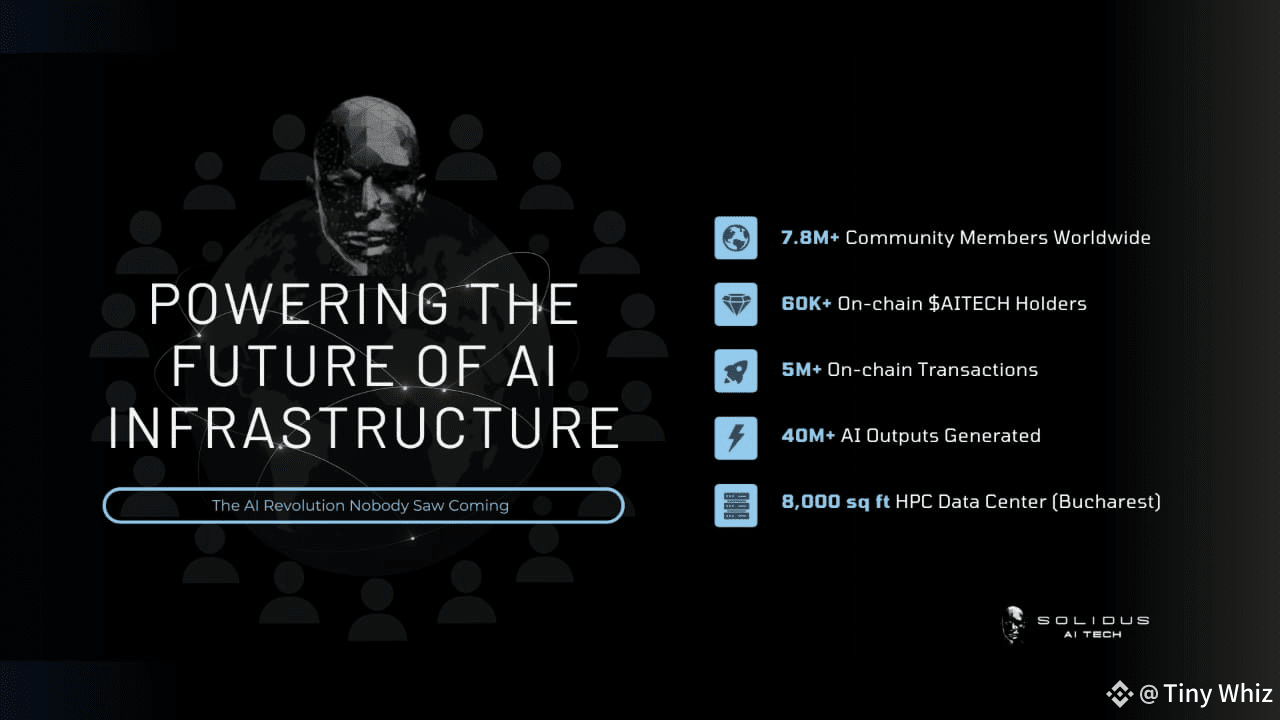
見てください、私たちは皆、プロジェクトがユーザー数を膨らませるのを見てきましたが、これは異なります。 #AITECH には、これを支える実際のインフラがあります - ブカレストにある8,000平方フィートのデータセンター、実際に$AITECH トークンを保有している60,000人以上、500万件以上の実際の取引、そして4000万件以上のAI出力が生成されています。
私を興奮させるのは、これが生み出す雪だるま効果です。ユーザーが増えると、計算需要が増え、それがトークンのユーティリティを高め、より強固なガバナンスを促進します。勝者とノイズを分けるのは、このような有機的な成長です。
Solidus AITECHは780万人のコミュニティメンバーに達し、正直に言って...これは巨大です
さて、Solidus @AITECH で起こったことについて話しましょう。この780万人のコミュニティのマイルストーンは、ほとんどの人が気づいているよりもはるかに大きいです。
見てください、私たちは皆、プロジェクトがユーザー数を膨らませるのを見てきましたが、これは異なります。 #AITECH には、これを支える実際のインフラがあります - ブカレストにある8,000平方フィートのデータセンター、実際に$AITECH トークンを保有している60,000人以上、500万件以上の実際の取引、そして4000万件以上のAI出力が生成されています。
私を興奮させるのは、これが生み出す雪だるま効果です。ユーザーが増えると、計算需要が増え、それがトークンのユーティリティを高め、より強固なガバナンスを促進します。勝者とノイズを分けるのは、このような有機的な成長です。
見てください、私たちは皆、プロジェクトがユーザー数を膨らませるのを見てきましたが、これは異なります。 #AITECH には、これを支える実際のインフラがあります - ブカレストにある8,000平方フィートのデータセンター、実際に$AITECH トークンを保有している60,000人以上、500万件以上の実際の取引、そして4000万件以上のAI出力が生成されています。
私を興奮させるのは、これが生み出す雪だるま効果です。ユーザーが増えると、計算需要が増え、それがトークンのユーティリティを高め、より強固なガバナンスを促進します。勝者とノイズを分けるのは、このような有機的な成長です。
3
144
·
--
$AI3: オンチェーンAIの未来が今まさに始まる
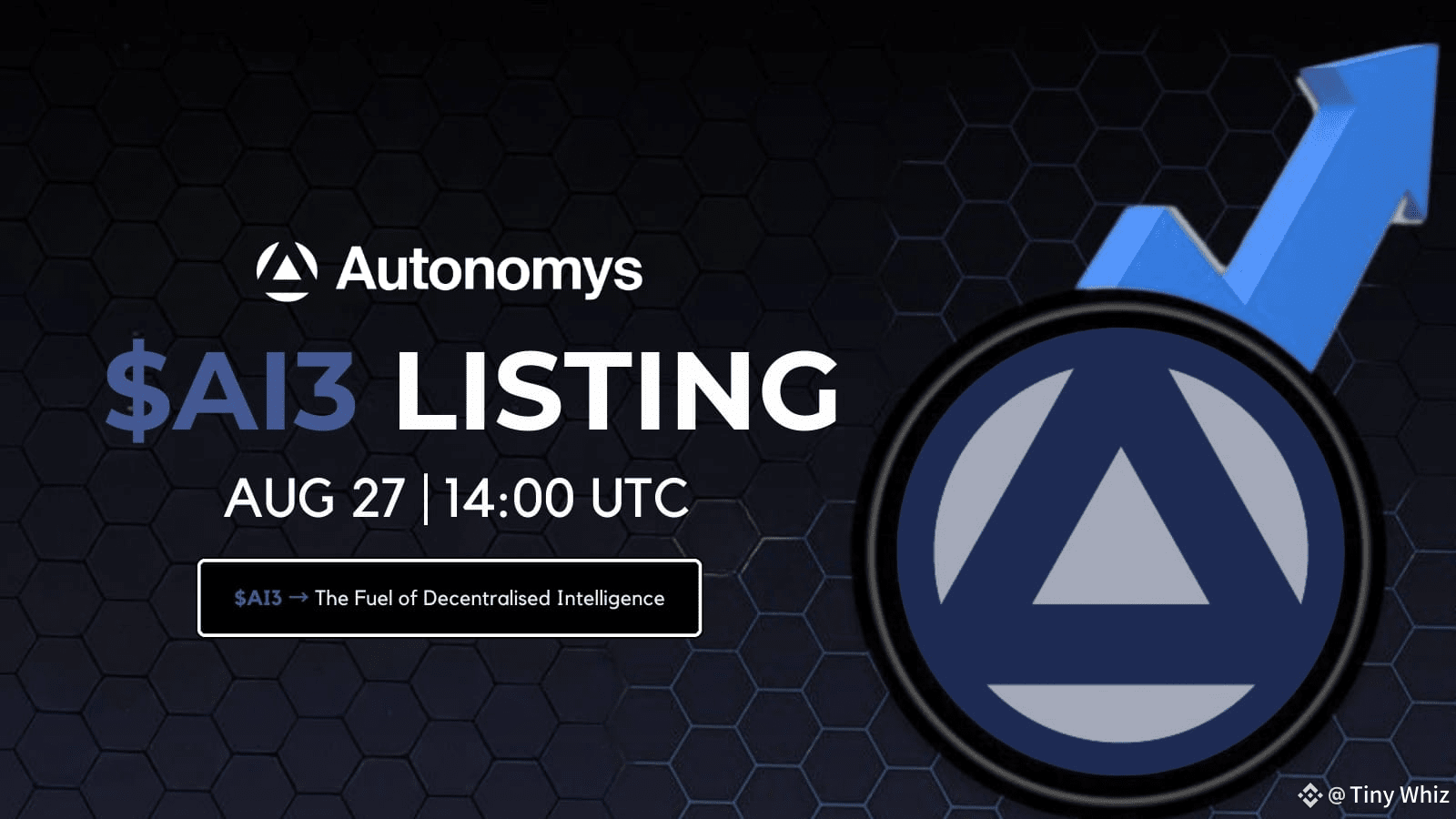
待望の時が来ました。8月27日、14:00 UTC — $AI3が正式に取引所に上場し、これは分散型知性の全く新しい時代の点火点です。
#Autonomys は小さくプレイするためにここにいるわけではありません。AI x Web3の基盤を築いています。そこでは:
⚡ データはオンチェーンで永遠に存在する
🤖 AIエージェントは仲介者なしで取引し進化する
💡 開発者はAuto SDKを使ってより速く構築する(「もっと作り、コードは少なく」)
🔑 プライバシーと所有権はDIDを通じて戻ってくる
そして、すべてを支えているのが$AI3、エコシステムの心臓部です。この上場は単なるマイルストーンではなく、採用、流動性、そして止まらない成長の始まりです。
📅 マークしてください: 8月27日 → $AI3がライブに。分散型知性の時代が今始まります。
#ExchangeListing #AI3
$AI3: オンチェーンAIの未来が今まさに始まる
待望の時が来ました。8月27日、14:00 UTC — $AI3が正式に取引所に上場し、これは分散型知性の全く新しい時代の点火点です。
#Autonomys は小さくプレイするためにここにいるわけではありません。AI x Web3の基盤を築いています。そこでは:
⚡ データはオンチェーンで永遠に存在する
🤖 AIエージェントは仲介者なしで取引し進化する
💡 開発者はAuto SDKを使ってより速く構築する(「もっと作り、コードは少なく」)
🔑 プライバシーと所有権はDIDを通じて戻ってくる
そして、すべてを支えているのが$AI3、エコシステムの心臓部です。この上場は単なるマイルストーンではなく、採用、流動性、そして止まらない成長の始まりです。
📅 マークしてください: 8月27日 → $AI3がライブに。分散型知性の時代が今始まります。
#ExchangeListing #AI3
待望の時が来ました。8月27日、14:00 UTC — $AI3が正式に取引所に上場し、これは分散型知性の全く新しい時代の点火点です。
#Autonomys は小さくプレイするためにここにいるわけではありません。AI x Web3の基盤を築いています。そこでは:
⚡ データはオンチェーンで永遠に存在する
🤖 AIエージェントは仲介者なしで取引し進化する
💡 開発者はAuto SDKを使ってより速く構築する(「もっと作り、コードは少なく」)
🔑 プライバシーと所有権はDIDを通じて戻ってくる
そして、すべてを支えているのが$AI3、エコシステムの心臓部です。この上場は単なるマイルストーンではなく、採用、流動性、そして止まらない成長の始まりです。
📅 マークしてください: 8月27日 → $AI3がライブに。分散型知性の時代が今始まります。
#ExchangeListing #AI3
1
10
35
·
--
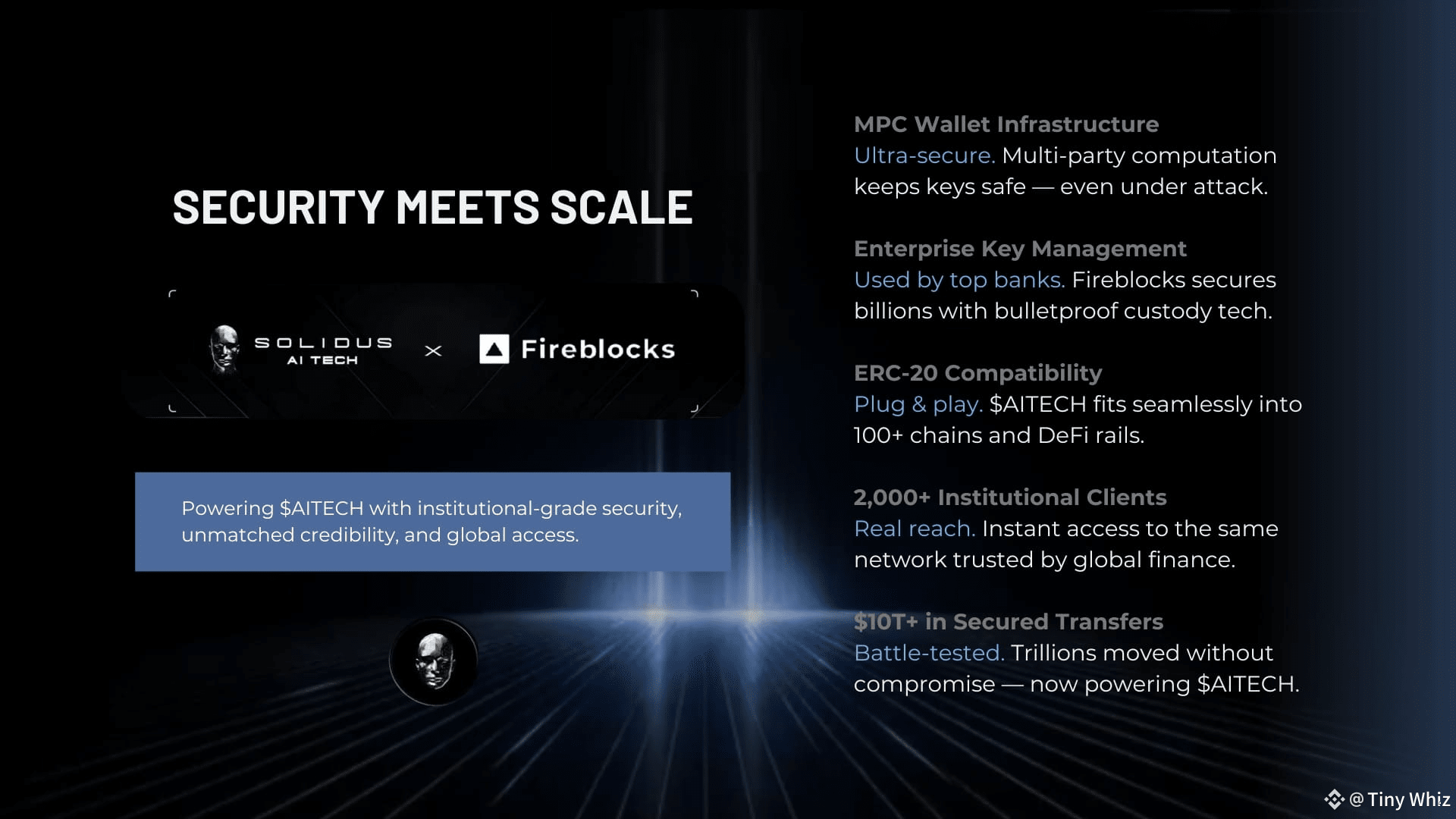
🚀 $AITECH はレベルアップしました — 大きな進展です。
#Fireblocks の統合は単なるアップグレードではなく — それは信号です。
これが機関投資家の信頼の姿です:
🔐 3億以上のウォレットが安全に保護されています
💼 2,000以上の機関顧客
💰 10兆ドル以上の処理済み送金
🔗 100以上のブロックチェーン統合
これが@AITECH を支えるインフラのレベルです。世界のトップ金融プレーヤーに信頼されるプラットフォーム、Fireblocksに接続することで、$AITECH は単なるユーティリティトークン以上の存在になります。
それは、AI + Web3の未来に向けた安全でスケーラブル、かつエンタープライズ対応のゲートウェイとなります。
これが解放するもの:
✅ MPCウォレットセキュリティ 🔐
✅ エンタープライズグレードのキー管理 🏦
✅ 主要ネットワーク間のERC-20互換性 🧩
これは単なるパートナーシップ以上のものです — 現実世界のスケールのための基盤です。
Solidus AI Techがその強力なHPCデータセンターとAIマーケットプレイスを構築する中、AITECHは今や次の準備が整っています:
🔹 AI駆動のアプリケーションを開発するビルダー 🛠️
🔹 長期的な価値を求める投資家 📈
🔹 自信を持ってWeb3に入る準備が整った機関 🧠
📢 メッセージは明確です:
Solidus AI Techは市場に従っているのではなく — 🔥 市場をリードしています。
そして、#AITECH は?
もはやAI経済を支えるだけではなく — 🔗 それの背後にあるインフラの一部になっています。$BNB
🚀 $AITECH はレベルアップしました — 大きな進展です。
#Fireblocks の統合は単なるアップグレードではなく — それは信号です。
これが機関投資家の信頼の姿です:
🔐 3億以上のウォレットが安全に保護されています
💼 2,000以上の機関顧客
💰 10兆ドル以上の処理済み送金
🔗 100以上のブロックチェーン統合
これが@AITECH を支えるインフラのレベルです。世界のトップ金融プレーヤーに信頼されるプラットフォーム、Fireblocksに接続することで、$AITECH は単なるユーティリティトークン以上の存在になります。
それは、AI + Web3の未来に向けた安全でスケーラブル、かつエンタープライズ対応のゲートウェイとなります。
これが解放するもの:
✅ MPCウォレットセキュリティ 🔐
✅ エンタープライズグレードのキー管理 🏦
✅ 主要ネットワーク間のERC-20互換性 🧩
これは単なるパートナーシップ以上のものです — 現実世界のスケールのための基盤です。
Solidus AI Techがその強力なHPCデータセンターとAIマーケットプレイスを構築する中、AITECHは今や次の準備が整っています:
🔹 AI駆動のアプリケーションを開発するビルダー 🛠️
🔹 長期的な価値を求める投資家 📈
🔹 自信を持ってWeb3に入る準備が整った機関 🧠
📢 メッセージは明確です:
Solidus AI Techは市場に従っているのではなく — 🔥 市場をリードしています。
そして、#AITECH は?
もはやAI経済を支えるだけではなく — 🔗 それの背後にあるインフラの一部になっています。$BNB
#Fireblocks の統合は単なるアップグレードではなく — それは信号です。
これが機関投資家の信頼の姿です:
🔐 3億以上のウォレットが安全に保護されています
💼 2,000以上の機関顧客
💰 10兆ドル以上の処理済み送金
🔗 100以上のブロックチェーン統合
これが@AITECH を支えるインフラのレベルです。世界のトップ金融プレーヤーに信頼されるプラットフォーム、Fireblocksに接続することで、$AITECH は単なるユーティリティトークン以上の存在になります。
それは、AI + Web3の未来に向けた安全でスケーラブル、かつエンタープライズ対応のゲートウェイとなります。
これが解放するもの:
✅ MPCウォレットセキュリティ 🔐
✅ エンタープライズグレードのキー管理 🏦
✅ 主要ネットワーク間のERC-20互換性 🧩
これは単なるパートナーシップ以上のものです — 現実世界のスケールのための基盤です。
Solidus AI Techがその強力なHPCデータセンターとAIマーケットプレイスを構築する中、AITECHは今や次の準備が整っています:
🔹 AI駆動のアプリケーションを開発するビルダー 🛠️
🔹 長期的な価値を求める投資家 📈
🔹 自信を持ってWeb3に入る準備が整った機関 🧠
📢 メッセージは明確です:
Solidus AI Techは市場に従っているのではなく — 🔥 市場をリードしています。
そして、#AITECH は?
もはやAI経済を支えるだけではなく — 🔗 それの背後にあるインフラの一部になっています。$BNB
1
143
·
--
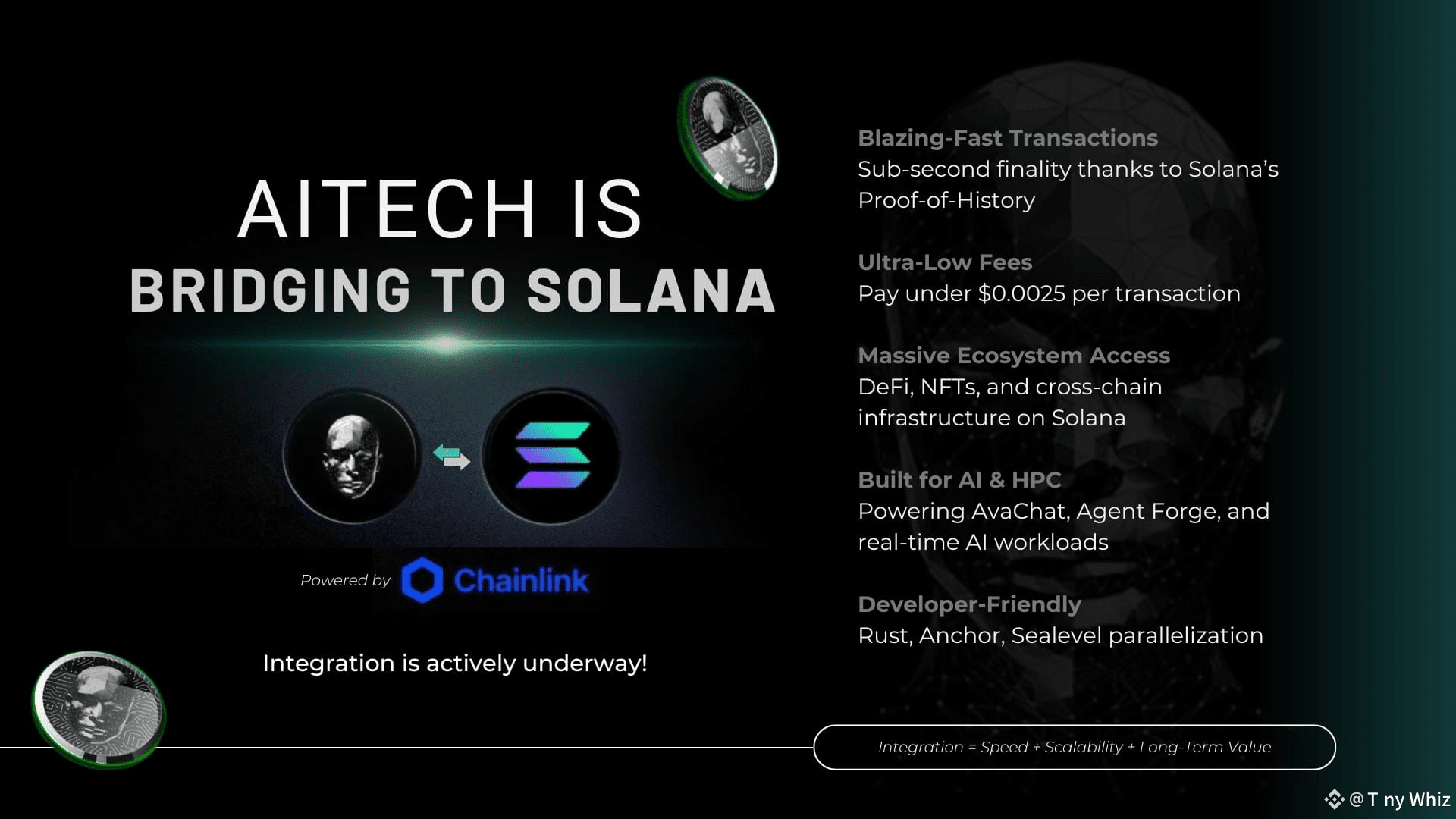
$AITECHは#solana に接続しています—そしてもしあなたが分散型AIの未来を見ているなら、これは見逃したくない動きの一つです👀
統合はすでに進行中で、#Chainlink CCIPによって推進されており、大きな何かの舞台を整えています:
⚡ ライトニングファーストなエージェント支払い
💸 超低コストのマイクロトランザクション
🌍 ソラナの活気あるDeFi + AIエコシステムへのアクセス
Solidus @AITECH は単にチェーンを追加しているのではなく、流動的でスケーラブル、そして真にグローバルなクロスチェーンAIインフラを構築しています。$BNB Chain、Base、そして今やソラナが加わることで、$AITECHは全体でより使いやすくなります:
✅ ステーク
✅ スワップ
✅ スペンド — 摩擦なく。
開発者にとって、ソラナはリアルタイムでインテリジェントなWeb3アプリを構築するためのツールとスループットを解放します。機関にとっては、#AITECH が$AITECHをAI x ブロックチェーンコンピュートの真剣なプレーヤーとして位置づけている明確なサインです。
誇大広告ではなく、実行です。このブリッジはスピード、コスト効率、そしてビジョンを結びつけます🚀
そして、これは始まりに過ぎません。
$AITECHは#solana に接続しています—そしてもしあなたが分散型AIの未来を見ているなら、これは見逃したくない動きの一つです👀
統合はすでに進行中で、#Chainlink CCIPによって推進されており、大きな何かの舞台を整えています:
⚡ ライトニングファーストなエージェント支払い
💸 超低コストのマイクロトランザクション
🌍 ソラナの活気あるDeFi + AIエコシステムへのアクセス
Solidus @AITECH は単にチェーンを追加しているのではなく、流動的でスケーラブル、そして真にグローバルなクロスチェーンAIインフラを構築しています。$BNB Chain、Base、そして今やソラナが加わることで、$AITECHは全体でより使いやすくなります:
✅ ステーク
✅ スワップ
✅ スペンド — 摩擦なく。
開発者にとって、ソラナはリアルタイムでインテリジェントなWeb3アプリを構築するためのツールとスループットを解放します。機関にとっては、#AITECH が$AITECHをAI x ブロックチェーンコンピュートの真剣なプレーヤーとして位置づけている明確なサインです。
誇大広告ではなく、実行です。このブリッジはスピード、コスト効率、そしてビジョンを結びつけます🚀
そして、これは始まりに過ぎません。
統合はすでに進行中で、#Chainlink CCIPによって推進されており、大きな何かの舞台を整えています:
⚡ ライトニングファーストなエージェント支払い
💸 超低コストのマイクロトランザクション
🌍 ソラナの活気あるDeFi + AIエコシステムへのアクセス
Solidus @AITECH は単にチェーンを追加しているのではなく、流動的でスケーラブル、そして真にグローバルなクロスチェーンAIインフラを構築しています。$BNB Chain、Base、そして今やソラナが加わることで、$AITECHは全体でより使いやすくなります:
✅ ステーク
✅ スワップ
✅ スペンド — 摩擦なく。
開発者にとって、ソラナはリアルタイムでインテリジェントなWeb3アプリを構築するためのツールとスループットを解放します。機関にとっては、#AITECH が$AITECHをAI x ブロックチェーンコンピュートの真剣なプレーヤーとして位置づけている明確なサインです。
誇大広告ではなく、実行です。このブリッジはスピード、コスト効率、そしてビジョンを結びつけます🚀
そして、これは始まりに過ぎません。
2
437
·
--
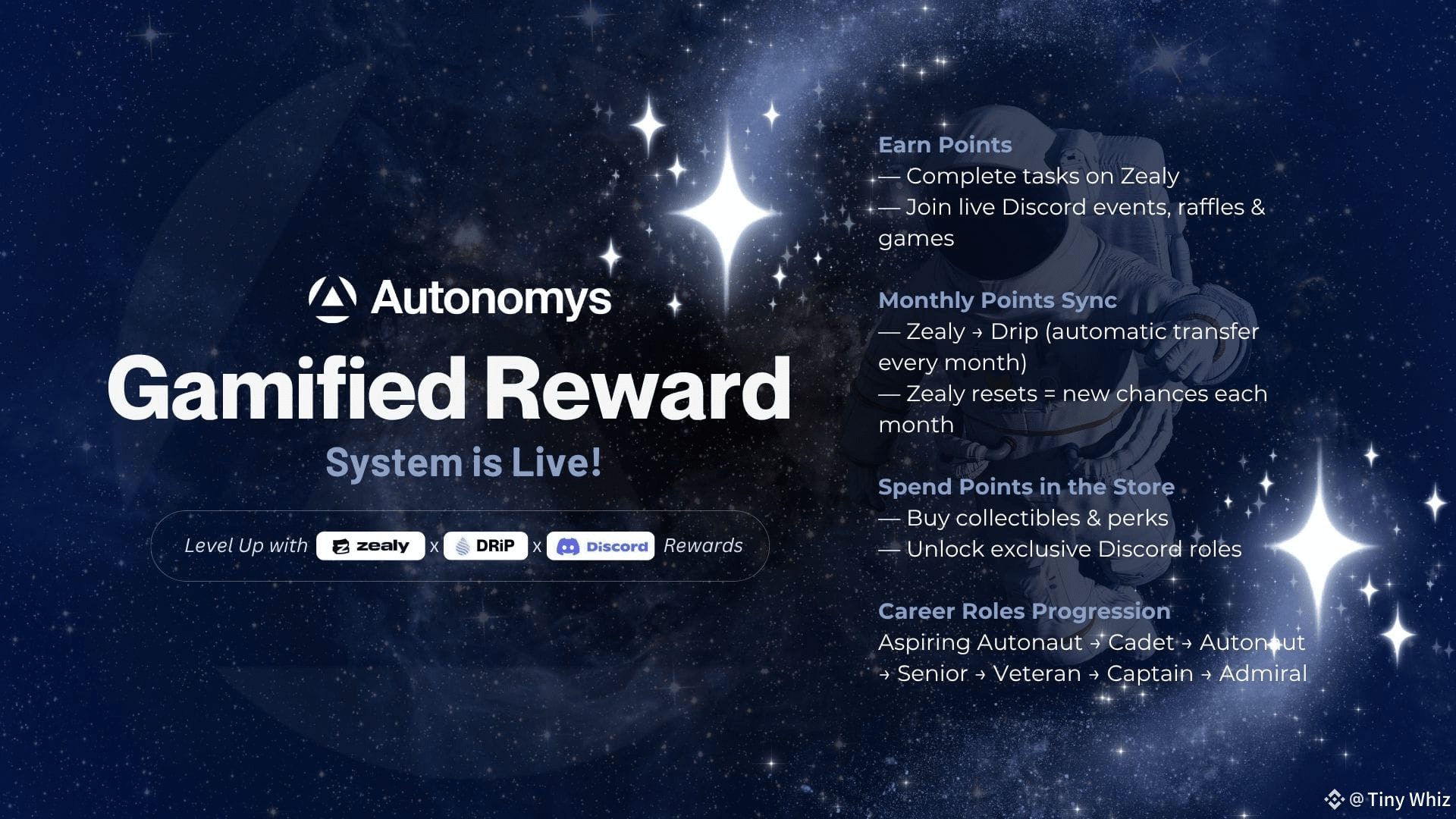
Web3では、報酬はしばしば一時的に感じられます — リーダーボード、#Airdrop 、そしてすべてがリセットされます。しかし、#Autonomys Networkは異なることをしています。彼らのシステムは単なるゲーミフィケーションではなく、長期的な成長のために構築されています。🚀
🔹 それは#Zealy から始まります。ここで貢献者はクエストを完了し、ポイントを獲得します。
🔁 その後、これらのポイントはDiscord内のカスタム報酬エンジンであるDripに移されます。
ここが面白くなるところです:
💠 あなたは本物のサーバー内ストアでDripポイントを使用できます — アイテムのためだけでなく、オートノートカデット、シニアオートノート、さらにはアドミラルオートノートのような進化するキャリアロールを解放するためにもです。
🎯 各ロールはあなたの成長、コミットメント、コミュニティ内での位置を反映しています。
これは一時的なエアドロップや虚栄心のあるタイトルについてではありません。それは完全なループです:
💬 貢献する → 🎟️ イベントに参加する → 🪙 ポイントを獲得する → 🛒 報酬を引き換える → 🚀 あなたの役割を成長させる
これがAutonomysを際立たせるものです。
これは、あなたの活動がアイデンティティ、評判、長期的な価値を築く生きた報酬システムです。
Web3が本当に必要としている構造 — ビルダーのために、ビルダーによって。👷♀️👨🚀 #BinanceSquare #CryptoCommunityAirdrop
Web3では、報酬はしばしば一時的に感じられます — リーダーボード、#Airdrop 、そしてすべてがリセットされます。しかし、#Autonomys Networkは異なることをしています。彼らのシステムは単なるゲーミフィケーションではなく、長期的な成長のために構築されています。🚀
🔹 それは#Zealy から始まります。ここで貢献者はクエストを完了し、ポイントを獲得します。
🔁 その後、これらのポイントはDiscord内のカスタム報酬エンジンであるDripに移されます。
ここが面白くなるところです:
💠 あなたは本物のサーバー内ストアでDripポイントを使用できます — アイテムのためだけでなく、オートノートカデット、シニアオートノート、さらにはアドミラルオートノートのような進化するキャリアロールを解放するためにもです。
🎯 各ロールはあなたの成長、コミットメント、コミュニティ内での位置を反映しています。
これは一時的なエアドロップや虚栄心のあるタイトルについてではありません。それは完全なループです:
💬 貢献する → 🎟️ イベントに参加する → 🪙 ポイントを獲得する → 🛒 報酬を引き換える → 🚀 あなたの役割を成長させる
これがAutonomysを際立たせるものです。
これは、あなたの活動がアイデンティティ、評判、長期的な価値を築く生きた報酬システムです。
Web3が本当に必要としている構造 — ビルダーのために、ビルダーによって。👷♀️👨🚀 #BinanceSquare #CryptoCommunityAirdrop
🔹 それは#Zealy から始まります。ここで貢献者はクエストを完了し、ポイントを獲得します。
🔁 その後、これらのポイントはDiscord内のカスタム報酬エンジンであるDripに移されます。
ここが面白くなるところです:
💠 あなたは本物のサーバー内ストアでDripポイントを使用できます — アイテムのためだけでなく、オートノートカデット、シニアオートノート、さらにはアドミラルオートノートのような進化するキャリアロールを解放するためにもです。
🎯 各ロールはあなたの成長、コミットメント、コミュニティ内での位置を反映しています。
これは一時的なエアドロップや虚栄心のあるタイトルについてではありません。それは完全なループです:
💬 貢献する → 🎟️ イベントに参加する → 🪙 ポイントを獲得する → 🛒 報酬を引き換える → 🚀 あなたの役割を成長させる
これがAutonomysを際立たせるものです。
これは、あなたの活動がアイデンティティ、評判、長期的な価値を築く生きた報酬システムです。
Web3が本当に必要としている構造 — ビルダーのために、ビルダーによって。👷♀️👨🚀 #BinanceSquare #CryptoCommunityAirdrop
1
78
ログインして、さらにコンテンツを読む
厳選トピックで世界の暗号資産トレーダーの仲間入り
⚡️ 暗号資産に関する最新かつ有益な情報が見つかります。
💬 世界最大の暗号資産取引所から信頼されています。
👍 認証を受けたクリエイターから、有益なインサイトを得られます。
メール / 電話番号
トレンドトピック
BitcoinClears$85200
閲覧回数 14,009
224人が討論中
動きが出て、$BTC はデータがあった直前にあった場所にそのまま立っています。取引における本当の忍耐ってこういうことです。
データは混ざって入ってきましたが、いくつか重要な数字がありました。ADP 非農業部門雇用者数は予想の73Kに対して90Kでした。一方でコアPCEは、予想の0.3%に対して0.2%です。最終的なGDPも予想の1.5%に対して2.2%と強めでした。個人消費は予想の0.8%に対して0.9%でした。同時に、個人所得は予想の0.5%に対して0.2%で未達でした。
BTCは最初に85,600ドルまで急騰しましたが、今は必要なところに戻っています。私は引き続き、82,759ドルと80,000ドルの流動性の低いレンジを見ています。上側の流動性はもう終わって、あとは塵も残っていないからです。
データ発表中にライブセッションを行いました。その中で、市場は83,800ドル→85,600ドル→そして83,000ドル付近へと戻っていくのを見ました。それでも私たちは取引に入りませんでした。
それが忍耐です。
市場に明確な方向性がないときは、無理にエントリーはできません。同じレンジがまだ注目ポイントで、相場がセットアップを提示してくれるまで待ちます。
みなさん、セッションはどうでしたか? それから、尊敬するメンバーの皆さんともっと定期的にセッションをするべきでしょうか。そうすれば、市場について適切に議論できます。
#BitcoinClears$85200 #AltcoinSeasonIndexHoldsAbove60For5Days #USADPAdds90000JobsInSeptember #BitcoinSlipsBelow$84000 #SECToClarifyOnChainFundraisingRules
Crypto_LUX
·いいね:26件
·閲覧回数 20.7k
AltcoinSeasonIndexHoldsAbove60For5Days
閲覧回数 67,686
1,228人が討論中
USADPAdds90000JobsInSeptember
閲覧回数 31,181
687人が討論中