
The crypto CEO
54 投稿

The crypto CEO
報告
ユーザーをブロック
取引を発注
高頻度トレーダー
4年
170 フォロー
144 フォロワー
63 いいね
投稿
ポートフォリオ
すべて
引用
記事
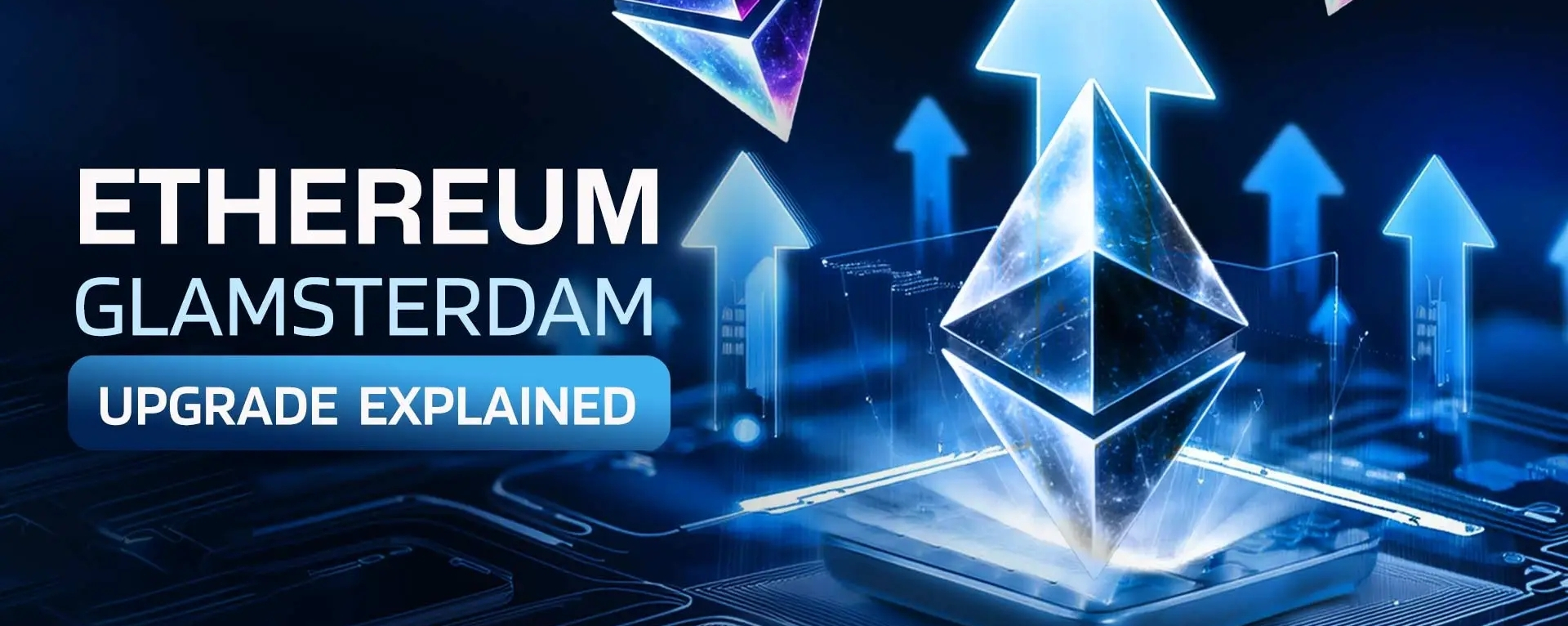
イーサリアム・グラムステッドのアップグレード:それは何か、主要な機能、そして2026年に重要な理由はじめに
イーサリアム・グラムステッドは、2026年に予定されている最も期待されているイーサリアム・ネットワークのアップグレードの1つです。イーサリアムのスケーラビリティ、効率、そしてブロック構築プロセスを改善することを目的としており、このアップグレードでは、イーサリアムのレイヤー1ネットワーク上でのトランザクションの整理と処理の仕方に大きな変化がもたらされると見込まれています。
イーサリアムの現在のロードマップによると、グラムステッドは2026年後半に予定されています。このアップグレードは、2025年12月に稼働開始したフサカに続くもので、レイヤー2ネットワーク向けにイーサリアムのデータ可用性のスケーリングに重点的に取り組んだ内容でした。
イーサリアム・グラムステッドのアップグレード:それは何か、主要な機能、そして2026年に重要な理由
はじめに
イーサリアム・グラムステッドは、2026年に予定されている最も期待されているイーサリアム・ネットワークのアップグレードの1つです。イーサリアムのスケーラビリティ、効率、そしてブロック構築プロセスを改善することを目的としており、このアップグレードでは、イーサリアムのレイヤー1ネットワーク上でのトランザクションの整理と処理の仕方に大きな変化がもたらされると見込まれています。
イーサリアムの現在のロードマップによると、グラムステッドは2026年後半に予定されています。このアップグレードは、2025年12月に稼働開始したフサカに続くもので、レイヤー2ネットワーク向けにイーサリアムのデータ可用性のスケーリングに重点的に取り組んだ内容でした。
イーサリアム・グラムステッドは、2026年に予定されている最も期待されているイーサリアム・ネットワークのアップグレードの1つです。イーサリアムのスケーラビリティ、効率、そしてブロック構築プロセスを改善することを目的としており、このアップグレードでは、イーサリアムのレイヤー1ネットワーク上でのトランザクションの整理と処理の仕方に大きな変化がもたらされると見込まれています。
イーサリアムの現在のロードマップによると、グラムステッドは2026年後半に予定されています。このアップグレードは、2025年12月に稼働開始したフサカに続くもので、レイヤー2ネットワーク向けにイーサリアムのデータ可用性のスケーリングに重点的に取り組んだ内容でした。
60
$AAPL.US #COWRises55.77%In24h
ここでちょっと、あっちでちょっと取引してる🥲🤭😄
$AAPL.US #COWRises55.77%In24h
ここでちょっと、あっちでちょっと取引してる🥲🤭😄
ここでちょっと、あっちでちょっと取引してる🥲🤭😄
83

記事
AIの不安でS&P500の10銘柄が40%以上下落――勝者と敗者を解説人工知能は金融市場を変革しており、AIの破壊(ディスラプション)に対する懸念の中で、複数のS&P500企業が40%以上の下落を経験しています。
AIの破壊がウォール街を直撃
人工知能は世界の産業を引き続き再構築していますが、すべての企業が恩恵を受けているわけではありません。投資家は、AIに適応できない企業が市場シェアを失う可能性をますます懸念しており、その結果として株価に大幅な下落が生じています。
報告によると、S&P500の10社が株価を40%以上下落させており、AIによる事業の変革(破壊)が進むことへの懸念が高まっています。
AIの不安でS&P500の10銘柄が40%以上下落――勝者と敗者を解説
人工知能は金融市場を変革しており、AIの破壊(ディスラプション)に対する懸念の中で、複数のS&P500企業が40%以上の下落を経験しています。
AIの破壊がウォール街を直撃
人工知能は世界の産業を引き続き再構築していますが、すべての企業が恩恵を受けているわけではありません。投資家は、AIに適応できない企業が市場シェアを失う可能性をますます懸念しており、その結果として株価に大幅な下落が生じています。
報告によると、S&P500の10社が株価を40%以上下落させており、AIによる事業の変革(破壊)が進むことへの懸念が高まっています。
AIの破壊がウォール街を直撃
人工知能は世界の産業を引き続き再構築していますが、すべての企業が恩恵を受けているわけではありません。投資家は、AIに適応できない企業が市場シェアを失う可能性をますます懸念しており、その結果として株価に大幅な下落が生じています。
報告によると、S&P500の10社が株価を40%以上下落させており、AIによる事業の変革(破壊)が進むことへの懸念が高まっています。
132

記事
銀が$60を突破—新たな強気相場の始まりか?#SpotSilverRises3%To$60.10 🔥
銀は$60を上回ってから投資家の注目を集め、ここ数年でも最も強いパフォーマンスの一つとなった。今回の上昇ラリーは、貴金属が長期の強気相場入りしているのかどうかについて、改めて議論を呼び起こしている。
なぜ銀が上昇しているの?
価格を押し上げている可能性のあるいくつかの材料:
太陽光パネルやエレクトロニクスからの産業需要が増加。
安全資産への強い投資家需要。
インフレと政府債務に関する懸念。
利下げへの期待。
銀が$60を突破—新たな強気相場の始まりか?
#SpotSilverRises3%To$60.10 🔥
銀は$60を上回ってから投資家の注目を集め、ここ数年でも最も強いパフォーマンスの一つとなった。今回の上昇ラリーは、貴金属が長期の強気相場入りしているのかどうかについて、改めて議論を呼び起こしている。
なぜ銀が上昇しているの?
価格を押し上げている可能性のあるいくつかの材料:
太陽光パネルやエレクトロニクスからの産業需要が増加。
安全資産への強い投資家需要。
インフレと政府債務に関する懸念。
利下げへの期待。
銀は$60を上回ってから投資家の注目を集め、ここ数年でも最も強いパフォーマンスの一つとなった。今回の上昇ラリーは、貴金属が長期の強気相場入りしているのかどうかについて、改めて議論を呼び起こしている。
なぜ銀が上昇しているの?
価格を押し上げている可能性のあるいくつかの材料:
太陽光パネルやエレクトロニクスからの産業需要が増加。
安全資産への強い投資家需要。
インフレと政府債務に関する懸念。
利下げへの期待。
164

記事
原油価格が下がっている理由—暗号資産投資家にとっての意味#原油価格下落 🔥
世界の原油価格は下落トレンドに入り、伝統的およびデジタル市場をまたぐ投資家の注目を集めています。より安い原油は消費者にとって良いニュースに見えるかもしれませんが、インフレ、中央銀行の政策、そして暗号資産のようなリスク資産にまで幅広い影響を及ぼします。
なぜ原油価格が下落しているのですか?
原油価格の下落にはいくつかの要因が考えられます:
世界的な原油生産の増加。
景気の減速による需要の弱さ。
主要国での在庫の増加。
原油価格が下がっている理由—暗号資産投資家にとっての意味
#原油価格下落 🔥
世界の原油価格は下落トレンドに入り、伝統的およびデジタル市場をまたぐ投資家の注目を集めています。より安い原油は消費者にとって良いニュースに見えるかもしれませんが、インフレ、中央銀行の政策、そして暗号資産のようなリスク資産にまで幅広い影響を及ぼします。
なぜ原油価格が下落しているのですか?
原油価格の下落にはいくつかの要因が考えられます:
世界的な原油生産の増加。
景気の減速による需要の弱さ。
主要国での在庫の増加。
世界の原油価格は下落トレンドに入り、伝統的およびデジタル市場をまたぐ投資家の注目を集めています。より安い原油は消費者にとって良いニュースに見えるかもしれませんが、インフレ、中央銀行の政策、そして暗号資産のようなリスク資産にまで幅広い影響を及ぼします。
なぜ原油価格が下落しているのですか?
原油価格の下落にはいくつかの要因が考えられます:
世界的な原油生産の増加。
景気の減速による需要の弱さ。
主要国での在庫の増加。
201

記事
$NIGHTの理解:Midnight Networkにおける機密スマートコントラクトの背後にある燃料Web3におけるデータプライバシーの可能性は、@MidnightNetworkによって再定義されており、安全で機密性の高いスマートコントラクトに対する独自のアプローチを提供しています。ゼロ知識技術に焦点を当てることで、企業は機密データを公開することなくブロックチェーンを利用できるようにし、$NIGHTはプライバシーに焦点を当てたdAppsのために注目すべき重要なトークンとなっています。#night
透明なチェーンとは異なり、@MidnightNetworkはプライバシー規制と分散化のギャップを埋めています。$NIGHTトークンはこのエコシステムを促進し、開発者がユーザーデータ保護を優先するアプリケーションを構築できるようにし、主流の採用にとって重要な機能となっています。$NIGHTが機密計算をどのように形作るかを見るのは興味深いでしょう。#night
$NIGHTの理解:Midnight Networkにおける機密スマートコントラクトの背後にある燃料
Web3におけるデータプライバシーの可能性は、@MidnightNetworkによって再定義されており、安全で機密性の高いスマートコントラクトに対する独自のアプローチを提供しています。ゼロ知識技術に焦点を当てることで、企業は機密データを公開することなくブロックチェーンを利用できるようにし、$NIGHTはプライバシーに焦点を当てたdAppsのために注目すべき重要なトークンとなっています。#night
透明なチェーンとは異なり、@MidnightNetworkはプライバシー規制と分散化のギャップを埋めています。$NIGHTトークンはこのエコシステムを促進し、開発者がユーザーデータ保護を優先するアプリケーションを構築できるようにし、主流の採用にとって重要な機能となっています。$NIGHTが機密計算をどのように形作るかを見るのは興味深いでしょう。#night
透明なチェーンとは異なり、@MidnightNetworkはプライバシー規制と分散化のギャップを埋めています。$NIGHTトークンはこのエコシステムを促進し、開発者がユーザーデータ保護を優先するアプリケーションを構築できるようにし、主流の採用にとって重要な機能となっています。$NIGHTが機密計算をどのように形作るかを見るのは興味深いでしょう。#night
31
🌙 プライバシーが暗号で次の大きな物語になる理由 — @MidnightNetworkを見てみましょうDeFiが爆発的に成長し、NFTが主流になり、レイヤー2ソリューションがEthereumをスケールさせるのを見てきましたが、まだ重要な部分が未発達です:データプライバシー。それが@MidnightNetworkの登場です。
ミッドナイトネットワークは、開発者が組み込まれた機密性を持つスマートコントラクトを作成できるプライバシー重視のブロックチェーンを構築しています。これは大きなことです。あなたの財務データが公開されないDeFiプロトコルや、機密情報が保護されたままブロックチェーンの透明性から利益を得る企業アプリケーションを想像してみてください。
🌙 プライバシーが暗号で次の大きな物語になる理由 — @MidnightNetworkを見てみましょう
DeFiが爆発的に成長し、NFTが主流になり、レイヤー2ソリューションがEthereumをスケールさせるのを見てきましたが、まだ重要な部分が未発達です:データプライバシー。それが@MidnightNetworkの登場です。
ミッドナイトネットワークは、開発者が組み込まれた機密性を持つスマートコントラクトを作成できるプライバシー重視のブロックチェーンを構築しています。これは大きなことです。あなたの財務データが公開されないDeFiプロトコルや、機密情報が保護されたままブロックチェーンの透明性から利益を得る企業アプリケーションを想像してみてください。
ミッドナイトネットワークは、開発者が組み込まれた機密性を持つスマートコントラクトを作成できるプライバシー重視のブロックチェーンを構築しています。これは大きなことです。あなたの財務データが公開されないDeFiプロトコルや、機密情報が保護されたままブロックチェーンの透明性から利益を得る企業アプリケーションを想像してみてください。
18
🚀 プライバシー優先のブロックチェーンの未来がここにあります 🌙暗号空間が進化する中で、一つの課題が際立っています — どのように透明性と真のデータプライバシーのバランスを取るか?ここで@MidnightNetworkが物語を再定義するために介入しています。
ミッドナイトネットワークは単なる別のブロックチェーンプロジェクトではなく、プログラム可能なプライバシーへのシフトを表しています。機密性のあるスマートコントラクトを可能にすることで、金融、ヘルスケア、ガバナンスなどの分野で、機密データを保護しなければならない現実の採用への扉を開きます。
これをさらに興奮させるのは、エコシステム内での$NIGHTの役割です。このトークンは単なるユーティリティ資産ではなく、ネットワークを動かし、参加を促進し、プライベートコンピュテーションのための安全でスケーラブルなインフラをサポートします。採用が進むにつれて、$NIGHTはプライバシー中心のWeb3経済における基盤資産になる可能性があります。
🚀 プライバシー優先のブロックチェーンの未来がここにあります 🌙
暗号空間が進化する中で、一つの課題が際立っています — どのように透明性と真のデータプライバシーのバランスを取るか?ここで@MidnightNetworkが物語を再定義するために介入しています。
ミッドナイトネットワークは単なる別のブロックチェーンプロジェクトではなく、プログラム可能なプライバシーへのシフトを表しています。機密性のあるスマートコントラクトを可能にすることで、金融、ヘルスケア、ガバナンスなどの分野で、機密データを保護しなければならない現実の採用への扉を開きます。
これをさらに興奮させるのは、エコシステム内での$NIGHTの役割です。このトークンは単なるユーティリティ資産ではなく、ネットワークを動かし、参加を促進し、プライベートコンピュテーションのための安全でスケーラブルなインフラをサポートします。採用が進むにつれて、$NIGHTはプライバシー中心のWeb3経済における基盤資産になる可能性があります。
ミッドナイトネットワークは単なる別のブロックチェーンプロジェクトではなく、プログラム可能なプライバシーへのシフトを表しています。機密性のあるスマートコントラクトを可能にすることで、金融、ヘルスケア、ガバナンスなどの分野で、機密データを保護しなければならない現実の採用への扉を開きます。
これをさらに興奮させるのは、エコシステム内での$NIGHTの役割です。このトークンは単なるユーティリティ資産ではなく、ネットワークを動かし、参加を促進し、プライベートコンピュテーションのための安全でスケーラブルなインフラをサポートします。採用が進むにつれて、$NIGHTはプライバシー中心のWeb3経済における基盤資産になる可能性があります。
40
記事
市場心理🔥 ほとんどの人は一つの理由で暗号でお金を失います。
市場が上昇しているときに購入します
市場が下落しているときにパニックになります。
現在、市場は恐怖の中にあります。
スマートマネーは恐怖の中で蓄積します。
ディップを買っていますか、それとも待っていますか?
#BTC #Crypto #Binance #MarketPullback #BitcoinDunyamiz
市場心理
🔥 ほとんどの人は一つの理由で暗号でお金を失います。
市場が上昇しているときに購入します
市場が下落しているときにパニックになります。
現在、市場は恐怖の中にあります。
スマートマネーは恐怖の中で蓄積します。
ディップを買っていますか、それとも待っていますか?
#BTC #Crypto #Binance #MarketPullback #BitcoinDunyamiz
市場が上昇しているときに購入します
市場が下落しているときにパニックになります。
現在、市場は恐怖の中にあります。
スマートマネーは恐怖の中で蓄積します。
ディップを買っていますか、それとも待っていますか?
#BTC #Crypto #Binance #MarketPullback #BitcoinDunyamiz
1
2
77
記事
ビットコインが$68,000に接近、米国とイランの緊張が再燃する中で金が急騰知っておくべきこと:
ビットコインは、アジアの取引で$68,000に向かって上昇し、広範な暗号の反発の中で、イーサは注目されている$2,000のレベルを下回っています。
アナリストは、この動きが持続的なトレンドというよりも脆弱なリリーフラリーのように見えると述べており、大口保有者が売りに転じる信号となる可能性のある記録的なビットコインの流入をバイナンスに送っています。
地政学的緊張と米国株式の慎重なトーンがリスク選好を抑制しており、一部のストラテジストは、より持続的な回復の前に2024年の安値を再テストする可能性があると警告しています。
ビットコインが$68,000に接近、米国とイランの緊張が再燃する中で金が急騰
知っておくべきこと:
ビットコインは、アジアの取引で$68,000に向かって上昇し、広範な暗号の反発の中で、イーサは注目されている$2,000のレベルを下回っています。
アナリストは、この動きが持続的なトレンドというよりも脆弱なリリーフラリーのように見えると述べており、大口保有者が売りに転じる信号となる可能性のある記録的なビットコインの流入をバイナンスに送っています。
地政学的緊張と米国株式の慎重なトーンがリスク選好を抑制しており、一部のストラテジストは、より持続的な回復の前に2024年の安値を再テストする可能性があると警告しています。
ビットコインは、アジアの取引で$68,000に向かって上昇し、広範な暗号の反発の中で、イーサは注目されている$2,000のレベルを下回っています。
アナリストは、この動きが持続的なトレンドというよりも脆弱なリリーフラリーのように見えると述べており、大口保有者が売りに転じる信号となる可能性のある記録的なビットコインの流入をバイナンスに送っています。
地政学的緊張と米国株式の慎重なトーンがリスク選好を抑制しており、一部のストラテジストは、より持続的な回復の前に2024年の安値を再テストする可能性があると警告しています。
1
57
完了
完了
Crypto Network Community
·
--
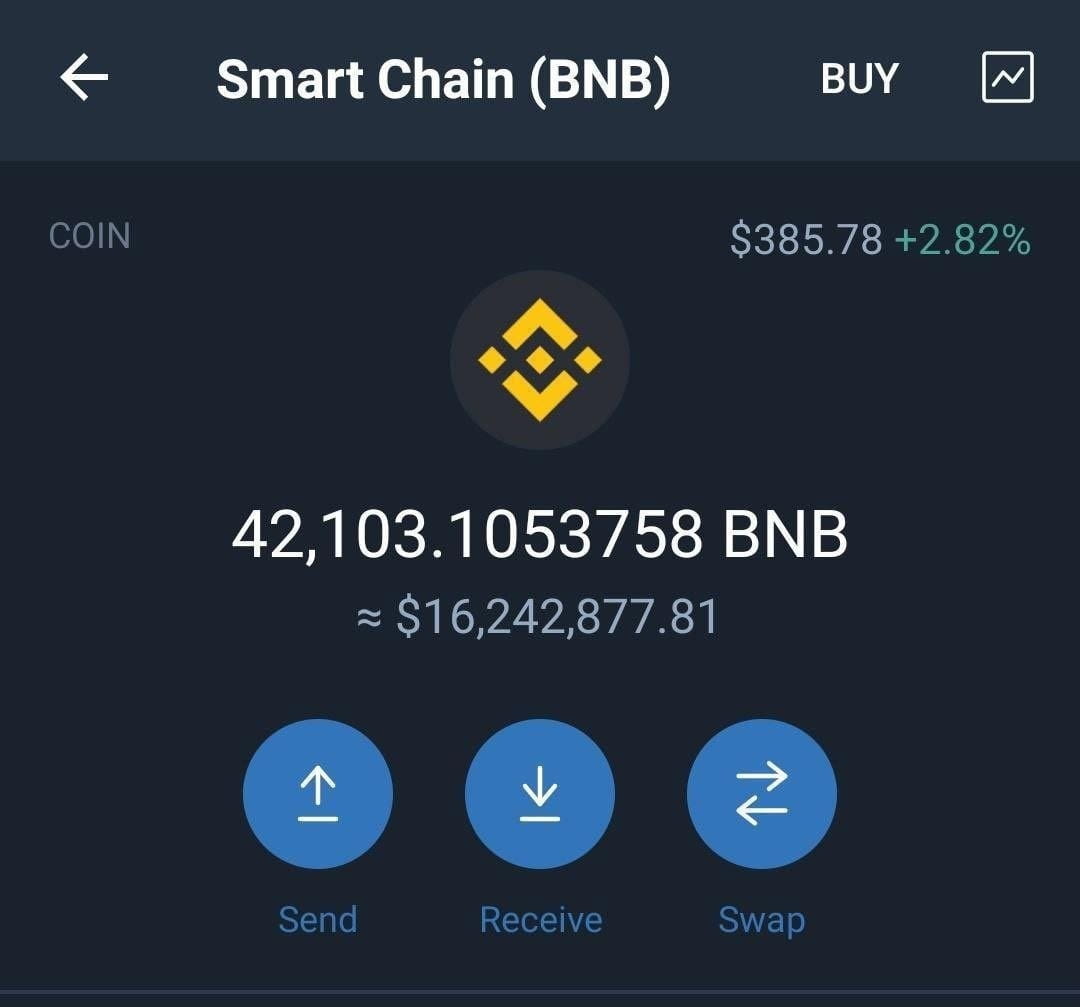
誰かの人生を変えるために10 $BNB (~$9,050) を送ります 🫰
'done'とコメントしてください。
24時間以内にランダムで勝者を選びます。
皆さんフォローしてください。
'done'とコメントしてください。
24時間以内にランダムで勝者を選びます。
皆さんフォローしてください。
21
ほぼ100人のフォロワーに到達、😅 一緒に成長しましょう guys 💯💪🏽
ほぼ100人のフォロワーに到達、😅 一緒に成長しましょう guys 💯💪🏽
1
40

記事
🚨 Binanceユーザーの皆さん、安全で賢明に行動しましょう!多くのトレーダーが出金の遅延、アカウントの凍結、詐欺、混乱を招くツールに直面しています。良いニュースは?ほとんどの問題は予防可能です。常に2FAを有効にし、公式のBinanceアプリを使用し、疑わしいリンクをクリックしないでください。大きな金額を投資する前に、小額で入金と出金をテストしてください。Grid BotsやAuto-Investのようなツールを徐々に学び、大部分の資金を安全な外部ウォレットに保管してください。P2P取引では、相手を慎重に確認してください。注意深く、情報を得て、一貫性を持つことで、暗号を保護し、一般的な落とし穴を避け、2025年に安全にポートフォリオを成長させることができます。
🚨 Binanceユーザーの皆さん、安全で賢明に行動しましょう!
多くのトレーダーが出金の遅延、アカウントの凍結、詐欺、混乱を招くツールに直面しています。良いニュースは?ほとんどの問題は予防可能です。常に2FAを有効にし、公式のBinanceアプリを使用し、疑わしいリンクをクリックしないでください。大きな金額を投資する前に、小額で入金と出金をテストしてください。Grid BotsやAuto-Investのようなツールを徐々に学び、大部分の資金を安全な外部ウォレットに保管してください。P2P取引では、相手を慎重に確認してください。注意深く、情報を得て、一貫性を持つことで、暗号を保護し、一般的な落とし穴を避け、2025年に安全にポートフォリオを成長させることができます。
1
12
🚀 ホットトレンドアラート: 暗号市場は「大きなブレイクアウトの前の静けさ」に入っているのか?BNBとAIトーク市場が突然目を覚まし始めたことに気付きましたか?
キャンドルが上昇しており、取引量が急増し、新しいホットプロジェクトが止まることなく立ち上がっています。
暗号の世界の皆が話していることは一つです:
👉 「新しいサイクルが来ました!」
そしてこの新しいサイクルでは、2つのセクターが明らかにリードしています:
---
🔥 1. BNBが強力にカムバック: エコシステムのアップグレード + ユーザーの急増 = 必見!
BNBは最近非常に活発です:
オンチェーンの活動が急増
BNBチェーンに新しいプロジェクトが参加
クジラが着実に蓄積している
市場の信頼が急速に戻ってきている
🚀 ホットトレンドアラート: 暗号市場は「大きなブレイクアウトの前の静けさ」に入っているのか?BNBとAIトーク
市場が突然目を覚まし始めたことに気付きましたか?
キャンドルが上昇しており、取引量が急増し、新しいホットプロジェクトが止まることなく立ち上がっています。
暗号の世界の皆が話していることは一つです:
👉 「新しいサイクルが来ました!」
そしてこの新しいサイクルでは、2つのセクターが明らかにリードしています:
---
🔥 1. BNBが強力にカムバック: エコシステムのアップグレード + ユーザーの急増 = 必見!
BNBは最近非常に活発です:
オンチェーンの活動が急増
BNBチェーンに新しいプロジェクトが参加
クジラが着実に蓄積している
市場の信頼が急速に戻ってきている
キャンドルが上昇しており、取引量が急増し、新しいホットプロジェクトが止まることなく立ち上がっています。
暗号の世界の皆が話していることは一つです:
👉 「新しいサイクルが来ました!」
そしてこの新しいサイクルでは、2つのセクターが明らかにリードしています:
---
🔥 1. BNBが強力にカムバック: エコシステムのアップグレード + ユーザーの急増 = 必見!
BNBは最近非常に活発です:
オンチェーンの活動が急増
BNBチェーンに新しいプロジェクトが参加
クジラが着実に蓄積している
市場の信頼が急速に戻ってきている
1
65
🚀 ホットスポットの襲来:2025年の暗号市場は「大震災前の静けさ」を迎えるのか?BNB、AIコインがひっそりと力を発揮している!最近、市場が突然「動き出した」と感じませんか?
K線が上昇し、取引量が急増し、人気プロジェクトが次々と登場し、
Crypto界全体が一つの言葉を議論している:
👉 「新しい周期が来た!」
而在这波新周期里,最火的两个方向已经很明显了:
---
🔥 1. BNBが強力に復帰:エコシステムのアップグレード+ユーザーの急増=必見!
BNBの最近の熱気はまさに爆発的:
チェーン上の活発度が急上昇
新しいプロジェクトが次々とBNBチェーンに入っている
大口が引き続き買い増し
市場はBNBへの信頼が全面的に回復した
更关键的是:
BNBが取引、エアドロップ、報酬の「必需品」となった。
🚀 ホットスポットの襲来:2025年の暗号市場は「大震災前の静けさ」を迎えるのか?BNB、AIコインがひっそりと力を発揮している!
最近、市場が突然「動き出した」と感じませんか?
K線が上昇し、取引量が急増し、人気プロジェクトが次々と登場し、
Crypto界全体が一つの言葉を議論している:
👉 「新しい周期が来た!」
而在这波新周期里,最火的两个方向已经很明显了:
---
🔥 1. BNBが強力に復帰:エコシステムのアップグレード+ユーザーの急増=必見!
BNBの最近の熱気はまさに爆発的:
チェーン上の活発度が急上昇
新しいプロジェクトが次々とBNBチェーンに入っている
大口が引き続き買い増し
市場はBNBへの信頼が全面的に回復した
更关键的是:
BNBが取引、エアドロップ、報酬の「必需品」となった。
K線が上昇し、取引量が急増し、人気プロジェクトが次々と登場し、
Crypto界全体が一つの言葉を議論している:
👉 「新しい周期が来た!」
而在这波新周期里,最火的两个方向已经很明显了:
---
🔥 1. BNBが強力に復帰:エコシステムのアップグレード+ユーザーの急増=必見!
BNBの最近の熱気はまさに爆発的:
チェーン上の活発度が急上昇
新しいプロジェクトが次々とBNBチェーンに入っている
大口が引き続き買い増し
市場はBNBへの信頼が全面的に回復した
更关键的是:
BNBが取引、エアドロップ、報酬の「必需品」となった。
1
60
ログインして、さらにコンテンツを読む
厳選トピックで世界の暗号資産トレーダーの仲間入り
⚡️ 暗号資産に関する最新かつ有益な情報が見つかります。
💬 世界最大の暗号資産取引所から信頼されています。
👍 認証を受けたクリエイターから、有益なインサイトを得られます。
メール / 電話番号
トレンドトピック
BitcoinReboundsTo$79K
閲覧回数 13,536
128人が討論中
🚨 $BTC はさらに上昇しようとしています。
ビットコインは約 $78,804 で取引されており、先ほど $78K の水準を回復したことでおよそ 1.9% 上昇しています。次に注目すべきは、日中の高値である約 $78,905 です。
その水準を明確に上抜けると、$79K〜$80K へ向かう道が開ける可能性があります。もしBTCが跳ね返される場合、サポートは $78,300 あたりにあり、その次は $77,975 です。
強気筋には勢いがありますが、BTC は $78K を上回って維持する必要があります。
#Bitcoin #BTC #CryptoTrading #CryptoMarket #CryptoAnalysis
PulseON
·いいね:13件
·閲覧回数 13.4k
SouthKoreaCryptoTaxDelayPetitionTops50000
閲覧回数 128
33人が討論中
SolanaTransactionV1GoesLiveOnMainnet
閲覧回数 179
21人が討論中