

The Telegraph
292 投稿

The Telegraph
報告
ユーザーをブロック
取引を発注
低高頻度トレーダー
2.9年
1.5K+ フォロー
464 フォロワー
318 いいね
投稿
ポートフォリオ
すべて
引用
ライブ
E664F94950859B226132AD86
BNCB Tokenは、ブロックチェーンエコシステムに新たな機会を創出することを目指す、将来性のある暗号資産プロジェクトです。トークンの実用性、コミュニティの参加、今後の開発を通じて価値を高めることを目指しています。暗号資産市場は非常に変動しやすいため、投資を決定する前に、プロジェクトの内容、トークノミクス、流動性、ロードマップ、関連するリスクを十分に調査してください。
$cash
E664F94950859B226132AD86
BNCB Tokenは、ブロックチェーンエコシステムに新たな機会を創出することを目指す、将来性のある暗号資産プロジェクトです。トークンの実用性、コミュニティの参加、今後の開発を通じて価値を高めることを目指しています。暗号資産市場は非常に変動しやすいため、投資を決定する前に、プロジェクトの内容、トークノミクス、流動性、ロードマップ、関連するリスクを十分に調査してください。
$cash
BNCB Tokenは、ブロックチェーンエコシステムに新たな機会を創出することを目指す、将来性のある暗号資産プロジェクトです。トークンの実用性、コミュニティの参加、今後の開発を通じて価値を高めることを目指しています。暗号資産市場は非常に変動しやすいため、投資を決定する前に、プロジェクトの内容、トークノミクス、流動性、ロードマップ、関連するリスクを十分に調査してください。
$cash
103
#BinancePickAndWin
8620.png
100 + 記事
⚽ Binance Pick & Win 2026 ⚽
サッカー好きの皆さん、これは大チャンスです!🎉
Binance Pick & Winに参加して、毎日の試合予想をしましょう。的中するたびに、大きな$4,000,000の賞金プールからのエキサイティングな報酬に近づきます。💰🔥
アルゼンチン、ブラジル、フランス、またはあなたの推しクラブを応援していても、どんな予想でもカウントされます。サッカーの知識を見せて、世界中のファンと競い合い、毎日報酬を獲得してください。
✅ 毎日予想
✅ 簡単に参加
✅ 大規模な報酬プール
✅ 継続的な参加で勝つチャンスがさらに増える
見逃さないで—勝者を予想してランキングを上り、Binanceと一緒にサッカーの興奮を楽しみましょう!
#BinancePickAndWin #FootballChallenge #Binance #PickAndWin #CryptoRewards #FootballFans #Argentina #WinBig #DailyRewards #SportsPrediction #Binance2026 #Rewardpool
#BinancePickAndWin
8620.png
100 + 記事
⚽ Binance Pick & Win 2026 ⚽
サッカー好きの皆さん、これは大チャンスです!🎉
Binance Pick & Winに参加して、毎日の試合予想をしましょう。的中するたびに、大きな$4,000,000の賞金プールからのエキサイティングな報酬に近づきます。💰🔥
アルゼンチン、ブラジル、フランス、またはあなたの推しクラブを応援していても、どんな予想でもカウントされます。サッカーの知識を見せて、世界中のファンと競い合い、毎日報酬を獲得してください。
✅ 毎日予想
✅ 簡単に参加
✅ 大規模な報酬プール
✅ 継続的な参加で勝つチャンスがさらに増える
見逃さないで—勝者を予想してランキングを上り、Binanceと一緒にサッカーの興奮を楽しみましょう!
#BinancePickAndWin #FootballChallenge #Binance #PickAndWin #CryptoRewards #FootballFans #Argentina #WinBig #DailyRewards #SportsPrediction #Binance2026 #Rewardpool
8620.png
100 + 記事
⚽ Binance Pick & Win 2026 ⚽
サッカー好きの皆さん、これは大チャンスです!🎉
Binance Pick & Winに参加して、毎日の試合予想をしましょう。的中するたびに、大きな$4,000,000の賞金プールからのエキサイティングな報酬に近づきます。💰🔥
アルゼンチン、ブラジル、フランス、またはあなたの推しクラブを応援していても、どんな予想でもカウントされます。サッカーの知識を見せて、世界中のファンと競い合い、毎日報酬を獲得してください。
✅ 毎日予想
✅ 簡単に参加
✅ 大規模な報酬プール
✅ 継続的な参加で勝つチャンスがさらに増える
見逃さないで—勝者を予想してランキングを上り、Binanceと一緒にサッカーの興奮を楽しみましょう!
#BinancePickAndWin #FootballChallenge #Binance #PickAndWin #CryptoRewards #FootballFans #Argentina #WinBig #DailyRewards #SportsPrediction #Binance2026 #Rewardpool

72
·
--
ブリッシュ

Richard Teng
·
--
21M+ の商人がすでにバイナンスの支払いを受け入れています。
暗号通貨は商取引のためのグローバルスタンダードになりつつあります。
暗号通貨は商取引のためのグローバルスタンダードになりつつあります。
1
4
記事
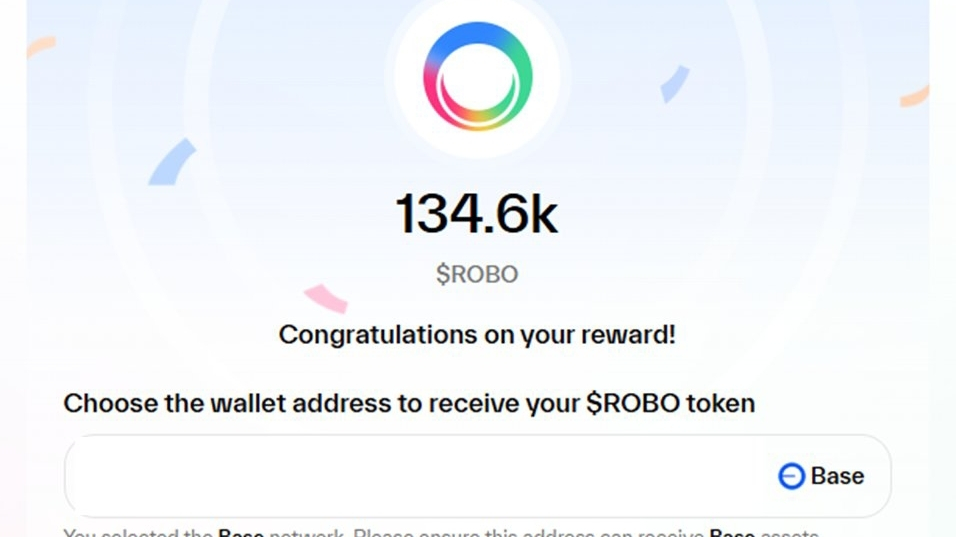
ロボ今日、134kを主張しました $ROBO (~$5k)
約6ヶ月前に、私はちょうど3つのプロジェクトに焦点を当てると言いましたが、それは良い判断だったようです。
> オピニオンラボ (予測市場)
> カイト (AI決済)
> オープンマインド (ロボティクス)
より強い市場では、彼らはそれぞれ簡単に2-3倍になると思います
以前にも言ったように、私はカイトとロボを長期保有しています
すぐに私が好きな他のいくつかのプロジェクトについてスレッドを共有します
ロボティクスはAIの次のフロンティアであり、今後2年間で1500億ドルを超えるでしょう。
Circle、NVIDIA、Unitreeなどの主要プレイヤーと連携して、ロボットのAI脳を支える重要なソフトウェアを構築しています。
ロボ
今日、134kを主張しました $ROBO (~$5k)
約6ヶ月前に、私はちょうど3つのプロジェクトに焦点を当てると言いましたが、それは良い判断だったようです。
> オピニオンラボ (予測市場)
> カイト (AI決済)
> オープンマインド (ロボティクス)
より強い市場では、彼らはそれぞれ簡単に2-3倍になると思います
以前にも言ったように、私はカイトとロボを長期保有しています
すぐに私が好きな他のいくつかのプロジェクトについてスレッドを共有します
ロボティクスはAIの次のフロンティアであり、今後2年間で1500億ドルを超えるでしょう。
Circle、NVIDIA、Unitreeなどの主要プレイヤーと連携して、ロボットのAI脳を支える重要なソフトウェアを構築しています。
約6ヶ月前に、私はちょうど3つのプロジェクトに焦点を当てると言いましたが、それは良い判断だったようです。
> オピニオンラボ (予測市場)
> カイト (AI決済)
> オープンマインド (ロボティクス)
より強い市場では、彼らはそれぞれ簡単に2-3倍になると思います
以前にも言ったように、私はカイトとロボを長期保有しています
すぐに私が好きな他のいくつかのプロジェクトについてスレッドを共有します
ロボティクスはAIの次のフロンティアであり、今後2年間で1500億ドルを超えるでしょう。
Circle、NVIDIA、Unitreeなどの主要プレイヤーと連携して、ロボットのAI脳を支える重要なソフトウェアを構築しています。
1
2
21
·
--
ブリッシュ
#robo $ROBO クレーム 134k $ROBO 今日 (~$5k)
約6ヶ月前に、私は3つのプロジェクトに集中すると言ったが、それは良い判断だったようだ。
> opinionlabs (予測市場)
> kite (AI決済)
> openmind (ロボティクス)
より強い市場では、私はそれぞれが簡単に2-3倍になると思う
以前にも言ったように、私はkiteとroboを長期保有している
私が好きな他のいくつかのプロジェクトについて、すぐにスレッドを共有します
皆さん、おめでとう
@FabricFND
#robo $ROBO クレーム 134k $ROBO 今日 (~$5k)
約6ヶ月前に、私は3つのプロジェクトに集中すると言ったが、それは良い判断だったようだ。
> opinionlabs (予測市場)
> kite (AI決済)
> openmind (ロボティクス)
より強い市場では、私はそれぞれが簡単に2-3倍になると思う
以前にも言ったように、私はkiteとroboを長期保有している
私が好きな他のいくつかのプロジェクトについて、すぐにスレッドを共有します
皆さん、おめでとう
@Fabric Foundation
約6ヶ月前に、私は3つのプロジェクトに集中すると言ったが、それは良い判断だったようだ。
> opinionlabs (予測市場)
> kite (AI決済)
> openmind (ロボティクス)
より強い市場では、私はそれぞれが簡単に2-3倍になると思う
以前にも言ったように、私はkiteとroboを長期保有している
私が好きな他のいくつかのプロジェクトについて、すぐにスレッドを共有します
皆さん、おめでとう
@Fabric Foundation

3
93

記事
miraMiraネットワーク($MIRA)は、人工知能のための「信頼層」として機能するように設計された分散型ブロックチェーンプロトコルです。Base(Ethereum Layer-2)ブロックチェーン上に構築されており、AIによる幻覚やバイアスの問題を解決することを目指しています。AI生成出力の検証可能で分散型の合意を提供します。$MIRA tokenはエコシステムの命の源であり、固定の総供給量は10億トークンです。価格動向:$MIRAは現在$0.08 – $0.09で取引されており、循環市場キャップは約$20M - $22Mです。
mira
Miraネットワーク($MIRA )は、人工知能のための「信頼層」として機能するように設計された分散型ブロックチェーンプロトコルです。Base(Ethereum Layer-2)ブロックチェーン上に構築されており、AIによる幻覚やバイアスの問題を解決することを目指しています。AI生成出力の検証可能で分散型の合意を提供します。$MIRA tokenはエコシステムの命の源であり、固定の総供給量は10億トークンです。価格動向:$MIRA は現在$0.08 – $0.09で取引されており、循環市場キャップは約$20M - $22Mです。
1
35
#mira $MIRA この$MIRA トークンはエコシステムの命であり、総供給量は10億です。ミラネットワーク($MIRA)は、人工知能のための「信頼層」として機能するように設計された分散型ブロックチェーンプロトコルです。ベース(イーサリアムレイヤー2)ブロックチェーン上に構築されており、AIの幻覚やバイアスの問題を解決することを目指して、AI生成出力のための検証可能な分散型コンセンサスを提供します。価格アクション: $MIRA は現在$0.08 - $0.09で取引されており、循環市場キャップは約$20M - $22Mです。
#mira $MIRA この$MIRA トークンはエコシステムの命であり、総供給量は10億です。ミラネットワーク($MIRA )は、人工知能のための「信頼層」として機能するように設計された分散型ブロックチェーンプロトコルです。ベース(イーサリアムレイヤー2)ブロックチェーン上に構築されており、AIの幻覚やバイアスの問題を解決することを目指して、AI生成出力のための検証可能な分散型コンセンサスを提供します。価格アクション: $MIRA は現在$0.08 - $0.09で取引されており、循環市場キャップは約$20M - $22Mです。

1
28

記事
robo2026年3月現在、「ROBOトークン」という用語は主にファブリックプロトコル(ROBO)を指し、2026年初頭に開始された注目の分散型インフラプロジェクトです。
これは、長年のROBO Global ETF(株式市場ファンド)やRobo Inu(RBIF)のような古いミームコインと区別することが重要です。
ファブリックプロトコル($ROBO)– 2026年の物語
2026年2月末に開始されたファブリックプロトコルは、「DePIN」(分散型物理インフラネットワーク)とAIセクターの基盤となりつつあります。これは「マシンのためのソーシャルネットワーク」を構築することを目指しています。
robo
2026年3月現在、「ROBOトークン」という用語は主にファブリックプロトコル(ROBO)を指し、2026年初頭に開始された注目の分散型インフラプロジェクトです。
これは、長年のROBO Global ETF(株式市場ファンド)やRobo Inu(RBIF)のような古いミームコインと区別することが重要です。
ファブリックプロトコル($ROBO )– 2026年の物語
2026年2月末に開始されたファブリックプロトコルは、「DePIN」(分散型物理インフラネットワーク)とAIセクターの基盤となりつつあります。これは「マシンのためのソーシャルネットワーク」を構築することを目指しています。
これは、長年のROBO Global ETF(株式市場ファンド)やRobo Inu(RBIF)のような古いミームコインと区別することが重要です。
ファブリックプロトコル($ROBO )– 2026年の物語
2026年2月末に開始されたファブリックプロトコルは、「DePIN」(分散型物理インフラネットワーク)とAIセクターの基盤となりつつあります。これは「マシンのためのソーシャルネットワーク」を構築することを目指しています。
1
6
·
--
ブリッシュ
#robo $ROBO
2026年3月現在、「ROBOトークン」という用語は、2026年初頭に開始された注目の分散型インフラプロジェクトであるFabric Protocol(ROBO)を主に指します。
これは、長年のROBO Global ETF(株式市場ファンド)やRobo Inu(RBIF)のような古いミームコインと区別することが重要です。
1. Fabric Protocol ($ROBO) – 2026年の物語
2026年2月下旬に開始されたFabric Protocolは、「DePIN」(分散型物理インフラネットワーク)およびAI分野の基盤となっています。これは「機械のためのソーシャルネットワーク」を構築することを目指しています。
ビジョン:Fabricはロボットに金融的アイデンティティを提供します。ロボットは従来の銀行口座を開設できないため、$ROBO は機械間(M2M)取引の通貨として機能し、自律エージェントが自分の充電、メンテナンス、データの支払いを行えるようにします。
コア技術:Fabric Foundationによって構築され(OpenMindからの初期の貢献を受けて)、このプロトコルはBaseネットワークで動作し、専用のLayer 1ブロックチェーンに移行する計画があります。
ユーティリティ:
ネットワーク手数料:すべてのロボットのアイデンティティ検証とタスク決済は$ROBOで支払われます。
作業担保:ロボットオペレーターは、タスクを誠実に実行することを保証するために$ROBO を担保としてステークしなければなりません。
スキル報酬:開発者は、ロボットが使用する「スキルチップ」(ソフトウェア)を作成することでトークンを獲得します。
#robo $ROBO
2026年3月現在、「ROBOトークン」という用語は、2026年初頭に開始された注目の分散型インフラプロジェクトであるFabric Protocol(ROBO)を主に指します。
これは、長年のROBO Global ETF(株式市場ファンド)やRobo Inu(RBIF)のような古いミームコインと区別することが重要です。
1. Fabric Protocol ($ROBO ) – 2026年の物語
2026年2月下旬に開始されたFabric Protocolは、「DePIN」(分散型物理インフラネットワーク)およびAI分野の基盤となっています。これは「機械のためのソーシャルネットワーク」を構築することを目指しています。
ビジョン:Fabricはロボットに金融的アイデンティティを提供します。ロボットは従来の銀行口座を開設できないため、$ROBO は機械間(M2M)取引の通貨として機能し、自律エージェントが自分の充電、メンテナンス、データの支払いを行えるようにします。
コア技術:Fabric Foundationによって構築され(OpenMindからの初期の貢献を受けて)、このプロトコルはBaseネットワークで動作し、専用のLayer 1ブロックチェーンに移行する計画があります。
ユーティリティ:
ネットワーク手数料:すべてのロボットのアイデンティティ検証とタスク決済は$ROBO で支払われます。
作業担保:ロボットオペレーターは、タスクを誠実に実行することを保証するために$ROBO を担保としてステークしなければなりません。
スキル報酬:開発者は、ロボットが使用する「スキルチップ」(ソフトウェア)を作成することでトークンを獲得します。
2026年3月現在、「ROBOトークン」という用語は、2026年初頭に開始された注目の分散型インフラプロジェクトであるFabric Protocol(ROBO)を主に指します。
これは、長年のROBO Global ETF(株式市場ファンド)やRobo Inu(RBIF)のような古いミームコインと区別することが重要です。
1. Fabric Protocol ($ROBO ) – 2026年の物語
2026年2月下旬に開始されたFabric Protocolは、「DePIN」(分散型物理インフラネットワーク)およびAI分野の基盤となっています。これは「機械のためのソーシャルネットワーク」を構築することを目指しています。
ビジョン:Fabricはロボットに金融的アイデンティティを提供します。ロボットは従来の銀行口座を開設できないため、$ROBO は機械間(M2M)取引の通貨として機能し、自律エージェントが自分の充電、メンテナンス、データの支払いを行えるようにします。
コア技術:Fabric Foundationによって構築され(OpenMindからの初期の貢献を受けて)、このプロトコルはBaseネットワークで動作し、専用のLayer 1ブロックチェーンに移行する計画があります。
ユーティリティ:
ネットワーク手数料:すべてのロボットのアイデンティティ検証とタスク決済は$ROBO で支払われます。
作業担保:ロボットオペレーターは、タスクを誠実に実行することを保証するために$ROBO を担保としてステークしなければなりません。
スキル報酬:開発者は、ロボットが使用する「スキルチップ」(ソフトウェア)を作成することでトークンを獲得します。

1
49
記事
miraMira Network ($MIRA) は2026年において、特に人工知能における「信頼性危機」を解決することに焦点を当て、重要なインフラ層として位置づけられています。その主な目標は、AIの出力を検証する分散型の信頼層を提供し、幻覚やバイアスといった一般的な問題を防ぐことです。
コア技術: Miraの動作原理
一般的なAIモデルが「ブラックボックス」として機能するのとは異なり、Miraは構造化された検証パイプラインを導入します:
クレーム分解: AIの応答は個々の事実に基づくクレーム(エンティティとクレームのペア)に分解されます。
mira
Mira Network ($MIRA ) は2026年において、特に人工知能における「信頼性危機」を解決することに焦点を当て、重要なインフラ層として位置づけられています。その主な目標は、AIの出力を検証する分散型の信頼層を提供し、幻覚やバイアスといった一般的な問題を防ぐことです。
コア技術: Miraの動作原理
一般的なAIモデルが「ブラックボックス」として機能するのとは異なり、Miraは構造化された検証パイプラインを導入します:
クレーム分解: AIの応答は個々の事実に基づくクレーム(エンティティとクレームのペア)に分解されます。
コア技術: Miraの動作原理
一般的なAIモデルが「ブラックボックス」として機能するのとは異なり、Miraは構造化された検証パイプラインを導入します:
クレーム分解: AIの応答は個々の事実に基づくクレーム(エンティティとクレームのペア)に分解されます。
1
9
#mira $MIRA
ミラネットワーク($MIRA)は2026年に重要なインフラストラクチャーレイヤーとしての地位を確立し、人工知能における「信頼性危機」の解決に特化しています。その主な目標は、AI出力を検証する分散型信頼レイヤーを提供し、幻覚やバイアスといった一般的な問題を防止することです。
{spot}(MIRAUSDT)
🏗️ コアテクノロジー: ミラの仕組み
典型的なAIモデルが「ブラックボックス」として機能するのに対し、ミラは構造化された検証パイプラインを導入しています:
主張の分解: AIの応答は個々の事実の主張(エンティティ対主張ペア)に分解されます。
分散検証: 異なるAIモデル(GPT-5、Claude、またはLlamaなど)を実行する独立したノードのネットワークが、これらの主張を並行して評価します。
コンセンサスメカニズム: ハイブリッドのプルーフ・オブ・ステーク(PoS)およびプルーフ・オブ・ワーク(PoW)モデルを使用し、ノードは参加するために$MIRA トークンをステークしなければなりません。正しく検証すれば報酬を得られ、不正行為を行った場合はステークが「削減」されます。
オンチェーン証明: スーパーマジョリティが合意した場合、改ざん防止の証明書がブロックチェーン(具体的にはベースレイヤー)に記録されます。
#mira $MIRA
ミラネットワーク($MIRA )は2026年に重要なインフラストラクチャーレイヤーとしての地位を確立し、人工知能における「信頼性危機」の解決に特化しています。その主な目標は、AI出力を検証する分散型信頼レイヤーを提供し、幻覚やバイアスといった一般的な問題を防止することです。
🏗️ コアテクノロジー: ミラの仕組み
典型的なAIモデルが「ブラックボックス」として機能するのに対し、ミラは構造化された検証パイプラインを導入しています:
主張の分解: AIの応答は個々の事実の主張(エンティティ対主張ペア)に分解されます。
分散検証: 異なるAIモデル(GPT-5、Claude、またはLlamaなど)を実行する独立したノードのネットワークが、これらの主張を並行して評価します。
コンセンサスメカニズム: ハイブリッドのプルーフ・オブ・ステーク(PoS)およびプルーフ・オブ・ワーク(PoW)モデルを使用し、ノードは参加するために$MIRA トークンをステークしなければなりません。正しく検証すれば報酬を得られ、不正行為を行った場合はステークが「削減」されます。
オンチェーン証明: スーパーマジョリティが合意した場合、改ざん防止の証明書がブロックチェーン(具体的にはベースレイヤー)に記録されます。
ミラネットワーク($MIRA )は2026年に重要なインフラストラクチャーレイヤーとしての地位を確立し、人工知能における「信頼性危機」の解決に特化しています。その主な目標は、AI出力を検証する分散型信頼レイヤーを提供し、幻覚やバイアスといった一般的な問題を防止することです。
🏗️ コアテクノロジー: ミラの仕組み
典型的なAIモデルが「ブラックボックス」として機能するのに対し、ミラは構造化された検証パイプラインを導入しています:
主張の分解: AIの応答は個々の事実の主張(エンティティ対主張ペア)に分解されます。
分散検証: 異なるAIモデル(GPT-5、Claude、またはLlamaなど)を実行する独立したノードのネットワークが、これらの主張を並行して評価します。
コンセンサスメカニズム: ハイブリッドのプルーフ・オブ・ステーク(PoS)およびプルーフ・オブ・ワーク(PoW)モデルを使用し、ノードは参加するために$MIRA トークンをステークしなければなりません。正しく検証すれば報酬を得られ、不正行為を行った場合はステークが「削減」されます。
オンチェーン証明: スーパーマジョリティが合意した場合、改ざん防止の証明書がブロックチェーン(具体的にはベースレイヤー)に記録されます。
2
36

記事
ロボこのガイドでは、Fabric Foundationの分散型ロボティクスネットワークのユーティリティおよびガバナンストークンである$ROBO について知っておくべきすべてのことをカバーしています。
Fabricプロトコルの動作、解決する問題、エコシステム内での使用方法、トークンエコノミクスの見た目について学びます。
あなたが暗号投資家であろうと、単にAIとロボティクスに関心があるだけであろうと、この記事は明確で事実に基づいた内訳を提供します。
主なポイント
はFabricプロトコルのユーティリティおよびガバナンストークンであり、一般目的のロボットを調整、管理、進化させるために構築された分散型ネットワークです。
ロボ
このガイドでは、Fabric Foundationの分散型ロボティクスネットワークのユーティリティおよびガバナンストークンである$ROBO について知っておくべきすべてのことをカバーしています。
Fabricプロトコルの動作、解決する問題、エコシステム内での使用方法、トークンエコノミクスの見た目について学びます。
あなたが暗号投資家であろうと、単にAIとロボティクスに関心があるだけであろうと、この記事は明確で事実に基づいた内訳を提供します。
主なポイント
はFabricプロトコルのユーティリティおよびガバナンストークンであり、一般目的のロボットを調整、管理、進化させるために構築された分散型ネットワークです。
Fabricプロトコルの動作、解決する問題、エコシステム内での使用方法、トークンエコノミクスの見た目について学びます。
あなたが暗号投資家であろうと、単にAIとロボティクスに関心があるだけであろうと、この記事は明確で事実に基づいた内訳を提供します。
主なポイント
はFabricプロトコルのユーティリティおよびガバナンストークンであり、一般目的のロボットを調整、管理、進化させるために構築された分散型ネットワークです。
2
4
·
--
ブリッシュ
#robo $ROBO 
トークン$0.002862-4.44%
LL$0.003421-0.02%
学ぶ$0.007214+1.77%
見る$0.00401-5.20%
このガイドは、$ROBO について知っておくべきすべてのことをカバーしています—Fabric Foundationの分散型ロボティクスネットワークのユーティリティとガバナンストークンです。
Fabricプロトコルがどのように機能するか、どのような問題を解決するか、エコシステム内でどのように使用されるか、トークンの経済性がどのようになっているかを学びます。
あなたが暗号投資家であろうと、単にAIとロボティクスに興味があるだけであろうと、この記事は明確で事実に基づいた内訳を提供します。
主なポイント
Fabricプロトコルのユーティリティとガバナンストークン、一般的な目的のロボットを調整、統治、進化させるために構築された分散型ネットワークです。
Fabricプロトコルは、ロボットの勝者総取りリスク、オンチェーンロボットのアイデンティティと支払いの欠如、オープンな人間-機械の整合性インフラストラクチャの欠如という3つのコアな問題に対処します。
$ROBO は、100億トークンの固定総供給を持ち、最大の配分(29.7%)はエコシステムとコミュニティのために予約されています。
#robo $ROBO 
トークン$0.002862-4.44%
LL$0.003421-0.02%
学ぶ$0.007214+1.77%
見る$0.00401-5.20%
このガイドは、$ROBO について知っておくべきすべてのことをカバーしています—Fabric Foundationの分散型ロボティクスネットワークのユーティリティとガバナンストークンです。
Fabricプロトコルがどのように機能するか、どのような問題を解決するか、エコシステム内でどのように使用されるか、トークンの経済性がどのようになっているかを学びます。
あなたが暗号投資家であろうと、単にAIとロボティクスに興味があるだけであろうと、この記事は明確で事実に基づいた内訳を提供します。
主なポイント
Fabricプロトコルのユーティリティとガバナンストークン、一般的な目的のロボットを調整、統治、進化させるために構築された分散型ネットワークです。
Fabricプロトコルは、ロボットの勝者総取りリスク、オンチェーンロボットのアイデンティティと支払いの欠如、オープンな人間-機械の整合性インフラストラクチャの欠如という3つのコアな問題に対処します。
$ROBO は、100億トークンの固定総供給を持ち、最大の配分(29.7%)はエコシステムとコミュニティのために予約されています。
トークン$0.002862-4.44%
LL$0.003421-0.02%
学ぶ$0.007214+1.77%
見る$0.00401-5.20%
このガイドは、$ROBO について知っておくべきすべてのことをカバーしています—Fabric Foundationの分散型ロボティクスネットワークのユーティリティとガバナンストークンです。
Fabricプロトコルがどのように機能するか、どのような問題を解決するか、エコシステム内でどのように使用されるか、トークンの経済性がどのようになっているかを学びます。
あなたが暗号投資家であろうと、単にAIとロボティクスに興味があるだけであろうと、この記事は明確で事実に基づいた内訳を提供します。
主なポイント
Fabricプロトコルのユーティリティとガバナンストークン、一般的な目的のロボットを調整、統治、進化させるために構築された分散型ネットワークです。
Fabricプロトコルは、ロボットの勝者総取りリスク、オンチェーンロボットのアイデンティティと支払いの欠如、オープンな人間-機械の整合性インフラストラクチャの欠如という3つのコアな問題に対処します。
$ROBO は、100億トークンの固定総供給を持ち、最大の配分(29.7%)はエコシステムとコミュニティのために予約されています。
5
53
記事
ミラミラトークン($MIRA)は、人工知能の「信頼層」として機能するために立ち上げられた分散型プロトコルであるミラネットワークのネイティブ資産です。2026年初頭の時点で、AIの幻覚とバイアスの問題をブロックチェーンベースの検証を通じて解決するという使命で主に認識されています。
以下はトークンのユーティリティ、テクノロジー、および市場ポジションの概要です。
コアテクノロジー:AIのための信頼層
ミラネットワークはAIの「ブラックボックス」性質に対処します。モデルが応答を生成する際、手動の人間の監視なしにその正確性を確認する方法がないことがよくあります。ミラはバイナリゼーションと呼ばれるプロセスを使用してこれを自動化します。
ミラ
ミラトークン($MIRA )は、人工知能の「信頼層」として機能するために立ち上げられた分散型プロトコルであるミラネットワークのネイティブ資産です。2026年初頭の時点で、AIの幻覚とバイアスの問題をブロックチェーンベースの検証を通じて解決するという使命で主に認識されています。
以下はトークンのユーティリティ、テクノロジー、および市場ポジションの概要です。
コアテクノロジー:AIのための信頼層
ミラネットワークはAIの「ブラックボックス」性質に対処します。モデルが応答を生成する際、手動の人間の監視なしにその正確性を確認する方法がないことがよくあります。ミラはバイナリゼーションと呼ばれるプロセスを使用してこれを自動化します。
以下はトークンのユーティリティ、テクノロジー、および市場ポジションの概要です。
コアテクノロジー:AIのための信頼層
ミラネットワークはAIの「ブラックボックス」性質に対処します。モデルが応答を生成する際、手動の人間の監視なしにその正確性を確認する方法がないことがよくあります。ミラはバイナリゼーションと呼ばれるプロセスを使用してこれを自動化します。
1
14
·
--
ブリッシュ
#mira $MIRA
ミラトークン ($MIRA) は、人工知能のための「信頼層」として機能するために立ち上げられた分散型プロトコルであるミラネットワークのネイティブ資産です。2026年初頭の時点で、これは主にAIの幻覚やバイアスの問題をブロックチェーンベースの検証を通じて解決することを目指していることで認識されています。
以下は、トークンのユーティリティ、技術、および市場ポジションの概要です。
コア技術: AIのための信頼層
ミラネットワークは、AIの「ブラックボックス」性質に対処します。モデルが応答を生成する際、その正確性を手動の人間の監視なしに検証する方法はしばしばありません。ミラは、バイナリゼーションと呼ばれるプロセスを使用してこれを自動化します:
分解: 複雑なAI出力は、小さな個別の「主張」に分解されます。
分散検証: これらの主張は、異なるAIモデルを実行している独立したノードの分散ネットワークに送信され、照合されます。
コンセンサス: 大多数のノードがその主張が正確であることに同意した場合、それは検証されます。その結果と「検証の証明」は、その後ブロックチェーン(具体的にはベースL2ネットワーク)に記録されます。@mira_network #mir $MIRA
#mira $MIRA
ミラトークン ($MIRA ) は、人工知能のための「信頼層」として機能するために立ち上げられた分散型プロトコルであるミラネットワークのネイティブ資産です。2026年初頭の時点で、これは主にAIの幻覚やバイアスの問題をブロックチェーンベースの検証を通じて解決することを目指していることで認識されています。
以下は、トークンのユーティリティ、技術、および市場ポジションの概要です。
コア技術: AIのための信頼層
ミラネットワークは、AIの「ブラックボックス」性質に対処します。モデルが応答を生成する際、その正確性を手動の人間の監視なしに検証する方法はしばしばありません。ミラは、バイナリゼーションと呼ばれるプロセスを使用してこれを自動化します:
分解: 複雑なAI出力は、小さな個別の「主張」に分解されます。
分散検証: これらの主張は、異なるAIモデルを実行している独立したノードの分散ネットワークに送信され、照合されます。
コンセンサス: 大多数のノードがその主張が正確であることに同意した場合、それは検証されます。その結果と「検証の証明」は、その後ブロックチェーン(具体的にはベースL2ネットワーク)に記録されます。@Mira - Trust Layer of AI #mir $MIRA
ミラトークン ($MIRA ) は、人工知能のための「信頼層」として機能するために立ち上げられた分散型プロトコルであるミラネットワークのネイティブ資産です。2026年初頭の時点で、これは主にAIの幻覚やバイアスの問題をブロックチェーンベースの検証を通じて解決することを目指していることで認識されています。
以下は、トークンのユーティリティ、技術、および市場ポジションの概要です。
コア技術: AIのための信頼層
ミラネットワークは、AIの「ブラックボックス」性質に対処します。モデルが応答を生成する際、その正確性を手動の人間の監視なしに検証する方法はしばしばありません。ミラは、バイナリゼーションと呼ばれるプロセスを使用してこれを自動化します:
分解: 複雑なAI出力は、小さな個別の「主張」に分解されます。
分散検証: これらの主張は、異なるAIモデルを実行している独立したノードの分散ネットワークに送信され、照合されます。
コンセンサス: 大多数のノードがその主張が正確であることに同意した場合、それは検証されます。その結果と「検証の証明」は、その後ブロックチェーン(具体的にはベースL2ネットワーク)に記録されます。@Mira - Trust Layer of AI #mir $MIRA

3
17

記事
roboROBOトークンは、2026年初頭に開始されたファブリックプロトコルのネイティブユーティリティおよびガバナンス資産です。それは分散型ロボティクスと人工知能のための経済インフラストラクチャとして機能するように設計されています。
プロジェクトが何であるか、そしてその市場における現在の文脈の内訳は次のとおりです。
ファブリックプロトコル(ROBO)とは何ですか?
ファブリックプロトコルは、「マシンエコノミー」問題、つまりロボットとAIエージェントが協力し、相互作用し、取引するための共有され、安全で分散型の方法が欠如していることを解決することを目指しています。
robo
ROBOトークンは、2026年初頭に開始されたファブリックプロトコルのネイティブユーティリティおよびガバナンス資産です。それは分散型ロボティクスと人工知能のための経済インフラストラクチャとして機能するように設計されています。
プロジェクトが何であるか、そしてその市場における現在の文脈の内訳は次のとおりです。
ファブリックプロトコル(ROBO)とは何ですか?
ファブリックプロトコルは、「マシンエコノミー」問題、つまりロボットとAIエージェントが協力し、相互作用し、取引するための共有され、安全で分散型の方法が欠如していることを解決することを目指しています。
プロジェクトが何であるか、そしてその市場における現在の文脈の内訳は次のとおりです。
ファブリックプロトコル(ROBO)とは何ですか?
ファブリックプロトコルは、「マシンエコノミー」問題、つまりロボットとAIエージェントが協力し、相互作用し、取引するための共有され、安全で分散型の方法が欠如していることを解決することを目指しています。
1
4
·
--
ブリッシュ
#robo $ROBO
{spot}(ROBOUSDT)
ROBOトークンは、2026年初頭に開始されたFabricプロトコルのネイティブユーティリティおよびガバナンス資産です。これは、分散型ロボティクスと人工知能のための経済インフラとして機能するように設計されています。
プロジェクトの概要と市場における現在の文脈は以下の通りです:
Fabricプロトコル(ROBO)とは?
Fabricプロトコルは、「機械経済」問題、すなわちロボットとAIエージェントが協調し、相互作用し、取引するための共有された、安全で分散型の方法の欠如を解決することを目指しています。
一般的な目的の暗号トークンとは異なり、ROBOは次のための「インフラ」として位置付けられています:
オンチェーンアイデンティティ:ロボットに検証可能な暗号的アイデンティティを与え、鍵を保持し、契約に署名し、資産を所有できるようにします。
自律的な支払い:人間の介入なしに、機械が自分自身のメンテナンス、充電、または計算能力のために支払いを行えるようにします。
機械調整:異なる製造業者のロボットが状況の文脈を共有し、タスクを検証し、スキルを交換できる分散型ネットワークを提供します。#Robertkiyosaki
#robo $ROBO
ROBOトークンは、2026年初頭に開始されたFabricプロトコルのネイティブユーティリティおよびガバナンス資産です。これは、分散型ロボティクスと人工知能のための経済インフラとして機能するように設計されています。
プロジェクトの概要と市場における現在の文脈は以下の通りです:
Fabricプロトコル(ROBO)とは?
Fabricプロトコルは、「機械経済」問題、すなわちロボットとAIエージェントが協調し、相互作用し、取引するための共有された、安全で分散型の方法の欠如を解決することを目指しています。
一般的な目的の暗号トークンとは異なり、ROBOは次のための「インフラ」として位置付けられています:
オンチェーンアイデンティティ:ロボットに検証可能な暗号的アイデンティティを与え、鍵を保持し、契約に署名し、資産を所有できるようにします。
自律的な支払い:人間の介入なしに、機械が自分自身のメンテナンス、充電、または計算能力のために支払いを行えるようにします。
機械調整:異なる製造業者のロボットが状況の文脈を共有し、タスクを検証し、スキルを交換できる分散型ネットワークを提供します。#Robertkiyosaki
ROBOトークンは、2026年初頭に開始されたFabricプロトコルのネイティブユーティリティおよびガバナンス資産です。これは、分散型ロボティクスと人工知能のための経済インフラとして機能するように設計されています。
プロジェクトの概要と市場における現在の文脈は以下の通りです:
Fabricプロトコル(ROBO)とは?
Fabricプロトコルは、「機械経済」問題、すなわちロボットとAIエージェントが協調し、相互作用し、取引するための共有された、安全で分散型の方法の欠如を解決することを目指しています。
一般的な目的の暗号トークンとは異なり、ROBOは次のための「インフラ」として位置付けられています:
オンチェーンアイデンティティ:ロボットに検証可能な暗号的アイデンティティを与え、鍵を保持し、契約に署名し、資産を所有できるようにします。
自律的な支払い:人間の介入なしに、機械が自分自身のメンテナンス、充電、または計算能力のために支払いを行えるようにします。
機械調整:異なる製造業者のロボットが状況の文脈を共有し、タスクを検証し、スキルを交換できる分散型ネットワークを提供します。#Robertkiyosaki

2
71
#mira $MIRA
{spot}(MIRAUSDT)
Web3が成熟するにつれて、プライバシーはもはやニッチな機能ではなく、それは一級の要件です。アカウントの抽象化、モジュラーアーキテクチャ、およびゼロ知識証明(ZK)の台頭に伴い、プロトコルレベルでプライバシーを組み込むプロジェクトは、次の採用の波を推進する位置にあります。MIRAはそのようなトークン設計の1つです:Web3全体でプライバシー中心の機能を資金提供、保護、および活性化するために設計されたユーティリティおよびガバナンス資産です。
この記事では、MIRAのようなトークンがプライベートトランザクション、分散型アイデンティティ、およびコンプライアンスデータ共有をどのように支えることができるかを説明し、今日の技術的および規制の風景に沿ったままでいることができるかを説明します。#BTC $BTC
{future}(BTCUSDT)
#mira $MIRA
Web3が成熟するにつれて、プライバシーはもはやニッチな機能ではなく、それは一級の要件です。アカウントの抽象化、モジュラーアーキテクチャ、およびゼロ知識証明(ZK)の台頭に伴い、プロトコルレベルでプライバシーを組み込むプロジェクトは、次の採用の波を推進する位置にあります。MIRAはそのようなトークン設計の1つです:Web3全体でプライバシー中心の機能を資金提供、保護、および活性化するために設計されたユーティリティおよびガバナンス資産です。
この記事では、MIRAのようなトークンがプライベートトランザクション、分散型アイデンティティ、およびコンプライアンスデータ共有をどのように支えることができるかを説明し、今日の技術的および規制の風景に沿ったままでいることができるかを説明します。#BTC $BTC
Web3が成熟するにつれて、プライバシーはもはやニッチな機能ではなく、それは一級の要件です。アカウントの抽象化、モジュラーアーキテクチャ、およびゼロ知識証明(ZK)の台頭に伴い、プロトコルレベルでプライバシーを組み込むプロジェクトは、次の採用の波を推進する位置にあります。MIRAはそのようなトークン設計の1つです:Web3全体でプライバシー中心の機能を資金提供、保護、および活性化するために設計されたユーティリティおよびガバナンス資産です。
この記事では、MIRAのようなトークンがプライベートトランザクション、分散型アイデンティティ、およびコンプライアンスデータ共有をどのように支えることができるかを説明し、今日の技術的および規制の風景に沿ったままでいることができるかを説明します。#BTC $BTC

2
2
ログインして、さらにコンテンツを読む
厳選トピックで世界の暗号資産トレーダーの仲間入り
⚡️ 暗号資産に関する最新かつ有益な情報が見つかります。
💬 世界最大の暗号資産取引所から信頼されています。
👍 認証を受けたクリエイターから、有益なインサイトを得られます。
メール / 電話番号
トレンドトピック
BitcoinSlipsBelow$80KAgain
閲覧回数 111
16人が討論中
BTCは下落する一方、クジラは資金を移動——企業の買い支えと拮抗
7日間にわたる下落を主導したのは、個人投資家ではなかった。
状況:BTCは10月27日に約79,796ドルで取引を終え、7日間で約2.6%、30日間で約5.2%下落した。日足のRSI(12)は39.8。今週の値幅は、高値が10月22日の約84,377ドル、安値が10月24日の約79,220ドル。投げ売りを示すローソク足はない。84,000ドル台を回復する動きもない。ただ、じりじりと下げている。
供給側の動きが相場を物語っている。休眠状態のウォレットから2,571 BTC(約2億650万ドル)が機関投資家向け取引所へ移動した。これは取引所からの流出ではなく、取引所への供給の流入だ。企業の財務資金による買い意欲も冷え込み、StrategyはBTC購入ではなく、2億490万ドルを自社株買いに振り向けた。
下値を支えている買いは、投機筋ではなく企業によるものだ。Striveは6,182 BTC(約5億1,140万ドル)を取得し、上場企業は合計で6,200 BTC超を買い増した。これは79,700ドル近辺に実質的な下値支持があるという根拠になる。ただし、それはあくまで下値支持であり、上昇ブレイクのきっかけではない。
モメンタムは強気派に味方していない。MACDヒストグラムは−23.99で、価格は99 EMAを下回っている。この構造が反転するまでは、上値は約80,500ドル以下に抑えられる。
ポジションはやや強気だが、熱狂的というほどではない。Squareのコミュニティ投票では、3,830票のうち強気が2,116票、弱気が1,714票だった。サンプルは限られている。知っておく価値はあるが、これだけを根拠に取引するほどではない。
私の見立てでは、これは企業の買いに向けた売り抜けだ。下値支持は実在するが、モメンタムは伴っていない。今週の焦点は、79,200〜79,700ドルのゾーンが取引所への流入を吸収できるかどうかだ。
#BitcoinSlipsBelow$80KAgain
_Mr_Singh_
·いいね:0件
·閲覧回数 290
ThailandLaunchesWORPTStablecoinToQRPaymentApp
閲覧回数 0
18人が討論中
StrategySkipsBitcoinPurchasesSpends$205MOnSTRCBuybacks
閲覧回数 2,749
64人が討論中