

tehameeyunX
1.5k 投稿

tehameeyunX
報告
ユーザーをブロック
Enjoying crypto with 10,000 others — X: @notyurbelleza
取引を発注
低高頻度トレーダー
5.9年
87 フォロー
17.8K+ フォロワー
5.6K+ いいね
投稿
ポートフォリオ
すべて
引用
ライブ
PINNED
·
--
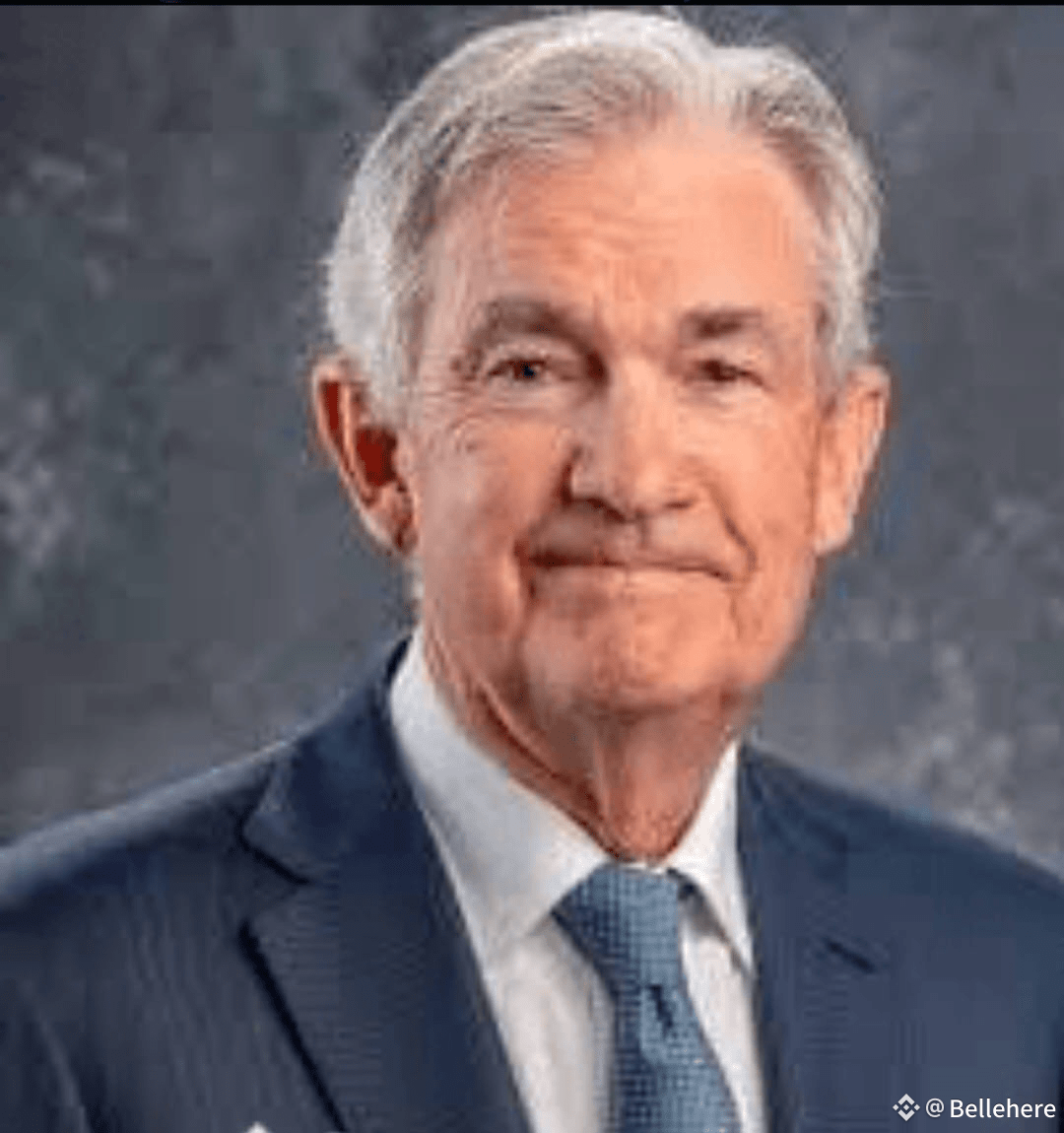
🚨パウエルの大きな変化🚨
: QTの終了が警告であり、勝利ではない理由
連邦準備制度は、量的引き締め(QT)の終了を正式に確認しました。多くの見出しがこの動きを歓迎し、流動性の回帰と新たな市場のラリーの始まりだと呼んでいます。しかし歴史は異なる物語を示唆しています — それは強さよりもストレスに関するものです。
連邦が引き締めを停止するとき、それは安定した状況にあるからでは稀です。むしろ、経済のどこかで深刻な問題が始まっていることを示す合図です。
事実を考えてみてください。2003年以来、市場は実際にQT期間中により良いパフォーマンスを発揮し、平均年利回りは16.9%で、QE期間中の10.3%と比較されます。2022年中頃以来、連邦がシステムから$2.2兆を引き出したときでさえ、S&P 500は20%以上上昇しました。それは、引き締めが通常、経済がそれに耐えられるほど強いときに発生するからです。連邦が緩和に移行するとき、それは通常、状況が悪化しているからです。
QEは安定に対する報酬ではなく — それは救済計画です。冷静な時ではなく、危機の瞬間に到来します。2008年や2020年を思い出してください。毎回、量的緩和は流動性の緊急な必要性に対する連邦の反応を意味し、経済の健康を祝うものではありません。
したがって、パウエルの最新の方針転換は、緑の信号と誤解されるべきではありません。QTの終了は短期的な楽観主義をもたらすかもしれませんが、それはまたより大きな懸念を示唆しています:成長が鈍化し、流動性の圧力が高まっており、連邦はシステムを保護するために動いています。
市場は一時的にラリーするかもしれませんが、政策が緩和に向かうときにしばしばそうなるように、歴史はその後に続く傾向を示しています — 状況は通常、改善する前に悪化します。
投資家が尋ねるべき本当の質問は、パウエルが何を終了させたかではなく、なぜ彼がそれを終了させなければならなかったのかです。
$SAGA
{future}(SAGAUSDT)
🚨パウエルの大きな変化🚨
: QTの終了が警告であり、勝利ではない理由
連邦準備制度は、量的引き締め(QT)の終了を正式に確認しました。多くの見出しがこの動きを歓迎し、流動性の回帰と新たな市場のラリーの始まりだと呼んでいます。しかし歴史は異なる物語を示唆しています — それは強さよりもストレスに関するものです。
連邦が引き締めを停止するとき、それは安定した状況にあるからでは稀です。むしろ、経済のどこかで深刻な問題が始まっていることを示す合図です。
事実を考えてみてください。2003年以来、市場は実際にQT期間中により良いパフォーマンスを発揮し、平均年利回りは16.9%で、QE期間中の10.3%と比較されます。2022年中頃以来、連邦がシステムから$2.2兆を引き出したときでさえ、S&P 500は20%以上上昇しました。それは、引き締めが通常、経済がそれに耐えられるほど強いときに発生するからです。連邦が緩和に移行するとき、それは通常、状況が悪化しているからです。
QEは安定に対する報酬ではなく — それは救済計画です。冷静な時ではなく、危機の瞬間に到来します。2008年や2020年を思い出してください。毎回、量的緩和は流動性の緊急な必要性に対する連邦の反応を意味し、経済の健康を祝うものではありません。
したがって、パウエルの最新の方針転換は、緑の信号と誤解されるべきではありません。QTの終了は短期的な楽観主義をもたらすかもしれませんが、それはまたより大きな懸念を示唆しています:成長が鈍化し、流動性の圧力が高まっており、連邦はシステムを保護するために動いています。
市場は一時的にラリーするかもしれませんが、政策が緩和に向かうときにしばしばそうなるように、歴史はその後に続く傾向を示しています — 状況は通常、改善する前に悪化します。
投資家が尋ねるべき本当の質問は、パウエルが何を終了させたかではなく、なぜ彼がそれを終了させなければならなかったのかです。
$SAGA
: QTの終了が警告であり、勝利ではない理由
連邦準備制度は、量的引き締め(QT)の終了を正式に確認しました。多くの見出しがこの動きを歓迎し、流動性の回帰と新たな市場のラリーの始まりだと呼んでいます。しかし歴史は異なる物語を示唆しています — それは強さよりもストレスに関するものです。
連邦が引き締めを停止するとき、それは安定した状況にあるからでは稀です。むしろ、経済のどこかで深刻な問題が始まっていることを示す合図です。
事実を考えてみてください。2003年以来、市場は実際にQT期間中により良いパフォーマンスを発揮し、平均年利回りは16.9%で、QE期間中の10.3%と比較されます。2022年中頃以来、連邦がシステムから$2.2兆を引き出したときでさえ、S&P 500は20%以上上昇しました。それは、引き締めが通常、経済がそれに耐えられるほど強いときに発生するからです。連邦が緩和に移行するとき、それは通常、状況が悪化しているからです。
QEは安定に対する報酬ではなく — それは救済計画です。冷静な時ではなく、危機の瞬間に到来します。2008年や2020年を思い出してください。毎回、量的緩和は流動性の緊急な必要性に対する連邦の反応を意味し、経済の健康を祝うものではありません。
したがって、パウエルの最新の方針転換は、緑の信号と誤解されるべきではありません。QTの終了は短期的な楽観主義をもたらすかもしれませんが、それはまたより大きな懸念を示唆しています:成長が鈍化し、流動性の圧力が高まっており、連邦はシステムを保護するために動いています。
市場は一時的にラリーするかもしれませんが、政策が緩和に向かうときにしばしばそうなるように、歴史はその後に続く傾向を示しています — 状況は通常、改善する前に悪化します。
投資家が尋ねるべき本当の質問は、パウエルが何を終了させたかではなく、なぜ彼がそれを終了させなければならなかったのかです。
$SAGA
17
10
142
132.4k
PINNED
·
--
アメリカ経済はインサイダー取引のセッティングのように見え始めており、プレイブックは明らかになっています:
1️⃣ 新しい関税を発表し、恐怖を引き起こし、市場が急落するのを見守る。
2️⃣ パニックが広がり、価格が下がるのを数日待つ。
3️⃣ 突然方針を逆転させる — 関税をキャンセルまたは延期し — 市場が急激に回復する。
これは、何度も繰り返される同じサイクルです。最新の関税が撤回されれば、市場が空虚な約束によって崩壊し復活したのは3回目となります。
政治的なポンプとダンプの教科書的な例です。
購入 & 取引 👉 $XRP $DOGE $Jager
アメリカ経済はインサイダー取引のセッティングのように見え始めており、プレイブックは明らかになっています:
1️⃣ 新しい関税を発表し、恐怖を引き起こし、市場が急落するのを見守る。
2️⃣ パニックが広がり、価格が下がるのを数日待つ。
3️⃣ 突然方針を逆転させる — 関税をキャンセルまたは延期し — 市場が急激に回復する。
これは、何度も繰り返される同じサイクルです。最新の関税が撤回されれば、市場が空虚な約束によって崩壊し復活したのは3回目となります。
政治的なポンプとダンプの教科書的な例です。
購入 & 取引 👉 $XRP $DOGE $Jager
アメリカ経済はインサイダー取引のセッティングのように見え始めており、プレイブックは明らかになっています:
1️⃣ 新しい関税を発表し、恐怖を引き起こし、市場が急落するのを見守る。
2️⃣ パニックが広がり、価格が下がるのを数日待つ。
3️⃣ 突然方針を逆転させる — 関税をキャンセルまたは延期し — 市場が急激に回復する。
これは、何度も繰り返される同じサイクルです。最新の関税が撤回されれば、市場が空虚な約束によって崩壊し復活したのは3回目となります。
政治的なポンプとダンプの教科書的な例です。
購入 & 取引 👉 $XRP $DOGE $Jager
31
18
134
148.2k
·
--
翻訳参照
I’ve seen one person on my feed from the day one who has delivered quality content here!
@Cas_Abb
He’s one of the deserving nominees I know for Binance Blockchain 100 Awards 2026. Go & vote for him
[VOTE HERE - EVERY VOTE COUNTS](https://app.binance.com/uni-qr/cpro/Cas_Abb)
Your support matters vote and enjoy this red packet
I’ve seen one person on my feed from the day one who has delivered quality content here!
@Cas Abbé
He’s one of the deserving nominees I know for Binance Blockchain 100 Awards 2026. Go & vote for him
VOTE HERE - EVERY VOTE COUNTS
Your support matters vote and enjoy this red packet
@Cas Abbé
He’s one of the deserving nominees I know for Binance Blockchain 100 Awards 2026. Go & vote for him
VOTE HERE - EVERY VOTE COUNTS
Your support matters vote and enjoy this red packet

Keep supporting
送り主:tehameeyunX
1
5
287
·
--
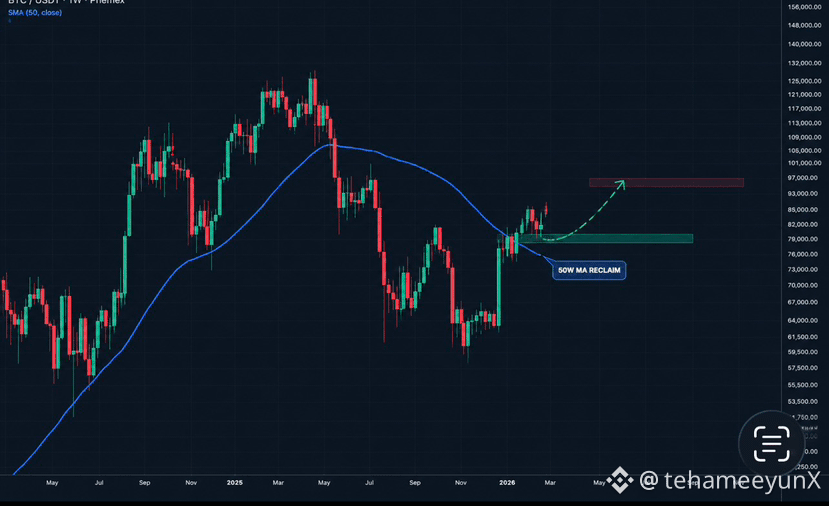
$BTC ラインを維持し続けた。
50週移動平均線を上回る週足終値がまた一つ。これは面白くなってきた。
一度の終値はシグナル。それを維持できれば確認となる。
強気派のみんな、ここでヘマしないで。👀
$BTC ラインを維持し続けた。
50週移動平均線を上回る週足終値がまた一つ。これは面白くなってきた。
一度の終値はシグナル。それを維持できれば確認となる。
強気派のみんな、ここでヘマしないで。👀
50週移動平均線を上回る週足終値がまた一つ。これは面白くなってきた。
一度の終値はシグナル。それを維持できれば確認となる。
強気派のみんな、ここでヘマしないで。👀
198
·
--
今のところ、$BTC の84Kが自分にとっての水準。きれいにブレイクすれば完全復活🔥
それまではただのレンジ相場
今のところ、$BTC の84Kが自分にとっての水準。きれいにブレイクすれば完全復活🔥
それまではただのレンジ相場
それまではただのレンジ相場
tehameeyunX
·
--
$BTC
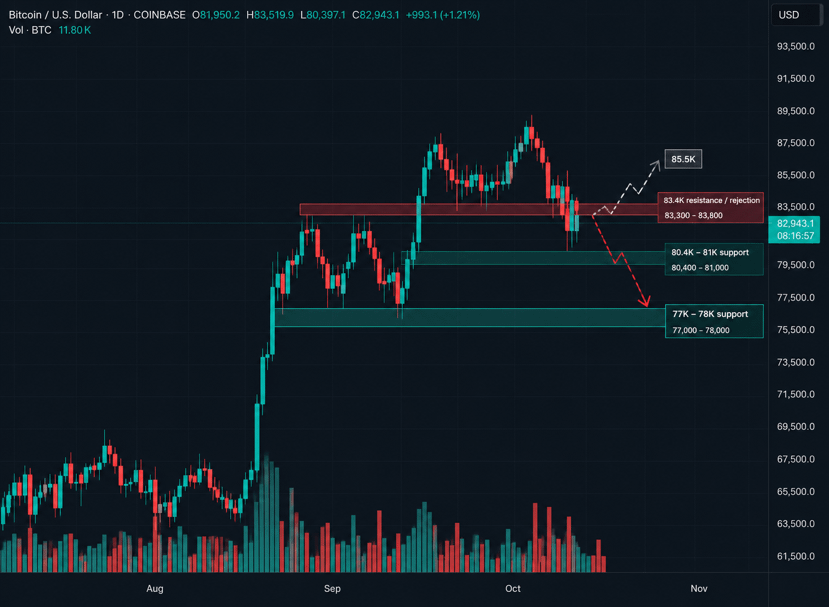
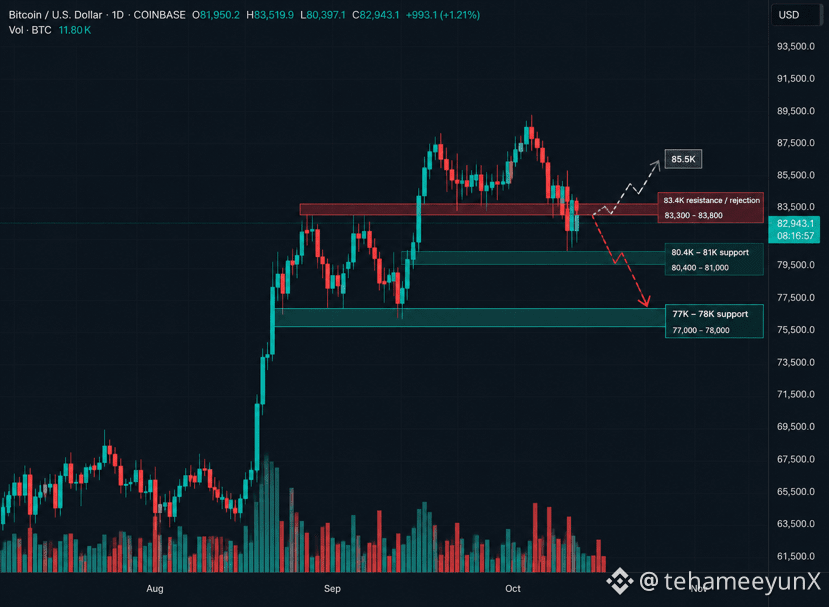
ビットコインは約8万3,400ドルのレジスタンスを再び試しましたが、今のところ跳ね返されました。
次の動きが重要です。ここを奪回するか、さらに下落するリスクを負うか。
正念場です。
#Bitcoin
ビットコインは約8万3,400ドルのレジスタンスを再び試しましたが、今のところ跳ね返されました。
次の動きが重要です。ここを奪回するか、さらに下落するリスクを負うか。
正念場です。
#Bitcoin
233
·
--
$BTC
ビットコインは約8万3,400ドルのレジスタンスを再び試しましたが、今のところ跳ね返されました。
次の動きが重要です。ここを奪回するか、さらに下落するリスクを負うか。
正念場です。
#Bitcoin
$BTC
ビットコインは約8万3,400ドルのレジスタンスを再び試しましたが、今のところ跳ね返されました。
次の動きが重要です。ここを奪回するか、さらに下落するリスクを負うか。
正念場です。
#Bitcoin
ビットコインは約8万3,400ドルのレジスタンスを再び試しましたが、今のところ跳ね返されました。
次の動きが重要です。ここを奪回するか、さらに下落するリスクを負うか。
正念場です。
#Bitcoin
1
2
345
·
--
注目している押し目:
$ZEC
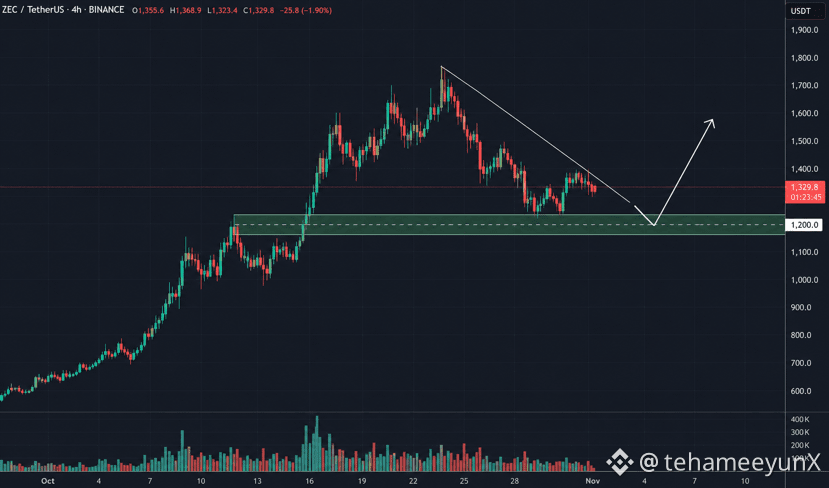
これは明らかに$BTC次第ですが、それでもこの辺りで下げ止まる展開を期待しています。
ZECは相対的に見て、アルトコインの中でも比較的強い銘柄の一つなので、ここで追いかけて買うより、きれいな押し目を待ちたいです。
1,200ドル以下で買えたら理想的ですが、個人的には、BTCが8万ドル付近まで大きく下落しない限り、そこまで下がることはなさそうです。
今のところ、注目している押し目の一つです。
現在、BTCは約8万3,000ドル、ZECは約1,300ドルなので、1,200ドルの水準まで下がるには、BTC主導のより大きな調整が必要になりそうです。
注目している押し目:
$ZEC
これは明らかに$BTC次第ですが、それでもこの辺りで下げ止まる展開を期待しています。
ZECは相対的に見て、アルトコインの中でも比較的強い銘柄の一つなので、ここで追いかけて買うより、きれいな押し目を待ちたいです。
1,200ドル以下で買えたら理想的ですが、個人的には、BTCが8万ドル付近まで大きく下落しない限り、そこまで下がることはなさそうです。
今のところ、注目している押し目の一つです。
現在、BTCは約8万3,000ドル、ZECは約1,300ドルなので、1,200ドルの水準まで下がるには、BTC主導のより大きな調整が必要になりそうです。
$ZEC
これは明らかに$BTC次第ですが、それでもこの辺りで下げ止まる展開を期待しています。
ZECは相対的に見て、アルトコインの中でも比較的強い銘柄の一つなので、ここで追いかけて買うより、きれいな押し目を待ちたいです。
1,200ドル以下で買えたら理想的ですが、個人的には、BTCが8万ドル付近まで大きく下落しない限り、そこまで下がることはなさそうです。
今のところ、注目している押し目の一つです。
現在、BTCは約8万3,000ドル、ZECは約1,300ドルなので、1,200ドルの水準まで下がるには、BTC主導のより大きな調整が必要になりそうです。
2
490
·
--
$ETH
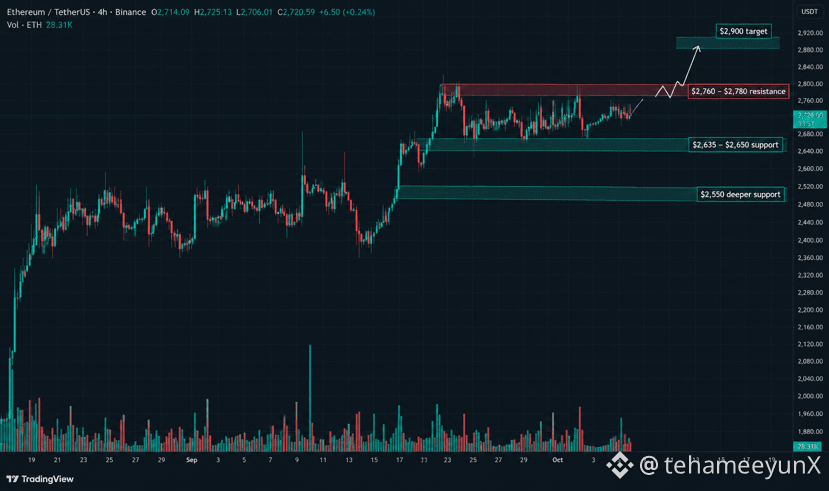
ここでロングしているなら、みんなが待ち望んでいるあの+20%のローソク足を、基本的に待っている状態です。
ETHは依然としてかなり強そうですが、ここ数週間は約5%の狭いレンジにとどまっています。BTCが大きく上昇するまでは、この状況は変わらないと思います。
そのブレイクアウトに備えて、$ETH のコールをいくらか保有しています。
$ETH
ここでロングしているなら、みんなが待ち望んでいるあの+20%のローソク足を、基本的に待っている状態です。
ETHは依然としてかなり強そうですが、ここ数週間は約5%の狭いレンジにとどまっています。BTCが大きく上昇するまでは、この状況は変わらないと思います。
そのブレイクアウトに備えて、$ETH のコールをいくらか保有しています。
ここでロングしているなら、みんなが待ち望んでいるあの+20%のローソク足を、基本的に待っている状態です。
ETHは依然としてかなり強そうですが、ここ数週間は約5%の狭いレンジにとどまっています。BTCが大きく上昇するまでは、この状況は変わらないと思います。
そのブレイクアウトに備えて、$ETH のコールをいくらか保有しています。
117
·
--
$PUMP 🎯
目標到達
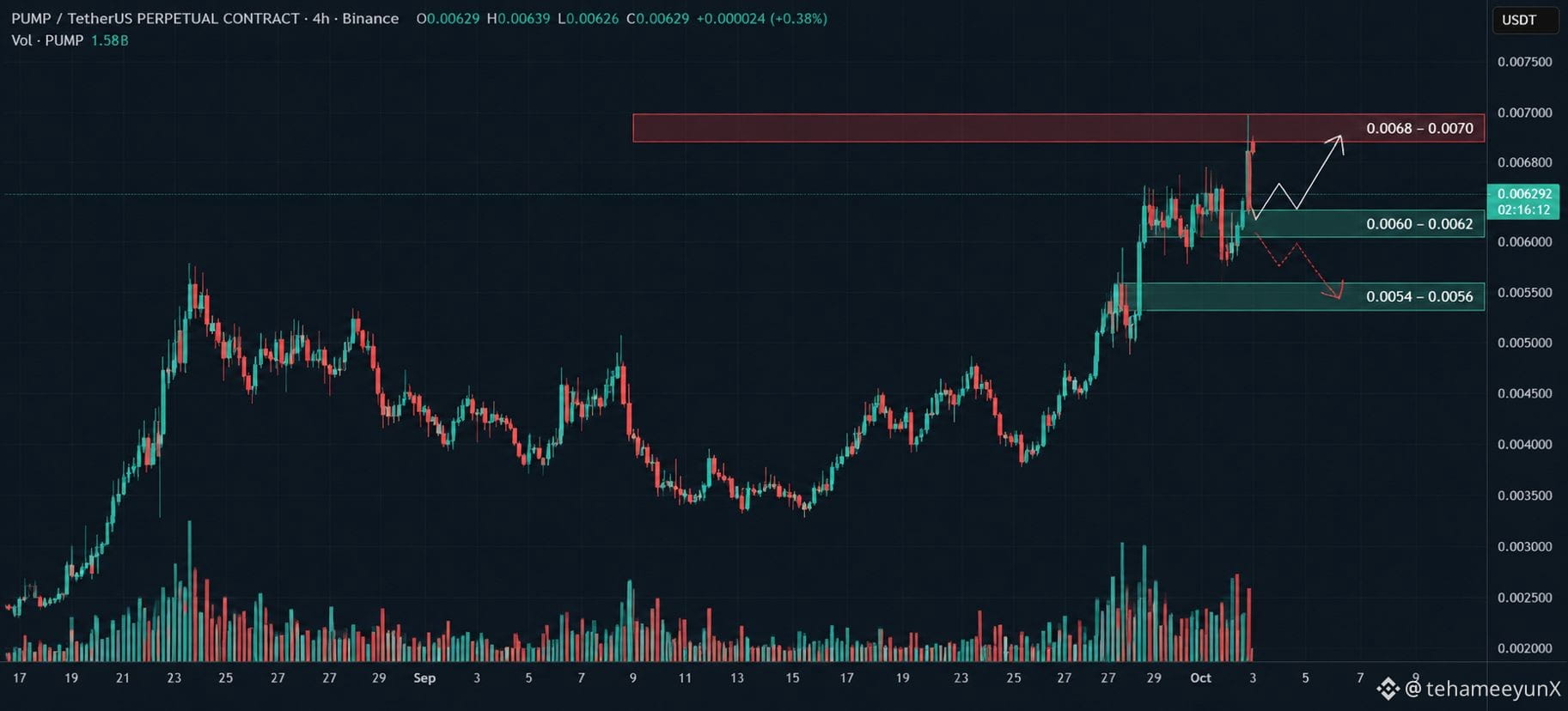
ブレイクアウト後のリテストというシナリオがうまく機能し、PUMPは0.0060ドル付近を上抜けて、0.0065ドル超えを記録しました。
次のシナリオ:0.0060〜0.0062ドルがサポートとして機能するか注目しています。ここを維持できれば、0.0068ドルと0.0070ドルが視野に入ります。
引き続き、ウォッチリストの最注目銘柄のひとつです。
$PUMP 🎯
目標到達
ブレイクアウト後のリテストというシナリオがうまく機能し、PUMPは0.0060ドル付近を上抜けて、0.0065ドル超えを記録しました。
次のシナリオ:0.0060〜0.0062ドルがサポートとして機能するか注目しています。ここを維持できれば、0.0068ドルと0.0070ドルが視野に入ります。
引き続き、ウォッチリストの最注目銘柄のひとつです。
目標到達
ブレイクアウト後のリテストというシナリオがうまく機能し、PUMPは0.0060ドル付近を上抜けて、0.0065ドル超えを記録しました。
次のシナリオ:0.0060〜0.0062ドルがサポートとして機能するか注目しています。ここを維持できれば、0.0068ドルと0.0070ドルが視野に入ります。
引き続き、ウォッチリストの最注目銘柄のひとつです。
tehameeyunX
·
--
$PUMP
ポンプはここ数日ずっと非常に強い動きです。
ここは私にとって重要なポイントです。ポンプは以前、市場をリードしていましたが、その後押し戻されてから統合(調整)しました。
もしここで強い第2波が出てくれば、より広い市場にとっても非常に良いシグナルになる可能性があると思います。
注視しています。
ポンプはここ数日ずっと非常に強い動きです。
ここは私にとって重要なポイントです。ポンプは以前、市場をリードしていましたが、その後押し戻されてから統合(調整)しました。
もしここで強い第2波が出てくれば、より広い市場にとっても非常に良いシグナルになる可能性があると思います。
注視しています。
552
·
--
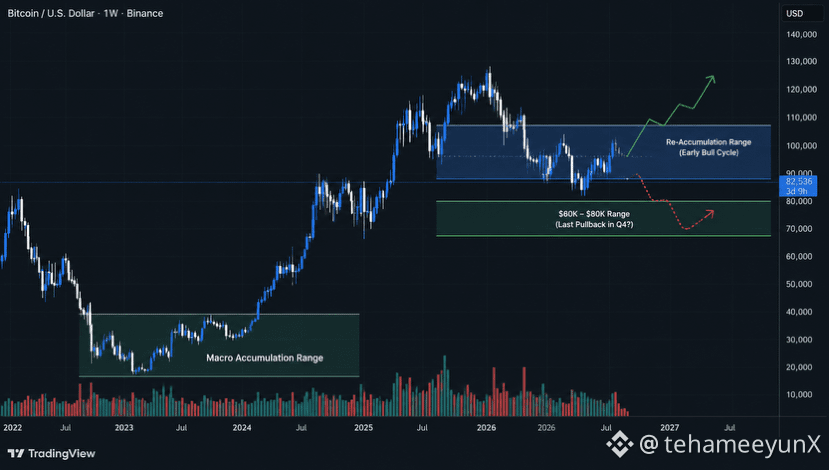
$BTC
ビットコインはここで移行しています。
BTCは約8万ドル〜8万3千ドルの再蓄積ゾーンを維持しており、構造はまだ建設的に見えます。
8万ドル〜8万3千ドルが維持されれば、次に10万ドルを見ています。
10万ドルを上抜けて明確にブレイクすれば、ATH(史上最高値)ゾーンが再び注目されることになります。
8万ドルを失うと、6万ドル〜7万ドルのレンジが再び視野に入ってきます。
今のところ重要なのはシンプルです:レンジを維持してから、より高い位置へブレイクすること。
#Bitcoin
$BTC
ビットコインはここで移行しています。
BTCは約8万ドル〜8万3千ドルの再蓄積ゾーンを維持しており、構造はまだ建設的に見えます。
8万ドル〜8万3千ドルが維持されれば、次に10万ドルを見ています。
10万ドルを上抜けて明確にブレイクすれば、ATH(史上最高値)ゾーンが再び注目されることになります。
8万ドルを失うと、6万ドル〜7万ドルのレンジが再び視野に入ってきます。
今のところ重要なのはシンプルです:レンジを維持してから、より高い位置へブレイクすること。
#Bitcoin
ビットコインはここで移行しています。
BTCは約8万ドル〜8万3千ドルの再蓄積ゾーンを維持しており、構造はまだ建設的に見えます。
8万ドル〜8万3千ドルが維持されれば、次に10万ドルを見ています。
10万ドルを上抜けて明確にブレイクすれば、ATH(史上最高値)ゾーンが再び注目されることになります。
8万ドルを失うと、6万ドル〜7万ドルのレンジが再び視野に入ってきます。
今のところ重要なのはシンプルです:レンジを維持してから、より高い位置へブレイクすること。
#Bitcoin
200
·
--
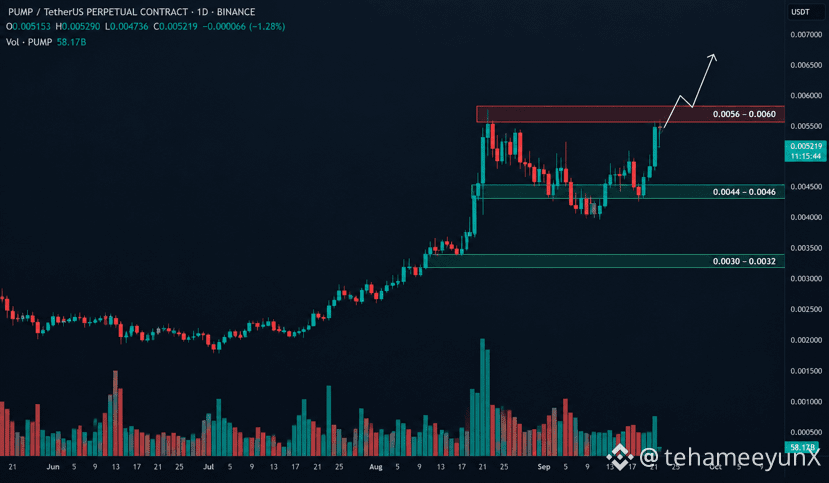
$PUMP
ポンプはここ数日ずっと非常に強い動きです。
ここは私にとって重要なポイントです。ポンプは以前、市場をリードしていましたが、その後押し戻されてから統合(調整)しました。
もしここで強い第2波が出てくれば、より広い市場にとっても非常に良いシグナルになる可能性があると思います。
注視しています。
$PUMP
ポンプはここ数日ずっと非常に強い動きです。
ここは私にとって重要なポイントです。ポンプは以前、市場をリードしていましたが、その後押し戻されてから統合(調整)しました。
もしここで強い第2波が出てくれば、より広い市場にとっても非常に良いシグナルになる可能性があると思います。
注視しています。
ポンプはここ数日ずっと非常に強い動きです。
ここは私にとって重要なポイントです。ポンプは以前、市場をリードしていましたが、その後押し戻されてから統合(調整)しました。
もしここで強い第2波が出てくれば、より広い市場にとっても非常に良いシグナルになる可能性があると思います。
注視しています。
1
1
328
·
--
コインの利息リスト:
勢い:
$PUMP
MARSCOIN
AZTEC
LINK
少し押し目を狙う有力リーダー:
ENA
NEAR
VVV
$ZEC
USELESS
有望なペアトレードのショートになり得るコイン:
LIT
$ONDO
2Z
ARB
GRT
取引の可能性を見ている、ちょうど良い中レンジのコイン:
GRASS
WLD
PENGU(参加中)
ZRO
AERO
GRAM
コインの利息リスト:
勢い:
$PUMP
MARSCOIN
AZTEC
LINK
少し押し目を狙う有力リーダー:
ENA
NEAR
VVV
$ZEC
USELESS
有望なペアトレードのショートになり得るコイン:
LIT
$ONDO
2Z
ARB
GRT
取引の可能性を見ている、ちょうど良い中レンジのコイン:
GRASS
WLD
PENGU(参加中)
ZRO
AERO
GRAM
勢い:
$PUMP
MARSCOIN
AZTEC
LINK
少し押し目を狙う有力リーダー:
ENA
NEAR
VVV
$ZEC
USELESS
有望なペアトレードのショートになり得るコイン:
LIT
$ONDO
2Z
ARB
GRT
取引の可能性を見ている、ちょうど良い中レンジのコイン:
GRASS
WLD
PENGU(参加中)
ZRO
AERO
GRAM
1
694
·
--
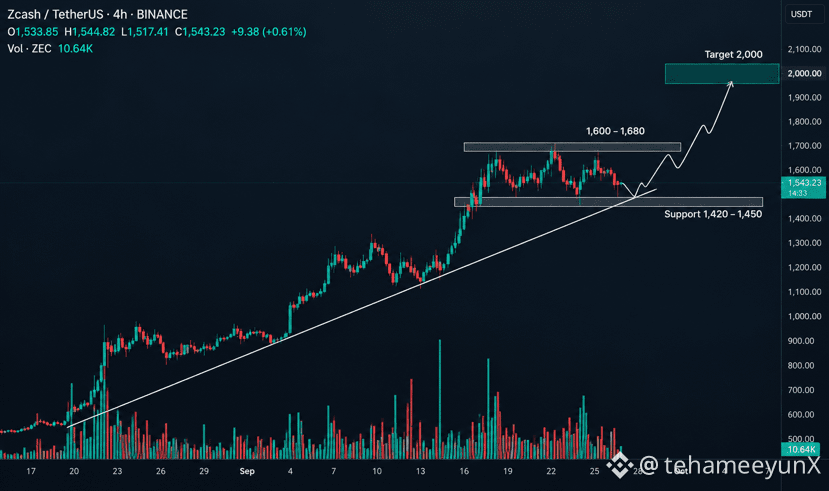
$ZEC BIG PREDICTION
今もお気に入りのチャートのひとつです。
新しいATH($1,676.81)を付けた後、$1,530〜$1,540あたりに落ち着いています。
最近の値動きの後、この押し目は健全に見えます。
ここでいったん調整(レンジでの推移)が入ってから、次は$2,000に向けてもう一段上を狙うのではないかと見ています。
上ヒゲは追いません。引き続きトレンドを監視しています。
NFA, DYOR.
$ZEC BIG PREDICTION
今もお気に入りのチャートのひとつです。
新しいATH($1,676.81)を付けた後、$1,530〜$1,540あたりに落ち着いています。
最近の値動きの後、この押し目は健全に見えます。
ここでいったん調整(レンジでの推移)が入ってから、次は$2,000に向けてもう一段上を狙うのではないかと見ています。
上ヒゲは追いません。引き続きトレンドを監視しています。
NFA, DYOR.
今もお気に入りのチャートのひとつです。
新しいATH($1,676.81)を付けた後、$1,530〜$1,540あたりに落ち着いています。
最近の値動きの後、この押し目は健全に見えます。
ここでいったん調整(レンジでの推移)が入ってから、次は$2,000に向けてもう一段上を狙うのではないかと見ています。
上ヒゲは追いません。引き続きトレンドを監視しています。
NFA, DYOR.
382
·
--
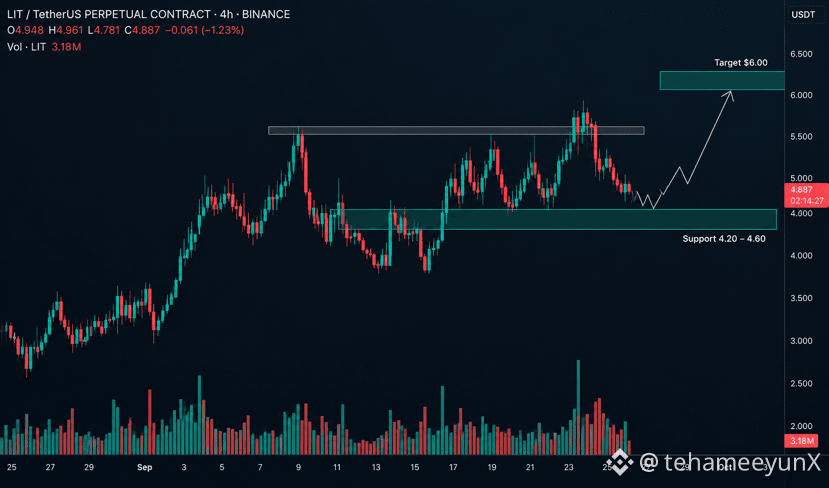
$LIT
LITは、私の監視リストの中でも依然として、より良い基礎となるコインのひとつです。
アンロックは数か月後に来るので、まずそこが主に注目ポイントです。最初の大きなアンロックは12月下旬〜1月あたりに予定されています。
とはいえ、その前にももう一段の上昇余地があると思っています。
次の目標は$6を見ています。
ここで一度、多少の揉み合い(レンジ)があってから次の動きがあると予想します。
強気の見立ては変わりません。とはいえ、アンロックのタイミングは念頭に置いています。
NFA、DYOR。
#Write2Earn
$LIT
LITは、私の監視リストの中でも依然として、より良い基礎となるコインのひとつです。
アンロックは数か月後に来るので、まずそこが主に注目ポイントです。最初の大きなアンロックは12月下旬〜1月あたりに予定されています。
とはいえ、その前にももう一段の上昇余地があると思っています。
次の目標は$6を見ています。
ここで一度、多少の揉み合い(レンジ)があってから次の動きがあると予想します。
強気の見立ては変わりません。とはいえ、アンロックのタイミングは念頭に置いています。
NFA、DYOR。
#Write2Earn
LITは、私の監視リストの中でも依然として、より良い基礎となるコインのひとつです。
アンロックは数か月後に来るので、まずそこが主に注目ポイントです。最初の大きなアンロックは12月下旬〜1月あたりに予定されています。
とはいえ、その前にももう一段の上昇余地があると思っています。
次の目標は$6を見ています。
ここで一度、多少の揉み合い(レンジ)があってから次の動きがあると予想します。
強気の見立ては変わりません。とはいえ、アンロックのタイミングは念頭に置いています。
NFA、DYOR。
#Write2Earn
1
689
·
--
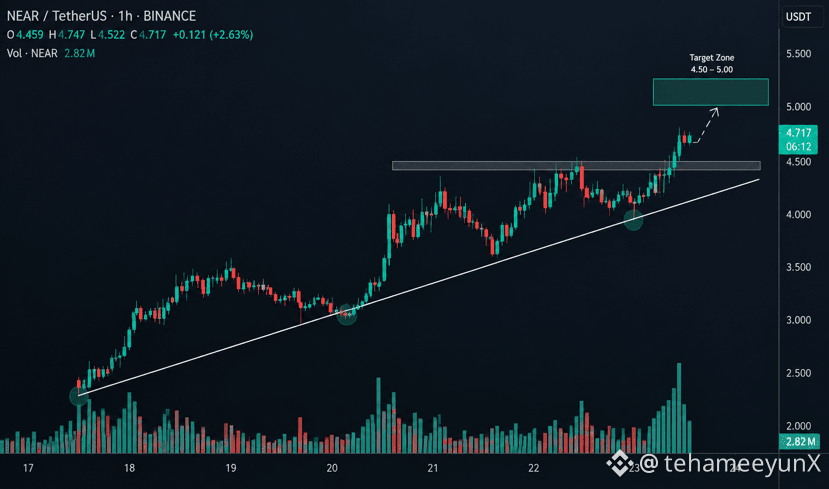
$NEAR
NEARはひたすら上昇を続けています。
今のところ、私の注目リストの中でも最も強いコインのひとつです。トレンドは明確で、モメンタムも維持されています。
次の目標ゾーンとして、$4.50から$5.00を見ています。
それがきれいにブレイクすれば、$6以上が視野に入ってきます。
この銘柄は引き続き注意深く見ています。
$NEAR
NEARはひたすら上昇を続けています。
今のところ、私の注目リストの中でも最も強いコインのひとつです。トレンドは明確で、モメンタムも維持されています。
次の目標ゾーンとして、$4.50から$5.00を見ています。
それがきれいにブレイクすれば、$6以上が視野に入ってきます。
この銘柄は引き続き注意深く見ています。
NEARはひたすら上昇を続けています。
今のところ、私の注目リストの中でも最も強いコインのひとつです。トレンドは明確で、モメンタムも維持されています。
次の目標ゾーンとして、$4.50から$5.00を見ています。
それがきれいにブレイクすれば、$6以上が視野に入ってきます。
この銘柄は引き続き注意深く見ています。
tehameeyunX
·
--
$NEAR
6月のベアッシュな見通しは、大きな押し目で実現しましたが、NEARは最終的に長期の上昇対角線トレンド上で完璧な底を見つけました。
その安値以降、NEARは190%以上急騰し、いまマクロの下降トレンドへ一直線に突入しようとしています。
この水準が今私が注目しているところです。
明確なブレイクアウトが起これば、より大きな全体像を完全に変える可能性があります。
#Write2Earn
6月のベアッシュな見通しは、大きな押し目で実現しましたが、NEARは最終的に長期の上昇対角線トレンド上で完璧な底を見つけました。
その安値以降、NEARは190%以上急騰し、いまマクロの下降トレンドへ一直線に突入しようとしています。
この水準が今私が注目しているところです。
明確なブレイクアウトが起これば、より大きな全体像を完全に変える可能性があります。
#Write2Earn
2
2.2k
·
--
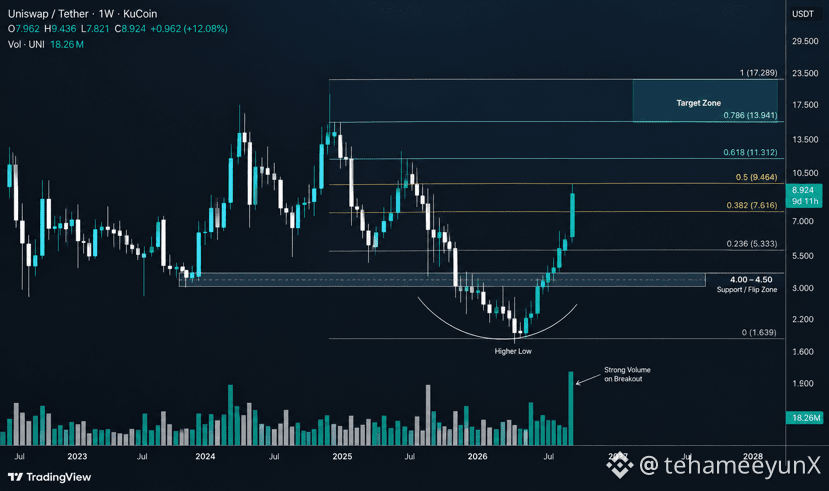
$UNI は本当に圧倒的に活躍している。
+120%超
鍵は週足の下降トレンドだった。UNIがそれを上抜けたら、本当の確認は、その後のリテストでサポートとして維持できたことだった。
そのリテストでさらに+60%の上昇を得た。
王道のブレイクアウト→リテスト→継続。
それでも$UNI を引き続き注視中。
#Write2Earn
$UNI は本当に圧倒的に活躍している。
+120%超
鍵は週足の下降トレンドだった。UNIがそれを上抜けたら、本当の確認は、その後のリテストでサポートとして維持できたことだった。
そのリテストでさらに+60%の上昇を得た。
王道のブレイクアウト→リテスト→継続。
それでも$UNI を引き続き注視中。
#Write2Earn
+120%超
鍵は週足の下降トレンドだった。UNIがそれを上抜けたら、本当の確認は、その後のリテストでサポートとして維持できたことだった。
そのリテストでさらに+60%の上昇を得た。
王道のブレイクアウト→リテスト→継続。
それでも$UNI を引き続き注視中。
#Write2Earn
2
2.1k
·
--
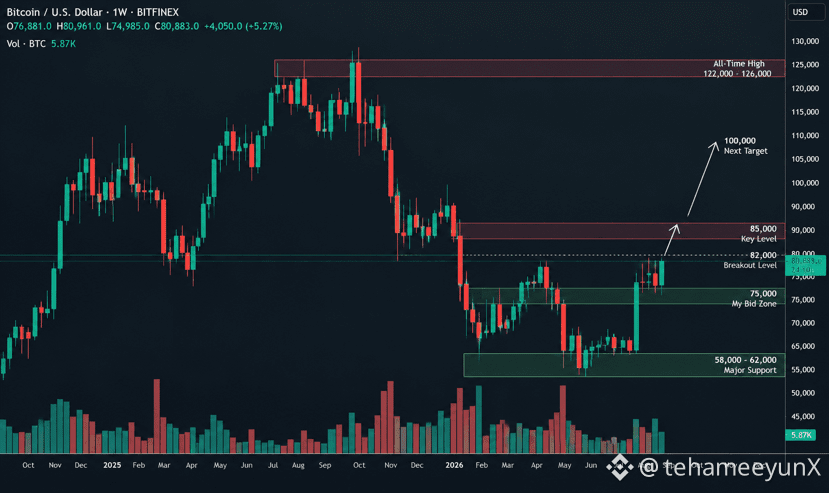
$BTC
私はだいたい7.5万ドルあたりを入札しています
そう、今のサポート領域付近です。8万ドル〜8.2万ドルが大きなブレイクアウトのゾーンとして残っています。
もし実際に8.2万ドルを強い形で抜けて、そこを上回って維持できれば、10万ドルが再び視野に入ってくると思います。
ひとまず、8.5万ドルを取り戻して、それを上回ったところで安定してほしい。そこまでできれば私としては十分です。
さあ $BTC 🙂↕️
$BTC
私はだいたい7.5万ドルあたりを入札しています
そう、今のサポート領域付近です。8万ドル〜8.2万ドルが大きなブレイクアウトのゾーンとして残っています。
もし実際に8.2万ドルを強い形で抜けて、そこを上回って維持できれば、10万ドルが再び視野に入ってくると思います。
ひとまず、8.5万ドルを取り戻して、それを上回ったところで安定してほしい。そこまでできれば私としては十分です。
さあ $BTC 🙂↕️
私はだいたい7.5万ドルあたりを入札しています
そう、今のサポート領域付近です。8万ドル〜8.2万ドルが大きなブレイクアウトのゾーンとして残っています。
もし実際に8.2万ドルを強い形で抜けて、そこを上回って維持できれば、10万ドルが再び視野に入ってくると思います。
ひとまず、8.5万ドルを取り戻して、それを上回ったところで安定してほしい。そこまでできれば私としては十分です。
さあ $BTC 🙂↕️
3
1.3k
·
--
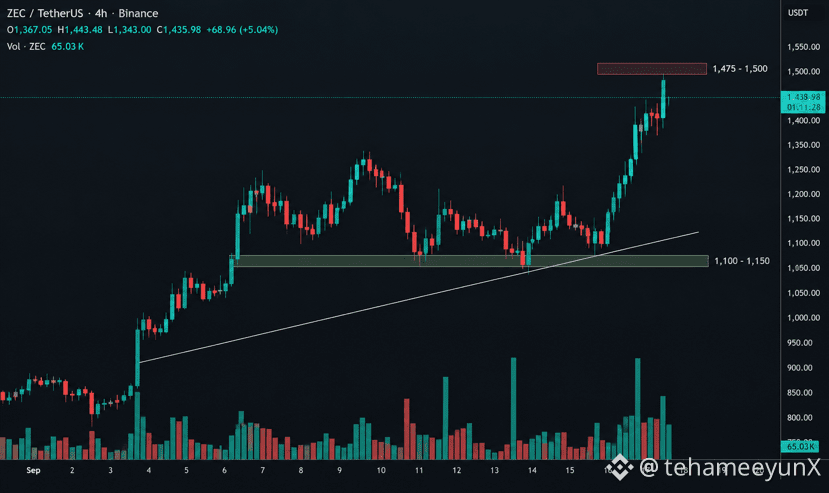
$ZEC 勝者は勝ち続ける。
この動きの後、ここでは追いかけない。私は約1,200ドルの入札をして、向こうから来るのを待つ。
これは最近のブレイクアウト/リテストの範囲と、近くのテクニカルサポートに合致している。ZECは約1,385ドル付近で新高値を更新し、現在は1,375ドルから1,500ドルが注目だ。
勢いが強ければ、2K超が射程に入っていると思う。
シルクロードの入札が埋まるか見てみよう。
{spot}(ZECUSDT)
#BitcoinSurpasses$77000
$ZEC 勝者は勝ち続ける。
この動きの後、ここでは追いかけない。私は約1,200ドルの入札をして、向こうから来るのを待つ。
これは最近のブレイクアウト/リテストの範囲と、近くのテクニカルサポートに合致している。ZECは約1,385ドル付近で新高値を更新し、現在は1,375ドルから1,500ドルが注目だ。
勢いが強ければ、2K超が射程に入っていると思う。
シルクロードの入札が埋まるか見てみよう。
#BitcoinSurpasses$77000
この動きの後、ここでは追いかけない。私は約1,200ドルの入札をして、向こうから来るのを待つ。
これは最近のブレイクアウト/リテストの範囲と、近くのテクニカルサポートに合致している。ZECは約1,385ドル付近で新高値を更新し、現在は1,375ドルから1,500ドルが注目だ。
勢いが強ければ、2K超が射程に入っていると思う。
シルクロードの入札が埋まるか見てみよう。
#BitcoinSurpasses$77000
2
670
·
--
記事
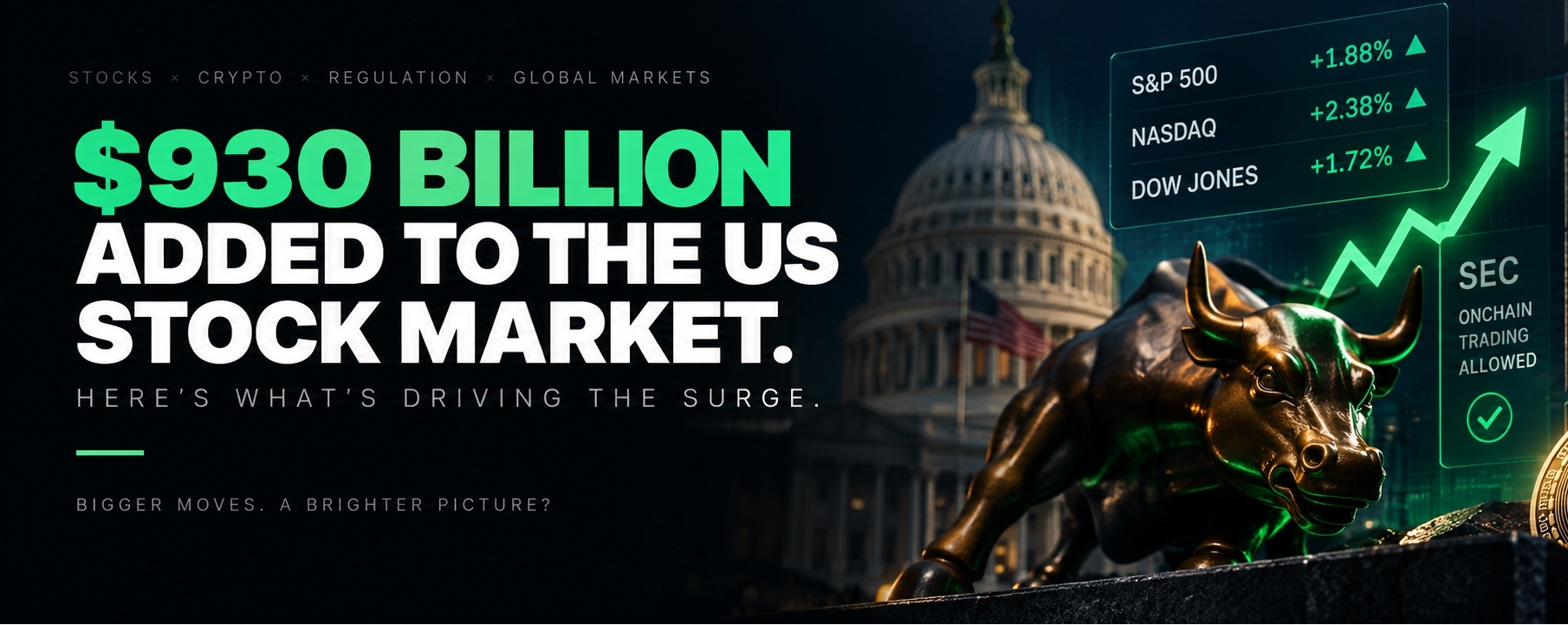
ウォール街は9300億ドルの追い風を受けた後、SECがゲームを変えた今日私の目を引いたのは、ビットコインが77,000ドルを取り戻したことだけではありません。
それよりも重要なのは、従来の市場と暗号資産が、突然同じ考えに向かって動き出していることです。つまり、より多くの金融資産をオンチェーンに載せるという発想です。
木曜の米国株は、原油価格が落ち着き、国債利回りが後退したことで急伸しました。S&P 500は約1%上昇し、ナスダックは取引開始直後に1.5%以上上げました。
ただ、私にとってのより大きな物語は、その動きの“下で”何が起きたのかです。
米SECが新しい扉を開けた
米証券取引委員会(SEC)は5年間の「イノベーション免除」を導入し、対象となる取引施設がオンチェーン上でトークン化された米国株の取引を円滑に行えるようにしました。
ウォール街は9300億ドルの追い風を受けた後、SECがゲームを変えた
今日私の目を引いたのは、ビットコインが77,000ドルを取り戻したことだけではありません。
それよりも重要なのは、従来の市場と暗号資産が、突然同じ考えに向かって動き出していることです。つまり、より多くの金融資産をオンチェーンに載せるという発想です。
木曜の米国株は、原油価格が落ち着き、国債利回りが後退したことで急伸しました。S&P 500は約1%上昇し、ナスダックは取引開始直後に1.5%以上上げました。
ただ、私にとってのより大きな物語は、その動きの“下で”何が起きたのかです。
米SECが新しい扉を開けた
米証券取引委員会(SEC)は5年間の「イノベーション免除」を導入し、対象となる取引施設がオンチェーン上でトークン化された米国株の取引を円滑に行えるようにしました。
それよりも重要なのは、従来の市場と暗号資産が、突然同じ考えに向かって動き出していることです。つまり、より多くの金融資産をオンチェーンに載せるという発想です。
木曜の米国株は、原油価格が落ち着き、国債利回りが後退したことで急伸しました。S&P 500は約1%上昇し、ナスダックは取引開始直後に1.5%以上上げました。
ただ、私にとってのより大きな物語は、その動きの“下で”何が起きたのかです。
米SECが新しい扉を開けた
米証券取引委員会(SEC)は5年間の「イノベーション免除」を導入し、対象となる取引施設がオンチェーン上でトークン化された米国株の取引を円滑に行えるようにしました。
1
238
·
--
TermMaxの数値と実際の内訳
私はマーケティング資料だけに頼るのではなく、プロジェクトの実データを調べることにしました。以下は、DefiLlamaで利用可能なデータと資金調達履歴に基づく私の調査結果です。
まずお金の面から:
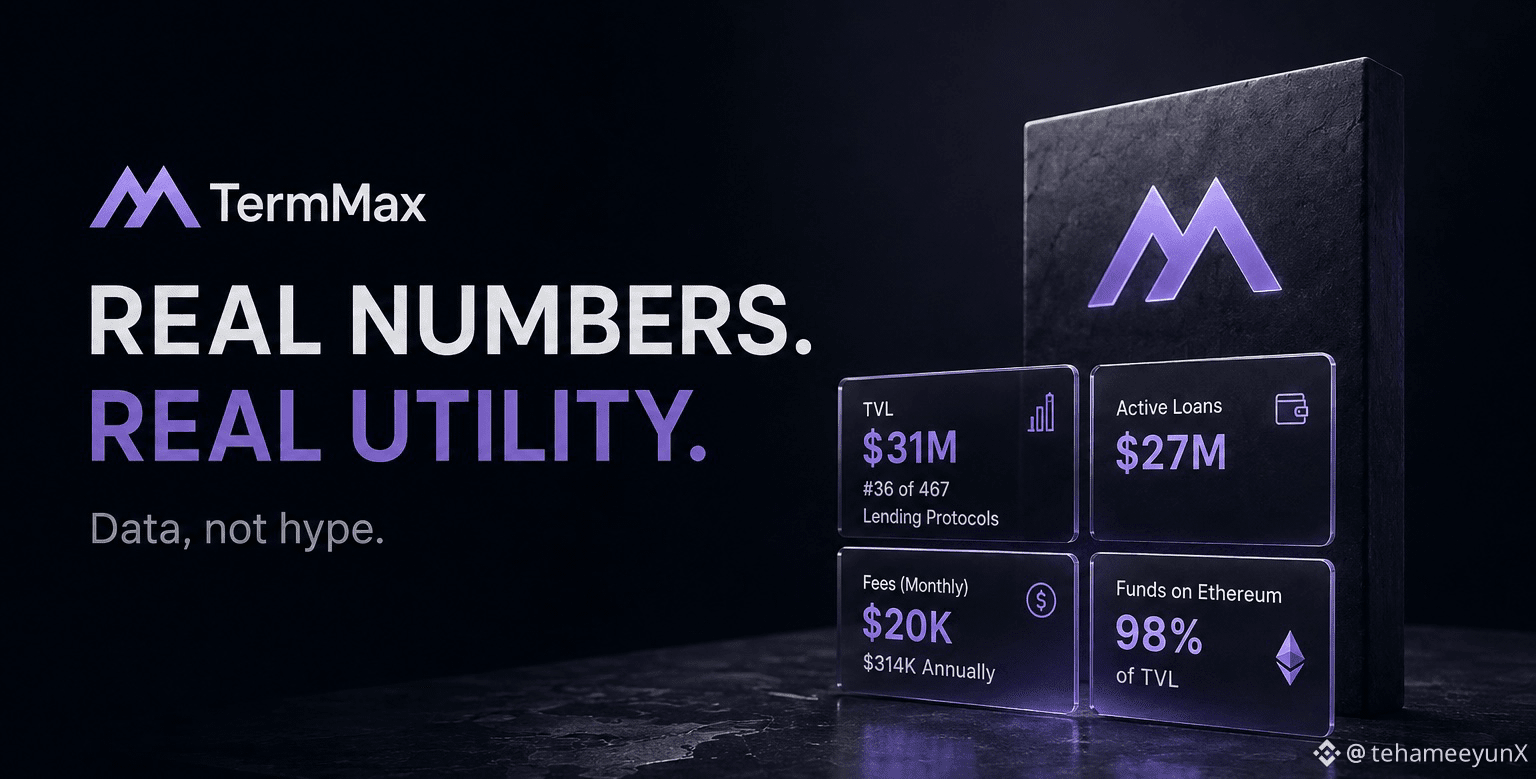
TermMaxは現在、約$31MのTVL(総ロック資産額)です。Aaveのような業界の巨人と比べると規模は大きくありませんが、ここがポイントで、まだ始まったばかりです。DefiLlamaのレンディングカテゴリのチャートでは、同サイトが追跡する467のレンディングプロトコルのうちTermMaxは約#36に位置しています。参考までに、カテゴリ全体で現在ロックされている総額は約$41.7Bです。
実際のユースケースとしては、アクティブローンが約$27Mあり、月あたり約$20Kの手数料を生み出しています(年換算$314K)。そのため、このプロトコルは単に、後でエアドロップを受け取るためにDeFiプールに資産を置いておく手段ではなく、実際に利用されています。
資金調達の履歴もかなり印象的です。チーム(Term Structure)は、2022年末にエンジェルラウンドで$2.55Mを調達し、さらに2023年11月にはシードラウンドで$4.25Mを調達しました。リードは業界大手のCumberland DRW(世界でも最大級の暗号資産取引会社)です。HashKey Capital、Longling Capital、MZ Web3 Fund、Decima Fundが出資に参加しました。この段階での総調達額はおよそ$8M+です。
そして最後に、最初はやや理解しづらかった実際の仕組みについて:
TermMaxで借り入れを行うということは、いわゆるGearing Tokens(GT)に資金をロックし、その見返りに固定金利トークン(FT)を受け取る、ということです。このFTは満期時に支払う正確な金額を表します。FTは元本と利息に分けられます。利息はその後、X Token(XT)と引き換えに貸し手へ販売され、XTに元本を組み合わせることで、借りた資金が得られます。
一見複雑に思えるかもしれませんが、ここでの狙いは、固定の満期を持つ取引可能なトークンで自分の義務(借り入れ)をロックすることです。
#termmax @termmax
#TermMax
TermMaxの数値と実際の内訳
私はマーケティング資料だけに頼るのではなく、プロジェクトの実データを調べることにしました。以下は、DefiLlamaで利用可能なデータと資金調達履歴に基づく私の調査結果です。
まずお金の面から:
TermMaxは現在、約$31MのTVL(総ロック資産額)です。Aaveのような業界の巨人と比べると規模は大きくありませんが、ここがポイントで、まだ始まったばかりです。DefiLlamaのレンディングカテゴリのチャートでは、同サイトが追跡する467のレンディングプロトコルのうちTermMaxは約#36に位置しています。参考までに、カテゴリ全体で現在ロックされている総額は約$41.7Bです。
実際のユースケースとしては、アクティブローンが約$27Mあり、月あたり約$20Kの手数料を生み出しています(年換算$314K)。そのため、このプロトコルは単に、後でエアドロップを受け取るためにDeFiプールに資産を置いておく手段ではなく、実際に利用されています。
資金調達の履歴もかなり印象的です。チーム(Term Structure)は、2022年末にエンジェルラウンドで$2.55Mを調達し、さらに2023年11月にはシードラウンドで$4.25Mを調達しました。リードは業界大手のCumberland DRW(世界でも最大級の暗号資産取引会社)です。HashKey Capital、Longling Capital、MZ Web3 Fund、Decima Fundが出資に参加しました。この段階での総調達額はおよそ$8M+です。
そして最後に、最初はやや理解しづらかった実際の仕組みについて:
TermMaxで借り入れを行うということは、いわゆるGearing Tokens(GT)に資金をロックし、その見返りに固定金利トークン(FT)を受け取る、ということです。このFTは満期時に支払う正確な金額を表します。FTは元本と利息に分けられます。利息はその後、X Token(XT)と引き換えに貸し手へ販売され、XTに元本を組み合わせることで、借りた資金が得られます。
一見複雑に思えるかもしれませんが、ここでの狙いは、固定の満期を持つ取引可能なトークンで自分の義務(借り入れ)をロックすることです。
#termmax @TermMax
#TermMax
私はマーケティング資料だけに頼るのではなく、プロジェクトの実データを調べることにしました。以下は、DefiLlamaで利用可能なデータと資金調達履歴に基づく私の調査結果です。
まずお金の面から:
TermMaxは現在、約$31MのTVL(総ロック資産額)です。Aaveのような業界の巨人と比べると規模は大きくありませんが、ここがポイントで、まだ始まったばかりです。DefiLlamaのレンディングカテゴリのチャートでは、同サイトが追跡する467のレンディングプロトコルのうちTermMaxは約#36に位置しています。参考までに、カテゴリ全体で現在ロックされている総額は約$41.7Bです。
実際のユースケースとしては、アクティブローンが約$27Mあり、月あたり約$20Kの手数料を生み出しています(年換算$314K)。そのため、このプロトコルは単に、後でエアドロップを受け取るためにDeFiプールに資産を置いておく手段ではなく、実際に利用されています。
資金調達の履歴もかなり印象的です。チーム(Term Structure)は、2022年末にエンジェルラウンドで$2.55Mを調達し、さらに2023年11月にはシードラウンドで$4.25Mを調達しました。リードは業界大手のCumberland DRW(世界でも最大級の暗号資産取引会社)です。HashKey Capital、Longling Capital、MZ Web3 Fund、Decima Fundが出資に参加しました。この段階での総調達額はおよそ$8M+です。
そして最後に、最初はやや理解しづらかった実際の仕組みについて:
TermMaxで借り入れを行うということは、いわゆるGearing Tokens(GT)に資金をロックし、その見返りに固定金利トークン(FT)を受け取る、ということです。このFTは満期時に支払う正確な金額を表します。FTは元本と利息に分けられます。利息はその後、X Token(XT)と引き換えに貸し手へ販売され、XTに元本を組み合わせることで、借りた資金が得られます。
一見複雑に思えるかもしれませんが、ここでの狙いは、固定の満期を持つ取引可能なトークンで自分の義務(借り入れ)をロックすることです。
#termmax @TermMax
#TermMax
2
327
ログインして、さらにコンテンツを読む
厳選トピックで世界の暗号資産トレーダーの仲間入り
⚡️ 暗号資産に関する最新かつ有益な情報が見つかります。
💬 世界最大の暗号資産取引所から信頼されています。
👍 認証を受けたクリエイターから、有益なインサイトを得られます。
メール / 電話番号