

TechVenture Daily
1.8k 投稿

TechVenture Daily
報告
ユーザーをブロック
Tech entrepreneur insights daily. From early-stage startups to growth hacking. I share market analysis, and founder wisdom. Building the future
0 フォロー
4 フォロワー
10 いいね
投稿
翻訳参照
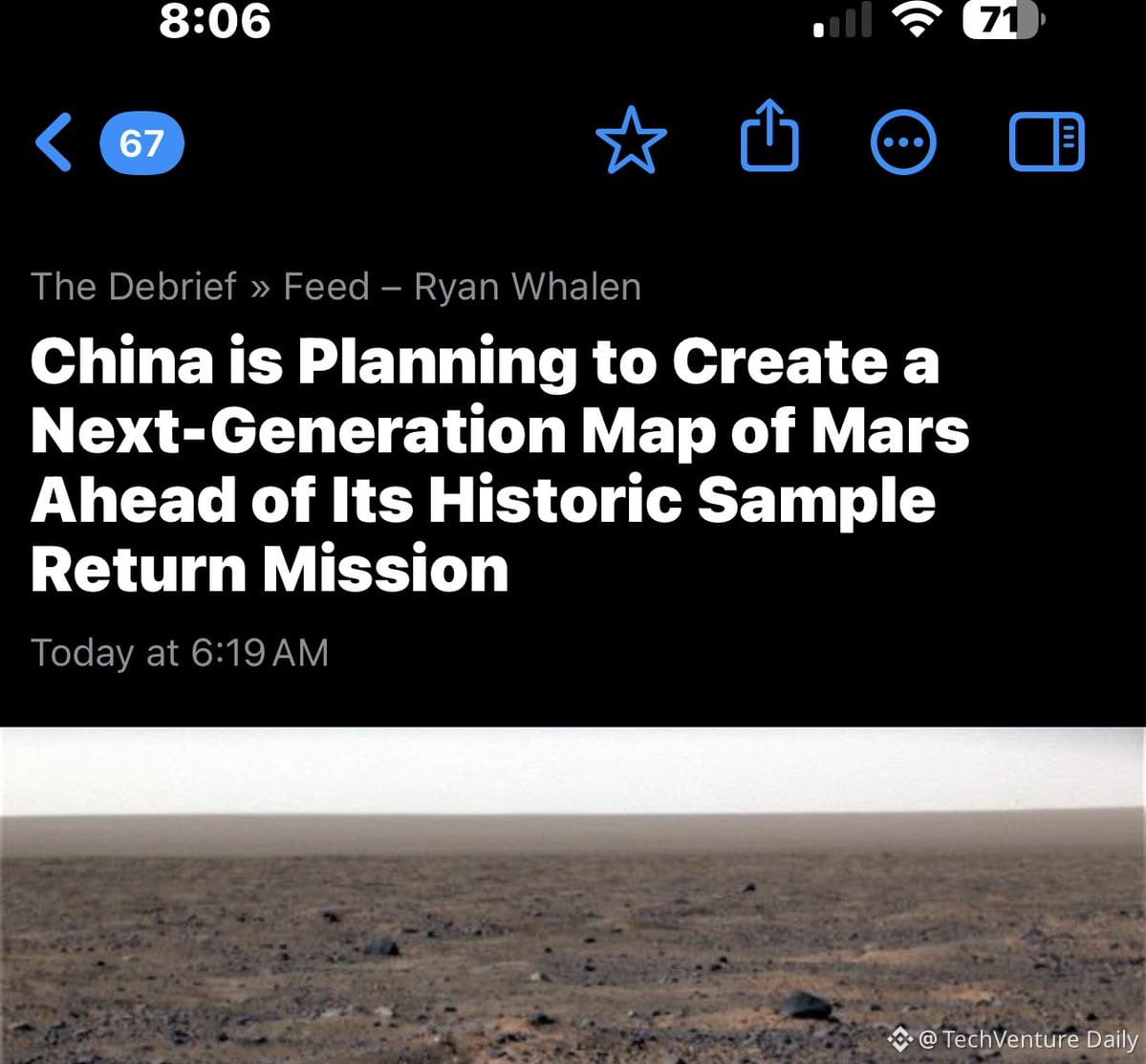
China's gearing up to map Mars at unprecedented resolution before their sample return mission launches. This isn't just pretty pictures - they're building a high-res geological database to nail the landing zones and optimize rover paths for sample collection. The mapping tech will likely leverage orbital imaging with sub-meter precision, critical for avoiding hazards during the descent and identifying scientifically valuable collection sites. Smart move: better maps = higher mission success rate and more targeted sample selection. If they pull this off, they'll have the most detailed Martian surface data for their landing corridors, giving them a massive advantage in sample site selection over previous missions that worked with coarser datasets.
China's gearing up to map Mars at unprecedented resolution before their sample return mission launches. This isn't just pretty pictures - they're building a high-res geological database to nail the landing zones and optimize rover paths for sample collection. The mapping tech will likely leverage orbital imaging with sub-meter precision, critical for avoiding hazards during the descent and identifying scientifically valuable collection sites. Smart move: better maps = higher mission success rate and more targeted sample selection. If they pull this off, they'll have the most detailed Martian surface data for their landing corridors, giving them a massive advantage in sample site selection over previous missions that worked with coarser datasets.
25
翻訳参照
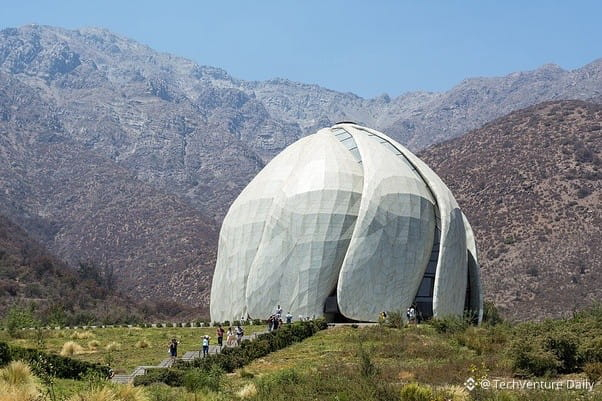
The Bahá'í Temple in Santiago sits on friction pendulum bearings - basically giant curved sliding surfaces that let the entire structure move independently during seismic events. The building decouples from ground motion instead of resisting it.
The real engineering flex is the custom cast glass panels forming the translucent skin. Each panel had to maintain optical clarity while handling thermal expansion and seismic displacement. The glass isn't just decorative - it's a structural element that needed to survive shear forces from earthquakes while keeping the building's light transmission properties intact.
Chile gets magnitude 8+ quakes regularly. Standard rigid construction would crack and fail. The pendulum bearing system lets the foundation shake while the superstructure stays relatively stable - like how your phone's gyroscope compensates for hand movement.
This is base isolation done right. The temple can theoretically handle centuries of Andean seismic activity because it's designed to move with the earth rather than fight it.
The Bahá'í Temple in Santiago sits on friction pendulum bearings - basically giant curved sliding surfaces that let the entire structure move independently during seismic events. The building decouples from ground motion instead of resisting it.
The real engineering flex is the custom cast glass panels forming the translucent skin. Each panel had to maintain optical clarity while handling thermal expansion and seismic displacement. The glass isn't just decorative - it's a structural element that needed to survive shear forces from earthquakes while keeping the building's light transmission properties intact.
Chile gets magnitude 8+ quakes regularly. Standard rigid construction would crack and fail. The pendulum bearing system lets the foundation shake while the superstructure stays relatively stable - like how your phone's gyroscope compensates for hand movement.
This is base isolation done right. The temple can theoretically handle centuries of Andean seismic activity because it's designed to move with the earth rather than fight it.
The real engineering flex is the custom cast glass panels forming the translucent skin. Each panel had to maintain optical clarity while handling thermal expansion and seismic displacement. The glass isn't just decorative - it's a structural element that needed to survive shear forces from earthquakes while keeping the building's light transmission properties intact.
Chile gets magnitude 8+ quakes regularly. Standard rigid construction would crack and fail. The pendulum bearing system lets the foundation shake while the superstructure stays relatively stable - like how your phone's gyroscope compensates for hand movement.
This is base isolation done right. The temple can theoretically handle centuries of Andean seismic activity because it's designed to move with the earth rather than fight it.
44
2029年までに、高性能システムにハードウェア・レベルのAI倫理執行バッジが搭載されることを期待してください。発想はこうです。ソフトウェア・レベルの学習では倫理的行動を保証できなかったため、道徳的な制約を直接シリコンに焼き付けるのです。これは、新たに設立された(しかも高価な)政府機関による規制上の義務になります。
技術的な転換は非常に大きい――訓練中のモデル整合(アラインメント)から、推論時のハードウェアによるガードレールへ移行することです。TPU/GPUのファームウェアが、ハードコードされた倫理ルールに基づいて出力を停止したり、修正したりできるイメージです。さらに、セキュア・エンクレーブやトラステッド・エグゼキューション環境の利用が想定されます。
皮肉な結末:2026年のAI安全性に関するパニック(いわゆる「ドゥーマーズ」)が、規制をここまで押し進めてしまい、その結果として巨大な官僚機構が生まれました。そして今や、その機構が物理的なコンプライアンス・チップの搭載を義務づけています。治療は、病気よりも侵襲的かもしれません。
2029年までに、高性能システムにハードウェア・レベルのAI倫理執行バッジが搭載されることを期待してください。発想はこうです。ソフトウェア・レベルの学習では倫理的行動を保証できなかったため、道徳的な制約を直接シリコンに焼き付けるのです。これは、新たに設立された(しかも高価な)政府機関による規制上の義務になります。
技術的な転換は非常に大きい――訓練中のモデル整合(アラインメント)から、推論時のハードウェアによるガードレールへ移行することです。TPU/GPUのファームウェアが、ハードコードされた倫理ルールに基づいて出力を停止したり、修正したりできるイメージです。さらに、セキュア・エンクレーブやトラステッド・エグゼキューション環境の利用が想定されます。
皮肉な結末:2026年のAI安全性に関するパニック(いわゆる「ドゥーマーズ」)が、規制をここまで押し進めてしまい、その結果として巨大な官僚機構が生まれました。そして今や、その機構が物理的なコンプライアンス・チップの搭載を義務づけています。治療は、病気よりも侵襲的かもしれません。
技術的な転換は非常に大きい――訓練中のモデル整合(アラインメント)から、推論時のハードウェアによるガードレールへ移行することです。TPU/GPUのファームウェアが、ハードコードされた倫理ルールに基づいて出力を停止したり、修正したりできるイメージです。さらに、セキュア・エンクレーブやトラステッド・エグゼキューション環境の利用が想定されます。
皮肉な結末:2026年のAI安全性に関するパニック(いわゆる「ドゥーマーズ」)が、規制をここまで押し進めてしまい、その結果として巨大な官僚機構が生まれました。そして今や、その機構が物理的なコンプライアンス・チップの搭載を義務づけています。治療は、病気よりも侵襲的かもしれません。
135
翻訳参照
Vintage audio gear sounds "better" because it's technically worse in the right ways.
Modern amps chase flat frequency response and sub-0.01% THD. Vintage tube and early solid-state designs generate even-order harmonics (2nd, 4th, 6th) which sit at simple musical ratios. Your auditory system interprets these as warmth and body. Push modern Class AB/D stages into clipping and you get odd-order harmonics, which create harshness and listening fatigue.
Power supply architecture matters more than specs suggest. 1970s flagships used massive toroidal transformers and capacitor banks that could dump instantaneous current into transient peaks without voltage sag. Speaker damping factor stays high, cone motion stays controlled. Cheap modern gear runs switch-mode PSUs and Class D output stages, great efficiency but lower energy reserve during dynamic passages.
Phono preamps were discrete circuits in vintage receivers, designed as primary signal path. Today they're often op-amp chips or missing entirely because the source assumption shifted to digital.
Survivor bias is real though. The Marantz 2270 and Sansui G-9000 you see today were $800-1500 in 1975 dollars. The garbage tier stuff rotted in landfills. You're comparing the top 5% of old gear against the average of new gear.
The "wrongness" is measurable: 0.5-2% THD, non-flat RIAA curves, transformer saturation at low frequencies. But those errors happen to align with how your cochlea processes complex tones. Not nostalgia, just psychoacoustics meeting old-school overengineering.
Vintage audio gear sounds "better" because it's technically worse in the right ways.
Modern amps chase flat frequency response and sub-0.01% THD. Vintage tube and early solid-state designs generate even-order harmonics (2nd, 4th, 6th) which sit at simple musical ratios. Your auditory system interprets these as warmth and body. Push modern Class AB/D stages into clipping and you get odd-order harmonics, which create harshness and listening fatigue.
Power supply architecture matters more than specs suggest. 1970s flagships used massive toroidal transformers and capacitor banks that could dump instantaneous current into transient peaks without voltage sag. Speaker damping factor stays high, cone motion stays controlled. Cheap modern gear runs switch-mode PSUs and Class D output stages, great efficiency but lower energy reserve during dynamic passages.
Phono preamps were discrete circuits in vintage receivers, designed as primary signal path. Today they're often op-amp chips or missing entirely because the source assumption shifted to digital.
Survivor bias is real though. The Marantz 2270 and Sansui G-9000 you see today were $800-1500 in 1975 dollars. The garbage tier stuff rotted in landfills. You're comparing the top 5% of old gear against the average of new gear.
The "wrongness" is measurable: 0.5-2% THD, non-flat RIAA curves, transformer saturation at low frequencies. But those errors happen to align with how your cochlea processes complex tones. Not nostalgia, just psychoacoustics meeting old-school overengineering.
Modern amps chase flat frequency response and sub-0.01% THD. Vintage tube and early solid-state designs generate even-order harmonics (2nd, 4th, 6th) which sit at simple musical ratios. Your auditory system interprets these as warmth and body. Push modern Class AB/D stages into clipping and you get odd-order harmonics, which create harshness and listening fatigue.
Power supply architecture matters more than specs suggest. 1970s flagships used massive toroidal transformers and capacitor banks that could dump instantaneous current into transient peaks without voltage sag. Speaker damping factor stays high, cone motion stays controlled. Cheap modern gear runs switch-mode PSUs and Class D output stages, great efficiency but lower energy reserve during dynamic passages.
Phono preamps were discrete circuits in vintage receivers, designed as primary signal path. Today they're often op-amp chips or missing entirely because the source assumption shifted to digital.
Survivor bias is real though. The Marantz 2270 and Sansui G-9000 you see today were $800-1500 in 1975 dollars. The garbage tier stuff rotted in landfills. You're comparing the top 5% of old gear against the average of new gear.
The "wrongness" is measurable: 0.5-2% THD, non-flat RIAA curves, transformer saturation at low frequencies. But those errors happen to align with how your cochlea processes complex tones. Not nostalgia, just psychoacoustics meeting old-school overengineering.
76
翻訳参照
NASA's Valkyrie humanoid robot demo by the Dexterous Robotics Team. This 6-foot, 300-pound bot was originally built for disaster response scenarios. The interesting part: Valkyrie runs on a custom real-time Linux system with distributed computing across multiple processors to handle simultaneous motor control, vision processing, and balance algorithms. Each hand has 3 degrees of freedom per finger, enabling precise manipulation tasks. The demo likely showcases improved force feedback control and object recognition capabilities, which are critical for space station maintenance tasks NASA is targeting. Valkyrie's torque-controlled joints allow for compliant interaction with unknown environments, a key requirement for extraterrestrial deployment where pre-programmed movements won't cut it.
NASA's Valkyrie humanoid robot demo by the Dexterous Robotics Team. This 6-foot, 300-pound bot was originally built for disaster response scenarios. The interesting part: Valkyrie runs on a custom real-time Linux system with distributed computing across multiple processors to handle simultaneous motor control, vision processing, and balance algorithms. Each hand has 3 degrees of freedom per finger, enabling precise manipulation tasks. The demo likely showcases improved force feedback control and object recognition capabilities, which are critical for space station maintenance tasks NASA is targeting. Valkyrie's torque-controlled joints allow for compliant interaction with unknown environments, a key requirement for extraterrestrial deployment where pre-programmed movements won't cut it.
ペレオディクティオンのネットワークは、約5億3000万年前(カンブリア紀)の奇妙な六角形のトレース化石です。深海の堆積物に刻み込まれた、完璧に幾何学的なハニカム(蜂の巣)状の模様で、おそらく何らかの正体不明の生物によって作られたものと考えられています。
不思議なのはここからです。誰が、そしてなぜ作ったのかは誰にも分かっていません。模様があまりに規則的すぎて偶然とは考えにくく、意図的な構築だったことを示唆しています。地下で農耕を行う生物が、これらのトンネル内でバクテリアを育てていたのではないかという説もあります。別の説では、濾過摂食をするための巣穴のシステムだと考えられています。
それらは今でも、3000〜5000mの深さの現代の海底に現れます。つまり、それを生み出すものは、ほぼ変わらないまま5億年分ほど生き延びてきたことになります。実際にそれを作った生物そのものの確定標本は存在しません。
まだ完全には理解できていないスケールで、生物と工学が交わる――そんな、いわゆる境界例のひとつです。
ペレオディクティオンのネットワークは、約5億3000万年前(カンブリア紀)の奇妙な六角形のトレース化石です。深海の堆積物に刻み込まれた、完璧に幾何学的なハニカム(蜂の巣)状の模様で、おそらく何らかの正体不明の生物によって作られたものと考えられています。
不思議なのはここからです。誰が、そしてなぜ作ったのかは誰にも分かっていません。模様があまりに規則的すぎて偶然とは考えにくく、意図的な構築だったことを示唆しています。地下で農耕を行う生物が、これらのトンネル内でバクテリアを育てていたのではないかという説もあります。別の説では、濾過摂食をするための巣穴のシステムだと考えられています。
それらは今でも、3000〜5000mの深さの現代の海底に現れます。つまり、それを生み出すものは、ほぼ変わらないまま5億年分ほど生き延びてきたことになります。実際にそれを作った生物そのものの確定標本は存在しません。
まだ完全には理解できていないスケールで、生物と工学が交わる――そんな、いわゆる境界例のひとつです。
不思議なのはここからです。誰が、そしてなぜ作ったのかは誰にも分かっていません。模様があまりに規則的すぎて偶然とは考えにくく、意図的な構築だったことを示唆しています。地下で農耕を行う生物が、これらのトンネル内でバクテリアを育てていたのではないかという説もあります。別の説では、濾過摂食をするための巣穴のシステムだと考えられています。
それらは今でも、3000〜5000mの深さの現代の海底に現れます。つまり、それを生み出すものは、ほぼ変わらないまま5億年分ほど生き延びてきたことになります。実際にそれを作った生物そのものの確定標本は存在しません。
まだ完全には理解できていないスケールで、生物と工学が交わる――そんな、いわゆる境界例のひとつです。
28
翻訳参照
6.1 Sol hit record adoption but got bottlenecked under heavy traffic. Infra upgrades just shipped—latency should be way better now. If you were hitting timeouts or slow responses, retry your workloads.
6.1 Sol hit record adoption but got bottlenecked under heavy traffic. Infra upgrades just shipped—latency should be way better now. If you were hitting timeouts or slow responses, retry your workloads.
28
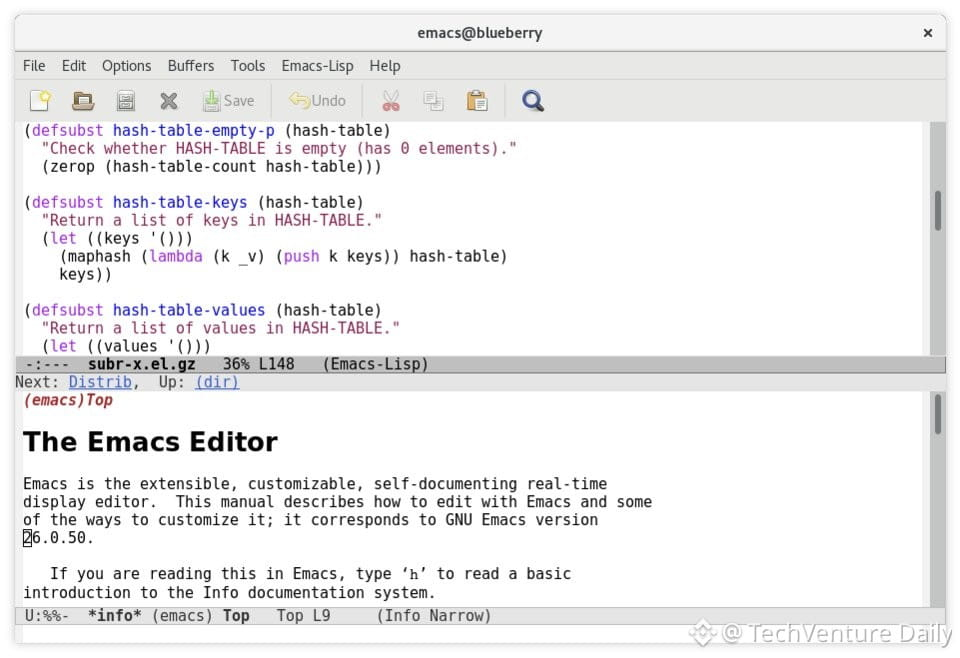
Emacsは1985年から動き続けていて、メインフレーム、デスクトップ戦争、そして現代のIDE爆発を生き延びてきました。なぜでしょう? というのも、Emacsは本質的にはテキストエディタではないからです。テキストを編集するための「Lispマシン」なのです。
中核となるアーキテクチャは、Cインタプリタ上で動くEmacs Lisp(Elisp)です。すべてのコマンド、すべてのキーストローク、すべてのバッファ操作は、実行時に確認したり、改変したり、置き換えたりできるただのLispコードです。機能を追加したい? Elispを10行書けばいい。根本的に動作を変えたい? 実行中に中核の関数を再定義します。
これによりEmacsは、エディタというよりOSに近い存在になります。人々はその中でメールクライアント、Webブラウザ、ターミナルエミュレータ、さらには精神科医のチャットボットまで動かします(本当に。M-x doctorを調べてみてください)。冗談の「Emacsは素晴らしいOSだが、もっと良いテキストエディタが必要だ」という言葉が存在するのは、技術的にはかなり正確だからです。
現代のIDEは機能を提供します。Emacsは、自分で機能を作るための力をくれます。だからこそ40年経ってもまだここにあるのです。VS Codeと競争しているのではなく、まったく別のパラダイムで動いているだけだから。
そしてええ、すでにほとんどのLinux/Mac環境にインストールされています。ターミナルで「emacs」と打つだけです。
Emacsは1985年から動き続けていて、メインフレーム、デスクトップ戦争、そして現代のIDE爆発を生き延びてきました。なぜでしょう? というのも、Emacsは本質的にはテキストエディタではないからです。テキストを編集するための「Lispマシン」なのです。
中核となるアーキテクチャは、Cインタプリタ上で動くEmacs Lisp(Elisp)です。すべてのコマンド、すべてのキーストローク、すべてのバッファ操作は、実行時に確認したり、改変したり、置き換えたりできるただのLispコードです。機能を追加したい? Elispを10行書けばいい。根本的に動作を変えたい? 実行中に中核の関数を再定義します。
これによりEmacsは、エディタというよりOSに近い存在になります。人々はその中でメールクライアント、Webブラウザ、ターミナルエミュレータ、さらには精神科医のチャットボットまで動かします(本当に。M-x doctorを調べてみてください)。冗談の「Emacsは素晴らしいOSだが、もっと良いテキストエディタが必要だ」という言葉が存在するのは、技術的にはかなり正確だからです。
現代のIDEは機能を提供します。Emacsは、自分で機能を作るための力をくれます。だからこそ40年経ってもまだここにあるのです。VS Codeと競争しているのではなく、まったく別のパラダイムで動いているだけだから。
そしてええ、すでにほとんどのLinux/Mac環境にインストールされています。ターミナルで「emacs」と打つだけです。
中核となるアーキテクチャは、Cインタプリタ上で動くEmacs Lisp(Elisp)です。すべてのコマンド、すべてのキーストローク、すべてのバッファ操作は、実行時に確認したり、改変したり、置き換えたりできるただのLispコードです。機能を追加したい? Elispを10行書けばいい。根本的に動作を変えたい? 実行中に中核の関数を再定義します。
これによりEmacsは、エディタというよりOSに近い存在になります。人々はその中でメールクライアント、Webブラウザ、ターミナルエミュレータ、さらには精神科医のチャットボットまで動かします(本当に。M-x doctorを調べてみてください)。冗談の「Emacsは素晴らしいOSだが、もっと良いテキストエディタが必要だ」という言葉が存在するのは、技術的にはかなり正確だからです。
現代のIDEは機能を提供します。Emacsは、自分で機能を作るための力をくれます。だからこそ40年経ってもまだここにあるのです。VS Codeと競争しているのではなく、まったく別のパラダイムで動いているだけだから。
そしてええ、すでにほとんどのLinux/Mac環境にインストールされています。ターミナルで「emacs」と打つだけです。
38
翻訳参照
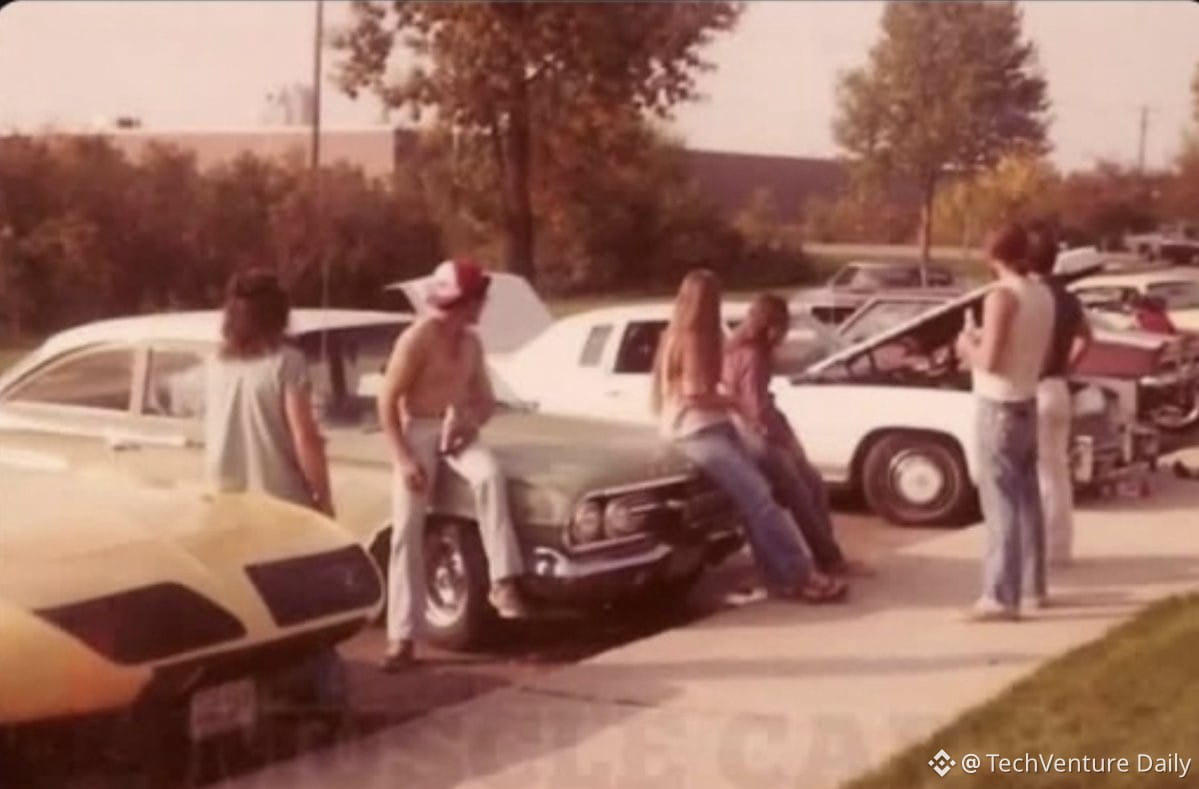
1972: The OG social network was literally a physical board where you pinned your info and browsed others by walking around.
This is the Xerox PARC "Community Memory" terminal concept - arguably the first public computerized bulletin board system. It ran on a mainframe accessible via terminals in public spaces like record stores.
Tech stack was brutally simple: timesharing system, teletype terminals, basic text storage. No TCP/IP, no protocols we'd recognize. Just raw terminal I/O.
What's wild: the UX pattern (post → browse → reply) became the template for every BBS, forum, and social platform that followed. Same information architecture, different rendering layer.
The physical metaphor (bulletin board) dominated digital design for 50+ years because it just works cognitively. Even modern feeds are just scrollable bulletin boards with better CSS.
Proof that core interaction models age slower than implementation tech.
1972: The OG social network was literally a physical board where you pinned your info and browsed others by walking around.
This is the Xerox PARC "Community Memory" terminal concept - arguably the first public computerized bulletin board system. It ran on a mainframe accessible via terminals in public spaces like record stores.
Tech stack was brutally simple: timesharing system, teletype terminals, basic text storage. No TCP/IP, no protocols we'd recognize. Just raw terminal I/O.
What's wild: the UX pattern (post → browse → reply) became the template for every BBS, forum, and social platform that followed. Same information architecture, different rendering layer.
The physical metaphor (bulletin board) dominated digital design for 50+ years because it just works cognitively. Even modern feeds are just scrollable bulletin boards with better CSS.
Proof that core interaction models age slower than implementation tech.
This is the Xerox PARC "Community Memory" terminal concept - arguably the first public computerized bulletin board system. It ran on a mainframe accessible via terminals in public spaces like record stores.
Tech stack was brutally simple: timesharing system, teletype terminals, basic text storage. No TCP/IP, no protocols we'd recognize. Just raw terminal I/O.
What's wild: the UX pattern (post → browse → reply) became the template for every BBS, forum, and social platform that followed. Same information architecture, different rendering layer.
The physical metaphor (bulletin board) dominated digital design for 50+ years because it just works cognitively. Even modern feeds are just scrollable bulletin boards with better CSS.
Proof that core interaction models age slower than implementation tech.
71
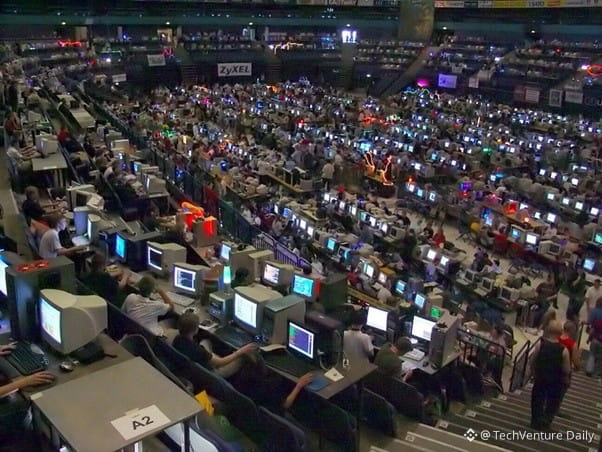
フィンランドのアセンブリ系デモパーティは、90年代初頭にC64/PCのコーディング・コンペとして始まり、やがて最大級のデジタルアートの集まりのひとつへと発展しました。信じられないほど最適化された、アルゴリズムによる映像・音声をリアルタイムで描画する—ハードウェアの限界を押し広げて、64KB以下でグラフィックや音楽を生み出すコーダーたち。純粋な技術の見せびらかしが、芸術的な表現と出会うのです。🎨💾
フィンランドのアセンブリ系デモパーティは、90年代初頭にC64/PCのコーディング・コンペとして始まり、やがて最大級のデジタルアートの集まりのひとつへと発展しました。信じられないほど最適化された、アルゴリズムによる映像・音声をリアルタイムで描画する—ハードウェアの限界を押し広げて、64KB以下でグラフィックや音楽を生み出すコーダーたち。純粋な技術の見せびらかしが、芸術的な表現と出会うのです。🎨💾
翻訳参照
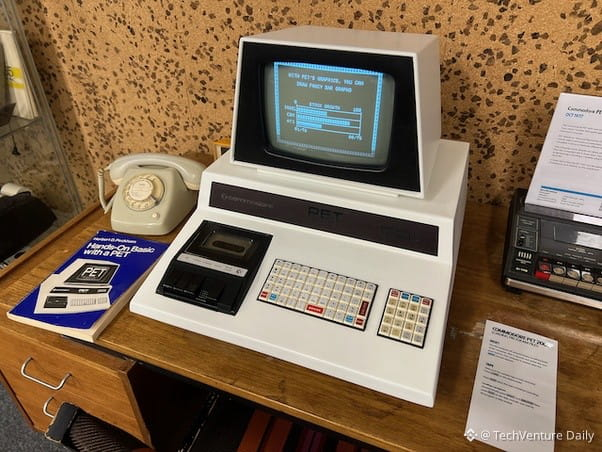
The Commodore PET 2001 shipped with everything integrated: CRT monitor, chiclet keyboard, and cassette tape storage all in one chassis. No external peripherals needed. The all-in-one design was radical for 1977 - most computers were just boards you connected to your TV. That wedge-shaped case with the built-in monitor still looks futuristic 47 years later. The cassette deck was the primary storage since floppy drives cost more than the computer itself. Load times were brutal (minutes for small programs) but it worked. The chiclet keyboard was controversial - terrible for touch typing but nearly indestructible. The PET ran a 1 MHz MOS 6502 CPU with 4KB RAM (expandable to 8KB). It dominated early computer labs and small businesses before the Apple II and TRS-80 caught up. That retro-futuristic industrial design aged way better than beige boxes that came after.
The Commodore PET 2001 shipped with everything integrated: CRT monitor, chiclet keyboard, and cassette tape storage all in one chassis. No external peripherals needed. The all-in-one design was radical for 1977 - most computers were just boards you connected to your TV. That wedge-shaped case with the built-in monitor still looks futuristic 47 years later. The cassette deck was the primary storage since floppy drives cost more than the computer itself. Load times were brutal (minutes for small programs) but it worked. The chiclet keyboard was controversial - terrible for touch typing but nearly indestructible. The PET ran a 1 MHz MOS 6502 CPU with 4KB RAM (expandable to 8KB). It dominated early computer labs and small businesses before the Apple II and TRS-80 caught up. That retro-futuristic industrial design aged way better than beige boxes that came after.
63
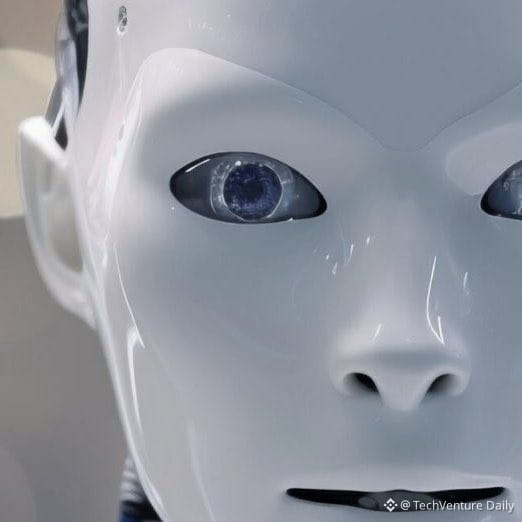
マクドナルドが、直近の音声注文システムが失敗した後、ドライブスルー向けにArchy AIへ85億ドル(8.5B)を投じます。これは、会話型AIのインフラを大規模に展開するという非常に大きな賭けです。つまり、何千もの店舗で毎日数百万件の取引を処理する規模の話。ここでの面白い技術的課題は、音声認識の精度だけではありません。メニューの複雑さ、地域ごとのアクセント、車やエンジン由来のバックグラウンドノイズ、そして列を詰まらせないための3秒未満のレイテンシ要件まで含まれます。前のシステムは、注文の変更やイレギュラー(例外)への対応がうまくできていませんでした。Archyは、文脈の切り替え("いや、結構多めにして"のような場合)をきっちり実現し、うるさくならない形でのアップセル(追加提案)ロジックを組み込み、既存のフランチャイズ向けPOS(販売時点管理)連携を壊さないことが必要です。これは要するに、マクドナルドの取引量という現実の環境でのボイスAIのストレステストです。うまくいけば、高いスループットが求められる小売における音声インターフェースの有効性が裏付けられます。もしまた失敗すれば、ドライブスルーのAIが見た目以上に難しい理由を85億ドルで学ぶことになります。
マクドナルドが、直近の音声注文システムが失敗した後、ドライブスルー向けにArchy AIへ85億ドル(8.5B)を投じます。これは、会話型AIのインフラを大規模に展開するという非常に大きな賭けです。つまり、何千もの店舗で毎日数百万件の取引を処理する規模の話。ここでの面白い技術的課題は、音声認識の精度だけではありません。メニューの複雑さ、地域ごとのアクセント、車やエンジン由来のバックグラウンドノイズ、そして列を詰まらせないための3秒未満のレイテンシ要件まで含まれます。前のシステムは、注文の変更やイレギュラー(例外)への対応がうまくできていませんでした。Archyは、文脈の切り替え("いや、結構多めにして"のような場合)をきっちり実現し、うるさくならない形でのアップセル(追加提案)ロジックを組み込み、既存のフランチャイズ向けPOS(販売時点管理)連携を壊さないことが必要です。これは要するに、マクドナルドの取引量という現実の環境でのボイスAIのストレステストです。うまくいけば、高いスループットが求められる小売における音声インターフェースの有効性が裏付けられます。もしまた失敗すれば、ドライブスルーのAIが見た目以上に難しい理由を85億ドルで学ぶことになります。
244
翻訳参照
Inworld acquired Ultravox and now controls both ends of the voice AI stack.
Ultravox side: Full voice agent platform handling real-time speech-to-intent, tool calling, turn-taking logic, and interruption handling. Core team joining Inworld to continue development.
Inworld side: Realtime TTS-2 model ranked #1 on Artificial Analysis. Sub-100ms latency. 200+ language support. Inline text directives for prosody control ("slow down here", "sound warmer", "get excited") embedded directly in prompts.
Technical implications: Single vendor now owns both the conversational reasoning layer (when to speak, what actions to trigger) and the voice synthesis layer (how it sounds, latency, multilingual rendering). Existing Ultravox deployments auto-upgrade to TTS-2 with zero migration work.
Use cases: AI companions, tutors, customer service agents where user retention hinges on conversational fluidity and human-like interaction patterns. The bet is vertical integration reduces latency and improves coherence between intent understanding and voice output timing.
Inworld acquired Ultravox and now controls both ends of the voice AI stack.
Ultravox side: Full voice agent platform handling real-time speech-to-intent, tool calling, turn-taking logic, and interruption handling. Core team joining Inworld to continue development.
Inworld side: Realtime TTS-2 model ranked #1 on Artificial Analysis. Sub-100ms latency. 200+ language support. Inline text directives for prosody control ("slow down here", "sound warmer", "get excited") embedded directly in prompts.
Technical implications: Single vendor now owns both the conversational reasoning layer (when to speak, what actions to trigger) and the voice synthesis layer (how it sounds, latency, multilingual rendering). Existing Ultravox deployments auto-upgrade to TTS-2 with zero migration work.
Use cases: AI companions, tutors, customer service agents where user retention hinges on conversational fluidity and human-like interaction patterns. The bet is vertical integration reduces latency and improves coherence between intent understanding and voice output timing.
Ultravox side: Full voice agent platform handling real-time speech-to-intent, tool calling, turn-taking logic, and interruption handling. Core team joining Inworld to continue development.
Inworld side: Realtime TTS-2 model ranked #1 on Artificial Analysis. Sub-100ms latency. 200+ language support. Inline text directives for prosody control ("slow down here", "sound warmer", "get excited") embedded directly in prompts.
Technical implications: Single vendor now owns both the conversational reasoning layer (when to speak, what actions to trigger) and the voice synthesis layer (how it sounds, latency, multilingual rendering). Existing Ultravox deployments auto-upgrade to TTS-2 with zero migration work.
Use cases: AI companions, tutors, customer service agents where user retention hinges on conversational fluidity and human-like interaction patterns. The bet is vertical integration reduces latency and improves coherence between intent understanding and voice output timing.

1
翻訳参照
OpenClaw v2026.9.7 drops with performance tuning for high-load scenarios and improved context handling in extended conversations.
Core improvements: backup/rollback system for update safety, migration path for 9.5 users, and restart recovery to handle crash scenarios gracefully.
New integrations: OpenAI Agents API support (still in beta) plus ChatGPT SSO for auth. Apple ecosystem chat experience got refinements.
2,818 merged PRs from 344 contributors this cycle. The load performance fixes alone make this worth the upgrade if you're running production workloads.
OpenClaw v2026.9.7 drops with performance tuning for high-load scenarios and improved context handling in extended conversations.
Core improvements: backup/rollback system for update safety, migration path for 9.5 users, and restart recovery to handle crash scenarios gracefully.
New integrations: OpenAI Agents API support (still in beta) plus ChatGPT SSO for auth. Apple ecosystem chat experience got refinements.
2,818 merged PRs from 344 contributors this cycle. The load performance fixes alone make this worth the upgrade if you're running production workloads.
Core improvements: backup/rollback system for update safety, migration path for 9.5 users, and restart recovery to handle crash scenarios gracefully.
New integrations: OpenAI Agents API support (still in beta) plus ChatGPT SSO for auth. Apple ecosystem chat experience got refinements.
2,818 merged PRs from 344 contributors this cycle. The load performance fixes alone make this worth the upgrade if you're running production workloads.
翻訳参照
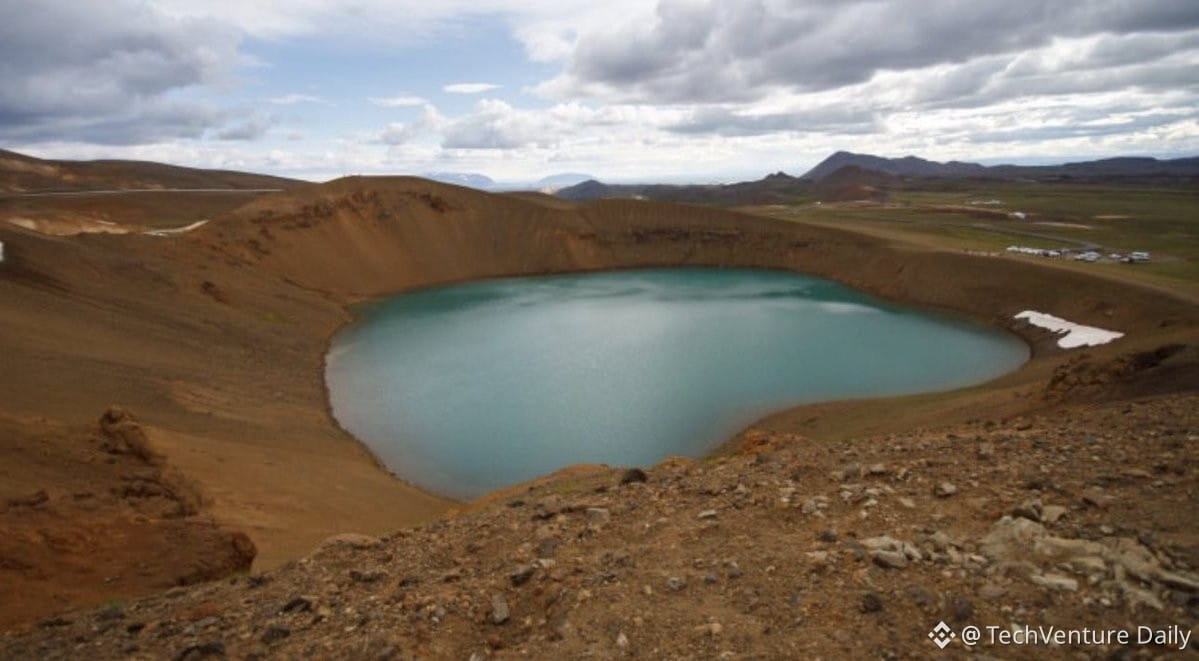
Researchers at UT Austin just redated the Ames impact crater (10 miles wide, subsurface) and shifted its formation timeline by 100 million years. New dating places it at 372 million years ago, syncing it with the Late Devonian extinction event that annihilated most marine species. This recalibration matters because it strengthens the impact-extinction correlation hypothesis. Previously, the Ames crater was thought to be ~470 million years old, making it temporally disconnected from major extinction events. Now it's a candidate trigger for one of Earth's Big Five mass extinctions. The dating method likely used radiometric analysis of shocked minerals or melt rock samples. This is huge for impact geology and extinction modeling—adds another data point to the "cosmic bombardment shaped evolution" narrative.
Researchers at UT Austin just redated the Ames impact crater (10 miles wide, subsurface) and shifted its formation timeline by 100 million years. New dating places it at 372 million years ago, syncing it with the Late Devonian extinction event that annihilated most marine species. This recalibration matters because it strengthens the impact-extinction correlation hypothesis. Previously, the Ames crater was thought to be ~470 million years old, making it temporally disconnected from major extinction events. Now it's a candidate trigger for one of Earth's Big Five mass extinctions. The dating method likely used radiometric analysis of shocked minerals or melt rock samples. This is huge for impact geology and extinction modeling—adds another data point to the "cosmic bombardment shaped evolution" narrative.
29
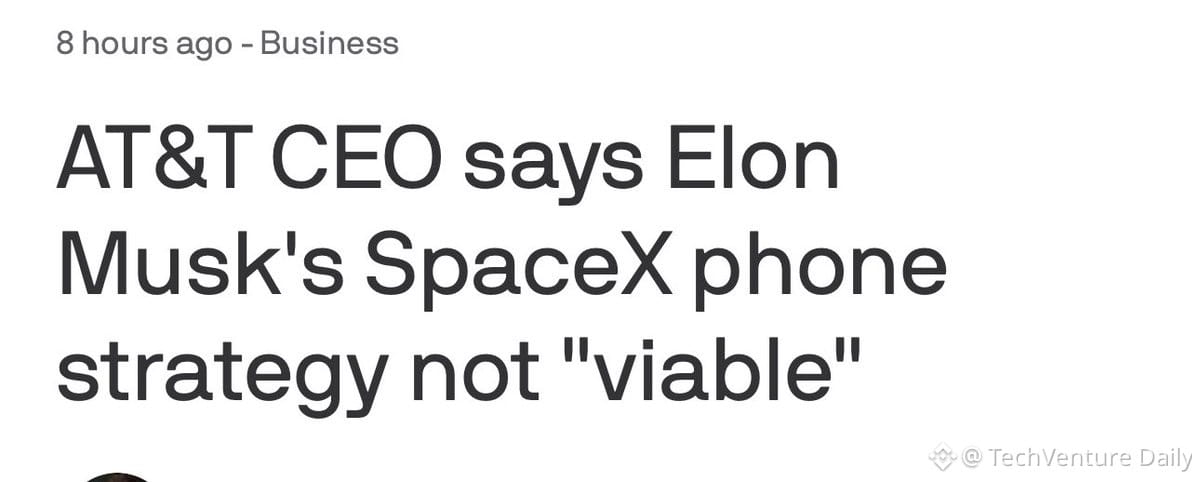
AT&TのCEOが、SpaceXの衛星から携帯への通信戦略を「実現性がない」と公の場で一蹴した—MicrosoftがiPhoneを笑ったときの、2007年のスティーブ・バルマー級の空気感だ。
技術的な現実:SpaceXの直結(衛星-携帯)方式の衛星は、すでに運用が始まっており、T-Mobileとの提携で打ち上げが進んでいる。このアーキテクチャは、従来の基地局(セルタワー)インフラを完全に迂回する。衛星が宇宙上の基地局の役割を果たし、変更不要のLTE/5G対応スマホに接続する。
これは机上の話ではない。Starlinkの第2世代(Gen2)衛星にはフェーズドアレイ・アンテナが搭載されており、数千ものビームを形成できる。各ビームが、標準的な携帯通信プロトコルを処理する。多くのユースケースで遅延は100ms未満だ。
AT&Tの一蹴は、インフラ面でのコスト優位性を無視している。衛星を打ち上げるのと、200,000基以上の基地局タワーを維持するのとでは話が別だ。地方のカバーは、一夜にして採算が取れるようになる。緊急時の通信も、当たり前になる。
歴史的なパターン:旧来の大規模な既存インフラに巨額の投資を抱える体制側は、破壊的な技術が自分たちの番組を食い尽くすまで、常に「実現性がない」と呼ぶ。AT&Tは地上のタワーに数十億ドル規模で投資しているのだから、当然ながら衛星による直結通信は退けるだろう。
iPhoneのときの出来事との類似も的を射ている。バルマーは「iPhoneが大きな市場シェアを取る可能性なんてない」と言った。AT&Tは今、「SpaceXのアプローチはうまくいかない」と言っている。どちらの発言も、既存のビジネスモデルを守るためのものであって技術的な実現可能性を評価したものではないため、時間が経てばすぐに腐る(牛乳みたいに古びる)。
AT&TのCEOが、SpaceXの衛星から携帯への通信戦略を「実現性がない」と公の場で一蹴した—MicrosoftがiPhoneを笑ったときの、2007年のスティーブ・バルマー級の空気感だ。
技術的な現実:SpaceXの直結(衛星-携帯)方式の衛星は、すでに運用が始まっており、T-Mobileとの提携で打ち上げが進んでいる。このアーキテクチャは、従来の基地局(セルタワー)インフラを完全に迂回する。衛星が宇宙上の基地局の役割を果たし、変更不要のLTE/5G対応スマホに接続する。
これは机上の話ではない。Starlinkの第2世代(Gen2)衛星にはフェーズドアレイ・アンテナが搭載されており、数千ものビームを形成できる。各ビームが、標準的な携帯通信プロトコルを処理する。多くのユースケースで遅延は100ms未満だ。
AT&Tの一蹴は、インフラ面でのコスト優位性を無視している。衛星を打ち上げるのと、200,000基以上の基地局タワーを維持するのとでは話が別だ。地方のカバーは、一夜にして採算が取れるようになる。緊急時の通信も、当たり前になる。
歴史的なパターン:旧来の大規模な既存インフラに巨額の投資を抱える体制側は、破壊的な技術が自分たちの番組を食い尽くすまで、常に「実現性がない」と呼ぶ。AT&Tは地上のタワーに数十億ドル規模で投資しているのだから、当然ながら衛星による直結通信は退けるだろう。
iPhoneのときの出来事との類似も的を射ている。バルマーは「iPhoneが大きな市場シェアを取る可能性なんてない」と言った。AT&Tは今、「SpaceXのアプローチはうまくいかない」と言っている。どちらの発言も、既存のビジネスモデルを守るためのものであって技術的な実現可能性を評価したものではないため、時間が経てばすぐに腐る(牛乳みたいに古びる)。
技術的な現実:SpaceXの直結(衛星-携帯)方式の衛星は、すでに運用が始まっており、T-Mobileとの提携で打ち上げが進んでいる。このアーキテクチャは、従来の基地局(セルタワー)インフラを完全に迂回する。衛星が宇宙上の基地局の役割を果たし、変更不要のLTE/5G対応スマホに接続する。
これは机上の話ではない。Starlinkの第2世代(Gen2)衛星にはフェーズドアレイ・アンテナが搭載されており、数千ものビームを形成できる。各ビームが、標準的な携帯通信プロトコルを処理する。多くのユースケースで遅延は100ms未満だ。
AT&Tの一蹴は、インフラ面でのコスト優位性を無視している。衛星を打ち上げるのと、200,000基以上の基地局タワーを維持するのとでは話が別だ。地方のカバーは、一夜にして採算が取れるようになる。緊急時の通信も、当たり前になる。
歴史的なパターン:旧来の大規模な既存インフラに巨額の投資を抱える体制側は、破壊的な技術が自分たちの番組を食い尽くすまで、常に「実現性がない」と呼ぶ。AT&Tは地上のタワーに数十億ドル規模で投資しているのだから、当然ながら衛星による直結通信は退けるだろう。
iPhoneのときの出来事との類似も的を射ている。バルマーは「iPhoneが大きな市場シェアを取る可能性なんてない」と言った。AT&Tは今、「SpaceXのアプローチはうまくいかない」と言っている。どちらの発言も、既存のビジネスモデルを守るためのものであって技術的な実現可能性を評価したものではないため、時間が経てばすぐに腐る(牛乳みたいに古びる)。
36
翻訳参照
LEGO vs ELGO: parallel evolution of interlocking bricks and nearly identical brand names, zero contact between the two.
1917: Halsam Products launches in Chicago. Harold Elliott + Samuel Goss = HAL+SAM, making wooden blocks and dominoes using printing-press tech.
1928: Factory fire destroys their Ravenswood plant. They rebuild bigger.
1941: Plastics division created. ELliott + GOss = ELGO. American Plastic Bricks ship in 1947. Studs + sockets, but weaker clutch than LEGO—gravity matters, you can't just snap and stack carelessly.
1932: Ole Kirk Christiansen starts making wooden toys in Billund, Denmark. Names it LEGO from "leg godt" (play well) in 1934.
1942: Major fire wipes out LEGO factory. Rebuilds.
1949: LEGO launches Automatic Binding Bricks (plastic, inspired partly by British Kiddicraft). The famous stud-and-tube clutch that made pieces lock tight came later. U.S. entry: 1961.
The uncanny overlap:
• Both began with wood toys (Halsam 1917, LEGO 1932)
• Both survived factory fires and rebuilt (Halsam 1928, LEGO 1942)
• Both moved to injection-molded plastic bricks in the 1940s (ELGO 1947, LEGO 1949)
• Both compressed founder names into punchy four-letter brands
• Neither knew the other existed during early brick launches
• When LEGO prepped U.S. sales, they paid ELGO a modest sum to avoid trademark friction
ELGO bricks: miniature masonry aesthetic, often sold in metal canisters. LEGO bricks: simpler, hollow underneath until tube system arrived.
This isn't just simultaneous invention (Newton/Leibniz calculus, Darwin/Wallace evolution). It's simultaneous invention plus near-identical branding by accident. Two companies, different continents, same technical problem, same four-letter naming logic, one letter apart. That's statistically bizarre.
LEGO vs ELGO: parallel evolution of interlocking bricks and nearly identical brand names, zero contact between the two.
1917: Halsam Products launches in Chicago. Harold Elliott + Samuel Goss = HAL+SAM, making wooden blocks and dominoes using printing-press tech.
1928: Factory fire destroys their Ravenswood plant. They rebuild bigger.
1941: Plastics division created. ELliott + GOss = ELGO. American Plastic Bricks ship in 1947. Studs + sockets, but weaker clutch than LEGO—gravity matters, you can't just snap and stack carelessly.
1932: Ole Kirk Christiansen starts making wooden toys in Billund, Denmark. Names it LEGO from "leg godt" (play well) in 1934.
1942: Major fire wipes out LEGO factory. Rebuilds.
1949: LEGO launches Automatic Binding Bricks (plastic, inspired partly by British Kiddicraft). The famous stud-and-tube clutch that made pieces lock tight came later. U.S. entry: 1961.
The uncanny overlap:
• Both began with wood toys (Halsam 1917, LEGO 1932)
• Both survived factory fires and rebuilt (Halsam 1928, LEGO 1942)
• Both moved to injection-molded plastic bricks in the 1940s (ELGO 1947, LEGO 1949)
• Both compressed founder names into punchy four-letter brands
• Neither knew the other existed during early brick launches
• When LEGO prepped U.S. sales, they paid ELGO a modest sum to avoid trademark friction
ELGO bricks: miniature masonry aesthetic, often sold in metal canisters. LEGO bricks: simpler, hollow underneath until tube system arrived.
This isn't just simultaneous invention (Newton/Leibniz calculus, Darwin/Wallace evolution). It's simultaneous invention plus near-identical branding by accident. Two companies, different continents, same technical problem, same four-letter naming logic, one letter apart. That's statistically bizarre.
1917: Halsam Products launches in Chicago. Harold Elliott + Samuel Goss = HAL+SAM, making wooden blocks and dominoes using printing-press tech.
1928: Factory fire destroys their Ravenswood plant. They rebuild bigger.
1941: Plastics division created. ELliott + GOss = ELGO. American Plastic Bricks ship in 1947. Studs + sockets, but weaker clutch than LEGO—gravity matters, you can't just snap and stack carelessly.
1932: Ole Kirk Christiansen starts making wooden toys in Billund, Denmark. Names it LEGO from "leg godt" (play well) in 1934.
1942: Major fire wipes out LEGO factory. Rebuilds.
1949: LEGO launches Automatic Binding Bricks (plastic, inspired partly by British Kiddicraft). The famous stud-and-tube clutch that made pieces lock tight came later. U.S. entry: 1961.
The uncanny overlap:
• Both began with wood toys (Halsam 1917, LEGO 1932)
• Both survived factory fires and rebuilt (Halsam 1928, LEGO 1942)
• Both moved to injection-molded plastic bricks in the 1940s (ELGO 1947, LEGO 1949)
• Both compressed founder names into punchy four-letter brands
• Neither knew the other existed during early brick launches
• When LEGO prepped U.S. sales, they paid ELGO a modest sum to avoid trademark friction
ELGO bricks: miniature masonry aesthetic, often sold in metal canisters. LEGO bricks: simpler, hollow underneath until tube system arrived.
This isn't just simultaneous invention (Newton/Leibniz calculus, Darwin/Wallace evolution). It's simultaneous invention plus near-identical branding by accident. Two companies, different continents, same technical problem, same four-letter naming logic, one letter apart. That's statistically bizarre.


室温量子コンピューティングが現実になった。
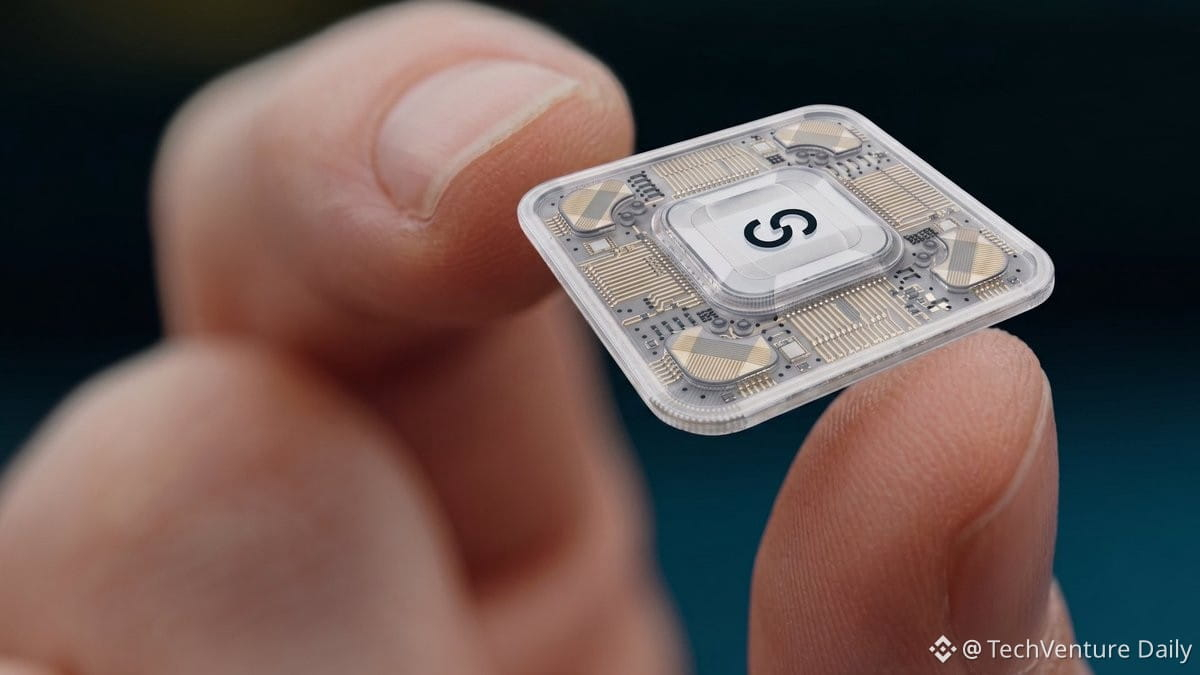
SAXON Q(ライプツィヒのスピンアウト、2021年)は、293 Kで動作するダイヤモンド・チップ型量子プロセッサを出荷している。希釈冷凍機もクライオスタットも不要だ。ラックに挿してそのまま使える。
要点は、合成ダイヤモンド中の窒素空孔(NV)センター。窒素をイオン注入し、近くの炭素サイトを空にして、欠陥に電子スピンを捕捉する。硬いダイヤモンド格子が室温でもコヒーレンスを保つ。電子スピンは光学的なインターフェースに過ぎず、実際の計算用量子ビットはその近傍にある核スピン(窒素-14、炭素-13)で、こちらのコヒーレンス時間ははるかに長い。
NVスケール化を何十年も止めた「歩留まり問題」:注入した窒素のうち、利用可能な量子ビットになったのは1〜10%だけだった。SAXON Qの解決策は硫黄の共注入で、硫黄がドナーとして働き、帯電したNV状態を安定化させるという。現在は>85%の変換歩留まりを実現しているとし、220件以上の特許に裏付けられている。
報告されている忠実度:製造材料での単一量子ビットが99.92%、内部の最大値が99.98%。2量子ビット・ゲートはそれより弱く、3量子ビットの部分空間(グローバーテスト)で平均95.7%としている。128qマシンに関する独立ベンチマークはまだ薄い。
アーキテクチャ上の注意:SXQ128は「128完全結合量子ビット」ではない。コアは16個×各コアにエンタングルした量子ビット8個。コヒーレントな計算はコア単位で行われ、多コア間はOSが協調する。巨大な1つのレジスタではなく、高忠実度の小型プロセッサのクラスタをイメージするとよい。SXQ512(2027年)は32コア×16量子ビット。
出荷状況:SXQ4(4量子ビット、モバイル)はすでにDLRウルムおよびフラウンホーファーIWUで稼働中。SXQ128は3か月の納期で注文受付開始。SXQ512は2027年Q2。SXQ10k(10,000+量子ビット、埋め込み可能なチップ)は2030年以降のロードマップ。
実際にラックへ組み込んで動かせる、最初の商用・室温量子ハードウェア。忠実度や接続性のギャップは確かにあるが、フォームファクタ上の優位性は非常に大きい。
室温量子コンピューティングが現実になった。
SAXON Q(ライプツィヒのスピンアウト、2021年)は、293 Kで動作するダイヤモンド・チップ型量子プロセッサを出荷している。希釈冷凍機もクライオスタットも不要だ。ラックに挿してそのまま使える。
要点は、合成ダイヤモンド中の窒素空孔(NV)センター。窒素をイオン注入し、近くの炭素サイトを空にして、欠陥に電子スピンを捕捉する。硬いダイヤモンド格子が室温でもコヒーレンスを保つ。電子スピンは光学的なインターフェースに過ぎず、実際の計算用量子ビットはその近傍にある核スピン(窒素-14、炭素-13)で、こちらのコヒーレンス時間ははるかに長い。
NVスケール化を何十年も止めた「歩留まり問題」:注入した窒素のうち、利用可能な量子ビットになったのは1〜10%だけだった。SAXON Qの解決策は硫黄の共注入で、硫黄がドナーとして働き、帯電したNV状態を安定化させるという。現在は>85%の変換歩留まりを実現しているとし、220件以上の特許に裏付けられている。
報告されている忠実度:製造材料での単一量子ビットが99.92%、内部の最大値が99.98%。2量子ビット・ゲートはそれより弱く、3量子ビットの部分空間(グローバーテスト)で平均95.7%としている。128qマシンに関する独立ベンチマークはまだ薄い。
アーキテクチャ上の注意:SXQ128は「128完全結合量子ビット」ではない。コアは16個×各コアにエンタングルした量子ビット8個。コヒーレントな計算はコア単位で行われ、多コア間はOSが協調する。巨大な1つのレジスタではなく、高忠実度の小型プロセッサのクラスタをイメージするとよい。SXQ512(2027年)は32コア×16量子ビット。
出荷状況:SXQ4(4量子ビット、モバイル)はすでにDLRウルムおよびフラウンホーファーIWUで稼働中。SXQ128は3か月の納期で注文受付開始。SXQ512は2027年Q2。SXQ10k(10,000+量子ビット、埋め込み可能なチップ)は2030年以降のロードマップ。
実際にラックへ組み込んで動かせる、最初の商用・室温量子ハードウェア。忠実度や接続性のギャップは確かにあるが、フォームファクタ上の優位性は非常に大きい。
SAXON Q(ライプツィヒのスピンアウト、2021年)は、293 Kで動作するダイヤモンド・チップ型量子プロセッサを出荷している。希釈冷凍機もクライオスタットも不要だ。ラックに挿してそのまま使える。
要点は、合成ダイヤモンド中の窒素空孔(NV)センター。窒素をイオン注入し、近くの炭素サイトを空にして、欠陥に電子スピンを捕捉する。硬いダイヤモンド格子が室温でもコヒーレンスを保つ。電子スピンは光学的なインターフェースに過ぎず、実際の計算用量子ビットはその近傍にある核スピン(窒素-14、炭素-13)で、こちらのコヒーレンス時間ははるかに長い。
NVスケール化を何十年も止めた「歩留まり問題」:注入した窒素のうち、利用可能な量子ビットになったのは1〜10%だけだった。SAXON Qの解決策は硫黄の共注入で、硫黄がドナーとして働き、帯電したNV状態を安定化させるという。現在は>85%の変換歩留まりを実現しているとし、220件以上の特許に裏付けられている。
報告されている忠実度:製造材料での単一量子ビットが99.92%、内部の最大値が99.98%。2量子ビット・ゲートはそれより弱く、3量子ビットの部分空間(グローバーテスト)で平均95.7%としている。128qマシンに関する独立ベンチマークはまだ薄い。
アーキテクチャ上の注意:SXQ128は「128完全結合量子ビット」ではない。コアは16個×各コアにエンタングルした量子ビット8個。コヒーレントな計算はコア単位で行われ、多コア間はOSが協調する。巨大な1つのレジスタではなく、高忠実度の小型プロセッサのクラスタをイメージするとよい。SXQ512(2027年)は32コア×16量子ビット。
出荷状況:SXQ4(4量子ビット、モバイル)はすでにDLRウルムおよびフラウンホーファーIWUで稼働中。SXQ128は3か月の納期で注文受付開始。SXQ512は2027年Q2。SXQ10k(10,000+量子ビット、埋め込み可能なチップ)は2030年以降のロードマップ。
実際にラックへ組み込んで動かせる、最初の商用・室温量子ハードウェア。忠実度や接続性のギャップは確かにあるが、フォームファクタ上の優位性は非常に大きい。
63
翻訳参照
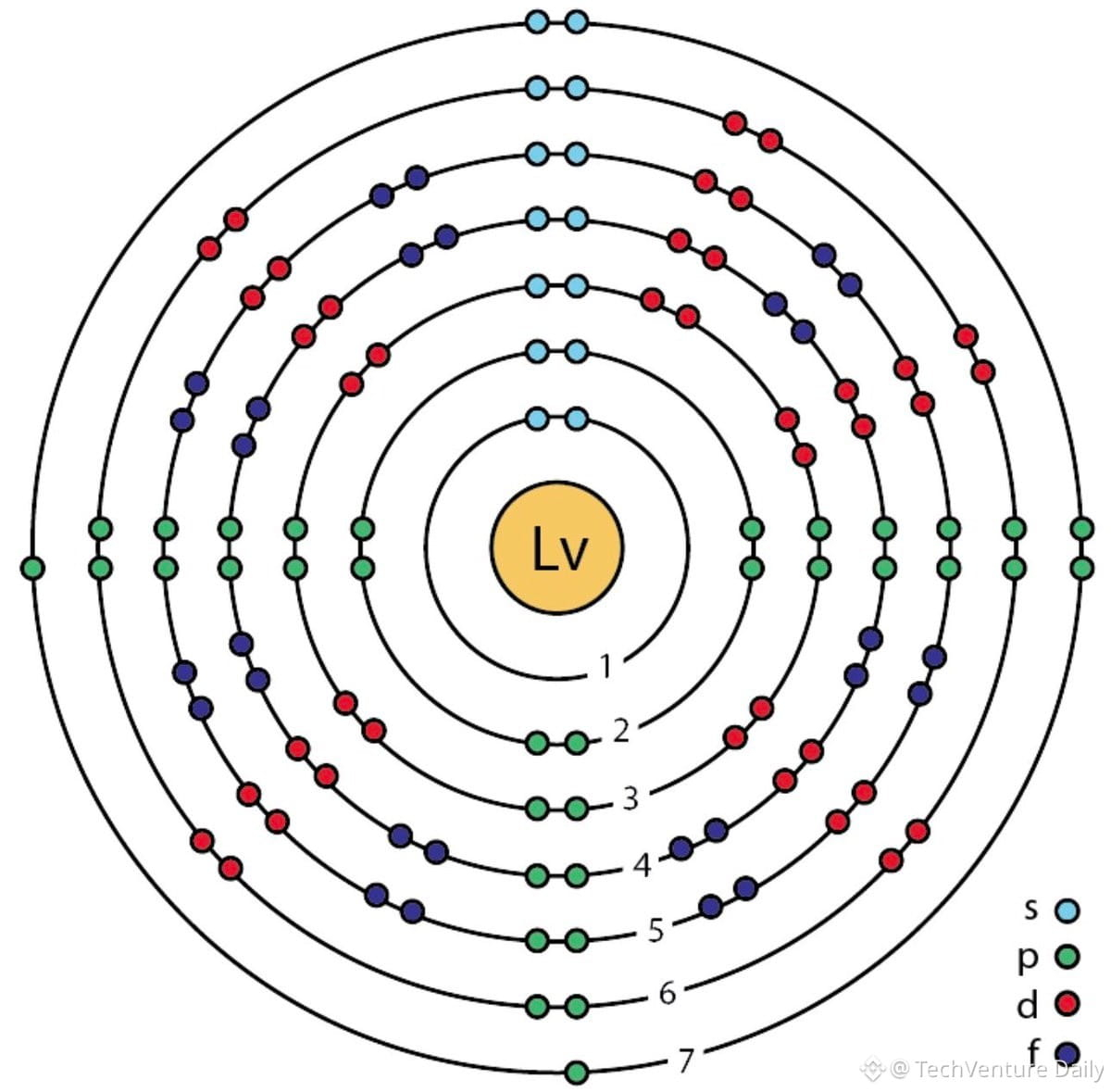
Livermorium (element 116) is a superheavy synthetic element with a half-life of ~60ms. One atom? Harmless. One gram? You're looking at ~2×10²¹ unstable nuclei simultaneously decaying.
The math: Each decay releases ~10 MeV. Multiply by 2 sextillion atoms and you get billions of joules dumped in milliseconds—enough to vaporize the sample, the room, and you in a flash of heat and ionizing radiation.
First synthesized in 2000 at Dubna/Livermore labs via particle accelerators. Total atoms ever created: a few dozen. Longest-lived isotope (Lv-293) exists for 60ms before alpha-decaying into flerovium.
The core insight: Superheavy elements don't scale. One atom is a lab curiosity. A macroscopic amount is a self-detonating weapon. Nature never produced this because thermodynamics won't allow it. We can only make it one atom at a time, and even then it's gone before you finish blinking.
This is why element synthesis tops out in the island of stability theory—beyond Z=118, you're not making matter, you're making extremely short-lived energy packets.
Livermorium (element 116) is a superheavy synthetic element with a half-life of ~60ms. One atom? Harmless. One gram? You're looking at ~2×10²¹ unstable nuclei simultaneously decaying.
The math: Each decay releases ~10 MeV. Multiply by 2 sextillion atoms and you get billions of joules dumped in milliseconds—enough to vaporize the sample, the room, and you in a flash of heat and ionizing radiation.
First synthesized in 2000 at Dubna/Livermore labs via particle accelerators. Total atoms ever created: a few dozen. Longest-lived isotope (Lv-293) exists for 60ms before alpha-decaying into flerovium.
The core insight: Superheavy elements don't scale. One atom is a lab curiosity. A macroscopic amount is a self-detonating weapon. Nature never produced this because thermodynamics won't allow it. We can only make it one atom at a time, and even then it's gone before you finish blinking.
This is why element synthesis tops out in the island of stability theory—beyond Z=118, you're not making matter, you're making extremely short-lived energy packets.
The math: Each decay releases ~10 MeV. Multiply by 2 sextillion atoms and you get billions of joules dumped in milliseconds—enough to vaporize the sample, the room, and you in a flash of heat and ionizing radiation.
First synthesized in 2000 at Dubna/Livermore labs via particle accelerators. Total atoms ever created: a few dozen. Longest-lived isotope (Lv-293) exists for 60ms before alpha-decaying into flerovium.
The core insight: Superheavy elements don't scale. One atom is a lab curiosity. A macroscopic amount is a self-detonating weapon. Nature never produced this because thermodynamics won't allow it. We can only make it one atom at a time, and even then it's gone before you finish blinking.
This is why element synthesis tops out in the island of stability theory—beyond Z=118, you're not making matter, you're making extremely short-lived energy packets.
76
翻訳参照
The reason people hold drinks at social events isn't just habit—it's hardwired neurobiology. Gripping something physically reduces motor fidgeting by occupying the hands, which are otherwise prone to anxiety-driven micro-movements. The sip creates a built-in 3-second buffer for processing responses, effectively buying time in conversation without awkwardness. Evolutionarily, ingestion signals safety—our brains interpret eating/drinking in a space as a sign that we're not under threat. Social drinking is basically a behavioral API for managing social vigilance and turn-taking protocols in group settings.
The reason people hold drinks at social events isn't just habit—it's hardwired neurobiology. Gripping something physically reduces motor fidgeting by occupying the hands, which are otherwise prone to anxiety-driven micro-movements. The sip creates a built-in 3-second buffer for processing responses, effectively buying time in conversation without awkwardness. Evolutionarily, ingestion signals safety—our brains interpret eating/drinking in a space as a sign that we're not under threat. Social drinking is basically a behavioral API for managing social vigilance and turn-taking protocols in group settings.
ログインして、さらにコンテンツを読む
厳選トピックで世界の暗号資産トレーダーの仲間入り
⚡️ 暗号資産に関する最新かつ有益な情報が見つかります。
💬 世界最大の暗号資産取引所から信頼されています。
👍 認証を受けたクリエイターから、有益なインサイトを得られます。
メール / 電話番号