

Tapu13
7.8k 投稿
Tapu13
 厳選トピック確認済+
Always Smile 😊 x: @Tapanpatel137 🔶 DYOR 💙

USD1ホルダー
高頻度トレーダー
4.3年
426 フォロー
86.0K+ フォロワー
53.3K+ いいね
投稿
すべて
引用
ライブ
PINNED

Tapu13
·
--
Click & Claim Exclusive Today Reward 🎁❤️💫
Click & Claim Today Big Reward 🎁🎁❤️❤️💫
Click & Claim Today Big Reward 🎁🎁❤️❤️💫

Tapu13
·
--
Click & Claim Exclusive Today Reward 🎁❤️💫
Click & Claim Today Big Reward 🎁🎁❤️❤️💫
Click & Claim Today Big Reward 🎁🎁❤️❤️💫
Tapu13
·
--
Click & Claim Exclusive Today Reward 🎁❤️💫
Click & Claim Today Big Reward 🎁🎁❤️❤️💫
Click & Claim Today Big Reward 🎁🎁❤️❤️💫

Tapu13
·
--
Click & Claim Exclusive Today Reward 🎁❤️💫
Click & Claim Today Big Reward 🎁🎁❤️❤️💫
Click & Claim Today Big Reward 🎁🎁❤️❤️💫
引用されたコンテンツは削除されました
Bilawal Ashiq
·
--
🧧🧧 カキのリポスト&いいねお願いします ご褒美に🎉🎉
$BNB
$BNB

E L E X A
·
--
🚨 ただいま配信中 🚨
見るのは簡単…でも勝者は行動する 👀
🎁 無料の $USDT が欲しい?
💬 コメント 888
❤️ いいね
🔁 シェア
➕ フォロー
⏳ 今すぐチャンスを逃さないで—枠は限られています!
下に 888 を入力して今すぐ参加 🚀
#Crypto #USDT。 #Giveaway
見るのは簡単…でも勝者は行動する 👀
🎁 無料の $USDT が欲しい?
💬 コメント 888
❤️ いいね
🔁 シェア
➕ フォロー
⏳ 今すぐチャンスを逃さないで—枠は限られています!
下に 888 を入力して今すぐ参加 🚀
#Crypto #USDT。 #Giveaway

Tapu13
·
--
Click & Claim Exclusive Today Reward 🎁❤️💫
Click & Claim Today Big Reward 🎁🎁❤️❤️💫
Click & Claim Today Big Reward 🎁🎁❤️❤️💫

Tapu13
·
--
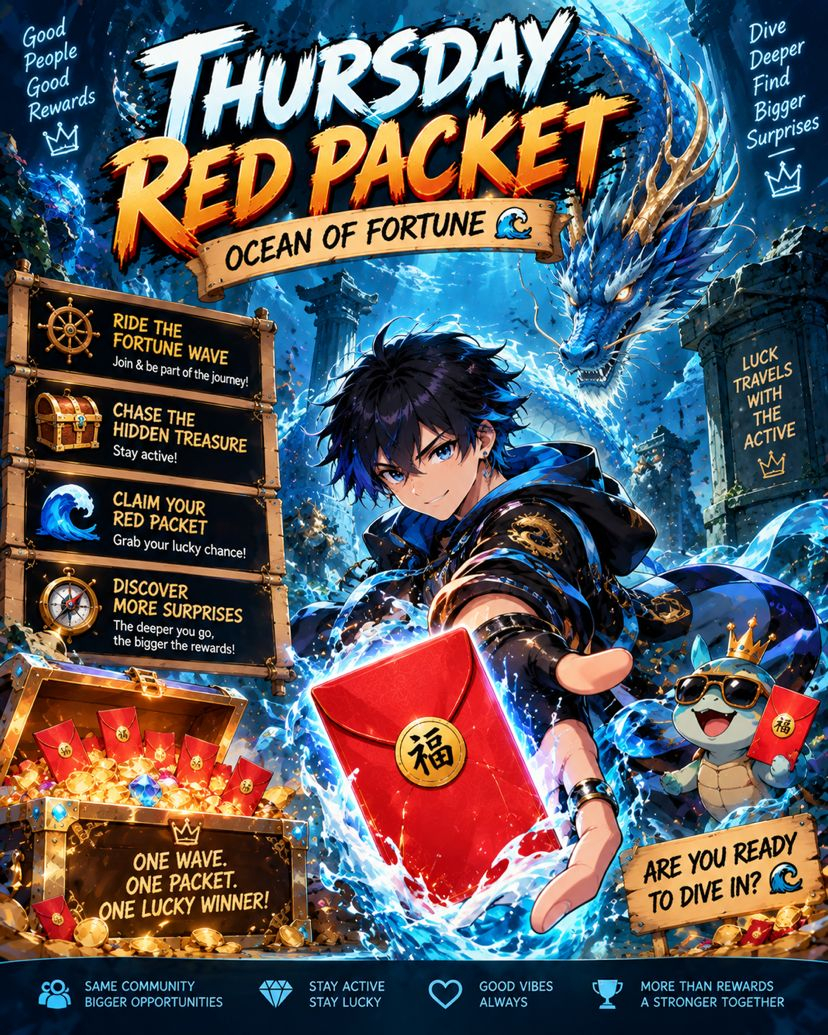
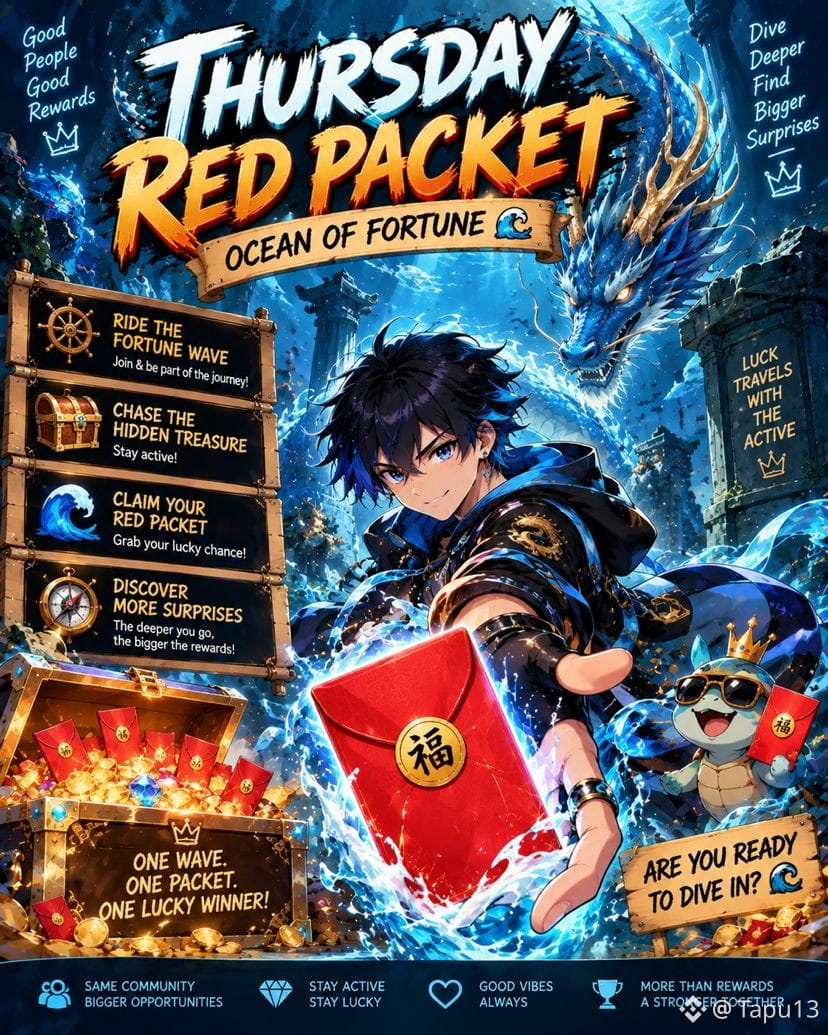
木曜日の紅包
🌊 「幸運の海」🐉✨
🌊 木曜日の紅包🧧
幸運とサプライズの新しい波に飛び込もう!💎🌊
🐉 幸運の波に乗ろう
💰 隠された宝を追いかけよう
⚡ アクティブに過ごそう
🧧 幸運のパケットを受け取ろう
深く潜るほど、大きなサプライズが待ってる!👀✨
🌊 1つの波。1つのパケット。1人のラッキー勝者。
もう準備はできた?🐉🔥
🌊 「幸運の海」🐉✨
🌊 木曜日の紅包🧧
幸運とサプライズの新しい波に飛び込もう!💎🌊
🐉 幸運の波に乗ろう
💰 隠された宝を追いかけよう
⚡ アクティブに過ごそう
🧧 幸運のパケットを受け取ろう
深く潜るほど、大きなサプライズが待ってる!👀✨
🌊 1つの波。1つのパケット。1人のラッキー勝者。
もう準備はできた?🐉🔥

Tapu13
·
--
木曜日の紅包
🌊 「幸運の海」🐉✨
🌊 木曜日の紅包🧧
幸運とサプライズの新しい波に飛び込もう!💎🌊
🐉 幸運の波に乗ろう
💰 隠された宝を追いかけよう
⚡ アクティブに過ごそう
🧧 幸運のパケットを受け取ろう
深く潜るほど、大きなサプライズが待ってる!👀✨
🌊 1つの波。1つのパケット。1人のラッキー勝者。
もう準備はできた?🐉🔥
🌊 「幸運の海」🐉✨
🌊 木曜日の紅包🧧
幸運とサプライズの新しい波に飛び込もう!💎🌊
🐉 幸運の波に乗ろう
💰 隠された宝を追いかけよう
⚡ アクティブに過ごそう
🧧 幸運のパケットを受け取ろう
深く潜るほど、大きなサプライズが待ってる!👀✨
🌊 1つの波。1つのパケット。1人のラッキー勝者。
もう準備はできた?🐉🔥
Tapu13
·
--
木曜日の紅包
🌊 「幸運の海」🐉✨
🌊 木曜日の紅包🧧
幸運とサプライズの新しい波に飛び込もう!💎🌊
🐉 幸運の波に乗ろう
💰 隠された宝を追いかけよう
⚡ アクティブに過ごそう
🧧 幸運のパケットを受け取ろう
深く潜るほど、大きなサプライズが待ってる!👀✨
🌊 1つの波。1つのパケット。1人のラッキー勝者。
もう準備はできた?🐉🔥
🌊 「幸運の海」🐉✨
🌊 木曜日の紅包🧧
幸運とサプライズの新しい波に飛び込もう!💎🌊
🐉 幸運の波に乗ろう
💰 隠された宝を追いかけよう
⚡ アクティブに過ごそう
🧧 幸運のパケットを受け取ろう
深く潜るほど、大きなサプライズが待ってる!👀✨
🌊 1つの波。1つのパケット。1人のラッキー勝者。
もう準備はできた?🐉🔥
Tapu13
·
--
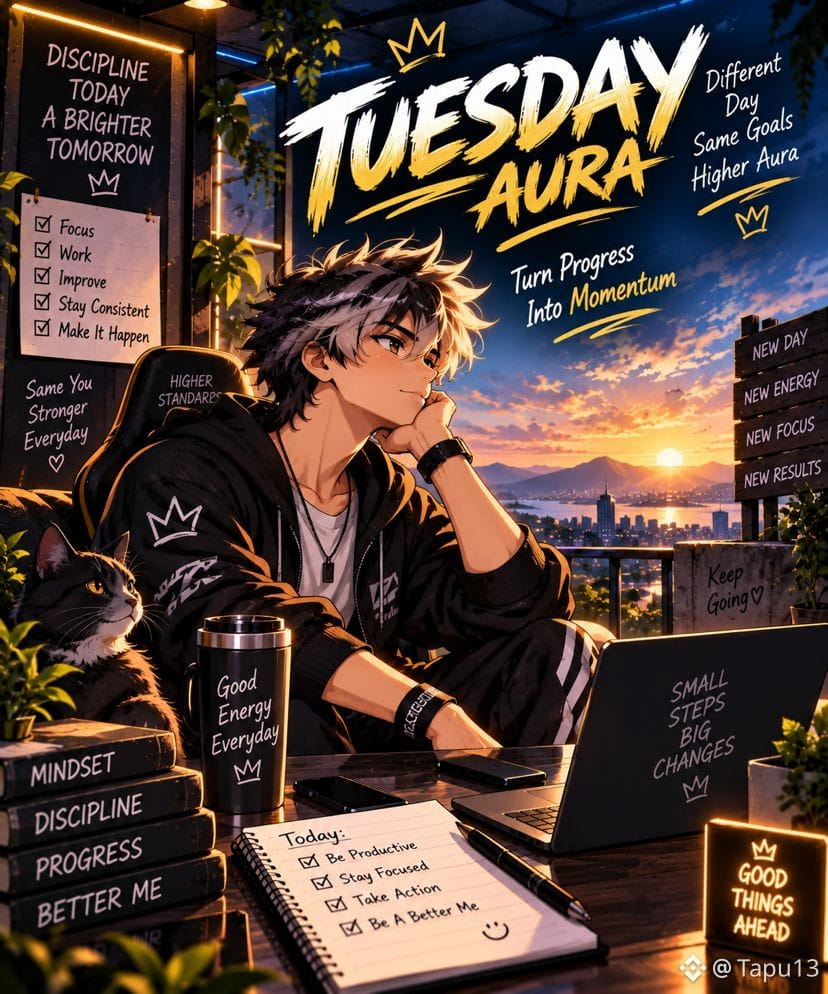
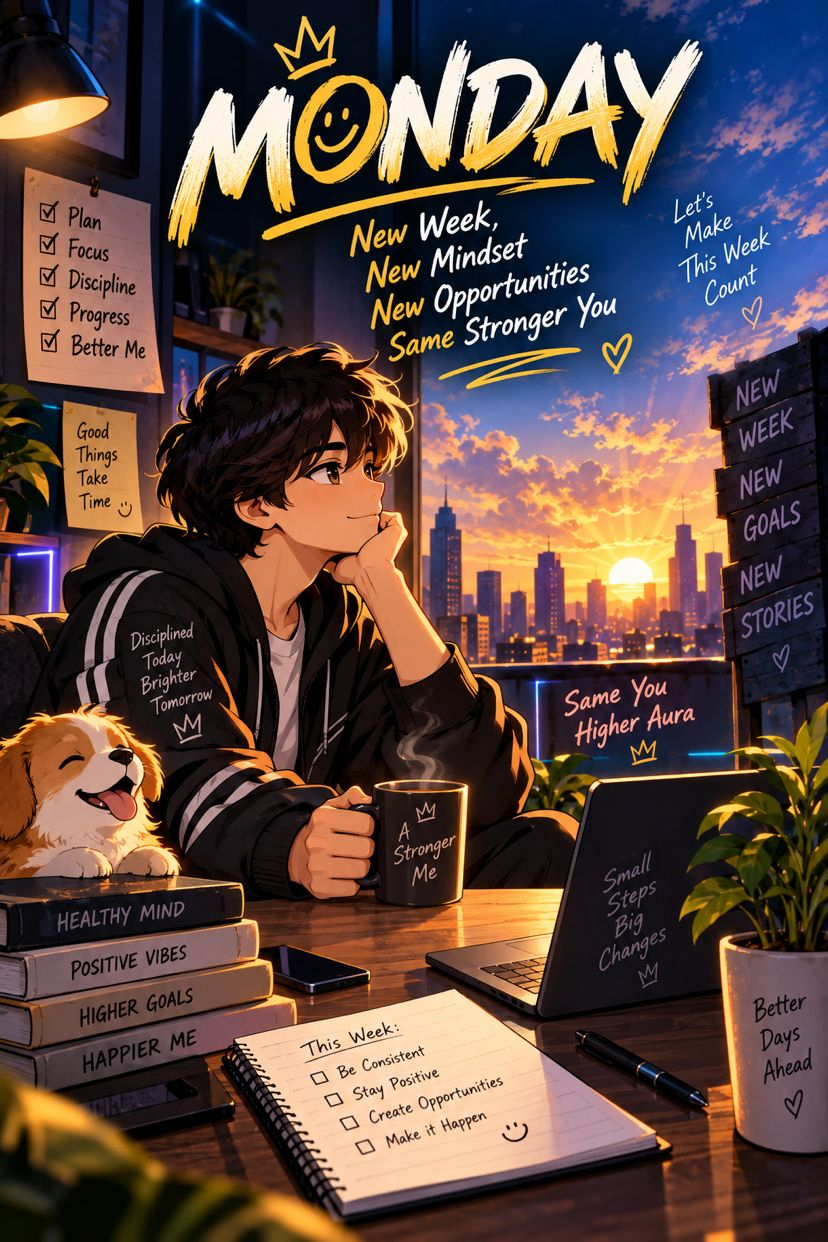
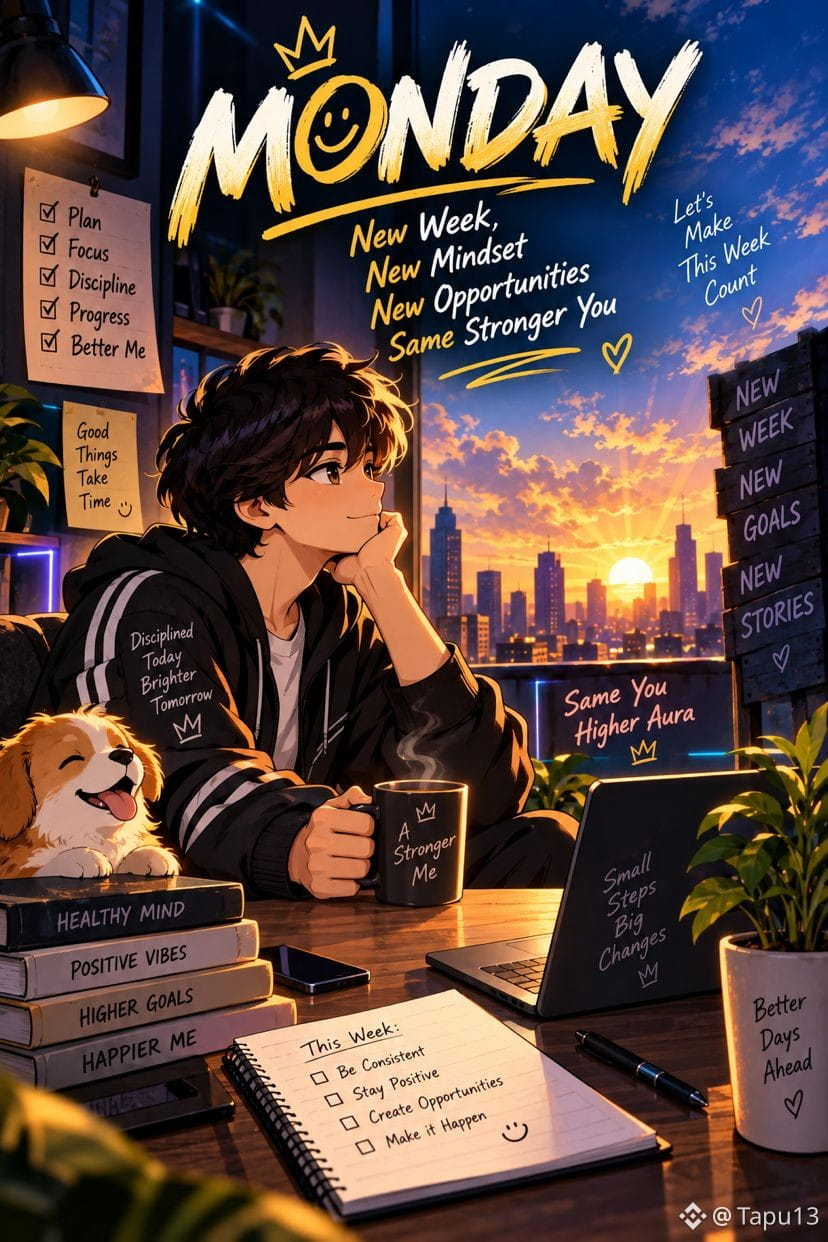
月曜日 ✨
新しい週。
新しいマインドセット。
新しいチャンス。
同じあなた、でももっと強く。👑
モチベーションを待たないで。
自分のエネルギーを作り、最初の一歩を踏み出して、そしてその継続があなたを語るのです。
✨ 計画する。
🔥 集中する。
💪 継続する。
🚀 実現する。
今週の月曜日、完璧を追いかけるのではなく前進を築こう。
言い訳をやめて、自分を選び始めた瞬間、オーラは変わる。🖤
新しい週。新しい目標。より高いオーラ。👑✨
新しい週。
新しいマインドセット。
新しいチャンス。
同じあなた、でももっと強く。👑
モチベーションを待たないで。
自分のエネルギーを作り、最初の一歩を踏み出して、そしてその継続があなたを語るのです。
✨ 計画する。
🔥 集中する。
💪 継続する。
🚀 実現する。
今週の月曜日、完璧を追いかけるのではなく前進を築こう。
言い訳をやめて、自分を選び始めた瞬間、オーラは変わる。🖤
新しい週。新しい目標。より高いオーラ。👑✨
Tapu13
·
--
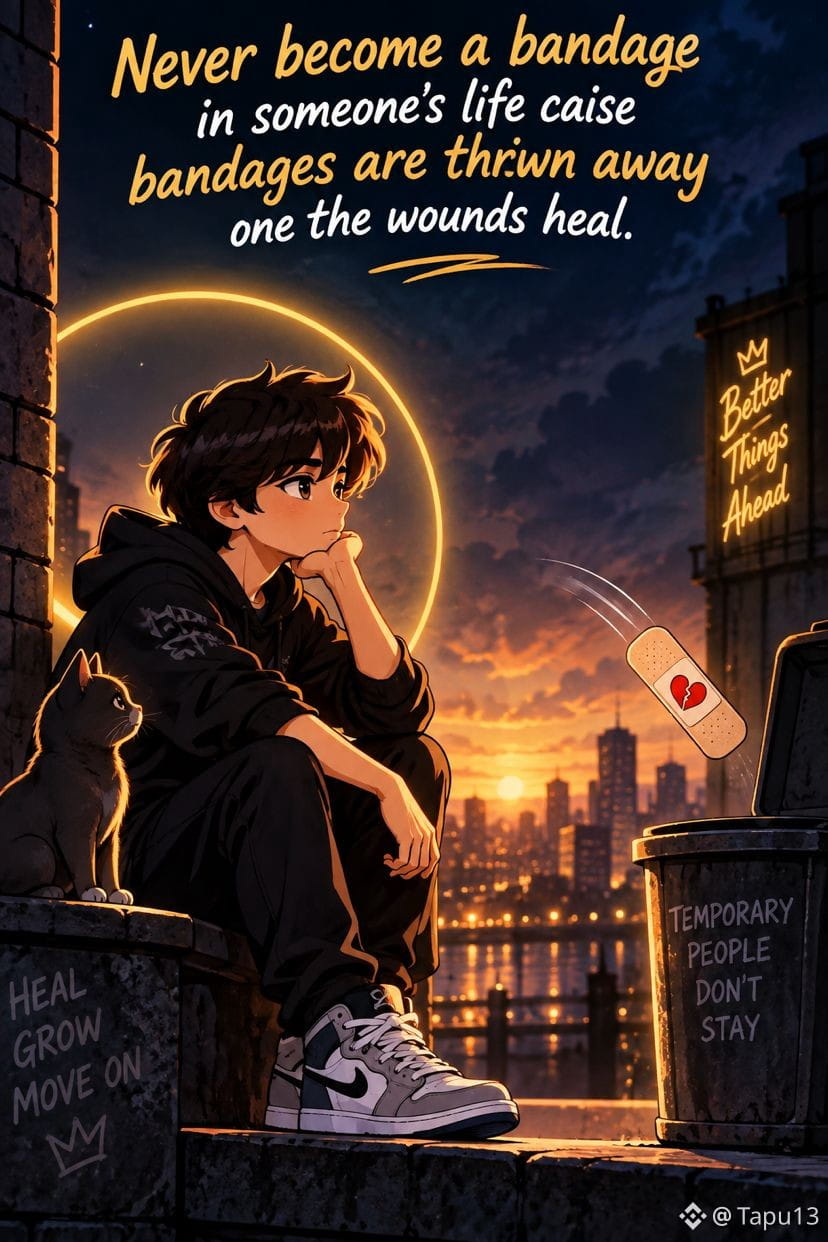
誰かの人生の絆創膏になってはいけない
なぜなら絆創膏は捨てられるから
傷が治れば、もう。
なぜなら絆創膏は捨てられるから
傷が治れば、もう。

ログインして、さらにコンテンツを読む