

Tanvir Rahman Turhan
203 投稿

Tanvir Rahman Turhan
I'm A Crypto Analyst •||• Advisor •||• Content Creator •||• Hear Is My X Handle - https://tinyurl.com/tanvirturhan.
取引を発注

PIEVERSEホルダー
高頻度トレーダー
4.5年
109 フォロー
116 フォロワー
133 いいね
投稿
ポートフォリオ
すべて
引用
動画


Jack Bullish
·
--
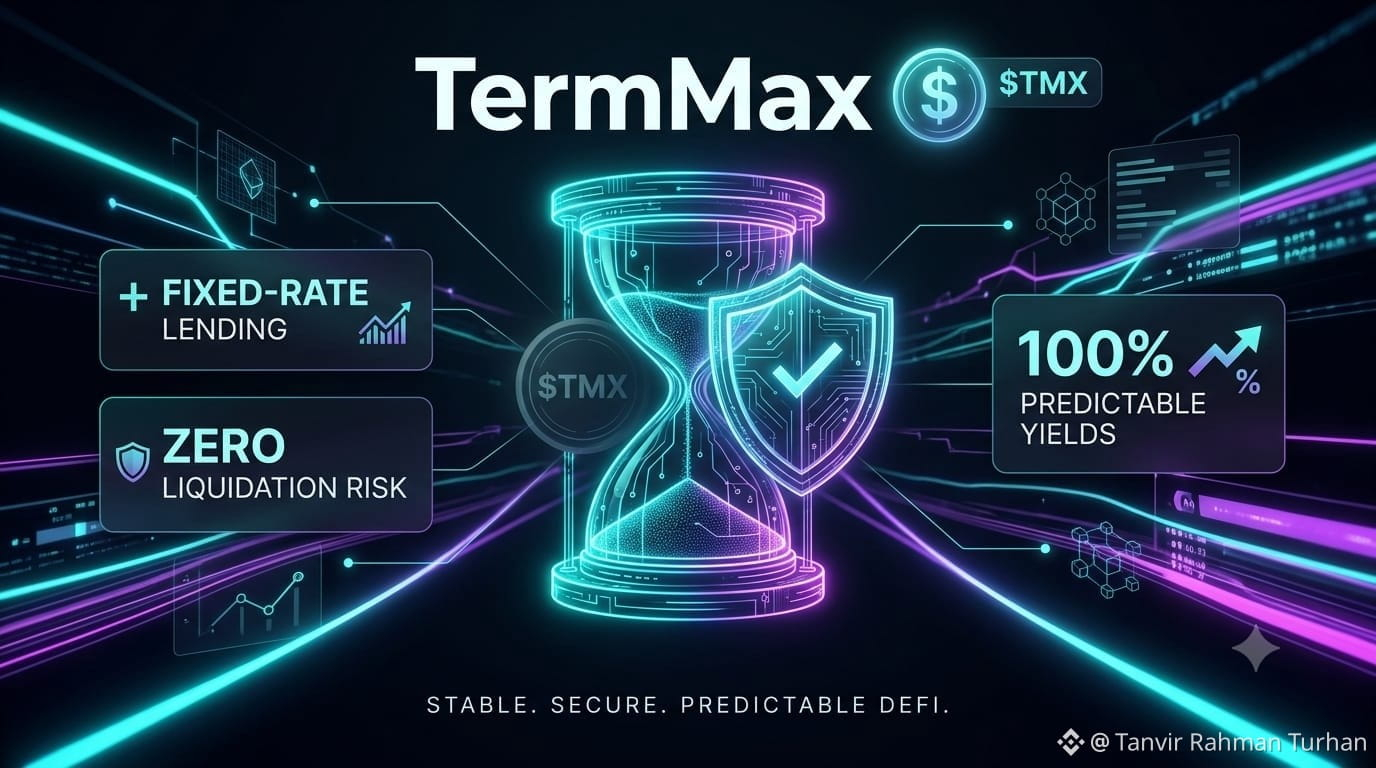
ブリッシュTermMaxは見つめるほど面白くなると思います。
最初は、ただの固定金利の貸出プロトコルに見えます。
でも気づくと、変なのはここ:
借入の金利はそのまま動かないのに、あなたのローンを裏付ける資産は狂ったように動くんです。
それによって、ポジションの捉え方が変わります。
通常のDeFiレンディングだと、私はまず借入金利を見ています。
今は5%。
明日は8%。
流動性がタイトになれば12%。
TermMaxは、そのノイズをいくらか取り除きます。
満期を選ぶ。
金利を固定する。
その日が来たとき、債務がどう見えるべきかが分かる。
落ち着いていそうに感じます。
でもBTCが18%下がったら。
そこで思い出します:
金利は固定だった。
担保は固定じゃなかった。
人が見落としがちなポイントはそこです。
TermMaxはリスクを消しているわけではありません。
それを分けているだけです。
金利リスクが見えやすくなる。
一方で担保リスクは、よりずっと重要になります。
そして、突然APRの見出しよりも満期が大事になる。
30日ポジションと180日ポジションは、ダッシュボード上では似たように見えても、中に入るとまるで別物だと感じます。
時間そのものが取引の一部だから。
さらにAlphaがあります。
ここからTermMaxは、貸出アプリというより、実際にトレーダーが腰を据えて向き合うようなものに感じてきます。
定義されたストライクとプレミアムで、ロング/ショートのオプションエクスポージャーを表現できます。
スッキリした構造。
ただし、定義されたリスクは無リスクとは違う。
今日受け取るプレミアムは、市場が静かなときは小さく見えても、激しい値動きのあとではまったく別のものに見える。
Dual Investmentも同様です。
得られる利回りが魅力的に見えるのはいいですが、それを得るために何を手放しているのかを思い出した瞬間に、話は別になります。
それがたいてい、静かな部分。
画面に表示される数字は報酬。
その下で、手放すものが何かが決まっている。
だからこそ、TermMaxに惹かれ続けています。
固定金利という見出しではありません。
DeFiユーザーが見落としがちなことに、あなたを気づかせてくれるから:
満期、出口の流動性、担保の品質、清算メカニクス、そして取引の嫌な部分を引き受けるのは誰か。
固定金利は、ポジションを落ち着いて見せることができます。
担保が、本当にそうなのかを教えてくれる。
#termmax @TermMax
最初は、ただの固定金利の貸出プロトコルに見えます。
でも気づくと、変なのはここ:
借入の金利はそのまま動かないのに、あなたのローンを裏付ける資産は狂ったように動くんです。
それによって、ポジションの捉え方が変わります。
通常のDeFiレンディングだと、私はまず借入金利を見ています。
今は5%。
明日は8%。
流動性がタイトになれば12%。
TermMaxは、そのノイズをいくらか取り除きます。
満期を選ぶ。
金利を固定する。
その日が来たとき、債務がどう見えるべきかが分かる。
落ち着いていそうに感じます。
でもBTCが18%下がったら。
そこで思い出します:
金利は固定だった。
担保は固定じゃなかった。
人が見落としがちなポイントはそこです。
TermMaxはリスクを消しているわけではありません。
それを分けているだけです。
金利リスクが見えやすくなる。
一方で担保リスクは、よりずっと重要になります。
そして、突然APRの見出しよりも満期が大事になる。
30日ポジションと180日ポジションは、ダッシュボード上では似たように見えても、中に入るとまるで別物だと感じます。
時間そのものが取引の一部だから。
さらにAlphaがあります。
ここからTermMaxは、貸出アプリというより、実際にトレーダーが腰を据えて向き合うようなものに感じてきます。
定義されたストライクとプレミアムで、ロング/ショートのオプションエクスポージャーを表現できます。
スッキリした構造。
ただし、定義されたリスクは無リスクとは違う。
今日受け取るプレミアムは、市場が静かなときは小さく見えても、激しい値動きのあとではまったく別のものに見える。
Dual Investmentも同様です。
得られる利回りが魅力的に見えるのはいいですが、それを得るために何を手放しているのかを思い出した瞬間に、話は別になります。
それがたいてい、静かな部分。
画面に表示される数字は報酬。
その下で、手放すものが何かが決まっている。
だからこそ、TermMaxに惹かれ続けています。
固定金利という見出しではありません。
DeFiユーザーが見落としがちなことに、あなたを気づかせてくれるから:
満期、出口の流動性、担保の品質、清算メカニクス、そして取引の嫌な部分を引き受けるのは誰か。
固定金利は、ポジションを落ち着いて見せることができます。
担保が、本当にそうなのかを教えてくれる。
#termmax @TermMax

Crypto Expert BNB
·
--
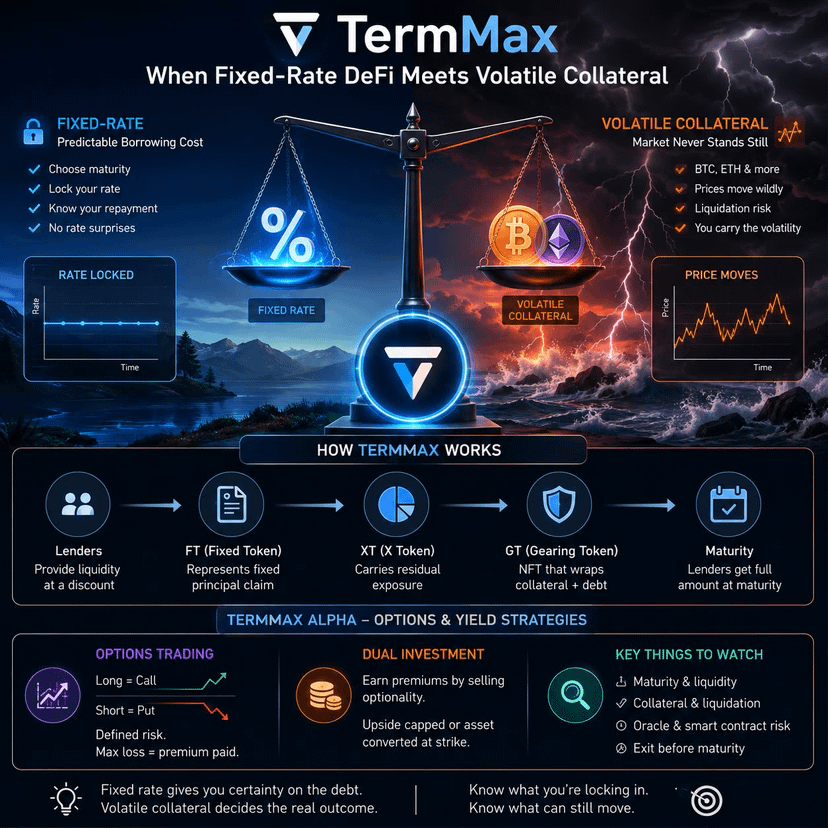
ブリッシュ昨夜、TermMax のドキュメントを読み返してみて、最初の印象は「別の融資プロトコルを見ているのだろう」と感じました。読み進めるほど、固定金利側がこの仕組みの考え方をどう変えるのかが分かってきました。
利用可能な流動性がどれくらいあるかを問うだけではなく、TermMax が「予測可能な借入コスト」と「変動する市場環境」のトレードオフをどのように管理しているのかを考えるようになりました。オプション要素が、私にとってさらに興味深いアーキテクチャだと感じさせてくれました。このポジションはどのように価格付けされているのですか。また、市場のボラティリティが急激に動いたとき、リスクは具体的にどこにどのように位置づくのでしょう?
私はガバナンスについても考え続けました。重要なパラメータがガバナンスによって変更できるとしたら、実際のところそのプロセスはどれほど分散化されているのでしょうか。リスク限度、担保のルール、その他の重要な設定を決めるのは誰で、急ぎの判断を防ぐための保護策は何がありますか?
セキュリティについても、読みながら完全には答えを出せませんでした。融資に固定金利、さらにオプションを組み合わせたプロトコルには、相互に作用する複数のリスク領域があります。だからこそ、独立した監査や、慎重に設計されたリスク管理はさらに重要になるのでしょうか?
理解はまだ進行中で、すべての答えを持っているふりはしたくありません。
TermMax をより深く研究された方へ:レートの仕組み、ガバナンス構造、セキュリティに関する前提は、どのように評価していますか。また、最も注意を払うべきだと思うリスクは何ですか?
@TermMax $TERM #TermMax
#termmax @TermMax
利用可能な流動性がどれくらいあるかを問うだけではなく、TermMax が「予測可能な借入コスト」と「変動する市場環境」のトレードオフをどのように管理しているのかを考えるようになりました。オプション要素が、私にとってさらに興味深いアーキテクチャだと感じさせてくれました。このポジションはどのように価格付けされているのですか。また、市場のボラティリティが急激に動いたとき、リスクは具体的にどこにどのように位置づくのでしょう?
私はガバナンスについても考え続けました。重要なパラメータがガバナンスによって変更できるとしたら、実際のところそのプロセスはどれほど分散化されているのでしょうか。リスク限度、担保のルール、その他の重要な設定を決めるのは誰で、急ぎの判断を防ぐための保護策は何がありますか?
セキュリティについても、読みながら完全には答えを出せませんでした。融資に固定金利、さらにオプションを組み合わせたプロトコルには、相互に作用する複数のリスク領域があります。だからこそ、独立した監査や、慎重に設計されたリスク管理はさらに重要になるのでしょうか?
理解はまだ進行中で、すべての答えを持っているふりはしたくありません。
TermMax をより深く研究された方へ:レートの仕組み、ガバナンス構造、セキュリティに関する前提は、どのように評価していますか。また、最も注意を払うべきだと思うリスクは何ですか?
@TermMax $TERM #TermMax
#termmax @TermMax

ErnestAcademy
·
--
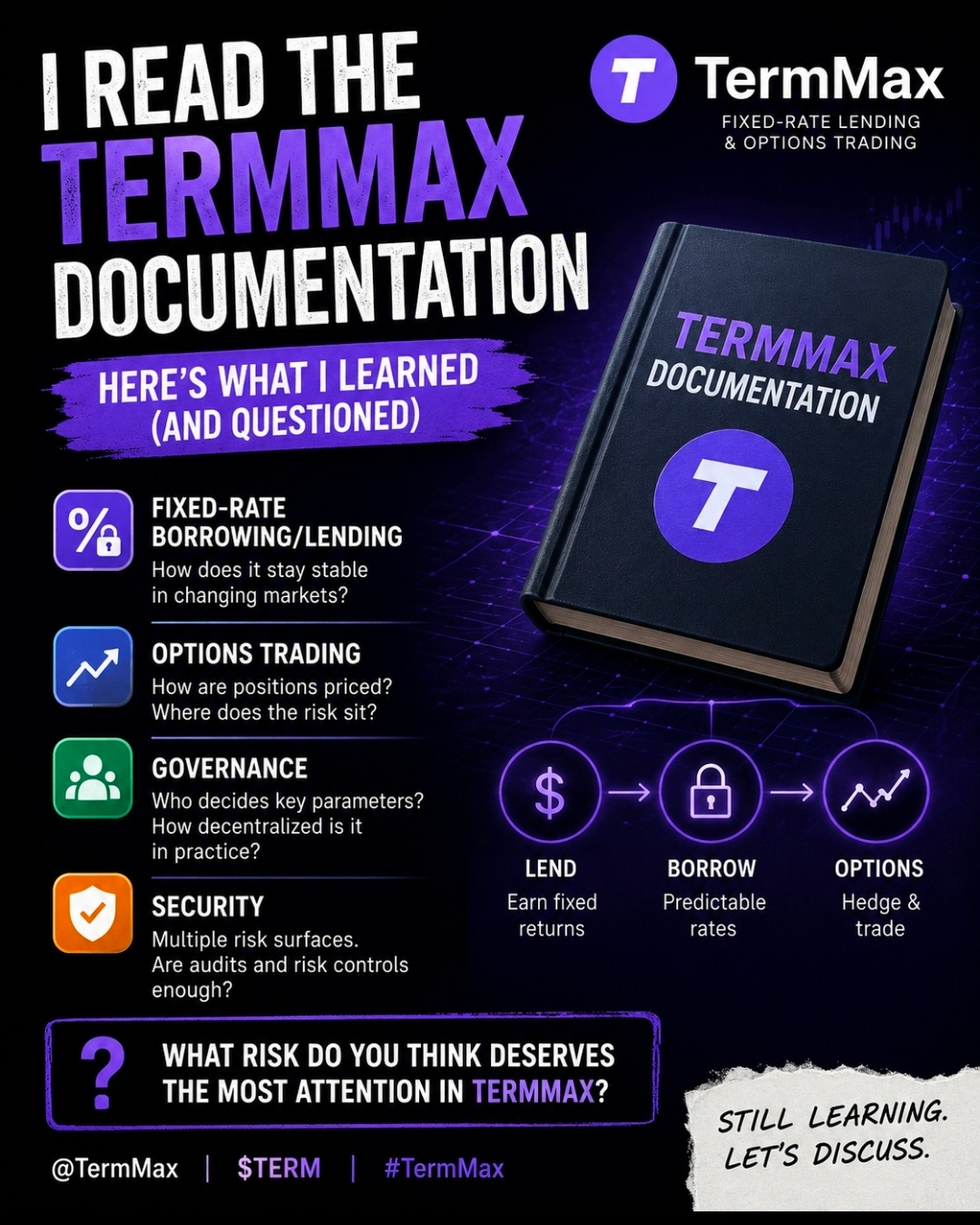
ブリッシュなぜ #TMX は次の DeFi ウェーブで注目すべきトークンの1つになり得るのか! #TermMax @TermMax
数年前まで、DeFi(分散型金融)は主にトークンのスワップや利回りの獲得が中心でした。現在は、ユーザーはそれ以上のものを求めています。より良いツール、より予測可能な借り入れ、そして資本を効果的に運用するためのより賢い方法です。(不労所得)
そこで TermMax が面白くなってきます。
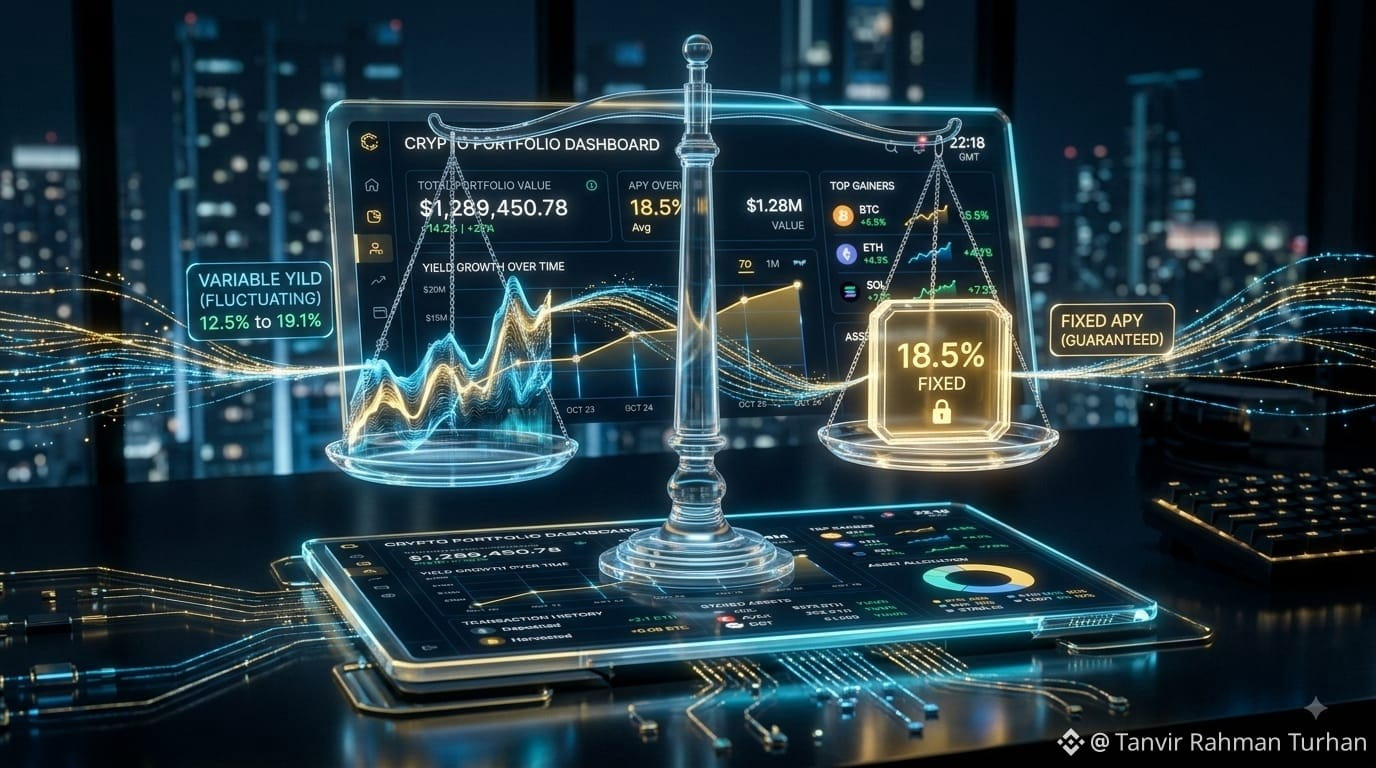
@TermMax は、固定金利・固定期間の貸付に焦点を当てており、金利が絶えず変動することに全面的に頼る代わりに、借入コストについての確実性をユーザーに提供します。
DeFi がさらに成熟し、ユーザーがより予測可能な金融商品を求め始めるなら、TMX はエコシステムの中で興味深いポジションを獲得し、仮想通貨セクターで優位性を得る可能性があります。
まだ始まったばかりですが、TMX は次の DeFi ウェーブが広がっていく中で、見逃せないトークンの1つです。特に、TGE が間近に迫っていることを考えると。 $BNB
このトークンのローンチに注目してください。
#termmax $GPS , $ACE
数年前まで、DeFi(分散型金融)は主にトークンのスワップや利回りの獲得が中心でした。現在は、ユーザーはそれ以上のものを求めています。より良いツール、より予測可能な借り入れ、そして資本を効果的に運用するためのより賢い方法です。(不労所得)
そこで TermMax が面白くなってきます。
@TermMax は、固定金利・固定期間の貸付に焦点を当てており、金利が絶えず変動することに全面的に頼る代わりに、借入コストについての確実性をユーザーに提供します。
DeFi がさらに成熟し、ユーザーがより予測可能な金融商品を求め始めるなら、TMX はエコシステムの中で興味深いポジションを獲得し、仮想通貨セクターで優位性を得る可能性があります。
まだ始まったばかりですが、TMX は次の DeFi ウェーブが広がっていく中で、見逃せないトークンの1つです。特に、TGE が間近に迫っていることを考えると。 $BNB
このトークンのローンチに注目してください。
#termmax $GPS , $ACE

Mike_Block
·
--
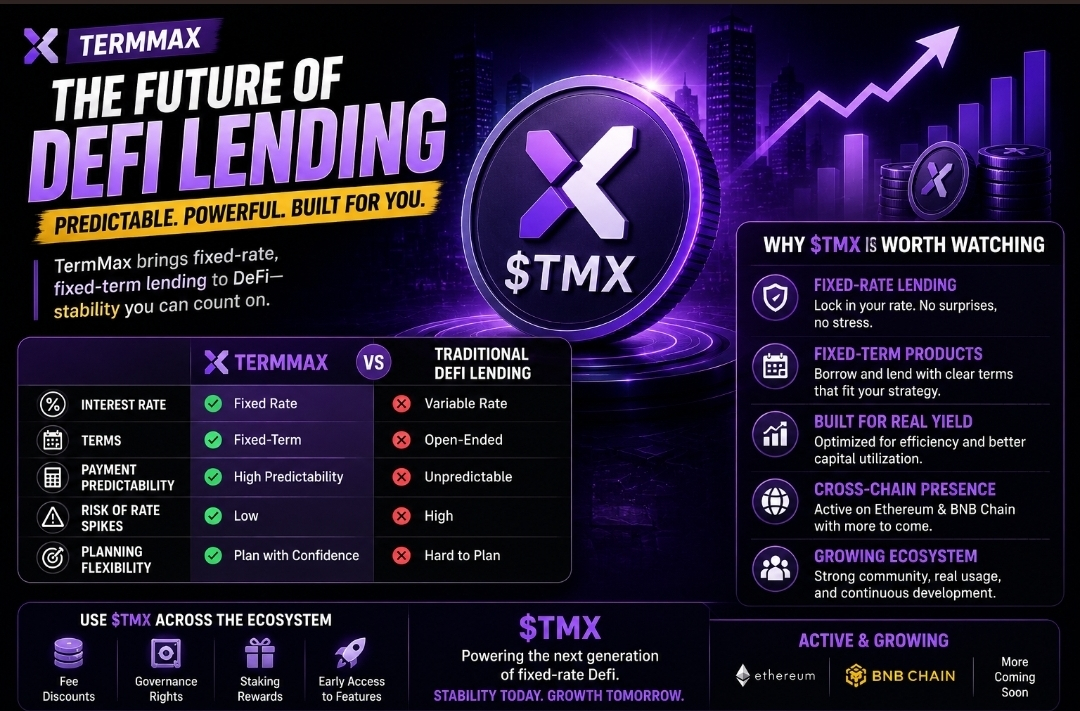
ブリッシュTermMaxを見れば見るほど、シンプルな質問に行き着きます。人々は本当に、固定金利のDeFiを強く必要としていて、そのために習慣を変えるのでしょうか?
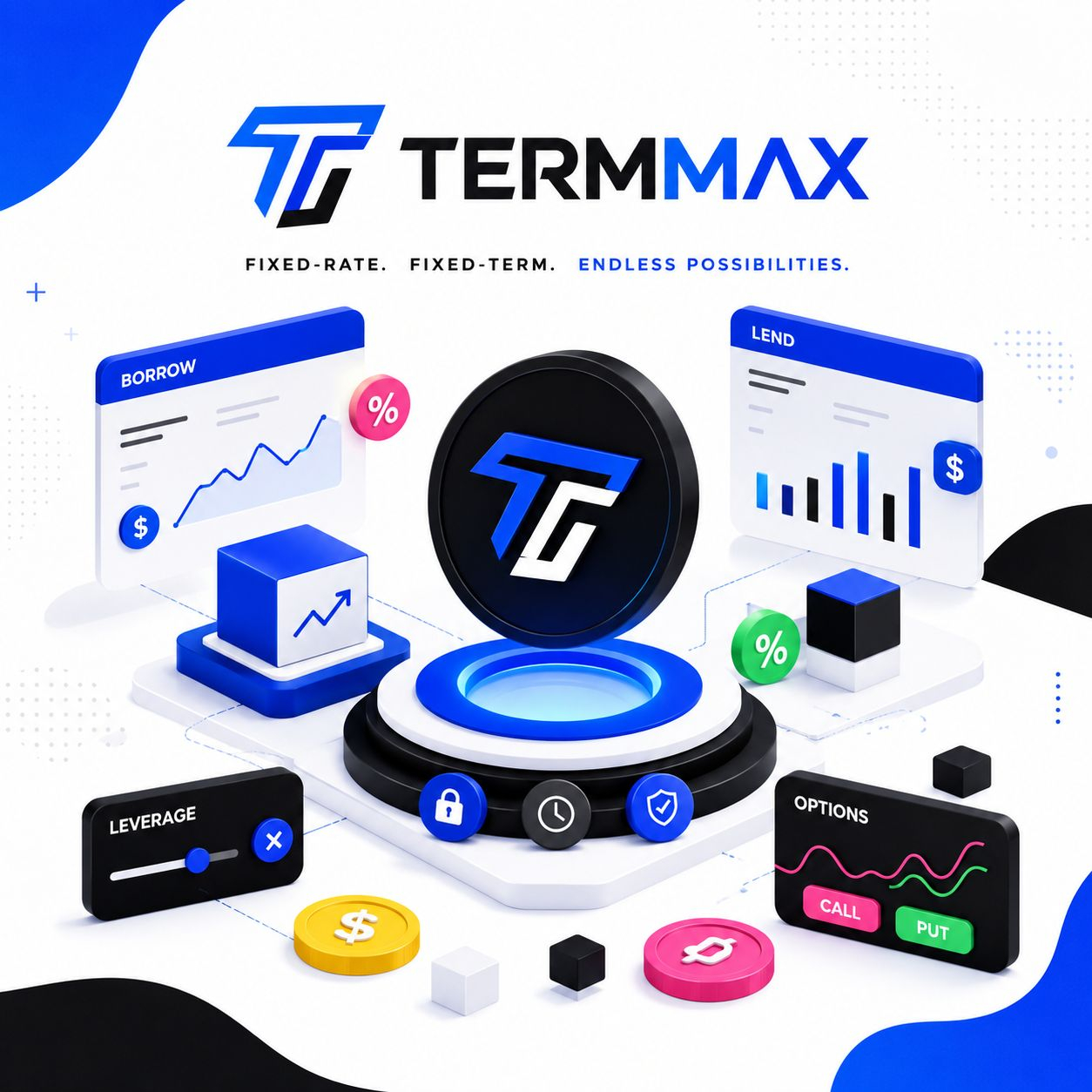
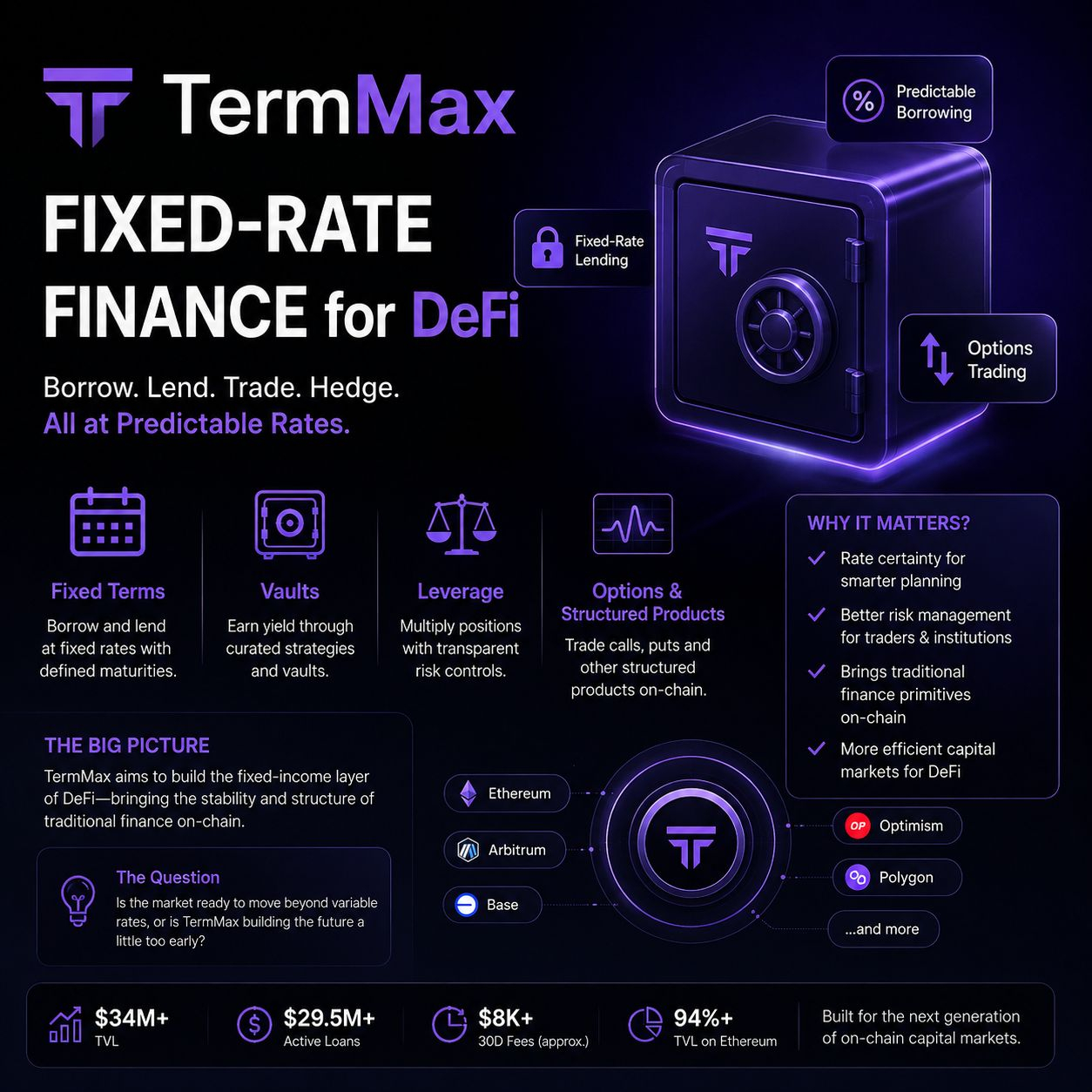
その考えは筋が通っています。@TermMax は、満期が定義された固定金利の貸し借りをユーザーに提供し、さらにバルアルトとレバレッジも用意しています。紙の上では、それは有用な金融インフラです。
しかしDeFiは、良い設計そのものに報酬を与えません。
難しいのは、人々に使ってもらうことです。
すでに、なじみのあるマネーマーケットに流動性は十分にあります。多くのユーザーにとって変動金利は面倒ですが、それでもシンプルで流動性が高く、十分に機能します。
そこでTermMaxが面白くなります。
固定金利は、レバレッジを管理している人や、資金調達コストを最初から把握できることが重要になる戦略を計画している人にとって、まさに本当に価値があります。
ただし、インセンティブが状況を複雑にします。TermMaxは現在、活動を促すためにXPとアクティビティポイントを使っています。真の試験は後にやってきます。インセンティブの重要度が下がっても、どれだけ需要が維持されるのでしょうか?
私はTermMaxが間違ったものを作っていると言っているわけではありません。
むしろ、暗号資産が成熟するにつれて、固定所得(固定金利)系のインフラがこれまで以上に重要になる可能性が高いと思います。
ただ、私のためらいの大半はタイミングです。
ときには、市場が最終的に必要とするものをまさに作れていても、時期が早すぎることがあります。
結局のところ、ユーザーは設計がどれほどエレガントかには関心を持ちません。
彼らが気にするのは、TermMaxが代替手段よりも自分のお金をうまく働かせてくれるかどうかです。
@TermMax #termmax
$GPS
$LAB
$BANK
その考えは筋が通っています。@TermMax は、満期が定義された固定金利の貸し借りをユーザーに提供し、さらにバルアルトとレバレッジも用意しています。紙の上では、それは有用な金融インフラです。
しかしDeFiは、良い設計そのものに報酬を与えません。
難しいのは、人々に使ってもらうことです。
すでに、なじみのあるマネーマーケットに流動性は十分にあります。多くのユーザーにとって変動金利は面倒ですが、それでもシンプルで流動性が高く、十分に機能します。
そこでTermMaxが面白くなります。
固定金利は、レバレッジを管理している人や、資金調達コストを最初から把握できることが重要になる戦略を計画している人にとって、まさに本当に価値があります。
ただし、インセンティブが状況を複雑にします。TermMaxは現在、活動を促すためにXPとアクティビティポイントを使っています。真の試験は後にやってきます。インセンティブの重要度が下がっても、どれだけ需要が維持されるのでしょうか?
私はTermMaxが間違ったものを作っていると言っているわけではありません。
むしろ、暗号資産が成熟するにつれて、固定所得(固定金利)系のインフラがこれまで以上に重要になる可能性が高いと思います。
ただ、私のためらいの大半はタイミングです。
ときには、市場が最終的に必要とするものをまさに作れていても、時期が早すぎることがあります。
結局のところ、ユーザーは設計がどれほどエレガントかには関心を持ちません。
彼らが気にするのは、TermMaxが代替手段よりも自分のお金をうまく働かせてくれるかどうかです。
@TermMax #termmax
$GPS
$LAB
$BANK

TermMax
·
--
$哈基米 がTermMax Alphaに上場しました!
🐂 ロング派の皆さん:$0.0288または$0.0336で$ハキミをロングできます。
🐻 ショート派の皆さん:$0.0168または$0.012で$ハキミをショートできます。
🏊 リターン志向の方:USDTまたは$哈基米 を預け入れれば、毎日60倍のXPと約30%の年利を獲得できます。
詳細はts.financeをチェック!
🐂 ロング派の皆さん:$0.0288または$0.0336で$ハキミをロングできます。
🐻 ショート派の皆さん:$0.0168または$0.012で$ハキミをショートできます。
🏊 リターン志向の方:USDTまたは$哈基米 を預け入れれば、毎日60倍のXPと約30%の年利を獲得できます。
詳細はts.financeをチェック!


ログインして、さらにコンテンツを読む