

Crypto Market lnsights
2.3k 投稿

Crypto Market lnsights
報告
ユーザーをブロック
Daily Market Forecast / Risk Mgt / Execution Advice for US, EU and Asian Traders.
49 フォロー
6.3K+ フォロワー
2.8K+ いいね
投稿
すべて
引用
PINNED

記事
$ROBO vs. 他のAI/ロボティクストークン:物理的なDePINが現実の世界で勝つ理由アジアのトレーダーたち、注目してください — 西洋がチャットボットのハイプと仮想AIモデルを追いかける中、アジアはすでに世界の工場の現場です。中国は他のどの国よりも多くの産業用ロボットを導入しており、日本と韓国は精密自動化で先行し、東南アジアの製造業のブームは爆発的に成長しています。この環境の中で、$ROBO (Fabric Protocol) は物理的なロボットを直接駆動する唯一のトークンとして際立っています — 単なるコードではありません。実世界の採用を物語のフラフとして理解するトレーダー向けに特別に調整された簡単な直接比較を以下に示します:
$ROBO vs. 他のAI/ロボティクストークン:物理的なDePINが現実の世界で勝つ理由
アジアのトレーダーたち、注目してください — 西洋がチャットボットのハイプと仮想AIモデルを追いかける中、アジアはすでに世界の工場の現場です。中国は他のどの国よりも多くの産業用ロボットを導入しており、日本と韓国は精密自動化で先行し、東南アジアの製造業のブームは爆発的に成長しています。この環境の中で、$ROBO (Fabric Protocol) は物理的なロボットを直接駆動する唯一のトークンとして際立っています — 単なるコードではありません。実世界の採用を物語のフラフとして理解するトレーダー向けに特別に調整された簡単な直接比較を以下に示します:
3
9
354
PINNED

記事
プライバシーは次の物語です:なぜミッドナイト ($NIGHT) が2026年にモネロとZcashに勝るのか規制の圧力が急増しています—ヨーロッパでのMiCA施行、アメリカでのSECの取り締まり、完全匿名通貨への上場廃止が相次いでいます。モネロの完全なプライバシーが大手取引所から排除されました。Zcashのオプションシールドは、使い勝手が悪く、時代遅れに感じられます。ミッドナイト ($NIGHT) が登場しました:選択的開示を提供するZK証明革命です。ベースのNIGHT台帳は、ガバナンスとコンプライアンスのために公開され透明性を保ちつつ、プライベートなdAppと取引は完全にシールドされます。規制当局や監査人が必要とするものを正確に証明します—それ以上はありません。実際にスケールする合理的なプライバシーです。Cardanoの背後にあるIOGチームによって構築されたミッドナイトは、外部の実験ではありません。これは公式なプライバシーパートナーチェーンであり、チャールズ・ホスキンソンが2026年3月末のメインネットローンチを個人的に盛り上げ、ShieldUSDプライベートステーブルコインのような実世界のユースケースを持っています。機関投資家は注意深く見守っています:これはダークプールの匿名性ではありません—AMLルールを満たしながらユーザーデータを保護するエンタープライズグレードのプライバシーです。銀行、DeFiプロトコル、規制されたフィンテックがここに未来を見ています。なぜ今なのか?世界的な取り締まりが2026年に向けて強化される中、選択的開示は生き残る唯一のプライバシーモデルです。バズはすでにBinance SquareとCreatorPadで大きくなっています—現在、検証されたクリエイターやトレーダーに2,000,000 $NIGHT の報酬を提供するライブキャンペーンが行われています。物語のシフトがリアルタイムで進行しています。結論:モネロとZcashは古いプライバシー戦争の遺物です。$NIGHTは、機関が実際に採用する準拠したCardano駆動の勝者です。プライバシーは死んでいません—ただスマートになりました。次の段階がメインネットで点火する前に積み上げてください。#USCrypto #EUTraders #NIGHT #USFebruaryPPISurgedSurprisingly @MidnightNetwork #ZKCompliance $NIGHT
プライバシーは次の物語です:なぜミッドナイト ($NIGHT) が2026年にモネロとZcashに勝るのか
規制の圧力が急増しています—ヨーロッパでのMiCA施行、アメリカでのSECの取り締まり、完全匿名通貨への上場廃止が相次いでいます。モネロの完全なプライバシーが大手取引所から排除されました。Zcashのオプションシールドは、使い勝手が悪く、時代遅れに感じられます。ミッドナイト ($NIGHT ) が登場しました:選択的開示を提供するZK証明革命です。ベースのNIGHT台帳は、ガバナンスとコンプライアンスのために公開され透明性を保ちつつ、プライベートなdAppと取引は完全にシールドされます。規制当局や監査人が必要とするものを正確に証明します—それ以上はありません。実際にスケールする合理的なプライバシーです。Cardanoの背後にあるIOGチームによって構築されたミッドナイトは、外部の実験ではありません。これは公式なプライバシーパートナーチェーンであり、チャールズ・ホスキンソンが2026年3月末のメインネットローンチを個人的に盛り上げ、ShieldUSDプライベートステーブルコインのような実世界のユースケースを持っています。機関投資家は注意深く見守っています:これはダークプールの匿名性ではありません—AMLルールを満たしながらユーザーデータを保護するエンタープライズグレードのプライバシーです。銀行、DeFiプロトコル、規制されたフィンテックがここに未来を見ています。なぜ今なのか?世界的な取り締まりが2026年に向けて強化される中、選択的開示は生き残る唯一のプライバシーモデルです。バズはすでにBinance SquareとCreatorPadで大きくなっています—現在、検証されたクリエイターやトレーダーに2,000,000 $NIGHT の報酬を提供するライブキャンペーンが行われています。物語のシフトがリアルタイムで進行しています。結論:モネロとZcashは古いプライバシー戦争の遺物です。$NIGHT は、機関が実際に採用する準拠したCardano駆動の勝者です。プライバシーは死んでいません—ただスマートになりました。次の段階がメインネットで点火する前に積み上げてください。#USCrypto #EUTraders #NIGHT #USFebruaryPPISurgedSurprisingly @MidnightNetwork #ZKCompliance $NIGHT
2
8
231
記事
2026年5月18日のオンチェーン分析(最新の利用可能データに基づく):ビットコインは、マクロ圧力(原油価格の上昇や国債利回りの上昇)によって77,000ドルを下回った後、76,000ドルから77,000ドルの間で取引されている。
ビットコインのオンチェーンハイライト
HODLerの強さ:長期保有者は頑丈で、BTC供給の約60%が1年以上動いていない。取引所の残高は6年ぶりの低水準にあり、中央集権的プラットフォームからの売り圧力の減少を示している。
短期保有者は損失:短期保有者のMVRVは1未満で、最近の購入者は平均して損失を抱えている。これにより、マクロショックからのさらなる下落に対する感度が高まる。
2026年5月18日のオンチェーン分析(最新の利用可能データに基づく):
ビットコインは、マクロ圧力(原油価格の上昇や国債利回りの上昇)によって77,000ドルを下回った後、76,000ドルから77,000ドルの間で取引されている。
ビットコインのオンチェーンハイライト
HODLerの強さ:長期保有者は頑丈で、BTC供給の約60%が1年以上動いていない。取引所の残高は6年ぶりの低水準にあり、中央集権的プラットフォームからの売り圧力の減少を示している。
短期保有者は損失:短期保有者のMVRVは1未満で、最近の購入者は平均して損失を抱えている。これにより、マクロショックからのさらなる下落に対する感度が高まる。
ビットコインのオンチェーンハイライト
HODLerの強さ:長期保有者は頑丈で、BTC供給の約60%が1年以上動いていない。取引所の残高は6年ぶりの低水準にあり、中央集権的プラットフォームからの売り圧力の減少を示している。
短期保有者は損失:短期保有者のMVRVは1未満で、最近の購入者は平均して損失を抱えている。これにより、マクロショックからのさらなる下落に対する感度が高まる。
144
SAGAが核爆発 – 今すぐ無視できないBinanceのポンプ市場全体が横ばいで動く中で、Saga (SAGA)は過去24時間でBinanceで+90~100%爆発的に上昇し、注目を集め、ショートを見事に絞り上げた。このモジュラーブロックチェーンプロジェクトは、チェインレットと分散型ゲーム/AIインフラに焦点を当てており、突然大きなボリュームと流動性ハントで火が付いた。
何が引き金になったの?最近のSagaEVM再ローンチの進展に続くエコシステムの活気が、低時価総額のナラティブへの大量の投機的フローと相まって発生した。トレーダーたちは、トークンが重要な抵抗ラインを突破したため、一気に押し寄せてきて、ショートを一掃し、クラシックなモメンタムスクイーズを生み出している。ボリュームは天井知らずで、今日は取引所で最も注目されているギャイナーの一つになっている。
SAGAが核爆発 – 今すぐ無視できないBinanceのポンプ
市場全体が横ばいで動く中で、Saga (SAGA)は過去24時間でBinanceで+90~100%爆発的に上昇し、注目を集め、ショートを見事に絞り上げた。このモジュラーブロックチェーンプロジェクトは、チェインレットと分散型ゲーム/AIインフラに焦点を当てており、突然大きなボリュームと流動性ハントで火が付いた。
何が引き金になったの?最近のSagaEVM再ローンチの進展に続くエコシステムの活気が、低時価総額のナラティブへの大量の投機的フローと相まって発生した。トレーダーたちは、トークンが重要な抵抗ラインを突破したため、一気に押し寄せてきて、ショートを一掃し、クラシックなモメンタムスクイーズを生み出している。ボリュームは天井知らずで、今日は取引所で最も注目されているギャイナーの一つになっている。
何が引き金になったの?最近のSagaEVM再ローンチの進展に続くエコシステムの活気が、低時価総額のナラティブへの大量の投機的フローと相まって発生した。トレーダーたちは、トークンが重要な抵抗ラインを突破したため、一気に押し寄せてきて、ショートを一掃し、クラシックなモメンタムスクイーズを生み出している。ボリュームは天井知らずで、今日は取引所で最も注目されているギャイナーの一つになっている。
1
2
394
NILは今、バイナンスで急上昇中。Nillion ($NIL)は過去24時間で48%以上急騰し、抵抗を破って大量のボリュームで取引されています。これはランダムなミームポンプではなく、プライバシー重視の「ブラインドコンピュテーション」ネットワークがようやく注目を浴びています。あなたの情報がエンドツーエンドで暗号化されたままの分散型データ処理を考えてみてください。データ漏洩の溢れる世界で、安全なAI、DeFi、プライベートアナリティクスに最適です。
なぜNILが急騰しているのか:
Blind ComputeテクノロジーがNillionを人類初の「ブラインドコンピュータ」に変える—データを復号化することなくセンシティブな情報を処理する。
NILは今、バイナンスで急上昇中。
Nillion ($NIL )は過去24時間で48%以上急騰し、抵抗を破って大量のボリュームで取引されています。これはランダムなミームポンプではなく、プライバシー重視の「ブラインドコンピュテーション」ネットワークがようやく注目を浴びています。あなたの情報がエンドツーエンドで暗号化されたままの分散型データ処理を考えてみてください。データ漏洩の溢れる世界で、安全なAI、DeFi、プライベートアナリティクスに最適です。
なぜNILが急騰しているのか:
Blind ComputeテクノロジーがNillionを人類初の「ブラインドコンピュータ」に変える—データを復号化することなくセンシティブな情報を処理する。
なぜNILが急騰しているのか:
Blind ComputeテクノロジーがNillionを人類初の「ブラインドコンピュータ」に変える—データを復号化することなくセンシティブな情報を処理する。
144
記事
DOGSが今、バイナンスで大きく吠えている – 24時間で80%以上上昇し、減速する兆しは見えない!テレグラムのミニアプリがミームコイン$DOGS として、今日はフルブレイクアウトモードに入っている。リテールの熱狂が始まり、バイナンスでの取引ボリュームが爆発しており、トークンは最近の安値からダブルディジットのグリーン領域へ急騰中。これはただのノイズではなく、強いコミュニティの勢いを背景にしたクラシックなミーム主導の急騰だ。
なぜDOGSが急騰しているのか:
大規模なボリュームスパイク:FOMOバイヤーが殺到する中、バイナンスペアにビリオンドルが流れ込んでいる。
ミームパワー:TONエコシステムに基づいたこのたまらない犬のテーマ – 高い確信を持つミームへの市場回転の絶好のタイミング。
DOGSが今、バイナンスで大きく吠えている – 24時間で80%以上上昇し、減速する兆しは見えない!
テレグラムのミニアプリがミームコイン$DOGS として、今日はフルブレイクアウトモードに入っている。リテールの熱狂が始まり、バイナンスでの取引ボリュームが爆発しており、トークンは最近の安値からダブルディジットのグリーン領域へ急騰中。これはただのノイズではなく、強いコミュニティの勢いを背景にしたクラシックなミーム主導の急騰だ。
なぜDOGSが急騰しているのか:
大規模なボリュームスパイク:FOMOバイヤーが殺到する中、バイナンスペアにビリオンドルが流れ込んでいる。
ミームパワー:TONエコシステムに基づいたこのたまらない犬のテーマ – 高い確信を持つミームへの市場回転の絶好のタイミング。
なぜDOGSが急騰しているのか:
大規模なボリュームスパイク:FOMOバイヤーが殺到する中、バイナンスペアにビリオンドルが流れ込んでいる。
ミームパワー:TONエコシステムに基づいたこのたまらない犬のテーマ – 高い確信を持つミームへの市場回転の絶好のタイミング。
239
記事
SKYAIがAIの物語を燃え上がらせる – 現在Binanceで爆発的なポンプ中AI-クリプトセクターが大きな衝撃を受けた。SKYAI (SKYAI)は、リアルタイムのマルチチェーンデータと大規模言語モデルをつなぐブロックチェーンネイティブのAIインフラストラクチャトークンであり、現在Binanceで絶好調に上昇中。過去24時間で90-100%を超える利 gainsを記録し、取引量は$200Mを超え、SKYAIは注目の的となり、市場キャップの高い層に突入し、次のAIベータプレイを追い求めるトレーダーたちからの激しいローテーションを引き寄せている。これは単なる雑音ではなく、強力なオンチェーンデータの集約(すでにBNBチェーンとSolanaから数十億の行を引き出している)、新しいリスティングの勢い、そしてAIエージェントやWeb3インテリジェンスに対する広範なブームによって支えられている。
SKYAIがAIの物語を燃え上がらせる – 現在Binanceで爆発的なポンプ中
AI-クリプトセクターが大きな衝撃を受けた。SKYAI (SKYAI)は、リアルタイムのマルチチェーンデータと大規模言語モデルをつなぐブロックチェーンネイティブのAIインフラストラクチャトークンであり、現在Binanceで絶好調に上昇中。過去24時間で90-100%を超える利 gainsを記録し、取引量は$200Mを超え、SKYAIは注目の的となり、市場キャップの高い層に突入し、次のAIベータプレイを追い求めるトレーダーたちからの激しいローテーションを引き寄せている。これは単なる雑音ではなく、強力なオンチェーンデータの集約(すでにBNBチェーンとSolanaから数十億の行を引き出している)、新しいリスティングの勢い、そしてAIエージェントやWeb3インテリジェンスに対する広範なブームによって支えられている。
349
記事
$SKYAIがバイナンスで爆発 – 現在チャートを照らすAIミームロケット暗号街は賑わっており、SkyAI ($SKYAI) が今日バイナンスでスポットライトを奪っているトークンです。このAI駆動のミームコインは、過去24時間で27%以上急騰し、トレーダーたちが集まる中、ボリュームは$115Mを超える爆発的な増加を見せています。人工知能とバイラルミームエネルギーの遊び心ある融合として始まったものが、AIナarrativesのハイプとリテールFOMOに乗って完全なモメンタムプレイに変わりました。
価格よりもナarrativesが速く動く市場で、$SKYAI はミームのバイラリティとホットなAIセクターを組み合わせています。コミュニティの話題は盛り上がっており、チャートは重要な抵抗を突破し、クジラたちが蓄積している様子が見受けられます。多くの低時価総額トークンが消えていく中、これは強い買い圧力とバイナンスの流動性によって本物の足を見せています。$SKYAIのクイックトレードセットアップ
$SKYAIがバイナンスで爆発 – 現在チャートを照らすAIミームロケット
暗号街は賑わっており、SkyAI ($SKYAI ) が今日バイナンスでスポットライトを奪っているトークンです。このAI駆動のミームコインは、過去24時間で27%以上急騰し、トレーダーたちが集まる中、ボリュームは$115Mを超える爆発的な増加を見せています。人工知能とバイラルミームエネルギーの遊び心ある融合として始まったものが、AIナarrativesのハイプとリテールFOMOに乗って完全なモメンタムプレイに変わりました。
価格よりもナarrativesが速く動く市場で、$SKYAI はミームのバイラリティとホットなAIセクターを組み合わせています。コミュニティの話題は盛り上がっており、チャートは重要な抵抗を突破し、クジラたちが蓄積している様子が見受けられます。多くの低時価総額トークンが消えていく中、これは強い買い圧力とバイナンスの流動性によって本物の足を見せています。$SKYAI のクイックトレードセットアップ
価格よりもナarrativesが速く動く市場で、$SKYAI はミームのバイラリティとホットなAIセクターを組み合わせています。コミュニティの話題は盛り上がっており、チャートは重要な抵抗を突破し、クジラたちが蓄積している様子が見受けられます。多くの低時価総額トークンが消えていく中、これは強い買い圧力とバイナンスの流動性によって本物の足を見せています。$SKYAI のクイックトレードセットアップ
1
1
416
ORCAは今、バイナンスで核のランをしている!ソラナのお気に入りのDEXがフルビーストモードに突入した。過去24時間で、ORCAは大幅な二桁の上昇を見せ、レジスタンスを粉砕し、バイナンスのチャートで市場全体の中で最も強いムーバーの一つとして輝いている。これは単なるランダムな低時価総額のミームの狂騒ではなく、実際のボリュームに裏打ちされている。オルカでの取引活動は猛暑のように熱く、ソラナDeFiが目覚めてきており、トークンはその波に乗っている。オルカが最近、米国上院でクリアな暗号市場構造ルールを推進する100以上の組織に参加したことを加えると、ナラティブとテクニカルブレイクアウトの完璧なミックスができあがる。現在、バイナンスでORCAは真剣な信念を示している。クジラたちが回転し、ショートが圧迫され、モメンタムが違うと感じられる。ビットコインや主要コインが統合している間、ORCAはソラナエコシステムのプレイがセンチメントが変わるときに爆発的な動きを提供できる理由をみんなに思い出させている。チャートは brutal correction phase の後に高値更新を叫んでいる。このボリュームが続けば、ORCAはすぐに以前のスイングハイを再テストするかもしれない。アルトシーズンがささやいている…そして現在、ORCAはバイナンスで最も大きな声の一つだ。リスクを管理し、しっかりと目を光らせて、この動きに注目しておこう。
ORCAは今、バイナンスで核のランをしている!
ソラナのお気に入りのDEXがフルビーストモードに突入した。過去24時間で、ORCAは大幅な二桁の上昇を見せ、レジスタンスを粉砕し、バイナンスのチャートで市場全体の中で最も強いムーバーの一つとして輝いている。これは単なるランダムな低時価総額のミームの狂騒ではなく、実際のボリュームに裏打ちされている。オルカでの取引活動は猛暑のように熱く、ソラナDeFiが目覚めてきており、トークンはその波に乗っている。オルカが最近、米国上院でクリアな暗号市場構造ルールを推進する100以上の組織に参加したことを加えると、ナラティブとテクニカルブレイクアウトの完璧なミックスができあがる。現在、バイナンスでORCAは真剣な信念を示している。クジラたちが回転し、ショートが圧迫され、モメンタムが違うと感じられる。ビットコインや主要コインが統合している間、ORCAはソラナエコシステムのプレイがセンチメントが変わるときに爆発的な動きを提供できる理由をみんなに思い出させている。チャートは brutal correction phase の後に高値更新を叫んでいる。このボリュームが続けば、ORCAはすぐに以前のスイングハイを再テストするかもしれない。アルトシーズンがささやいている…そして現在、ORCAはバイナンスで最も大きな声の一つだ。リスクを管理し、しっかりと目を光らせて、この動きに注目しておこう。
1
129
ビットコインがバイナンスのチャートを支配中 – 疑う余地のない王がビーストモードで帰ってきた!BTCがレジスタンスを突き破り、$80,000の扉を叩いている。$79,000付近で強い勢いを保っている。ETFの流入が続き、機関投資家たちがまるでブラックフライデーのように買い込んでいるため、バイナンスのペアで取引量が爆発している。これは一時的なミームプレイではなく、元祖クリプトヘビー級が再びその地位を証明している。トレーダーたちはBTC/USDTに流れ込み、実世界での採用、企業の資産運用、そしてその壊れない「デジタルゴールド」の物語に乗っている。他のすべてが激しく揺れる中、ビットコインは数週間を真剣な利益に変える安定した確信のプレイを提供している。真のアルファを求めてリーダーボードをスキャンしている人にとって、完璧なタイミングだ。しかし、忘れないでほしい:クリプトでは王でさえ迅速に引き戻すことができる。スマートにサイズを決めて、レベルを設定し、長期戦の伝説のように扱おう。バイナンススクエアを見ているか、日々のセットアップを探しているなら、今日の主役はビットコインだ。王座は安泰で、次の上昇は歴史的なものになるかもしれない。\u003ct-14/\u003e \u003ct-16/\u003e\u003ct-17/\u003e\u003ct-18/\u003e\u003ct-19/\u003e\u003cc-20/\u003e
ビットコインがバイナンスのチャートを支配中 – 疑う余地のない王がビーストモードで帰ってきた!
BTCがレジスタンスを突き破り、$80,000の扉を叩いている。$79,000付近で強い勢いを保っている。ETFの流入が続き、機関投資家たちがまるでブラックフライデーのように買い込んでいるため、バイナンスのペアで取引量が爆発している。これは一時的なミームプレイではなく、元祖クリプトヘビー級が再びその地位を証明している。トレーダーたちはBTC/USDTに流れ込み、実世界での採用、企業の資産運用、そしてその壊れない「デジタルゴールド」の物語に乗っている。他のすべてが激しく揺れる中、ビットコインは数週間を真剣な利益に変える安定した確信のプレイを提供している。真のアルファを求めてリーダーボードをスキャンしている人にとって、完璧なタイミングだ。しかし、忘れないでほしい:クリプトでは王でさえ迅速に引き戻すことができる。スマートにサイズを決めて、レベルを設定し、長期戦の伝説のように扱おう。バイナンススクエアを見ているか、日々のセットアップを探しているなら、今日の主役はビットコインだ。王座は安泰で、次の上昇は歴史的なものになるかもしれない。\u003ct-14/\u003e \u003ct-16/\u003e\u003ct-17/\u003e\u003ct-18/\u003e\u003ct-19/\u003e\u003cc-20/\u003e
130
記事
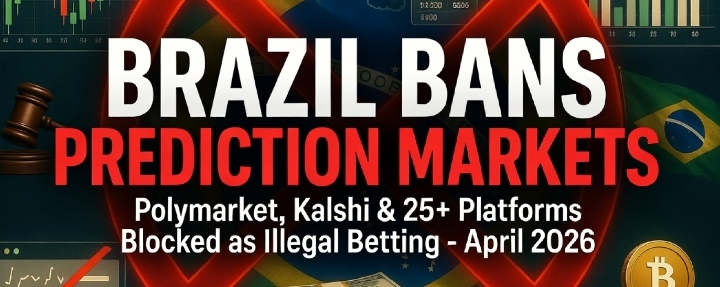
ブラジルがKalshiとPolymarketを含む27の予測マーケットを禁止ブラジル当局は、KalshiやPolymarketを含む27の予測マーケットプラットフォームをシャットダウンする動きを見せました。この取り締まりは、ブラジル国家金融評議会が金曜日に発行した決議5.298に続くもので、5月初めに発効します。新しいルールでは、スポーツ、政治、エンターテイメント、または社会的イベントに関連した契約が禁止される一方で、インフレ、金利、為替レート、または商品価格に関連する契約は金融市場の監視下で許可されます。財務省の執行秘書ダリオ・デュリガンは、このセクターはブラジルの現行法の枠組みの外で運営されており、家計の負債を深刻化させる可能性があると述べました。
ブラジルがKalshiとPolymarketを含む27の予測マーケットを禁止
ブラジル当局は、KalshiやPolymarketを含む27の予測マーケットプラットフォームをシャットダウンする動きを見せました。この取り締まりは、ブラジル国家金融評議会が金曜日に発行した決議5.298に続くもので、5月初めに発効します。新しいルールでは、スポーツ、政治、エンターテイメント、または社会的イベントに関連した契約が禁止される一方で、インフレ、金利、為替レート、または商品価格に関連する契約は金融市場の監視下で許可されます。財務省の執行秘書ダリオ・デュリガンは、このセクターはブラジルの現行法の枠組みの外で運営されており、家計の負債を深刻化させる可能性があると述べました。
109
HYPEがBinanceで爆発:チャートを飲み込むデフレの獣Hyperliquidの$HYPE トークンがBinanceで火花を散らし、市場が沸騰中。機関投資家の熱気とアメリカのETFに関するささやきから、HYPEは目を見張るような利益、高頻度取引量、希少性に基づいたトークノミクスモデルでスポットライトを浴びている。アーサー・ヘイズ自身も積み増しをしており、トレーダーたちはアクティビティが急増する中でホルダーを報酬するデフレバurnに参加している。なぜこの熱狂が?Hyperliquidは分散型の永久契約のための超高速Layer-1を提供している — スリッページは最小限、大量のスループット、そしてコピー&ペーストのDeFiの海の中で実際に意味のある利回りを実現。Binanceの流動性が流れ込む中、$HYPE は単なるトレンドではなく、オンチェーン取引の支配のための脚本を書き換えている。初期のささやきからチャートのトップに至るまで、これはまた別のハイプサイクルではない。実際の採用のシグナルと、取引ごとに供給を引き締めるバurnメカニズムに裏打ちされたインフラプレイだ。メッセージは明確だ:ユーティリティとバイラリティを求める市場で、HYPEは両方を提供している。早期の動き手たちは次のレグに向けてポジショニングを始めている — あなたは傍観者として見ているのか、それとも波に乗るのか?DYOR。ボラティリティは現実だ。でも一つは確かだ — HYPEは今Binanceで誰もが話しているトークンだ。#HYPE #Hyperliquid #Crypto #AaveAnnouncesDeFiUnitedReliefFund
HYPEがBinanceで爆発:チャートを飲み込むデフレの獣
Hyperliquidの$HYPE トークンがBinanceで火花を散らし、市場が沸騰中。機関投資家の熱気とアメリカのETFに関するささやきから、HYPEは目を見張るような利益、高頻度取引量、希少性に基づいたトークノミクスモデルでスポットライトを浴びている。アーサー・ヘイズ自身も積み増しをしており、トレーダーたちはアクティビティが急増する中でホルダーを報酬するデフレバurnに参加している。なぜこの熱狂が?Hyperliquidは分散型の永久契約のための超高速Layer-1を提供している — スリッページは最小限、大量のスループット、そしてコピー&ペーストのDeFiの海の中で実際に意味のある利回りを実現。Binanceの流動性が流れ込む中、$HYPE は単なるトレンドではなく、オンチェーン取引の支配のための脚本を書き換えている。初期のささやきからチャートのトップに至るまで、これはまた別のハイプサイクルではない。実際の採用のシグナルと、取引ごとに供給を引き締めるバurnメカニズムに裏打ちされたインフラプレイだ。メッセージは明確だ:ユーティリティとバイラリティを求める市場で、HYPEは両方を提供している。早期の動き手たちは次のレグに向けてポジショニングを始めている — あなたは傍観者として見ているのか、それとも波に乗るのか?DYOR。ボラティリティは現実だ。でも一つは確かだ — HYPEは今Binanceで誰もが話しているトークンだ。#HYPE #Hyperliquid #Crypto #AaveAnnouncesDeFiUnitedReliefFund
217
ハイパーリキッドのHYPEトークンがバイナンスを点火:記録を打ち破るDeFiトレーディングビーストバイナンスは今、爆発的な動きを見せている。ハイパーリキッド($HYPE)は、超高速のオンチェーン・パーペチュアル・フューチャーズ取引のために構築された高オクタン価のレイヤー1ブロックチェーンで、バイナンスのスポットとフューチャーズを支配する最もホットなトークンだ。最小限のスリッページ、狂気のオーダー毎秒キャパシティ、そしてボリュームが爆発的に増加する中でホルダーを報酬するデフレトークンモデルにより、HYPEは単なるトレードを超えて、分散型金融のルールを書き換えている。中央集権的な巨人のようにハイパーフリークエンシー取引を処理できるDEXを想像してみてくれ。しかし、完全にオンチェーンで。これがハイパーリキッドだ。もうクランキーなブリッジやラグのあるインターフェースは不要。トレーダーたちが殺到し、クジラたちが蓄積しており、米国ETFの潜在的な噂が流れ、ナラティブが過熱している。機関投資家の目が集まっていて、BitMEXのアーサー・ヘイズはこれを積み上げており、真剣な信念を示している。バイナンスに上場して以来、HYPEは驚異的なボラティリティと、今回のサイクルでほとんどのアルトコインを上回る利益をもたらしている。そのトークノミクスは、取引ごとに供給を燃焼させ、採用が急増する中で本当の希少性を生み出す。効率的でスケーラブルな取引インフラを求める市場において、ハイパーリキッドは実際に利用されるユーティリティを提供している—日々のボリュームは期待を打ち破り、コミュニティはそのノーBS、パフォーマンスファーストのアプローチを支持している。これはただのハイプミームではない。世界最大の取引所で注目を集める戦闘実績のあるトレーディングパワーハウスだ。バイナンスの洪水が開く前にこのセッティングを見抜いた早期の動き手たちは、すでにニヤリと笑っている。もしモメンタムが続き、ETFの噂が具体化すれば、HYPEは2026年のDeFiの再生のブレイクアウトスターになるかもしれない。これを見逃すな—バイナンスの上場はすぐには静かにはならない。積み込んで、シートベルトを締めて、チャートが点灯するのを見守れ。#Hyperliquid #HYPE #CryptoTrading #BinanceLaunchesGoldvs.BTCTradingCompetition (常にDYORして責任を持って取引を—クリプトは速くてワイルドに動く。)$HYPE
ハイパーリキッドのHYPEトークンがバイナンスを点火:記録を打ち破るDeFiトレーディングビースト
バイナンスは今、爆発的な動きを見せている。ハイパーリキッド($HYPE )は、超高速のオンチェーン・パーペチュアル・フューチャーズ取引のために構築された高オクタン価のレイヤー1ブロックチェーンで、バイナンスのスポットとフューチャーズを支配する最もホットなトークンだ。最小限のスリッページ、狂気のオーダー毎秒キャパシティ、そしてボリュームが爆発的に増加する中でホルダーを報酬するデフレトークンモデルにより、HYPEは単なるトレードを超えて、分散型金融のルールを書き換えている。中央集権的な巨人のようにハイパーフリークエンシー取引を処理できるDEXを想像してみてくれ。しかし、完全にオンチェーンで。これがハイパーリキッドだ。もうクランキーなブリッジやラグのあるインターフェースは不要。トレーダーたちが殺到し、クジラたちが蓄積しており、米国ETFの潜在的な噂が流れ、ナラティブが過熱している。機関投資家の目が集まっていて、BitMEXのアーサー・ヘイズはこれを積み上げており、真剣な信念を示している。バイナンスに上場して以来、HYPEは驚異的なボラティリティと、今回のサイクルでほとんどのアルトコインを上回る利益をもたらしている。そのトークノミクスは、取引ごとに供給を燃焼させ、採用が急増する中で本当の希少性を生み出す。効率的でスケーラブルな取引インフラを求める市場において、ハイパーリキッドは実際に利用されるユーティリティを提供している—日々のボリュームは期待を打ち破り、コミュニティはそのノーBS、パフォーマンスファーストのアプローチを支持している。これはただのハイプミームではない。世界最大の取引所で注目を集める戦闘実績のあるトレーディングパワーハウスだ。バイナンスの洪水が開く前にこのセッティングを見抜いた早期の動き手たちは、すでにニヤリと笑っている。もしモメンタムが続き、ETFの噂が具体化すれば、HYPEは2026年のDeFiの再生のブレイクアウトスターになるかもしれない。これを見逃すな—バイナンスの上場はすぐには静かにはならない。積み込んで、シートベルトを締めて、チャートが点灯するのを見守れ。#Hyperliquid #HYPE #CryptoTrading #BinanceLaunchesGoldvs.BTCTradingCompetition (常にDYORして責任を持って取引を—クリプトは速くてワイルドに動く。)$HYPE
60
テザー、米国当局によってフラグが立てられた2つのトロンウォレットで3億4400万ドルのUSDTを凍結テザーは、米国当局が資金を制裁回避、犯罪ネットワーク、またはその他の違法活動としてフラグを立てた後、2つのトロンウォレットで3億4400万ドル以上のUSDTを凍結しました。テザーは、そのコンプライアンスチームが外貨資産管理局および他の米国法執行機関と連携してこの行動を調整したと述べています。PeckShieldは、ブラックリストに載ったトロンアドレスが約2億1300万ドルと1億3100万ドルを保有していることを確認しましたが、テザーはそのアドレスを確認しませんでした。テザーは、世界中で2300件以上のケースをサポートし、全体で44億ドル以上の資産を凍結しており、その中には米国当局に関連する21億ドルが含まれています。一方、CEOのパオロ・アルドイーノは、USDTは違法活動の安全な避難所ではないと述べています。
テザー、米国当局によってフラグが立てられた2つのトロンウォレットで3億4400万ドルのUSDTを凍結
テザーは、米国当局が資金を制裁回避、犯罪ネットワーク、またはその他の違法活動としてフラグを立てた後、2つのトロンウォレットで3億4400万ドル以上のUSDTを凍結しました。テザーは、そのコンプライアンスチームが外貨資産管理局および他の米国法執行機関と連携してこの行動を調整したと述べています。PeckShieldは、ブラックリストに載ったトロンアドレスが約2億1300万ドルと1億3100万ドルを保有していることを確認しましたが、テザーはそのアドレスを確認しませんでした。テザーは、世界中で2300件以上のケースをサポートし、全体で44億ドル以上の資産を凍結しており、その中には米国当局に関連する21億ドルが含まれています。一方、CEOのパオロ・アルドイーノは、USDTは違法活動の安全な避難所ではないと述べています。
85
記事
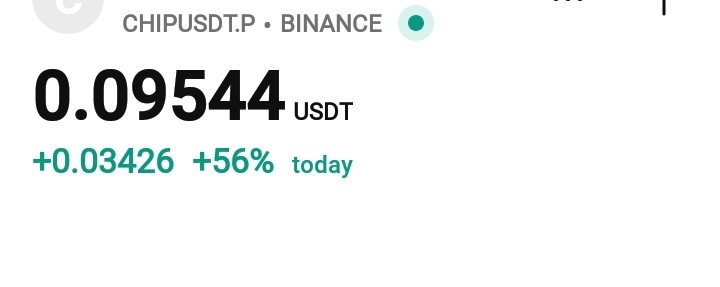
CHIPがBinanceでロケットのように急上昇:注目を集めるAIミームトークン暗号は決して眠らない — 現在、$CHIP は目を覚まし、Binanceで全速力で駆け抜けている。Seed Tag警告付きの高プロファイル上場から数日後、USD.AI CHIPトークンは24時間で100%以上爆発し、取引所全体で注目を集めている。トレーダーたちは、ボリュームが700百万ドルを超える中、次々と参入しており、この独特なAI駆動のミームコインはBinanceのトレンド検索のトップに躍り出ている。何が燃料か?AIのハイプ、ミームエネルギー、そして純粋なリテールFOMOのワイルドなミックスだ。CHIPは、人工知能の物語とバイラルトークン文化の間の遊び心ある架け橋として位置づけられ、過去のサイクルでPEPEやDOGEを推進したのと同じ熱狂を引き出している — しかし、2026年の新たなひねりが加わっている:AIのユーティリティに関する本物の話がカジノレベルのボラティリティと出会うのだ。一瞬のうちにジョークから、熟練のデジェンたちがフルタイムの仕事のようにチャートを更新するほどの利益を生み出す瞬間へと変わる。Binanceユーザーは十分に満足できない。トークンの猛烈な上昇は、上昇リストのトップをリードしており、バウチャーのプレゼントやEarnプログラムのささやきが追加のロケット燃料を供給している。ビットコインの安定した上昇の後に次の大きな物語を渇望する市場において、$CHIPは純粋なアドレナリンを提供する:速い動き、高いボリューム、そしてその魅力的な「もしも」のスパーク。もちろん、Seed Tagは警告を発している — これはブルーチップインフラではなく、数時間で fortunes がひっくり返るハイオクプレイだ。流動性は流れているが、急激な反転のリスクも流れている。それでも、暗号ではモメンタムが王であり、現在$CHIPがその王冠をかぶっている。短命のムーンミッションであろうと、何か大きなものの始まりであろうと、一つはっきりしていることがある:トレーダーたちは自分のバッグで投票しており、$CHIPは今日の部屋で最も大きな声を上げている。備えろ。チップはホットだ。#Crypto #Binance #AltcoinSeason 常にDYOR — 今日のトレンドが明日を保証するわけではない。責任を持って取引しよう。
CHIPがBinanceでロケットのように急上昇:注目を集めるAIミームトークン
暗号は決して眠らない — 現在、$CHIP は目を覚まし、Binanceで全速力で駆け抜けている。Seed Tag警告付きの高プロファイル上場から数日後、USD.AI CHIPトークンは24時間で100%以上爆発し、取引所全体で注目を集めている。トレーダーたちは、ボリュームが700百万ドルを超える中、次々と参入しており、この独特なAI駆動のミームコインはBinanceのトレンド検索のトップに躍り出ている。何が燃料か?AIのハイプ、ミームエネルギー、そして純粋なリテールFOMOのワイルドなミックスだ。CHIPは、人工知能の物語とバイラルトークン文化の間の遊び心ある架け橋として位置づけられ、過去のサイクルでPEPEやDOGEを推進したのと同じ熱狂を引き出している — しかし、2026年の新たなひねりが加わっている:AIのユーティリティに関する本物の話がカジノレベルのボラティリティと出会うのだ。一瞬のうちにジョークから、熟練のデジェンたちがフルタイムの仕事のようにチャートを更新するほどの利益を生み出す瞬間へと変わる。Binanceユーザーは十分に満足できない。トークンの猛烈な上昇は、上昇リストのトップをリードしており、バウチャーのプレゼントやEarnプログラムのささやきが追加のロケット燃料を供給している。ビットコインの安定した上昇の後に次の大きな物語を渇望する市場において、$CHIP は純粋なアドレナリンを提供する:速い動き、高いボリューム、そしてその魅力的な「もしも」のスパーク。もちろん、Seed Tagは警告を発している — これはブルーチップインフラではなく、数時間で fortunes がひっくり返るハイオクプレイだ。流動性は流れているが、急激な反転のリスクも流れている。それでも、暗号ではモメンタムが王であり、現在$CHIP がその王冠をかぶっている。短命のムーンミッションであろうと、何か大きなものの始まりであろうと、一つはっきりしていることがある:トレーダーたちは自分のバッグで投票しており、$CHIP は今日の部屋で最も大きな声を上げている。備えろ。チップはホットだ。#Crypto #Binance #AltcoinSeason 常にDYOR — 今日のトレンドが明日を保証するわけではない。責任を持って取引しよう。
1
322
$292M Kelp DAOのエクスプロイトに関連するETHをArbitrumが凍結Arbitrumのセキュリティカウンシルは、週末の$292百万のKelp DAOのエクスプロイトに関連するArbitrum Oneのアドレスで約$71.1百万に相当する30,766 ETHを凍結しました。Arbitrumは、資金が中間の凍結ウォレットに移されたことを発表し、このステップは他のチェーンステート、ユーザー、またはアプリケーションに影響を与えないとしています。Arbitrumは、資金はArbitrumのガバナンスがさらなるアクションを承認しない限り、凍結されたままとなると述べています。Arbitrumは、セキュリティカウンシルがエクスプロイターの身元について法執行機関からの意見を受けて行動したとしています。LayerZeroの予備調査結果によれば、攻撃はLazarusに関連している可能性が高く、LayerZeroはKelp DAOの1対1の分散型検証ネットワークの設定が単一の障害点を生み出したと述べていますが、Kelp DAOはその設定がLayerZeroのデフォルト構成として出荷されたとしています。
$292M Kelp DAOのエクスプロイトに関連するETHをArbitrumが凍結
Arbitrumのセキュリティカウンシルは、週末の$292百万のKelp DAOのエクスプロイトに関連するArbitrum Oneのアドレスで約$71.1百万に相当する30,766 ETHを凍結しました。Arbitrumは、資金が中間の凍結ウォレットに移されたことを発表し、このステップは他のチェーンステート、ユーザー、またはアプリケーションに影響を与えないとしています。Arbitrumは、資金はArbitrumのガバナンスがさらなるアクションを承認しない限り、凍結されたままとなると述べています。Arbitrumは、セキュリティカウンシルがエクスプロイターの身元について法執行機関からの意見を受けて行動したとしています。LayerZeroの予備調査結果によれば、攻撃はLazarusに関連している可能性が高く、LayerZeroはKelp DAOの1対1の分散型検証ネットワークの設定が単一の障害点を生み出したと述べていますが、Kelp DAOはその設定がLayerZeroのデフォルト構成として出荷されたとしています。
57
記事
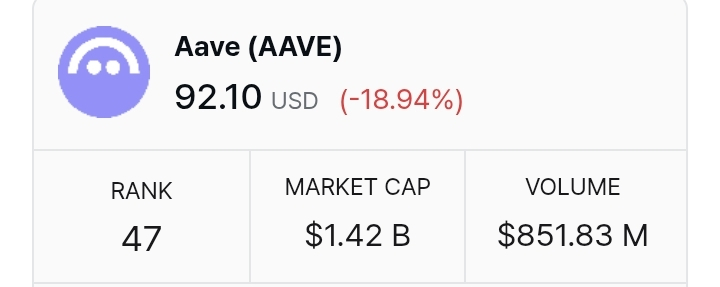
AAVEが20%下落、KelpDAOのrsETHエクスプロイトがAave ETHプールを100%利用率にAAVEは4月19日に20%以上下落しました。これはKelpDAOのrsETHエクスプロイトがクジラの売りを引き起こし、AaveのETHプールが100%の利用率に達したためです。Lookonchainのデータによると、3つのウォレットがエクスプロイトが公にされた数時間以内に、60,000 AAVE(価値は600万ドル以上)を売却しました。報告によれば、ETHから54億ドル以上がプロトコルを離れ、AaveのETHプールには新たな引き出しのための流動性が残っていませんでした。Aaveは影響がV3 ETH市場に限定されていると述べ、rsETH準備を凍結し、借入力を取り除き、ETHのローン・トゥ・バリューを一時的にゼロに引き下げ、V4、ステーブルコイン準備および他の資産には影響がないと発表しました。
AAVEが20%下落、KelpDAOのrsETHエクスプロイトがAave ETHプールを100%利用率に
AAVEは4月19日に20%以上下落しました。これはKelpDAOのrsETHエクスプロイトがクジラの売りを引き起こし、AaveのETHプールが100%の利用率に達したためです。Lookonchainのデータによると、3つのウォレットがエクスプロイトが公にされた数時間以内に、60,000 AAVE(価値は600万ドル以上)を売却しました。報告によれば、ETHから54億ドル以上がプロトコルを離れ、AaveのETHプールには新たな引き出しのための流動性が残っていませんでした。Aaveは影響がV3 ETH市場に限定されていると述べ、rsETH準備を凍結し、借入力を取り除き、ETHのローン・トゥ・バリューを一時的にゼロに引き下げ、V4、ステーブルコイン準備および他の資産には影響がないと発表しました。
45
記事
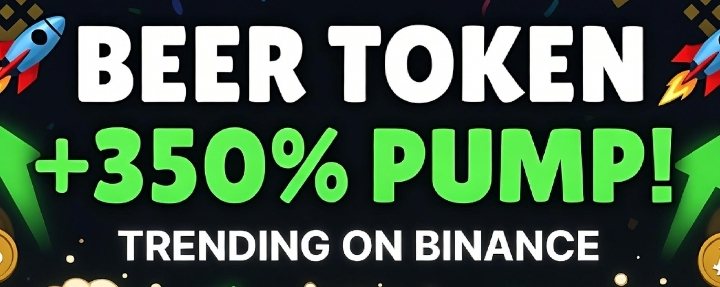
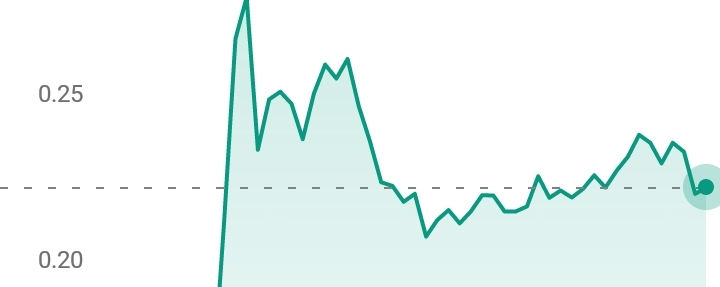
BEERトークンが放物線を描く: バイナンスでの+350%の急騰がトレーダーを興奮させる!財布をしっかり持っていてください—ビール (BEER) がバイナンスを本格的な居酒屋の乱闘に変えてしまいました。過去24時間だけで、この生意気なミームトークンは352%も急上昇し、マイクロキャップの無名からプラットフォームの最も激しいトップゲイナーの1つに躍り出ました。わずか$0.0229で、まだ非常に安価ですが、取引量が急増しており、チャートは純粋なFOMOの燃料の絵を描いています。
何がこの熱狂を引き起こしているのでしょうか?バイナンスの比類のない流動性と混ざり合った純粋なミームマジックです。BEERは2026年の動物テーマの不条理の波に乗っています—猫、犬、そして今は...ビール?—それがトレーダーのタイムラインを照らしています。ビットコインが統合され、ブルーチップが数パーセント下落する中、BEERのような小型キャップのロケットがスポットライトを奪っています。バイナンスのユーザーがトレンドとゲイナーのタブに殺到し、24時間の取引量を数十万ドルに押し上げ、クジラやデジェンズが次のムーンショットに向けて集まっています。
BEERトークンが放物線を描く: バイナンスでの+350%の急騰がトレーダーを興奮させる!
財布をしっかり持っていてください—ビール (BEER) がバイナンスを本格的な居酒屋の乱闘に変えてしまいました。過去24時間だけで、この生意気なミームトークンは352%も急上昇し、マイクロキャップの無名からプラットフォームの最も激しいトップゲイナーの1つに躍り出ました。わずか$0.0229で、まだ非常に安価ですが、取引量が急増しており、チャートは純粋なFOMOの燃料の絵を描いています。
何がこの熱狂を引き起こしているのでしょうか?バイナンスの比類のない流動性と混ざり合った純粋なミームマジックです。BEERは2026年の動物テーマの不条理の波に乗っています—猫、犬、そして今は...ビール?—それがトレーダーのタイムラインを照らしています。ビットコインが統合され、ブルーチップが数パーセント下落する中、BEERのような小型キャップのロケットがスポットライトを奪っています。バイナンスのユーザーがトレンドとゲイナーのタブに殺到し、24時間の取引量を数十万ドルに押し上げ、クジラやデジェンズが次のムーンショットに向けて集まっています。
何がこの熱狂を引き起こしているのでしょうか?バイナンスの比類のない流動性と混ざり合った純粋なミームマジックです。BEERは2026年の動物テーマの不条理の波に乗っています—猫、犬、そして今は...ビール?—それがトレーダーのタイムラインを照らしています。ビットコインが統合され、ブルーチップが数パーセント下落する中、BEERのような小型キャップのロケットがスポットライトを奪っています。バイナンスのユーザーがトレンドとゲイナーのタブに殺到し、24時間の取引量を数十万ドルに押し上げ、クジラやデジェンズが次のムーンショットに向けて集まっています。
149
記事
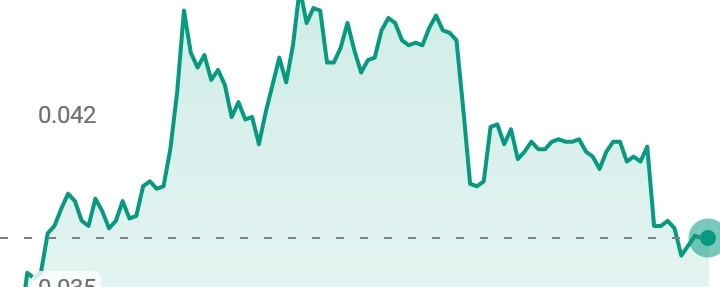
SOONがバイナンスで点火 – 今、みんなが追い求めているロケット燃料ビットコインがじわじわ上昇し、大多数のアルトがあくびをする中、バイナンスで注目を集めているトークンが一つある:SOON。過去24時間で、SOONは80%以上爆上がりし、相対的な無名からトップゲイナーに躍り出た。トレーダーたちが殺到し、チャートは垂直に上昇し、FOMOが感じられる。これは単なるランダムなポンプではなく、高モメンタムなプレイがバイナンスのリーダーボードを照らしている。なぜSOONが激しくトレンドになっているのか
爆発的な価格アクション:1日で73–80%以上上昇し、ボリュームは1億ドルを超えた。このような動きはすぐに注目を集め、財布を揺さぶる。
SOONがバイナンスで点火 – 今、みんなが追い求めているロケット燃料
ビットコインがじわじわ上昇し、大多数のアルトがあくびをする中、バイナンスで注目を集めているトークンが一つある:SOON。過去24時間で、SOONは80%以上爆上がりし、相対的な無名からトップゲイナーに躍り出た。トレーダーたちが殺到し、チャートは垂直に上昇し、FOMOが感じられる。これは単なるランダムなポンプではなく、高モメンタムなプレイがバイナンスのリーダーボードを照らしている。なぜSOONが激しくトレンドになっているのか
爆発的な価格アクション:1日で73–80%以上上昇し、ボリュームは1億ドルを超えた。このような動きはすぐに注目を集め、財布を揺さぶる。
爆発的な価格アクション:1日で73–80%以上上昇し、ボリュームは1億ドルを超えた。このような動きはすぐに注目を集め、財布を揺さぶる。
118
記事
BIOはバイナンスで爆発しています – 誰もが追い求めるバイオテクノロジートークン今すぐに+90%が24時間で。取引高は7億ドルを突破。バイナンスのユーザーがBIO/USDTペアに殺到しています。これは別のランダムなポンプではありません。Bio Protocol($BIO)は、バイナンスで急上昇し、注目を集め、ほとんどのミームコインがツイートするよりも早く利益を出しています。Bio Protocolは、内容のないハイプではありません。それは、バイオテクノロジー資金調達を再構築するブロックチェーンプラットフォームです – 希少疾患研究、長寿科学、そして実世界のラボのブレークスルーのための分散型助成金を考えてください。バイナンスラボによって支援されており、実際に「数が上がる」以上の問題を解決する珍しいトークンです。そして今、マーケットはついにそれに目覚めています。なぜBIOが今日バイナンスでトレンドのトークンなのか:
BIOはバイナンスで爆発しています – 誰もが追い求めるバイオテクノロジートークン
今すぐに+90%が24時間で。取引高は7億ドルを突破。バイナンスのユーザーがBIO/USDTペアに殺到しています。これは別のランダムなポンプではありません。Bio Protocol($BIO )は、バイナンスで急上昇し、注目を集め、ほとんどのミームコインがツイートするよりも早く利益を出しています。Bio Protocolは、内容のないハイプではありません。それは、バイオテクノロジー資金調達を再構築するブロックチェーンプラットフォームです – 希少疾患研究、長寿科学、そして実世界のラボのブレークスルーのための分散型助成金を考えてください。バイナンスラボによって支援されており、実際に「数が上がる」以上の問題を解決する珍しいトークンです。そして今、マーケットはついにそれに目覚めています。なぜBIOが今日バイナンスでトレンドのトークンなのか:
119
ログインして、さらにコンテンツを読む
厳選トピックで世界の暗号資産トレーダーの仲間入り
⚡️ 暗号資産に関する最新かつ有益な情報が見つかります。
💬 世界最大の暗号資産取引所から信頼されています。
👍 認証を受けたクリエイターから、有益なインサイトを得られます。
メール / 電話番号
トレンドトピック
SECHaltsCryptoETFReviewsAmidFundingLapse
閲覧回数 3,015
112人が討論中
#SECHaltsCryptoETFReviewsAmidFundingLapse
SEC、資金手当ての遅れを受けて暗号資産ETFの審査を一時停止
米国証券取引委員会(SEC)は、政府の資金手当ての遅れの中、特定の暗号資産ETFの審査活動を停止したと報じられている。
この動きは暗号資産市場に不確実性をもたらしており、特に暗号資産に関連する取引所取引型ファンド(ETF)に関する規制判断を待つ投資家や企業に影響している。
暗号資産市場への影響
今回の遅れは、係争中(審査中)の暗号資産ETF申請の承認までのタイムラインに影響する可能性がある。規制の明確さがデジタル資産業界の成長にとって重要な要素であるため、投資家は状況を注視している。
一時停止が必ずしも暗号資産ETF申請の却下を意味するわけではないが、政府の資金手当ての混乱が金融規制のプロセスに影響し得ることを示している。
次に何が起きる?
市場参加者は、政府の資金手当てに関する最新情報や、SECが通常業務を再開できるかどうかを見守ることになる。
暗号資産ETFは、機関投資家の導入、市場の発展、そして投資家の信頼にとって重要なテーマであり続けている。
結論:今回の一時停止は、暗号資産投資の将来に向けて規制の安定性が重要であることを浮き彫りにしている。
#Crypto #Bitcoin #ETF #SEC #CryptoNews #Blockchain #Binance
King2112
·いいね:0件
·閲覧回数 61
ZcashETFPostsFirstWeeklyOutflow$93.6M
閲覧回数 55,553
167人が討論中
GreekPoliceBustCryptoScamRingArrest17
閲覧回数 163,475
1,139人が討論中