

st promax
2.9k 投稿

st promax
報告
ユーザーをブロック
📊 Crypto Market Analyst
📈 Focused on structure, 💧 liquidity, and 🧠 informed market opinions
取引を発注
高頻度トレーダー
2.4年
321 フォロー
7.5K+ フォロワー
4.5K+ いいね
投稿
ポートフォリオ
すべて
引用
動画
ライブ
·
--
[Red packet giveway](https://app.binance.com/uni-qr/W7LAz27U?utm_medium=web_share_copy)
<a>ここをクリックしてギブアウェイをゲット🤑🤑</a>
Red packet giveway
<a>ここをクリックしてギブアウェイをゲット🤑🤑</a>
<a>ここをクリックしてギブアウェイをゲット🤑🤑</a>

51
·
--
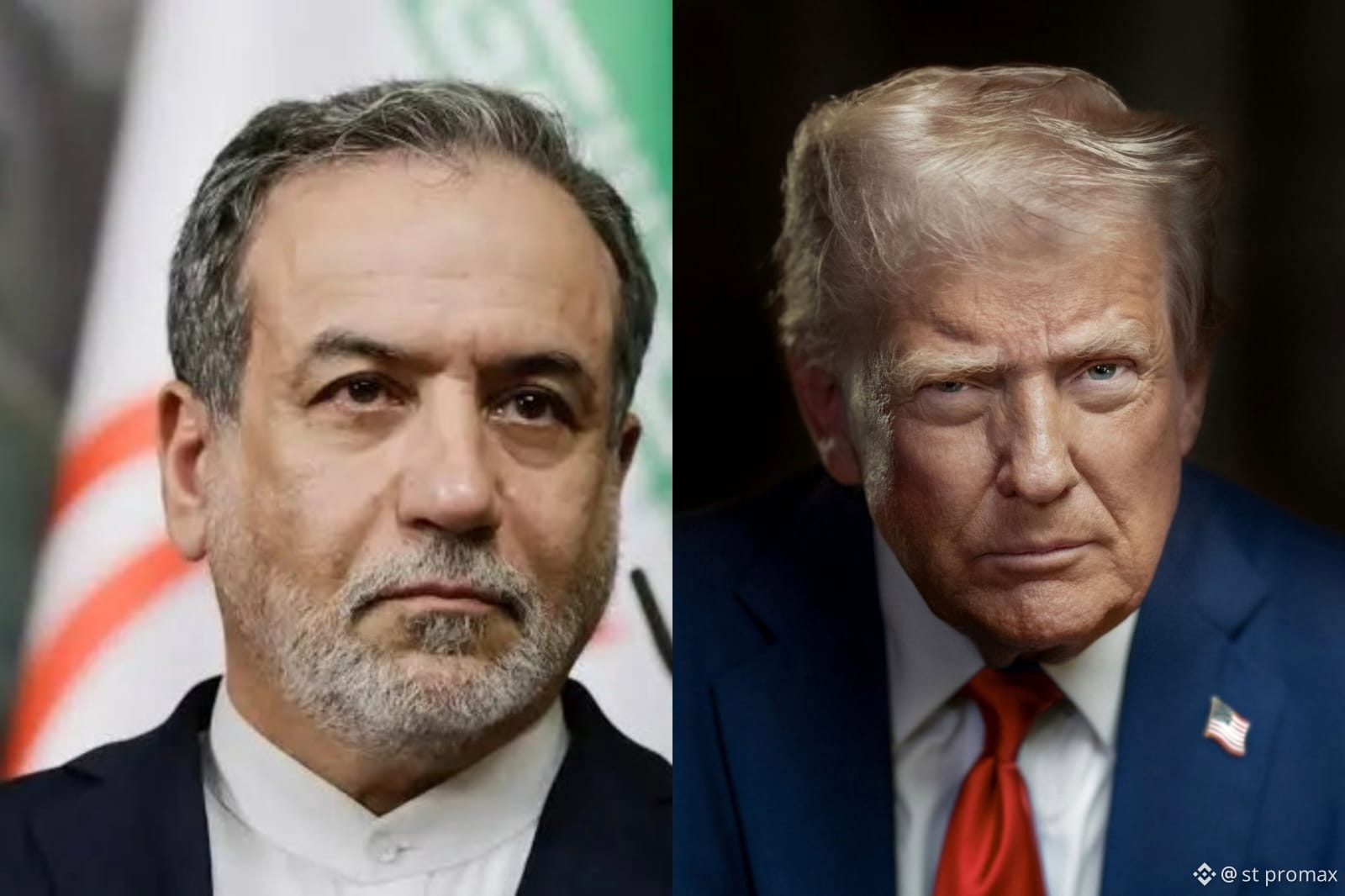
*速報* 🚨
🇮🇷 イランは、アメリカに対する提案が過剰ではないと主張し、ワシントンが不合理な要求をしていると非難しています。
テヘランは、自国の正当な権利を確保することを求めているだけで、戦争を終わらせるために必要な以上のことは求めていないと述べています。
この声明は、トランプがイランの米国の平和提案への返答を完全に受け入れられないと拒否した後に出されました。
*速報* 🚨
🇮🇷 イランは、アメリカに対する提案が過剰ではないと主張し、ワシントンが不合理な要求をしていると非難しています。
テヘランは、自国の正当な権利を確保することを求めているだけで、戦争を終わらせるために必要な以上のことは求めていないと述べています。
この声明は、トランプがイランの米国の平和提案への返答を完全に受け入れられないと拒否した後に出されました。
🇮🇷 イランは、アメリカに対する提案が過剰ではないと主張し、ワシントンが不合理な要求をしていると非難しています。
テヘランは、自国の正当な権利を確保することを求めているだけで、戦争を終わらせるために必要な以上のことは求めていないと述べています。
この声明は、トランプがイランの米国の平和提案への返答を完全に受け入れられないと拒否した後に出されました。
1
259
·
--
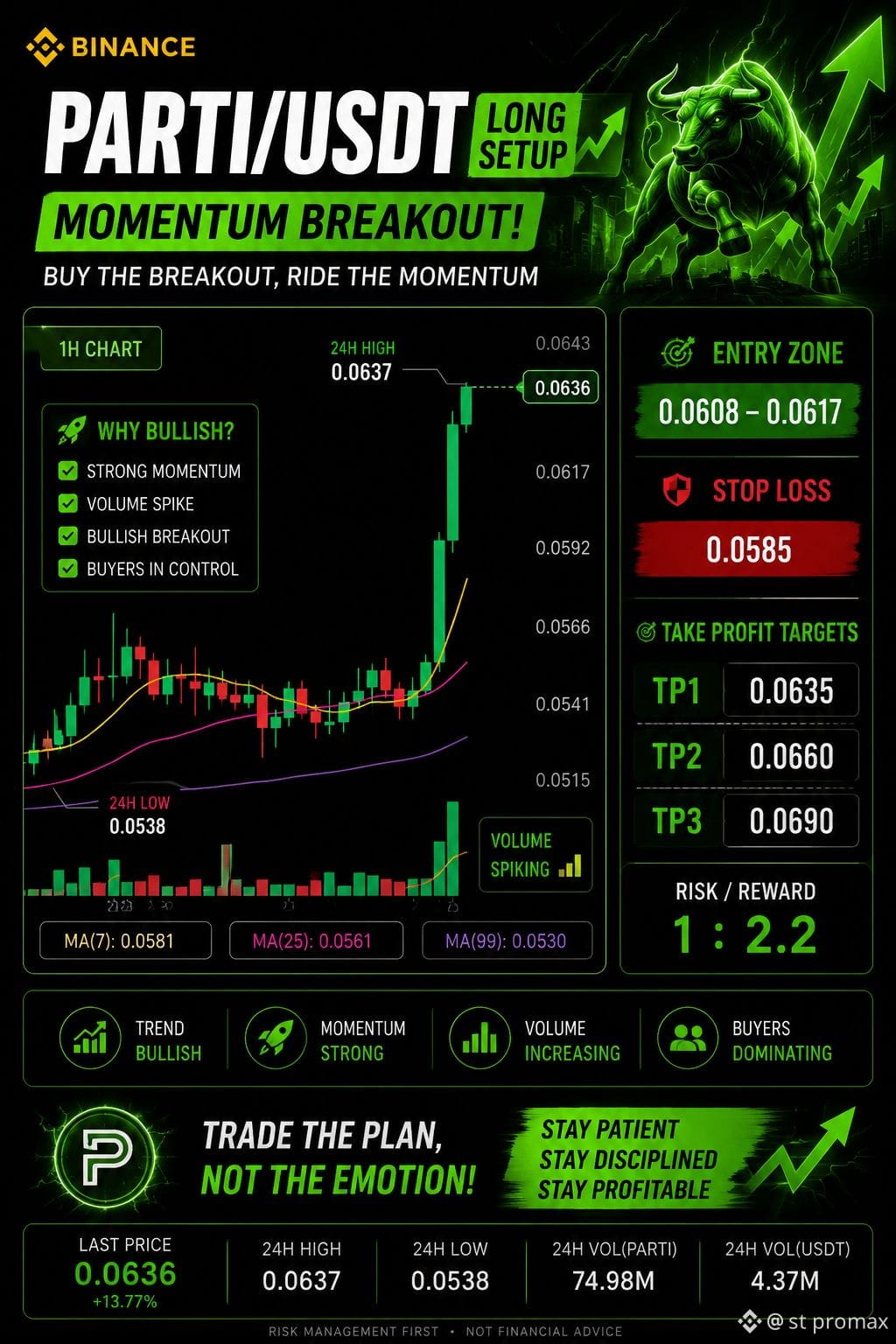
🚀 PARTI/USDT ブレイクアウト進行中! 🔥
モメンタムが急速に加速しており、PARTIが強いブル市場のブレイクアウトを確認し、ボリュームが上昇し、バイヤーが積極的に参入しています。 📈⚡
💚 ロングセッティングアクティブ
🎯 エントリーゾーン: 0.0608 – 0.0617
🛑 ストップロス: 0.0585
💰 テイクプロフィットターゲット:
TP1 → 0.0635
TP2 → 0.0660
TP3 → 0.0690
📊 このセッティングが強い理由:
✅ ブルモメンタム
✅ ボリュームスパイク確認済み
✅ クリーンなブレイクアウト構造
✅ バイヤーがコントロール
✅ 強い継続の可能性
⚠️ 感情で市場を追いかけないでください。
確認を待ち、リスクを管理し、スマートにトレードしましょう。
🔥 モメンタムが持続すれば、PARTIは次の主要な抵抗レベルに非常に早く到達する可能性があります。
“感情ではなく、プランをトレードする。” 🚀
🚀 PARTI/USDT ブレイクアウト進行中! 🔥
モメンタムが急速に加速しており、PARTIが強いブル市場のブレイクアウトを確認し、ボリュームが上昇し、バイヤーが積極的に参入しています。 📈⚡
💚 ロングセッティングアクティブ
🎯 エントリーゾーン: 0.0608 – 0.0617
🛑 ストップロス: 0.0585
💰 テイクプロフィットターゲット:
TP1 → 0.0635
TP2 → 0.0660
TP3 → 0.0690
📊 このセッティングが強い理由:
✅ ブルモメンタム
✅ ボリュームスパイク確認済み
✅ クリーンなブレイクアウト構造
✅ バイヤーがコントロール
✅ 強い継続の可能性
⚠️ 感情で市場を追いかけないでください。
確認を待ち、リスクを管理し、スマートにトレードしましょう。
🔥 モメンタムが持続すれば、PARTIは次の主要な抵抗レベルに非常に早く到達する可能性があります。
“感情ではなく、プランをトレードする。” 🚀
モメンタムが急速に加速しており、PARTIが強いブル市場のブレイクアウトを確認し、ボリュームが上昇し、バイヤーが積極的に参入しています。 📈⚡
💚 ロングセッティングアクティブ
🎯 エントリーゾーン: 0.0608 – 0.0617
🛑 ストップロス: 0.0585
💰 テイクプロフィットターゲット:
TP1 → 0.0635
TP2 → 0.0660
TP3 → 0.0690
📊 このセッティングが強い理由:
✅ ブルモメンタム
✅ ボリュームスパイク確認済み
✅ クリーンなブレイクアウト構造
✅ バイヤーがコントロール
✅ 強い継続の可能性
⚠️ 感情で市場を追いかけないでください。
確認を待ち、リスクを管理し、スマートにトレードしましょう。
🔥 モメンタムが持続すれば、PARTIは次の主要な抵抗レベルに非常に早く到達する可能性があります。
“感情ではなく、プランをトレードする。” 🚀
186
·
--
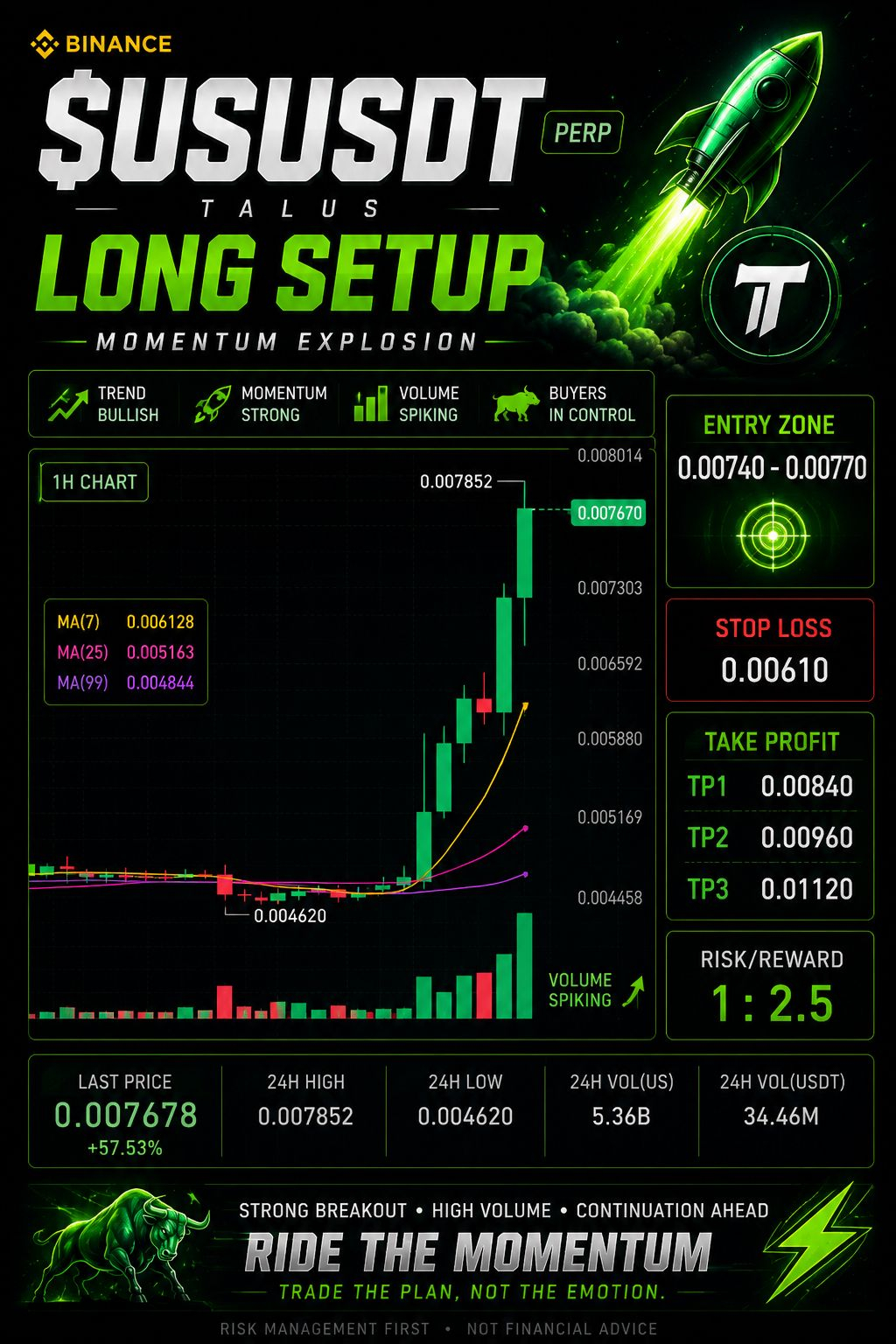
🚨 $US USDTは純粋なモメンタムの爆発を示しています! 🚀🔥
長い蓄積期間の後、USDTはついに大規模なボリュームと攻撃的なブルのキャンドルでブレイクアウトしました。賢いお金が明らかに参入しています。👀📈
💚 ロングセットアップアクティブ
🎯 エントリーゾーン: 0.00740 – 0.00770
🛑 ストップロス: 0.00610
💰 テイクプロフィットターゲット:
TP1 → 0.00840
TP2 → 0.00960
TP3 → 0.01120
📊 このセットアップが強い理由:
✅ ブルトレンド構造
✅ ボリュームが急上昇
✅ モメンタムが急速に拡大
✅ バイヤーが完全にコントロール
✅ 強力なブレイクアウト確認
⚠️ 緑のキャンドルを盲目的に追いかけないでください。
賢いエントリーを待ち、リスクを適切に管理しましょう。
🔥 モメンタムが続くなら、この動きは始まりに過ぎないかもしれません。
「感情ではなく、モメンタムに乗れ。」 🚀
#USUSDT #Crypto
🚨 $US USDTは純粋なモメンタムの爆発を示しています! 🚀🔥
長い蓄積期間の後、USDTはついに大規模なボリュームと攻撃的なブルのキャンドルでブレイクアウトしました。賢いお金が明らかに参入しています。👀📈
💚 ロングセットアップアクティブ
🎯 エントリーゾーン: 0.00740 – 0.00770
🛑 ストップロス: 0.00610
💰 テイクプロフィットターゲット:
TP1 → 0.00840
TP2 → 0.00960
TP3 → 0.01120
📊 このセットアップが強い理由:
✅ ブルトレンド構造
✅ ボリュームが急上昇
✅ モメンタムが急速に拡大
✅ バイヤーが完全にコントロール
✅ 強力なブレイクアウト確認
⚠️ 緑のキャンドルを盲目的に追いかけないでください。
賢いエントリーを待ち、リスクを適切に管理しましょう。
🔥 モメンタムが続くなら、この動きは始まりに過ぎないかもしれません。
「感情ではなく、モメンタムに乗れ。」 🚀
#USUSDT #Crypto
長い蓄積期間の後、USDTはついに大規模なボリュームと攻撃的なブルのキャンドルでブレイクアウトしました。賢いお金が明らかに参入しています。👀📈
💚 ロングセットアップアクティブ
🎯 エントリーゾーン: 0.00740 – 0.00770
🛑 ストップロス: 0.00610
💰 テイクプロフィットターゲット:
TP1 → 0.00840
TP2 → 0.00960
TP3 → 0.01120
📊 このセットアップが強い理由:
✅ ブルトレンド構造
✅ ボリュームが急上昇
✅ モメンタムが急速に拡大
✅ バイヤーが完全にコントロール
✅ 強力なブレイクアウト確認
⚠️ 緑のキャンドルを盲目的に追いかけないでください。
賢いエントリーを待ち、リスクを適切に管理しましょう。
🔥 モメンタムが続くなら、この動きは始まりに過ぎないかもしれません。
「感情ではなく、モメンタムに乗れ。」 🚀
#USUSDT #Crypto
1
414
·
--
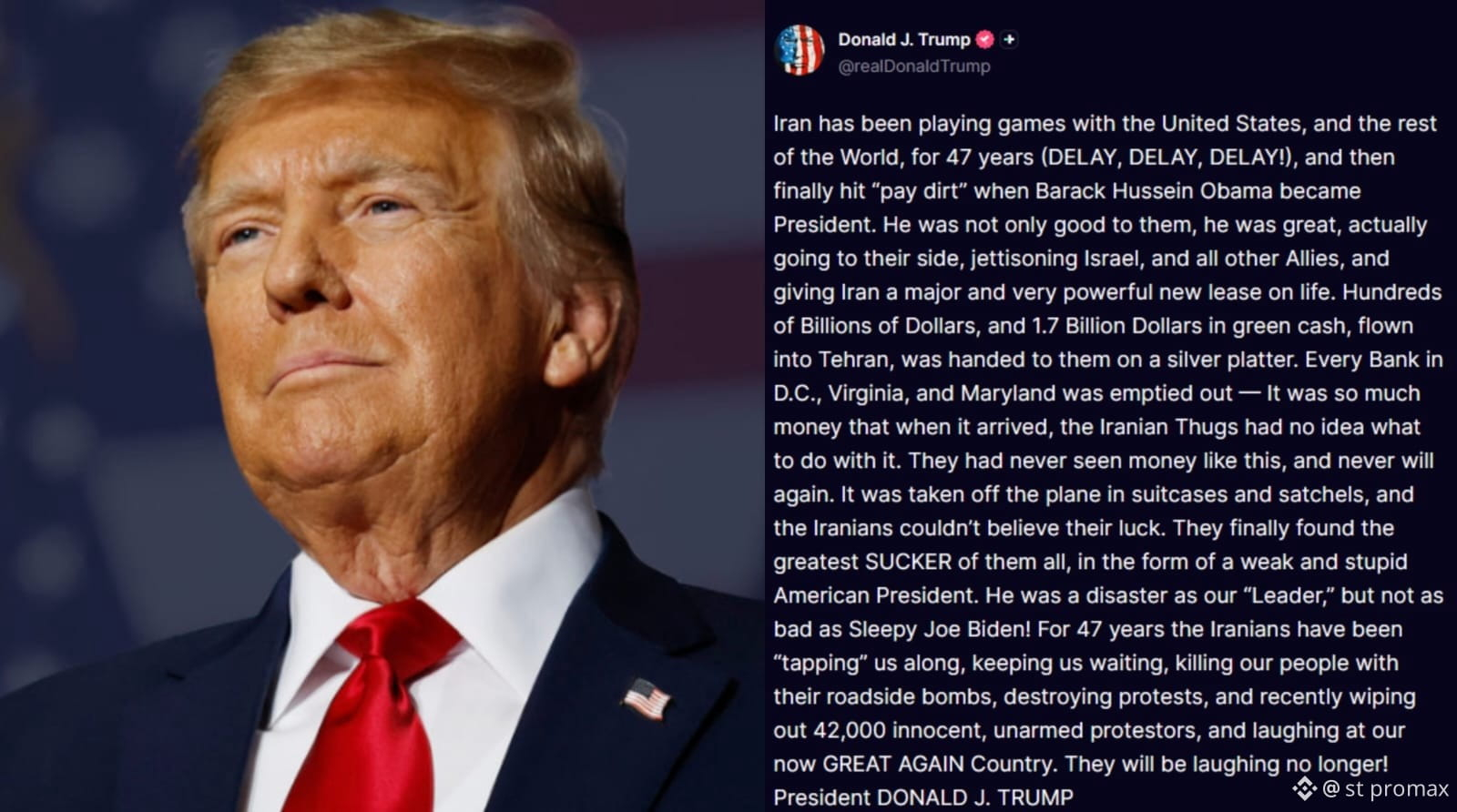
🚨 緊急: ドナルド・トランプがイランに強い警告を発出 🇺🇸🇮🇷
「彼らは長い間引き延ばしてきた…
もう笑っている余裕はない。」
トランプはテヘランがゲームをして交渉を遅らせていると非難し、米国とイランの緊張が高まる中での発言です。
この声明はすでに世界の政治とクリプト市場を揺るがしています。 👀
⚠️ 中東の緊張が再び高まっています。
📉 ボラティリティが石油、金 & クリプト全体で急上昇する可能性があります。
あなたの見解は — プレッシャー戦術か、それとも深刻なエスカレーションか? 👇
#Trump #Iran #BreakingNews
🚨 緊急: ドナルド・トランプがイランに強い警告を発出 🇺🇸🇮🇷
「彼らは長い間引き延ばしてきた…
もう笑っている余裕はない。」
トランプはテヘランがゲームをして交渉を遅らせていると非難し、米国とイランの緊張が高まる中での発言です。
この声明はすでに世界の政治とクリプト市場を揺るがしています。 👀
⚠️ 中東の緊張が再び高まっています。
📉 ボラティリティが石油、金 & クリプト全体で急上昇する可能性があります。
あなたの見解は — プレッシャー戦術か、それとも深刻なエスカレーションか? 👇
#Trump #Iran #BreakingNews
「彼らは長い間引き延ばしてきた…
もう笑っている余裕はない。」
トランプはテヘランがゲームをして交渉を遅らせていると非難し、米国とイランの緊張が高まる中での発言です。
この声明はすでに世界の政治とクリプト市場を揺るがしています。 👀
⚠️ 中東の緊張が再び高まっています。
📉 ボラティリティが石油、金 & クリプト全体で急上昇する可能性があります。
あなたの見解は — プレッシャー戦術か、それとも深刻なエスカレーションか? 👇
#Trump #Iran #BreakingNews
58
·
--
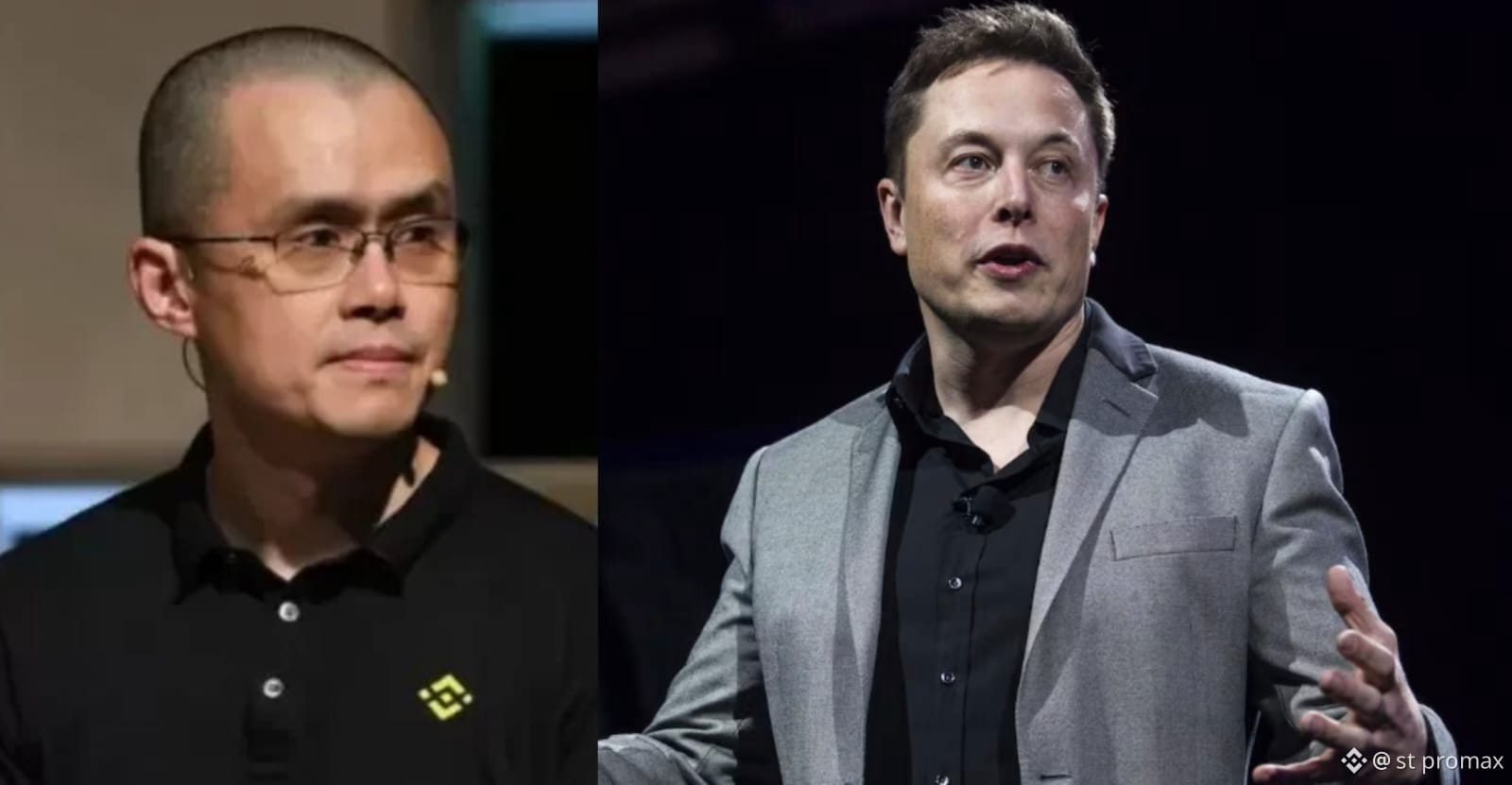
👽*BINANCEのCZがELON MUSKを“エイリアン”と呼ぶ*
UFOの話題が盛り上がってきてるね。今日の早い時間に、ドナルド・トランプがUFOファイルへの注目を再燃させて、今度は冗談でエイリアン🚀👽と呼んだことで話がさらに広がってるよ。
👽*BINANCEのCZがELON MUSKを“エイリアン”と呼ぶ*
UFOの話題が盛り上がってきてるね。今日の早い時間に、ドナルド・トランプがUFOファイルへの注目を再燃させて、今度は冗談でエイリアン🚀👽と呼んだことで話がさらに広がってるよ。
UFOの話題が盛り上がってきてるね。今日の早い時間に、ドナルド・トランプがUFOファイルへの注目を再燃させて、今度は冗談でエイリアン🚀👽と呼んだことで話がさらに広がってるよ。
34
·
--
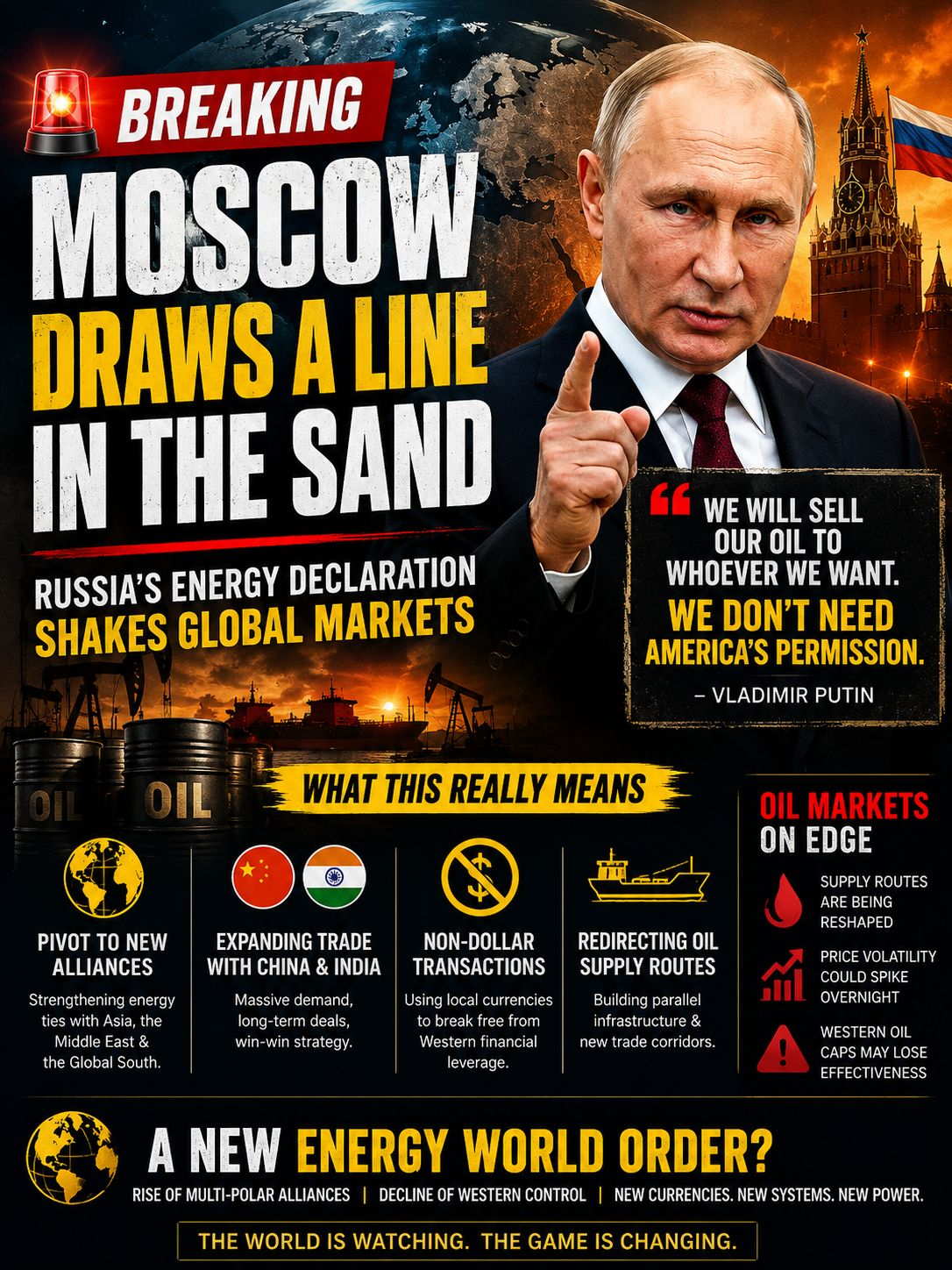
🚨 速報: プーチンが西側に強力なメッセージを送信 🌍🛢️
ロシアのプーチン大統領は、ロシアの立場を明確にしました:
💬 「我々は、売りたい相手に石油を売る。アメリカの許可は必要ない。」
これは単なる政治ではなく、世界のエネルギー市場を再構築する可能性のある重要な地政学的シグナルです。
⚡ ロシアは次の国々にシフトを加速しています: 🇨🇳 中国
🇮🇳 インド
🌏 グローバル・サウス
そして、以下の方法で進めています: 🔄 非ドルの石油取引の拡大
🛢️ 西側のシステムの外にエネルギー輸出を転換
📉 アメリカが支配する金融ネットワークへの依存を削減
🔥 重要な理由: • 世界の石油のボラティリティが急増する可能性がある
• 西側の制裁が効果を失うかもしれない
• 新しい多極的なエネルギーシステムが出現している
エネルギーにおける世界のパワーバランスがシフトしています — そして市場はその動きを注視しています。
🌐 石油取引に対する一方的な支配の時代は終わりつつあるかもしれません。
#ロシア #プーチン #石油市場 #地政学 #エネルギー危機 #クリプトニュース #バイナンススクエア #速報
🚨 速報: プーチンが西側に強力なメッセージを送信 🌍🛢️
ロシアのプーチン大統領は、ロシアの立場を明確にしました:
💬 「我々は、売りたい相手に石油を売る。アメリカの許可は必要ない。」
これは単なる政治ではなく、世界のエネルギー市場を再構築する可能性のある重要な地政学的シグナルです。
⚡ ロシアは次の国々にシフトを加速しています: 🇨🇳 中国
🇮🇳 インド
🌏 グローバル・サウス
そして、以下の方法で進めています: 🔄 非ドルの石油取引の拡大
🛢️ 西側のシステムの外にエネルギー輸出を転換
📉 アメリカが支配する金融ネットワークへの依存を削減
🔥 重要な理由: • 世界の石油のボラティリティが急増する可能性がある
• 西側の制裁が効果を失うかもしれない
• 新しい多極的なエネルギーシステムが出現している
エネルギーにおける世界のパワーバランスがシフトしています — そして市場はその動きを注視しています。
🌐 石油取引に対する一方的な支配の時代は終わりつつあるかもしれません。
#ロシア #プーチン #石油市場 #地政学 #エネルギー危機 #クリプトニュース #バイナンススクエア #速報
ロシアのプーチン大統領は、ロシアの立場を明確にしました:
💬 「我々は、売りたい相手に石油を売る。アメリカの許可は必要ない。」
これは単なる政治ではなく、世界のエネルギー市場を再構築する可能性のある重要な地政学的シグナルです。
⚡ ロシアは次の国々にシフトを加速しています: 🇨🇳 中国
🇮🇳 インド
🌏 グローバル・サウス
そして、以下の方法で進めています: 🔄 非ドルの石油取引の拡大
🛢️ 西側のシステムの外にエネルギー輸出を転換
📉 アメリカが支配する金融ネットワークへの依存を削減
🔥 重要な理由: • 世界の石油のボラティリティが急増する可能性がある
• 西側の制裁が効果を失うかもしれない
• 新しい多極的なエネルギーシステムが出現している
エネルギーにおける世界のパワーバランスがシフトしています — そして市場はその動きを注視しています。
🌐 石油取引に対する一方的な支配の時代は終わりつつあるかもしれません。
#ロシア #プーチン #石油市場 #地政学 #エネルギー危機 #クリプトニュース #バイナンススクエア #速報
9
19
11.5k
·
--
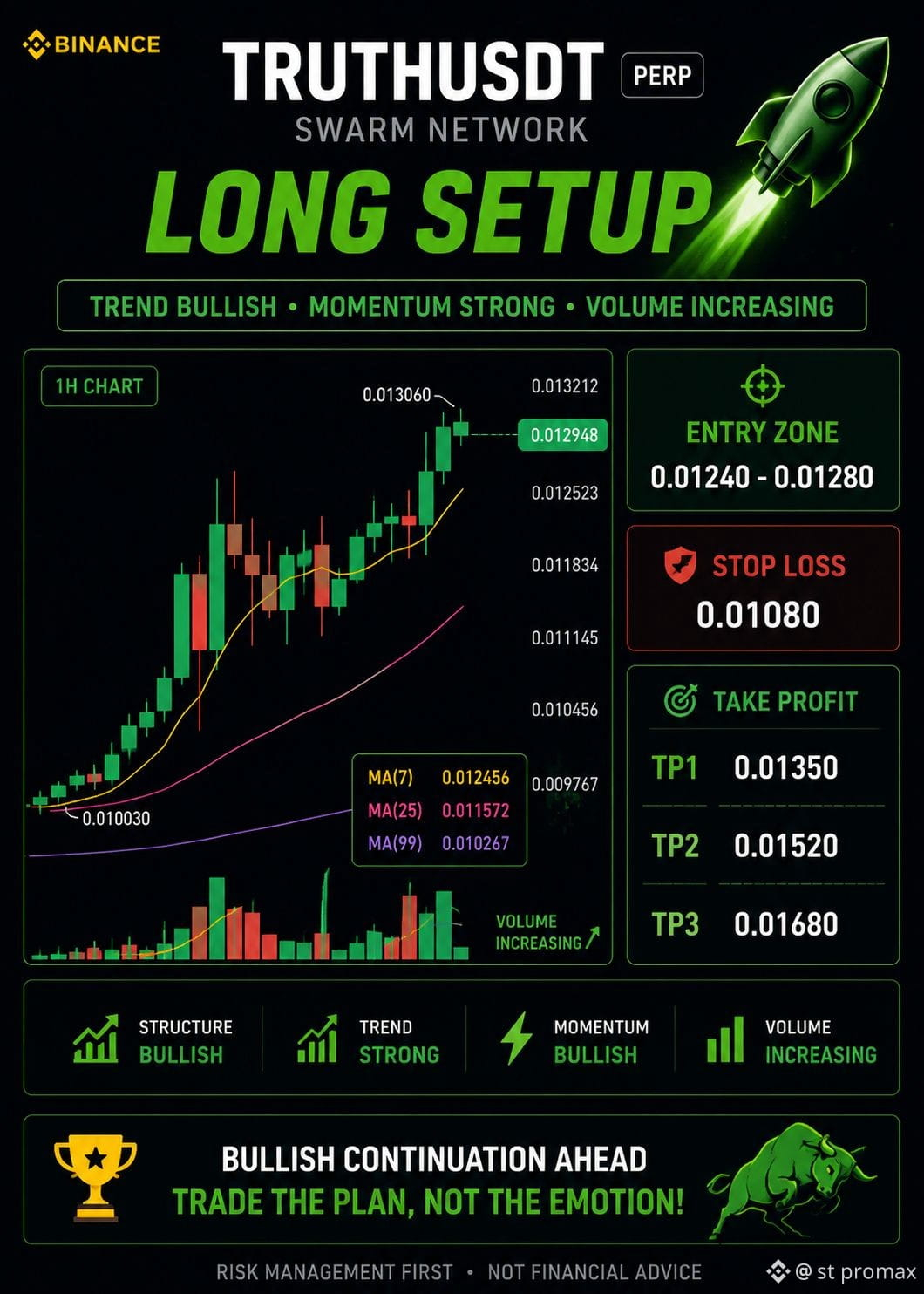
🚨 $TRUTH USDT が強いブルシグナルをフラッシュしました! 🚀
モメンタムが急速に蓄積されており、買い手が再びコントロールを取り戻しています。
サポートゾーンからのクリーンなリカバリーの後、TRUTHUSDTは今、高いレジスタンスレベルに向けた継続的な動きの兆しを見せています。 📈🔥
🎯 トレードセットアップ:
🔹 エントリーゾーン: 0.01240 – 0.01280
🛑 ストップロス: 0.01080
💰 テイクプロフィットターゲット:
TP1 → 0.01350
TP2 → 0.01520
TP3 → 0.01680
📊 この動きをサポートしている要因は?
✅ ブル市場構造
✅ 強いモメンタムシフト
✅ ボリューム増加
✅ 買い手が再びコントロールを取り戻し
✅ 健全なトレンド継続
⚠️ ロウソク足にFOMOしないで。
賢いトレーダーは確認を待ち、規律を持って実行します。
💡 覚えておいて:
「市場は感情よりも忍耐に報いてくれる。」
🔥 モメンタムが続く場合、TRUTHUSDTは短期的に最も強い動きの一つになる可能性があります。
{future}(TRUTHUSDT)
🚨 $TRUTH USDT が強いブルシグナルをフラッシュしました! 🚀
モメンタムが急速に蓄積されており、買い手が再びコントロールを取り戻しています。
サポートゾーンからのクリーンなリカバリーの後、TRUTHUSDTは今、高いレジスタンスレベルに向けた継続的な動きの兆しを見せています。 📈🔥
🎯 トレードセットアップ:
🔹 エントリーゾーン: 0.01240 – 0.01280
🛑 ストップロス: 0.01080
💰 テイクプロフィットターゲット:
TP1 → 0.01350
TP2 → 0.01520
TP3 → 0.01680
📊 この動きをサポートしている要因は?
✅ ブル市場構造
✅ 強いモメンタムシフト
✅ ボリューム増加
✅ 買い手が再びコントロールを取り戻し
✅ 健全なトレンド継続
⚠️ ロウソク足にFOMOしないで。
賢いトレーダーは確認を待ち、規律を持って実行します。
💡 覚えておいて:
「市場は感情よりも忍耐に報いてくれる。」
🔥 モメンタムが続く場合、TRUTHUSDTは短期的に最も強い動きの一つになる可能性があります。
モメンタムが急速に蓄積されており、買い手が再びコントロールを取り戻しています。
サポートゾーンからのクリーンなリカバリーの後、TRUTHUSDTは今、高いレジスタンスレベルに向けた継続的な動きの兆しを見せています。 📈🔥
🎯 トレードセットアップ:
🔹 エントリーゾーン: 0.01240 – 0.01280
🛑 ストップロス: 0.01080
💰 テイクプロフィットターゲット:
TP1 → 0.01350
TP2 → 0.01520
TP3 → 0.01680
📊 この動きをサポートしている要因は?
✅ ブル市場構造
✅ 強いモメンタムシフト
✅ ボリューム増加
✅ 買い手が再びコントロールを取り戻し
✅ 健全なトレンド継続
⚠️ ロウソク足にFOMOしないで。
賢いトレーダーは確認を待ち、規律を持って実行します。
💡 覚えておいて:
「市場は感情よりも忍耐に報いてくれる。」
🔥 モメンタムが続く場合、TRUTHUSDTは短期的に最も強い動きの一つになる可能性があります。
108
·
--
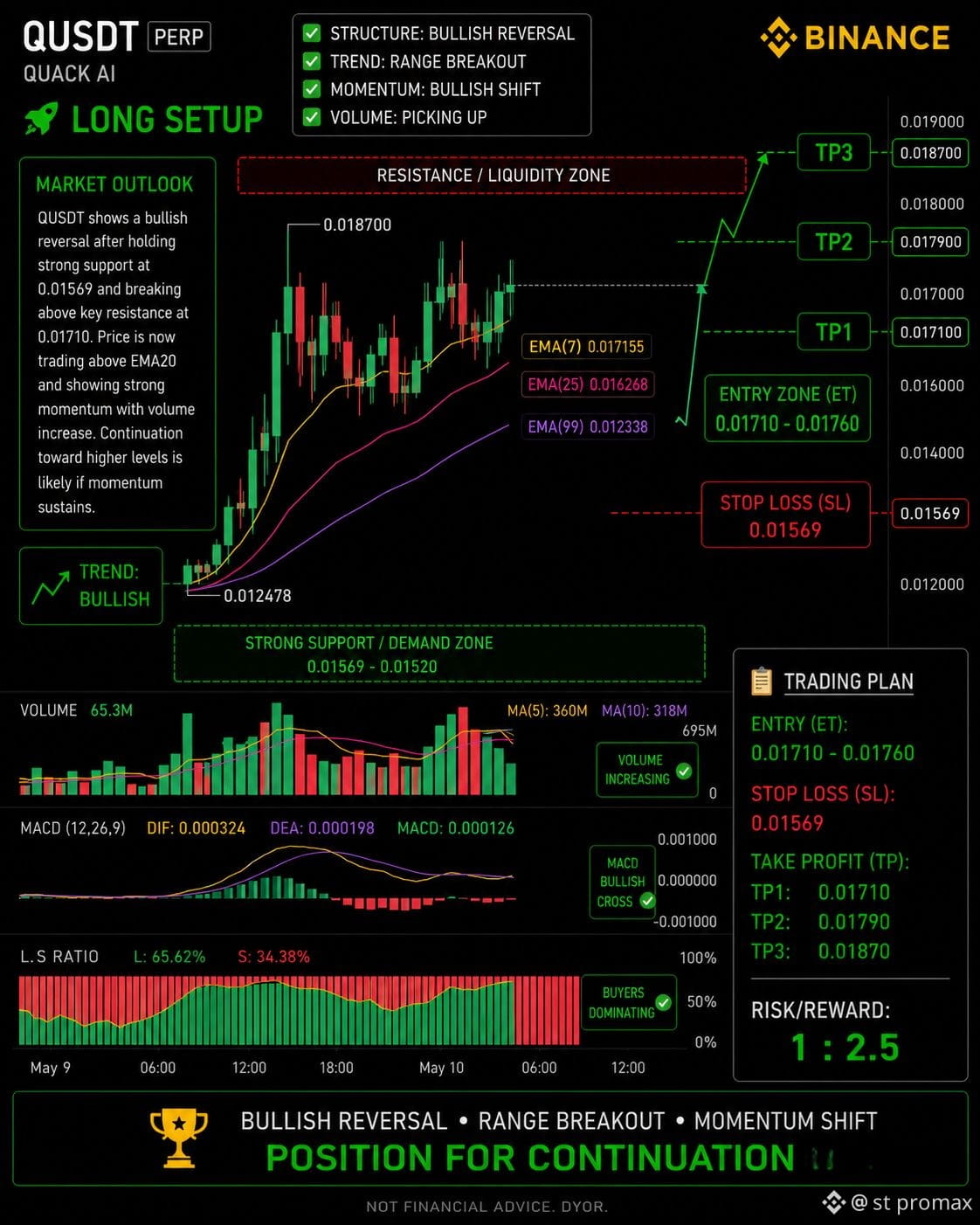
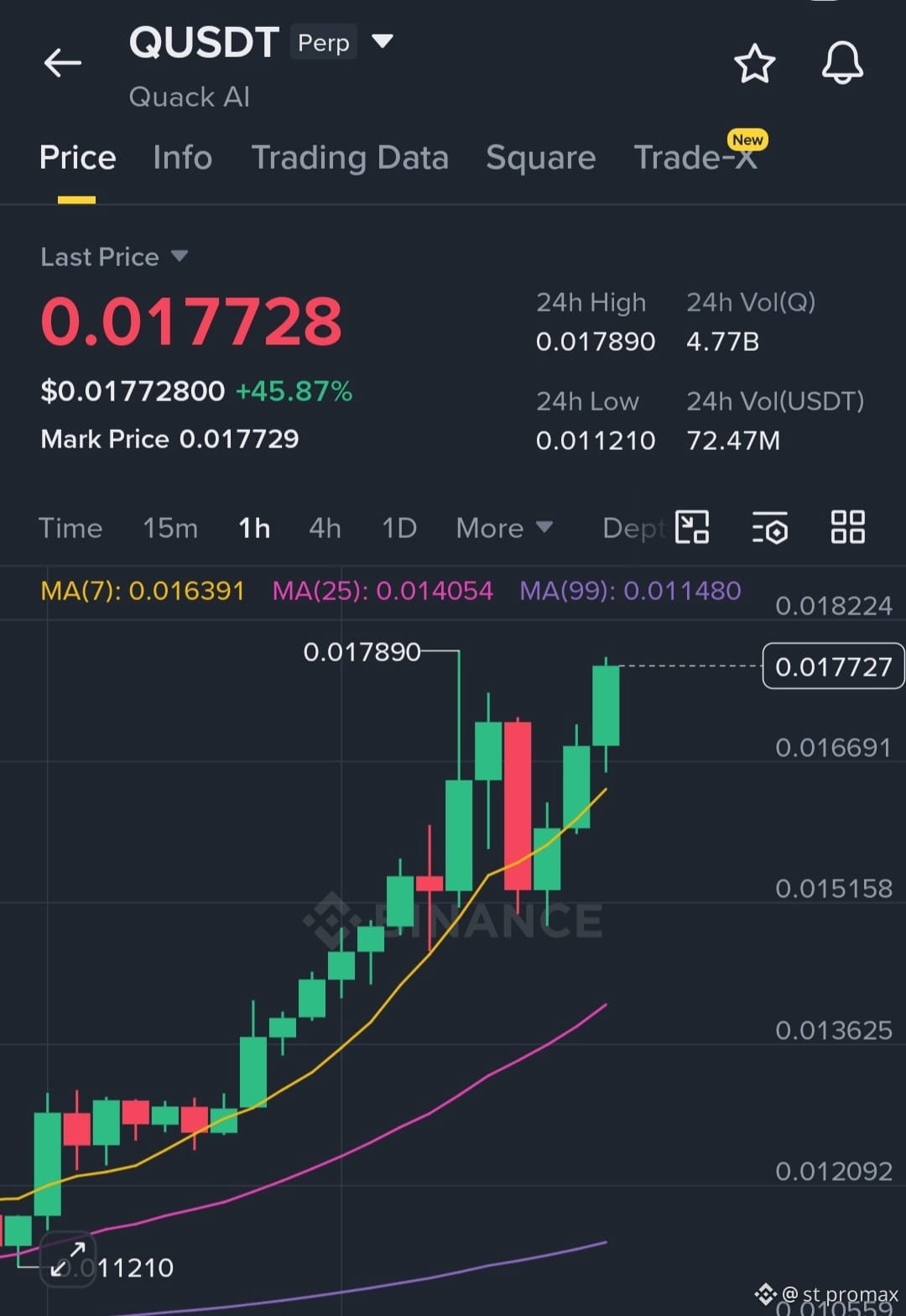
🚀 $Q USDT ロングセットアップがアクティブ化!
バイアスのモメンタムが強くなってきており、買い手がサポートゾーンを強力に守っています。ボリュームの拡大 + ブレイクアウト構造は、高いターゲットへの継続を示唆しています。 📈
🎯 エントリーゾーン: 0.01710 - 0.01760
🛑 ストップロス: 0.01569
🔥 テイクプロフィットターゲット:
TP1 → 0.01710
TP2 → 0.01790
TP3 → 0.01870
✅ トレンド: ブル
✅ ボリューム: 増加中
✅ モメンタムシフト確認済み
✅ バイザーが支配中
忍耐 + リスク管理がカギです。
キャンドルを追いかけないで — クリーンなエントリーを待ちましょう。 👀
#QUSDT #Crypto
🚀 $Q USDT ロングセットアップがアクティブ化!
バイアスのモメンタムが強くなってきており、買い手がサポートゾーンを強力に守っています。ボリュームの拡大 + ブレイクアウト構造は、高いターゲットへの継続を示唆しています。 📈
🎯 エントリーゾーン: 0.01710 - 0.01760
🛑 ストップロス: 0.01569
🔥 テイクプロフィットターゲット:
TP1 → 0.01710
TP2 → 0.01790
TP3 → 0.01870
✅ トレンド: ブル
✅ ボリューム: 増加中
✅ モメンタムシフト確認済み
✅ バイザーが支配中
忍耐 + リスク管理がカギです。
キャンドルを追いかけないで — クリーンなエントリーを待ちましょう。 👀
#QUSDT #Crypto
バイアスのモメンタムが強くなってきており、買い手がサポートゾーンを強力に守っています。ボリュームの拡大 + ブレイクアウト構造は、高いターゲットへの継続を示唆しています。 📈
🎯 エントリーゾーン: 0.01710 - 0.01760
🛑 ストップロス: 0.01569
🔥 テイクプロフィットターゲット:
TP1 → 0.01710
TP2 → 0.01790
TP3 → 0.01870
✅ トレンド: ブル
✅ ボリューム: 増加中
✅ モメンタムシフト確認済み
✅ バイザーが支配中
忍耐 + リスク管理がカギです。
キャンドルを追いかけないで — クリーンなエントリーを待ちましょう。 👀
#QUSDT #Crypto
253
·
--
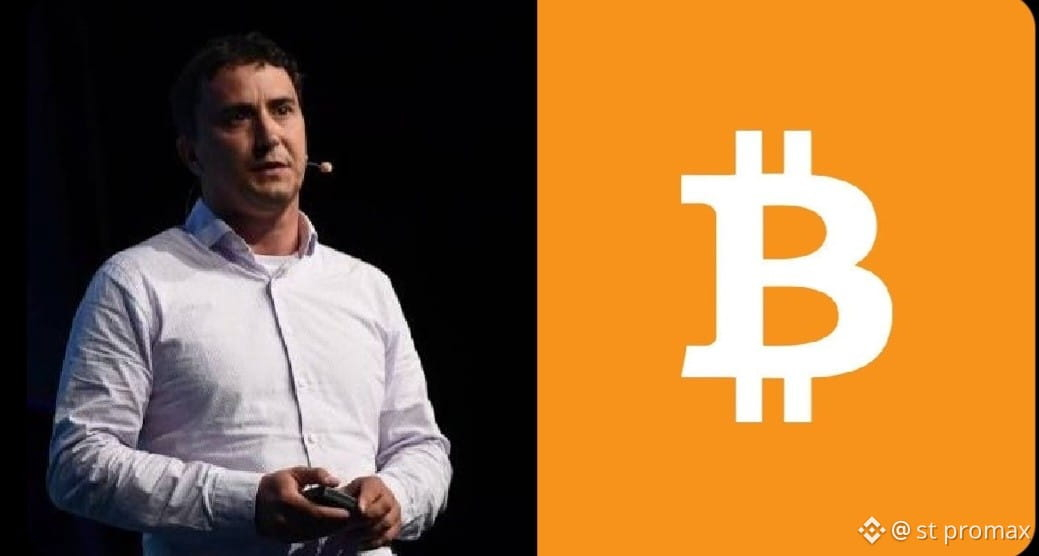
🚨 ビットコインの最大の脅威は価格ではなく…セキュリティかもしれません。
エミン・ギュン・シレールによれば、ビットコインは将来的に大規模なセキュリティ問題に直面する可能性があります。
ハルビングが続く中でマイナーの報酬が減少し、ネットワークは最終的に取引手数料のみで生き延びることになるかもしれません。
⚠️ マイナーへのインセンティブが下がる = ネットワークセキュリティが弱くなる?
アバランチの創設者は、これがビットコインにとって最も危険な長期的課題の一つになる可能性があると警告しています。
👀 BTCは手数料のみの未来に備えているのでしょうか?
🚨 ビットコインの最大の脅威は価格ではなく…セキュリティかもしれません。
エミン・ギュン・シレールによれば、ビットコインは将来的に大規模なセキュリティ問題に直面する可能性があります。
ハルビングが続く中でマイナーの報酬が減少し、ネットワークは最終的に取引手数料のみで生き延びることになるかもしれません。
⚠️ マイナーへのインセンティブが下がる = ネットワークセキュリティが弱くなる?
アバランチの創設者は、これがビットコインにとって最も危険な長期的課題の一つになる可能性があると警告しています。
👀 BTCは手数料のみの未来に備えているのでしょうか?
エミン・ギュン・シレールによれば、ビットコインは将来的に大規模なセキュリティ問題に直面する可能性があります。
ハルビングが続く中でマイナーの報酬が減少し、ネットワークは最終的に取引手数料のみで生き延びることになるかもしれません。
⚠️ マイナーへのインセンティブが下がる = ネットワークセキュリティが弱くなる?
アバランチの創設者は、これがビットコインにとって最も危険な長期的課題の一つになる可能性があると警告しています。
👀 BTCは手数料のみの未来に備えているのでしょうか?
145
·
--
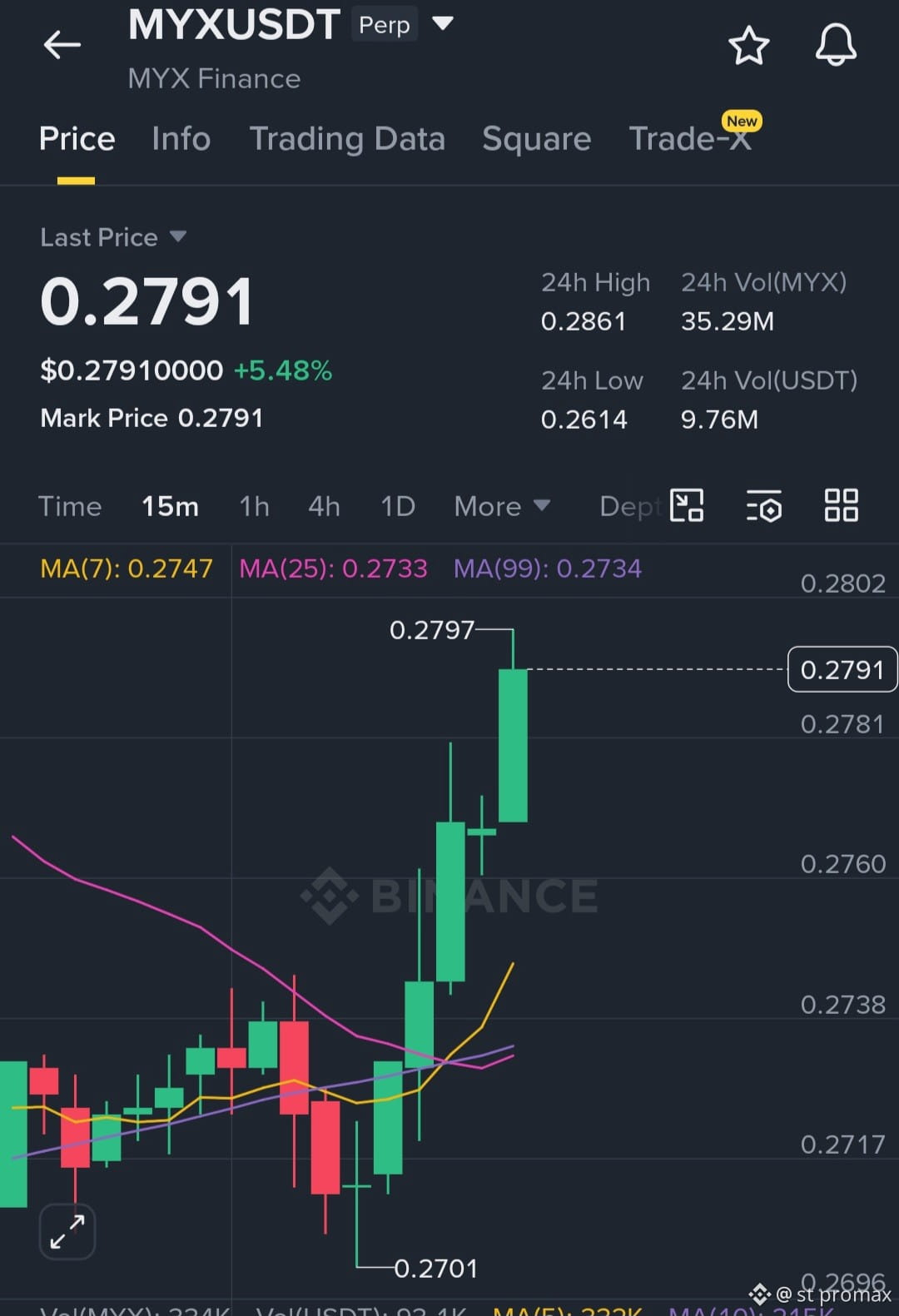
🚨 高潜在トレード — $MYX 🚨
🔥 エントリーエリア: 0.275 - 0.278
🎯 利益ターゲット:
✅ TP1: 0.2820
✅ TP2: 0.2850
✅ TP3: 0.2880
🛑 ストップロス: 0.2700
📈 チャートは強く、ブルなモメンタムが形成中!
⚡ レジスタンスを突破すれば、速いポンプが発生する可能性あり!
💎 追いかけるな — 賢くエントリーして、段階的に利益を取れ。
🚀 次の動きに向けて$MYX を注視せよ!
#MYX #CryptoSignals
🚨 高潜在トレード — $MYX 🚨
🔥 エントリーエリア: 0.275 - 0.278
🎯 利益ターゲット:
✅ TP1: 0.2820
✅ TP2: 0.2850
✅ TP3: 0.2880
🛑 ストップロス: 0.2700
📈 チャートは強く、ブルなモメンタムが形成中!
⚡ レジスタンスを突破すれば、速いポンプが発生する可能性あり!
💎 追いかけるな — 賢くエントリーして、段階的に利益を取れ。
🚀 次の動きに向けて$MYX を注視せよ!
#MYX #CryptoSignals
🔥 エントリーエリア: 0.275 - 0.278
🎯 利益ターゲット:
✅ TP1: 0.2820
✅ TP2: 0.2850
✅ TP3: 0.2880
🛑 ストップロス: 0.2700
📈 チャートは強く、ブルなモメンタムが形成中!
⚡ レジスタンスを突破すれば、速いポンプが発生する可能性あり!
💎 追いかけるな — 賢くエントリーして、段階的に利益を取れ。
🚀 次の動きに向けて$MYX を注視せよ!
#MYX #CryptoSignals
1
3
430
·
--
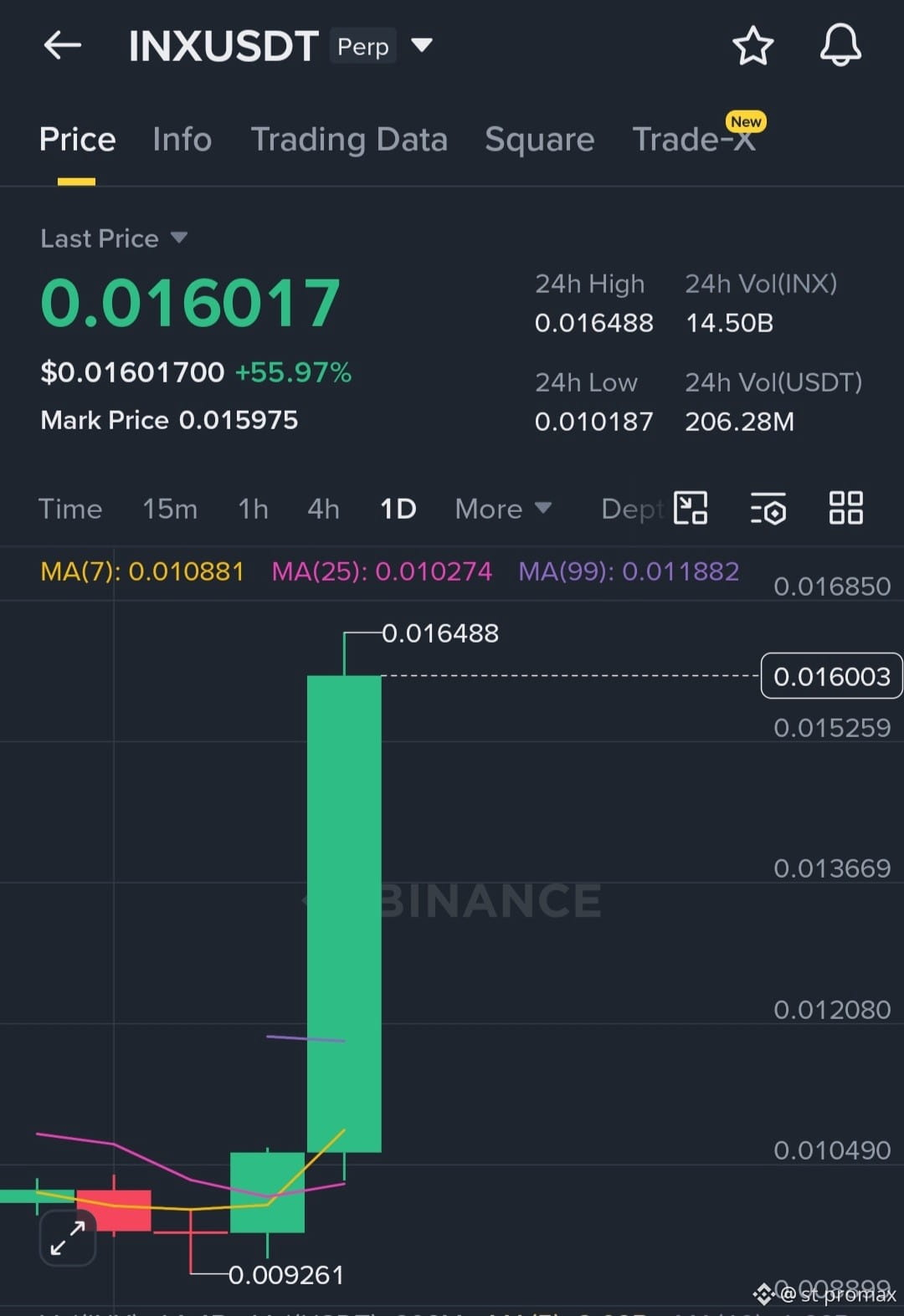
🚀 次の爆発的シグナル — $INX 🚀
🔥 バイゾーン: 0.01550 - 0.01600
🎯 ターゲット確定:
💎 TP1 → 0.018
💎 TP2 → 0.020
💎 TP3 → 0.022
🛑 ストップロス: 0.0140
📈 モメンタムが急速に盛り上がっている!
⚡ ここでクリーンなブレイクアウトがあれば、$INX が飛ぶ可能性大!
🐂 ブルズが次のレッグアップに備えている — 準備万端で!
💰 リスクを管理し、上昇中に利益を確保しよう。
#INX #CryptoSignal #AltcoinSeason
🚀 次の爆発的シグナル — $INX 🚀
🔥 バイゾーン: 0.01550 - 0.01600
🎯 ターゲット確定:
💎 TP1 → 0.018
💎 TP2 → 0.020
💎 TP3 → 0.022
🛑 ストップロス: 0.0140
📈 モメンタムが急速に盛り上がっている!
⚡ ここでクリーンなブレイクアウトがあれば、$INX が飛ぶ可能性大!
🐂 ブルズが次のレッグアップに備えている — 準備万端で!
💰 リスクを管理し、上昇中に利益を確保しよう。
#INX #CryptoSignal #AltcoinSeason
🔥 バイゾーン: 0.01550 - 0.01600
🎯 ターゲット確定:
💎 TP1 → 0.018
💎 TP2 → 0.020
💎 TP3 → 0.022
🛑 ストップロス: 0.0140
📈 モメンタムが急速に盛り上がっている!
⚡ ここでクリーンなブレイクアウトがあれば、$INX が飛ぶ可能性大!
🐂 ブルズが次のレッグアップに備えている — 準備万端で!
💰 リスクを管理し、上昇中に利益を確保しよう。
#INX #CryptoSignal #AltcoinSeason
1
391
·
--
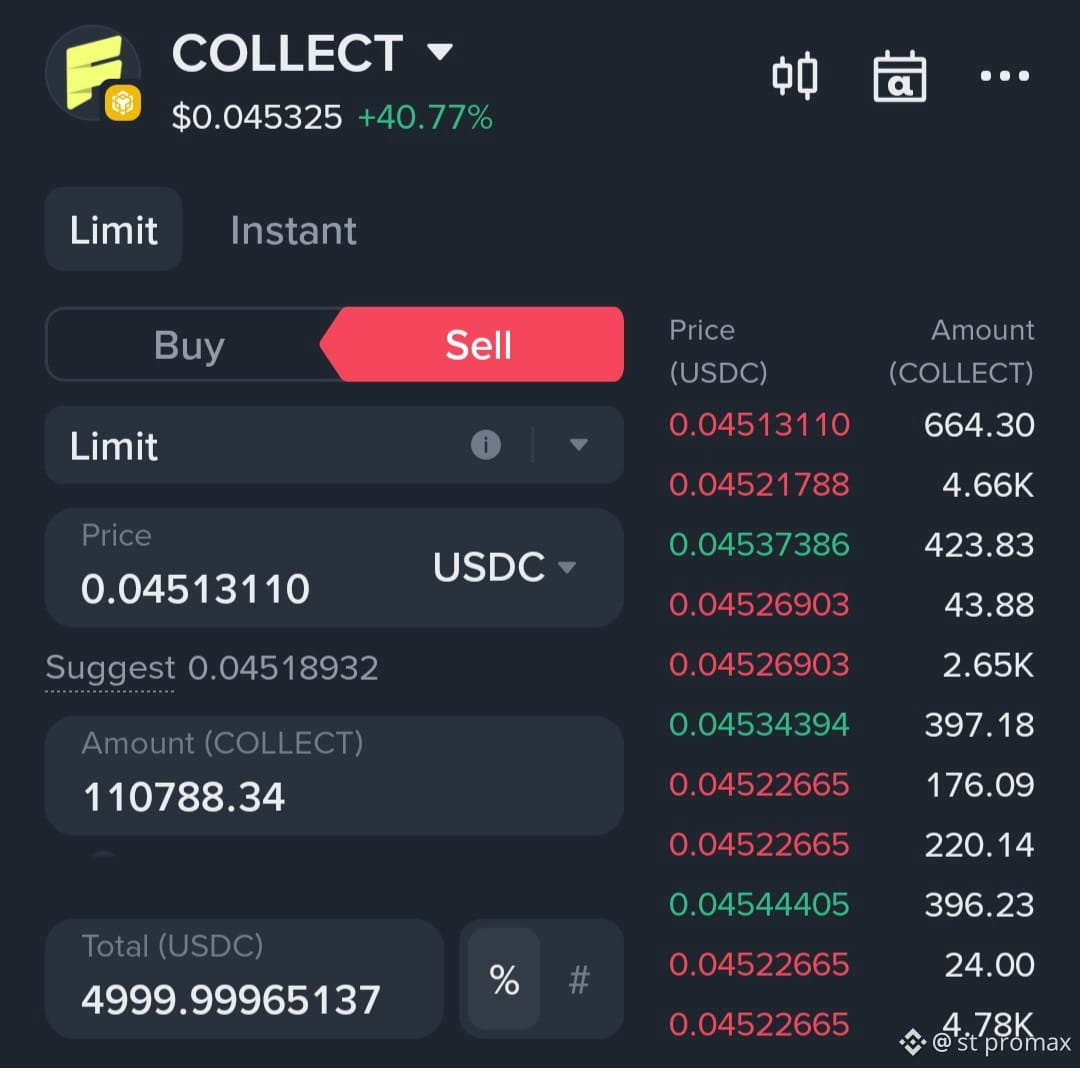
今100k $COLLECT をホールドしてて、その価格が0.02601の時✅
今は大幅な利益が出てるよ😊❤️🚀🚀
今100k $COLLECT をホールドしてて、その価格が0.02601の時✅
今は大幅な利益が出てるよ😊❤️🚀🚀
今は大幅な利益が出てるよ😊❤️🚀🚀
2
1
193
·
--
ETHが$3,000を超えるために必要なものは?クジラたちが船を見捨てている中で。
• 現在のイーサリアムの価格は、2025年8月の$4,950という史上最高値から53%以上下落しており、最近のマーケットリバウンドにもかかわらず、依然として厳しい状況です。
• 1,000から10,000 ETHを保有するクジラたちは、保有量を21.5%減らしており、これはETHの回復を妨げる可能性がある市場の行動の重要な変化を示しています。
• スポットイーサリアムETFは4月に$355百万以上のプラスの流入を見ましたが、年初来の全体の数字は依然としてネガティブで、クジラの分配を相殺するには至っていません。
ETHが$3,000を超えるために必要なものは?クジラたちが船を見捨てている中で。
• 現在のイーサリアムの価格は、2025年8月の$4,950という史上最高値から53%以上下落しており、最近のマーケットリバウンドにもかかわらず、依然として厳しい状況です。
• 1,000から10,000 ETHを保有するクジラたちは、保有量を21.5%減らしており、これはETHの回復を妨げる可能性がある市場の行動の重要な変化を示しています。
• スポットイーサリアムETFは4月に$355百万以上のプラスの流入を見ましたが、年初来の全体の数字は依然としてネガティブで、クジラの分配を相殺するには至っていません。
• 現在のイーサリアムの価格は、2025年8月の$4,950という史上最高値から53%以上下落しており、最近のマーケットリバウンドにもかかわらず、依然として厳しい状況です。
• 1,000から10,000 ETHを保有するクジラたちは、保有量を21.5%減らしており、これはETHの回復を妨げる可能性がある市場の行動の重要な変化を示しています。
• スポットイーサリアムETFは4月に$355百万以上のプラスの流入を見ましたが、年初来の全体の数字は依然としてネガティブで、クジラの分配を相殺するには至っていません。
114
·
--
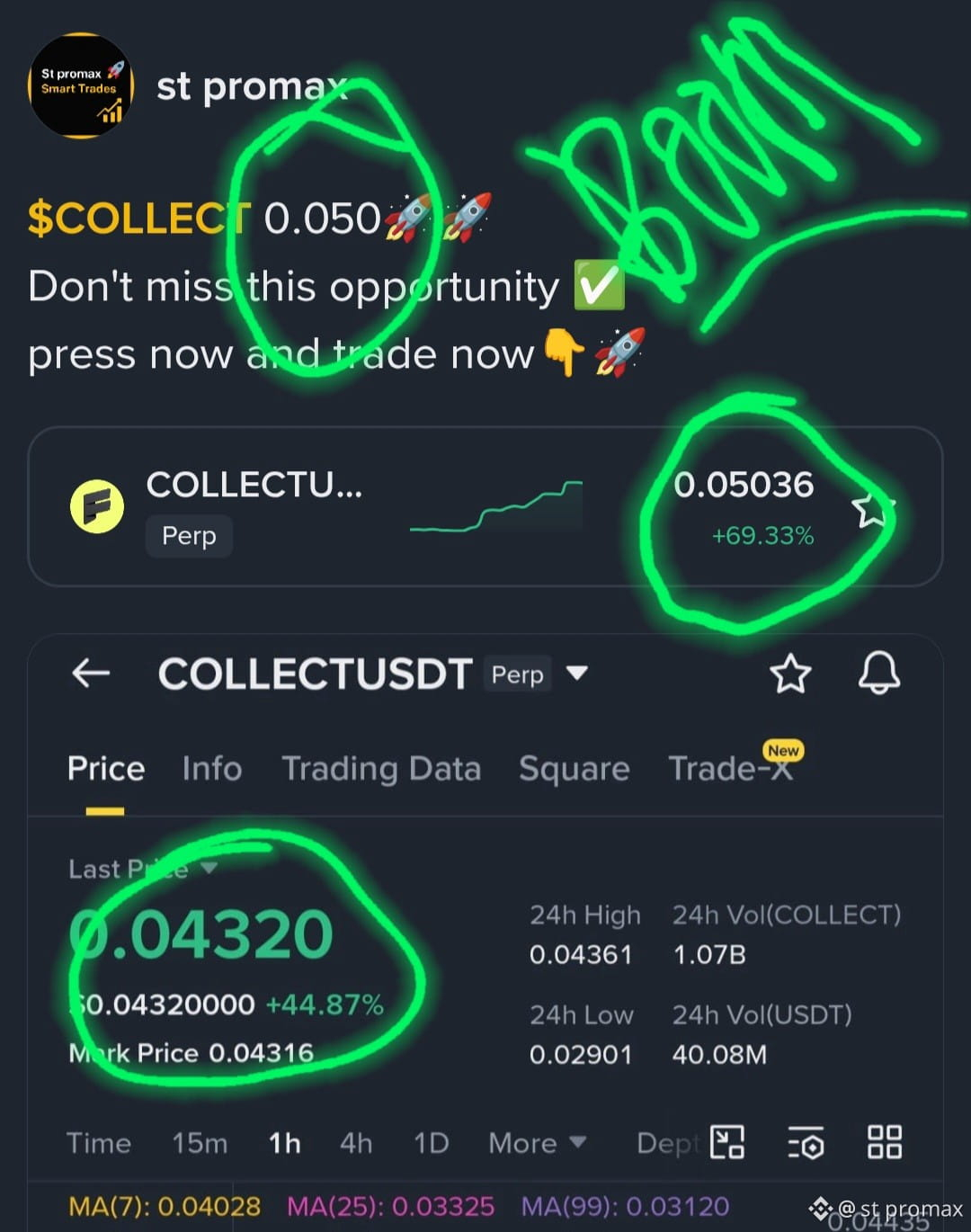
#BOOOOOOOOMM 💣💣$COLLECT マスターブラスター💣✅ 大きなターゲットの急騰に心から感謝します✅💣
#BOOOOOOOOMM 💣💣$COLLECT マスターブラスター💣✅ 大きなターゲットの急騰に心から感謝します✅💣
169
·
--
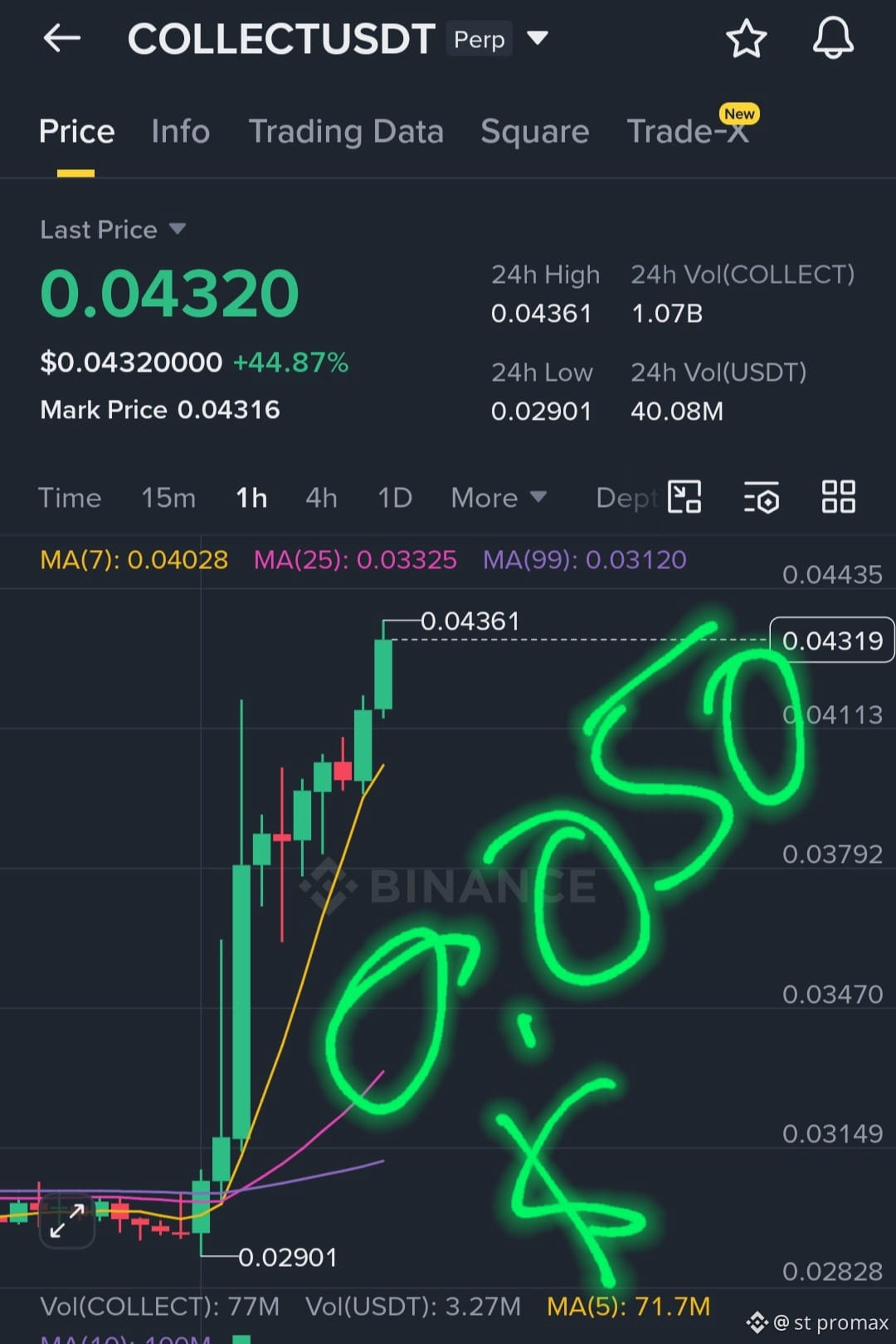
$COLLECT 0.050🚀🚀
このチャンスを見逃すな ✅
今すぐ押してトレードしよう👇🚀
{future}(COLLECTUSDT)
$COLLECT 0.050🚀🚀
このチャンスを見逃すな ✅
今すぐ押してトレードしよう👇🚀
このチャンスを見逃すな ✅
今すぐ押してトレードしよう👇🚀
80
·
--
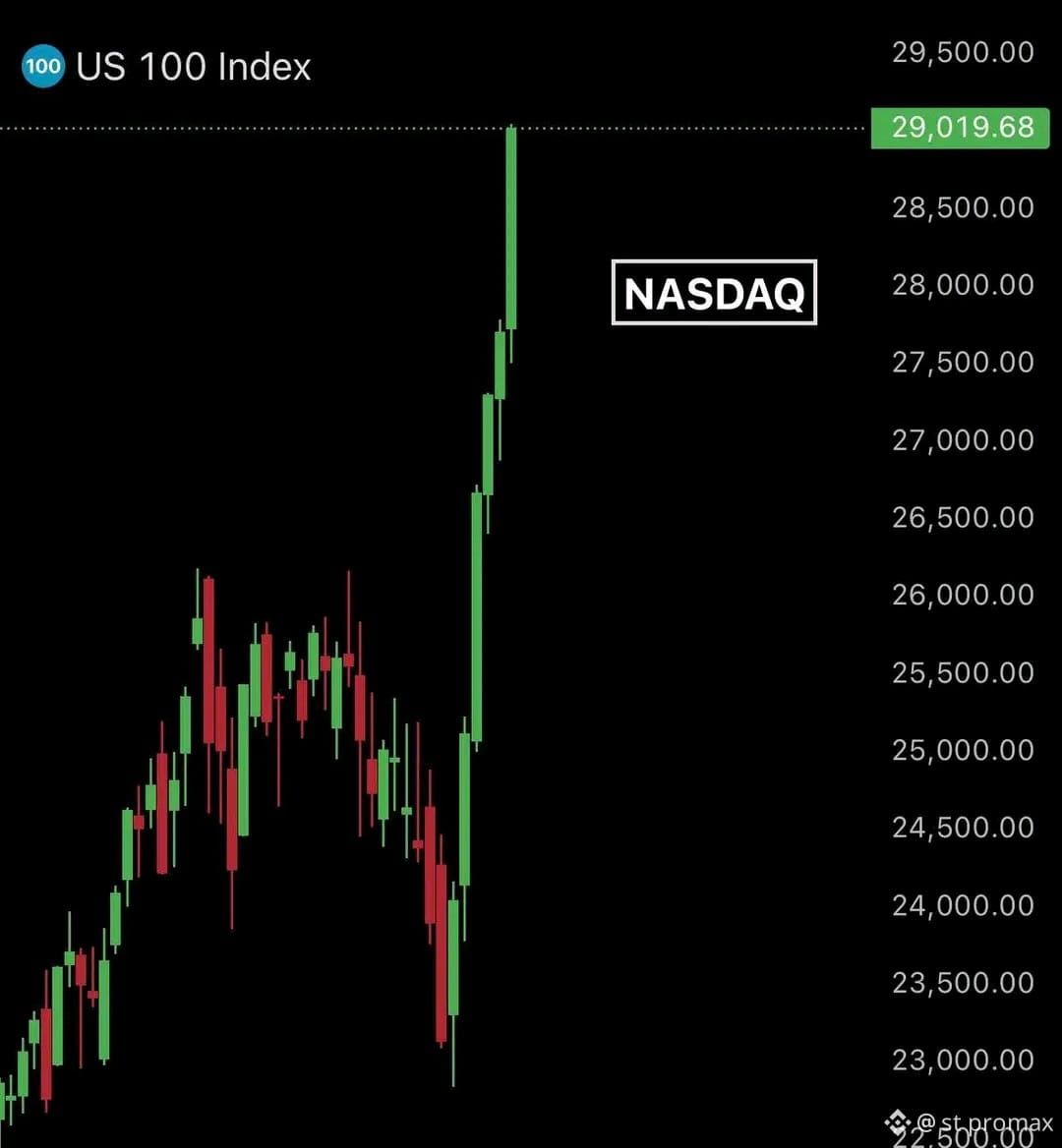
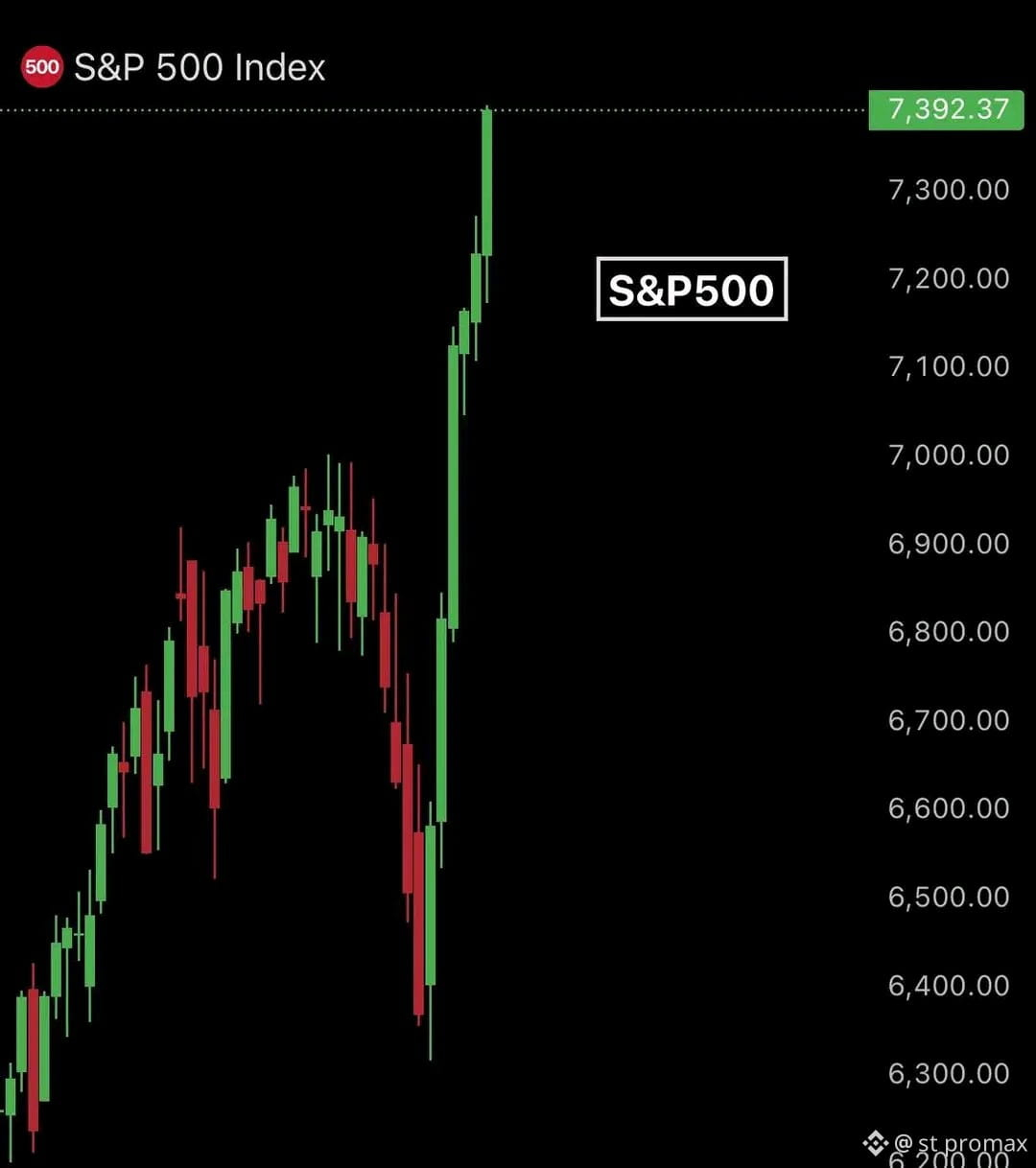
アメリカの株式市場は今、絶好調だ。
たった39日で1兆ドル以上が追加された。
ナスダック総合指数は初めて29,000を突破し、3月の安値から+27%も上昇している。
S&P 500も新たな最高値7,400に達し、+17%の上昇だ。
そしてここがクレイジーな部分だ:
公式な和平合意が締結される前に、この状況が起きている。
市場はすべてを先取りしている。
これは単なるバウンスではない。
ウォール街が今まで見た中で最もワイルドなリバーサルの一つだ。
#NASDAQ
#SP500
#StockMarket
アメリカの株式市場は今、絶好調だ。
たった39日で1兆ドル以上が追加された。
ナスダック総合指数は初めて29,000を突破し、3月の安値から+27%も上昇している。
S&P 500も新たな最高値7,400に達し、+17%の上昇だ。
そしてここがクレイジーな部分だ:
公式な和平合意が締結される前に、この状況が起きている。
市場はすべてを先取りしている。
これは単なるバウンスではない。
ウォール街が今まで見た中で最もワイルドなリバーサルの一つだ。
#NASDAQ
#SP500
#StockMarket
たった39日で1兆ドル以上が追加された。
ナスダック総合指数は初めて29,000を突破し、3月の安値から+27%も上昇している。
S&P 500も新たな最高値7,400に達し、+17%の上昇だ。
そしてここがクレイジーな部分だ:
公式な和平合意が締結される前に、この状況が起きている。
市場はすべてを先取りしている。
これは単なるバウンスではない。
ウォール街が今まで見た中で最もワイルドなリバーサルの一つだ。
#NASDAQ
#SP500
#StockMarket
40
·
--
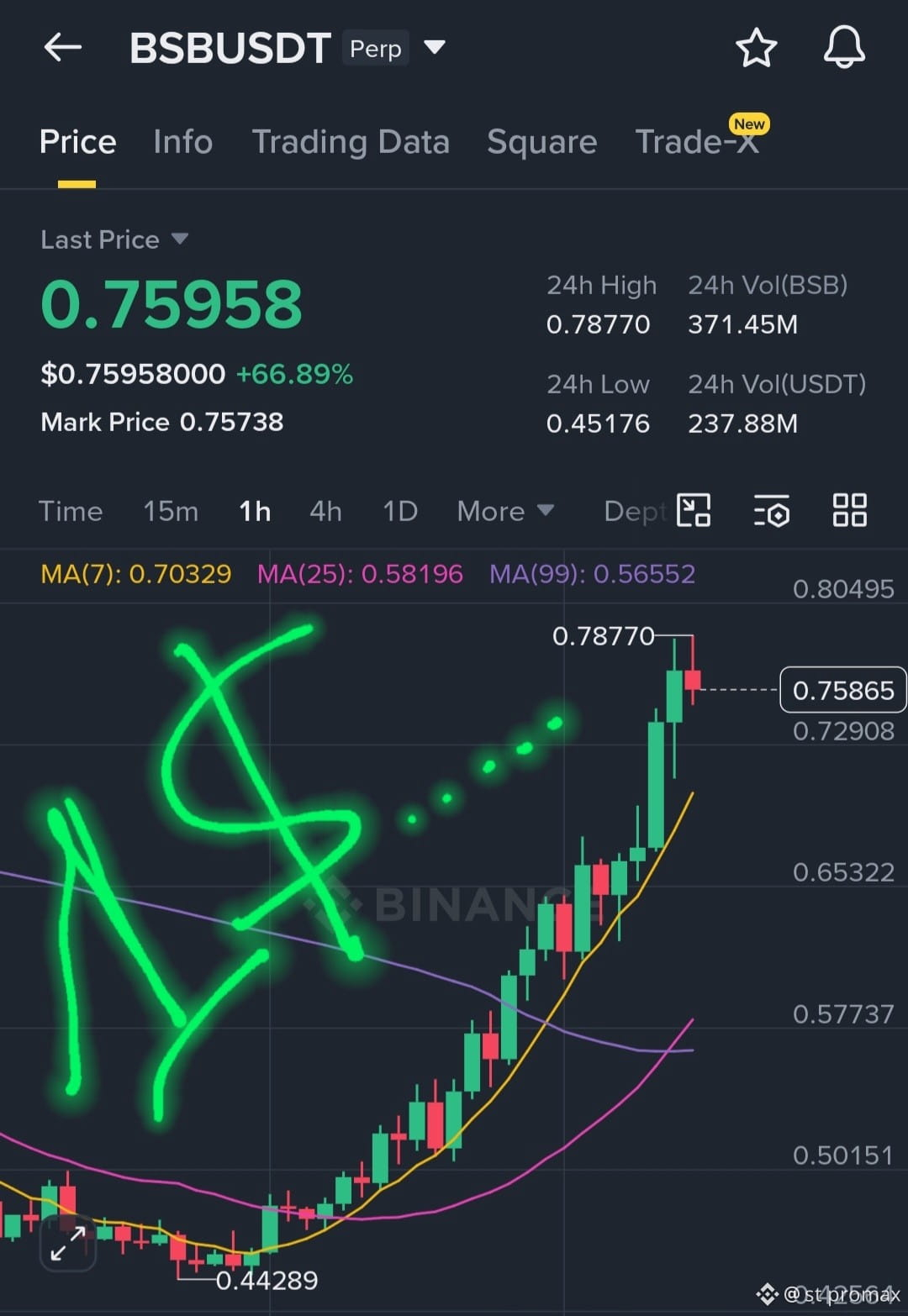
$BSB 1$ が上昇中だ..🚀🚀
エントリー: 今
TP1: 0.780
TP2: 0.800
TP3: 0.820
ストップロス: 0.7400
$BSB 1$ が上昇中だ..🚀🚀
エントリー: 今
TP1: 0.780
TP2: 0.800
TP3: 0.820
ストップロス: 0.7400
エントリー: 今
TP1: 0.780
TP2: 0.800
TP3: 0.820
ストップロス: 0.7400
177

ログインして、さらにコンテンツを読む
厳選トピックで世界の暗号資産トレーダーの仲間入り
⚡️ 暗号資産に関する最新かつ有益な情報が見つかります。
💬 世界最大の暗号資産取引所から信頼されています。
👍 認証を受けたクリエイターから、有益なインサイトを得られます。
メール / 電話番号