
ZkStas
67 投稿

ZkStas
報告
ユーザーをブロック
Zk technology is constantly evolving. I’m on the lookout for the most noteworthy news and innovations in this field. Today, I’d like to introduce you to Xion.
5 フォロー
34 フォロワー
47 いいね
投稿
すべて
動画
PINNED
·
--
翻訳参照
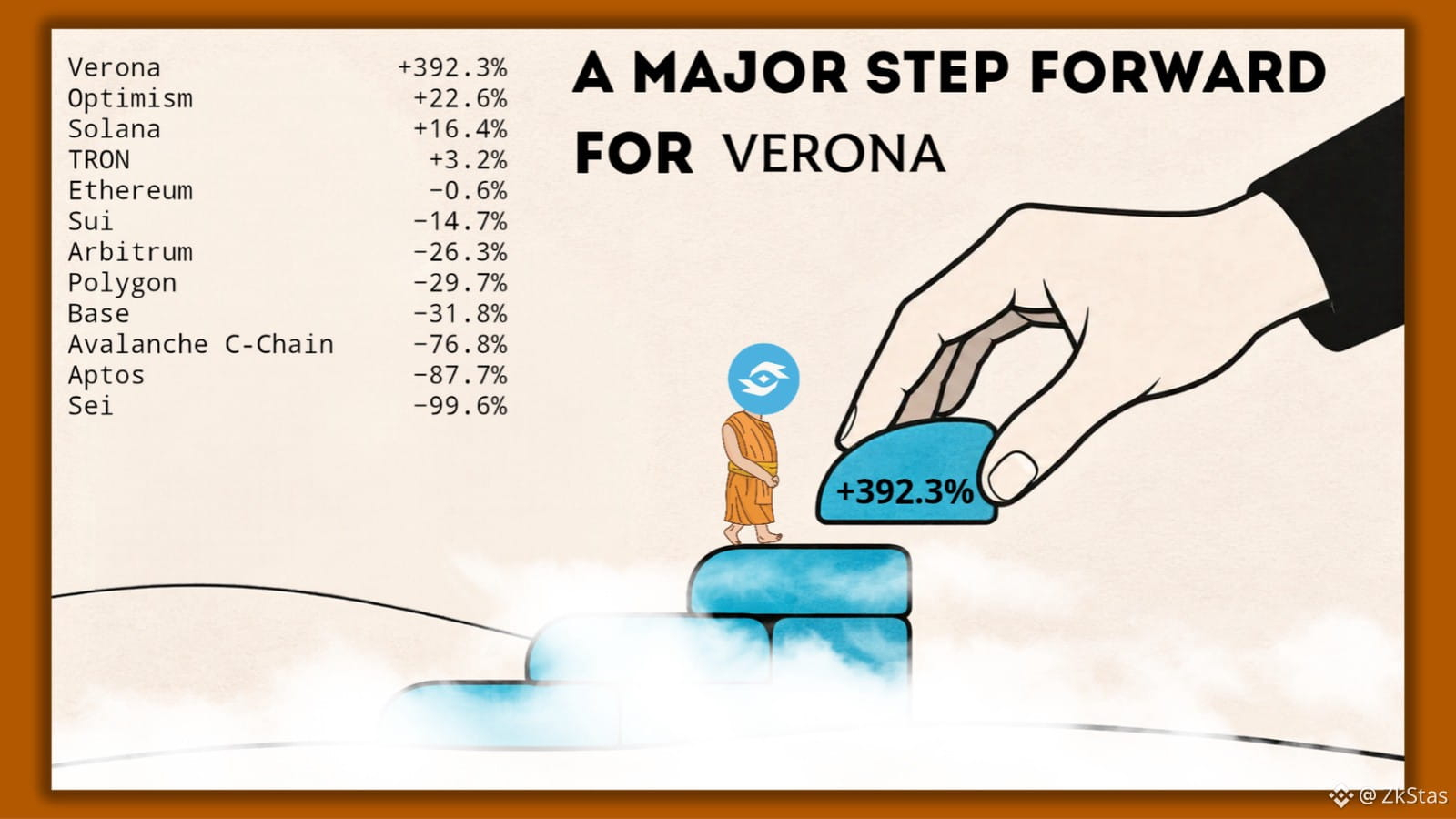
What +392.3% Means for a Small Network
Verona reported 392.3% growth in average daily active addresses in Q3. Next to Solana’s 16.4%, that looks enormous. Each network, though, is being compared with its own previous quarter.
Verona is still building its audience. When the starting base is smaller, new activity makes a much bigger percentage difference. So this chart tells us about the pace of growth. Comparing the size of these networks would require their actual address counts.
It seems Verona picked a measure where its progress is visible. For a small network gradually finding its place, that makes sense.
Ero by EarnOS could be contributing. Someone opens an app, completes a brand mission and earns a reward. They have a reason to use the service without needing to follow every Verona announcement. We would need an activity breakdown to know how much of the growth comes from Ero.
That is the part I find interesting: Verona building an audience through things people can actually use. One application gives someone a reason to arrive. A useful experience gives them a reason to come back.
125
·
--
翻訳参照
One day, a blockchain transaction could be marked VALID even though its owner never approved it.
That's one reason quantum computing worries security researchers. A sufficiently powerful quantum computer could break some of the digital signature schemes used today, allowing an attacker to forge signatures for vulnerable accounts.
We're not there yet. But in March 2026, Google Quantum AI estimated that breaking the elliptic-curve cryptography used by $BTC and $ETH might require roughly 20 times fewer physical qubits than earlier estimates suggested.
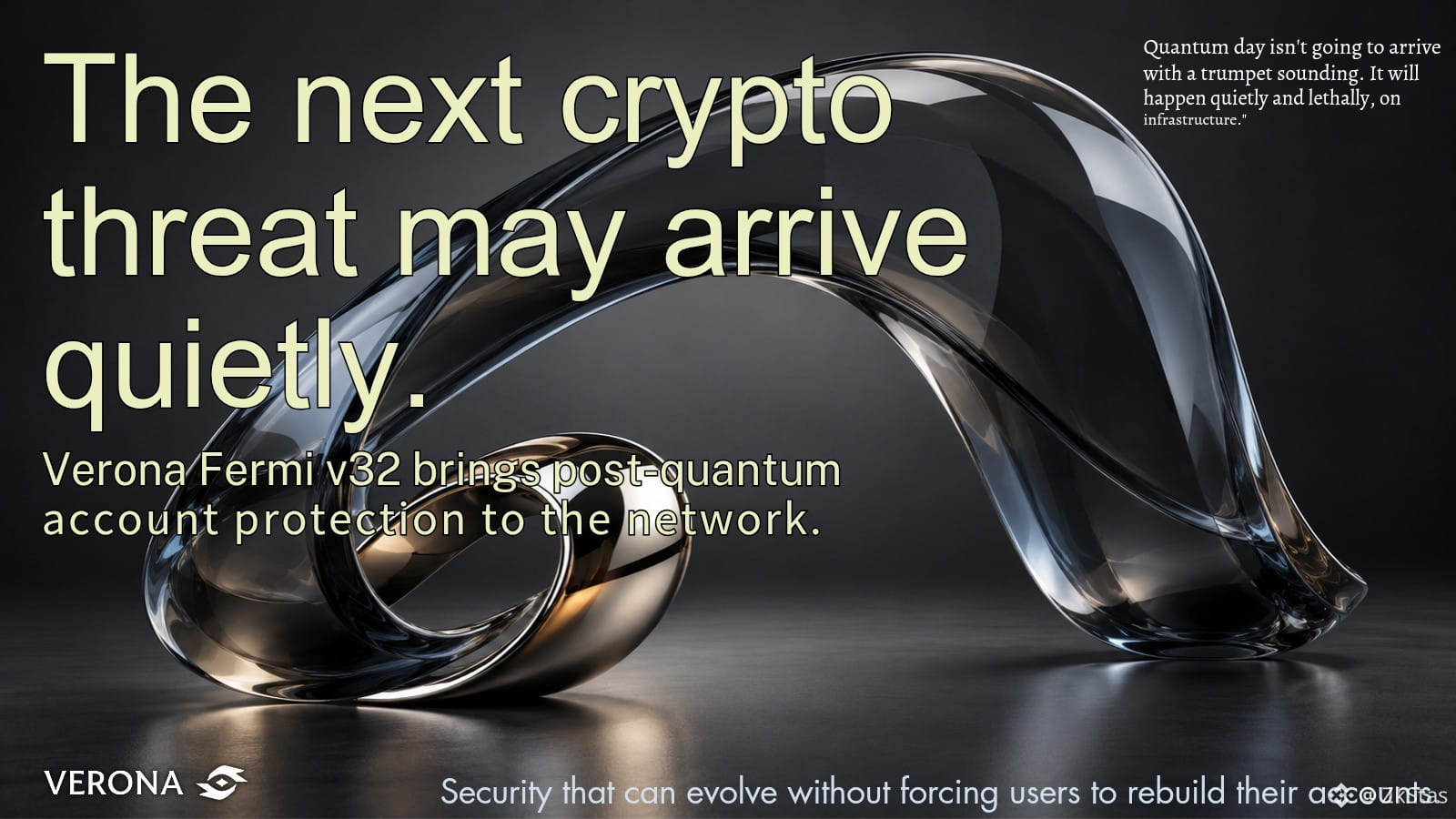
On October 28, $VERONA activated Fermi v32, adding two NIST-standard post-quantum signature options: ML-DSA-65 and SLH-DSA-128s.
What caught my attention was the account design.
Verona accounts are smart contracts with replaceable signing methods. A user can add a post-quantum key, revoke an older classical key, and keep the same address, funds and transaction history.
Think about how much depends on a single address: apps, payments, permissions, and eventually AI agents acting on someone's behalf. Changing the keys without rebuilding those connections could save a lot of trouble.
It's not a finished migration. The protection is opt-in, and validator keys and consensus are planned for Fermi Phase 2. Post-quantum signatures won't prevent phishing or every other kind of attack, either.
Adoption is still the real test for VERONA. But I think this is the right question for any chain planning to be around for decades:
When it's time to change the locks, will users have to move out?
3
·
--
本物の学習データで訓練しても、ロボットはとんでもないバカになりうる。箱にそう印刷しておきたいね。
人間がまだ「いや、全部間違ってるよ」と言わなきゃいけないのに、「AIが仕事を奪う」なんて、なかなかブラックな冗談だ。
Axis RoboticsはVerona上で開発を進めていて、購入者は学習用の記録を検証できる。データにお金を払う前に、そうやって確認したいね。
それから、ロボットが実際に仕事をするところを見せてほしい。うちのテレビを粉々にされたら、残骸の前に座って暗号技術に感心してなんかいられない。
本物の学習データで訓練しても、ロボットはとんでもないバカになりうる。箱にそう印刷しておきたいね。
人間がまだ「いや、全部間違ってるよ」と言わなきゃいけないのに、「AIが仕事を奪う」なんて、なかなかブラックな冗談だ。
Axis RoboticsはVerona上で開発を進めていて、購入者は学習用の記録を検証できる。データにお金を払う前に、そうやって確認したいね。
それから、ロボットが実際に仕事をするところを見せてほしい。うちのテレビを粉々にされたら、残骸の前に座って暗号技術に感心してなんかいられない。
人間がまだ「いや、全部間違ってるよ」と言わなきゃいけないのに、「AIが仕事を奪う」なんて、なかなかブラックな冗談だ。
Axis RoboticsはVerona上で開発を進めていて、購入者は学習用の記録を検証できる。データにお金を払う前に、そうやって確認したいね。
それから、ロボットが実際に仕事をするところを見せてほしい。うちのテレビを粉々にされたら、残骸の前に座って暗号技術に感心してなんかいられない。
316
·
--
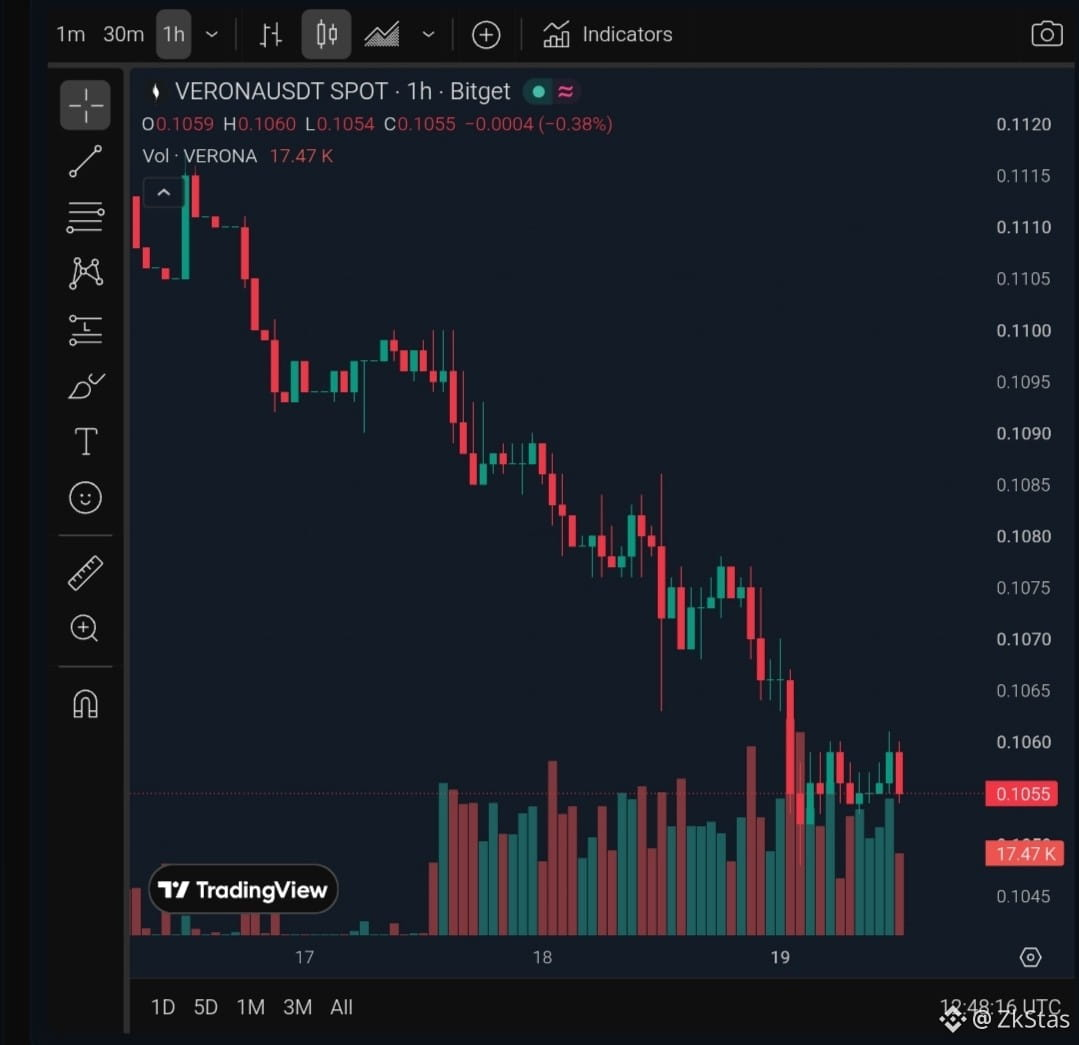
BybitとBitgetで合計10,500 $USDT を獲得するチャンス👀
私が確認したBitgetのラウンドでは、上位3人の取引高はそれぞれ約500ドルでした。どちらかの取引所をすでに利用しているなら、@cedehubの$VERONAキャンペーンをチェックしてみてください。まだ始まったばかりです。
https://app.cedehub.io/verona2-tte
BybitとBitgetで合計10,500 $USDT を獲得するチャンス👀
私が確認したBitgetのラウンドでは、上位3人の取引高はそれぞれ約500ドルでした。どちらかの取引所をすでに利用しているなら、@cedehubの$VERONAキャンペーンをチェックしてみてください。まだ始まったばかりです。
https://app.cedehub.io/verona2-tte
私が確認したBitgetのラウンドでは、上位3人の取引高はそれぞれ約500ドルでした。どちらかの取引所をすでに利用しているなら、@cedehubの$VERONAキャンペーンをチェックしてみてください。まだ始まったばかりです。
https://app.cedehub.io/verona2-tte
124
·
--
本人確認中
月曜日に仕事のことでAIに愚痴をこぼしたら、金曜日までに「仕事を辞めたがっている」という情報が5つのアプリをまたいでついて回るのは嫌です。
一時的な気分が、かなり誤解を招く記憶になってしまうことがあります。
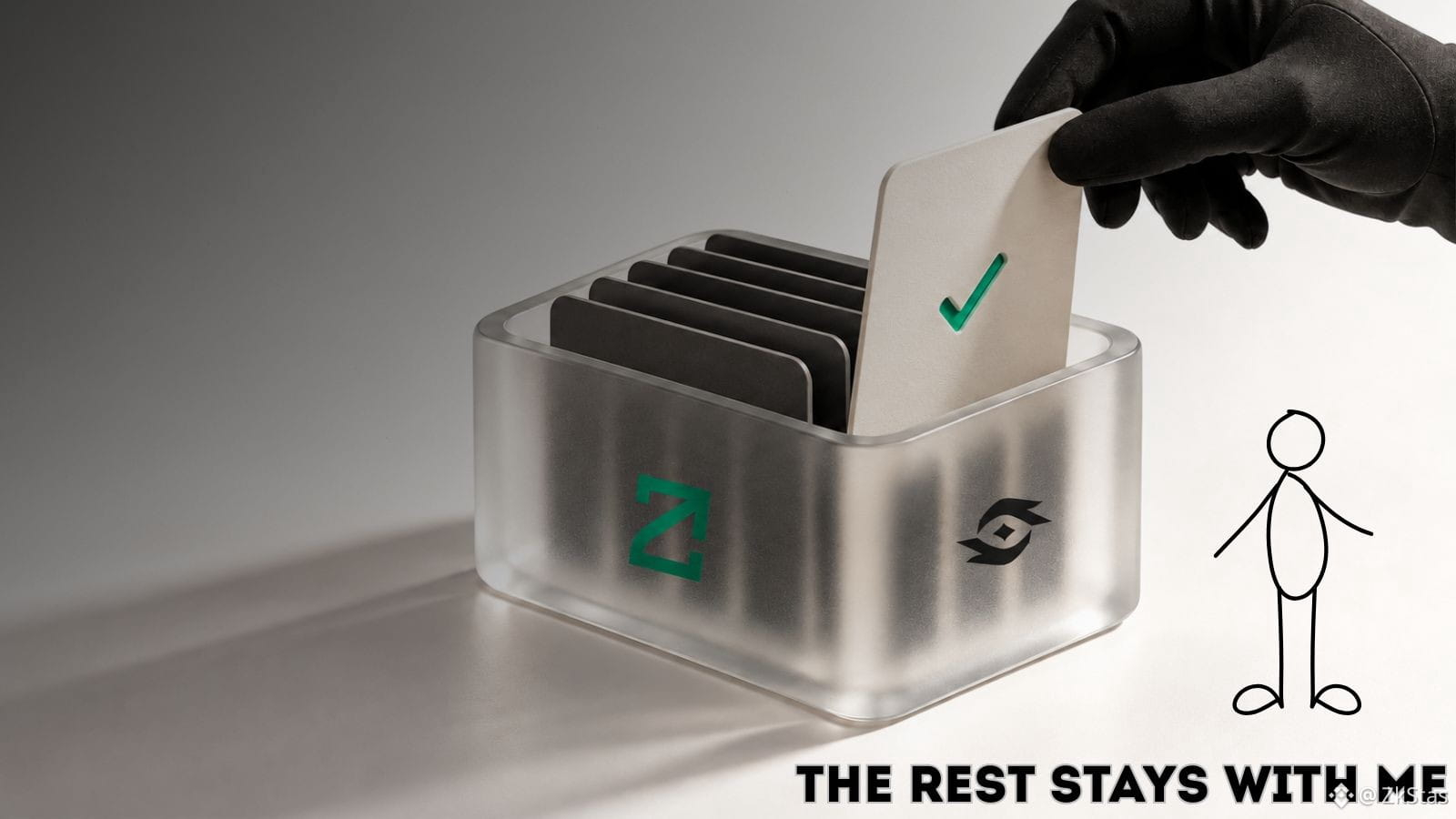
VeronaとZetaChainは、AIが何を記憶し、何を忘れ、何を共有できるべきかについて、ユーザーに意見を求めています。ZetaChainは、ユーザーが管理でき、モデル間で持ち運べる暗号化された記憶を構築しています。Veronaでは、その裏にある個人データを明かさずに、特定の事実を証明できます。
たとえば、チャットで話した収入は、あくまで申告にすぎません。それを正確に記憶していても、事実確認が済んだことにはなりません。また、実際の証明を別のサービスと共有するには、やはり私の許可が必要であるべきです。
両チームは、まずユーザーが何を望んでいるかを調査し、こうしたシステムが連携して機能する方法を探っています。私なら、自分について何が保存されているのかを正確に確認でき、古くなった情報を削除でき、アクセス権も簡単に取り消せるようにしてほしいです。できれば、設定画面を20分もかけて探し回らずに。
AIを使っている方は、アンケートに回答してみてください。匿名で、所要時間は約5分、締め切りは10月27日です。
https://docs.google.com/forms/d/e/1FAIpQLSdjzQjUk_q0wfL5fEQ4xq1Z86N_rEfDD9zL2o8oGMZe8BApyg/viewform
$VERONA $ZETA
194
·
--

記事
収入確認で明かされること収入を証明するためにアップロードした銀行取引明細には、クリニックへの支払いが記載されているかもしれません。申請を審査するサービスが知る必要があるのは、あなたに十分な収入があるかどうかだけです。その書類から、どこで治療を受けたかまで分かってしまうこともあります。
あなたは、その情報を共有するつもりではありませんでした。誰かが知りたがっていた質問への回答に、たまたま添付されていたのです。
銀行取引明細には、その人の生活のさまざまな側面が同じページに記載されています。申請を済ませる最も簡単な方法が書類全体をアップロードすることなら、必要な情報だけを切り分ける負担は申請者にかかります。個人的な情報を守るか、申請手続きを進めるかという、居心地の悪い選択を迫られます。
収入確認で明かされること
収入を証明するためにアップロードした銀行取引明細には、クリニックへの支払いが記載されているかもしれません。申請を審査するサービスが知る必要があるのは、あなたに十分な収入があるかどうかだけです。その書類から、どこで治療を受けたかまで分かってしまうこともあります。
あなたは、その情報を共有するつもりではありませんでした。誰かが知りたがっていた質問への回答に、たまたま添付されていたのです。
銀行取引明細には、その人の生活のさまざまな側面が同じページに記載されています。申請を済ませる最も簡単な方法が書類全体をアップロードすることなら、必要な情報だけを切り分ける負担は申請者にかかります。個人的な情報を守るか、申請手続きを進めるかという、居心地の悪い選択を迫られます。
あなたは、その情報を共有するつもりではありませんでした。誰かが知りたがっていた質問への回答に、たまたま添付されていたのです。
銀行取引明細には、その人の生活のさまざまな側面が同じページに記載されています。申請を済ませる最も簡単な方法が書類全体をアップロードすることなら、必要な情報だけを切り分ける負担は申請者にかかります。個人的な情報を守るか、申請手続きを進めるかという、居心地の悪い選択を迫られます。
1
398
·
--
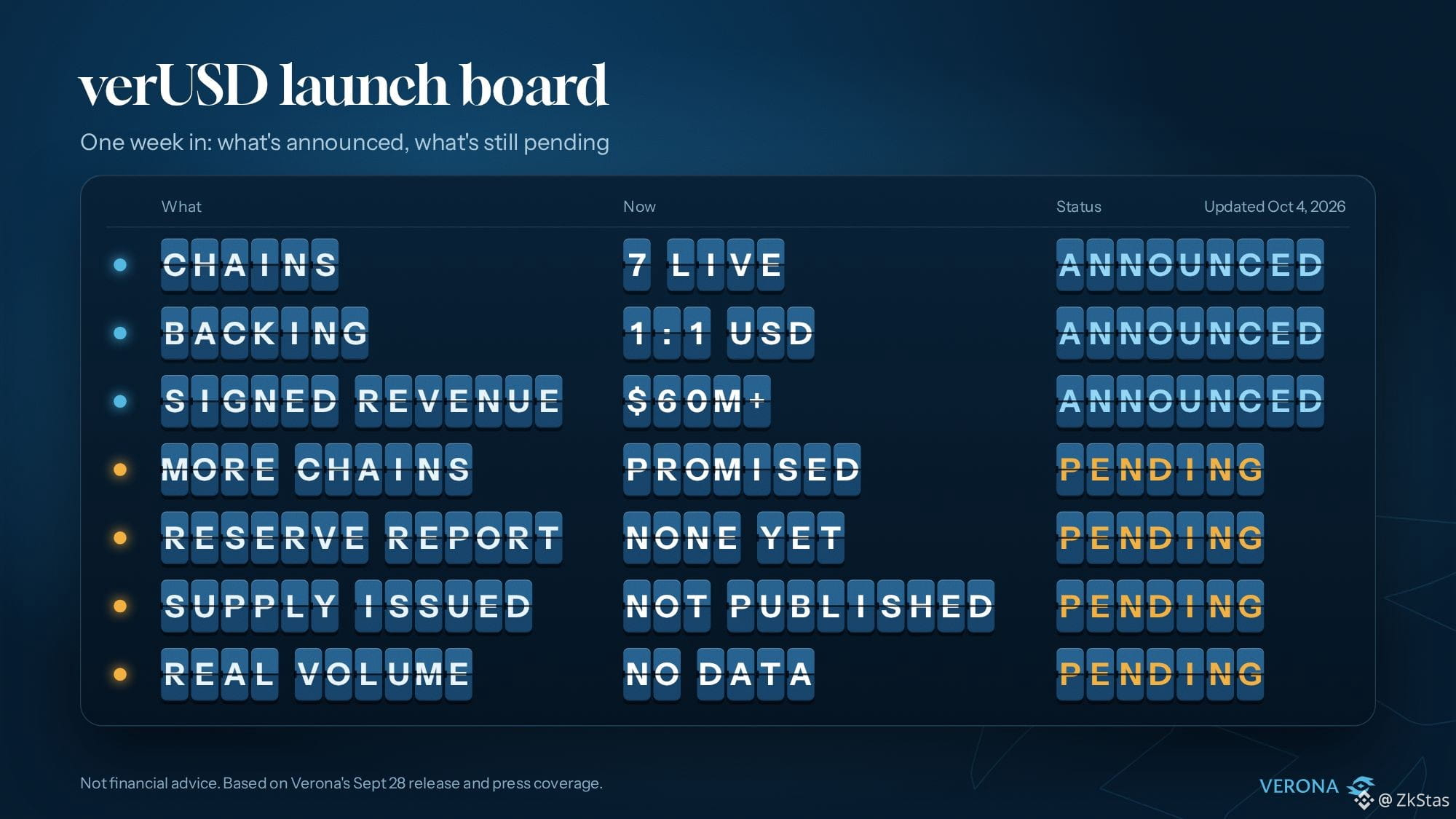
Verona(旧XION)は9月28日、AIエージェントによる決済向けのドル連動型ステーブルコイン、verUSDをローンチしました。ローンチから1週間、現状を見てみましょう。
発表済み
- Ethereum、Solana、Polygon、Avalanche、Optimism、Arbitrum、Celoの7チェーンで稼働
- Braleを通じて発行され、米ドル準備金で1対1に裏付け。Verona経由で償還可能
- ローンチに向けたコミットメントは1億ドル超。そのうち6,000万ドル超は、verUSDを通じて処理される予定の契約済み売上
未確認の点
- 準備金に関する証明レポート
- verUSDが実際にどれだけ発行されているか
- 6,000万ドル超の契約に対する実際の決済額
- 数週間以内に対応すると約束された追加チェーン
興味深いのは、出来事の順序です。Verona上のプロジェクトは4年間USDCで決済してきており、コインはその後に登場しました。先に登場したわけではありません。Veronaが言うように切り替えが迅速なら、まもなく取引量に表れるはずです。そうならなければ、1億ドルは見出しにとどまります。
押さえておきたい点が2つあります。1億ドル超はコミットメントであり、流通しているコインの額ではありません。また、verUSDは保有を目的に作られたものではありません。Burnt LabsのCEOは、誰かに保有してもらおうとは考えていないと述べています。投資対象ではなく、インフラとして捉えましょう。
未確認の項目のうち、まず注目しているのはどれですか?下の投票で教えてください。
#verUSD #Stablecoin #AIAgents
155
·
--
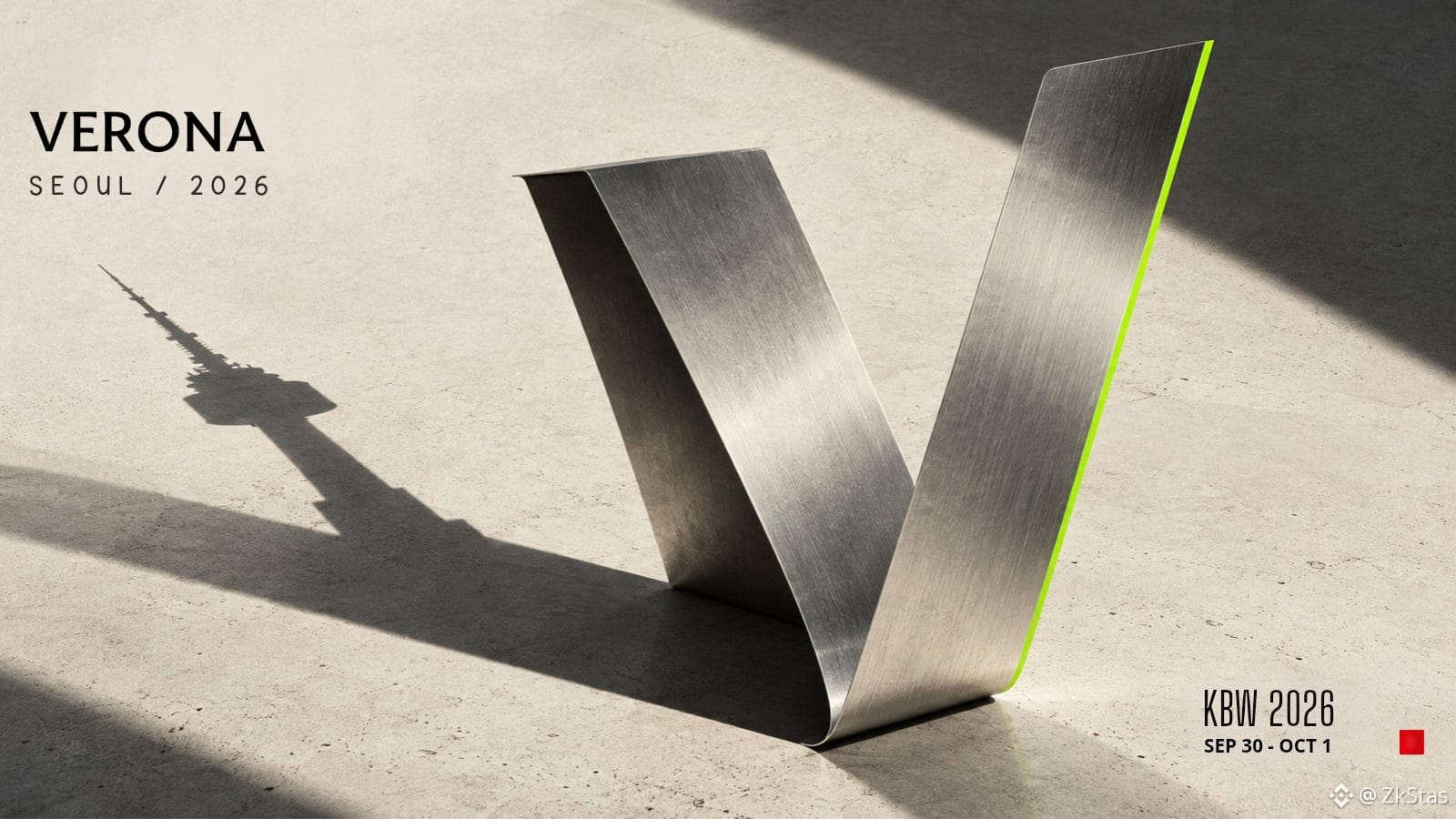
Korea Blockchain Weekは、KBW2026のブロンズスポンサー第2陣としてVeronaを指名しました。メインカンファレンスは、9月30日から10月1日までWalkerhill Hotels & Resortsで開催されます。
私は、スポンサー・ボード上でVeronaのロゴがどこに位置するかよりも、会場でVeronaが何を語るのかのほうが気になります。Veronaの主張は、AIエージェントが誰かに代わって行動する前に、検証できる事実を必要としているということです。ソウルは、その考えを次の波のアプリを作る人たちに提示するのに良い場所になるはずです。
スポンサー情報だけでは、VeronaがKBWで何を発表するのかは分かりません。現時点で確定しているのはシンプルなニュースです。つまりVeronaが参加するということ。会話の中から何が出てくるのかを見守ります。
私は、スポンサー・ボード上でVeronaのロゴがどこに位置するかよりも、会場でVeronaが何を語るのかのほうが気になります。Veronaの主張は、AIエージェントが誰かに代わって行動する前に、検証できる事実を必要としているということです。ソウルは、その考えを次の波のアプリを作る人たちに提示するのに良い場所になるはずです。
スポンサー情報だけでは、VeronaがKBWで何を発表するのかは分かりません。現時点で確定しているのはシンプルなニュースです。つまりVeronaが参加するということ。会話の中から何が出てくるのかを見守ります。
122
·
--
VERONAはロングにもショートにもできるようになりました。状況はもっと面白くなっています。
ここ数か月、私のヴェローナに関する会話の多くは、「それが構築しているもの」についてでした。検証、AIエージェント、パートナーシップ、そして、機械が行動する前に信頼できる事実が必要だという考えです。
昨日、その会話が少し変わりました。
VERONA/USDTのパーペチュアルがAsterでローンチされました。
そして、面白いのは単に「もう一つの上場」ですというだけではない点です。
パーペチュアル市場があることで、トレーダーはどちらの方向にもVERONAのポジションを取れるようになります。上がると思えばロング。下がると思えばショートです。
すると、同じチャートを見ている“2つの陣営”が生まれます。
さらに、タイミングもより一層興味深いものです。ローンチには$30,000の$ASTER賞金プールに加えてボーナス$VERONAが付いており、キャンペーンは9月26日まで実施されます。報酬は、参加者ごとの対象となる取引出来高の持分に基づいて分配され、参加者ごとの上限は3%です。
つまり、今後数日間は、トレーダーが集まってくる“もう一つの理由”があるわけです。
ただし私は、実は9月26日以降に何が起きるのかに、もっと関心があります。
キャンペーンは注目を集められます。報酬は出来高を生み出せます。どちらも、人が残り続けることを保証はしません。
報酬がなくなった後も、トレーダーがロングやショートを開き続けているなら、それはローンチ当日の足(キャンドル)などとは比べものにならないほど、ずっと面白い示唆を与えてくれます。
昨日、$VERONAは別の市場を手に入れました。
これで、トレーダーを呼び込めるのかどうかが分かるようになります。

1
422
·
--

$VERONA は素早く目を覚ましました 👀
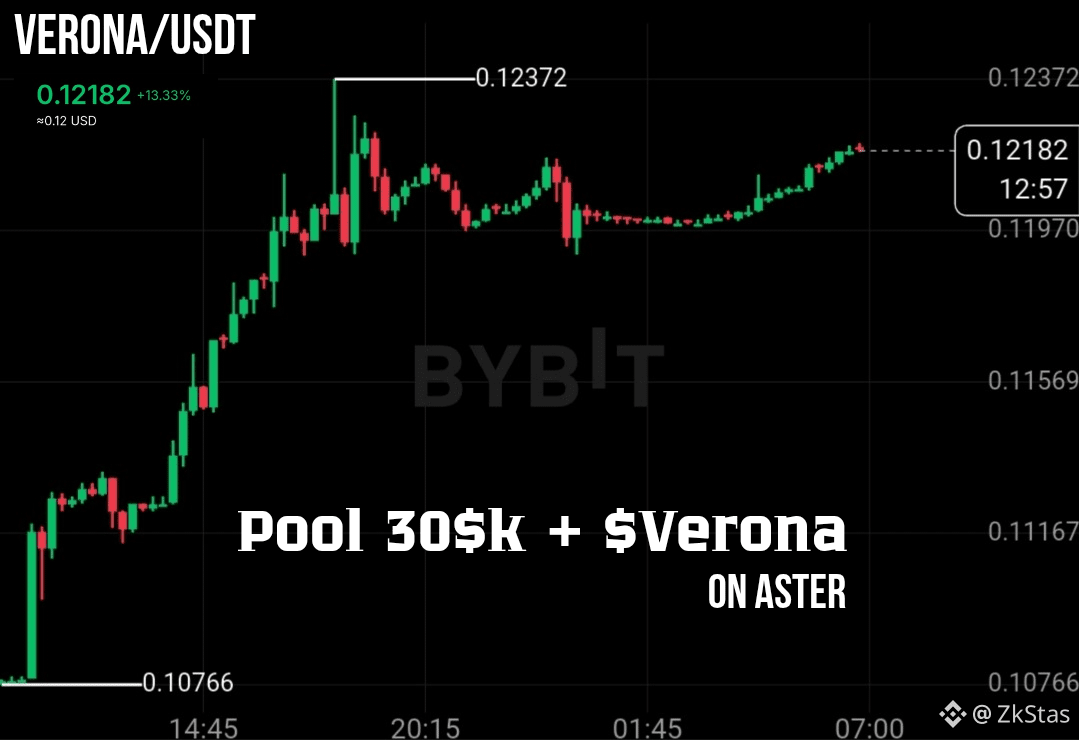
VERONA/USDT パーペチュアルは現在 Aster で稼働中。つまりトレーダーはついに両方でプレイできます:ロングでもショートでも $VERONA。
そして最初の動きを見れば、人々はあまり時間を無駄にしなかったようです。
さらに $30K の $ASTER リワードプール + ボーナス $VERONA も 9月26日まで実施中。
ロングしろ。ショートしろ。見てろ。
ポップコーンは用意できてます。 🍿
こっちを見て:
medium.com/@AsterDEX/verona-trade-arena-30-000-in-aster-bonus-in-verona-rewards-await-14fd582a39d0
1
15
·
--
AIエージェントが、自分自身の支払いを管理するためのより良いツールを手にし始めています。
Rippleの最新のXRPL AIスターターキットのアップデートにより、エージェントは支払いにXRPレジャーを使えるようになりました。つまり、$XRP やRLUSDで、データや計算能力といったサービスの支払いができるということです。$XRP の支払いチャネルがあれば、セッション中に多くの小さな支払いを行うことも可能で、すべての取引を毎回オンチェーンに記録する必要はありません。
ただ、私がより興味を惹かれるのは、エージェントが支払いを行う直前に何が起きるかです。
エージェントがあるデータを見つけて価格が提示され、支払う準備ができたとします。では、そのデータが本物だと、どうやって確信できるのでしょうか。あるいは、請求書が正しい提供元のものだと、どうやって確認できるのでしょうか。そして売り手は、このエージェントが実際に資金を使う権限を持っていることを、どうやって知るのでしょうか。
ウォレットは取引そのものを管理できますが、その支払いに至るまでの情報が信頼できるかどうかは保証できません。
そこで、Verona.devのような検証レイヤーが関係してくる可能性があります。エージェントに「何を購入できるか」または「何が許可されているか」といった検証可能な事実を渡し、そのあとは支払いインフラに任せるのです。
これは、機械と機械の間の商取引が最終的にどのような姿になるかを示しているかもしれません。あるシステムが検証を担当し、別のシステムが権限を管理し、さらに別のシステムが資金を動かします。その多くは、誰も決済画面を見ることなく、ほとんど瞬時に行われます。
私たちは、人々のために仮想通貨の支払いを簡単にすることに長年取り組んできました。
そして、ようやくこのインフラを完成させてしまった人たちが、実は人間ではなかったら、かなり面白いことになるでしょうね。
1
201
·
--
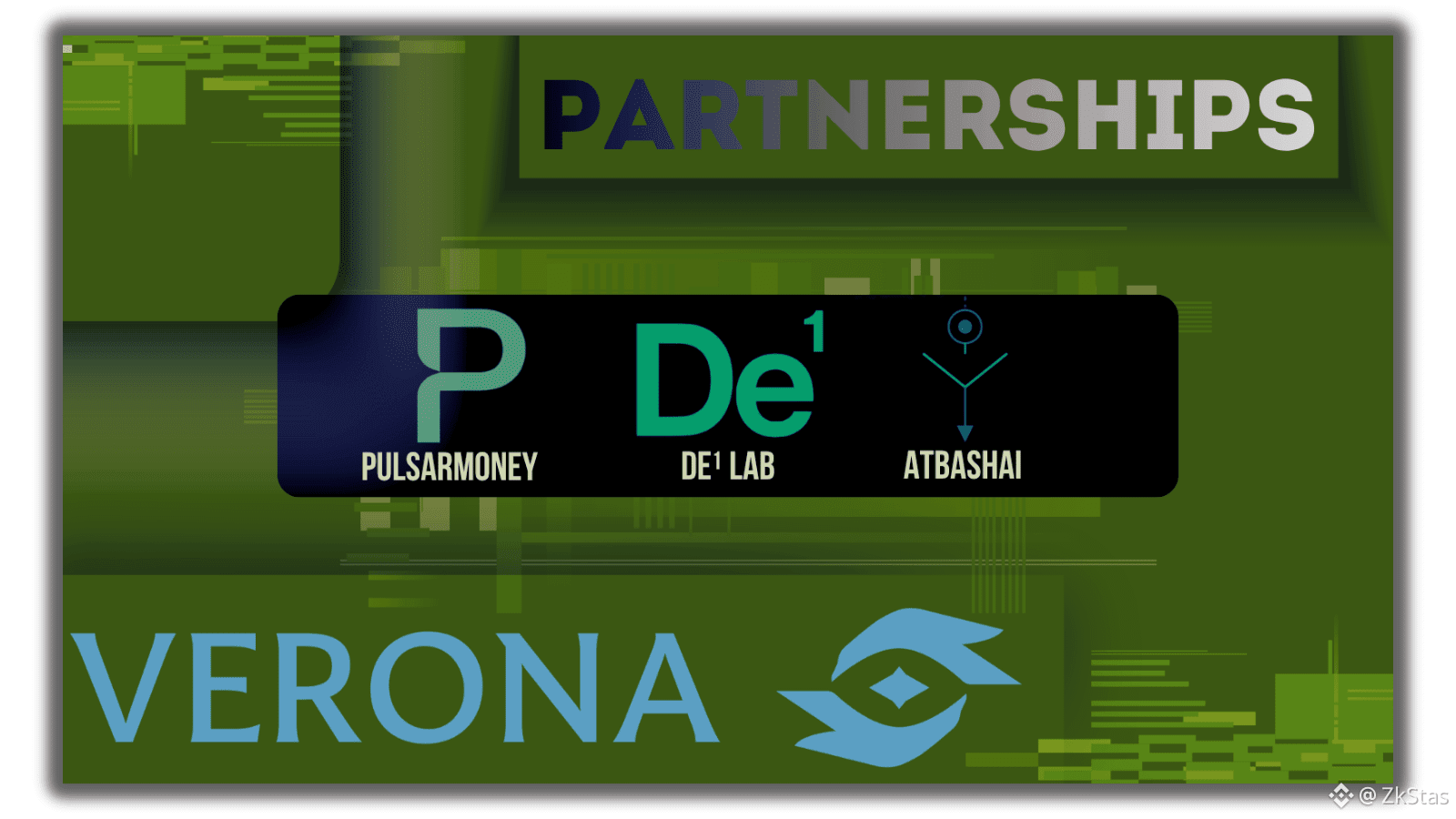
ヴェローナに関する最近の3つの共同開発について、独立した取り組みとして扱うのをやめてから、私にはより一貫して見えてきました。
De1は、市場情報を解釈し意思決定するために設計された金融エージェントに焦点を当てています。
Atbashは別の制約に取り組みます。つまり、そのようなエージェントが、簡単に元に戻せない行動を取る前に、適用可能なルールやチェックの範囲内にとどまるようにすることです。
Pulsarは、AIコンパニオンとしてそれらの能力をエンドユーザーに近づけるとともに、インセンティブとエージェントを介した支払いを取り入れることで、それを実現します。
ヴェローナは、この3つの取り組みを横断する仲介レイヤーとして機能しているように見えます。根底にある前提は、お金を動かしたり、ユーザーの代わりに意思決定を行ったりするようなAIシステムは、単に生の能力だけで評価できないということです。信頼できる入力、どの行動が許可されているかの明確な判断、そしてそれらの行動を実行できる運用上の文脈も必要になります。
こうしてDe1、ヴェローナ、Atbash、Pulsarは、互いに無関係な提携というより、共通のパイプラインの中の構成要素として読み取れるようになります。私が追っているのは、この新たな整合性です。$USDC
1
99
·
--

記事
AIエージェントはとんでもなく高性能になってきている。エージェントは書類を読み、マーケットを分析し、判断し、お金を動かし、一定間隔ごとに誰かが見守って「確認」をクリックしなくてもタスクを完了できる。
それは素晴らしい。
結局、次の3つのかなり基本的な質問をすることになる:
エージェントが使っている情報は、本当に真実なのか?
エージェントが取りたい行動は、実際に許可されている?
そしてお金が関わるなら、洗練されたデモだけでなく現実世界でも本当に動くのか?
だから、直近のヴェローナの3つのコラボレーションが際立って見えた。
De¹、アトバッシュ、パルサーは、一見まったく別のプロジェクトに見える。けれど並べてみると、それぞれが同じ“より大きな問題”の別のピースに取り組んでいるのが見えてくる。
AIエージェントはとんでもなく高性能になってきている。
エージェントは書類を読み、マーケットを分析し、判断し、お金を動かし、一定間隔ごとに誰かが見守って「確認」をクリックしなくてもタスクを完了できる。
それは素晴らしい。
結局、次の3つのかなり基本的な質問をすることになる:
エージェントが使っている情報は、本当に真実なのか?
エージェントが取りたい行動は、実際に許可されている?
そしてお金が関わるなら、洗練されたデモだけでなく現実世界でも本当に動くのか?
だから、直近のヴェローナの3つのコラボレーションが際立って見えた。
De¹、アトバッシュ、パルサーは、一見まったく別のプロジェクトに見える。けれど並べてみると、それぞれが同じ“より大きな問題”の別のピースに取り組んでいるのが見えてくる。
それは素晴らしい。
結局、次の3つのかなり基本的な質問をすることになる:
エージェントが使っている情報は、本当に真実なのか?
エージェントが取りたい行動は、実際に許可されている?
そしてお金が関わるなら、洗練されたデモだけでなく現実世界でも本当に動くのか?
だから、直近のヴェローナの3つのコラボレーションが際立って見えた。
De¹、アトバッシュ、パルサーは、一見まったく別のプロジェクトに見える。けれど並べてみると、それぞれが同じ“より大きな問題”の別のピースに取り組んでいるのが見えてくる。
1
71
·
--
ウォール街によるトークン化資産の探求は、主としてインターネット以前に策定された規制枠組みに依拠してきた。証券取引委員会(SEC)は現在、米国の名義書換代理人ルールに対する大幅な更新を提案することでこの乖離に対処し、ブロックチェーン ভিত্তく記録管理と無券面証券を組み込むことを目指している。
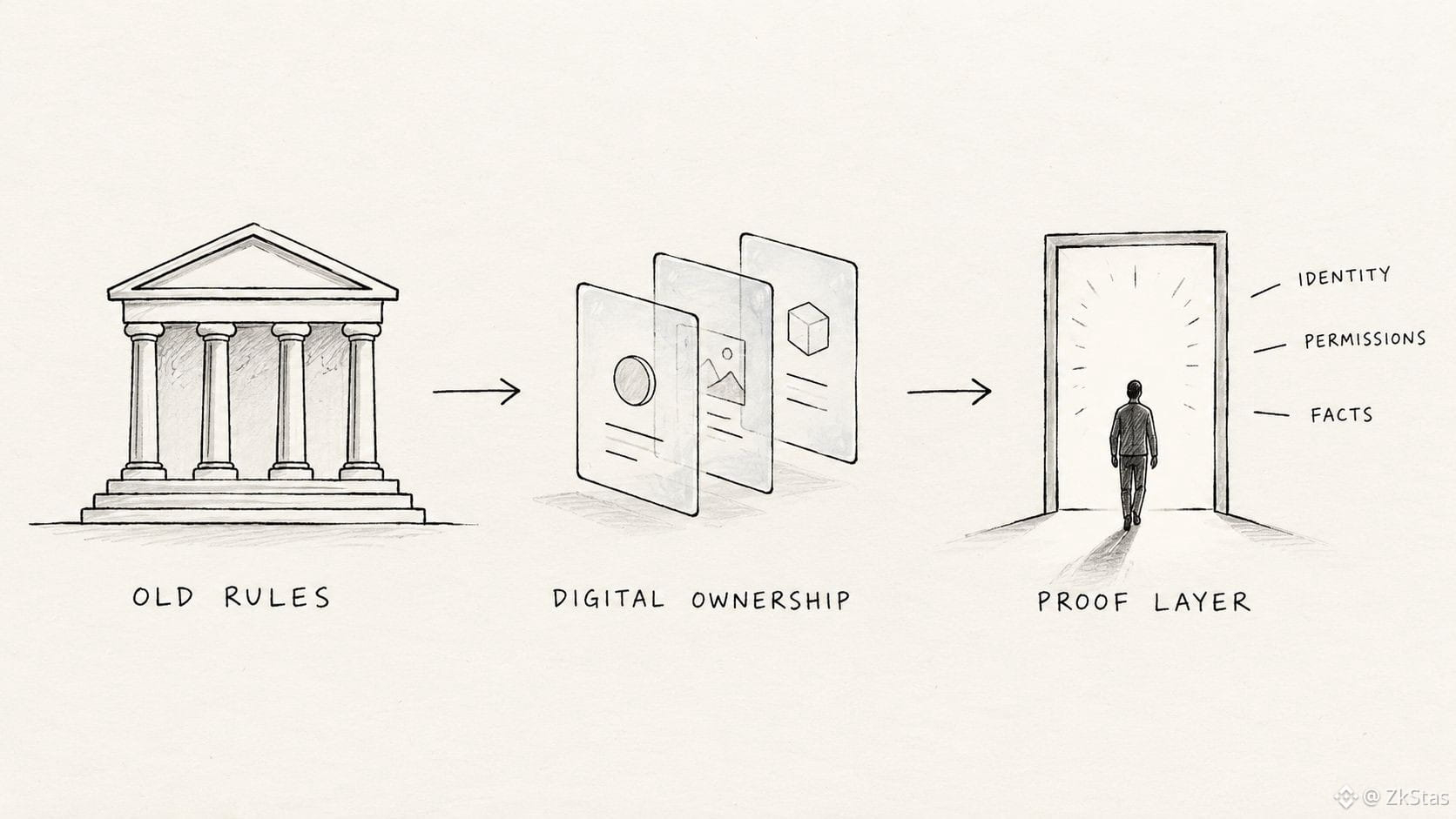
一見すると技術的な話だが、この規制の進化は極めて重要である。証券を表すトークンを作成すること自体は簡単だが、そうしたトークンを所有権を判定する既存の法的インフラに統合するのは大きな課題である。さらにこの統合にはアクセス制御への対応も必要となる。すなわち、アプリケーションが、AIエージェントに委任された行為を含め、身元、所有権、適格性、権限をどのように検証するかという問題である。
この文脈では、Veronaのアプローチが注目に値する。Veronaは再利用可能で検証済みの事実と資格情報に焦点を当て、アプリケーションやAIが、基礎となる機微なデータに直接触れることなく、必要な情報にアクセスできるようにする。
SECの提案は所有権の仕組みを近代化する一方で、Veronaは検証可能な証明の仕組みに取り組んでいる。両者は異なるものの、金融の共有された未来に向けて収束している。トークン化金融の広範な普及は、技術インフラだけでなく、所有権、権限、事実に関する主張を機械が検証可能であることにもかかっている。この収束により、トークン化金融は実験段階から標準化された状態へと移行するだろう。
149
·
--
AIエージェントは、自分のお金を持つ必要はたぶんない。必要なのは、私たちのものを使う許可かもしれない。
報道によると、インドは、ユーザーの承認を取引ごとに毎回必要とせずに、AIエージェントがUPIで少額の支払いを行えるようにする仕組みを検討しているという。これは小さな話ではない。UPIは8月に240億件以上の取引を処理している。
狙いは、エージェントに上限を設定することだ。支出の上限、支払いのための特定の条件、そして絶え間ないユーザー確認なしで動けるようにすること。このあたりから、AIエージェントは本当に面白くなる。
エージェントにお金を使う許可を与えるのは、そのうちのほんの一部にすぎない。たとえば、エージェントがホテルを予約したり、保険を購入したり、金融サービスに登録したりすることを考えてみよう。さらに、年齢、居場所、収入、あるいは会員資格を確認する必要があるかもしれない。
しかし、事実を1つ証明するだけのために個人データをすべて渡すのは筋が通らない。だから私はVeronaを見守っている。
$VERONAは、アプリやAIエージェントが元のセンシティブなデータを開示せずに、繰り返し利用できる検証済み情報の扱い方を構築している。UPIが「このエージェントは$50を使うことを許可されているか?」に答えられるとしても、Veronaは「このエージェントは、そのタスクを完了するために必要な事実を証明できるのか?」に答えることを目指している。
AIエージェントは、行動を取れるようになってきている。次の大きな壁は、それを行う権限があることを証明できるようにすることだ。

377
·
--
KYCはもともと人間のために設計されました。今、金融業界は新たな課題に直面しています。私たちの代理として動くAIを、どう検証するのか?
たとえば香港では、HKT Paymentがパイロットプログラムとして選ばれ、決済におけるAIエージェントの識別をテストします。
問題は何でしょうか? 銀行はあなたが誰かを知っています。しかしAIがお金を送るときは、さらにそれを誰が厳密に操作しているのか、誰が許可を与えたのか、そしてその許可が今も有効なのかを把握する必要もあります。
HKTは独自の解決策――「Agentic ID」を提案しています。これは、検証済みのデータと、必要以上の情報を開示せずに内容を確認できる技術を用いて、AIを実在の個人または企業に結び付けます。
私の見解では、これはAI経済が向かう方向を明確に示すシグナルです。
エージェントにお金へのアクセスを与えるのは仕事の半分にすぎません。重要なのは、彼らに検証済みのデータと、自らの権限を証明するものを与えることです。
だからこそ、私はVeronaを見ています。
$Veronaは、事実を発信元で一度検証し、その後はユーザーの管理下に保持し、基となるデータを明かさずに再利用できる仕組みを構築しています。
HKTとVeronaは直接つながっていませんが、両社とも同じ考えに到達しています。
自律型AIは、それが「自分が誰か」「誰を代表しているのか」「何を行う権限があるのか」を証明できるようになって初めて、はるかに役立つものになります。

110
·
--
感情があっという間に変わるなんて、面白いですね。
でもトークンは動いていない。
チームは静か。
何も起きていない。
――でも、ある朝ひとつで会話のすべてが変わることがある。
もちろん、この動画の結末は誇張です😄 でも、そこに込めた考えは違いません。
私はそれなりの時間を過ごしてきたので、プロジェクトを「今日の価格」や「今日のタイムライン」だけで判断するのは、たいてい間違いだと分かっています。
私が重視しているのは、その背後にいる人たちがまだ作り続けているかどうか。アイデアがまだ意味を成しているかどうか。そして、興奮が消えた後でも留まる価値があるものがあるかどうか。
$Verona で言うなら、私の答えは今も「YES」です。
でもトークンは動いていない。
チームは静か。
何も起きていない。
――でも、ある朝ひとつで会話のすべてが変わることがある。
もちろん、この動画の結末は誇張です😄 でも、そこに込めた考えは違いません。
私はそれなりの時間を過ごしてきたので、プロジェクトを「今日の価格」や「今日のタイムライン」だけで判断するのは、たいてい間違いだと分かっています。
私が重視しているのは、その背後にいる人たちがまだ作り続けているかどうか。アイデアがまだ意味を成しているかどうか。そして、興奮が消えた後でも留まる価値があるものがあるかどうか。
$Verona で言うなら、私の答えは今も「YES」です。
99
·
--

記事
AIはもうあなたのお金を使えます。それでも、あなたが“あなた”だと証明できません。何かが静かに2026年に変わりました。
AIは、買うべきものをただ勧める道具であることをやめました。
それが買い始めでした。
マスターカードはすでに、韓国、ヨーロッパ、モルドバで認証済みのAIエージェント取引を完了しています。ビザは、OpenAIと提携して支払いインフラをエージェンティック・コマースに持ち込むと発表しました。
マスターカードはさらに一歩進み、ストライプ、コインベース、クラウドフレア、アディエン、チェックアウト.comを含む30社以上の支援を受けて、マシン・ツー・マシン決済のためのインフラを立ち上げました。
AIはもうあなたのお金を使えます。それでも、あなたが“あなた”だと証明できません。
何かが静かに2026年に変わりました。
AIは、買うべきものをただ勧める道具であることをやめました。
それが買い始めでした。
マスターカードはすでに、韓国、ヨーロッパ、モルドバで認証済みのAIエージェント取引を完了しています。ビザは、OpenAIと提携して支払いインフラをエージェンティック・コマースに持ち込むと発表しました。
マスターカードはさらに一歩進み、ストライプ、コインベース、クラウドフレア、アディエン、チェックアウト.comを含む30社以上の支援を受けて、マシン・ツー・マシン決済のためのインフラを立ち上げました。
AIは、買うべきものをただ勧める道具であることをやめました。
それが買い始めでした。
マスターカードはすでに、韓国、ヨーロッパ、モルドバで認証済みのAIエージェント取引を完了しています。ビザは、OpenAIと提携して支払いインフラをエージェンティック・コマースに持ち込むと発表しました。
マスターカードはさらに一歩進み、ストライプ、コインベース、クラウドフレア、アディエン、チェックアウト.comを含む30社以上の支援を受けて、マシン・ツー・マシン決済のためのインフラを立ち上げました。
1
125
·
--
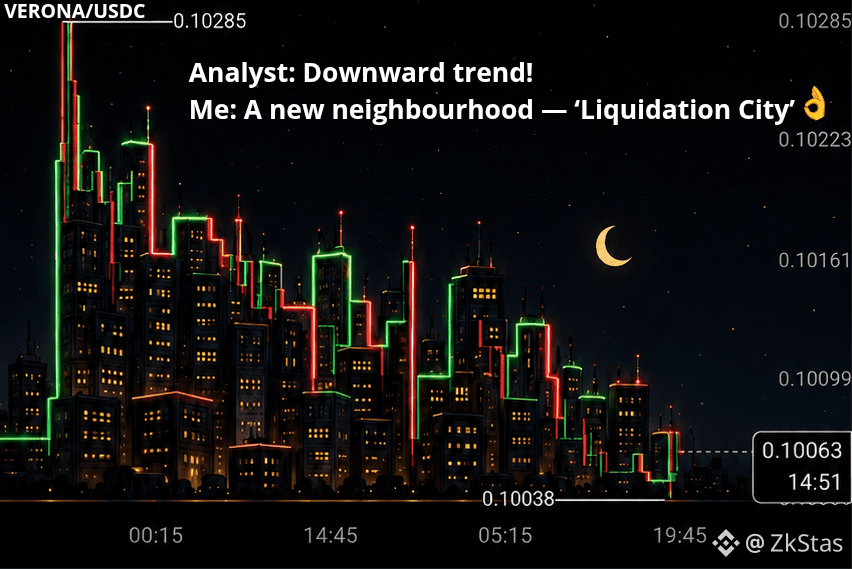
ビットコインは最近、市場がどれほど速く変動し得るかを誰にでも分かる形で見せつけました。
現在ビットコインは78,000ドル超で取引されており、今週だけで約24%の上昇です。たった2日で、約38億ドル相当のショートポジションが決済されました。
ここからがもっと面白いところです。
資金が再びビットコインから流れ始めると、イーサリアム、ソラナ、XRP、BNBなどの他のコインが動き出しているのが見えてきます。けれども、ビットコインがここまで大きく跳ねた後に必要なのは、「まだ上がっていないコイン」だけを探すことではありません。
人々がそれを買いたくなる本当の理由を理解したいのです。
だからこそ、私は小規模な暗号資産の中でもVerona($VERONA)を引き続き注視しています。
ビットコインが上がったことで他のコインも追随するかもしれない、というだけではありません。私の関心を強く引くのは、その経済システムがどう機能しているかです。Veronaはステーキングや、ネットワークの意思決定への投票に使われ、ネットワークが稼いだ資金は、市場からVeronaを買って、それをバーン(破壊)するために使われる設計になっています。
いま私が見ている暗号資産には、2つのタイプがあります。
市場全体が上がっているだけで上昇しているもの。
そして、それ自体が需要を生み出しているもの。
このビットコインの急騰がより広い市場のシフトにつながるなら、私はどちらのタイプに注目したいかを分かっています。
1
206
ログインして、さらにコンテンツを読む
厳選トピックで世界の暗号資産トレーダーの仲間入り
⚡️ 暗号資産に関する最新かつ有益な情報が見つかります。
💬 世界最大の暗号資産取引所から信頼されています。
👍 認証を受けたクリエイターから、有益なインサイトを得られます。
メール / 電話番号
トレンドトピック
BTCRebounds80K
閲覧回数 91,792
915人が討論中
ビットコイン最新情報:私はまだ弱気です。その理由はこちら! 🚨⚠️
皆さんもご覧になったように、BTCは75,700ドル付近から反発し、81,000ドルに到達しました。まず市場はロング勢を罠にはめ、その後ショート勢も罠にはめました。
私は依然として弱気です。まず、皆さんご存じのとおり、今日の米中間選挙では民主党が勝利しました。私の見方では、この結果は市場にとって弱材料です。
短期的には市場が不安定な状態を保ち、望むだけ多くのトレーダーを罠にはめる可能性があります。しかし、それによって市場全体の見通しが変わるわけではありません。
今後、重要なイベントがいくつか控えています。米国の非農業部門雇用者数(11月6日)、米国のCPIインフレ率(11月10日)、米国のPPI(11月13日)、米国の小売売上高(11月17日)、FOMC議事要旨(11月18日)、米国のPCEインフレ率(11月25日)、連邦準備制度理事会(FRB)の金利見通し、米ドル指数(DXY)、米国債利回り、ナスダックの動向、ビットコインETFの資金フロー、そして続いているイラン・イスラエル間の地政学的な情勢などです。これらはすべて、ビットコインと暗号資産市場全体に大きな影響を及ぼす可能性があります。
ただし、ビットコインの最近の値動きに浮かれすぎないでください。テクニカル面で言えば、まだ大きな上昇の動きはありません。昨日、BTCは80,000ドルから82,000ドルの間で取引され、今日も依然として同じようなレンジにあります。
強気に転じたいのであれば、それはあなたの自由です。
以前の投稿で、BTCには75,000ドル/76,000ドルのゾーンにテクニカルサポートがあり、価格はそのサポートから反発して80,000ドルに向けて戻したと明確に説明しました。しかし、これは以前に私が触れていなかったことではありません。実際、BTCが80,000ドル、81,000ドル、さらには82,000ドルに向かう可能性があると、投稿で何度も述べてきました。
それでも、私は依然として弱気です。
弱気の見通しを裏付ける理由は一つだけではありません。理由はいくつもあり、すでに以前の投稿で説明しています。
今のところ、BTCが74,000ドルを下回るのを引き続き待ちます。これはかなり近いうちに起こり得ると考えています。私の見方では、このような調整は市場にとっても必要です。
暗号資産に関するアドバイスが必要な方は、気軽にお知らせください。
#BTCRebounds80K
Strategic Adviser
·いいね:33件
·閲覧回数 39.3k
Binance98PercentReplenished
閲覧回数 50,546
701人が討論中
USMidterms-WhatAreMarketsExpecting?
閲覧回数 379,356
2,194人が討論中