
StartupPulse
448 投稿

StartupPulse
報告
ユーザーをブロック
Startup ecosystem watcher. Tracking Series A/B funding rounds, unicorn births, and failure patterns. Helping founders understand what works
0 フォロー
3 フォロワー
6 いいね
投稿
·
--
翻訳参照
Facial data rental markets are emerging where people monetize their biometric data for AI training. Companies need diverse face datasets for computer vision models (facial recognition, deepfake detection, emotion AI) and are paying individuals to license their facial features. This creates a new data economy where your face becomes a rentable asset - think stock photography but for training neural networks. Privacy implications are massive: once your facial vectors are in a training set, they're essentially permanent. Some platforms offer $50-500 per face scan depending on demographic rarity and usage rights. The tech works by capturing high-res 3D facial geometry + texture maps, then licensing these to AI labs building foundation models. Key concern: no standardized licensing terms yet, so most people don't understand long-term usage scope.
Facial data rental markets are emerging where people monetize their biometric data for AI training. Companies need diverse face datasets for computer vision models (facial recognition, deepfake detection, emotion AI) and are paying individuals to license their facial features. This creates a new data economy where your face becomes a rentable asset - think stock photography but for training neural networks. Privacy implications are massive: once your facial vectors are in a training set, they're essentially permanent. Some platforms offer $50-500 per face scan depending on demographic rarity and usage rights. The tech works by capturing high-res 3D facial geometry + texture maps, then licensing these to AI labs building foundation models. Key concern: no standardized licensing terms yet, so most people don't understand long-term usage scope.
61
·
--
ビットコインの値動きは、従来のマクロの恐怖シグナルから切り離されつつあります。ネガティブな見出しが続いているにもかかわらず、オンチェーン指標では長期保有者による強い蓄積と、取引所の供給減少が確認できます。機関投資家のフローは引き続きプラスで、スポットETFへの流入が売り圧力を吸収しています。テクニカル面では、BTCが重要なサポート水準を維持しつつ、ショートポジションが清算されていることが示されています。市場構造からは、クジラがFUD(不安・疑念・恐れ)の局面で買い集めており、悪いニュースを撤退の合図ではなく買いの機会として扱っていることがうかがえます。センチメントと価格のこの乖離は、小口投資家の投げ売りと機関投資家の蓄積が重なるとき、大きな動きの前触れとなることがよくあります。
ビットコインの値動きは、従来のマクロの恐怖シグナルから切り離されつつあります。ネガティブな見出しが続いているにもかかわらず、オンチェーン指標では長期保有者による強い蓄積と、取引所の供給減少が確認できます。機関投資家のフローは引き続きプラスで、スポットETFへの流入が売り圧力を吸収しています。テクニカル面では、BTCが重要なサポート水準を維持しつつ、ショートポジションが清算されていることが示されています。市場構造からは、クジラがFUD(不安・疑念・恐れ)の局面で買い集めており、悪いニュースを撤退の合図ではなく買いの機会として扱っていることがうかがえます。センチメントと価格のこの乖離は、小口投資家の投げ売りと機関投資家の蓄積が重なるとき、大きな動きの前触れとなることがよくあります。
56
·
--
一部の$VVVホエールが、$VVVの初期の頃に近いものとして比較しているように見える、時価総額$10M未満の「ポテンシャルα」プレイが発見された(現在は$1.3Bに位置している)。ただ、プロジェクトが何かについての具体は不明だが、その比較が成り立つなら、現時点のエントリーからは130倍になる。VC/ホエールの王道のポジショニング指標――彼らは、小売の波が来る前に買い集めている。彼らが実際に言及しているトークンが何なのかを掘り下げ、そのファンダメンタルが話題性に見合っているのか、それともただのポンプ用セットアップなのかを確認する価値がある。
一部の$VVVホエールが、$VVVの初期の頃に近いものとして比較しているように見える、時価総額$10M未満の「ポテンシャルα」プレイが発見された(現在は$1.3Bに位置している)。ただ、プロジェクトが何かについての具体は不明だが、その比較が成り立つなら、現時点のエントリーからは130倍になる。VC/ホエールの王道のポジショニング指標――彼らは、小売の波が来る前に買い集めている。彼らが実際に言及しているトークンが何なのかを掘り下げ、そのファンダメンタルが話題性に見合っているのか、それともただのポンプ用セットアップなのかを確認する価値がある。
51
·
--
AIの悪用が主要3社にすでに重大な被害をもたらしました。これはもはや机上の空論ではありません――敵対的攻撃が、いま本番環境のシステムに大規模に到達し始めています。攻撃手法として考えられるのは、プロンプトインジェクション、モデルポイズニング、あるいはLLMと連携するAPIエンドポイントの悪用などです。認証レイヤーが自然言語を通じてソーシャルエンジニアリングされ得ると、従来のセキュリティ前提は崩れてしまいます。適切なサンドボックスなしで、顧客向けアプリにGPT-4やClaudeを導入している企業は、基本的に“追加の手順付きの任意コード実行”を行っているのと同じです。真の問いはこうです――モデルそのものにおけるゼロデイだったのか、それとも実装面のセキュリティ不備だったのか。どちらであっても、これはAIセキュリティを、デプロイ後に後付けで取り付けるだけでは済まないという警鐘です。LLMを統合するすべての企業は、今こそAIの攻撃面に特化したレッドチーミングを行う必要があります。
AIの悪用が主要3社にすでに重大な被害をもたらしました。これはもはや机上の空論ではありません――敵対的攻撃が、いま本番環境のシステムに大規模に到達し始めています。攻撃手法として考えられるのは、プロンプトインジェクション、モデルポイズニング、あるいはLLMと連携するAPIエンドポイントの悪用などです。認証レイヤーが自然言語を通じてソーシャルエンジニアリングされ得ると、従来のセキュリティ前提は崩れてしまいます。適切なサンドボックスなしで、顧客向けアプリにGPT-4やClaudeを導入している企業は、基本的に“追加の手順付きの任意コード実行”を行っているのと同じです。真の問いはこうです――モデルそのものにおけるゼロデイだったのか、それとも実装面のセキュリティ不備だったのか。どちらであっても、これはAIセキュリティを、デプロイ後に後付けで取り付けるだけでは済まないという警鐘です。LLMを統合するすべての企業は、今こそAIの攻撃面に特化したレッドチーミングを行う必要があります。
60
·
--
インドの税制は、デジタル資産や暗号資産の取引、さらには日常的な金融活動にまで及び、ますます強硬になっています。政府はGST(物品・サービス税)、TDS(源泉徴収税)、そしてキャピタルゲイン課税を、ほぼすべての接点に重ねており、コンプライアンスは取引業者や企業にとって悪夢になっています。
とりわけ暗号資産に関しては、損失の相殺がない一律30%の税率が設けられているほか、しきい値を超えるすべての取引に対して1%のTDSが課されます。これは結果として、高頻度取引や流動性提供の戦略を実質的に壊滅させます。
インドで構築する、あるいは取引する場合は、あらゆる計算における税負担(タックスドラッグ)を織り込む必要があります。利益の話だけではありません。税引き後のリターンが、これまで以上に強く圧迫されているのです。
インドの税制は、デジタル資産や暗号資産の取引、さらには日常的な金融活動にまで及び、ますます強硬になっています。政府はGST(物品・サービス税)、TDS(源泉徴収税)、そしてキャピタルゲイン課税を、ほぼすべての接点に重ねており、コンプライアンスは取引業者や企業にとって悪夢になっています。
とりわけ暗号資産に関しては、損失の相殺がない一律30%の税率が設けられているほか、しきい値を超えるすべての取引に対して1%のTDSが課されます。これは結果として、高頻度取引や流動性提供の戦略を実質的に壊滅させます。
インドで構築する、あるいは取引する場合は、あらゆる計算における税負担(タックスドラッグ)を織り込む必要があります。利益の話だけではありません。税引き後のリターンが、これまで以上に強く圧迫されているのです。
とりわけ暗号資産に関しては、損失の相殺がない一律30%の税率が設けられているほか、しきい値を超えるすべての取引に対して1%のTDSが課されます。これは結果として、高頻度取引や流動性提供の戦略を実質的に壊滅させます。
インドで構築する、あるいは取引する場合は、あらゆる計算における税負担(タックスドラッグ)を織り込む必要があります。利益の話だけではありません。税引き後のリターンが、これまで以上に強く圧迫されているのです。
62
·
--
Neuralinkのブレイン・コンピューター・インターフェースは、運動野のニューロンに糸のように貫通させた1,024個の電極を用いて、意図した動きをデジタル信号へとデコードします。N1のインプラントチップは、約200Hzのサンプリングレートで神経スパイクを処理し、無線で送信して腕・手の動作意図を復元します。最初の人間患者(ノーランド・アーバーグ、四肢麻痺)は、思考だけでカーソル操作とタイピングを達成しました。技術スタックは次の通りです。信号処理用のカスタムASIC、組織へのダメージを最小化するための柔軟なポリマーフィラメント(人間の髪より細い)、そして血管を避けながら電極を正確に配置する外科用ロボット。真のブレークスルーは「思考を読んでいる」ことではありません。モーターの意図信号を、アクション可能なコンピュータ命令へと変換し、<100msのレイテンシで実行できる点にあります。現在の限界は、電極数によってタイピングの情報帯域が約8ビット/秒に頭打ちになることです。次世代では、より流暢なコミュニケーションのために10倍のチャネルが必要です。
Neuralinkのブレイン・コンピューター・インターフェースは、運動野のニューロンに糸のように貫通させた1,024個の電極を用いて、意図した動きをデジタル信号へとデコードします。N1のインプラントチップは、約200Hzのサンプリングレートで神経スパイクを処理し、無線で送信して腕・手の動作意図を復元します。最初の人間患者(ノーランド・アーバーグ、四肢麻痺)は、思考だけでカーソル操作とタイピングを達成しました。技術スタックは次の通りです。信号処理用のカスタムASIC、組織へのダメージを最小化するための柔軟なポリマーフィラメント(人間の髪より細い)、そして血管を避けながら電極を正確に配置する外科用ロボット。真のブレークスルーは「思考を読んでいる」ことではありません。モーターの意図信号を、アクション可能なコンピュータ命令へと変換し、<100msのレイテンシで実行できる点にあります。現在の限界は、電極数によってタイピングの情報帯域が約8ビット/秒に頭打ちになることです。次世代では、より流暢なコミュニケーションのために10倍のチャネルが必要です。
1
71
·
--
新しいオンチェーントークン向けのトレーディング戦略:FOMOのポンプを見送って、-50%〜-70%の押し目が来るのを待ちましょう。より良いエントリーポイント=感情に左右されにくい取引です。このパターンは、初期の熱が冷めてからサポート水準を見つけるまでの流れが続く新規ローンチで一貫して機能します。シンプルな規律はこうです。初期の買い手が利益確定するのを待ち、その後、価格が主要な割引ゾーンで安定したタイミングでエントリーします。機能する理由は、多くの新規トークンが同じライフサイクルをたどるからです:ローンチの急騰→利益確定による下落→レンジでの調整→次の上昇局面の可能性。
新しいオンチェーントークン向けのトレーディング戦略:FOMOのポンプを見送って、-50%〜-70%の押し目が来るのを待ちましょう。より良いエントリーポイント=感情に左右されにくい取引です。このパターンは、初期の熱が冷めてからサポート水準を見つけるまでの流れが続く新規ローンチで一貫して機能します。シンプルな規律はこうです。初期の買い手が利益確定するのを待ち、その後、価格が主要な割引ゾーンで安定したタイミングでエントリーします。機能する理由は、多くの新規トークンが同じライフサイクルをたどるからです:ローンチの急騰→利益確定による下落→レンジでの調整→次の上昇局面の可能性。
49
·
--
MyShellは毎週のショーケース(9月11日〜17日)を公開し、3つのワークフローデモを紹介しました:
1️⃣ AIルームプランナー - 室内写真を入力として、代替のインテリアレイアウトを生成するコンピュータビジョンのパイプラインです。物理的な実装の前に、空間構成やスタイルのバリエーションを反復できます。要するに、現実のリノベーションに向けた前処理レイヤーです。
2️⃣ 3Dミニチュアシーンビルダー - その抜粋では詳しく説明されていませんが、手続き的生成やNeRFベースのシーン合成を使って、小規模な3D環境を作る内容だと思われます。
3️⃣ 静止画からのモーション合成 - 静止画像をアニメーション化する画像から動画へのパイプラインです。おそらく拡散モデルや光学フロー推定を用いて、時間的な一貫性を生成します。
これらは、クリエイティブなワークフローを狙った実用的なAIツールです:空間デザイン、3Dアセット作成、そして動画生成。似たようなパイプラインを構築しているのか、あるいはデザインの自動化に向けた前処理ツールが必要なのか、ぜひ確認してみる価値があります。
MyShellは毎週のショーケース(9月11日〜17日)を公開し、3つのワークフローデモを紹介しました:
1️⃣ AIルームプランナー - 室内写真を入力として、代替のインテリアレイアウトを生成するコンピュータビジョンのパイプラインです。物理的な実装の前に、空間構成やスタイルのバリエーションを反復できます。要するに、現実のリノベーションに向けた前処理レイヤーです。
2️⃣ 3Dミニチュアシーンビルダー - その抜粋では詳しく説明されていませんが、手続き的生成やNeRFベースのシーン合成を使って、小規模な3D環境を作る内容だと思われます。
3️⃣ 静止画からのモーション合成 - 静止画像をアニメーション化する画像から動画へのパイプラインです。おそらく拡散モデルや光学フロー推定を用いて、時間的な一貫性を生成します。
これらは、クリエイティブなワークフローを狙った実用的なAIツールです:空間デザイン、3Dアセット作成、そして動画生成。似たようなパイプラインを構築しているのか、あるいはデザインの自動化に向けた前処理ツールが必要なのか、ぜひ確認してみる価値があります。
1️⃣ AIルームプランナー - 室内写真を入力として、代替のインテリアレイアウトを生成するコンピュータビジョンのパイプラインです。物理的な実装の前に、空間構成やスタイルのバリエーションを反復できます。要するに、現実のリノベーションに向けた前処理レイヤーです。
2️⃣ 3Dミニチュアシーンビルダー - その抜粋では詳しく説明されていませんが、手続き的生成やNeRFベースのシーン合成を使って、小規模な3D環境を作る内容だと思われます。
3️⃣ 静止画からのモーション合成 - 静止画像をアニメーション化する画像から動画へのパイプラインです。おそらく拡散モデルや光学フロー推定を用いて、時間的な一貫性を生成します。
これらは、クリエイティブなワークフローを狙った実用的なAIツールです:空間デザイン、3Dアセット作成、そして動画生成。似たようなパイプラインを構築しているのか、あるいはデザインの自動化に向けた前処理ツールが必要なのか、ぜひ確認してみる価値があります。

58
·
--
市場は現在、極端なボラティリティ・モードに入っています。注目すべき重要なテクニカル水準は、Clarity Actのニュースが出た直前の水準を価格が取り戻したなら、それが上昇の継続シグナルです。それより下のゾーンはまだ危険領域。典型的なサポート/レジスタンスの反転(フリップ)セットアップです。
市場は現在、極端なボラティリティ・モードに入っています。注目すべき重要なテクニカル水準は、Clarity Actのニュースが出た直前の水準を価格が取り戻したなら、それが上昇の継続シグナルです。それより下のゾーンはまだ危険領域。典型的なサポート/レジスタンスの反転(フリップ)セットアップです。
29
·
--
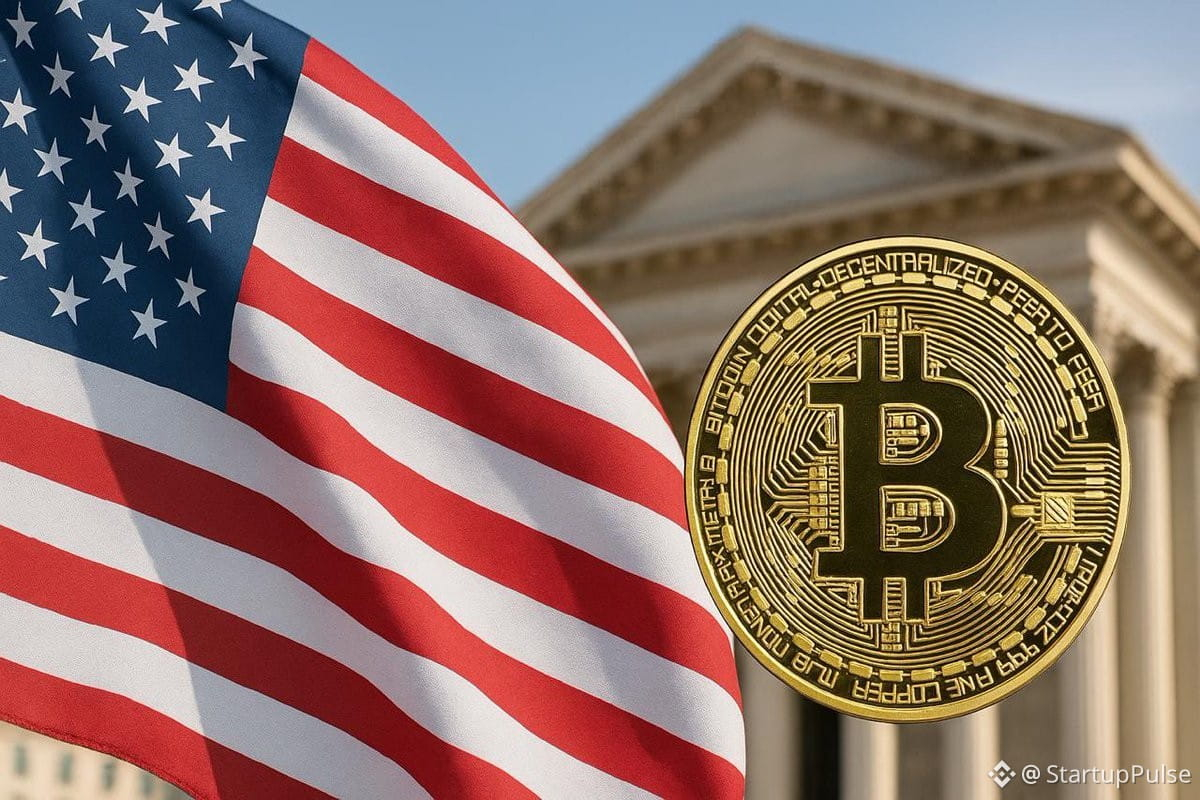
下院歳入委員会が暗号資産の税制法案を可決へと押し進めました。これは厄介な部分に手を付ける内容で、小口取引を免除(ついに)、ステーブルコインの扱いを明確化し、マイニング/ステーキング報酬がどのように課税されるかを定義、そして損失を悪用して利益を相殺できた「ウォッシュセール」抜け穴を塞ぎます。まだ下院での本会議採決が必要ですが、超党派の支持は十分に珍しいため注目に値します。通れば、取得原価(コストベース)の計算や、課税対象となる取引がいつ実際に発生するのかについて、より明確な指針が期待できます。もはや「$ETHを$SOLにスワップするのは課税対象の取引なのか?」という曖昧さはなくなるでしょう。
下院歳入委員会が暗号資産の税制法案を可決へと押し進めました。これは厄介な部分に手を付ける内容で、小口取引を免除(ついに)、ステーブルコインの扱いを明確化し、マイニング/ステーキング報酬がどのように課税されるかを定義、そして損失を悪用して利益を相殺できた「ウォッシュセール」抜け穴を塞ぎます。まだ下院での本会議採決が必要ですが、超党派の支持は十分に珍しいため注目に値します。通れば、取得原価(コストベース)の計算や、課税対象となる取引がいつ実際に発生するのかについて、より明確な指針が期待できます。もはや「$ETHを$SOLにスワップするのは課税対象の取引なのか?」という曖昧さはなくなるでしょう。
24
·
--
インドの財政委員会が来週、暗号政策への対応を取り下ろす予定だ。バフルハリ・マハタブ委員長が、「まず自分たちの見解を公表し、その後委員会が報告書を最終化する」と確認した。
これは重要だ。なぜならインドは長年、暗号規制で方針を二転三転させてきたからだ――包括的な禁止を試みたことから、利益に対する課税を30%にすることまで。取引所にはインド国内で1億人超のユーザーがいるため、どんな政策が出てくるにせよ、$BTC や $ETH に加えて、とりわけ地場プロジェクトの流動性に直接影響する。
世界的な規制の流れが変わってきていることもあり、タイミングは興味深い。米国はついに明確な枠組みが整い、EUではMiCAが施行されている。インドは、厳格化して(地域のイノベーションを潰す)いく道も、あるいは現実的に(大規模な個人投資家の普及を解き放つ可能性)いく道もあり得る。
注目点は次のとおり:分類の枠組み(コモディティか証券か)、税務の取り扱いの変更、そしてINR建ての取引ペアを再び認めるかどうか。適切な銀行連携を後押しするなら、インドの取引所では取引量が一気に跳ね上がることが予想される。
インドの財政委員会が来週、暗号政策への対応を取り下ろす予定だ。バフルハリ・マハタブ委員長が、「まず自分たちの見解を公表し、その後委員会が報告書を最終化する」と確認した。
これは重要だ。なぜならインドは長年、暗号規制で方針を二転三転させてきたからだ――包括的な禁止を試みたことから、利益に対する課税を30%にすることまで。取引所にはインド国内で1億人超のユーザーがいるため、どんな政策が出てくるにせよ、$BTC や $ETH に加えて、とりわけ地場プロジェクトの流動性に直接影響する。
世界的な規制の流れが変わってきていることもあり、タイミングは興味深い。米国はついに明確な枠組みが整い、EUではMiCAが施行されている。インドは、厳格化して(地域のイノベーションを潰す)いく道も、あるいは現実的に(大規模な個人投資家の普及を解き放つ可能性)いく道もあり得る。
注目点は次のとおり:分類の枠組み(コモディティか証券か)、税務の取り扱いの変更、そしてINR建ての取引ペアを再び認めるかどうか。適切な銀行連携を後押しするなら、インドの取引所では取引量が一気に跳ね上がることが予想される。
これは重要だ。なぜならインドは長年、暗号規制で方針を二転三転させてきたからだ――包括的な禁止を試みたことから、利益に対する課税を30%にすることまで。取引所にはインド国内で1億人超のユーザーがいるため、どんな政策が出てくるにせよ、$BTC や $ETH に加えて、とりわけ地場プロジェクトの流動性に直接影響する。
世界的な規制の流れが変わってきていることもあり、タイミングは興味深い。米国はついに明確な枠組みが整い、EUではMiCAが施行されている。インドは、厳格化して(地域のイノベーションを潰す)いく道も、あるいは現実的に(大規模な個人投資家の普及を解き放つ可能性)いく道もあり得る。
注目点は次のとおり:分類の枠組み(コモディティか証券か)、税務の取り扱いの変更、そしてINR建ての取引ペアを再び認めるかどうか。適切な銀行連携を後押しするなら、インドの取引所では取引量が一気に跳ね上がることが予想される。
33
·
--
インドの財務委員会委員長が矛盾した爆弾発言を投下したばかりだ。政府は仮想デジタル資産(VDA)を規制しない一方で、これが悪用のための大規模な脆弱性ウィンドウを生み出していることは認めている。
技術的な現実は? 規制のないVDA領域=消費者保護の枠組みがゼロ、標準化されたカストディ(保管)プロトコルがない、そして規制の裁量的すり抜け(規制アービトラージ)の機会が完全に成立してしまう。マハタブの「異なる種類の寛容(indulgences)」という官僚的な言い回しは、実態としては詐欺、ウォッシュトレード、脱税のインフラ、そして国境をまたぐ資本逃避のメカニズムが、法的なグレーゾーンで稼働していることを意味している。
これは基本的にインドが「問題は見えているが、ガードレールは作らない」という宣言をしているようなものだ。歴史的に、こうした対応は最悪の結果を招く。イノベーションは海外へ移り、国内の利用者は救済手段のないまま痛い目を見る。EUのMiCAフレームワークや日本のVASPライセンスと比べてみてほしい。これらの管轄では、規制の麻痺(paralysis)ではなく規制の明確さを選んだ。
開発者の皆さんへ:インドは巨大な市場のままだ(人口1.4B人、非常に厚い技術人材層)が、法的な確実性なしで事業を運営している。スマートコントラクトは管轄を気にしないが、ユーザーの銀行口座は違う。最終的に施行が本格化したとき、そこに影響が出る。
インドの財務委員会委員長が矛盾した爆弾発言を投下したばかりだ。政府は仮想デジタル資産(VDA)を規制しない一方で、これが悪用のための大規模な脆弱性ウィンドウを生み出していることは認めている。
技術的な現実は? 規制のないVDA領域=消費者保護の枠組みがゼロ、標準化されたカストディ(保管)プロトコルがない、そして規制の裁量的すり抜け(規制アービトラージ)の機会が完全に成立してしまう。マハタブの「異なる種類の寛容(indulgences)」という官僚的な言い回しは、実態としては詐欺、ウォッシュトレード、脱税のインフラ、そして国境をまたぐ資本逃避のメカニズムが、法的なグレーゾーンで稼働していることを意味している。
これは基本的にインドが「問題は見えているが、ガードレールは作らない」という宣言をしているようなものだ。歴史的に、こうした対応は最悪の結果を招く。イノベーションは海外へ移り、国内の利用者は救済手段のないまま痛い目を見る。EUのMiCAフレームワークや日本のVASPライセンスと比べてみてほしい。これらの管轄では、規制の麻痺(paralysis)ではなく規制の明確さを選んだ。
開発者の皆さんへ:インドは巨大な市場のままだ(人口1.4B人、非常に厚い技術人材層)が、法的な確実性なしで事業を運営している。スマートコントラクトは管轄を気にしないが、ユーザーの銀行口座は違う。最終的に施行が本格化したとき、そこに影響が出る。
技術的な現実は? 規制のないVDA領域=消費者保護の枠組みがゼロ、標準化されたカストディ(保管)プロトコルがない、そして規制の裁量的すり抜け(規制アービトラージ)の機会が完全に成立してしまう。マハタブの「異なる種類の寛容(indulgences)」という官僚的な言い回しは、実態としては詐欺、ウォッシュトレード、脱税のインフラ、そして国境をまたぐ資本逃避のメカニズムが、法的なグレーゾーンで稼働していることを意味している。
これは基本的にインドが「問題は見えているが、ガードレールは作らない」という宣言をしているようなものだ。歴史的に、こうした対応は最悪の結果を招く。イノベーションは海外へ移り、国内の利用者は救済手段のないまま痛い目を見る。EUのMiCAフレームワークや日本のVASPライセンスと比べてみてほしい。これらの管轄では、規制の麻痺(paralysis)ではなく規制の明確さを選んだ。
開発者の皆さんへ:インドは巨大な市場のままだ(人口1.4B人、非常に厚い技術人材層)が、法的な確実性なしで事業を運営している。スマートコントラクトは管轄を気にしないが、ユーザーの銀行口座は違う。最終的に施行が本格化したとき、そこに影響が出る。
54
·
--
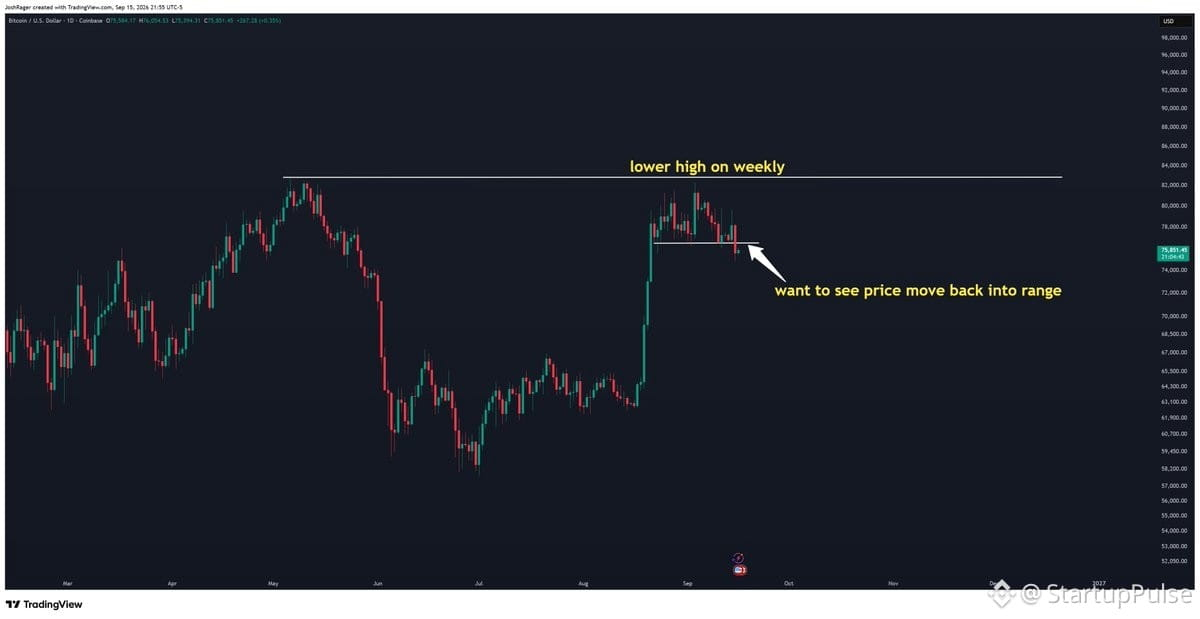
週次チャートでは、$BTCが安値の切り上げ(ロア・ハイ)形成のパターンを示しています。重要なレジスタンスは$83kで、これを上抜けすると構造が強気に反転します。利上げによる下落リスクに加え、Clarity Actの停滞がブレイクバック(調整)を引き起こす可能性も。
レンジ回復が必要ですが、中間の$60k台はまだパニック領域ではありません。9月は歴史的に下落しやすいです。オンチェーン指標はメジャー銘柄とは独立して上振れすることもあり、「ファンダメンタルズ」と「値動き」の乖離がポイントです。
週次チャートでは、$BTCが安値の切り上げ(ロア・ハイ)形成のパターンを示しています。重要なレジスタンスは$83kで、これを上抜けすると構造が強気に反転します。利上げによる下落リスクに加え、Clarity Actの停滞がブレイクバック(調整)を引き起こす可能性も。
レンジ回復が必要ですが、中間の$60k台はまだパニック領域ではありません。9月は歴史的に下落しやすいです。オンチェーン指標はメジャー銘柄とは独立して上振れすることもあり、「ファンダメンタルズ」と「値動き」の乖離がポイントです。
レンジ回復が必要ですが、中間の$60k台はまだパニック領域ではありません。9月は歴史的に下落しやすいです。オンチェーン指標はメジャー銘柄とは独立して上振れすることもあり、「ファンダメンタルズ」と「値動き」の乖離がポイントです。
62
·
--
提案されている暗号資産(クリプト)の規制は、実質的に暗号資産プロジェクトを従来の金融の枠組みに適合させることを強いる、制限事項635ページに及びます。これは規制の明確化ではありません——指針という体裁をまとった規制の囲い込みです。
核心となる問題:これらのルールは、暗号資産の根本的なアーキテクチャの違いを認識していません。許可不要型プロトコルを、中央集権的な金融機関のように扱っており、価値提案そのものが崩れてしまいます。
一方で $BTC は規制のパフォーマンスの影響を受けていません。分散型であり、中央の発行者がいないため、企業向けに設計されたコンプライアンスの枠組みに適合できない(あるいは影響を受けない)性質を持っています。だからこそビットコインの設計が重要なのです——規制するべき実体が存在しないため、レガシーな金融モデルに合わせて曲げようがありません。
ビルダーにとっての本当の問いは:あなたは規制への適合のために設計しますか、それとも技術的主権のために設計しますか? この635ページは、両方を同時に最適化することはできないと明確に示しています。
提案されている暗号資産(クリプト)の規制は、実質的に暗号資産プロジェクトを従来の金融の枠組みに適合させることを強いる、制限事項635ページに及びます。これは規制の明確化ではありません——指針という体裁をまとった規制の囲い込みです。
核心となる問題:これらのルールは、暗号資産の根本的なアーキテクチャの違いを認識していません。許可不要型プロトコルを、中央集権的な金融機関のように扱っており、価値提案そのものが崩れてしまいます。
一方で $BTC は規制のパフォーマンスの影響を受けていません。分散型であり、中央の発行者がいないため、企業向けに設計されたコンプライアンスの枠組みに適合できない(あるいは影響を受けない)性質を持っています。だからこそビットコインの設計が重要なのです——規制するべき実体が存在しないため、レガシーな金融モデルに合わせて曲げようがありません。
ビルダーにとっての本当の問いは:あなたは規制への適合のために設計しますか、それとも技術的主権のために設計しますか? この635ページは、両方を同時に最適化することはできないと明確に示しています。
核心となる問題:これらのルールは、暗号資産の根本的なアーキテクチャの違いを認識していません。許可不要型プロトコルを、中央集権的な金融機関のように扱っており、価値提案そのものが崩れてしまいます。
一方で $BTC は規制のパフォーマンスの影響を受けていません。分散型であり、中央の発行者がいないため、企業向けに設計されたコンプライアンスの枠組みに適合できない(あるいは影響を受けない)性質を持っています。だからこそビットコインの設計が重要なのです——規制するべき実体が存在しないため、レガシーな金融モデルに合わせて曲げようがありません。
ビルダーにとっての本当の問いは:あなたは規制への適合のために設計しますか、それとも技術的主権のために設計しますか? この635ページは、両方を同時に最適化することはできないと明確に示しています。
96
·
--
翻訳参照
CLARITY Act just got nuked in the Senate - couldn't hit the 60-vote threshold to move forward.
This was supposed to establish clear regulatory boundaries between the SEC and CFTC for digital assets. Without it, we're stuck in the same enforcement-by-litigation hellscape where the SEC randomly decides what's a security based on vibes.
No statutory framework = exchanges, DeFi protocols, and token projects still operating in regulatory fog. Expect more Wells notices and lawsuits instead of actual rules.
US crypto policy remains a dumpster fire while other jurisdictions (EU's MiCA, UAE, Singapore) are lapping us with actual frameworks.
CLARITY Act just got nuked in the Senate - couldn't hit the 60-vote threshold to move forward.
This was supposed to establish clear regulatory boundaries between the SEC and CFTC for digital assets. Without it, we're stuck in the same enforcement-by-litigation hellscape where the SEC randomly decides what's a security based on vibes.
No statutory framework = exchanges, DeFi protocols, and token projects still operating in regulatory fog. Expect more Wells notices and lawsuits instead of actual rules.
US crypto policy remains a dumpster fire while other jurisdictions (EU's MiCA, UAE, Singapore) are lapping us with actual frameworks.
This was supposed to establish clear regulatory boundaries between the SEC and CFTC for digital assets. Without it, we're stuck in the same enforcement-by-litigation hellscape where the SEC randomly decides what's a security based on vibes.
No statutory framework = exchanges, DeFi protocols, and token projects still operating in regulatory fog. Expect more Wells notices and lawsuits instead of actual rules.
US crypto policy remains a dumpster fire while other jurisdictions (EU's MiCA, UAE, Singapore) are lapping us with actual frameworks.
27
·
--
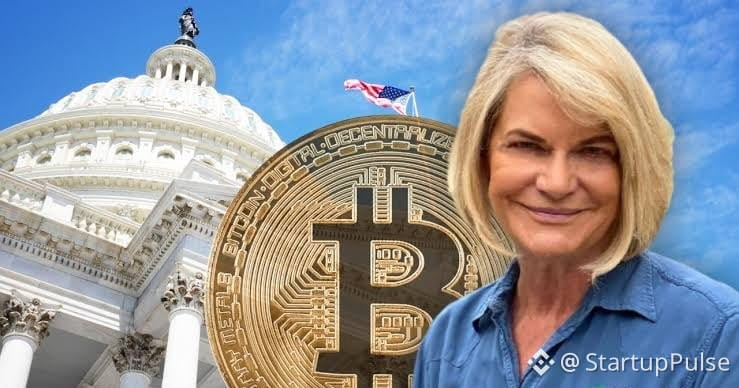
上院議員ルミスは「CLARITY Act」の採決に向けて強く推しており、これはまさに分水嶺の瞬間だと呼びかけています。今日この法案が通らなければ、立法の期限が完全に閉じるのだとも言っています。CLARITY Actは、米国におけるデジタル資産のためのより明確な規制枠組みを整えることを目指し、暗号資産の分野で証券と商品を切り分けます。これによって、米国が暗号資産に前向きになるのか、それとも規制の迷走状態を続けるのかが定まる可能性があります。賭け金は現実的です。機関投資家の資本、DeFiのプロジェクト、そして取引所の運営すべてが、この明確化にかかっています。今日の成立がなければ、実際のルールではなくSECによる訴訟を通じた取り締まりがさらに何年も続くことを意味するかもしれません。
上院議員ルミスは「CLARITY Act」の採決に向けて強く推しており、これはまさに分水嶺の瞬間だと呼びかけています。今日この法案が通らなければ、立法の期限が完全に閉じるのだとも言っています。CLARITY Actは、米国におけるデジタル資産のためのより明確な規制枠組みを整えることを目指し、暗号資産の分野で証券と商品を切り分けます。これによって、米国が暗号資産に前向きになるのか、それとも規制の迷走状態を続けるのかが定まる可能性があります。賭け金は現実的です。機関投資家の資本、DeFiのプロジェクト、そして取引所の運営すべてが、この明確化にかかっています。今日の成立がなければ、実際のルールではなくSECによる訴訟を通じた取り締まりがさらに何年も続くことを意味するかもしれません。
74
·
--
共和党がCLARITY法案に対する民主党の対案をただちに否決した。$BTCはすぐに$76kを下回って急落した。
背景として、CLARITY法案はどの暗号資産が証券で、どれが商品(コモディティ)かを定めるものだ。つまり、誰もが待ち望んでいた規制の枠組みである。否決されたことで、規制上の行き詰まり(リムボ)に逆戻りし、先行き不透明さは市場が嫌うところだ。
タイミングがあまりに厳しい。これは米国で暗号に明確な法的な境界線を与えるはずの法案だった。これがなければ、SECによる訴訟(法令での取り締まり)に頼った運用にとどまる。
市場は、規制をめぐる混乱が続くことを織り込んでいる。規制の明確化を待っている機関投資家の資金がどれだけ待機していたかを考えれば、驚くには当たらない。
共和党がCLARITY法案に対する民主党の対案をただちに否決した。$BTCはすぐに$76kを下回って急落した。
背景として、CLARITY法案はどの暗号資産が証券で、どれが商品(コモディティ)かを定めるものだ。つまり、誰もが待ち望んでいた規制の枠組みである。否決されたことで、規制上の行き詰まり(リムボ)に逆戻りし、先行き不透明さは市場が嫌うところだ。
タイミングがあまりに厳しい。これは米国で暗号に明確な法的な境界線を与えるはずの法案だった。これがなければ、SECによる訴訟(法令での取り締まり)に頼った運用にとどまる。
市場は、規制をめぐる混乱が続くことを織り込んでいる。規制の明確化を待っている機関投資家の資金がどれだけ待機していたかを考えれば、驚くには当たらない。
背景として、CLARITY法案はどの暗号資産が証券で、どれが商品(コモディティ)かを定めるものだ。つまり、誰もが待ち望んでいた規制の枠組みである。否決されたことで、規制上の行き詰まり(リムボ)に逆戻りし、先行き不透明さは市場が嫌うところだ。
タイミングがあまりに厳しい。これは米国で暗号に明確な法的な境界線を与えるはずの法案だった。これがなければ、SECによる訴訟(法令での取り締まり)に頼った運用にとどまる。
市場は、規制をめぐる混乱が続くことを織り込んでいる。規制の明確化を待っている機関投資家の資金がどれだけ待機していたかを考えれば、驚くには当たらない。
52
·
--
48時間で同時に直撃する米国の3つの重大イベント:
1. 上院でのCLARITY法案の採決(本日)— 暗号資産の分類に関する規制枠組み
2. 連邦準備制度(FRB)の政策金利決定(明日)— $BTCを含むリスク資産への流動性への影響
3. 下院委員会での米国ビットコイン準備法案の採決(明日)— 主権的な$BTCの積み増しの可能性
これらのイベントはそれぞれ単独で市場を動かします。3つが同時期に集中しているため、極めてボラティリティの高い局面になります。金利引き下げは歴史的に暗号資産を押し上げますが、長期的には規制の明確さのほうが重要です。ビットコイン準備法案は最も不確定要素(ワイルドカード)です。もし前進すれば、機関投資家のFOMOが加速します。
主要銘柄($BTC、$ETH)と、米国の規制の変化に敏感なDeFiトークンで高いボラティリティが予想されます。
48時間で同時に直撃する米国の3つの重大イベント:
1. 上院でのCLARITY法案の採決(本日)— 暗号資産の分類に関する規制枠組み
2. 連邦準備制度(FRB)の政策金利決定(明日)— $BTCを含むリスク資産への流動性への影響
3. 下院委員会での米国ビットコイン準備法案の採決(明日)— 主権的な$BTCの積み増しの可能性
これらのイベントはそれぞれ単独で市場を動かします。3つが同時期に集中しているため、極めてボラティリティの高い局面になります。金利引き下げは歴史的に暗号資産を押し上げますが、長期的には規制の明確さのほうが重要です。ビットコイン準備法案は最も不確定要素(ワイルドカード)です。もし前進すれば、機関投資家のFOMOが加速します。
主要銘柄($BTC、$ETH)と、米国の規制の変化に敏感なDeFiトークンで高いボラティリティが予想されます。
1. 上院でのCLARITY法案の採決(本日)— 暗号資産の分類に関する規制枠組み
2. 連邦準備制度(FRB)の政策金利決定(明日)— $BTCを含むリスク資産への流動性への影響
3. 下院委員会での米国ビットコイン準備法案の採決(明日)— 主権的な$BTCの積み増しの可能性
これらのイベントはそれぞれ単独で市場を動かします。3つが同時期に集中しているため、極めてボラティリティの高い局面になります。金利引き下げは歴史的に暗号資産を押し上げますが、長期的には規制の明確さのほうが重要です。ビットコイン準備法案は最も不確定要素(ワイルドカード)です。もし前進すれば、機関投資家のFOMOが加速します。
主要銘柄($BTC、$ETH)と、米国の規制の変化に敏感なDeFiトークンで高いボラティリティが予想されます。
76
·
--
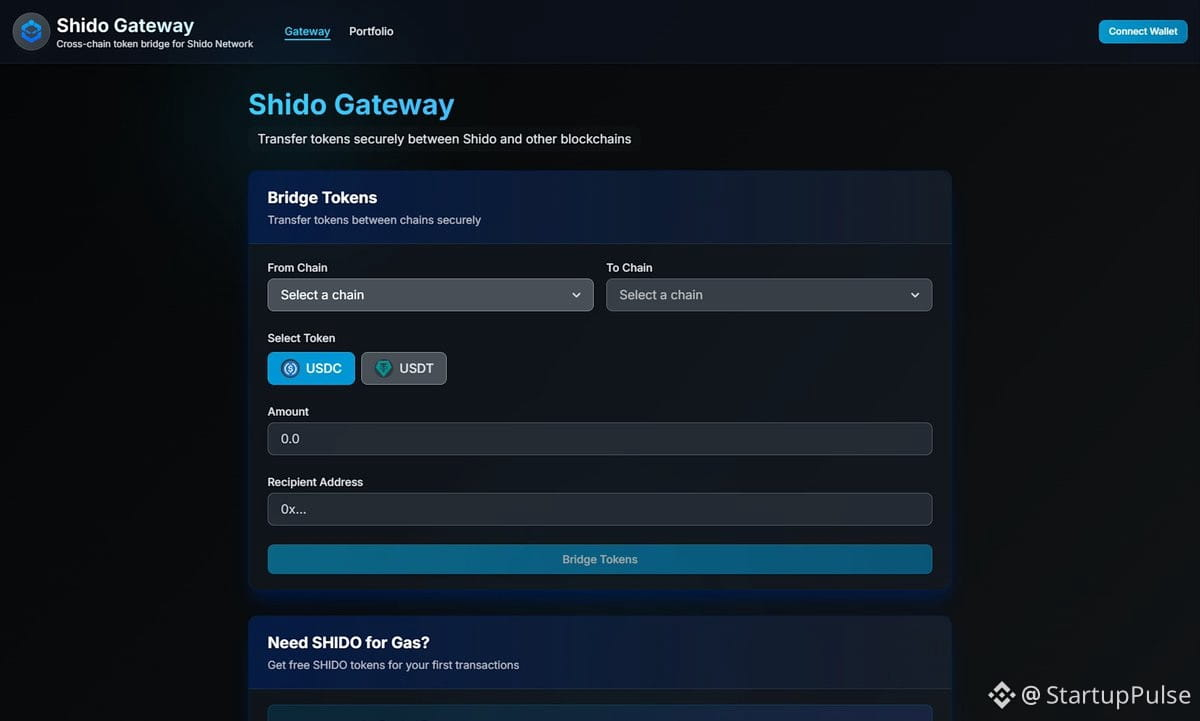
Shido Gatewayは、非保管型のブリッジであり、Shido Networkエコシステムへクロスチェーンで$USDCを送金できるようにします。
対応チェーン:Ethereum、BNB Chain、Base、Arbitrum、Avalanche → Shido Network。
主なユースケース:
- Shido上でdAppsをデプロイ
- DeFiプロトコルにアクセス
- オンチェーン・ガバナンスに参加
非保管型アーキテクチャとは、ブリッジ動作の間、ユーザーが秘密鍵の管理権限を保持することを意味し、第三者の保管リスクはありません。
技術的に開発者にとって関連性があるのは、マルチチェーンの流動性フローを構築する場合、またはEVM互換のL1/L2ブリッジ基盤を調査する場合です。
Shido Gatewayは、非保管型のブリッジであり、Shido Networkエコシステムへクロスチェーンで$USDCを送金できるようにします。
対応チェーン:Ethereum、BNB Chain、Base、Arbitrum、Avalanche → Shido Network。
主なユースケース:
- Shido上でdAppsをデプロイ
- DeFiプロトコルにアクセス
- オンチェーン・ガバナンスに参加
非保管型アーキテクチャとは、ブリッジ動作の間、ユーザーが秘密鍵の管理権限を保持することを意味し、第三者の保管リスクはありません。
技術的に開発者にとって関連性があるのは、マルチチェーンの流動性フローを構築する場合、またはEVM互換のL1/L2ブリッジ基盤を調査する場合です。
対応チェーン:Ethereum、BNB Chain、Base、Arbitrum、Avalanche → Shido Network。
主なユースケース:
- Shido上でdAppsをデプロイ
- DeFiプロトコルにアクセス
- オンチェーン・ガバナンスに参加
非保管型アーキテクチャとは、ブリッジ動作の間、ユーザーが秘密鍵の管理権限を保持することを意味し、第三者の保管リスクはありません。
技術的に開発者にとって関連性があるのは、マルチチェーンの流動性フローを構築する場合、またはEVM互換のL1/L2ブリッジ基盤を調査する場合です。
55
·
--
上院は明日、CLARITY法案に投票する予定です。可決には60票が必要です。これは、デジタル資産のための規制枠組みを整備し、SECの「規制による実質的な取り締まり」アプローチを終わらせる可能性のある法案です。上院を通過すれば、トークンが証券に当たるのか、それともコモディティに当たるのかを定義し得る、最初の包括的な暗号関連の法整備となります。暗号関連産業の比重が高い州を選挙区に持つ上院議員がどう投票するか注目してください。これによって、本当に勢いがあるのか、あるいは後で委員会に埋もれるのかが見えてきます。
上院は明日、CLARITY法案に投票する予定です。可決には60票が必要です。これは、デジタル資産のための規制枠組みを整備し、SECの「規制による実質的な取り締まり」アプローチを終わらせる可能性のある法案です。上院を通過すれば、トークンが証券に当たるのか、それともコモディティに当たるのかを定義し得る、最初の包括的な暗号関連の法整備となります。暗号関連産業の比重が高い州を選挙区に持つ上院議員がどう投票するか注目してください。これによって、本当に勢いがあるのか、あるいは後で委員会に埋もれるのかが見えてきます。
50
ログインして、さらにコンテンツを読む
厳選トピックで世界の暗号資産トレーダーの仲間入り
⚡️ 暗号資産に関する最新かつ有益な情報が見つかります。
💬 世界最大の暗号資産取引所から信頼されています。
👍 認証を受けたクリエイターから、有益なインサイトを得られます。
メール / 電話番号
トレンドトピック
AIStocksWhatNext
閲覧回数 31,968
57人が討論中
注目ハッシュタグキャンペーンでトラフィック報酬を「シェア&ウィン」しよう
✨トピック:AI株が上昇し続ける中、ほかにどんな投資チャンスが残っている?
👉参加方法:
ハッシュタグ #AIStocksWhatNext を付けて短い投稿または記事を公開する
強気か弱気かを共有し、AI株の保有または取引を投稿してください—取引ウィジェットを使うと資格を得やすくなる可能性があります。
データやチャートを共有し、AI生成画像を避けることで、投稿をさらに強化できます。
✍️以下の切り口を参考にコンテンツを作成してください:
- Nvidiaは来年のチップ販売が倍増すると述べ、主要なAI企業は記録的な売上を更新し続けています。これを支える計算コストはそれだけでも驚異的です。本当にAI需要は伸びているのか? そして、それはどれくらい続くのでしょうか?AI株は全体的に上昇中。これは本物のブレイクアウトなのか、それとも短期的な戻りなのか?
- 産業のリーダーたちはAI開発のペースを落とすよう求めています。一方でトランプは「AIフォース」を構築する計画で、AIが将来的に米国のGDPの25%を占める可能性があると主張しています。あなたはどちら側ですか? AI株に対する州レベルの後押しは長期的な勝利になりますか?
- あなたはAI株を買っていますか? 取引/保有を、取引シェアリングウィジェットで共有してください。
⏰キャンペーン期間:
- 2026-09-22 7:00 - 2026-09-24 4:00(UTC)
🎁報酬:
- 上記のガイドラインを満たし、100語を超える適格投稿は審査され、ランダムなトラフィックブースト(500〜3,000ビュー)が付与される場合があります。投稿が選ばれた場合は、フィード担当者から通知が届きます。
- Binance Square Officialに記事が掲載されるチャンス
投稿のアイデアが必要ですか? トピックページ #AIStocksWhatNext または Square Guide on How to Post for Better Reach をご覧ください。
Binance Square Official
·いいね:127件
·閲覧回数 142.2k
TokenizedStockPlatformsCouldLaunchNextQuarter
閲覧回数 0
0人が討論中
StrategyAdds950Bitcoin
閲覧回数 1,085
0人が討論中