

starter78
483 投稿

starter78
報告
ユーザーをブロック
I'm looking forward to learning, investing, and growing my knowledge in this space. Let's connect and learn together
取引を発注
高頻度トレーダー
5.2年
153 フォロー
241 フォロワー
177 いいね
投稿
ポートフォリオ
すべて
引用
動画
·
--
記事
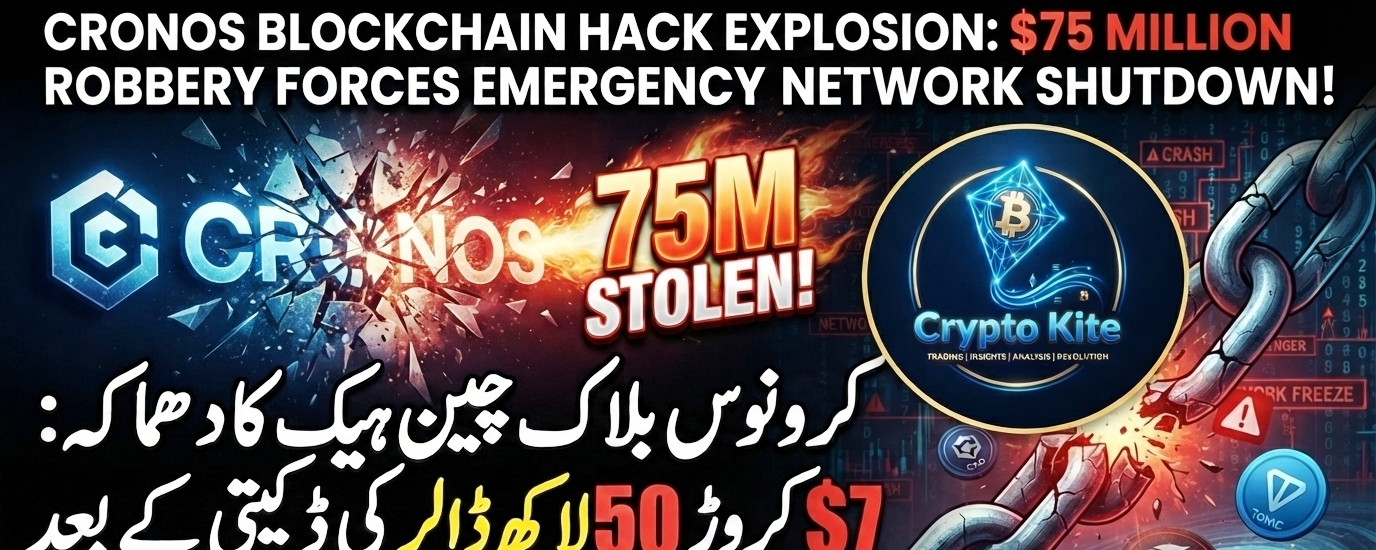
Cronosブロックチェーン、7,500万ドルの悪用を受け停止:Cronosのブロックチェーンは文字通り動かなくなりました。あなたが想像しているわけではなく、実際に起きたのです。
8月30日(日曜日)、Crypto.comに紐づくブロックチェーン・ネットワークであるCronosは、ブロックの生成を完全に停止しました。つまり、取引はゼロ、送金はゼロ、スマートコントラクトの稼働もゼロです。すべてが凍結しています。これは、Cronos上で稼働する最大の貸付プロトコルであるTectonicから、ハッカーが約7,500万ドルを流出させたことが原因です。
オンチェーン調査員の韋霊・李氏は、これを「マンゴー・マーケット風のポンプ・アンド・ボローによる価格操作攻撃」と表現し、2022年の悪名高いMango Marketsによる1億ドル規模のハックを想起させた。
Cronosブロックチェーン、7,500万ドルの悪用を受け停止:
Cronosのブロックチェーンは文字通り動かなくなりました。あなたが想像しているわけではなく、実際に起きたのです。
8月30日(日曜日)、Crypto.comに紐づくブロックチェーン・ネットワークであるCronosは、ブロックの生成を完全に停止しました。つまり、取引はゼロ、送金はゼロ、スマートコントラクトの稼働もゼロです。すべてが凍結しています。これは、Cronos上で稼働する最大の貸付プロトコルであるTectonicから、ハッカーが約7,500万ドルを流出させたことが原因です。
オンチェーン調査員の韋霊・李氏は、これを「マンゴー・マーケット風のポンプ・アンド・ボローによる価格操作攻撃」と表現し、2022年の悪名高いMango Marketsによる1億ドル規模のハックを想起させた。
8月30日(日曜日)、Crypto.comに紐づくブロックチェーン・ネットワークであるCronosは、ブロックの生成を完全に停止しました。つまり、取引はゼロ、送金はゼロ、スマートコントラクトの稼働もゼロです。すべてが凍結しています。これは、Cronos上で稼働する最大の貸付プロトコルであるTectonicから、ハッカーが約7,500万ドルを流出させたことが原因です。
オンチェーン調査員の韋霊・李氏は、これを「マンゴー・マーケット風のポンプ・アンド・ボローによる価格操作攻撃」と表現し、2022年の悪名高いMango Marketsによる1億ドル規模のハックを想起させた。
93
·
--
Grayscaleが『Zcashはビットコインの支配力を切り崩せる可能性がある』と主張ビットコインは10年以上にわたり、暗号資産界の揺るぎない王者として君臨してきました。しかし、暗号資産の資産運用で大手のGrayscaleによる新しいレポートが、ある大胆な主張をしています。プライバシーに特化した、より規模の小さいコインであるZcash(ZEC)が、ビットコインの市場シェアを削り取る現実的なチャンスを持っているかもしれない、というのです。
# ニュースをやさしく解説
Grayscaleのリサーチ責任者ザック・パンドル(Zach Pandl)は、Zcashにはビットコインが単純に提供していない3つの点があるとするレポートをついに公開しました。そのタイミングは偶然ではありません。Grayscaleは、既存のZcash Trustを転換したうえで、NYSE ArcaでZcash ETF「ZCSH」を先日立ち上げました。これにより、米国の日常の投資家は、株を買うのと同じように、通常の証券口座を通じてZECへのエクスポージャーを手軽に購入できるようになりました。そしてZECそのものも勢いが止まりません。2018年以来の最高値を更新しました。
Grayscaleが『Zcashはビットコインの支配力を切り崩せる可能性がある』と主張
ビットコインは10年以上にわたり、暗号資産界の揺るぎない王者として君臨してきました。しかし、暗号資産の資産運用で大手のGrayscaleによる新しいレポートが、ある大胆な主張をしています。プライバシーに特化した、より規模の小さいコインであるZcash(ZEC)が、ビットコインの市場シェアを削り取る現実的なチャンスを持っているかもしれない、というのです。
# ニュースをやさしく解説
Grayscaleのリサーチ責任者ザック・パンドル(Zach Pandl)は、Zcashにはビットコインが単純に提供していない3つの点があるとするレポートをついに公開しました。そのタイミングは偶然ではありません。Grayscaleは、既存のZcash Trustを転換したうえで、NYSE ArcaでZcash ETF「ZCSH」を先日立ち上げました。これにより、米国の日常の投資家は、株を買うのと同じように、通常の証券口座を通じてZECへのエクスポージャーを手軽に購入できるようになりました。そしてZECそのものも勢いが止まりません。2018年以来の最高値を更新しました。
# ニュースをやさしく解説
Grayscaleのリサーチ責任者ザック・パンドル(Zach Pandl)は、Zcashにはビットコインが単純に提供していない3つの点があるとするレポートをついに公開しました。そのタイミングは偶然ではありません。Grayscaleは、既存のZcash Trustを転換したうえで、NYSE ArcaでZcash ETF「ZCSH」を先日立ち上げました。これにより、米国の日常の投資家は、株を買うのと同じように、通常の証券口座を通じてZECへのエクスポージャーを手軽に購入できるようになりました。そしてZECそのものも勢いが止まりません。2018年以来の最高値を更新しました。
217
·
--
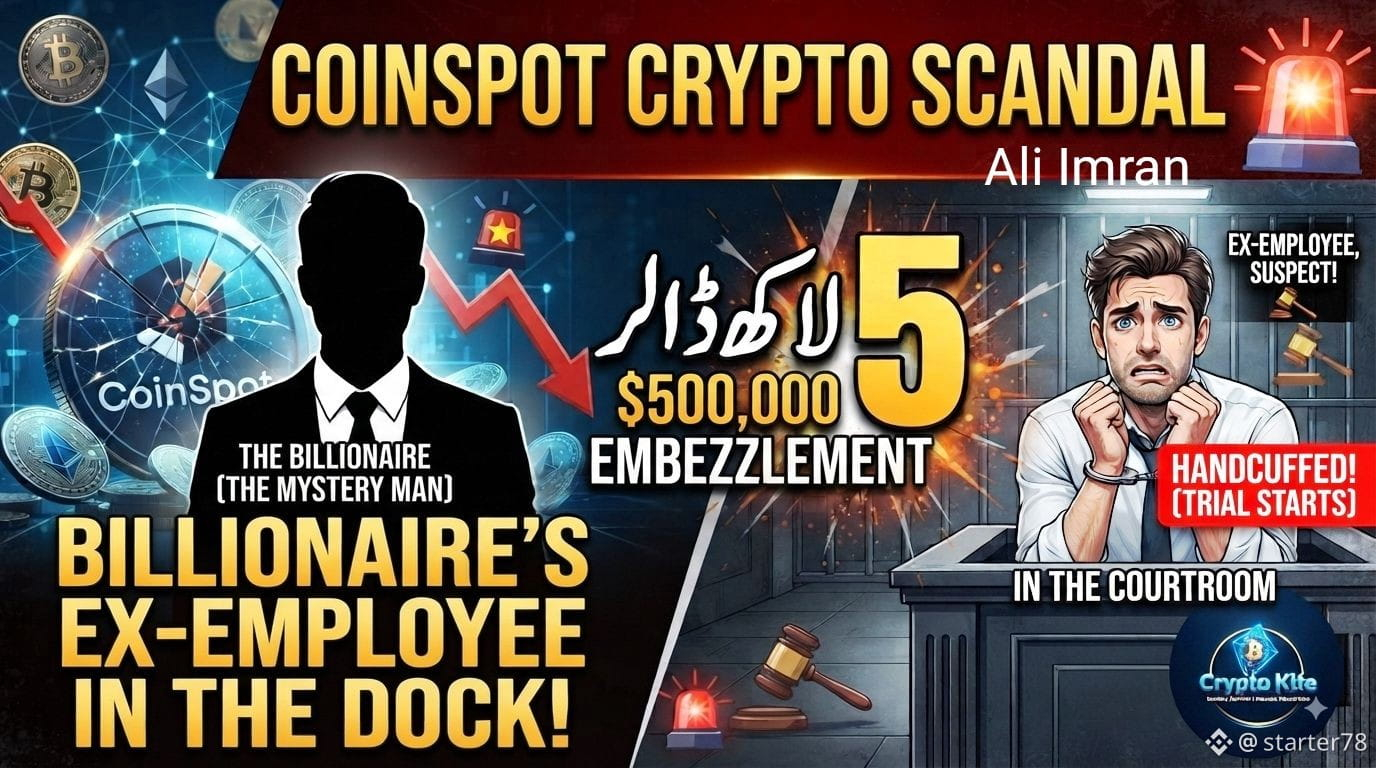
メルボルンの仮想通貨「億万長者」、元従業員を“50万ドル超”で提訴
ラッセル・ウィルソンは、オーストラリア最大級の暗号資産取引所の1つ「コインスポット」を率いる人物です。彼はほとんど公の場に姿を現さず、インタビューにも応じないため「秘密主義」として知られていますが、それでも同社は2025会計年度に2億7000万ドルの利益を上げています。
しかし今、別の理由で注目を集めています。彼の会社は、ある元従業員が取引所から金を盗んだとして提訴しました。
裁判書類によると、元従業員は「イレシュ・パワン・ペレラ」と名付けられたカスタマーサポート担当者で、同人は会社の資金から478,932ドルを自分の個人の銀行口座へ移したとされています。これは一度に行われたのではありません。約2年間にわたって、3月までの間に76件の別々の取引を通じて行われたとされています。
訴状では、ペレラが会社の暗号資産を現金に換え、自分のために使用したと主張しています。会社が不正の疑いを把握したのち、彼は雇用契約の違反にあたるとして、3月9日に即時解雇されました。
コインスポットは、訴訟がまだ裁判所で係争中であるため、公に多くの詳細を共有していません。広報担当者は、同社には強力なセーフガード(防御策)があり、今回の件で顧客の資金は影響を受けていないと述べました。さらに、同社は詐欺に対してゼロ・トレランス(厳しい不許可)であり、利用者を守るために警察と密に連携しているとも付け加えています。
この話は、規模の大きく確立された仮想通貨企業でも、インサイダーによる窃盗から免れないことを改めて思い出させてくれます。いつも外部のハッカーが原因とは限りません。リスクは、すでに会社のシステムにアクセスできる人物のように、内側からも生じ得るのです。また、外部からの攻撃に対するセキュリティだけでなく、強固な社内チェックが必要である理由も示しています。
この案件は進行中のため、今後裁判を通じてさらに詳細が明らかになる可能性があります。
#Ali_Imran
#CryptoNews #CryptoFraudCase #Cybersecurity
メルボルンの仮想通貨「億万長者」、元従業員を“50万ドル超”で提訴
ラッセル・ウィルソンは、オーストラリア最大級の暗号資産取引所の1つ「コインスポット」を率いる人物です。彼はほとんど公の場に姿を現さず、インタビューにも応じないため「秘密主義」として知られていますが、それでも同社は2025会計年度に2億7000万ドルの利益を上げています。
しかし今、別の理由で注目を集めています。彼の会社は、ある元従業員が取引所から金を盗んだとして提訴しました。
裁判書類によると、元従業員は「イレシュ・パワン・ペレラ」と名付けられたカスタマーサポート担当者で、同人は会社の資金から478,932ドルを自分の個人の銀行口座へ移したとされています。これは一度に行われたのではありません。約2年間にわたって、3月までの間に76件の別々の取引を通じて行われたとされています。
訴状では、ペレラが会社の暗号資産を現金に換え、自分のために使用したと主張しています。会社が不正の疑いを把握したのち、彼は雇用契約の違反にあたるとして、3月9日に即時解雇されました。
コインスポットは、訴訟がまだ裁判所で係争中であるため、公に多くの詳細を共有していません。広報担当者は、同社には強力なセーフガード(防御策)があり、今回の件で顧客の資金は影響を受けていないと述べました。さらに、同社は詐欺に対してゼロ・トレランス(厳しい不許可)であり、利用者を守るために警察と密に連携しているとも付け加えています。
この話は、規模の大きく確立された仮想通貨企業でも、インサイダーによる窃盗から免れないことを改めて思い出させてくれます。いつも外部のハッカーが原因とは限りません。リスクは、すでに会社のシステムにアクセスできる人物のように、内側からも生じ得るのです。また、外部からの攻撃に対するセキュリティだけでなく、強固な社内チェックが必要である理由も示しています。
この案件は進行中のため、今後裁判を通じてさらに詳細が明らかになる可能性があります。
#Ali_Imran
#CryptoNews #CryptoFraudCase #Cybersecurity
ラッセル・ウィルソンは、オーストラリア最大級の暗号資産取引所の1つ「コインスポット」を率いる人物です。彼はほとんど公の場に姿を現さず、インタビューにも応じないため「秘密主義」として知られていますが、それでも同社は2025会計年度に2億7000万ドルの利益を上げています。
しかし今、別の理由で注目を集めています。彼の会社は、ある元従業員が取引所から金を盗んだとして提訴しました。
裁判書類によると、元従業員は「イレシュ・パワン・ペレラ」と名付けられたカスタマーサポート担当者で、同人は会社の資金から478,932ドルを自分の個人の銀行口座へ移したとされています。これは一度に行われたのではありません。約2年間にわたって、3月までの間に76件の別々の取引を通じて行われたとされています。
訴状では、ペレラが会社の暗号資産を現金に換え、自分のために使用したと主張しています。会社が不正の疑いを把握したのち、彼は雇用契約の違反にあたるとして、3月9日に即時解雇されました。
コインスポットは、訴訟がまだ裁判所で係争中であるため、公に多くの詳細を共有していません。広報担当者は、同社には強力なセーフガード(防御策)があり、今回の件で顧客の資金は影響を受けていないと述べました。さらに、同社は詐欺に対してゼロ・トレランス(厳しい不許可)であり、利用者を守るために警察と密に連携しているとも付け加えています。
この話は、規模の大きく確立された仮想通貨企業でも、インサイダーによる窃盗から免れないことを改めて思い出させてくれます。いつも外部のハッカーが原因とは限りません。リスクは、すでに会社のシステムにアクセスできる人物のように、内側からも生じ得るのです。また、外部からの攻撃に対するセキュリティだけでなく、強固な社内チェックが必要である理由も示しています。
この案件は進行中のため、今後裁判を通じてさらに詳細が明らかになる可能性があります。
#Ali_Imran
#CryptoNews #CryptoFraudCase #Cybersecurity
125
·
--
LIDAC 2026がクアラルンプールに戻ってきます。暗号資産やフィンテックに興味がある人、あるいはマレーシアでデジタルマネーがどこへ向かっているのか気になっている人は、予定に入れてください。 「2026年9月24日」は「LIDAC 2026」――Luno Institutional Digital Asset Conference(ルノ・機関向けデジタル・アセット・カンファレンス)の第2回の開催日です。会場は「M Resort Hotel, Kuala Lumpur」です。
√ では、LIDACとは何ですか?簡単に言うと?
LIDACを、銀行、規制当局、暗号資産(クリプト)企業、そして金融の専門家たちが一日まるごと集まり、デジタル・アセットについて議論する大きなミートアップだと考えてください。ビットコイン、ステーブルコイン、トークン化されたファイナンスといった話題を扱います。カジュアルなトレーダー向けではありません。これらの新しいデジタルツールを責任をもって活用する方法を検討している、機関(銀行、ファンドマネージャー、規制当局など)を対象としています。
LIDAC 2026がクアラルンプールに戻ってきます。
暗号資産やフィンテックに興味がある人、あるいはマレーシアでデジタルマネーがどこへ向かっているのか気になっている人は、予定に入れてください。 「2026年9月24日」は「LIDAC 2026」――Luno Institutional Digital Asset Conference(ルノ・機関向けデジタル・アセット・カンファレンス)の第2回の開催日です。会場は「M Resort Hotel, Kuala Lumpur」です。
√ では、LIDACとは何ですか?簡単に言うと?
LIDACを、銀行、規制当局、暗号資産(クリプト)企業、そして金融の専門家たちが一日まるごと集まり、デジタル・アセットについて議論する大きなミートアップだと考えてください。ビットコイン、ステーブルコイン、トークン化されたファイナンスといった話題を扱います。カジュアルなトレーダー向けではありません。これらの新しいデジタルツールを責任をもって活用する方法を検討している、機関(銀行、ファンドマネージャー、規制当局など)を対象としています。
√ では、LIDACとは何ですか?簡単に言うと?
LIDACを、銀行、規制当局、暗号資産(クリプト)企業、そして金融の専門家たちが一日まるごと集まり、デジタル・アセットについて議論する大きなミートアップだと考えてください。ビットコイン、ステーブルコイン、トークン化されたファイナンスといった話題を扱います。カジュアルなトレーダー向けではありません。これらの新しいデジタルツールを責任をもって活用する方法を検討している、機関(銀行、ファンドマネージャー、規制当局など)を対象としています。
125
·
--
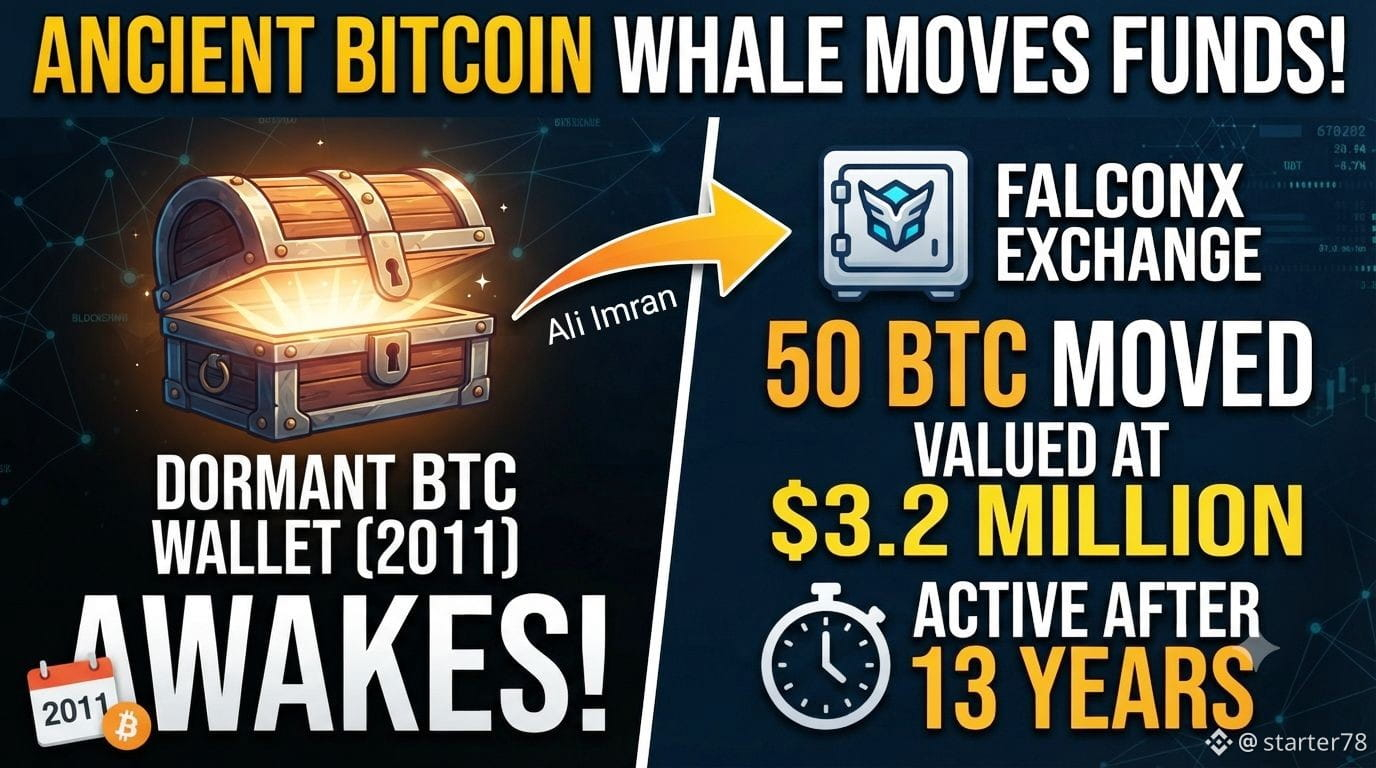
2011年のビットコイン・ウォレットが、3.2百万ドルをブローカー連携アドレスへ送金。
2011年以来一度も資金に触れていなかった古いビットコイン・ウォレットが、ついに動き出し、暗号資産取引プラットフォーム「FalconX」に紐づくアドレスへビットコイン(50 BTC)相当の320万ドルを移動させました。
現在はその新しいアドレスにコインが保管されていますが、そのウォレットには過去にFalconXへ資金を送った履歴があります。つまり、所有者がデジタル資産の整理をしているだけなのか、それともビットコインを売却または取引する準備をしているのかもしれません。
#Ali_Imran
#cryptonews #crypto #cryptocurrency
2011年のビットコイン・ウォレットが、3.2百万ドルをブローカー連携アドレスへ送金。
2011年以来一度も資金に触れていなかった古いビットコイン・ウォレットが、ついに動き出し、暗号資産取引プラットフォーム「FalconX」に紐づくアドレスへビットコイン(50 BTC)相当の320万ドルを移動させました。
現在はその新しいアドレスにコインが保管されていますが、そのウォレットには過去にFalconXへ資金を送った履歴があります。つまり、所有者がデジタル資産の整理をしているだけなのか、それともビットコインを売却または取引する準備をしているのかもしれません。
#Ali_Imran
#cryptonews #crypto #cryptocurrency
2011年以来一度も資金に触れていなかった古いビットコイン・ウォレットが、ついに動き出し、暗号資産取引プラットフォーム「FalconX」に紐づくアドレスへビットコイン(50 BTC)相当の320万ドルを移動させました。
現在はその新しいアドレスにコインが保管されていますが、そのウォレットには過去にFalconXへ資金を送った履歴があります。つまり、所有者がデジタル資産の整理をしているだけなのか、それともビットコインを売却または取引する準備をしているのかもしれません。
#Ali_Imran
#cryptonews #crypto #cryptocurrency
86
·
--
ブリッシュ
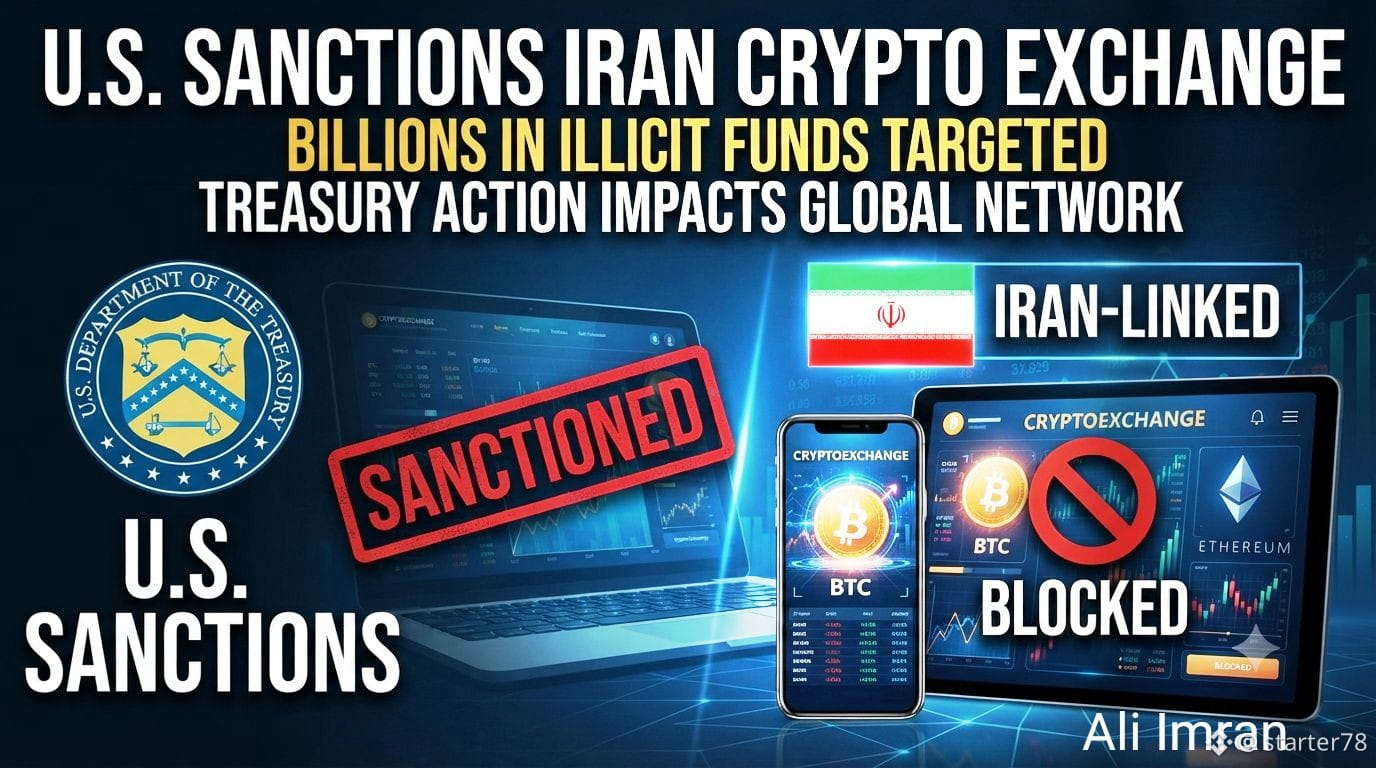
米国はイランにつながる暗号資産取引所を制裁したばかりだ。
8月7日、米政府は「シェルビット(Shelbit)」と呼ばれる暗号資産取引所に制裁を科した。これは免許を持ち、規制されたプラットフォームではなかった。正当な認可なしに複数の州で運営されていたのだ。非難の内容は、シェルビットが、米国が重大な国家安全保障上の脅威とみなすイランのイスラム革命防衛隊(IRGC)に関する暗号資産の資金移動に数百万ドル規模で協力したことに加え、イラン政府に結びつく他の組織にも関与していたという点にある。
この件は突然持ち上がったわけではない。1週間前の7月31日、ロイターが調査報道を掲載し、シェルビット(ドバイ拠点)が調査の対象になっていることを明らかにした。記者らは、この取引所が大規模な制裁回避の中核になっているとみられることを突き止めた。規模は推定で約40億ドルに及ぶ。
その調査によれば、シェルビットの暗号資産ネットワークには、かなり深刻な関係者が触れていたとされる:
イランの中央銀行が、制裁の資金移動のために同取引所を利用していた――とされる
最大級の部類と評される、主要な違法オンライン・ギャンブル・ネットワーク
IRGCに関連づけられたウォレットアドレスが、特にイスラエルの情報機関の情報によって指摘されていた
この事例は、暗号資産が分散化され、しばしば「国境のない(ボーダレス)」と形容されるにもかかわらず、捜査当局や規制当局が本気で取り組めば、依然として追跡可能であることの良い例だ。また、制裁対象の体制や犯罪ネットワークが、従来の銀行システムの外で資金を動かすために、暗号資産取引所を迂回手段として使おうとする実態も示している。制裁は銀行での執行がより難しく、そうした隙間を突こうとしているのだ。
日常的に暗号資産を使う人にとっては、どの取引所を利用するかを慎重に選ぶべきだという注意喚起になる。規制のグレーゾーンで活動する無免許のプラットフォームは、詐欺やハッキングのリスクがあるだけでなく、政府の行動の標的になり得る。たとえあなた自身に不正がなくても、資金凍結や法的な精査の対象になる可能性がある。
#Ali_Imran
#cryptoNews #Iran
$USDC
米国はイランにつながる暗号資産取引所を制裁したばかりだ。
8月7日、米政府は「シェルビット(Shelbit)」と呼ばれる暗号資産取引所に制裁を科した。これは免許を持ち、規制されたプラットフォームではなかった。正当な認可なしに複数の州で運営されていたのだ。非難の内容は、シェルビットが、米国が重大な国家安全保障上の脅威とみなすイランのイスラム革命防衛隊(IRGC)に関する暗号資産の資金移動に数百万ドル規模で協力したことに加え、イラン政府に結びつく他の組織にも関与していたという点にある。
この件は突然持ち上がったわけではない。1週間前の7月31日、ロイターが調査報道を掲載し、シェルビット(ドバイ拠点)が調査の対象になっていることを明らかにした。記者らは、この取引所が大規模な制裁回避の中核になっているとみられることを突き止めた。規模は推定で約40億ドルに及ぶ。
その調査によれば、シェルビットの暗号資産ネットワークには、かなり深刻な関係者が触れていたとされる:
イランの中央銀行が、制裁の資金移動のために同取引所を利用していた――とされる
最大級の部類と評される、主要な違法オンライン・ギャンブル・ネットワーク
IRGCに関連づけられたウォレットアドレスが、特にイスラエルの情報機関の情報によって指摘されていた
この事例は、暗号資産が分散化され、しばしば「国境のない(ボーダレス)」と形容されるにもかかわらず、捜査当局や規制当局が本気で取り組めば、依然として追跡可能であることの良い例だ。また、制裁対象の体制や犯罪ネットワークが、従来の銀行システムの外で資金を動かすために、暗号資産取引所を迂回手段として使おうとする実態も示している。制裁は銀行での執行がより難しく、そうした隙間を突こうとしているのだ。
日常的に暗号資産を使う人にとっては、どの取引所を利用するかを慎重に選ぶべきだという注意喚起になる。規制のグレーゾーンで活動する無免許のプラットフォームは、詐欺やハッキングのリスクがあるだけでなく、政府の行動の標的になり得る。たとえあなた自身に不正がなくても、資金凍結や法的な精査の対象になる可能性がある。
#Ali_Imran
#cryptoNews #Iran
$USDC
8月7日、米政府は「シェルビット(Shelbit)」と呼ばれる暗号資産取引所に制裁を科した。これは免許を持ち、規制されたプラットフォームではなかった。正当な認可なしに複数の州で運営されていたのだ。非難の内容は、シェルビットが、米国が重大な国家安全保障上の脅威とみなすイランのイスラム革命防衛隊(IRGC)に関する暗号資産の資金移動に数百万ドル規模で協力したことに加え、イラン政府に結びつく他の組織にも関与していたという点にある。
この件は突然持ち上がったわけではない。1週間前の7月31日、ロイターが調査報道を掲載し、シェルビット(ドバイ拠点)が調査の対象になっていることを明らかにした。記者らは、この取引所が大規模な制裁回避の中核になっているとみられることを突き止めた。規模は推定で約40億ドルに及ぶ。
その調査によれば、シェルビットの暗号資産ネットワークには、かなり深刻な関係者が触れていたとされる:
イランの中央銀行が、制裁の資金移動のために同取引所を利用していた――とされる
最大級の部類と評される、主要な違法オンライン・ギャンブル・ネットワーク
IRGCに関連づけられたウォレットアドレスが、特にイスラエルの情報機関の情報によって指摘されていた
この事例は、暗号資産が分散化され、しばしば「国境のない(ボーダレス)」と形容されるにもかかわらず、捜査当局や規制当局が本気で取り組めば、依然として追跡可能であることの良い例だ。また、制裁対象の体制や犯罪ネットワークが、従来の銀行システムの外で資金を動かすために、暗号資産取引所を迂回手段として使おうとする実態も示している。制裁は銀行での執行がより難しく、そうした隙間を突こうとしているのだ。
日常的に暗号資産を使う人にとっては、どの取引所を利用するかを慎重に選ぶべきだという注意喚起になる。規制のグレーゾーンで活動する無免許のプラットフォームは、詐欺やハッキングのリスクがあるだけでなく、政府の行動の標的になり得る。たとえあなた自身に不正がなくても、資金凍結や法的な精査の対象になる可能性がある。
#Ali_Imran
#cryptoNews #Iran
$USDC
99
·
--
ニュージーランドにおける暗号資産ATMの未来。オークランドからインバーカーギルまでのほぼどのデーリー(酪農店)、ガソリンスタンド、またはベイプショップに入っても、見慣れたATMのような機械を目にするかもしれません。ですがよく見ると、実際には暗号資産のキオスクです。こうした機械では、誰でも現金を入れて、数分以内にビットコインや別のデジタル資産を持ち帰ることができます。ニュージーランド国内で200台以上が稼働しており、資金洗浄や金融詐欺に対する政府の戦いの中で、最も手強い戦場の一つになっています。
ニュージーランドにおける暗号資産ATMの未来。
オークランドからインバーカーギルまでのほぼどのデーリー(酪農店)、ガソリンスタンド、またはベイプショップに入っても、見慣れたATMのような機械を目にするかもしれません。ですがよく見ると、実際には暗号資産のキオスクです。こうした機械では、誰でも現金を入れて、数分以内にビットコインや別のデジタル資産を持ち帰ることができます。ニュージーランド国内で200台以上が稼働しており、資金洗浄や金融詐欺に対する政府の戦いの中で、最も手強い戦場の一つになっています。
114
·
--
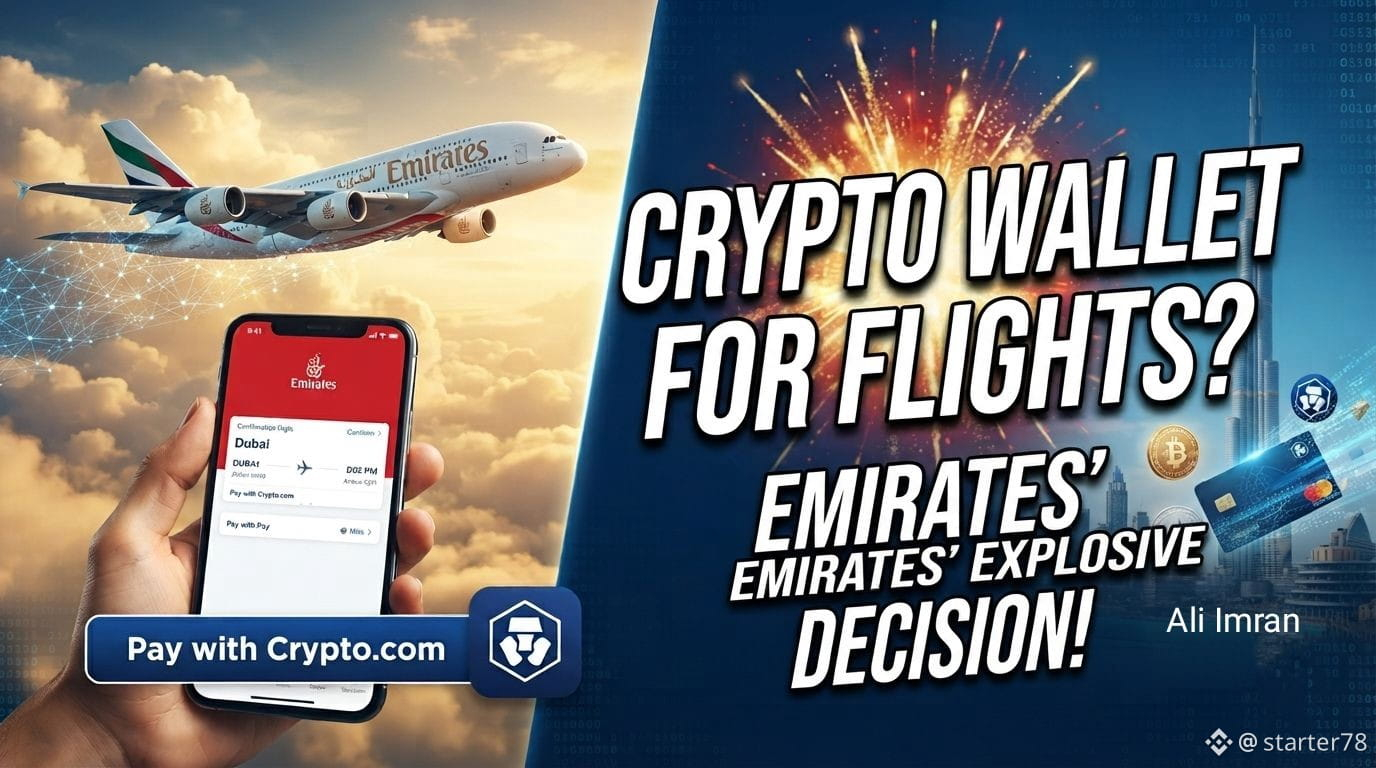
✈️ エミレーツ航空、暗号資産でのフライト予約を現実に:✈️
エミレーツは公式に「Crypto .com Pay」を開始し、フライト予約の支払いに暗号資産を受け付ける、湾岸地域で初めての主要航空会社となりました。
✈️ システムの仕組み:✈️
UAE(アラブ首長国連邦)の対象居住者で、Crypto .com アカウントをお持ちなら、エミレーツのWebサイトまたはアプリでフライトを予約し、暗号資産ウォレットから直接支払うことができます。
✈️ モバイルの場合:支払いを承認するために Crypto.com アプリへリダイレクトされ、その後エミレーツへ戻って確認とチケットが発行されます。
✈️ デスクトップの場合:Crypto.com アプリで承認するだけのシンプルなQRコードのスキャンです。
✈️ 重要な注意点:✈️
技術的には、「暗号資産でチケットを買う」わけではありません。価格設定や取引はUAEディルハム(AED)で行われるため、あなたの暗号資産は単に資金の出所として機能し、エミレーツ側は従来どおりの法定通貨(フィアット通貨)を受け取ります。これは、新しい暗号資産ベースのチケット発行システムというより、暗号資産ウォレットと搭乗券の間の“高速レーン”だと考えてください。
また、これは突然の動きではありません。2025年7月にエミレーツとCrypto.comが締結した提携の展開です。これは、2026年末までにドバイが政府および民間部門の取引の90%をデジタル化するという、より広い目標にぴったりと合致しています。
現時点では、これは1社の航空会社による始まりにすぎません。エミレーツがこの一歩を踏み出したことで、暗号資産を注視する他の世界の航空会社にも、追随するための現実的な事例ができました。
#Ali_Imran
#emirates #CryptoPay #CryptoNews #DubaiCashlessStrategy
✈️ エミレーツ航空、暗号資産でのフライト予約を現実に:✈️
エミレーツは公式に「Crypto .com Pay」を開始し、フライト予約の支払いに暗号資産を受け付ける、湾岸地域で初めての主要航空会社となりました。
✈️ システムの仕組み:✈️
UAE(アラブ首長国連邦)の対象居住者で、Crypto .com アカウントをお持ちなら、エミレーツのWebサイトまたはアプリでフライトを予約し、暗号資産ウォレットから直接支払うことができます。
✈️ モバイルの場合:支払いを承認するために Crypto.com アプリへリダイレクトされ、その後エミレーツへ戻って確認とチケットが発行されます。
✈️ デスクトップの場合:Crypto.com アプリで承認するだけのシンプルなQRコードのスキャンです。
✈️ 重要な注意点:✈️
技術的には、「暗号資産でチケットを買う」わけではありません。価格設定や取引はUAEディルハム(AED)で行われるため、あなたの暗号資産は単に資金の出所として機能し、エミレーツ側は従来どおりの法定通貨(フィアット通貨)を受け取ります。これは、新しい暗号資産ベースのチケット発行システムというより、暗号資産ウォレットと搭乗券の間の“高速レーン”だと考えてください。
また、これは突然の動きではありません。2025年7月にエミレーツとCrypto.comが締結した提携の展開です。これは、2026年末までにドバイが政府および民間部門の取引の90%をデジタル化するという、より広い目標にぴったりと合致しています。
現時点では、これは1社の航空会社による始まりにすぎません。エミレーツがこの一歩を踏み出したことで、暗号資産を注視する他の世界の航空会社にも、追随するための現実的な事例ができました。
#Ali_Imran
#emirates #CryptoPay #CryptoNews #DubaiCashlessStrategy
エミレーツは公式に「Crypto .com Pay」を開始し、フライト予約の支払いに暗号資産を受け付ける、湾岸地域で初めての主要航空会社となりました。
✈️ システムの仕組み:✈️
UAE(アラブ首長国連邦)の対象居住者で、Crypto .com アカウントをお持ちなら、エミレーツのWebサイトまたはアプリでフライトを予約し、暗号資産ウォレットから直接支払うことができます。
✈️ モバイルの場合:支払いを承認するために Crypto.com アプリへリダイレクトされ、その後エミレーツへ戻って確認とチケットが発行されます。
✈️ デスクトップの場合:Crypto.com アプリで承認するだけのシンプルなQRコードのスキャンです。
✈️ 重要な注意点:✈️
技術的には、「暗号資産でチケットを買う」わけではありません。価格設定や取引はUAEディルハム(AED)で行われるため、あなたの暗号資産は単に資金の出所として機能し、エミレーツ側は従来どおりの法定通貨(フィアット通貨)を受け取ります。これは、新しい暗号資産ベースのチケット発行システムというより、暗号資産ウォレットと搭乗券の間の“高速レーン”だと考えてください。
また、これは突然の動きではありません。2025年7月にエミレーツとCrypto.comが締結した提携の展開です。これは、2026年末までにドバイが政府および民間部門の取引の90%をデジタル化するという、より広い目標にぴったりと合致しています。
現時点では、これは1社の航空会社による始まりにすぎません。エミレーツがこの一歩を踏み出したことで、暗号資産を注視する他の世界の航空会社にも、追随するための現実的な事例ができました。
#Ali_Imran
#emirates #CryptoPay #CryptoNews #DubaiCashlessStrategy
104
·
--
別の仮想通貨取引所が閉鎖へ:
約9年続いていた仮想通貨取引所BitMartが、最近、サービスを終了すると発表しました。さらに、これだけではありません。この発表は、ここ数日で市場から撤退した他の2つの取引所、AscendEXとBitMEXに続く形で出ています。
わずか数日で3つの取引所が閉鎖されるのは、単なる偶然ではありません。注目に値するニュースです。
仮想通貨取引所の運営は安くはありません。取引量の減少、競争の激化、厳しい規制の中で、中小規模のプラットフォームは経費をまかなえないことがよくあります。市場が落ち着いて取引量が減ると、これらの取引所は、生き残るために頼りにしている手数料を取りこぼしてしまいます。
歴史が教えること:
興味深いことに、これは新しい話ではありません。主要な仮想通貨市場の大きな下落局面には、取引所の閉鎖という歴史があります:
* 2014年:Mt. Gox
* 2018年:BitGrail
* 2022年:FTX
一部のトレーダーは、この繰り返されるサイクルを、市場の底は思っているよりもずっと低い可能性を示すサインだと見ています。弱いプレイヤーが市場から押し出されることで、仮想通貨はより強いプラットフォームが市場を引き継ぐための道を切り開くのです。
この件から学ぶべき教訓は?
* 常に、実績があり信頼できる取引所を使うこと。
* 資金を1つのプラットフォームに全て預けないこと。
* 長期保有は、あなたが完全に管理できる個人ウォレットへ移すことを検討すること。
取引所の閉鎖は表面上は不安に思えるかもしれませんが、多くの場合、仮想通貨が失敗しているサインというより、市場が自然に行う「クリーンアップ」の一部です。
#Ali_Imran
#CryptoMarketCrisis
#ExchangeShutdown
#NewBeginning
別の仮想通貨取引所が閉鎖へ:
約9年続いていた仮想通貨取引所BitMartが、最近、サービスを終了すると発表しました。さらに、これだけではありません。この発表は、ここ数日で市場から撤退した他の2つの取引所、AscendEXとBitMEXに続く形で出ています。
わずか数日で3つの取引所が閉鎖されるのは、単なる偶然ではありません。注目に値するニュースです。
仮想通貨取引所の運営は安くはありません。取引量の減少、競争の激化、厳しい規制の中で、中小規模のプラットフォームは経費をまかなえないことがよくあります。市場が落ち着いて取引量が減ると、これらの取引所は、生き残るために頼りにしている手数料を取りこぼしてしまいます。
歴史が教えること:
興味深いことに、これは新しい話ではありません。主要な仮想通貨市場の大きな下落局面には、取引所の閉鎖という歴史があります:
* 2014年:Mt. Gox
* 2018年:BitGrail
* 2022年:FTX
一部のトレーダーは、この繰り返されるサイクルを、市場の底は思っているよりもずっと低い可能性を示すサインだと見ています。弱いプレイヤーが市場から押し出されることで、仮想通貨はより強いプラットフォームが市場を引き継ぐための道を切り開くのです。
この件から学ぶべき教訓は?
* 常に、実績があり信頼できる取引所を使うこと。
* 資金を1つのプラットフォームに全て預けないこと。
* 長期保有は、あなたが完全に管理できる個人ウォレットへ移すことを検討すること。
取引所の閉鎖は表面上は不安に思えるかもしれませんが、多くの場合、仮想通貨が失敗しているサインというより、市場が自然に行う「クリーンアップ」の一部です。
#Ali_Imran
#CryptoMarketCrisis
#ExchangeShutdown
#NewBeginning
約9年続いていた仮想通貨取引所BitMartが、最近、サービスを終了すると発表しました。さらに、これだけではありません。この発表は、ここ数日で市場から撤退した他の2つの取引所、AscendEXとBitMEXに続く形で出ています。
わずか数日で3つの取引所が閉鎖されるのは、単なる偶然ではありません。注目に値するニュースです。
仮想通貨取引所の運営は安くはありません。取引量の減少、競争の激化、厳しい規制の中で、中小規模のプラットフォームは経費をまかなえないことがよくあります。市場が落ち着いて取引量が減ると、これらの取引所は、生き残るために頼りにしている手数料を取りこぼしてしまいます。
歴史が教えること:
興味深いことに、これは新しい話ではありません。主要な仮想通貨市場の大きな下落局面には、取引所の閉鎖という歴史があります:
* 2014年:Mt. Gox
* 2018年:BitGrail
* 2022年:FTX
一部のトレーダーは、この繰り返されるサイクルを、市場の底は思っているよりもずっと低い可能性を示すサインだと見ています。弱いプレイヤーが市場から押し出されることで、仮想通貨はより強いプラットフォームが市場を引き継ぐための道を切り開くのです。
この件から学ぶべき教訓は?
* 常に、実績があり信頼できる取引所を使うこと。
* 資金を1つのプラットフォームに全て預けないこと。
* 長期保有は、あなたが完全に管理できる個人ウォレットへ移すことを検討すること。
取引所の閉鎖は表面上は不安に思えるかもしれませんが、多くの場合、仮想通貨が失敗しているサインというより、市場が自然に行う「クリーンアップ」の一部です。
#Ali_Imran
#CryptoMarketCrisis
#ExchangeShutdown
#NewBeginning
79
·
--
日本は初のビットコインETFに向けて準備を進めています。2026年7月15日、日本の国会(国会=National Diet)が大きな法律を可決しました。この法律は、ビットコインと100以上の他の暗号資産を、支払いに重点を置いた旧来の法律から、新しい区分である「金融商品」へ移行するものです。つまり、暗号資産は、単なる別の決済手段として扱われるのではなく、株式や債券のように規制されるようになります。
この変更が重要なのは、日本の金融当局であるFSAが、最終的にスポット型ビットコインETF(実際のビットコインを直接保有するファンドで、通常の証券会社の口座を通じて一般の投資家が会社の株式を買うのと同じように購入できるもの)を認めるために必要な法的根拠を提供するからです。
日本は初のビットコインETFに向けて準備を進めています。
2026年7月15日、日本の国会(国会=National Diet)が大きな法律を可決しました。この法律は、ビットコインと100以上の他の暗号資産を、支払いに重点を置いた旧来の法律から、新しい区分である「金融商品」へ移行するものです。つまり、暗号資産は、単なる別の決済手段として扱われるのではなく、株式や債券のように規制されるようになります。
この変更が重要なのは、日本の金融当局であるFSAが、最終的にスポット型ビットコインETF(実際のビットコインを直接保有するファンドで、通常の証券会社の口座を通じて一般の投資家が会社の株式を買うのと同じように購入できるもの)を認めるために必要な法的根拠を提供するからです。
この変更が重要なのは、日本の金融当局であるFSAが、最終的にスポット型ビットコインETF(実際のビットコインを直接保有するファンドで、通常の証券会社の口座を通じて一般の投資家が会社の株式を買うのと同じように購入できるもの)を認めるために必要な法的根拠を提供するからです。
99
·
--
パキスタン、暗号資産犯罪専用の警察部隊を設置:暗号資産の世界を注視してきた方なら、パキスタンがデジタル通貨を巡って長く、でこぼこした道のりを歩んできたことをご存じでしょう。同国では、長年にわたってルールが不明確なままでも、数百万人が暗号資産を取引しています。ところが今、政府がその分野を一掃するための大きな一歩を踏み出しました。
FIA(連邦捜査庁)は、FBIに相当するパキスタン版だと考えられますが、暗号資産に関連する犯罪を捜査することだけを目的とした新たな部隊を創設しました。名称は「Cryptocurrency Investigation Unit(CIU)」(暗号資産捜査ユニット)です。
パキスタン、暗号資産犯罪専用の警察部隊を設置:
暗号資産の世界を注視してきた方なら、パキスタンがデジタル通貨を巡って長く、でこぼこした道のりを歩んできたことをご存じでしょう。同国では、長年にわたってルールが不明確なままでも、数百万人が暗号資産を取引しています。ところが今、政府がその分野を一掃するための大きな一歩を踏み出しました。
FIA(連邦捜査庁)は、FBIに相当するパキスタン版だと考えられますが、暗号資産に関連する犯罪を捜査することだけを目的とした新たな部隊を創設しました。名称は「Cryptocurrency Investigation Unit(CIU)」(暗号資産捜査ユニット)です。
FIA(連邦捜査庁)は、FBIに相当するパキスタン版だと考えられますが、暗号資産に関連する犯罪を捜査することだけを目的とした新たな部隊を創設しました。名称は「Cryptocurrency Investigation Unit(CIU)」(暗号資産捜査ユニット)です。
103
·
--
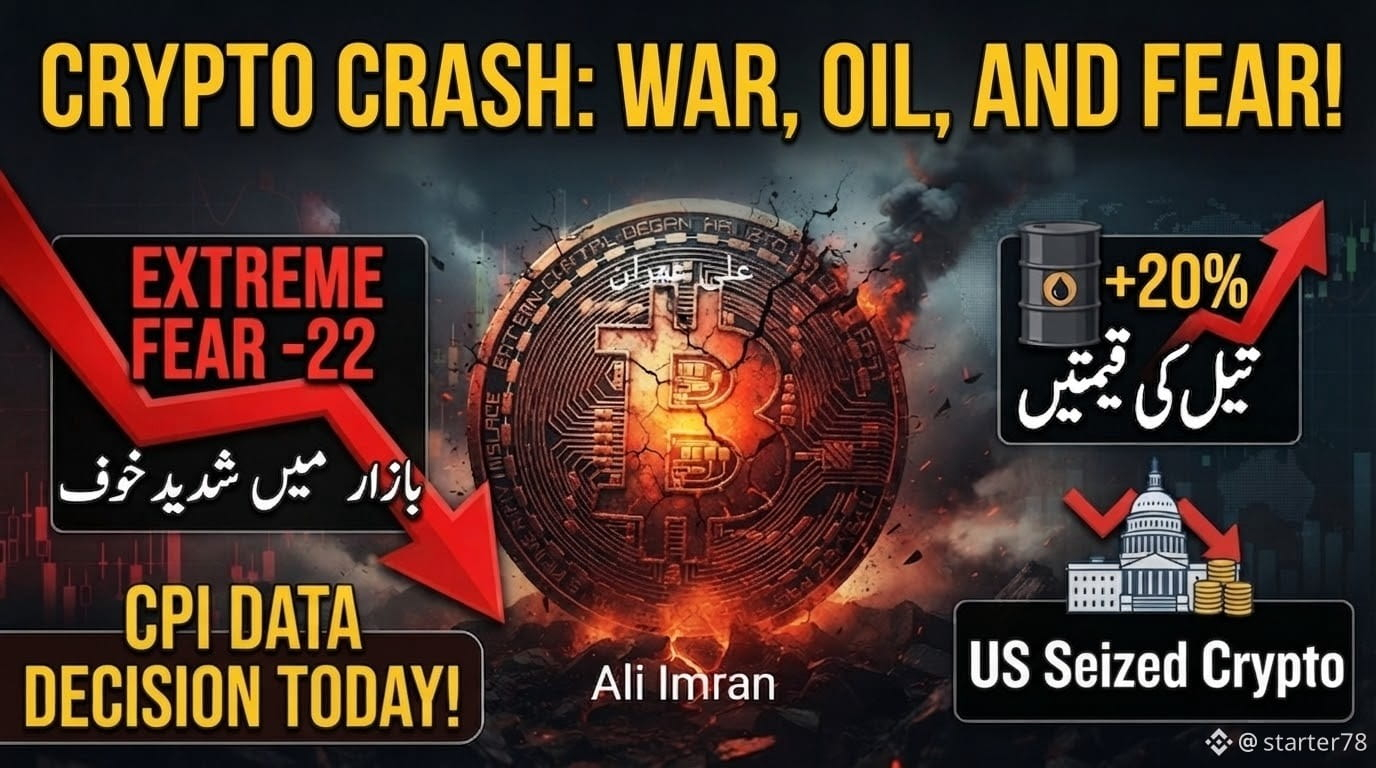
*1. 地政学が物価を押し下げる: ビットコインは火曜日に約62,600ドルで取引され、24時間で0.3%下落。米国とイランの対立が再燃したことで、ETFのフローが需要を示しているにもかかわらずビットコインが下落した。
*2. 極度の恐怖(Extreme Fear)ムード、幅広い市場下落: 総時価総額は2.26Tドルから2.23Tドルへ減少し、取引高は77.9Bドルから68.5Bドルへ低下。Fear & Greed Index(恐怖と強欲指数)は28(恐怖)から22(極度の恐怖)へ下落。
*3. 今日のCPIレポートが大きなカタリスト: 市場は利上げ確率を40%と織り込んでおり、10年米国債利回りは4.6%を上回っている。ヘッドラインのインフレ率は前年比3.8%に減速すると見込まれているが、強い結果に加え石油価格の上昇が重なると、7月28日〜29日のFOMC会合に先立ち、追加のタカ派シグナルが積み上がる可能性がある。
*4. 英国のトークン化推進: ブラックロック、ゴールドマン・サックス、JPMorgan、モルガン・スタンレーが、英国政府のトークン化タスクフォースに参加。ロンドン・シティを後ろ盾とする54社のグループで、今後1年間、英国市場でのライブなトークン化ユースケースに取り組む。
*5. 米政府が押収した暗号資産の動き:
米政府は押収したビットコインとイーサ(合計2億8,800万ドル)をCoinbase Primeへ移管。一方でJito DAOは、プロトコルの収益をJTO保有者へ振り向けることを承認し、JTXの収入は2027年まで自動的な買い戻しとバーン(焼却)にすべて充当する。
ビットコインはおよそ62,000〜63,000ドルを維持し、アルトコインはまちまち(CoinMarketCap風のトラッカーによると、ポルカドットやXRPが当日の上昇組)。全体のムードはインフレデータ待ちで慎重。これらのうち、どれか1つ深掘りしましょうか?
Ali Imran
#CryptoMarketMoves #market
*1. 地政学が物価を押し下げる: ビットコインは火曜日に約62,600ドルで取引され、24時間で0.3%下落。米国とイランの対立が再燃したことで、ETFのフローが需要を示しているにもかかわらずビットコインが下落した。
*2. 極度の恐怖(Extreme Fear)ムード、幅広い市場下落: 総時価総額は2.26Tドルから2.23Tドルへ減少し、取引高は77.9Bドルから68.5Bドルへ低下。Fear & Greed Index(恐怖と強欲指数)は28(恐怖)から22(極度の恐怖)へ下落。
*3. 今日のCPIレポートが大きなカタリスト: 市場は利上げ確率を40%と織り込んでおり、10年米国債利回りは4.6%を上回っている。ヘッドラインのインフレ率は前年比3.8%に減速すると見込まれているが、強い結果に加え石油価格の上昇が重なると、7月28日〜29日のFOMC会合に先立ち、追加のタカ派シグナルが積み上がる可能性がある。
*4. 英国のトークン化推進: ブラックロック、ゴールドマン・サックス、JPMorgan、モルガン・スタンレーが、英国政府のトークン化タスクフォースに参加。ロンドン・シティを後ろ盾とする54社のグループで、今後1年間、英国市場でのライブなトークン化ユースケースに取り組む。
*5. 米政府が押収した暗号資産の動き:
米政府は押収したビットコインとイーサ(合計2億8,800万ドル)をCoinbase Primeへ移管。一方でJito DAOは、プロトコルの収益をJTO保有者へ振り向けることを承認し、JTXの収入は2027年まで自動的な買い戻しとバーン(焼却)にすべて充当する。
ビットコインはおよそ62,000〜63,000ドルを維持し、アルトコインはまちまち(CoinMarketCap風のトラッカーによると、ポルカドットやXRPが当日の上昇組)。全体のムードはインフレデータ待ちで慎重。これらのうち、どれか1つ深掘りしましょうか?
Ali Imran
#CryptoMarketMoves #market
*2. 極度の恐怖(Extreme Fear)ムード、幅広い市場下落: 総時価総額は2.26Tドルから2.23Tドルへ減少し、取引高は77.9Bドルから68.5Bドルへ低下。Fear & Greed Index(恐怖と強欲指数)は28(恐怖)から22(極度の恐怖)へ下落。
*3. 今日のCPIレポートが大きなカタリスト: 市場は利上げ確率を40%と織り込んでおり、10年米国債利回りは4.6%を上回っている。ヘッドラインのインフレ率は前年比3.8%に減速すると見込まれているが、強い結果に加え石油価格の上昇が重なると、7月28日〜29日のFOMC会合に先立ち、追加のタカ派シグナルが積み上がる可能性がある。
*4. 英国のトークン化推進: ブラックロック、ゴールドマン・サックス、JPMorgan、モルガン・スタンレーが、英国政府のトークン化タスクフォースに参加。ロンドン・シティを後ろ盾とする54社のグループで、今後1年間、英国市場でのライブなトークン化ユースケースに取り組む。
*5. 米政府が押収した暗号資産の動き:
米政府は押収したビットコインとイーサ(合計2億8,800万ドル)をCoinbase Primeへ移管。一方でJito DAOは、プロトコルの収益をJTO保有者へ振り向けることを承認し、JTXの収入は2027年まで自動的な買い戻しとバーン(焼却)にすべて充当する。
ビットコインはおよそ62,000〜63,000ドルを維持し、アルトコインはまちまち(CoinMarketCap風のトラッカーによると、ポルカドットやXRPが当日の上昇組)。全体のムードはインフレデータ待ちで慎重。これらのうち、どれか1つ深掘りしましょうか?
Ali Imran
#CryptoMarketMoves #market
176
·
--
🪙 速報:Circle が自社で銀行を運営する許可をついに獲得。🏦仮想通貨を追っているなら、見出しを見たことがあるかもしれません。Circle が「信託銀行」として運営することを承認された、そして株価が急上昇した——と。では、これは結局のところ誰にとって何を意味するのでしょうか?
🪙 Circle とは誰?
円形は *USDC* の背後にいる会社で、世界で最も人気のある「ステーブルコイン」の1つです。ステーブルコインとは、価値を常に $1 前後に保つよう設計されたデジタル通貨です。これを実現するために、Circle は発行するすべての USDC トークンを裏付ける目的で、実際の米ドルと米国政府債を準備(リザーブ)として保有しています。たとえばこう考えてください。デジタル通貨 $1 ごとに、安全で現実世界にある資産 $1 を彼らは保有しているのです。
🪙 速報:Circle が自社で銀行を運営する許可をついに獲得。🏦
仮想通貨を追っているなら、見出しを見たことがあるかもしれません。Circle が「信託銀行」として運営することを承認された、そして株価が急上昇した——と。では、これは結局のところ誰にとって何を意味するのでしょうか?
🪙 Circle とは誰?
円形は *USDC* の背後にいる会社で、世界で最も人気のある「ステーブルコイン」の1つです。ステーブルコインとは、価値を常に $1 前後に保つよう設計されたデジタル通貨です。これを実現するために、Circle は発行するすべての USDC トークンを裏付ける目的で、実際の米ドルと米国政府債を準備(リザーブ)として保有しています。たとえばこう考えてください。デジタル通貨 $1 ごとに、安全で現実世界にある資産 $1 を彼らは保有しているのです。
🪙 Circle とは誰?
円形は *USDC* の背後にいる会社で、世界で最も人気のある「ステーブルコイン」の1つです。ステーブルコインとは、価値を常に $1 前後に保つよう設計されたデジタル通貨です。これを実現するために、Circle は発行するすべての USDC トークンを裏付ける目的で、実際の米ドルと米国政府債を準備(リザーブ)として保有しています。たとえばこう考えてください。デジタル通貨 $1 ごとに、安全で現実世界にある資産 $1 を彼らは保有しているのです。
143
·
--
記事
ロシアもまた、暗号資産とビットコインの世界へ一歩踏み出した。暗号資産ニュースを追っているなら、現在ロシアでは大きな動きが進行中です。ロシア最大の民間銀行であるアルファバンクが、顧客にビットコインおよび暗号資産サービスを提供する準備を進めています。
🪙 アルファバンクの計画は?
同行の最高執行責任者(COO)であるドミトリー・ヴィトマンは、関連する法令が施行され次第、銀行は「デジタル通貨に関連するあらゆる可能なサービス」を提供するつもりだと述べました。これには以下が含まれます:
* 暗号資産取引:ビットコインのようなコインの売買。
* カストディサービス:顧客の暗号資産を安全に保管し、基本的には「デジタルウォレット」として機能します。
ロシアもまた、暗号資産とビットコインの世界へ一歩踏み出した。
暗号資産ニュースを追っているなら、現在ロシアでは大きな動きが進行中です。ロシア最大の民間銀行であるアルファバンクが、顧客にビットコインおよび暗号資産サービスを提供する準備を進めています。
🪙 アルファバンクの計画は?
同行の最高執行責任者(COO)であるドミトリー・ヴィトマンは、関連する法令が施行され次第、銀行は「デジタル通貨に関連するあらゆる可能なサービス」を提供するつもりだと述べました。これには以下が含まれます:
* 暗号資産取引:ビットコインのようなコインの売買。
* カストディサービス:顧客の暗号資産を安全に保管し、基本的には「デジタルウォレット」として機能します。
🪙 アルファバンクの計画は?
同行の最高執行責任者(COO)であるドミトリー・ヴィトマンは、関連する法令が施行され次第、銀行は「デジタル通貨に関連するあらゆる可能なサービス」を提供するつもりだと述べました。これには以下が含まれます:
* 暗号資産取引:ビットコインのようなコインの売買。
* カストディサービス:顧客の暗号資産を安全に保管し、基本的には「デジタルウォレット」として機能します。
1
169
·
--
FBI長官のビットコイン株スキャンダル:「秘密の投資」がD.C.で波紋を呼ぶ 🚨📈FBI長官のカッシュ・パテルが、ビットコインと強く結びついた企業であるマイクロストラテジーの株を大量に購入していたことが明らかになった。しかも、そのことを誰にも伝えないまま6か月間放置していたという。これを受け、ワシントンでは抗議の声が上がっている。
*状況:
2025年11月21日、パテルはマイクロストラテジー株を10万1ドル以上25万ドル未満の範囲で購入した。問題は?連邦規制当局への売買報告を行ったのが、2026年5月26日まで遅れたことだ。非営利のニュース配信サイトNOTUSによると、この開示は6か月以上も遅れていたという。
FBI長官のビットコイン株スキャンダル:「秘密の投資」がD.C.で波紋を呼ぶ 🚨📈
FBI長官のカッシュ・パテルが、ビットコインと強く結びついた企業であるマイクロストラテジーの株を大量に購入していたことが明らかになった。しかも、そのことを誰にも伝えないまま6か月間放置していたという。これを受け、ワシントンでは抗議の声が上がっている。
*状況:
2025年11月21日、パテルはマイクロストラテジー株を10万1ドル以上25万ドル未満の範囲で購入した。問題は?連邦規制当局への売買報告を行ったのが、2026年5月26日まで遅れたことだ。非営利のニュース配信サイトNOTUSによると、この開示は6か月以上も遅れていたという。
*状況:
2025年11月21日、パテルはマイクロストラテジー株を10万1ドル以上25万ドル未満の範囲で購入した。問題は?連邦規制当局への売買報告を行ったのが、2026年5月26日まで遅れたことだ。非営利のニュース配信サイトNOTUSによると、この開示は6か月以上も遅れていたという。
126
·
--
暗号資産規制:英国の新たな一手—ロンドンの未来は安全か?今週、暗号資産(クリプト)のニュースを追っていたなら、英国の金融行為監督機構(FCA)が発行した新たな暗号資産ルールブックに関する見出しを見たことがあるかもしれません。たとえ規制の専門用語に聞こえるとしても、これはトレーダー、暗号資産企業、そして英国がデジタル資産の主要プレイヤーになることを期待している人にとって大きな進展です。
わかりやすく説明します。
2026年6月30日、FCAはこれまでで最も詳細な暗号資産規制を公開しました。これは単なる軽微な修正ではありません。初めて、取引プラットフォーム、カストディ(保管)業者、ステーブルコイン発行者、ステーキング提供者など、多くの暗号資産関連の活動が、完全な規制の監督下に置かれます。これまでFCAの暗号資産への関与は比較的弱く、主にマネーロンダリング(AML)対策と、暗号資産広告の承認に限られていました。
暗号資産規制:英国の新たな一手—ロンドンの未来は安全か?
今週、暗号資産(クリプト)のニュースを追っていたなら、英国の金融行為監督機構(FCA)が発行した新たな暗号資産ルールブックに関する見出しを見たことがあるかもしれません。たとえ規制の専門用語に聞こえるとしても、これはトレーダー、暗号資産企業、そして英国がデジタル資産の主要プレイヤーになることを期待している人にとって大きな進展です。
わかりやすく説明します。
2026年6月30日、FCAはこれまでで最も詳細な暗号資産規制を公開しました。これは単なる軽微な修正ではありません。初めて、取引プラットフォーム、カストディ(保管)業者、ステーブルコイン発行者、ステーキング提供者など、多くの暗号資産関連の活動が、完全な規制の監督下に置かれます。これまでFCAの暗号資産への関与は比較的弱く、主にマネーロンダリング(AML)対策と、暗号資産広告の承認に限られていました。
わかりやすく説明します。
2026年6月30日、FCAはこれまでで最も詳細な暗号資産規制を公開しました。これは単なる軽微な修正ではありません。初めて、取引プラットフォーム、カストディ(保管)業者、ステーブルコイン発行者、ステーキング提供者など、多くの暗号資産関連の活動が、完全な規制の監督下に置かれます。これまでFCAの暗号資産への関与は比較的弱く、主にマネーロンダリング(AML)対策と、暗号資産広告の承認に限られていました。
99
·
--
記事
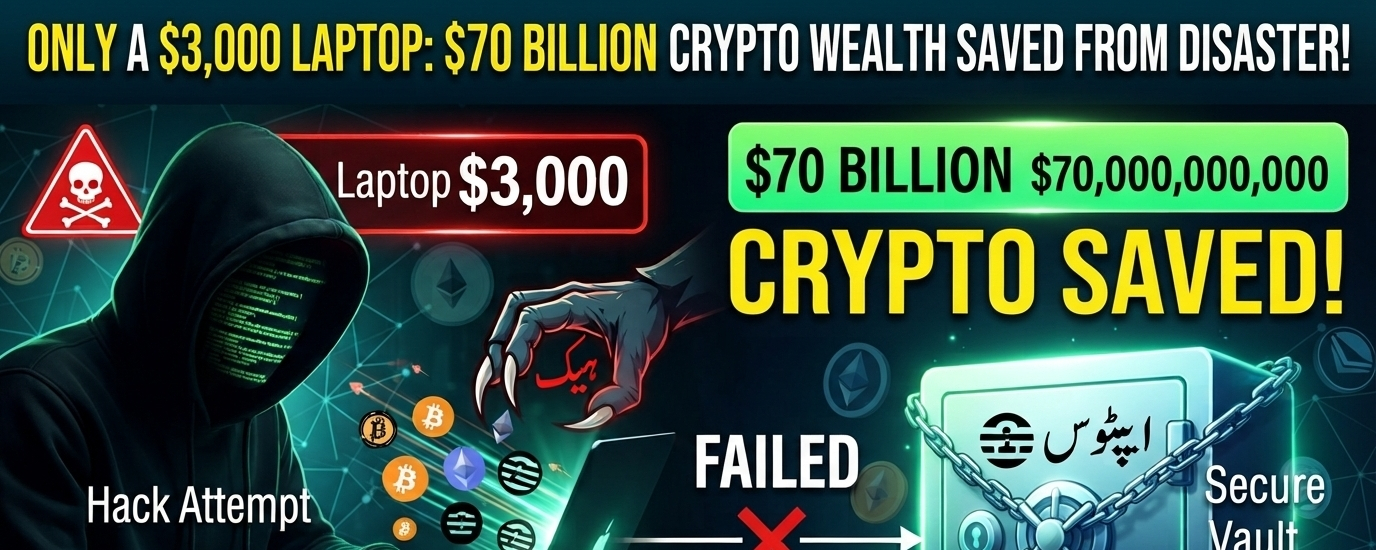
3,000ドルのノートPC環境が、仮想通貨の7,000億ドルをほぼ危険にさらした。誰かが、中古車よりも安い機材を使って、7,000億ドル相当の資産を脅かすことができるとしたら—それはまさに、仮想通貨の世界で起きたことです。しかし幸いなことに、「善人たち」(倫理的ハッカー)が、犯罪者が被害を起こす前に脆弱性を発見しました。
* Aptosは、所有権を追跡するデジタル台帳(ブロックチェーン)で、ビットコインやイーサリアムのような存在ですが、自前の技術である「Move」に基づいています。Moveはもともと、Facebookが自身の通貨を立ち上げようとしていた頃(「Diem」を立ち上げようとしていた時期)に、Facebook内のプロジェクトとして始まりました。
3,000ドルのノートPC環境が、仮想通貨の7,000億ドルをほぼ危険にさらした。
誰かが、中古車よりも安い機材を使って、7,000億ドル相当の資産を脅かすことができるとしたら—それはまさに、仮想通貨の世界で起きたことです。しかし幸いなことに、「善人たち」(倫理的ハッカー)が、犯罪者が被害を起こす前に脆弱性を発見しました。
* Aptosは、所有権を追跡するデジタル台帳(ブロックチェーン)で、ビットコインやイーサリアムのような存在ですが、自前の技術である「Move」に基づいています。Moveはもともと、Facebookが自身の通貨を立ち上げようとしていた頃(「Diem」を立ち上げようとしていた時期)に、Facebook内のプロジェクトとして始まりました。
* Aptosは、所有権を追跡するデジタル台帳(ブロックチェーン)で、ビットコインやイーサリアムのような存在ですが、自前の技術である「Move」に基づいています。Moveはもともと、Facebookが自身の通貨を立ち上げようとしていた頃(「Diem」を立ち上げようとしていた時期)に、Facebook内のプロジェクトとして始まりました。
168
·
--
記事
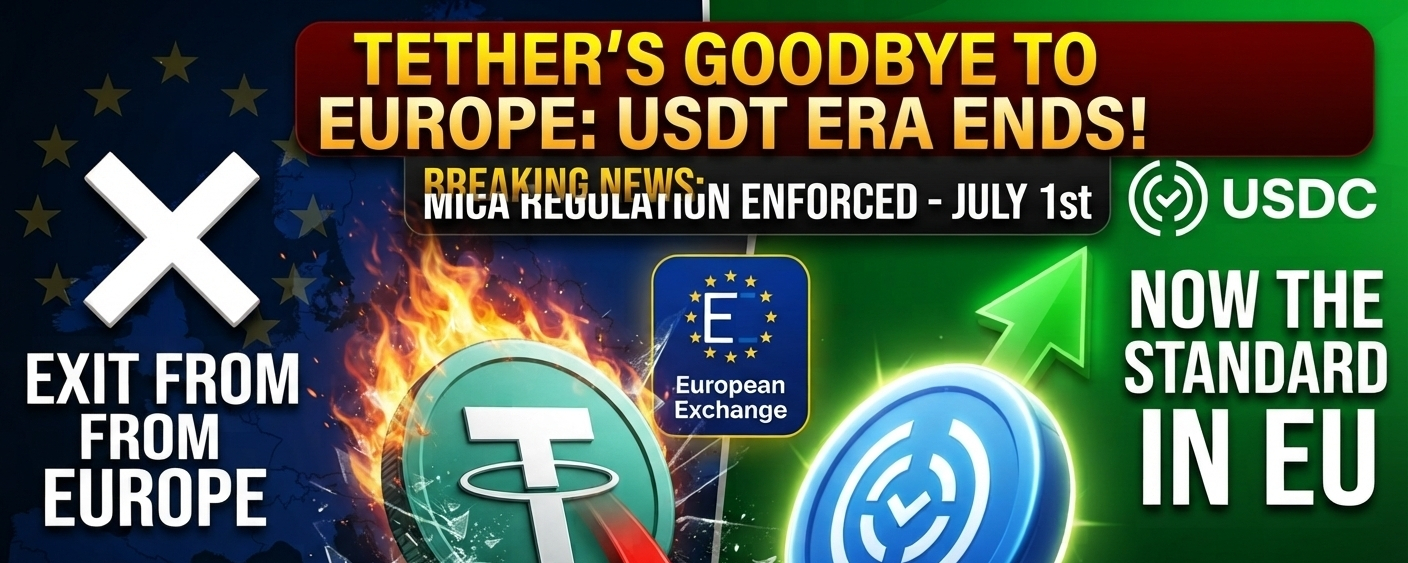
Tetherがついに欧州で失脚2026年7月1日から、世界最大のステーブルコインであるUSDTは、規制のある欧州の暗号資産取引所で取引できなくなります。これは噂ではありません。1年以上かけて積み上がってきたルールの結果で、期限がちょうど到来したのです。
欧州では、MiCA(暗号資産規制)と呼ばれる法律を導入しました。これは、ライセンスを受けたEUの取引所で提供されるステーブルコインについて、発行体が「電子マネートークン」の認可と呼ばれる特別なライセンスを保有する必要があることを定めています。つまり、準備金の大部分をEUの銀行に約60%保持し、完全な透明性と監査を行うということです。
Tetherがついに欧州で失脚
2026年7月1日から、世界最大のステーブルコインであるUSDTは、規制のある欧州の暗号資産取引所で取引できなくなります。これは噂ではありません。1年以上かけて積み上がってきたルールの結果で、期限がちょうど到来したのです。
欧州では、MiCA(暗号資産規制)と呼ばれる法律を導入しました。これは、ライセンスを受けたEUの取引所で提供されるステーブルコインについて、発行体が「電子マネートークン」の認可と呼ばれる特別なライセンスを保有する必要があることを定めています。つまり、準備金の大部分をEUの銀行に約60%保持し、完全な透明性と監査を行うということです。
欧州では、MiCA(暗号資産規制)と呼ばれる法律を導入しました。これは、ライセンスを受けたEUの取引所で提供されるステーブルコインについて、発行体が「電子マネートークン」の認可と呼ばれる特別なライセンスを保有する必要があることを定めています。つまり、準備金の大部分をEUの銀行に約60%保持し、完全な透明性と監査を行うということです。
119
·
--
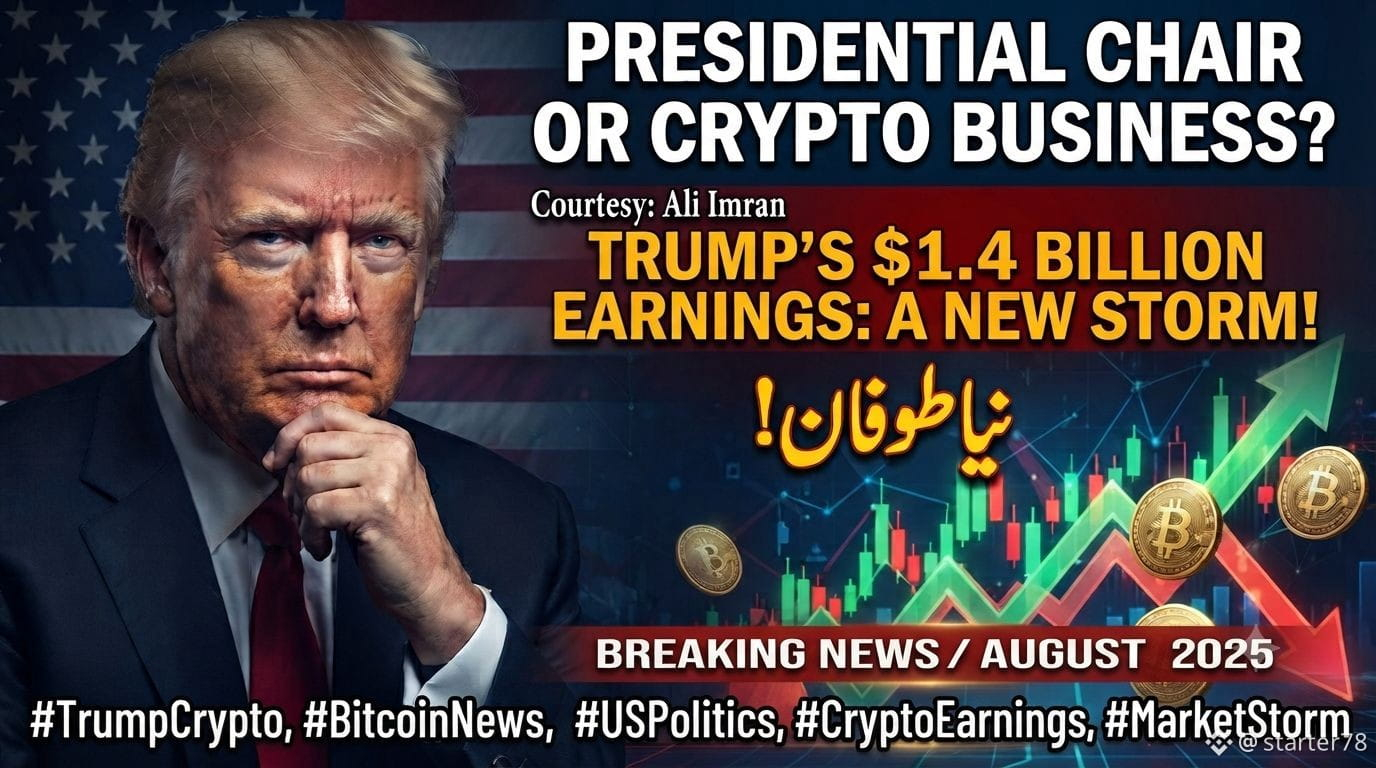
トランプは2025年に暗号資産で14億ドルを稼いだ。
ドナルド・トランプの最新の資産公開書類が公表され、その注目を集めている数字が「14億ドル」だ。伝えられるところによれば、2025年だけで暗号資産関連の事業から得た金額がそれだけで、昨年の収入の最大の単一源泉となった。これは不動産や法的和解に先立つ。
出どころはどこ?
• トランプが共同設立した暗号資産企業「World Liberty Financial」は、550百万ドル超を売り上げた
• 彼の$TRUMPミームコインは、6億3500万ドルの契約を通じてライセンスされ、さらに大きな上乗せに
• World Libertyの持分を売却して、さらに約2億6000万ドル
• ABC、CBS、Meta、YouTubeとの法的和解でも、合計で8000万ドル超。
トランプは就任前に資産を手放したり、ブラインド・トラスト(盲目的信託)に預けたりしていない。これは過去の大統領とは異なる。
そのため、次のような新たな疑問が浮上している。つまり、トランプ個人の資産がいま暗号資産の価格と直接結び付いており、その同じ市場を、自身の政権が積極的に規制しているのだ。
支持者は、これは単にトランプが公の場で既存の事業を運営しているだけだと指摘する。批判者は、これまでにない「大統領の権限」と「個人の利益」の融合だという。
どちらにせよ、はっきりしていることがある。暗号資産はもはやトランプにとって単なる政策ではない。個人的なものになっている。
✓ Ali Imran
#TrumpCrypto #CryptoNews #FinancialDisclosures #WorldLibertyFinancial #CryptoPolitics
トランプは2025年に暗号資産で14億ドルを稼いだ。
ドナルド・トランプの最新の資産公開書類が公表され、その注目を集めている数字が「14億ドル」だ。伝えられるところによれば、2025年だけで暗号資産関連の事業から得た金額がそれだけで、昨年の収入の最大の単一源泉となった。これは不動産や法的和解に先立つ。
出どころはどこ?
• トランプが共同設立した暗号資産企業「World Liberty Financial」は、550百万ドル超を売り上げた
• 彼の$TRUMPミームコインは、6億3500万ドルの契約を通じてライセンスされ、さらに大きな上乗せに
• World Libertyの持分を売却して、さらに約2億6000万ドル
• ABC、CBS、Meta、YouTubeとの法的和解でも、合計で8000万ドル超。
トランプは就任前に資産を手放したり、ブラインド・トラスト(盲目的信託)に預けたりしていない。これは過去の大統領とは異なる。
そのため、次のような新たな疑問が浮上している。つまり、トランプ個人の資産がいま暗号資産の価格と直接結び付いており、その同じ市場を、自身の政権が積極的に規制しているのだ。
支持者は、これは単にトランプが公の場で既存の事業を運営しているだけだと指摘する。批判者は、これまでにない「大統領の権限」と「個人の利益」の融合だという。
どちらにせよ、はっきりしていることがある。暗号資産はもはやトランプにとって単なる政策ではない。個人的なものになっている。
✓ Ali Imran
#TrumpCrypto #CryptoNews #FinancialDisclosures #WorldLibertyFinancial #CryptoPolitics
ドナルド・トランプの最新の資産公開書類が公表され、その注目を集めている数字が「14億ドル」だ。伝えられるところによれば、2025年だけで暗号資産関連の事業から得た金額がそれだけで、昨年の収入の最大の単一源泉となった。これは不動産や法的和解に先立つ。
出どころはどこ?
• トランプが共同設立した暗号資産企業「World Liberty Financial」は、550百万ドル超を売り上げた
• 彼の$TRUMPミームコインは、6億3500万ドルの契約を通じてライセンスされ、さらに大きな上乗せに
• World Libertyの持分を売却して、さらに約2億6000万ドル
• ABC、CBS、Meta、YouTubeとの法的和解でも、合計で8000万ドル超。
トランプは就任前に資産を手放したり、ブラインド・トラスト(盲目的信託)に預けたりしていない。これは過去の大統領とは異なる。
そのため、次のような新たな疑問が浮上している。つまり、トランプ個人の資産がいま暗号資産の価格と直接結び付いており、その同じ市場を、自身の政権が積極的に規制しているのだ。
支持者は、これは単にトランプが公の場で既存の事業を運営しているだけだと指摘する。批判者は、これまでにない「大統領の権限」と「個人の利益」の融合だという。
どちらにせよ、はっきりしていることがある。暗号資産はもはやトランプにとって単なる政策ではない。個人的なものになっている。
✓ Ali Imran
#TrumpCrypto #CryptoNews #FinancialDisclosures #WorldLibertyFinancial #CryptoPolitics
130
·
--
「CZの復活がいきなり2億ドルの“つまずき”に直面」「英投資家1,700人がバイナンスとCZを提訴」—何が起きたのか
約1,700人の英国の投資家が、バイナンスとその創業者チャンポン・ジャオ(CZ)をロンドンの高等法院に提訴しました。主張はこうです。バイナンスは、英国の規制当局から許可を一度も得ないまま、レバレッジド・トークン、先物、オプションなどのリスクの高い暗号資産デリバティブを投資家に売りつけた、というものです。
彼らはバイナンスの何を非難しているのでしょうか?
原告らは、バイナンスが、一般の投資家向けに複雑な暗号資産デリバティブを、2019年末から(英国の金融行為監督当局〈FCA〉が、2021年1月に日常の取引を行うトレーダー向けとしてこれらの商品の販売を正式に禁止する2年前から)販売していたと主張しています。そして肝心なのはここです。訴状では、バイナンスは禁⽌後もなお、その提供を続けていたとされています。
「CZの復活がいきなり2億ドルの“つまずき”に直面」
「英投資家1,700人がバイナンスとCZを提訴」—何が起きたのか
約1,700人の英国の投資家が、バイナンスとその創業者チャンポン・ジャオ(CZ)をロンドンの高等法院に提訴しました。主張はこうです。バイナンスは、英国の規制当局から許可を一度も得ないまま、レバレッジド・トークン、先物、オプションなどのリスクの高い暗号資産デリバティブを投資家に売りつけた、というものです。
彼らはバイナンスの何を非難しているのでしょうか?
原告らは、バイナンスが、一般の投資家向けに複雑な暗号資産デリバティブを、2019年末から(英国の金融行為監督当局〈FCA〉が、2021年1月に日常の取引を行うトレーダー向けとしてこれらの商品の販売を正式に禁止する2年前から)販売していたと主張しています。そして肝心なのはここです。訴状では、バイナンスは禁⽌後もなお、その提供を続けていたとされています。
約1,700人の英国の投資家が、バイナンスとその創業者チャンポン・ジャオ(CZ)をロンドンの高等法院に提訴しました。主張はこうです。バイナンスは、英国の規制当局から許可を一度も得ないまま、レバレッジド・トークン、先物、オプションなどのリスクの高い暗号資産デリバティブを投資家に売りつけた、というものです。
彼らはバイナンスの何を非難しているのでしょうか?
原告らは、バイナンスが、一般の投資家向けに複雑な暗号資産デリバティブを、2019年末から(英国の金融行為監督当局〈FCA〉が、2021年1月に日常の取引を行うトレーダー向けとしてこれらの商品の販売を正式に禁止する2年前から)販売していたと主張しています。そして肝心なのはここです。訴状では、バイナンスは禁⽌後もなお、その提供を続けていたとされています。
15
ログインして、さらにコンテンツを読む
厳選トピックで世界の暗号資産トレーダーの仲間入り
⚡️ 暗号資産に関する最新かつ有益な情報が見つかります。
💬 世界最大の暗号資産取引所から信頼されています。
👍 認証を受けたクリエイターから、有益なインサイトを得られます。
メール / 電話番号