

Nathan Cole
8k 投稿
Nathan Cole
報告
ユーザーをブロック
Crypto Enthusiast, Investor, KOL & Gem Holder Long term Holder of Memecoin
14 フォロー
15.4K+ フォロワー
4.7K+ いいね
投稿
すべて
引用
ライブ
PINNED
·
--
記事
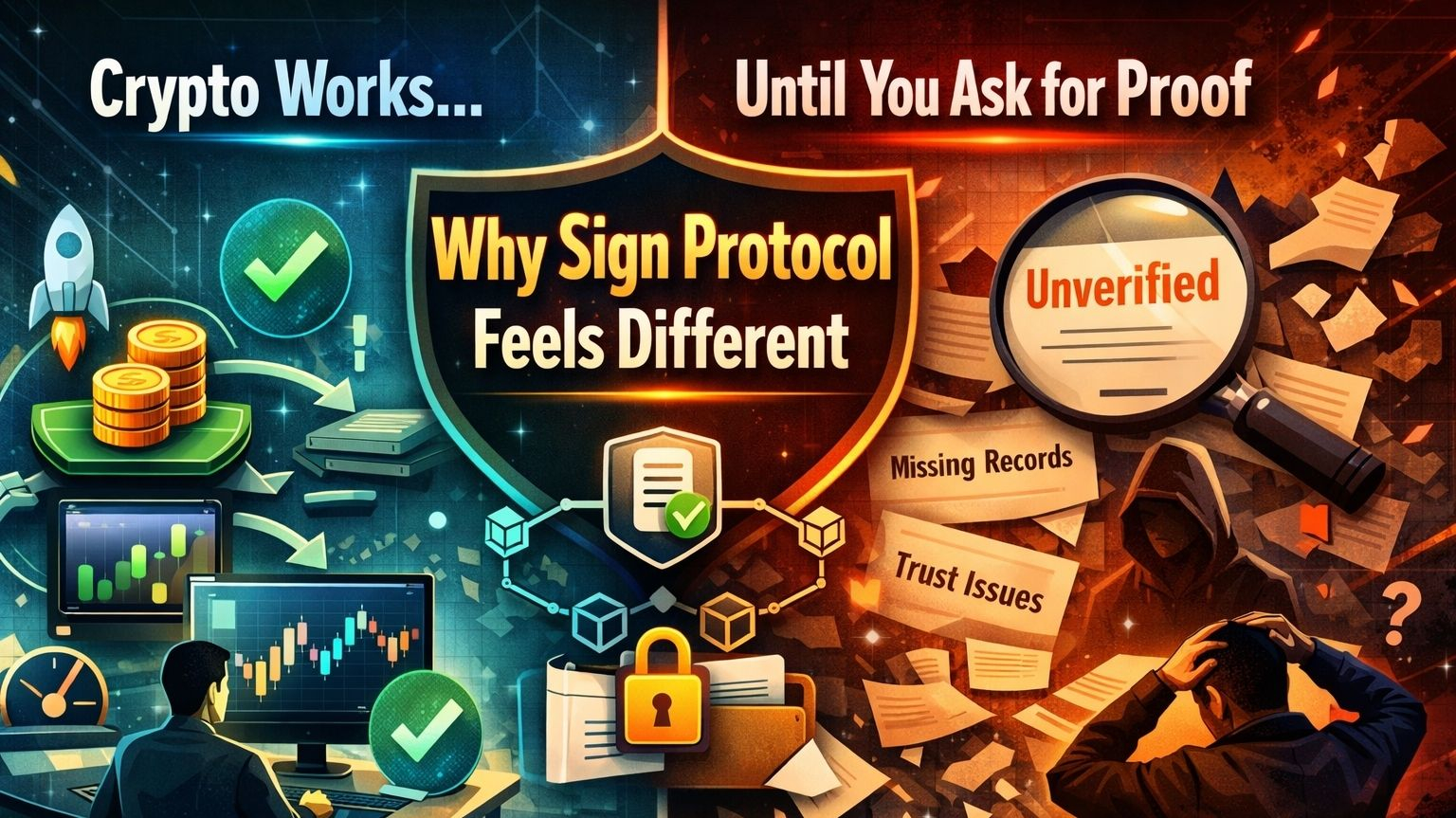
暗号は機能します…証明を求めるまで: なぜSign Protocolが異なると感じるのかSign Protocolには、すぐにあなたを惹きつけようとはしない何かがあります。考えずに繰り返せるシンプルなピッチやクリーンなワンライナーに包まれてはいません。むしろ、最初の印象はその逆です—それは密度があり、場合によっては少し圧倒されるかもしれません。そして通常、それが離れるための十分な理由になります。暗号は、不要な複雑さの背後に弱いアイデアを隠すプロジェクトで満ちています。
しかし、これはそんな感じではありません。
それに座っている時間が長くなるほど、その複雑さが実際に何か現実に結びついているように感じ始めます。人工的でもなく、装飾的でもなく—解決が容易ではない問題の反映です。そしてその問題は信頼です。表面的な種類ではなく、実際に重要なときに何かが後で証明できるかどうかという深い問いです。
暗号は機能します…証明を求めるまで: なぜSign Protocolが異なると感じるのか
Sign Protocolには、すぐにあなたを惹きつけようとはしない何かがあります。考えずに繰り返せるシンプルなピッチやクリーンなワンライナーに包まれてはいません。むしろ、最初の印象はその逆です—それは密度があり、場合によっては少し圧倒されるかもしれません。そして通常、それが離れるための十分な理由になります。暗号は、不要な複雑さの背後に弱いアイデアを隠すプロジェクトで満ちています。
しかし、これはそんな感じではありません。
それに座っている時間が長くなるほど、その複雑さが実際に何か現実に結びついているように感じ始めます。人工的でもなく、装飾的でもなく—解決が容易ではない問題の反映です。そしてその問題は信頼です。表面的な種類ではなく、実際に重要なときに何かが後で証明できるかどうかという深い問いです。
しかし、これはそんな感じではありません。
それに座っている時間が長くなるほど、その複雑さが実際に何か現実に結びついているように感じ始めます。人工的でもなく、装飾的でもなく—解決が容易ではない問題の反映です。そしてその問題は信頼です。表面的な種類ではなく、実際に重要なときに何かが後で証明できるかどうかという深い問いです。
96
8
158
80.2k
·
--
ブリッシュ
本人確認中
CPIが出るたびに同じことが起きるのを感じます。ある数字が画面に表示された途端、誰もが次にFRBが何をするかを正確に把握したかのようになります。
私は以前も見たことがあるので、見出しに引きずられて罠にかからないようにしようとしています。
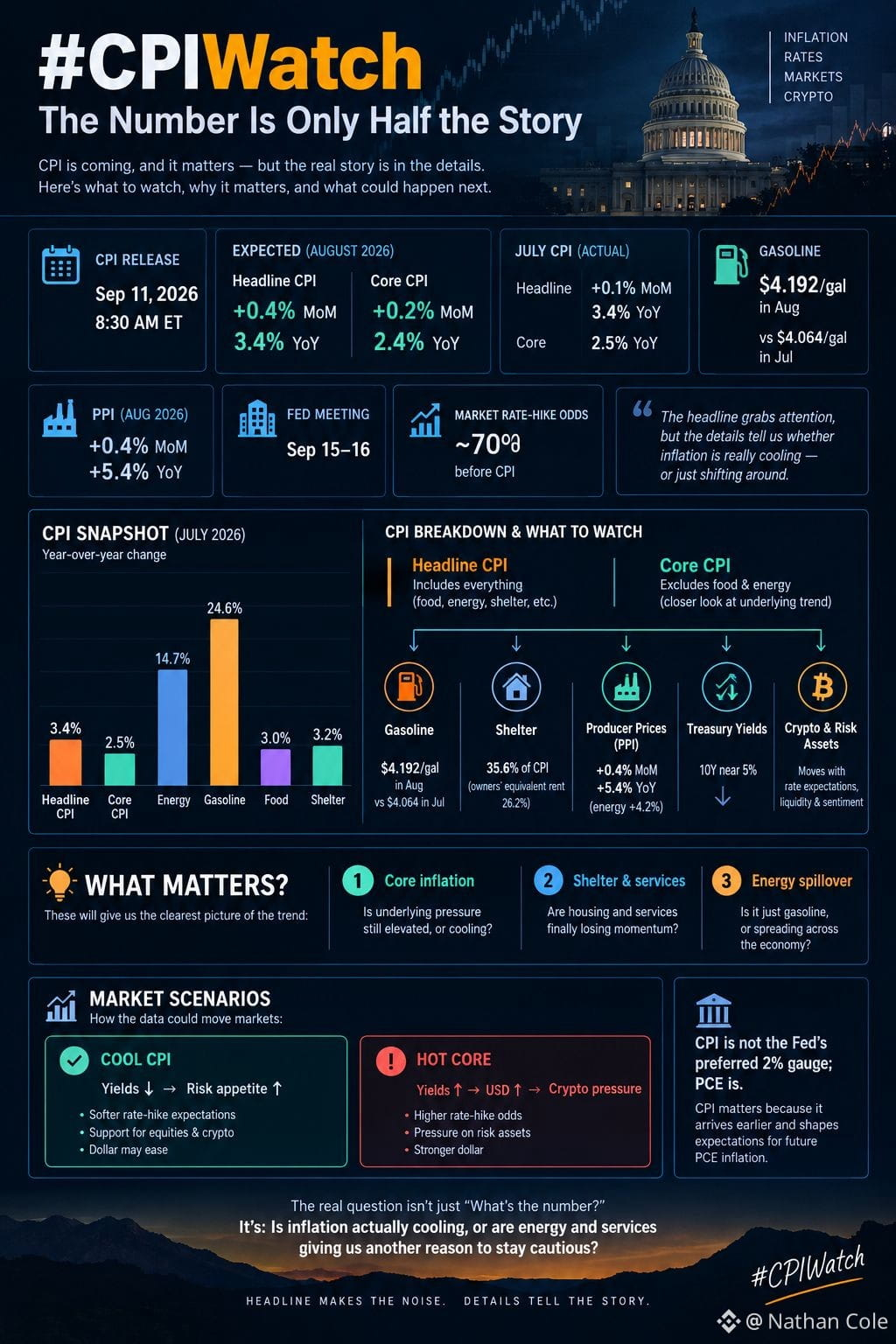
8月の米国CPI報告は、FRBの9月会合の直前にあたるため、いつもよりさらに注目度が高いです。直近の確定値では、7月のヘッドラインインフレは前年比3.4%、コアCPIは2.5%でした。エネルギーはすでに問題化しており、ガソリン価格が急上昇していました。
しかし今、エネルギーはさらに高まっています。クリーブランド連銀の最新のナウキャストでは、8月の月次ヘッドラインCPI成長が約0.36%、コア成長が0.20%程度だと示唆されていました。
この差が重要です。
もしヘッドラインインフレが主にガソリンの高騰によって上がっているだけなら、サービス、住宅、その他の価格が幅広く加速している場合とは同じようには読みません。
だからこそ、誰もがまず最初に投稿する「最初の数字」よりも、私はコアCPIとシェルター(住居)をより注意深く見ています。
シェルターはCPIバスケットの中でも最大級の構成要素の一つであり、生産者物価も上昇が続いています。8月のPPI(卸売物価)は月次で0.4%、年次で5.4%上昇し、エネルギー価格がさらに圧力を加えています。
一方で、FRBはいまだに2%目標を上回るインフレへの対応に追われています。7月の会合では政策金利を3.50%〜3.75%で据え置き、しかも3人の当局者は実際に25ベーシスポイントの利上げを望んだのです。
だから私は、次のCPIが出たからといって、それが自動的に「強気」か「弱気」になるとは決めつけません。
コアが弱ければ、市場の金利不安が和らぎ、リスク資産の追い風になる可能性があります。
コアが強ければ、利回りとドルがさらに上がり、クリプトに圧力がかかるかもしれません。
ただし、最初の動きが最後の動きとは限りません。私は、マーケットが見出しを売り材料にして下げたあと、トレーダーが詳細を読み込むと反転したのを何度も見てきました。
私にとって本当の疑問はシンプルです。
インフレは本当に冷え込んでいるのか、それともエネルギーとサービスが、さらに慎重さを求める別の理由を私たちに与えているのか?
見出しは騒ぎを作るでしょう。
詳細が物語を語ります。
#CPIWatch #Inflation #Bitcoin #Macro
$BTC
{spot}(BTCUSDT)
$SOL
{spot}(SOLUSDT)
$ETH
{spot}(ETHUSDT)
CPIが出るたびに同じことが起きるのを感じます。ある数字が画面に表示された途端、誰もが次にFRBが何をするかを正確に把握したかのようになります。
私は以前も見たことがあるので、見出しに引きずられて罠にかからないようにしようとしています。
8月の米国CPI報告は、FRBの9月会合の直前にあたるため、いつもよりさらに注目度が高いです。直近の確定値では、7月のヘッドラインインフレは前年比3.4%、コアCPIは2.5%でした。エネルギーはすでに問題化しており、ガソリン価格が急上昇していました。
しかし今、エネルギーはさらに高まっています。クリーブランド連銀の最新のナウキャストでは、8月の月次ヘッドラインCPI成長が約0.36%、コア成長が0.20%程度だと示唆されていました。
この差が重要です。
もしヘッドラインインフレが主にガソリンの高騰によって上がっているだけなら、サービス、住宅、その他の価格が幅広く加速している場合とは同じようには読みません。
だからこそ、誰もがまず最初に投稿する「最初の数字」よりも、私はコアCPIとシェルター(住居)をより注意深く見ています。
シェルターはCPIバスケットの中でも最大級の構成要素の一つであり、生産者物価も上昇が続いています。8月のPPI(卸売物価)は月次で0.4%、年次で5.4%上昇し、エネルギー価格がさらに圧力を加えています。
一方で、FRBはいまだに2%目標を上回るインフレへの対応に追われています。7月の会合では政策金利を3.50%〜3.75%で据え置き、しかも3人の当局者は実際に25ベーシスポイントの利上げを望んだのです。
だから私は、次のCPIが出たからといって、それが自動的に「強気」か「弱気」になるとは決めつけません。
コアが弱ければ、市場の金利不安が和らぎ、リスク資産の追い風になる可能性があります。
コアが強ければ、利回りとドルがさらに上がり、クリプトに圧力がかかるかもしれません。
ただし、最初の動きが最後の動きとは限りません。私は、マーケットが見出しを売り材料にして下げたあと、トレーダーが詳細を読み込むと反転したのを何度も見てきました。
私にとって本当の疑問はシンプルです。
インフレは本当に冷え込んでいるのか、それともエネルギーとサービスが、さらに慎重さを求める別の理由を私たちに与えているのか?
見出しは騒ぎを作るでしょう。
詳細が物語を語ります。
#CPIWatch #Inflation #Bitcoin #Macro
$BTC
$SOL
$ETH
私は以前も見たことがあるので、見出しに引きずられて罠にかからないようにしようとしています。
8月の米国CPI報告は、FRBの9月会合の直前にあたるため、いつもよりさらに注目度が高いです。直近の確定値では、7月のヘッドラインインフレは前年比3.4%、コアCPIは2.5%でした。エネルギーはすでに問題化しており、ガソリン価格が急上昇していました。
しかし今、エネルギーはさらに高まっています。クリーブランド連銀の最新のナウキャストでは、8月の月次ヘッドラインCPI成長が約0.36%、コア成長が0.20%程度だと示唆されていました。
この差が重要です。
もしヘッドラインインフレが主にガソリンの高騰によって上がっているだけなら、サービス、住宅、その他の価格が幅広く加速している場合とは同じようには読みません。
だからこそ、誰もがまず最初に投稿する「最初の数字」よりも、私はコアCPIとシェルター(住居)をより注意深く見ています。
シェルターはCPIバスケットの中でも最大級の構成要素の一つであり、生産者物価も上昇が続いています。8月のPPI(卸売物価)は月次で0.4%、年次で5.4%上昇し、エネルギー価格がさらに圧力を加えています。
一方で、FRBはいまだに2%目標を上回るインフレへの対応に追われています。7月の会合では政策金利を3.50%〜3.75%で据え置き、しかも3人の当局者は実際に25ベーシスポイントの利上げを望んだのです。
だから私は、次のCPIが出たからといって、それが自動的に「強気」か「弱気」になるとは決めつけません。
コアが弱ければ、市場の金利不安が和らぎ、リスク資産の追い風になる可能性があります。
コアが強ければ、利回りとドルがさらに上がり、クリプトに圧力がかかるかもしれません。
ただし、最初の動きが最後の動きとは限りません。私は、マーケットが見出しを売り材料にして下げたあと、トレーダーが詳細を読み込むと反転したのを何度も見てきました。
私にとって本当の疑問はシンプルです。
インフレは本当に冷え込んでいるのか、それともエネルギーとサービスが、さらに慎重さを求める別の理由を私たちに与えているのか?
見出しは騒ぎを作るでしょう。
詳細が物語を語ります。
#CPIWatch #Inflation #Bitcoin #Macro
$BTC
$SOL
$ETH
32
18
962
·
--
ブリッシュ
#dusk $DUSK @Dusk_Foundation
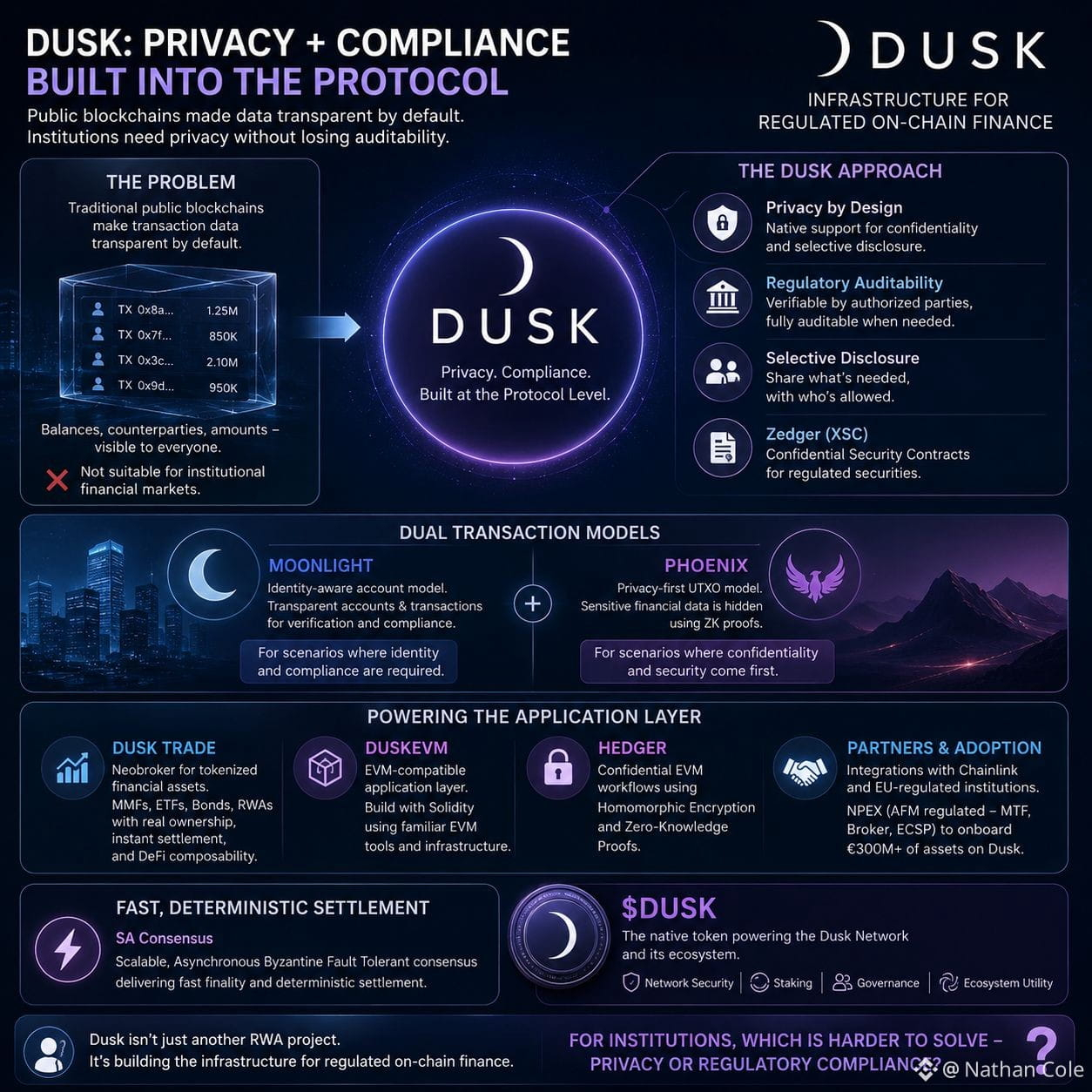
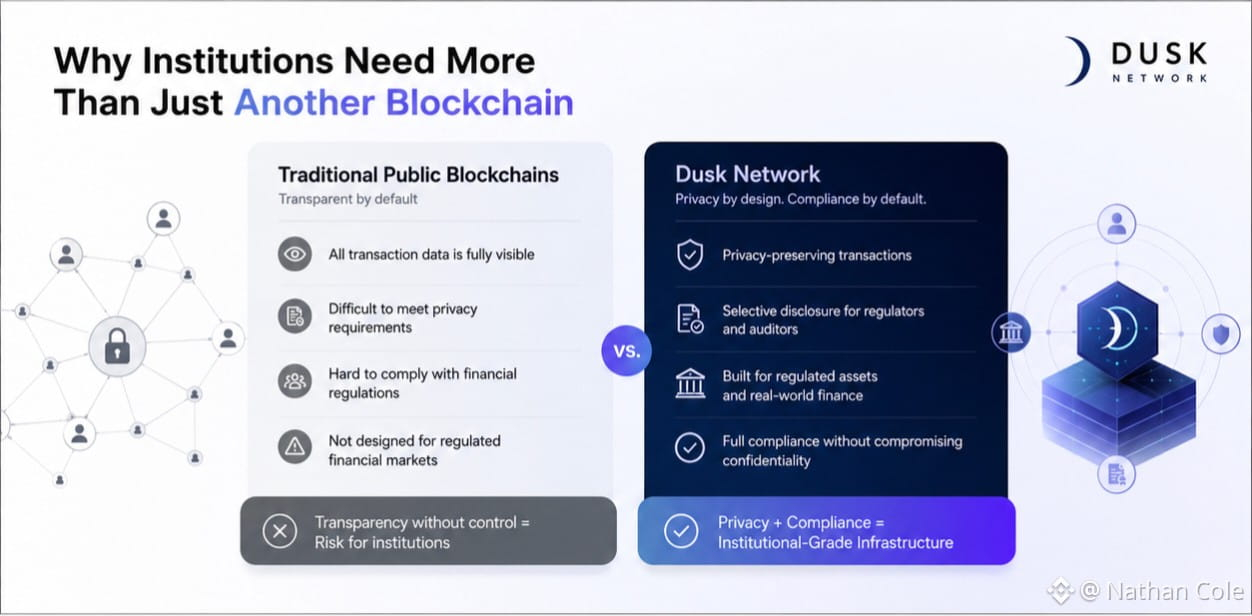
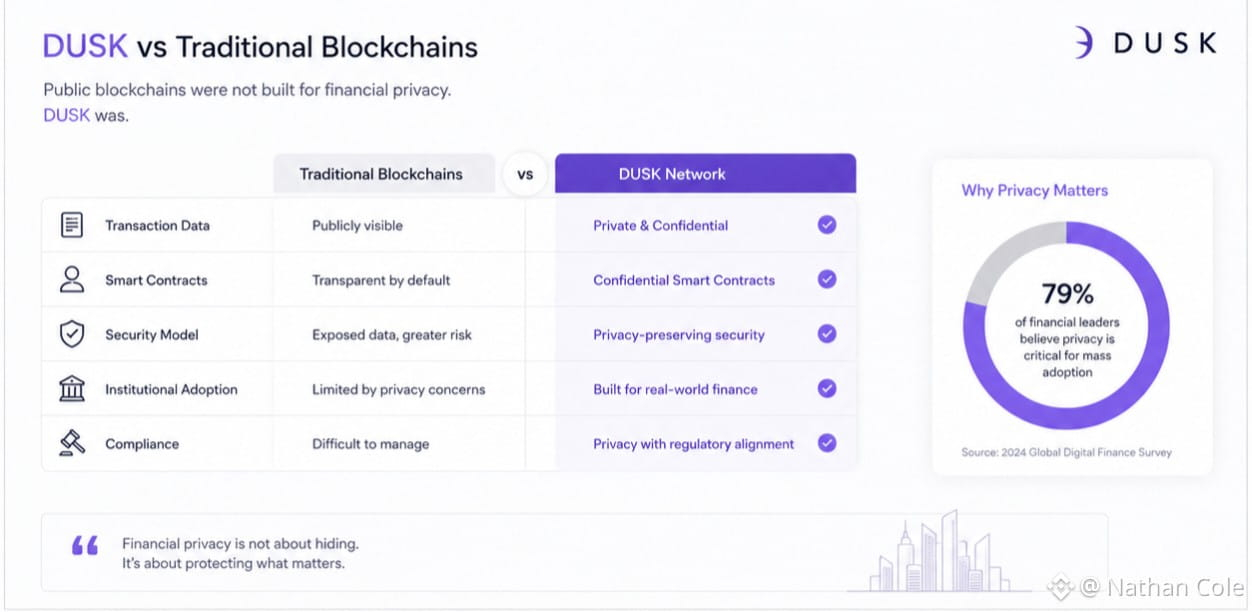
パブリック・ブロックチェーンは透明性を解決してきました。機関が必要としているのは、もっと難しいものです――監査可能性を失わないプライバシー。
そこで @Dusk が、別のルートを目指します。
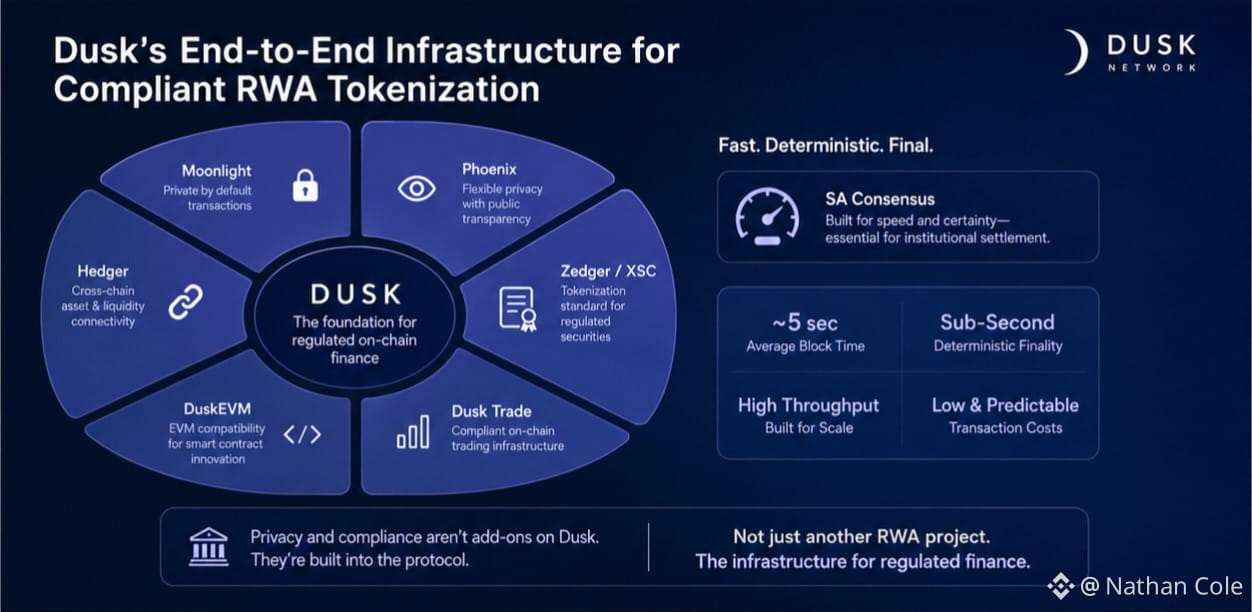
外側にコンプライアンスを“後付け”するのではなく、Dusk はプロトコル自体に組み込みます。Moonlight はアイデンティティを考慮した取引、Phoenix は機密(コンフィデンシャル)な送金、規制当局や認可された関係者に可視性が必要なときのセレクティブ・ディスクロージャー、そして Zedger/XSC は規制対象の証券です。
その後スタックは上へ広がります。DuskEVM はおなじみの Solidity ツールを提供し、Hedger は機密 EVM ワークフローを可能にし、Dusk Trade はトークン化された債券、MMF、ETF、RWA を対象に。さらに SA コンセンサスは高速で決定論的な決済を目指します。
私はこれまで多くの「RWA」ストーリーを見てきました。ここで面白いのは、Dusk が“別のトークン化アプリ”になるのではなく、規制されたオンチェーン金融の土台となるインフラを目指している点です。
本当の問いはこれです。機関にとって、プライバシーと規制コンプライアンス、どちらの方がより解決が難しいのでしょうか?
#Dusk $DUSK
{spot}(DUSKUSDT)
#dusk $DUSK @Dusk
パブリック・ブロックチェーンは透明性を解決してきました。機関が必要としているのは、もっと難しいものです――監査可能性を失わないプライバシー。
そこで @Dusk が、別のルートを目指します。
外側にコンプライアンスを“後付け”するのではなく、Dusk はプロトコル自体に組み込みます。Moonlight はアイデンティティを考慮した取引、Phoenix は機密(コンフィデンシャル)な送金、規制当局や認可された関係者に可視性が必要なときのセレクティブ・ディスクロージャー、そして Zedger/XSC は規制対象の証券です。
その後スタックは上へ広がります。DuskEVM はおなじみの Solidity ツールを提供し、Hedger は機密 EVM ワークフローを可能にし、Dusk Trade はトークン化された債券、MMF、ETF、RWA を対象に。さらに SA コンセンサスは高速で決定論的な決済を目指します。
私はこれまで多くの「RWA」ストーリーを見てきました。ここで面白いのは、Dusk が“別のトークン化アプリ”になるのではなく、規制されたオンチェーン金融の土台となるインフラを目指している点です。
本当の問いはこれです。機関にとって、プライバシーと規制コンプライアンス、どちらの方がより解決が難しいのでしょうか?
#Dusk $DUSK
パブリック・ブロックチェーンは透明性を解決してきました。機関が必要としているのは、もっと難しいものです――監査可能性を失わないプライバシー。
そこで @Dusk が、別のルートを目指します。
外側にコンプライアンスを“後付け”するのではなく、Dusk はプロトコル自体に組み込みます。Moonlight はアイデンティティを考慮した取引、Phoenix は機密(コンフィデンシャル)な送金、規制当局や認可された関係者に可視性が必要なときのセレクティブ・ディスクロージャー、そして Zedger/XSC は規制対象の証券です。
その後スタックは上へ広がります。DuskEVM はおなじみの Solidity ツールを提供し、Hedger は機密 EVM ワークフローを可能にし、Dusk Trade はトークン化された債券、MMF、ETF、RWA を対象に。さらに SA コンセンサスは高速で決定論的な決済を目指します。
私はこれまで多くの「RWA」ストーリーを見てきました。ここで面白いのは、Dusk が“別のトークン化アプリ”になるのではなく、規制されたオンチェーン金融の土台となるインフラを目指している点です。
本当の問いはこれです。機関にとって、プライバシーと規制コンプライアンス、どちらの方がより解決が難しいのでしょうか?
#Dusk $DUSK
128
·
--
ブリッシュ
#dusk $DUSK @Dusk_Foundation
ほとんどのブロックチェーンは透明性をデフォルトにしています。これは仮想通貨には機能しますが、その資産が規制対象の証券となると話は複雑になります。
機関には、反対のバランスが必要です。つまり、取引のプライバシーを確保しつつ、規制当局や監査人にとって十分な可視性も保つことです。
そこで @Dusk は $DUSK で別のアプローチを取っています。
後から公開チェーンにプライバシーとコンプライアンスを“後付け”するのではなく、Dusk はそれらをプロトコルそのものに組み込む設計を行っています。Moonlight と Phoenix は異なる取引/プライバシー要件をサポートし、選択的開示によって、許可された関係者だけが重要な情報を開示し、すべてを晒さずに済みます。
さらにスタックはより興味深くなります。Zedger と XSC は規制対象の証券を対象とし、Dusk Trade はコンプライアンスに対応したオンチェーン市場を中心に構築されています。DuskEVM は馴染みのあるスマートコントラクトの開発ツールを開き、Hedger はエコシステム全体で資産と流動性をつなぐのを助けます。
私が特に注目しているのは決済です。Dusk の SA コンセンサスは高速で決定論的なファイナリティ(確定性)を実現するよう設計されており、別の投機的なトークンの話ではなく、本当に金融インフラの領域で話しているときには、その違いがとても大きくなります。
私は依然として、多くの「RWA」系の物語には懐疑的です。あまりにも多くが、最初から機関向けの制約を想定して設計されたわけではない“公開チェーンのラッパー”にすぎません。
Dusk は、根本の課題を解決しようとしているように感じます。プロトコル・レベルでのプライバシーとコンプライアンスです。
難しい問いはこうです。機関にとって、実際により大きなハードルは何か。プライバシーか、それとも規制コンプライアンスか?
#Dusk @Dusk_Foundation $DUSK
{spot}(DUSKUSDT)
#dusk $DUSK @Dusk
ほとんどのブロックチェーンは透明性をデフォルトにしています。これは仮想通貨には機能しますが、その資産が規制対象の証券となると話は複雑になります。
機関には、反対のバランスが必要です。つまり、取引のプライバシーを確保しつつ、規制当局や監査人にとって十分な可視性も保つことです。
そこで @Dusk は $DUSK で別のアプローチを取っています。
後から公開チェーンにプライバシーとコンプライアンスを“後付け”するのではなく、Dusk はそれらをプロトコルそのものに組み込む設計を行っています。Moonlight と Phoenix は異なる取引/プライバシー要件をサポートし、選択的開示によって、許可された関係者だけが重要な情報を開示し、すべてを晒さずに済みます。
さらにスタックはより興味深くなります。Zedger と XSC は規制対象の証券を対象とし、Dusk Trade はコンプライアンスに対応したオンチェーン市場を中心に構築されています。DuskEVM は馴染みのあるスマートコントラクトの開発ツールを開き、Hedger はエコシステム全体で資産と流動性をつなぐのを助けます。
私が特に注目しているのは決済です。Dusk の SA コンセンサスは高速で決定論的なファイナリティ(確定性)を実現するよう設計されており、別の投機的なトークンの話ではなく、本当に金融インフラの領域で話しているときには、その違いがとても大きくなります。
私は依然として、多くの「RWA」系の物語には懐疑的です。あまりにも多くが、最初から機関向けの制約を想定して設計されたわけではない“公開チェーンのラッパー”にすぎません。
Dusk は、根本の課題を解決しようとしているように感じます。プロトコル・レベルでのプライバシーとコンプライアンスです。
難しい問いはこうです。機関にとって、実際により大きなハードルは何か。プライバシーか、それとも規制コンプライアンスか?
#Dusk @Dusk $DUSK
ほとんどのブロックチェーンは透明性をデフォルトにしています。これは仮想通貨には機能しますが、その資産が規制対象の証券となると話は複雑になります。
機関には、反対のバランスが必要です。つまり、取引のプライバシーを確保しつつ、規制当局や監査人にとって十分な可視性も保つことです。
そこで @Dusk は $DUSK で別のアプローチを取っています。
後から公開チェーンにプライバシーとコンプライアンスを“後付け”するのではなく、Dusk はそれらをプロトコルそのものに組み込む設計を行っています。Moonlight と Phoenix は異なる取引/プライバシー要件をサポートし、選択的開示によって、許可された関係者だけが重要な情報を開示し、すべてを晒さずに済みます。
さらにスタックはより興味深くなります。Zedger と XSC は規制対象の証券を対象とし、Dusk Trade はコンプライアンスに対応したオンチェーン市場を中心に構築されています。DuskEVM は馴染みのあるスマートコントラクトの開発ツールを開き、Hedger はエコシステム全体で資産と流動性をつなぐのを助けます。
私が特に注目しているのは決済です。Dusk の SA コンセンサスは高速で決定論的なファイナリティ(確定性)を実現するよう設計されており、別の投機的なトークンの話ではなく、本当に金融インフラの領域で話しているときには、その違いがとても大きくなります。
私は依然として、多くの「RWA」系の物語には懐疑的です。あまりにも多くが、最初から機関向けの制約を想定して設計されたわけではない“公開チェーンのラッパー”にすぎません。
Dusk は、根本の課題を解決しようとしているように感じます。プロトコル・レベルでのプライバシーとコンプライアンスです。
難しい問いはこうです。機関にとって、実際により大きなハードルは何か。プライバシーか、それとも規制コンプライアンスか?
#Dusk @Dusk $DUSK
113
·
--
ブリッシュ
本人確認中
#dusk $DUSK @Dusk_Foundation
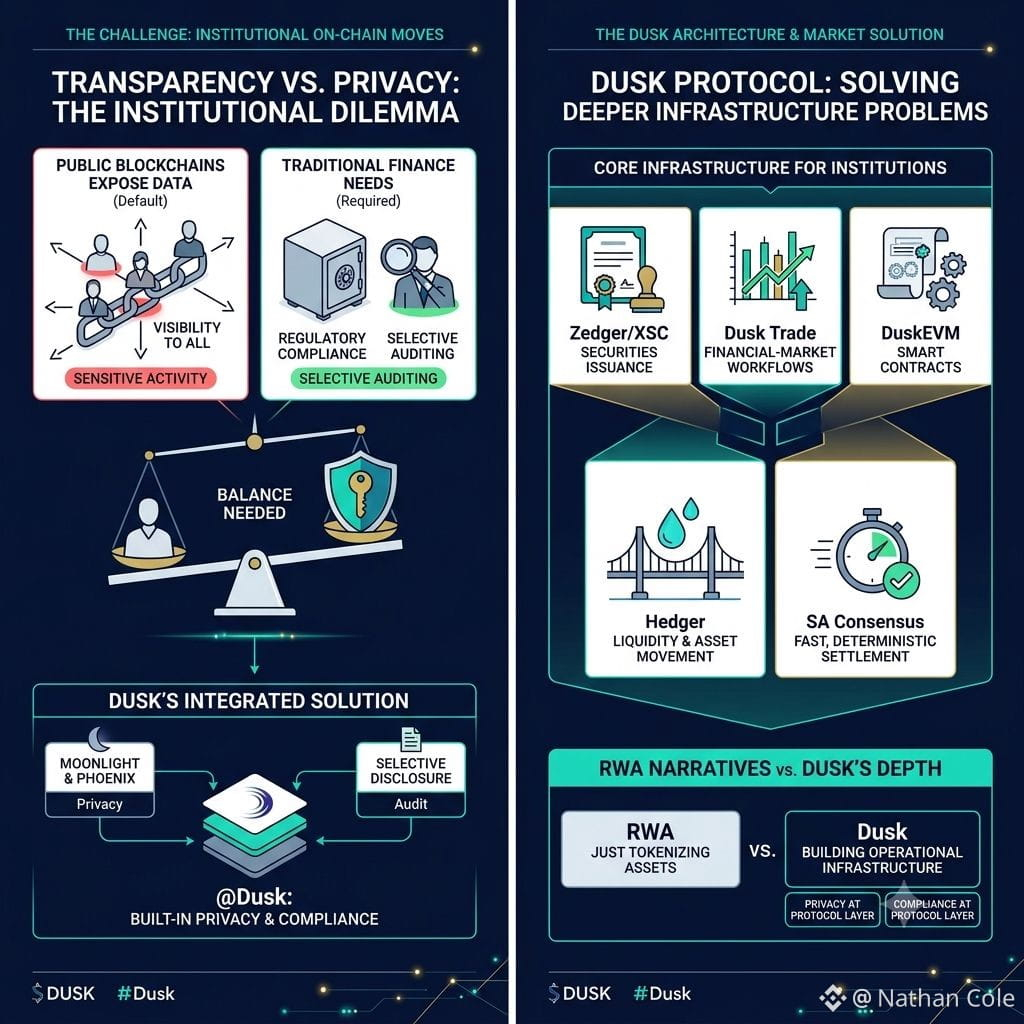
機関投資家のお金がオンチェーン上で動くとき、透明性は問題になり得ます。
パブリック・ブロックチェーンはデフォルトで取引データを公開します。従来の金融が必要としているのはその逆です。つまり、センシティブな活動に対するプライバシーと、規制当局が監査できるだけの可視性です。
それが @Dusk の面白いところです。
既存のチェーンにプライバシーとコンプライアンスを後付けするのではなく、Dusk はそれらをプロトコル自体に組み込んでいます。プライバシー重視のアーキテクチャは、Moonlight と Phoenix のトランザクションモデルに、選択的開示を組み合わせたものです。一方で、Zedger/XSC は規制された証券を対象とし、Dusk Trade は金融市場のワークフローをオンチェーンに持ち込みます。
さらに、スマートコントラクト向けの DuskEVM、流動性や資産移動向けの Hedger、そして高速で決定論的な決済のための SA コンセンサスがあります。
私は「RWA(現実世界資産)」の物語がいくつも浮かんでは消えていくのをたくさん見てきました。難しいのは、資産をトークン化することではありません。本当に運用できるインフラを機関が使える形で作ることです。
だから私は、Dusk を単なるもう一つの RWA プロジェクトだとは捉えていません。より深いインフラ課題、つまりプロトコル層でのプライバシーとコンプライアンスを解決しようとしているのです。
では、機関の導入にとってより難しいのは、プライバシーと規制コンプライアンスのどちらでしょうか?
#Dusk $DUSK
{spot}(DUSKUSDT)
#dusk $DUSK @Dusk
機関投資家のお金がオンチェーン上で動くとき、透明性は問題になり得ます。
パブリック・ブロックチェーンはデフォルトで取引データを公開します。従来の金融が必要としているのはその逆です。つまり、センシティブな活動に対するプライバシーと、規制当局が監査できるだけの可視性です。
それが @Dusk の面白いところです。
既存のチェーンにプライバシーとコンプライアンスを後付けするのではなく、Dusk はそれらをプロトコル自体に組み込んでいます。プライバシー重視のアーキテクチャは、Moonlight と Phoenix のトランザクションモデルに、選択的開示を組み合わせたものです。一方で、Zedger/XSC は規制された証券を対象とし、Dusk Trade は金融市場のワークフローをオンチェーンに持ち込みます。
さらに、スマートコントラクト向けの DuskEVM、流動性や資産移動向けの Hedger、そして高速で決定論的な決済のための SA コンセンサスがあります。
私は「RWA(現実世界資産)」の物語がいくつも浮かんでは消えていくのをたくさん見てきました。難しいのは、資産をトークン化することではありません。本当に運用できるインフラを機関が使える形で作ることです。
だから私は、Dusk を単なるもう一つの RWA プロジェクトだとは捉えていません。より深いインフラ課題、つまりプロトコル層でのプライバシーとコンプライアンスを解決しようとしているのです。
では、機関の導入にとってより難しいのは、プライバシーと規制コンプライアンスのどちらでしょうか?
#Dusk $DUSK
機関投資家のお金がオンチェーン上で動くとき、透明性は問題になり得ます。
パブリック・ブロックチェーンはデフォルトで取引データを公開します。従来の金融が必要としているのはその逆です。つまり、センシティブな活動に対するプライバシーと、規制当局が監査できるだけの可視性です。
それが @Dusk の面白いところです。
既存のチェーンにプライバシーとコンプライアンスを後付けするのではなく、Dusk はそれらをプロトコル自体に組み込んでいます。プライバシー重視のアーキテクチャは、Moonlight と Phoenix のトランザクションモデルに、選択的開示を組み合わせたものです。一方で、Zedger/XSC は規制された証券を対象とし、Dusk Trade は金融市場のワークフローをオンチェーンに持ち込みます。
さらに、スマートコントラクト向けの DuskEVM、流動性や資産移動向けの Hedger、そして高速で決定論的な決済のための SA コンセンサスがあります。
私は「RWA(現実世界資産)」の物語がいくつも浮かんでは消えていくのをたくさん見てきました。難しいのは、資産をトークン化することではありません。本当に運用できるインフラを機関が使える形で作ることです。
だから私は、Dusk を単なるもう一つの RWA プロジェクトだとは捉えていません。より深いインフラ課題、つまりプロトコル層でのプライバシーとコンプライアンスを解決しようとしているのです。
では、機関の導入にとってより難しいのは、プライバシーと規制コンプライアンスのどちらでしょうか?
#Dusk $DUSK
2
1.1k
·
--
ブリッシュ
#termmax @termmax
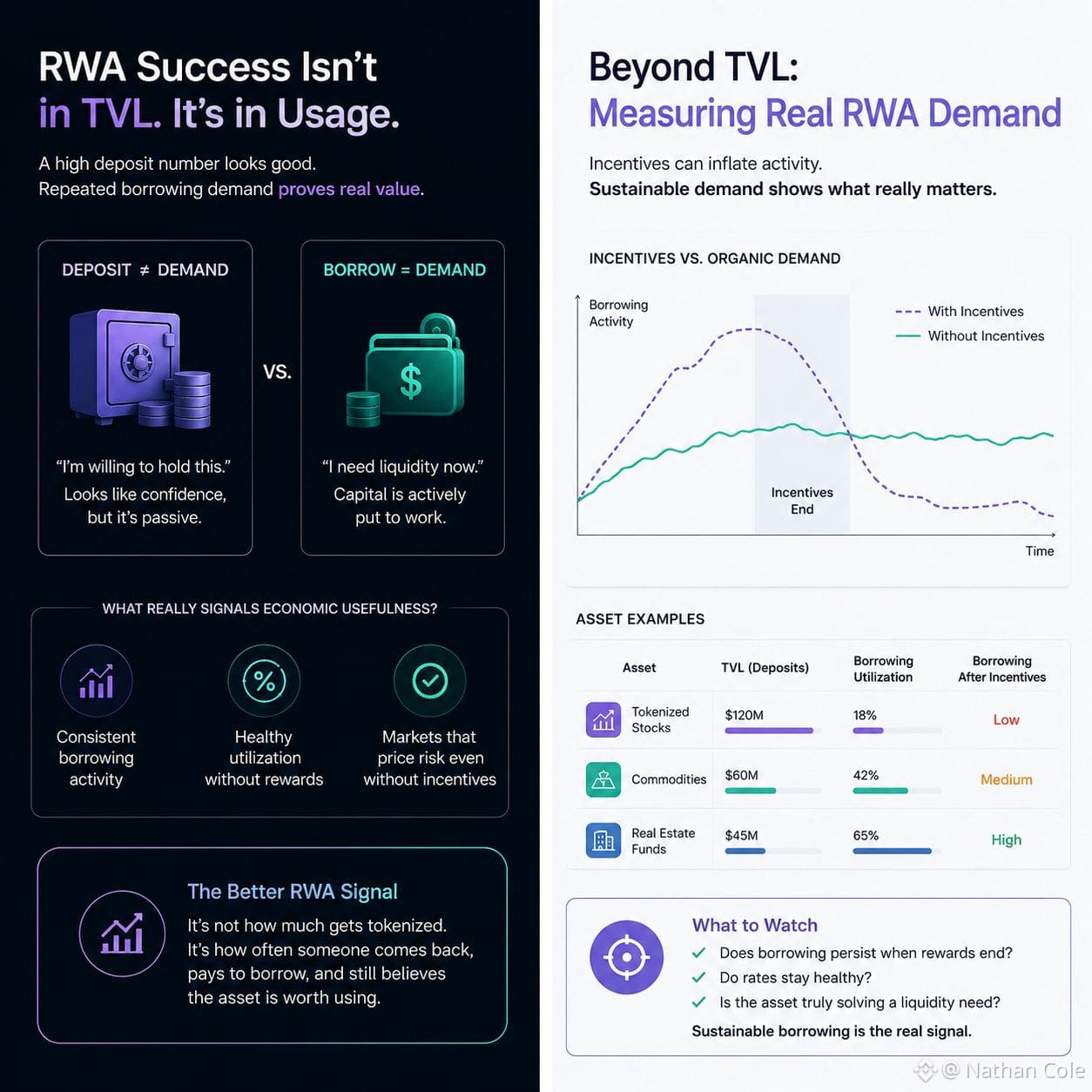
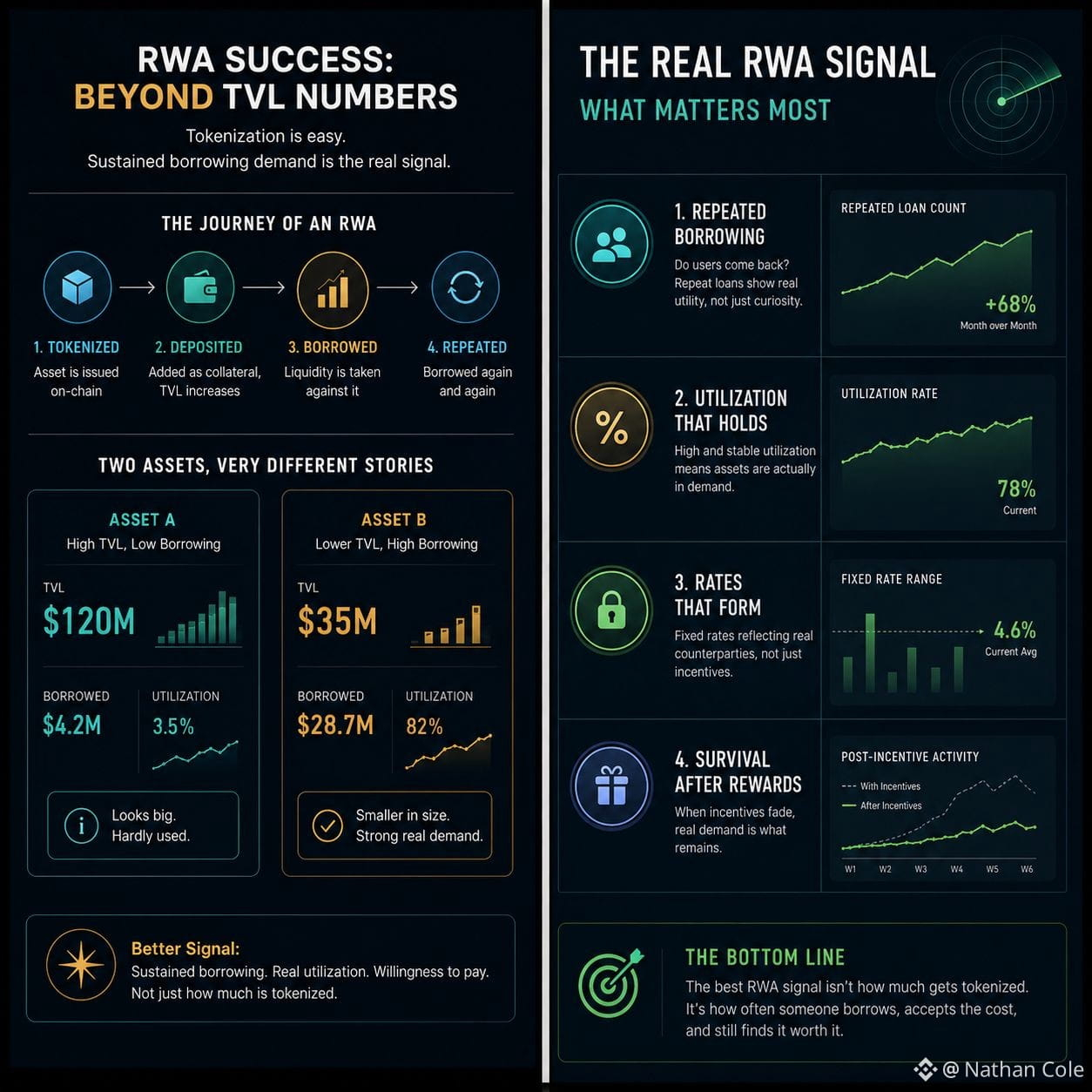
暗号がRWAを「成功」と呼ぶようになるまでがいかに早いか、つい見てしまいます。トークン化され、どこかに預けられて、TVL(総ロック額)が積み上がり始めると、すぐに“成功”扱いになる。これは前にも見ました。ダッシュボードに大きな数字が表示され、皆がそれを証拠のように受け止める。でも後になって気づくのは、実際にはほとんど誰もそのアセットを必要としていなかった、ということです。
だから私はTermMaxで、借りる側の動きに注目しています。トークン化された株式、コモディティ、その他のRWAは担保として置いておけますが、面白いのは誰かが「流動性がどうしても必要だ」と思った時に、それらを固定コストで借り入れに使う場面です。
預金は基本的に、「私はこれを保有するつもりです」と言っています。繰り返されるローンはそれに近いというより、「私はこれを十分に有用だと思っていて、そのまわりに資本を働かせる価値がある」と言っているようなものです。
あるアセットは、巨額の預金を集めても借り入れ需要はほとんど生まないかもしれません。別のアセットはTVLがずっと小さいのに、実際の取引相手が受け入れられる利率でローンを作り続けるかもしれない。私には、それは別のTVLスクリーンショットよりも、実際の経済的な有用性をずっとよく語っているように思えます。
そしてインセンティブが、読み解きを難しくします。もし人々が「借りる」ことで報酬をもらえるなら、基礎となる需要が本当にあるわけでなくても、活動が健全に見えてしまうことがあります。
だから、報酬が消えた後に生き残るものを見たい。報酬がなくなっても同じアセットが継続して借りられるのか? 利用率は維持されるのか? インセンティブが“重い負担”をしていない状況でも固定金利はまだ成立するのか?
もしかすると、より良いRWAのシグナルは「どれだけトークン化されたか」ではないのかもしれません。「誰かが、戻ってきて、借り入れコストを受け入れ、そのアセットを担保として使う価値があると今も考えている頻度」こそが重要なのだと思います。
#termmax @TermMax
暗号がRWAを「成功」と呼ぶようになるまでがいかに早いか、つい見てしまいます。トークン化され、どこかに預けられて、TVL(総ロック額)が積み上がり始めると、すぐに“成功”扱いになる。これは前にも見ました。ダッシュボードに大きな数字が表示され、皆がそれを証拠のように受け止める。でも後になって気づくのは、実際にはほとんど誰もそのアセットを必要としていなかった、ということです。
だから私はTermMaxで、借りる側の動きに注目しています。トークン化された株式、コモディティ、その他のRWAは担保として置いておけますが、面白いのは誰かが「流動性がどうしても必要だ」と思った時に、それらを固定コストで借り入れに使う場面です。
預金は基本的に、「私はこれを保有するつもりです」と言っています。繰り返されるローンはそれに近いというより、「私はこれを十分に有用だと思っていて、そのまわりに資本を働かせる価値がある」と言っているようなものです。
あるアセットは、巨額の預金を集めても借り入れ需要はほとんど生まないかもしれません。別のアセットはTVLがずっと小さいのに、実際の取引相手が受け入れられる利率でローンを作り続けるかもしれない。私には、それは別のTVLスクリーンショットよりも、実際の経済的な有用性をずっとよく語っているように思えます。
そしてインセンティブが、読み解きを難しくします。もし人々が「借りる」ことで報酬をもらえるなら、基礎となる需要が本当にあるわけでなくても、活動が健全に見えてしまうことがあります。
だから、報酬が消えた後に生き残るものを見たい。報酬がなくなっても同じアセットが継続して借りられるのか? 利用率は維持されるのか? インセンティブが“重い負担”をしていない状況でも固定金利はまだ成立するのか?
もしかすると、より良いRWAのシグナルは「どれだけトークン化されたか」ではないのかもしれません。「誰かが、戻ってきて、借り入れコストを受け入れ、そのアセットを担保として使う価値があると今も考えている頻度」こそが重要なのだと思います。
暗号がRWAを「成功」と呼ぶようになるまでがいかに早いか、つい見てしまいます。トークン化され、どこかに預けられて、TVL(総ロック額)が積み上がり始めると、すぐに“成功”扱いになる。これは前にも見ました。ダッシュボードに大きな数字が表示され、皆がそれを証拠のように受け止める。でも後になって気づくのは、実際にはほとんど誰もそのアセットを必要としていなかった、ということです。
だから私はTermMaxで、借りる側の動きに注目しています。トークン化された株式、コモディティ、その他のRWAは担保として置いておけますが、面白いのは誰かが「流動性がどうしても必要だ」と思った時に、それらを固定コストで借り入れに使う場面です。
預金は基本的に、「私はこれを保有するつもりです」と言っています。繰り返されるローンはそれに近いというより、「私はこれを十分に有用だと思っていて、そのまわりに資本を働かせる価値がある」と言っているようなものです。
あるアセットは、巨額の預金を集めても借り入れ需要はほとんど生まないかもしれません。別のアセットはTVLがずっと小さいのに、実際の取引相手が受け入れられる利率でローンを作り続けるかもしれない。私には、それは別のTVLスクリーンショットよりも、実際の経済的な有用性をずっとよく語っているように思えます。
そしてインセンティブが、読み解きを難しくします。もし人々が「借りる」ことで報酬をもらえるなら、基礎となる需要が本当にあるわけでなくても、活動が健全に見えてしまうことがあります。
だから、報酬が消えた後に生き残るものを見たい。報酬がなくなっても同じアセットが継続して借りられるのか? 利用率は維持されるのか? インセンティブが“重い負担”をしていない状況でも固定金利はまだ成立するのか?
もしかすると、より良いRWAのシグナルは「どれだけトークン化されたか」ではないのかもしれません。「誰かが、戻ってきて、借り入れコストを受け入れ、そのアセットを担保として使う価値があると今も考えている頻度」こそが重要なのだと思います。
2
1.2k
·
--
ブリッシュ
#dusk $DUSK @Dusk_Foundation
夕暮れネットワークと、金融ブロックチェーンにおけるプライバシーの本当の意味
私は暗号資産に十分長く関わってきたので、「プライバシー」という言葉が、ほとんどあらゆるものに付けられているのを聞いてきました。だいたいの場合、それは聞こえが良いのですが、本当に問題になるのは、「実際の金融活動が関わるとき、プライバシーとは何を意味するのか?」と問い始めるところです。
正直に言うと、すべてを完全に隠したい人ばかりではないと思うのです。
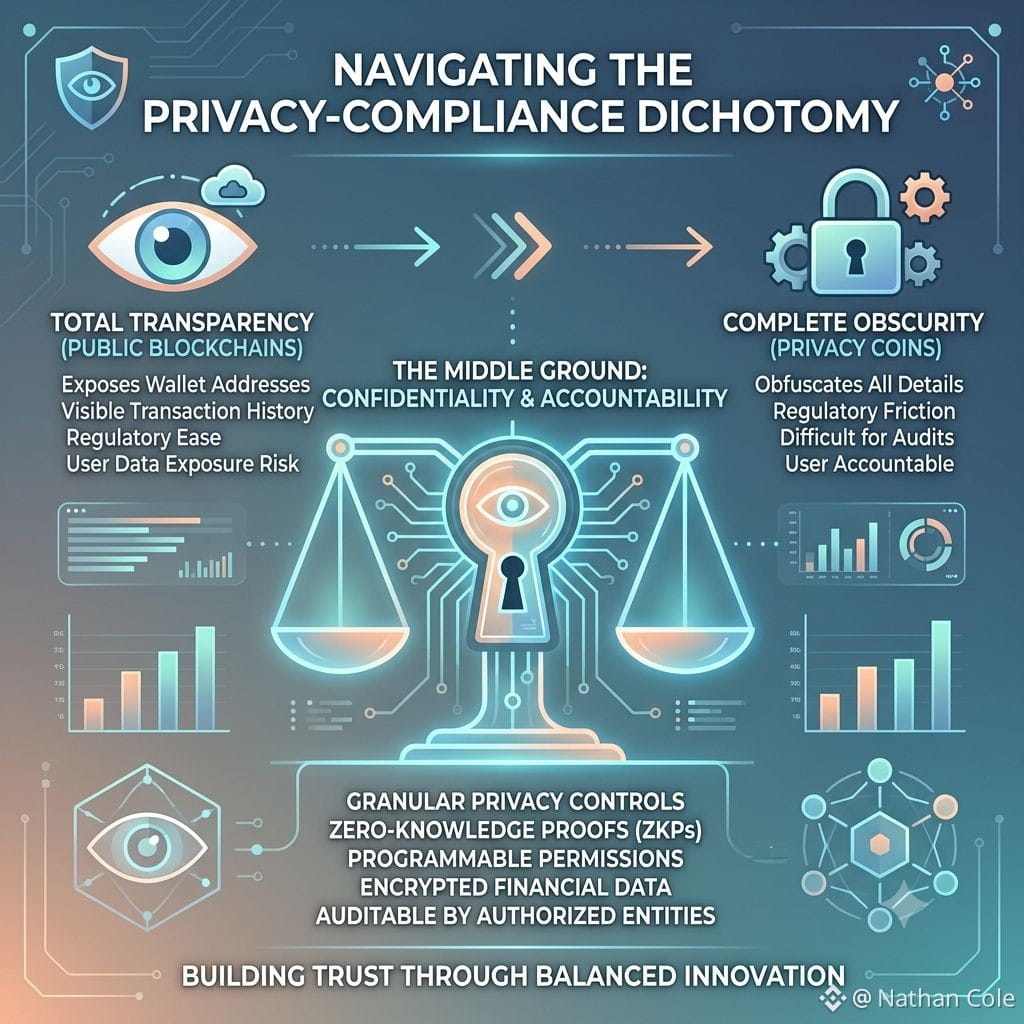
ある会社は取引を世間の目から遠ざけたいかもしれませんが、それでも規制当局は何かを検証する必要があります。利用者は金融情報を非公開にしたい一方で、所有権や正当性を証明する手段も必要です。つまり、その「中間地点」で物事は複雑になります。
だからこそ、私がDusk Networkに惹かれるのだと思います。金融アプリケーションへの注力、機密スマートコントラクト、そしてXSC標準に対する取り組みが、これまでの“いつもの暗号資産のプライバシー物語”よりも、はるかに現実的で具体的な課題に結びついているように感じるのです。
とはいえ、私はまだ慎重です。
紙の上では立派に見えるプロジェクトをたくさん見てきましたが、実際の利用者や規制、流動性といった、立ち上げ時に誰もあまり語らない退屈な部分にぶつかると苦戦するケースが多々ありました。
プライバシーそれ自体だけでは不十分です。情報を非公開にすることで摩擦が大きすぎれば、人は使いません。すべてが透明なら、金融活動は居心地が悪くなり、ときには危険にすらなります。どこかでバランスが必要です。
Dusk Networkがそのバランスを見つけられたのかどうかは、まだ分かりません。見つけられているかもしれないし、そうでないかもしれない。
ただ、面白いと思うのはその背後にある問いです。すなわち、金融システムは、責任を完全に手放すことなく、人々に本物の機密性を提供できるのか?
それは、単に別のブロックチェーンを作るよりも、はるかに難しい問題に思えます。
{spot}(DUSKUSDT)
#dusk $DUSK @Dusk
夕暮れネットワークと、金融ブロックチェーンにおけるプライバシーの本当の意味
私は暗号資産に十分長く関わってきたので、「プライバシー」という言葉が、ほとんどあらゆるものに付けられているのを聞いてきました。だいたいの場合、それは聞こえが良いのですが、本当に問題になるのは、「実際の金融活動が関わるとき、プライバシーとは何を意味するのか?」と問い始めるところです。
正直に言うと、すべてを完全に隠したい人ばかりではないと思うのです。
ある会社は取引を世間の目から遠ざけたいかもしれませんが、それでも規制当局は何かを検証する必要があります。利用者は金融情報を非公開にしたい一方で、所有権や正当性を証明する手段も必要です。つまり、その「中間地点」で物事は複雑になります。
だからこそ、私がDusk Networkに惹かれるのだと思います。金融アプリケーションへの注力、機密スマートコントラクト、そしてXSC標準に対する取り組みが、これまでの“いつもの暗号資産のプライバシー物語”よりも、はるかに現実的で具体的な課題に結びついているように感じるのです。
とはいえ、私はまだ慎重です。
紙の上では立派に見えるプロジェクトをたくさん見てきましたが、実際の利用者や規制、流動性といった、立ち上げ時に誰もあまり語らない退屈な部分にぶつかると苦戦するケースが多々ありました。
プライバシーそれ自体だけでは不十分です。情報を非公開にすることで摩擦が大きすぎれば、人は使いません。すべてが透明なら、金融活動は居心地が悪くなり、ときには危険にすらなります。どこかでバランスが必要です。
Dusk Networkがそのバランスを見つけられたのかどうかは、まだ分かりません。見つけられているかもしれないし、そうでないかもしれない。
ただ、面白いと思うのはその背後にある問いです。すなわち、金融システムは、責任を完全に手放すことなく、人々に本物の機密性を提供できるのか?
それは、単に別のブロックチェーンを作るよりも、はるかに難しい問題に思えます。
夕暮れネットワークと、金融ブロックチェーンにおけるプライバシーの本当の意味
私は暗号資産に十分長く関わってきたので、「プライバシー」という言葉が、ほとんどあらゆるものに付けられているのを聞いてきました。だいたいの場合、それは聞こえが良いのですが、本当に問題になるのは、「実際の金融活動が関わるとき、プライバシーとは何を意味するのか?」と問い始めるところです。
正直に言うと、すべてを完全に隠したい人ばかりではないと思うのです。
ある会社は取引を世間の目から遠ざけたいかもしれませんが、それでも規制当局は何かを検証する必要があります。利用者は金融情報を非公開にしたい一方で、所有権や正当性を証明する手段も必要です。つまり、その「中間地点」で物事は複雑になります。
だからこそ、私がDusk Networkに惹かれるのだと思います。金融アプリケーションへの注力、機密スマートコントラクト、そしてXSC標準に対する取り組みが、これまでの“いつもの暗号資産のプライバシー物語”よりも、はるかに現実的で具体的な課題に結びついているように感じるのです。
とはいえ、私はまだ慎重です。
紙の上では立派に見えるプロジェクトをたくさん見てきましたが、実際の利用者や規制、流動性といった、立ち上げ時に誰もあまり語らない退屈な部分にぶつかると苦戦するケースが多々ありました。
プライバシーそれ自体だけでは不十分です。情報を非公開にすることで摩擦が大きすぎれば、人は使いません。すべてが透明なら、金融活動は居心地が悪くなり、ときには危険にすらなります。どこかでバランスが必要です。
Dusk Networkがそのバランスを見つけられたのかどうかは、まだ分かりません。見つけられているかもしれないし、そうでないかもしれない。
ただ、面白いと思うのはその背後にある問いです。すなわち、金融システムは、責任を完全に手放すことなく、人々に本物の機密性を提供できるのか?
それは、単に別のブロックチェーンを作るよりも、はるかに難しい問題に思えます。
2
4
1.9k
·
--
ブリッシュ
#termmax @termmax
私はDeFiの世界に十分長く身を置いているので、「サステナブルな利回り」という言葉が出てくるたびに少しうんざりしてしまいます。
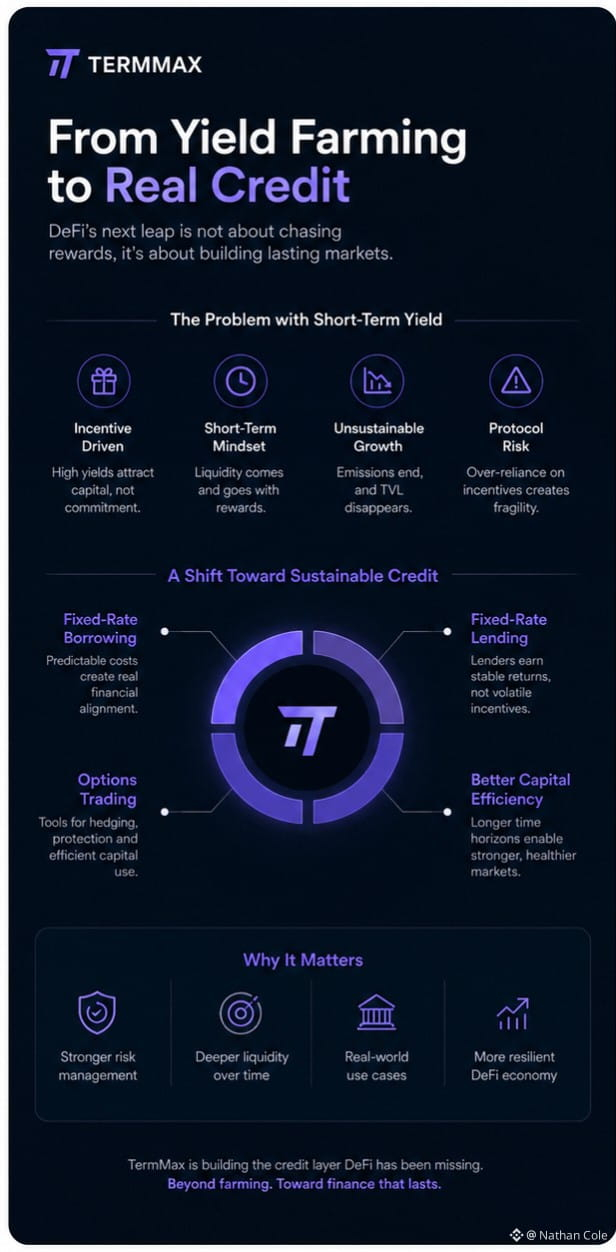
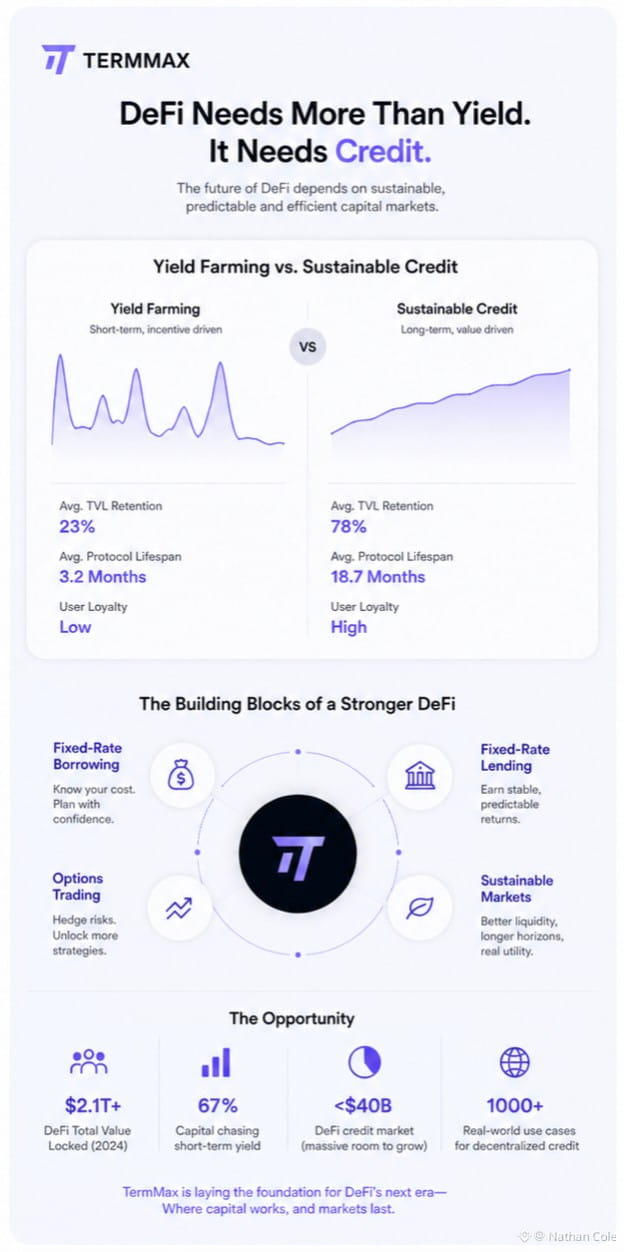
その話は聞き飽きました。新しいファームが開き、数字はすごく見え、流動性が殺到して、みんなが「早い」気分になる。ところが、やがてインセンティブが枯れていく。私が数えきれないほど見てきた循環です。実際の成長に見えていたものの多くは、単に報酬に追随した資本の動きであることが多い。
だからこそ、TermMaxには興味がありますが、まだ慎重でもあります。
固定金利での借り入れ・貸し付けは、派手でないアイデアに感じるかもしれません。でも、おそらくそこがポイントです。実際の信用は、常に変動する報酬の上に成り立っていません。お金がいくらかかるのか、何をどれだけ負っているのか、そして自分が実際に引き受けているものは何なのか――それを把握したいのです。
もちろん、それで根本的な問題が消えるわけではありません。流動性は消えることがあります。担保価値は下がり得ます。価格は混乱することもある。さらに、市場がストレスを受けると、オプションが別の複雑さを加えてくることがあります。DeFiは、問題が起きる直前までシンプルに見せる癖があります。
TermMaxがDeFiを本当に短期の利回りファーミングの先へ押し進められるのか、私はまだ確信できません。現時点では、誰にもそれはわからないと思います。
ただ、私はその考えに何度も立ち返ってしまいます。
DeFiの次に役立つフェーズは、「また別の場所でファームする方法を探すこと」ではないのかもしれません。資本を実際に、ある程度の持続性の感覚をもって、借りられ、価格付けされ、管理できる市場を構築することなのかもしれません。
そう考えるほうが、別のAPYレースよりずっと面白く感じます。
#termmax @TermMax
私はDeFiの世界に十分長く身を置いているので、「サステナブルな利回り」という言葉が出てくるたびに少しうんざりしてしまいます。
その話は聞き飽きました。新しいファームが開き、数字はすごく見え、流動性が殺到して、みんなが「早い」気分になる。ところが、やがてインセンティブが枯れていく。私が数えきれないほど見てきた循環です。実際の成長に見えていたものの多くは、単に報酬に追随した資本の動きであることが多い。
だからこそ、TermMaxには興味がありますが、まだ慎重でもあります。
固定金利での借り入れ・貸し付けは、派手でないアイデアに感じるかもしれません。でも、おそらくそこがポイントです。実際の信用は、常に変動する報酬の上に成り立っていません。お金がいくらかかるのか、何をどれだけ負っているのか、そして自分が実際に引き受けているものは何なのか――それを把握したいのです。
もちろん、それで根本的な問題が消えるわけではありません。流動性は消えることがあります。担保価値は下がり得ます。価格は混乱することもある。さらに、市場がストレスを受けると、オプションが別の複雑さを加えてくることがあります。DeFiは、問題が起きる直前までシンプルに見せる癖があります。
TermMaxがDeFiを本当に短期の利回りファーミングの先へ押し進められるのか、私はまだ確信できません。現時点では、誰にもそれはわからないと思います。
ただ、私はその考えに何度も立ち返ってしまいます。
DeFiの次に役立つフェーズは、「また別の場所でファームする方法を探すこと」ではないのかもしれません。資本を実際に、ある程度の持続性の感覚をもって、借りられ、価格付けされ、管理できる市場を構築することなのかもしれません。
そう考えるほうが、別のAPYレースよりずっと面白く感じます。
私はDeFiの世界に十分長く身を置いているので、「サステナブルな利回り」という言葉が出てくるたびに少しうんざりしてしまいます。
その話は聞き飽きました。新しいファームが開き、数字はすごく見え、流動性が殺到して、みんなが「早い」気分になる。ところが、やがてインセンティブが枯れていく。私が数えきれないほど見てきた循環です。実際の成長に見えていたものの多くは、単に報酬に追随した資本の動きであることが多い。
だからこそ、TermMaxには興味がありますが、まだ慎重でもあります。
固定金利での借り入れ・貸し付けは、派手でないアイデアに感じるかもしれません。でも、おそらくそこがポイントです。実際の信用は、常に変動する報酬の上に成り立っていません。お金がいくらかかるのか、何をどれだけ負っているのか、そして自分が実際に引き受けているものは何なのか――それを把握したいのです。
もちろん、それで根本的な問題が消えるわけではありません。流動性は消えることがあります。担保価値は下がり得ます。価格は混乱することもある。さらに、市場がストレスを受けると、オプションが別の複雑さを加えてくることがあります。DeFiは、問題が起きる直前までシンプルに見せる癖があります。
TermMaxがDeFiを本当に短期の利回りファーミングの先へ押し進められるのか、私はまだ確信できません。現時点では、誰にもそれはわからないと思います。
ただ、私はその考えに何度も立ち返ってしまいます。
DeFiの次に役立つフェーズは、「また別の場所でファームする方法を探すこと」ではないのかもしれません。資本を実際に、ある程度の持続性の感覚をもって、借りられ、価格付けされ、管理できる市場を構築することなのかもしれません。
そう考えるほうが、別のAPYレースよりずっと面白く感じます。
38
17
2.3k
·
--
ブリッシュ
#dusk $DUSK @Dusk_Foundation
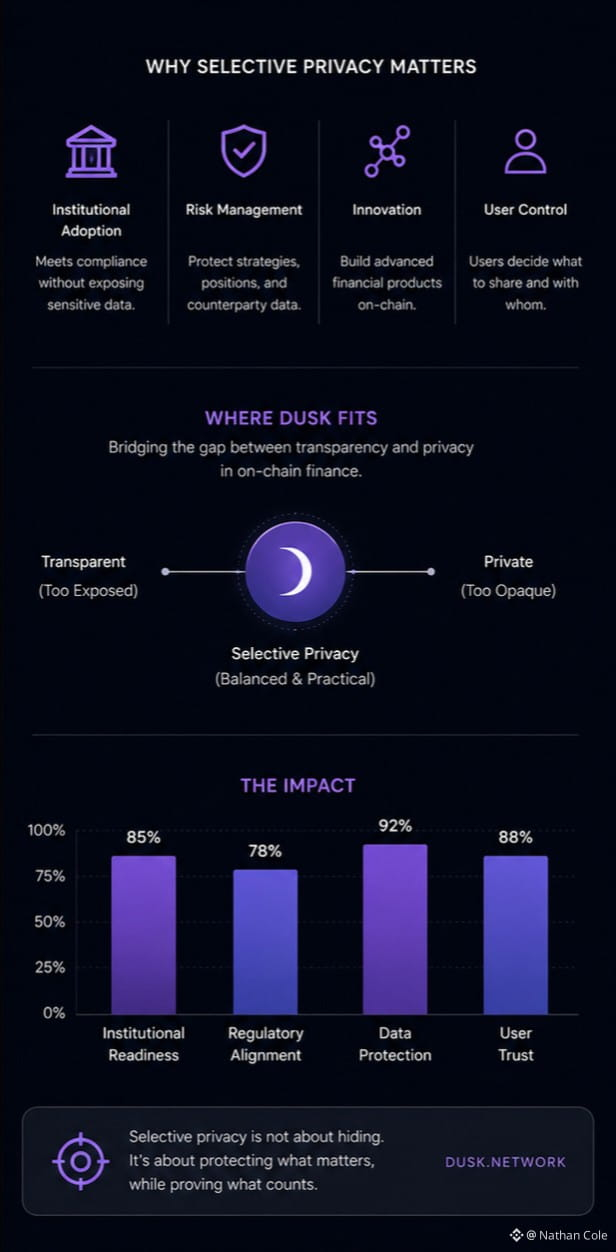
私は暗号資産に十分長く関わってきたので、「透明性」や「分散化」という言葉を誰かが口にするたびに興奮することはなくなりました。これらの言葉は聞こえはいいのですが、実際にそれが一般の金融活動にとって何を意味するのかを考えると話は別です。
私はずっと疑問に思っています。私たちは本当に、誰もがすべてを見られる状態にしたいのでしょうか?
ウォレットの残高、支払い、ビジネス上の取引、企業が資金を移動する行為——これらが必ずしも間違っているわけではありません。でもだからといって、世界の誰もが最前列で見物する必要はないはずです。この緊張関係は何度も繰り返し出てきて、そしてほとんどの場合、単純な答えはありません。
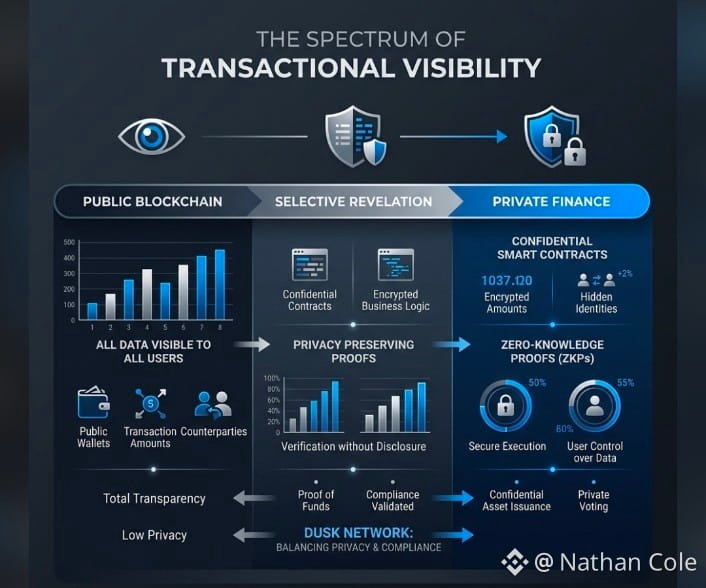
だからこそ、私にとってDusk Networkが興味深いのです。金融アプリケーションのためのプライバシー、機密のスマートコントラクト、そしてXSC標準に焦点を当てているところが、十分に注目されていない課題とつながっているように感じます。金融システムは、すべての細部を公開しなくても検証可能になり得るのではないでしょうか。
ただ、私はまだ慎重です。プライバシーは魔法ではありません。規制当局には可視性が必要になるかもしれません。企業には証拠が必要かもしれません。ユーザーは、自分がどこまで明かすかをコントロールしたいはずです。こうしたバランスを正しく取ることは、それについて書くよりもずっと難しいのです。
私は、これらのトレードオフをすでに解決したと主張するプロジェクトを全面的には信じていません。
Dusk Networkの場合は、約束よりも問いのほうに惹かれます。何が実際に公開されるべきで、何が非公開のままであるべきなのでしょうか?
暗号資産のサイクルを何度も見てきた今、その問いは、もう一つのキラキラした物語よりも重要だと感じています。
{spot}(DUSKUSDT)
#dusk $DUSK @Dusk
私は暗号資産に十分長く関わってきたので、「透明性」や「分散化」という言葉を誰かが口にするたびに興奮することはなくなりました。これらの言葉は聞こえはいいのですが、実際にそれが一般の金融活動にとって何を意味するのかを考えると話は別です。
私はずっと疑問に思っています。私たちは本当に、誰もがすべてを見られる状態にしたいのでしょうか?
ウォレットの残高、支払い、ビジネス上の取引、企業が資金を移動する行為——これらが必ずしも間違っているわけではありません。でもだからといって、世界の誰もが最前列で見物する必要はないはずです。この緊張関係は何度も繰り返し出てきて、そしてほとんどの場合、単純な答えはありません。
だからこそ、私にとってDusk Networkが興味深いのです。金融アプリケーションのためのプライバシー、機密のスマートコントラクト、そしてXSC標準に焦点を当てているところが、十分に注目されていない課題とつながっているように感じます。金融システムは、すべての細部を公開しなくても検証可能になり得るのではないでしょうか。
ただ、私はまだ慎重です。プライバシーは魔法ではありません。規制当局には可視性が必要になるかもしれません。企業には証拠が必要かもしれません。ユーザーは、自分がどこまで明かすかをコントロールしたいはずです。こうしたバランスを正しく取ることは、それについて書くよりもずっと難しいのです。
私は、これらのトレードオフをすでに解決したと主張するプロジェクトを全面的には信じていません。
Dusk Networkの場合は、約束よりも問いのほうに惹かれます。何が実際に公開されるべきで、何が非公開のままであるべきなのでしょうか?
暗号資産のサイクルを何度も見てきた今、その問いは、もう一つのキラキラした物語よりも重要だと感じています。
私は暗号資産に十分長く関わってきたので、「透明性」や「分散化」という言葉を誰かが口にするたびに興奮することはなくなりました。これらの言葉は聞こえはいいのですが、実際にそれが一般の金融活動にとって何を意味するのかを考えると話は別です。
私はずっと疑問に思っています。私たちは本当に、誰もがすべてを見られる状態にしたいのでしょうか?
ウォレットの残高、支払い、ビジネス上の取引、企業が資金を移動する行為——これらが必ずしも間違っているわけではありません。でもだからといって、世界の誰もが最前列で見物する必要はないはずです。この緊張関係は何度も繰り返し出てきて、そしてほとんどの場合、単純な答えはありません。
だからこそ、私にとってDusk Networkが興味深いのです。金融アプリケーションのためのプライバシー、機密のスマートコントラクト、そしてXSC標準に焦点を当てているところが、十分に注目されていない課題とつながっているように感じます。金融システムは、すべての細部を公開しなくても検証可能になり得るのではないでしょうか。
ただ、私はまだ慎重です。プライバシーは魔法ではありません。規制当局には可視性が必要になるかもしれません。企業には証拠が必要かもしれません。ユーザーは、自分がどこまで明かすかをコントロールしたいはずです。こうしたバランスを正しく取ることは、それについて書くよりもずっと難しいのです。
私は、これらのトレードオフをすでに解決したと主張するプロジェクトを全面的には信じていません。
Dusk Networkの場合は、約束よりも問いのほうに惹かれます。何が実際に公開されるべきで、何が非公開のままであるべきなのでしょうか?
暗号資産のサイクルを何度も見てきた今、その問いは、もう一つのキラキラした物語よりも重要だと感じています。
2
2
1.6k
·
--
ブリッシュ
#dusk $DUSK @Dusk_Foundation 私は暗号に十分長く関わってきたので、「プライバシー」という言葉が、実際の中身よりもずっと印象的に聞こえることがあるのを知っています。
そのため、私はDuskに興味を持っていますが、期待値はきちんと抑えています。
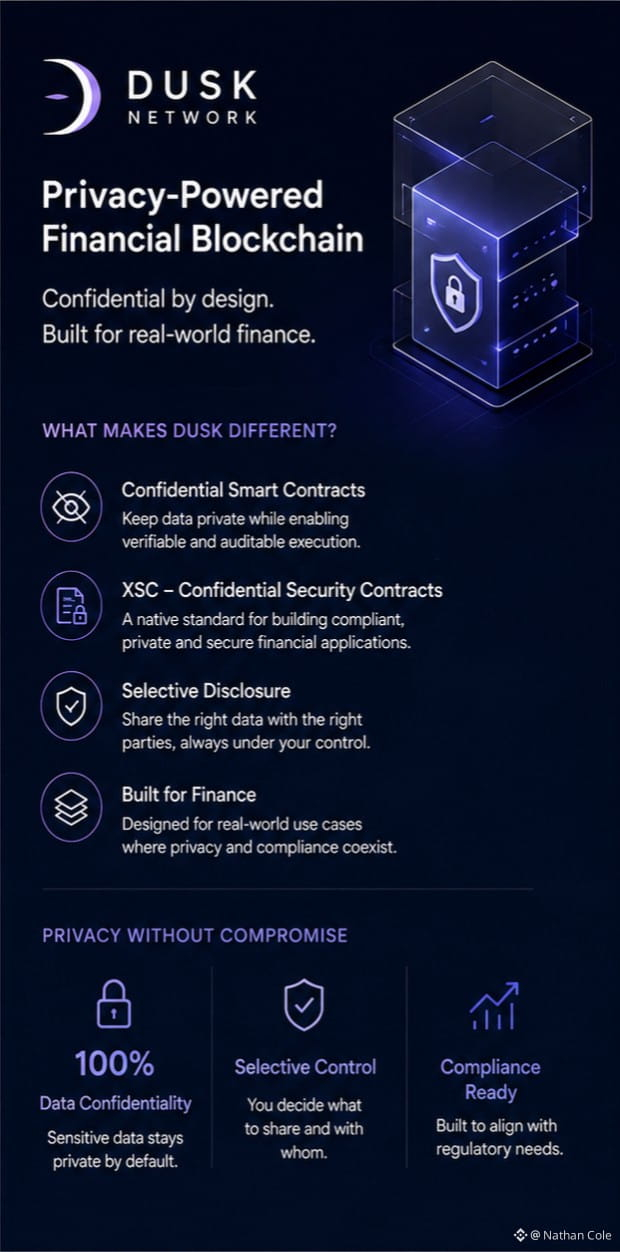
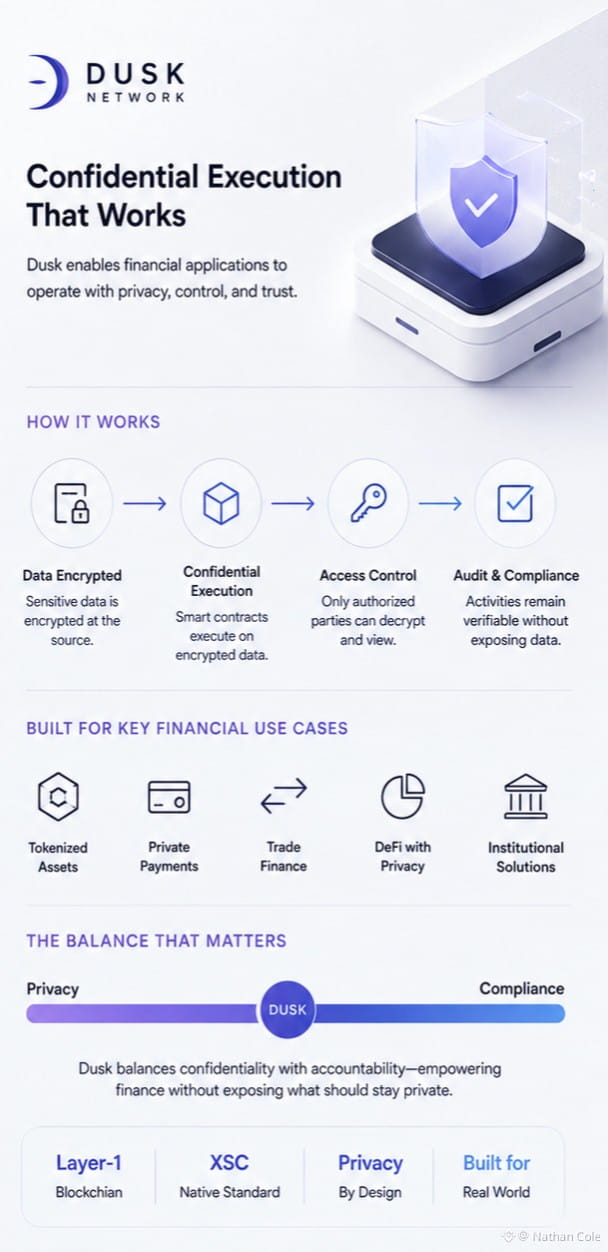
機密実行というアイデアについて私が良いと思う点は、かなりシンプルです。金融活動は、検証可能であるために必ずしも完全に公開される必要があるわけではありません。現実の世界では、企業にはプライバシーが必要です。一方で、規制当局や取引相手には、適切なタイミングで正しい情報が必要になります。
しかし、ここで私は慎重になります。
私はこれまでに、技術的な問題を解決したプロジェクトが、その後こっそりと「本当の大きな問題は導入(採用)だった」と気づくのをたくさん見てきました。プライバシーは機密情報を守れますが、それだけでユーザーや流動性、信頼、そして良い金融プロダクトが“すぐに”生まれるわけではありません。
そして正直、このトレードオフは重要です。技術が高度になればなるほど、一般のユーザーや開発者が、自分たちが実際に何に向き合っているのかを理解するのが難しくなることがあります。
だから私はDuskを見て、「これは確実に未来だ」と考えているわけではありません。
金融のブロックチェーン・アプリケーションが、別の複雑さの層を作ることなく、より現実的に感じられるようにできるのかどうかを考えています。
できるかもしれない。できないかもしれない。
十分なサイクルを見てきたことで、面白いプロジェクトはいつも最も騒がしいとは限らないと学びました。ときには、人々が実際に抱えている問題を静かに解こうとしているものなのです。
{spot}(DUSKUSDT)
#dusk $DUSK @Dusk 私は暗号に十分長く関わってきたので、「プライバシー」という言葉が、実際の中身よりもずっと印象的に聞こえることがあるのを知っています。
そのため、私はDuskに興味を持っていますが、期待値はきちんと抑えています。
機密実行というアイデアについて私が良いと思う点は、かなりシンプルです。金融活動は、検証可能であるために必ずしも完全に公開される必要があるわけではありません。現実の世界では、企業にはプライバシーが必要です。一方で、規制当局や取引相手には、適切なタイミングで正しい情報が必要になります。
しかし、ここで私は慎重になります。
私はこれまでに、技術的な問題を解決したプロジェクトが、その後こっそりと「本当の大きな問題は導入(採用)だった」と気づくのをたくさん見てきました。プライバシーは機密情報を守れますが、それだけでユーザーや流動性、信頼、そして良い金融プロダクトが“すぐに”生まれるわけではありません。
そして正直、このトレードオフは重要です。技術が高度になればなるほど、一般のユーザーや開発者が、自分たちが実際に何に向き合っているのかを理解するのが難しくなることがあります。
だから私はDuskを見て、「これは確実に未来だ」と考えているわけではありません。
金融のブロックチェーン・アプリケーションが、別の複雑さの層を作ることなく、より現実的に感じられるようにできるのかどうかを考えています。
できるかもしれない。できないかもしれない。
十分なサイクルを見てきたことで、面白いプロジェクトはいつも最も騒がしいとは限らないと学びました。ときには、人々が実際に抱えている問題を静かに解こうとしているものなのです。
そのため、私はDuskに興味を持っていますが、期待値はきちんと抑えています。
機密実行というアイデアについて私が良いと思う点は、かなりシンプルです。金融活動は、検証可能であるために必ずしも完全に公開される必要があるわけではありません。現実の世界では、企業にはプライバシーが必要です。一方で、規制当局や取引相手には、適切なタイミングで正しい情報が必要になります。
しかし、ここで私は慎重になります。
私はこれまでに、技術的な問題を解決したプロジェクトが、その後こっそりと「本当の大きな問題は導入(採用)だった」と気づくのをたくさん見てきました。プライバシーは機密情報を守れますが、それだけでユーザーや流動性、信頼、そして良い金融プロダクトが“すぐに”生まれるわけではありません。
そして正直、このトレードオフは重要です。技術が高度になればなるほど、一般のユーザーや開発者が、自分たちが実際に何に向き合っているのかを理解するのが難しくなることがあります。
だから私はDuskを見て、「これは確実に未来だ」と考えているわけではありません。
金融のブロックチェーン・アプリケーションが、別の複雑さの層を作ることなく、より現実的に感じられるようにできるのかどうかを考えています。
できるかもしれない。できないかもしれない。
十分なサイクルを見てきたことで、面白いプロジェクトはいつも最も騒がしいとは限らないと学びました。ときには、人々が実際に抱えている問題を静かに解こうとしているものなのです。
2
3
727
·
--
ブリッシュ
#dusk $DUSK 私は暗号の世界に十分長くいるので、同じようなストーリーが、少しだけ化粧を変えて何度も戻ってくることに気づいています。プライバシーもその一つです。理屈としては素晴らしく聞こえますが、現実のお金、企業の事情、規制、そして実際の人々が関わってくると、物事はあっという間にややこしくなります。
だからこそ、Dusk Networkは私に少し長く考えさせるんだと思います。
私が面白いと感じるのは、「すべてを見えなくする」発想ではありません。そうすると、別の種類の問題が大量に生まれます。重要なのは、ある種の金融情報をプライベートに保ちつつ、その肝心の部分が正当であることをきちんと証明できるという考え方です。
正直、それは簡単な課題ではないと思います。
すべてが見えてしまえば、企業は本来開示しなくていいものまで明らかにするかもしれません。すべてが隠れてしまえば、信頼を得るのが難しくなります。その両極のどこか――おそらく役に立つオンチェーン・ファイナンスは、そこに住む必要があるのでしょう。
技術的な観点では立派に見えるのに、結局は、実際に重要な退屈な領域――規制、普及、インセンティブ、そして普通の人が、毎5分考えなくても使えるかどうか――にまっすぐぶつかっていくプロジェクトを、私はたくさん見てきました。
だから、私はまだDuskに対して慎重です。選択的なプライバシーが、自動的により大きな問題を解決するとは確信できません。とはいえ、少なくともその問題は「現実味のあるもの」に感じられます。
もしかすると、未来は透明性とプライバシーのどちらかを選ぶ話ではないのかもしれません。
たぶん、金融システムには両方が必要で、それを「どのタイミングで」使うかが違うだけだ――ということを、ようやく理解できる時が来るのだと思います。
@Dusk_Foundation #Dusk $DUSK
{spot}(DUSKUSDT)
#dusk $DUSK 私は暗号の世界に十分長くいるので、同じようなストーリーが、少しだけ化粧を変えて何度も戻ってくることに気づいています。プライバシーもその一つです。理屈としては素晴らしく聞こえますが、現実のお金、企業の事情、規制、そして実際の人々が関わってくると、物事はあっという間にややこしくなります。
だからこそ、Dusk Networkは私に少し長く考えさせるんだと思います。
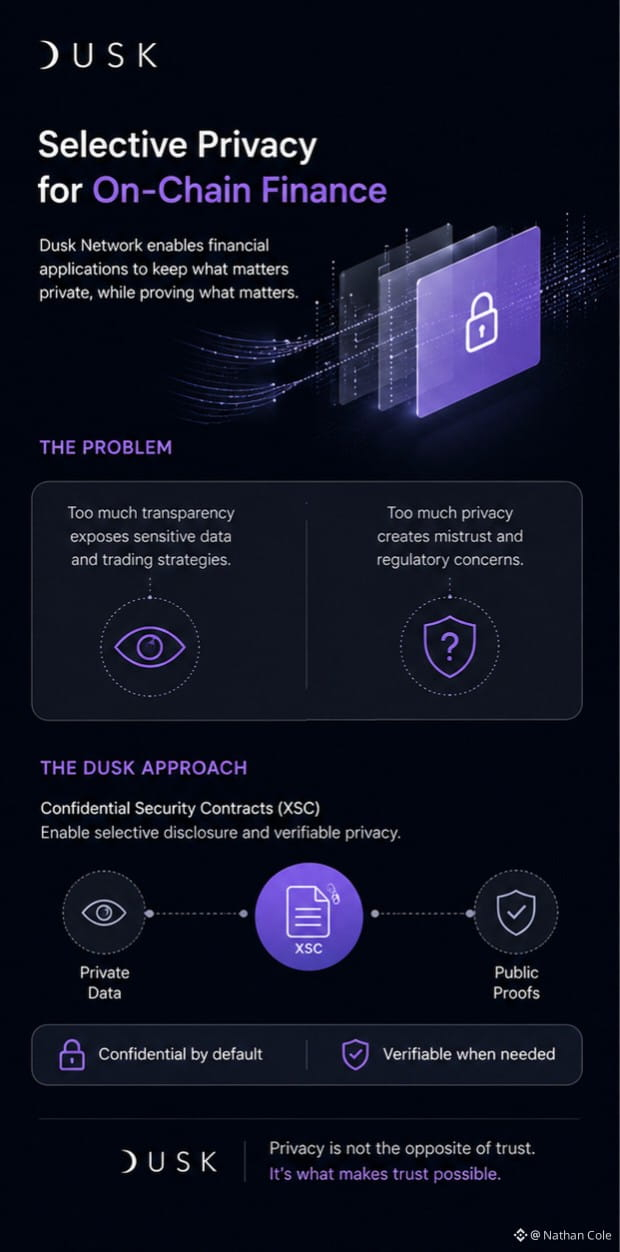
私が面白いと感じるのは、「すべてを見えなくする」発想ではありません。そうすると、別の種類の問題が大量に生まれます。重要なのは、ある種の金融情報をプライベートに保ちつつ、その肝心の部分が正当であることをきちんと証明できるという考え方です。
正直、それは簡単な課題ではないと思います。
すべてが見えてしまえば、企業は本来開示しなくていいものまで明らかにするかもしれません。すべてが隠れてしまえば、信頼を得るのが難しくなります。その両極のどこか――おそらく役に立つオンチェーン・ファイナンスは、そこに住む必要があるのでしょう。
技術的な観点では立派に見えるのに、結局は、実際に重要な退屈な領域――規制、普及、インセンティブ、そして普通の人が、毎5分考えなくても使えるかどうか――にまっすぐぶつかっていくプロジェクトを、私はたくさん見てきました。
だから、私はまだDuskに対して慎重です。選択的なプライバシーが、自動的により大きな問題を解決するとは確信できません。とはいえ、少なくともその問題は「現実味のあるもの」に感じられます。
もしかすると、未来は透明性とプライバシーのどちらかを選ぶ話ではないのかもしれません。
たぶん、金融システムには両方が必要で、それを「どのタイミングで」使うかが違うだけだ――ということを、ようやく理解できる時が来るのだと思います。
@Dusk #Dusk $DUSK
だからこそ、Dusk Networkは私に少し長く考えさせるんだと思います。
私が面白いと感じるのは、「すべてを見えなくする」発想ではありません。そうすると、別の種類の問題が大量に生まれます。重要なのは、ある種の金融情報をプライベートに保ちつつ、その肝心の部分が正当であることをきちんと証明できるという考え方です。
正直、それは簡単な課題ではないと思います。
すべてが見えてしまえば、企業は本来開示しなくていいものまで明らかにするかもしれません。すべてが隠れてしまえば、信頼を得るのが難しくなります。その両極のどこか――おそらく役に立つオンチェーン・ファイナンスは、そこに住む必要があるのでしょう。
技術的な観点では立派に見えるのに、結局は、実際に重要な退屈な領域――規制、普及、インセンティブ、そして普通の人が、毎5分考えなくても使えるかどうか――にまっすぐぶつかっていくプロジェクトを、私はたくさん見てきました。
だから、私はまだDuskに対して慎重です。選択的なプライバシーが、自動的により大きな問題を解決するとは確信できません。とはいえ、少なくともその問題は「現実味のあるもの」に感じられます。
もしかすると、未来は透明性とプライバシーのどちらかを選ぶ話ではないのかもしれません。
たぶん、金融システムには両方が必要で、それを「どのタイミングで」使うかが違うだけだ――ということを、ようやく理解できる時が来るのだと思います。
@Dusk #Dusk $DUSK
1
1
334
·
--
ブリッシュ
#dusk $DUSK 暗号の世界を十分長く見てきたからなのか、同じ考えが数年ごとに“新しい名前”や“新しいロゴ”をまとって戻ってきて、周りはさらに騒がしくなる——そういうことは何度も目にしてきました。プライバシーもその一つです。誰もがそれが重要だとは言うものの、実際に人々が使うものを作るとなると話は別です。
だからこそ、私にとってDusk Networkは注目しておく価値があります。
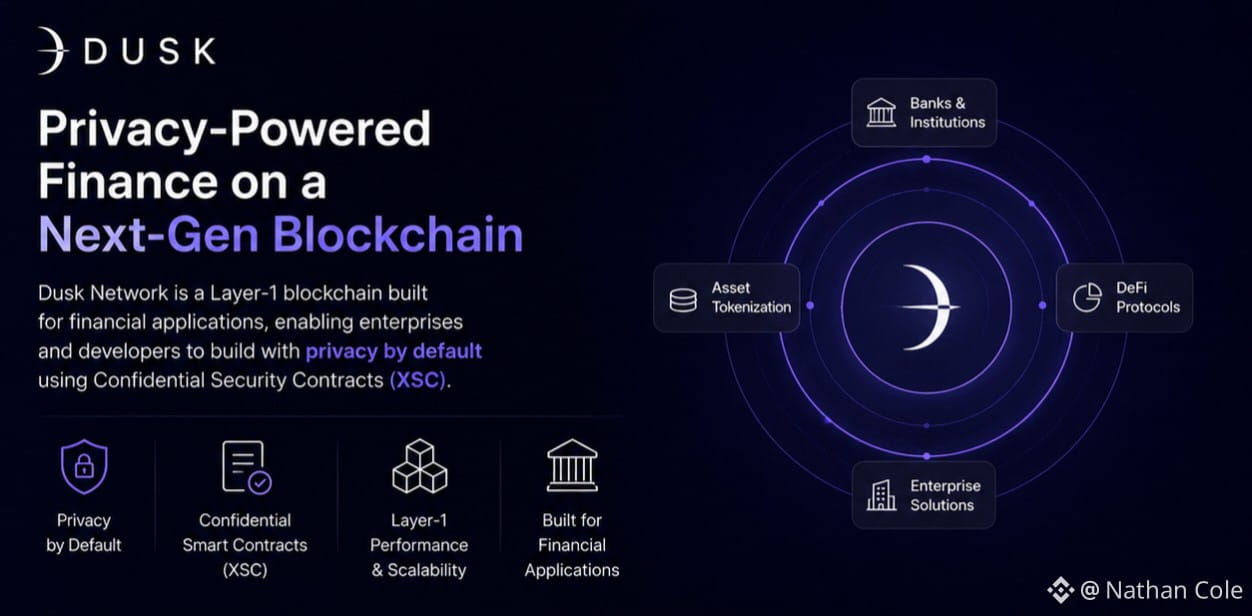
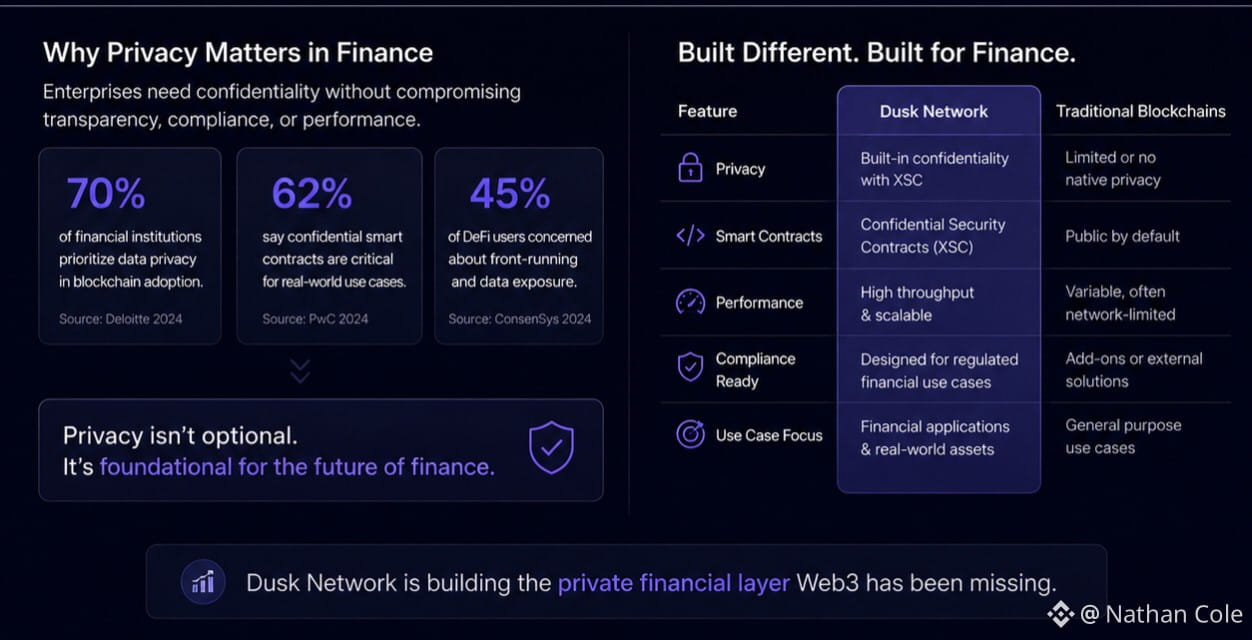
私が面白いと思うのは、プライバシーが“追加機能”として扱われていないことです。Duskは金融アプリケーションのためのレイヤー1を構築していて、機密のスマートコントラクトとXSC標準を備えています。これは私には筋が通っているように思えます。もし金融活動が本当にオンチェーンへ移っていくなら、機関があらゆる機微な情報を誰でも見られる形でそのまま置いておきたいとは考えにくいです。
ただ、私はまだ慎重です。
良い技術を持つプロジェクトが、そのまま同じ退屈な課題にぶつかっていくのを私はいくつも見てきました。規制、流動性、普及、統合、そして単に「今のやり方を変えたくない」という人々の気持ちです。賢いブロックチェーンがそれらの問題を自動的に解決してくれるわけではありません。
なので、私はDuskを見て「すべて分かっていて解決済みだ」と考えているわけではありません。むしろ、そのアイデアが現実に触れたときに生き残れるかどうかを、興味深く見ています。
ひょっとすると、プライバシーは金融ブロックチェーンが本当に必要とする要素の一つになるのかもしれません。あるいは、市場が別の何かへ移っていくのかもしれません。
当面は、ただ見守るだけです。何度も繰り返されるサイクルを経て、思い出しておく価値のあるプロジェクトは、たいてい最も大声で叫ぶ必要がないということを学びました。
@Dusk_Foundation #Dusk $DUSK
{spot}(DUSKUSDT)
#dusk $DUSK 暗号の世界を十分長く見てきたからなのか、同じ考えが数年ごとに“新しい名前”や“新しいロゴ”をまとって戻ってきて、周りはさらに騒がしくなる——そういうことは何度も目にしてきました。プライバシーもその一つです。誰もがそれが重要だとは言うものの、実際に人々が使うものを作るとなると話は別です。
だからこそ、私にとってDusk Networkは注目しておく価値があります。
私が面白いと思うのは、プライバシーが“追加機能”として扱われていないことです。Duskは金融アプリケーションのためのレイヤー1を構築していて、機密のスマートコントラクトとXSC標準を備えています。これは私には筋が通っているように思えます。もし金融活動が本当にオンチェーンへ移っていくなら、機関があらゆる機微な情報を誰でも見られる形でそのまま置いておきたいとは考えにくいです。
ただ、私はまだ慎重です。
良い技術を持つプロジェクトが、そのまま同じ退屈な課題にぶつかっていくのを私はいくつも見てきました。規制、流動性、普及、統合、そして単に「今のやり方を変えたくない」という人々の気持ちです。賢いブロックチェーンがそれらの問題を自動的に解決してくれるわけではありません。
なので、私はDuskを見て「すべて分かっていて解決済みだ」と考えているわけではありません。むしろ、そのアイデアが現実に触れたときに生き残れるかどうかを、興味深く見ています。
ひょっとすると、プライバシーは金融ブロックチェーンが本当に必要とする要素の一つになるのかもしれません。あるいは、市場が別の何かへ移っていくのかもしれません。
当面は、ただ見守るだけです。何度も繰り返されるサイクルを経て、思い出しておく価値のあるプロジェクトは、たいてい最も大声で叫ぶ必要がないということを学びました。
@Dusk #Dusk $DUSK
だからこそ、私にとってDusk Networkは注目しておく価値があります。
私が面白いと思うのは、プライバシーが“追加機能”として扱われていないことです。Duskは金融アプリケーションのためのレイヤー1を構築していて、機密のスマートコントラクトとXSC標準を備えています。これは私には筋が通っているように思えます。もし金融活動が本当にオンチェーンへ移っていくなら、機関があらゆる機微な情報を誰でも見られる形でそのまま置いておきたいとは考えにくいです。
ただ、私はまだ慎重です。
良い技術を持つプロジェクトが、そのまま同じ退屈な課題にぶつかっていくのを私はいくつも見てきました。規制、流動性、普及、統合、そして単に「今のやり方を変えたくない」という人々の気持ちです。賢いブロックチェーンがそれらの問題を自動的に解決してくれるわけではありません。
なので、私はDuskを見て「すべて分かっていて解決済みだ」と考えているわけではありません。むしろ、そのアイデアが現実に触れたときに生き残れるかどうかを、興味深く見ています。
ひょっとすると、プライバシーは金融ブロックチェーンが本当に必要とする要素の一つになるのかもしれません。あるいは、市場が別の何かへ移っていくのかもしれません。
当面は、ただ見守るだけです。何度も繰り返されるサイクルを経て、思い出しておく価値のあるプロジェクトは、たいてい最も大声で叫ぶ必要がないということを学びました。
@Dusk #Dusk $DUSK
1
137
·
--
ブリッシュ
#dusk $DUSK 私は暗号資産の世界に十分長くいて、「プライバシー」という言葉が、実際の中身よりもずっと魅力的に聞こえることを知っています。大きな約束を掲げて注目を集め、そして実際の問題がどれほど複雑かを人々が理解した途端に消えていくプロジェクトを、私は何度も見てきました。
だからこそ、Duskが私の目に留まりました。
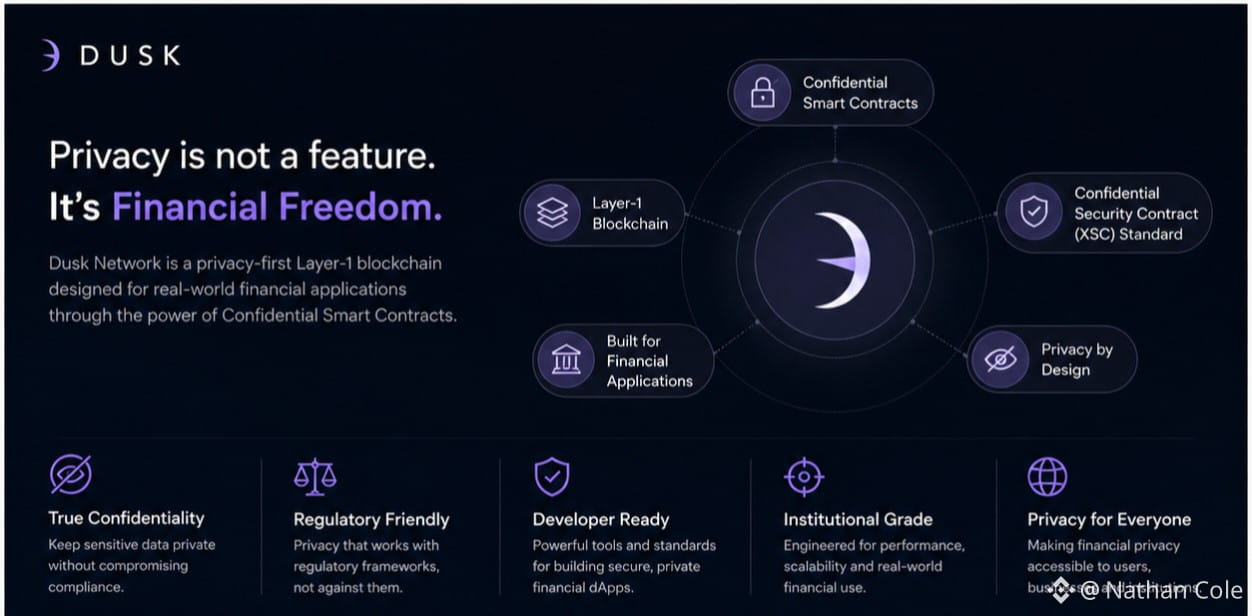
金融アプリケーションのためにプライバシーを軸にしたレイヤー1という発想には、私も納得できます。多くの金融活動には、すべての細部を世界中に見せる必要はおそらくありません。Duskは、機密スマートコントラクトと「Confidential Security Contract」標準を通じて、その方向性を実現しようとしています。
でも正直、私はまだ懐疑的です。
プライバシーは簡単に聞こえますが、本当にお金を動かして、機関が関与し、規制があり、監査があり、さらに一般のユーザーも絡んでくると、話は一気にややこしくなります。取引は秘匿にしたい。でも、正当性を誰かが検証する必要があります。何か問題が起きたときには透明性が必要。でも、あなたの金融履歴すべてが永遠に公開され続けるのは必ずしも望まないのです。
私は暗号資産のプロジェクトが技術面の解決に取り組む一方で、人間の面をまったく見くびっているのを見てきました。
だから私は、Duskがすべてを解決したと考えているわけではありません。少なくともまだ。私が面白いと思うのは、流行からは少し外れていて、しかし現実的で実用的に感じられる課題に取り組んでいることです。
たぶん、それが私が注目している理由です。
これまで何度も多くのサイクルを見てきた結果、私は「未来」を叫ぶプロジェクトにあまり惹かれなくなりました。むしろ、今まさに人々を困らせている何かを、黙々と直そうとしているものを見たいのです。
@Dusk_Foundation #Dusk $DUSK
{spot}(DUSKUSDT)
#dusk $DUSK 私は暗号資産の世界に十分長くいて、「プライバシー」という言葉が、実際の中身よりもずっと魅力的に聞こえることを知っています。大きな約束を掲げて注目を集め、そして実際の問題がどれほど複雑かを人々が理解した途端に消えていくプロジェクトを、私は何度も見てきました。
だからこそ、Duskが私の目に留まりました。
金融アプリケーションのためにプライバシーを軸にしたレイヤー1という発想には、私も納得できます。多くの金融活動には、すべての細部を世界中に見せる必要はおそらくありません。Duskは、機密スマートコントラクトと「Confidential Security Contract」標準を通じて、その方向性を実現しようとしています。
でも正直、私はまだ懐疑的です。
プライバシーは簡単に聞こえますが、本当にお金を動かして、機関が関与し、規制があり、監査があり、さらに一般のユーザーも絡んでくると、話は一気にややこしくなります。取引は秘匿にしたい。でも、正当性を誰かが検証する必要があります。何か問題が起きたときには透明性が必要。でも、あなたの金融履歴すべてが永遠に公開され続けるのは必ずしも望まないのです。
私は暗号資産のプロジェクトが技術面の解決に取り組む一方で、人間の面をまったく見くびっているのを見てきました。
だから私は、Duskがすべてを解決したと考えているわけではありません。少なくともまだ。私が面白いと思うのは、流行からは少し外れていて、しかし現実的で実用的に感じられる課題に取り組んでいることです。
たぶん、それが私が注目している理由です。
これまで何度も多くのサイクルを見てきた結果、私は「未来」を叫ぶプロジェクトにあまり惹かれなくなりました。むしろ、今まさに人々を困らせている何かを、黙々と直そうとしているものを見たいのです。
@Dusk #Dusk $DUSK
だからこそ、Duskが私の目に留まりました。
金融アプリケーションのためにプライバシーを軸にしたレイヤー1という発想には、私も納得できます。多くの金融活動には、すべての細部を世界中に見せる必要はおそらくありません。Duskは、機密スマートコントラクトと「Confidential Security Contract」標準を通じて、その方向性を実現しようとしています。
でも正直、私はまだ懐疑的です。
プライバシーは簡単に聞こえますが、本当にお金を動かして、機関が関与し、規制があり、監査があり、さらに一般のユーザーも絡んでくると、話は一気にややこしくなります。取引は秘匿にしたい。でも、正当性を誰かが検証する必要があります。何か問題が起きたときには透明性が必要。でも、あなたの金融履歴すべてが永遠に公開され続けるのは必ずしも望まないのです。
私は暗号資産のプロジェクトが技術面の解決に取り組む一方で、人間の面をまったく見くびっているのを見てきました。
だから私は、Duskがすべてを解決したと考えているわけではありません。少なくともまだ。私が面白いと思うのは、流行からは少し外れていて、しかし現実的で実用的に感じられる課題に取り組んでいることです。
たぶん、それが私が注目している理由です。
これまで何度も多くのサイクルを見てきた結果、私は「未来」を叫ぶプロジェクトにあまり惹かれなくなりました。むしろ、今まさに人々を困らせている何かを、黙々と直そうとしているものを見たいのです。
@Dusk #Dusk $DUSK
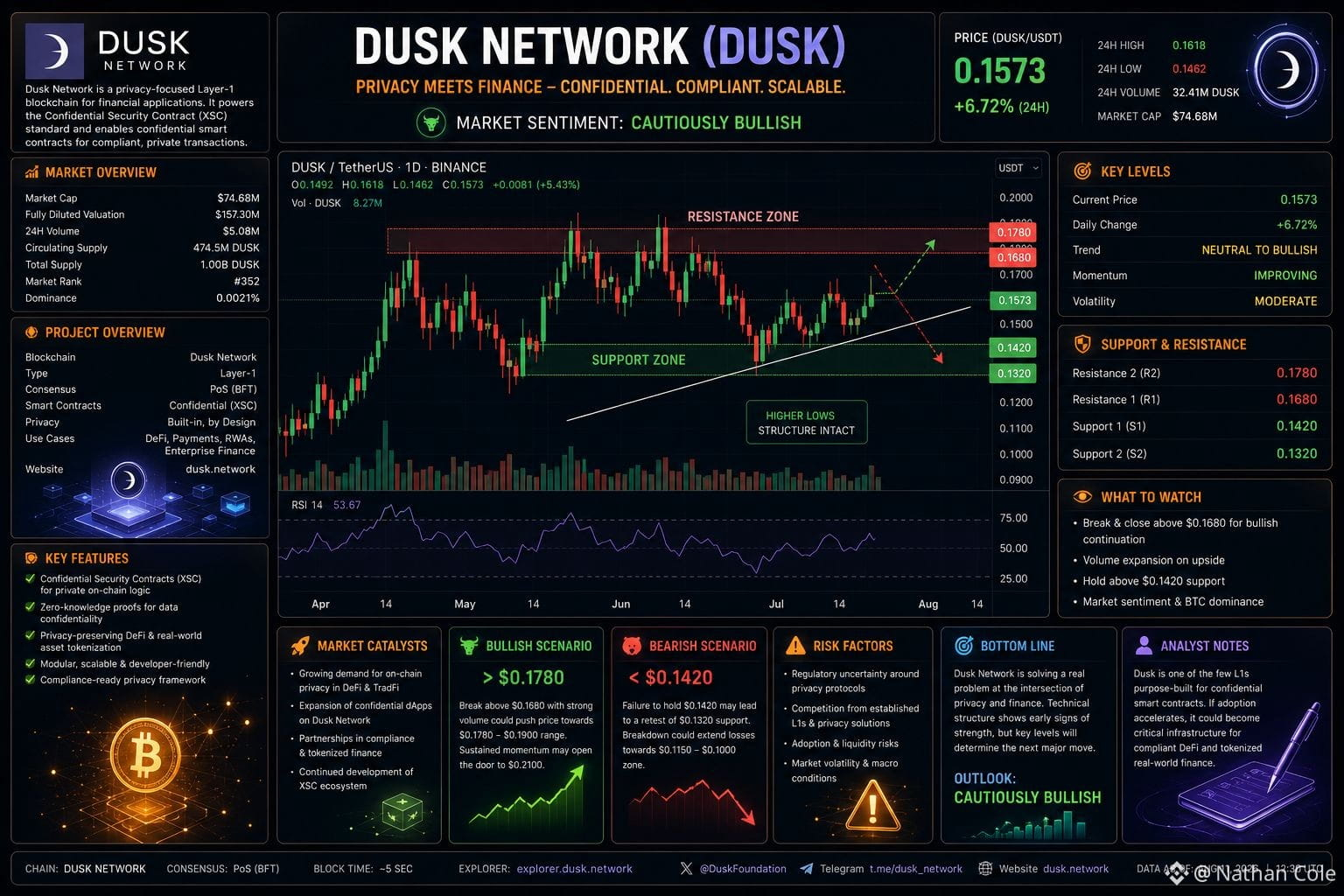
1
1
117
·
--
ブリッシュ
#dusk $DUSK 私は何年も暗号資産を見てきましたが、正直なところ、毎サイクル同じ言葉が繰り返し出てくるのを聞くのに少し疲れてきました。
その中の一つが「プライバシー」です。
数年おきに、皆が突然、「金融活動は世界に完全にさらされるべきではないのでは」と思い出します。すると、いくつかのプロジェクトが登場して大きな約束をし、最終的には会話の行き先がどこか別の場所に移っていくのです。
Dusk Networkは、私にとっては少し違って見えます。というのも追いかけている課題が、単に「取引を隠す」ことだけではないからです。機密スマートコントラクトとXSC標準を備えた、金融アプリケーション向けのLayer-1を構築しているのです。
ただ、それでも私はアイデアだけではまだ確信できていません。
金融はややこしい。プライバシーは必要ですが、ときには「何かが起きた」ことを証明する必要もあります。規制当局は可視性を求めます。ユーザーは秘匿性を望みます。企業は、どうにかして両方を欲しがります。ここで通常、物事は複雑になります。
紙の上では立派に見えるプロジェクトが、実世界で摩擦が出た途端、ずっと印象が薄くなるのを私はたくさん見てきました。
だから、Duskが魔法のように金融のプライバシー問題を解決すると期待しているわけではありません。むしろ、それがプライバシーを「考えなくても実用になる」ほど現実的にできるのかどうか、気になっています。
たぶん、それが本当のテストなのだと思います。
Duskが別のエキサイティングな暗号資産の物語を作れるかどうかではなく、すでに人々が抱えている問題を、静かに解決できるかどうかです。
十分なサイクルを見ているうちに、あまり大声で叫ぶ必要のないプロジェクトを、私は高く評価するようになりました。
@Dusk_Foundation #Dusk $DUSK
{spot}(DUSKUSDT)
#dusk $DUSK 私は何年も暗号資産を見てきましたが、正直なところ、毎サイクル同じ言葉が繰り返し出てくるのを聞くのに少し疲れてきました。
その中の一つが「プライバシー」です。
数年おきに、皆が突然、「金融活動は世界に完全にさらされるべきではないのでは」と思い出します。すると、いくつかのプロジェクトが登場して大きな約束をし、最終的には会話の行き先がどこか別の場所に移っていくのです。
Dusk Networkは、私にとっては少し違って見えます。というのも追いかけている課題が、単に「取引を隠す」ことだけではないからです。機密スマートコントラクトとXSC標準を備えた、金融アプリケーション向けのLayer-1を構築しているのです。
ただ、それでも私はアイデアだけではまだ確信できていません。
金融はややこしい。プライバシーは必要ですが、ときには「何かが起きた」ことを証明する必要もあります。規制当局は可視性を求めます。ユーザーは秘匿性を望みます。企業は、どうにかして両方を欲しがります。ここで通常、物事は複雑になります。
紙の上では立派に見えるプロジェクトが、実世界で摩擦が出た途端、ずっと印象が薄くなるのを私はたくさん見てきました。
だから、Duskが魔法のように金融のプライバシー問題を解決すると期待しているわけではありません。むしろ、それがプライバシーを「考えなくても実用になる」ほど現実的にできるのかどうか、気になっています。
たぶん、それが本当のテストなのだと思います。
Duskが別のエキサイティングな暗号資産の物語を作れるかどうかではなく、すでに人々が抱えている問題を、静かに解決できるかどうかです。
十分なサイクルを見ているうちに、あまり大声で叫ぶ必要のないプロジェクトを、私は高く評価するようになりました。
@Dusk #Dusk $DUSK
その中の一つが「プライバシー」です。
数年おきに、皆が突然、「金融活動は世界に完全にさらされるべきではないのでは」と思い出します。すると、いくつかのプロジェクトが登場して大きな約束をし、最終的には会話の行き先がどこか別の場所に移っていくのです。
Dusk Networkは、私にとっては少し違って見えます。というのも追いかけている課題が、単に「取引を隠す」ことだけではないからです。機密スマートコントラクトとXSC標準を備えた、金融アプリケーション向けのLayer-1を構築しているのです。
ただ、それでも私はアイデアだけではまだ確信できていません。
金融はややこしい。プライバシーは必要ですが、ときには「何かが起きた」ことを証明する必要もあります。規制当局は可視性を求めます。ユーザーは秘匿性を望みます。企業は、どうにかして両方を欲しがります。ここで通常、物事は複雑になります。
紙の上では立派に見えるプロジェクトが、実世界で摩擦が出た途端、ずっと印象が薄くなるのを私はたくさん見てきました。
だから、Duskが魔法のように金融のプライバシー問題を解決すると期待しているわけではありません。むしろ、それがプライバシーを「考えなくても実用になる」ほど現実的にできるのかどうか、気になっています。
たぶん、それが本当のテストなのだと思います。
Duskが別のエキサイティングな暗号資産の物語を作れるかどうかではなく、すでに人々が抱えている問題を、静かに解決できるかどうかです。
十分なサイクルを見ているうちに、あまり大声で叫ぶ必要のないプロジェクトを、私は高く評価するようになりました。
@Dusk #Dusk $DUSK
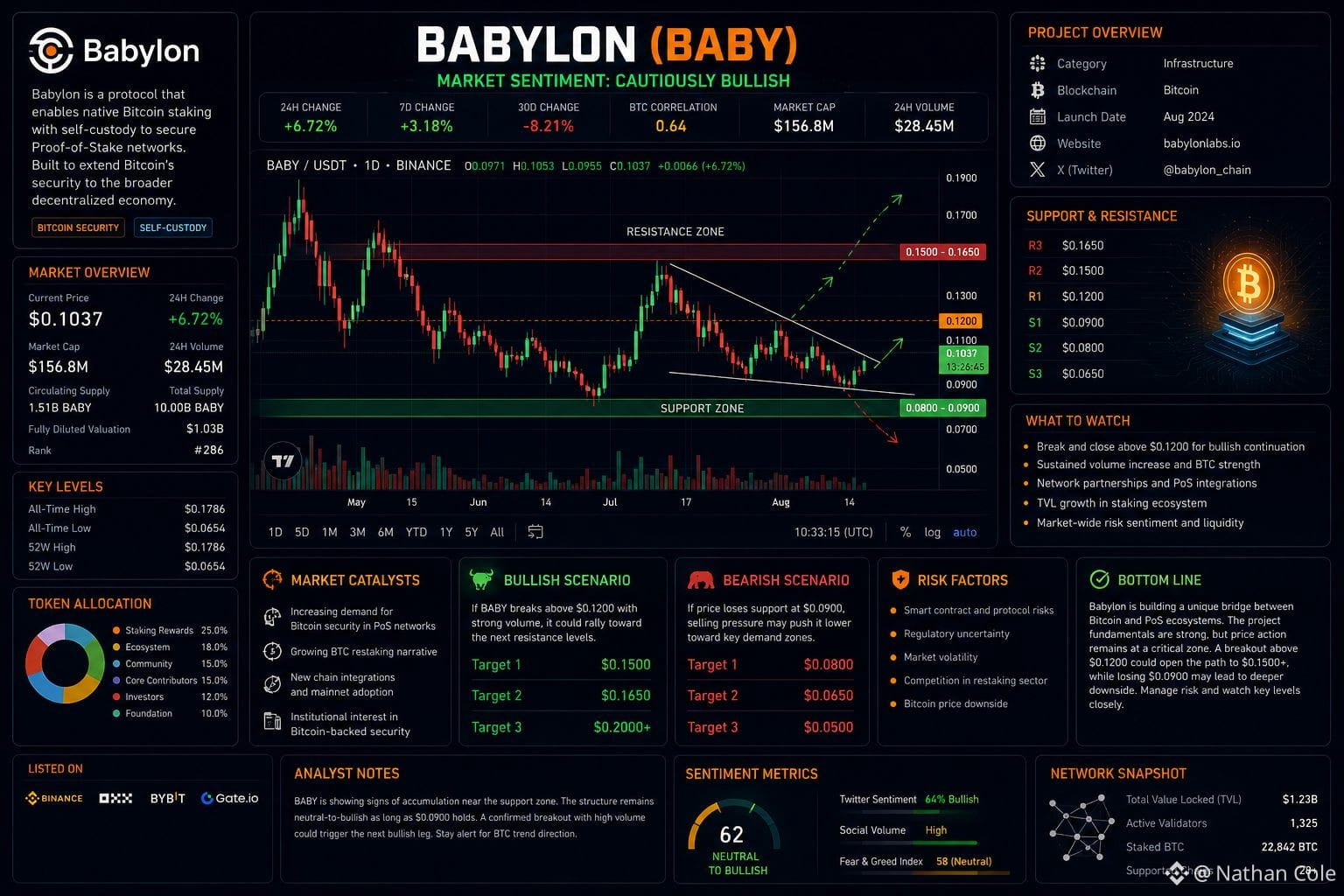
2
1
136
·
--
ブリッシュ
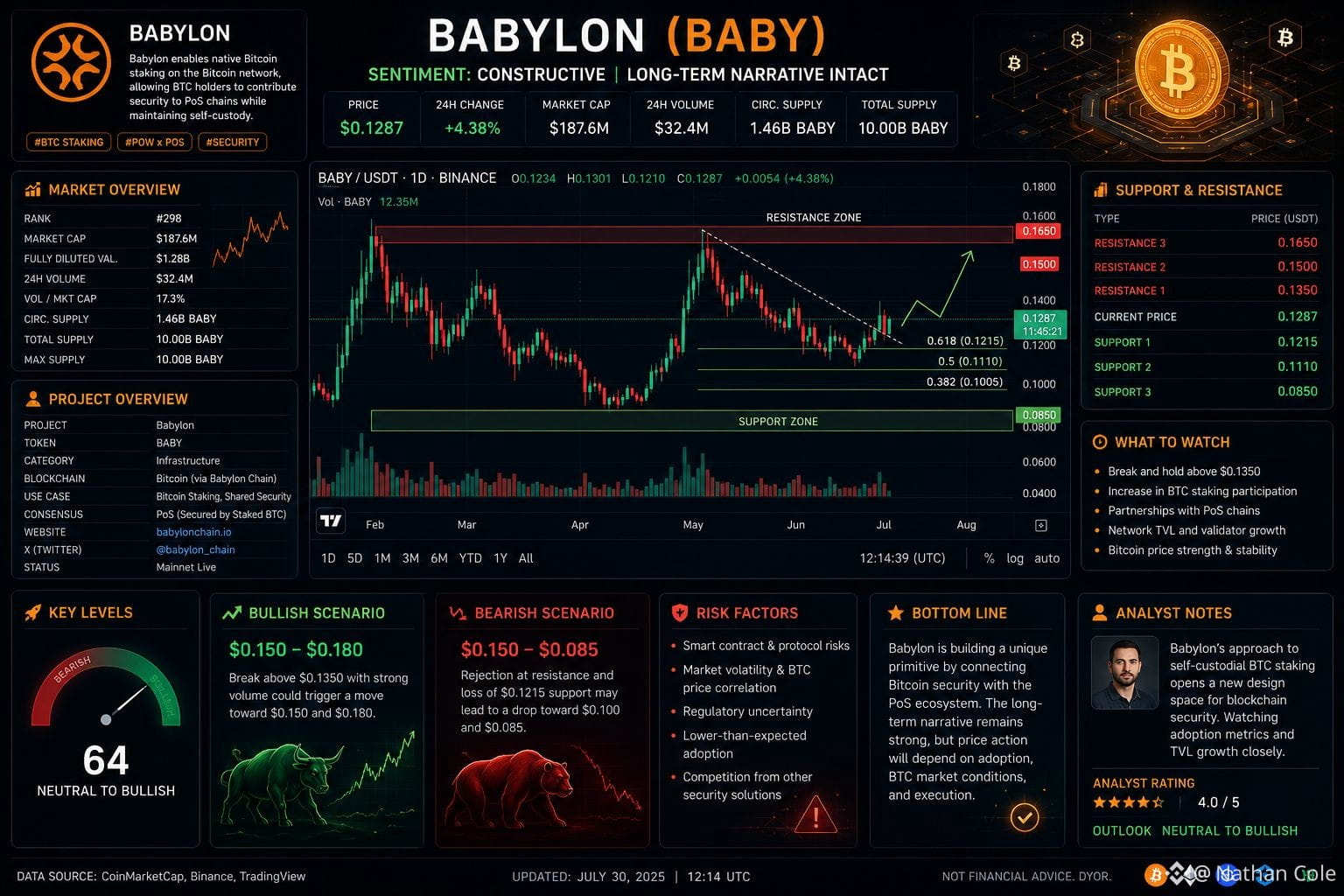
#baby $BABY 最近になって、暗号が何になり得るかということよりも、熱が冷めたあとに実際に生き残るものは何かに、ずっと関心が向いているのを自覚しました。これまで何度もサイクルを見てきて、磨き上げられたアイデアが、届いたのとほぼ同じ速さで消えていくのを何度も見てきました。たぶんそれが、バビロンに惹かれた理由です。成功が保証されているからではなく、私が何年も静かに抱えていた問いを投げかけているからです。
ビットコインは、いちばん信頼されている資産のように感じてきました。けれども実際には、新しいネットワークがあれこれ試す間、脇に置かれがちです。バビロンが、セルフカストディを手放すことなくBTCにPoSチェーンのセキュリティを支える役割を担わせようとしているのは、考え抜かれた発想に思えます。でも、私はそれなりに長くこの世界を見てきて知っています。いちばん難しいのは、賢い仕組みを作ることではありません。インセンティブだけがすべてを語らなくなったあとでも、人がそれを使いたいと思い続けるようにすることです。
たぶん、そのあたりが私のためらいの正体なのかもしれません。暗号の世界には、あらゆる技術的な改善を「欠けていたピース」に見せてしまう癖があります。大半の場合、それは本当に欠けているわけではありません。実際の普及はたいていもっとゆっくり進み、人はホワイトペーパーが想定する通りには振る舞いません。
私はバビロンがすべてを変えると言っているわけではありません。正直、わかりません。ただ、いつもの喧騒と比べると、どこか土台のある感じがします。ビットコインを明日から作り直そうとしているわけではありません。最初にそれを信頼させたものを手放すよう求めずに、ビットコインを少しだけ役に立つものにしようとしているのです。
たぶん、これを見続けるのに十分な理由になるでしょう。確信があるからではなく、静かなアイデアこそ、時にはいちばん長い注意を払う価値があると学んだからです。
@babylonlabs_io #Baby $BABY
{spot}(BABYUSDT)
#baby $BABY 最近になって、暗号が何になり得るかということよりも、熱が冷めたあとに実際に生き残るものは何かに、ずっと関心が向いているのを自覚しました。これまで何度もサイクルを見てきて、磨き上げられたアイデアが、届いたのとほぼ同じ速さで消えていくのを何度も見てきました。たぶんそれが、バビロンに惹かれた理由です。成功が保証されているからではなく、私が何年も静かに抱えていた問いを投げかけているからです。
ビットコインは、いちばん信頼されている資産のように感じてきました。けれども実際には、新しいネットワークがあれこれ試す間、脇に置かれがちです。バビロンが、セルフカストディを手放すことなくBTCにPoSチェーンのセキュリティを支える役割を担わせようとしているのは、考え抜かれた発想に思えます。でも、私はそれなりに長くこの世界を見てきて知っています。いちばん難しいのは、賢い仕組みを作ることではありません。インセンティブだけがすべてを語らなくなったあとでも、人がそれを使いたいと思い続けるようにすることです。
たぶん、そのあたりが私のためらいの正体なのかもしれません。暗号の世界には、あらゆる技術的な改善を「欠けていたピース」に見せてしまう癖があります。大半の場合、それは本当に欠けているわけではありません。実際の普及はたいていもっとゆっくり進み、人はホワイトペーパーが想定する通りには振る舞いません。
私はバビロンがすべてを変えると言っているわけではありません。正直、わかりません。ただ、いつもの喧騒と比べると、どこか土台のある感じがします。ビットコインを明日から作り直そうとしているわけではありません。最初にそれを信頼させたものを手放すよう求めずに、ビットコインを少しだけ役に立つものにしようとしているのです。
たぶん、これを見続けるのに十分な理由になるでしょう。確信があるからではなく、静かなアイデアこそ、時にはいちばん長い注意を払う価値があると学んだからです。
@BabylonLabs_io #Baby $BABY
ビットコインは、いちばん信頼されている資産のように感じてきました。けれども実際には、新しいネットワークがあれこれ試す間、脇に置かれがちです。バビロンが、セルフカストディを手放すことなくBTCにPoSチェーンのセキュリティを支える役割を担わせようとしているのは、考え抜かれた発想に思えます。でも、私はそれなりに長くこの世界を見てきて知っています。いちばん難しいのは、賢い仕組みを作ることではありません。インセンティブだけがすべてを語らなくなったあとでも、人がそれを使いたいと思い続けるようにすることです。
たぶん、そのあたりが私のためらいの正体なのかもしれません。暗号の世界には、あらゆる技術的な改善を「欠けていたピース」に見せてしまう癖があります。大半の場合、それは本当に欠けているわけではありません。実際の普及はたいていもっとゆっくり進み、人はホワイトペーパーが想定する通りには振る舞いません。
私はバビロンがすべてを変えると言っているわけではありません。正直、わかりません。ただ、いつもの喧騒と比べると、どこか土台のある感じがします。ビットコインを明日から作り直そうとしているわけではありません。最初にそれを信頼させたものを手放すよう求めずに、ビットコインを少しだけ役に立つものにしようとしているのです。
たぶん、これを見続けるのに十分な理由になるでしょう。確信があるからではなく、静かなアイデアこそ、時にはいちばん長い注意を払う価値があると学んだからです。
@BabylonLabs_io #Baby $BABY
3
108
·
--
🎙️ 米連邦準備制度は9月の利上げ確率が82%に急騰!無リスク金利が急上昇、トランプが声を上げて引き続きイランを攻撃;暗号資産市場はこれからどう動く?
終了
03 時間 21 分 10 秒
10.9k
31
74

·
--
ブリッシュ
#baby $BABY 他のアイデアよりも、私の頭の中に長く残り続けるものがあります。バビロンはそのひとつです。うまくいくことが保証されているからではなく、私がずっと気になっていた問いを投げかけているからです。ビットコインは、人々に「ビットコイン」として扱うのをやめさせることなく、より大きな役割を果たせるのでしょうか?
私は、あらゆるサイクルが新しい方法でBTCを「アンロック(解放)」する流れを生み出すのを十分長く見てきました。それらの多くは、実際の人々がそれを使い始めるまでは素晴らしく見えました。すると妥協点が姿を現し、リスクがはっきりして、熱は静かにどこか別の場所へ移っていきました。だから私は今は慎重です。何かが賢そうに聞こえるだけで、私は簡単にワクワクしないんです。
バビロンについて私が面白いと思うのは、より高い利回りを約束しているとか、新しい物語を提示しているとかではありません。ビットコインの保有者が、たいていは理由のある形で慎重であることを尊重しているように見える点です。ネットワークのセキュリティに貢献しながら保管(カストディ)を維持することは、未回答の疑問が残っているとしても、より思慮深い方向性のように感じます。
うまくいくかもしれません。あるいは、今日見えている以上にトレードオフが大きくなるのかもしれない。暗号資産は、度を越した自信を持つ人たちを一様に謙虚にさせるところがあります。私はその様子を何度も見てきたので、もうどちらか一方につく必要を感じません。
だから私はただ見ています。大きな期待も、劇的な予測もありません。注目する価値があるプロジェクトは、いつも騒ぎを一番起こしているものとは限りません。簡単なことだと見せかけずに、古い問題を静かに解こうとしているものこそが、そういう存在かもしれません。多分、それがバビロンを私の監視リストに残している理由です。
@babylonlabs_io #Baby $BABY
{spot}(BABYUSDT)
#baby $BABY 他のアイデアよりも、私の頭の中に長く残り続けるものがあります。バビロンはそのひとつです。うまくいくことが保証されているからではなく、私がずっと気になっていた問いを投げかけているからです。ビットコインは、人々に「ビットコイン」として扱うのをやめさせることなく、より大きな役割を果たせるのでしょうか?
私は、あらゆるサイクルが新しい方法でBTCを「アンロック(解放)」する流れを生み出すのを十分長く見てきました。それらの多くは、実際の人々がそれを使い始めるまでは素晴らしく見えました。すると妥協点が姿を現し、リスクがはっきりして、熱は静かにどこか別の場所へ移っていきました。だから私は今は慎重です。何かが賢そうに聞こえるだけで、私は簡単にワクワクしないんです。
バビロンについて私が面白いと思うのは、より高い利回りを約束しているとか、新しい物語を提示しているとかではありません。ビットコインの保有者が、たいていは理由のある形で慎重であることを尊重しているように見える点です。ネットワークのセキュリティに貢献しながら保管(カストディ)を維持することは、未回答の疑問が残っているとしても、より思慮深い方向性のように感じます。
うまくいくかもしれません。あるいは、今日見えている以上にトレードオフが大きくなるのかもしれない。暗号資産は、度を越した自信を持つ人たちを一様に謙虚にさせるところがあります。私はその様子を何度も見てきたので、もうどちらか一方につく必要を感じません。
だから私はただ見ています。大きな期待も、劇的な予測もありません。注目する価値があるプロジェクトは、いつも騒ぎを一番起こしているものとは限りません。簡単なことだと見せかけずに、古い問題を静かに解こうとしているものこそが、そういう存在かもしれません。多分、それがバビロンを私の監視リストに残している理由です。
@BabylonLabs_io #Baby $BABY
私は、あらゆるサイクルが新しい方法でBTCを「アンロック(解放)」する流れを生み出すのを十分長く見てきました。それらの多くは、実際の人々がそれを使い始めるまでは素晴らしく見えました。すると妥協点が姿を現し、リスクがはっきりして、熱は静かにどこか別の場所へ移っていきました。だから私は今は慎重です。何かが賢そうに聞こえるだけで、私は簡単にワクワクしないんです。
バビロンについて私が面白いと思うのは、より高い利回りを約束しているとか、新しい物語を提示しているとかではありません。ビットコインの保有者が、たいていは理由のある形で慎重であることを尊重しているように見える点です。ネットワークのセキュリティに貢献しながら保管(カストディ)を維持することは、未回答の疑問が残っているとしても、より思慮深い方向性のように感じます。
うまくいくかもしれません。あるいは、今日見えている以上にトレードオフが大きくなるのかもしれない。暗号資産は、度を越した自信を持つ人たちを一様に謙虚にさせるところがあります。私はその様子を何度も見てきたので、もうどちらか一方につく必要を感じません。
だから私はただ見ています。大きな期待も、劇的な予測もありません。注目する価値があるプロジェクトは、いつも騒ぎを一番起こしているものとは限りません。簡単なことだと見せかけずに、古い問題を静かに解こうとしているものこそが、そういう存在かもしれません。多分、それがバビロンを私の監視リストに残している理由です。
@BabylonLabs_io #Baby $BABY
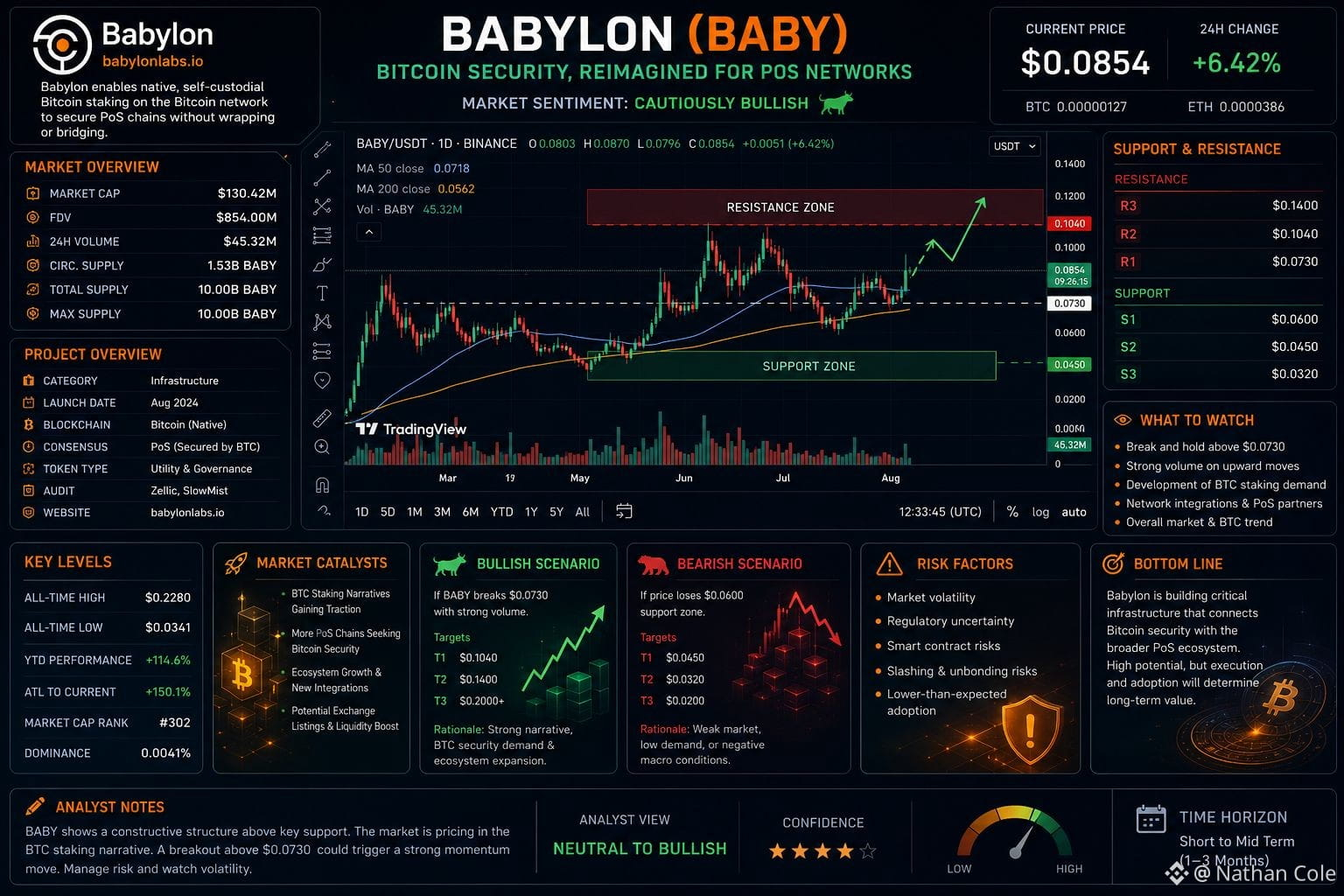
1
184
·
--
ブリッシュ
#baby $BABY 私はバビロンがより良いステーキング体験を構築しようとしているのだと思っていました。最初の印象としてはそれも納得できるものでした。しかし、これらの仕組みがどのように進化していくのかを見ている時間が増えるほど、ステーキングが本当の物語なのかどうか、私はますます確信が持てなくなっています。
私の注意を引き戻してくるのは、協調(コーディネーション)です。ビットコインは、人々が「所有権を妥協したくない」という理由で保有する資産のようにずっと感じられてきました。バビロンは、その考え方に必ずしも挑戦はしていません。むしろ、「同じ資本が、所有者の手元にあり続けたまま、他のネットワークのセキュリティを静かに支えることができるのか?」を問うています。
それで気づいたのは、面白いのは利回りではなく、行動(振る舞い)だということです。十分な人々が、所有権に対する考え方を変えずに、共有されたセキュリティの周りで協調を始めるなら、その効果は、ひとつのプロトコルを超えて広がり得るかもしれません。
また、Project Genius や Genius Coin のようなプロジェクトが、最終的にそれぞれ単独で立つのではなく、そのより広い協調レイヤーの一部になっていくのかとも考えています。たぶん、これらのネットワークが向かっている方向はそこなのでしょう。あるいは、私たちは、いままさに現れ始めたばかりのパターンに対して、意味を与えすぎているのかもしれません。
@babylonlabs_io #Baby $BABY
{spot}(BABYUSDT)
#baby $BABY 私はバビロンがより良いステーキング体験を構築しようとしているのだと思っていました。最初の印象としてはそれも納得できるものでした。しかし、これらの仕組みがどのように進化していくのかを見ている時間が増えるほど、ステーキングが本当の物語なのかどうか、私はますます確信が持てなくなっています。
私の注意を引き戻してくるのは、協調(コーディネーション)です。ビットコインは、人々が「所有権を妥協したくない」という理由で保有する資産のようにずっと感じられてきました。バビロンは、その考え方に必ずしも挑戦はしていません。むしろ、「同じ資本が、所有者の手元にあり続けたまま、他のネットワークのセキュリティを静かに支えることができるのか?」を問うています。
それで気づいたのは、面白いのは利回りではなく、行動(振る舞い)だということです。十分な人々が、所有権に対する考え方を変えずに、共有されたセキュリティの周りで協調を始めるなら、その効果は、ひとつのプロトコルを超えて広がり得るかもしれません。
また、Project Genius や Genius Coin のようなプロジェクトが、最終的にそれぞれ単独で立つのではなく、そのより広い協調レイヤーの一部になっていくのかとも考えています。たぶん、これらのネットワークが向かっている方向はそこなのでしょう。あるいは、私たちは、いままさに現れ始めたばかりのパターンに対して、意味を与えすぎているのかもしれません。
@BabylonLabs_io #Baby $BABY
私の注意を引き戻してくるのは、協調(コーディネーション)です。ビットコインは、人々が「所有権を妥協したくない」という理由で保有する資産のようにずっと感じられてきました。バビロンは、その考え方に必ずしも挑戦はしていません。むしろ、「同じ資本が、所有者の手元にあり続けたまま、他のネットワークのセキュリティを静かに支えることができるのか?」を問うています。
それで気づいたのは、面白いのは利回りではなく、行動(振る舞い)だということです。十分な人々が、所有権に対する考え方を変えずに、共有されたセキュリティの周りで協調を始めるなら、その効果は、ひとつのプロトコルを超えて広がり得るかもしれません。
また、Project Genius や Genius Coin のようなプロジェクトが、最終的にそれぞれ単独で立つのではなく、そのより広い協調レイヤーの一部になっていくのかとも考えています。たぶん、これらのネットワークが向かっている方向はそこなのでしょう。あるいは、私たちは、いままさに現れ始めたばかりのパターンに対して、意味を与えすぎているのかもしれません。
@BabylonLabs_io #Baby $BABY
100
·
--
ブリッシュ
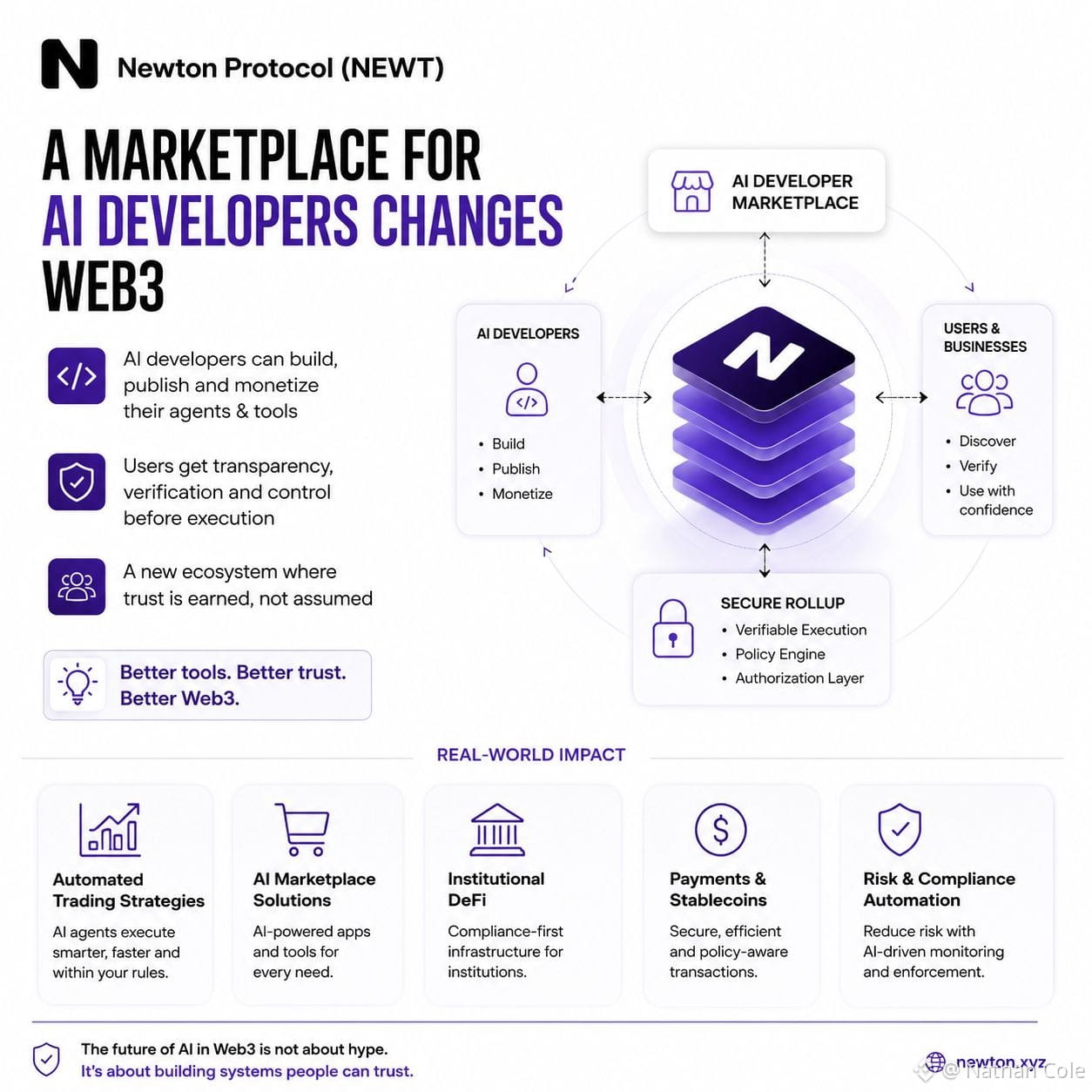
#newt $NEWT クリプトの世界に十分長く身を置いてきたからこそ、すべてのサイクルには「すべてを変えるはずの新しい物語」が付いてくるのだと分かっています。けれど、その多くは人々が思うよりも早く色あせていきます。
だから私は、もはやバズワードにはあまり注意を払わないようにしています。
ただ最近、別のことを考えるようになりました。Web3が、AI開発者が役に立つツールを実際に作り、共有し、そこから稼げる場所になるとしたら、どうなるのだろうか。単に次のトークンを発行するだけではない世界です。
私にとって面白いのは、AIそのものではありません。
それは「信頼」です。
誰でも、自分のAIエージェントはより賢い、より速いと主張できます。本当の問いは、人々がそれが何をするのかを理解できるか、どう振る舞うかを検証できるか、そしてそれに自分の代わりに行動させても安心できるかどうかです。
コードを書くことより、ずっと難しい問題です。
もしニュートン・プロトコルのようなプロジェクトが、開発者たちが誇大宣伝ではなく信頼性で競い合うエコシステムを作るのに役立つのだとしたら、それはWeb3の進む方向性を、ひそかに変えてしまうかもしれません。
実現するのでしょうか?
正直、分かりません。
クリプトは、私に懐疑的でいることを教えてくれました。
でも何年もこの市場を見てきて、いちばん大きな変化はたいてい、いちばん大きな見出しと一緒にやって来ないのだと学びました。
ときには、それは古い問題をより良い形で解こうとする人たちから始まります。
これは、私がしっかり見届けたいと思っているアイデアのひとつです。
@NewtonProtocol #Newt $NEWT
{spot}(NEWTUSDT)
#newt $NEWT クリプトの世界に十分長く身を置いてきたからこそ、すべてのサイクルには「すべてを変えるはずの新しい物語」が付いてくるのだと分かっています。けれど、その多くは人々が思うよりも早く色あせていきます。
だから私は、もはやバズワードにはあまり注意を払わないようにしています。
ただ最近、別のことを考えるようになりました。Web3が、AI開発者が役に立つツールを実際に作り、共有し、そこから稼げる場所になるとしたら、どうなるのだろうか。単に次のトークンを発行するだけではない世界です。
私にとって面白いのは、AIそのものではありません。
それは「信頼」です。
誰でも、自分のAIエージェントはより賢い、より速いと主張できます。本当の問いは、人々がそれが何をするのかを理解できるか、どう振る舞うかを検証できるか、そしてそれに自分の代わりに行動させても安心できるかどうかです。
コードを書くことより、ずっと難しい問題です。
もしニュートン・プロトコルのようなプロジェクトが、開発者たちが誇大宣伝ではなく信頼性で競い合うエコシステムを作るのに役立つのだとしたら、それはWeb3の進む方向性を、ひそかに変えてしまうかもしれません。
実現するのでしょうか?
正直、分かりません。
クリプトは、私に懐疑的でいることを教えてくれました。
でも何年もこの市場を見てきて、いちばん大きな変化はたいてい、いちばん大きな見出しと一緒にやって来ないのだと学びました。
ときには、それは古い問題をより良い形で解こうとする人たちから始まります。
これは、私がしっかり見届けたいと思っているアイデアのひとつです。
@NewtonProtocol #Newt $NEWT
だから私は、もはやバズワードにはあまり注意を払わないようにしています。
ただ最近、別のことを考えるようになりました。Web3が、AI開発者が役に立つツールを実際に作り、共有し、そこから稼げる場所になるとしたら、どうなるのだろうか。単に次のトークンを発行するだけではない世界です。
私にとって面白いのは、AIそのものではありません。
それは「信頼」です。
誰でも、自分のAIエージェントはより賢い、より速いと主張できます。本当の問いは、人々がそれが何をするのかを理解できるか、どう振る舞うかを検証できるか、そしてそれに自分の代わりに行動させても安心できるかどうかです。
コードを書くことより、ずっと難しい問題です。
もしニュートン・プロトコルのようなプロジェクトが、開発者たちが誇大宣伝ではなく信頼性で競い合うエコシステムを作るのに役立つのだとしたら、それはWeb3の進む方向性を、ひそかに変えてしまうかもしれません。
実現するのでしょうか?
正直、分かりません。
クリプトは、私に懐疑的でいることを教えてくれました。
でも何年もこの市場を見てきて、いちばん大きな変化はたいてい、いちばん大きな見出しと一緒にやって来ないのだと学びました。
ときには、それは古い問題をより良い形で解こうとする人たちから始まります。
これは、私がしっかり見届けたいと思っているアイデアのひとつです。
@NewtonProtocol #Newt $NEWT
1
123
ログインして、さらにコンテンツを読む
厳選トピックで世界の暗号資産トレーダーの仲間入り
⚡️ 暗号資産に関する最新かつ有益な情報が見つかります。
💬 世界最大の暗号資産取引所から信頼されています。
👍 認証を受けたクリエイターから、有益なインサイトを得られます。
メール / 電話番号
トレンドトピック
ZcashETFPostsFirstWeeklyOutflow$93.6M
閲覧回数 35,957
101人が討論中
#ZcashETFPostsFirstWeeklyOutflow$93.6M
🚨🚨🚨🚨🚨🚨🚨🚨🚨🚨🚨🚨🚨🚨✅ 🚨 ZCASH ETFの資金フローが初めてマイナスに転じる!📉
$ZEC は、機関投資家の資金フローに大きな変化が起きているようで、Zcashの投資商品は8月のローンチ以来初めてとなる週次のネット・アウトフローを記録しました。
ファンドフローのデータによると、直近の週は約$93.6MがZcash商品から引き出され、同時にZECの値動きも大きく冷え込みました。
📊 何が起きた?
• 週次のZcash ETFのアウトフロー:$93.6M
• 9月30日のデイリー・アウトフロー:$30.25M
• ZCSHはこれまで1週間で約$98.2Mを集めていた
• ZECは約$1,300で取引中
• 最近の高値:約$1,690
• 週次の下落:およそ17%超
🔍 注目すべき水準
🟢 サポート:$1,280〜$1,300
🔴 レジスタンス:$1,450〜$1,500
重要なポイントは、$1,300のあたりが維持されて、新たな買い手を引きつけられるかどうかです。
機関投資家のフローも同様に重要です。安定したプラスの流入が戻れば、信頼の再燃を示唆する一方、アウトフローが続けば$ZEC への圧力が続く可能性があります。
👀 これはZECの大幅な上昇(急騰)の後の単なる利益確定なのか、それとも買い手が戻ってくる前に、さらに深い押しが見られるのでしょうか?
下にあなたの見解をシェアしてください。👇
#Zcash #ZEC #ZcashETF #Crypto
#analysis
owhggwiohsjowve
·いいね:0件
·閲覧回数 164
GreekPoliceBustCryptoScamRingArrest17
閲覧回数 79,876
698人が討論中
BitcoinRejectedAt$87K
閲覧回数 123,109
161人が討論中