
Square Alpha
7.6k 投稿

Square Alpha
報告
ユーザーをブロック
Web3 trader & market analyst – uncovering early opportunities, charts, and airdrops – pure alpha, no hype
高頻度トレーダー
5.4年
304 フォロー
12.3K+ フォロワー
12.5K+ いいね
投稿
すべて
引用
ライブ
·
--
今日は、先週彼らのブリッジのハックについて書いた後に確認したいことがあって、dusk自身のドキュメントを日暮れ(duskの名)の中へ戻って詳しく見直したところ、直接つながる重要な詳細を見つけました。
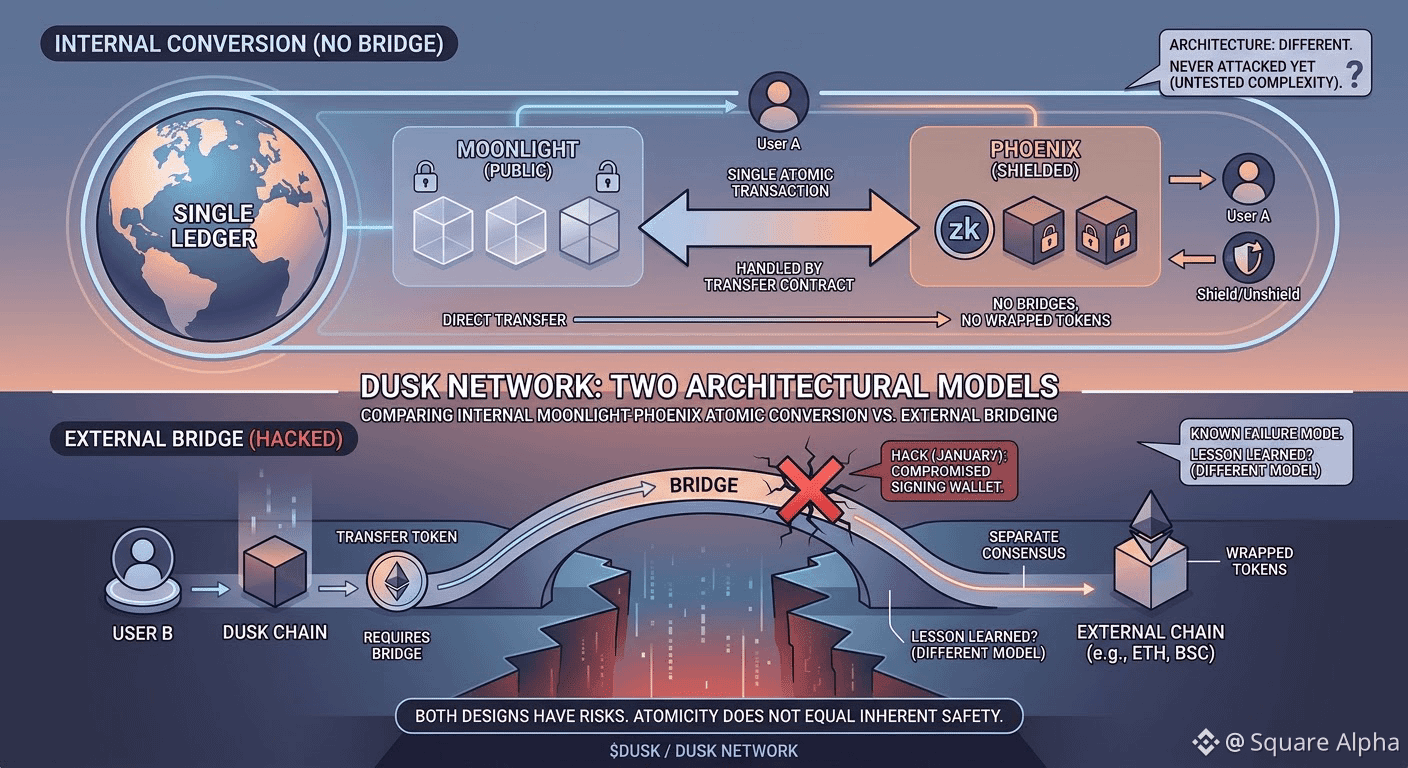
duskは同じ台帳上で2つのトランザクションモデルを動かしています。moonlightは公開型――通常、透明で、ほとんどのチェーンと同じです。phoenixは秘匿型――プライベートで、zkベース。これらを切り替え、秘匿から公開へ、あるいはその逆にするのは、dusk自身の転送コントラクトによって処理される単一のアトミックトランザクションです。
ブリッジはありません。ラップドトークンもありません。彼ら自身のドキュメントによれば:「単一のアトミックトランザクションとして転送コントラクトにより処理――ブリッジもラップドトークンもなし。」
この一文が引っかかりました。というのも、1月のハック――実際に起きたやつ――は、この仕組みが回避するために作られているまさにそのものを経由していたからです。外部チェーンへの別ブリッジで、失敗の引き金になったのは署名ウォレットの侵害でした。
つまり、duskのうち「すでに攻撃を受けた側」はブリッジに依存していた。一方で、公的モードと秘匿モードの間を内部で変換する部分は、意図的にそうではありません。
私はそれを「必要になる前に教訓を学んだのだ」と読めるように思います。でも実際には、内部のシールド/アンシールドの仕組みがより安全だと確認できるわけではありません。確認できるのは、建築(アーキテクチャ)的に別物だということだけです――外部ブリッジがないからといって、自動的に攻撃対象領域がゼロになるわけではなく、ただ「別の種類の」ものになるだけです。同じ台帳上で、まったく異なる2つのトランザクションモデルをアトミックに変換するのは、依然として複雑なコードであり、ブリッジ側ですでに起きたのと同じように、実際の攻撃者によって検証されたことはありません。
duskの一部には既知の失敗モードが今はあります。もう一部はまだ攻撃されていないだけです。それらは、安全と同じではありません。デザインがより慎重に見えるとしても、同じではない。
#dusk @Dusk_Foundation $DUSK
{spot}(DUSKUSDT)
今日は、先週彼らのブリッジのハックについて書いた後に確認したいことがあって、dusk自身のドキュメントを日暮れ(duskの名)の中へ戻って詳しく見直したところ、直接つながる重要な詳細を見つけました。
duskは同じ台帳上で2つのトランザクションモデルを動かしています。moonlightは公開型――通常、透明で、ほとんどのチェーンと同じです。phoenixは秘匿型――プライベートで、zkベース。これらを切り替え、秘匿から公開へ、あるいはその逆にするのは、dusk自身の転送コントラクトによって処理される単一のアトミックトランザクションです。
ブリッジはありません。ラップドトークンもありません。彼ら自身のドキュメントによれば:「単一のアトミックトランザクションとして転送コントラクトにより処理――ブリッジもラップドトークンもなし。」
この一文が引っかかりました。というのも、1月のハック――実際に起きたやつ――は、この仕組みが回避するために作られているまさにそのものを経由していたからです。外部チェーンへの別ブリッジで、失敗の引き金になったのは署名ウォレットの侵害でした。
つまり、duskのうち「すでに攻撃を受けた側」はブリッジに依存していた。一方で、公的モードと秘匿モードの間を内部で変換する部分は、意図的にそうではありません。
私はそれを「必要になる前に教訓を学んだのだ」と読めるように思います。でも実際には、内部のシールド/アンシールドの仕組みがより安全だと確認できるわけではありません。確認できるのは、建築(アーキテクチャ)的に別物だということだけです――外部ブリッジがないからといって、自動的に攻撃対象領域がゼロになるわけではなく、ただ「別の種類の」ものになるだけです。同じ台帳上で、まったく異なる2つのトランザクションモデルをアトミックに変換するのは、依然として複雑なコードであり、ブリッジ側ですでに起きたのと同じように、実際の攻撃者によって検証されたことはありません。
duskの一部には既知の失敗モードが今はあります。もう一部はまだ攻撃されていないだけです。それらは、安全と同じではありません。デザインがより慎重に見えるとしても、同じではない。
#dusk @Dusk $DUSK
duskは同じ台帳上で2つのトランザクションモデルを動かしています。moonlightは公開型――通常、透明で、ほとんどのチェーンと同じです。phoenixは秘匿型――プライベートで、zkベース。これらを切り替え、秘匿から公開へ、あるいはその逆にするのは、dusk自身の転送コントラクトによって処理される単一のアトミックトランザクションです。
ブリッジはありません。ラップドトークンもありません。彼ら自身のドキュメントによれば:「単一のアトミックトランザクションとして転送コントラクトにより処理――ブリッジもラップドトークンもなし。」
この一文が引っかかりました。というのも、1月のハック――実際に起きたやつ――は、この仕組みが回避するために作られているまさにそのものを経由していたからです。外部チェーンへの別ブリッジで、失敗の引き金になったのは署名ウォレットの侵害でした。
つまり、duskのうち「すでに攻撃を受けた側」はブリッジに依存していた。一方で、公的モードと秘匿モードの間を内部で変換する部分は、意図的にそうではありません。
私はそれを「必要になる前に教訓を学んだのだ」と読めるように思います。でも実際には、内部のシールド/アンシールドの仕組みがより安全だと確認できるわけではありません。確認できるのは、建築(アーキテクチャ)的に別物だということだけです――外部ブリッジがないからといって、自動的に攻撃対象領域がゼロになるわけではなく、ただ「別の種類の」ものになるだけです。同じ台帳上で、まったく異なる2つのトランザクションモデルをアトミックに変換するのは、依然として複雑なコードであり、ブリッジ側ですでに起きたのと同じように、実際の攻撃者によって検証されたことはありません。
duskの一部には既知の失敗モードが今はあります。もう一部はまだ攻撃されていないだけです。それらは、安全と同じではありません。デザインがより慎重に見えるとしても、同じではない。
#dusk @Dusk $DUSK
1
2
157
·
--
一部該当
今日、私は「いつもの“プライベート・ブロックチェーン”の売り文句」をする、プライバシー重視のL1がまた登場するのだろうと期待してDuskを開いてみた。
しかし、規制を完全に無視することなく、Duskがどのようにプライバシーを扱っているのかを掘り下げ始めた。
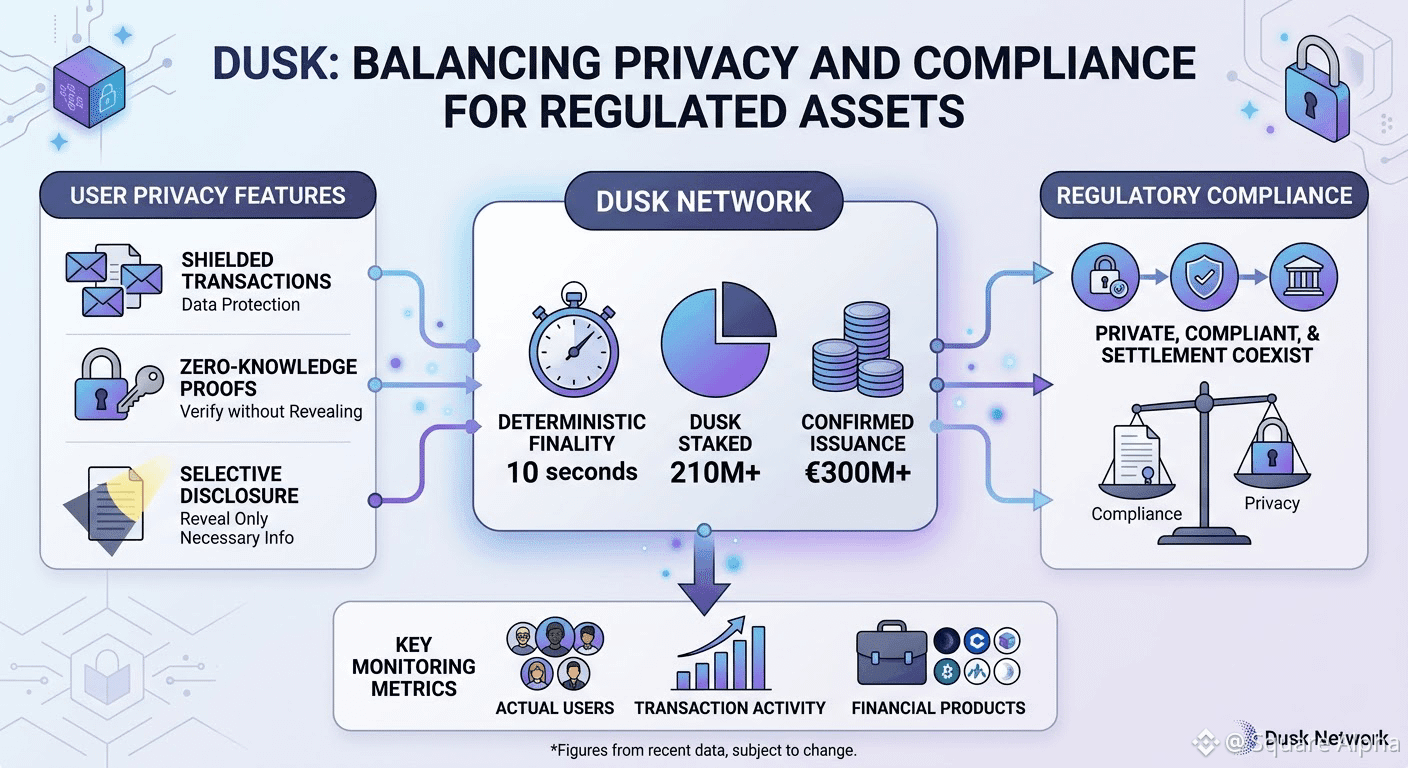
まず確認したのはDuskのドキュメントだった。目立ったのは、シールド(秘匿)トランザクション、ゼロ知識証明、そして選択的開示の組み合わせだ。プライバシーとは、単にすべてを隠すことではない。必要なときに、特定の情報を開示できるように設計されている。
それで、さらに詳しく見た。
Duskによれば、現時点で210M DUSK以上がステークされており、ネットワークは約10秒の決定論的ファイナリティを目標としている。また、確認済みの発行が€300M+あることも強調している。
ただ、これらの数字だけでDuskがプロダクト・マーケット・フィットを見つけた証拠だとは言えない。発行額やステーク参加は何かを語ってくれるが、持続的な利用こそがもっと重要だ。
私が特に興味深いのは、方向性の部分だ。Duskは、プライバシー、コンプライアンス、そして決済が共存しなければならない規制対象の資産を軸に構築している。
これは、単にトランザクションをプライベートにするよりもずっと難しい課題だ。
だから私は、物語の勢いが少し静まった後に何が起きるのかを見守っている。実際のユーザー、トランザクション活動、そして金融プロダクトが再びネットワークに戻ってくるかどうかだ。
#dusk @Dusk_Foundation $DUSK
{spot}(DUSKUSDT)
今日、私は「いつもの“プライベート・ブロックチェーン”の売り文句」をする、プライバシー重視のL1がまた登場するのだろうと期待してDuskを開いてみた。
しかし、規制を完全に無視することなく、Duskがどのようにプライバシーを扱っているのかを掘り下げ始めた。
まず確認したのはDuskのドキュメントだった。目立ったのは、シールド(秘匿)トランザクション、ゼロ知識証明、そして選択的開示の組み合わせだ。プライバシーとは、単にすべてを隠すことではない。必要なときに、特定の情報を開示できるように設計されている。
それで、さらに詳しく見た。
Duskによれば、現時点で210M DUSK以上がステークされており、ネットワークは約10秒の決定論的ファイナリティを目標としている。また、確認済みの発行が€300M+あることも強調している。
ただ、これらの数字だけでDuskがプロダクト・マーケット・フィットを見つけた証拠だとは言えない。発行額やステーク参加は何かを語ってくれるが、持続的な利用こそがもっと重要だ。
私が特に興味深いのは、方向性の部分だ。Duskは、プライバシー、コンプライアンス、そして決済が共存しなければならない規制対象の資産を軸に構築している。
これは、単にトランザクションをプライベートにするよりもずっと難しい課題だ。
だから私は、物語の勢いが少し静まった後に何が起きるのかを見守っている。実際のユーザー、トランザクション活動、そして金融プロダクトが再びネットワークに戻ってくるかどうかだ。
#dusk @Dusk $DUSK
しかし、規制を完全に無視することなく、Duskがどのようにプライバシーを扱っているのかを掘り下げ始めた。
まず確認したのはDuskのドキュメントだった。目立ったのは、シールド(秘匿)トランザクション、ゼロ知識証明、そして選択的開示の組み合わせだ。プライバシーとは、単にすべてを隠すことではない。必要なときに、特定の情報を開示できるように設計されている。
それで、さらに詳しく見た。
Duskによれば、現時点で210M DUSK以上がステークされており、ネットワークは約10秒の決定論的ファイナリティを目標としている。また、確認済みの発行が€300M+あることも強調している。
ただ、これらの数字だけでDuskがプロダクト・マーケット・フィットを見つけた証拠だとは言えない。発行額やステーク参加は何かを語ってくれるが、持続的な利用こそがもっと重要だ。
私が特に興味深いのは、方向性の部分だ。Duskは、プライバシー、コンプライアンス、そして決済が共存しなければならない規制対象の資産を軸に構築している。
これは、単にトランザクションをプライベートにするよりもずっと難しい課題だ。
だから私は、物語の勢いが少し静まった後に何が起きるのかを見守っている。実際のユーザー、トランザクション活動、そして金融プロダクトが再びネットワークに戻ってくるかどうかだ。
#dusk @Dusk $DUSK
2
165
·
--
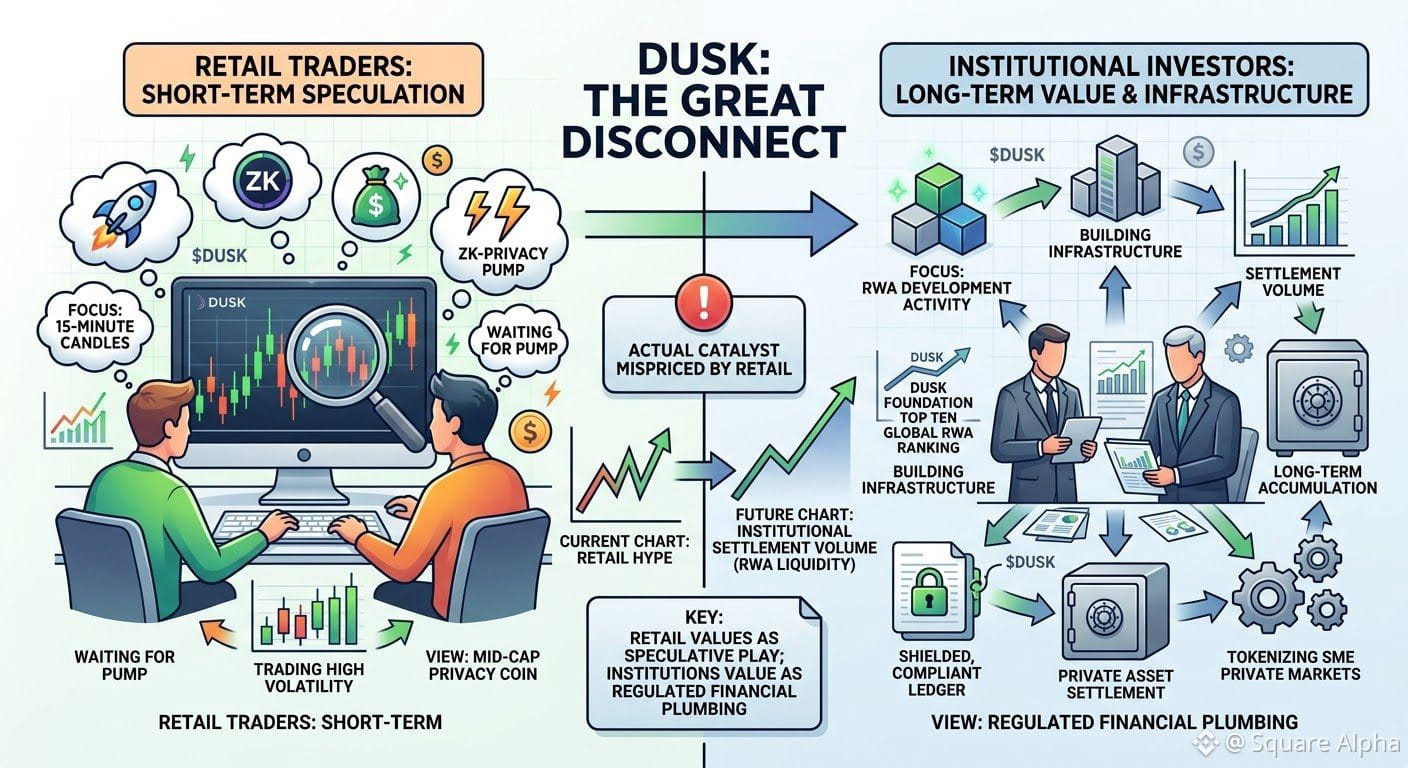
今日の$DUSK チャートを見ていると、ちょうど$0.074付近で推移しているようです。このタイムラインはそれを、標準的なミッドキャップのプライバシーコインのブレイクアウトのように扱っていて、小口のトレーダーは15分足のローソク足を見つめながら、すぐにZKのプライバシーポンプが来るのを待っています。
でも、過去48時間の機関投資家向けのヘッドラインを追っていると、市場が実際のカタリストをまったく取り違えていることに気づきました。
小口が短期チャートに集中している一方で、ブロックチェーン分析企業が、@Dusk_Foundation を実世界の資産(RWA)開発活動で世界トップ10に静かにランク付けしたのです。同時に、チームはSMEのプライベート市場をトークン化するためのインフラを積極的に整備しています。
小口のチャートと機関側の現実の間にある大きな断絶が、彼らのコンプライアンス・アーキテクチャを見たときにようやく腑に落ちました。従来の金融は、社債のための高速で公開されたメンプールを望んでいないのです。高頻度取引ボットにデータを漏らさずに、プライベート資産を決済するための、強力にシールドされた法的に準拠した台帳が必要です。
今日の価格動向についての最終的な見立てはシンプルです。小口市場はまだ、このトークンを投機的なテック案件として評価している一方で、実際の買い手はそれを規制された金融インフラとして扱っています。今年後半にRWAの流動性が流れ込むゲートが開けば、チャートは小口の盛り上がりを映さなくなり、機関の決済出来高を反映し始めるはずです。
#dusk @Dusk_Foundation $DUSK
{spot}(DUSKUSDT)
今日の$DUSK チャートを見ていると、ちょうど$0.074付近で推移しているようです。このタイムラインはそれを、標準的なミッドキャップのプライバシーコインのブレイクアウトのように扱っていて、小口のトレーダーは15分足のローソク足を見つめながら、すぐにZKのプライバシーポンプが来るのを待っています。
でも、過去48時間の機関投資家向けのヘッドラインを追っていると、市場が実際のカタリストをまったく取り違えていることに気づきました。
小口が短期チャートに集中している一方で、ブロックチェーン分析企業が、@Dusk を実世界の資産(RWA)開発活動で世界トップ10に静かにランク付けしたのです。同時に、チームはSMEのプライベート市場をトークン化するためのインフラを積極的に整備しています。
小口のチャートと機関側の現実の間にある大きな断絶が、彼らのコンプライアンス・アーキテクチャを見たときにようやく腑に落ちました。従来の金融は、社債のための高速で公開されたメンプールを望んでいないのです。高頻度取引ボットにデータを漏らさずに、プライベート資産を決済するための、強力にシールドされた法的に準拠した台帳が必要です。
今日の価格動向についての最終的な見立てはシンプルです。小口市場はまだ、このトークンを投機的なテック案件として評価している一方で、実際の買い手はそれを規制された金融インフラとして扱っています。今年後半にRWAの流動性が流れ込むゲートが開けば、チャートは小口の盛り上がりを映さなくなり、機関の決済出来高を反映し始めるはずです。
#dusk @Dusk $DUSK
でも、過去48時間の機関投資家向けのヘッドラインを追っていると、市場が実際のカタリストをまったく取り違えていることに気づきました。
小口が短期チャートに集中している一方で、ブロックチェーン分析企業が、@Dusk を実世界の資産(RWA)開発活動で世界トップ10に静かにランク付けしたのです。同時に、チームはSMEのプライベート市場をトークン化するためのインフラを積極的に整備しています。
小口のチャートと機関側の現実の間にある大きな断絶が、彼らのコンプライアンス・アーキテクチャを見たときにようやく腑に落ちました。従来の金融は、社債のための高速で公開されたメンプールを望んでいないのです。高頻度取引ボットにデータを漏らさずに、プライベート資産を決済するための、強力にシールドされた法的に準拠した台帳が必要です。
今日の価格動向についての最終的な見立てはシンプルです。小口市場はまだ、このトークンを投機的なテック案件として評価している一方で、実際の買い手はそれを規制された金融インフラとして扱っています。今年後半にRWAの流動性が流れ込むゲートが開けば、チャートは小口の盛り上がりを映さなくなり、機関の決済出来高を反映し始めるはずです。
#dusk @Dusk $DUSK
5
5
152
·
--
ブリッシュ
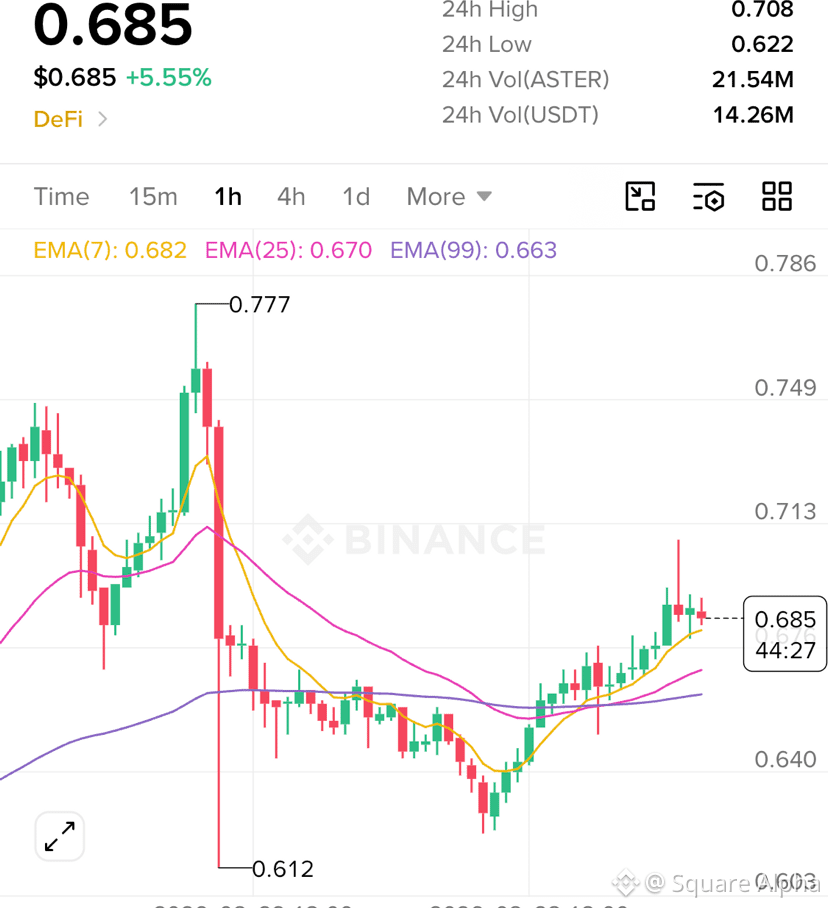
$ASTER は、誰もが他のコインを見ている間に、すべてのEMAの上へ静かに戻ってきた 😌
LONG (1H):
→ エントリー: 0.675 – 0.685
→ SL: 0.658 — EMAスタックが崩れた=アイデア崩壊
→ TP1: 0.708
→ TP2: 0.74。全力で行くなら 0.777 も
見立て: 0.612からの回復はきれいな階段状。0.777の“核(ナッケ)”は完全に消化され、RSIにもまだ余地がある(焼かれる前)。0.708を終値で上抜けると、その上のエアポケットが開く。
0.658を割れたら負けで、こちらの見立てが間違いだったということ。小さく傷ついて次へ。あとは、この静かな回復に乗るだけ。
今週また ASTER が 0.777 を取りに行く? 👇
#Aster #defi
{spot}(ASTERUSDT)
$ASTER は、誰もが他のコインを見ている間に、すべてのEMAの上へ静かに戻ってきた 😌
LONG (1H):
→ エントリー: 0.675 – 0.685
→ SL: 0.658 — EMAスタックが崩れた=アイデア崩壊
→ TP1: 0.708
→ TP2: 0.74。全力で行くなら 0.777 も
見立て: 0.612からの回復はきれいな階段状。0.777の“核(ナッケ)”は完全に消化され、RSIにもまだ余地がある(焼かれる前)。0.708を終値で上抜けると、その上のエアポケットが開く。
0.658を割れたら負けで、こちらの見立てが間違いだったということ。小さく傷ついて次へ。あとは、この静かな回復に乗るだけ。
今週また ASTER が 0.777 を取りに行く? 👇
#Aster #defi
LONG (1H):
→ エントリー: 0.675 – 0.685
→ SL: 0.658 — EMAスタックが崩れた=アイデア崩壊
→ TP1: 0.708
→ TP2: 0.74。全力で行くなら 0.777 も
見立て: 0.612からの回復はきれいな階段状。0.777の“核(ナッケ)”は完全に消化され、RSIにもまだ余地がある(焼かれる前)。0.708を終値で上抜けると、その上のエアポケットが開く。
0.658を割れたら負けで、こちらの見立てが間違いだったということ。小さく傷ついて次へ。あとは、この静かな回復に乗るだけ。
今週また ASTER が 0.777 を取りに行く? 👇
#Aster #defi
225
·
--
ブリッシュ
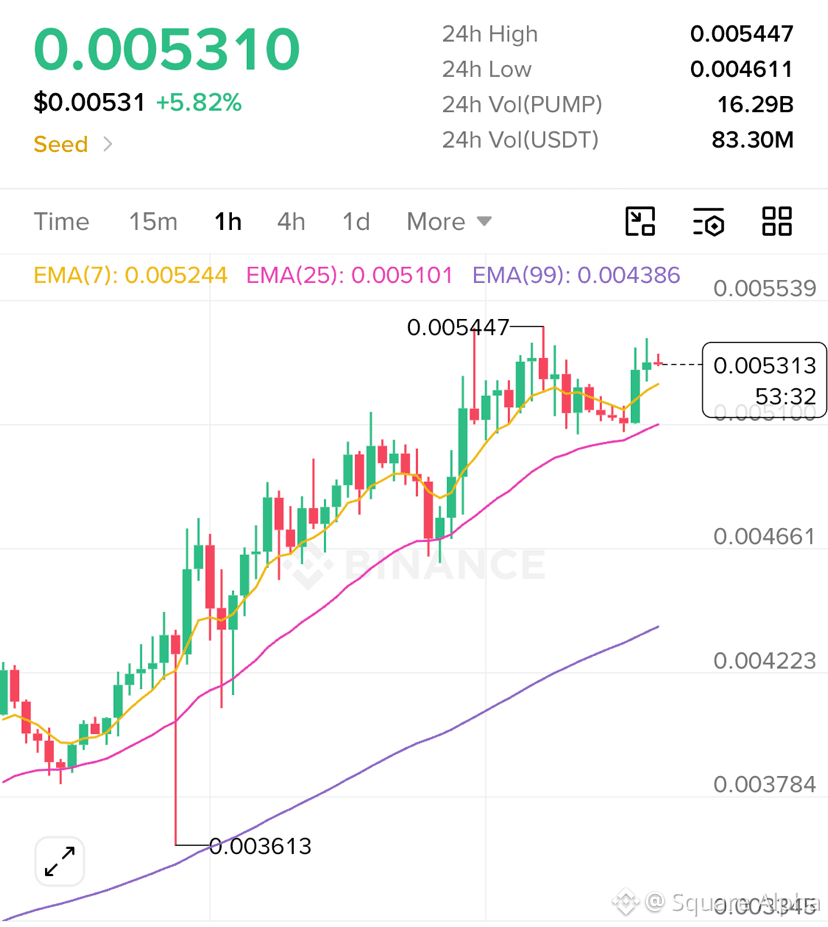
$PUMP はまた階段をやってる — 高いところのすぐ下で右巻きにコイル 😌
📊 LONG(1H):
→ エントリー:0.0052 – 0.0053
→ SL:0.00495 — EMA25 が消えた = アイデア消滅
→ TP1:0.00545
→ TP2:0.0060 フル送信
読み:切り上げの安値、RSI 62 でまだ余地あり、EMA はすべてグリーンに積み上がり、ちょっと下げたら数本のうちに買われてる。0.00545 をきれいに上抜ければ、上の「キリ番ゾーン」が開く。
0.00495 を割ったら負けで、間違いだった。小さくスクラッチして次へ。とはいえ、それまでは階段に乗ってる。
PUMP を 0.006 まで持ってるのは誰? 👇
#pump #pumpfun $PUMP
{spot}(PUMPUSDT)
$PUMP はまた階段をやってる — 高いところのすぐ下で右巻きにコイル 😌
📊 LONG(1H):
→ エントリー:0.0052 – 0.0053
→ SL:0.00495 — EMA25 が消えた = アイデア消滅
→ TP1:0.00545
→ TP2:0.0060 フル送信
読み:切り上げの安値、RSI 62 でまだ余地あり、EMA はすべてグリーンに積み上がり、ちょっと下げたら数本のうちに買われてる。0.00545 をきれいに上抜ければ、上の「キリ番ゾーン」が開く。
0.00495 を割ったら負けで、間違いだった。小さくスクラッチして次へ。とはいえ、それまでは階段に乗ってる。
PUMP を 0.006 まで持ってるのは誰? 👇
#pump #pumpfun $PUMP
📊 LONG(1H):
→ エントリー:0.0052 – 0.0053
→ SL:0.00495 — EMA25 が消えた = アイデア消滅
→ TP1:0.00545
→ TP2:0.0060 フル送信
読み:切り上げの安値、RSI 62 でまだ余地あり、EMA はすべてグリーンに積み上がり、ちょっと下げたら数本のうちに買われてる。0.00545 をきれいに上抜ければ、上の「キリ番ゾーン」が開く。
0.00495 を割ったら負けで、間違いだった。小さくスクラッチして次へ。とはいえ、それまでは階段に乗ってる。
PUMP を 0.006 まで持ってるのは誰? 👇
#pump #pumpfun $PUMP
149
·
--
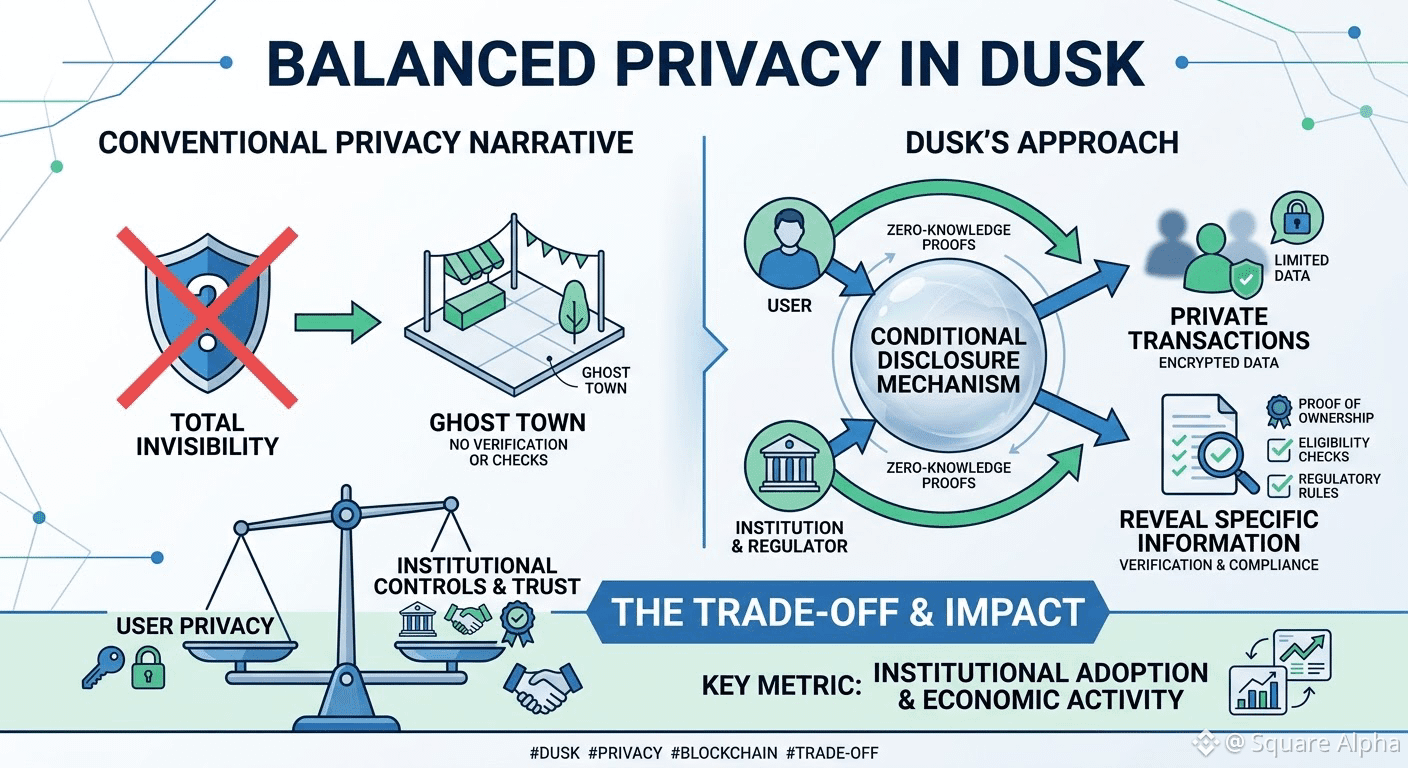
今日、私はDuskをしばらく調べていましたが、そこで私の印象に残ったのは、別のプライバシーの語りではありませんでした。
それはトレードオフです。
多くのプライバシーに関する会話は、金融活動は完全に消えるべきだという発想から始まるようです。ですが、現実の金融市場はそうは機能しません。誰かが、いずれは何かを検証し、所有権を証明し、適格性を確認し、あるいはルールを満たす必要があります。
そこで、私にとってDuskが面白くなるのです。
単に「すべてを見えなくする」という考えではありません。理由があるときには特定の情報を開示できるようにしながら、それでも取引をプライベートにしようとしているのです。
それは、ずっと難しい課題だと思います。
そして率直に言えば、Duskがそのアーキテクチャを意味のある普及へとつなげられるかどうかは、まだ分かりません。技術的に優雅なチェーンでも、経済活動がほとんど生まれないことはあります。
だから私は、Duskをプライバシーの語りがどれほど説得力があるかで判断しません。
実際の金融商品がそれを使い始めたときに何が起きるのかを見たいと思っています。
利用者が、機関が求める統制を手放さずにプライバシーを得られるのなら、そのときDuskは、単なる別のプライバシー・チェーンの物語以上になります。
私はそこが気になっています。
#dusk @Dusk_Foundation $DUSK
{spot}(DUSKUSDT)
今日、私はDuskをしばらく調べていましたが、そこで私の印象に残ったのは、別のプライバシーの語りではありませんでした。
それはトレードオフです。
多くのプライバシーに関する会話は、金融活動は完全に消えるべきだという発想から始まるようです。ですが、現実の金融市場はそうは機能しません。誰かが、いずれは何かを検証し、所有権を証明し、適格性を確認し、あるいはルールを満たす必要があります。
そこで、私にとってDuskが面白くなるのです。
単に「すべてを見えなくする」という考えではありません。理由があるときには特定の情報を開示できるようにしながら、それでも取引をプライベートにしようとしているのです。
それは、ずっと難しい課題だと思います。
そして率直に言えば、Duskがそのアーキテクチャを意味のある普及へとつなげられるかどうかは、まだ分かりません。技術的に優雅なチェーンでも、経済活動がほとんど生まれないことはあります。
だから私は、Duskをプライバシーの語りがどれほど説得力があるかで判断しません。
実際の金融商品がそれを使い始めたときに何が起きるのかを見たいと思っています。
利用者が、機関が求める統制を手放さずにプライバシーを得られるのなら、そのときDuskは、単なる別のプライバシー・チェーンの物語以上になります。
私はそこが気になっています。
#dusk @Dusk $DUSK
それはトレードオフです。
多くのプライバシーに関する会話は、金融活動は完全に消えるべきだという発想から始まるようです。ですが、現実の金融市場はそうは機能しません。誰かが、いずれは何かを検証し、所有権を証明し、適格性を確認し、あるいはルールを満たす必要があります。
そこで、私にとってDuskが面白くなるのです。
単に「すべてを見えなくする」という考えではありません。理由があるときには特定の情報を開示できるようにしながら、それでも取引をプライベートにしようとしているのです。
それは、ずっと難しい課題だと思います。
そして率直に言えば、Duskがそのアーキテクチャを意味のある普及へとつなげられるかどうかは、まだ分かりません。技術的に優雅なチェーンでも、経済活動がほとんど生まれないことはあります。
だから私は、Duskをプライバシーの語りがどれほど説得力があるかで判断しません。
実際の金融商品がそれを使い始めたときに何が起きるのかを見たいと思っています。
利用者が、機関が求める統制を手放さずにプライバシーを得られるのなら、そのときDuskは、単なる別のプライバシー・チェーンの物語以上になります。
私はそこが気になっています。
#dusk @Dusk $DUSK
4
3
138
·
--
数年前、プライバシー重視のウォレットから出金するためだけに、取引アカウントが一時的に大きく制限(ロック)されたことがありました。コンプライアンスチームは、資金源の照会について手作業で1週間にも及ぶ調査を求めてきたのです。そんな個人的な厄介ごとが、暗号における「プライバシー」という物語の見え方を完全に変えてしまいました。私は、機関が実際には暗号技術を嫌っているわけではなく、その“検証不能性”を嫌っているのだと気づきました。
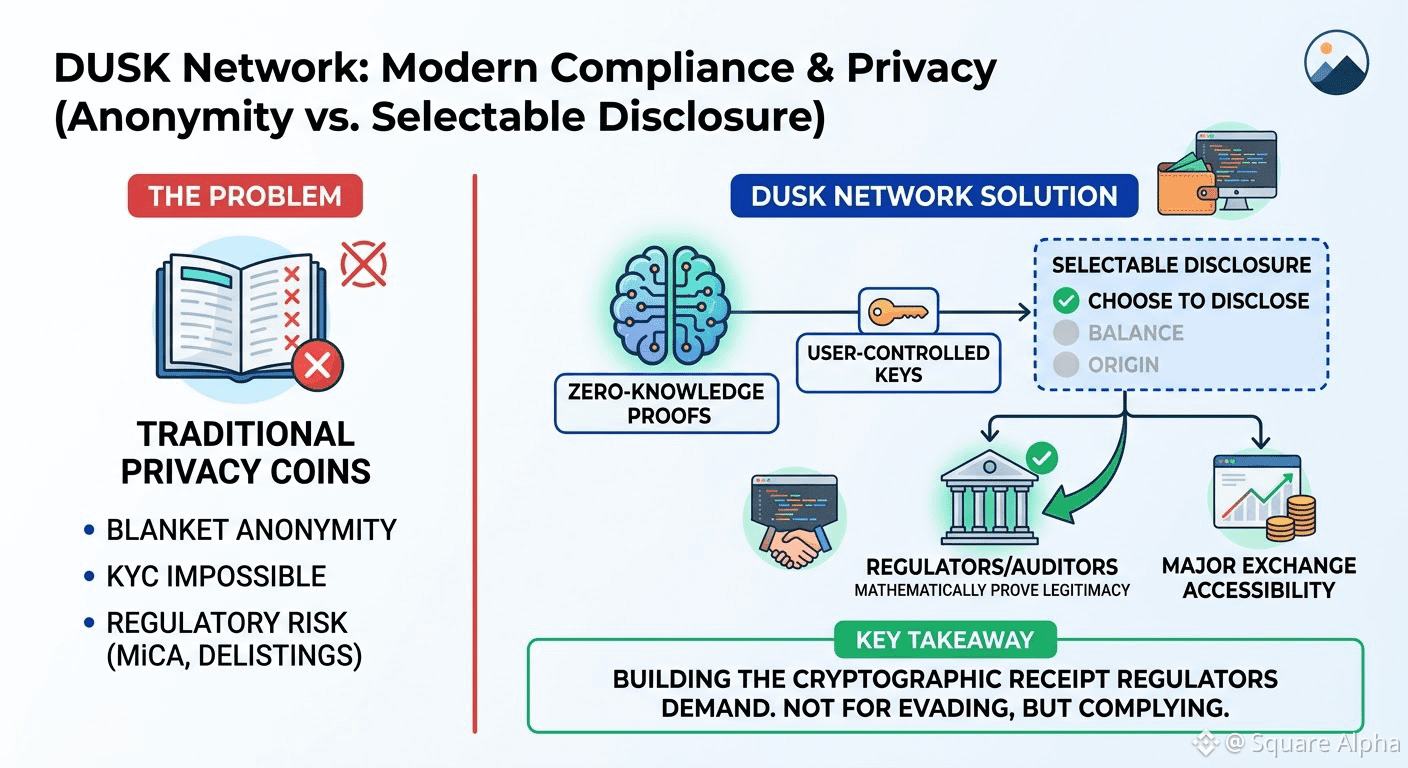
最近、大手プラットフォームでレガシーなプライバシーコインの上場廃止が相次いでいるのを見て、私は市場がこの $DUSK を、同じリスク枠に厳しく誤分類していると感じています。
取引所が古いプライバシーネットワークを落とすとき、MiCA のような枠組みの下で問題になるのは ZK 技術そのものではありません。KYC を不可能にするのが、あらゆる場面での一律の匿名性だからです。
「選択的開示」について @Dusk_Foundation のドキュメントを読み返したとき、アーキテクチャ上の違いが腑に落ちました。既定で取引データをすべて隠すのではなく、彼らの仕組みでは、ユーザーが数学的にウォレットの正当性を監査人に証明できる一方で、実際の残高を公開台帳に開示することなく済むようになっています。
彼らは規制当局を回避するためのツールを作っているわけではありません。彼らは、いま規制当局が求めている“まさにその暗号学的な領収書”を作っているのです。
私の最終的な見立てでは、市場は現在そのトークンを、投機的な匿名性のプレイとして価格づけしており、生存そのものが上場廃止の脅威に直面しているチェーンと同じくくりにしています。コンプライアンスの締め付けが不透明なネットワークに本格的に降りきったとき、数学的に「クリーンだ」と証明できる台帳だけが、大手取引所の主要な注文板に残ることになるでしょう。
#dusk
数年前、プライバシー重視のウォレットから出金するためだけに、取引アカウントが一時的に大きく制限(ロック)されたことがありました。コンプライアンスチームは、資金源の照会について手作業で1週間にも及ぶ調査を求めてきたのです。そんな個人的な厄介ごとが、暗号における「プライバシー」という物語の見え方を完全に変えてしまいました。私は、機関が実際には暗号技術を嫌っているわけではなく、その“検証不能性”を嫌っているのだと気づきました。
最近、大手プラットフォームでレガシーなプライバシーコインの上場廃止が相次いでいるのを見て、私は市場がこの $DUSK を、同じリスク枠に厳しく誤分類していると感じています。
取引所が古いプライバシーネットワークを落とすとき、MiCA のような枠組みの下で問題になるのは ZK 技術そのものではありません。KYC を不可能にするのが、あらゆる場面での一律の匿名性だからです。
「選択的開示」について @Dusk のドキュメントを読み返したとき、アーキテクチャ上の違いが腑に落ちました。既定で取引データをすべて隠すのではなく、彼らの仕組みでは、ユーザーが数学的にウォレットの正当性を監査人に証明できる一方で、実際の残高を公開台帳に開示することなく済むようになっています。
彼らは規制当局を回避するためのツールを作っているわけではありません。彼らは、いま規制当局が求めている“まさにその暗号学的な領収書”を作っているのです。
私の最終的な見立てでは、市場は現在そのトークンを、投機的な匿名性のプレイとして価格づけしており、生存そのものが上場廃止の脅威に直面しているチェーンと同じくくりにしています。コンプライアンスの締め付けが不透明なネットワークに本格的に降りきったとき、数学的に「クリーンだ」と証明できる台帳だけが、大手取引所の主要な注文板に残ることになるでしょう。
#dusk
最近、大手プラットフォームでレガシーなプライバシーコインの上場廃止が相次いでいるのを見て、私は市場がこの $DUSK を、同じリスク枠に厳しく誤分類していると感じています。
取引所が古いプライバシーネットワークを落とすとき、MiCA のような枠組みの下で問題になるのは ZK 技術そのものではありません。KYC を不可能にするのが、あらゆる場面での一律の匿名性だからです。
「選択的開示」について @Dusk のドキュメントを読み返したとき、アーキテクチャ上の違いが腑に落ちました。既定で取引データをすべて隠すのではなく、彼らの仕組みでは、ユーザーが数学的にウォレットの正当性を監査人に証明できる一方で、実際の残高を公開台帳に開示することなく済むようになっています。
彼らは規制当局を回避するためのツールを作っているわけではありません。彼らは、いま規制当局が求めている“まさにその暗号学的な領収書”を作っているのです。
私の最終的な見立てでは、市場は現在そのトークンを、投機的な匿名性のプレイとして価格づけしており、生存そのものが上場廃止の脅威に直面しているチェーンと同じくくりにしています。コンプライアンスの締め付けが不透明なネットワークに本格的に降りきったとき、数学的に「クリーンだ」と証明できる台帳だけが、大手取引所の主要な注文板に残ることになるでしょう。
#dusk
9
9
204
·
--
確認済み
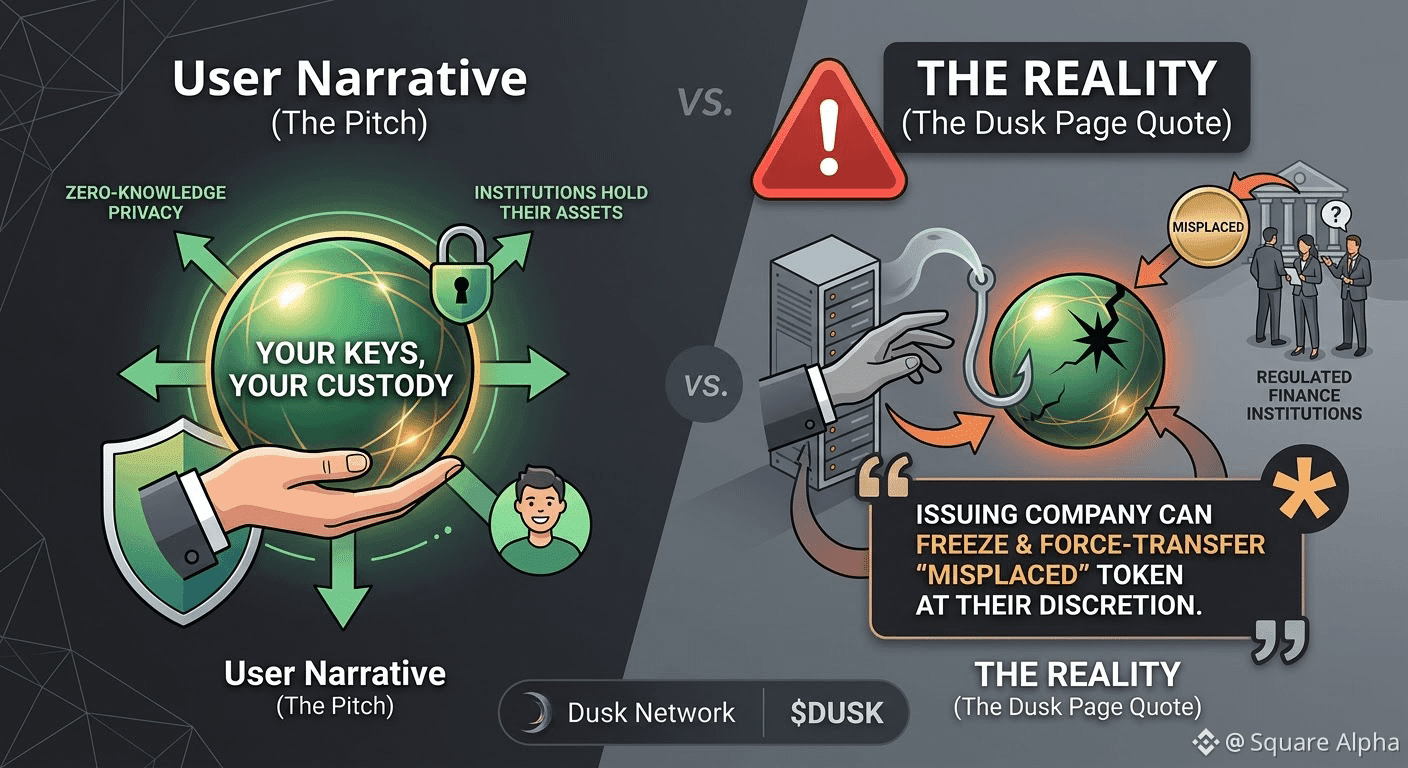
夕暮れ(dusk)の自社ページにある、セキュリティトークンが実際にどう機能するかという説明で、1行をうっかり読み飛ばしそうになった。でも、そのすぐ上にある売り文句(ピッチ)と内容が一致していなかったので、戻って読み直した。
その1行より上はセルフカストディの話──あなたの鍵、ゼロ知識によるプライバシー、そして、中央のカストディ人を介さずに機関が自分たちで保有する資産。
それで、夕暮れ自身の言葉としてはこうだ。発行会社は「置き違えた」セキュリティトークンを、裁量により凍結し、強制的に転送できる。
これはホワイトペーパーの付録に埋もれている仮定の話ではない。規制下の金融(regulated-finance)ページに、機関投資家向けの組み込み保護の1つとして、マルチシグやホワイトリスティングと並んで、はっきり明記されている。
それが存在する理由は分かる。規制された証券には回復ルートが必要だ。誤ったアドレス、失われた鍵、本当に起きてしまったミス──普通の暗号資産の送金であれば、その資産が永遠に消えてしまうような事態になるとしても、そうではいけない。実際に本物の資本市場のために機能しているものなら、これは妥当であり、場合によっては必要な機能だと思う。
ただし、その文中の「裁量により(at their discretion)」が担っている部分が大きい。「裁判所の命令により」ではない。「オンチェーンの紛争プロセスの後で」でもない。発行者自身の判断だ。
だから、このセルフカストディには、夕暮れが隠さずに明示しているアスタリスクが付く。あなたの鍵は、あなたが保有しているとしているものが「置き違え」扱いだと発行会社が判断するまで有効、ということだ。
#dusk @Dusk_Foundation $DUSK
{spot}(DUSKUSDT)
夕暮れ(dusk)の自社ページにある、セキュリティトークンが実際にどう機能するかという説明で、1行をうっかり読み飛ばしそうになった。でも、そのすぐ上にある売り文句(ピッチ)と内容が一致していなかったので、戻って読み直した。
その1行より上はセルフカストディの話──あなたの鍵、ゼロ知識によるプライバシー、そして、中央のカストディ人を介さずに機関が自分たちで保有する資産。
それで、夕暮れ自身の言葉としてはこうだ。発行会社は「置き違えた」セキュリティトークンを、裁量により凍結し、強制的に転送できる。
これはホワイトペーパーの付録に埋もれている仮定の話ではない。規制下の金融(regulated-finance)ページに、機関投資家向けの組み込み保護の1つとして、マルチシグやホワイトリスティングと並んで、はっきり明記されている。
それが存在する理由は分かる。規制された証券には回復ルートが必要だ。誤ったアドレス、失われた鍵、本当に起きてしまったミス──普通の暗号資産の送金であれば、その資産が永遠に消えてしまうような事態になるとしても、そうではいけない。実際に本物の資本市場のために機能しているものなら、これは妥当であり、場合によっては必要な機能だと思う。
ただし、その文中の「裁量により(at their discretion)」が担っている部分が大きい。「裁判所の命令により」ではない。「オンチェーンの紛争プロセスの後で」でもない。発行者自身の判断だ。
だから、このセルフカストディには、夕暮れが隠さずに明示しているアスタリスクが付く。あなたの鍵は、あなたが保有しているとしているものが「置き違え」扱いだと発行会社が判断するまで有効、ということだ。
#dusk @Dusk $DUSK
その1行より上はセルフカストディの話──あなたの鍵、ゼロ知識によるプライバシー、そして、中央のカストディ人を介さずに機関が自分たちで保有する資産。
それで、夕暮れ自身の言葉としてはこうだ。発行会社は「置き違えた」セキュリティトークンを、裁量により凍結し、強制的に転送できる。
これはホワイトペーパーの付録に埋もれている仮定の話ではない。規制下の金融(regulated-finance)ページに、機関投資家向けの組み込み保護の1つとして、マルチシグやホワイトリスティングと並んで、はっきり明記されている。
それが存在する理由は分かる。規制された証券には回復ルートが必要だ。誤ったアドレス、失われた鍵、本当に起きてしまったミス──普通の暗号資産の送金であれば、その資産が永遠に消えてしまうような事態になるとしても、そうではいけない。実際に本物の資本市場のために機能しているものなら、これは妥当であり、場合によっては必要な機能だと思う。
ただし、その文中の「裁量により(at their discretion)」が担っている部分が大きい。「裁判所の命令により」ではない。「オンチェーンの紛争プロセスの後で」でもない。発行者自身の判断だ。
だから、このセルフカストディには、夕暮れが隠さずに明示しているアスタリスクが付く。あなたの鍵は、あなたが保有しているとしているものが「置き違え」扱いだと発行会社が判断するまで有効、ということだ。
#dusk @Dusk $DUSK
12
12
1.1k
·
--
ブリッシュ
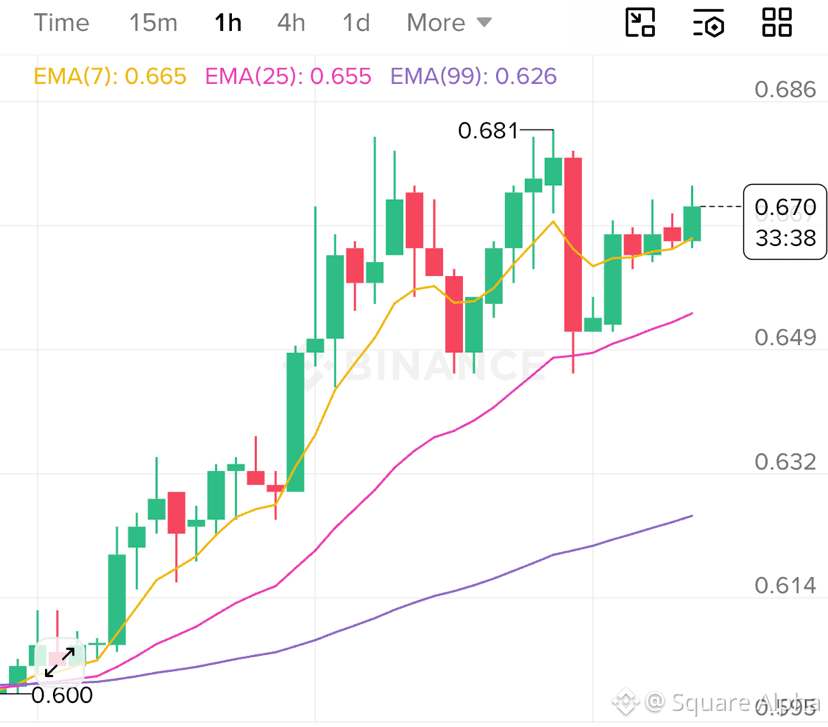
$ASTER は、今週見た中で一番落ち着いて強いチャートだ 😌 ステップ状に上がっていて、ヒゲは下方向、数分で買い戻されて、そして今は 0.681 直下でコイルしてる。
📊 ロング(1H):
→ エントリー:0.665 – 0.670(ここ、EMA7の上)
→ ストップ:0.644(シェイクアウトのヒゲの下、感情なし)
→ 出口:0.681 最初、0.70 全力突入
好きな理由:今週ずっと高値切り上げ、EMAがきれいにグリーンで積み上がってる、RSIは60で実際に余地あり。それにさっきのあの嫌な赤いローソク? 数時間で買い戻されてる。これはディストリビューションじゃなくてシェイクアウトだ。強い手は下げを“呼吸”させない。
0.644 を割ったらトレンド崩れで撤退。そうなるまでは、静かなグラインダーをロングする。
今週 0.70 — あり? なし? 👇
#Aster #DeFi $ASTER
{spot}(ASTERUSDT)
$ASTER は、今週見た中で一番落ち着いて強いチャートだ 😌 ステップ状に上がっていて、ヒゲは下方向、数分で買い戻されて、そして今は 0.681 直下でコイルしてる。
📊 ロング(1H):
→ エントリー:0.665 – 0.670(ここ、EMA7の上)
→ ストップ:0.644(シェイクアウトのヒゲの下、感情なし)
→ 出口:0.681 最初、0.70 全力突入
好きな理由:今週ずっと高値切り上げ、EMAがきれいにグリーンで積み上がってる、RSIは60で実際に余地あり。それにさっきのあの嫌な赤いローソク? 数時間で買い戻されてる。これはディストリビューションじゃなくてシェイクアウトだ。強い手は下げを“呼吸”させない。
0.644 を割ったらトレンド崩れで撤退。そうなるまでは、静かなグラインダーをロングする。
今週 0.70 — あり? なし? 👇
#Aster #DeFi $ASTER
📊 ロング(1H):
→ エントリー:0.665 – 0.670(ここ、EMA7の上)
→ ストップ:0.644(シェイクアウトのヒゲの下、感情なし)
→ 出口:0.681 最初、0.70 全力突入
好きな理由:今週ずっと高値切り上げ、EMAがきれいにグリーンで積み上がってる、RSIは60で実際に余地あり。それにさっきのあの嫌な赤いローソク? 数時間で買い戻されてる。これはディストリビューションじゃなくてシェイクアウトだ。強い手は下げを“呼吸”させない。
0.644 を割ったらトレンド崩れで撤退。そうなるまでは、静かなグラインダーをロングする。
今週 0.70 — あり? なし? 👇
#Aster #DeFi $ASTER
2
2
274
·
--
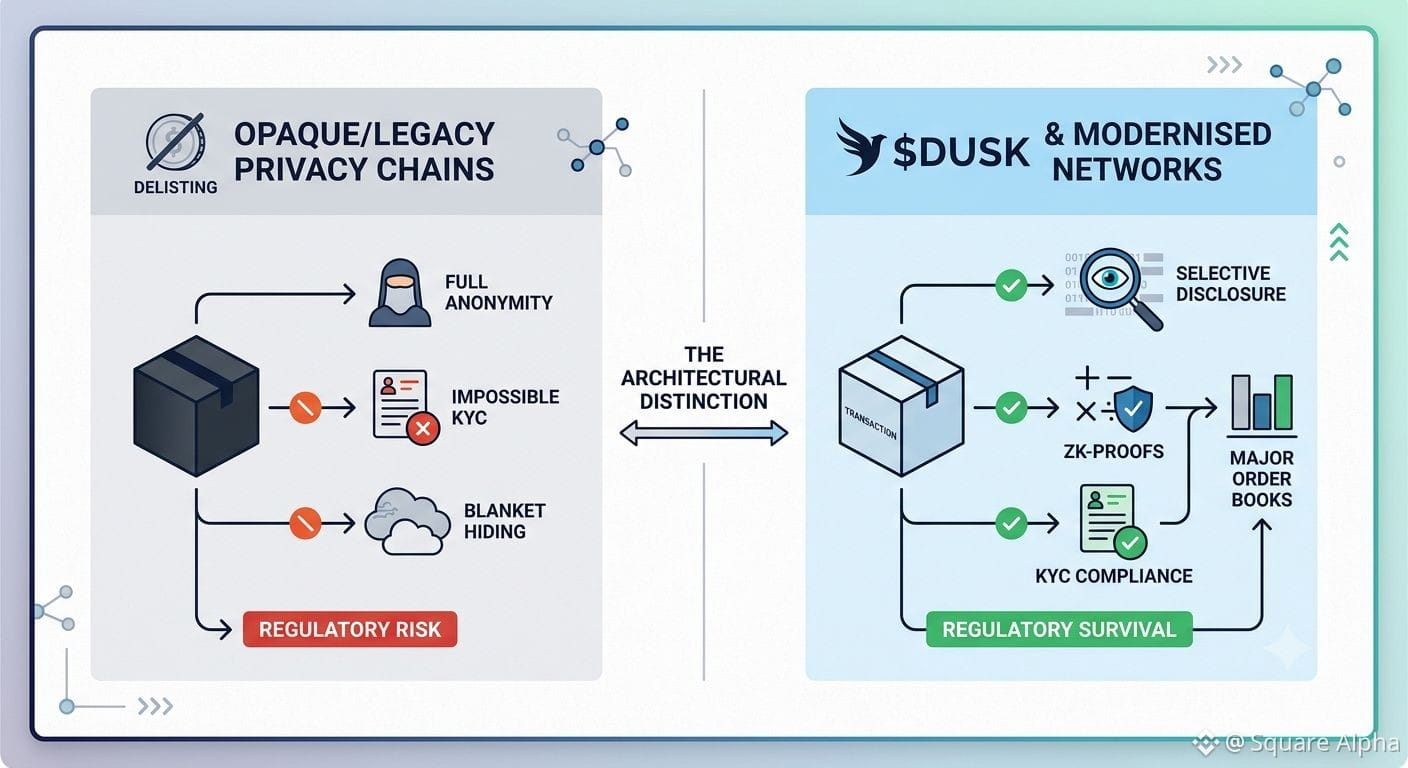
主要取引所で相次いでいるレガシーなプライバシーコインの上場廃止の波を見て、同じリスク区分に $DUSK を厳しく誤分類していることに気づきました。
プラットフォームが古いプライバシーネットワークを削除する場合、規制上の問題は暗号そのものではなく、新しい枠組みである MiCA の下では一律の匿名性のせいで KYC(本人確認)が不可能になることです。
「選択的開示(selective disclosure)」に関する @Dusk_Foundation のドキュメントを確認していると、アーキテクチャ上の違いが腑に落ちました。デフォルトで取引データをすべて隠すのではなく、彼らの ZK プルーフの仕組みでは、ユーザーが実際の残高を公開台帳に公開することなく、ウォレットの正当性を監査人に対して数学的に証明できます。
彼らは規制当局を回避するためのツールを作っているわけではありません。彼らが作っているのは、規制当局が今求めているのとまったく同じ暗号学的な領収書です。
市場は現在、このトークンを投機的な匿名性プレイとして価格づけしており、生存が危ぶまれる上場廃止の脅威に直面しているチェーンと一括りにしています。私の最終結論は、これは実際には規制生存(サバイバル)のプレイだということです。判然としないネットワークに対するコンプライアンスの「ハンマー」が完全に落ちた後、数学的にクリーンであることを証明できる台帳だけが、主要な注文板に残ることになります。
#dusk
{spot}(DUSKUSDT)
主要取引所で相次いでいるレガシーなプライバシーコインの上場廃止の波を見て、同じリスク区分に $DUSK を厳しく誤分類していることに気づきました。
プラットフォームが古いプライバシーネットワークを削除する場合、規制上の問題は暗号そのものではなく、新しい枠組みである MiCA の下では一律の匿名性のせいで KYC(本人確認)が不可能になることです。
「選択的開示(selective disclosure)」に関する @Dusk のドキュメントを確認していると、アーキテクチャ上の違いが腑に落ちました。デフォルトで取引データをすべて隠すのではなく、彼らの ZK プルーフの仕組みでは、ユーザーが実際の残高を公開台帳に公開することなく、ウォレットの正当性を監査人に対して数学的に証明できます。
彼らは規制当局を回避するためのツールを作っているわけではありません。彼らが作っているのは、規制当局が今求めているのとまったく同じ暗号学的な領収書です。
市場は現在、このトークンを投機的な匿名性プレイとして価格づけしており、生存が危ぶまれる上場廃止の脅威に直面しているチェーンと一括りにしています。私の最終結論は、これは実際には規制生存(サバイバル)のプレイだということです。判然としないネットワークに対するコンプライアンスの「ハンマー」が完全に落ちた後、数学的にクリーンであることを証明できる台帳だけが、主要な注文板に残ることになります。
#dusk
プラットフォームが古いプライバシーネットワークを削除する場合、規制上の問題は暗号そのものではなく、新しい枠組みである MiCA の下では一律の匿名性のせいで KYC(本人確認)が不可能になることです。
「選択的開示(selective disclosure)」に関する @Dusk のドキュメントを確認していると、アーキテクチャ上の違いが腑に落ちました。デフォルトで取引データをすべて隠すのではなく、彼らの ZK プルーフの仕組みでは、ユーザーが実際の残高を公開台帳に公開することなく、ウォレットの正当性を監査人に対して数学的に証明できます。
彼らは規制当局を回避するためのツールを作っているわけではありません。彼らが作っているのは、規制当局が今求めているのとまったく同じ暗号学的な領収書です。
市場は現在、このトークンを投機的な匿名性プレイとして価格づけしており、生存が危ぶまれる上場廃止の脅威に直面しているチェーンと一括りにしています。私の最終結論は、これは実際には規制生存(サバイバル)のプレイだということです。判然としないネットワークに対するコンプライアンスの「ハンマー」が完全に落ちた後、数学的にクリーンであることを証明できる台帳だけが、主要な注文板に残ることになります。
#dusk
2
2
554
·
--
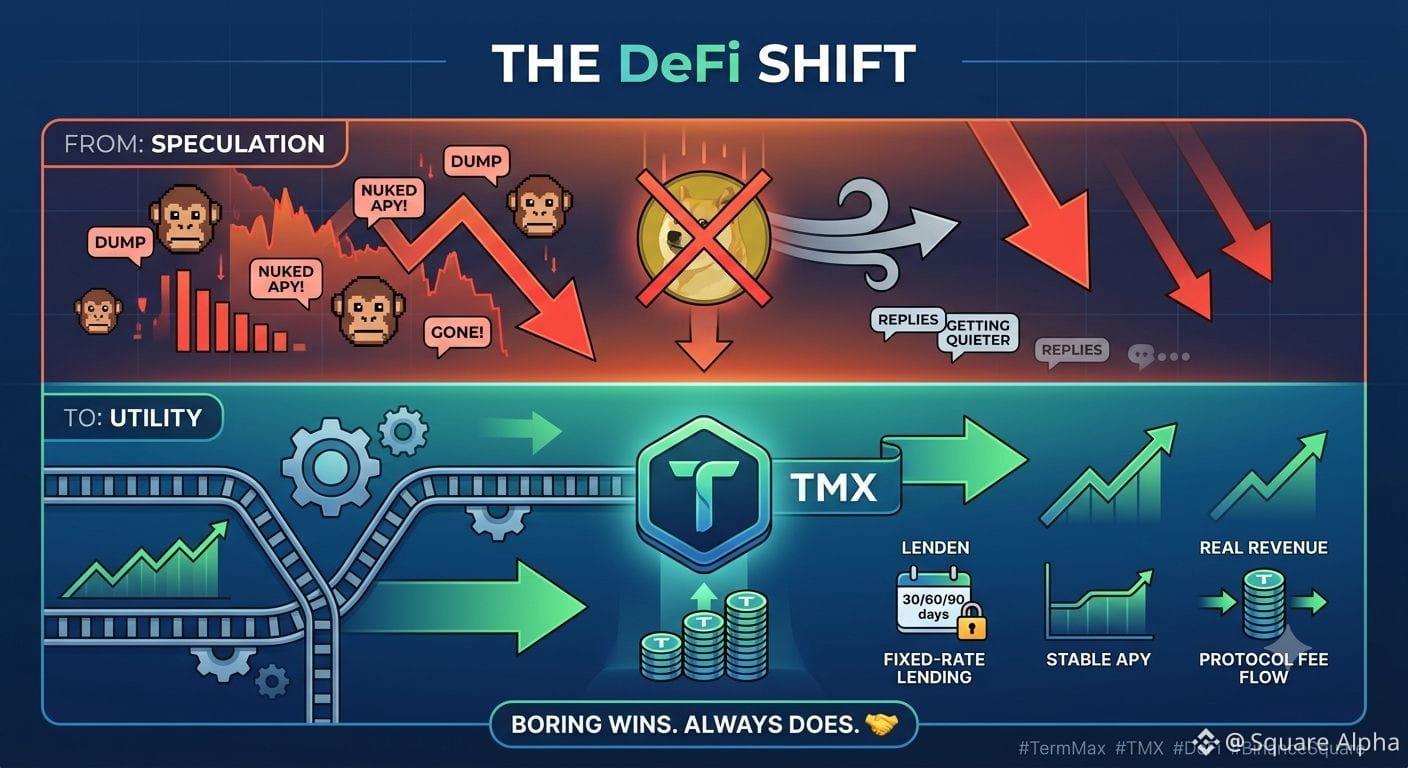
猿の時代が終わりつつある。感じてるよね?
みんなまだミームコインのスクショを投稿してるけど、今週は返信が静かになってきてる。賢い資金はもう次の犬系ティッカーを追いかけてない。実際に稼げるインフラへと資金が回ってる。
昨夜、1amくらいにTermMax($TMX)のドキュメント読んでて気づいた。— これがDeFiが本来目指してた姿なんだって。カジノに堕ちる前の。固定金利の貸付。30日、60日、90日のあいだ金利を固定してロックする。誰かが$200Mを投げてAPYを壊したせいで目が覚めることがない。伝統金融(TradFi)は80年代にこれを理解してた。いま私たちが追いついてる最中で、TermMaxがレールを敷いてる間に、みんなは気を取られてる。
そのトークンは、存在を忘れてしまうようなガバナンスの「領収書」なんかじゃない。取引量が増えるほど実際のプロトコル手数料を取り込む。エミッション(ばらまき)で“利回りっぽく見せてる”んじゃなくて、本物の収益。
地味だけど勝つ。いつもそう。🤝
#TermMax @termmax $tmx
猿の時代が終わりつつある。感じてるよね?
みんなまだミームコインのスクショを投稿してるけど、今週は返信が静かになってきてる。賢い資金はもう次の犬系ティッカーを追いかけてない。実際に稼げるインフラへと資金が回ってる。
昨夜、1amくらいにTermMax($TMX)のドキュメント読んでて気づいた。— これがDeFiが本来目指してた姿なんだって。カジノに堕ちる前の。固定金利の貸付。30日、60日、90日のあいだ金利を固定してロックする。誰かが$200Mを投げてAPYを壊したせいで目が覚めることがない。伝統金融(TradFi)は80年代にこれを理解してた。いま私たちが追いついてる最中で、TermMaxがレールを敷いてる間に、みんなは気を取られてる。
そのトークンは、存在を忘れてしまうようなガバナンスの「領収書」なんかじゃない。取引量が増えるほど実際のプロトコル手数料を取り込む。エミッション(ばらまき)で“利回りっぽく見せてる”んじゃなくて、本物の収益。
地味だけど勝つ。いつもそう。🤝
#TermMax @TermMax $tmx
みんなまだミームコインのスクショを投稿してるけど、今週は返信が静かになってきてる。賢い資金はもう次の犬系ティッカーを追いかけてない。実際に稼げるインフラへと資金が回ってる。
昨夜、1amくらいにTermMax($TMX)のドキュメント読んでて気づいた。— これがDeFiが本来目指してた姿なんだって。カジノに堕ちる前の。固定金利の貸付。30日、60日、90日のあいだ金利を固定してロックする。誰かが$200Mを投げてAPYを壊したせいで目が覚めることがない。伝統金融(TradFi)は80年代にこれを理解してた。いま私たちが追いついてる最中で、TermMaxがレールを敷いてる間に、みんなは気を取られてる。
そのトークンは、存在を忘れてしまうようなガバナンスの「領収書」なんかじゃない。取引量が増えるほど実際のプロトコル手数料を取り込む。エミッション(ばらまき)で“利回りっぽく見せてる”んじゃなくて、本物の収益。
地味だけど勝つ。いつもそう。🤝
#TermMax @TermMax $tmx
4
5
514
·
--
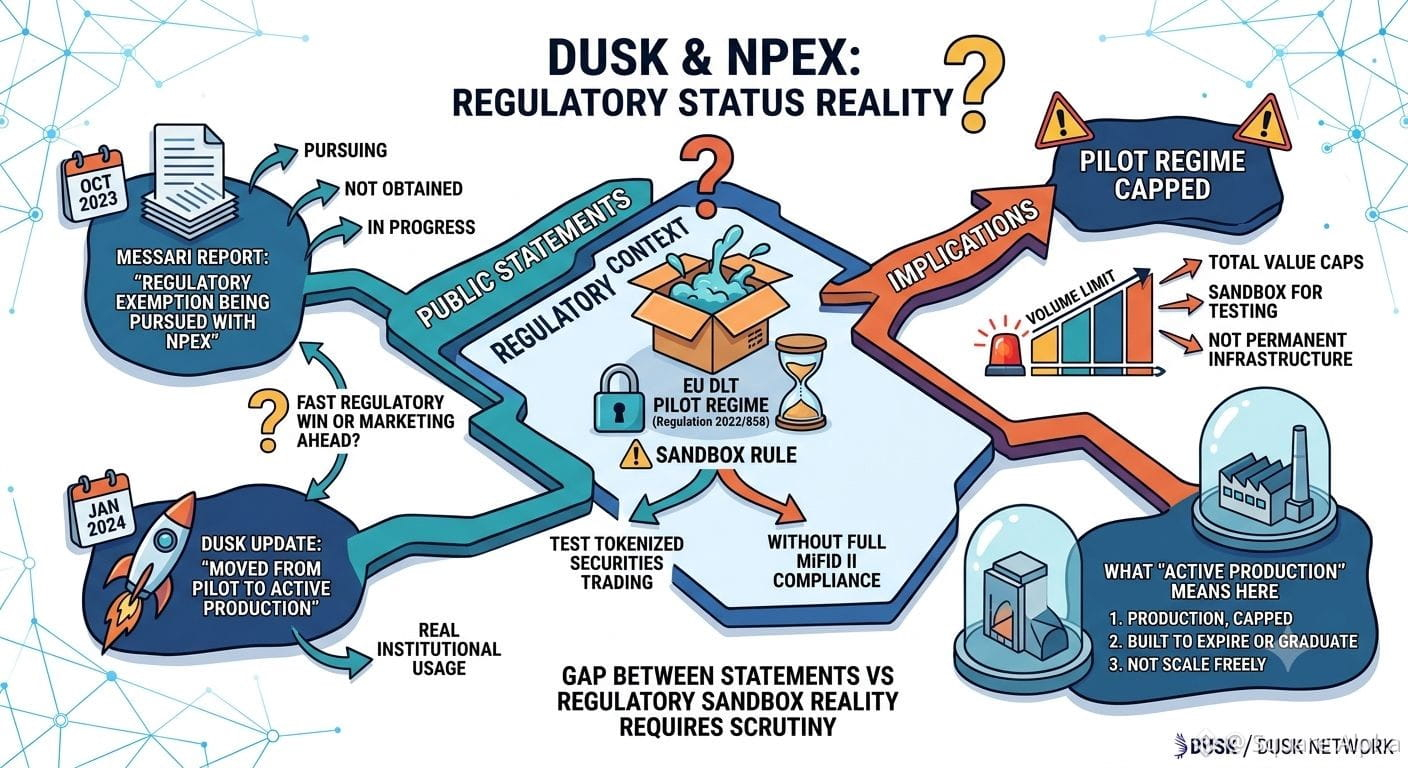
夕暮れ(dusk)のメッサリ(messari)ページは、同じことを指しているのに別々の表現を使っていて、ほとんど見逃しました。
昨年10月:「NPEXで追求されている規制上の免除。申請中。まだ取得できていない。進行中。」
今年1月:「パイロットからアクティブな本番稼働へ移行し、実際の機関による利用が示された。」
3か月で、申請(許可を求める)から本番稼働の運用へ言い回しが変わっています。これは、規制面での素早い勝利か、あるいはマーケティングチームが、書類上の状況が実際にどこまで進んでいるかより先行しているかのどちらかです。外からでは判断できません。
ただ、誰も書いていない重要な点があります。NPEXがほぼ確実に依拠している規制枠組みは、特注のDuskとの取り決めではありません。EUのDLTパイロット制度(実在するサンドボックスルール:規則 2022/858)です。これは、取引所が、MiFID IIの完全な遵守なしでトークン化された証券の取引をテストできるようにするものです。この手のパイロット制度には通常、上限(ハードキャップ)が付いています。システムを通じて許可される総額の上限が、まさに「サンドボックスを恒久的なインフラと誤解しないため」に設けられているのです。
もしここでの枠組みがそれなら、「アクティブな本番稼働」は聞こえる意味のままではありません。無制限に拡大できる“本番”ではなく、期限が来る/卒業するよう設計された制度の中で、上限付きで稼働している“本番”を意味します。
この特定案件の実際の上限数値は見つけられていませんし、見つけたふりもしません。しかし、「免除を追求中」と「アクティブな本番稼働、実際の機関利用」が3か月しか違わないにもかかわらず、そのギャップは、それぞれの表現単体では得られない以上の追加検証に値します。
#dusk @Dusk_Foundation $DUSK
{spot}(DUSKUSDT)
夕暮れ(dusk)のメッサリ(messari)ページは、同じことを指しているのに別々の表現を使っていて、ほとんど見逃しました。
昨年10月:「NPEXで追求されている規制上の免除。申請中。まだ取得できていない。進行中。」
今年1月:「パイロットからアクティブな本番稼働へ移行し、実際の機関による利用が示された。」
3か月で、申請(許可を求める)から本番稼働の運用へ言い回しが変わっています。これは、規制面での素早い勝利か、あるいはマーケティングチームが、書類上の状況が実際にどこまで進んでいるかより先行しているかのどちらかです。外からでは判断できません。
ただ、誰も書いていない重要な点があります。NPEXがほぼ確実に依拠している規制枠組みは、特注のDuskとの取り決めではありません。EUのDLTパイロット制度(実在するサンドボックスルール:規則 2022/858)です。これは、取引所が、MiFID IIの完全な遵守なしでトークン化された証券の取引をテストできるようにするものです。この手のパイロット制度には通常、上限(ハードキャップ)が付いています。システムを通じて許可される総額の上限が、まさに「サンドボックスを恒久的なインフラと誤解しないため」に設けられているのです。
もしここでの枠組みがそれなら、「アクティブな本番稼働」は聞こえる意味のままではありません。無制限に拡大できる“本番”ではなく、期限が来る/卒業するよう設計された制度の中で、上限付きで稼働している“本番”を意味します。
この特定案件の実際の上限数値は見つけられていませんし、見つけたふりもしません。しかし、「免除を追求中」と「アクティブな本番稼働、実際の機関利用」が3か月しか違わないにもかかわらず、そのギャップは、それぞれの表現単体では得られない以上の追加検証に値します。
#dusk @Dusk $DUSK
昨年10月:「NPEXで追求されている規制上の免除。申請中。まだ取得できていない。進行中。」
今年1月:「パイロットからアクティブな本番稼働へ移行し、実際の機関による利用が示された。」
3か月で、申請(許可を求める)から本番稼働の運用へ言い回しが変わっています。これは、規制面での素早い勝利か、あるいはマーケティングチームが、書類上の状況が実際にどこまで進んでいるかより先行しているかのどちらかです。外からでは判断できません。
ただ、誰も書いていない重要な点があります。NPEXがほぼ確実に依拠している規制枠組みは、特注のDuskとの取り決めではありません。EUのDLTパイロット制度(実在するサンドボックスルール:規則 2022/858)です。これは、取引所が、MiFID IIの完全な遵守なしでトークン化された証券の取引をテストできるようにするものです。この手のパイロット制度には通常、上限(ハードキャップ)が付いています。システムを通じて許可される総額の上限が、まさに「サンドボックスを恒久的なインフラと誤解しないため」に設けられているのです。
もしここでの枠組みがそれなら、「アクティブな本番稼働」は聞こえる意味のままではありません。無制限に拡大できる“本番”ではなく、期限が来る/卒業するよう設計された制度の中で、上限付きで稼働している“本番”を意味します。
この特定案件の実際の上限数値は見つけられていませんし、見つけたふりもしません。しかし、「免除を追求中」と「アクティブな本番稼働、実際の機関利用」が3か月しか違わないにもかかわらず、そのギャップは、それぞれの表現単体では得られない以上の追加検証に値します。
#dusk @Dusk $DUSK
8
6
522
·
--
ブリッシュ
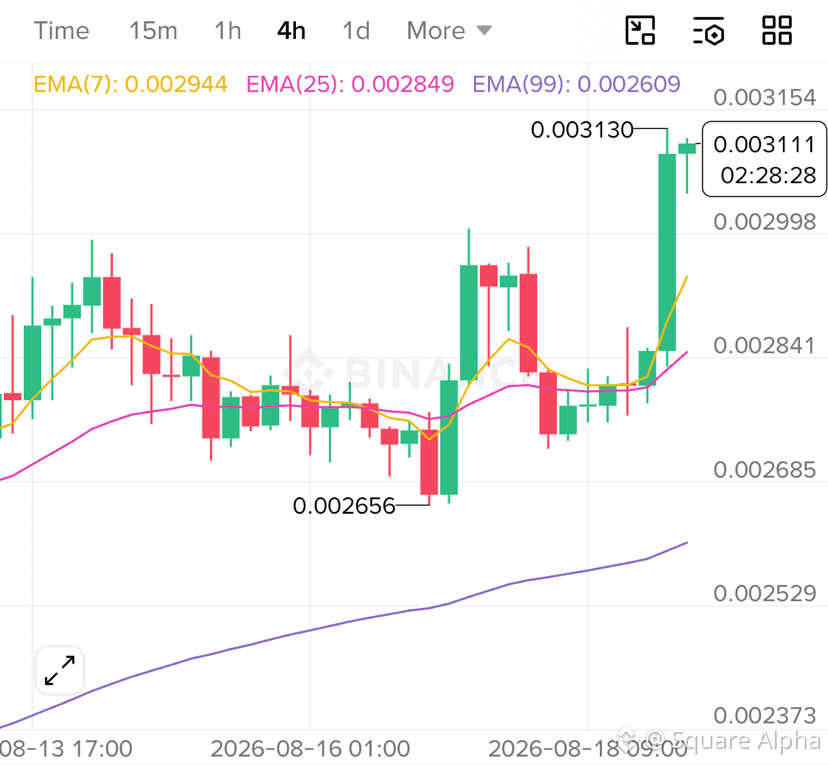
午前6時に起きて、今日の私の画面で緑なのはPUMPだけ 😅 全力でエレベーターみたいに0.00313まで落とした。
📊 セットアップ(4H):
→ リテスト待ち:0.00295 – 0.00300
→ 停止:0.00280(レンジに戻った=デッド)
→ 取りにいく:0.00313最初、もし突き抜けるなら0.00350
🧠 実際に動いている理由:
最初のゴールデンクロスに加えて、プロトコルの手数料が初めて1週間で$10Mを超えた。これは本当のキャッシュフローで、ただのTwitterの盛り上がりじゃない。
⚠️ 落とし穴:
RSIがボロボロで、買い戻しが$350MあるにもかかわらずATHから80%+下のまま。インサイダーはこういうスパイクで売るのが大好きだね(笑)。サイズは小さくして、損切りは尊重。
緑のローソクを追う?それとも押し目待ち? 👇
#pump #pumpfun #BTCPerpFundingRateHits20MonthHigh
午前6時に起きて、今日の私の画面で緑なのはPUMPだけ 😅 全力でエレベーターみたいに0.00313まで落とした。
📊 セットアップ(4H):
→ リテスト待ち:0.00295 – 0.00300
→ 停止:0.00280(レンジに戻った=デッド)
→ 取りにいく:0.00313最初、もし突き抜けるなら0.00350
🧠 実際に動いている理由:
最初のゴールデンクロスに加えて、プロトコルの手数料が初めて1週間で$10Mを超えた。これは本当のキャッシュフローで、ただのTwitterの盛り上がりじゃない。
⚠️ 落とし穴:
RSIがボロボロで、買い戻しが$350MあるにもかかわらずATHから80%+下のまま。インサイダーはこういうスパイクで売るのが大好きだね(笑)。サイズは小さくして、損切りは尊重。
緑のローソクを追う?それとも押し目待ち? 👇
#pump #pumpfun #BTCPerpFundingRateHits20MonthHigh
📊 セットアップ(4H):
→ リテスト待ち:0.00295 – 0.00300
→ 停止:0.00280(レンジに戻った=デッド)
→ 取りにいく:0.00313最初、もし突き抜けるなら0.00350
🧠 実際に動いている理由:
最初のゴールデンクロスに加えて、プロトコルの手数料が初めて1週間で$10Mを超えた。これは本当のキャッシュフローで、ただのTwitterの盛り上がりじゃない。
⚠️ 落とし穴:
RSIがボロボロで、買い戻しが$350MあるにもかかわらずATHから80%+下のまま。インサイダーはこういうスパイクで売るのが大好きだね(笑)。サイズは小さくして、損切りは尊重。
緑のローソクを追う?それとも押し目待ち? 👇
#pump #pumpfun #BTCPerpFundingRateHits20MonthHigh
1
159
ログインして、さらにコンテンツを読む
厳選トピックで世界の暗号資産トレーダーの仲間入り
⚡️ 暗号資産に関する最新かつ有益な情報が見つかります。
💬 世界最大の暗号資産取引所から信頼されています。
👍 認証を受けたクリエイターから、有益なインサイトを得られます。
メール / 電話番号
トレンドトピック
BitcoinReboundsTo$79K
閲覧回数 4,379
71人が討論中
🚨 $BTC はさらに上昇しようとしています。
ビットコインは約 $78,804 で取引されており、先ほど $78K の水準を回復したことでおよそ 1.9% 上昇しています。次に注目すべきは、日中の高値である約 $78,905 です。
その水準を明確に上抜けると、$79K〜$80K へ向かう道が開ける可能性があります。もしBTCが跳ね返される場合、サポートは $78,300 あたりにあり、その次は $77,975 です。
強気筋には勢いがありますが、BTC は $78K を上回って維持する必要があります。
#Bitcoin #BTC #CryptoTrading #CryptoMarket #CryptoAnalysis
PulseON
·いいね:5件
·閲覧回数 5.6k
FedHikeOddsRiseTo89%
閲覧回数 62,357
940人が討論中
RLUSDSupplyHitsRecord$2.442B
閲覧回数 3,229
56人が討論中