

piknkkk
392 投稿

piknkkk
報告
ユーザーをブロック
34 フォロー
114 フォロワー
387 いいね
投稿
·
--
弱気相場
翻訳参照
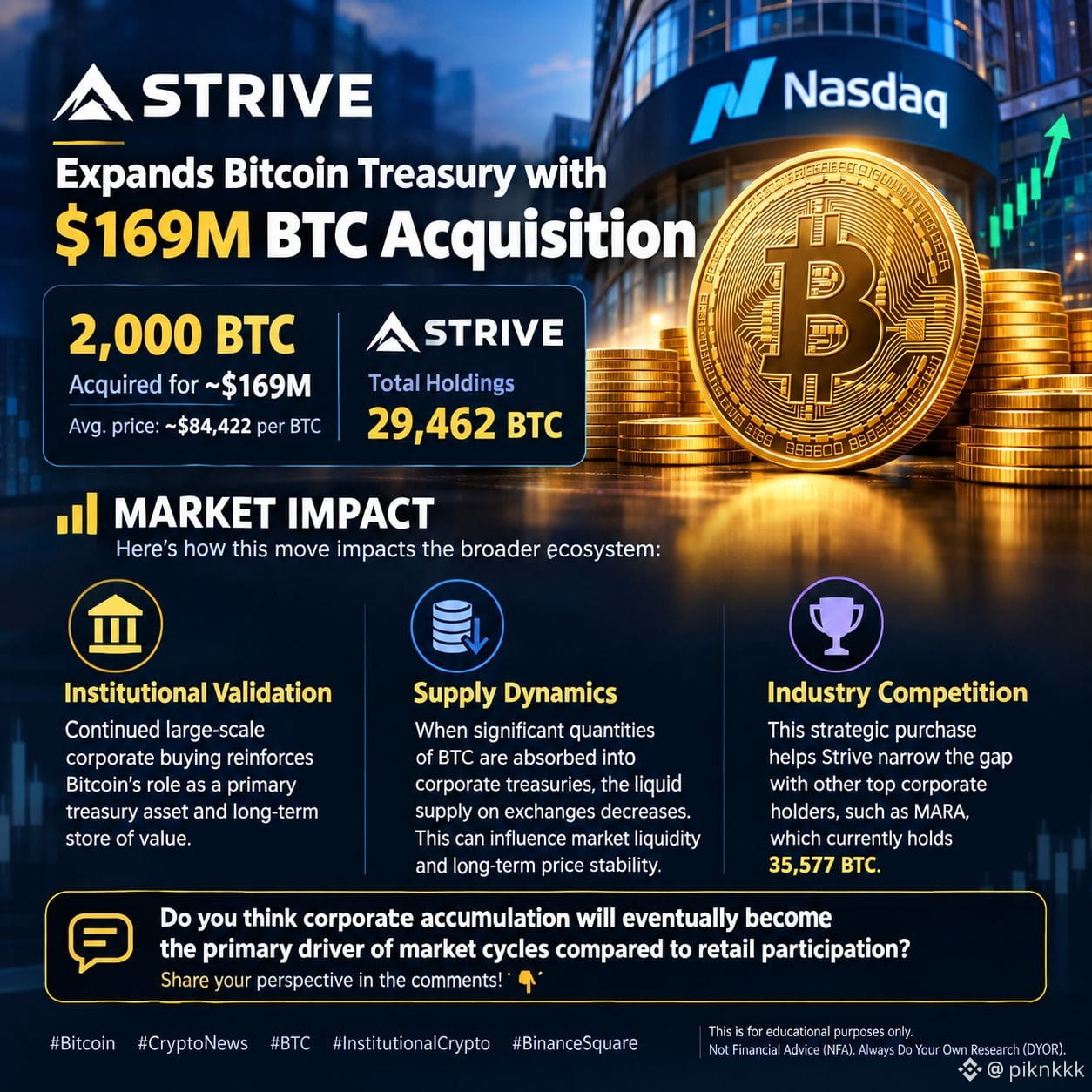
#StriveBuys2000BTCFor$169M 📈 Strive Expands Bitcoin Treasury with Significant $169M BTC Acquisition
Institutional accumulation continues to reshape the digital asset landscape! 🌐 Another Nasdaq-listed company has just expanded its Bitcoin reserves, reinforcing long-term corporate confidence.
Core News
Bitcoin treasury company Strive (ASST) has officially acquired an additional 2,000 BTC for approximately $169 million [4]. Executed at an average cost of roughly $84,422 per coin, this transaction marks the firm's largest Bitcoin purchase in four months [3]. Following this acquisition, Strive’s total treasury now stands at 29,462 BTC [15]
Market Impact
Here is an objective look at how this move impacts the broader ecosystem
• 🏢 Institutional Validation Continued large-scale corporate buying reinforces the macroeconomic narrative of Bitcoin as a primary treasury asset and a long-term store of value [[29]].
• 📉 Supply Dynamics When significant quantities of BTC are absorbed into corporate treasuries for holding, the liquid supply on exchanges decreases. This structural shift can heavily influence market liquidity and long-term price stability over time.
• 🤝 Industry Competition This strategic purchase allows Strive to narrow the gap with other top corporate holders, such as MARA, which currently holds 35,577 BTC [27]
Engagement
As publicly traded companies continue to build substantial Bitcoin treasuries, do you believe corporate accumulation will eventually become the primary driver of market cycles compared to retail participation? Share your perspective in the comments! 💬👇
#Bitcoin #CryptoNews #BTC #InstitutionalCrypto #BinanceSquare
This is for educational purposes only. Not Financial Advice (NFA). Always Do Your Own Research (DYOR).
$STRK $SAND $ENA
{future}(ENAUSDT)
{future}(SANDUSDT)
{future}(STRKUSDT)
#StriveBuys2000BTCFor$169M 📈 Strive Expands Bitcoin Treasury with Significant $169M BTC Acquisition
Institutional accumulation continues to reshape the digital asset landscape! 🌐 Another Nasdaq-listed company has just expanded its Bitcoin reserves, reinforcing long-term corporate confidence.
Core News
Bitcoin treasury company Strive (ASST) has officially acquired an additional 2,000 BTC for approximately $169 million [4]. Executed at an average cost of roughly $84,422 per coin, this transaction marks the firm's largest Bitcoin purchase in four months [3]. Following this acquisition, Strive’s total treasury now stands at 29,462 BTC [15]
Market Impact
Here is an objective look at how this move impacts the broader ecosystem
• 🏢 Institutional Validation Continued large-scale corporate buying reinforces the macroeconomic narrative of Bitcoin as a primary treasury asset and a long-term store of value [[29]].
• 📉 Supply Dynamics When significant quantities of BTC are absorbed into corporate treasuries for holding, the liquid supply on exchanges decreases. This structural shift can heavily influence market liquidity and long-term price stability over time.
• 🤝 Industry Competition This strategic purchase allows Strive to narrow the gap with other top corporate holders, such as MARA, which currently holds 35,577 BTC [27]
Engagement
As publicly traded companies continue to build substantial Bitcoin treasuries, do you believe corporate accumulation will eventually become the primary driver of market cycles compared to retail participation? Share your perspective in the comments! 💬👇
#Bitcoin #CryptoNews #BTC #InstitutionalCrypto #BinanceSquare
This is for educational purposes only. Not Financial Advice (NFA). Always Do Your Own Research (DYOR).
$STRK $SAND $ENA
Institutional accumulation continues to reshape the digital asset landscape! 🌐 Another Nasdaq-listed company has just expanded its Bitcoin reserves, reinforcing long-term corporate confidence.
Core News
Bitcoin treasury company Strive (ASST) has officially acquired an additional 2,000 BTC for approximately $169 million [4]. Executed at an average cost of roughly $84,422 per coin, this transaction marks the firm's largest Bitcoin purchase in four months [3]. Following this acquisition, Strive’s total treasury now stands at 29,462 BTC [15]
Market Impact
Here is an objective look at how this move impacts the broader ecosystem
• 🏢 Institutional Validation Continued large-scale corporate buying reinforces the macroeconomic narrative of Bitcoin as a primary treasury asset and a long-term store of value [[29]].
• 📉 Supply Dynamics When significant quantities of BTC are absorbed into corporate treasuries for holding, the liquid supply on exchanges decreases. This structural shift can heavily influence market liquidity and long-term price stability over time.
• 🤝 Industry Competition This strategic purchase allows Strive to narrow the gap with other top corporate holders, such as MARA, which currently holds 35,577 BTC [27]
Engagement
As publicly traded companies continue to build substantial Bitcoin treasuries, do you believe corporate accumulation will eventually become the primary driver of market cycles compared to retail participation? Share your perspective in the comments! 💬👇
#Bitcoin #CryptoNews #BTC #InstitutionalCrypto #BinanceSquare
This is for educational purposes only. Not Financial Advice (NFA). Always Do Your Own Research (DYOR).
$STRK $SAND $ENA
3
·
--
弱気相場
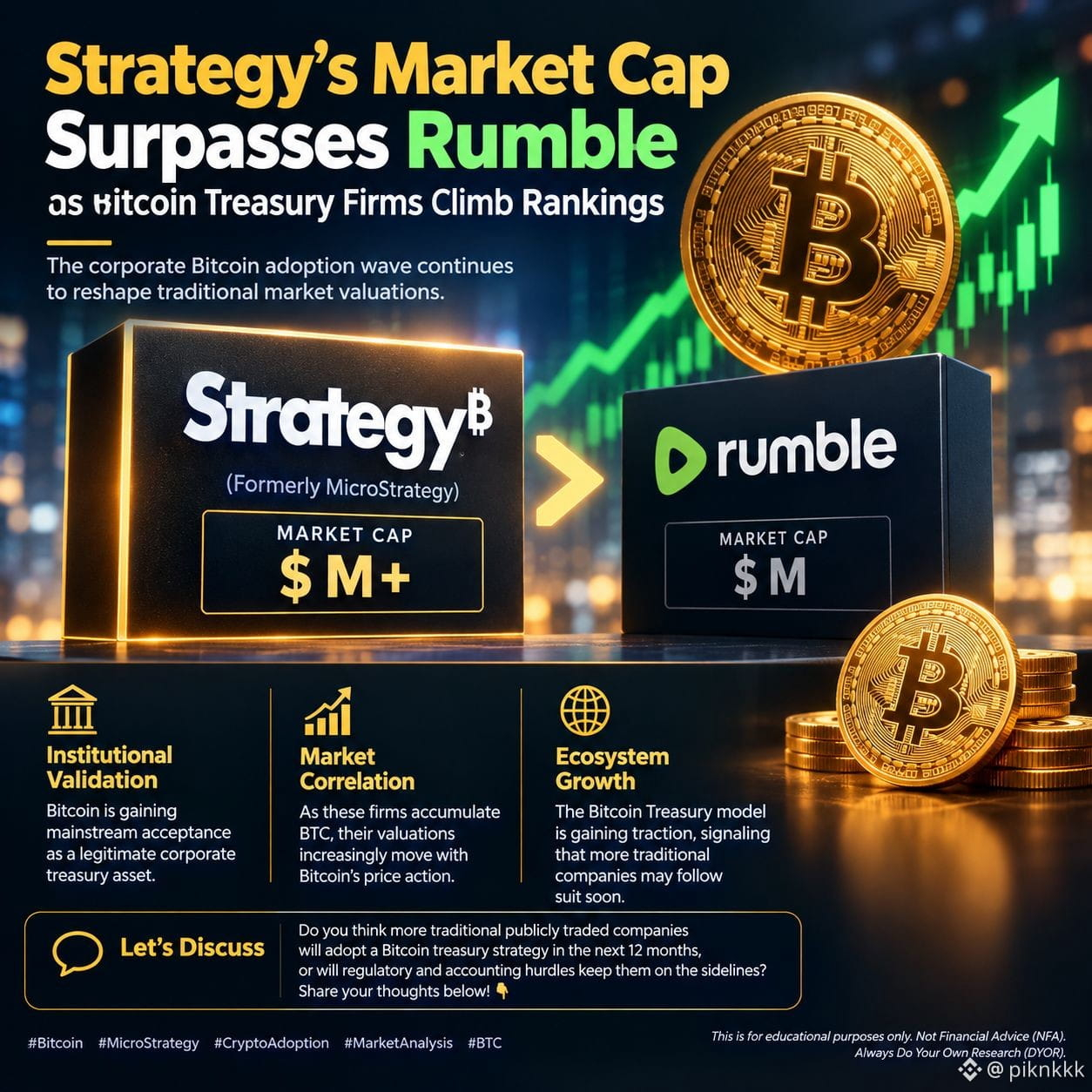
#strategymarketcapsurpassesrumble 📈 Strategyの時価総額がRumbleを上回る、ビットコイン保有企業がランキング上昇
企業によるビットコイン導入の波は、従来の市場評価を変え続けています。伝統的な株式と暗号資産トレジャリー戦略が交わる領域で、注目すべき節目が訪れました。
📰 主なニュース
• MicroStrategy(現在は正式に「Strategy」へ社名変更)の時価総額が、競合する動画プラットフォームRumbleを上回りました [35]。
• この節目は、より大きなトレンドを示しています。ビットコインに注力するトレジャリー企業が、上場企業の評価額ランキングを急速に上昇しています。
• 参考までに、同じくビットコインを導入しているStriveも、過去1か月だけで時価総額において140社を超える上場企業を上回りました [36]
📊 市場への影響
• 🏢 機関投資家による正当性の認知 この変化は、企業のトレジャリー資産としてビットコインが受け入れられつつあることを裏付けています。初期導入企業のニッチな領域を超え、主流の企業財務に関する議論へと広がっています。
• 📈 市場との相関 これらの企業がBTCを積み増すにつれ、株式の評価額はビットコインの価格動向を反映する指標としての性格を強めています。これにより、企業需要と市場全体の流動性との連動が強まります。
• 🌐 エコシステムの成長 「ビットコイン・トレジャリー」モデルは、着実に広がりを見せています。より多くの伝統的企業が、マクロ経済の変動への備えとして、デジタル資産によるバランスシートの分散を検討する可能性を示しています。
💬 話し合いましょう
今後12か月で、より多くの伝統的な上場企業がビットコイン・トレジャリー戦略を採用すると思いますか?それとも、規制や会計上のハードルによって、導入を見送るでしょうか?ぜひ下でご意見をお聞かせください! 👇
#Bitcoin #MicroStrategy #CryptoAdoption #MarketAnalysis #BTC
これは教育目的のみの情報です。金融アドバイスではありません(NFA)。必ずご自身で調査してください(DYOR)。
$SCR $HUMA $GLMR
{spot}(GLMRUSDT)
{future}(HUMAUSDT)
{future}(SCRUSDT)
#strategymarketcapsurpassesrumble 📈 Strategyの時価総額がRumbleを上回る、ビットコイン保有企業がランキング上昇
企業によるビットコイン導入の波は、従来の市場評価を変え続けています。伝統的な株式と暗号資産トレジャリー戦略が交わる領域で、注目すべき節目が訪れました。
📰 主なニュース
• MicroStrategy(現在は正式に「Strategy」へ社名変更)の時価総額が、競合する動画プラットフォームRumbleを上回りました [35]。
• この節目は、より大きなトレンドを示しています。ビットコインに注力するトレジャリー企業が、上場企業の評価額ランキングを急速に上昇しています。
• 参考までに、同じくビットコインを導入しているStriveも、過去1か月だけで時価総額において140社を超える上場企業を上回りました [36]
📊 市場への影響
• 🏢 機関投資家による正当性の認知 この変化は、企業のトレジャリー資産としてビットコインが受け入れられつつあることを裏付けています。初期導入企業のニッチな領域を超え、主流の企業財務に関する議論へと広がっています。
• 📈 市場との相関 これらの企業がBTCを積み増すにつれ、株式の評価額はビットコインの価格動向を反映する指標としての性格を強めています。これにより、企業需要と市場全体の流動性との連動が強まります。
• 🌐 エコシステムの成長 「ビットコイン・トレジャリー」モデルは、着実に広がりを見せています。より多くの伝統的企業が、マクロ経済の変動への備えとして、デジタル資産によるバランスシートの分散を検討する可能性を示しています。
💬 話し合いましょう
今後12か月で、より多くの伝統的な上場企業がビットコイン・トレジャリー戦略を採用すると思いますか?それとも、規制や会計上のハードルによって、導入を見送るでしょうか?ぜひ下でご意見をお聞かせください! 👇
#Bitcoin #MicroStrategy #CryptoAdoption #MarketAnalysis #BTC
これは教育目的のみの情報です。金融アドバイスではありません(NFA)。必ずご自身で調査してください(DYOR)。
$SCR $HUMA $GLMR
企業によるビットコイン導入の波は、従来の市場評価を変え続けています。伝統的な株式と暗号資産トレジャリー戦略が交わる領域で、注目すべき節目が訪れました。
📰 主なニュース
• MicroStrategy(現在は正式に「Strategy」へ社名変更)の時価総額が、競合する動画プラットフォームRumbleを上回りました [35]。
• この節目は、より大きなトレンドを示しています。ビットコインに注力するトレジャリー企業が、上場企業の評価額ランキングを急速に上昇しています。
• 参考までに、同じくビットコインを導入しているStriveも、過去1か月だけで時価総額において140社を超える上場企業を上回りました [36]
📊 市場への影響
• 🏢 機関投資家による正当性の認知 この変化は、企業のトレジャリー資産としてビットコインが受け入れられつつあることを裏付けています。初期導入企業のニッチな領域を超え、主流の企業財務に関する議論へと広がっています。
• 📈 市場との相関 これらの企業がBTCを積み増すにつれ、株式の評価額はビットコインの価格動向を反映する指標としての性格を強めています。これにより、企業需要と市場全体の流動性との連動が強まります。
• 🌐 エコシステムの成長 「ビットコイン・トレジャリー」モデルは、着実に広がりを見せています。より多くの伝統的企業が、マクロ経済の変動への備えとして、デジタル資産によるバランスシートの分散を検討する可能性を示しています。
💬 話し合いましょう
今後12か月で、より多くの伝統的な上場企業がビットコイン・トレジャリー戦略を採用すると思いますか?それとも、規制や会計上のハードルによって、導入を見送るでしょうか?ぜひ下でご意見をお聞かせください! 👇
#Bitcoin #MicroStrategy #CryptoAdoption #MarketAnalysis #BTC
これは教育目的のみの情報です。金融アドバイスではありません(NFA)。必ずご自身で調査してください(DYOR)。
$SCR $HUMA $GLMR
526
·
--
弱気相場
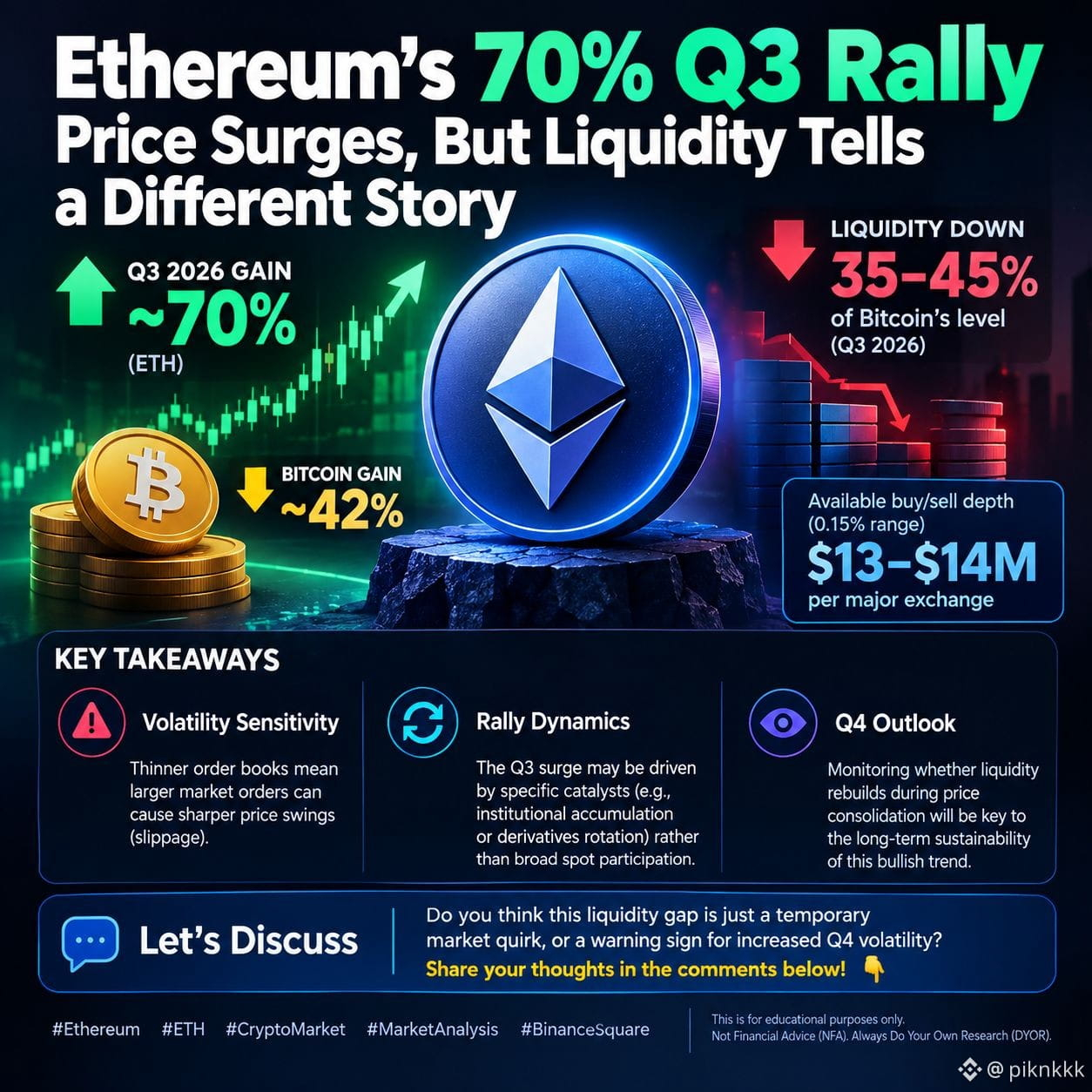
#ethup70%inq3butliquidityfalls 📊 イーサリアムは2026年第3四半期に価格が70%急騰。しかし、流動性は異なる様相を示す
イーサリアムは2026年第3四半期に約70%という目覚ましい上昇を記録し、ビットコインを大きく上回りました。しかし、注文板を詳しく見ると、市場における重要な乖離が明らかになります。価格が上昇する一方で、市場の基礎的な流動性は実際には縮小していました。
📰 主なニュース
価格が力強く推移したにもかかわらず、最近の市場データによると、第3四半期のイーサリアムの1日あたりの市場深度の中央値は、ビットコインの水準のわずか35–45%に低下しました。前年には60%を超えていました。現在の市場価格から0.15%以内の狭い範囲で、主要取引所ごとに利用可能な買い・売り注文の厚みは、およそ1,300万~1,400万ドルです。
📈 市場への影響分析
この価格と流動性の乖離は、エコシステムにとって何を意味するのでしょうか?
• ボラティリティへの感応度:注文板が薄いと、大口の成行注文によって価格がより大きく変動(スリッページ)する可能性があり、ETHは急なボラティリティや連鎖的な清算の影響を受けやすくなります。
• 🔄 上昇相場の動向:この乖離は、第3四半期の急騰が、幅広く厚みのある現物市場への参加ではなく、特定の材料(機関投資家による財務資産としての蓄積や、デリバティブ市場での資金移動など)によって引き起こされた可能性を示唆しています。
• 👀 第4四半期の見通し:第4四半期に入るにあたり、価格がもみ合う間に流動性が回復するかどうかを注視することが、この強気トレンドの長期的な持続性を評価するうえで重要になります。
💬 話し合いましょう
この流動性のギャップは一時的な市場の変則にすぎないと思いますか?それとも、第4四半期のボラティリティ上昇を示す警告サインでしょうか?ぜひコメント欄でご意見や分析をお聞かせください!👇
#Ethereum #ETH #暗号資産市場 #市場分析 #BinanceSquare
これは教育目的のみの情報です。金融アドバイスではありません(NFA)。必ずご自身で調査してください(DYOR)。
$GTC $MINA $MOVR
{future}(MOVRUSDT)
{future}(MINAUSDT)
{future}(GTCUSDT)
#ethup70%inq3butliquidityfalls 📊 イーサリアムは2026年第3四半期に価格が70%急騰。しかし、流動性は異なる様相を示す
イーサリアムは2026年第3四半期に約70%という目覚ましい上昇を記録し、ビットコインを大きく上回りました。しかし、注文板を詳しく見ると、市場における重要な乖離が明らかになります。価格が上昇する一方で、市場の基礎的な流動性は実際には縮小していました。
📰 主なニュース
価格が力強く推移したにもかかわらず、最近の市場データによると、第3四半期のイーサリアムの1日あたりの市場深度の中央値は、ビットコインの水準のわずか35–45%に低下しました。前年には60%を超えていました。現在の市場価格から0.15%以内の狭い範囲で、主要取引所ごとに利用可能な買い・売り注文の厚みは、およそ1,300万~1,400万ドルです。
📈 市場への影響分析
この価格と流動性の乖離は、エコシステムにとって何を意味するのでしょうか?
• ボラティリティへの感応度:注文板が薄いと、大口の成行注文によって価格がより大きく変動(スリッページ)する可能性があり、ETHは急なボラティリティや連鎖的な清算の影響を受けやすくなります。
• 🔄 上昇相場の動向:この乖離は、第3四半期の急騰が、幅広く厚みのある現物市場への参加ではなく、特定の材料(機関投資家による財務資産としての蓄積や、デリバティブ市場での資金移動など)によって引き起こされた可能性を示唆しています。
• 👀 第4四半期の見通し:第4四半期に入るにあたり、価格がもみ合う間に流動性が回復するかどうかを注視することが、この強気トレンドの長期的な持続性を評価するうえで重要になります。
💬 話し合いましょう
この流動性のギャップは一時的な市場の変則にすぎないと思いますか?それとも、第4四半期のボラティリティ上昇を示す警告サインでしょうか?ぜひコメント欄でご意見や分析をお聞かせください!👇
#Ethereum #ETH #暗号資産市場 #市場分析 #BinanceSquare
これは教育目的のみの情報です。金融アドバイスではありません(NFA)。必ずご自身で調査してください(DYOR)。
$GTC $MINA $MOVR
イーサリアムは2026年第3四半期に約70%という目覚ましい上昇を記録し、ビットコインを大きく上回りました。しかし、注文板を詳しく見ると、市場における重要な乖離が明らかになります。価格が上昇する一方で、市場の基礎的な流動性は実際には縮小していました。
📰 主なニュース
価格が力強く推移したにもかかわらず、最近の市場データによると、第3四半期のイーサリアムの1日あたりの市場深度の中央値は、ビットコインの水準のわずか35–45%に低下しました。前年には60%を超えていました。現在の市場価格から0.15%以内の狭い範囲で、主要取引所ごとに利用可能な買い・売り注文の厚みは、およそ1,300万~1,400万ドルです。
📈 市場への影響分析
この価格と流動性の乖離は、エコシステムにとって何を意味するのでしょうか?
• ボラティリティへの感応度:注文板が薄いと、大口の成行注文によって価格がより大きく変動(スリッページ)する可能性があり、ETHは急なボラティリティや連鎖的な清算の影響を受けやすくなります。
• 🔄 上昇相場の動向:この乖離は、第3四半期の急騰が、幅広く厚みのある現物市場への参加ではなく、特定の材料(機関投資家による財務資産としての蓄積や、デリバティブ市場での資金移動など)によって引き起こされた可能性を示唆しています。
• 👀 第4四半期の見通し:第4四半期に入るにあたり、価格がもみ合う間に流動性が回復するかどうかを注視することが、この強気トレンドの長期的な持続性を評価するうえで重要になります。
💬 話し合いましょう
この流動性のギャップは一時的な市場の変則にすぎないと思いますか?それとも、第4四半期のボラティリティ上昇を示す警告サインでしょうか?ぜひコメント欄でご意見や分析をお聞かせください!👇
#Ethereum #ETH #暗号資産市場 #市場分析 #BinanceSquare
これは教育目的のみの情報です。金融アドバイスではありません(NFA)。必ずご自身で調査してください(DYOR)。
$GTC $MINA $MOVR
1
320
·
--
ブリッシュ
翻訳参照
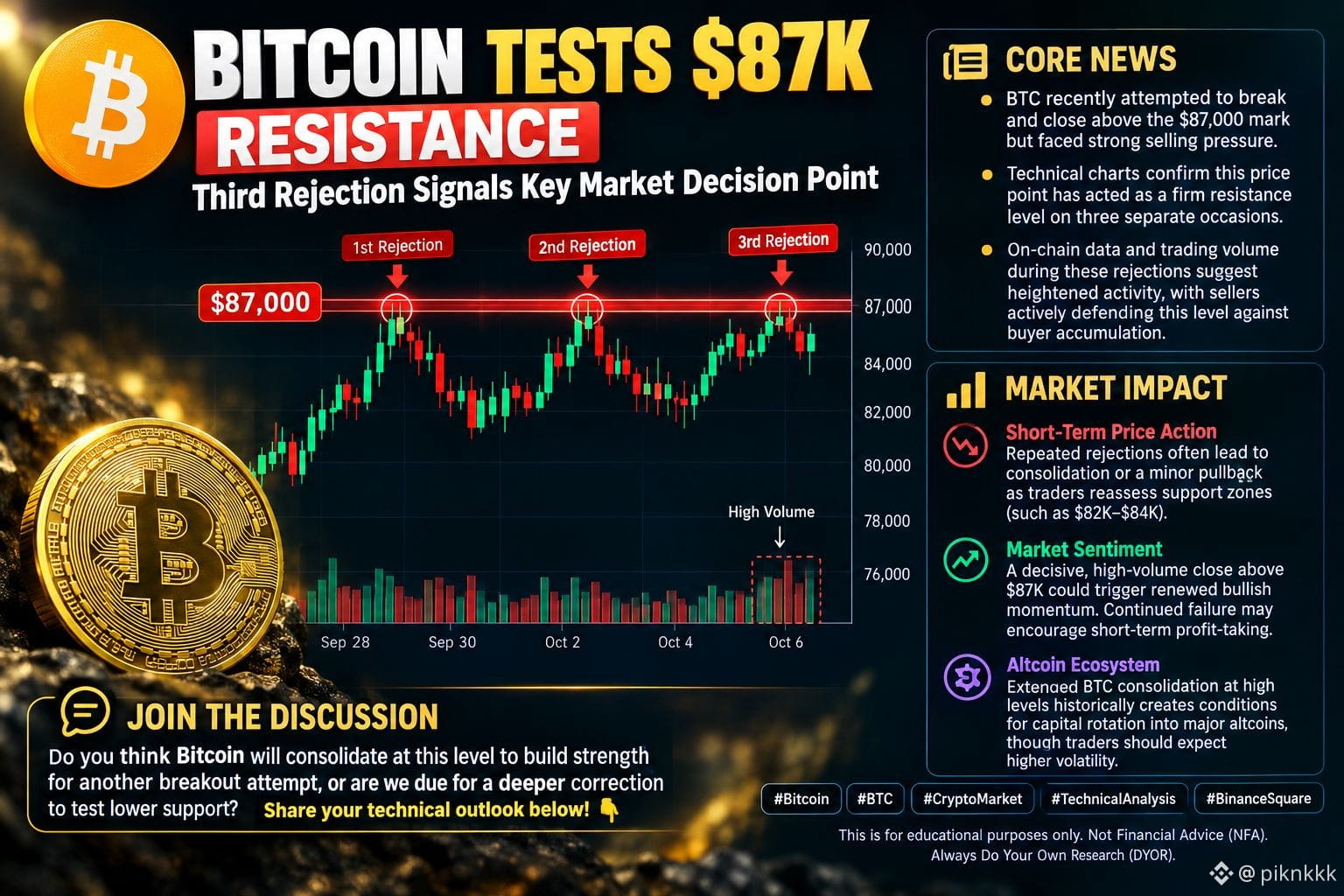
#BitcoinRejectedAt$87KThirdTime Bitcoin Tests $87K Resistance: Third Rejection Signals Key Market Decision Point 📉
Bitcoin has once again challenged the $87,000 threshold, only to face rejection for the third consecutive time. This key level is proving to be a significant hurdle for immediate bullish momentum.
📰 Core News
• BTC recently attempted to break and close above the $87,000 mark but encountered strong selling pressure.
• Technical charts now confirm this price point has acted as a firm resistance level on three separate occasions.
• On-chain data and trading volume during these rejections suggest heightened activity, with sellers actively defending this level against buyer accumulation.
📊 Market Impact
• Short-Term Price Action Repeated rejections at a major resistance level often lead to short-term consolidation or a minor pullback as traders reassess nearby support zones (such as the $82K–$84K range).
• Market Sentiment A decisive, high-volume close above $87K could trigger renewed bullish momentum and invalidate the resistance. Conversely, continued failure to break through may encourage short-term profit-taking.
• Altcoin Ecosystem Extended BTC consolidation at high levels historically creates conditions for capital rotation into major altcoins, though traders should anticipate elevated market-wide volatility.
💬 Join the Discussion
Do you think Bitcoin will consolidate at this level to build strength for another breakout attempt, or are we due for a deeper correction to test lower support? Share your technical outlook below! 👇
#Bitcoin #BTC #CryptoMarket #TechnicalAnalysis #BinanceSquare
This is for educational purposes only. Not Financial Advice (NFA). Always Do Your Own Research (DYOR).
$SENT $VTHO $UMA
{future}(UMAUSDT)
{future}(VTHOUSDT)
{future}(SENTUSDT)
#BitcoinRejectedAt$87KThirdTime Bitcoin Tests $87K Resistance: Third Rejection Signals Key Market Decision Point 📉
Bitcoin has once again challenged the $87,000 threshold, only to face rejection for the third consecutive time. This key level is proving to be a significant hurdle for immediate bullish momentum.
📰 Core News
• BTC recently attempted to break and close above the $87,000 mark but encountered strong selling pressure.
• Technical charts now confirm this price point has acted as a firm resistance level on three separate occasions.
• On-chain data and trading volume during these rejections suggest heightened activity, with sellers actively defending this level against buyer accumulation.
📊 Market Impact
• Short-Term Price Action Repeated rejections at a major resistance level often lead to short-term consolidation or a minor pullback as traders reassess nearby support zones (such as the $82K–$84K range).
• Market Sentiment A decisive, high-volume close above $87K could trigger renewed bullish momentum and invalidate the resistance. Conversely, continued failure to break through may encourage short-term profit-taking.
• Altcoin Ecosystem Extended BTC consolidation at high levels historically creates conditions for capital rotation into major altcoins, though traders should anticipate elevated market-wide volatility.
💬 Join the Discussion
Do you think Bitcoin will consolidate at this level to build strength for another breakout attempt, or are we due for a deeper correction to test lower support? Share your technical outlook below! 👇
#Bitcoin #BTC #CryptoMarket #TechnicalAnalysis #BinanceSquare
This is for educational purposes only. Not Financial Advice (NFA). Always Do Your Own Research (DYOR).
$SENT $VTHO $UMA
Bitcoin has once again challenged the $87,000 threshold, only to face rejection for the third consecutive time. This key level is proving to be a significant hurdle for immediate bullish momentum.
📰 Core News
• BTC recently attempted to break and close above the $87,000 mark but encountered strong selling pressure.
• Technical charts now confirm this price point has acted as a firm resistance level on three separate occasions.
• On-chain data and trading volume during these rejections suggest heightened activity, with sellers actively defending this level against buyer accumulation.
📊 Market Impact
• Short-Term Price Action Repeated rejections at a major resistance level often lead to short-term consolidation or a minor pullback as traders reassess nearby support zones (such as the $82K–$84K range).
• Market Sentiment A decisive, high-volume close above $87K could trigger renewed bullish momentum and invalidate the resistance. Conversely, continued failure to break through may encourage short-term profit-taking.
• Altcoin Ecosystem Extended BTC consolidation at high levels historically creates conditions for capital rotation into major altcoins, though traders should anticipate elevated market-wide volatility.
💬 Join the Discussion
Do you think Bitcoin will consolidate at this level to build strength for another breakout attempt, or are we due for a deeper correction to test lower support? Share your technical outlook below! 👇
#Bitcoin #BTC #CryptoMarket #TechnicalAnalysis #BinanceSquare
This is for educational purposes only. Not Financial Advice (NFA). Always Do Your Own Research (DYOR).
$SENT $VTHO $UMA
22
·
--
ブリッシュ
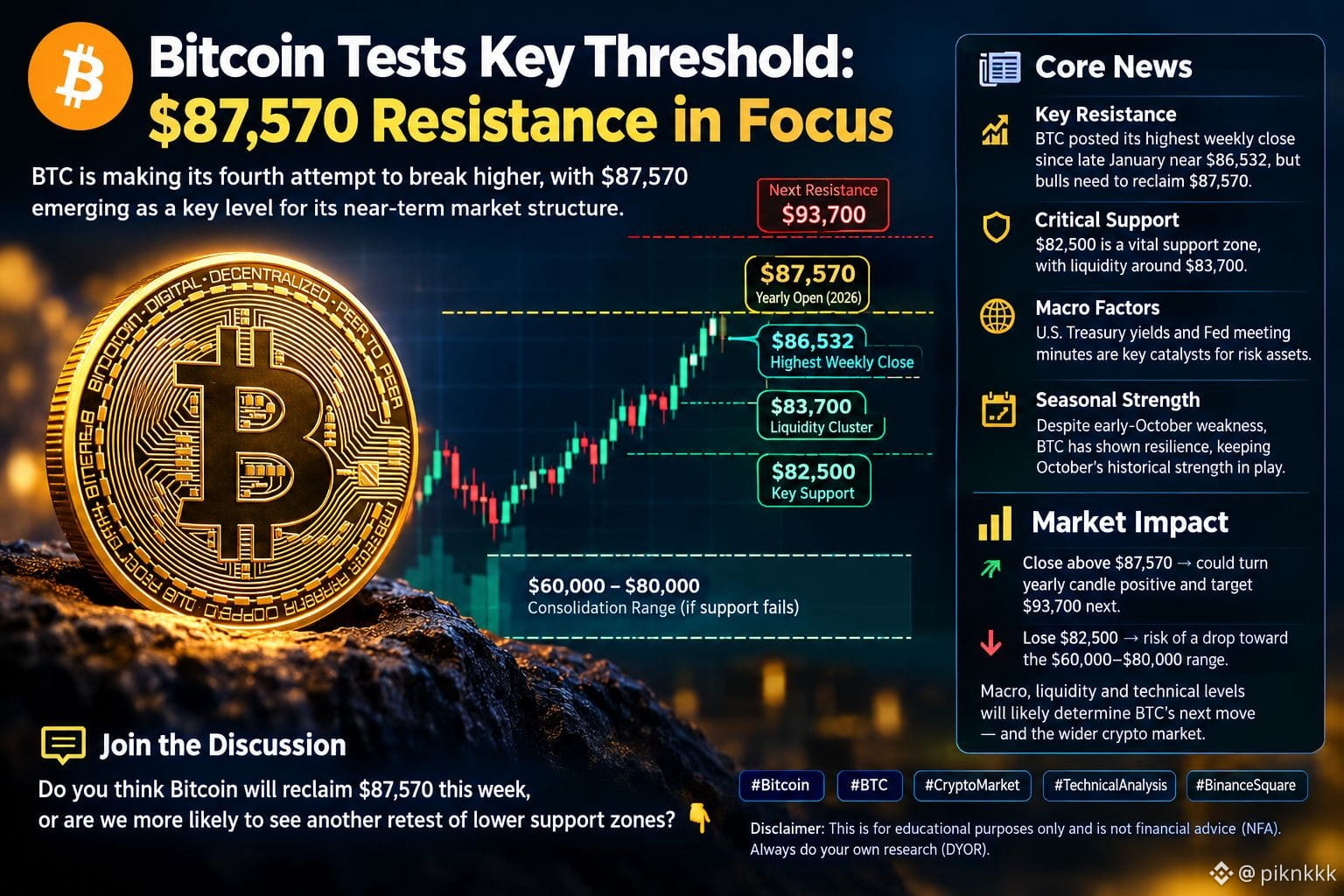
#BitcoinTargets2026OpenAt$87570 ビットコイン価格見通し:アナリストは2026年初頭の目標価格を87,570ドルと予測 📊
2026年を見据えるなか、市場アナリストはビットコインの注目すべき目標価格を予測しています。現在のデータと市場心理が示す内容を見ていきましょう。
📰 主なニュース
最近の市場分析や予測モデルでは、2026年初頭に向けてビットコインの目標価格が約87,570ドルとなる可能性が示されています。この予測は一般に、マクロ経済要因、半減期後の過去のサイクルパターン、機関投資家による導入の継続、主要市場における規制の明確化などを組み合わせて導き出されています。
🌍 市場への影響
• 市場心理 長期的な価格目標は、機関投資家と個人投資家の双方に前向きな見方を広げ、マクロ経済のヘッジ手段および価値の保存手段としてのビットコインの位置づけを改めて示すことがよくあります。
• エコシステムの成長 安定した上昇傾向は、レイヤー2のスケーリングソリューションや分散型金融(DeFi)との統合など、ビットコインエコシステム全体におけるさらなる開発や流動性の投入を促す可能性があります。
• ボラティリティの見通し 長期予測は楽観的に見えるかもしれませんが、市場参加者は途中の価格変動にも備えておく必要があります。価格動向は今後も、世界的な流動性、金利環境、規制の進展に左右されるでしょう。
💬 意見交換に参加しましょう
今から2026年までのビットコインの市場構造を最も大きく左右するマクロ経済要因は何だと思いますか?ぜひコメントで意見をお聞かせください! 👇
#Bitcoin #BTC #CryptoMarket #MarketAnalysis #CryptoTrends
本情報は教育目的のみで提供されています。金融上の助言ではありません(NFA)。必ずご自身で調査してください(DYOR)。
$API3 $C98 $BTC
{future}(BTCUSDT)
{future}(C98USDT)
{future}(API3USDT)
#BitcoinTargets2026OpenAt$87570 ビットコイン価格見通し:アナリストは2026年初頭の目標価格を87,570ドルと予測 📊
2026年を見据えるなか、市場アナリストはビットコインの注目すべき目標価格を予測しています。現在のデータと市場心理が示す内容を見ていきましょう。
📰 主なニュース
最近の市場分析や予測モデルでは、2026年初頭に向けてビットコインの目標価格が約87,570ドルとなる可能性が示されています。この予測は一般に、マクロ経済要因、半減期後の過去のサイクルパターン、機関投資家による導入の継続、主要市場における規制の明確化などを組み合わせて導き出されています。
🌍 市場への影響
• 市場心理 長期的な価格目標は、機関投資家と個人投資家の双方に前向きな見方を広げ、マクロ経済のヘッジ手段および価値の保存手段としてのビットコインの位置づけを改めて示すことがよくあります。
• エコシステムの成長 安定した上昇傾向は、レイヤー2のスケーリングソリューションや分散型金融(DeFi)との統合など、ビットコインエコシステム全体におけるさらなる開発や流動性の投入を促す可能性があります。
• ボラティリティの見通し 長期予測は楽観的に見えるかもしれませんが、市場参加者は途中の価格変動にも備えておく必要があります。価格動向は今後も、世界的な流動性、金利環境、規制の進展に左右されるでしょう。
💬 意見交換に参加しましょう
今から2026年までのビットコインの市場構造を最も大きく左右するマクロ経済要因は何だと思いますか?ぜひコメントで意見をお聞かせください! 👇
#Bitcoin #BTC #CryptoMarket #MarketAnalysis #CryptoTrends
本情報は教育目的のみで提供されています。金融上の助言ではありません(NFA)。必ずご自身で調査してください(DYOR)。
$API3 $C98 $BTC
2026年を見据えるなか、市場アナリストはビットコインの注目すべき目標価格を予測しています。現在のデータと市場心理が示す内容を見ていきましょう。
📰 主なニュース
最近の市場分析や予測モデルでは、2026年初頭に向けてビットコインの目標価格が約87,570ドルとなる可能性が示されています。この予測は一般に、マクロ経済要因、半減期後の過去のサイクルパターン、機関投資家による導入の継続、主要市場における規制の明確化などを組み合わせて導き出されています。
🌍 市場への影響
• 市場心理 長期的な価格目標は、機関投資家と個人投資家の双方に前向きな見方を広げ、マクロ経済のヘッジ手段および価値の保存手段としてのビットコインの位置づけを改めて示すことがよくあります。
• エコシステムの成長 安定した上昇傾向は、レイヤー2のスケーリングソリューションや分散型金融(DeFi)との統合など、ビットコインエコシステム全体におけるさらなる開発や流動性の投入を促す可能性があります。
• ボラティリティの見通し 長期予測は楽観的に見えるかもしれませんが、市場参加者は途中の価格変動にも備えておく必要があります。価格動向は今後も、世界的な流動性、金利環境、規制の進展に左右されるでしょう。
💬 意見交換に参加しましょう
今から2026年までのビットコインの市場構造を最も大きく左右するマクロ経済要因は何だと思いますか?ぜひコメントで意見をお聞かせください! 👇
#Bitcoin #BTC #CryptoMarket #MarketAnalysis #CryptoTrends
本情報は教育目的のみで提供されています。金融上の助言ではありません(NFA)。必ずご自身で調査してください(DYOR)。
$API3 $C98 $BTC
474
·
--
ブリッシュ
一部該当
翻訳参照
#binancelaunchesbinanceintelligence 🚀 Binance Introduces 'Binance Intelligence': Elevating Market Insights with AI-Driven Analytics
Navigating the crypto market just got smarter. Binance has officially rolled out Binance Intelligence to bring advanced, AI-powered analytics directly to users.
📰 The Core News
Binance has launched Binance Intelligence, a new AI-driven feature designed to streamline and enhance market research. By aggregating real-time price action, on-chain metrics, and broader market sentiment, this tool delivers comprehensive, easy-to-digest insights directly to the user dashboard. It aims to simplify complex market dynamics, making high-level data accessible and actionable.
📊 Market Impact & Ecosystem Analysis
The introduction of an AI-powered intelligence tool carries several notable implications for the broader crypto ecosystem:
Data Democratization It brings institutional-grade analytics to everyday users, helping to level the informational playing field in a highly data-driven market.
Enhanced Platform Utility Adding sophisticated, native research tools increases the overall value proposition of the Binance ecosystem, which can drive higher user engagement and retention.
Improved Market Efficiency By providing clearer, aggregated data, the tool helps cut through market noise and misinformation, potentially fostering a more rational and efficient price discovery environment.
💬 Let’s Discuss
How do you think AI-driven analytics tools will change the way retail users interact with and analyze the crypto market in the coming years? Share your perspective in the comments below! 👇
#Binance #BinanceIntelligence #CryptoNews #Web3 #CryptoAnalytics
This is for educational purposes only. Not Financial Advice (NFA). Always Do Your Own Research (DYOR).
$RLC $NMR $TRB
{future}(TRBUSDT)
{future}(NMRUSDT)
{future}(RLCUSDT)
#binancelaunchesbinanceintelligence 🚀 Binance Introduces 'Binance Intelligence': Elevating Market Insights with AI-Driven Analytics
Navigating the crypto market just got smarter. Binance has officially rolled out Binance Intelligence to bring advanced, AI-powered analytics directly to users.
📰 The Core News
Binance has launched Binance Intelligence, a new AI-driven feature designed to streamline and enhance market research. By aggregating real-time price action, on-chain metrics, and broader market sentiment, this tool delivers comprehensive, easy-to-digest insights directly to the user dashboard. It aims to simplify complex market dynamics, making high-level data accessible and actionable.
📊 Market Impact & Ecosystem Analysis
The introduction of an AI-powered intelligence tool carries several notable implications for the broader crypto ecosystem:
Data Democratization It brings institutional-grade analytics to everyday users, helping to level the informational playing field in a highly data-driven market.
Enhanced Platform Utility Adding sophisticated, native research tools increases the overall value proposition of the Binance ecosystem, which can drive higher user engagement and retention.
Improved Market Efficiency By providing clearer, aggregated data, the tool helps cut through market noise and misinformation, potentially fostering a more rational and efficient price discovery environment.
💬 Let’s Discuss
How do you think AI-driven analytics tools will change the way retail users interact with and analyze the crypto market in the coming years? Share your perspective in the comments below! 👇
#Binance #BinanceIntelligence #CryptoNews #Web3 #CryptoAnalytics
This is for educational purposes only. Not Financial Advice (NFA). Always Do Your Own Research (DYOR).
$RLC $NMR $TRB
Navigating the crypto market just got smarter. Binance has officially rolled out Binance Intelligence to bring advanced, AI-powered analytics directly to users.
📰 The Core News
Binance has launched Binance Intelligence, a new AI-driven feature designed to streamline and enhance market research. By aggregating real-time price action, on-chain metrics, and broader market sentiment, this tool delivers comprehensive, easy-to-digest insights directly to the user dashboard. It aims to simplify complex market dynamics, making high-level data accessible and actionable.
📊 Market Impact & Ecosystem Analysis
The introduction of an AI-powered intelligence tool carries several notable implications for the broader crypto ecosystem:
Data Democratization It brings institutional-grade analytics to everyday users, helping to level the informational playing field in a highly data-driven market.
Enhanced Platform Utility Adding sophisticated, native research tools increases the overall value proposition of the Binance ecosystem, which can drive higher user engagement and retention.
Improved Market Efficiency By providing clearer, aggregated data, the tool helps cut through market noise and misinformation, potentially fostering a more rational and efficient price discovery environment.
💬 Let’s Discuss
How do you think AI-driven analytics tools will change the way retail users interact with and analyze the crypto market in the coming years? Share your perspective in the comments below! 👇
#Binance #BinanceIntelligence #CryptoNews #Web3 #CryptoAnalytics
This is for educational purposes only. Not Financial Advice (NFA). Always Do Your Own Research (DYOR).
$RLC $NMR $TRB

2.8k
·
--
弱気相場
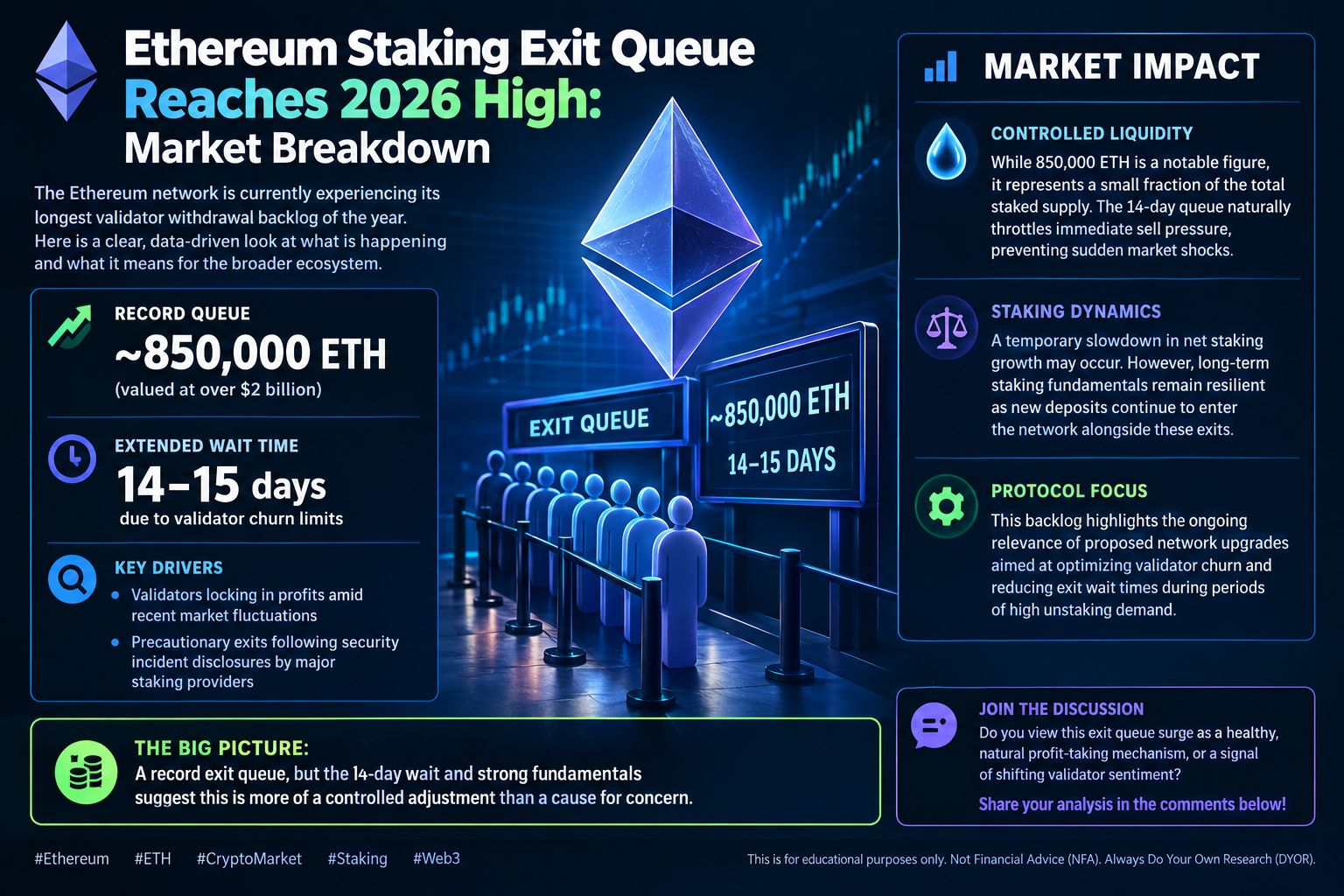
#ethstakingexitqueuehits2026high 📊 イーサリアムのステーキング退出キュー、2026年の最高水準に到達:市場を分析
イーサリアムネットワークでは現在、今年最長となるバリデーターの出金待ちが発生しています。何が起きているのか、そしてエコシステム全体にどのような影響をもたらすのか、データに基づいてわかりやすく解説します。
📰 主なニュース
• 📈 記録的なキュー イーサリアムのステーキング退出キューは約850,000 ETH(20億ドル超相当)に急増し、2026年に記録された最高水準となりました [3]
• ⏳ 待ち時間の長期化 プロトコルに組み込まれたバリデーターの入れ替え制限により、出金の処理にかかる推定時間は約14~15日まで延びています [[4]]。
• 🔍 主な要因 この急増は、最近の市場変動を受けて利益を確定するバリデーターが増えたことに加え、大手ステーキング事業者によるセキュリティインシデントの公表後、予防的な退出が行われたことが要因とされています [1]、[5]
📉 市場への影響
• 💧 流動性は抑制 850,000 ETHは注目すべき規模ですが、ステーキングされた総供給量のうちでは小さな割合です。14日間のキューによって直ちに発生する売り圧力が自然に抑えられ、急激な市場ショックを防いでいます。
• ⚖️ ステーキングの動向 ステーキング純増の一時的な鈍化が起こる可能性があります。しかし、退出と並行して新たな預け入れもネットワークに流入しているため、長期的なステーキングの基盤は引き続き底堅いとみられます。
• 🛠️ プロトコルの課題 この滞留は、ステーキング解除の需要が高まる時期に、バリデーターの入れ替えを最適化し、退出の待ち時間を短縮することを目指すネットワークアップグレード案が、引き続き重要であることを示しています [14]
💬 議論に参加しましょう
この退出キューの急増は、健全で自然な利益確定の仕組みだと思いますか?それとも、バリデーターの心理が変化している兆候でしょうか?ぜひコメント欄で分析を共有してください!
#Ethereum #ETH #CryptoMarket #Staking #Web3
これは教育目的のみの情報です。金融アドバイスではありません(NFA)。必ずご自身で調査してください(DYOR)。
$STRK $SAND $ENA
{future}(ENAUSDT)
{future}(SANDUSDT)
{future}(STRKUSDT)
#ethstakingexitqueuehits2026high 📊 イーサリアムのステーキング退出キュー、2026年の最高水準に到達:市場を分析
イーサリアムネットワークでは現在、今年最長となるバリデーターの出金待ちが発生しています。何が起きているのか、そしてエコシステム全体にどのような影響をもたらすのか、データに基づいてわかりやすく解説します。
📰 主なニュース
• 📈 記録的なキュー イーサリアムのステーキング退出キューは約850,000 ETH(20億ドル超相当)に急増し、2026年に記録された最高水準となりました [3]
• ⏳ 待ち時間の長期化 プロトコルに組み込まれたバリデーターの入れ替え制限により、出金の処理にかかる推定時間は約14~15日まで延びています [[4]]。
• 🔍 主な要因 この急増は、最近の市場変動を受けて利益を確定するバリデーターが増えたことに加え、大手ステーキング事業者によるセキュリティインシデントの公表後、予防的な退出が行われたことが要因とされています [1]、[5]
📉 市場への影響
• 💧 流動性は抑制 850,000 ETHは注目すべき規模ですが、ステーキングされた総供給量のうちでは小さな割合です。14日間のキューによって直ちに発生する売り圧力が自然に抑えられ、急激な市場ショックを防いでいます。
• ⚖️ ステーキングの動向 ステーキング純増の一時的な鈍化が起こる可能性があります。しかし、退出と並行して新たな預け入れもネットワークに流入しているため、長期的なステーキングの基盤は引き続き底堅いとみられます。
• 🛠️ プロトコルの課題 この滞留は、ステーキング解除の需要が高まる時期に、バリデーターの入れ替えを最適化し、退出の待ち時間を短縮することを目指すネットワークアップグレード案が、引き続き重要であることを示しています [14]
💬 議論に参加しましょう
この退出キューの急増は、健全で自然な利益確定の仕組みだと思いますか?それとも、バリデーターの心理が変化している兆候でしょうか?ぜひコメント欄で分析を共有してください!
#Ethereum #ETH #CryptoMarket #Staking #Web3
これは教育目的のみの情報です。金融アドバイスではありません(NFA)。必ずご自身で調査してください(DYOR)。
$STRK $SAND $ENA
イーサリアムネットワークでは現在、今年最長となるバリデーターの出金待ちが発生しています。何が起きているのか、そしてエコシステム全体にどのような影響をもたらすのか、データに基づいてわかりやすく解説します。
📰 主なニュース
• 📈 記録的なキュー イーサリアムのステーキング退出キューは約850,000 ETH(20億ドル超相当)に急増し、2026年に記録された最高水準となりました [3]
• ⏳ 待ち時間の長期化 プロトコルに組み込まれたバリデーターの入れ替え制限により、出金の処理にかかる推定時間は約14~15日まで延びています [[4]]。
• 🔍 主な要因 この急増は、最近の市場変動を受けて利益を確定するバリデーターが増えたことに加え、大手ステーキング事業者によるセキュリティインシデントの公表後、予防的な退出が行われたことが要因とされています [1]、[5]
📉 市場への影響
• 💧 流動性は抑制 850,000 ETHは注目すべき規模ですが、ステーキングされた総供給量のうちでは小さな割合です。14日間のキューによって直ちに発生する売り圧力が自然に抑えられ、急激な市場ショックを防いでいます。
• ⚖️ ステーキングの動向 ステーキング純増の一時的な鈍化が起こる可能性があります。しかし、退出と並行して新たな預け入れもネットワークに流入しているため、長期的なステーキングの基盤は引き続き底堅いとみられます。
• 🛠️ プロトコルの課題 この滞留は、ステーキング解除の需要が高まる時期に、バリデーターの入れ替えを最適化し、退出の待ち時間を短縮することを目指すネットワークアップグレード案が、引き続き重要であることを示しています [14]
💬 議論に参加しましょう
この退出キューの急増は、健全で自然な利益確定の仕組みだと思いますか?それとも、バリデーターの心理が変化している兆候でしょうか?ぜひコメント欄で分析を共有してください!
#Ethereum #ETH #CryptoMarket #Staking #Web3
これは教育目的のみの情報です。金融アドバイスではありません(NFA)。必ずご自身で調査してください(DYOR)。
$STRK $SAND $ENA
1
2.6k
·
--
ブリッシュ
一部該当
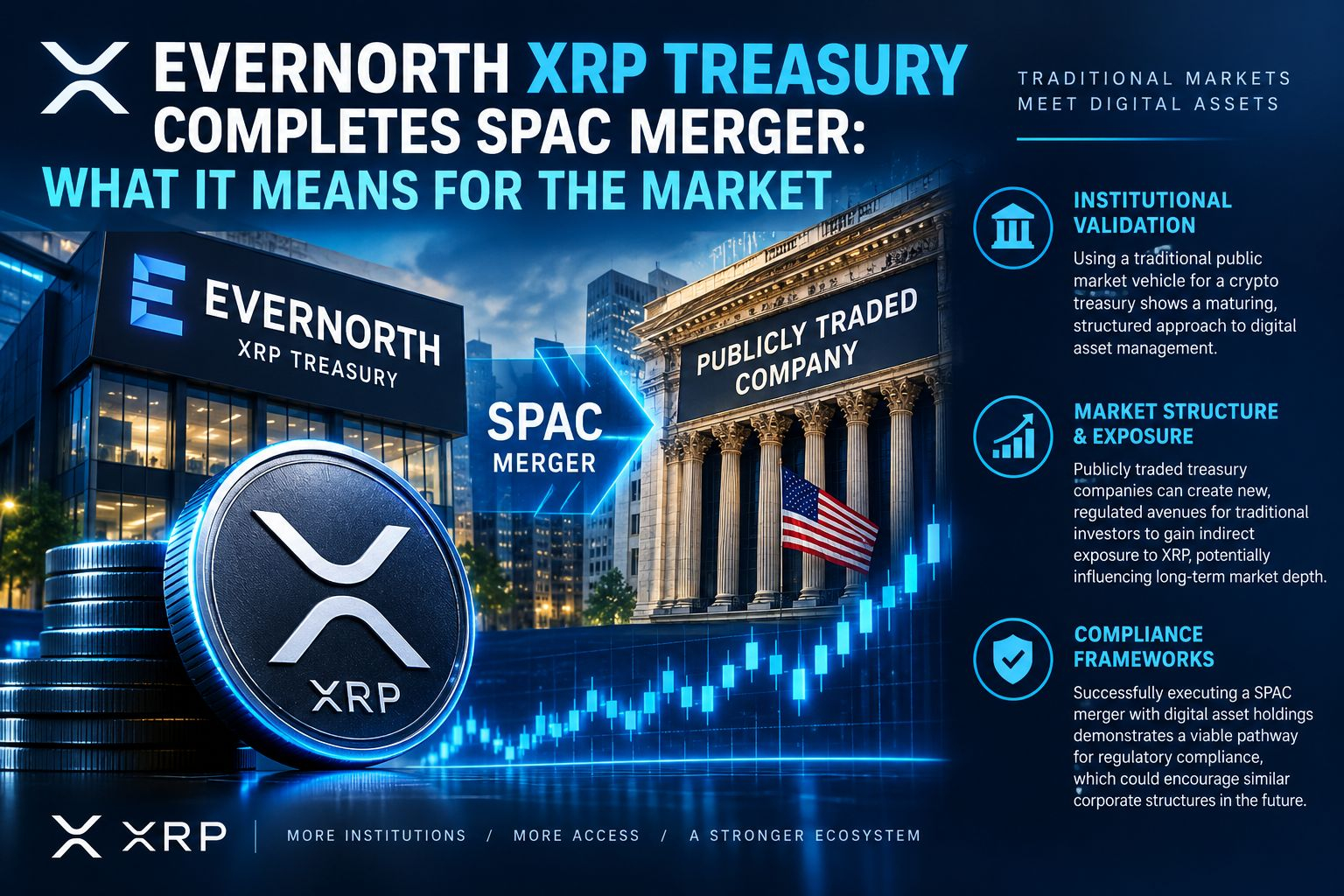
#evernorthxrptreasurycompletesspacmerger EvernorthのXRPトレジャリー、SPAC合併を完了:市場にとって何を意味するのか
従来型の公開市場とデジタル資産トレジャリーが交わる領域で、注目すべき一歩が踏み出されました。XRPをめぐる大規模な企業再編が正式に完了しました。 🏢
主なニュース
EvernorthはSPAC(特別買収目的会社)との合併を正式に完了し、XRPを中心とするトレジャリー事業を公開市場へと進出させました。この取引により、同社は上場企業となり、XRPを正式に企業の貸借対照表およびトレジャリー戦略に組み入れます。
市場への影響と分析
今回の動きが、暗号資産エコシステム全体にどのような影響を与える可能性があるのかを見てみましょう。
• 機関投資家による評価 暗号資産トレジャリーに従来型の公開市場の手段を活用することは、企業によるデジタル資産管理が成熟し、体系化されつつあることを示しています。
• 市場構造とエクスポージャー 上場トレジャリー企業は、従来型の投資家がXRPに間接的に投資できる、新たな規制下のルートを生み出す可能性があり、長期的な市場の厚みに影響を与えることも考えられます。
• コンプライアンス体制 デジタル資産を保有する企業がSPAC合併を成功させたことは、規制を遵守できる実現可能な道筋を示しており、今後、同様の企業形態を後押しする可能性があります。 📊
意見交換に参加しましょう
公開市場での合併を通じた企業トレジャリーへの採用は、デジタル資産の長期的な有用性や機関投資家からの見方にどのような影響を与えると思いますか?ぜひ下のコメント欄でご意見をお聞かせください! 👇
#XRP #CryptoNews #SPAC #InstitutionalCrypto #BinanceSquare
本記事は教育目的のみで提供されています。金融上の助言ではありません(NFA)。必ずご自身で調査してください(DYOR)。
$SENT $VTHO $UMA
{future}(UMAUSDT)
{future}(VTHOUSDT)
{future}(SENTUSDT)
#evernorthxrptreasurycompletesspacmerger EvernorthのXRPトレジャリー、SPAC合併を完了:市場にとって何を意味するのか
従来型の公開市場とデジタル資産トレジャリーが交わる領域で、注目すべき一歩が踏み出されました。XRPをめぐる大規模な企業再編が正式に完了しました。 🏢
主なニュース
EvernorthはSPAC(特別買収目的会社)との合併を正式に完了し、XRPを中心とするトレジャリー事業を公開市場へと進出させました。この取引により、同社は上場企業となり、XRPを正式に企業の貸借対照表およびトレジャリー戦略に組み入れます。
市場への影響と分析
今回の動きが、暗号資産エコシステム全体にどのような影響を与える可能性があるのかを見てみましょう。
• 機関投資家による評価 暗号資産トレジャリーに従来型の公開市場の手段を活用することは、企業によるデジタル資産管理が成熟し、体系化されつつあることを示しています。
• 市場構造とエクスポージャー 上場トレジャリー企業は、従来型の投資家がXRPに間接的に投資できる、新たな規制下のルートを生み出す可能性があり、長期的な市場の厚みに影響を与えることも考えられます。
• コンプライアンス体制 デジタル資産を保有する企業がSPAC合併を成功させたことは、規制を遵守できる実現可能な道筋を示しており、今後、同様の企業形態を後押しする可能性があります。 📊
意見交換に参加しましょう
公開市場での合併を通じた企業トレジャリーへの採用は、デジタル資産の長期的な有用性や機関投資家からの見方にどのような影響を与えると思いますか?ぜひ下のコメント欄でご意見をお聞かせください! 👇
#XRP #CryptoNews #SPAC #InstitutionalCrypto #BinanceSquare
本記事は教育目的のみで提供されています。金融上の助言ではありません(NFA)。必ずご自身で調査してください(DYOR)。
$SENT $VTHO $UMA
従来型の公開市場とデジタル資産トレジャリーが交わる領域で、注目すべき一歩が踏み出されました。XRPをめぐる大規模な企業再編が正式に完了しました。 🏢
主なニュース
EvernorthはSPAC(特別買収目的会社)との合併を正式に完了し、XRPを中心とするトレジャリー事業を公開市場へと進出させました。この取引により、同社は上場企業となり、XRPを正式に企業の貸借対照表およびトレジャリー戦略に組み入れます。
市場への影響と分析
今回の動きが、暗号資産エコシステム全体にどのような影響を与える可能性があるのかを見てみましょう。
• 機関投資家による評価 暗号資産トレジャリーに従来型の公開市場の手段を活用することは、企業によるデジタル資産管理が成熟し、体系化されつつあることを示しています。
• 市場構造とエクスポージャー 上場トレジャリー企業は、従来型の投資家がXRPに間接的に投資できる、新たな規制下のルートを生み出す可能性があり、長期的な市場の厚みに影響を与えることも考えられます。
• コンプライアンス体制 デジタル資産を保有する企業がSPAC合併を成功させたことは、規制を遵守できる実現可能な道筋を示しており、今後、同様の企業形態を後押しする可能性があります。 📊
意見交換に参加しましょう
公開市場での合併を通じた企業トレジャリーへの採用は、デジタル資産の長期的な有用性や機関投資家からの見方にどのような影響を与えると思いますか?ぜひ下のコメント欄でご意見をお聞かせください! 👇
#XRP #CryptoNews #SPAC #InstitutionalCrypto #BinanceSquare
本記事は教育目的のみで提供されています。金融上の助言ではありません(NFA)。必ずご自身で調査してください(DYOR)。
$SENT $VTHO $UMA
1
3
4.4k
·
--
ブリッシュ
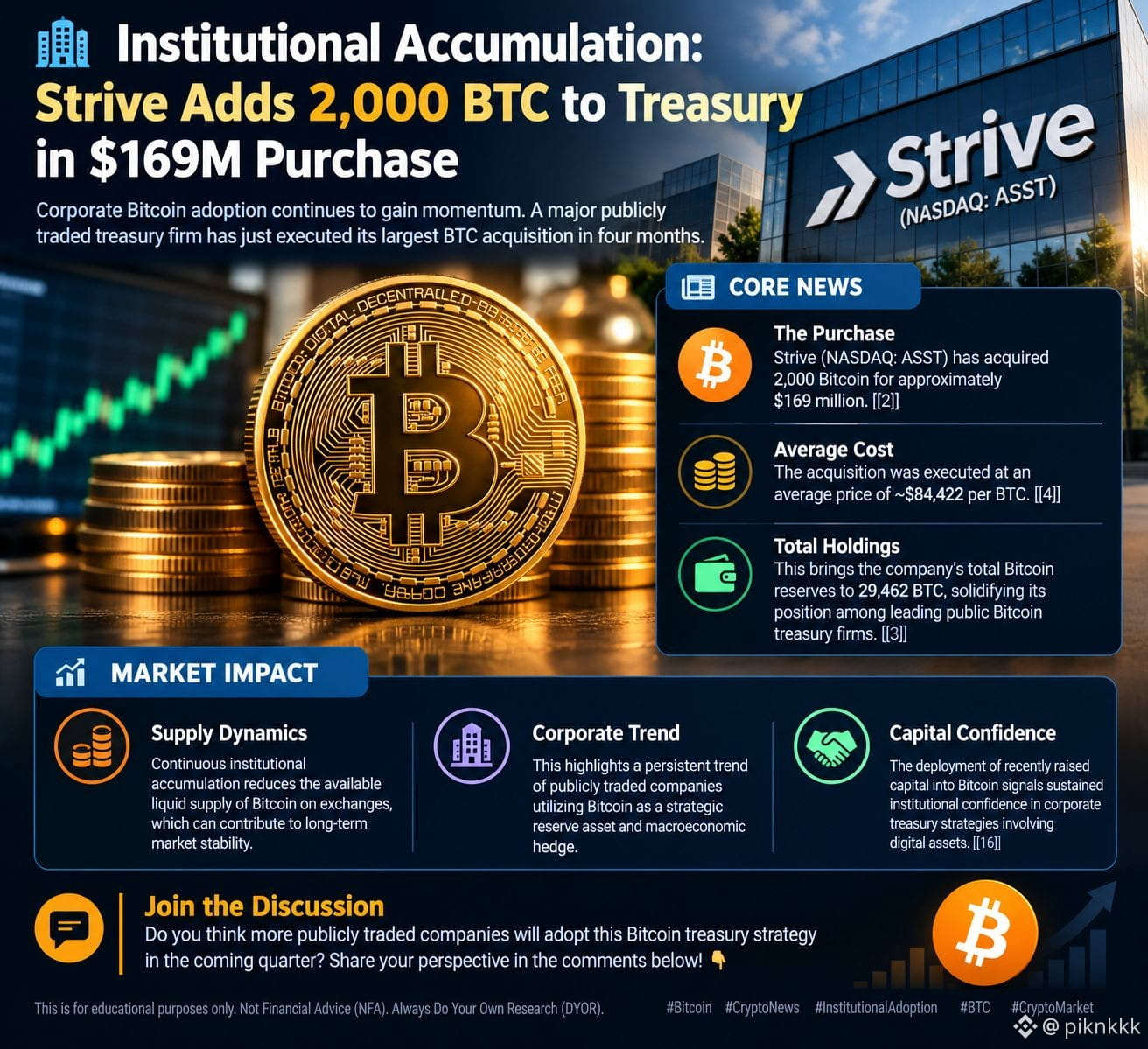
#StriveBuys2000BTCFor$169M 🏢 機関投資家による買い増し:Strive、1億6,900万ドルで2,000 BTCを財務資産に追加
企業によるビットコイン採用の勢いが増しています。大手上場財務企業が、4か月で最大となるBTCの取得を実施しました。
📰 主なニュース
• 購入:Strive(NASDAQ: ASST)は、約1億6,900万ドルで2,000 BTCを取得しました。[2]
• 平均取得価格**:1 BTCあたり約84,422ドルで取得しました。[4]
• 保有総額**:この戦略的な動きにより、同社のビットコイン準備高は合計29,462 BTCとなり、主要な上場ビットコイン財務企業としての地位をさらに確固たるものにしています。[3]
📊 市場への影響
• 供給動向:機関投資家による継続的な買い増しは、取引所で売買可能なビットコインの流通供給量を減らし、長期的な市場の安定につながる可能性があります。
• 企業の動向:上場企業がビットコインを戦略的な準備資産やマクロ経済上のヘッジとして活用する傾向が続いていることを示しています。
• 資本への信頼:最近調達した資金をビットコインに投入したことは、デジタル資産を活用した企業財務戦略に対する機関投資家の信頼が持続していることを示しています。[16]
💬 議論に参加しよう
次の四半期に、ビットコインを財務資産として保有する戦略を採用する上場企業はさらに増えると思いますか?ぜひコメントで意見を聞かせてください!👇
#Bitcoin #CryptoNews #InstitutionalAdoption #BTC #CryptoMarket
本コンテンツは教育目的のみで提供されています。金融アドバイスではありません(NFA)。必ずご自身で調査・判断してください(DYOR)。
$API3 $DIA $C98
{future}(C98USDT)
{future}(DIAUSDT)
{future}(API3USDT)
#StriveBuys2000BTCFor$169M 🏢 機関投資家による買い増し:Strive、1億6,900万ドルで2,000 BTCを財務資産に追加
企業によるビットコイン採用の勢いが増しています。大手上場財務企業が、4か月で最大となるBTCの取得を実施しました。
📰 主なニュース
• 購入:Strive(NASDAQ: ASST)は、約1億6,900万ドルで2,000 BTCを取得しました。[2]
• 平均取得価格**:1 BTCあたり約84,422ドルで取得しました。[4]
• 保有総額**:この戦略的な動きにより、同社のビットコイン準備高は合計29,462 BTCとなり、主要な上場ビットコイン財務企業としての地位をさらに確固たるものにしています。[3]
📊 市場への影響
• 供給動向:機関投資家による継続的な買い増しは、取引所で売買可能なビットコインの流通供給量を減らし、長期的な市場の安定につながる可能性があります。
• 企業の動向:上場企業がビットコインを戦略的な準備資産やマクロ経済上のヘッジとして活用する傾向が続いていることを示しています。
• 資本への信頼:最近調達した資金をビットコインに投入したことは、デジタル資産を活用した企業財務戦略に対する機関投資家の信頼が持続していることを示しています。[16]
💬 議論に参加しよう
次の四半期に、ビットコインを財務資産として保有する戦略を採用する上場企業はさらに増えると思いますか?ぜひコメントで意見を聞かせてください!👇
#Bitcoin #CryptoNews #InstitutionalAdoption #BTC #CryptoMarket
本コンテンツは教育目的のみで提供されています。金融アドバイスではありません(NFA)。必ずご自身で調査・判断してください(DYOR)。
$API3 $DIA $C98
企業によるビットコイン採用の勢いが増しています。大手上場財務企業が、4か月で最大となるBTCの取得を実施しました。
📰 主なニュース
• 購入:Strive(NASDAQ: ASST)は、約1億6,900万ドルで2,000 BTCを取得しました。[2]
• 平均取得価格**:1 BTCあたり約84,422ドルで取得しました。[4]
• 保有総額**:この戦略的な動きにより、同社のビットコイン準備高は合計29,462 BTCとなり、主要な上場ビットコイン財務企業としての地位をさらに確固たるものにしています。[3]
📊 市場への影響
• 供給動向:機関投資家による継続的な買い増しは、取引所で売買可能なビットコインの流通供給量を減らし、長期的な市場の安定につながる可能性があります。
• 企業の動向:上場企業がビットコインを戦略的な準備資産やマクロ経済上のヘッジとして活用する傾向が続いていることを示しています。
• 資本への信頼:最近調達した資金をビットコインに投入したことは、デジタル資産を活用した企業財務戦略に対する機関投資家の信頼が持続していることを示しています。[16]
💬 議論に参加しよう
次の四半期に、ビットコインを財務資産として保有する戦略を採用する上場企業はさらに増えると思いますか?ぜひコメントで意見を聞かせてください!👇
#Bitcoin #CryptoNews #InstitutionalAdoption #BTC #CryptoMarket
本コンテンツは教育目的のみで提供されています。金融アドバイスではありません(NFA)。必ずご自身で調査・判断してください(DYOR)。
$API3 $DIA $C98
175
·
--
ブリッシュ
本人確認中
#binancelaunchesbinanceintelligence 🔍 Binanceが「Binance Intelligence」という新しいAI搭載分析スイートを発表
暗号資産市場分析の未来が、さらにスマートになりました。Binanceは、金融データをより利用しやすく、実用的で、ユーザー一人ひとりに合わせたものにするために設計された、包括的なAI製品群「Binance Intelligence」を正式にローンチしました。
📰 主なニュース
今回発表されたスイートには、暗号資産コミュニティ向けの3つの強力なツールが含まれています
• 🤖 Binance AI 無料で利用できる適応型インターフェース。パーソナライズされた「For You」タブと、4時間ごとに更新されるAI生成のマーケットブリーフ(暗号資産、株式、マクロトレンドを網羅)を備えています。
• 📈 Binance AI Pro 自然言語で入力されたアイデアを、可視化された実行可能な戦略ワークフローに変換する、金融に特化したエージェントです。フリーミアムモデルで提供されます。
• ⚙️ Binance Agent OS Binanceの取引、マーケットデータ、オンチェーンインフラと、AIアプリケーションをシームレスかつ権限ベースで連携できる、堅牢な開発者向けプラットフォームです。
📊 市場への影響分析
• データの民主化 複雑な市場シグナル、チャートパターン、オンチェーン指標を分かりやすい洞察に変換し、個人ユーザーが利用を始めるハードルを下げます。
• エコシステムの拡大 Binance Agent OSは、Web3全体におけるAI活用型dApp、取引ボット、分析ツールの開発を加速させることが期待されます。
• 業界の新たな基準 中央集権型取引所におけるAI統合の加速傾向を後押しし、業界全体のユーザー体験と分析の深さに新たな基準を打ち立てます。
💬 ディスカッションに参加しましょう
この3つのAIツールのうち、あなたの市場調査や開発ワークフローに最も大きな影響を与えるのはどれだと思いますか?ぜひ下のコメント欄で意見を聞かせてください!👇
#BinanceIntelligence #CryptoAI #Web3Innovation #BinanceSquare #CryptoMarket
本内容は教育目的のみで提供されています。投資助言ではありません(NFA)。必ずご自身で調査を行ってください(DYOR)。
$RLC $RAD $ORCA
{future}(ORCAUSDT)
{spot}(RADUSDT)
{future}(RLCUSDT)
#binancelaunchesbinanceintelligence 🔍 Binanceが「Binance Intelligence」という新しいAI搭載分析スイートを発表
暗号資産市場分析の未来が、さらにスマートになりました。Binanceは、金融データをより利用しやすく、実用的で、ユーザー一人ひとりに合わせたものにするために設計された、包括的なAI製品群「Binance Intelligence」を正式にローンチしました。
📰 主なニュース
今回発表されたスイートには、暗号資産コミュニティ向けの3つの強力なツールが含まれています
• 🤖 Binance AI 無料で利用できる適応型インターフェース。パーソナライズされた「For You」タブと、4時間ごとに更新されるAI生成のマーケットブリーフ(暗号資産、株式、マクロトレンドを網羅)を備えています。
• 📈 Binance AI Pro 自然言語で入力されたアイデアを、可視化された実行可能な戦略ワークフローに変換する、金融に特化したエージェントです。フリーミアムモデルで提供されます。
• ⚙️ Binance Agent OS Binanceの取引、マーケットデータ、オンチェーンインフラと、AIアプリケーションをシームレスかつ権限ベースで連携できる、堅牢な開発者向けプラットフォームです。
📊 市場への影響分析
• データの民主化 複雑な市場シグナル、チャートパターン、オンチェーン指標を分かりやすい洞察に変換し、個人ユーザーが利用を始めるハードルを下げます。
• エコシステムの拡大 Binance Agent OSは、Web3全体におけるAI活用型dApp、取引ボット、分析ツールの開発を加速させることが期待されます。
• 業界の新たな基準 中央集権型取引所におけるAI統合の加速傾向を後押しし、業界全体のユーザー体験と分析の深さに新たな基準を打ち立てます。
💬 ディスカッションに参加しましょう
この3つのAIツールのうち、あなたの市場調査や開発ワークフローに最も大きな影響を与えるのはどれだと思いますか?ぜひ下のコメント欄で意見を聞かせてください!👇
#BinanceIntelligence #CryptoAI #Web3Innovation #BinanceSquare #CryptoMarket
本内容は教育目的のみで提供されています。投資助言ではありません(NFA)。必ずご自身で調査を行ってください(DYOR)。
$RLC $RAD $ORCA
暗号資産市場分析の未来が、さらにスマートになりました。Binanceは、金融データをより利用しやすく、実用的で、ユーザー一人ひとりに合わせたものにするために設計された、包括的なAI製品群「Binance Intelligence」を正式にローンチしました。
📰 主なニュース
今回発表されたスイートには、暗号資産コミュニティ向けの3つの強力なツールが含まれています
• 🤖 Binance AI 無料で利用できる適応型インターフェース。パーソナライズされた「For You」タブと、4時間ごとに更新されるAI生成のマーケットブリーフ(暗号資産、株式、マクロトレンドを網羅)を備えています。
• 📈 Binance AI Pro 自然言語で入力されたアイデアを、可視化された実行可能な戦略ワークフローに変換する、金融に特化したエージェントです。フリーミアムモデルで提供されます。
• ⚙️ Binance Agent OS Binanceの取引、マーケットデータ、オンチェーンインフラと、AIアプリケーションをシームレスかつ権限ベースで連携できる、堅牢な開発者向けプラットフォームです。
📊 市場への影響分析
• データの民主化 複雑な市場シグナル、チャートパターン、オンチェーン指標を分かりやすい洞察に変換し、個人ユーザーが利用を始めるハードルを下げます。
• エコシステムの拡大 Binance Agent OSは、Web3全体におけるAI活用型dApp、取引ボット、分析ツールの開発を加速させることが期待されます。
• 業界の新たな基準 中央集権型取引所におけるAI統合の加速傾向を後押しし、業界全体のユーザー体験と分析の深さに新たな基準を打ち立てます。
💬 ディスカッションに参加しましょう
この3つのAIツールのうち、あなたの市場調査や開発ワークフローに最も大きな影響を与えるのはどれだと思いますか?ぜひ下のコメント欄で意見を聞かせてください!👇
#BinanceIntelligence #CryptoAI #Web3Innovation #BinanceSquare #CryptoMarket
本内容は教育目的のみで提供されています。投資助言ではありません(NFA)。必ずご自身で調査を行ってください(DYOR)。
$RLC $RAD $ORCA

3
1
16
26.7k
·
--
弱気相場
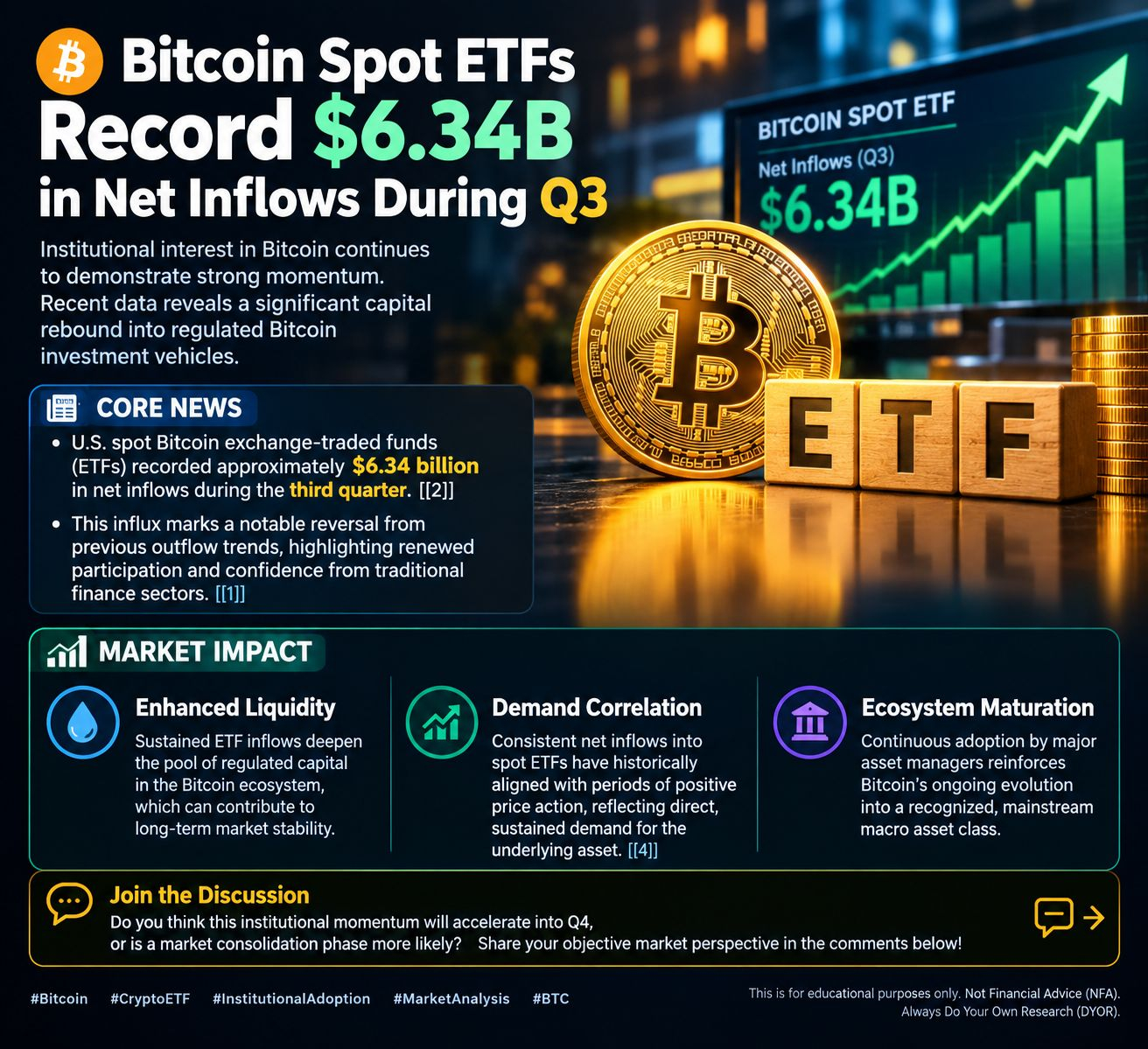
#BitcoinSpotETFsDraw$6.34BInflowsInQ3 📊 ビットコイン現物ETF、第3四半期の純流入額が63.4億ドルを記録
ビットコインへの機関投資家の関心は、引き続き強い勢いを示しています。最新データによると、規制対象のビットコイン投資商品への資金流入が大幅に回復しました。
📰 主なニュース
• 米国のビットコイン現物上場投資信託(ETF)は、第3四半期に約63.4億ドルの純流入を記録しました。[2]
• 今回の資金流入は、これまでの流出傾向からの顕著な反転を示しており、伝統的金融セクターの参加再開と信頼回復を浮き彫りにしています。[1]
📈 市場への影響
• 流動性の向上:ETFへの継続的な資金流入により、ビットコイン市場における規制対象資本の厚みが増し、長期的な市場の安定につながる可能性があります。
• 需要との相関:現物ETFへの安定した純流入は、過去には価格上昇局面と連動してきました。これは、原資産に対する直接的かつ継続的な需要を反映しています。[4]
• エコシステムの成熟:大手資産運用会社による継続的な採用は、ビットコインが広く認知された主流のマクロ資産クラスへと進化し続けていることを後押ししています。
💬 議論に参加しましょう
この機関投資家の勢いは第4四半期に加速すると思いますか?それとも、市場は調整局面に入る可能性が高いでしょうか?コメント欄で、客観的な市場見解をお聞かせください!
#Bitcoin #CryptoETF #InstitutionalAdoption #MarketAnalysis #BTC
本内容は教育目的のみで提供されています。金融アドバイスではありません(NFA)。必ずご自身で調査してください(DYOR)。
$AXS $ETH $RONIN
{future}(RONINUSDT)
{future}(ETHUSDT)
{future}(AXSUSDT)
#BitcoinSpotETFsDraw$6.34BInflowsInQ3 📊 ビットコイン現物ETF、第3四半期の純流入額が63.4億ドルを記録
ビットコインへの機関投資家の関心は、引き続き強い勢いを示しています。最新データによると、規制対象のビットコイン投資商品への資金流入が大幅に回復しました。
📰 主なニュース
• 米国のビットコイン現物上場投資信託(ETF)は、第3四半期に約63.4億ドルの純流入を記録しました。[2]
• 今回の資金流入は、これまでの流出傾向からの顕著な反転を示しており、伝統的金融セクターの参加再開と信頼回復を浮き彫りにしています。[1]
📈 市場への影響
• 流動性の向上:ETFへの継続的な資金流入により、ビットコイン市場における規制対象資本の厚みが増し、長期的な市場の安定につながる可能性があります。
• 需要との相関:現物ETFへの安定した純流入は、過去には価格上昇局面と連動してきました。これは、原資産に対する直接的かつ継続的な需要を反映しています。[4]
• エコシステムの成熟:大手資産運用会社による継続的な採用は、ビットコインが広く認知された主流のマクロ資産クラスへと進化し続けていることを後押ししています。
💬 議論に参加しましょう
この機関投資家の勢いは第4四半期に加速すると思いますか?それとも、市場は調整局面に入る可能性が高いでしょうか?コメント欄で、客観的な市場見解をお聞かせください!
#Bitcoin #CryptoETF #InstitutionalAdoption #MarketAnalysis #BTC
本内容は教育目的のみで提供されています。金融アドバイスではありません(NFA)。必ずご自身で調査してください(DYOR)。
$AXS $ETH $RONIN
ビットコインへの機関投資家の関心は、引き続き強い勢いを示しています。最新データによると、規制対象のビットコイン投資商品への資金流入が大幅に回復しました。
📰 主なニュース
• 米国のビットコイン現物上場投資信託(ETF)は、第3四半期に約63.4億ドルの純流入を記録しました。[2]
• 今回の資金流入は、これまでの流出傾向からの顕著な反転を示しており、伝統的金融セクターの参加再開と信頼回復を浮き彫りにしています。[1]
📈 市場への影響
• 流動性の向上:ETFへの継続的な資金流入により、ビットコイン市場における規制対象資本の厚みが増し、長期的な市場の安定につながる可能性があります。
• 需要との相関:現物ETFへの安定した純流入は、過去には価格上昇局面と連動してきました。これは、原資産に対する直接的かつ継続的な需要を反映しています。[4]
• エコシステムの成熟:大手資産運用会社による継続的な採用は、ビットコインが広く認知された主流のマクロ資産クラスへと進化し続けていることを後押ししています。
💬 議論に参加しましょう
この機関投資家の勢いは第4四半期に加速すると思いますか?それとも、市場は調整局面に入る可能性が高いでしょうか?コメント欄で、客観的な市場見解をお聞かせください!
#Bitcoin #CryptoETF #InstitutionalAdoption #MarketAnalysis #BTC
本内容は教育目的のみで提供されています。金融アドバイスではありません(NFA)。必ずご自身で調査してください(DYOR)。
$AXS $ETH $RONIN
70
·
--
弱気相場
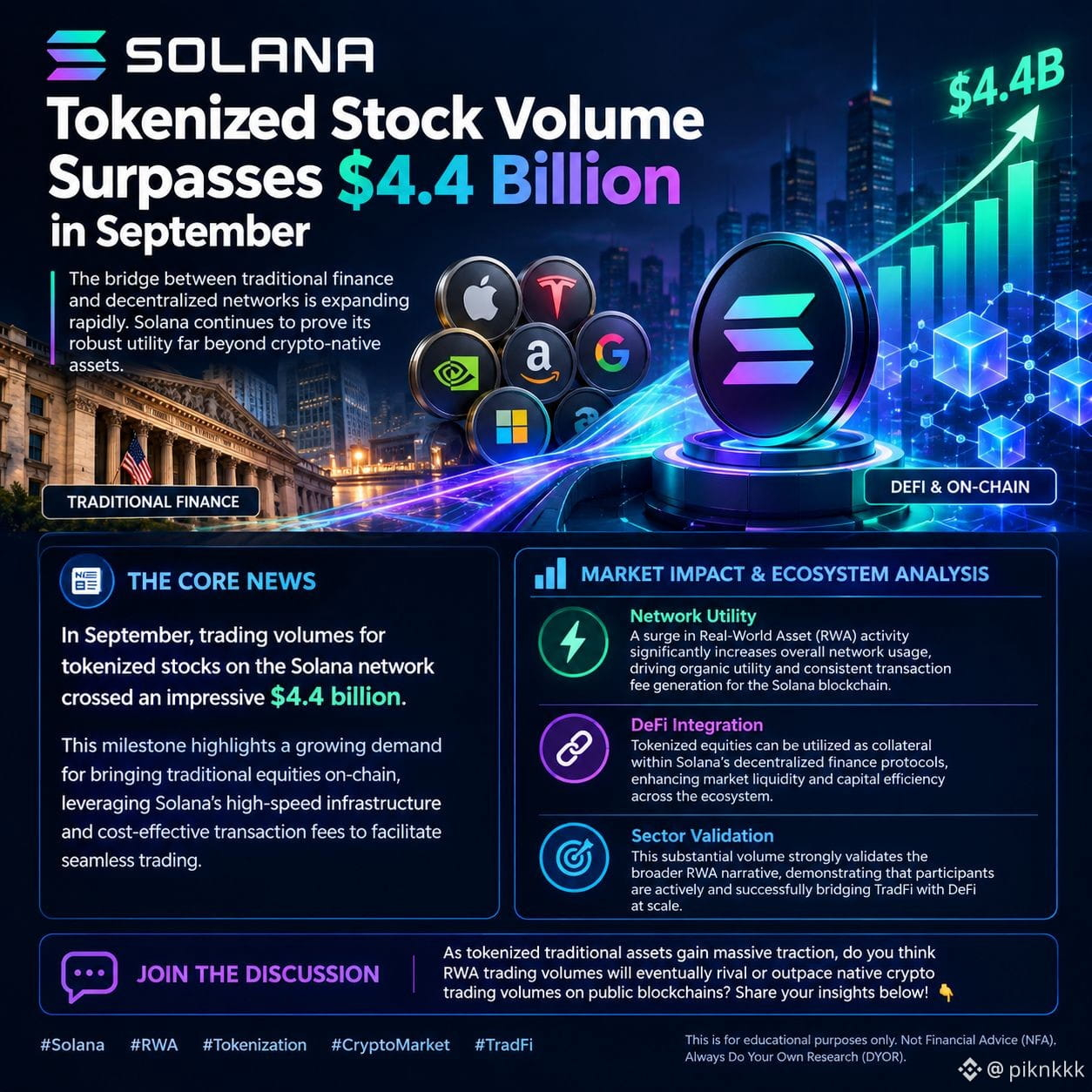
#SolanaTokenizedStockVolumeTops$4.4BInSeptember 📊 9月、Solanaのトークン化株式の取引高が44億ドルを突破
従来型金融と分散型ネットワークの架け橋が急速に広がっています。Solanaは、暗号資産ネイティブの資産にとどまらない高い実用性を引き続き証明しています。
📰 主なニュース
9月、Solanaネットワーク上のトークン化株式の取引高が44億ドルという大台を突破しました。この節目は、Solanaの高速なインフラと低コストの取引手数料を活用し、従来型の株式をオンチェーン化してシームレスな取引を実現する需要が高まっていることを示しています。
📈 市場への影響とエコシステム分析
🔹 ネットワークの実用性:現実資産(RWA)の活動が急増することで、ネットワーク全体の利用が大幅に増加し、Solanaブロックチェーンの実用性が有機的に高まるとともに、安定した取引手数料の収益につながります。
🔹 DeFiとの統合:トークン化された株式は、Solanaの分散型金融プロトコル内で担保として利用でき、エコシステム全体の市場流動性と資本効率を向上させる可能性があります。
🔹 セクターの裏付け:この大規模な取引高は、RWAをめぐる広範なテーマを強く裏付けています。参加者がTradFi(従来型金融)とDeFiを大規模に結びつけ、実際に成果を上げていることを示しています。
💬 ディスカッションに参加しましょう
トークン化された従来型資産への注目が大きく高まるなか、パブリックブロックチェーン上のRWA取引高は、いずれネイティブな暗号資産の取引高に匹敵する、あるいは上回ると思いますか?ぜひコメントで意見をお聞かせください! 👇
#Solana #RWA #Tokenization #CryptoMarket #TradFi
本記事は教育目的のみで提供されています。金融アドバイスではありません(NFA)。必ずご自身で調査・判断してください(DYOR)。
$CHR $NOM $SHAZB
{spot}(SHAZBUSDT)
{future}(NOMUSDT)
{future}(CHRUSDT)
#SolanaTokenizedStockVolumeTops$4.4BInSeptember 📊 9月、Solanaのトークン化株式の取引高が44億ドルを突破
従来型金融と分散型ネットワークの架け橋が急速に広がっています。Solanaは、暗号資産ネイティブの資産にとどまらない高い実用性を引き続き証明しています。
📰 主なニュース
9月、Solanaネットワーク上のトークン化株式の取引高が44億ドルという大台を突破しました。この節目は、Solanaの高速なインフラと低コストの取引手数料を活用し、従来型の株式をオンチェーン化してシームレスな取引を実現する需要が高まっていることを示しています。
📈 市場への影響とエコシステム分析
🔹 ネットワークの実用性:現実資産(RWA)の活動が急増することで、ネットワーク全体の利用が大幅に増加し、Solanaブロックチェーンの実用性が有機的に高まるとともに、安定した取引手数料の収益につながります。
🔹 DeFiとの統合:トークン化された株式は、Solanaの分散型金融プロトコル内で担保として利用でき、エコシステム全体の市場流動性と資本効率を向上させる可能性があります。
🔹 セクターの裏付け:この大規模な取引高は、RWAをめぐる広範なテーマを強く裏付けています。参加者がTradFi(従来型金融)とDeFiを大規模に結びつけ、実際に成果を上げていることを示しています。
💬 ディスカッションに参加しましょう
トークン化された従来型資産への注目が大きく高まるなか、パブリックブロックチェーン上のRWA取引高は、いずれネイティブな暗号資産の取引高に匹敵する、あるいは上回ると思いますか?ぜひコメントで意見をお聞かせください! 👇
#Solana #RWA #Tokenization #CryptoMarket #TradFi
本記事は教育目的のみで提供されています。金融アドバイスではありません(NFA)。必ずご自身で調査・判断してください(DYOR)。
$CHR $NOM $SHAZB
従来型金融と分散型ネットワークの架け橋が急速に広がっています。Solanaは、暗号資産ネイティブの資産にとどまらない高い実用性を引き続き証明しています。
📰 主なニュース
9月、Solanaネットワーク上のトークン化株式の取引高が44億ドルという大台を突破しました。この節目は、Solanaの高速なインフラと低コストの取引手数料を活用し、従来型の株式をオンチェーン化してシームレスな取引を実現する需要が高まっていることを示しています。
📈 市場への影響とエコシステム分析
🔹 ネットワークの実用性:現実資産(RWA)の活動が急増することで、ネットワーク全体の利用が大幅に増加し、Solanaブロックチェーンの実用性が有機的に高まるとともに、安定した取引手数料の収益につながります。
🔹 DeFiとの統合:トークン化された株式は、Solanaの分散型金融プロトコル内で担保として利用でき、エコシステム全体の市場流動性と資本効率を向上させる可能性があります。
🔹 セクターの裏付け:この大規模な取引高は、RWAをめぐる広範なテーマを強く裏付けています。参加者がTradFi(従来型金融)とDeFiを大規模に結びつけ、実際に成果を上げていることを示しています。
💬 ディスカッションに参加しましょう
トークン化された従来型資産への注目が大きく高まるなか、パブリックブロックチェーン上のRWA取引高は、いずれネイティブな暗号資産の取引高に匹敵する、あるいは上回ると思いますか?ぜひコメントで意見をお聞かせください! 👇
#Solana #RWA #Tokenization #CryptoMarket #TradFi
本記事は教育目的のみで提供されています。金融アドバイスではありません(NFA)。必ずご自身で調査・判断してください(DYOR)。
$CHR $NOM $SHAZB
193
·
--
弱気相場
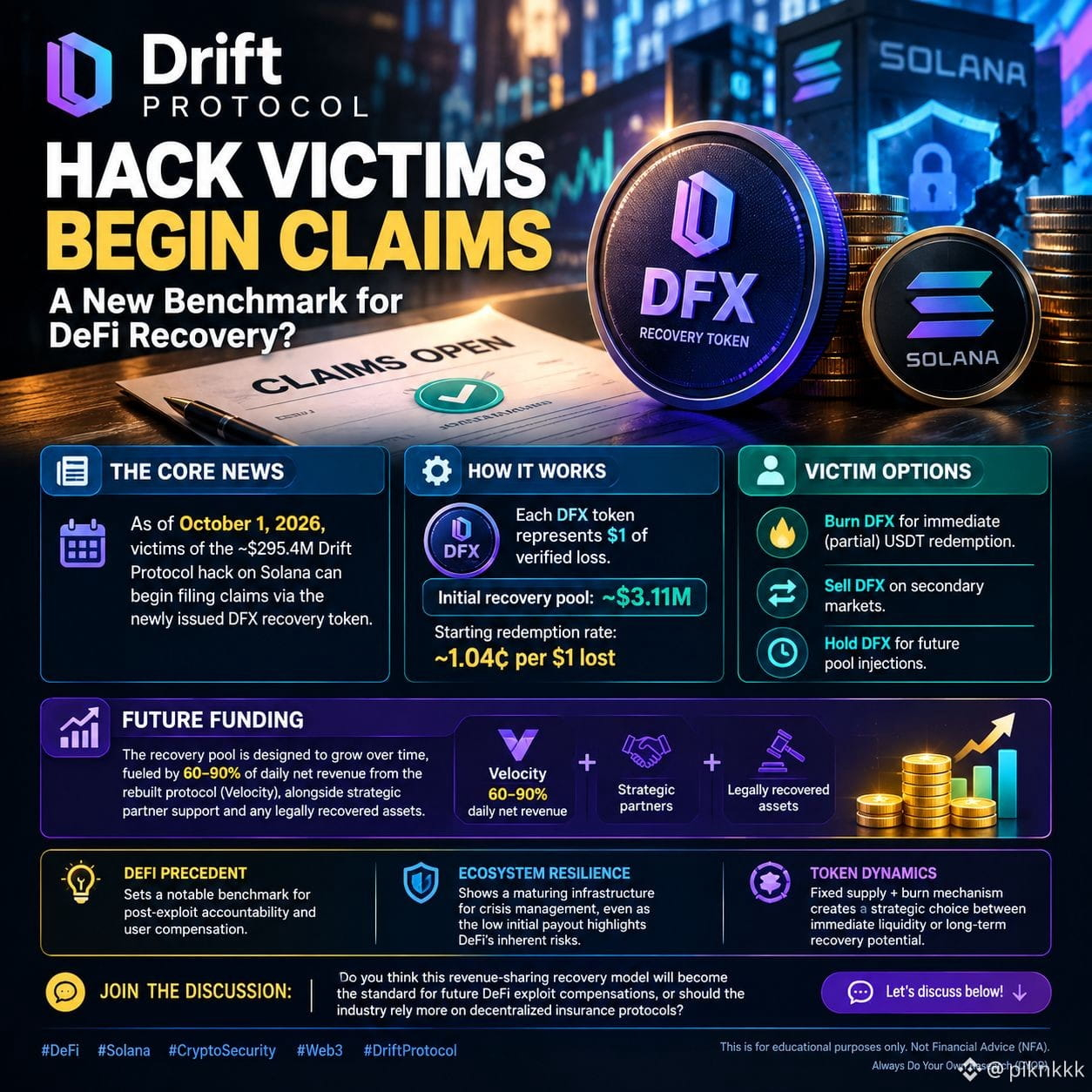
#drifthackvictimsbeginclaims ⚖️ Driftハック、DeFi復旧の新たな基準となるか?
2026年4月のDrift Protocolエクスプロイトの被害者を対象に、請求手続きが開始されました。収益に裏付けられた独自の復旧モデルが導入されています。
📰 主なニュース
• 最新情報:約2億9,540万ドルのSolanaハッキングの被害者は、新しいDFX復旧トークンを通じて請求を申請できます。
• 仕組み:1 DFX = 検証済み損失1ドル。初期プールは約311万ドルで、当初の償還率は1ドルあたり約1.04セントです。
• 選択肢:DFXをバーンして即時にUSDTを受け取る、二次市場で売却する、または今後のプールへの資金追加を待つことができます。
• 資金調達:再構築されたプロトコル(Velocity)の日次純収益の60〜90%に加え、パートナーからの拠出約束や回収資産によってプールが拡大します。
📊 市場への影響
• DeFiの先例:エクスプロイト後の説明責任とユーザー補償に関する注目すべき基準となります。
• 回復力:初期の補償額は低いものの、暗号資産業界における危機管理の成熟を示しています。
• トークンの動向:早期に償還する人は将来の請求権を放棄するため、即時の流動性と長期的な復旧のどちらを選ぶか、戦略的な判断が求められます。
💬 議論に参加しましょう:
この収益分配モデルはDeFiエクスプロイトの補償における標準となるでしょうか。それとも、業界は分散型保険にもっと頼るべきでしょうか?ぜひ話し合いましょう! 👇
#DeFi #Solana #CryptoSecurity #Web3 #DriftProtocol
これは教育目的のみの情報です。金融アドバイスではありません(NFA)。必ずご自身で調査してください(DYOR)。
$SAND $STRK $IO
{future}(IOUSDT)
{future}(STRKUSDT)
{future}(SANDUSDT)
#drifthackvictimsbeginclaims ⚖️ Driftハック、DeFi復旧の新たな基準となるか?
2026年4月のDrift Protocolエクスプロイトの被害者を対象に、請求手続きが開始されました。収益に裏付けられた独自の復旧モデルが導入されています。
📰 主なニュース
• 最新情報:約2億9,540万ドルのSolanaハッキングの被害者は、新しいDFX復旧トークンを通じて請求を申請できます。
• 仕組み:1 DFX = 検証済み損失1ドル。初期プールは約311万ドルで、当初の償還率は1ドルあたり約1.04セントです。
• 選択肢:DFXをバーンして即時にUSDTを受け取る、二次市場で売却する、または今後のプールへの資金追加を待つことができます。
• 資金調達:再構築されたプロトコル(Velocity)の日次純収益の60〜90%に加え、パートナーからの拠出約束や回収資産によってプールが拡大します。
📊 市場への影響
• DeFiの先例:エクスプロイト後の説明責任とユーザー補償に関する注目すべき基準となります。
• 回復力:初期の補償額は低いものの、暗号資産業界における危機管理の成熟を示しています。
• トークンの動向:早期に償還する人は将来の請求権を放棄するため、即時の流動性と長期的な復旧のどちらを選ぶか、戦略的な判断が求められます。
💬 議論に参加しましょう:
この収益分配モデルはDeFiエクスプロイトの補償における標準となるでしょうか。それとも、業界は分散型保険にもっと頼るべきでしょうか?ぜひ話し合いましょう! 👇
#DeFi #Solana #CryptoSecurity #Web3 #DriftProtocol
これは教育目的のみの情報です。金融アドバイスではありません(NFA)。必ずご自身で調査してください(DYOR)。
$SAND $STRK $IO
2026年4月のDrift Protocolエクスプロイトの被害者を対象に、請求手続きが開始されました。収益に裏付けられた独自の復旧モデルが導入されています。
📰 主なニュース
• 最新情報:約2億9,540万ドルのSolanaハッキングの被害者は、新しいDFX復旧トークンを通じて請求を申請できます。
• 仕組み:1 DFX = 検証済み損失1ドル。初期プールは約311万ドルで、当初の償還率は1ドルあたり約1.04セントです。
• 選択肢:DFXをバーンして即時にUSDTを受け取る、二次市場で売却する、または今後のプールへの資金追加を待つことができます。
• 資金調達:再構築されたプロトコル(Velocity)の日次純収益の60〜90%に加え、パートナーからの拠出約束や回収資産によってプールが拡大します。
📊 市場への影響
• DeFiの先例:エクスプロイト後の説明責任とユーザー補償に関する注目すべき基準となります。
• 回復力:初期の補償額は低いものの、暗号資産業界における危機管理の成熟を示しています。
• トークンの動向:早期に償還する人は将来の請求権を放棄するため、即時の流動性と長期的な復旧のどちらを選ぶか、戦略的な判断が求められます。
💬 議論に参加しましょう:
この収益分配モデルはDeFiエクスプロイトの補償における標準となるでしょうか。それとも、業界は分散型保険にもっと頼るべきでしょうか?ぜひ話し合いましょう! 👇
#DeFi #Solana #CryptoSecurity #Web3 #DriftProtocol
これは教育目的のみの情報です。金融アドバイスではありません(NFA)。必ずご自身で調査してください(DYOR)。
$SAND $STRK $IO
2
5.5k
·
--
ブリッシュ
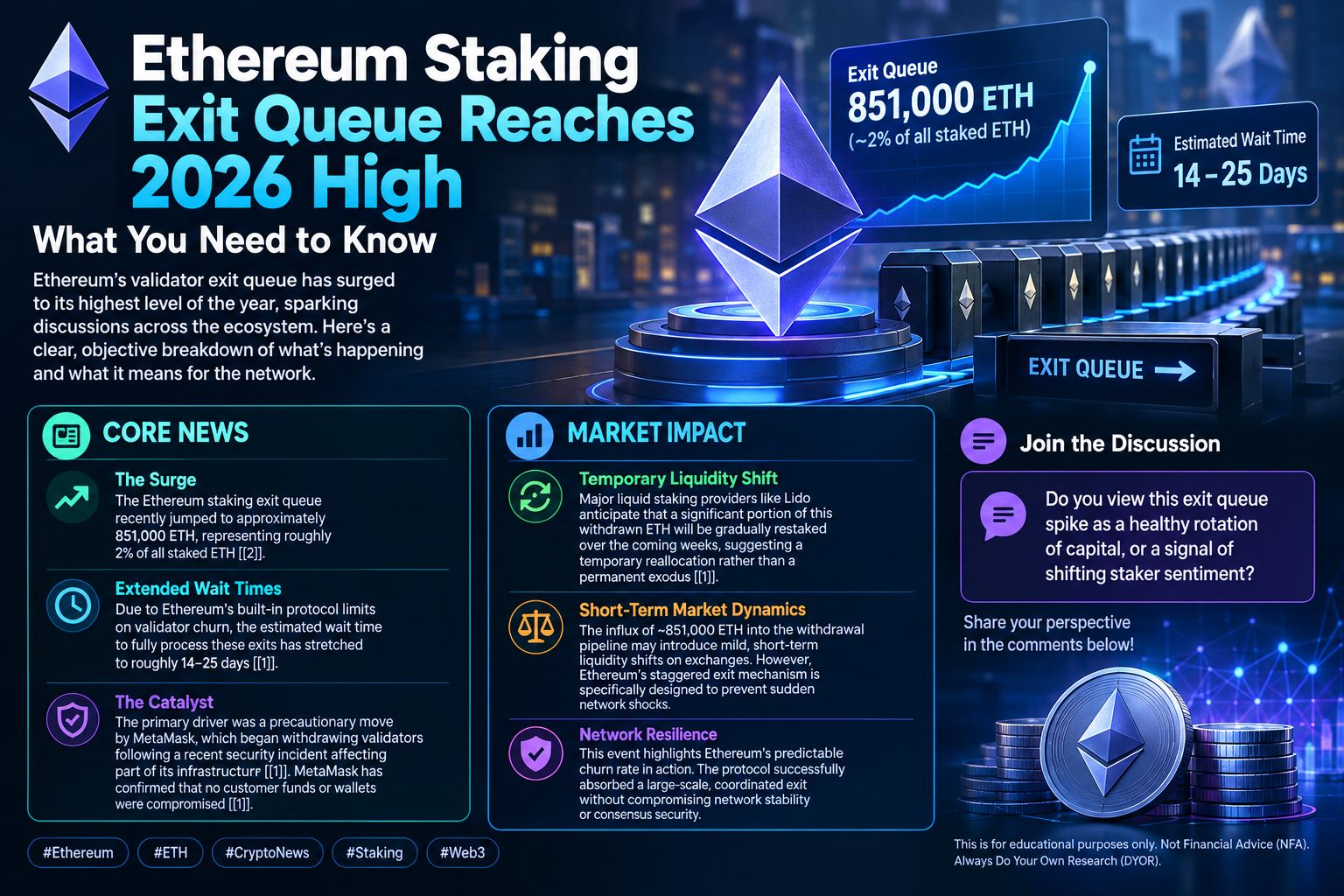
#ethstakingexitqueuehits2026high 📊 イーサリアムのステーキング退出キュー、2026年の最高水準に到達—知っておくべきこと
イーサリアムのバリデーター退出キューが今年最高の水準まで急増し、エコシステム全体で議論を呼んでいます。何が起きているのか、そしてネットワークにとって何を意味するのか、客観的にわかりやすく解説します。
主なニュース
📈 急増 イーサリアムのステーキング退出キューは最近、約851,000 ETHに急増しました。これはステーキングされている全ETHのおよそ2%に相当します [2]
⏱️待ち時間の延長 バリデーターの入れ替えに関するイーサリアムのプロトコル上の制限により、退出処理がすべて完了するまでの推定待ち時間は約14〜25日まで延びています [1]。
🔍 要因 主な要因は、MetaMaskによる予防措置でした。同社は最近発生したインフラの一部に影響を及ぼすセキュリティインシデントを受け、バリデーターの退出を開始しました [1]。MetaMaskは、顧客の資金やウォレットが侵害されていないことを確認しています [1]
🔹市場への影響
🔄一時的な流動性の移動 Lidoなどの主要なリキッドステーキング事業者は、退出したETHのかなりの部分が今後数週間かけて徐々に再ステーキングされると予想しています。これは恒久的な流出ではなく、一時的な資金の再配分であることを示唆しています [1]
•短期的な市場の動き 約851,000 ETHが出金処理に回ることで、取引所の流動性が短期的に多少変動する可能性があります。しかし、イーサリアムの段階的な退出の仕組みは、ネットワークに急激なショックが生じるのを防ぐために設計されています。
ネットワークの強靭性 今回の出来事は、イーサリアムの予測可能な退出率が機能していることを示しています。プロトコルは、ネットワークの安定性やコンセンサスの安全性を損なうことなく、大規模かつ協調的な退出を処理しました。
議論に参加しましょう
💬 この退出キューの急増は、健全な資金の循環だと思いますか?それとも、ステーカーの心理変化を示すサインでしょうか?ぜひコメントで意見をお聞かせください!
#Ethereum #ETH #CryptoNews #Staking #Web3
これは教育目的のみの情報です。投資助言ではありません(NFA)。必ずご自身で調査してください(DYOR)
$EDU $PARTI $RVN
{future}(RVNUSDT)
{future}(PARTIUSDT)
{future}(EDUUSDT)
#ethstakingexitqueuehits2026high 📊 イーサリアムのステーキング退出キュー、2026年の最高水準に到達—知っておくべきこと
イーサリアムのバリデーター退出キューが今年最高の水準まで急増し、エコシステム全体で議論を呼んでいます。何が起きているのか、そしてネットワークにとって何を意味するのか、客観的にわかりやすく解説します。
主なニュース
📈 急増 イーサリアムのステーキング退出キューは最近、約851,000 ETHに急増しました。これはステーキングされている全ETHのおよそ2%に相当します [2]
⏱️待ち時間の延長 バリデーターの入れ替えに関するイーサリアムのプロトコル上の制限により、退出処理がすべて完了するまでの推定待ち時間は約14〜25日まで延びています [1]。
🔍 要因 主な要因は、MetaMaskによる予防措置でした。同社は最近発生したインフラの一部に影響を及ぼすセキュリティインシデントを受け、バリデーターの退出を開始しました [1]。MetaMaskは、顧客の資金やウォレットが侵害されていないことを確認しています [1]
🔹市場への影響
🔄一時的な流動性の移動 Lidoなどの主要なリキッドステーキング事業者は、退出したETHのかなりの部分が今後数週間かけて徐々に再ステーキングされると予想しています。これは恒久的な流出ではなく、一時的な資金の再配分であることを示唆しています [1]
•短期的な市場の動き 約851,000 ETHが出金処理に回ることで、取引所の流動性が短期的に多少変動する可能性があります。しかし、イーサリアムの段階的な退出の仕組みは、ネットワークに急激なショックが生じるのを防ぐために設計されています。
ネットワークの強靭性 今回の出来事は、イーサリアムの予測可能な退出率が機能していることを示しています。プロトコルは、ネットワークの安定性やコンセンサスの安全性を損なうことなく、大規模かつ協調的な退出を処理しました。
議論に参加しましょう
💬 この退出キューの急増は、健全な資金の循環だと思いますか?それとも、ステーカーの心理変化を示すサインでしょうか?ぜひコメントで意見をお聞かせください!
#Ethereum #ETH #CryptoNews #Staking #Web3
これは教育目的のみの情報です。投資助言ではありません(NFA)。必ずご自身で調査してください(DYOR)
$EDU $PARTI $RVN
イーサリアムのバリデーター退出キューが今年最高の水準まで急増し、エコシステム全体で議論を呼んでいます。何が起きているのか、そしてネットワークにとって何を意味するのか、客観的にわかりやすく解説します。
主なニュース
📈 急増 イーサリアムのステーキング退出キューは最近、約851,000 ETHに急増しました。これはステーキングされている全ETHのおよそ2%に相当します [2]
⏱️待ち時間の延長 バリデーターの入れ替えに関するイーサリアムのプロトコル上の制限により、退出処理がすべて完了するまでの推定待ち時間は約14〜25日まで延びています [1]。
🔍 要因 主な要因は、MetaMaskによる予防措置でした。同社は最近発生したインフラの一部に影響を及ぼすセキュリティインシデントを受け、バリデーターの退出を開始しました [1]。MetaMaskは、顧客の資金やウォレットが侵害されていないことを確認しています [1]
🔹市場への影響
🔄一時的な流動性の移動 Lidoなどの主要なリキッドステーキング事業者は、退出したETHのかなりの部分が今後数週間かけて徐々に再ステーキングされると予想しています。これは恒久的な流出ではなく、一時的な資金の再配分であることを示唆しています [1]
•短期的な市場の動き 約851,000 ETHが出金処理に回ることで、取引所の流動性が短期的に多少変動する可能性があります。しかし、イーサリアムの段階的な退出の仕組みは、ネットワークに急激なショックが生じるのを防ぐために設計されています。
ネットワークの強靭性 今回の出来事は、イーサリアムの予測可能な退出率が機能していることを示しています。プロトコルは、ネットワークの安定性やコンセンサスの安全性を損なうことなく、大規模かつ協調的な退出を処理しました。
議論に参加しましょう
💬 この退出キューの急増は、健全な資金の循環だと思いますか?それとも、ステーカーの心理変化を示すサインでしょうか?ぜひコメントで意見をお聞かせください!
#Ethereum #ETH #CryptoNews #Staking #Web3
これは教育目的のみの情報です。投資助言ではありません(NFA)。必ずご自身で調査してください(DYOR)
$EDU $PARTI $RVN
1
·
--
ブリッシュ
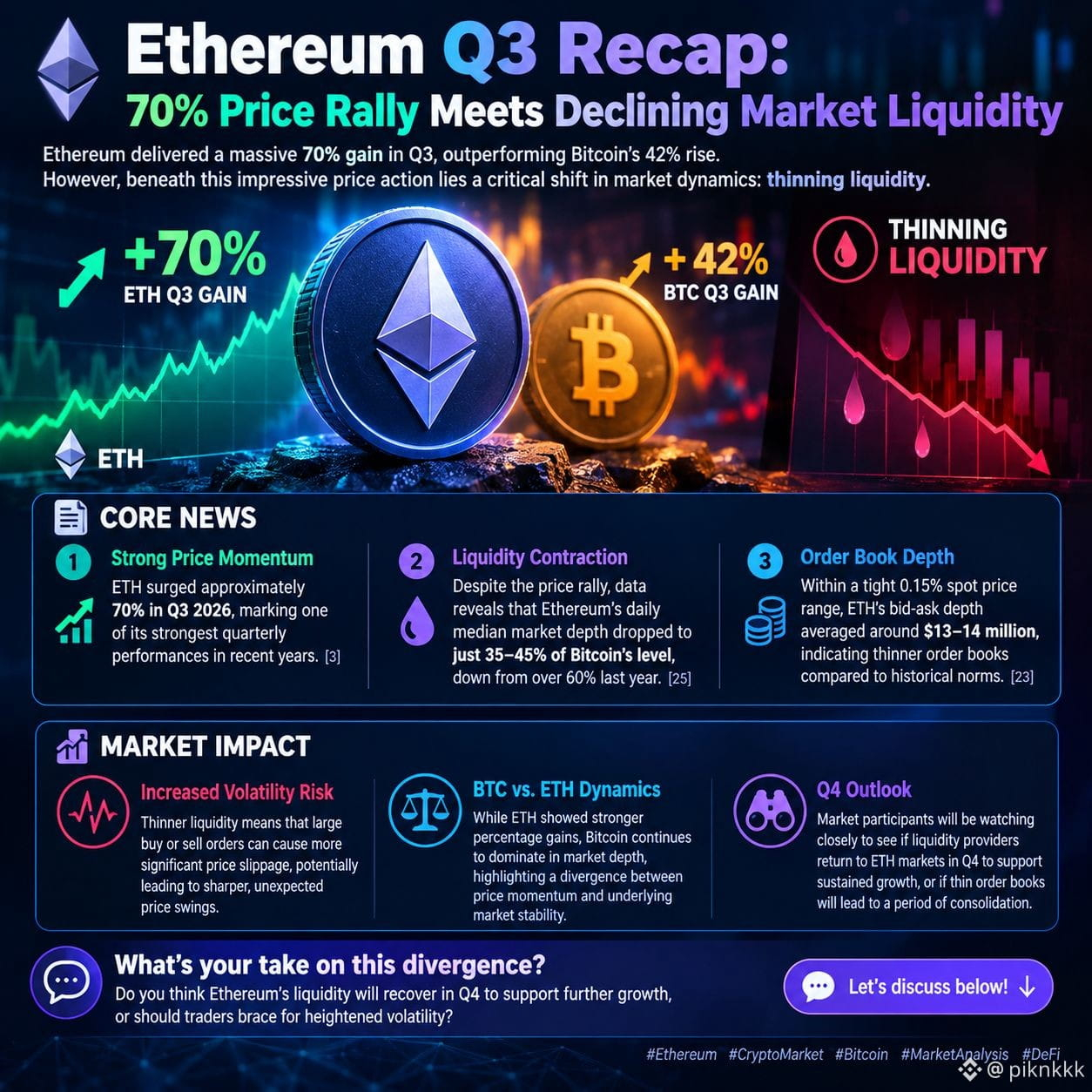
#ethup70%inq3butliquidityfalls 📊 Ethereum Q3振り返り:価格が70%上昇する一方、市場流動性は低下
Ethereumは第3四半期に70%という大幅な上昇を記録し、42%上昇したBitcoinを上回りました。しかし、この目覚ましい値動きの裏では、市場の流動性低下という重要な変化が起きています。
主なニュース
🔹 力強い価格モメンタム ETHは2026年第3四半期に約70%上昇し、近年で最も好調な四半期の一つとなりました [3]
🔹 流動性の縮小 価格が上昇する一方で、データによるとEthereumの日次市場深度の中央値はBitcoinの水準のわずか35~45%に低下しました。前年の同時期には60%を超えていました [25]
🔹 板の厚み 現物価格から0.15%以内の狭い範囲で、ETHの買い・売り注文の厚みは平均約1,300万~1,400万ドルとなり、過去の水準と比べて板が薄いことを示しています [23]
市場への影響
📉 ボラティリティリスクの増大 流動性が薄いと、大口の買い注文や売り注文による価格の滑りが大きくなり、予想外の急激な価格変動につながる可能性があります。
⚖️ BTCとETHの動向 ETHは上昇率で上回ったものの、市場深度では引き続きBitcoinが優位です。価格モメンタムと市場の基礎的な安定性の間に乖離があることが浮き彫りになっています。
🔍 第4四半期の見通し 市場参加者は、持続的な成長を支えるために第4四半期に流動性プロバイダーがETH市場に戻るのか、それとも板の薄さが相場のもみ合いにつながるのか、注視することになるでしょう。
みなさんの意見を聞かせてください
💬 この乖離についてどう思いますか?Ethereumの流動性は第4四半期に回復し、さらなる成長を支えるでしょうか。それとも、トレーダーはボラティリティの高まりに備えるべきでしょうか?ぜひコメントで話し合いましょう! 👇
#Ethereum #暗号資産市場 #Bitcoin #市場分析 #DeFi
これは教育目的のみの情報です。金融アドバイスではありません(NFA)。必ずご自身で調査してください(DYOR)。
$SCR $OGN $NIL
{future}(NILUSDT)
{future}(OGNUSDT)
{future}(SCRUSDT)
#ethup70%inq3butliquidityfalls 📊 Ethereum Q3振り返り:価格が70%上昇する一方、市場流動性は低下
Ethereumは第3四半期に70%という大幅な上昇を記録し、42%上昇したBitcoinを上回りました。しかし、この目覚ましい値動きの裏では、市場の流動性低下という重要な変化が起きています。
主なニュース
🔹 力強い価格モメンタム ETHは2026年第3四半期に約70%上昇し、近年で最も好調な四半期の一つとなりました [3]
🔹 流動性の縮小 価格が上昇する一方で、データによるとEthereumの日次市場深度の中央値はBitcoinの水準のわずか35~45%に低下しました。前年の同時期には60%を超えていました [25]
🔹 板の厚み 現物価格から0.15%以内の狭い範囲で、ETHの買い・売り注文の厚みは平均約1,300万~1,400万ドルとなり、過去の水準と比べて板が薄いことを示しています [23]
市場への影響
📉 ボラティリティリスクの増大 流動性が薄いと、大口の買い注文や売り注文による価格の滑りが大きくなり、予想外の急激な価格変動につながる可能性があります。
⚖️ BTCとETHの動向 ETHは上昇率で上回ったものの、市場深度では引き続きBitcoinが優位です。価格モメンタムと市場の基礎的な安定性の間に乖離があることが浮き彫りになっています。
🔍 第4四半期の見通し 市場参加者は、持続的な成長を支えるために第4四半期に流動性プロバイダーがETH市場に戻るのか、それとも板の薄さが相場のもみ合いにつながるのか、注視することになるでしょう。
みなさんの意見を聞かせてください
💬 この乖離についてどう思いますか?Ethereumの流動性は第4四半期に回復し、さらなる成長を支えるでしょうか。それとも、トレーダーはボラティリティの高まりに備えるべきでしょうか?ぜひコメントで話し合いましょう! 👇
#Ethereum #暗号資産市場 #Bitcoin #市場分析 #DeFi
これは教育目的のみの情報です。金融アドバイスではありません(NFA)。必ずご自身で調査してください(DYOR)。
$SCR $OGN $NIL
Ethereumは第3四半期に70%という大幅な上昇を記録し、42%上昇したBitcoinを上回りました。しかし、この目覚ましい値動きの裏では、市場の流動性低下という重要な変化が起きています。
主なニュース
🔹 力強い価格モメンタム ETHは2026年第3四半期に約70%上昇し、近年で最も好調な四半期の一つとなりました [3]
🔹 流動性の縮小 価格が上昇する一方で、データによるとEthereumの日次市場深度の中央値はBitcoinの水準のわずか35~45%に低下しました。前年の同時期には60%を超えていました [25]
🔹 板の厚み 現物価格から0.15%以内の狭い範囲で、ETHの買い・売り注文の厚みは平均約1,300万~1,400万ドルとなり、過去の水準と比べて板が薄いことを示しています [23]
市場への影響
📉 ボラティリティリスクの増大 流動性が薄いと、大口の買い注文や売り注文による価格の滑りが大きくなり、予想外の急激な価格変動につながる可能性があります。
⚖️ BTCとETHの動向 ETHは上昇率で上回ったものの、市場深度では引き続きBitcoinが優位です。価格モメンタムと市場の基礎的な安定性の間に乖離があることが浮き彫りになっています。
🔍 第4四半期の見通し 市場参加者は、持続的な成長を支えるために第4四半期に流動性プロバイダーがETH市場に戻るのか、それとも板の薄さが相場のもみ合いにつながるのか、注視することになるでしょう。
みなさんの意見を聞かせてください
💬 この乖離についてどう思いますか?Ethereumの流動性は第4四半期に回復し、さらなる成長を支えるでしょうか。それとも、トレーダーはボラティリティの高まりに備えるべきでしょうか?ぜひコメントで話し合いましょう! 👇
#Ethereum #暗号資産市場 #Bitcoin #市場分析 #DeFi
これは教育目的のみの情報です。金融アドバイスではありません(NFA)。必ずご自身で調査してください(DYOR)。
$SCR $OGN $NIL
7
·
--
ブリッシュ
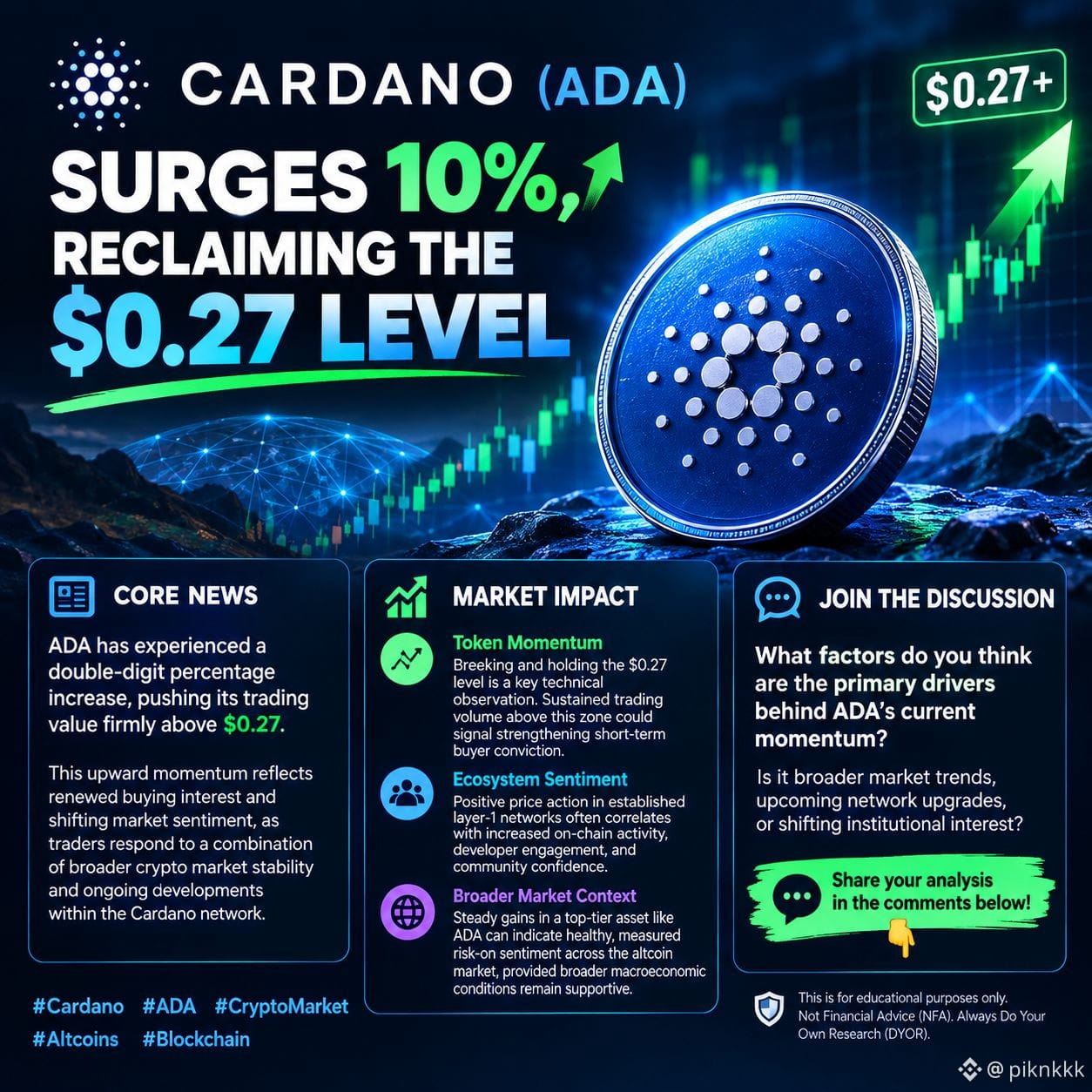
#ADAGains10%Above$0.27 Cardano(ADA)が10%急騰、0.27ドル台を回復 📈
Cardanoは本日、マーケットで注目すべき動きを見せています。ADAは10%の堅調な上昇を記録し、0.27ドルの水準を上抜けました。今回の値動きの概要と、エコシステムにとっての意味をわかりやすく解説します。
📰 主なニュース
ADAは2桁の上昇率を記録し、取引価格は0.27ドルを明確に上回りました。この上昇基調は、買い意欲の再燃と市場心理の変化を反映しています。トレーダーは、暗号資産市場全体の安定に加え、Cardanoネットワーク内で進行中の動向にも反応しています。
📊 市場への影響
• トークンの勢い 0.27ドルの水準を突破し、維持できるかどうかは、重要なテクニカル上の注目点です。この水準を上回る取引高が続けば、短期的な買い手の確信が強まっている兆候となる可能性があります。
• エコシステムのセンチメント 確立されたレイヤー1ネットワークで価格が上昇すると、オンチェーン活動や開発者の関与、コミュニティの信頼感が高まる傾向があります。
• 市場全体の状況 ADAのような主要資産が着実に上昇することは、マクロ経済環境が引き続き良好であれば、アルトコイン市場全体で健全かつ慎重なリスク選好が広がっていることを示す可能性があります。
💬 議論に参加しましょう
ADAの現在の勢いを後押ししている主な要因は何だと思いますか?市場全体のトレンド、今後のネットワークアップグレード、それとも機関投資家の関心の変化でしょうか?ぜひコメント欄で分析を共有してください! 👇
#Cardano #ADA #暗号資産市場 #アルトコイン #ブロックチェーン
これは教育目的のみの情報です。金融上の助言ではありません(NFA)。必ずご自身で調査・判断してください(DYOR)。
$GTC $RLC $MOVR
{future}(MOVRUSDT)
{future}(RLCUSDT)
{future}(GTCUSDT)
#ADAGains10%Above$0.27 Cardano(ADA)が10%急騰、0.27ドル台を回復 📈
Cardanoは本日、マーケットで注目すべき動きを見せています。ADAは10%の堅調な上昇を記録し、0.27ドルの水準を上抜けました。今回の値動きの概要と、エコシステムにとっての意味をわかりやすく解説します。
📰 主なニュース
ADAは2桁の上昇率を記録し、取引価格は0.27ドルを明確に上回りました。この上昇基調は、買い意欲の再燃と市場心理の変化を反映しています。トレーダーは、暗号資産市場全体の安定に加え、Cardanoネットワーク内で進行中の動向にも反応しています。
📊 市場への影響
• トークンの勢い 0.27ドルの水準を突破し、維持できるかどうかは、重要なテクニカル上の注目点です。この水準を上回る取引高が続けば、短期的な買い手の確信が強まっている兆候となる可能性があります。
• エコシステムのセンチメント 確立されたレイヤー1ネットワークで価格が上昇すると、オンチェーン活動や開発者の関与、コミュニティの信頼感が高まる傾向があります。
• 市場全体の状況 ADAのような主要資産が着実に上昇することは、マクロ経済環境が引き続き良好であれば、アルトコイン市場全体で健全かつ慎重なリスク選好が広がっていることを示す可能性があります。
💬 議論に参加しましょう
ADAの現在の勢いを後押ししている主な要因は何だと思いますか?市場全体のトレンド、今後のネットワークアップグレード、それとも機関投資家の関心の変化でしょうか?ぜひコメント欄で分析を共有してください! 👇
#Cardano #ADA #暗号資産市場 #アルトコイン #ブロックチェーン
これは教育目的のみの情報です。金融上の助言ではありません(NFA)。必ずご自身で調査・判断してください(DYOR)。
$GTC $RLC $MOVR
Cardanoは本日、マーケットで注目すべき動きを見せています。ADAは10%の堅調な上昇を記録し、0.27ドルの水準を上抜けました。今回の値動きの概要と、エコシステムにとっての意味をわかりやすく解説します。
📰 主なニュース
ADAは2桁の上昇率を記録し、取引価格は0.27ドルを明確に上回りました。この上昇基調は、買い意欲の再燃と市場心理の変化を反映しています。トレーダーは、暗号資産市場全体の安定に加え、Cardanoネットワーク内で進行中の動向にも反応しています。
📊 市場への影響
• トークンの勢い 0.27ドルの水準を突破し、維持できるかどうかは、重要なテクニカル上の注目点です。この水準を上回る取引高が続けば、短期的な買い手の確信が強まっている兆候となる可能性があります。
• エコシステムのセンチメント 確立されたレイヤー1ネットワークで価格が上昇すると、オンチェーン活動や開発者の関与、コミュニティの信頼感が高まる傾向があります。
• 市場全体の状況 ADAのような主要資産が着実に上昇することは、マクロ経済環境が引き続き良好であれば、アルトコイン市場全体で健全かつ慎重なリスク選好が広がっていることを示す可能性があります。
💬 議論に参加しましょう
ADAの現在の勢いを後押ししている主な要因は何だと思いますか?市場全体のトレンド、今後のネットワークアップグレード、それとも機関投資家の関心の変化でしょうか?ぜひコメント欄で分析を共有してください! 👇
#Cardano #ADA #暗号資産市場 #アルトコイン #ブロックチェーン
これは教育目的のみの情報です。金融上の助言ではありません(NFA)。必ずご自身で調査・判断してください(DYOR)。
$GTC $RLC $MOVR
36
·
--
弱気相場
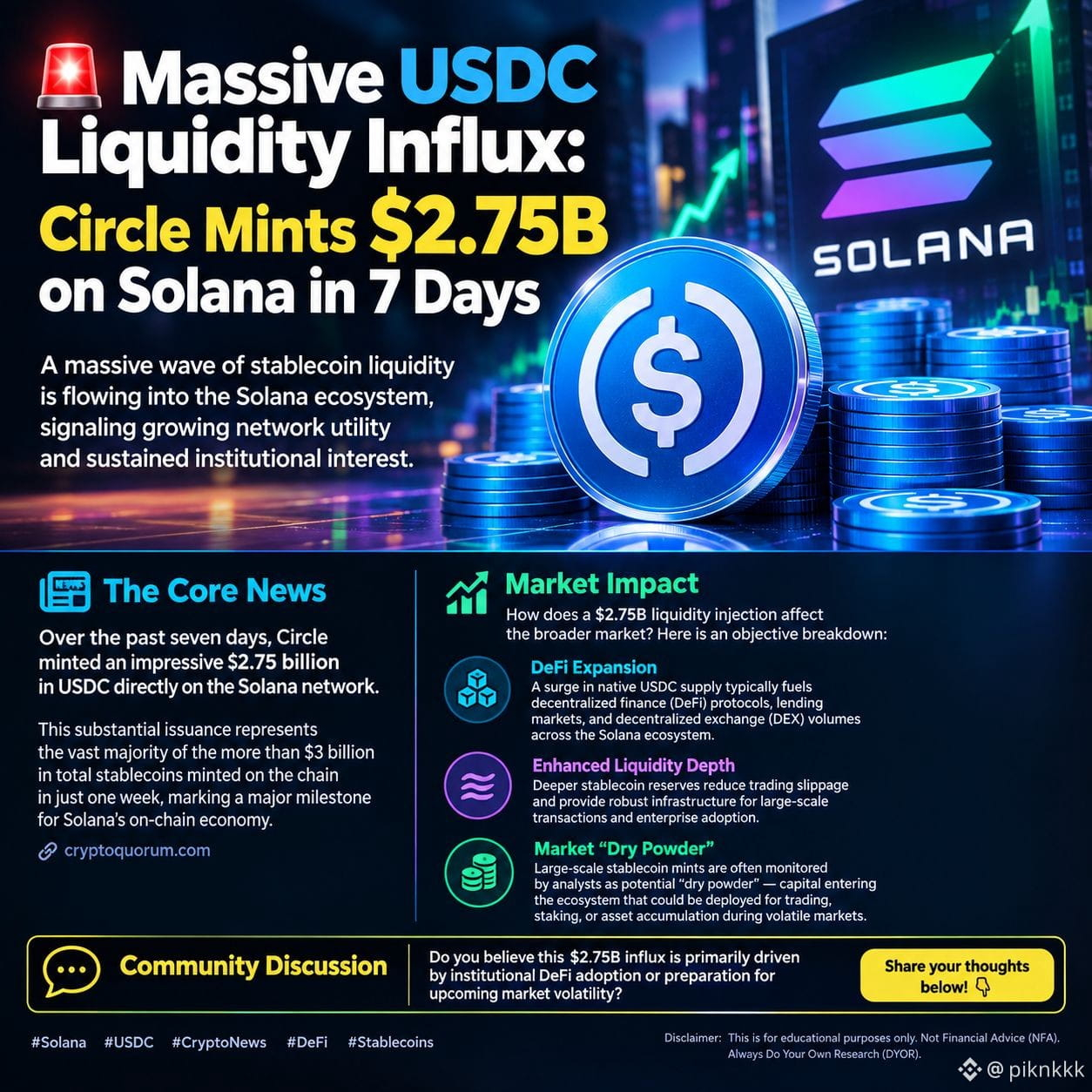
#CircleMints$2.75BUSDCOnSolanaIn7Days 🚨 USDCの巨額流入:Circle、7日間でSolana上に27.5億ドルを発行
ステーブルコインの流動性が大規模にSolanaエコシステムへ流入しており、ネットワークの実用性の高まりと、機関投資家の継続的な関心を示しています。
📰 主なニュース 過去7日間で、CircleはSolanaネットワーク上でUSDCを直接、合計27.5億ドル分発行しました
cryptoquorum.com
。この大規模な発行額は、わずか1週間で同チェーン上に発行された総額30億ドル超のステーブルコインの大半を占め、Solanaのオンチェーン経済にとって大きな節目となっています
cryptoquorum.com
。
📊 市場への影響 27.5億ドルの流動性注入は、市場全体にどのような影響を与えるのでしょうか?客観的に見てみましょう。
DeFiの拡大:ネイティブUSDCの供給急増は通常、Solanaエコシステム全体の分散型金融(DeFi)プロトコル、融資市場、分散型取引所(DEX)の取引高を押し上げます。
流動性の厚み向上:ステーブルコインの準備金が厚くなることで、取引時のスリッページが軽減され、大規模取引や企業による導入を支える強固な基盤が整います。
市場の「待機資金」:大規模なステーブルコインの発行は、アナリストから「待機資金」として注目されることがよくあります。これはエコシステムに流入した資金であり、市場が不安定な局面で取引、ステーキング、資産の積み増しに使われる可能性があります。
💬 コミュニティで議論 この27.5億ドルの流入は、主に機関投資家によるDeFiの導入が進んだ結果だと思いますか?それとも、今後の市場変動に備えた動きでしょうか?ぜひ下のコメント欄で意見を聞かせてください!👇
#Solana #USDC #暗号資産ニュース #DeFi #ステーブルコイン
これは教育目的のみの情報です。金融アドバイスではありません(NFA)。必ずご自身で調査してください(DYOR)。
$AXS $RONIN $KITE
{future}(KITEUSDT)
{future}(RONINUSDT)
{future}(AXSUSDT)
#CircleMints$2.75BUSDCOnSolanaIn7Days 🚨 USDCの巨額流入:Circle、7日間でSolana上に27.5億ドルを発行
ステーブルコインの流動性が大規模にSolanaエコシステムへ流入しており、ネットワークの実用性の高まりと、機関投資家の継続的な関心を示しています。
📰 主なニュース 過去7日間で、CircleはSolanaネットワーク上でUSDCを直接、合計27.5億ドル分発行しました
cryptoquorum.com
。この大規模な発行額は、わずか1週間で同チェーン上に発行された総額30億ドル超のステーブルコインの大半を占め、Solanaのオンチェーン経済にとって大きな節目となっています
cryptoquorum.com
。
📊 市場への影響 27.5億ドルの流動性注入は、市場全体にどのような影響を与えるのでしょうか?客観的に見てみましょう。
DeFiの拡大:ネイティブUSDCの供給急増は通常、Solanaエコシステム全体の分散型金融(DeFi)プロトコル、融資市場、分散型取引所(DEX)の取引高を押し上げます。
流動性の厚み向上:ステーブルコインの準備金が厚くなることで、取引時のスリッページが軽減され、大規模取引や企業による導入を支える強固な基盤が整います。
市場の「待機資金」:大規模なステーブルコインの発行は、アナリストから「待機資金」として注目されることがよくあります。これはエコシステムに流入した資金であり、市場が不安定な局面で取引、ステーキング、資産の積み増しに使われる可能性があります。
💬 コミュニティで議論 この27.5億ドルの流入は、主に機関投資家によるDeFiの導入が進んだ結果だと思いますか?それとも、今後の市場変動に備えた動きでしょうか?ぜひ下のコメント欄で意見を聞かせてください!👇
#Solana #USDC #暗号資産ニュース #DeFi #ステーブルコイン
これは教育目的のみの情報です。金融アドバイスではありません(NFA)。必ずご自身で調査してください(DYOR)。
$AXS $RONIN $KITE
ステーブルコインの流動性が大規模にSolanaエコシステムへ流入しており、ネットワークの実用性の高まりと、機関投資家の継続的な関心を示しています。
📰 主なニュース 過去7日間で、CircleはSolanaネットワーク上でUSDCを直接、合計27.5億ドル分発行しました
cryptoquorum.com
。この大規模な発行額は、わずか1週間で同チェーン上に発行された総額30億ドル超のステーブルコインの大半を占め、Solanaのオンチェーン経済にとって大きな節目となっています
cryptoquorum.com
。
📊 市場への影響 27.5億ドルの流動性注入は、市場全体にどのような影響を与えるのでしょうか?客観的に見てみましょう。
DeFiの拡大:ネイティブUSDCの供給急増は通常、Solanaエコシステム全体の分散型金融(DeFi)プロトコル、融資市場、分散型取引所(DEX)の取引高を押し上げます。
流動性の厚み向上:ステーブルコインの準備金が厚くなることで、取引時のスリッページが軽減され、大規模取引や企業による導入を支える強固な基盤が整います。
市場の「待機資金」:大規模なステーブルコインの発行は、アナリストから「待機資金」として注目されることがよくあります。これはエコシステムに流入した資金であり、市場が不安定な局面で取引、ステーキング、資産の積み増しに使われる可能性があります。
💬 コミュニティで議論 この27.5億ドルの流入は、主に機関投資家によるDeFiの導入が進んだ結果だと思いますか?それとも、今後の市場変動に備えた動きでしょうか?ぜひ下のコメント欄で意見を聞かせてください!👇
#Solana #USDC #暗号資産ニュース #DeFi #ステーブルコイン
これは教育目的のみの情報です。金融アドバイスではありません(NFA)。必ずご自身で調査してください(DYOR)。
$AXS $RONIN $KITE
1
324
·
--
弱気相場
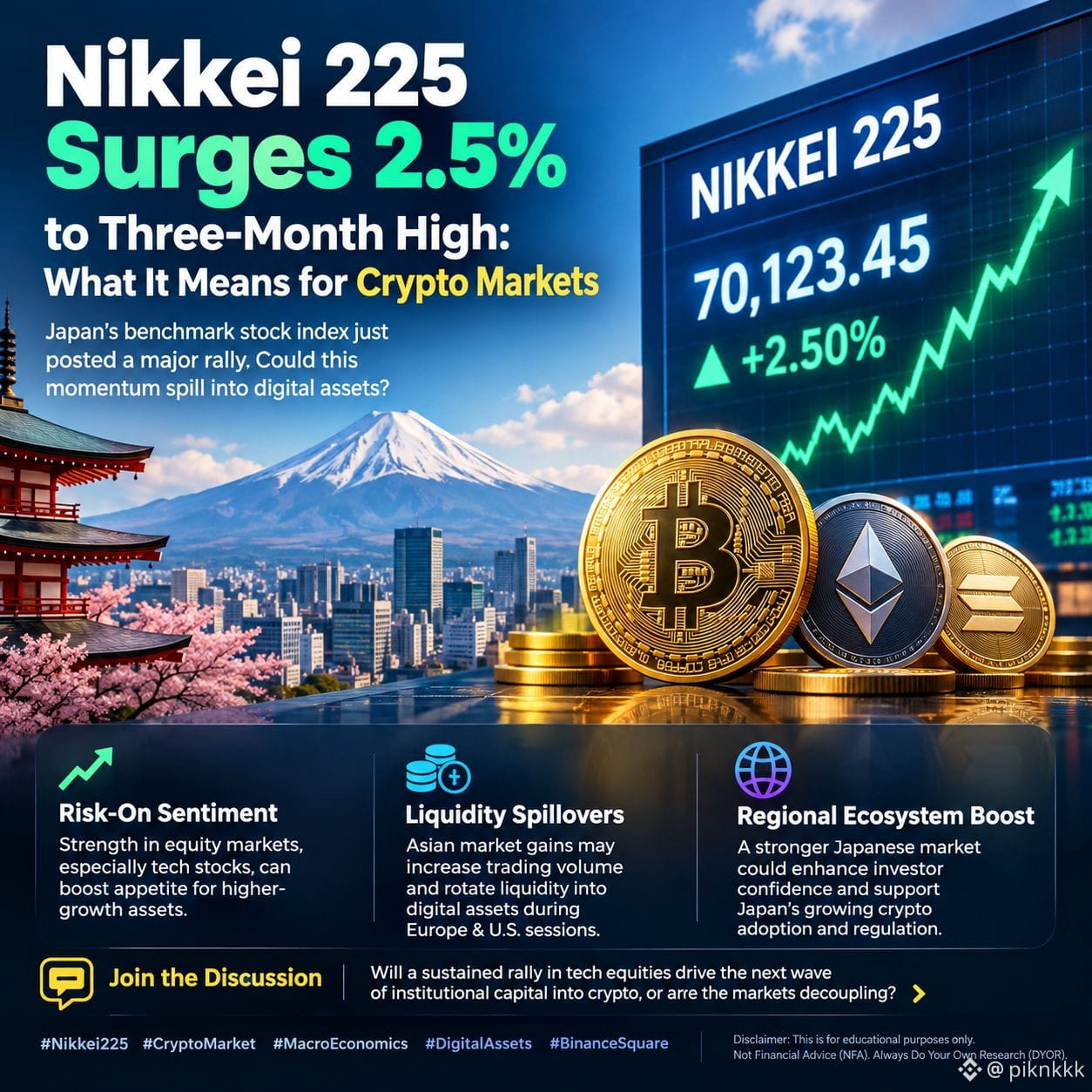
#nikkei225jumps2.5%tothreemonthhigh 📈 日経平均株価が2.5%急騰し、3カ月ぶりの高値に 暗号資産市場への影響は?
日本の代表的な株価指数が大幅に上昇し、重要な上値抵抗線を突破しました。伝統的な市場の勢いが、デジタル資産のエコシステムにどのような波及効果をもたらすのか見ていきましょう。🌏
📰 主なニュース
• 日経平均株価は約2.5%上昇し、一時7万ポイントを上回って3カ月ぶりの高値を記録しました [2]
• この上昇は主に、AI、テクノロジー、半導体関連株の好調に加え、インフレ懸念の緩和や世界的な金利見通しの変化といったマクロ経済の動向に支えられました [3], [6]
💡 市場への影響
• リスク選好の高まり 伝統的な株式市場、特にテクノロジー株の比重が大きい指数の好調は、機関投資家と個人投資家の双方でリスク選好が高まることと相関する場合があります。
• 流動性の波及 アジア市場での好調な取引を受け、流動性が高成長セクターへ移り、欧州や北米の取引時間帯にはデジタル資産を含む分野で取引量が増加する可能性があります [15]
• 地域エコシステムの後押し 国内株式市場の堅調さは、日本の投資家全体の信頼感を高める可能性があります。日本は、先進的な暗号資産規制と機関投資家による導入拡大で知られる地域です。
🗣️ 議論に参加しましょう
伝統的なテクノロジー株の上昇が続けば、機関投資家の資金が次に暗号資産へ流入すると思いますか?それとも、市場間の連動性は薄れ続けるでしょうか?ぜひコメントでご意見をお聞かせください!👇
#Nikkei225 #CryptoMarket #MacroEconomics #DigitalAssets #BinanceSquare
本内容は教育目的のみであり、投資助言ではありません(NFA)。必ずご自身で調査・判断してください(DYOR)。
$CHR $NOM $SHAZB
{spot}(SHAZBUSDT)
{future}(NOMUSDT)
{future}(CHRUSDT)
#nikkei225jumps2.5%tothreemonthhigh 📈 日経平均株価が2.5%急騰し、3カ月ぶりの高値に 暗号資産市場への影響は?
日本の代表的な株価指数が大幅に上昇し、重要な上値抵抗線を突破しました。伝統的な市場の勢いが、デジタル資産のエコシステムにどのような波及効果をもたらすのか見ていきましょう。🌏
📰 主なニュース
• 日経平均株価は約2.5%上昇し、一時7万ポイントを上回って3カ月ぶりの高値を記録しました [2]
• この上昇は主に、AI、テクノロジー、半導体関連株の好調に加え、インフレ懸念の緩和や世界的な金利見通しの変化といったマクロ経済の動向に支えられました [3], [6]
💡 市場への影響
• リスク選好の高まり 伝統的な株式市場、特にテクノロジー株の比重が大きい指数の好調は、機関投資家と個人投資家の双方でリスク選好が高まることと相関する場合があります。
• 流動性の波及 アジア市場での好調な取引を受け、流動性が高成長セクターへ移り、欧州や北米の取引時間帯にはデジタル資産を含む分野で取引量が増加する可能性があります [15]
• 地域エコシステムの後押し 国内株式市場の堅調さは、日本の投資家全体の信頼感を高める可能性があります。日本は、先進的な暗号資産規制と機関投資家による導入拡大で知られる地域です。
🗣️ 議論に参加しましょう
伝統的なテクノロジー株の上昇が続けば、機関投資家の資金が次に暗号資産へ流入すると思いますか?それとも、市場間の連動性は薄れ続けるでしょうか?ぜひコメントでご意見をお聞かせください!👇
#Nikkei225 #CryptoMarket #MacroEconomics #DigitalAssets #BinanceSquare
本内容は教育目的のみであり、投資助言ではありません(NFA)。必ずご自身で調査・判断してください(DYOR)。
$CHR $NOM $SHAZB
日本の代表的な株価指数が大幅に上昇し、重要な上値抵抗線を突破しました。伝統的な市場の勢いが、デジタル資産のエコシステムにどのような波及効果をもたらすのか見ていきましょう。🌏
📰 主なニュース
• 日経平均株価は約2.5%上昇し、一時7万ポイントを上回って3カ月ぶりの高値を記録しました [2]
• この上昇は主に、AI、テクノロジー、半導体関連株の好調に加え、インフレ懸念の緩和や世界的な金利見通しの変化といったマクロ経済の動向に支えられました [3], [6]
💡 市場への影響
• リスク選好の高まり 伝統的な株式市場、特にテクノロジー株の比重が大きい指数の好調は、機関投資家と個人投資家の双方でリスク選好が高まることと相関する場合があります。
• 流動性の波及 アジア市場での好調な取引を受け、流動性が高成長セクターへ移り、欧州や北米の取引時間帯にはデジタル資産を含む分野で取引量が増加する可能性があります [15]
• 地域エコシステムの後押し 国内株式市場の堅調さは、日本の投資家全体の信頼感を高める可能性があります。日本は、先進的な暗号資産規制と機関投資家による導入拡大で知られる地域です。
🗣️ 議論に参加しましょう
伝統的なテクノロジー株の上昇が続けば、機関投資家の資金が次に暗号資産へ流入すると思いますか?それとも、市場間の連動性は薄れ続けるでしょうか?ぜひコメントでご意見をお聞かせください!👇
#Nikkei225 #CryptoMarket #MacroEconomics #DigitalAssets #BinanceSquare
本内容は教育目的のみであり、投資助言ではありません(NFA)。必ずご自身で調査・判断してください(DYOR)。
$CHR $NOM $SHAZB
529
·
--
弱気相場
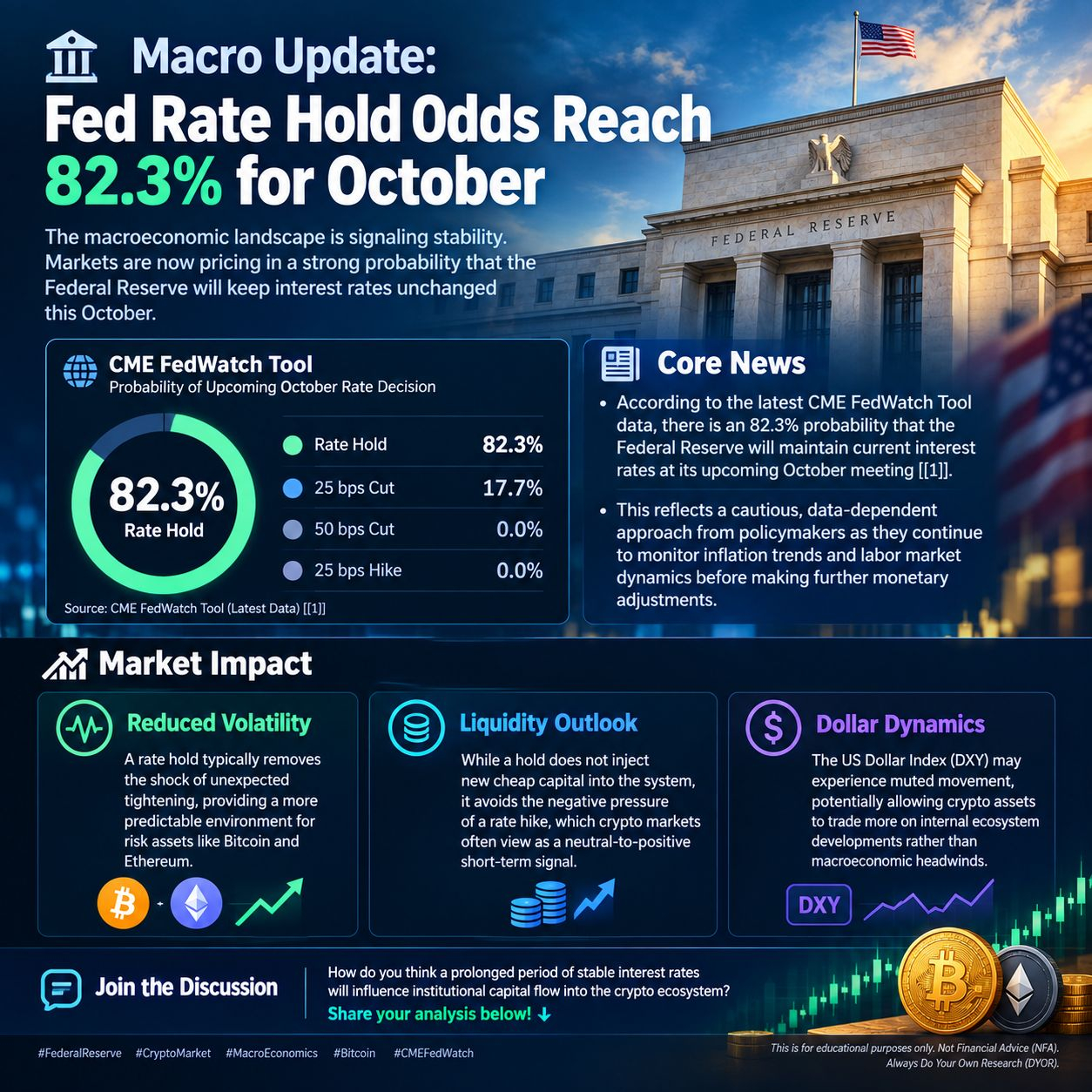
#fedoctoberholdodds82.3% 📊 マクロアップデート:10月のFRB金利据え置き確率が82.3%に
マクロ経済の状況は安定を示しています。市場では、連邦準備制度理事会(FRB)がこの10月に政策金利を据え置く可能性が高いと織り込まれています。🏦
📌 主なニュース
• CME FedWatchツールの最新データによると、FRBが次回10月の会合で現行の政策金利を維持する確率は82.3%です [[1]]。
• これは、さらなる金融政策の調整を行う前に、インフレ動向や労働市場の状況を引き続き注視するという、政策当局者の慎重でデータ重視の姿勢を反映しています。
📈 市場への影響
• ボラティリティの低下 金利据え置きは通常、予想外の金融引き締めによるショックを取り除き、ビットコインやイーサリアムなどのリスク資産にとって、より予測しやすい環境をもたらします。
• 流動性の見通し 据え置きによって新たな低コスト資金が市場に供給されるわけではありませんが、利上げによるマイナス圧力を回避できます。暗号資産市場では、短期的に中立からややプラスのシグナルと受け止められることがよくあります。
• ドルの動向 米ドル指数(DXY)の動きは限定的となる可能性があり、暗号資産はマクロ経済の逆風よりも、エコシステム内部の動向に左右されて取引されやすくなるかもしれません。
💬 議論に参加しましょう
金利が長期にわたって安定した場合、暗号資産エコシステムへの機関投資家の資金流入にどのような影響があると思いますか?ぜひ以下で分析を共有してください!👇
#連邦準備制度 #暗号資産市場 #マクロ経済 #ビットコイン #CMEFedWatch
本内容は教育目的のみで提供されています。金融アドバイスではありません(NFA)。必ずご自身で調査・判断してください(DYOR)。
$SAND $STRK $IO
{future}(IOUSDT)
{future}(STRKUSDT)
{future}(SANDUSDT)
#fedoctoberholdodds82.3% 📊 マクロアップデート:10月のFRB金利据え置き確率が82.3%に
マクロ経済の状況は安定を示しています。市場では、連邦準備制度理事会(FRB)がこの10月に政策金利を据え置く可能性が高いと織り込まれています。🏦
📌 主なニュース
• CME FedWatchツールの最新データによると、FRBが次回10月の会合で現行の政策金利を維持する確率は82.3%です [[1]]。
• これは、さらなる金融政策の調整を行う前に、インフレ動向や労働市場の状況を引き続き注視するという、政策当局者の慎重でデータ重視の姿勢を反映しています。
📈 市場への影響
• ボラティリティの低下 金利据え置きは通常、予想外の金融引き締めによるショックを取り除き、ビットコインやイーサリアムなどのリスク資産にとって、より予測しやすい環境をもたらします。
• 流動性の見通し 据え置きによって新たな低コスト資金が市場に供給されるわけではありませんが、利上げによるマイナス圧力を回避できます。暗号資産市場では、短期的に中立からややプラスのシグナルと受け止められることがよくあります。
• ドルの動向 米ドル指数(DXY)の動きは限定的となる可能性があり、暗号資産はマクロ経済の逆風よりも、エコシステム内部の動向に左右されて取引されやすくなるかもしれません。
💬 議論に参加しましょう
金利が長期にわたって安定した場合、暗号資産エコシステムへの機関投資家の資金流入にどのような影響があると思いますか?ぜひ以下で分析を共有してください!👇
#連邦準備制度 #暗号資産市場 #マクロ経済 #ビットコイン #CMEFedWatch
本内容は教育目的のみで提供されています。金融アドバイスではありません(NFA)。必ずご自身で調査・判断してください(DYOR)。
$SAND $STRK $IO
マクロ経済の状況は安定を示しています。市場では、連邦準備制度理事会(FRB)がこの10月に政策金利を据え置く可能性が高いと織り込まれています。🏦
📌 主なニュース
• CME FedWatchツールの最新データによると、FRBが次回10月の会合で現行の政策金利を維持する確率は82.3%です [[1]]。
• これは、さらなる金融政策の調整を行う前に、インフレ動向や労働市場の状況を引き続き注視するという、政策当局者の慎重でデータ重視の姿勢を反映しています。
📈 市場への影響
• ボラティリティの低下 金利据え置きは通常、予想外の金融引き締めによるショックを取り除き、ビットコインやイーサリアムなどのリスク資産にとって、より予測しやすい環境をもたらします。
• 流動性の見通し 据え置きによって新たな低コスト資金が市場に供給されるわけではありませんが、利上げによるマイナス圧力を回避できます。暗号資産市場では、短期的に中立からややプラスのシグナルと受け止められることがよくあります。
• ドルの動向 米ドル指数(DXY)の動きは限定的となる可能性があり、暗号資産はマクロ経済の逆風よりも、エコシステム内部の動向に左右されて取引されやすくなるかもしれません。
💬 議論に参加しましょう
金利が長期にわたって安定した場合、暗号資産エコシステムへの機関投資家の資金流入にどのような影響があると思いますか?ぜひ以下で分析を共有してください!👇
#連邦準備制度 #暗号資産市場 #マクロ経済 #ビットコイン #CMEFedWatch
本内容は教育目的のみで提供されています。金融アドバイスではありません(NFA)。必ずご自身で調査・判断してください(DYOR)。
$SAND $STRK $IO
1
574
·
--
ブリッシュ
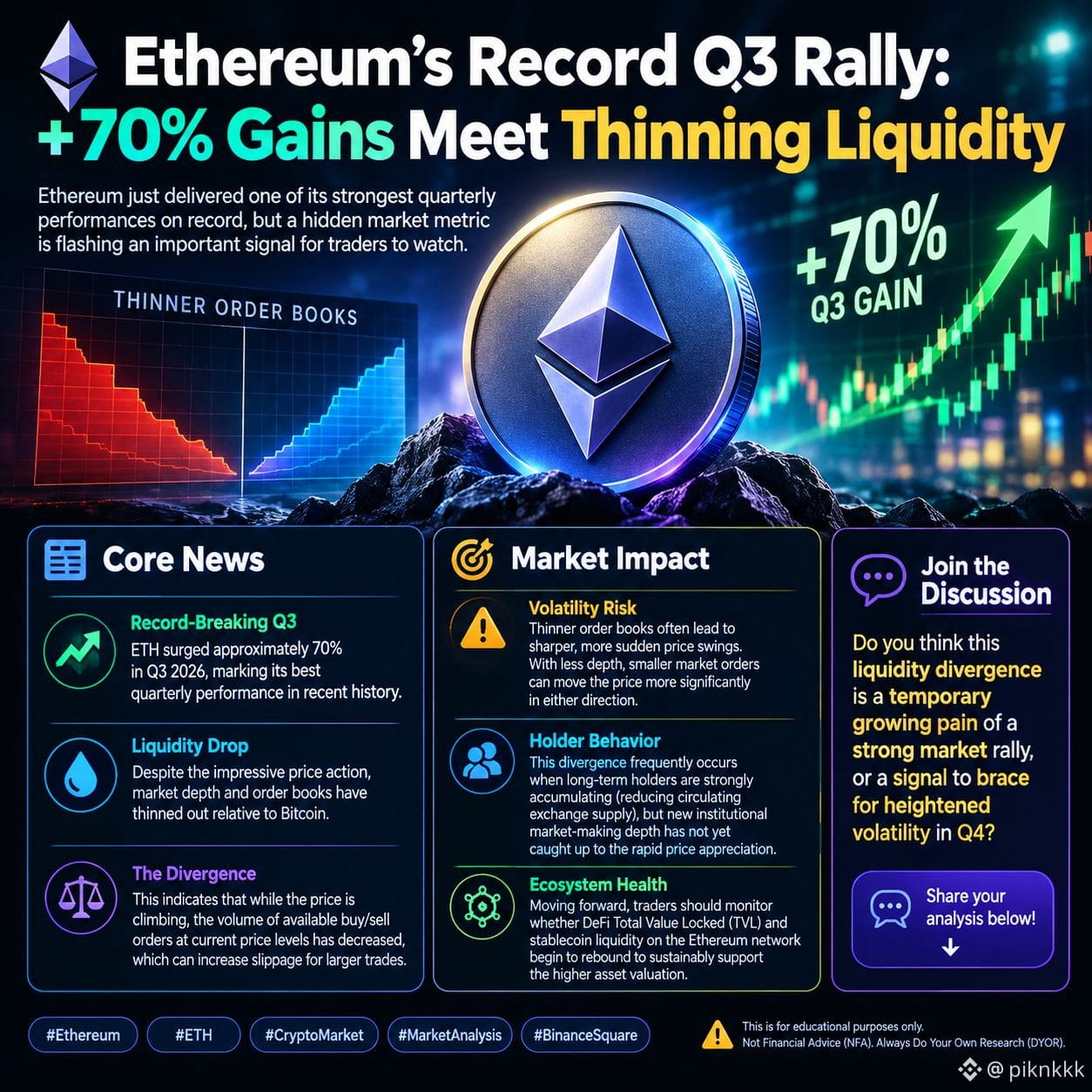
#ethup70%inq3butliquidityfalls 📊 イーサリアム、過去最高の第3四半期ラリー+70%の上昇と流動性の低下
イーサリアムは記録的な強さを見せた四半期となりました。しかし、市場のある指標がトレーダーに注目すべき重要なシグナルを発しています。
📰 主なニュース
• 📈 記録的な第3四半期 ETHは2026年第3四半期に約70%上昇し、近年で最高の四半期パフォーマンスを記録しました [1]
• 💧 流動性の低下 価格が大きく上昇した一方で、ビットコインと比べて市場の厚みや注文板は薄くなっています [14]
• ⚖️ 乖離 これは価格が上昇する一方で、現在の価格水準で執行可能な買い注文・売り注文の量が減少していることを示しています。そのため、大口取引ではスリッページが大きくなる可能性があります [12]
📉 市場への影響
• ボラティリティのリスク 注文板が薄いと、急激で大幅な価格変動が起きやすくなります。市場の厚みが乏しい場合、小規模な成行注文でも価格がどちらかの方向へ大きく動くことがあります。
• 保有者の動向 長期保有者が積極的に買い増し(取引所で流通する供給量が減少)している一方で、新たな機関投資家によるマーケットメイクの厚みが、急速な価格上昇にまだ十分追いついていない場合、このような乖離がよく見られます。
• エコシステムの健全性 今後、トレーダーは、より高い資産評価を持続的に支えるために、DeFiの預かり資産総額(TVL)やイーサリアムネットワーク上のステーブルコイン流動性が回復し始めるかを注視する必要があります。
💬 議論に参加しましょう
この流動性の乖離は、強気相場に伴う一時的な成長痛だと思いますか?それとも、第4四半期のボラティリティ上昇に備えるべきシグナルでしょうか?ぜひ下に分析を投稿してください! 👇
#Ethereum #ETH #CryptoMarket #MarketAnalysis #BinanceSquare
この情報は教育目的のみで提供されています。金融上の助言ではありません(NFA)。必ずご自身で調査・判断してください(DYOR)。
$SCR $OGN $NIL
{future}(NILUSDT)
{future}(OGNUSDT)
{future}(SCRUSDT)
#ethup70%inq3butliquidityfalls 📊 イーサリアム、過去最高の第3四半期ラリー+70%の上昇と流動性の低下
イーサリアムは記録的な強さを見せた四半期となりました。しかし、市場のある指標がトレーダーに注目すべき重要なシグナルを発しています。
📰 主なニュース
• 📈 記録的な第3四半期 ETHは2026年第3四半期に約70%上昇し、近年で最高の四半期パフォーマンスを記録しました [1]
• 💧 流動性の低下 価格が大きく上昇した一方で、ビットコインと比べて市場の厚みや注文板は薄くなっています [14]
• ⚖️ 乖離 これは価格が上昇する一方で、現在の価格水準で執行可能な買い注文・売り注文の量が減少していることを示しています。そのため、大口取引ではスリッページが大きくなる可能性があります [12]
📉 市場への影響
• ボラティリティのリスク 注文板が薄いと、急激で大幅な価格変動が起きやすくなります。市場の厚みが乏しい場合、小規模な成行注文でも価格がどちらかの方向へ大きく動くことがあります。
• 保有者の動向 長期保有者が積極的に買い増し(取引所で流通する供給量が減少)している一方で、新たな機関投資家によるマーケットメイクの厚みが、急速な価格上昇にまだ十分追いついていない場合、このような乖離がよく見られます。
• エコシステムの健全性 今後、トレーダーは、より高い資産評価を持続的に支えるために、DeFiの預かり資産総額(TVL)やイーサリアムネットワーク上のステーブルコイン流動性が回復し始めるかを注視する必要があります。
💬 議論に参加しましょう
この流動性の乖離は、強気相場に伴う一時的な成長痛だと思いますか?それとも、第4四半期のボラティリティ上昇に備えるべきシグナルでしょうか?ぜひ下に分析を投稿してください! 👇
#Ethereum #ETH #CryptoMarket #MarketAnalysis #BinanceSquare
この情報は教育目的のみで提供されています。金融上の助言ではありません(NFA)。必ずご自身で調査・判断してください(DYOR)。
$SCR $OGN $NIL
イーサリアムは記録的な強さを見せた四半期となりました。しかし、市場のある指標がトレーダーに注目すべき重要なシグナルを発しています。
📰 主なニュース
• 📈 記録的な第3四半期 ETHは2026年第3四半期に約70%上昇し、近年で最高の四半期パフォーマンスを記録しました [1]
• 💧 流動性の低下 価格が大きく上昇した一方で、ビットコインと比べて市場の厚みや注文板は薄くなっています [14]
• ⚖️ 乖離 これは価格が上昇する一方で、現在の価格水準で執行可能な買い注文・売り注文の量が減少していることを示しています。そのため、大口取引ではスリッページが大きくなる可能性があります [12]
📉 市場への影響
• ボラティリティのリスク 注文板が薄いと、急激で大幅な価格変動が起きやすくなります。市場の厚みが乏しい場合、小規模な成行注文でも価格がどちらかの方向へ大きく動くことがあります。
• 保有者の動向 長期保有者が積極的に買い増し(取引所で流通する供給量が減少)している一方で、新たな機関投資家によるマーケットメイクの厚みが、急速な価格上昇にまだ十分追いついていない場合、このような乖離がよく見られます。
• エコシステムの健全性 今後、トレーダーは、より高い資産評価を持続的に支えるために、DeFiの預かり資産総額(TVL)やイーサリアムネットワーク上のステーブルコイン流動性が回復し始めるかを注視する必要があります。
💬 議論に参加しましょう
この流動性の乖離は、強気相場に伴う一時的な成長痛だと思いますか?それとも、第4四半期のボラティリティ上昇に備えるべきシグナルでしょうか?ぜひ下に分析を投稿してください! 👇
#Ethereum #ETH #CryptoMarket #MarketAnalysis #BinanceSquare
この情報は教育目的のみで提供されています。金融上の助言ではありません(NFA)。必ずご自身で調査・判断してください(DYOR)。
$SCR $OGN $NIL
1
1
13
14.6k
ログインして、さらにコンテンツを読む
厳選トピックで世界の暗号資産トレーダーの仲間入り
⚡️ 暗号資産に関する最新かつ有益な情報が見つかります。
💬 世界最大の暗号資産取引所から信頼されています。
👍 認証を受けたクリエイターから、有益なインサイトを得られます。
メール / 電話番号
トレンドトピック
BinanceLaunchesBinanceIntelligence
閲覧回数 366,753
2,911人が討論中
#BinanceLaunchesBinanceIntelligence
📢 Binance Intelligenceとは?
$NVDAB
$BTC
$AAPLB
Binanceは、リアルタイムの市場インサイト、データに基づく分析、より賢い意思決定を支援するツールをユーザーに提供する新しいプラットフォーム「Binance Intelligence」を正式にリリースしました。
主な機能:
- 📊 暗号資産市場のリアルタイムデータ – 最新のトレンド、価格変動、市場の厚み
- 🧠 AIを活用した分析 – 高度な予測とパターン認識
- 📰 ニュースと影響の追跡 – 出来事が市場に与える影響
- 📈 ポートフォリオ分析 – パフォーマンスの概要とリスク管理
- 🔍 詳細なリサーチツール – 十分な情報に基づいた取引のための包括的なデータ
#BinanceLaunchesBinanceIntelligence
#BinanceSquareFamily
#BinanceLaunchesBinanceIntelligence
#BinanceIntelligence
#Binance
Hawk Manan 1
·いいね:0件
·閲覧回数 190
BitcoinTargets2026OpenAt$87570
閲覧回数 1,802
62人が討論中
BitcoinRejectedAt$87KThirdTime
閲覧回数 1,908
52人が討論中