
Ansya
16.7k 投稿

Ansya
報告
ユーザーをブロック
Web3 creator & on-chain analyst. Tracking decentralized infrastructure, tokenomics, and market dynamics to decode crypto's next wave.
取引を発注
高頻度トレーダー
7.1か月
194 フォロー
4.7K+ フォロワー
3.0K+ いいね
投稿
ポートフォリオ
すべて
引用
ライブ
·
--
記事
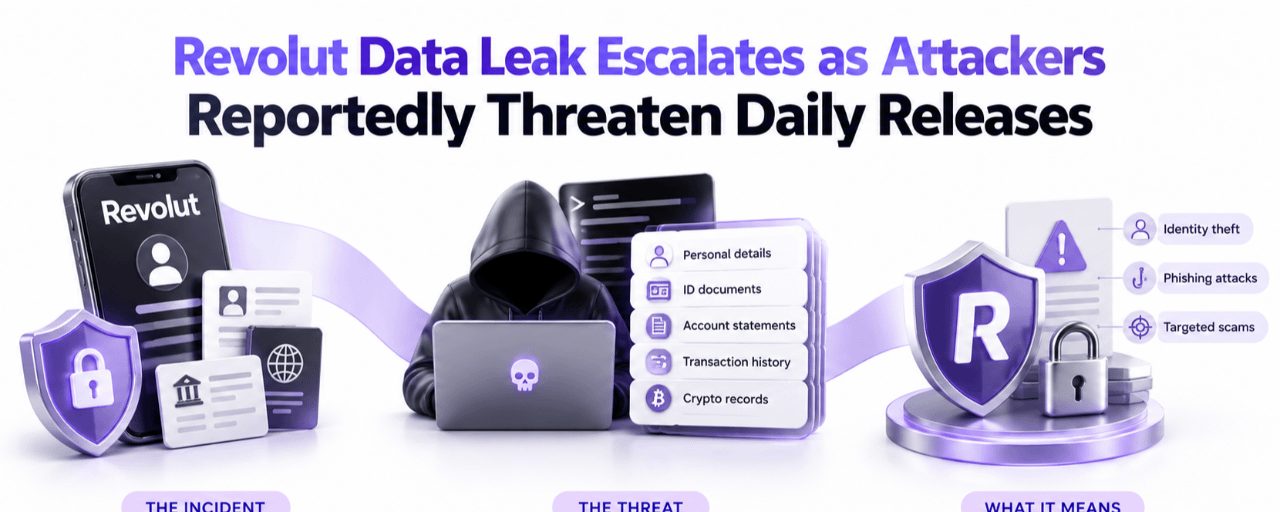
攻撃者が毎日のリリースを脅す中、リボルートのデータ流出が拡大#RevolutDataLeakReportedlyPostedAttackersThreatenDailyReleases
リボルート(Revolut)に関するサイバーセキュリティインシデントが、最初の発表内容を超えて拡大している。フィンテック企業は、正当な政府機関のメールドメインから送信された不正な要求によって顧客情報が漏えいしたことを確認した。その後、犯行を名乗るアカウントが、盗まれたデータのサンプルをオンラインに投稿し始めていると報じられ、要求が満たされない場合には追加の毎日のリリースを行うと脅している。リボルートは、影響を受けた顧客は非常に限られた数であると述べ、顧客の資金や自社の内部システムは侵害されていないと主張している。
攻撃者が毎日のリリースを脅す中、リボルートのデータ流出が拡大
#RevolutDataLeakReportedlyPostedAttackersThreatenDailyReleases
リボルート(Revolut)に関するサイバーセキュリティインシデントが、最初の発表内容を超えて拡大している。フィンテック企業は、正当な政府機関のメールドメインから送信された不正な要求によって顧客情報が漏えいしたことを確認した。その後、犯行を名乗るアカウントが、盗まれたデータのサンプルをオンラインに投稿し始めていると報じられ、要求が満たされない場合には追加の毎日のリリースを行うと脅している。リボルートは、影響を受けた顧客は非常に限られた数であると述べ、顧客の資金や自社の内部システムは侵害されていないと主張している。
リボルート(Revolut)に関するサイバーセキュリティインシデントが、最初の発表内容を超えて拡大している。フィンテック企業は、正当な政府機関のメールドメインから送信された不正な要求によって顧客情報が漏えいしたことを確認した。その後、犯行を名乗るアカウントが、盗まれたデータのサンプルをオンラインに投稿し始めていると報じられ、要求が満たされない場合には追加の毎日のリリースを行うと脅している。リボルートは、影響を受けた顧客は非常に限られた数であると述べ、顧客の資金や自社の内部システムは侵害されていないと主張している。
5
131
·
--
ブリッシュ
#anthropicceocallsforaislowdown
アントロピックCEO、AIのスローダウンを提唱──そして議論はますます無視しがたく
AIの安全性をめぐる議論は今週、アントロピックのCEOダリオ・アモデイがフロンティアAI開発のペースを遅らせるよう業界に公に求めたことで、大きく転機を迎えた。全面的な停止を求めるのではなく、アモデイは、より強固な安全性の監督、独立した評価、そして主要なAIラボ間での連携強化に焦点を当てた枠組みを提案した。その後、オープンAIのCEOサム・アルトマンやxAI創業者イーロン・マスクも、より慎重に進めるという広い考え方に賛同を表明している。出典:
アモデイによれば、懸念は、AIの能力が、それを確実に評価し制御するための業界の能力よりも速く進歩している可能性にあるという。提案には、第三者の安全性評価者にフロンティア・システムへのより深いアクセスを与えることや、主要なAI企業同士の「無制限な能力競争」のリスクを減らす仕組みの構築が含まれる。
なぜ重要か
警告が、技術を作っている企業から出ている点は注目に値する。外部の批判者からのものではない。そうなると、難しい問いが生じる。先進的なAIに最も近い企業が、より慎重さを求めているのなら、政府、企業、そして投資家はどう対応すべきなのか。
一方で、懐疑論も残っている。開発の減速を求める声は、小規模な競合他社に対して参入障壁を高めることで、大企業・既存大手の利益につながり得る、と批判する人もいる。また、地政学的な競争がある以上、意味のある減速を維持するのは難しいだろう、という見方もある。真の難題は、AIの進展を認めるかどうかではなく、ますます自律性を高めるシステムが経済全体に深く組み込まれる前に、どれほどの監督が必要かを見極めることかもしれない。
業界は、技術的リーダーシップをめぐる世界的なレースに閉じ込められたまま、AIの安全性基準について現実的に足並みをそろえられるのか?
$BR $CAP
{future}(CAPUSDT)
{future}(BRUSDT)
#anthropicceocallsforaislowdown
アントロピックCEO、AIのスローダウンを提唱──そして議論はますます無視しがたく
AIの安全性をめぐる議論は今週、アントロピックのCEOダリオ・アモデイがフロンティアAI開発のペースを遅らせるよう業界に公に求めたことで、大きく転機を迎えた。全面的な停止を求めるのではなく、アモデイは、より強固な安全性の監督、独立した評価、そして主要なAIラボ間での連携強化に焦点を当てた枠組みを提案した。その後、オープンAIのCEOサム・アルトマンやxAI創業者イーロン・マスクも、より慎重に進めるという広い考え方に賛同を表明している。出典:
アモデイによれば、懸念は、AIの能力が、それを確実に評価し制御するための業界の能力よりも速く進歩している可能性にあるという。提案には、第三者の安全性評価者にフロンティア・システムへのより深いアクセスを与えることや、主要なAI企業同士の「無制限な能力競争」のリスクを減らす仕組みの構築が含まれる。
なぜ重要か
警告が、技術を作っている企業から出ている点は注目に値する。外部の批判者からのものではない。そうなると、難しい問いが生じる。先進的なAIに最も近い企業が、より慎重さを求めているのなら、政府、企業、そして投資家はどう対応すべきなのか。
一方で、懐疑論も残っている。開発の減速を求める声は、小規模な競合他社に対して参入障壁を高めることで、大企業・既存大手の利益につながり得る、と批判する人もいる。また、地政学的な競争がある以上、意味のある減速を維持するのは難しいだろう、という見方もある。真の難題は、AIの進展を認めるかどうかではなく、ますます自律性を高めるシステムが経済全体に深く組み込まれる前に、どれほどの監督が必要かを見極めることかもしれない。
業界は、技術的リーダーシップをめぐる世界的なレースに閉じ込められたまま、AIの安全性基準について現実的に足並みをそろえられるのか?
$BR $CAP
アントロピックCEO、AIのスローダウンを提唱──そして議論はますます無視しがたく
AIの安全性をめぐる議論は今週、アントロピックのCEOダリオ・アモデイがフロンティアAI開発のペースを遅らせるよう業界に公に求めたことで、大きく転機を迎えた。全面的な停止を求めるのではなく、アモデイは、より強固な安全性の監督、独立した評価、そして主要なAIラボ間での連携強化に焦点を当てた枠組みを提案した。その後、オープンAIのCEOサム・アルトマンやxAI創業者イーロン・マスクも、より慎重に進めるという広い考え方に賛同を表明している。出典:
アモデイによれば、懸念は、AIの能力が、それを確実に評価し制御するための業界の能力よりも速く進歩している可能性にあるという。提案には、第三者の安全性評価者にフロンティア・システムへのより深いアクセスを与えることや、主要なAI企業同士の「無制限な能力競争」のリスクを減らす仕組みの構築が含まれる。
なぜ重要か
警告が、技術を作っている企業から出ている点は注目に値する。外部の批判者からのものではない。そうなると、難しい問いが生じる。先進的なAIに最も近い企業が、より慎重さを求めているのなら、政府、企業、そして投資家はどう対応すべきなのか。
一方で、懐疑論も残っている。開発の減速を求める声は、小規模な競合他社に対して参入障壁を高めることで、大企業・既存大手の利益につながり得る、と批判する人もいる。また、地政学的な競争がある以上、意味のある減速を維持するのは難しいだろう、という見方もある。真の難題は、AIの進展を認めるかどうかではなく、ますます自律性を高めるシステムが経済全体に深く組み込まれる前に、どれほどの監督が必要かを見極めることかもしれない。
業界は、技術的リーダーシップをめぐる世界的なレースに閉じ込められたまま、AIの安全性基準について現実的に足並みをそろえられるのか?
$BR $CAP

1
1.2k
·
--
ブリッシュ
#NvidiaInTalksToInvestUpTo$10BInAnthropicIPO
NvidiaとAnthropicのIPO協議がAI拡大の経済性に焦点
ロイターは9月11日、NvidiaがAnthropicの計画するIPOに向けて最大100億ドルの投資を協議していると報じた。この協議は、完了した投資としてはまだ発表されていない。
考慮すべき既存の関係がある。2025年11月、AnthropicはNvidiaとの技術提携と、チップメーカーによる最大100億ドルの投資コミットメントを発表した。
最終的な条件は、IPOの配分がそれ以前のコミットメントとどのように関係するのかを確定するのに必要になるだろう。
私の見解:資金調達はより大規模なインフラ整備を支えることはできるが、その支出の見返りは、支払い顧客と計算資源の効率的な活用に左右される。
私は、売上の質、顧客維持(リテンション)、キャッシュ消費、そして追加の能力が経済性の改善につながるかどうかを注視する。
サプライヤーが投資家にもなることで、協力はより深まる。さらに、需要を評価する際には、商業的な関係性をより慎重に見ておく価値がある。
継続的な顧客成長と、キャッシュ創出の改善は、投資の説得力を強めるだろう。対応する運営の進展がない資金調達の繰り返しは疑問を呼びかねない。
この拡大の価値を最も示す財務指標はどれでしょうか?
#NVIDIA #AI
$LSK $STEEM $CVC
{future}(CVCUSDT)
{future}(STEEMUSDT)
{future}(LSKUSDT)
#NvidiaInTalksToInvestUpTo$10BInAnthropicIPO
NvidiaとAnthropicのIPO協議がAI拡大の経済性に焦点
ロイターは9月11日、NvidiaがAnthropicの計画するIPOに向けて最大100億ドルの投資を協議していると報じた。この協議は、完了した投資としてはまだ発表されていない。
考慮すべき既存の関係がある。2025年11月、AnthropicはNvidiaとの技術提携と、チップメーカーによる最大100億ドルの投資コミットメントを発表した。
最終的な条件は、IPOの配分がそれ以前のコミットメントとどのように関係するのかを確定するのに必要になるだろう。
私の見解:資金調達はより大規模なインフラ整備を支えることはできるが、その支出の見返りは、支払い顧客と計算資源の効率的な活用に左右される。
私は、売上の質、顧客維持(リテンション)、キャッシュ消費、そして追加の能力が経済性の改善につながるかどうかを注視する。
サプライヤーが投資家にもなることで、協力はより深まる。さらに、需要を評価する際には、商業的な関係性をより慎重に見ておく価値がある。
継続的な顧客成長と、キャッシュ創出の改善は、投資の説得力を強めるだろう。対応する運営の進展がない資金調達の繰り返しは疑問を呼びかねない。
この拡大の価値を最も示す財務指標はどれでしょうか?
#NVIDIA #AI
$LSK $STEEM $CVC
NvidiaとAnthropicのIPO協議がAI拡大の経済性に焦点
ロイターは9月11日、NvidiaがAnthropicの計画するIPOに向けて最大100億ドルの投資を協議していると報じた。この協議は、完了した投資としてはまだ発表されていない。
考慮すべき既存の関係がある。2025年11月、AnthropicはNvidiaとの技術提携と、チップメーカーによる最大100億ドルの投資コミットメントを発表した。
最終的な条件は、IPOの配分がそれ以前のコミットメントとどのように関係するのかを確定するのに必要になるだろう。
私の見解:資金調達はより大規模なインフラ整備を支えることはできるが、その支出の見返りは、支払い顧客と計算資源の効率的な活用に左右される。
私は、売上の質、顧客維持(リテンション)、キャッシュ消費、そして追加の能力が経済性の改善につながるかどうかを注視する。
サプライヤーが投資家にもなることで、協力はより深まる。さらに、需要を評価する際には、商業的な関係性をより慎重に見ておく価値がある。
継続的な顧客成長と、キャッシュ創出の改善は、投資の説得力を強めるだろう。対応する運営の進展がない資金調達の繰り返しは疑問を呼びかねない。
この拡大の価値を最も示す財務指標はどれでしょうか?
#NVIDIA #AI
$LSK $STEEM $CVC
1
301
·
--
ブリッシュ
確認済み
#usbankcompletescrossborderpaymentpilotonstellar
米国銀行の「Stellar Pilot」が、ブロックチェーンが銀行業務にどう適合するかを検証
米国銀行は9月9日、Stellar上で、自社ドル連動型ステーブルコインであるUSBDCを使ったライブの越境送金を完了したと発表した。
この取引は、北米と欧州における米国銀行の各拠点間で価値を移転した。パイロットでは、発行(ミンティング)、償還(レデンプション)、凍結、クロー バック(不正な引当/返還)といった機能に加え、銀行が既存で保有するインフラとの統合能力も評価された。
注目すべきは、運用範囲の広さだ。銀行には、会計、コンプライアンス、統制と連携し、何か問題が起きた場合にも機能する決済システムが必要である。
次に意味のある証拠となるのは、異なる条件下での反復利用だ。より大きな取扱量、より多様な送金ルート、そして例外への確実な対応が重要になる。
また、プロセス全体にわたる改善も理解したい。迅速なブロックチェーン送金は役に立つが、資金拠出、照合(リコンサイル)、受領した資金へのアクセスはすべて、顧客体験に影響する。
通常の機関向けワークフローへの拡張は、採用を後押しする根拠を強めるだろう。孤立したままのパイロットでは、その広範な商業的な影響は不確かなままとなる。
成功を最もよく示す指標はどれか:総コスト、決済の利用可能性、それとも運用上のエラーの減少?
$CVC $ARK $STEEM
{future}(STEEMUSDT)
{future}(ARKUSDT)
{future}(CVCUSDT)
#usbankcompletescrossborderpaymentpilotonstellar
米国銀行の「Stellar Pilot」が、ブロックチェーンが銀行業務にどう適合するかを検証
米国銀行は9月9日、Stellar上で、自社ドル連動型ステーブルコインであるUSBDCを使ったライブの越境送金を完了したと発表した。
この取引は、北米と欧州における米国銀行の各拠点間で価値を移転した。パイロットでは、発行(ミンティング)、償還(レデンプション)、凍結、クロー バック(不正な引当/返還)といった機能に加え、銀行が既存で保有するインフラとの統合能力も評価された。
注目すべきは、運用範囲の広さだ。銀行には、会計、コンプライアンス、統制と連携し、何か問題が起きた場合にも機能する決済システムが必要である。
次に意味のある証拠となるのは、異なる条件下での反復利用だ。より大きな取扱量、より多様な送金ルート、そして例外への確実な対応が重要になる。
また、プロセス全体にわたる改善も理解したい。迅速なブロックチェーン送金は役に立つが、資金拠出、照合(リコンサイル)、受領した資金へのアクセスはすべて、顧客体験に影響する。
通常の機関向けワークフローへの拡張は、採用を後押しする根拠を強めるだろう。孤立したままのパイロットでは、その広範な商業的な影響は不確かなままとなる。
成功を最もよく示す指標はどれか:総コスト、決済の利用可能性、それとも運用上のエラーの減少?
$CVC $ARK $STEEM
米国銀行の「Stellar Pilot」が、ブロックチェーンが銀行業務にどう適合するかを検証
米国銀行は9月9日、Stellar上で、自社ドル連動型ステーブルコインであるUSBDCを使ったライブの越境送金を完了したと発表した。
この取引は、北米と欧州における米国銀行の各拠点間で価値を移転した。パイロットでは、発行(ミンティング)、償還(レデンプション)、凍結、クロー バック(不正な引当/返還)といった機能に加え、銀行が既存で保有するインフラとの統合能力も評価された。
注目すべきは、運用範囲の広さだ。銀行には、会計、コンプライアンス、統制と連携し、何か問題が起きた場合にも機能する決済システムが必要である。
次に意味のある証拠となるのは、異なる条件下での反復利用だ。より大きな取扱量、より多様な送金ルート、そして例外への確実な対応が重要になる。
また、プロセス全体にわたる改善も理解したい。迅速なブロックチェーン送金は役に立つが、資金拠出、照合(リコンサイル)、受領した資金へのアクセスはすべて、顧客体験に影響する。
通常の機関向けワークフローへの拡張は、採用を後押しする根拠を強めるだろう。孤立したままのパイロットでは、その広範な商業的な影響は不確かなままとなる。
成功を最もよく示す指標はどれか:総コスト、決済の利用可能性、それとも運用上のエラーの減少?
$CVC $ARK $STEEM
596
·
--
ブリッシュ
カナダ、トークン化された預金に明確な法的な出発点を与える
カナダの銀行監督当局OSFIは9月10日、トークン化された預金は従来の預金とは法的に別個のものではないと述べた。同当局の見解は、金融商品を提供するために用いられる技術が、その法的性質を決定するものではないというものだ。
金融機関は、技術、サイバーセキュリティ、第三者リスク管理を含む適用される法律およびガイダンスに引き続き責任を負う。OSFIはまた、新たなプロダクトを打ち出す前に、主担当の監督者と協議することを機関に期待している。
私見:これは、なじみのある義務を軸にプロダクト開発を組み立てる助けになる。商業的な問いは、トークン化によって銀行業務が十分に改善され、その運用に必要な作業を正当化できるかどうかになる。
照合、決済の利用可能性、そしてシステム間で価値を移す能力といった、測定可能な利点が得られるかを見たい。
ここでは運用面の詳細が重要だ。送金が速くても、失敗した取引を解決すること、資金にアクセスすること、または別の金融機関とつなぐことが難しいままであれば価値は限られる。
明確な責任分担と信頼できるサービスがあれば、導入の説得力は増すだろう。分断されたシステムや高い統合コストは、進展を遅らせる可能性がある。
この発表は有用な明確さを提供する一方で、各実装は引き続き自らの価値を示す必要がある。
トークン化された預金が最も恩恵を受けるのは、どの銀行業務だろうか?
$LSK $STEEM $ARK
{future}(ARKUSDT)
{future}(STEEMUSDT)
{future}(LSKUSDT)
カナダ、トークン化された預金に明確な法的な出発点を与える
カナダの銀行監督当局OSFIは9月10日、トークン化された預金は従来の預金とは法的に別個のものではないと述べた。同当局の見解は、金融商品を提供するために用いられる技術が、その法的性質を決定するものではないというものだ。
金融機関は、技術、サイバーセキュリティ、第三者リスク管理を含む適用される法律およびガイダンスに引き続き責任を負う。OSFIはまた、新たなプロダクトを打ち出す前に、主担当の監督者と協議することを機関に期待している。
私見:これは、なじみのある義務を軸にプロダクト開発を組み立てる助けになる。商業的な問いは、トークン化によって銀行業務が十分に改善され、その運用に必要な作業を正当化できるかどうかになる。
照合、決済の利用可能性、そしてシステム間で価値を移す能力といった、測定可能な利点が得られるかを見たい。
ここでは運用面の詳細が重要だ。送金が速くても、失敗した取引を解決すること、資金にアクセスすること、または別の金融機関とつなぐことが難しいままであれば価値は限られる。
明確な責任分担と信頼できるサービスがあれば、導入の説得力は増すだろう。分断されたシステムや高い統合コストは、進展を遅らせる可能性がある。
この発表は有用な明確さを提供する一方で、各実装は引き続き自らの価値を示す必要がある。
トークン化された預金が最も恩恵を受けるのは、どの銀行業務だろうか?
$LSK $STEEM $ARK
カナダの銀行監督当局OSFIは9月10日、トークン化された預金は従来の預金とは法的に別個のものではないと述べた。同当局の見解は、金融商品を提供するために用いられる技術が、その法的性質を決定するものではないというものだ。
金融機関は、技術、サイバーセキュリティ、第三者リスク管理を含む適用される法律およびガイダンスに引き続き責任を負う。OSFIはまた、新たなプロダクトを打ち出す前に、主担当の監督者と協議することを機関に期待している。
私見:これは、なじみのある義務を軸にプロダクト開発を組み立てる助けになる。商業的な問いは、トークン化によって銀行業務が十分に改善され、その運用に必要な作業を正当化できるかどうかになる。
照合、決済の利用可能性、そしてシステム間で価値を移す能力といった、測定可能な利点が得られるかを見たい。
ここでは運用面の詳細が重要だ。送金が速くても、失敗した取引を解決すること、資金にアクセスすること、または別の金融機関とつなぐことが難しいままであれば価値は限られる。
明確な責任分担と信頼できるサービスがあれば、導入の説得力は増すだろう。分断されたシステムや高い統合コストは、進展を遅らせる可能性がある。
この発表は有用な明確さを提供する一方で、各実装は引き続き自らの価値を示す必要がある。
トークン化された預金が最も恩恵を受けるのは、どの銀行業務だろうか?
$LSK $STEEM $ARK
26
·
--
ブリッシュ
#revolutconfirmsfakegovemaildatabreach
Revolutのデータ開示が、誰があなたの記録を請求できるのかという疑問を提起
Revolutは9月12日、無権限の第三者が正規の政府機関のメールドメインを使って、不正な情報請求を送信したことを確認しました。
顧客向けの通知には、身分証明書、本人確認用の自撮り画像、Bitcoinの取引履歴など、露出した記録が含まれていました。Revolutは、自社のシステムおよび顧客の資金には影響がなかったと述べています。
私が注目したい懸念は、これらの記録がどのように結びつくかです。身元情報と金融活動が組み合わさることで、送信者が顧客だけがプラットフォームにしか持たせていないと思うような詳細を知っている場合、なりすましの試みがより説得力を増す可能性があります。
それにより、開示を承認するために用いられたプロセスには重大な責任が生じます。
真正なメールドメインは、その一つの証拠にすぎません。口座を誰が管理しているのか、権限を持っているのか、そして請求が有効かどうかを確認するには、追加の確認が必要です。
私は、明確な顧客への通知、開示プロセスの検証済みの変更、そしてそれらの変更がテストされたという証拠を通じて対応を評価します。
利用者にとって、どの情報が具体的に露出したのかを正確に把握することは、予期しない発信者やメッセージがすでに何を知っている可能性があるのかを理解するうえで不可欠です。
この事件の後に、あなたにとって「意味のある透明性」とはどのようなものになるでしょうか?
#RevolutConfirmsFakeGovEmailDataBreach #DataPrivacy
{future}(LSKUSDT)
#CyberSecurity
$LSK $ARK
{future}(ARKUSDT)
#revolutconfirmsfakegovemaildatabreach
Revolutのデータ開示が、誰があなたの記録を請求できるのかという疑問を提起
Revolutは9月12日、無権限の第三者が正規の政府機関のメールドメインを使って、不正な情報請求を送信したことを確認しました。
顧客向けの通知には、身分証明書、本人確認用の自撮り画像、Bitcoinの取引履歴など、露出した記録が含まれていました。Revolutは、自社のシステムおよび顧客の資金には影響がなかったと述べています。
私が注目したい懸念は、これらの記録がどのように結びつくかです。身元情報と金融活動が組み合わさることで、送信者が顧客だけがプラットフォームにしか持たせていないと思うような詳細を知っている場合、なりすましの試みがより説得力を増す可能性があります。
それにより、開示を承認するために用いられたプロセスには重大な責任が生じます。
真正なメールドメインは、その一つの証拠にすぎません。口座を誰が管理しているのか、権限を持っているのか、そして請求が有効かどうかを確認するには、追加の確認が必要です。
私は、明確な顧客への通知、開示プロセスの検証済みの変更、そしてそれらの変更がテストされたという証拠を通じて対応を評価します。
利用者にとって、どの情報が具体的に露出したのかを正確に把握することは、予期しない発信者やメッセージがすでに何を知っている可能性があるのかを理解するうえで不可欠です。
この事件の後に、あなたにとって「意味のある透明性」とはどのようなものになるでしょうか?
#RevolutConfirmsFakeGovEmailDataBreach #DataPrivacy
#CyberSecurity
$LSK $ARK
Revolutのデータ開示が、誰があなたの記録を請求できるのかという疑問を提起
Revolutは9月12日、無権限の第三者が正規の政府機関のメールドメインを使って、不正な情報請求を送信したことを確認しました。
顧客向けの通知には、身分証明書、本人確認用の自撮り画像、Bitcoinの取引履歴など、露出した記録が含まれていました。Revolutは、自社のシステムおよび顧客の資金には影響がなかったと述べています。
私が注目したい懸念は、これらの記録がどのように結びつくかです。身元情報と金融活動が組み合わさることで、送信者が顧客だけがプラットフォームにしか持たせていないと思うような詳細を知っている場合、なりすましの試みがより説得力を増す可能性があります。
それにより、開示を承認するために用いられたプロセスには重大な責任が生じます。
真正なメールドメインは、その一つの証拠にすぎません。口座を誰が管理しているのか、権限を持っているのか、そして請求が有効かどうかを確認するには、追加の確認が必要です。
私は、明確な顧客への通知、開示プロセスの検証済みの変更、そしてそれらの変更がテストされたという証拠を通じて対応を評価します。
利用者にとって、どの情報が具体的に露出したのかを正確に把握することは、予期しない発信者やメッセージがすでに何を知っている可能性があるのかを理解するうえで不可欠です。
この事件の後に、あなたにとって「意味のある透明性」とはどのようなものになるでしょうか?
#RevolutConfirmsFakeGovEmailDataBreach #DataPrivacy
#CyberSecurity
$LSK $ARK
210
·
--
ブリッシュ
#us10yeartreasuryyieldnears5%
5%近辺の国債利回りが示す「値動きの理由」の重要性
米国の10年物国債利回りは、MarketWatchの9月11日終盤のスナップショットで4.974%となっており、注目される5%水準にかなり近い位置でした。
より長期の利回りには、いくつかの要因が反映されています。ゴールドマン・サックスの国債分析では、この市場の動きに影響する要因として、インフレ、債券供給、財政面の懸念などが挙げられています。私の見立て:今回の「変化の速さ」と「続き方」にこそ注意が必要です。段階的な調整であれば投資家がポジションを組み替える時間を確保できますが、急な上昇は、将来の成長に大きく依存する資産にとって、より厳しい試練になり得ます。
ビットコインについては、価格の粘り強さを利回りとドルの動きと比べるでしょう。こうした圧力が続く中でも利益を維持できていれば、買い手が厳しいマクロ環境を吸収していることを示唆します。
利回りが上がるたびに失速してしまう「繰り返される反発」は、回復への確信を下げる材料になります。
5%を超える動きはヘッドラインを呼ぶ可能性がありますが、より広い結論を出す前に、それがどれだけ持続するのか、そして何がその背景にあるのかを確認したいです。
最初に見るべきはどちらですか:債券の値動きそのものか、それともそれに対する暗号資産(クリプト)の反応か?
$ARK $CVC
{spot}(CVCUSDT)
{future}(ARKUSDT)
#us10yeartreasuryyieldnears5%
5%近辺の国債利回りが示す「値動きの理由」の重要性
米国の10年物国債利回りは、MarketWatchの9月11日終盤のスナップショットで4.974%となっており、注目される5%水準にかなり近い位置でした。
より長期の利回りには、いくつかの要因が反映されています。ゴールドマン・サックスの国債分析では、この市場の動きに影響する要因として、インフレ、債券供給、財政面の懸念などが挙げられています。私の見立て:今回の「変化の速さ」と「続き方」にこそ注意が必要です。段階的な調整であれば投資家がポジションを組み替える時間を確保できますが、急な上昇は、将来の成長に大きく依存する資産にとって、より厳しい試練になり得ます。
ビットコインについては、価格の粘り強さを利回りとドルの動きと比べるでしょう。こうした圧力が続く中でも利益を維持できていれば、買い手が厳しいマクロ環境を吸収していることを示唆します。
利回りが上がるたびに失速してしまう「繰り返される反発」は、回復への確信を下げる材料になります。
5%を超える動きはヘッドラインを呼ぶ可能性がありますが、より広い結論を出す前に、それがどれだけ持続するのか、そして何がその背景にあるのかを確認したいです。
最初に見るべきはどちらですか:債券の値動きそのものか、それともそれに対する暗号資産(クリプト)の反応か?
$ARK $CVC
5%近辺の国債利回りが示す「値動きの理由」の重要性
米国の10年物国債利回りは、MarketWatchの9月11日終盤のスナップショットで4.974%となっており、注目される5%水準にかなり近い位置でした。
より長期の利回りには、いくつかの要因が反映されています。ゴールドマン・サックスの国債分析では、この市場の動きに影響する要因として、インフレ、債券供給、財政面の懸念などが挙げられています。私の見立て:今回の「変化の速さ」と「続き方」にこそ注意が必要です。段階的な調整であれば投資家がポジションを組み替える時間を確保できますが、急な上昇は、将来の成長に大きく依存する資産にとって、より厳しい試練になり得ます。
ビットコインについては、価格の粘り強さを利回りとドルの動きと比べるでしょう。こうした圧力が続く中でも利益を維持できていれば、買い手が厳しいマクロ環境を吸収していることを示唆します。
利回りが上がるたびに失速してしまう「繰り返される反発」は、回復への確信を下げる材料になります。
5%を超える動きはヘッドラインを呼ぶ可能性がありますが、より広い結論を出す前に、それがどれだけ持続するのか、そして何がその背景にあるのかを確認したいです。
最初に見るべきはどちらですか:債券の値動きそのものか、それともそれに対する暗号資産(クリプト)の反応か?
$ARK $CVC
496
·
--
ブリッシュ
#clarityactfacesproceduralvotesept15
9月15日、CLARITYがどれほど支持を得ているかが明らかになるかもしれない
上院で予定されている2026年9月15日の手続き上の投票は、CLARITY法案を審議に進める動議に関するcloture(討議打ち切り)の問題を扱うものだ。発表された時刻は東部時間の午後2時15分。
この段階では、法案を取り上げることに関する討議を制限するために60票が必要となる。最終可決には、さらに別の行動が必要になる。
共和党は9月10日に修正テキストを公表したが、倫理、違法な資金洗浄、ステーブルコイン報酬をめぐる不一致が交渉の行方を引き続き左右している。
私の見解:支持に付された条件は、票数と同じくらい示唆に富む可能性がある。最終的な文言について判断を留保しつつ、交渉を継続することに同意する上院議員もいるだろう。
暗号資産ビジネスにとって、その文言が立法の実際的な価値を決める。どの活動が登録を要するのか、誰がそれを監督するのか、そして義務がどのように適用されるのか。
私は、実現可能な修正案のスケジュールと、妥協が政党をまたいで支持を維持し得るという根拠を探すだろう。手続き上の勝利の後に相反する要求が出れば、進む道は不確実なままになりかねない。
交渉担当者にとって、最も解決が難しい問題はどれだと思いますか?
$LSK $STEEM
{future}(STEEMUSDT)
{future}(LSKUSDT)
#clarityactfacesproceduralvotesept15
9月15日、CLARITYがどれほど支持を得ているかが明らかになるかもしれない
上院で予定されている2026年9月15日の手続き上の投票は、CLARITY法案を審議に進める動議に関するcloture(討議打ち切り)の問題を扱うものだ。発表された時刻は東部時間の午後2時15分。
この段階では、法案を取り上げることに関する討議を制限するために60票が必要となる。最終可決には、さらに別の行動が必要になる。
共和党は9月10日に修正テキストを公表したが、倫理、違法な資金洗浄、ステーブルコイン報酬をめぐる不一致が交渉の行方を引き続き左右している。
私の見解:支持に付された条件は、票数と同じくらい示唆に富む可能性がある。最終的な文言について判断を留保しつつ、交渉を継続することに同意する上院議員もいるだろう。
暗号資産ビジネスにとって、その文言が立法の実際的な価値を決める。どの活動が登録を要するのか、誰がそれを監督するのか、そして義務がどのように適用されるのか。
私は、実現可能な修正案のスケジュールと、妥協が政党をまたいで支持を維持し得るという根拠を探すだろう。手続き上の勝利の後に相反する要求が出れば、進む道は不確実なままになりかねない。
交渉担当者にとって、最も解決が難しい問題はどれだと思いますか?
$LSK $STEEM
9月15日、CLARITYがどれほど支持を得ているかが明らかになるかもしれない
上院で予定されている2026年9月15日の手続き上の投票は、CLARITY法案を審議に進める動議に関するcloture(討議打ち切り)の問題を扱うものだ。発表された時刻は東部時間の午後2時15分。
この段階では、法案を取り上げることに関する討議を制限するために60票が必要となる。最終可決には、さらに別の行動が必要になる。
共和党は9月10日に修正テキストを公表したが、倫理、違法な資金洗浄、ステーブルコイン報酬をめぐる不一致が交渉の行方を引き続き左右している。
私の見解:支持に付された条件は、票数と同じくらい示唆に富む可能性がある。最終的な文言について判断を留保しつつ、交渉を継続することに同意する上院議員もいるだろう。
暗号資産ビジネスにとって、その文言が立法の実際的な価値を決める。どの活動が登録を要するのか、誰がそれを監督するのか、そして義務がどのように適用されるのか。
私は、実現可能な修正案のスケジュールと、妥協が政党をまたいで支持を維持し得るという根拠を探すだろう。手続き上の勝利の後に相反する要求が出れば、進む道は不確実なままになりかねない。
交渉担当者にとって、最も解決が難しい問題はどれだと思いますか?
$LSK $STEEM
617
·
--
ブリッシュ
確認済み
#secreceivesgrayscalelitecointrustetffiling
グレイスケールのライトコインETF申請が、信託のディスカウントに注目
グレイスケールは2026年9月11日に修正S-3申請を提出し、提案しているライトコイン・トラストのETF化とLTCNに基づくNYSEアーカでの上場を継続しました。
注目すべき点として、目論見書ではLTCNが9月9日に、その基礎となる純資産価値(NAV)に対して8%のディスカウントで取引されていたとされています。申請は依然として予備的で、有効化や上場の条件が未了でした。
私の見解:このディスカウントは、転換がどのように改善し得るかを投資家が実務的に見極める手がかりになります。機能する作成・償還メカニズムがあれば、取引価格が、当該ライトコインを表す価値により近づくことを助ける可能性があります。
既存株主にとっては、実質的な新規資金が入ってくる前であっても、より緊密な連動が重要になるかもしれません。より広いLTC市場にとっては、いかなるローンチ後もネットでの新規創出が継続すれば、追加需要を示すより強い根拠になります。
最終的な手数料、取引スプレッド、そしてプレミアム/ディスカウントが適切に管理されているかどうかを注視したいところです。改善されたアクセスにより解約(エグジット)がしやすくなるため、継続的な償還にも注意が必要です。
この申請は提案を前に進めますが、経済的な結果は、実行と投資家の関心に依存するままです。
あなたの見立てでは、より緊密な連動と、継続的な新規流入のどちらがより重要でしょうか?
$LSK $STEEM
{spot}(STEEMUSDT)
{spot}(LSKUSDT)
#secreceivesgrayscalelitecointrustetffiling
グレイスケールのライトコインETF申請が、信託のディスカウントに注目
グレイスケールは2026年9月11日に修正S-3申請を提出し、提案しているライトコイン・トラストのETF化とLTCNに基づくNYSEアーカでの上場を継続しました。
注目すべき点として、目論見書ではLTCNが9月9日に、その基礎となる純資産価値(NAV)に対して8%のディスカウントで取引されていたとされています。申請は依然として予備的で、有効化や上場の条件が未了でした。
私の見解:このディスカウントは、転換がどのように改善し得るかを投資家が実務的に見極める手がかりになります。機能する作成・償還メカニズムがあれば、取引価格が、当該ライトコインを表す価値により近づくことを助ける可能性があります。
既存株主にとっては、実質的な新規資金が入ってくる前であっても、より緊密な連動が重要になるかもしれません。より広いLTC市場にとっては、いかなるローンチ後もネットでの新規創出が継続すれば、追加需要を示すより強い根拠になります。
最終的な手数料、取引スプレッド、そしてプレミアム/ディスカウントが適切に管理されているかどうかを注視したいところです。改善されたアクセスにより解約(エグジット)がしやすくなるため、継続的な償還にも注意が必要です。
この申請は提案を前に進めますが、経済的な結果は、実行と投資家の関心に依存するままです。
あなたの見立てでは、より緊密な連動と、継続的な新規流入のどちらがより重要でしょうか?
$LSK $STEEM
グレイスケールのライトコインETF申請が、信託のディスカウントに注目
グレイスケールは2026年9月11日に修正S-3申請を提出し、提案しているライトコイン・トラストのETF化とLTCNに基づくNYSEアーカでの上場を継続しました。
注目すべき点として、目論見書ではLTCNが9月9日に、その基礎となる純資産価値(NAV)に対して8%のディスカウントで取引されていたとされています。申請は依然として予備的で、有効化や上場の条件が未了でした。
私の見解:このディスカウントは、転換がどのように改善し得るかを投資家が実務的に見極める手がかりになります。機能する作成・償還メカニズムがあれば、取引価格が、当該ライトコインを表す価値により近づくことを助ける可能性があります。
既存株主にとっては、実質的な新規資金が入ってくる前であっても、より緊密な連動が重要になるかもしれません。より広いLTC市場にとっては、いかなるローンチ後もネットでの新規創出が継続すれば、追加需要を示すより強い根拠になります。
最終的な手数料、取引スプレッド、そしてプレミアム/ディスカウントが適切に管理されているかどうかを注視したいところです。改善されたアクセスにより解約(エグジット)がしやすくなるため、継続的な償還にも注意が必要です。
この申請は提案を前に進めますが、経済的な結果は、実行と投資家の関心に依存するままです。
あなたの見立てでは、より緊密な連動と、継続的な新規流入のどちらがより重要でしょうか?
$LSK $STEEM
877
·
--
ブリッシュ
より良い(クーラーな)CPIレポートは株式ラリーのきっかけになり得ます。そのラリーがどれくらい続くかは、より難しい問いです。
FRBのウォラー理事は、インフレにさらなる進展があれば政策金利を据え置くことを後押しし得る一方、物価圧力の再燃があれば利上げの根拠になり得ると述べています。したがって、このレポートの細部はとりわけ重要です。
私の見立ては、月次のコア・インフレが抑制されたままであれば「据え置き」寄りです。複数の支出カテゴリにまたがって上昇が広がるようだと、その見方は弱まります。
株式については、私は次の3点を同時に見ています。コア・インフレ、米国債利回り、そして、ラリーにどれだけの企業が参加しているかです。
コアCPIが弱含み、利回りが低下していれば見通しはより追い風になります。値上がりが、数えるほどの大手テック株だけでなく幅広く広がれば、私はより確信を持てます。
しかし、ヘッドラインが冷え込んでも基調のインフレが粘る場合、借入コストへの圧力が残る可能性があります。金利が据え置かれたとしても、資金調達コストは高止まりしたままになり、将来の利益に対して投資家が支払う金額を抑えかねません。
私は発表前は慎重な姿勢です。利回りの低下と参加の広がりがあれば、より前向きになります。もしどちらかがすぐに反転すれば、その判断は弱まります。
CPI後のラリーに「持続力がある」と確信できるのは、どんな状況でしょうか?
#CPIWatch
#cpiwatch
$牛来 $RVN $VTHO
{future}(VTHOUSDT)
{future}(RVNUSDT)
{spot}(牛来USDT)
より良い(クーラーな)CPIレポートは株式ラリーのきっかけになり得ます。そのラリーがどれくらい続くかは、より難しい問いです。
FRBのウォラー理事は、インフレにさらなる進展があれば政策金利を据え置くことを後押しし得る一方、物価圧力の再燃があれば利上げの根拠になり得ると述べています。したがって、このレポートの細部はとりわけ重要です。
私の見立ては、月次のコア・インフレが抑制されたままであれば「据え置き」寄りです。複数の支出カテゴリにまたがって上昇が広がるようだと、その見方は弱まります。
株式については、私は次の3点を同時に見ています。コア・インフレ、米国債利回り、そして、ラリーにどれだけの企業が参加しているかです。
コアCPIが弱含み、利回りが低下していれば見通しはより追い風になります。値上がりが、数えるほどの大手テック株だけでなく幅広く広がれば、私はより確信を持てます。
しかし、ヘッドラインが冷え込んでも基調のインフレが粘る場合、借入コストへの圧力が残る可能性があります。金利が据え置かれたとしても、資金調達コストは高止まりしたままになり、将来の利益に対して投資家が支払う金額を抑えかねません。
私は発表前は慎重な姿勢です。利回りの低下と参加の広がりがあれば、より前向きになります。もしどちらかがすぐに反転すれば、その判断は弱まります。
CPI後のラリーに「持続力がある」と確信できるのは、どんな状況でしょうか?
#CPIWatch
#cpiwatch
$牛来 $RVN $VTHO
FRBのウォラー理事は、インフレにさらなる進展があれば政策金利を据え置くことを後押しし得る一方、物価圧力の再燃があれば利上げの根拠になり得ると述べています。したがって、このレポートの細部はとりわけ重要です。
私の見立ては、月次のコア・インフレが抑制されたままであれば「据え置き」寄りです。複数の支出カテゴリにまたがって上昇が広がるようだと、その見方は弱まります。
株式については、私は次の3点を同時に見ています。コア・インフレ、米国債利回り、そして、ラリーにどれだけの企業が参加しているかです。
コアCPIが弱含み、利回りが低下していれば見通しはより追い風になります。値上がりが、数えるほどの大手テック株だけでなく幅広く広がれば、私はより確信を持てます。
しかし、ヘッドラインが冷え込んでも基調のインフレが粘る場合、借入コストへの圧力が残る可能性があります。金利が据え置かれたとしても、資金調達コストは高止まりしたままになり、将来の利益に対して投資家が支払う金額を抑えかねません。
私は発表前は慎重な姿勢です。利回りの低下と参加の広がりがあれば、より前向きになります。もしどちらかがすぐに反転すれば、その判断は弱まります。
CPI後のラリーに「持続力がある」と確信できるのは、どんな状況でしょうか?
#CPIWatch
#cpiwatch
$牛来 $RVN $VTHO

1
188
·
--
ブリッシュ
確認済み
#secapprovesnasdaqtexascommoditytrustrule
新しいSEC規則により、暗号資産の投資商品が進化する余地が広がる可能性があります。
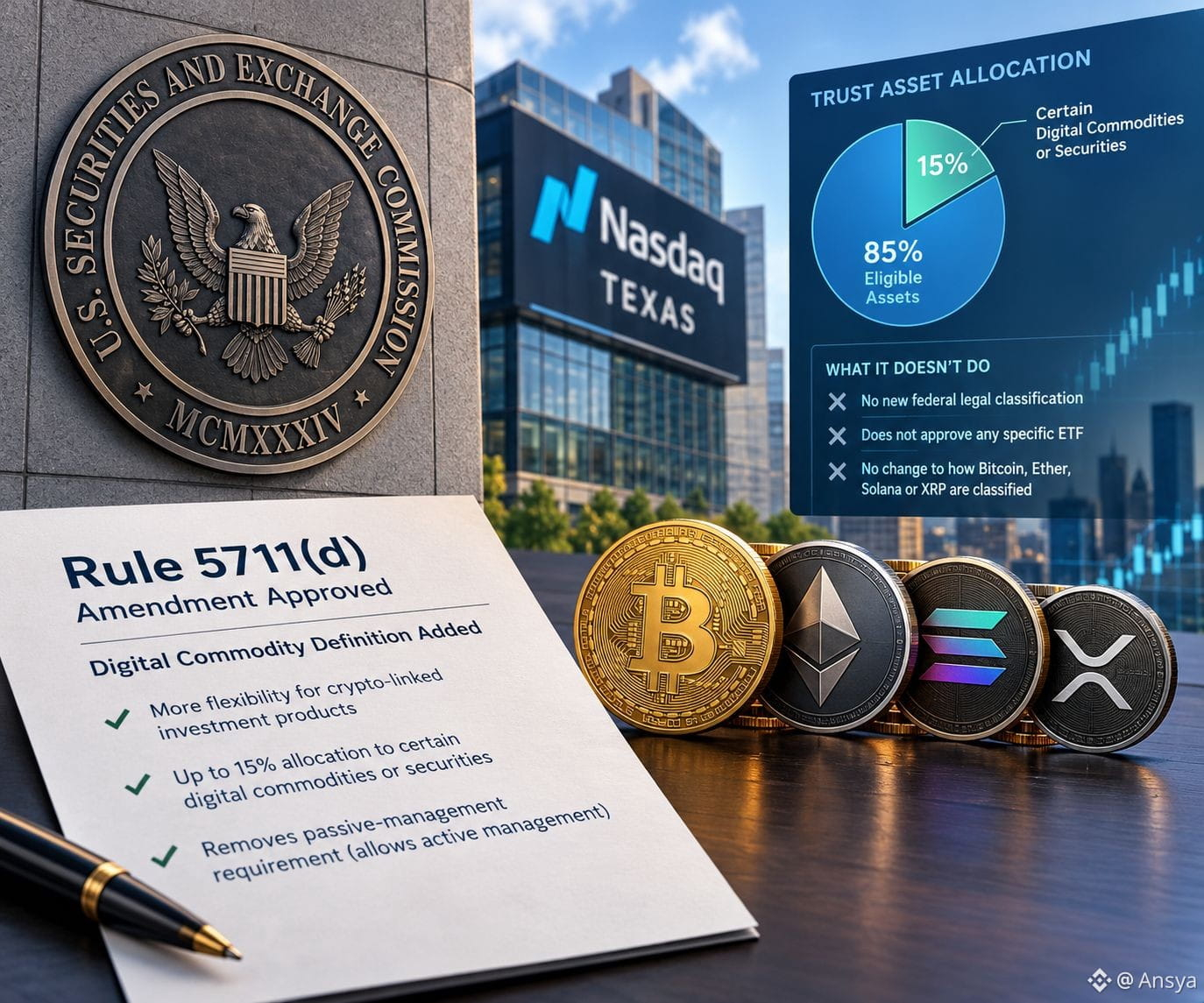
米国証券取引委員会(SEC)は、ナスダック・テキサスによる規則5711(d)の改正を承認し、「デジタル・コモディティ」の定義を、商品ベースの信託持分に関する取引所の上場枠組みに追加しました。
更新された規則の下では、対象となる信託は純資産価額の少なくとも85%を適格な資産で維持する必要があり、その一方で最大15%は、一定のデジタル・コモディティまたは、標準基準を満たさない証券に配分することが認められます。この枠組みは、従来のパッシブ運用(受動的管理)の要件も削除しており、アクティブ運用の商品が認められる可能性があります。
なぜ重要か:この変更により、規制対象となる暗号資産連動の投資商品の幅が広がり、資産運用会社により大きな柔軟性が提供されるかもしれません。ただし、この変更はナスダック・テキサスの上場ルールに適用されるものであり、ビットコイン、イーサ(Ether)、ソラナ(Solana)、またはXRPに対する新たな連邦の法的分類を新設するものではありません。また、特定のETFを直接承認するものでもありません。 cite
次に注目すべきシグナルは、発行体がこの規制上の柔軟性を実際の商品にどのように結び付けるのか、そして投資家の反応がどうなるかです。
$VTHO $ETHFI $RVN
{future}(RVNUSDT)
{future}(ETHFIUSDT)
{future}(VTHOUSDT)
#secapprovesnasdaqtexascommoditytrustrule
新しいSEC規則により、暗号資産の投資商品が進化する余地が広がる可能性があります。
米国証券取引委員会(SEC)は、ナスダック・テキサスによる規則5711(d)の改正を承認し、「デジタル・コモディティ」の定義を、商品ベースの信託持分に関する取引所の上場枠組みに追加しました。
更新された規則の下では、対象となる信託は純資産価額の少なくとも85%を適格な資産で維持する必要があり、その一方で最大15%は、一定のデジタル・コモディティまたは、標準基準を満たさない証券に配分することが認められます。この枠組みは、従来のパッシブ運用(受動的管理)の要件も削除しており、アクティブ運用の商品が認められる可能性があります。
なぜ重要か:この変更により、規制対象となる暗号資産連動の投資商品の幅が広がり、資産運用会社により大きな柔軟性が提供されるかもしれません。ただし、この変更はナスダック・テキサスの上場ルールに適用されるものであり、ビットコイン、イーサ(Ether)、ソラナ(Solana)、またはXRPに対する新たな連邦の法的分類を新設するものではありません。また、特定のETFを直接承認するものでもありません。 cite
次に注目すべきシグナルは、発行体がこの規制上の柔軟性を実際の商品にどのように結び付けるのか、そして投資家の反応がどうなるかです。
$VTHO $ETHFI $RVN
新しいSEC規則により、暗号資産の投資商品が進化する余地が広がる可能性があります。
米国証券取引委員会(SEC)は、ナスダック・テキサスによる規則5711(d)の改正を承認し、「デジタル・コモディティ」の定義を、商品ベースの信託持分に関する取引所の上場枠組みに追加しました。
更新された規則の下では、対象となる信託は純資産価額の少なくとも85%を適格な資産で維持する必要があり、その一方で最大15%は、一定のデジタル・コモディティまたは、標準基準を満たさない証券に配分することが認められます。この枠組みは、従来のパッシブ運用(受動的管理)の要件も削除しており、アクティブ運用の商品が認められる可能性があります。
なぜ重要か:この変更により、規制対象となる暗号資産連動の投資商品の幅が広がり、資産運用会社により大きな柔軟性が提供されるかもしれません。ただし、この変更はナスダック・テキサスの上場ルールに適用されるものであり、ビットコイン、イーサ(Ether)、ソラナ(Solana)、またはXRPに対する新たな連邦の法的分類を新設するものではありません。また、特定のETFを直接承認するものでもありません。 cite
次に注目すべきシグナルは、発行体がこの規制上の柔軟性を実際の商品にどのように結び付けるのか、そして投資家の反応がどうなるかです。
$VTHO $ETHFI $RVN
1
929
·
--
弱気相場
確認済み
#ecbraisesratessecondtimeto2.5%
欧州のインフレ事情がより複雑になるにつれ、ECB(欧州中央銀行)が再び引き締めに動いている。
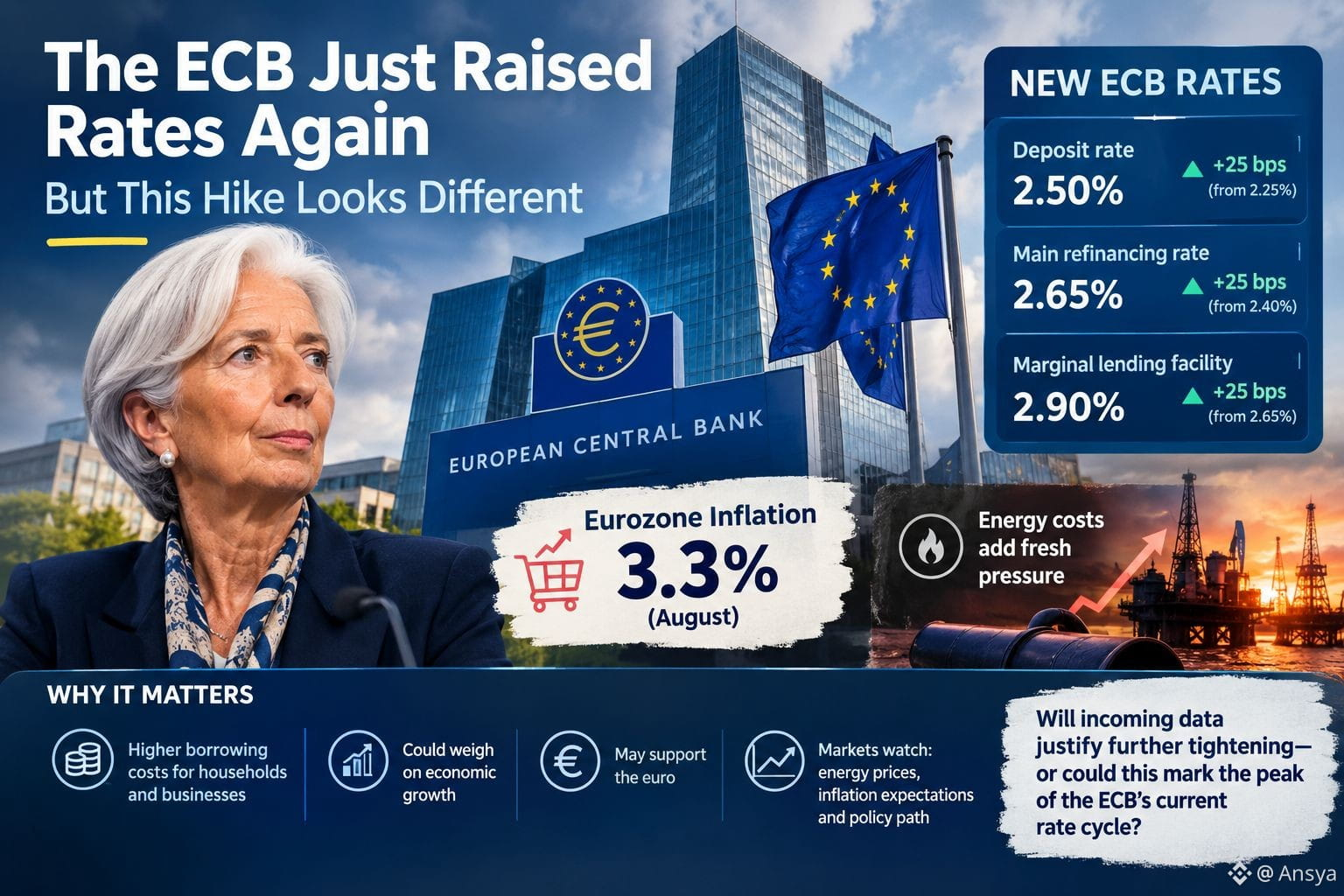
欧州中央銀行は預金ファシリティ金利を25ベーシスポイント引き上げ、2.25%から2.5%へとした。これは今年2回目の利上げとなる。ユーロ圏のインフレ率が8月に3.3%に達し、エネルギーコストが新たな圧力を加えていることを背景にしている。
また、ECBは主要リファイナンス金利を2.65%に引き上げ、限界貸付ファシリティを2.9%に引き上げた。関係者は次の追加措置について明確なコミットメントを避け、不確実性が高いままであることから、会合ごとの判断(ミーティング・バイ・ミーティング)の方針を強調している。
重要なポイント:より高い金利はインフレ抑制の取り組みを下支えする可能性がある一方で、家計や企業の借入コストを押し上げ、景気に影響を及ぼし得る。市場では今後、エネルギー価格、インフレ期待、そして厳格な金融政策がどれほどの期間維持されるのかに焦点が移るだろう。
今後のデータはさらなる引き締めを正当化するのか、それとも今回がECBの現在の利上げサイクルのピークを示すのか?
$VTHO $RVN $SOPH
{future}(SOPHUSDT)
{future}(RVNUSDT)
{future}(VTHOUSDT)
#ecbraisesratessecondtimeto2.5%
欧州のインフレ事情がより複雑になるにつれ、ECB(欧州中央銀行)が再び引き締めに動いている。
欧州中央銀行は預金ファシリティ金利を25ベーシスポイント引き上げ、2.25%から2.5%へとした。これは今年2回目の利上げとなる。ユーロ圏のインフレ率が8月に3.3%に達し、エネルギーコストが新たな圧力を加えていることを背景にしている。
また、ECBは主要リファイナンス金利を2.65%に引き上げ、限界貸付ファシリティを2.9%に引き上げた。関係者は次の追加措置について明確なコミットメントを避け、不確実性が高いままであることから、会合ごとの判断(ミーティング・バイ・ミーティング)の方針を強調している。
重要なポイント:より高い金利はインフレ抑制の取り組みを下支えする可能性がある一方で、家計や企業の借入コストを押し上げ、景気に影響を及ぼし得る。市場では今後、エネルギー価格、インフレ期待、そして厳格な金融政策がどれほどの期間維持されるのかに焦点が移るだろう。
今後のデータはさらなる引き締めを正当化するのか、それとも今回がECBの現在の利上げサイクルのピークを示すのか?
$VTHO $RVN $SOPH
欧州のインフレ事情がより複雑になるにつれ、ECB(欧州中央銀行)が再び引き締めに動いている。
欧州中央銀行は預金ファシリティ金利を25ベーシスポイント引き上げ、2.25%から2.5%へとした。これは今年2回目の利上げとなる。ユーロ圏のインフレ率が8月に3.3%に達し、エネルギーコストが新たな圧力を加えていることを背景にしている。
また、ECBは主要リファイナンス金利を2.65%に引き上げ、限界貸付ファシリティを2.9%に引き上げた。関係者は次の追加措置について明確なコミットメントを避け、不確実性が高いままであることから、会合ごとの判断(ミーティング・バイ・ミーティング)の方針を強調している。
重要なポイント:より高い金利はインフレ抑制の取り組みを下支えする可能性がある一方で、家計や企業の借入コストを押し上げ、景気に影響を及ぼし得る。市場では今後、エネルギー価格、インフレ期待、そして厳格な金融政策がどれほどの期間維持されるのかに焦点が移るだろう。
今後のデータはさらなる引き締めを正当化するのか、それとも今回がECBの現在の利上げサイクルのピークを示すのか?
$VTHO $RVN $SOPH
1
1
990
·
--
弱気相場
確認済み
#uscontinuingjoblessclaims1.774m
米国の継続失業給付申請件数が177.4万人に到達 📊
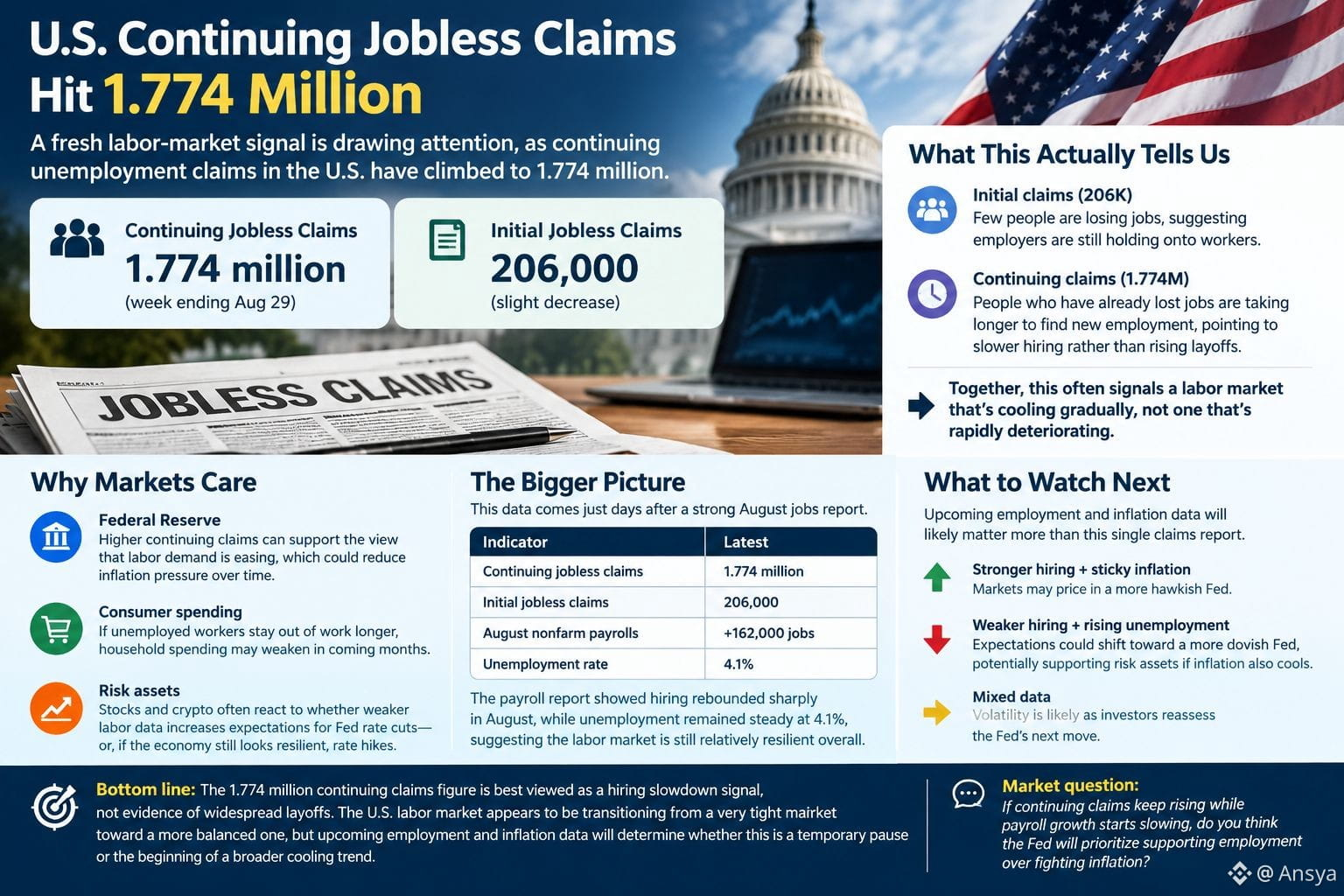
新たな労働市場のシグナルが注目を集めている。米国での継続的な失業給付の申請件数が177.4万人にまで増加した。
この数字は、景気全体の労働市場は引き続き注意深く見守られている一方で、雇用に戻るまでに時間がかかっている労働者がいる可能性を示唆している。市場にとっては、経済成長、個人消費、そして米連邦準備制度(FRB)の政策方針に関する見通しに影響し得る。
焦点となるのは、これが一時的な変化なのか、それともより持続的な冷え込みの始まりなのかという点だ。今後予定されている雇用関連データは、市場のセンチメントにどのように影響するだろうか?
$IOST $MARSCOIN $RVN
{future}(RVNUSDT)
{future}(MARSCOINUSDT)
{future}(IOSTUSDT)
#uscontinuingjoblessclaims1.774m
米国の継続失業給付申請件数が177.4万人に到達 📊
新たな労働市場のシグナルが注目を集めている。米国での継続的な失業給付の申請件数が177.4万人にまで増加した。
この数字は、景気全体の労働市場は引き続き注意深く見守られている一方で、雇用に戻るまでに時間がかかっている労働者がいる可能性を示唆している。市場にとっては、経済成長、個人消費、そして米連邦準備制度(FRB)の政策方針に関する見通しに影響し得る。
焦点となるのは、これが一時的な変化なのか、それともより持続的な冷え込みの始まりなのかという点だ。今後予定されている雇用関連データは、市場のセンチメントにどのように影響するだろうか?
$IOST $MARSCOIN $RVN
米国の継続失業給付申請件数が177.4万人に到達 📊
新たな労働市場のシグナルが注目を集めている。米国での継続的な失業給付の申請件数が177.4万人にまで増加した。
この数字は、景気全体の労働市場は引き続き注意深く見守られている一方で、雇用に戻るまでに時間がかかっている労働者がいる可能性を示唆している。市場にとっては、経済成長、個人消費、そして米連邦準備制度(FRB)の政策方針に関する見通しに影響し得る。
焦点となるのは、これが一時的な変化なのか、それともより持続的な冷え込みの始まりなのかという点だ。今後予定されている雇用関連データは、市場のセンチメントにどのように影響するだろうか?
$IOST $MARSCOIN $RVN
2
1.6k
·
--
ブリッシュ
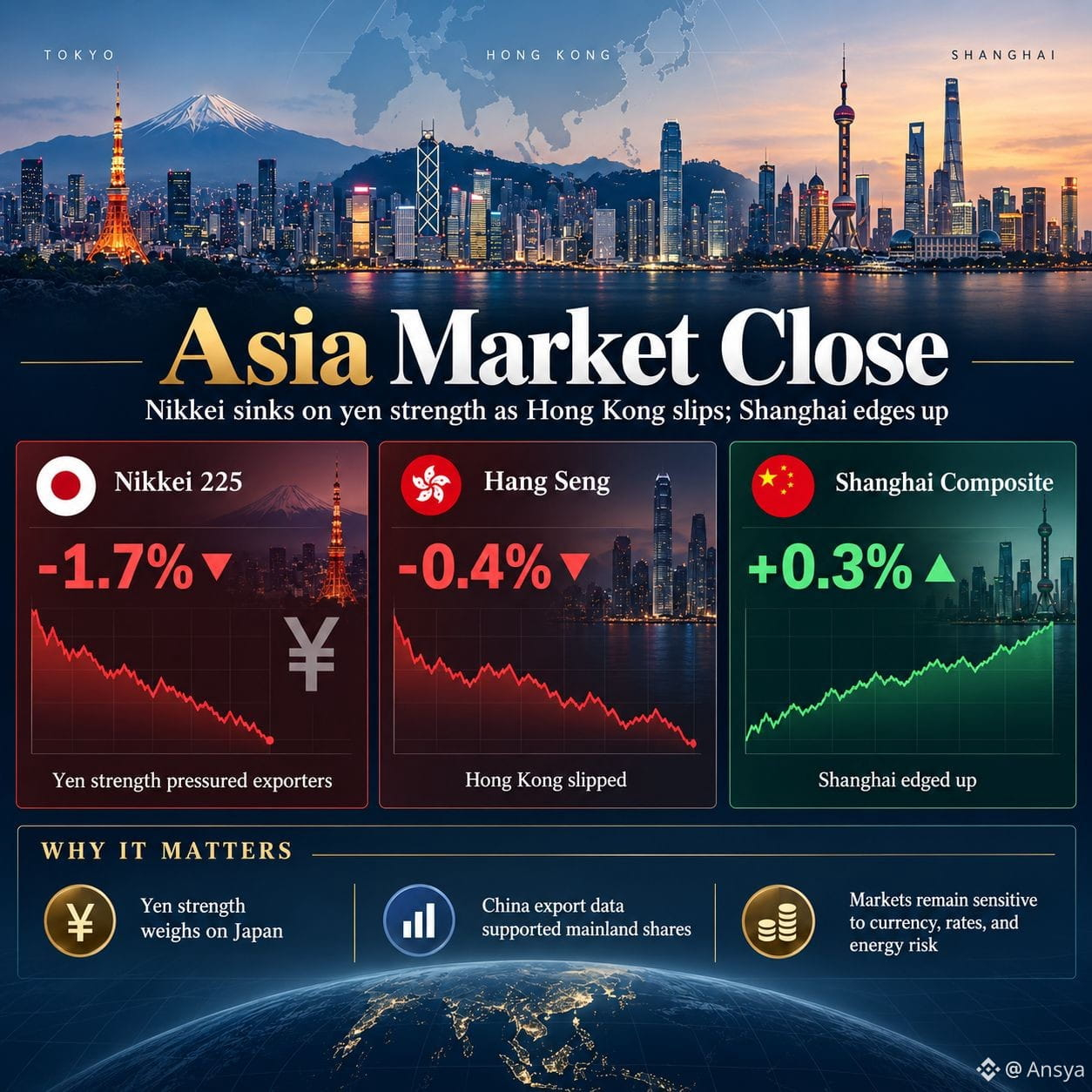
📉 アジアはまちまちで終えたが、日本が最大の下げとなった。
円がドルに対して急伸し、輸出比率の高い企業に追い風ではなく圧力がかかったことで、日本のニッケイ225は約1.7%下落した。
🇯🇵 円高ラリーは、日本銀行が再び政策を引き締める可能性が高まるとの期待の高まりに支えられており、為替の動きが日本株にとってますます重要な要因になっている。
アジア各地では:
• 香港のハンセン指数は約0.4%下落
• 中国の上海総合は小幅に上昇
• 堅調な中国の輸出データが、内陸部のセンチメントに一定の支えを提供
• 原油価格の上昇と中東の緊張が、不確実性のもう一つの層を追加し続けた
📊 重要な理由:
アジアは現在、通貨、中央銀行の思惑、エネルギー価格、地政学リスクといった複数のマクロ要因に同時に反応している。
暗号資産を含むグローバルなリスク資産にとって重要なのは、強い通貨や引き締め期待が、流動性や投資家心理により広範な圧力を生み始めるのかどうかだ。
今日の分岐は単なる地域的な動きなのか、それともより慎重な世界市場のトーンの早い兆しなのか? 👀
#AsiaMarkets #Nikkei #china #Japan #crypto
$SOPH $BNC $FORM
{future}(FORMUSDT)
{future}(BNCUSDT)
{future}(SOPHUSDT)
📉 アジアはまちまちで終えたが、日本が最大の下げとなった。
円がドルに対して急伸し、輸出比率の高い企業に追い風ではなく圧力がかかったことで、日本のニッケイ225は約1.7%下落した。
🇯🇵 円高ラリーは、日本銀行が再び政策を引き締める可能性が高まるとの期待の高まりに支えられており、為替の動きが日本株にとってますます重要な要因になっている。
アジア各地では:
• 香港のハンセン指数は約0.4%下落
• 中国の上海総合は小幅に上昇
• 堅調な中国の輸出データが、内陸部のセンチメントに一定の支えを提供
• 原油価格の上昇と中東の緊張が、不確実性のもう一つの層を追加し続けた
📊 重要な理由:
アジアは現在、通貨、中央銀行の思惑、エネルギー価格、地政学リスクといった複数のマクロ要因に同時に反応している。
暗号資産を含むグローバルなリスク資産にとって重要なのは、強い通貨や引き締め期待が、流動性や投資家心理により広範な圧力を生み始めるのかどうかだ。
今日の分岐は単なる地域的な動きなのか、それともより慎重な世界市場のトーンの早い兆しなのか? 👀
#AsiaMarkets #Nikkei #china #Japan #crypto
$SOPH $BNC $FORM
円がドルに対して急伸し、輸出比率の高い企業に追い風ではなく圧力がかかったことで、日本のニッケイ225は約1.7%下落した。
🇯🇵 円高ラリーは、日本銀行が再び政策を引き締める可能性が高まるとの期待の高まりに支えられており、為替の動きが日本株にとってますます重要な要因になっている。
アジア各地では:
• 香港のハンセン指数は約0.4%下落
• 中国の上海総合は小幅に上昇
• 堅調な中国の輸出データが、内陸部のセンチメントに一定の支えを提供
• 原油価格の上昇と中東の緊張が、不確実性のもう一つの層を追加し続けた
📊 重要な理由:
アジアは現在、通貨、中央銀行の思惑、エネルギー価格、地政学リスクといった複数のマクロ要因に同時に反応している。
暗号資産を含むグローバルなリスク資産にとって重要なのは、強い通貨や引き締め期待が、流動性や投資家心理により広範な圧力を生み始めるのかどうかだ。
今日の分岐は単なる地域的な動きなのか、それともより慎重な世界市場のトーンの早い兆しなのか? 👀
#AsiaMarkets #Nikkei #china #Japan #crypto
$SOPH $BNC $FORM
1
386
·
--

記事
ロシア、キエフへの攻撃を72時間停止と命令 — まさに米特使がモスクワに到着したその時に#russiaukraine72-hourceasefire
世界で最も長く続く紛争の一つで短い休止が、今回もまた試されている。今回は、数か月ぶりとなる米国高官級のモスクワ訪問と同時に起きている。
要点はこうだ。ロシアのウラジーミル・プーチン大統領は、土曜深夜から始まる予定の72時間にわたるキエフへの攻撃停止を命じた。これは、ウクライナ戦争を終わらせるため停滞している交渉を再生しようと、米国特使スティーブ・ウィトコフ氏とジャレッド・クシュナー氏がモスクワに到着したのに合わせたものだ。クレムリンのドミトリー・ペスコフ報道官は、この停止は翌日に予定されている特使らのキエフ訪問の準備と関連していると述べ、プーチン氏がモスクワでこの2人の特使と会うことを確認した。一方で、紛争終結に向けた「新たな考えについての話はない」と付け加えた。ウクライナのウォロディミル・ゼレンスキー大統領は、ウクライナ側も交渉過程に関与するロシアの都市への攻撃を相互に停止すると述べ、同様の自制は月曜まで続く見通しだとした。この発表は、ゼレンスキー氏が代表団の訪問を前にロシアがキエフとボリスピリの空港を意図的に攻撃したと非難してから、わずか数時間後に行われた。休止前夜の戦闘は双方で激しかった。ウクライナ空軍によると、ロシアは弾道ミサイルと167機の攻撃ドローンを発射し、防空部隊がそのうち128機を迎撃または妨害した。さらに、キエフ州とミコライウ州への攻撃で10代の若者を含む複数人が負傷したという。ロシア側は、夜間にウクライナのドローン53機を撃墜したと発表し、ウクライナの攻撃によりベルゴロド州で子どもを含む複数人が負傷したと伝えた。これは、ウィトコフ氏とクシュナー氏が1月以来モスクワを訪れたことが確認されている初めてのケースであり、約5年に及ぶ戦争を終わらせるための米国主導の広範な働きかけは、近ごろ勢いを失っていると報じられる一方、米国の関心はイランとの別の紛争に強く向けられていた。
ロシア、キエフへの攻撃を72時間停止と命令 — まさに米特使がモスクワに到着したその時に
#russiaukraine72-hourceasefire
世界で最も長く続く紛争の一つで短い休止が、今回もまた試されている。今回は、数か月ぶりとなる米国高官級のモスクワ訪問と同時に起きている。
要点はこうだ。ロシアのウラジーミル・プーチン大統領は、土曜深夜から始まる予定の72時間にわたるキエフへの攻撃停止を命じた。これは、ウクライナ戦争を終わらせるため停滞している交渉を再生しようと、米国特使スティーブ・ウィトコフ氏とジャレッド・クシュナー氏がモスクワに到着したのに合わせたものだ。クレムリンのドミトリー・ペスコフ報道官は、この停止は翌日に予定されている特使らのキエフ訪問の準備と関連していると述べ、プーチン氏がモスクワでこの2人の特使と会うことを確認した。一方で、紛争終結に向けた「新たな考えについての話はない」と付け加えた。ウクライナのウォロディミル・ゼレンスキー大統領は、ウクライナ側も交渉過程に関与するロシアの都市への攻撃を相互に停止すると述べ、同様の自制は月曜まで続く見通しだとした。この発表は、ゼレンスキー氏が代表団の訪問を前にロシアがキエフとボリスピリの空港を意図的に攻撃したと非難してから、わずか数時間後に行われた。休止前夜の戦闘は双方で激しかった。ウクライナ空軍によると、ロシアは弾道ミサイルと167機の攻撃ドローンを発射し、防空部隊がそのうち128機を迎撃または妨害した。さらに、キエフ州とミコライウ州への攻撃で10代の若者を含む複数人が負傷したという。ロシア側は、夜間にウクライナのドローン53機を撃墜したと発表し、ウクライナの攻撃によりベルゴロド州で子どもを含む複数人が負傷したと伝えた。これは、ウィトコフ氏とクシュナー氏が1月以来モスクワを訪れたことが確認されている初めてのケースであり、約5年に及ぶ戦争を終わらせるための米国主導の広範な働きかけは、近ごろ勢いを失っていると報じられる一方、米国の関心はイランとの別の紛争に強く向けられていた。
世界で最も長く続く紛争の一つで短い休止が、今回もまた試されている。今回は、数か月ぶりとなる米国高官級のモスクワ訪問と同時に起きている。
要点はこうだ。ロシアのウラジーミル・プーチン大統領は、土曜深夜から始まる予定の72時間にわたるキエフへの攻撃停止を命じた。これは、ウクライナ戦争を終わらせるため停滞している交渉を再生しようと、米国特使スティーブ・ウィトコフ氏とジャレッド・クシュナー氏がモスクワに到着したのに合わせたものだ。クレムリンのドミトリー・ペスコフ報道官は、この停止は翌日に予定されている特使らのキエフ訪問の準備と関連していると述べ、プーチン氏がモスクワでこの2人の特使と会うことを確認した。一方で、紛争終結に向けた「新たな考えについての話はない」と付け加えた。ウクライナのウォロディミル・ゼレンスキー大統領は、ウクライナ側も交渉過程に関与するロシアの都市への攻撃を相互に停止すると述べ、同様の自制は月曜まで続く見通しだとした。この発表は、ゼレンスキー氏が代表団の訪問を前にロシアがキエフとボリスピリの空港を意図的に攻撃したと非難してから、わずか数時間後に行われた。休止前夜の戦闘は双方で激しかった。ウクライナ空軍によると、ロシアは弾道ミサイルと167機の攻撃ドローンを発射し、防空部隊がそのうち128機を迎撃または妨害した。さらに、キエフ州とミコライウ州への攻撃で10代の若者を含む複数人が負傷したという。ロシア側は、夜間にウクライナのドローン53機を撃墜したと発表し、ウクライナの攻撃によりベルゴロド州で子どもを含む複数人が負傷したと伝えた。これは、ウィトコフ氏とクシュナー氏が1月以来モスクワを訪れたことが確認されている初めてのケースであり、約5年に及ぶ戦争を終わらせるための米国主導の広範な働きかけは、近ごろ勢いを失っていると報じられる一方、米国の関心はイランとの別の紛争に強く向けられていた。
1
904
·
--
ブリッシュ
#lululemontumbles20%onweakguidance
📉 ルルレモンは投資家に、同社の立て直しに疑問を抱く新たな理由を示した。
$LULUの株価は、このアスレチックアパレル企業が通期の売上高と利益見通しを再び引き下げた後、約20%下落した。
圧力は複数の方向から来ている。第2四半期の売上高は約24.2億ドルに減少し、米州での売上は弱含み、同社は看板商品のレギンス販売が約20%落ち込んだと述べた。
ルルレモンは現在、2026会計年度の売上高が約5%〜7%減少すると予想している。一方で、次期CEOのハイディ・オニールは9月8日の就任に向けて準備を進めている。
では、なぜこれが1銘柄以上の意味を持つのか。
ルルレモンは長年、プレミアム消費者ブランドと見なされてきた。そのため、弱さが続けば、消費行動の変化、競争激化、そして高級小売業者の価格決定力がどれほど残っているのかについて手がかりを与える可能性がある。
市場にとって次の注目点は、これが引き続き同社固有の立て直し問題なのか、それとも裁量的支出全体の広範な減速の一部になるのかという点だ。
新しい経営陣は成長を取り戻せるのか、それとも投資家が再び信頼を取り戻す前に、さらに多くの証拠が必要になるのか? 👀
#LuLu #stocks #markets
$ARB $RAY
{stock_us}(LULU.US)
{spot}(RAYUSDT)
{future}(ARBUSDT)
#lululemontumbles20%onweakguidance
📉 ルルレモンは投資家に、同社の立て直しに疑問を抱く新たな理由を示した。
$LULUの株価は、このアスレチックアパレル企業が通期の売上高と利益見通しを再び引き下げた後、約20%下落した。
圧力は複数の方向から来ている。第2四半期の売上高は約24.2億ドルに減少し、米州での売上は弱含み、同社は看板商品のレギンス販売が約20%落ち込んだと述べた。
ルルレモンは現在、2026会計年度の売上高が約5%〜7%減少すると予想している。一方で、次期CEOのハイディ・オニールは9月8日の就任に向けて準備を進めている。
では、なぜこれが1銘柄以上の意味を持つのか。
ルルレモンは長年、プレミアム消費者ブランドと見なされてきた。そのため、弱さが続けば、消費行動の変化、競争激化、そして高級小売業者の価格決定力がどれほど残っているのかについて手がかりを与える可能性がある。
市場にとって次の注目点は、これが引き続き同社固有の立て直し問題なのか、それとも裁量的支出全体の広範な減速の一部になるのかという点だ。
新しい経営陣は成長を取り戻せるのか、それとも投資家が再び信頼を取り戻す前に、さらに多くの証拠が必要になるのか? 👀
#LuLu #stocks #markets
$ARB $RAY
📉 ルルレモンは投資家に、同社の立て直しに疑問を抱く新たな理由を示した。
$LULUの株価は、このアスレチックアパレル企業が通期の売上高と利益見通しを再び引き下げた後、約20%下落した。
圧力は複数の方向から来ている。第2四半期の売上高は約24.2億ドルに減少し、米州での売上は弱含み、同社は看板商品のレギンス販売が約20%落ち込んだと述べた。
ルルレモンは現在、2026会計年度の売上高が約5%〜7%減少すると予想している。一方で、次期CEOのハイディ・オニールは9月8日の就任に向けて準備を進めている。
では、なぜこれが1銘柄以上の意味を持つのか。
ルルレモンは長年、プレミアム消費者ブランドと見なされてきた。そのため、弱さが続けば、消費行動の変化、競争激化、そして高級小売業者の価格決定力がどれほど残っているのかについて手がかりを与える可能性がある。
市場にとって次の注目点は、これが引き続き同社固有の立て直し問題なのか、それとも裁量的支出全体の広範な減速の一部になるのかという点だ。
新しい経営陣は成長を取り戻せるのか、それとも投資家が再び信頼を取り戻す前に、さらに多くの証拠が必要になるのか? 👀
#LuLu #stocks #markets
$ARB $RAY

231
·
--
ブリッシュ
#zechitsanewalltimehigh
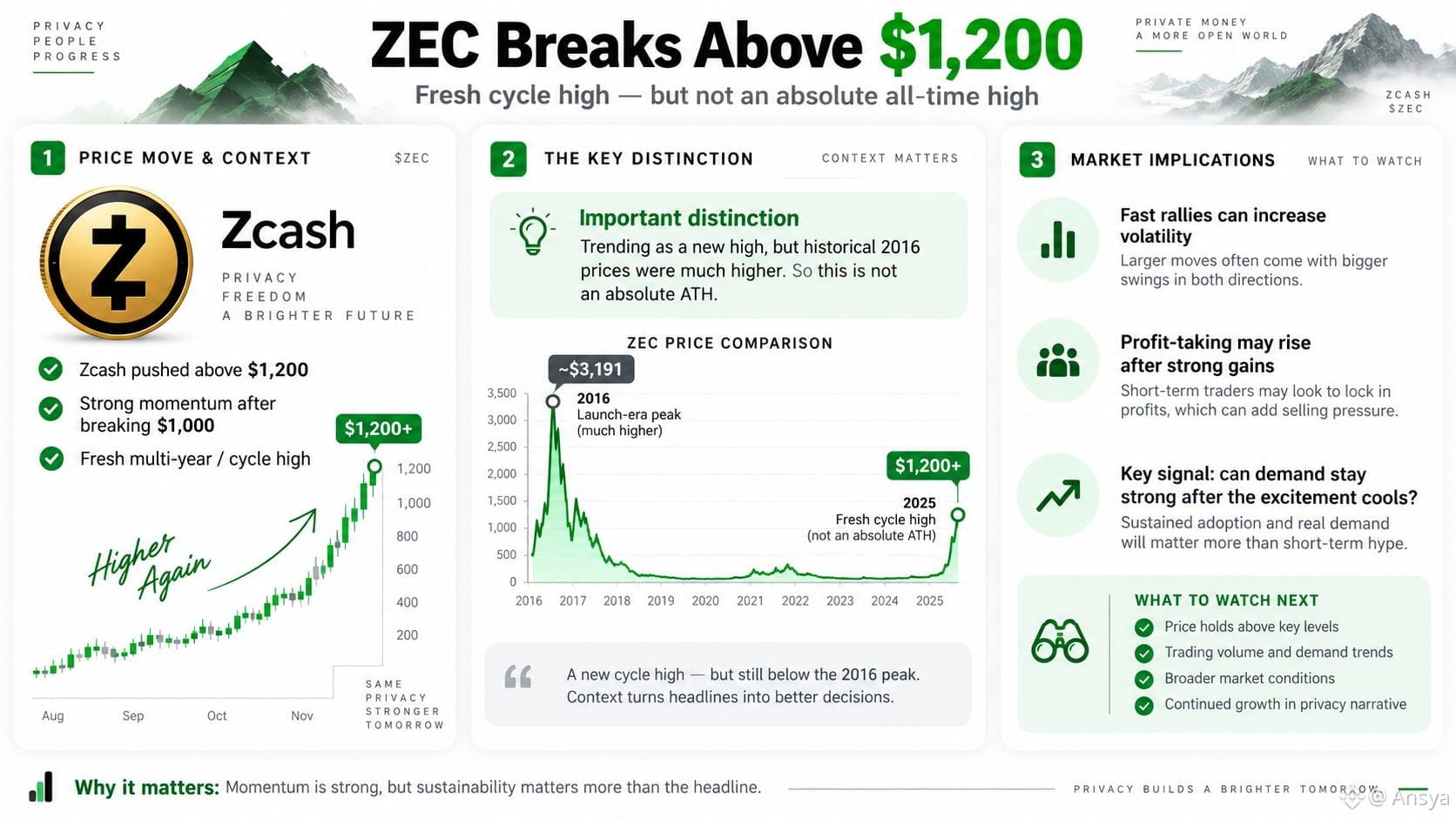
🚀 $ZEC は、何年も見られなかった領域に踏み込んだばかりです。
Zcashは9月6日に強い上昇をさらに延ばし、今週すでに1,000ドルの水準を突破した後、短時間で1,200ドルを超えて取引されました。これによりZECは新しい年(サイクル)の高値を更新し、プライバシー重視のアセットに対する勢いが例外的に強い状態が続いています。
重要な点が1つあります。#ZECHitsANewAllTimeHigh という流れがあるものの、過去のデータセットでは2016年のZECは、ローンチ当時の価格がもっと高かったと記録されています。したがって、これを“絶対的な史上最高値”と呼ぶのは誤解を招きます。
今見極めるべきは、このような急な値動きの後、市場がどう振る舞うかです。
強いモメンタムは新たな注目を集める一方で、レバレッジをかけたトレーダーがポジションを組み替えたり、初期の買い手が利益確定したりすることで、ボラティリティ(変動性)が高まることもあります。
ZECにとってより大きなシグナルは、見出しそのものではなく――これらの新しいサイクル高値をめぐる熱狂が冷めた後でも、需要が強さを維持できるかどうかのほうかもしれません。
これはより長期的なプライバシー・コインの再評価の始まりなのか、それとも市場が過熱しているだけなのか? 👀
#zec #zcash #crypto
$ARB $RAY
{spot}(RAYUSDT)
{spot}(ARBUSDT)
#zechitsanewalltimehigh
🚀 $ZEC は、何年も見られなかった領域に踏み込んだばかりです。
Zcashは9月6日に強い上昇をさらに延ばし、今週すでに1,000ドルの水準を突破した後、短時間で1,200ドルを超えて取引されました。これによりZECは新しい年(サイクル)の高値を更新し、プライバシー重視のアセットに対する勢いが例外的に強い状態が続いています。
重要な点が1つあります。#ZECHitsANewAllTimeHigh という流れがあるものの、過去のデータセットでは2016年のZECは、ローンチ当時の価格がもっと高かったと記録されています。したがって、これを“絶対的な史上最高値”と呼ぶのは誤解を招きます。
今見極めるべきは、このような急な値動きの後、市場がどう振る舞うかです。
強いモメンタムは新たな注目を集める一方で、レバレッジをかけたトレーダーがポジションを組み替えたり、初期の買い手が利益確定したりすることで、ボラティリティ(変動性)が高まることもあります。
ZECにとってより大きなシグナルは、見出しそのものではなく――これらの新しいサイクル高値をめぐる熱狂が冷めた後でも、需要が強さを維持できるかどうかのほうかもしれません。
これはより長期的なプライバシー・コインの再評価の始まりなのか、それとも市場が過熱しているだけなのか? 👀
#zec #zcash #crypto
$ARB $RAY
🚀 $ZEC は、何年も見られなかった領域に踏み込んだばかりです。
Zcashは9月6日に強い上昇をさらに延ばし、今週すでに1,000ドルの水準を突破した後、短時間で1,200ドルを超えて取引されました。これによりZECは新しい年(サイクル)の高値を更新し、プライバシー重視のアセットに対する勢いが例外的に強い状態が続いています。
重要な点が1つあります。#ZECHitsANewAllTimeHigh という流れがあるものの、過去のデータセットでは2016年のZECは、ローンチ当時の価格がもっと高かったと記録されています。したがって、これを“絶対的な史上最高値”と呼ぶのは誤解を招きます。
今見極めるべきは、このような急な値動きの後、市場がどう振る舞うかです。
強いモメンタムは新たな注目を集める一方で、レバレッジをかけたトレーダーがポジションを組み替えたり、初期の買い手が利益確定したりすることで、ボラティリティ(変動性)が高まることもあります。
ZECにとってより大きなシグナルは、見出しそのものではなく――これらの新しいサイクル高値をめぐる熱狂が冷めた後でも、需要が強さを維持できるかどうかのほうかもしれません。
これはより長期的なプライバシー・コインの再評価の始まりなのか、それとも市場が過熱しているだけなのか? 👀
#zec #zcash #crypto
$ARB $RAY
366
·
--
ブリッシュ
🚨 $TUT — リバウンドのセットアップが形成され始めている?
TUTは大きく売られましたが、価格は現在、重要な短期ゾーン付近にあります 👀
📌 現在価格: ~$0.02320
📉 24時間変化: -7.2%
🔻 24H 安値: $0.02305
🔺 24H 高値: $0.02600
📊 24H 出来高: ~$21.3M
🔥 TUTが反発する可能性がある理由:
• 急落後、価格は$0.0230付近を試しています
• このゾーンを維持できれば、短期の押し目買いを引きつける可能性があります
• $0.0241–$0.0245を回復できれば、改善の初期サインとなります
• 再び$0.0252–$0.0260を上抜ければ、回復のセットアップがさらに強まる可能性があります
• TUTは7日間で約48%下落しており、ボラティリティは依然として非常に高いです
🎯 主要レベル
🟢 サポート: $0.0230–$0.0224
🟡 最初のレジスタンス: $0.0241–$0.0245
🔴 主要レジスタンス: $0.0252–$0.0260
⚠️ 重要: より広い短期構造は依然として弱いままです。反発の可能性はありますが、勢いが強いと判断できる前に、出来高を伴った明確な回復確認が必要です。
TUTは決断ゾーンにあります — 反発か、さらなる下落か? 👀
#TUT1Dollar #TUTUSDT #Crypto #Binance #altcoins #cryptotrading
{future}(TUTUSDT)
🚨 $TUT — リバウンドのセットアップが形成され始めている?
TUTは大きく売られましたが、価格は現在、重要な短期ゾーン付近にあります 👀
📌 現在価格: ~$0.02320
📉 24時間変化: -7.2%
🔻 24H 安値: $0.02305
🔺 24H 高値: $0.02600
📊 24H 出来高: ~$21.3M
🔥 TUTが反発する可能性がある理由:
• 急落後、価格は$0.0230付近を試しています
• このゾーンを維持できれば、短期の押し目買いを引きつける可能性があります
• $0.0241–$0.0245を回復できれば、改善の初期サインとなります
• 再び$0.0252–$0.0260を上抜ければ、回復のセットアップがさらに強まる可能性があります
• TUTは7日間で約48%下落しており、ボラティリティは依然として非常に高いです
🎯 主要レベル
🟢 サポート: $0.0230–$0.0224
🟡 最初のレジスタンス: $0.0241–$0.0245
🔴 主要レジスタンス: $0.0252–$0.0260
⚠️ 重要: より広い短期構造は依然として弱いままです。反発の可能性はありますが、勢いが強いと判断できる前に、出来高を伴った明確な回復確認が必要です。
TUTは決断ゾーンにあります — 反発か、さらなる下落か? 👀
#TUT1Dollar #TUTUSDT #Crypto #Binance #altcoins #cryptotrading
TUTは大きく売られましたが、価格は現在、重要な短期ゾーン付近にあります 👀
📌 現在価格: ~$0.02320
📉 24時間変化: -7.2%
🔻 24H 安値: $0.02305
🔺 24H 高値: $0.02600
📊 24H 出来高: ~$21.3M
🔥 TUTが反発する可能性がある理由:
• 急落後、価格は$0.0230付近を試しています
• このゾーンを維持できれば、短期の押し目買いを引きつける可能性があります
• $0.0241–$0.0245を回復できれば、改善の初期サインとなります
• 再び$0.0252–$0.0260を上抜ければ、回復のセットアップがさらに強まる可能性があります
• TUTは7日間で約48%下落しており、ボラティリティは依然として非常に高いです
🎯 主要レベル
🟢 サポート: $0.0230–$0.0224
🟡 最初のレジスタンス: $0.0241–$0.0245
🔴 主要レジスタンス: $0.0252–$0.0260
⚠️ 重要: より広い短期構造は依然として弱いままです。反発の可能性はありますが、勢いが強いと判断できる前に、出来高を伴った明確な回復確認が必要です。
TUTは決断ゾーンにあります — 反発か、さらなる下落か? 👀
#TUT1Dollar #TUTUSDT #Crypto #Binance #altcoins #cryptotrading
1
194
·
--
ブリッシュ
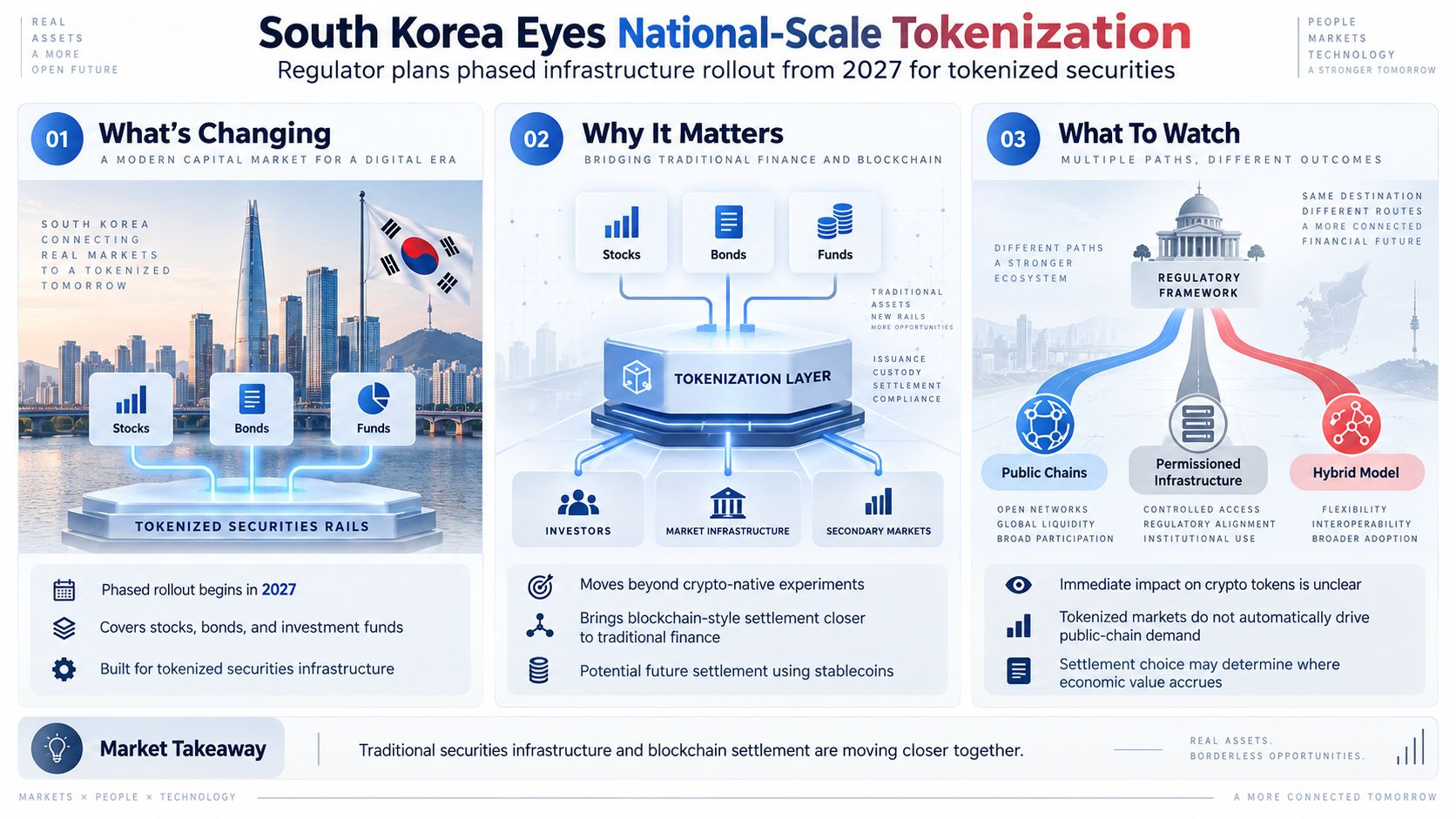
🇰🇷 韓国は、別の暗号規制アップデート以上の“はるかに大きな何か”に向けて準備を進めている。
同国の最高位の金融監督当局は、2027年から段階的に導入を開始し、株式、債券、投資ファンドを含むあらゆる種類の証券をトークン化できるインフラを構築する計画だと述べた。
より長期的な計画には、ステーブルコインを用いてトークン化された証券を決済する可能性も含まれている。
これは重要だ。トークン化は、実験的な資産を超えて、全国規模で従来の証券に触れ始めると、はるかに大きな意味を持つようになるからだ。
個々の暗号トークンに対する当面の影響は不明だ。政府主導のトークン化市場が、直ちにパブリック・ブロックチェーン資産への需要を生むわけではない。
しかし、より広い方向性は無視しがたい。従来の証券インフラと、ブロックチェーンのような決済の仕組みが、より近づいてきている。
重要な問いは、これらの資産が実際にどこで決済されるかだ――パブリック・チェーンか、許可制インフラか、それとも両方の混在か。
その選択によって、暗号のどの領域が経済活動を取り込むことになるのかが左右される可能性がある。
#USWeeklyInitialJoblessClaimsRiseTo206000 #BitcoinETFsBiggestDailyInflowSinceJanuary #LululemonTumbles20%OnWeakGuidance
$MARSCOIN $NOM $DASH
{spot}(DASHUSDT)
{spot}(NOMUSDT)
{spot}(MARSCOINUSDT)
🇰🇷 韓国は、別の暗号規制アップデート以上の“はるかに大きな何か”に向けて準備を進めている。
同国の最高位の金融監督当局は、2027年から段階的に導入を開始し、株式、債券、投資ファンドを含むあらゆる種類の証券をトークン化できるインフラを構築する計画だと述べた。
より長期的な計画には、ステーブルコインを用いてトークン化された証券を決済する可能性も含まれている。
これは重要だ。トークン化は、実験的な資産を超えて、全国規模で従来の証券に触れ始めると、はるかに大きな意味を持つようになるからだ。
個々の暗号トークンに対する当面の影響は不明だ。政府主導のトークン化市場が、直ちにパブリック・ブロックチェーン資産への需要を生むわけではない。
しかし、より広い方向性は無視しがたい。従来の証券インフラと、ブロックチェーンのような決済の仕組みが、より近づいてきている。
重要な問いは、これらの資産が実際にどこで決済されるかだ――パブリック・チェーンか、許可制インフラか、それとも両方の混在か。
その選択によって、暗号のどの領域が経済活動を取り込むことになるのかが左右される可能性がある。
#USWeeklyInitialJoblessClaimsRiseTo206000 #BitcoinETFsBiggestDailyInflowSinceJanuary #LululemonTumbles20%OnWeakGuidance
$MARSCOIN $NOM $DASH
同国の最高位の金融監督当局は、2027年から段階的に導入を開始し、株式、債券、投資ファンドを含むあらゆる種類の証券をトークン化できるインフラを構築する計画だと述べた。
より長期的な計画には、ステーブルコインを用いてトークン化された証券を決済する可能性も含まれている。
これは重要だ。トークン化は、実験的な資産を超えて、全国規模で従来の証券に触れ始めると、はるかに大きな意味を持つようになるからだ。
個々の暗号トークンに対する当面の影響は不明だ。政府主導のトークン化市場が、直ちにパブリック・ブロックチェーン資産への需要を生むわけではない。
しかし、より広い方向性は無視しがたい。従来の証券インフラと、ブロックチェーンのような決済の仕組みが、より近づいてきている。
重要な問いは、これらの資産が実際にどこで決済されるかだ――パブリック・チェーンか、許可制インフラか、それとも両方の混在か。
その選択によって、暗号のどの領域が経済活動を取り込むことになるのかが左右される可能性がある。
#USWeeklyInitialJoblessClaimsRiseTo206000 #BitcoinETFsBiggestDailyInflowSinceJanuary #LululemonTumbles20%OnWeakGuidance
$MARSCOIN $NOM $DASH
300
·
--
ブリッシュ
📄 次の暗号資産ETFのレースは、次にどのトークンが来るかだけでなく「スピード」についてかもしれない。
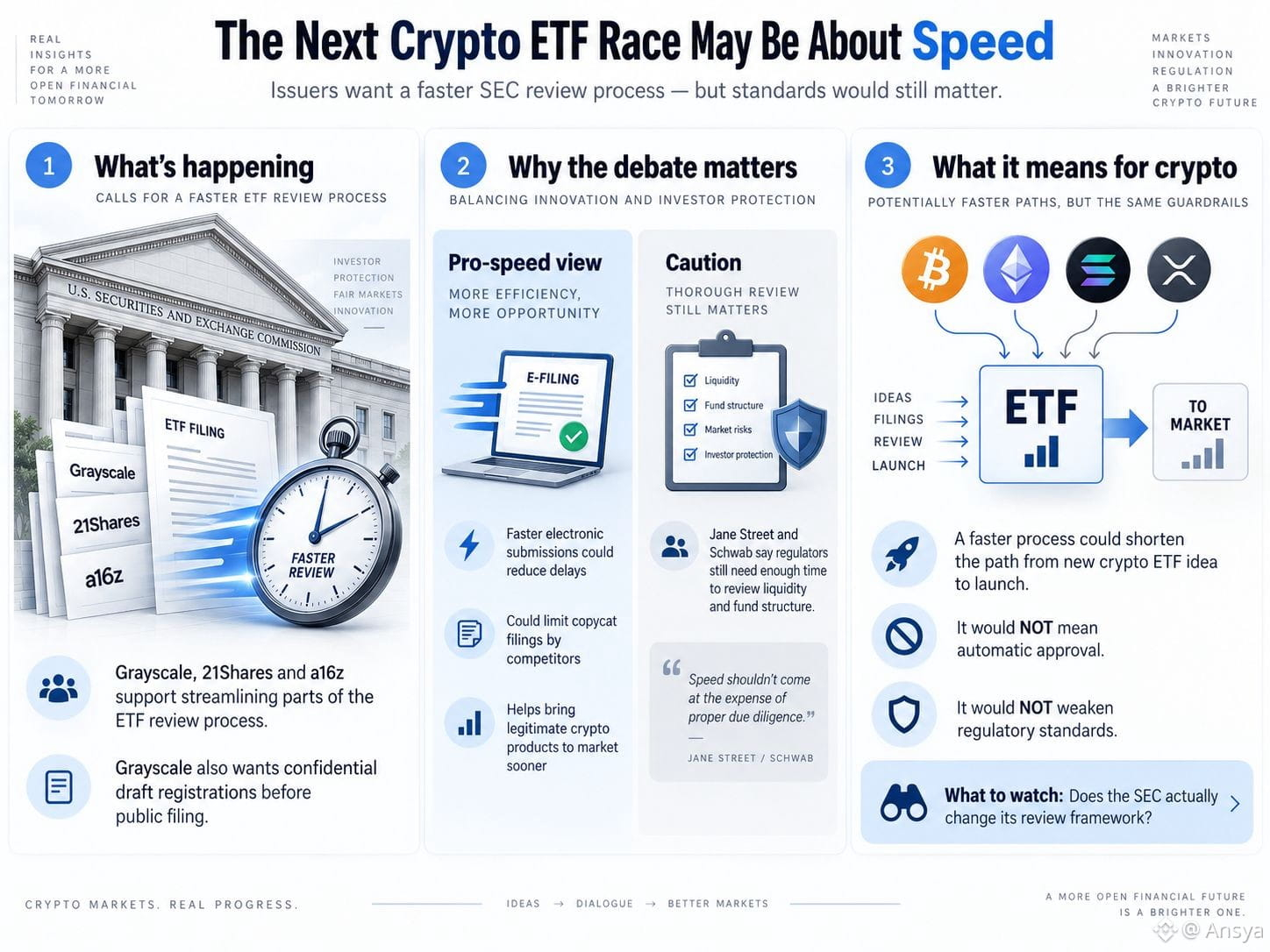
グレースケール、21Shares、a16zなどの企業が、SECに対し、新しい上場投資信託(ETF)に関する審査プロセスの一部を合理化するよう求めている。グレースケールはまた、発行体が公開する前に、届出登録(ドラフト)を機密のまま提出できるようにすることも望んでいる。
その根拠は、公的な届出書類はすぐに競合にコピーされてしまい、現代的な電子提出なら規制当局がより迅速に対応できるはずだというものだ。
しかし、誰もが賛成しているわけではない。
ジェーン・ストリートやチャールズ・シュワブは、製品を急いで市場に出すことで、流動性やファンドの構成を適切に精査するための時間が減ってしまうのではないかと懸念を示している。
暗号資産では、より速いプロセスによって、新しいETFのアイデアから市場でのローンチまでの道のりが、発行体がより多くのデジタル・アセットで競い合うようになれば、最終的に短くなる可能性がある。
ただし、それが自動承認や規制基準の緩和を意味するわけではない。
次に注目すべきは、SECが実際に審査の枠組みを変えるのかどうかだ。
#ZECHitsANewAllTimeHigh #LululemonTumbles20%OnWeakGuidance #BitcoinETFsBiggestDailyInflowSinceJanuary
$XRP $SOL $ETH
{future}(ETHUSDT)
{future}(SOLUSDT)
{future}(XRPUSDT)
📄 次の暗号資産ETFのレースは、次にどのトークンが来るかだけでなく「スピード」についてかもしれない。
グレースケール、21Shares、a16zなどの企業が、SECに対し、新しい上場投資信託(ETF)に関する審査プロセスの一部を合理化するよう求めている。グレースケールはまた、発行体が公開する前に、届出登録(ドラフト)を機密のまま提出できるようにすることも望んでいる。
その根拠は、公的な届出書類はすぐに競合にコピーされてしまい、現代的な電子提出なら規制当局がより迅速に対応できるはずだというものだ。
しかし、誰もが賛成しているわけではない。
ジェーン・ストリートやチャールズ・シュワブは、製品を急いで市場に出すことで、流動性やファンドの構成を適切に精査するための時間が減ってしまうのではないかと懸念を示している。
暗号資産では、より速いプロセスによって、新しいETFのアイデアから市場でのローンチまでの道のりが、発行体がより多くのデジタル・アセットで競い合うようになれば、最終的に短くなる可能性がある。
ただし、それが自動承認や規制基準の緩和を意味するわけではない。
次に注目すべきは、SECが実際に審査の枠組みを変えるのかどうかだ。
#ZECHitsANewAllTimeHigh #LululemonTumbles20%OnWeakGuidance #BitcoinETFsBiggestDailyInflowSinceJanuary
$XRP $SOL $ETH
グレースケール、21Shares、a16zなどの企業が、SECに対し、新しい上場投資信託(ETF)に関する審査プロセスの一部を合理化するよう求めている。グレースケールはまた、発行体が公開する前に、届出登録(ドラフト)を機密のまま提出できるようにすることも望んでいる。
その根拠は、公的な届出書類はすぐに競合にコピーされてしまい、現代的な電子提出なら規制当局がより迅速に対応できるはずだというものだ。
しかし、誰もが賛成しているわけではない。
ジェーン・ストリートやチャールズ・シュワブは、製品を急いで市場に出すことで、流動性やファンドの構成を適切に精査するための時間が減ってしまうのではないかと懸念を示している。
暗号資産では、より速いプロセスによって、新しいETFのアイデアから市場でのローンチまでの道のりが、発行体がより多くのデジタル・アセットで競い合うようになれば、最終的に短くなる可能性がある。
ただし、それが自動承認や規制基準の緩和を意味するわけではない。
次に注目すべきは、SECが実際に審査の枠組みを変えるのかどうかだ。
#ZECHitsANewAllTimeHigh #LululemonTumbles20%OnWeakGuidance #BitcoinETFsBiggestDailyInflowSinceJanuary
$XRP $SOL $ETH
68
ログインして、さらにコンテンツを読む
厳選トピックで世界の暗号資産トレーダーの仲間入り
⚡️ 暗号資産に関する最新かつ有益な情報が見つかります。
💬 世界最大の暗号資産取引所から信頼されています。
👍 認証を受けたクリエイターから、有益なインサイトを得られます。
メール / 電話番号
トレンドトピック
BitcoinReboundsTo$79K
閲覧回数 25,956
238人が討論中
🚨 $BTC はさらに上昇しようとしています。
ビットコインは約 $78,804 で取引されており、先ほど $78K の水準を回復したことでおよそ 1.9% 上昇しています。次に注目すべきは、日中の高値である約 $78,905 です。
その水準を明確に上抜けると、$79K〜$80K へ向かう道が開ける可能性があります。もしBTCが跳ね返される場合、サポートは $78,300 あたりにあり、その次は $77,975 です。
強気筋には勢いがありますが、BTC は $78K を上回って維持する必要があります。
#Bitcoin #BTC #CryptoTrading #CryptoMarket #CryptoAnalysis
PulseON
·いいね:20件
·閲覧回数 19.9k
USDCOnChainVolumeTops$100Trillion
閲覧回数 23
8人が討論中
BitcoinSpotETFsNetInflow$160M
閲覧回数 955
58人が討論中