
Axel Nyx
641 投稿

Axel Nyx
報告
ユーザーをブロック
Crypto market insights 📊 Support • Resistance • Targets 🎯Bitcoin | Altcoins | Trading setups
取引を発注
高頻度トレーダー
9.4か月
129 フォロー
2.8K+ フォロワー
568 いいね
投稿
ポートフォリオ
すべて
引用
ライブ
·
--
ブリッシュ
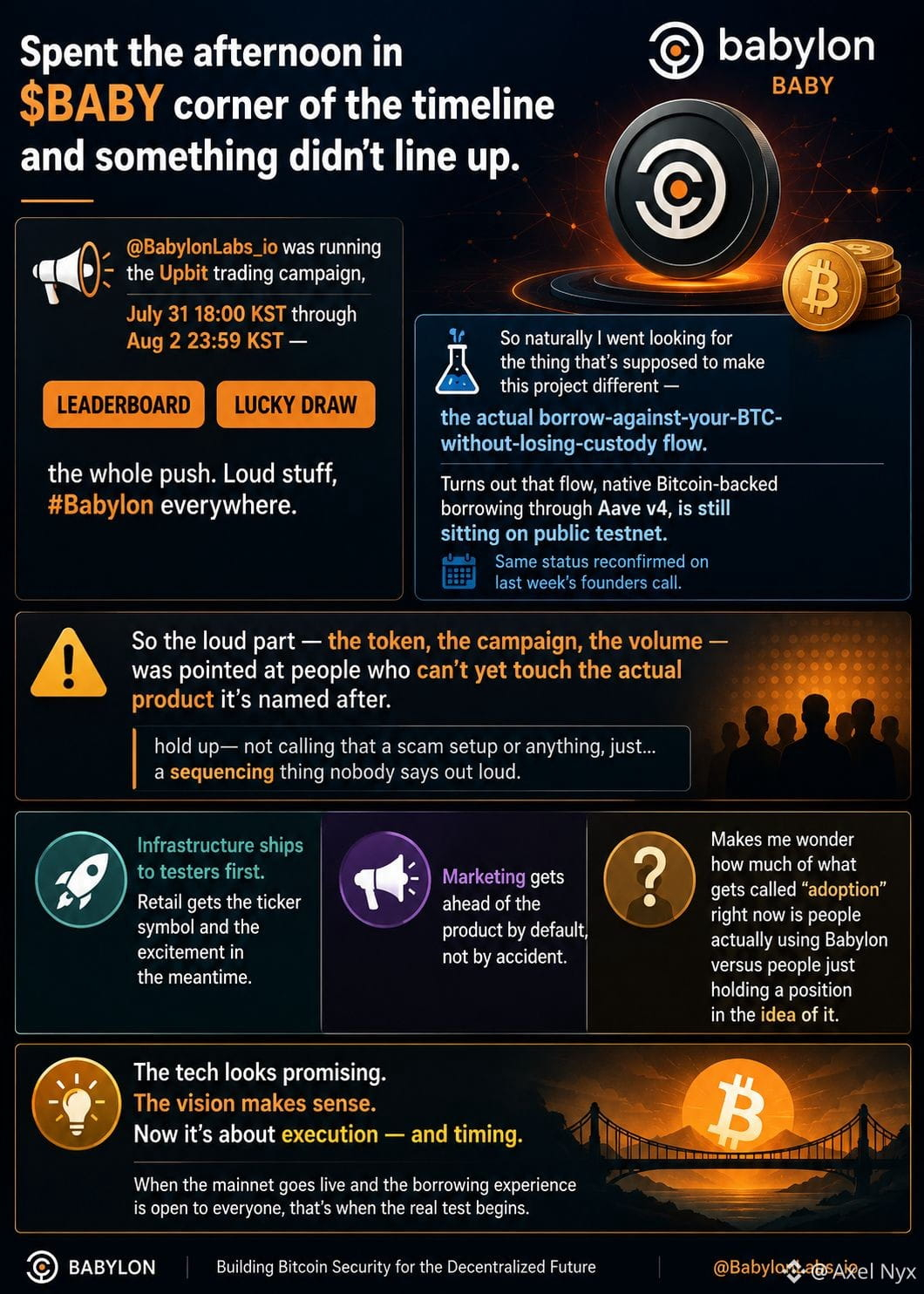
今日の$BABY についてさらに深く調べていたところ、ひとつ気になった点がありました。
@BabylonLabs_io が取引所のキャンペーン、トレーディング・コンペ、コミュニティ・イベントを推進している一方で、プロジェクト最大の約束が実際にどれほど近いのかを確かめたくなりました――つまり、BTCのカストディを手放さずにネイティブのビットコイン担保借入を行えることです。
最新のアップデートや創業者の議論を掘り下げた結果、答えはかなり明確でした。借入システムはまだパブリック・テストネットの段階です。
それは悪いことではありません。真剣なプロトコルは、誰にでも扉を開く前にテストの時間を必要とします。
私の目を引いたのはタイミングでした。
トークンはすでに注目を集めており、取引量は増加し、さらに多くの人がBabylonを見つけています。一方で、コア製品は裏側でまだ磨き込まれている最中です。
市場が、製品が完全に準備できる前に動くことがあるという注意喚起です。人々は今日存在するものを買うとは限りません。多くの場合、明日存在するだろうと信じるものを買うのです。
それによって、プロジェクトが過大評価されているとも、過小評価されているとも自動的には言えません。ただ、市場が将来の期待を織り込んでいるだけ、ということです。
では、主要な借入体験がいよいよローンチされたときに何が起こるのか、見てみたいと思っています。その時には、技術目当てで来たユーザーがどれくらいいるのか、そしてトークン目当ての人がどれくらいいるのかが、よりはっきり分かります。
時には最大の物語は価格チャートではありません。今日すでに使えるプロダクトと、誰もがすでに取引しているビジョンのギャップこそが重要なのです。
@babylonlabs_io $BABY #baby
{future}(BABYUSDT)
今日の$BABY についてさらに深く調べていたところ、ひとつ気になった点がありました。
@BabylonLabs_io が取引所のキャンペーン、トレーディング・コンペ、コミュニティ・イベントを推進している一方で、プロジェクト最大の約束が実際にどれほど近いのかを確かめたくなりました――つまり、BTCのカストディを手放さずにネイティブのビットコイン担保借入を行えることです。
最新のアップデートや創業者の議論を掘り下げた結果、答えはかなり明確でした。借入システムはまだパブリック・テストネットの段階です。
それは悪いことではありません。真剣なプロトコルは、誰にでも扉を開く前にテストの時間を必要とします。
私の目を引いたのはタイミングでした。
トークンはすでに注目を集めており、取引量は増加し、さらに多くの人がBabylonを見つけています。一方で、コア製品は裏側でまだ磨き込まれている最中です。
市場が、製品が完全に準備できる前に動くことがあるという注意喚起です。人々は今日存在するものを買うとは限りません。多くの場合、明日存在するだろうと信じるものを買うのです。
それによって、プロジェクトが過大評価されているとも、過小評価されているとも自動的には言えません。ただ、市場が将来の期待を織り込んでいるだけ、ということです。
では、主要な借入体験がいよいよローンチされたときに何が起こるのか、見てみたいと思っています。その時には、技術目当てで来たユーザーがどれくらいいるのか、そしてトークン目当ての人がどれくらいいるのかが、よりはっきり分かります。
時には最大の物語は価格チャートではありません。今日すでに使えるプロダクトと、誰もがすでに取引しているビジョンのギャップこそが重要なのです。
@BabylonLabs_io $BABY #baby
@BabylonLabs_io が取引所のキャンペーン、トレーディング・コンペ、コミュニティ・イベントを推進している一方で、プロジェクト最大の約束が実際にどれほど近いのかを確かめたくなりました――つまり、BTCのカストディを手放さずにネイティブのビットコイン担保借入を行えることです。
最新のアップデートや創業者の議論を掘り下げた結果、答えはかなり明確でした。借入システムはまだパブリック・テストネットの段階です。
それは悪いことではありません。真剣なプロトコルは、誰にでも扉を開く前にテストの時間を必要とします。
私の目を引いたのはタイミングでした。
トークンはすでに注目を集めており、取引量は増加し、さらに多くの人がBabylonを見つけています。一方で、コア製品は裏側でまだ磨き込まれている最中です。
市場が、製品が完全に準備できる前に動くことがあるという注意喚起です。人々は今日存在するものを買うとは限りません。多くの場合、明日存在するだろうと信じるものを買うのです。
それによって、プロジェクトが過大評価されているとも、過小評価されているとも自動的には言えません。ただ、市場が将来の期待を織り込んでいるだけ、ということです。
では、主要な借入体験がいよいよローンチされたときに何が起こるのか、見てみたいと思っています。その時には、技術目当てで来たユーザーがどれくらいいるのか、そしてトークン目当ての人がどれくらいいるのかが、よりはっきり分かります。
時には最大の物語は価格チャートではありません。今日すでに使えるプロダクトと、誰もがすでに取引しているビジョンのギャップこそが重要なのです。
@BabylonLabs_io $BABY #baby
1
64
·
--
ブリッシュ
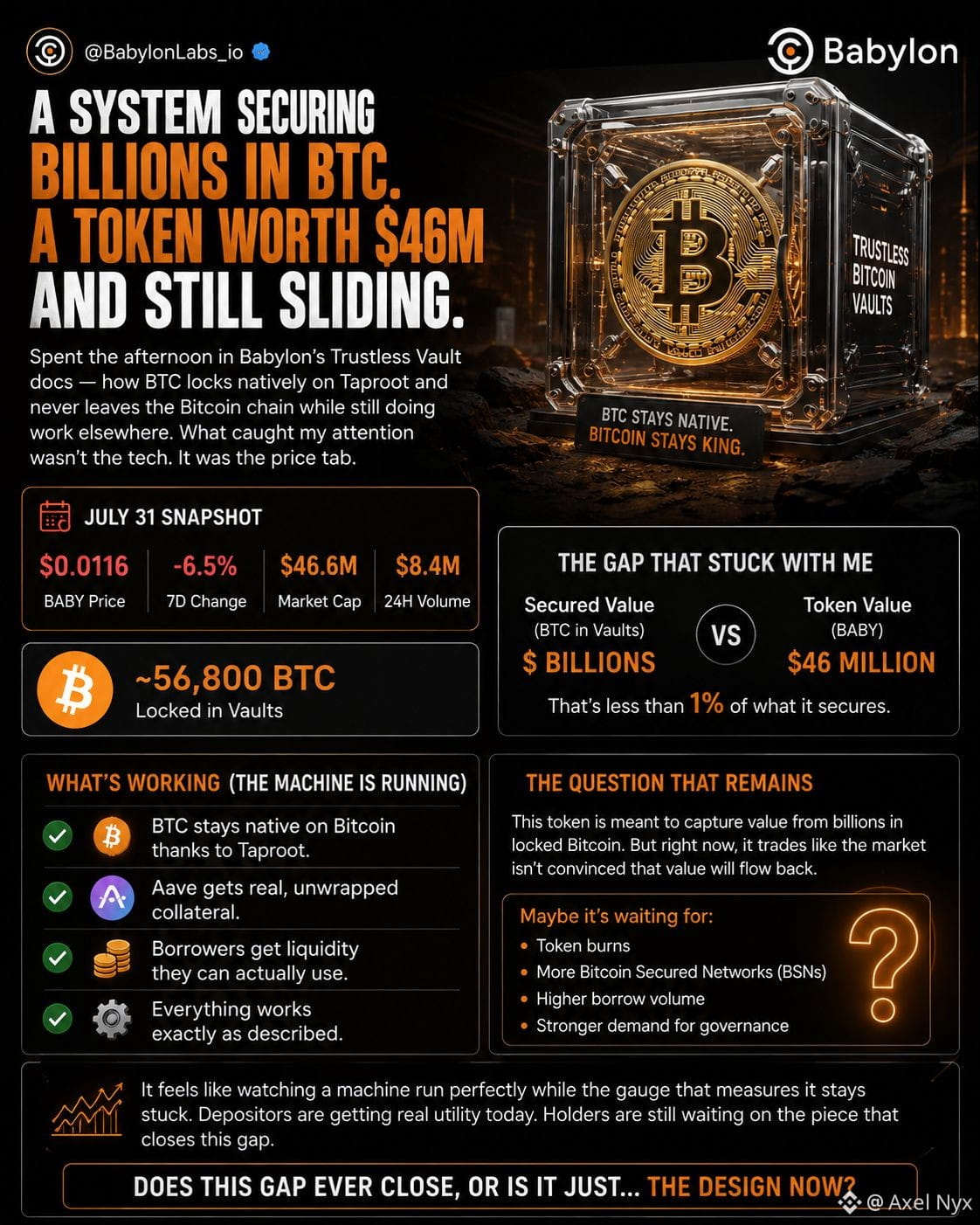
今日 @BabylonLabs_io の Trustless Vault ドキュメントを掘り下げていた時間がありました。チャートに見入っていたのはその代わりです。心に残ったのは Taproot の設計や、BTC が別の用途にも使われながらもビットコインのネットワーク上にとどまる仕組みではありませんでした。価格タブを開いた後に見えたもの——それでした。
7月31日時点で $BABY はおよそ $0.0116 で、週あたり約6.5%下落。時価総額は約 $46.6M、24時間の出来高はおよそ $8.4M です。同時に、そのシステムが統治するバルト(バウルト)では、約 56,800 BTC が確保されています。
この対比は無視しがたい。
インフラは壊れているようには見えません。ネイティブBTCはビットコインのセキュリティモデルのもとにとどまります。バルトは使える担保を提供します。借り手は、コインをラップせずに流動性を得ます。中核となるアイデアはすでに機能している。
それでも、そのエコシステムに紐づくトークンは、そこを通過している資本のごく一部にすぎない価値しか付いていない。
市場が、より強い価値回収を待っているのかもしれません。より高い借入活動、ネットワーク拡大、あるいは統治に対する需要の明確化を求めているのかもしれない。あるいは単に、ユーティリティがトークン自体に現れるまで時間が必要なだけなのかもしれません。
私にとって、今日のバビロンをめぐる本当の問いはそこです——技術が機能するかどうかではなく、ネットワークによって生み出された価値が、最終的に $BABY に反映されるのかどうか。
そこが、私が見ていくポイントです。
@babylonlabs_io #baby $BABY
{spot}(BABYUSDT)
今日 @BabylonLabs_io の Trustless Vault ドキュメントを掘り下げていた時間がありました。チャートに見入っていたのはその代わりです。心に残ったのは Taproot の設計や、BTC が別の用途にも使われながらもビットコインのネットワーク上にとどまる仕組みではありませんでした。価格タブを開いた後に見えたもの——それでした。
7月31日時点で $BABY はおよそ $0.0116 で、週あたり約6.5%下落。時価総額は約 $46.6M、24時間の出来高はおよそ $8.4M です。同時に、そのシステムが統治するバルト(バウルト)では、約 56,800 BTC が確保されています。
この対比は無視しがたい。
インフラは壊れているようには見えません。ネイティブBTCはビットコインのセキュリティモデルのもとにとどまります。バルトは使える担保を提供します。借り手は、コインをラップせずに流動性を得ます。中核となるアイデアはすでに機能している。
それでも、そのエコシステムに紐づくトークンは、そこを通過している資本のごく一部にすぎない価値しか付いていない。
市場が、より強い価値回収を待っているのかもしれません。より高い借入活動、ネットワーク拡大、あるいは統治に対する需要の明確化を求めているのかもしれない。あるいは単に、ユーティリティがトークン自体に現れるまで時間が必要なだけなのかもしれません。
私にとって、今日のバビロンをめぐる本当の問いはそこです——技術が機能するかどうかではなく、ネットワークによって生み出された価値が、最終的に $BABY に反映されるのかどうか。
そこが、私が見ていくポイントです。
@BabylonLabs_io #baby $BABY
7月31日時点で $BABY はおよそ $0.0116 で、週あたり約6.5%下落。時価総額は約 $46.6M、24時間の出来高はおよそ $8.4M です。同時に、そのシステムが統治するバルト(バウルト)では、約 56,800 BTC が確保されています。
この対比は無視しがたい。
インフラは壊れているようには見えません。ネイティブBTCはビットコインのセキュリティモデルのもとにとどまります。バルトは使える担保を提供します。借り手は、コインをラップせずに流動性を得ます。中核となるアイデアはすでに機能している。
それでも、そのエコシステムに紐づくトークンは、そこを通過している資本のごく一部にすぎない価値しか付いていない。
市場が、より強い価値回収を待っているのかもしれません。より高い借入活動、ネットワーク拡大、あるいは統治に対する需要の明確化を求めているのかもしれない。あるいは単に、ユーティリティがトークン自体に現れるまで時間が必要なだけなのかもしれません。
私にとって、今日のバビロンをめぐる本当の問いはそこです——技術が機能するかどうかではなく、ネットワークによって生み出された価値が、最終的に $BABY に反映されるのかどうか。
そこが、私が見ていくポイントです。
@BabylonLabs_io #baby $BABY
1
81
·
--
ブリッシュ
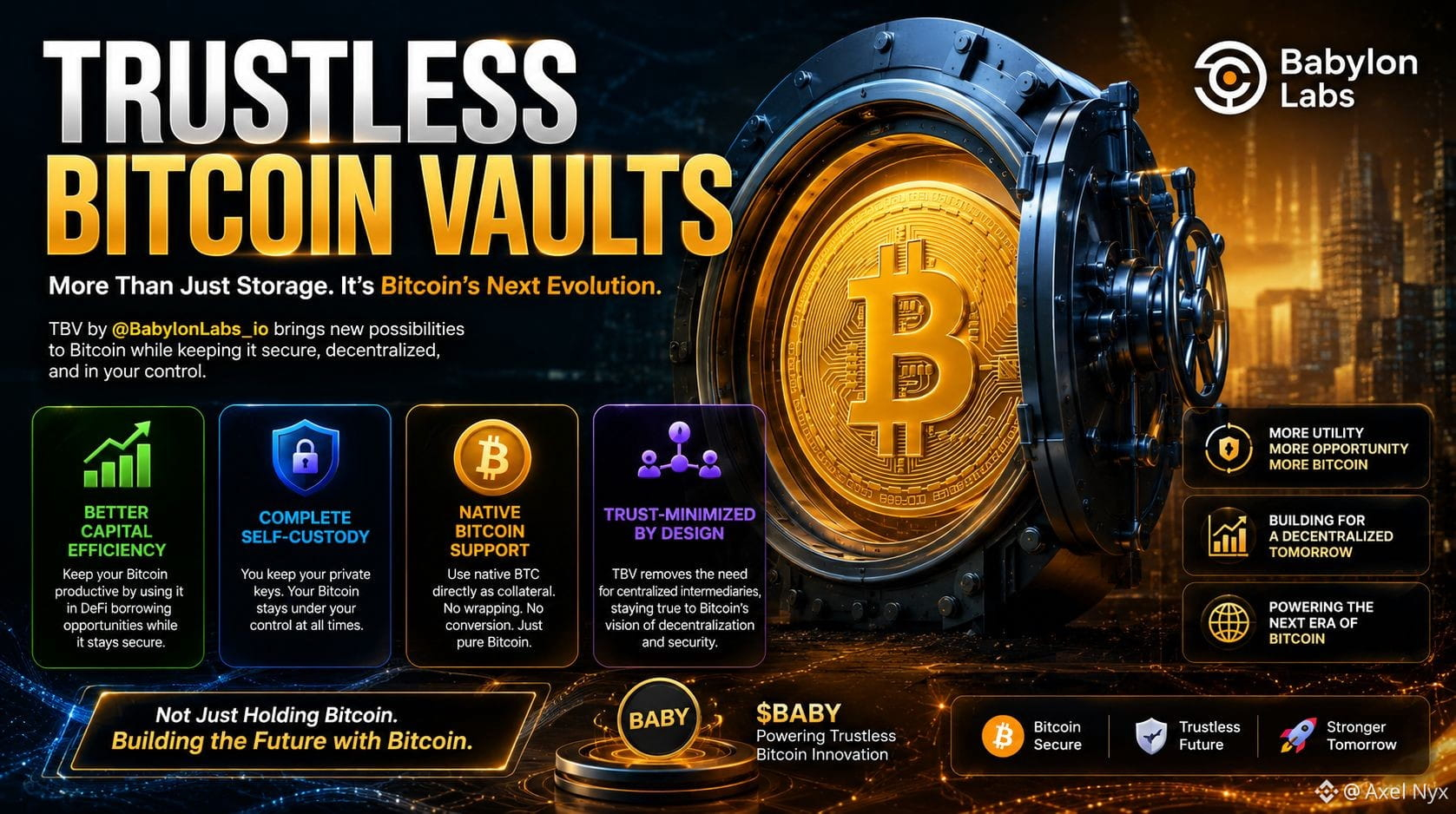
ここ数日、信頼を前提としないビットコイン・ボールト(TBV)について学んできましたが、あることがとても明確になりました。ビットコインはもう、コインを安全に保管するだけのものではありません。そのエコシステムは、分散性を手放すことなく、BTCをより有用にする形で成長しています。
@babylonlabs_io を調べている中で気づいたのは、ビットコインを変えることが目的ではないという点です。そうではなく、$BTCの新しい使い方を解き放ちつつ、そのコアとなる価値観を保つことが狙いです。
私が特に感銘を受けたのは、次の4つです:
➡ BTCを活用する
じっと待機している代わりに、ネイティブ・ビットコインは、分散型金融(DeFi)の貸し借りやその他の機会を支えながら、生産的であり続けられます。
➡ 常に完全なコントロールを保つ
あなたは常にプライベートキーを自分で管理します。ビットコインは誰か他人のものではなく、あなた自身の管理下にあります。
➡ ネイティブのビットコインを使う
ラップなし。トークン変換なし。ネイティブBTCはそのまま直接利用できるため、プロセスがシンプルで安全です。
➡ 信頼不要のセキュリティを前提に構築
TBVは中央集権的な仲介者の必要性を取り除き、システムをビットコイン本来のビジョンにより沿ったものにします。
深く掘り下げるほど、これは注目に値する種類のイノベーションだと感じました。ミームコインのような同じ熱狂を生むわけではないかもしれませんが、本当の進歩は通常、現実の課題を解決するところから生まれます。
@BabylonLabs_io を今後も追い続けるのが楽しみです。信頼を前提としないビットコイン・ボールトは、安全性や分散性を犠牲にせずにビットコインをより活用しやすくすることで、ビットコインの未来で大きな役割を果たし得ると考えています。
あなたはどう思いますか?TBVは、ビットコインの普及における次の大きなステップになり得るでしょうか?
#Bitcoin #BinanceSquare #baby $BABY
{future}(BABYUSDT)
ここ数日、信頼を前提としないビットコイン・ボールト(TBV)について学んできましたが、あることがとても明確になりました。ビットコインはもう、コインを安全に保管するだけのものではありません。そのエコシステムは、分散性を手放すことなく、BTCをより有用にする形で成長しています。
@BabylonLabs_io を調べている中で気づいたのは、ビットコインを変えることが目的ではないという点です。そうではなく、$BTCの新しい使い方を解き放ちつつ、そのコアとなる価値観を保つことが狙いです。
私が特に感銘を受けたのは、次の4つです:
➡ BTCを活用する
じっと待機している代わりに、ネイティブ・ビットコインは、分散型金融(DeFi)の貸し借りやその他の機会を支えながら、生産的であり続けられます。
➡ 常に完全なコントロールを保つ
あなたは常にプライベートキーを自分で管理します。ビットコインは誰か他人のものではなく、あなた自身の管理下にあります。
➡ ネイティブのビットコインを使う
ラップなし。トークン変換なし。ネイティブBTCはそのまま直接利用できるため、プロセスがシンプルで安全です。
➡ 信頼不要のセキュリティを前提に構築
TBVは中央集権的な仲介者の必要性を取り除き、システムをビットコイン本来のビジョンにより沿ったものにします。
深く掘り下げるほど、これは注目に値する種類のイノベーションだと感じました。ミームコインのような同じ熱狂を生むわけではないかもしれませんが、本当の進歩は通常、現実の課題を解決するところから生まれます。
@BabylonLabs_io を今後も追い続けるのが楽しみです。信頼を前提としないビットコイン・ボールトは、安全性や分散性を犠牲にせずにビットコインをより活用しやすくすることで、ビットコインの未来で大きな役割を果たし得ると考えています。
あなたはどう思いますか?TBVは、ビットコインの普及における次の大きなステップになり得るでしょうか?
#Bitcoin #BinanceSquare #baby $BABY
@BabylonLabs_io を調べている中で気づいたのは、ビットコインを変えることが目的ではないという点です。そうではなく、$BTCの新しい使い方を解き放ちつつ、そのコアとなる価値観を保つことが狙いです。
私が特に感銘を受けたのは、次の4つです:
➡ BTCを活用する
じっと待機している代わりに、ネイティブ・ビットコインは、分散型金融(DeFi)の貸し借りやその他の機会を支えながら、生産的であり続けられます。
➡ 常に完全なコントロールを保つ
あなたは常にプライベートキーを自分で管理します。ビットコインは誰か他人のものではなく、あなた自身の管理下にあります。
➡ ネイティブのビットコインを使う
ラップなし。トークン変換なし。ネイティブBTCはそのまま直接利用できるため、プロセスがシンプルで安全です。
➡ 信頼不要のセキュリティを前提に構築
TBVは中央集権的な仲介者の必要性を取り除き、システムをビットコイン本来のビジョンにより沿ったものにします。
深く掘り下げるほど、これは注目に値する種類のイノベーションだと感じました。ミームコインのような同じ熱狂を生むわけではないかもしれませんが、本当の進歩は通常、現実の課題を解決するところから生まれます。
@BabylonLabs_io を今後も追い続けるのが楽しみです。信頼を前提としないビットコイン・ボールトは、安全性や分散性を犠牲にせずにビットコインをより活用しやすくすることで、ビットコインの未来で大きな役割を果たし得ると考えています。
あなたはどう思いますか?TBVは、ビットコインの普及における次の大きなステップになり得るでしょうか?
#Bitcoin #BinanceSquare #baby $BABY
89
·
--
ニュートン・プロトコル(NEWT)は、オンチェーンの金融およびAI向けに安全で検証可能な自動化を実現するための、台頭する分散型インフラです。中央集権型ボットに依存したり、秘密鍵を公開したりする代わりに、ユーザーは高度なブロックチェーンのタスクを自律型AIエージェントへ委任しつつ、プログラム可能な権限によって資産の完全な管理を維持できます。プロトコルは、Trusted Execution Environments(TEEs)とゼロ知識証明(ZKPs)を組み合わせており、あらゆる自動化アクションを安全に実行しつつ、機密情報を開示せずにオンチェーンで検証できるようにします。
そのアーキテクチャは、AI駆動のトレーディング戦略、ポートフォリオのリバランス、ステーキング、クロスチェーン取引、利回り最適化、定期的な支払いなど、その他の自動化された金融ワークフローをサポートします。開発者はAIエージェントを作成・公開し、オペレーターがタスクを実行し、バリデーターがネットワークを保護し、ユーザーは分散型マーケットプレイスを通じてこれらのサービスにアクセスします。このモデルは透明性と説明責任を確保しながら、イノベーションを促進します。
ネイティブのNEWTトークンは、ステーキングによってネットワークを保護し、取引手数料を支払い、AIエージェントの担保として機能し、コミュニティのガバナンスを可能にします。10億トークンの固定供給により、ニュートンは持続可能なエコシステムの成長に注力します。Magic Labsによって開発され、Magic Newton Foundationにより支援されている本プロトコルは、Web3のための基盤となる自動化レイヤーを目指し、分散型金融をより身近で、効率的で、信頼できるものにしながら、複数のネットワークにまたがるAI駆動のブロックチェーン・アプリケーションの普及を加速させます。
$SENT #SouthKoreanStocksRise5% $ALLO
#USNonfarmPayrollsAdd57K
$ETH
ニュートン・プロトコル(NEWT)は、オンチェーンの金融およびAI向けに安全で検証可能な自動化を実現するための、台頭する分散型インフラです。中央集権型ボットに依存したり、秘密鍵を公開したりする代わりに、ユーザーは高度なブロックチェーンのタスクを自律型AIエージェントへ委任しつつ、プログラム可能な権限によって資産の完全な管理を維持できます。プロトコルは、Trusted Execution Environments(TEEs)とゼロ知識証明(ZKPs)を組み合わせており、あらゆる自動化アクションを安全に実行しつつ、機密情報を開示せずにオンチェーンで検証できるようにします。
そのアーキテクチャは、AI駆動のトレーディング戦略、ポートフォリオのリバランス、ステーキング、クロスチェーン取引、利回り最適化、定期的な支払いなど、その他の自動化された金融ワークフローをサポートします。開発者はAIエージェントを作成・公開し、オペレーターがタスクを実行し、バリデーターがネットワークを保護し、ユーザーは分散型マーケットプレイスを通じてこれらのサービスにアクセスします。このモデルは透明性と説明責任を確保しながら、イノベーションを促進します。
ネイティブのNEWTトークンは、ステーキングによってネットワークを保護し、取引手数料を支払い、AIエージェントの担保として機能し、コミュニティのガバナンスを可能にします。10億トークンの固定供給により、ニュートンは持続可能なエコシステムの成長に注力します。Magic Labsによって開発され、Magic Newton Foundationにより支援されている本プロトコルは、Web3のための基盤となる自動化レイヤーを目指し、分散型金融をより身近で、効率的で、信頼できるものにしながら、複数のネットワークにまたがるAI駆動のブロックチェーン・アプリケーションの普及を加速させます。
$SENT #SouthKoreanStocksRise5% $ALLO
#USNonfarmPayrollsAdd57K
$ETH
そのアーキテクチャは、AI駆動のトレーディング戦略、ポートフォリオのリバランス、ステーキング、クロスチェーン取引、利回り最適化、定期的な支払いなど、その他の自動化された金融ワークフローをサポートします。開発者はAIエージェントを作成・公開し、オペレーターがタスクを実行し、バリデーターがネットワークを保護し、ユーザーは分散型マーケットプレイスを通じてこれらのサービスにアクセスします。このモデルは透明性と説明責任を確保しながら、イノベーションを促進します。
ネイティブのNEWTトークンは、ステーキングによってネットワークを保護し、取引手数料を支払い、AIエージェントの担保として機能し、コミュニティのガバナンスを可能にします。10億トークンの固定供給により、ニュートンは持続可能なエコシステムの成長に注力します。Magic Labsによって開発され、Magic Newton Foundationにより支援されている本プロトコルは、Web3のための基盤となる自動化レイヤーを目指し、分散型金融をより身近で、効率的で、信頼できるものにしながら、複数のネットワークにまたがるAI駆動のブロックチェーン・アプリケーションの普及を加速させます。
$SENT #SouthKoreanStocksRise5% $ALLO
#USNonfarmPayrollsAdd57K
$ETH
🤖 AI-powered automation
100%
🔒 Secure & verifiable
0%
1 投票 • 投票は終了しました
1
1
88
·
--
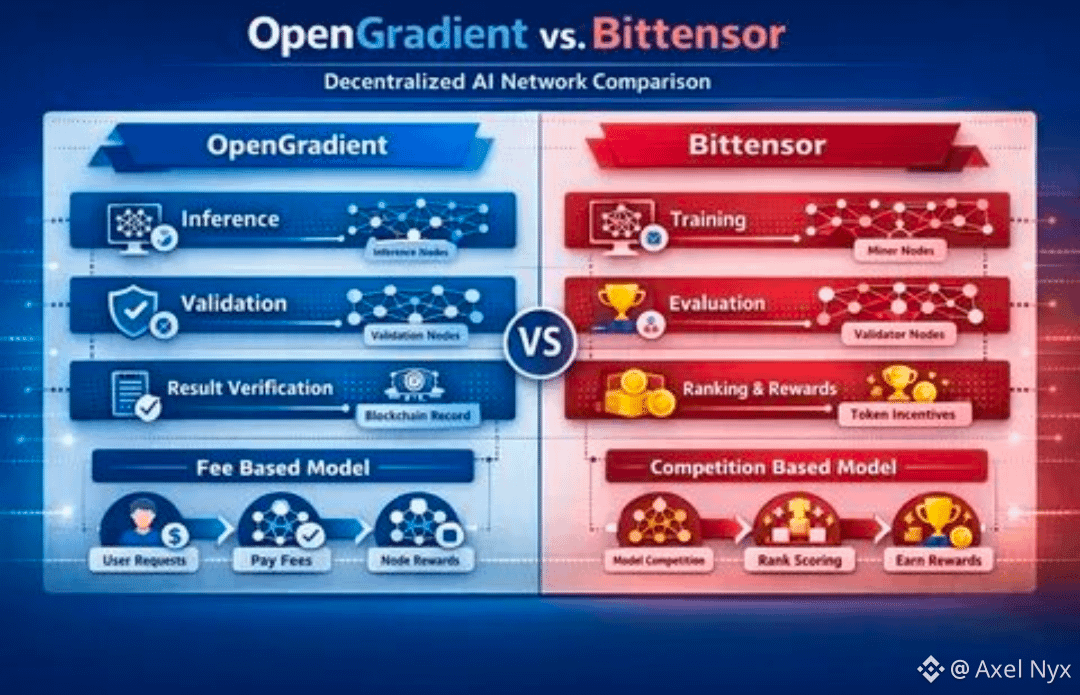
OpenGradientは、オープン・インテリジェンスのためのネットワークであり、大規模にAIモデルをホストし、推論を実行し、検証することを目的とした分散型インフラストラクチャ・システムです。
ここ数日、OpenGradientについてより深く調べてきましたが、単に市場の注目に頼るのではなく、実用的な何かを構築しようとしているタイプのプロジェクトのように感じました。
特に印象的だったのは、単一のネットワークの中で分散型のAIホスティング、推論、検証に注力している点です。多くのプラットフォームが似たような物語を掲げる市場の中で、このアプローチは別の切り口を与えています。チームは、分散型AIインフラ周りに本当の実用性を生み出すことに集中しているようで、業界が成熟するにつれてその重要性は高まっていくかもしれません。
ただし、私はこれを確実な勝者だとは見ていません。暗号資産は、強いナラティブだけでは決して十分ではないことを教えてくれました。重要なのは、プロジェクトがプロダクトを出し続けられるか、ユーザーを惹きつけられるか、そして良い市場環境でも厳しい市場環境でも勢いを維持できるかです。
とはいえ、OpenGradientをめぐる最近の動きによって、私はより注意深く見るようになりました。検証可能なAI実行、分散型コンピュート基盤、そして長期的なビジョンの組み合わせは、追う価値があると思わせます。
現時点では、私のウォッチリストに残っています。採用がどのように伸びていくのか、そしてチームがこれから数か月のうちに自らのアイデアを測定可能なエコシステムの成長へとつなげられるのかを見ていきたいです。
@OpenGradient #OPG $OPG
{future}(OPGUSDT)
$SYN
{future}(SYNUSDT)
$DEXE
{future}(DEXEUSDT)
OpenGradientは、オープン・インテリジェンスのためのネットワークであり、大規模にAIモデルをホストし、推論を実行し、検証することを目的とした分散型インフラストラクチャ・システムです。
ここ数日、OpenGradientについてより深く調べてきましたが、単に市場の注目に頼るのではなく、実用的な何かを構築しようとしているタイプのプロジェクトのように感じました。
特に印象的だったのは、単一のネットワークの中で分散型のAIホスティング、推論、検証に注力している点です。多くのプラットフォームが似たような物語を掲げる市場の中で、このアプローチは別の切り口を与えています。チームは、分散型AIインフラ周りに本当の実用性を生み出すことに集中しているようで、業界が成熟するにつれてその重要性は高まっていくかもしれません。
ただし、私はこれを確実な勝者だとは見ていません。暗号資産は、強いナラティブだけでは決して十分ではないことを教えてくれました。重要なのは、プロジェクトがプロダクトを出し続けられるか、ユーザーを惹きつけられるか、そして良い市場環境でも厳しい市場環境でも勢いを維持できるかです。
とはいえ、OpenGradientをめぐる最近の動きによって、私はより注意深く見るようになりました。検証可能なAI実行、分散型コンピュート基盤、そして長期的なビジョンの組み合わせは、追う価値があると思わせます。
現時点では、私のウォッチリストに残っています。採用がどのように伸びていくのか、そしてチームがこれから数か月のうちに自らのアイデアを測定可能なエコシステムの成長へとつなげられるのかを見ていきたいです。
@OpenGradient #OPG $OPG
$SYN
$DEXE
ここ数日、OpenGradientについてより深く調べてきましたが、単に市場の注目に頼るのではなく、実用的な何かを構築しようとしているタイプのプロジェクトのように感じました。
特に印象的だったのは、単一のネットワークの中で分散型のAIホスティング、推論、検証に注力している点です。多くのプラットフォームが似たような物語を掲げる市場の中で、このアプローチは別の切り口を与えています。チームは、分散型AIインフラ周りに本当の実用性を生み出すことに集中しているようで、業界が成熟するにつれてその重要性は高まっていくかもしれません。
ただし、私はこれを確実な勝者だとは見ていません。暗号資産は、強いナラティブだけでは決して十分ではないことを教えてくれました。重要なのは、プロジェクトがプロダクトを出し続けられるか、ユーザーを惹きつけられるか、そして良い市場環境でも厳しい市場環境でも勢いを維持できるかです。
とはいえ、OpenGradientをめぐる最近の動きによって、私はより注意深く見るようになりました。検証可能なAI実行、分散型コンピュート基盤、そして長期的なビジョンの組み合わせは、追う価値があると思わせます。
現時点では、私のウォッチリストに残っています。採用がどのように伸びていくのか、そしてチームがこれから数か月のうちに自らのアイデアを測定可能なエコシステムの成長へとつなげられるのかを見ていきたいです。
@OpenGradient #OPG $OPG
$SYN
$DEXE
14
15
122
·
--
ブリッシュ
数年前、限られた大手提供者の外でAIモデルを実行したり検証したりするという考えは、現実的ではないように感じられました。多くの人は、先進的なAIはクローズドなシステムの背後に集中したままだということを、ただ受け入れていたのです。
最近では、そうとも言い切れないと思っています。
OpenGradientのようなプロジェクトは、少数の中央集権的な組織が管理するのではなく、AIインフラをネットワークに分散させるという別の道を探っています。私が特に関心を持っているのは、単なる分散ホスティングや推論ではありません。焦点は検証可能性にあるのです。
AIが生成した答えを得るのは簡単です。しかし、その答えがどこから来たのか、どのように作られたのか、そしてそのプロセスが信頼できるのかを理解することのほうが、はるかに大きな課題です。AIが金融、オートメーション、意思決定にますます深く関わるようになると、信頼はパフォーマンスと同じくらい重要になっていくかもしれません。
もちろん、規模が本当の試金石です。すべての分散システムは、導入が加速するまでは有望に見えます。現実の需要が限界に近づくと、そのとき初めて課題が表面化します。その物語は、ブロックチェーンのインフラの中で何度も繰り返されてきました。
もしかすると、将来は中央集権型AIと分散型AIのどちらを選ぶか、という話ではないのかもしれません。同時に、知能を利用可能にし、スケールさせ、そして検証可能にするシステムを構築することがポイントなのではないでしょうか。
いずれにせよ、AIに対する信頼をめぐる議論は始まったばかりで、そしてそれがこの10年で最も重要な技術的な議論の一つになる可能性もあります。
@OpenGradient #OPG $OPG
{future}(OPGUSDT)
$AT
{future}(ATUSDT)
$JUP
{future}(JUPUSDT)
数年前、限られた大手提供者の外でAIモデルを実行したり検証したりするという考えは、現実的ではないように感じられました。多くの人は、先進的なAIはクローズドなシステムの背後に集中したままだということを、ただ受け入れていたのです。
最近では、そうとも言い切れないと思っています。
OpenGradientのようなプロジェクトは、少数の中央集権的な組織が管理するのではなく、AIインフラをネットワークに分散させるという別の道を探っています。私が特に関心を持っているのは、単なる分散ホスティングや推論ではありません。焦点は検証可能性にあるのです。
AIが生成した答えを得るのは簡単です。しかし、その答えがどこから来たのか、どのように作られたのか、そしてそのプロセスが信頼できるのかを理解することのほうが、はるかに大きな課題です。AIが金融、オートメーション、意思決定にますます深く関わるようになると、信頼はパフォーマンスと同じくらい重要になっていくかもしれません。
もちろん、規模が本当の試金石です。すべての分散システムは、導入が加速するまでは有望に見えます。現実の需要が限界に近づくと、そのとき初めて課題が表面化します。その物語は、ブロックチェーンのインフラの中で何度も繰り返されてきました。
もしかすると、将来は中央集権型AIと分散型AIのどちらを選ぶか、という話ではないのかもしれません。同時に、知能を利用可能にし、スケールさせ、そして検証可能にするシステムを構築することがポイントなのではないでしょうか。
いずれにせよ、AIに対する信頼をめぐる議論は始まったばかりで、そしてそれがこの10年で最も重要な技術的な議論の一つになる可能性もあります。
@OpenGradient #OPG $OPG
$AT
$JUP
最近では、そうとも言い切れないと思っています。
OpenGradientのようなプロジェクトは、少数の中央集権的な組織が管理するのではなく、AIインフラをネットワークに分散させるという別の道を探っています。私が特に関心を持っているのは、単なる分散ホスティングや推論ではありません。焦点は検証可能性にあるのです。
AIが生成した答えを得るのは簡単です。しかし、その答えがどこから来たのか、どのように作られたのか、そしてそのプロセスが信頼できるのかを理解することのほうが、はるかに大きな課題です。AIが金融、オートメーション、意思決定にますます深く関わるようになると、信頼はパフォーマンスと同じくらい重要になっていくかもしれません。
もちろん、規模が本当の試金石です。すべての分散システムは、導入が加速するまでは有望に見えます。現実の需要が限界に近づくと、そのとき初めて課題が表面化します。その物語は、ブロックチェーンのインフラの中で何度も繰り返されてきました。
もしかすると、将来は中央集権型AIと分散型AIのどちらを選ぶか、という話ではないのかもしれません。同時に、知能を利用可能にし、スケールさせ、そして検証可能にするシステムを構築することがポイントなのではないでしょうか。
いずれにせよ、AIに対する信頼をめぐる議論は始まったばかりで、そしてそれがこの10年で最も重要な技術的な議論の一つになる可能性もあります。
@OpenGradient #OPG $OPG
$AT
$JUP

18
16
219
·
--
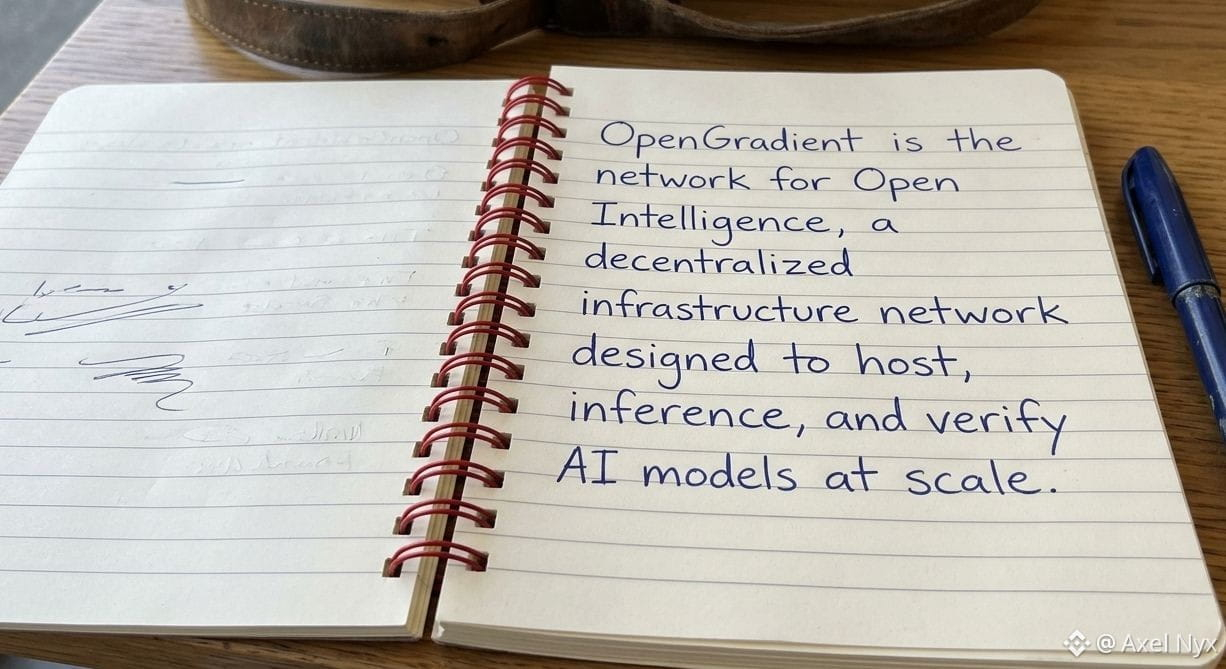
今、世界で最も強力なAIモデルは、数社のテックジャイアントの閉ざされた扉の向こうにあります。しかし、OpenGradientはそのプレイブックを完全に書き換えるために登場しました。
「オープンインテリジェンス」のネットワークとして知られるOpenGradientは、AIモデルをスケールでホスト、推論、検証するために特別に設計された分散型インフラを構築しています。
でも、テクニカルな話はさておき、私たちにとってこれは実際に何を意味するのでしょうか?
真の分散化: 単一のエンティティが計算やデータを所有することはありません。
スケールでの検証: AIモデルが主張することを「信頼する」だけではなく、ネットワークが数学的にそれを検証します。
大規模なスケーラビリティ: ボトルネックにぶつかることなく、重いリアルワールドのAIワークロードを処理できるように構築されています。
Web3と人工知能のギャップを埋めることで、OpenGradientは単なる別のクリプトプロジェクトを立ち上げるのではなく、透明で安全、かつ民主的なAIエコシステムのバックボーンを構築しています。
知性の未来は独占されるべきではありません。オープンで、信頼のない、そして検証されたものであるべきです。これから目を離さないでください。🚀
@OpenGradient $OPG #OpportunityKnocks
{spot}(OPGUSDT)
$RE
#
今、世界で最も強力なAIモデルは、数社のテックジャイアントの閉ざされた扉の向こうにあります。しかし、OpenGradientはそのプレイブックを完全に書き換えるために登場しました。
「オープンインテリジェンス」のネットワークとして知られるOpenGradientは、AIモデルをスケールでホスト、推論、検証するために特別に設計された分散型インフラを構築しています。
でも、テクニカルな話はさておき、私たちにとってこれは実際に何を意味するのでしょうか?
真の分散化: 単一のエンティティが計算やデータを所有することはありません。
スケールでの検証: AIモデルが主張することを「信頼する」だけではなく、ネットワークが数学的にそれを検証します。
大規模なスケーラビリティ: ボトルネックにぶつかることなく、重いリアルワールドのAIワークロードを処理できるように構築されています。
Web3と人工知能のギャップを埋めることで、OpenGradientは単なる別のクリプトプロジェクトを立ち上げるのではなく、透明で安全、かつ民主的なAIエコシステムのバックボーンを構築しています。
知性の未来は独占されるべきではありません。オープンで、信頼のない、そして検証されたものであるべきです。これから目を離さないでください。🚀
@OpenGradient $OPG #OpportunityKnocks
$RE
#
「オープンインテリジェンス」のネットワークとして知られるOpenGradientは、AIモデルをスケールでホスト、推論、検証するために特別に設計された分散型インフラを構築しています。
でも、テクニカルな話はさておき、私たちにとってこれは実際に何を意味するのでしょうか?
真の分散化: 単一のエンティティが計算やデータを所有することはありません。
スケールでの検証: AIモデルが主張することを「信頼する」だけではなく、ネットワークが数学的にそれを検証します。
大規模なスケーラビリティ: ボトルネックにぶつかることなく、重いリアルワールドのAIワークロードを処理できるように構築されています。
Web3と人工知能のギャップを埋めることで、OpenGradientは単なる別のクリプトプロジェクトを立ち上げるのではなく、透明で安全、かつ民主的なAIエコシステムのバックボーンを構築しています。
知性の未来は独占されるべきではありません。オープンで、信頼のない、そして検証されたものであるべきです。これから目を離さないでください。🚀
@OpenGradient $OPG #OpportunityKnocks
$RE
#
22
16
338
·
--
ブリッシュ
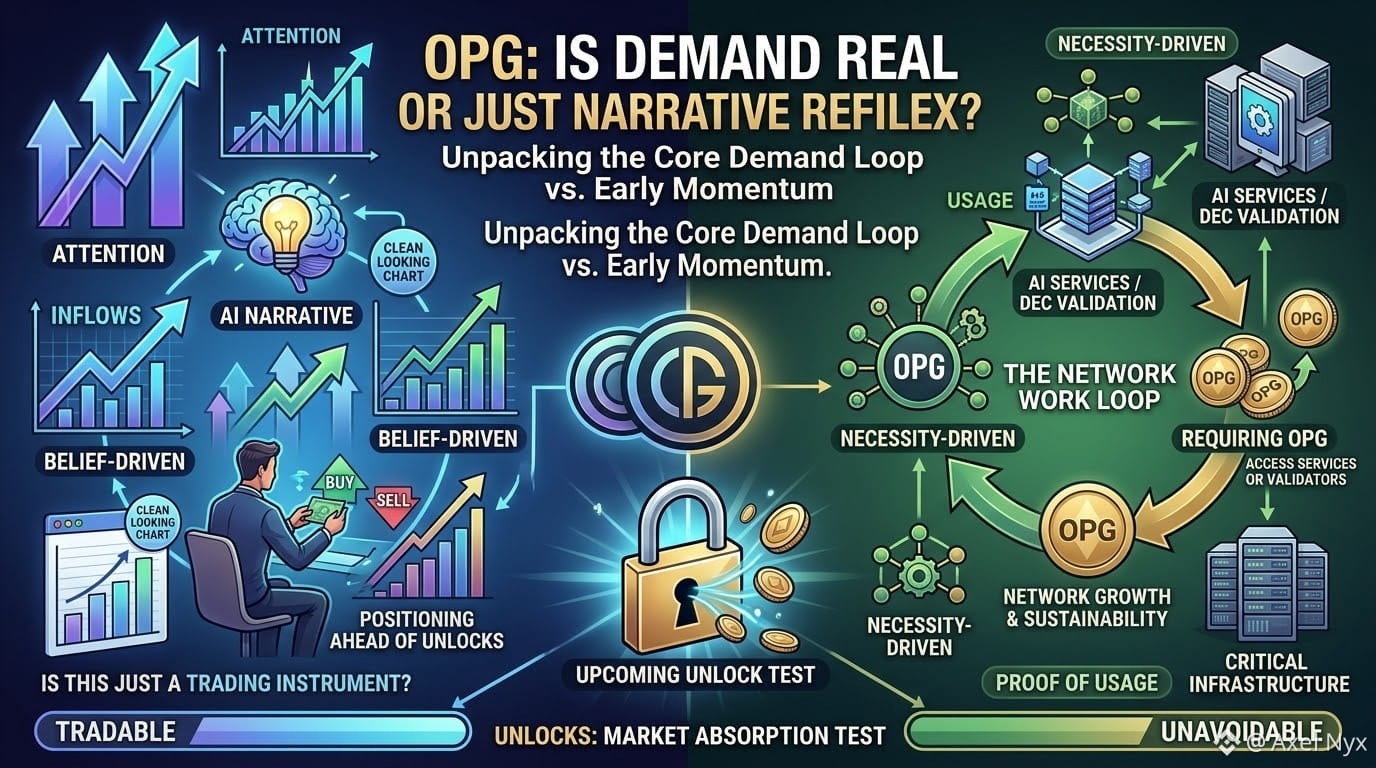
OPGはいつもの早期サイクルでの注目を集めています――AIの物語、資金流入、勢い、そして見栄えのするチャート。
でも、私はひとつの疑問に何度も立ち返ります。ここで実需を実際に押し上げているのは何なのか?
それは良さそうです。でも、仮想通貨では良いアイデアは安い。
今のところ、証明というよりポジショニングに見えます。資本はアップグレードやアンロックに先回りして回ってはいますが、それは利用(ユース)とは別物です。全く別です。
注目と導入は同じではありません。
もしOPGがAIのための実際のインフラ、あるいは分散型のバリデーションの基盤だとするなら、利用が必ずトークンを通過しなければならない明確なループがあるはずです。もしそのループが弱い、あるいは不明確なら、私たちが見ているのは主に物語への反射――価格が必然性ではなく信念に反応しているだけ、ということになります。
そして、これからのアンロックがその違いを静かに試すでしょう。
市場はこのパターンを何度も見てきました。強いストーリー、初期の勢い、そして現実が生き残るものを決める。
だから本当の問いはシンプルです。OPGは避けがたい何かを作っているのか――それとも売買できるだけなのか?
@OpenGradient #OPG $OPG $AT
{future}(ATUSDT)
$JUV
{spot}(JUVUSDT)
{future}(OPGUSDT)
OPGはいつもの早期サイクルでの注目を集めています――AIの物語、資金流入、勢い、そして見栄えのするチャート。
でも、私はひとつの疑問に何度も立ち返ります。ここで実需を実際に押し上げているのは何なのか?
それは良さそうです。でも、仮想通貨では良いアイデアは安い。
今のところ、証明というよりポジショニングに見えます。資本はアップグレードやアンロックに先回りして回ってはいますが、それは利用(ユース)とは別物です。全く別です。
注目と導入は同じではありません。
もしOPGがAIのための実際のインフラ、あるいは分散型のバリデーションの基盤だとするなら、利用が必ずトークンを通過しなければならない明確なループがあるはずです。もしそのループが弱い、あるいは不明確なら、私たちが見ているのは主に物語への反射――価格が必然性ではなく信念に反応しているだけ、ということになります。
そして、これからのアンロックがその違いを静かに試すでしょう。
市場はこのパターンを何度も見てきました。強いストーリー、初期の勢い、そして現実が生き残るものを決める。
だから本当の問いはシンプルです。OPGは避けがたい何かを作っているのか――それとも売買できるだけなのか?
@OpenGradient #OPG $OPG $AT
$JUV
でも、私はひとつの疑問に何度も立ち返ります。ここで実需を実際に押し上げているのは何なのか?
それは良さそうです。でも、仮想通貨では良いアイデアは安い。
今のところ、証明というよりポジショニングに見えます。資本はアップグレードやアンロックに先回りして回ってはいますが、それは利用(ユース)とは別物です。全く別です。
注目と導入は同じではありません。
もしOPGがAIのための実際のインフラ、あるいは分散型のバリデーションの基盤だとするなら、利用が必ずトークンを通過しなければならない明確なループがあるはずです。もしそのループが弱い、あるいは不明確なら、私たちが見ているのは主に物語への反射――価格が必然性ではなく信念に反応しているだけ、ということになります。
そして、これからのアンロックがその違いを静かに試すでしょう。
市場はこのパターンを何度も見てきました。強いストーリー、初期の勢い、そして現実が生き残るものを決める。
だから本当の問いはシンプルです。OPGは避けがたい何かを作っているのか――それとも売買できるだけなのか?
@OpenGradient #OPG $OPG $AT
$JUV
9
7
343
·
--
ブリッシュ
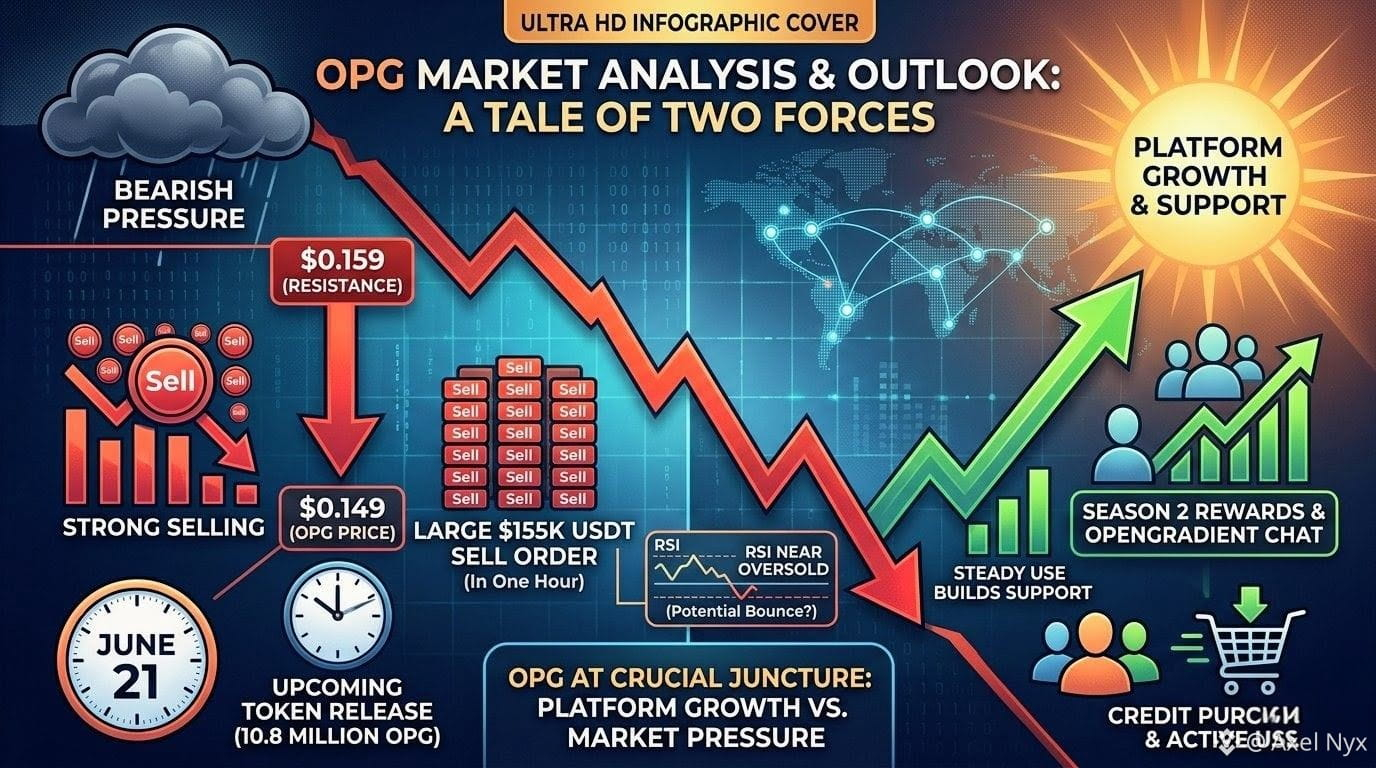
過去24時間で価格が約0.149ドルまで下落し、OPGは厳しい一日を過ごしました。最大の理由は強い売りでした。わずか1時間で155K USDT(155,000 USDT)を超える大口の売り注文が入り、価格を0.150ドル付近まで押し下げました。これは、依然として多くのトレーダーが慎重であることを示しています。
下落があっても、良い兆しはいくつかあります。シーズン2の報酬の開始やOpenGradient Chatによって、より多くのユーザーがプラットフォームに流入しています。人々はクレジットを購入し、ツールを使い、活動を継続しています。この安定した利用は、市場が弱い状態でもOPGを支える材料になっています。
チャートでは、OPGは上昇を試みて0.159ドルにタッチしましたが、売り手がすぐに押し戻しました。市場のシグナルは引き続き、短期的な下落を示唆しています。ただしRSIは売られ過ぎ水準に近く、売りが強すぎる可能性があり、反発もまだ起こり得ます。
次の大きなイベントは6月21日のトークンリリースです。約1,080万OPGトークンが市場に供給されます。供給が増えると、特に取引の活発さが低いときには、売りが増えやすくなります。
現時点では、OPGは重要な地点にあります。強いプラットフォームの成長は前向きな兆候ですが、追加のトークン供給と継続的な売りが価格への圧力を保っています。今後数日が、OPGが次にどちらへ動くかを決める重要な局面になるかもしれません。
@OpenGradient #OPG $OPG
{future}(OPGUSDT)
過去24時間で価格が約0.149ドルまで下落し、OPGは厳しい一日を過ごしました。最大の理由は強い売りでした。わずか1時間で155K USDT(155,000 USDT)を超える大口の売り注文が入り、価格を0.150ドル付近まで押し下げました。これは、依然として多くのトレーダーが慎重であることを示しています。
下落があっても、良い兆しはいくつかあります。シーズン2の報酬の開始やOpenGradient Chatによって、より多くのユーザーがプラットフォームに流入しています。人々はクレジットを購入し、ツールを使い、活動を継続しています。この安定した利用は、市場が弱い状態でもOPGを支える材料になっています。
チャートでは、OPGは上昇を試みて0.159ドルにタッチしましたが、売り手がすぐに押し戻しました。市場のシグナルは引き続き、短期的な下落を示唆しています。ただしRSIは売られ過ぎ水準に近く、売りが強すぎる可能性があり、反発もまだ起こり得ます。
次の大きなイベントは6月21日のトークンリリースです。約1,080万OPGトークンが市場に供給されます。供給が増えると、特に取引の活発さが低いときには、売りが増えやすくなります。
現時点では、OPGは重要な地点にあります。強いプラットフォームの成長は前向きな兆候ですが、追加のトークン供給と継続的な売りが価格への圧力を保っています。今後数日が、OPGが次にどちらへ動くかを決める重要な局面になるかもしれません。
@OpenGradient #OPG $OPG
下落があっても、良い兆しはいくつかあります。シーズン2の報酬の開始やOpenGradient Chatによって、より多くのユーザーがプラットフォームに流入しています。人々はクレジットを購入し、ツールを使い、活動を継続しています。この安定した利用は、市場が弱い状態でもOPGを支える材料になっています。
チャートでは、OPGは上昇を試みて0.159ドルにタッチしましたが、売り手がすぐに押し戻しました。市場のシグナルは引き続き、短期的な下落を示唆しています。ただしRSIは売られ過ぎ水準に近く、売りが強すぎる可能性があり、反発もまだ起こり得ます。
次の大きなイベントは6月21日のトークンリリースです。約1,080万OPGトークンが市場に供給されます。供給が増えると、特に取引の活発さが低いときには、売りが増えやすくなります。
現時点では、OPGは重要な地点にあります。強いプラットフォームの成長は前向きな兆候ですが、追加のトークン供給と継続的な売りが価格への圧力を保っています。今後数日が、OPGが次にどちらへ動くかを決める重要な局面になるかもしれません。
@OpenGradient #OPG $OPG
17
17
133
·
--
ブリッシュ
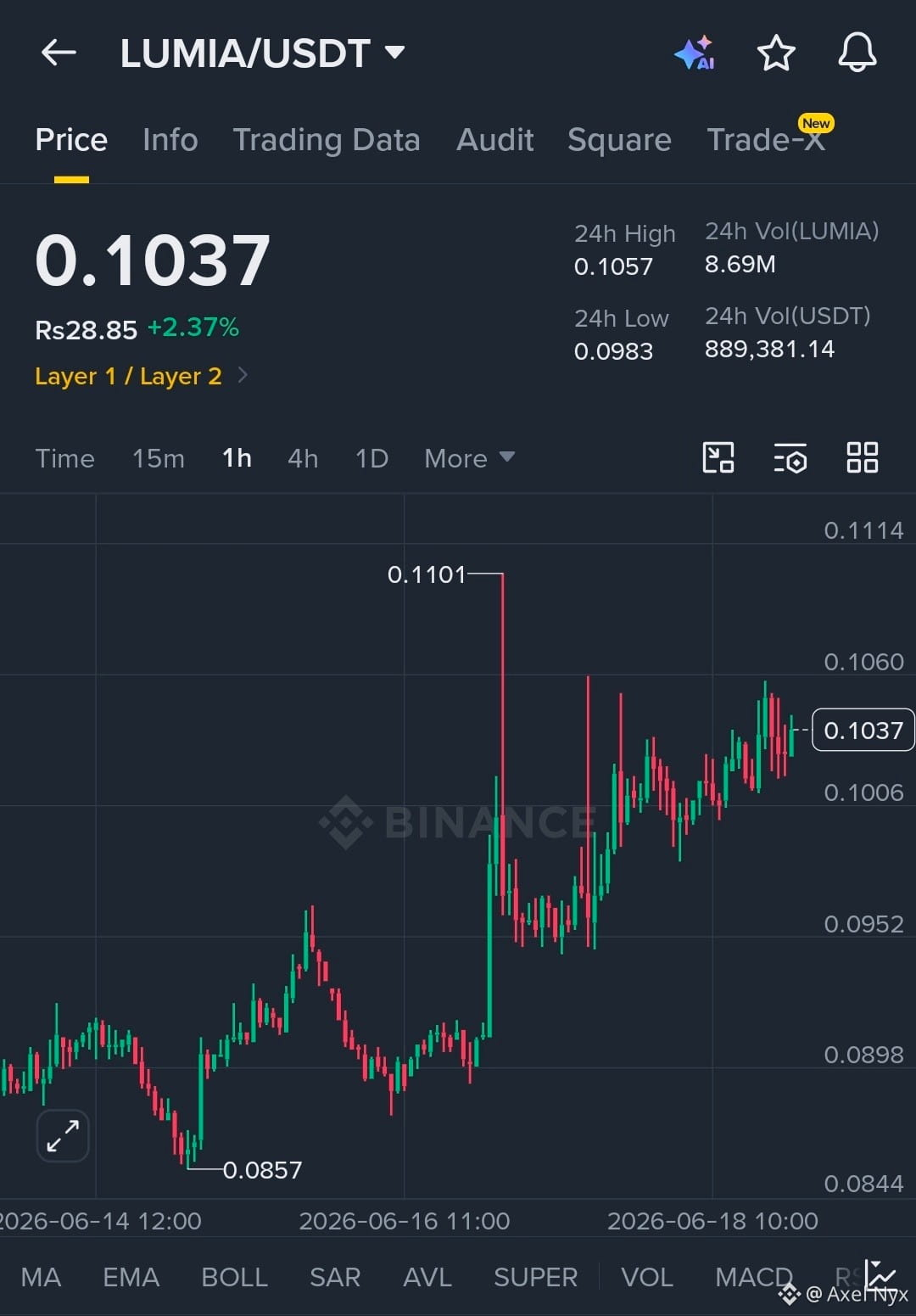
$LUMIA は、価格が下位のサポートからの小さなリバウンドの後に10セント水準の直上を維持しているため、約2%の上昇を伴う緩やかな上向きのドリフトを示しています。取引活動は安定しており、勢いはまだ強くないものの、継続的な参加がうかがえます。価格は依然として狭いレンジ内で動いており、買い手が押し目を守り、売り手は直近の高値付近に現れているため、全体としてわずかな上向きのバイアスを保ちながら構造は均衡しています。全体のトレンドはまだ完成というより発展途上であり、より明確なブレイクアウトを市場が待っている段階です。より広い視点では、$LUMIA はレイヤー1およびレイヤー2のブロックチェーン基盤の領域に位置しており、ネットワークはスケーラビリティ、実行レイヤー、分散型システムの性能向上に重点を置いています。これらの資産は、流動性が積み上がり、関心がエコシステム間を回遊しながら、段階的に動くことがよくあります。総じて短期のセンチメントは慎重に前向きですが、次の動きは買い手がレジスタンス上での強さを維持できるか、それとも価格が再びレンジ内に戻るかに依存します。
#FedHawkishDotPlotFlattensYieldCurve #SaudiSupertankersBeginCrossingStraitOfHormuz #YenSlidesToFourDecadeLow #TrumpAnnouncesUS10%IntelStake #IEAForecasts5MbdOilOverhang2027
$LUMIA は、価格が下位のサポートからの小さなリバウンドの後に10セント水準の直上を維持しているため、約2%の上昇を伴う緩やかな上向きのドリフトを示しています。取引活動は安定しており、勢いはまだ強くないものの、継続的な参加がうかがえます。価格は依然として狭いレンジ内で動いており、買い手が押し目を守り、売り手は直近の高値付近に現れているため、全体としてわずかな上向きのバイアスを保ちながら構造は均衡しています。全体のトレンドはまだ完成というより発展途上であり、より明確なブレイクアウトを市場が待っている段階です。より広い視点では、$LUMIA はレイヤー1およびレイヤー2のブロックチェーン基盤の領域に位置しており、ネットワークはスケーラビリティ、実行レイヤー、分散型システムの性能向上に重点を置いています。これらの資産は、流動性が積み上がり、関心がエコシステム間を回遊しながら、段階的に動くことがよくあります。総じて短期のセンチメントは慎重に前向きですが、次の動きは買い手がレジスタンス上での強さを維持できるか、それとも価格が再びレンジ内に戻るかに依存します。
#FedHawkishDotPlotFlattensYieldCurve #SaudiSupertankersBeginCrossingStraitOfHormuz #YenSlidesToFourDecadeLow #TrumpAnnouncesUS10%IntelStake #IEAForecasts5MbdOilOverhang2027
#FedHawkishDotPlotFlattensYieldCurve #SaudiSupertankersBeginCrossingStraitOfHormuz #YenSlidesToFourDecadeLow #TrumpAnnouncesUS10%IntelStake #IEAForecasts5MbdOilOverhang2027
56
·
--
ブリッシュ
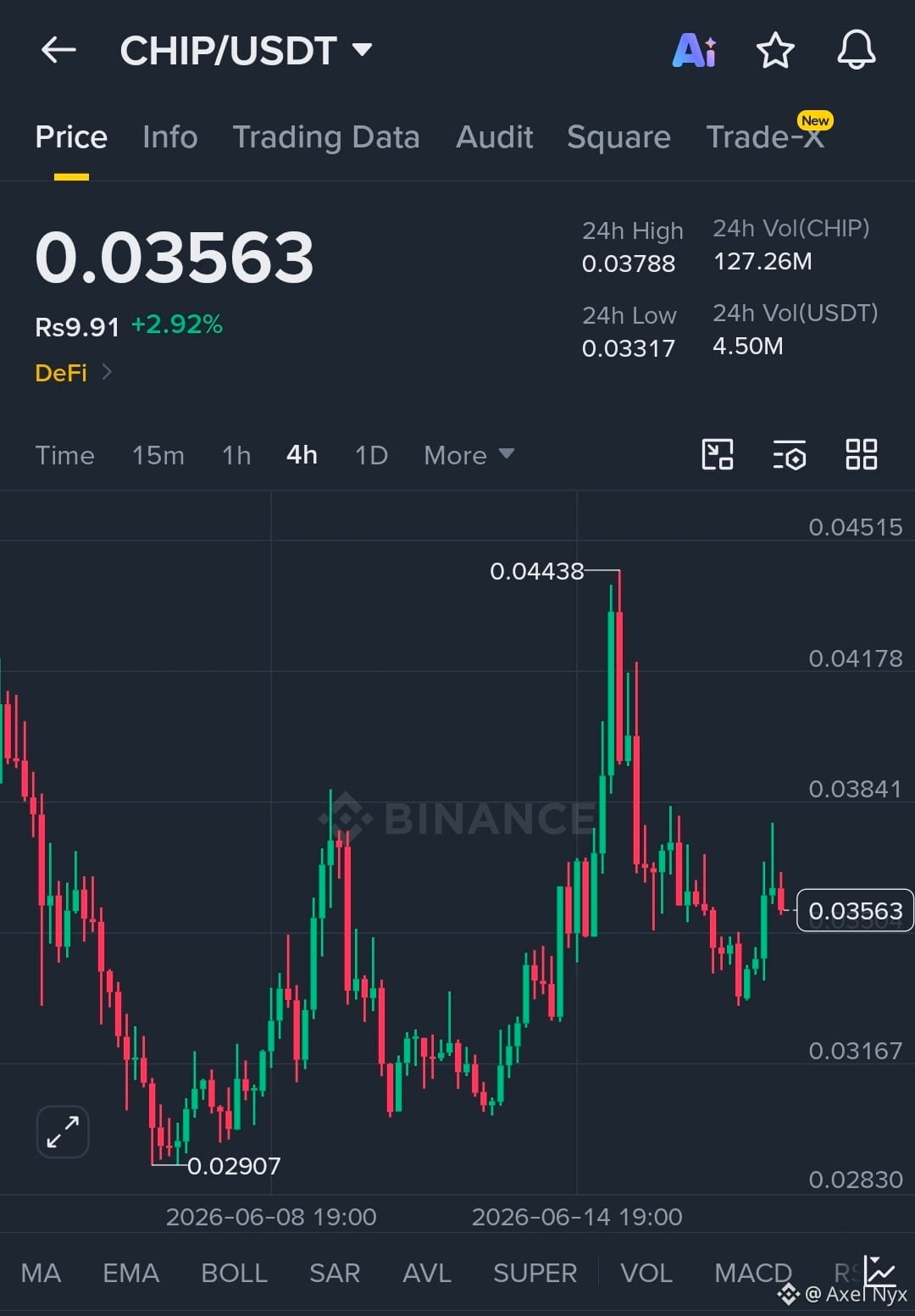
$CHIP は、直近の安値から反発した後、3セント台半ばのエリアを上回って推移しており、小幅な上昇が見られ、約3%の上昇が近い状況です。取引活動は依然として堅調で、勢いがまだ強くないとしても、安定した参加が続いていることを示唆しています。価格は定義されたレンジの中で動き続けており、下げ局面では買い手が入る一方で、上側のゾーン付近には売り手が現れるため、構造は均衡が保たれ、やや前向きな状態です。全体としてトレンドはまだ決め手に欠けており、市場はどちらか一方向へのより明確な押しを待っています。より広い観点では、$CHIP はDeFiエコシステムの中にあり、ブロックチェーン基盤を活用して、流動性システムやオンチェーンの連携といった分散型金融ツールを支えています。これらの資産は、注目が移り、流動性の流れがセクター間で変化するにつれて、段階的に動くことがよくあります。短期的なセンチメントは総じて穏やかに安定していますが、次の方向性は、買い手がレジスタンス上での圧力を維持できるか、あるいは再び価格がレンジ内の調整に戻るか次第です。
#FedHawkishDotPlotFlattensYieldCurve #SaudiSupertankersBeginCrossingStraitOfHormuz #IEAForecasts5MbdOilOverhang2027 #Fed4thConsecutiveRateHold #USStocksSlipAfterFedRateDecision
$CHIP は、直近の安値から反発した後、3セント台半ばのエリアを上回って推移しており、小幅な上昇が見られ、約3%の上昇が近い状況です。取引活動は依然として堅調で、勢いがまだ強くないとしても、安定した参加が続いていることを示唆しています。価格は定義されたレンジの中で動き続けており、下げ局面では買い手が入る一方で、上側のゾーン付近には売り手が現れるため、構造は均衡が保たれ、やや前向きな状態です。全体としてトレンドはまだ決め手に欠けており、市場はどちらか一方向へのより明確な押しを待っています。より広い観点では、$CHIP はDeFiエコシステムの中にあり、ブロックチェーン基盤を活用して、流動性システムやオンチェーンの連携といった分散型金融ツールを支えています。これらの資産は、注目が移り、流動性の流れがセクター間で変化するにつれて、段階的に動くことがよくあります。短期的なセンチメントは総じて穏やかに安定していますが、次の方向性は、買い手がレジスタンス上での圧力を維持できるか、あるいは再び価格がレンジ内の調整に戻るか次第です。
#FedHawkishDotPlotFlattensYieldCurve #SaudiSupertankersBeginCrossingStraitOfHormuz #IEAForecasts5MbdOilOverhang2027 #Fed4thConsecutiveRateHold #USStocksSlipAfterFedRateDecision
#FedHawkishDotPlotFlattensYieldCurve #SaudiSupertankersBeginCrossingStraitOfHormuz #IEAForecasts5MbdOilOverhang2027 #Fed4thConsecutiveRateHold #USStocksSlipAfterFedRateDecision
1
194
·
--
ブリッシュ
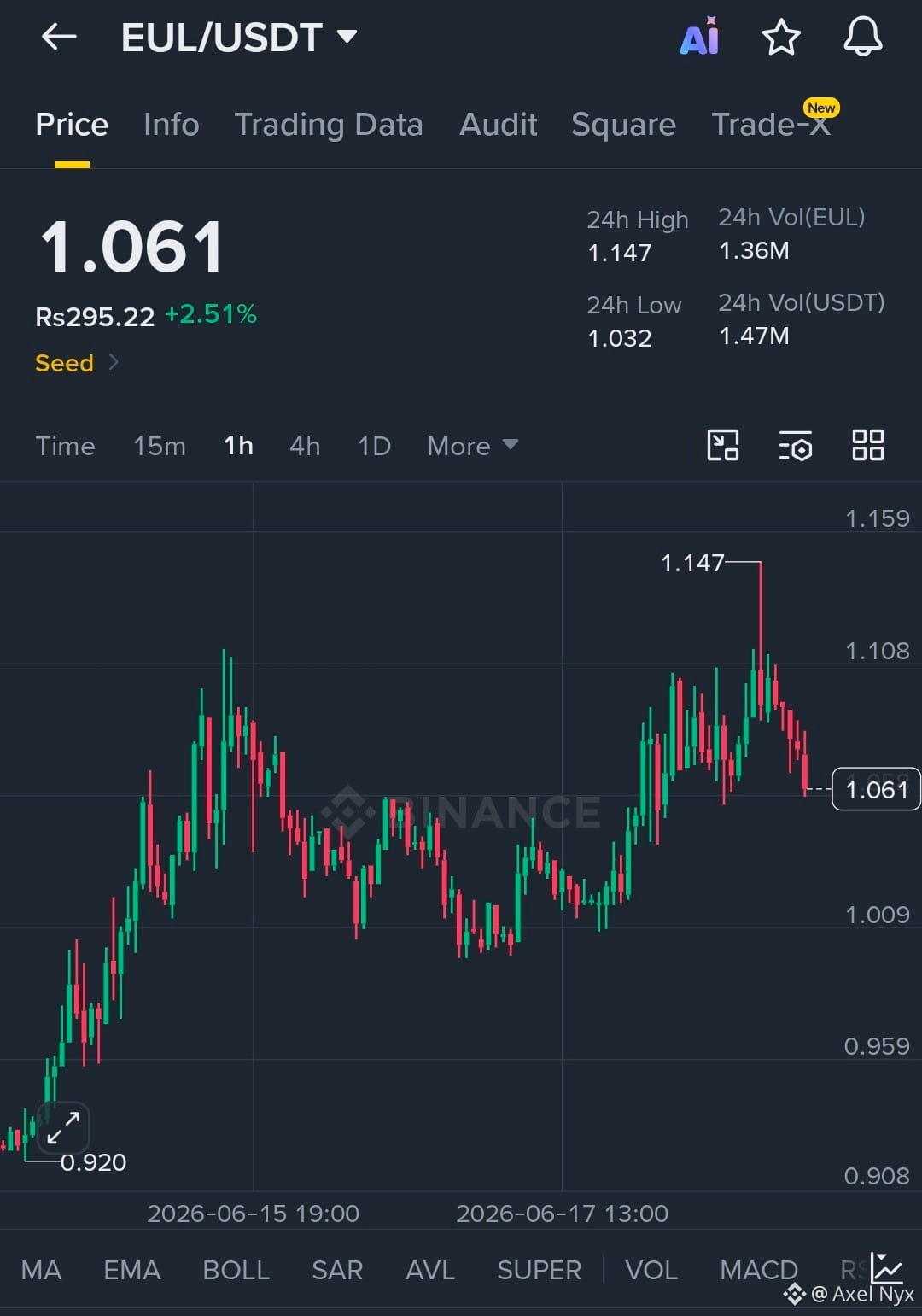
$EUL は、最近高値圏からの調整後に、1ドルの水準直上で価格が安定していることから、約2〜3%の上昇を伴う緩やかな上向きの動きを見せています。取引活動は依然として安定しており、以前のスイング時に比べてモメンタムが冷え込んでいるものの、参加は一貫していることを示唆しています。価格は一定のレンジ内で推移しており、売り手は直近の高値付近にいるようで、買い手は下方のサポート領域を守り続けています。そのため構造はバランスが取れており、わずかにポジティブです。全体としてトレンドはまだ不確かで、市場はより明確なブレイク方向を待っています。より広い観点では、$EUL はブロックチェーンのインフラおよびDeFiエコシステムに位置し、プロトコルは資本効率の向上、融資システム、そしてオンチェーン上での金融連携を目指しています。こうしたネットワークは、流動性が回転し、注目がさまざまなセクターへ移る際に、段階的に動くことがよくあります。短期的なセンチメントは慎重に安定している一方で、次の方向性は、買い手がレジスタンスを突破できるだけの強さを構築できるか、それとも価格が再びレンジ内の調整に戻るかにかかっています。
#FedHawkishDotPlotFlattensYieldCurve #SaudiSupertankersBeginCrossingStraitOfHormuz #TrumpAnnouncesUS10%IntelStake #IEAForecasts5MbdOilOverhang2027 #Fed4thConsecutiveRateHold
$EUL は、最近高値圏からの調整後に、1ドルの水準直上で価格が安定していることから、約2〜3%の上昇を伴う緩やかな上向きの動きを見せています。取引活動は依然として安定しており、以前のスイング時に比べてモメンタムが冷え込んでいるものの、参加は一貫していることを示唆しています。価格は一定のレンジ内で推移しており、売り手は直近の高値付近にいるようで、買い手は下方のサポート領域を守り続けています。そのため構造はバランスが取れており、わずかにポジティブです。全体としてトレンドはまだ不確かで、市場はより明確なブレイク方向を待っています。より広い観点では、$EUL はブロックチェーンのインフラおよびDeFiエコシステムに位置し、プロトコルは資本効率の向上、融資システム、そしてオンチェーン上での金融連携を目指しています。こうしたネットワークは、流動性が回転し、注目がさまざまなセクターへ移る際に、段階的に動くことがよくあります。短期的なセンチメントは慎重に安定している一方で、次の方向性は、買い手がレジスタンスを突破できるだけの強さを構築できるか、それとも価格が再びレンジ内の調整に戻るかにかかっています。
#FedHawkishDotPlotFlattensYieldCurve #SaudiSupertankersBeginCrossingStraitOfHormuz #TrumpAnnouncesUS10%IntelStake #IEAForecasts5MbdOilOverhang2027 #Fed4thConsecutiveRateHold
#FedHawkishDotPlotFlattensYieldCurve #SaudiSupertankersBeginCrossingStraitOfHormuz #TrumpAnnouncesUS10%IntelStake #IEAForecasts5MbdOilOverhang2027 #Fed4thConsecutiveRateHold
58
·
--
ブリッシュ
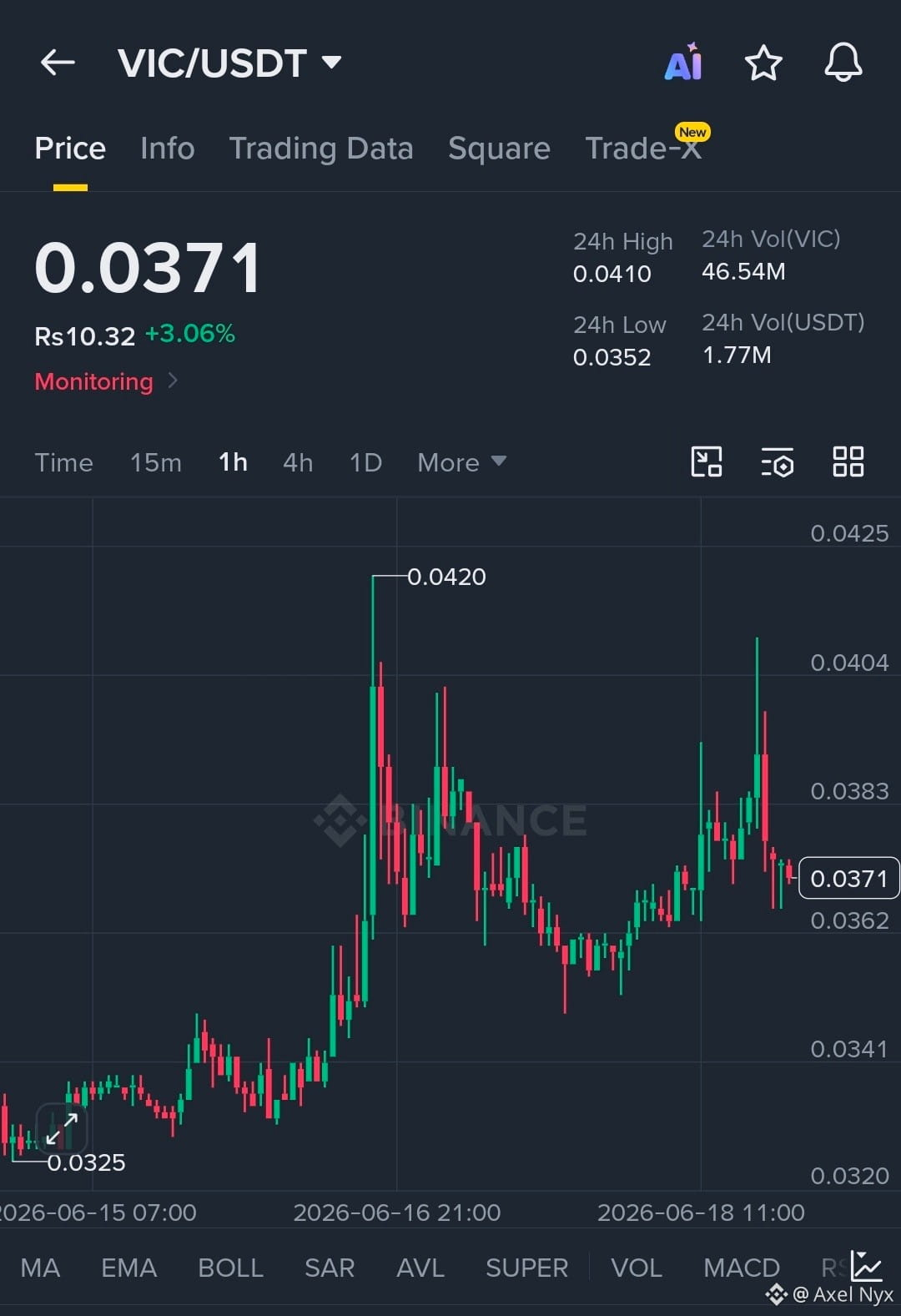
$VIC は、下方のサポートから跳ね返った後に最近のレンジの上部付近で価格が推移しており、約3%程度の小幅な上昇でわずかに高い位置へ動いています。この上昇は堅調な取引活動によって裏付けられており、勢いはまだそれほど強くないものの、参加は引き続き活発であることを示しています。価格は、買い手が下げを守り、売り手がレジスタンス付近で入ってくるという明確な水準間を回転するように推移し、構造は均衡を保ちレンジ相場の範囲に収まっています。全体のトーンはやや前向きですが、市場はまだ、より明確なブレイクアウト方向を待っている状態です。より広い観点では、$VIC はブロックチェーン基盤およびAI関連エコシステムに位置しており、プロジェクトはスケーラブルなシステムの構築や、分散化された計算、データ駆動型アプリケーションの支援に注力しています。これらのトークンは、注目や流動性がセクター間で移動する際に段階的に動くことがよくあります。全体として、短期的なセンチメントはわずかに改善していますが、次の方向性は、買い手がレジスタンス上でどれだけ圧力を維持できるか、あるいは価格が再び下側のレンジへ戻ってドリフトするかにかかっています。
#FedHawkishDotPlotFlattensYieldCurve #SaudiSupertankersBeginCrossingStraitOfHormuz #TrumpAnnouncesUS10%IntelStake #IEAForecasts5MbdOilOverhang2027 #Fed4thConsecutiveRateHold
$VIC は、下方のサポートから跳ね返った後に最近のレンジの上部付近で価格が推移しており、約3%程度の小幅な上昇でわずかに高い位置へ動いています。この上昇は堅調な取引活動によって裏付けられており、勢いはまだそれほど強くないものの、参加は引き続き活発であることを示しています。価格は、買い手が下げを守り、売り手がレジスタンス付近で入ってくるという明確な水準間を回転するように推移し、構造は均衡を保ちレンジ相場の範囲に収まっています。全体のトーンはやや前向きですが、市場はまだ、より明確なブレイクアウト方向を待っている状態です。より広い観点では、$VIC はブロックチェーン基盤およびAI関連エコシステムに位置しており、プロジェクトはスケーラブルなシステムの構築や、分散化された計算、データ駆動型アプリケーションの支援に注力しています。これらのトークンは、注目や流動性がセクター間で移動する際に段階的に動くことがよくあります。全体として、短期的なセンチメントはわずかに改善していますが、次の方向性は、買い手がレジスタンス上でどれだけ圧力を維持できるか、あるいは価格が再び下側のレンジへ戻ってドリフトするかにかかっています。
#FedHawkishDotPlotFlattensYieldCurve #SaudiSupertankersBeginCrossingStraitOfHormuz #TrumpAnnouncesUS10%IntelStake #IEAForecasts5MbdOilOverhang2027 #Fed4thConsecutiveRateHold
#FedHawkishDotPlotFlattensYieldCurve #SaudiSupertankersBeginCrossingStraitOfHormuz #TrumpAnnouncesUS10%IntelStake #IEAForecasts5MbdOilOverhang2027 #Fed4thConsecutiveRateHold
87
·
--
ブリッシュ
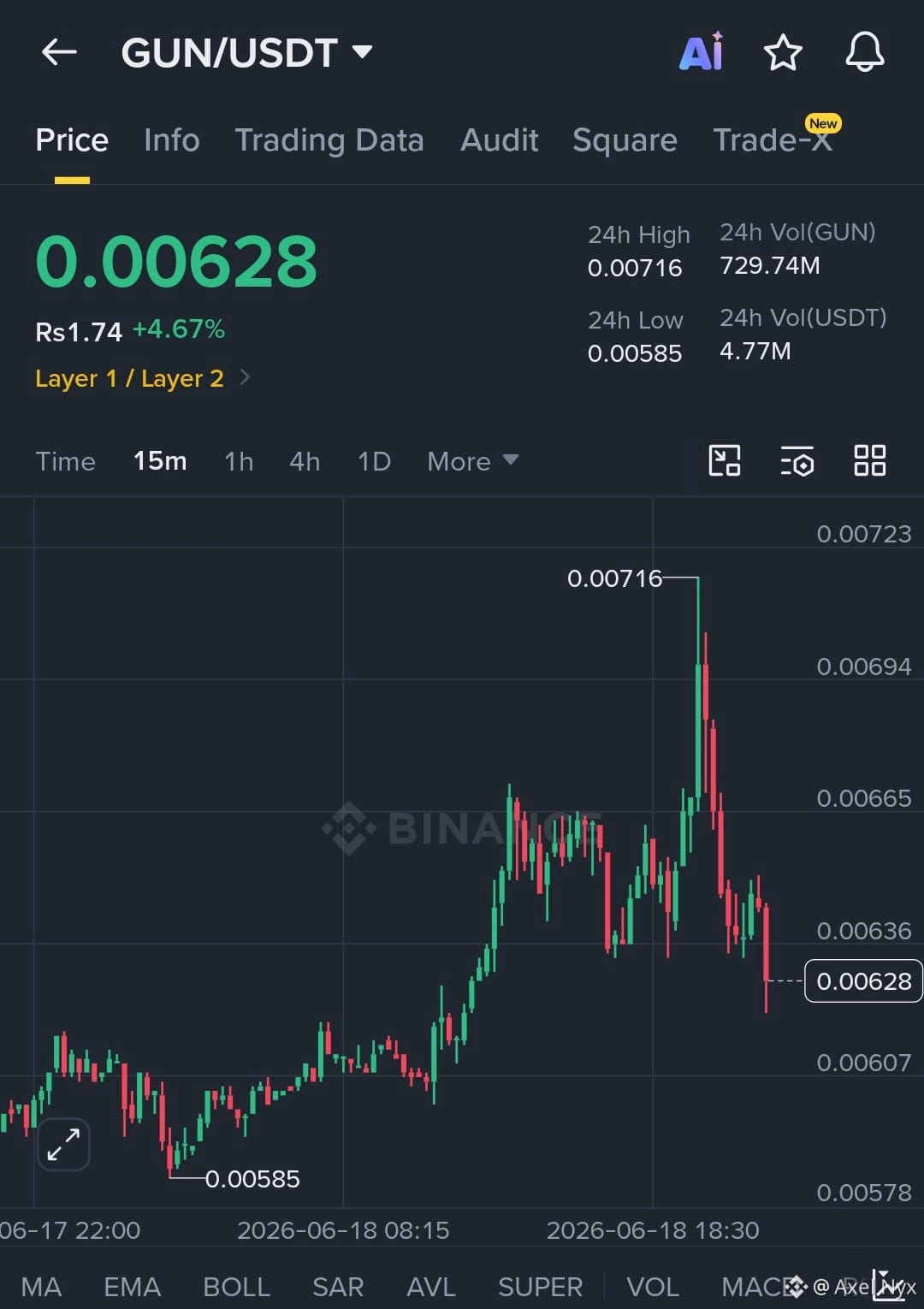
$GUN は、最近の値動きの後、6セント台の中間あたりで価格が落ち着くにつれて、約5%の上昇を伴う穏やかな上向きの動きを示しています。取引活動は強く維持されており、高い出来高が、マーケット全体での継続的な参加と関心を示唆しています。価格は依然として明確なレンジ内を動いており、買い手が押し目を支える一方で、売り手は直近の高値付近に見られるため、構造はバランスが保たれているものの、完全にはトレンド化していません。モメンタムはわずかにプラスですが、市場がより強いブレイクアウトを構築できるかどうかはまだ判断材料が必要です。より広い視点では、$GUN は、ネットワークがスケーラビリティやパフォーマンス、分散型アプリケーションの支援に注力するレイヤー1およびレイヤー2のブロックチェーン基盤の領域に位置しています。これらの資産は、流動性の変化に対して比較的素早く反応することが多く、コアとなるネットワーク活動や、より広範なエコシステム需要と結びついているためです。全体として短期のセンチメントは慎重に改善していますが、方向性は買い圧力がレジスタンスを上回って維持できるか、あるいは価格が再び下側レンジに戻るかにかかっています。
#FedHawkishDotPlotFlattensYieldCurve #SaudiSupertankersBeginCrossingStraitOfHormuz #TrumpAnnouncesUS10%IntelStake #IEAForecasts5MbdOilOverhang2027 #Fed4thConsecutiveRateHold
$GUN は、最近の値動きの後、6セント台の中間あたりで価格が落ち着くにつれて、約5%の上昇を伴う穏やかな上向きの動きを示しています。取引活動は強く維持されており、高い出来高が、マーケット全体での継続的な参加と関心を示唆しています。価格は依然として明確なレンジ内を動いており、買い手が押し目を支える一方で、売り手は直近の高値付近に見られるため、構造はバランスが保たれているものの、完全にはトレンド化していません。モメンタムはわずかにプラスですが、市場がより強いブレイクアウトを構築できるかどうかはまだ判断材料が必要です。より広い視点では、$GUN は、ネットワークがスケーラビリティやパフォーマンス、分散型アプリケーションの支援に注力するレイヤー1およびレイヤー2のブロックチェーン基盤の領域に位置しています。これらの資産は、流動性の変化に対して比較的素早く反応することが多く、コアとなるネットワーク活動や、より広範なエコシステム需要と結びついているためです。全体として短期のセンチメントは慎重に改善していますが、方向性は買い圧力がレジスタンスを上回って維持できるか、あるいは価格が再び下側レンジに戻るかにかかっています。
#FedHawkishDotPlotFlattensYieldCurve #SaudiSupertankersBeginCrossingStraitOfHormuz #TrumpAnnouncesUS10%IntelStake #IEAForecasts5MbdOilOverhang2027 #Fed4thConsecutiveRateHold
#FedHawkishDotPlotFlattensYieldCurve #SaudiSupertankersBeginCrossingStraitOfHormuz #TrumpAnnouncesUS10%IntelStake #IEAForecasts5MbdOilOverhang2027 #Fed4thConsecutiveRateHold
8
·
--
ブリッシュ
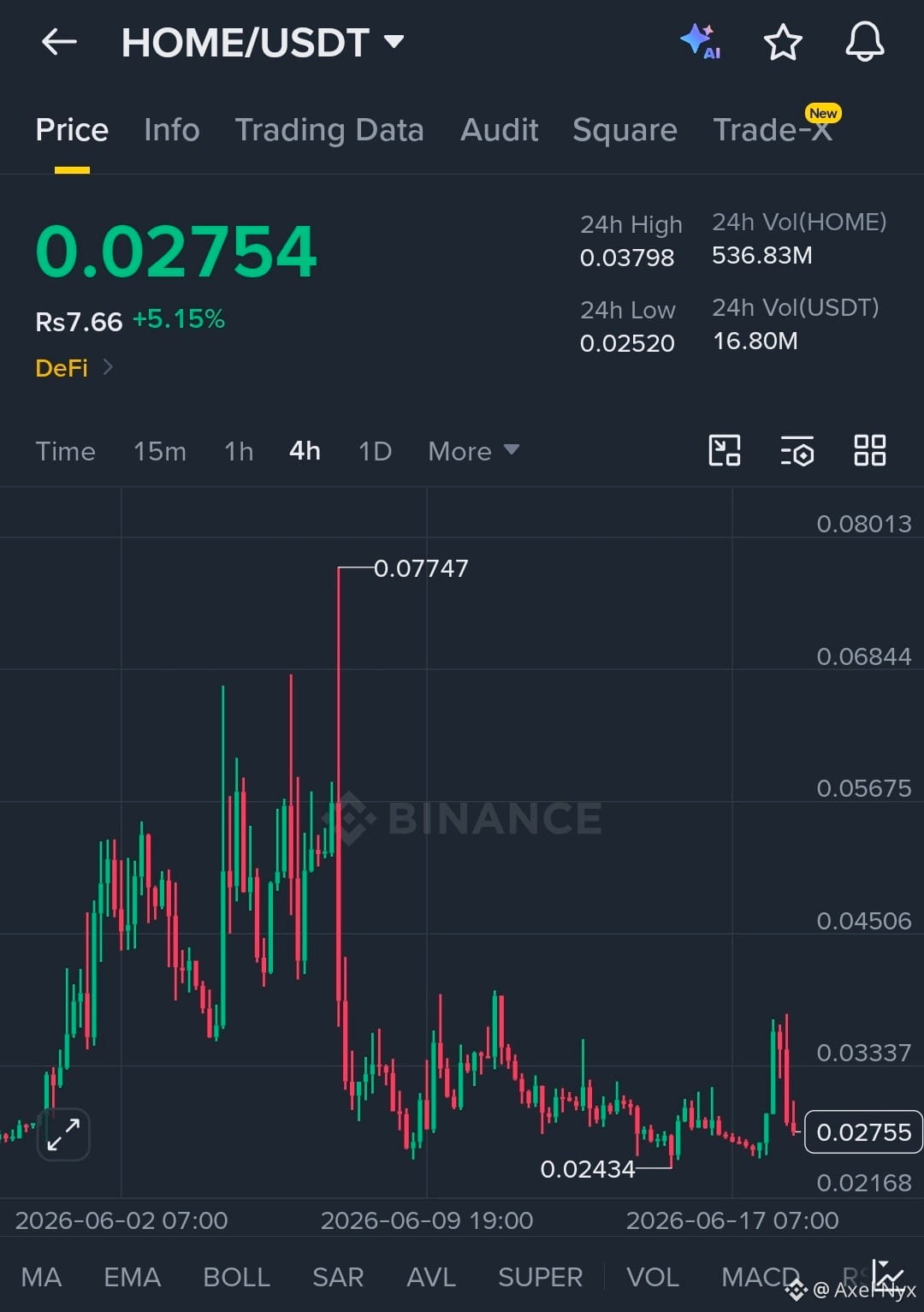
$HOME は、下値から反発した後に2セント台前半付近で価格が安定してきたことで、約5%の上昇による穏やかな回復を示しています。取引量は依然として強く、全体のトレンドが一様でないとしても、市場の活動は健全であることを示唆しています。価格構造は幅広く、サポートとレジスタンスの間で急激な値動きが見られ、マーケットはより明確な方向性を探っている段階にあります。買い手は押し目で入ってきていますが、売り手はより高いゾーンに対して圧力をかけ続けており、モメンタムは完全な上昇トレンドというよりは、良し悪しが混在しています。より広い観点では、$HOME はDeFiエコシステムの中に位置し、ブロックチェーンのインフラが、流動性、レンディング、オンチェーンの協調などの分散型金融活動を支えるために使われています。この種のトークンは、小型銘柄では流動性の資金が素早く出入りするため、センチメントが変わると比較的素早く反応することがよくあります。全体として短期のムードはややポジティブですが、次の動きは、買い手が現状の水準を維持できるか、それとも価格が再び以前のレンジに戻ってしまうかにかかっています。
#FedHawkishDotPlotFlattensYieldCurve #SaudiSupertankersBeginCrossingStraitOfHormuz #TrumpAnnouncesUS10%IntelStake #IEAForecasts5MbdOilOverhang2027 #Fed4thConsecutiveRateHold
$HOME は、下値から反発した後に2セント台前半付近で価格が安定してきたことで、約5%の上昇による穏やかな回復を示しています。取引量は依然として強く、全体のトレンドが一様でないとしても、市場の活動は健全であることを示唆しています。価格構造は幅広く、サポートとレジスタンスの間で急激な値動きが見られ、マーケットはより明確な方向性を探っている段階にあります。買い手は押し目で入ってきていますが、売り手はより高いゾーンに対して圧力をかけ続けており、モメンタムは完全な上昇トレンドというよりは、良し悪しが混在しています。より広い観点では、$HOME はDeFiエコシステムの中に位置し、ブロックチェーンのインフラが、流動性、レンディング、オンチェーンの協調などの分散型金融活動を支えるために使われています。この種のトークンは、小型銘柄では流動性の資金が素早く出入りするため、センチメントが変わると比較的素早く反応することがよくあります。全体として短期のムードはややポジティブですが、次の動きは、買い手が現状の水準を維持できるか、それとも価格が再び以前のレンジに戻ってしまうかにかかっています。
#FedHawkishDotPlotFlattensYieldCurve #SaudiSupertankersBeginCrossingStraitOfHormuz #TrumpAnnouncesUS10%IntelStake #IEAForecasts5MbdOilOverhang2027 #Fed4thConsecutiveRateHold
#FedHawkishDotPlotFlattensYieldCurve #SaudiSupertankersBeginCrossingStraitOfHormuz #TrumpAnnouncesUS10%IntelStake #IEAForecasts5MbdOilOverhang2027 #Fed4thConsecutiveRateHold
97
·
--
ブリッシュ
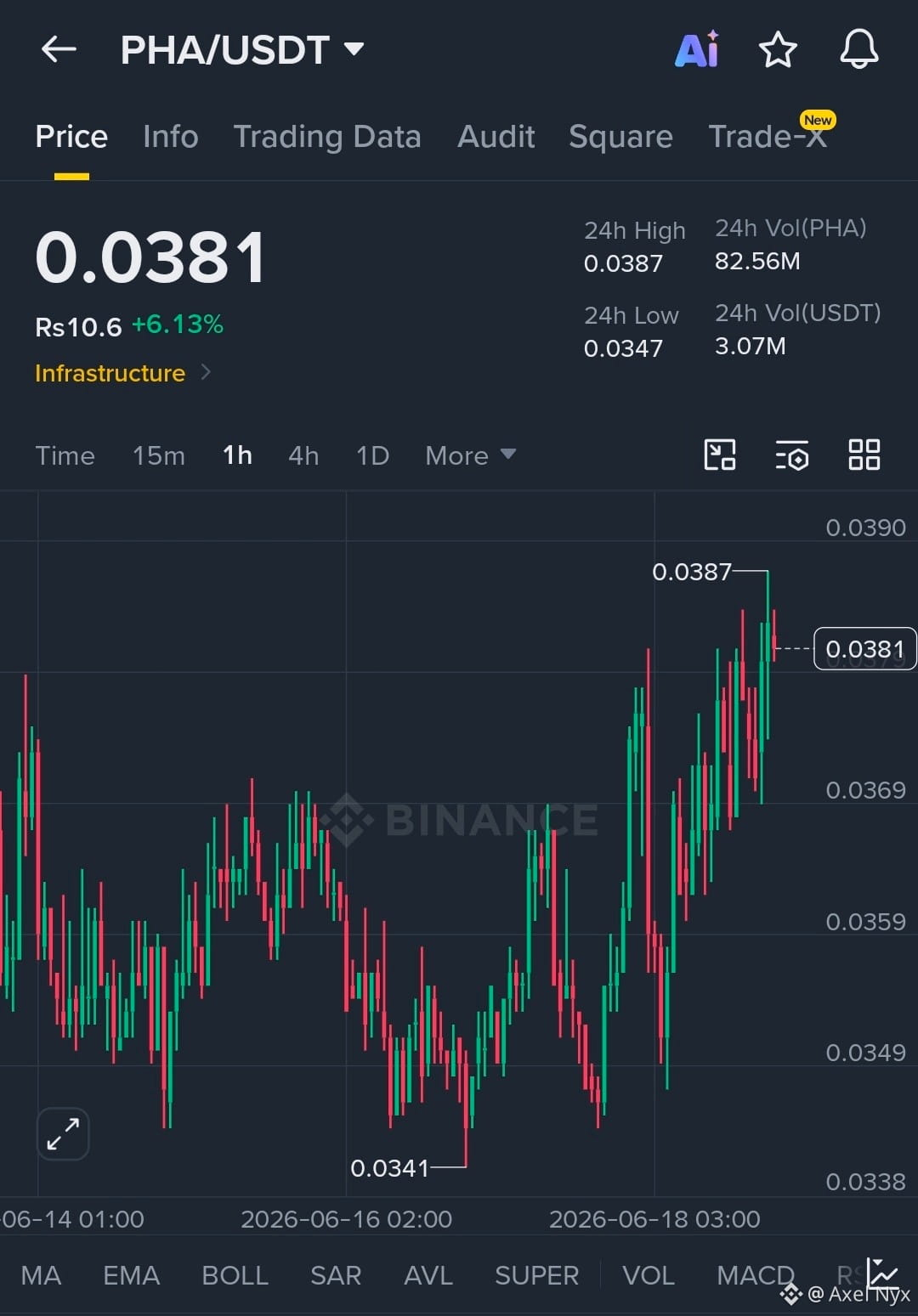
$PHA は、価格が下限レンジのすぐ上で推移しつつ、より高い水準を継続的に試しながら、緩やかで着実な上昇トレンドを示しており、約6%の上昇となっています。取引の活発さは一貫しており、動きが強烈でない場合でも、関心が薄れているのではなく安定していることを示唆します。価格は狭い構造の中で回転(レンジ内での推移)を続けており、買い手は下げを支え、売り手はレジスタンス付近で上値を抑えることで、市場の均衡を保ちつつ、わずかな上向きバイアスがかかっています。モメンタムは徐々に改善していますが、完全なブレイクアウトというよりは、仕込み(蓄積)段階に見えます。より広い観点では、PHAはブロックチェーンのインフラおよびプライバシー・コンピューティング領域に位置し、分散型ネットワークが安全なデータ処理を担い、次世代アプリケーションを支えることを目指しています。こうしたプロジェクトは、多くの場合、流動性と注目が時間をかけて積み上がるにつれて、最初はゆっくりと進展します。全体として、短期のセンチメントはやや前向きですが、次の方向性は、買い手がレジスタンス上で圧力を維持できるか、それとも価格が下側のレンジ(コンソリデーション)に再び滑り戻るかにかかっています。$PHA #FedHawkishDotPlotFlattensYieldCurve #SaudiSupertankersBeginCrossingStraitOfHormuz #TrumpAnnouncesUS10%IntelStake #IEAForecasts5MbdOilOverhang2027 #Fed4thConsecutiveRateHold
$PHA は、価格が下限レンジのすぐ上で推移しつつ、より高い水準を継続的に試しながら、緩やかで着実な上昇トレンドを示しており、約6%の上昇となっています。取引の活発さは一貫しており、動きが強烈でない場合でも、関心が薄れているのではなく安定していることを示唆します。価格は狭い構造の中で回転(レンジ内での推移)を続けており、買い手は下げを支え、売り手はレジスタンス付近で上値を抑えることで、市場の均衡を保ちつつ、わずかな上向きバイアスがかかっています。モメンタムは徐々に改善していますが、完全なブレイクアウトというよりは、仕込み(蓄積)段階に見えます。より広い観点では、PHAはブロックチェーンのインフラおよびプライバシー・コンピューティング領域に位置し、分散型ネットワークが安全なデータ処理を担い、次世代アプリケーションを支えることを目指しています。こうしたプロジェクトは、多くの場合、流動性と注目が時間をかけて積み上がるにつれて、最初はゆっくりと進展します。全体として、短期のセンチメントはやや前向きですが、次の方向性は、買い手がレジスタンス上で圧力を維持できるか、それとも価格が下側のレンジ(コンソリデーション)に再び滑り戻るかにかかっています。$PHA #FedHawkishDotPlotFlattensYieldCurve #SaudiSupertankersBeginCrossingStraitOfHormuz #TrumpAnnouncesUS10%IntelStake #IEAForecasts5MbdOilOverhang2027 #Fed4thConsecutiveRateHold
55
·
--
ブリッシュ
$EDEN は、価格が5セント付近の直近高値に近づくにつれて、約8%の上昇を伴いながら着実に上げています。この動きは一貫した出来高に支えられており、参加が活発であり、関心がすぐに薄れていないことを示しています。値動きは依然としてタイトなレンジ内で推移しており、下げ局面では買いが入り、抵抗近辺では売りが反応することで、構造は均衡を保ちつつもやや強気です。モメンタムは安定しているように見えますが、まだ強いブレイクアウトへ十分に拡大してはいません。より広い視点では、$EDEN は、将来の分散型システムのための基盤となるツールを構築することに重点を置く、シード段階のブロックチェーン基盤および初期エコシステム開発の物語の中に位置づけられます。これらの資産は、流動性が形成され、注目が徐々に新しいトークンへと回り込むにつれて、最初はゆっくりと動くことがよくあります。全体として、短期的なセンチメントは改善していますが、次の方向性は、買い手が現行の抵抗線の上で圧力を維持できるか、それとも価格が再び下側レンジに滑り戻るかにかかっています。
#FedHawkishDotPlotFlattensYieldCurve #SaudiSupertankersBeginCrossingStraitOfHormuz #TrumpAnnouncesUS10%IntelStake #IEAForecasts5MbdOilOverhang2027 #Fed4thConsecutiveRateHold
$EDEN は、価格が5セント付近の直近高値に近づくにつれて、約8%の上昇を伴いながら着実に上げています。この動きは一貫した出来高に支えられており、参加が活発であり、関心がすぐに薄れていないことを示しています。値動きは依然としてタイトなレンジ内で推移しており、下げ局面では買いが入り、抵抗近辺では売りが反応することで、構造は均衡を保ちつつもやや強気です。モメンタムは安定しているように見えますが、まだ強いブレイクアウトへ十分に拡大してはいません。より広い視点では、$EDEN は、将来の分散型システムのための基盤となるツールを構築することに重点を置く、シード段階のブロックチェーン基盤および初期エコシステム開発の物語の中に位置づけられます。これらの資産は、流動性が形成され、注目が徐々に新しいトークンへと回り込むにつれて、最初はゆっくりと動くことがよくあります。全体として、短期的なセンチメントは改善していますが、次の方向性は、買い手が現行の抵抗線の上で圧力を維持できるか、それとも価格が再び下側レンジに滑り戻るかにかかっています。
#FedHawkishDotPlotFlattensYieldCurve #SaudiSupertankersBeginCrossingStraitOfHormuz #TrumpAnnouncesUS10%IntelStake #IEAForecasts5MbdOilOverhang2027 #Fed4thConsecutiveRateHold
#FedHawkishDotPlotFlattensYieldCurve #SaudiSupertankersBeginCrossingStraitOfHormuz #TrumpAnnouncesUS10%IntelStake #IEAForecasts5MbdOilOverhang2027 #Fed4thConsecutiveRateHold
139
·
--
ブリッシュ
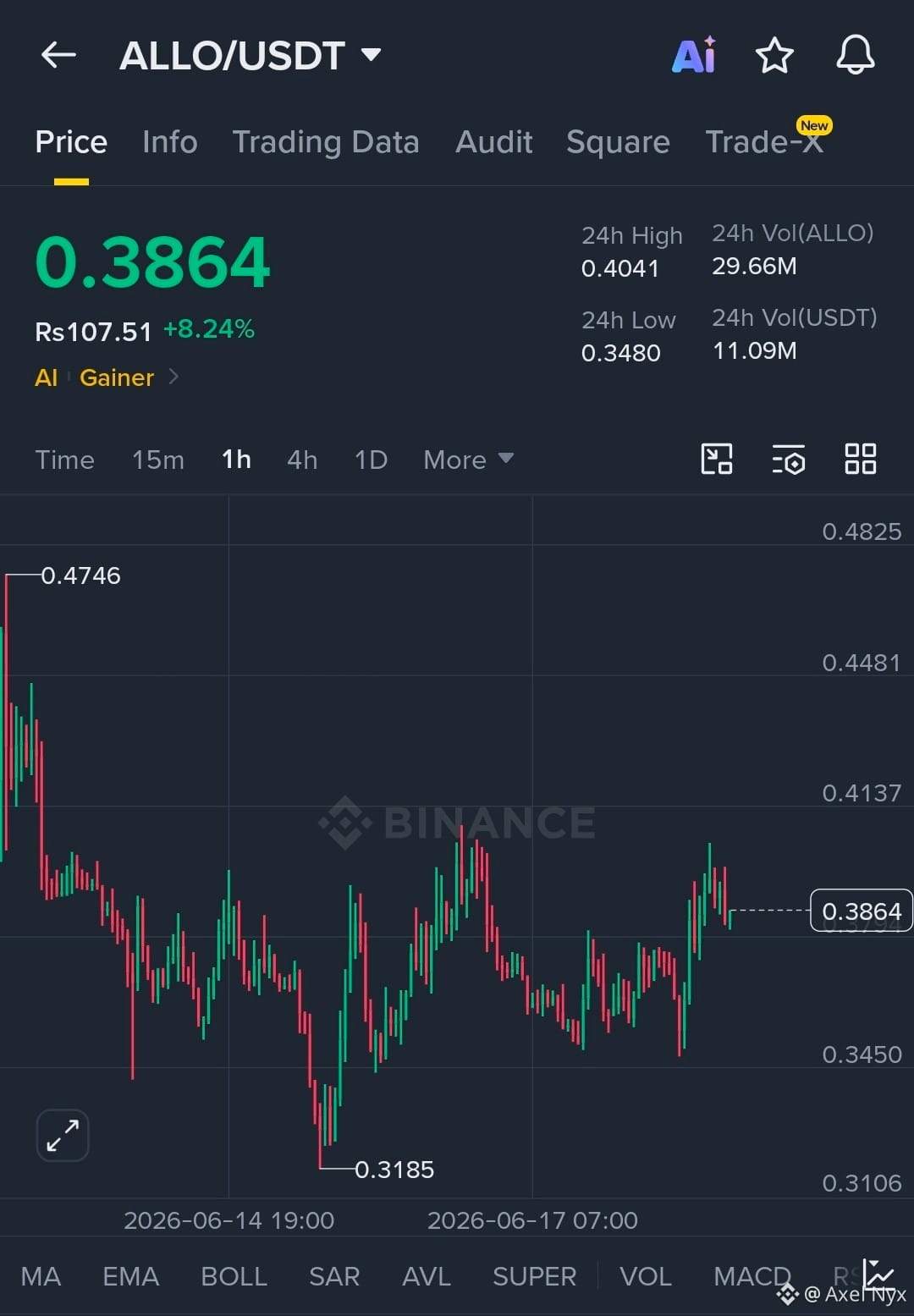
$ALLO は、下値から反発したのち、直近レンジの上側で推移しており、約8%の上昇を伴って着実な上向きが見られます。上昇は活発な取引量によって支えられており、薄い流動性による一時的な値動きではなく、実際の参加があることを示唆します。値動きは相変わらずやや荒く、押し目には買いが入る一方で、売りは直近の高値付近で圧力を維持しているため、売買が交互に繰り返されるような構造になっています。それでもモメンタムはわずかにプラスで、前のセッションに比べて市場の雰囲気も改善しています。より広い観点では、$ALLO は「AIおよびブロックチェーン基盤」という物語の中に位置しており、分散型システムとインテリジェントな計算、データの協調を組み合わせるプロジェクトに注目が集まっています。この分野は、注目が移り、流動性が新たに台頭するトークンへとシフトするにつれて、波のように動くことがよくあります。総じて短期のセンチメントは慎重に前向きですが、次の方向性は、買い手が現在のレジスタンス(抵抗)以上の強さを維持できるかどうか、そして勢いが再び下側のレンジへ戻ってしまわないかにかかっています。
#FedHawkishDotPlotFlattensYieldCurve #SaudiSupertankersBeginCrossingStraitOfHormuz #IEAForecasts5MbdOilOverhang2027 #TrumpAnnouncesUS10%IntelStake #Fed4thConsecutiveRateHold
$ALLO は、下値から反発したのち、直近レンジの上側で推移しており、約8%の上昇を伴って着実な上向きが見られます。上昇は活発な取引量によって支えられており、薄い流動性による一時的な値動きではなく、実際の参加があることを示唆します。値動きは相変わらずやや荒く、押し目には買いが入る一方で、売りは直近の高値付近で圧力を維持しているため、売買が交互に繰り返されるような構造になっています。それでもモメンタムはわずかにプラスで、前のセッションに比べて市場の雰囲気も改善しています。より広い観点では、$ALLO は「AIおよびブロックチェーン基盤」という物語の中に位置しており、分散型システムとインテリジェントな計算、データの協調を組み合わせるプロジェクトに注目が集まっています。この分野は、注目が移り、流動性が新たに台頭するトークンへとシフトするにつれて、波のように動くことがよくあります。総じて短期のセンチメントは慎重に前向きですが、次の方向性は、買い手が現在のレジスタンス(抵抗)以上の強さを維持できるかどうか、そして勢いが再び下側のレンジへ戻ってしまわないかにかかっています。
#FedHawkishDotPlotFlattensYieldCurve #SaudiSupertankersBeginCrossingStraitOfHormuz #IEAForecasts5MbdOilOverhang2027 #TrumpAnnouncesUS10%IntelStake #Fed4thConsecutiveRateHold
#FedHawkishDotPlotFlattensYieldCurve #SaudiSupertankersBeginCrossingStraitOfHormuz #IEAForecasts5MbdOilOverhang2027 #TrumpAnnouncesUS10%IntelStake #Fed4thConsecutiveRateHold
164
·
--
ブリッシュ
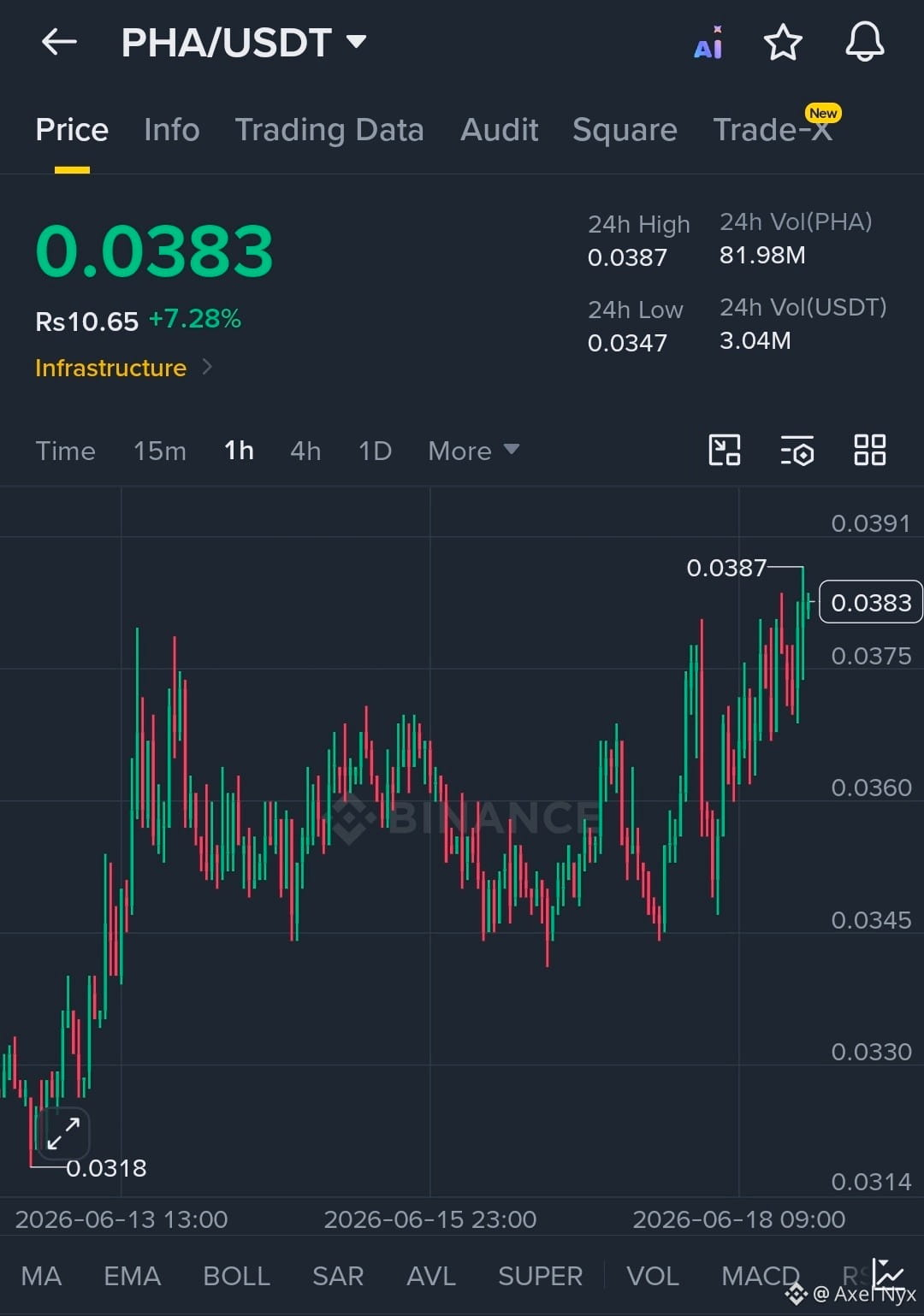
$PHA は、価格が最近のレンジ上限付近を維持していることから、約7%の上昇でゆっくりと高値を押し上げています。今回の動きは、急激で質の低いスパイクではなく、安定した取引活動を伴っており、参加が継続していることが示されています。値動きは依然として、買い手が押し目を防ぎ、売り手が足元の高値近辺で介入するという、比較的狭い水準の間で推移しており、市場はバランスを保ちつつもやや上向きに傾いています。モメンタムは改善していますが、構造としては完全なブレイクアウトというより、段階的な積み上げに見えます。より広い視点では、$PHA はブロックチェーンのインフラおよびプライバシー重視の計算領域に位置しており、分散型システムがデータを保護し、ネットワーク間で安全な計算を支えることを目指しています。この種のプロジェクトは、注目や流動性が異なるストーリー(テーマ)を巡るにつれて、段階的に動くことがよくあります。全体として、短期のセンチメントはやや前向きですが、現在のレジスタンス帯の上で需要の構築が続き、その後に下方レンジへ失速して戻ってこないかどうかで、方向性は決まります。
#FedHawkishDotPlotFlattensYieldCurve #SaudiSupertankersBeginCrossingStraitOfHormuz #TrumpAnnouncesUS10%IntelStake #IEAForecasts5MbdOilOverhang2027 #Fed4thConsecutiveRateHold
$PHA は、価格が最近のレンジ上限付近を維持していることから、約7%の上昇でゆっくりと高値を押し上げています。今回の動きは、急激で質の低いスパイクではなく、安定した取引活動を伴っており、参加が継続していることが示されています。値動きは依然として、買い手が押し目を防ぎ、売り手が足元の高値近辺で介入するという、比較的狭い水準の間で推移しており、市場はバランスを保ちつつもやや上向きに傾いています。モメンタムは改善していますが、構造としては完全なブレイクアウトというより、段階的な積み上げに見えます。より広い視点では、$PHA はブロックチェーンのインフラおよびプライバシー重視の計算領域に位置しており、分散型システムがデータを保護し、ネットワーク間で安全な計算を支えることを目指しています。この種のプロジェクトは、注目や流動性が異なるストーリー(テーマ)を巡るにつれて、段階的に動くことがよくあります。全体として、短期のセンチメントはやや前向きですが、現在のレジスタンス帯の上で需要の構築が続き、その後に下方レンジへ失速して戻ってこないかどうかで、方向性は決まります。
#FedHawkishDotPlotFlattensYieldCurve #SaudiSupertankersBeginCrossingStraitOfHormuz #TrumpAnnouncesUS10%IntelStake #IEAForecasts5MbdOilOverhang2027 #Fed4thConsecutiveRateHold
#FedHawkishDotPlotFlattensYieldCurve #SaudiSupertankersBeginCrossingStraitOfHormuz #TrumpAnnouncesUS10%IntelStake #IEAForecasts5MbdOilOverhang2027 #Fed4thConsecutiveRateHold
39
ログインして、さらにコンテンツを読む
厳選トピックで世界の暗号資産トレーダーの仲間入り
⚡️ 暗号資産に関する最新かつ有益な情報が見つかります。
💬 世界最大の暗号資産取引所から信頼されています。
👍 認証を受けたクリエイターから、有益なインサイトを得られます。
メール / 電話番号
トレンドトピック
BOJRaisesRatesTo31YearHigh
閲覧回数 79,213
1,247人が討論中
#bojraisesratesto31yearhigh ¿日銀は31年ぶり高値、そしてビットコインは上昇中?1つのグラフで見る$BTC の機関投資家としての成熟度 🇯🇵📈⚡
日本銀行は政策金利を1.25%に引き上げました(3十年以上で過去最高)。多くの人が予測していたキャリートレード崩壊は起きず、むしろ仮想通貨市場が最もクリーンに見せる強さが出てきたのです。
🧠 テクニカル面からの重要な3つの読み取り:
1️⃣ マクロのデカップリング:従来のアナリストが想定したように円が強くはならず、その一方でBTCは力強いリバウンド。スポット需要がまだ健在であることを示しています。
2️⃣ ハイテク巨人を上回る:時価総額が1.63兆ドル超のビットコインが、テスラ(1.438B)を再び上回り、世界的な準備資産かつ流動性の避難先としての役割を再確認します。
3️⃣ 4Hと1Dの構造:サポートでの吸収が、マクロの下げ局面が機関投資家による蓄積の“窓”であり、投げ売り(キャピトュレーション)ではないことを裏付けています。
小売は金利に関する見出しにパニックになっていても、プロの運用は“実際の流動性”の動きを追い続けます。 💎🛡️
💬 コミュニティ向けの議論:このデカップリングは、史上最高値更新に向かう上昇サイクルの最終局面が始まったことを示していると思いますか?それとも、世界的な流動性がまだサポートを試しに来るのでしょうか?分析を下に書き込んでください!👇🔥
#bojraisesratesto31yearhigh #MacroEconomy #Trading #BinanceSquare
Jacktraders
·いいね:1件
·閲覧回数 6.1k
BuffettStepsDownAsBerkshireChairman
閲覧回数 35,899
592人が討論中
XRPExchangeReservesHitSevenYearLow
閲覧回数 40,866
549人が討論中