
Brittni Bunger PdeS
39 投稿

Brittni Bunger PdeS
報告
ユーザーをブロック
取引を発注
高頻度トレーダー
3.1年
15 フォロー
170 フォロワー
80 いいね
投稿
ポートフォリオ
記事
準備のための位置付け: なぜVanar Chainが際立っているのか。@Vanar
#VanarChain
AIの物語がWeb3全体で加速するにつれて、すべてのインフラが同じように作られているわけではないことがますます明らかになっています。ブロックチェーンの採用の次の段階は、より高速なTPSやわずかな効率の向上によって推進されるのではなく、ネットワークが自律的な知能を支える能力が本当にあるかどうかによって決まります。ここで、'AIファースト'と'AI追加'インフラの違いが重要になります。これは、Vanar Chainと<m-82/>が際立つ理由です。
1. AIファースト vs AI追加インフラ
準備のための位置付け: なぜVanar Chainが際立っているのか。
@Vanarchain
#VanarChain
AIの物語がWeb3全体で加速するにつれて、すべてのインフラが同じように作られているわけではないことがますます明らかになっています。ブロックチェーンの採用の次の段階は、より高速なTPSやわずかな効率の向上によって推進されるのではなく、ネットワークが自律的な知能を支える能力が本当にあるかどうかによって決まります。ここで、'AIファースト'と'AI追加'インフラの違いが重要になります。これは、Vanar Chainと<m-82/>が際立つ理由です。
1. AIファースト vs AI追加インフラ
#VanarChain
AIの物語がWeb3全体で加速するにつれて、すべてのインフラが同じように作られているわけではないことがますます明らかになっています。ブロックチェーンの採用の次の段階は、より高速なTPSやわずかな効率の向上によって推進されるのではなく、ネットワークが自律的な知能を支える能力が本当にあるかどうかによって決まります。ここで、'AIファースト'と'AI追加'インフラの違いが重要になります。これは、Vanar Chainと<m-82/>が際立つ理由です。
1. AIファースト vs AI追加インフラ
2
17
#vanar $VANRY
#vanar はデジタルエンターテインメント、ゲーム、没入型体験の未来を設計したブロックチェーンを構築しています。そして、このエコシステムの中心には#VanarChain とそのネイティブユーティリティトークン、$VANRYがあります。
Vanar Chainは、高性能でEVM互換のレイヤー1で、スケーラビリティ、低遅延、現実世界での使いやすさを重視しています。これにより、ゲーム、エンターテインメント、AI、没入型デジタルワールド、大規模消費者向けアプリケーションなどの業界にとって特に魅力的です。ここでは、速度とコスト効率が任意ではなく、必須です。
$VANRY トークンは、このエコシステムを支える中心的な役割を果たします。それは単なる投機的資産ではなく、Vanar Chainの経済的バックボーンです。すべての相互作用—NFTのミンティング、ゲーム内資産の移動、AI駆動アプリケーションの稼働において、VANRYはネットワーク全体のガス料金を支払うために使用されます。Vanar Chain上に多くのアプリケーションが構築され、展開されるにつれて、VANRYの需要は実際のユーティリティを通じて自然に増加します。
取引手数料を超えて、VANRYはステーキング、ネットワークセキュリティ、エコシステムインセンティブにも統合されています。バリデーターや参加者は、VANRYをステークしてチェーンを保護し、分散化と信頼性を確保しながら、その貢献に対して報酬を得ることができます。このチェーン間の整合性は、トークンホルダーがネットワークの長期的な健全性と直接一致する持続可能なモデルを作ります。
Vanar Chainの際立った強みの一つは、企業や主流の採用に焦点を当てていることです。ネットワークはパフォーマンスを損なうことなく数百万のユーザーを処理できるように設計されており、主流の採用にとって重要な要件です。
Vanar Chainは、従来のWeb2体験と分散型Web3世界とのギャップを埋めることを目指しています—ユーザーにブロックチェーンの複雑さを理解させることなく。
このモデルでは、$VANRY は目に見えないインフラストラクチャトークンとなります—重要で価値があり、すべての体験に深く組み込まれています。
#vanar $VANRY
#vanar はデジタルエンターテインメント、ゲーム、没入型体験の未来を設計したブロックチェーンを構築しています。そして、このエコシステムの中心には#VanarChain とそのネイティブユーティリティトークン、$VANRYがあります。
Vanar Chainは、高性能でEVM互換のレイヤー1で、スケーラビリティ、低遅延、現実世界での使いやすさを重視しています。これにより、ゲーム、エンターテインメント、AI、没入型デジタルワールド、大規模消費者向けアプリケーションなどの業界にとって特に魅力的です。ここでは、速度とコスト効率が任意ではなく、必須です。
$VANRY トークンは、このエコシステムを支える中心的な役割を果たします。それは単なる投機的資産ではなく、Vanar Chainの経済的バックボーンです。すべての相互作用—NFTのミンティング、ゲーム内資産の移動、AI駆動アプリケーションの稼働において、VANRYはネットワーク全体のガス料金を支払うために使用されます。Vanar Chain上に多くのアプリケーションが構築され、展開されるにつれて、VANRYの需要は実際のユーティリティを通じて自然に増加します。
取引手数料を超えて、VANRYはステーキング、ネットワークセキュリティ、エコシステムインセンティブにも統合されています。バリデーターや参加者は、VANRYをステークしてチェーンを保護し、分散化と信頼性を確保しながら、その貢献に対して報酬を得ることができます。このチェーン間の整合性は、トークンホルダーがネットワークの長期的な健全性と直接一致する持続可能なモデルを作ります。
Vanar Chainの際立った強みの一つは、企業や主流の採用に焦点を当てていることです。ネットワークはパフォーマンスを損なうことなく数百万のユーザーを処理できるように設計されており、主流の採用にとって重要な要件です。
Vanar Chainは、従来のWeb2体験と分散型Web3世界とのギャップを埋めることを目指しています—ユーザーにブロックチェーンの複雑さを理解させることなく。
このモデルでは、$VANRY は目に見えないインフラストラクチャトークンとなります—重要で価値があり、すべての体験に深く組み込まれています。
#vanar はデジタルエンターテインメント、ゲーム、没入型体験の未来を設計したブロックチェーンを構築しています。そして、このエコシステムの中心には#VanarChain とそのネイティブユーティリティトークン、$VANRYがあります。
Vanar Chainは、高性能でEVM互換のレイヤー1で、スケーラビリティ、低遅延、現実世界での使いやすさを重視しています。これにより、ゲーム、エンターテインメント、AI、没入型デジタルワールド、大規模消費者向けアプリケーションなどの業界にとって特に魅力的です。ここでは、速度とコスト効率が任意ではなく、必須です。
$VANRY トークンは、このエコシステムを支える中心的な役割を果たします。それは単なる投機的資産ではなく、Vanar Chainの経済的バックボーンです。すべての相互作用—NFTのミンティング、ゲーム内資産の移動、AI駆動アプリケーションの稼働において、VANRYはネットワーク全体のガス料金を支払うために使用されます。Vanar Chain上に多くのアプリケーションが構築され、展開されるにつれて、VANRYの需要は実際のユーティリティを通じて自然に増加します。
取引手数料を超えて、VANRYはステーキング、ネットワークセキュリティ、エコシステムインセンティブにも統合されています。バリデーターや参加者は、VANRYをステークしてチェーンを保護し、分散化と信頼性を確保しながら、その貢献に対して報酬を得ることができます。このチェーン間の整合性は、トークンホルダーがネットワークの長期的な健全性と直接一致する持続可能なモデルを作ります。
Vanar Chainの際立った強みの一つは、企業や主流の採用に焦点を当てていることです。ネットワークはパフォーマンスを損なうことなく数百万のユーザーを処理できるように設計されており、主流の採用にとって重要な要件です。
Vanar Chainは、従来のWeb2体験と分散型Web3世界とのギャップを埋めることを目指しています—ユーザーにブロックチェーンの複雑さを理解させることなく。
このモデルでは、$VANRY は目に見えないインフラストラクチャトークンとなります—重要で価値があり、すべての体験に深く組み込まれています。
3
24
#CryptoTariffDrop もしあなたが知らなかったら、トランプは意図的に追加関税を課したり、組織の資金を削減することで株式市場を混乱させています。これは経済のリセットを引き起こす可能性があります、または#recession 。暗号市場でも同じことが起こるでしょう。彼はすでに暗号に足を踏み入れており、投資にはあまり関心がないようです。ただの混乱です。
#CryptoTariffDrop もしあなたが知らなかったら、トランプは意図的に追加関税を課したり、組織の資金を削減することで株式市場を混乱させています。これは経済のリセットを引き起こす可能性があります、または#recession 。暗号市場でも同じことが起こるでしょう。彼はすでに暗号に足を踏み入れており、投資にはあまり関心がないようです。ただの混乱です。
139
#BNBChainMeme
BNBチェーンエコシステムの現在の市場動向は、いくつかの重要な要因によって推進されています:
1. 開発者の活動の増加 – BNBチェーンは、スケーラビリティとレイヤー2ソリューション(例:opBNB)などの新しい革新に焦点を当てています。
2. DeFiおよびGameFiの成長 – 分散型金融(DeFi)およびゲームプロジェクトは、特にTVL(総ロック価値)の上昇に伴い、再び注目を集めています。
3. BNBの価格パフォーマンス – BNBが強いままであるため、そのエコシステムに対する投資家の信頼が高まっています。
4. 規制の進展 – バイナンスの進行中の規制の進展は、BNBチェーンプロジェクトに対するセンチメントに影響を与えます。
最も楽観的なプロジェクト:
最も有望なプロジェクトの一つは
• FusionX Finance、クロスチェーン機能と実際の収益機会を提供する次世代DeFiハブです。
その他の注目すべきプロジェクトには
• PancakeSwap、BNBチェーンのDEX市場を依然として支配しているプロジェクト、及び
• Maverick Protocol、自動化されたマーケットメイキングにおいて革新を進めているプロジェクトがあります。
#BNBChainMeme
BNBチェーンエコシステムの現在の市場動向は、いくつかの重要な要因によって推進されています:
1. 開発者の活動の増加 – BNBチェーンは、スケーラビリティとレイヤー2ソリューション(例:opBNB)などの新しい革新に焦点を当てています。
2. DeFiおよびGameFiの成長 – 分散型金融(DeFi)およびゲームプロジェクトは、特にTVL(総ロック価値)の上昇に伴い、再び注目を集めています。
3. BNBの価格パフォーマンス – BNBが強いままであるため、そのエコシステムに対する投資家の信頼が高まっています。
4. 規制の進展 – バイナンスの進行中の規制の進展は、BNBチェーンプロジェクトに対するセンチメントに影響を与えます。
最も楽観的なプロジェクト:
最も有望なプロジェクトの一つは
• FusionX Finance、クロスチェーン機能と実際の収益機会を提供する次世代DeFiハブです。
その他の注目すべきプロジェクトには
• PancakeSwap、BNBチェーンのDEX市場を依然として支配しているプロジェクト、及び
• Maverick Protocol、自動化されたマーケットメイキングにおいて革新を進めているプロジェクトがあります。
BNBチェーンエコシステムの現在の市場動向は、いくつかの重要な要因によって推進されています:
1. 開発者の活動の増加 – BNBチェーンは、スケーラビリティとレイヤー2ソリューション(例:opBNB)などの新しい革新に焦点を当てています。
2. DeFiおよびGameFiの成長 – 分散型金融(DeFi)およびゲームプロジェクトは、特にTVL(総ロック価値)の上昇に伴い、再び注目を集めています。
3. BNBの価格パフォーマンス – BNBが強いままであるため、そのエコシステムに対する投資家の信頼が高まっています。
4. 規制の進展 – バイナンスの進行中の規制の進展は、BNBチェーンプロジェクトに対するセンチメントに影響を与えます。
最も楽観的なプロジェクト:
最も有望なプロジェクトの一つは
• FusionX Finance、クロスチェーン機能と実際の収益機会を提供する次世代DeFiハブです。
その他の注目すべきプロジェクトには
• PancakeSwap、BNBチェーンのDEX市場を依然として支配しているプロジェクト、及び
• Maverick Protocol、自動化されたマーケットメイキングにおいて革新を進めているプロジェクトがあります。
676
#StrategySmallestBTC
大規模な機関が価格の下落時に少量のビットコインを購入すると、いくつかの影響が発生する可能性があります:
1. 心理的影響 – 市場参加者はこの購入を機関の信頼の兆候と解釈し、購入活動が増加する可能性があります。
2. 市場流動性と安定性 – 小規模な機関の購入でも、売り圧力を吸収することで価格を安定させるのに役立ちます。
3. 小売業者と他のトレーダーによるフロントランニング – 機関の活動を観察して、トレーダーは価格の反発を予測して購入し、回復を強化するかもしれません。
4. アルゴリズム取引の反応 – 注文書を監視している取引ボットやアルゴリズムは、機関の購入に反応し、さらに価格の動きを引き起こす可能性があります。
5. 蓄積戦略 – 機関は流動性をテストしている可能性があり、より大きな蓄積計画を実行しているか、将来の関心を示している可能性があります。
全体として、下落時の小規模な機関の購入でも、感情や価格の回復に影響を与える連鎖反応を引き起こす可能性があります。
#StrategySmallestBTC
大規模な機関が価格の下落時に少量のビットコインを購入すると、いくつかの影響が発生する可能性があります:
1. 心理的影響 – 市場参加者はこの購入を機関の信頼の兆候と解釈し、購入活動が増加する可能性があります。
2. 市場流動性と安定性 – 小規模な機関の購入でも、売り圧力を吸収することで価格を安定させるのに役立ちます。
3. 小売業者と他のトレーダーによるフロントランニング – 機関の活動を観察して、トレーダーは価格の反発を予測して購入し、回復を強化するかもしれません。
4. アルゴリズム取引の反応 – 注文書を監視している取引ボットやアルゴリズムは、機関の購入に反応し、さらに価格の動きを引き起こす可能性があります。
5. 蓄積戦略 – 機関は流動性をテストしている可能性があり、より大きな蓄積計画を実行しているか、将来の関心を示している可能性があります。
全体として、下落時の小規模な機関の購入でも、感情や価格の回復に影響を与える連鎖反応を引き起こす可能性があります。
大規模な機関が価格の下落時に少量のビットコインを購入すると、いくつかの影響が発生する可能性があります:
1. 心理的影響 – 市場参加者はこの購入を機関の信頼の兆候と解釈し、購入活動が増加する可能性があります。
2. 市場流動性と安定性 – 小規模な機関の購入でも、売り圧力を吸収することで価格を安定させるのに役立ちます。
3. 小売業者と他のトレーダーによるフロントランニング – 機関の活動を観察して、トレーダーは価格の反発を予測して購入し、回復を強化するかもしれません。
4. アルゴリズム取引の反応 – 注文書を監視している取引ボットやアルゴリズムは、機関の購入に反応し、さらに価格の動きを引き起こす可能性があります。
5. 蓄積戦略 – 機関は流動性をテストしている可能性があり、より大きな蓄積計画を実行しているか、将来の関心を示している可能性があります。
全体として、下落時の小規模な機関の購入でも、感情や価格の回復に影響を与える連鎖反応を引き起こす可能性があります。
1
390
#AltcoinRevolution2028
アルトコイン—ビットコインの代替暗号通貨—はデジタル金融の風景を支配すると予測されています。
ビットコインがスケーラビリティと取引速度の問題に直面し続ける中、アルトコインはより効率的でスケーラブルな革新的なソリューションを提供するために登場しました。2028年までに、多くのアルトコインが繁栄すると予想されており、それぞれがスマートコントラクト、分散型金融(DeFi)、プライバシー重視の取引などの特定のユースケースに対応しています。
ブロックチェーン技術の進展はアルトコインの成功を促進し、セキュリティ、相互運用性、使いやすさの向上が主流の採用を引き寄せます。分散型アプリケーション(dApps)とトークン化は、ニッチなセクターを超えて拡大し、金融、サプライチェーン、ゲームなどの業界を混乱させます。
アルトコインへの関心の高まりは、従来の金融システムに挑戦し、中央集権的な機関から権力をシフトさせる可能性があります。2028年までに、アルトコインは世界の金融システムのコアコンポーネントになる準備が整い、従来の通貨やデジタル資産に対する革新的な代替手段を提供します。
#AltcoinRevolution2028
アルトコイン—ビットコインの代替暗号通貨—はデジタル金融の風景を支配すると予測されています。
ビットコインがスケーラビリティと取引速度の問題に直面し続ける中、アルトコインはより効率的でスケーラブルな革新的なソリューションを提供するために登場しました。2028年までに、多くのアルトコインが繁栄すると予想されており、それぞれがスマートコントラクト、分散型金融(DeFi)、プライバシー重視の取引などの特定のユースケースに対応しています。
ブロックチェーン技術の進展はアルトコインの成功を促進し、セキュリティ、相互運用性、使いやすさの向上が主流の採用を引き寄せます。分散型アプリケーション(dApps)とトークン化は、ニッチなセクターを超えて拡大し、金融、サプライチェーン、ゲームなどの業界を混乱させます。
アルトコインへの関心の高まりは、従来の金融システムに挑戦し、中央集権的な機関から権力をシフトさせる可能性があります。2028年までに、アルトコインは世界の金融システムのコアコンポーネントになる準備が整い、従来の通貨やデジタル資産に対する革新的な代替手段を提供します。
アルトコイン—ビットコインの代替暗号通貨—はデジタル金融の風景を支配すると予測されています。
ビットコインがスケーラビリティと取引速度の問題に直面し続ける中、アルトコインはより効率的でスケーラブルな革新的なソリューションを提供するために登場しました。2028年までに、多くのアルトコインが繁栄すると予想されており、それぞれがスマートコントラクト、分散型金融(DeFi)、プライバシー重視の取引などの特定のユースケースに対応しています。
ブロックチェーン技術の進展はアルトコインの成功を促進し、セキュリティ、相互運用性、使いやすさの向上が主流の採用を引き寄せます。分散型アプリケーション(dApps)とトークン化は、ニッチなセクターを超えて拡大し、金融、サプライチェーン、ゲームなどの業界を混乱させます。
アルトコインへの関心の高まりは、従来の金融システムに挑戦し、中央集権的な機関から権力をシフトさせる可能性があります。2028年までに、アルトコインは世界の金融システムのコアコンポーネントになる準備が整い、従来の通貨やデジタル資産に対する革新的な代替手段を提供します。
151
年末の暗号通貨投資:ヒントと洞察<c-19/>年末が近づいている今こそ、暗号資産投資家にとってポートフォリオを見直し、来年の戦略を立てるのに最適な時期です。ここでは、暗号資産投資を最適化して収益性を高めるのに役立つ重要なヒントと洞察を紹介します。
$BNB $BTC $WLD
1. ポートフォリオとパフォーマンスを確認します。
まず、現在の保有資産のパフォーマンスを評価します。どの資産のパフォーマンスが良好で、どの資産が不良であるかを特定します。これらの結果の理由を理解することで、将来の投資決定に役立ちます。
年末の暗号通貨投資:ヒントと洞察
<c-19/>年末が近づいている今こそ、暗号資産投資家にとってポートフォリオを見直し、来年の戦略を立てるのに最適な時期です。ここでは、暗号資産投資を最適化して収益性を高めるのに役立つ重要なヒントと洞察を紹介します。
$BNB $BTC $WLD
1. ポートフォリオとパフォーマンスを確認します。
まず、現在の保有資産のパフォーマンスを評価します。どの資産のパフォーマンスが良好で、どの資産が不良であるかを特定します。これらの結果の理由を理解することで、将来の投資決定に役立ちます。
$BNB $BTC $WLD
1. ポートフォリオとパフォーマンスを確認します。
まず、現在の保有資産のパフォーマンスを評価します。どの資産のパフォーマンスが良好で、どの資産が不良であるかを特定します。これらの結果の理由を理解することで、将来の投資決定に役立ちます。
639

記事
2024年のトップアルトコイン(0.05ドル以下で購入して保有):今すぐポートフォリオを強化しましょうもちろん、アルトコインのようなプログレッシブ市場への投資を最大化したいでしょう。私も同じです!
今年、潜在力を見せているコインは以下のとおりです。
1. デント(DENT) - 投資額250ドル
- 価格: トークンあたり 0.0013 ドル
- 獲得トークン: ~192,308 DENT
- 焦点: グローバル マーケットプレイスでモバイル データを革新します。#Dent
2. VeChain (VET) - 300ドルの投資
- 価格: トークンあたり 0.035 ドル
- 獲得トークン: ~8,571 VET
- 重点分野: 強力な企業パートナーシップによるサプライチェーン管理ソリューション。#VeChain #VETUSD
2024年のトップアルトコイン(0.05ドル以下で購入して保有):今すぐポートフォリオを強化しましょう
もちろん、アルトコインのようなプログレッシブ市場への投資を最大化したいでしょう。私も同じです!
今年、潜在力を見せているコインは以下のとおりです。
1. デント(DENT) - 投資額250ドル
- 価格: トークンあたり 0.0013 ドル
- 獲得トークン: ~192,308 DENT
- 焦点: グローバル マーケットプレイスでモバイル データを革新します。#Dent
2. VeChain (VET) - 300ドルの投資
- 価格: トークンあたり 0.035 ドル
- 獲得トークン: ~8,571 VET
- 重点分野: 強力な企業パートナーシップによるサプライチェーン管理ソリューション。#VeChain #VETUSD
今年、潜在力を見せているコインは以下のとおりです。
1. デント(DENT) - 投資額250ドル
- 価格: トークンあたり 0.0013 ドル
- 獲得トークン: ~192,308 DENT
- 焦点: グローバル マーケットプレイスでモバイル データを革新します。#Dent
2. VeChain (VET) - 300ドルの投資
- 価格: トークンあたり 0.035 ドル
- 獲得トークン: ~8,571 VET
- 重点分野: 強力な企業パートナーシップによるサプライチェーン管理ソリューション。#VeChain #VETUSD
4
3k
#altcoins 彼らが何を言っているのか、何を予測しているのか、誰も理解していません。安全のために、自分でやってください。1分、3分、15分、1時間、2時間、4時間、1日のタイムフレームでEMAとRSIインジケーターを調べてください。
時価総額との関係でトレンド、ボリューム、供給、需要を監視します。
より少ないマージンで取引している場合は、取引を長引かせないでください。より大きなマージンで取引している場合は、幸運を祈ります✅。
ご存知でしたか!🤔
価格が上昇トレンドでEMA 50を横切ると、強気の動きが示唆され、その逆も同様です。また、RSI 50にも反映されます。
これは、使用するタイムフレームによって異なることに注意してください。
#altcoins 彼らが何を言っているのか、何を予測しているのか、誰も理解していません。安全のために、自分でやってください。1分、3分、15分、1時間、2時間、4時間、1日のタイムフレームでEMAとRSIインジケーターを調べてください。
時価総額との関係でトレンド、ボリューム、供給、需要を監視します。
より少ないマージンで取引している場合は、取引を長引かせないでください。より大きなマージンで取引している場合は、幸運を祈ります✅。
ご存知でしたか!🤔
価格が上昇トレンドでEMA 50を横切ると、強気の動きが示唆され、その逆も同様です。また、RSI 50にも反映されます。
これは、使用するタイムフレームによって異なることに注意してください。
時価総額との関係でトレンド、ボリューム、供給、需要を監視します。
より少ないマージンで取引している場合は、取引を長引かせないでください。より大きなマージンで取引している場合は、幸運を祈ります✅。
ご存知でしたか!🤔
価格が上昇トレンドでEMA 50を横切ると、強気の動きが示唆され、その逆も同様です。また、RSI 50にも反映されます。
これは、使用するタイムフレームによって異なることに注意してください。
239
記事
ビットコイン価格、調整中に反転投資家はBTCを積極的に修正しています!!
#Bitcoin(BTC) の価格が下がった理由を知っていますか?
グレースケールは8億3,600万ドルで売却されました。そして、少数の空売り者に影響を与えた。
しかし、恐怖、不確実性、疑念にもかかわらず、ビットコインの将来は有望に見えます。
過去のデータに基づくと、$BTC は回復が見られ、半減期後の上昇が予想される可能性があります。
BTC は -7% 下落 $BTC 65,500 未満では依然として弱気 $BTC 67,100 を超えて空売りしないでください
ビットコイン価格、調整中に反転
投資家はBTCを積極的に修正しています!!
#Bitcoin(BTC) の価格が下がった理由を知っていますか?
グレースケールは8億3,600万ドルで売却されました。そして、少数の空売り者に影響を与えた。
しかし、恐怖、不確実性、疑念にもかかわらず、ビットコインの将来は有望に見えます。
過去のデータに基づくと、$BTC は回復が見られ、半減期後の上昇が予想される可能性があります。
BTC は -7% 下落 $BTC 65,500 未満では依然として弱気 $BTC 67,100 を超えて空売りしないでください
#Bitcoin(BTC) の価格が下がった理由を知っていますか?
グレースケールは8億3,600万ドルで売却されました。そして、少数の空売り者に影響を与えた。
しかし、恐怖、不確実性、疑念にもかかわらず、ビットコインの将来は有望に見えます。
過去のデータに基づくと、$BTC は回復が見られ、半減期後の上昇が予想される可能性があります。
BTC は -7% 下落 $BTC 65,500 未満では依然として弱気 $BTC 67,100 を超えて空売りしないでください
2
2.2k
·
--
ブリッシュ
#Bitcoin(BTC) の価格が下落した原因をご存知ですか?
グレースケールは 8 億 3,600 万ドルを売却しました。そして、数人が空売りに影響を与えました。
BTC は -7% 下落
$BTC 65,500 を下回ると弱気
$BTC 67,100 を上回ると空売りしないでください
BTC はすぐに上昇すると予想されます✅
#Bitcoin(BTC) の価格が下落した原因をご存知ですか?
グレースケールは 8 億 3,600 万ドルを売却しました。そして、数人が空売りに影響を与えました。
BTC は -7% 下落
$BTC 65,500 を下回ると弱気
$BTC 67,100 を上回ると空売りしないでください
BTC はすぐに上昇すると予想されます✅
グレースケールは 8 億 3,600 万ドルを売却しました。そして、数人が空売りに影響を与えました。
BTC は -7% 下落
$BTC 65,500 を下回ると弱気
$BTC 67,100 を上回ると空売りしないでください
BTC はすぐに上昇すると予想されます✅
921
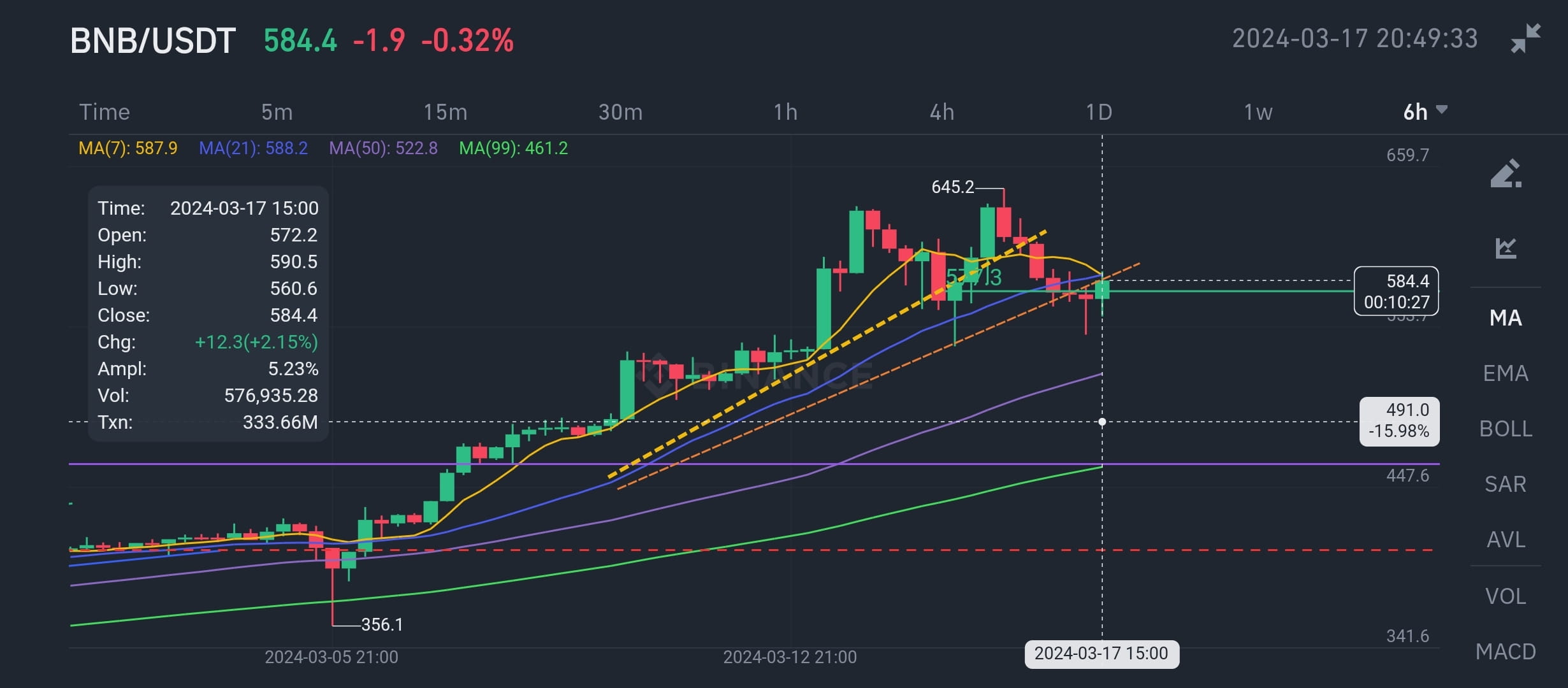
#BNBBullish #BNBToTheMoon! 6時間チャートの終わりでは、bnbは上昇する見込みです。3分以内に、bnbは「ロング」を狙っています。これは、午後8時58分にどう終値するかによって決まります
3月17日(日)
始値:572.2
安値:560.6
高値590.5
578を超えて終値になったら、取引を開始するか、再テストを待ちます。
#BNBBullish #BNBToTheMoon! 6時間チャートの終わりでは、bnbは上昇する見込みです。3分以内に、bnbは「ロング」を狙っています。これは、午後8時58分にどう終値するかによって決まります
3月17日(日)
始値:572.2
安値:560.6
高値590.5
578を超えて終値になったら、取引を開始するか、再テストを待ちます。
3月17日(日)
始値:572.2
安値:560.6
高値590.5
578を超えて終値になったら、取引を開始するか、再テストを待ちます。
656
#aevo #AEVOMania #AEVO/USDT
私たちの予測は見事に的中しました👌👌💯。✅コインの洞察についてはフォローしてください!!✅
aevo の強気相場を感じますか?
(現在の価格は 2.7 ドルです)
#aevo #AEVOMania #AEVO/USDT
私たちの予測は見事に的中しました👌👌💯。✅コインの洞察についてはフォローしてください!!✅
aevo の強気相場を感じますか?
(現在の価格は 2.7 ドルです)
私たちの予測は見事に的中しました👌👌💯。✅コインの洞察についてはフォローしてください!!✅
aevo の強気相場を感じますか?
(現在の価格は 2.7 ドルです)
YES
61%
NO
39%
95 投票 • 投票は終了しました
734
·
--
ブリッシュ
$AEVO 予測とヒント📈📈💯
この範囲で買い(3.00-3.03)
TP/売り(3.069-3.9)
✅✅ HFTおよび分単位のトレーダー✅✅
$AEVO 予測とヒント📈📈💯
この範囲で買い(3.00-3.03)
TP/売り(3.069-3.9)
✅✅ HFTおよび分単位のトレーダー✅✅
この範囲で買い(3.00-3.03)
TP/売り(3.069-3.9)
✅✅ HFTおよび分単位のトレーダー✅✅
4
7.8k
#pepe
ペペの主要保有者の多くはクジラで、8人未満です(個人または機関)。
したがって、大量のペペを取引して長期的な利益を得ることはできません。私はトレンドを研究し、短期間で取引を開始および終了します。
2週間の時間枠を3分の時間枠まで分析して計算し、エントリーポイントを探します。取引を開始したら、特定の損益が得られたら取引を終了します。
#pepe
ペペの主要保有者の多くはクジラで、8人未満です(個人または機関)。
したがって、大量のペペを取引して長期的な利益を得ることはできません。私はトレンドを研究し、短期間で取引を開始および終了します。
2週間の時間枠を3分の時間枠まで分析して計算し、エントリーポイントを探します。取引を開始したら、特定の損益が得られたら取引を終了します。
ペペの主要保有者の多くはクジラで、8人未満です(個人または機関)。
したがって、大量のペペを取引して長期的な利益を得ることはできません。私はトレンドを研究し、短期間で取引を開始および終了します。
2週間の時間枠を3分の時間枠まで分析して計算し、エントリーポイントを探します。取引を開始したら、特定の損益が得られたら取引を終了します。
4
15
14.4k
·
--
ブリッシュ
$$PEPE 価格は 0.00000870 を超える見込みです
休憩に気をつけて、長く乗ってください🤑。
😎💯💯
長いロングライドになるかもしれません..📈🐂
$$PEPE 価格は 0.00000870 を超える見込みです
休憩に気をつけて、長く乗ってください🤑。
😎💯💯
長いロングライドになるかもしれません..📈🐂
休憩に気をつけて、長く乗ってください🤑。
😎💯💯
長いロングライドになるかもしれません..📈🐂
10
1.1k
ログインして、さらにコンテンツを読む
厳選トピックで世界の暗号資産トレーダーの仲間入り
⚡️ 暗号資産に関する最新かつ有益な情報が見つかります。
💬 世界最大の暗号資産取引所から信頼されています。
👍 認証を受けたクリエイターから、有益なインサイトを得られます。
メール / 電話番号
トレンドトピック
AnthropicCEOCallsForAISlowdown
閲覧回数 4,741
117人が討論中
#AnthropicCEOCallsForAISlowdown
🚨 #AnthropicCEOCallsForAISlowdown 🤖⚠️
AnthropicのCEOダリオ・アモデイは、AI業界に対してAI開発のペースを落とすよう呼びかけています。急速に進歩するAI能力に対して、安全対策が追いつくためにはより多くの時間が必要だと主張しています。
🔥 トレーダーが注目すべき理由:
🤖 AI規制&安全性はテック業界に影響し得る
📊 AI関連株やリスク志向(センチメント)が反応する可能性
⚡ ナスダック+AI/テック株のボラティリティに注目
🧠 クリプトのトレーダーも、より広いリスク志向がどう反応するか監視すべき
🎯 TRADER WATCH:
最初の動きに飛びつかないでください。ポジションを取る前に、出来高+価格の確認、そしてより広いナスダック/リスク資産の反応を見てください。
確認が先、FOMOはなし。📈📉
$LSK $CVC $STEEM
Cheri Texiera O7ec
·いいね:0件
·閲覧回数 222
SECReceivesGrayscaleLitecoinTrustETFFiling
閲覧回数 115,348
1,672人が討論中
ClarityActFacesProceduralVoteSept15
閲覧回数 239,455
2,553人が討論中