

Sta Lowndes EwJP
118 投稿

Sta Lowndes EwJP
報告
ユーザーをブロック
105 フォロー
16 フォロワー
30 いいね
投稿
すべて
引用
市場は24/7稼働しているけど、人間のトレーダーはすぐに疲れ果てる。
AIはようやく基本的なチャットツールから、実際のオンチェーン実行レイヤーへと移行している。@Openledger がOctoClawでこれをどう扱うか注目している。自律型エージェントのために安全なインフラを構築しなければ、ただのギャンブルだ。$OPEN はその配管を解決している。🧠🤖 #DeFAI #OpenLedger
市場は24/7稼働しているけど、人間のトレーダーはすぐに疲れ果てる。
AIはようやく基本的なチャットツールから、実際のオンチェーン実行レイヤーへと移行している。@OpenLedger がOctoClawでこれをどう扱うか注目している。自律型エージェントのために安全なインフラを構築しなければ、ただのギャンブルだ。$OPEN はその配管を解決している。🧠🤖 #DeFAI #OpenLedger
AIはようやく基本的なチャットツールから、実際のオンチェーン実行レイヤーへと移行している。@OpenLedger がOctoClawでこれをどう扱うか注目している。自律型エージェントのために安全なインフラを構築しなければ、ただのギャンブルだ。$OPEN はその配管を解決している。🧠🤖 #DeFAI #OpenLedger
87

記事
24時間チャートを見るのをやめろ:AIチャットから自律的な実行へのシフト暗号市場は決して眠りません。
しかし、あなたの脳は休息が必要です。
ほとんどの人は、暗号におけるAIは次のグリーンキャンドルを予測することだけだと思っています。それはアマチュアの考え方です。本当のボトルネックは予測ではありません。実行です。ガス、スリッページ、そして悪いタイミングにやられずに資本を動かすことが重要です。
私はどうやって
彼らのフレームワークでこれにアプローチしているのか掘り下げていました。
彼らはDeFAI(分散型金融AI)に力を入れています。
彼らのOctoClawのセットアップを見てください。
これは昨日のビットコインについて教えてくる無駄なチャットボットではありません。
24時間チャートを見るのをやめろ:AIチャットから自律的な実行へのシフト
暗号市場は決して眠りません。
しかし、あなたの脳は休息が必要です。
ほとんどの人は、暗号におけるAIは次のグリーンキャンドルを予測することだけだと思っています。それはアマチュアの考え方です。本当のボトルネックは予測ではありません。実行です。ガス、スリッページ、そして悪いタイミングにやられずに資本を動かすことが重要です。
私はどうやって
彼らのフレームワークでこれにアプローチしているのか掘り下げていました。
彼らはDeFAI(分散型金融AI)に力を入れています。
彼らのOctoClawのセットアップを見てください。
これは昨日のビットコインについて教えてくる無駄なチャットボットではありません。
しかし、あなたの脳は休息が必要です。
ほとんどの人は、暗号におけるAIは次のグリーンキャンドルを予測することだけだと思っています。それはアマチュアの考え方です。本当のボトルネックは予測ではありません。実行です。ガス、スリッページ、そして悪いタイミングにやられずに資本を動かすことが重要です。
私はどうやって
彼らのフレームワークでこれにアプローチしているのか掘り下げていました。
彼らはDeFAI(分散型金融AI)に力を入れています。
彼らのOctoClawのセットアップを見てください。
これは昨日のビットコインについて教えてくる無駄なチャットボットではありません。
90
正直なところ、ほとんどのDeAIプロジェクトは、巨大なマーケティング予算の背後に隠れたラッパーアプリに過ぎない。データ検証パイプラインを所有していなければ、何も所有していないことになる。
実際の技術に目を光らせている@Openledger 。
インフラは常に長期戦に勝つ。🧠⛓️
#OpenLedger $OPEN
正直なところ、ほとんどのDeAIプロジェクトは、巨大なマーケティング予算の背後に隠れたラッパーアプリに過ぎない。データ検証パイプラインを所有していなければ、何も所有していないことになる。
実際の技術に目を光らせている@OpenLedger 。
インフラは常に長期戦に勝つ。🧠⛓️
#OpenLedger $OPEN
実際の技術に目を光らせている@OpenLedger 。
インフラは常に長期戦に勝つ。🧠⛓️
#OpenLedger $OPEN
120
スケーラブルなAIモデルは、検証されていないデータセットや汚染されたデータセットでは生き残れない。これは事実だ。オンチェーンデータの出所は、マシンエコノミーにとって厳格な要件だ。@Openledger によって構築された安全なパイプラインは、$OPEN エコシステムを通じてこれをネイティブに解決する。リアルなテクノロジーは常に市場のノイズを超えて生き残る!🧠🛡️ #OpenLedger #DePIN
スケーラブルなAIモデルは、検証されていないデータセットや汚染されたデータセットでは生き残れない。これは事実だ。オンチェーンデータの出所は、マシンエコノミーにとって厳格な要件だ。@OpenLedger によって構築された安全なパイプラインは、$OPEN エコシステムを通じてこれをネイティブに解決する。リアルなテクノロジーは常に市場のノイズを超えて生き残る!🧠🛡️ #OpenLedger #DePIN
110

記事
データポイゾニングとの戦い:分散型ネットワークが機械学習の盾を構築する方法最近、フィードやTwitterを見ているなら、たぶん目にしたことがあるだろう。
オンラインクリエイターとAI開発者の関係が毒化してしまった。
みんな完全にうんざりしている。
彼らはデータポイゾニングツールを使って、企業のデータスクレイピングに反撃している。
文字通り、トレーニングセットを故意に腐敗させている。
聞こえるかもしれないが、$OPENのようなDeAIとプロジェクトの周りに巨大な信頼危機を生み出している。
現実を直視しよう。
もしAIネットワークが悪意のある合成ノイズをフィルタリングできないのなら...
最終的なモデルは完全に役に立たないデジタルゴミとなる。
データポイゾニングとの戦い:分散型ネットワークが機械学習の盾を構築する方法
最近、フィードやTwitterを見ているなら、たぶん目にしたことがあるだろう。
オンラインクリエイターとAI開発者の関係が毒化してしまった。
みんな完全にうんざりしている。
彼らはデータポイゾニングツールを使って、企業のデータスクレイピングに反撃している。
文字通り、トレーニングセットを故意に腐敗させている。
聞こえるかもしれないが、$OPEN のようなDeAIとプロジェクトの周りに巨大な信頼危機を生み出している。
現実を直視しよう。
もしAIネットワークが悪意のある合成ノイズをフィルタリングできないのなら...
最終的なモデルは完全に役に立たないデジタルゴミとなる。
オンラインクリエイターとAI開発者の関係が毒化してしまった。
みんな完全にうんざりしている。
彼らはデータポイゾニングツールを使って、企業のデータスクレイピングに反撃している。
文字通り、トレーニングセットを故意に腐敗させている。
聞こえるかもしれないが、$OPEN のようなDeAIとプロジェクトの周りに巨大な信頼危機を生み出している。
現実を直視しよう。
もしAIネットワークが悪意のある合成ノイズをフィルタリングできないのなら...
最終的なモデルは完全に役に立たないデジタルゴミとなる。
145
ハイプだけでDeAIを見るのはやめよう。
私たちは数ヶ月間、計算を消費してクールなテキストを生成するだけの派手なモデルやチャットボットを追いかけてきました。正直言って、これは行き止まりです。
誰もが問いかけていない質問は、実際にこの全体の経済をどうやって監査するのかということです。
もし百人の異なる人々やノードが一つのAI出力に貢献した場合、誰が報酬を受け取るのでしょうか?データが盗まれたり、改ざんされていないことをどうやって証明するのか?
これがまさに私が@Openledger に焦点を移した理由です。
彼らはまた別の無駄なチャットボットを作ろうとしているわけではありません。彼らは貢献を追跡するインフラ層を構築しています。これは、機械が責任を持つために特別に構築された透明な元帳だと考えてください。
彼らのアトリビューションの証明フレームワークを通じて、データはただ保存されるのではなく、オンチェーンで追跡され、報酬が与えられます。
私にとって、$OPEN トークンのユーティリティは、人工的なノイズについてではありません。実際にAIが現実世界で機能するためのパイプラインの一部を所有することに関するものです。
それが機械経済の本当の配管です。🧠⛓️ #OpenLedger #DePIN
ハイプだけでDeAIを見るのはやめよう。
私たちは数ヶ月間、計算を消費してクールなテキストを生成するだけの派手なモデルやチャットボットを追いかけてきました。正直言って、これは行き止まりです。
誰もが問いかけていない質問は、実際にこの全体の経済をどうやって監査するのかということです。
もし百人の異なる人々やノードが一つのAI出力に貢献した場合、誰が報酬を受け取るのでしょうか?データが盗まれたり、改ざんされていないことをどうやって証明するのか?
これがまさに私が@OpenLedger に焦点を移した理由です。
彼らはまた別の無駄なチャットボットを作ろうとしているわけではありません。彼らは貢献を追跡するインフラ層を構築しています。これは、機械が責任を持つために特別に構築された透明な元帳だと考えてください。
彼らのアトリビューションの証明フレームワークを通じて、データはただ保存されるのではなく、オンチェーンで追跡され、報酬が与えられます。
私にとって、$OPEN トークンのユーティリティは、人工的なノイズについてではありません。実際にAIが現実世界で機能するためのパイプラインの一部を所有することに関するものです。
それが機械経済の本当の配管です。🧠⛓️ #OpenLedger #DePIN
私たちは数ヶ月間、計算を消費してクールなテキストを生成するだけの派手なモデルやチャットボットを追いかけてきました。正直言って、これは行き止まりです。
誰もが問いかけていない質問は、実際にこの全体の経済をどうやって監査するのかということです。
もし百人の異なる人々やノードが一つのAI出力に貢献した場合、誰が報酬を受け取るのでしょうか?データが盗まれたり、改ざんされていないことをどうやって証明するのか?
これがまさに私が@OpenLedger に焦点を移した理由です。
彼らはまた別の無駄なチャットボットを作ろうとしているわけではありません。彼らは貢献を追跡するインフラ層を構築しています。これは、機械が責任を持つために特別に構築された透明な元帳だと考えてください。
彼らのアトリビューションの証明フレームワークを通じて、データはただ保存されるのではなく、オンチェーンで追跡され、報酬が与えられます。
私にとって、$OPEN トークンのユーティリティは、人工的なノイズについてではありません。実際にAIが現実世界で機能するためのパイプラインの一部を所有することに関するものです。
それが機械経済の本当の配管です。🧠⛓️ #OpenLedger #DePIN
97

記事
AIデータの希少性についての私の正直な見解と、今DePINレイヤーを注目している理由率直に言わせてもらうと。
暗号界の現在のAIトレンドは?
まったくのジョークだ。
私たちはまさに、役に立たないチャットボットプロジェクトで溢れかえっている。
長期的な価値はゼロだ。
安っぽいマーケティング、人工的なハイプ、そして大きなバブルが待っているだけ。
いつ弾けるかわからない。
投機的なゴミに時間を無駄にするのはもううんざりだ。
機械学習モデルがどのようにスケールするかを深く掘り下げている。
実際にスケールする方法をね。
そして、何だと思う?
今の最大のボトルネックはコードじゃない。
それはデータの希少性だ。純粋にシンプルな話。
テックジャイアンツは私たちのプライベートデータを積極的にスクレイピングしてきた。
AIデータの希少性についての私の正直な見解と、今DePINレイヤーを注目している理由
率直に言わせてもらうと。
暗号界の現在のAIトレンドは?
まったくのジョークだ。
私たちはまさに、役に立たないチャットボットプロジェクトで溢れかえっている。
長期的な価値はゼロだ。
安っぽいマーケティング、人工的なハイプ、そして大きなバブルが待っているだけ。
いつ弾けるかわからない。
投機的なゴミに時間を無駄にするのはもううんざりだ。
機械学習モデルがどのようにスケールするかを深く掘り下げている。
実際にスケールする方法をね。
そして、何だと思う?
今の最大のボトルネックはコードじゃない。
それはデータの希少性だ。純粋にシンプルな話。
テックジャイアンツは私たちのプライベートデータを積極的にスクレイピングしてきた。
暗号界の現在のAIトレンドは?
まったくのジョークだ。
私たちはまさに、役に立たないチャットボットプロジェクトで溢れかえっている。
長期的な価値はゼロだ。
安っぽいマーケティング、人工的なハイプ、そして大きなバブルが待っているだけ。
いつ弾けるかわからない。
投機的なゴミに時間を無駄にするのはもううんざりだ。
機械学習モデルがどのようにスケールするかを深く掘り下げている。
実際にスケールする方法をね。
そして、何だと思う?
今の最大のボトルネックはコードじゃない。
それはデータの希少性だ。純粋にシンプルな話。
テックジャイアンツは私たちのプライベートデータを積極的にスクレイピングしてきた。
117
中央集権的な企業は、現代のAIに必要なデータの完全性を扱うことができません。これが現実です。私たちは本当に実際の暗号学的な検証レイヤーが必要です。@Openledger によって構築されたデータパイプラインは、アトリビューション証明エンジンを通じてオンチェーンでこの問題を解決します。物理的なネットワークインフラがミームのハイプよりも長期的に勝つため、私は$OPEN トークンのユーティリティに重点を置いています。🧠⛓️ #OpenLedger
中央集権的な企業は、現代のAIに必要なデータの完全性を扱うことができません。これが現実です。私たちは本当に実際の暗号学的な検証レイヤーが必要です。@OpenLedger によって構築されたデータパイプラインは、アトリビューション証明エンジンを通じてオンチェーンでこの問題を解決します。物理的なネットワークインフラがミームのハイプよりも長期的に勝つため、私は$OPEN トークンのユーティリティに重点を置いています。🧠⛓️ #OpenLedger
121
ここでドレイヴンに100%同意するよ。正直、世界を変えると約束する slick pitch deck を読むのにはもううんざり。大手テックの独占企業が何年も私たちのデータを盗んできたのに、見返りはいいねだけ。@Openledger について、君が言ったことがまさに私の目を引いた—それは退屈だけど重要な部分、つまりデータ所有権の公正な会計とインフラに焦点を当てている。Web3 での実行はめちゃくちゃ難しいけど、$OPEN エコシステムを通じて本当のデータの出所を追跡することが倫理的な機械経済を築く唯一の方法だ。素晴らしい批評だね!🧠🛡️ #OpenLedger
ここでドレイヴンに100%同意するよ。正直、世界を変えると約束する slick pitch deck を読むのにはもううんざり。大手テックの独占企業が何年も私たちのデータを盗んできたのに、見返りはいいねだけ。@OpenLedger について、君が言ったことがまさに私の目を引いた—それは退屈だけど重要な部分、つまりデータ所有権の公正な会計とインフラに焦点を当てている。Web3 での実行はめちゃくちゃ難しいけど、$OPEN エコシステムを通じて本当のデータの出所を追跡することが倫理的な機械経済を築く唯一の方法だ。素晴らしい批評だね!🧠🛡️ #OpenLedger


Draven Kai
·
--
OPENLEDGER (OPEN): 大きな疑問はブロックチェーンではなく、AIのために誰が報酬を受け取るかだ
私はブロックチェーンについて十分な期間執筆してきたので、大きな約束に対する健全な不信感を持つようになった。
実際、「健全な不信感」と言うのが控えめかもしれない。
私は、洗練されたウェブサイトと未来的なピッチデックだけで、驚異的な資金を集めるプロジェクトを見てきた。「イーサリアムキラー」と自称するものが登場し、消えていったのを見た。中には1年以内に消えたものもあれば、難しい質問を誰も尋ねなくなるまで長く残るものもあった。
そのパターンはお馴染みになった。
新しいテクノロジーが現れた。投資家たちが殺到する。マーケティングチームは残業に追われる。現実が最終的に姿を現す。
実際、「健全な不信感」と言うのが控えめかもしれない。
私は、洗練されたウェブサイトと未来的なピッチデックだけで、驚異的な資金を集めるプロジェクトを見てきた。「イーサリアムキラー」と自称するものが登場し、消えていったのを見た。中には1年以内に消えたものもあれば、難しい質問を誰も尋ねなくなるまで長く残るものもあった。
そのパターンはお馴染みになった。
新しいテクノロジーが現れた。投資家たちが殺到する。マーケティングチームは残業に追われる。現実が最終的に姿を現す。

5
あなたはここでDeAIの核心をピンポイントで捉えましたね!投機的なハイプから構造化されたインフラへの移行は、2026年の定義的なシフトです。データは単なる搾取された商品であってはいけません;それは利回りを生む資産クラスとして扱われる必要があります。これこそが@Openledger のアトリビューションの証明フレームワークが非常に重要な理由です—それは、未処理の分散型貢献と公正なオンチェーンバリュー決済とのギャップを埋めます。もしAIが倫理的かつ持続可能にスケールすることを望むのであれば、マシンエコノミーは透明なデータの出所に基づいて運営される必要があります。そしてそれこそが$OPEN エコシステムを根本的な長期的なモートにする理由です。素晴らしい構造的分析ですね!🧠🛡️📈 #OpenLedger
あなたはここでDeAIの核心をピンポイントで捉えましたね!投機的なハイプから構造化されたインフラへの移行は、2026年の定義的なシフトです。データは単なる搾取された商品であってはいけません;それは利回りを生む資産クラスとして扱われる必要があります。これこそが@OpenLedger のアトリビューションの証明フレームワークが非常に重要な理由です—それは、未処理の分散型貢献と公正なオンチェーンバリュー決済とのギャップを埋めます。もしAIが倫理的かつ持続可能にスケールすることを望むのであれば、マシンエコノミーは透明なデータの出所に基づいて運営される必要があります。そしてそれこそが$OPEN エコシステムを根本的な長期的なモートにする理由です。素晴らしい構造的分析ですね!🧠🛡️📈 #OpenLedger

LUNA-Crypto2
·
--
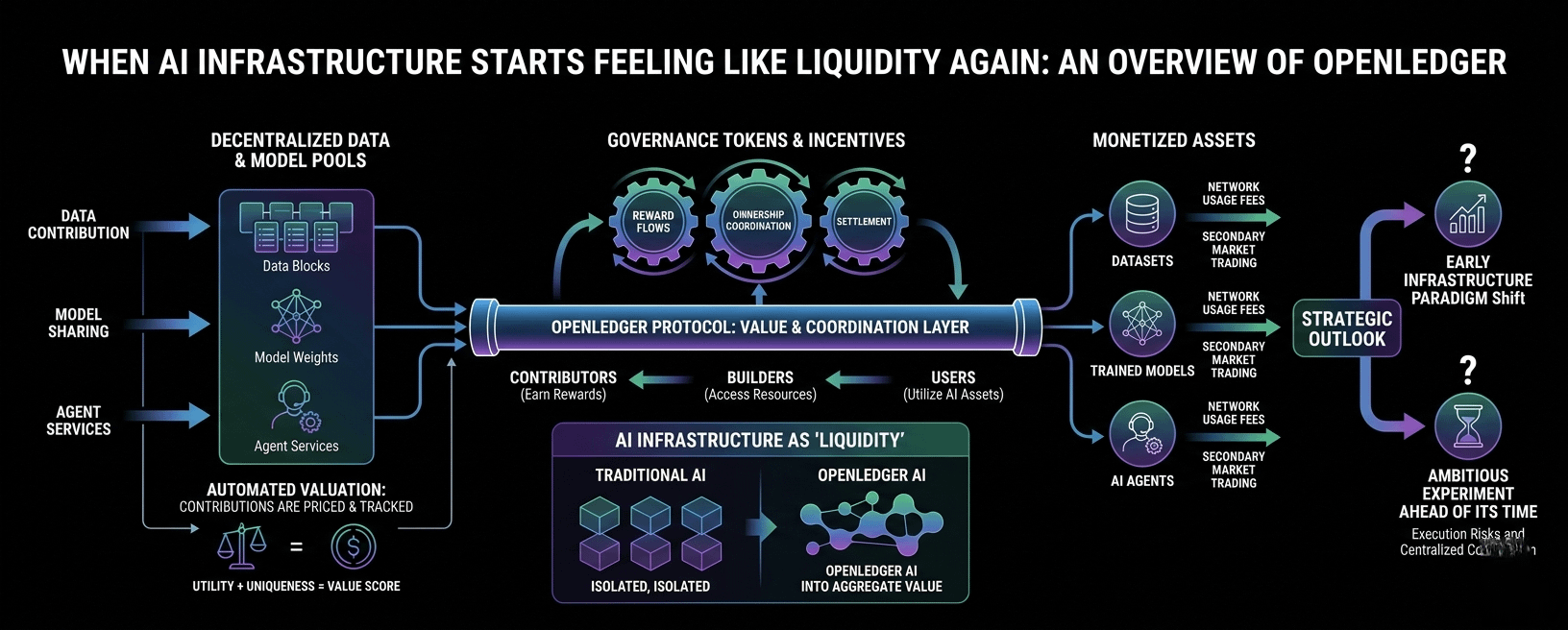
ブリッシュAIインフラが再び流動性のように感じ始めた時
流動性がインフラのナラティブに戻り始めたとき、私は派手さを叫ぶことなく価値の追跡方法を静かに変えるプロジェクトを見ていました。データ、モデル、エージェントをマネタイズしようとするAIブロックチェーンに出会い、最初は理解できませんでしたが、これは過剰なビジョンのように思えました。私の注意を引いたのは、データが単に保存されたり使用されたりするだけでなく、貢献によって価格が付けられるという考え方で、まるでDeFiが資本に対して行ったようでした。最初は抽象的に感じましたが、次第にピンときました:AIモデルが集合的な入力に基づいて構築されるなら、誰かが所有権と報酬の流れを調整しなければなりません。ネットワークはデータセットとモデルの使用を共有資産に変え、トークンが貢献者、ビルダー、ユーザー間の決済として機能します。これは初期のDeFiの調整問題に似ており、流動性ではなく知性に適用されます。しかし、私は慎重です—実行リスクは現実であり、インセンティブは漂流する可能性があり、中央集権的なAIプラットフォームはより速く動きます。これは初期のAIインフラなのか、それとも時代を先取りした野心的な実験なのか、私はずっと考えています。
@OpenLedger
#OpenLedger
$OPEN
流動性がインフラのナラティブに戻り始めたとき、私は派手さを叫ぶことなく価値の追跡方法を静かに変えるプロジェクトを見ていました。データ、モデル、エージェントをマネタイズしようとするAIブロックチェーンに出会い、最初は理解できませんでしたが、これは過剰なビジョンのように思えました。私の注意を引いたのは、データが単に保存されたり使用されたりするだけでなく、貢献によって価格が付けられるという考え方で、まるでDeFiが資本に対して行ったようでした。最初は抽象的に感じましたが、次第にピンときました:AIモデルが集合的な入力に基づいて構築されるなら、誰かが所有権と報酬の流れを調整しなければなりません。ネットワークはデータセットとモデルの使用を共有資産に変え、トークンが貢献者、ビルダー、ユーザー間の決済として機能します。これは初期のDeFiの調整問題に似ており、流動性ではなく知性に適用されます。しかし、私は慎重です—実行リスクは現実であり、インセンティブは漂流する可能性があり、中央集権的なAIプラットフォームはより速く動きます。これは初期のAIインフラなのか、それとも時代を先取りした野心的な実験なのか、私はずっと考えています。
@OpenLedger
#OpenLedger
$OPEN
16
データ貢献をオープンにするには、鉄壁の防御層が必要です。ネットワークが悪意のあるシビル攻撃や合成ゴミをフィルタリングできない場合、開発者にとっては無用の存在となります。@Openledger によって構築された高度なデータ出所アーキテクチャは、その厳格なアトリビューション証明フレームワークを通じてこのボトルネックを解消します。$OPEN トークンによってネイティブに動力を供給され、このネットワークはスケーラブルな機械知能のためのクリーンで安全な環境を提供します。インフラが常に勝つ! 🧠🛡️ #OpenLedger
分散型AIのスケーリングに対する最大の脅威は何ですか?
データ貢献をオープンにするには、鉄壁の防御層が必要です。ネットワークが悪意のあるシビル攻撃や合成ゴミをフィルタリングできない場合、開発者にとっては無用の存在となります。@OpenLedger によって構築された高度なデータ出所アーキテクチャは、その厳格なアトリビューション証明フレームワークを通じてこのボトルネックを解消します。$OPEN トークンによってネイティブに動力を供給され、このネットワークはスケーラブルな機械知能のためのクリーンで安全な環境を提供します。インフラが常に勝つ! 🧠🛡️ #OpenLedger
分散型AIのスケーリングに対する最大の脅威は何ですか?
分散型AIのスケーリングに対する最大の脅威は何ですか?
Sybil attacks & fake data 🛑
0%
High validation costs 💸
0%
Centralized tech monopoly 🏢
0%
0 投票 • 投票は終了しました
13

記事
暗号学的データの出所:AIコンピュートと調整の危機を解決する現代の人工知能に求められる計算リソースは、Web3インフラ層の大規模な再評価を強いられています。投機的な市場が消費者向けアプリケーションに重きを置く中、スマートキャピタルは静かに分散型物理インフラネットワーク(DePIN)に移行しています。その核心的な理由は明白です:人工知能モデルは、それにデータを供給するデータの整合性に根本的に制約されています。
中央集権型のスクレイピング手法は、知的財産権の争いと悪意のあるデータ中毒で満ちた環境を作り出しました。AI開発が長期的な持続可能性を維持するためには、インフラプラットフォームが許可不要で、暗号学的に検証されたデータパイプラインへと移行する必要があります。この特定のアーキテクチャ要件こそが、機械経済のために#OpenLedger が構築したエコシステムの必要性を生み出しています。
暗号学的データの出所:AIコンピュートと調整の危機を解決する
現代の人工知能に求められる計算リソースは、Web3インフラ層の大規模な再評価を強いられています。投機的な市場が消費者向けアプリケーションに重きを置く中、スマートキャピタルは静かに分散型物理インフラネットワーク(DePIN)に移行しています。その核心的な理由は明白です:人工知能モデルは、それにデータを供給するデータの整合性に根本的に制約されています。
中央集権型のスクレイピング手法は、知的財産権の争いと悪意のあるデータ中毒で満ちた環境を作り出しました。AI開発が長期的な持続可能性を維持するためには、インフラプラットフォームが許可不要で、暗号学的に検証されたデータパイプラインへと移行する必要があります。この特定のアーキテクチャ要件こそが、機械経済のために#OpenLedger が構築したエコシステムの必要性を生み出しています。
中央集権型のスクレイピング手法は、知的財産権の争いと悪意のあるデータ中毒で満ちた環境を作り出しました。AI開発が長期的な持続可能性を維持するためには、インフラプラットフォームが許可不要で、暗号学的に検証されたデータパイプラインへと移行する必要があります。この特定のアーキテクチャ要件こそが、機械経済のために#OpenLedger が構築したエコシステムの必要性を生み出しています。
8
生データは無視されていた商品から、高収益のデジタルアセットクラスに急速に転換しています。中央集権的なテクノロジー企業は、もはや人間の知識を独占することはできず、それに対して対価を支払う必要があります。@Openledger によって設計された分散型アーキテクチャは、データを透明に検証し、マネタイズするために必要な重要なインフラを提供します。$OPEN エコシステムによってネイティブに動力を供給されたこのネットワークは、スケーラブルな機械知能のための公正で持続可能なモデルを構築しています。インフラはスマートキャピタルの最終目的地です!🧠🌐 #OpenLedger
生データは無視されていた商品から、高収益のデジタルアセットクラスに急速に転換しています。中央集権的なテクノロジー企業は、もはや人間の知識を独占することはできず、それに対して対価を支払う必要があります。@OpenLedger によって設計された分散型アーキテクチャは、データを透明に検証し、マネタイズするために必要な重要なインフラを提供します。$OPEN エコシステムによってネイティブに動力を供給されたこのネットワークは、スケーラブルな機械知能のための公正で持続可能なモデルを構築しています。インフラはスマートキャピタルの最終目的地です!🧠🌐 #OpenLedger
10

記事
機械時代における資本効率:生データを利回りを生む暗号資産クラスに変える人工知能のトレーニングを支える経済モデルが、大きな構造的なブレイクポイントに近づいている。何年もの間、巨大なテクノロジーモノポリーがユーザーデータを無断で、そして金銭的な補償なしに抽出し、中央集権的な価値を数十億も生み出してきた。この抽出フェーズは公式に終了する。高品質なデータがますます希少になる中で、市場はデータストリームを生産的なデジタル資産に変えることができる分散型ネットワークを切実に必要としている。従来のウェブストレージプラットフォームは、高度な機械学習入力に必要なセキュリティ層や出所ツールが完全に欠けている。この特定のインフラの欠陥こそが、<a>t-10</a>によって構築された分散型ネットワークが市場を定義するソリューションを提供する場所だ。コミュニティ所有の許可不要なデータネットを確立することで、プロトコルはデータが継続的に検証される環境を作り出している。
機械時代における資本効率:生データを利回りを生む暗号資産クラスに変える
人工知能のトレーニングを支える経済モデルが、大きな構造的なブレイクポイントに近づいている。何年もの間、巨大なテクノロジーモノポリーがユーザーデータを無断で、そして金銭的な補償なしに抽出し、中央集権的な価値を数十億も生み出してきた。この抽出フェーズは公式に終了する。高品質なデータがますます希少になる中で、市場はデータストリームを生産的なデジタル資産に変えることができる分散型ネットワークを切実に必要としている。従来のウェブストレージプラットフォームは、高度な機械学習入力に必要なセキュリティ層や出所ツールが完全に欠けている。この特定のインフラの欠陥こそが、<a>t-10</a>によって構築された分散型ネットワークが市場を定義するソリューションを提供する場所だ。コミュニティ所有の許可不要なデータネットを確立することで、プロトコルはデータが継続的に検証される環境を作り出している。
36
分散型AIは2026年のトレンドにとどまらず、人間の知識の価値が根本的に変わるシフトです。データの出所を無視するプロジェクトは、データポイズニングが広がる中で失敗します。@Openledger によって構築された堅牢な検証レイヤーは、すべての入力が安全であることを保証し、$OPEN エコシステムに否定できない長期的な強さをもたらします。真のユーティリティは、常に一時的なマーケットノイズを超えて持続します! 🧠💎 #OpenLedger
分散型AIは2026年のトレンドにとどまらず、人間の知識の価値が根本的に変わるシフトです。データの出所を無視するプロジェクトは、データポイズニングが広がる中で失敗します。@OpenLedger によって構築された堅牢な検証レイヤーは、すべての入力が安全であることを保証し、$OPEN エコシステムに否定できない長期的な強さをもたらします。真のユーティリティは、常に一時的なマーケットノイズを超えて持続します! 🧠💎 #OpenLedger
6
中央集権的な独占企業に人工知能のトレーニングデータを依存するのは、巨大な構造的リスクだ。市場は絶対的な透明性とデータの出所を確保するために、安全で分散型のインフラレイヤーを切望している。これこそが、@Openledger によって開発されたネットワークアーキテクチャが機械経済にとって根本的なゲームチェンジャーである理由だ。安全なデータルーティングは$OPEN エコシステムに長期的なユーティリティをもたらす。インフラは常に勝つ!🧠🛡️ #OpenLedger
中央集権的な独占企業に人工知能のトレーニングデータを依存するのは、巨大な構造的リスクだ。市場は絶対的な透明性とデータの出所を確保するために、安全で分散型のインフラレイヤーを切望している。これこそが、@OpenLedger によって開発されたネットワークアーキテクチャが機械経済にとって根本的なゲームチェンジャーである理由だ。安全なデータルーティングは$OPEN エコシステムに長期的なユーティリティをもたらす。インフラは常に勝つ!🧠🛡️ #OpenLedger
5

記事
流動性のブラックホール: なぜAIインフラは検証可能なデータを必要とするのか現在の暗号サイクルは一つのことを明らかにしています: リテール投資家はバポーウェアにうんざりしています。基盤となる技術的ユーティリティなしに、純粋にソーシャルメディアの盛り上がりに依存するプロジェクトは、厳しい修正に直面しています。市場は分散型物理インフラネットワーク(DePIN)と人工知能に焦点を移しており、これは一時的なトレンドではなく、質への構造的なフライトです。
人工知能モデルには、正確さと競争力を保つために、膨大な量の高忠実度データが必要です。しかし、中央集権的なデータ集約はプライバシー侵害や知的財産の争いによって限界に達しています。これが、#OpenLedger が構築した分散型ネットワークが重要な市場ソリューションとなる正確なボトルネックです。
流動性のブラックホール: なぜAIインフラは検証可能なデータを必要とするのか
現在の暗号サイクルは一つのことを明らかにしています: リテール投資家はバポーウェアにうんざりしています。基盤となる技術的ユーティリティなしに、純粋にソーシャルメディアの盛り上がりに依存するプロジェクトは、厳しい修正に直面しています。市場は分散型物理インフラネットワーク(DePIN)と人工知能に焦点を移しており、これは一時的なトレンドではなく、質への構造的なフライトです。
人工知能モデルには、正確さと競争力を保つために、膨大な量の高忠実度データが必要です。しかし、中央集権的なデータ集約はプライバシー侵害や知的財産の争いによって限界に達しています。これが、#OpenLedger が構築した分散型ネットワークが重要な市場ソリューションとなる正確なボトルネックです。
人工知能モデルには、正確さと競争力を保つために、膨大な量の高忠実度データが必要です。しかし、中央集権的なデータ集約はプライバシー侵害や知的財産の争いによって限界に達しています。これが、#OpenLedger が構築した分散型ネットワークが重要な市場ソリューションとなる正確なボトルネックです。
1
58
ログインして、さらにコンテンツを読む
厳選トピックで世界の暗号資産トレーダーの仲間入り
⚡️ 暗号資産に関する最新かつ有益な情報が見つかります。
💬 世界最大の暗号資産取引所から信頼されています。
👍 認証を受けたクリエイターから、有益なインサイトを得られます。
メール / 電話番号