

shaharyar786
24 投稿

shaharyar786
報告
ユーザーをブロック
5 フォロー
17 フォロワー
13 いいね
投稿
·
--
翻訳参照
https://www.binance.com/referral/earn-together/refer2earn-usdc/claim?hl=en&ref=GRO_28502_IES5W&utm_s[yas](https://www.binance.com/referral/earn-together/refer2earn-usdc/claim?hl=en&ref=gro_28502_ies5w&utm_source=referral_entrance)
[https://www.binance.com/referral/earn-together/refer2earn-usdc/claim?hl=en&ref=GRO_28502_IES5W&utm_source=referral_entrance](https://www.binance.com/referral/earn-together/refer2earn-usdc/claim?hl=en&ref=GRO_28502_IES5W&utm_source=referral_entrance)
https://www.binance.com/referral/earn-together/refer2earn-usdc/claim?hl=en&ref=GRO_28502_IES5W&utm_s
yas
https://www.binance.com/referral/earn-together/refer2earn-usdc/claim?hl=en&ref=GRO_28502_IES5W&utm_source=referral_entrance
https://www.binance.com/referral/earn-together/refer2earn-usdc/claim?hl=en&ref=GRO_28502_IES5W&utm_source=referral_entrance
·
--
Open Coin ($OPEN): Solanaベースの新しい暗号プロジェクトOpen Coin($OPEN )は、Solanaブロックチェーン上でローンチされた新しい暗号プロジェクトです。プロジェクトは「Open Finance(オープン・ファイナンス)」というコンセプトを軸に自らを提示しており、オープンソースのアプローチに重点を置いています。
🔥 Open Coinの特長
Open Coinのコンセプトは、従来の金融プロジェクトとは異なります。プロジェクトの公式サイトによると、$OPEN はフェアローンチとして導入されており、インサイダー向けラウンドや従来のVC配分を行うという主張はしていません。
📊 $OPEN とSolana
Open Coin ($OPEN): Solanaベースの新しい暗号プロジェクト
Open Coin($OPEN )は、Solanaブロックチェーン上でローンチされた新しい暗号プロジェクトです。プロジェクトは「Open Finance(オープン・ファイナンス)」というコンセプトを軸に自らを提示しており、オープンソースのアプローチに重点を置いています。
🔥 Open Coinの特長
Open Coinのコンセプトは、従来の金融プロジェクトとは異なります。プロジェクトの公式サイトによると、$OPEN はフェアローンチとして導入されており、インサイダー向けラウンドや従来のVC配分を行うという主張はしていません。
📊 $OPEN とSolana
🔥 Open Coinの特長
Open Coinのコンセプトは、従来の金融プロジェクトとは異なります。プロジェクトの公式サイトによると、$OPEN はフェアローンチとして導入されており、インサイダー向けラウンドや従来のVC配分を行うという主張はしていません。
📊 $OPEN とSolana
81
·
--
翻訳参照
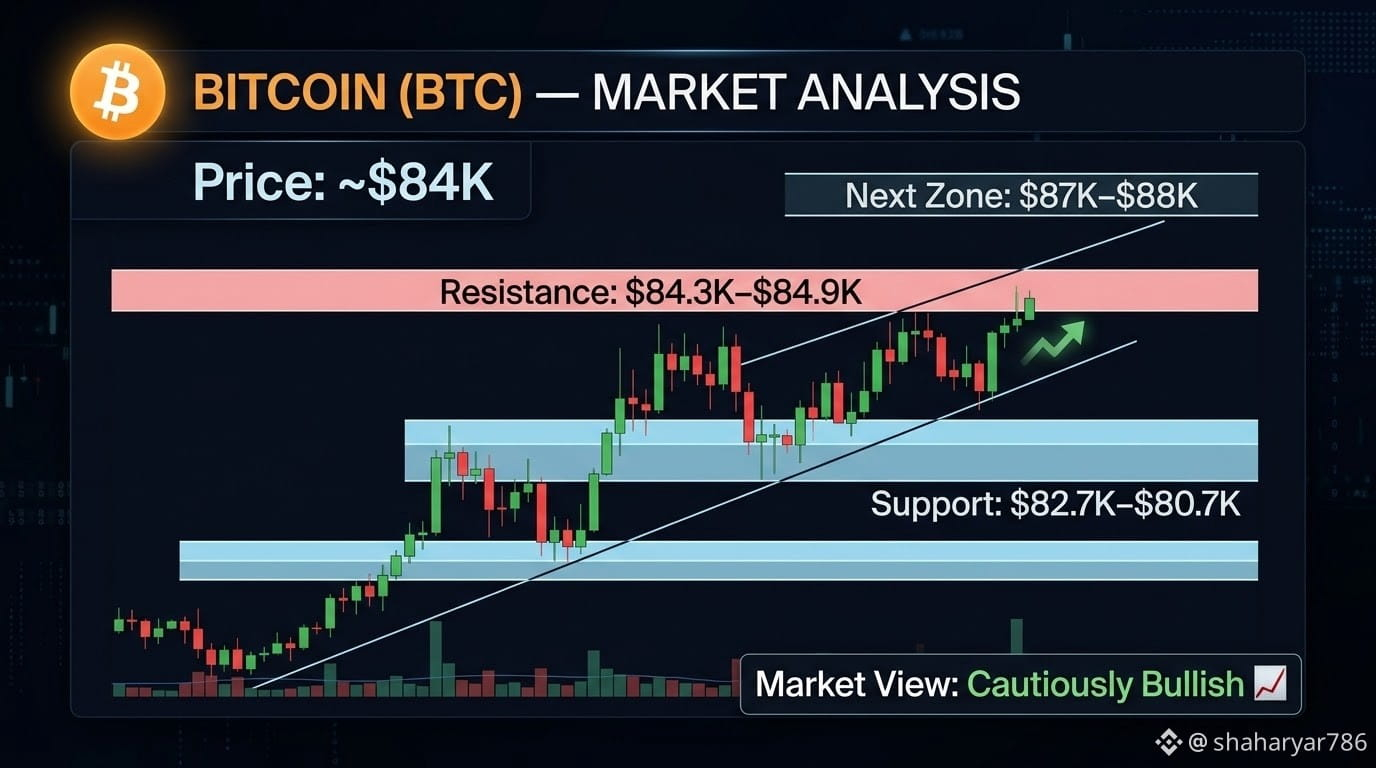
Bitcoin $BTC Market Update 📈
Bitcoin $BTC is currently trading around $84,039, showing a modest gain of 0.37%. The price is moving within an intraday range of approximately $83,627 to $84,289, indicating relatively stable short-term trading.
🔻The $84,000 level remains an important area for Bitcoin. If buyers maintain momentum, the $85,000–$85,800 zone could become the next key resistance area. On the downside, $83,600 is an important short-term support level to watch.
Overall, Bitcoin is currently showing a cautious but slightly positive market structure. Traders are closely watching whether $BTC can break above resistance or experience another pullback toward support.
📊 BTC Price: $84,039
📈 24H Change: +0.37%
🔼 Day High: $84,289
🔽 Day Low: $83,627
{spot}(BTCUSDT)
#Bitcoin #BTC #Crypto #Trading #CryptoNews
Bitcoin $BTC Market Update 📈
Bitcoin $BTC is currently trading around $84,039, showing a modest gain of 0.37%. The price is moving within an intraday range of approximately $83,627 to $84,289, indicating relatively stable short-term trading.
🔻The $84,000 level remains an important area for Bitcoin. If buyers maintain momentum, the $85,000–$85,800 zone could become the next key resistance area. On the downside, $83,600 is an important short-term support level to watch.
Overall, Bitcoin is currently showing a cautious but slightly positive market structure. Traders are closely watching whether $BTC can break above resistance or experience another pullback toward support.
📊 BTC Price: $84,039
📈 24H Change: +0.37%
🔼 Day High: $84,289
🔽 Day Low: $83,627
#Bitcoin #BTC #Crypto #Trading #CryptoNews
Bitcoin $BTC is currently trading around $84,039, showing a modest gain of 0.37%. The price is moving within an intraday range of approximately $83,627 to $84,289, indicating relatively stable short-term trading.
🔻The $84,000 level remains an important area for Bitcoin. If buyers maintain momentum, the $85,000–$85,800 zone could become the next key resistance area. On the downside, $83,600 is an important short-term support level to watch.
Overall, Bitcoin is currently showing a cautious but slightly positive market structure. Traders are closely watching whether $BTC can break above resistance or experience another pullback toward support.
📊 BTC Price: $84,039
📈 24H Change: +0.37%
🔼 Day High: $84,289
🔽 Day Low: $83,627
#Bitcoin #BTC #Crypto #Trading #CryptoNews
78
·
--
翻訳参照
Open Ledger (OPEN): Exploring the AI Blockchain and Its Potential!OpenLedger (OPEN) is a cryptocurrency associated with OpenLedger, a blockchain-focused project designed around the growing intersection of Artificial Intelligence (AI), data, and decentralized infrastructure. The project aims to create an ecosystem where data contributors, AI models, and intelligent applications can interact through transparent on-chain mechanisms.
What Is OpenLedger?
OpenLedger describes itself as an AI blockchain. Its core idea is to make data and AI development more transparent and economically connected through blockchain technology. �
Openledger
One of the project's important concepts is Proof of Attribution, a framework designed to identify how particular datasets influence AI model outputs. The project proposes that this attribution can help connect data contributions with rewards generated by AI inference. �
Openledger
DataNets and AI
A major component of OpenLedger is DataNet. DataNets are designed to allow contributors to create specialized datasets while maintaining information about their provenance and contribution.
OpenLedger's product ecosystem also includes tools such as Model Factory, which supports model fine-tuning, and OpenLoRA, which is designed to enable multiple models to operate efficiently on GPU infrastructure. �
Openledger
Why OPEN Could Be Important
The broader AI industry requires enormous amounts of data, computing resources, and specialized models. OpenLedger's approach attempts to connect these resources through blockchain-based infrastructure.
If the ecosystem gains adoption, blockchain could potentially provide a transparent mechanism for tracking contributions and distributing incentives. However, the actual long-term value of the OPEN token will depend on factors such as network adoption, technology development, liquidity, competition, market conditions, and the project's execution.
Risks to Consider
Like other crypto assets, OPEN carries significant risks. Cryptocurrency prices can be highly volatile, and a token's market price can move substantially in either direction.
Investors should also examine token supply, unlock schedules, liquidity, exchange availability, smart-contract information, and official project announcements before making financial decisions.
OpenLedger's own terms state that information provided through its services is not investment or financial advice, and users are responsible for evaluating the risks associated with blockchain technologies and digital wallets. �
Openledger
Conclusion
OpenLedger represents an interesting attempt to combine AI, blockchain, data ownership, and decentralized incentives. Its Proof of Attribution concept and DataNet infrastructure are designed to address the challenge of recognizing and rewarding the contribution of data to AI systems. �
Openledger
The future of OPEN will depend on real-world adoption, ecosystem growth, technological development, and broader market conditions. Anyone researching the token should verify current tokenomics and market data from reliable sources before trading.
Disclaimer: This article is for educational purposes only and is not financial advice. Crypto assets can be highly volatile, and you should do your own research before investing.#OpenLedger #OPEN #OPENToken #OpenLedgerAI #Crypto #Cryptocurrency #Blockchain #AI #ArtificialIntelligence #AIBlockchain #Web3 #DeFi #Altcoins #CryptoNews #CryptoUpdate #CryptoCommunity #BlockchainTechnology #AICrypto #CryptoMarket #DigitalAssets #Token #Web3AI #CryptoInvesting #OpenLedgerNetwork #CryptoTrading
$OPEN
Open Ledger (OPEN): Exploring the AI Blockchain and Its Potential!
OpenLedger (OPEN) is a cryptocurrency associated with OpenLedger, a blockchain-focused project designed around the growing intersection of Artificial Intelligence (AI), data, and decentralized infrastructure. The project aims to create an ecosystem where data contributors, AI models, and intelligent applications can interact through transparent on-chain mechanisms.
What Is OpenLedger?
OpenLedger describes itself as an AI blockchain. Its core idea is to make data and AI development more transparent and economically connected through blockchain technology. �
Openledger
One of the project's important concepts is Proof of Attribution, a framework designed to identify how particular datasets influence AI model outputs. The project proposes that this attribution can help connect data contributions with rewards generated by AI inference. �
Openledger
DataNets and AI
A major component of OpenLedger is DataNet. DataNets are designed to allow contributors to create specialized datasets while maintaining information about their provenance and contribution.
OpenLedger's product ecosystem also includes tools such as Model Factory, which supports model fine-tuning, and OpenLoRA, which is designed to enable multiple models to operate efficiently on GPU infrastructure. �
Openledger
Why OPEN Could Be Important
The broader AI industry requires enormous amounts of data, computing resources, and specialized models. OpenLedger's approach attempts to connect these resources through blockchain-based infrastructure.
If the ecosystem gains adoption, blockchain could potentially provide a transparent mechanism for tracking contributions and distributing incentives. However, the actual long-term value of the OPEN token will depend on factors such as network adoption, technology development, liquidity, competition, market conditions, and the project's execution.
Risks to Consider
Like other crypto assets, OPEN carries significant risks. Cryptocurrency prices can be highly volatile, and a token's market price can move substantially in either direction.
Investors should also examine token supply, unlock schedules, liquidity, exchange availability, smart-contract information, and official project announcements before making financial decisions.
OpenLedger's own terms state that information provided through its services is not investment or financial advice, and users are responsible for evaluating the risks associated with blockchain technologies and digital wallets. �
Openledger
Conclusion
OpenLedger represents an interesting attempt to combine AI, blockchain, data ownership, and decentralized incentives. Its Proof of Attribution concept and DataNet infrastructure are designed to address the challenge of recognizing and rewarding the contribution of data to AI systems. �
Openledger
The future of OPEN will depend on real-world adoption, ecosystem growth, technological development, and broader market conditions. Anyone researching the token should verify current tokenomics and market data from reliable sources before trading.
Disclaimer: This article is for educational purposes only and is not financial advice. Crypto assets can be highly volatile, and you should do your own research before investing.#OpenLedger #OPEN #OPENToken #OpenLedgerAI #Crypto #Cryptocurrency #Blockchain #AI #ArtificialIntelligence #AIBlockchain #Web3 #DeFi #Altcoins #CryptoNews #CryptoUpdate #CryptoCommunity #BlockchainTechnology #AICrypto #CryptoMarket #DigitalAssets #Token #Web3AI #CryptoInvesting #OpenLedgerNetwork #CryptoTrading
$OPEN
What Is OpenLedger?
OpenLedger describes itself as an AI blockchain. Its core idea is to make data and AI development more transparent and economically connected through blockchain technology. �
Openledger
One of the project's important concepts is Proof of Attribution, a framework designed to identify how particular datasets influence AI model outputs. The project proposes that this attribution can help connect data contributions with rewards generated by AI inference. �
Openledger
DataNets and AI
A major component of OpenLedger is DataNet. DataNets are designed to allow contributors to create specialized datasets while maintaining information about their provenance and contribution.
OpenLedger's product ecosystem also includes tools such as Model Factory, which supports model fine-tuning, and OpenLoRA, which is designed to enable multiple models to operate efficiently on GPU infrastructure. �
Openledger
Why OPEN Could Be Important
The broader AI industry requires enormous amounts of data, computing resources, and specialized models. OpenLedger's approach attempts to connect these resources through blockchain-based infrastructure.
If the ecosystem gains adoption, blockchain could potentially provide a transparent mechanism for tracking contributions and distributing incentives. However, the actual long-term value of the OPEN token will depend on factors such as network adoption, technology development, liquidity, competition, market conditions, and the project's execution.
Risks to Consider
Like other crypto assets, OPEN carries significant risks. Cryptocurrency prices can be highly volatile, and a token's market price can move substantially in either direction.
Investors should also examine token supply, unlock schedules, liquidity, exchange availability, smart-contract information, and official project announcements before making financial decisions.
OpenLedger's own terms state that information provided through its services is not investment or financial advice, and users are responsible for evaluating the risks associated with blockchain technologies and digital wallets. �
Openledger
Conclusion
OpenLedger represents an interesting attempt to combine AI, blockchain, data ownership, and decentralized incentives. Its Proof of Attribution concept and DataNet infrastructure are designed to address the challenge of recognizing and rewarding the contribution of data to AI systems. �
Openledger
The future of OPEN will depend on real-world adoption, ecosystem growth, technological development, and broader market conditions. Anyone researching the token should verify current tokenomics and market data from reliable sources before trading.
Disclaimer: This article is for educational purposes only and is not financial advice. Crypto assets can be highly volatile, and you should do your own research before investing.#OpenLedger #OPEN #OPENToken #OpenLedgerAI #Crypto #Cryptocurrency #Blockchain #AI #ArtificialIntelligence #AIBlockchain #Web3 #DeFi #Altcoins #CryptoNews #CryptoUpdate #CryptoCommunity #BlockchainTechnology #AICrypto #CryptoMarket #DigitalAssets #Token #Web3AI #CryptoInvesting #OpenLedgerNetwork #CryptoTrading
$OPEN
330
·
--
翻訳参照
Mainstream Asset Performance (24h)
📈 Mainstream Asset Performance (24h)
BTC: -0.5% — Currently trading at $77,380.38
ETH: -1.2% — Currently trading at $2,535.23
SOL: +0.3% — Currently trading at $102.07
BNB: +0.8% — Currently trading at $735.20
Mainstream Asset Performance (24h)
📈 Mainstream Asset Performance (24h)
BTC: -0.5% — Currently trading at $77,380.38
ETH: -1.2% — Currently trading at $2,535.23
SOL: +0.3% — Currently trading at $102.07
BNB: +0.8% — Currently trading at $735.20
BTC: -0.5% — Currently trading at $77,380.38
ETH: -1.2% — Currently trading at $2,535.23
SOL: +0.3% — Currently trading at $102.07
BNB: +0.8% — Currently trading at $735.20
48
·
--
翻訳参照
volume🚀 Today’s Top Gainers (Selected 2–3)
LSK: +107.5% — current price $0.2577, 24h volume ≈ $13.2M
MTL: +23.6% — current price $0.3140, 24h volume ≈ $2.7M
volume
🚀 Today’s Top Gainers (Selected 2–3)
LSK: +107.5% — current price $0.2577, 24h volume ≈ $13.2M
MTL: +23.6% — current price $0.3140, 24h volume ≈ $2.7M
LSK: +107.5% — current price $0.2577, 24h volume ≈ $13.2M
MTL: +23.6% — current price $0.3140, 24h volume ≈ $2.7M
266
·
--
翻訳参照
Bitcoin 2028 Halving: What Could Happen to BTC by 2029?Bitcoin’s next halving is expected around April 2028, marking another major milestone in the cryptocurrency’s supply cycle. The block reward is expected to fall from 3.125 BTC to 1.5625 BTC, reducing the amount of new Bitcoin entering the market.
Historically, Bitcoin halvings have been followed by major market cycles. However, past performance does not guarantee future results.
The 2028 Halving
The halving will reduce Bitcoin’s new supply by approximately 50%. If demand remains strong or increases while the supply of newly mined BTC decreases, this could create a favorable supply-demand environment.
However, the halving itself does not guarantee an immediate price increase. Bitcoin can remain volatile before and after the event.
What Could Happen in Late 2028?
If the historical cycle pattern continues, the period following the 2028 halving could potentially develop into a stronger bullish phase.
Institutional demand, Bitcoin ETFs, global liquidity, interest rates and overall crypto-market sentiment could play an important role in determining how strong the next cycle becomes.
A possible pattern could look like:
2027 → Accumulation / Pre-Halving
April 2028 → Bitcoin Halving
Late 2028 → Potential Bull-Market Expansion
2029 → Possible Cycle Peak
Could Bitcoin Reach $300,000 or $500,000?
Long-term Bitcoin forecasts vary significantly. Some analysts have projected prices around $300,000 or higher during the next major cycle, while more bullish scenarios suggest levels around $500,000.
These are scenarios—not guaranteed targets.
The actual Bitcoin price in 2029 will depend on demand, institutional investment, macroeconomic conditions, regulation, liquidity and the broader adoption of Bitcoin.
The Bigger Picture
The most important lesson from previous Bitcoin cycles is that the market rarely moves in a straight line. Even during strong bull markets, Bitcoin can experience significant corrections.
Therefore, investors should focus on risk management rather than assuming that the 2028 halving automatically means Bitcoin will reach a specific price.
Conclusion
The 2028 Bitcoin Halving could become an important catalyst for the next Bitcoin market cycle. If historical patterns repeat, 2028–2029 could potentially become another major bullish period.
However, the future is uncertain. Bitcoin investors should consider both bullish opportunities and downside risks instead of relying on a single price prediction.
Bitcoin’s next halving may reduce supply—but demand will ultimately determine how far the price can go.
#BTC $BTC
{spot}(BTCUSDT)
Bitcoin 2028 Halving: What Could Happen to BTC by 2029?
Bitcoin’s next halving is expected around April 2028, marking another major milestone in the cryptocurrency’s supply cycle. The block reward is expected to fall from 3.125 BTC to 1.5625 BTC, reducing the amount of new Bitcoin entering the market.
Historically, Bitcoin halvings have been followed by major market cycles. However, past performance does not guarantee future results.
The 2028 Halving
The halving will reduce Bitcoin’s new supply by approximately 50%. If demand remains strong or increases while the supply of newly mined BTC decreases, this could create a favorable supply-demand environment.
However, the halving itself does not guarantee an immediate price increase. Bitcoin can remain volatile before and after the event.
What Could Happen in Late 2028?
If the historical cycle pattern continues, the period following the 2028 halving could potentially develop into a stronger bullish phase.
Institutional demand, Bitcoin ETFs, global liquidity, interest rates and overall crypto-market sentiment could play an important role in determining how strong the next cycle becomes.
A possible pattern could look like:
2027 → Accumulation / Pre-Halving
April 2028 → Bitcoin Halving
Late 2028 → Potential Bull-Market Expansion
2029 → Possible Cycle Peak
Could Bitcoin Reach $300,000 or $500,000?
Long-term Bitcoin forecasts vary significantly. Some analysts have projected prices around $300,000 or higher during the next major cycle, while more bullish scenarios suggest levels around $500,000.
These are scenarios—not guaranteed targets.
The actual Bitcoin price in 2029 will depend on demand, institutional investment, macroeconomic conditions, regulation, liquidity and the broader adoption of Bitcoin.
The Bigger Picture
The most important lesson from previous Bitcoin cycles is that the market rarely moves in a straight line. Even during strong bull markets, Bitcoin can experience significant corrections.
Therefore, investors should focus on risk management rather than assuming that the 2028 halving automatically means Bitcoin will reach a specific price.
Conclusion
The 2028 Bitcoin Halving could become an important catalyst for the next Bitcoin market cycle. If historical patterns repeat, 2028–2029 could potentially become another major bullish period.
However, the future is uncertain. Bitcoin investors should consider both bullish opportunities and downside risks instead of relying on a single price prediction.
Bitcoin’s next halving may reduce supply—but demand will ultimately determine how far the price can go.
#BTC $BTC
Historically, Bitcoin halvings have been followed by major market cycles. However, past performance does not guarantee future results.
The 2028 Halving
The halving will reduce Bitcoin’s new supply by approximately 50%. If demand remains strong or increases while the supply of newly mined BTC decreases, this could create a favorable supply-demand environment.
However, the halving itself does not guarantee an immediate price increase. Bitcoin can remain volatile before and after the event.
What Could Happen in Late 2028?
If the historical cycle pattern continues, the period following the 2028 halving could potentially develop into a stronger bullish phase.
Institutional demand, Bitcoin ETFs, global liquidity, interest rates and overall crypto-market sentiment could play an important role in determining how strong the next cycle becomes.
A possible pattern could look like:
2027 → Accumulation / Pre-Halving
April 2028 → Bitcoin Halving
Late 2028 → Potential Bull-Market Expansion
2029 → Possible Cycle Peak
Could Bitcoin Reach $300,000 or $500,000?
Long-term Bitcoin forecasts vary significantly. Some analysts have projected prices around $300,000 or higher during the next major cycle, while more bullish scenarios suggest levels around $500,000.
These are scenarios—not guaranteed targets.
The actual Bitcoin price in 2029 will depend on demand, institutional investment, macroeconomic conditions, regulation, liquidity and the broader adoption of Bitcoin.
The Bigger Picture
The most important lesson from previous Bitcoin cycles is that the market rarely moves in a straight line. Even during strong bull markets, Bitcoin can experience significant corrections.
Therefore, investors should focus on risk management rather than assuming that the 2028 halving automatically means Bitcoin will reach a specific price.
Conclusion
The 2028 Bitcoin Halving could become an important catalyst for the next Bitcoin market cycle. If historical patterns repeat, 2028–2029 could potentially become another major bullish period.
However, the future is uncertain. Bitcoin investors should consider both bullish opportunities and downside risks instead of relying on a single price prediction.
Bitcoin’s next halving may reduce supply—but demand will ultimately determine how far the price can go.
#BTC $BTC
59
·
--
BTC資金フロー(本日:1D)本日のBTC資金フロー(1D):ネット流出
ネット流入:-1,356.84 $BTC
ネット流入率:-10.15%
大口のテイカー買い:6,005.85 $BTC
大口の買い手が購入:7,362.70 #BitcoinETFsBiggestDailyInflowSinceJanuary BTC
#BTCReaches$80000 $BTC
BTCは本日これまでの時点でネットの資金流出を示しており、この指標において売り手側のフローが買い手側のフローを上回っていることを意味します。現在のBTC価格は79,965.44ドルで、前回終値から0.17%上昇しています。
これは取引時間内のスナップショットにすぎません。日足のローソクが確定するまで、資金フローは大きく変わる可能性があります。#RussiaUkraine72-hourCeasefire
BTC資金フロー(本日:1D)
本日のBTC資金フロー(1D):ネット流出
ネット流入:-1,356.84 $BTC
ネット流入率:-10.15%
大口のテイカー買い:6,005.85 $BTC
大口の買い手が購入:7,362.70 #BitcoinETFsBiggestDailyInflowSinceJanuary BTC
#BTCReaches$80000 $BTC
BTCは本日これまでの時点でネットの資金流出を示しており、この指標において売り手側のフローが買い手側のフローを上回っていることを意味します。現在のBTC価格は79,965.44ドルで、前回終値から0.17%上昇しています。
これは取引時間内のスナップショットにすぎません。日足のローソクが確定するまで、資金フローは大きく変わる可能性があります。#RussiaUkraine72-hourCeasefire
ネット流入:-1,356.84 $BTC
ネット流入率:-10.15%
大口のテイカー買い:6,005.85 $BTC
大口の買い手が購入:7,362.70 #BitcoinETFsBiggestDailyInflowSinceJanuary BTC
#BTCReaches$80000 $BTC
BTCは本日これまでの時点でネットの資金流出を示しており、この指標において売り手側のフローが買い手側のフローを上回っていることを意味します。現在のBTC価格は79,965.44ドルで、前回終値から0.17%上昇しています。
これは取引時間内のスナップショットにすぎません。日足のローソクが確定するまで、資金フローは大きく変わる可能性があります。#RussiaUkraine72-hourCeasefire
74
·
--
Bitcoin (BTC): デジタル通貨の未来
#BTC☀️ #BTC走势分析 #BTC☀
Bitcoin (BTC) は、世界で最も有名な暗号通貨です。2009年に、サトシ・ナカモトという名で知られる正体不明の個人またはグループによって発表されました。Bitcoinの最も特徴的な点は、中央銀行や政府なしで、分散型ネットワーク上で運用されていることです。
Bitcoinの取引はブロックチェーン技術によって記録されます。ブロックチェーンとは、取引の記録をネットワークのコンピュータ上で管理するデジタル台帳です。そのため、Bitcoinには透明性とセキュリティが非常に重要視されています。
BTCの価格がなぜ変動するの?
Bitcoinの価格は、市場における買い手と売り手の需要と供給によって継続的に変化します。購入する人が多ければ価格は上がり得ますが、売りの圧力が強まれば価格は下がる可能性があります。
また、Bitcoinの価格には、世界的な経済状況、投資家のセンチメント、規制、機関投資、そして市場ニュースも影響します。
Bitcoinの未来
#BTC
一部の投資家はBitcoinをデジタル・アセット、また「デジタル・ゴールド」として捉えています。将来的に、Bitcoinの金融システムにおける役割がさらに大きくなる可能性があると考える人もいます。しかし、暗号資産市場は非常にボラティリティが高いため、BTCへの投資や取引を行う前にリスクを理解することが重要です。
結論
Bitcoinは、従来の金融システムの外側に、新しいデジタル金融モデルという概念を導入しました。BTCには成長の機会がありますが、同時に重要なリスクも存在します。そのため、取引や投資の意思決定を行う前に、適切な調査とリスク管理が必要です。
Bitcoin (BTC): デジタル通貨の未来
#BTC☀️ #BTC走势分析 #BTC☀
Bitcoin (BTC) は、世界で最も有名な暗号通貨です。2009年に、サトシ・ナカモトという名で知られる正体不明の個人またはグループによって発表されました。Bitcoinの最も特徴的な点は、中央銀行や政府なしで、分散型ネットワーク上で運用されていることです。
Bitcoinの取引はブロックチェーン技術によって記録されます。ブロックチェーンとは、取引の記録をネットワークのコンピュータ上で管理するデジタル台帳です。そのため、Bitcoinには透明性とセキュリティが非常に重要視されています。
BTCの価格がなぜ変動するの?
Bitcoinの価格は、市場における買い手と売り手の需要と供給によって継続的に変化します。購入する人が多ければ価格は上がり得ますが、売りの圧力が強まれば価格は下がる可能性があります。
また、Bitcoinの価格には、世界的な経済状況、投資家のセンチメント、規制、機関投資、そして市場ニュースも影響します。
Bitcoinの未来
#BTC
一部の投資家はBitcoinをデジタル・アセット、また「デジタル・ゴールド」として捉えています。将来的に、Bitcoinの金融システムにおける役割がさらに大きくなる可能性があると考える人もいます。しかし、暗号資産市場は非常にボラティリティが高いため、BTCへの投資や取引を行う前にリスクを理解することが重要です。
結論
Bitcoinは、従来の金融システムの外側に、新しいデジタル金融モデルという概念を導入しました。BTCには成長の機会がありますが、同時に重要なリスクも存在します。そのため、取引や投資の意思決定を行う前に、適切な調査とリスク管理が必要です。
#BTC☀️ #BTC走势分析 #BTC☀
Bitcoin (BTC) は、世界で最も有名な暗号通貨です。2009年に、サトシ・ナカモトという名で知られる正体不明の個人またはグループによって発表されました。Bitcoinの最も特徴的な点は、中央銀行や政府なしで、分散型ネットワーク上で運用されていることです。
Bitcoinの取引はブロックチェーン技術によって記録されます。ブロックチェーンとは、取引の記録をネットワークのコンピュータ上で管理するデジタル台帳です。そのため、Bitcoinには透明性とセキュリティが非常に重要視されています。
BTCの価格がなぜ変動するの?
Bitcoinの価格は、市場における買い手と売り手の需要と供給によって継続的に変化します。購入する人が多ければ価格は上がり得ますが、売りの圧力が強まれば価格は下がる可能性があります。
また、Bitcoinの価格には、世界的な経済状況、投資家のセンチメント、規制、機関投資、そして市場ニュースも影響します。
Bitcoinの未来
#BTC
一部の投資家はBitcoinをデジタル・アセット、また「デジタル・ゴールド」として捉えています。将来的に、Bitcoinの金融システムにおける役割がさらに大きくなる可能性があると考える人もいます。しかし、暗号資産市場は非常にボラティリティが高いため、BTCへの投資や取引を行う前にリスクを理解することが重要です。
結論
Bitcoinは、従来の金融システムの外側に、新しいデジタル金融モデルという概念を導入しました。BTCには成長の機会がありますが、同時に重要なリスクも存在します。そのため、取引や投資の意思決定を行う前に、適切な調査とリスク管理が必要です。
87
·
--
ブリッシュ
BTC市場アップデート(2026年4月4日 13:30 UTC)
価格:$67,102.54
24時間変化:+0.62%(緩やかな上昇)
示唆すること(概要):
過去24時間では、モメンタムはやや強気に見えますが、値動きの規模は大きくないため、強いトレンドというよりはレンジ(値幅)内の可能性がまだあります。
すぐに注目すべき水準(実用):
短期のサポート:チャート上で直近の押し目になったエリア(そこから何度も反発するか確認)。
短期のレジスタンス:直近24時間のスイング高値(拒否反応が出るか、出来高を伴う明確なブレイクが起きるかを確認)。
Binanceで取引している場合:
重要な水準付近では指値注文の活用や、価格アラートを使うことで、追いかけ買いを避けることを検討してください。
ボラティリティが上がってきたら、リスクは小さめにし、エントリー前に無効化条件(ストップ/撤退計画)を定めてください。
あなたの取引時間軸(スキャル/デイトレ/スイング)と$USDC #USJoblessClaimsNearTwo-YearLow を教えてください
BTC市場アップデート(2026年4月4日 13:30 UTC)
価格:$67,102.54
24時間変化:+0.62%(緩やかな上昇)
示唆すること(概要):
過去24時間では、モメンタムはやや強気に見えますが、値動きの規模は大きくないため、強いトレンドというよりはレンジ(値幅)内の可能性がまだあります。
すぐに注目すべき水準(実用):
短期のサポート:チャート上で直近の押し目になったエリア(そこから何度も反発するか確認)。
短期のレジスタンス:直近24時間のスイング高値(拒否反応が出るか、出来高を伴う明確なブレイクが起きるかを確認)。
Binanceで取引している場合:
重要な水準付近では指値注文の活用や、価格アラートを使うことで、追いかけ買いを避けることを検討してください。
ボラティリティが上がってきたら、リスクは小さめにし、エントリー前に無効化条件(ストップ/撤退計画)を定めてください。
あなたの取引時間軸(スキャル/デイトレ/スイング)と$USDC #USJoblessClaimsNearTwo-YearLow を教えてください
価格:$67,102.54
24時間変化:+0.62%(緩やかな上昇)
示唆すること(概要):
過去24時間では、モメンタムはやや強気に見えますが、値動きの規模は大きくないため、強いトレンドというよりはレンジ(値幅)内の可能性がまだあります。
すぐに注目すべき水準(実用):
短期のサポート:チャート上で直近の押し目になったエリア(そこから何度も反発するか確認)。
短期のレジスタンス:直近24時間のスイング高値(拒否反応が出るか、出来高を伴う明確なブレイクが起きるかを確認)。
Binanceで取引している場合:
重要な水準付近では指値注文の活用や、価格アラートを使うことで、追いかけ買いを避けることを検討してください。
ボラティリティが上がってきたら、リスクは小さめにし、エントリー前に無効化条件(ストップ/撤退計画)を定めてください。
あなたの取引時間軸(スキャル/デイトレ/スイング)と$USDC #USJoblessClaimsNearTwo-YearLow を教えてください
4
·
--
#BinanceHODLerZKC #SummerOfSolana? #BNBBreaksATH #ETHWhaleWatch #AITokensRally $SOL $BTC $ETH
{future}(ETHUSDT)
[https://app.binance.com/uni-qr/cpos/19557888146673?r=899110415&l=en&uco=axvGtUw25xjMKUhWJ6y-7Q&uc=app_square_share_link&us=copylink](https://app.binance.com/uni-qr/cpos/19557888146673?r=899110415&l=en&uco=axvGtUw25xjMKUhWJ6y-7Q&uc=app_square_share_link&us=copylink)
#BinanceHODLerZKC #SummerOfSolana? #BNBBreaksATH #ETHWhaleWatch #AITokensRally $SOL $BTC $ETH
https://app.binance.com/uni-qr/cpos/19557888146673?r=899110415&l=en&uco=axvGtUw25xjMKUhWJ6y-7Q&uc=app_square_share_link&us=copylink
https://app.binance.com/uni-qr/cpos/19557888146673?r=899110415&l=en&uco=axvGtUw25xjMKUhWJ6y-7Q&uc=app_square_share_link&us=copylink
81
·
--
🌐 ビットコイン ($BTC ) – デジタル通貨の革命。
📌 はじめに
ビットコイン ($BTC ) は、2009年にサトシ・ナカモトというペンネームの未知の個人またはグループによって導入された、世界初の最も人気のある暗号通貨です。これは分散型デジタル通貨であり、銀行や政府の必要なしに運営され、世界中の人々が安全で透明な方法で価値を移転することを可能にします。
📌 ビットコインはどのように機能するのか?
ビットコインはブロックチェーン技術によって支えられており、これはすべての取引を透明かつ安全に記録する公共台帳です。
取引はノードと呼ばれるコンピュータネットワークによって検証されます。
新しい取引のブロックは、約10分ごとにブロックチェーンに追加されます。
このプロセスはマイニングとして知られ、マイナーはネットワークを保護するために計算能力を使用し、新しいビットコインで報酬を受け取ります。
📌 ビットコインの主な特徴
1. 分散型: 中央銀行や権限がそれを制御していません。
2. 限定供給: 2100万$BTC しか存在しないため、金のように希少です。
3. セキュリティ: 暗号化によって保護されており、ハッキングがほぼ不可能です。
4. 国境を越えた取引: 世界のどこでも数分以内にお金を送受信できます。
5. 価値の保存: 長期的な投資ポテンシャルのため「デジタルゴールド」と呼ばれることがよくあります。
📌 ビットコインの利点
仲介者なしでの金融自由を可能にします。
その価値が時間とともに成長するにつれて利益の可能性があります。
取引、電子商取引、機関投資における世界的な受け入れが増加しています。
📌 ビットコインのリスク
高いボラティリティ: 価格は劇的に上昇したり下落したりすることがあります。
セキュリティリスク: ウォレットが保護されていない場合、資金が失われる可能性があります。
規制リスク: 政府が制限や規制を課す可能性があります。
📌 ビットコインの未来
専門家はビットコインが金融の未来を表していると信じています。大手企業、金融機関、投資家による採用が増加する中で、ビットコインは世界的な価値の保存手段としての役割を強化しています。そのリスクにもかかわらず、インフレーションに対するヘッジや分散型金融に向けた革命的なステップと見なされることがよくあります。
🌐 ビットコイン ($BTC ) – デジタル通貨の革命。
📌 はじめに
ビットコイン ($BTC ) は、2009年にサトシ・ナカモトというペンネームの未知の個人またはグループによって導入された、世界初の最も人気のある暗号通貨です。これは分散型デジタル通貨であり、銀行や政府の必要なしに運営され、世界中の人々が安全で透明な方法で価値を移転することを可能にします。
📌 ビットコインはどのように機能するのか?
ビットコインはブロックチェーン技術によって支えられており、これはすべての取引を透明かつ安全に記録する公共台帳です。
取引はノードと呼ばれるコンピュータネットワークによって検証されます。
新しい取引のブロックは、約10分ごとにブロックチェーンに追加されます。
このプロセスはマイニングとして知られ、マイナーはネットワークを保護するために計算能力を使用し、新しいビットコインで報酬を受け取ります。
📌 ビットコインの主な特徴
1. 分散型: 中央銀行や権限がそれを制御していません。
2. 限定供給: 2100万$BTC しか存在しないため、金のように希少です。
3. セキュリティ: 暗号化によって保護されており、ハッキングがほぼ不可能です。
4. 国境を越えた取引: 世界のどこでも数分以内にお金を送受信できます。
5. 価値の保存: 長期的な投資ポテンシャルのため「デジタルゴールド」と呼ばれることがよくあります。
📌 ビットコインの利点
仲介者なしでの金融自由を可能にします。
その価値が時間とともに成長するにつれて利益の可能性があります。
取引、電子商取引、機関投資における世界的な受け入れが増加しています。
📌 ビットコインのリスク
高いボラティリティ: 価格は劇的に上昇したり下落したりすることがあります。
セキュリティリスク: ウォレットが保護されていない場合、資金が失われる可能性があります。
規制リスク: 政府が制限や規制を課す可能性があります。
📌 ビットコインの未来
専門家はビットコインが金融の未来を表していると信じています。大手企業、金融機関、投資家による採用が増加する中で、ビットコインは世界的な価値の保存手段としての役割を強化しています。そのリスクにもかかわらず、インフレーションに対するヘッジや分散型金融に向けた革命的なステップと見なされることがよくあります。
📌 はじめに
ビットコイン ($BTC ) は、2009年にサトシ・ナカモトというペンネームの未知の個人またはグループによって導入された、世界初の最も人気のある暗号通貨です。これは分散型デジタル通貨であり、銀行や政府の必要なしに運営され、世界中の人々が安全で透明な方法で価値を移転することを可能にします。
📌 ビットコインはどのように機能するのか?
ビットコインはブロックチェーン技術によって支えられており、これはすべての取引を透明かつ安全に記録する公共台帳です。
取引はノードと呼ばれるコンピュータネットワークによって検証されます。
新しい取引のブロックは、約10分ごとにブロックチェーンに追加されます。
このプロセスはマイニングとして知られ、マイナーはネットワークを保護するために計算能力を使用し、新しいビットコインで報酬を受け取ります。
📌 ビットコインの主な特徴
1. 分散型: 中央銀行や権限がそれを制御していません。
2. 限定供給: 2100万$BTC しか存在しないため、金のように希少です。
3. セキュリティ: 暗号化によって保護されており、ハッキングがほぼ不可能です。
4. 国境を越えた取引: 世界のどこでも数分以内にお金を送受信できます。
5. 価値の保存: 長期的な投資ポテンシャルのため「デジタルゴールド」と呼ばれることがよくあります。
📌 ビットコインの利点
仲介者なしでの金融自由を可能にします。
その価値が時間とともに成長するにつれて利益の可能性があります。
取引、電子商取引、機関投資における世界的な受け入れが増加しています。
📌 ビットコインのリスク
高いボラティリティ: 価格は劇的に上昇したり下落したりすることがあります。
セキュリティリスク: ウォレットが保護されていない場合、資金が失われる可能性があります。
規制リスク: 政府が制限や規制を課す可能性があります。
📌 ビットコインの未来
専門家はビットコインが金融の未来を表していると信じています。大手企業、金融機関、投資家による採用が増加する中で、ビットコインは世界的な価値の保存手段としての役割を強化しています。そのリスクにもかかわらず、インフレーションに対するヘッジや分散型金融に向けた革命的なステップと見なされることがよくあります。
1
·
--
ブリッシュ
🌐 ソラナ $SOL
{spot}(SOLUSDT)
高速ブロックチェーンの未来。
ソラナ (SOL) – DeFi、NFT、およびWeb3のための高速ブロックチェーン
🔹 メタディスクリプション:
ソラナ (SOL)は、超高速取引、低料金、DeFi、NFT、およびWeb3アプリケーションへの強力なサポートを提供する次世代ブロックチェーンプラットフォームです。
🤳🏻導入
ソラナ (SOL)は、速度、スケーラビリティ、コスト効率を考慮して設計された次世代Layer-1ブロックチェーンです。1秒間に最大65,000件の取引を処理することで知られ、ソラナはDeFi、NFT、およびWeb3アプリケーションの世界でイーサリアムに対抗する強力な競争相手としての地位を確立しています。
📌 ソラナの仕組み
✅ 歴史の証明 (PoH): より良い同期のために取引にタイムスタンプを付けるユニークなメカニズム。
✅ ステークの証明 (PoS): バリデーターは、ステークされたSOLに基づいて取引を確認します。
✅ スループット: 非常に低料金で1秒間に何千件もの取引を処理します。
📌 ソラナの主な利点
超高速取引 – DeFi、NFT、およびゲームに最適。
低コストのネットワーク – ユーザーと開発者にとって手頃な価格。
強力なエコシステム – 数百のdApp、NFTマーケットプレイス、DeFiプラットフォーム。
Web3対応 – 次のインターネット時代の基盤を構築中。
📌 ソラナ vs イーサリアム
特徴 ソラナ (S$SOL OL) イーサリアム (ETH)
速度 ~65,000 TPS ~15 TPS
料金 非常に低い 高い (ガス料金)
コンセンサス PoS + PoH PoS
エコシステム 急速に成長中 非常に確立された,
📌 ソラナの課題
⚠️ 時折発生するネットワークの停止
⚠️ トークンに対する規制の監視
⚠️ 市場のボラティリティによる評判リスク,
📌 ソラナの未来
ソラナETFの可能性に関する議論、NFT、DeFi、およびWeb3での採用の増加、継続的な技術的アップグレードにより、ソラナはブロックチェーンの未来を形成する主要な暗号プロジェクトの一つであり続けると予想されています。
📌 結論
ソラナは単なる暗号通貨ではなく、強力なブロックチェーンエコシステムです。その速度、低料金、スケーラビリティは、開発者にとって強力な選択肢となります。
ソラナ、$SOL ブロックチェーン、ソラナ vs EEthereum,
🌐 ソラナ $SOL
高速ブロックチェーンの未来。
ソラナ (SOL) – DeFi、NFT、およびWeb3のための高速ブロックチェーン
🔹 メタディスクリプション:
ソラナ (SOL)は、超高速取引、低料金、DeFi、NFT、およびWeb3アプリケーションへの強力なサポートを提供する次世代ブロックチェーンプラットフォームです。
🤳🏻導入
ソラナ (SOL)は、速度、スケーラビリティ、コスト効率を考慮して設計された次世代Layer-1ブロックチェーンです。1秒間に最大65,000件の取引を処理することで知られ、ソラナはDeFi、NFT、およびWeb3アプリケーションの世界でイーサリアムに対抗する強力な競争相手としての地位を確立しています。
📌 ソラナの仕組み
✅ 歴史の証明 (PoH): より良い同期のために取引にタイムスタンプを付けるユニークなメカニズム。
✅ ステークの証明 (PoS): バリデーターは、ステークされたSOLに基づいて取引を確認します。
✅ スループット: 非常に低料金で1秒間に何千件もの取引を処理します。
📌 ソラナの主な利点
超高速取引 – DeFi、NFT、およびゲームに最適。
低コストのネットワーク – ユーザーと開発者にとって手頃な価格。
強力なエコシステム – 数百のdApp、NFTマーケットプレイス、DeFiプラットフォーム。
Web3対応 – 次のインターネット時代の基盤を構築中。
📌 ソラナ vs イーサリアム
特徴 ソラナ (S$SOL OL) イーサリアム (ETH)
速度 ~65,000 TPS ~15 TPS
料金 非常に低い 高い (ガス料金)
コンセンサス PoS + PoH PoS
エコシステム 急速に成長中 非常に確立された,
📌 ソラナの課題
⚠️ 時折発生するネットワークの停止
⚠️ トークンに対する規制の監視
⚠️ 市場のボラティリティによる評判リスク,
📌 ソラナの未来
ソラナETFの可能性に関する議論、NFT、DeFi、およびWeb3での採用の増加、継続的な技術的アップグレードにより、ソラナはブロックチェーンの未来を形成する主要な暗号プロジェクトの一つであり続けると予想されています。
📌 結論
ソラナは単なる暗号通貨ではなく、強力なブロックチェーンエコシステムです。その速度、低料金、スケーラビリティは、開発者にとって強力な選択肢となります。
ソラナ、$SOL ブロックチェーン、ソラナ vs EEthereum,
高速ブロックチェーンの未来。
ソラナ (SOL) – DeFi、NFT、およびWeb3のための高速ブロックチェーン
🔹 メタディスクリプション:
ソラナ (SOL)は、超高速取引、低料金、DeFi、NFT、およびWeb3アプリケーションへの強力なサポートを提供する次世代ブロックチェーンプラットフォームです。
🤳🏻導入
ソラナ (SOL)は、速度、スケーラビリティ、コスト効率を考慮して設計された次世代Layer-1ブロックチェーンです。1秒間に最大65,000件の取引を処理することで知られ、ソラナはDeFi、NFT、およびWeb3アプリケーションの世界でイーサリアムに対抗する強力な競争相手としての地位を確立しています。
📌 ソラナの仕組み
✅ 歴史の証明 (PoH): より良い同期のために取引にタイムスタンプを付けるユニークなメカニズム。
✅ ステークの証明 (PoS): バリデーターは、ステークされたSOLに基づいて取引を確認します。
✅ スループット: 非常に低料金で1秒間に何千件もの取引を処理します。
📌 ソラナの主な利点
超高速取引 – DeFi、NFT、およびゲームに最適。
低コストのネットワーク – ユーザーと開発者にとって手頃な価格。
強力なエコシステム – 数百のdApp、NFTマーケットプレイス、DeFiプラットフォーム。
Web3対応 – 次のインターネット時代の基盤を構築中。
📌 ソラナ vs イーサリアム
特徴 ソラナ (S$SOL OL) イーサリアム (ETH)
速度 ~65,000 TPS ~15 TPS
料金 非常に低い 高い (ガス料金)
コンセンサス PoS + PoH PoS
エコシステム 急速に成長中 非常に確立された,
📌 ソラナの課題
⚠️ 時折発生するネットワークの停止
⚠️ トークンに対する規制の監視
⚠️ 市場のボラティリティによる評判リスク,
📌 ソラナの未来
ソラナETFの可能性に関する議論、NFT、DeFi、およびWeb3での採用の増加、継続的な技術的アップグレードにより、ソラナはブロックチェーンの未来を形成する主要な暗号プロジェクトの一つであり続けると予想されています。
📌 結論
ソラナは単なる暗号通貨ではなく、強力なブロックチェーンエコシステムです。その速度、低料金、スケーラビリティは、開発者にとって強力な選択肢となります。
ソラナ、$SOL ブロックチェーン、ソラナ vs EEthereum,
22
·
--
1. はじめに
Ethereum (ETH)
{spot}(ETHUSDT)
は、世界で2番目に大きな暗号通貨ですが、単なるデジタル通貨ではありません。2015年にVitalik Buterinによって立ち上げられた分散型ブロックチェーンプラットフォームでもあります。Bitcoinとは異なり、Ethereumはスマートコントラクトと分散型アプリケーション(DApps)の概念を導入しました。
2. Ethereum$ETH はどのように機能しますか?
Ethereumは、開発者がアプリケーションを構築して展開できるオープンソースのブロックチェーンシステムです。その主なコンポーネントは次のとおりです:
1. Ether ($ETH ) Ethereumのネイティブトークンで、取引やガス料金に使用されます。
2. スマートコントラクト:第三者の関与を必要としない自己実行型の契約。
3. DApps:集中型サーバーの代わりにブロックチェーン上で動作するアプリケーション。
3. Ethereumの利点
分散化:政府や中央機関が制御していません。
セキュリティ:ブロックチェーン技術に基づいており、ハッキングが非常に困難です。
スマートコントラクト:安全で自動化されたビジネストランザクションを可能にします。
NFTおよびDeFi:Ethereumは非代替性トークン(NFT)と分散型金融(DeFi)を可能にしました。
---
4. Ethereum 2.0 ($ETH 2.0)
2022年、Ethereumはプルーフ・オブ・ワーク(PoW)からプルーフ・オブ・ステーク(PoS)にアップグレードされました。このアップグレードにより、次の点が改善されました:
エネルギー効率
取引速度とスケーラビリティ
ネットワークセキュリティ
5. Ethereumの未来
専門家は、EthereumがWeb 3.0の形成に重要な役割を果たし、金融システムだけでなく、インターネット自体の構造を革命的に変えると考えています。
6. 結論
Ethereumは単なる暗号通貨ではなく、完全なデジタルエコシステムです。暗号の世界に足を踏み入れることを考えているなら、ETHは強力で未来志向の選択肢です。しかし、投資をする前に必ず自分でリサーチを行ってください。
#ETH🔥🔥🔥🔥🔥🔥
Ethereum, ETH, ブロックチェーン, スマートコントラクト, DeFi, #nft FTs, Web 3.0
1. はじめに
Ethereum (ETH)
は、世界で2番目に大きな暗号通貨ですが、単なるデジタル通貨ではありません。2015年にVitalik Buterinによって立ち上げられた分散型ブロックチェーンプラットフォームでもあります。Bitcoinとは異なり、Ethereumはスマートコントラクトと分散型アプリケーション(DApps)の概念を導入しました。
2. Ethereum$ETH はどのように機能しますか?
Ethereumは、開発者がアプリケーションを構築して展開できるオープンソースのブロックチェーンシステムです。その主なコンポーネントは次のとおりです:
1. Ether ($ETH ) Ethereumのネイティブトークンで、取引やガス料金に使用されます。
2. スマートコントラクト:第三者の関与を必要としない自己実行型の契約。
3. DApps:集中型サーバーの代わりにブロックチェーン上で動作するアプリケーション。
3. Ethereumの利点
分散化:政府や中央機関が制御していません。
セキュリティ:ブロックチェーン技術に基づいており、ハッキングが非常に困難です。
スマートコントラクト:安全で自動化されたビジネストランザクションを可能にします。
NFTおよびDeFi:Ethereumは非代替性トークン(NFT)と分散型金融(DeFi)を可能にしました。
---
4. Ethereum 2.0 ($ETH 2.0)
2022年、Ethereumはプルーフ・オブ・ワーク(PoW)からプルーフ・オブ・ステーク(PoS)にアップグレードされました。このアップグレードにより、次の点が改善されました:
エネルギー効率
取引速度とスケーラビリティ
ネットワークセキュリティ
5. Ethereumの未来
専門家は、EthereumがWeb 3.0の形成に重要な役割を果たし、金融システムだけでなく、インターネット自体の構造を革命的に変えると考えています。
6. 結論
Ethereumは単なる暗号通貨ではなく、完全なデジタルエコシステムです。暗号の世界に足を踏み入れることを考えているなら、ETHは強力で未来志向の選択肢です。しかし、投資をする前に必ず自分でリサーチを行ってください。
#ETH🔥🔥🔥🔥🔥🔥
Ethereum, ETH, ブロックチェーン, スマートコントラクト, DeFi, #nft FTs, Web 3.0
Ethereum (ETH)
は、世界で2番目に大きな暗号通貨ですが、単なるデジタル通貨ではありません。2015年にVitalik Buterinによって立ち上げられた分散型ブロックチェーンプラットフォームでもあります。Bitcoinとは異なり、Ethereumはスマートコントラクトと分散型アプリケーション(DApps)の概念を導入しました。
2. Ethereum$ETH はどのように機能しますか?
Ethereumは、開発者がアプリケーションを構築して展開できるオープンソースのブロックチェーンシステムです。その主なコンポーネントは次のとおりです:
1. Ether ($ETH ) Ethereumのネイティブトークンで、取引やガス料金に使用されます。
2. スマートコントラクト:第三者の関与を必要としない自己実行型の契約。
3. DApps:集中型サーバーの代わりにブロックチェーン上で動作するアプリケーション。
3. Ethereumの利点
分散化:政府や中央機関が制御していません。
セキュリティ:ブロックチェーン技術に基づいており、ハッキングが非常に困難です。
スマートコントラクト:安全で自動化されたビジネストランザクションを可能にします。
NFTおよびDeFi:Ethereumは非代替性トークン(NFT)と分散型金融(DeFi)を可能にしました。
---
4. Ethereum 2.0 ($ETH 2.0)
2022年、Ethereumはプルーフ・オブ・ワーク(PoW)からプルーフ・オブ・ステーク(PoS)にアップグレードされました。このアップグレードにより、次の点が改善されました:
エネルギー効率
取引速度とスケーラビリティ
ネットワークセキュリティ
5. Ethereumの未来
専門家は、EthereumがWeb 3.0の形成に重要な役割を果たし、金融システムだけでなく、インターネット自体の構造を革命的に変えると考えています。
6. 結論
Ethereumは単なる暗号通貨ではなく、完全なデジタルエコシステムです。暗号の世界に足を踏み入れることを考えているなら、ETHは強力で未来志向の選択肢です。しかし、投資をする前に必ず自分でリサーチを行ってください。
#ETH🔥🔥🔥🔥🔥🔥
Ethereum, ETH, ブロックチェーン, スマートコントラクト, DeFi, #nft FTs, Web 3.0

12
28
ログインして、さらにコンテンツを読む
厳選トピックで世界の暗号資産トレーダーの仲間入り
⚡️ 暗号資産に関する最新かつ有益な情報が見つかります。
💬 世界最大の暗号資産取引所から信頼されています。
👍 認証を受けたクリエイターから、有益なインサイトを得られます。
メール / 電話番号
トレンドトピック
SECHaltsCryptoETFReviewsAmidFundingLapse
閲覧回数 8,368
162人が討論中
#sechaltscryptoetfreviewsamidfundinglapse
SECは資金調達の期限切れを受け、新たな暗号資産ETFの審査を一時停止。
否定ではありません。資金問題が続いている間の一時的な凍結にすぎません。
暗号資産ETFの申請者は、もう少し待たなければならない可能性があります。
#Write2Earn
$ETH
The Ledger Mind
·いいね:4件
·閲覧回数 12.9k
ZcashETFPostsFirstWeeklyOutflow$93.6M
閲覧回数 56,729
173人が討論中
GreekPoliceBustCryptoScamRingArrest17
閲覧回数 171,142
1,199人が討論中