

Sib0302
29 投稿

Sib0302
報告
ユーザーをブロック
38 フォロー
7 フォロワー
18 いいね
投稿
·
--
翻訳参照
Crypto lost $1.26 billion in hacks while $BTC bulls enjoyed a monster quarter
{future}(BTCUSDT)
#EthereumFoundationLaunchesZkAPIOnMainnet #SECProposesCryptoCustodyFramework #EtherGains70.9%InQ3
Crypto lost $1.26 billion in hacks while $BTC bulls enjoyed a monster quarter
#EthereumFoundationLaunchesZkAPIOnMainnet #SECProposesCryptoCustodyFramework #EtherGains70.9%InQ3
#EthereumFoundationLaunchesZkAPIOnMainnet #SECProposesCryptoCustodyFramework #EtherGains70.9%InQ3
1
77
·
--
記事
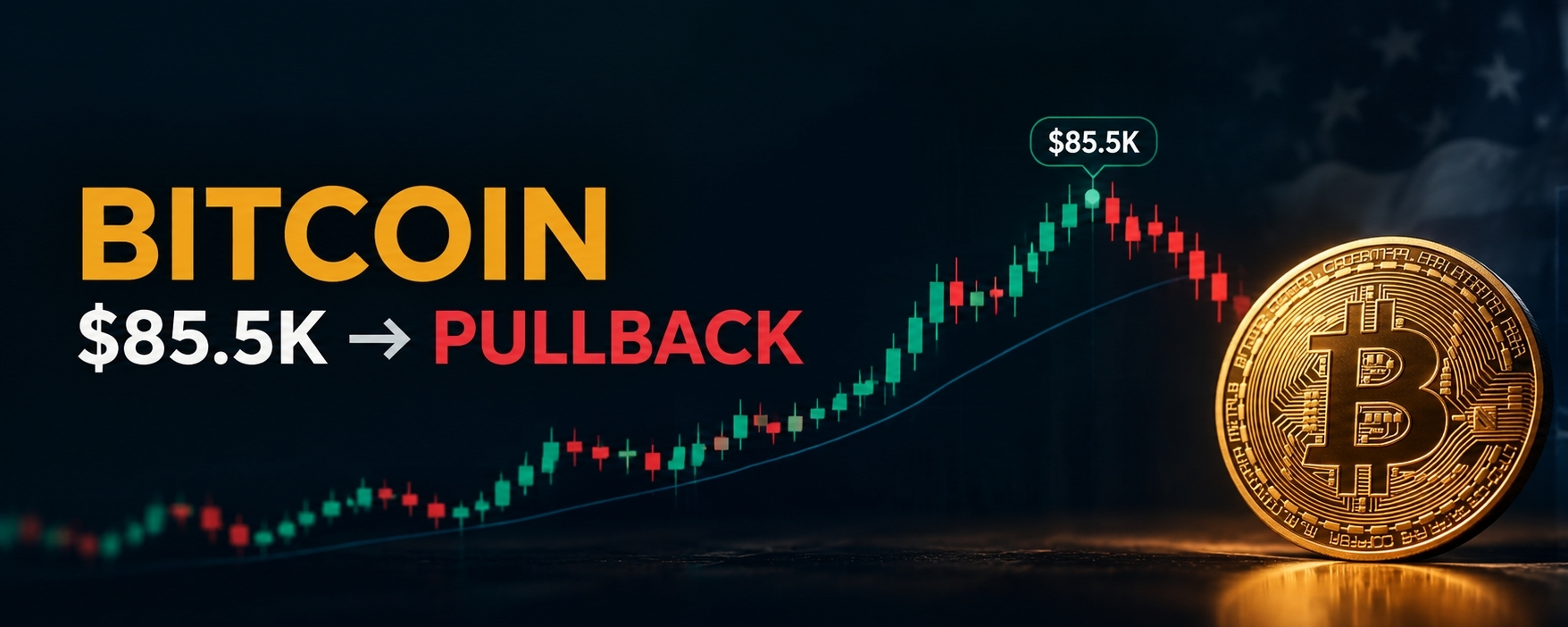
ビットコインは8万5,500ドルに到達するも、債券利回りが高止まりしたことで上げは減速$BTC
ビットコインは、一時的に8万5,500ドルを上回った後、米国のインフレ指標が予想より弱かったことを受けて83,700ドルをわずかに上回る水準で取引されました。
高止まりする米国債利回りが暗号資産の上げの大部分を帳消しにし、10年債利回りは5.3%近辺、30年債利回りは2002年以来の最高水準にほぼ並びました。
$HYPE とドージコインが主要暗号資産を押し上げました。一方、ソラナは約1%下落し、XRPは変わりませんでした。
#BTC
#MetaMaskExitsLidoValidatorsAfterSecurityIncident
ビットコインは8万5,500ドルに到達するも、債券利回りが高止まりしたことで上げは減速
$BTC
ビットコインは、一時的に8万5,500ドルを上回った後、米国のインフレ指標が予想より弱かったことを受けて83,700ドルをわずかに上回る水準で取引されました。
高止まりする米国債利回りが暗号資産の上げの大部分を帳消しにし、10年債利回りは5.3%近辺、30年債利回りは2002年以来の最高水準にほぼ並びました。
$HYPE とドージコインが主要暗号資産を押し上げました。一方、ソラナは約1%下落し、XRPは変わりませんでした。
#BTC
#MetaMaskExitsLidoValidatorsAfterSecurityIncident
ビットコインは、一時的に8万5,500ドルを上回った後、米国のインフレ指標が予想より弱かったことを受けて83,700ドルをわずかに上回る水準で取引されました。
高止まりする米国債利回りが暗号資産の上げの大部分を帳消しにし、10年債利回りは5.3%近辺、30年債利回りは2002年以来の最高水準にほぼ並びました。
$HYPE とドージコインが主要暗号資産を押し上げました。一方、ソラナは約1%下落し、XRPは変わりませんでした。
#BTC
#MetaMaskExitsLidoValidatorsAfterSecurityIncident
1
67
·
--
記事
翻訳参照
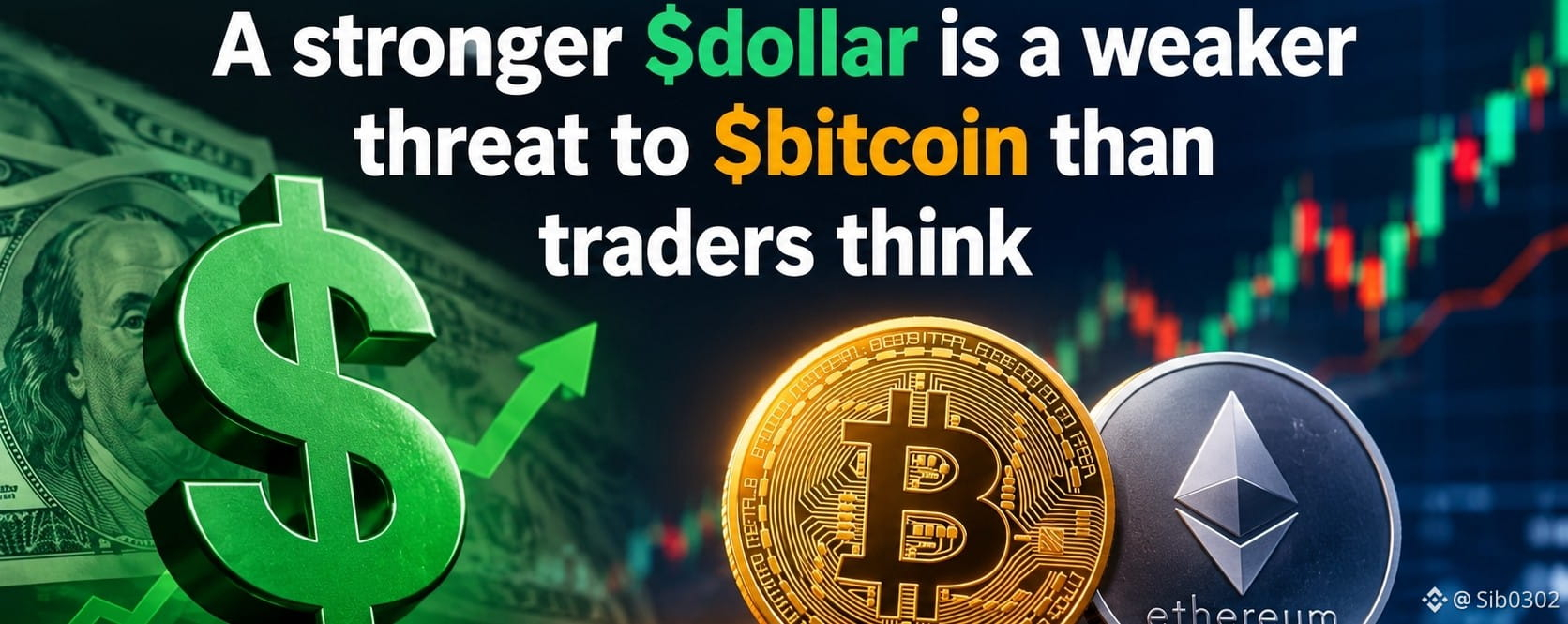
A stronger dollar is a weaker threat to bitcoin than traders thinkThe U.S. dollar has recently strengthened, raising concerns that higher dollar strength could put pressure on the crypto market. However, the relationship between the dollar and $BITCOIN may not be as strong as traders often assume. CoinDesk’s latest analysis shows that the Dollar Index (DXY) has gained around 2.6% since September 9 and reached a two-month high, while Bitcoin has remained relatively resilient around the $83,000–$84,000 area.
{future}(BTCUSDT)
Bitcoin and the dollar usually move in opposite directions because a stronger dollar can make riskier assets less attractive. But recent data suggests that the dollar explains only a limited part of Bitcoin’s daily price movements. CoinDesk reported that the 90-day correlation between $BTC and DXY was around -0.41, with DXY accounting for only about 17% of the variation in Bitcoin’s daily returns. This means other factors can have a much larger influence on the crypto market.
The broader crypto market is also being shaped by factors beyond the dollar, including institutional flows, market liquidity, interest-rate expectations and investor risk appetite. $Ethereum and other major cryptocurrencies can react to the same macroeconomic environment, but their price movements are not determined by the dollar alone. Recent CoinDesk coverage has also highlighted continued institutional interest in $Bitcoin, including strong ETF inflows, while options activity in $BTC and $ETH remains an important source of short-term market volatility.
For crypto traders, the key takeaway is that a stronger dollar remains an important factor to watch, but it should not be treated as the single driver of $Bitcoin or the wider crypto market. The relationship between DXY and $BTC has historically changed over time, and CoinDesk notes that the correlation has sometimes even turned positive. As the market moves forward, investors will be watching the dollar, liquidity, institutional demand and broader risk sentiment together to understand where $Bitcoin, $Ethereum and other major crypto assets could move next.
#MetaMaskExitsLidoValidatorsAfterSecurityIncident #BTC走势分析
#ETH🔥🔥🔥🔥🔥🔥
A stronger dollar is a weaker threat to bitcoin than traders think
The U.S. dollar has recently strengthened, raising concerns that higher dollar strength could put pressure on the crypto market. However, the relationship between the dollar and $BITCOIN may not be as strong as traders often assume. CoinDesk’s latest analysis shows that the Dollar Index (DXY) has gained around 2.6% since September 9 and reached a two-month high, while Bitcoin has remained relatively resilient around the $83,000–$84,000 area.
Bitcoin and the dollar usually move in opposite directions because a stronger dollar can make riskier assets less attractive. But recent data suggests that the dollar explains only a limited part of Bitcoin’s daily price movements. CoinDesk reported that the 90-day correlation between $BTC and DXY was around -0.41, with DXY accounting for only about 17% of the variation in Bitcoin’s daily returns. This means other factors can have a much larger influence on the crypto market.
The broader crypto market is also being shaped by factors beyond the dollar, including institutional flows, market liquidity, interest-rate expectations and investor risk appetite. $Ethereum and other major cryptocurrencies can react to the same macroeconomic environment, but their price movements are not determined by the dollar alone. Recent CoinDesk coverage has also highlighted continued institutional interest in $Bitcoin, including strong ETF inflows, while options activity in $BTC and $ETH remains an important source of short-term market volatility.
For crypto traders, the key takeaway is that a stronger dollar remains an important factor to watch, but it should not be treated as the single driver of $Bitcoin or the wider crypto market. The relationship between DXY and $BTC has historically changed over time, and CoinDesk notes that the correlation has sometimes even turned positive. As the market moves forward, investors will be watching the dollar, liquidity, institutional demand and broader risk sentiment together to understand where $Bitcoin, $Ethereum and other major crypto assets could move next.
#MetaMaskExitsLidoValidatorsAfterSecurityIncident #BTC走势分析
#ETH🔥🔥🔥🔥🔥🔥
Bitcoin and the dollar usually move in opposite directions because a stronger dollar can make riskier assets less attractive. But recent data suggests that the dollar explains only a limited part of Bitcoin’s daily price movements. CoinDesk reported that the 90-day correlation between $BTC and DXY was around -0.41, with DXY accounting for only about 17% of the variation in Bitcoin’s daily returns. This means other factors can have a much larger influence on the crypto market.
The broader crypto market is also being shaped by factors beyond the dollar, including institutional flows, market liquidity, interest-rate expectations and investor risk appetite. $Ethereum and other major cryptocurrencies can react to the same macroeconomic environment, but their price movements are not determined by the dollar alone. Recent CoinDesk coverage has also highlighted continued institutional interest in $Bitcoin, including strong ETF inflows, while options activity in $BTC and $ETH remains an important source of short-term market volatility.
For crypto traders, the key takeaway is that a stronger dollar remains an important factor to watch, but it should not be treated as the single driver of $Bitcoin or the wider crypto market. The relationship between DXY and $BTC has historically changed over time, and CoinDesk notes that the correlation has sometimes even turned positive. As the market moves forward, investors will be watching the dollar, liquidity, institutional demand and broader risk sentiment together to understand where $Bitcoin, $Ethereum and other major crypto assets could move next.
#MetaMaskExitsLidoValidatorsAfterSecurityIncident #BTC走势分析
#ETH🔥🔥🔥🔥🔥🔥
2
68
·
--
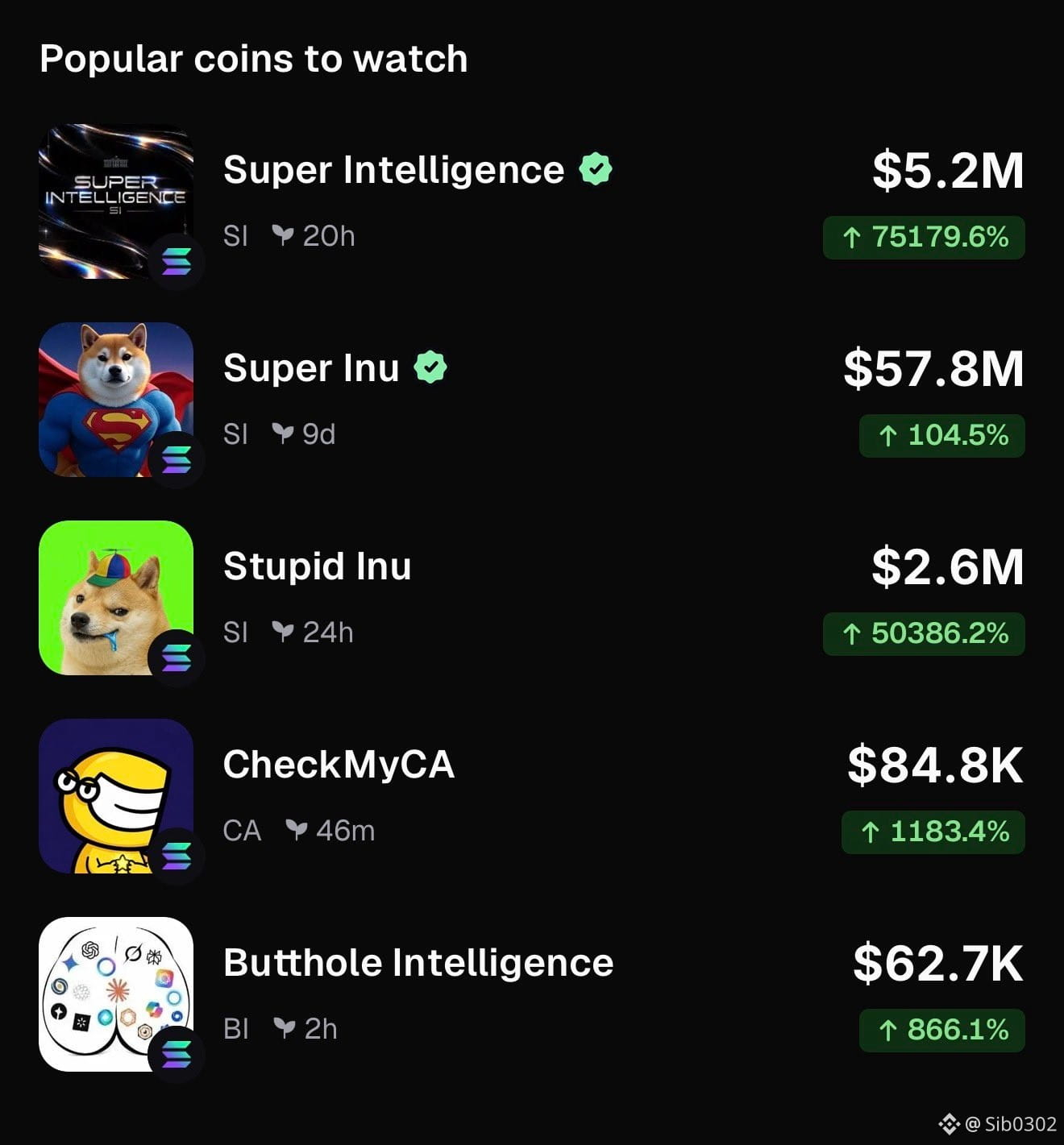
人気のコインを確認すれば、なぜ $AI が次のランナーになるのか分かります。
SECは、彼らが $SI.US のときと同じように名前を変更しました
#AltcoinSeasonIndexHoldsAbove60For5Days
人気のコインを確認すれば、なぜ $AI が次のランナーになるのか分かります。
SECは、彼らが $SI.US のときと同じように名前を変更しました
#AltcoinSeasonIndexHoldsAbove60For5Days
SECは、彼らが $SI.US のときと同じように名前を変更しました
#AltcoinSeasonIndexHoldsAbove60For5Days
2
327
·
--
記事
暗号資産業界は、成立させられなかった「明確化法」ロビイストに800万ドルを拠出した$BTC
今年上半期にロビー活動に充てた1300万ドルのうち、最も大きな割合は、連邦の開示情報では「Clarity Act(明確化法)」の推進に関わっていたとされていたが、この法案は米上院で前進することに失敗した。
CoinDeskは、同業界のロビー活動に関する開示情報を調べたところ、Coinbase取引所が高額なロビー活動の費用負担でトップに立っていたことが分かった。ただし、多数の暗号資産企業や業界団体もそれぞれ自前のロビイストを動かしていた。
さらに業界は、専門の外部企業にも数百万ドルを支出していた――少なくとも42社。
暗号資産業界は、成立させられなかった「明確化法」ロビイストに800万ドルを拠出した
$BTC
今年上半期にロビー活動に充てた1300万ドルのうち、最も大きな割合は、連邦の開示情報では「Clarity Act(明確化法)」の推進に関わっていたとされていたが、この法案は米上院で前進することに失敗した。
CoinDeskは、同業界のロビー活動に関する開示情報を調べたところ、Coinbase取引所が高額なロビー活動の費用負担でトップに立っていたことが分かった。ただし、多数の暗号資産企業や業界団体もそれぞれ自前のロビイストを動かしていた。
さらに業界は、専門の外部企業にも数百万ドルを支出していた――少なくとも42社。
今年上半期にロビー活動に充てた1300万ドルのうち、最も大きな割合は、連邦の開示情報では「Clarity Act(明確化法)」の推進に関わっていたとされていたが、この法案は米上院で前進することに失敗した。
CoinDeskは、同業界のロビー活動に関する開示情報を調べたところ、Coinbase取引所が高額なロビー活動の費用負担でトップに立っていたことが分かった。ただし、多数の暗号資産企業や業界団体もそれぞれ自前のロビイストを動かしていた。
さらに業界は、専門の外部企業にも数百万ドルを支出していた――少なくとも42社。
1
31
·
--
記事
翻訳参照
THIS COULD BE THE KEY SETUP FOR THE NEXT MEGA ALT SEASON$BITCOIN Dominance has been moving sideways for almost a year.
{future}(BTCUSDT)
Back in 2017 and 2021, we saw $BTC Dominance drop sharply, triggering a major flow of capital into altcoins. But in 2025, that rotation never really happened, as Bitcoin Dominance continued moving higher.
Now, $BTC Dominance is forming a series of lower highs, with a major support level sitting at 57.8%.
📉 If BTC Dominance breaks below 57.8%, the long-awaited Altseason could finally begin.
But if 57.8% holds and Dominance moves back above 61%, Bitcoin could continue leading the market, while altcoins may underperform $BTC .
Keep an eye on these levels.
#BTC走势分析
#BitcoinClears$85200
#AltcoinSeasonIndexHoldsAbove60For5Days
THIS COULD BE THE KEY SETUP FOR THE NEXT MEGA ALT SEASON
$BITCOIN Dominance has been moving sideways for almost a year.
Back in 2017 and 2021, we saw $BTC Dominance drop sharply, triggering a major flow of capital into altcoins. But in 2025, that rotation never really happened, as Bitcoin Dominance continued moving higher.
Now, $BTC Dominance is forming a series of lower highs, with a major support level sitting at 57.8%.
📉 If BTC Dominance breaks below 57.8%, the long-awaited Altseason could finally begin.
But if 57.8% holds and Dominance moves back above 61%, Bitcoin could continue leading the market, while altcoins may underperform $BTC .
Keep an eye on these levels.
#BTC走势分析
#BitcoinClears$85200
#AltcoinSeasonIndexHoldsAbove60For5Days
Back in 2017 and 2021, we saw $BTC Dominance drop sharply, triggering a major flow of capital into altcoins. But in 2025, that rotation never really happened, as Bitcoin Dominance continued moving higher.
Now, $BTC Dominance is forming a series of lower highs, with a major support level sitting at 57.8%.
📉 If BTC Dominance breaks below 57.8%, the long-awaited Altseason could finally begin.
But if 57.8% holds and Dominance moves back above 61%, Bitcoin could continue leading the market, while altcoins may underperform $BTC .
Keep an eye on these levels.
#BTC走势分析
#BitcoinClears$85200
#AltcoinSeasonIndexHoldsAbove60For5Days
43
·
--
$BTC
{spot}(BTCUSDT)
ビットコインは、過去数日間で$87Kのレジスタンスを下回った状態で推移したのち、現在約$83.4Kで取引されています。
レンジの重要性がますます高まっています。
$85Kはまず取り戻してほしい最初の水準であり、一方で$87Kは、次の上昇局面に向けてビットコインが突破し、上回った状態で維持する必要がある主要なレジスタンスです。
下方向では、直近の$82K付近が重要な短期サポートです。この水準を下回ると、$79.5Kが再び視野に入ってきます。
当面は、BTCはこれらの水準の間でレンジ相場が続いています。
私たちは、起きる前に無理に方向性を決めつけるのではなく、ブレイクアウトを見ています。
#BTC走势分析
#BTC
#EarningsSeason
$BTC
ビットコインは、過去数日間で$87Kのレジスタンスを下回った状態で推移したのち、現在約$83.4Kで取引されています。
レンジの重要性がますます高まっています。
$85Kはまず取り戻してほしい最初の水準であり、一方で$87Kは、次の上昇局面に向けてビットコインが突破し、上回った状態で維持する必要がある主要なレジスタンスです。
下方向では、直近の$82K付近が重要な短期サポートです。この水準を下回ると、$79.5Kが再び視野に入ってきます。
当面は、BTCはこれらの水準の間でレンジ相場が続いています。
私たちは、起きる前に無理に方向性を決めつけるのではなく、ブレイクアウトを見ています。
#BTC走势分析
#BTC
#EarningsSeason
ビットコインは、過去数日間で$87Kのレジスタンスを下回った状態で推移したのち、現在約$83.4Kで取引されています。
レンジの重要性がますます高まっています。
$85Kはまず取り戻してほしい最初の水準であり、一方で$87Kは、次の上昇局面に向けてビットコインが突破し、上回った状態で維持する必要がある主要なレジスタンスです。
下方向では、直近の$82K付近が重要な短期サポートです。この水準を下回ると、$79.5Kが再び視野に入ってきます。
当面は、BTCはこれらの水準の間でレンジ相場が続いています。
私たちは、起きる前に無理に方向性を決めつけるのではなく、ブレイクアウトを見ています。
#BTC走势分析
#BTC
#EarningsSeason
61
·
--
$AMCB
{spot}(AMCBUSDT)
AMCBUSDT は、トークン化された AMC エンターテインメントの資産(AMCB)を指します。
最新の報告価格は 2026年9月29日時点で約 $3.28 でした。
2026年9月28日、価格は $2.92 で寄り付き $3.26 で引けとなり、高値は $3.39 でした。
これは目立って取引が活発になった中での、強い1日での上昇でした。
直近の日次価格は、9月28日の急騰前は概ね $2.85〜$3.00 の範囲にとどまっていました。
最近のマーケット構造に関するソースでは、55日間の分析に基づきおよそ $2.63 がサポート、$3.01 がレジスタンスと特定しています。
Sigmoid
9月28日の高値 $3.39 は、短期的なボラティリティの上昇を示しています。
そのため、チャートはすぐに変わり得ます。
これはマーケットデータの概要であり、売買の推奨ではありません。
#EarningsSeason
#AMCB
#BitgetHackerFailsToMoveStolenFunds
$AMCB
AMCBUSDT は、トークン化された AMC エンターテインメントの資産(AMCB)を指します。
最新の報告価格は 2026年9月29日時点で約 $3.28 でした。
2026年9月28日、価格は $2.92 で寄り付き $3.26 で引けとなり、高値は $3.39 でした。
これは目立って取引が活発になった中での、強い1日での上昇でした。
直近の日次価格は、9月28日の急騰前は概ね $2.85〜$3.00 の範囲にとどまっていました。
最近のマーケット構造に関するソースでは、55日間の分析に基づきおよそ $2.63 がサポート、$3.01 がレジスタンスと特定しています。
Sigmoid
9月28日の高値 $3.39 は、短期的なボラティリティの上昇を示しています。
そのため、チャートはすぐに変わり得ます。
これはマーケットデータの概要であり、売買の推奨ではありません。
#EarningsSeason
#AMCB
#BitgetHackerFailsToMoveStolenFunds
AMCBUSDT は、トークン化された AMC エンターテインメントの資産(AMCB)を指します。
最新の報告価格は 2026年9月29日時点で約 $3.28 でした。
2026年9月28日、価格は $2.92 で寄り付き $3.26 で引けとなり、高値は $3.39 でした。
これは目立って取引が活発になった中での、強い1日での上昇でした。
直近の日次価格は、9月28日の急騰前は概ね $2.85〜$3.00 の範囲にとどまっていました。
最近のマーケット構造に関するソースでは、55日間の分析に基づきおよそ $2.63 がサポート、$3.01 がレジスタンスと特定しています。
Sigmoid
9月28日の高値 $3.39 は、短期的なボラティリティの上昇を示しています。
そのため、チャートはすぐに変わり得ます。
これはマーケットデータの概要であり、売買の推奨ではありません。
#EarningsSeason
#AMCB
#BitgetHackerFailsToMoveStolenFunds
1
·
--
$HBAR 価格は急なブレイクアウトの後、$0.117付近で強さを構築しており、構造はうまく維持されています。
{future}(HBARUSDT)
• 強気の無効ライン(無効化条件):$0.115を下回った場合
• 重要なレジスタンス:$0.125
• マクロ目標:$0.135 ~ $0.140
グリーンのローソク足を追いかけるのではなく、ブレイクアウトの確認に集中。📊
#EarningsSeason
#HBARUSDT
$HBAR 価格は急なブレイクアウトの後、$0.117付近で強さを構築しており、構造はうまく維持されています。
• 強気の無効ライン(無効化条件):$0.115を下回った場合
• 重要なレジスタンス:$0.125
• マクロ目標:$0.135 ~ $0.140
グリーンのローソク足を追いかけるのではなく、ブレイクアウトの確認に集中。📊
#EarningsSeason
#HBARUSDT
• 強気の無効ライン(無効化条件):$0.115を下回った場合
• 重要なレジスタンス:$0.125
• マクロ目標:$0.135 ~ $0.140
グリーンのローソク足を追いかけるのではなく、ブレイクアウトの確認に集中。📊
#EarningsSeason
#HBARUSDT
1
158
·
--
記事
翻訳参照
Bitcoin Market Brief: Key Highlights for Today$BTC
{spot}(BTCUSDT)
Bitcoin has been showing some interesting moves lately, keeping the market on its toes as it holds steady around the $83,000 mark. The biggest driver behind this current stability is the massive wave of institutional money coming through spot Bitcoin ETFs. Over the past week alone, these funds pulled in more than $2.39 billion in net inflows, marking one of the strongest weekly performances we have seen in nearly a year. This consistent buying pressure from institutional investors is giving the market a solid floor and keeping trader confidence high.
Beyond the ETF activity, Bitcoin’s broader position in the crypto market remains exceptionally strong. It currently commands around 60% of the entire crypto market cap, showing that even during periods of broader market uncertainty, capital continues to flow back into Bitcoin as the primary safe-haven asset in the digital space. Looking at the charts, the price is staying well above key technical indicators like the 50-day and 100-day moving averages, which signals that buyers are still comfortably in control for now.
That said, traders are keeping a close eye on the macro picture. Broader economic factors, including interest rate decisions and global financial liquidity, could introduce some short-term volatility. While the current momentum looks healthy, staying updated on broader market shifts is crucial for anyone managing their positions on Binance right now.
Bitcoin Market Brief: Key Highlights for Today
$BTC
Bitcoin has been showing some interesting moves lately, keeping the market on its toes as it holds steady around the $83,000 mark. The biggest driver behind this current stability is the massive wave of institutional money coming through spot Bitcoin ETFs. Over the past week alone, these funds pulled in more than $2.39 billion in net inflows, marking one of the strongest weekly performances we have seen in nearly a year. This consistent buying pressure from institutional investors is giving the market a solid floor and keeping trader confidence high.
Beyond the ETF activity, Bitcoin’s broader position in the crypto market remains exceptionally strong. It currently commands around 60% of the entire crypto market cap, showing that even during periods of broader market uncertainty, capital continues to flow back into Bitcoin as the primary safe-haven asset in the digital space. Looking at the charts, the price is staying well above key technical indicators like the 50-day and 100-day moving averages, which signals that buyers are still comfortably in control for now.
That said, traders are keeping a close eye on the macro picture. Broader economic factors, including interest rate decisions and global financial liquidity, could introduce some short-term volatility. While the current momentum looks healthy, staying updated on broader market shifts is crucial for anyone managing their positions on Binance right now.
Bitcoin has been showing some interesting moves lately, keeping the market on its toes as it holds steady around the $83,000 mark. The biggest driver behind this current stability is the massive wave of institutional money coming through spot Bitcoin ETFs. Over the past week alone, these funds pulled in more than $2.39 billion in net inflows, marking one of the strongest weekly performances we have seen in nearly a year. This consistent buying pressure from institutional investors is giving the market a solid floor and keeping trader confidence high.
Beyond the ETF activity, Bitcoin’s broader position in the crypto market remains exceptionally strong. It currently commands around 60% of the entire crypto market cap, showing that even during periods of broader market uncertainty, capital continues to flow back into Bitcoin as the primary safe-haven asset in the digital space. Looking at the charts, the price is staying well above key technical indicators like the 50-day and 100-day moving averages, which signals that buyers are still comfortably in control for now.
That said, traders are keeping a close eye on the macro picture. Broader economic factors, including interest rate decisions and global financial liquidity, could introduce some short-term volatility. While the current momentum looks healthy, staying updated on broader market shifts is crucial for anyone managing their positions on Binance right now.
1
38
·
--

記事
zk.moneyが3年ぶりに復活し、イーサリアムのユーザーにもう一つのプライベート送金手段が登場$ETH
通常のイーサリアム・ウォレットから送金するように頼めば、その人は公開された取引履歴を追跡できます。幸いなことに、ユーザーにはデータを隠すための選択肢が増えています。
最新の代替策は、プライバシー開発者のアズテック・ラボ(Aztec Labs)によるものです。同社は、人々が送金を名前や支払いリンクで行えるようにしつつ、支払い金額と受取人を隠すウォレットである「zk.money」を復活させると述べています。
同社はCoinDeskに対し、ユーザーはイーサリアムからドル連動のステーブルコインであるDAI、USDC、USDTを入金できるようになると伝えました。USDCとUSDTは入金時にDAIへ変換され、その結果、zk.moneyの内部で使われる通貨はDAIのみになります。
zk.moneyが3年ぶりに復活し、イーサリアムのユーザーにもう一つのプライベート送金手段が登場
$ETH
通常のイーサリアム・ウォレットから送金するように頼めば、その人は公開された取引履歴を追跡できます。幸いなことに、ユーザーにはデータを隠すための選択肢が増えています。
最新の代替策は、プライバシー開発者のアズテック・ラボ(Aztec Labs)によるものです。同社は、人々が送金を名前や支払いリンクで行えるようにしつつ、支払い金額と受取人を隠すウォレットである「zk.money」を復活させると述べています。
同社はCoinDeskに対し、ユーザーはイーサリアムからドル連動のステーブルコインであるDAI、USDC、USDTを入金できるようになると伝えました。USDCとUSDTは入金時にDAIへ変換され、その結果、zk.moneyの内部で使われる通貨はDAIのみになります。
通常のイーサリアム・ウォレットから送金するように頼めば、その人は公開された取引履歴を追跡できます。幸いなことに、ユーザーにはデータを隠すための選択肢が増えています。
最新の代替策は、プライバシー開発者のアズテック・ラボ(Aztec Labs)によるものです。同社は、人々が送金を名前や支払いリンクで行えるようにしつつ、支払い金額と受取人を隠すウォレットである「zk.money」を復活させると述べています。
同社はCoinDeskに対し、ユーザーはイーサリアムからドル連動のステーブルコインであるDAI、USDC、USDTを入金できるようになると伝えました。USDCとUSDTは入金時にDAIへ変換され、その結果、zk.moneyの内部で使われる通貨はDAIのみになります。
19
·
--
2
1
250
·
--
$QNT QNTはすでに$200レベルを2回再テストしています。今回は、さらに上方向に動き続けると思います。長めのセットアップです。
エントリー: $240 - $245
TP: $270 - $300 - $330 - $360 - $400
SL: $222
{spot}(QNTUSDT)
$QNT QNTはすでに$200レベルを2回再テストしています。今回は、さらに上方向に動き続けると思います。長めのセットアップです。
エントリー: $240 - $245
TP: $270 - $300 - $330 - $360 - $400
SL: $222
エントリー: $240 - $245
TP: $270 - $300 - $330 - $360 - $400
SL: $222
5
·
--
イーサリアム(ETH)が抵抗線を突破:アップグレードの勢いとETF流入がQ3の上昇を後押し
イーサリアム$ETH は好調な3四半期の締めくくりとして、機関投資家の需要とネットワーク開発が勢いを高く維持するなか、約2,700ドルで取引されています。
{spot}(ETHUSDT)
#Ethereum
#EarningsSeason
イーサリアム(ETH)が抵抗線を突破:アップグレードの勢いとETF流入がQ3の上昇を後押し
イーサリアム$ETH は好調な3四半期の締めくくりとして、機関投資家の需要とネットワーク開発が勢いを高く維持するなか、約2,700ドルで取引されています。
#Ethereum
#EarningsSeason
イーサリアム$ETH は好調な3四半期の締めくくりとして、機関投資家の需要とネットワーク開発が勢いを高く維持するなか、約2,700ドルで取引されています。
#Ethereum
#EarningsSeason
1
24
·
--
$DOGE は重要な水準にあります!
ブレイクアウト後、DOGE は以前のレジスタンスをサポートとして再テストしています。この水準が維持されれば、強気の勢いは継続する可能性があります。
📈 主要な水準:サポートの再テスト
🐕 $DOGE をよく監視してください
{spot}(DOGEUSDT)
#DOGE #Dogecoin #Crypto #Binance #BinanceSquare #Altcoins
$DOGE は重要な水準にあります!
ブレイクアウト後、DOGE は以前のレジスタンスをサポートとして再テストしています。この水準が維持されれば、強気の勢いは継続する可能性があります。
📈 主要な水準:サポートの再テスト
🐕 $DOGE をよく監視してください
#DOGE #Dogecoin #Crypto #Binance #BinanceSquare #Altcoins
ブレイクアウト後、DOGE は以前のレジスタンスをサポートとして再テストしています。この水準が維持されれば、強気の勢いは継続する可能性があります。
📈 主要な水準:サポートの再テスト
🐕 $DOGE をよく監視してください
#DOGE #Dogecoin #Crypto #Binance #BinanceSquare #Altcoins
59
·
--
スポット型ビットコインETFが3,100万ドル上積みする中、ビットコインは84,000ドル超に反発 ZECは9%下落
ビットコインは火曜日に1%上昇して84,200ドル弱まで戻し、10年債利回りが月曜の7年ぶり高水準(2007年以来)までの上昇後も5.25%近辺で推移する中、押し目で約82,500ドルに買いが入った。
$BTC
{spot}(BTCUSDT)
主要銘柄ではイーサが2%上昇して約2,720ドルに接近し、DOGEは3%、XRPは2%だった。一方、$BNB 、$SOL 、TRXはいずれも1%未満の上昇にとどまった。HYPEは1%下落。ZECは例外で、9%下落して約1,423ドルとなった。
{spot}(BNBUSDT)
米国のスポット型ビットコインETFは月曜に約3,100万ドルを資金流入し、イーサの資金は約1,700万ドルだった。SoSoValueによると、SOLとXRPのETFは合計で1,700万ドルの資金流入を追加した。米国の唯一のZECファンドは純流出が発生し、約800万ドルを失った。
"時価総額2.87Tドルの水準で、暗号資産は先週の安値近辺(2.83Tドル)から慎重に反発を形成しつつある。ただし、市場が2.90Tドルを下回っている限り、テクニカル的には短期の下落トレンドが続いている。強い米ドルと株式市場の不透明感が、不安を強めている。"
"短期の作業シナリオとしては、BTCは過去の高値への押し目でサポートを見つけ、成長モメンタムが一巡したことで十分に冷えたということだ。持続的に強気のセンチメントが広がれば、87Kドル超えの新たな数か月高値につながる。"
#EarningsSeason
#BitMineETHHoldingsTop6Million
スポット型ビットコインETFが3,100万ドル上積みする中、ビットコインは84,000ドル超に反発 ZECは9%下落
ビットコインは火曜日に1%上昇して84,200ドル弱まで戻し、10年債利回りが月曜の7年ぶり高水準(2007年以来)までの上昇後も5.25%近辺で推移する中、押し目で約82,500ドルに買いが入った。
$BTC
主要銘柄ではイーサが2%上昇して約2,720ドルに接近し、DOGEは3%、XRPは2%だった。一方、$BNB 、$SOL 、TRXはいずれも1%未満の上昇にとどまった。HYPEは1%下落。ZECは例外で、9%下落して約1,423ドルとなった。
米国のスポット型ビットコインETFは月曜に約3,100万ドルを資金流入し、イーサの資金は約1,700万ドルだった。SoSoValueによると、SOLとXRPのETFは合計で1,700万ドルの資金流入を追加した。米国の唯一のZECファンドは純流出が発生し、約800万ドルを失った。
"時価総額2.87Tドルの水準で、暗号資産は先週の安値近辺(2.83Tドル)から慎重に反発を形成しつつある。ただし、市場が2.90Tドルを下回っている限り、テクニカル的には短期の下落トレンドが続いている。強い米ドルと株式市場の不透明感が、不安を強めている。"
"短期の作業シナリオとしては、BTCは過去の高値への押し目でサポートを見つけ、成長モメンタムが一巡したことで十分に冷えたということだ。持続的に強気のセンチメントが広がれば、87Kドル超えの新たな数か月高値につながる。"
#EarningsSeason
#BitMineETHHoldingsTop6Million
ビットコインは火曜日に1%上昇して84,200ドル弱まで戻し、10年債利回りが月曜の7年ぶり高水準(2007年以来)までの上昇後も5.25%近辺で推移する中、押し目で約82,500ドルに買いが入った。
$BTC
主要銘柄ではイーサが2%上昇して約2,720ドルに接近し、DOGEは3%、XRPは2%だった。一方、$BNB 、$SOL 、TRXはいずれも1%未満の上昇にとどまった。HYPEは1%下落。ZECは例外で、9%下落して約1,423ドルとなった。
米国のスポット型ビットコインETFは月曜に約3,100万ドルを資金流入し、イーサの資金は約1,700万ドルだった。SoSoValueによると、SOLとXRPのETFは合計で1,700万ドルの資金流入を追加した。米国の唯一のZECファンドは純流出が発生し、約800万ドルを失った。
"時価総額2.87Tドルの水準で、暗号資産は先週の安値近辺(2.83Tドル)から慎重に反発を形成しつつある。ただし、市場が2.90Tドルを下回っている限り、テクニカル的には短期の下落トレンドが続いている。強い米ドルと株式市場の不透明感が、不安を強めている。"
"短期の作業シナリオとしては、BTCは過去の高値への押し目でサポートを見つけ、成長モメンタムが一巡したことで十分に冷えたということだ。持続的に強気のセンチメントが広がれば、87Kドル超えの新たな数か月高値につながる。"
#EarningsSeason
#BitMineETHHoldingsTop6Million
1
146
ログインして、さらにコンテンツを読む
厳選トピックで世界の暗号資産トレーダーの仲間入り
⚡️ 暗号資産に関する最新かつ有益な情報が見つかります。
💬 世界最大の暗号資産取引所から信頼されています。
👍 認証を受けたクリエイターから、有益なインサイトを得られます。
メール / 電話番号