

Frenzy ¹³
11.6k 投稿

Frenzy ¹³
 厳選トピック確認済+
報告
ユーザーをブロック
766 フォロー
41.3K+ フォロワー
26.0K+ いいね
投稿
すべて
引用
ライブ
·
--
翻訳参照
I warned you about the evil spell $COLLECT
{future}(COLLECTUSDT)
only a few hours ago 😂👋🏻
And no one believed it was an evil spell—now look at her flying 🚀🔥 Working on cleansing it with short and long hair, no one can break her head except me 😎👋🏻
I warned you about the evil spell $COLLECT
only a few hours ago 😂👋🏻
And no one believed it was an evil spell—now look at her flying 🚀🔥 Working on cleansing it with short and long hair, no one can break her head except me 😎👋🏻
only a few hours ago 😂👋🏻
And no one believed it was an evil spell—now look at her flying 🚀🔥 Working on cleansing it with short and long hair, no one can break her head except me 😎👋🏻
1
569
·
--
翻訳参照
Hello crypto friends ✨
The SEC’s funding lapse has paused crypto ETF reviews for now. It’s definitely something to keep an eye on, especially with so much attention on crypto ETFs lately. Let’s see how things move once funding is restored. 👀
$ETH
{future}(ETHUSDT)
Hello crypto friends ✨
The SEC’s funding lapse has paused crypto ETF reviews for now. It’s definitely something to keep an eye on, especially with so much attention on crypto ETFs lately. Let’s see how things move once funding is restored. 👀
$ETH
The SEC’s funding lapse has paused crypto ETF reviews for now. It’s definitely something to keep an eye on, especially with so much attention on crypto ETFs lately. Let’s see how things move once funding is restored. 👀
$ETH
142
·
--
SolanaでちょうどUSDCを5億枚発行したばかり 👀
これはエコシステムに流れ込む、かなり大きな流動性です。こうした大きな動きは確実に市場の注目を集めます。ここからSolanaがどう反応するのか見ていきましょう。 🚀
$USDT
$SOL
{future}(SOLUSDT)
SolanaでちょうどUSDCを5億枚発行したばかり 👀
これはエコシステムに流れ込む、かなり大きな流動性です。こうした大きな動きは確実に市場の注目を集めます。ここからSolanaがどう反応するのか見ていきましょう。 🚀
$USDT
$SOL
これはエコシステムに流れ込む、かなり大きな流動性です。こうした大きな動きは確実に市場の注目を集めます。ここからSolanaがどう反応するのか見ていきましょう。 🚀
$USDT
$SOL
6
333

·
--
$HYPE
{future}(HYPEUSDT)
👀
BinanceによるHyperliquid(HYPE)の上場は、間違いなく注目すべき出来事です。露出が増え、注目が集まり、さらにエコシステム周辺での活発な動きが大幅に増える可能性があります。
暗号資産は眠りません 🚀
$HYPE
👀
BinanceによるHyperliquid(HYPE)の上場は、間違いなく注目すべき出来事です。露出が増え、注目が集まり、さらにエコシステム周辺での活発な動きが大幅に増える可能性があります。
暗号資産は眠りません 🚀
👀
BinanceによるHyperliquid(HYPE)の上場は、間違いなく注目すべき出来事です。露出が増え、注目が集まり、さらにエコシステム周辺での活発な動きが大幅に増える可能性があります。
暗号資産は眠りません 🚀
3
187
·
--
ビットコインが5月の高値を明確に上抜けし、86,000ドル($86K)に近づいています 👀
勢いは確実に面白くなってきています。このままBTCがこれらの水準を維持して、上昇を続けられるか見てみましょう。 🚀
$BTC
{future}(BTCUSDT)
ビットコインが5月の高値を明確に上抜けし、86,000ドル($86K)に近づいています 👀
勢いは確実に面白くなってきています。このままBTCがこれらの水準を維持して、上昇を続けられるか見てみましょう。 🚀
$BTC
勢いは確実に面白くなってきています。このままBTCがこれらの水準を維持して、上昇を続けられるか見てみましょう。 🚀
$BTC
6
250
·
--
サイラーがビットコインをさらに買うことをほのめかしている 👀 それは市場を一気に揺さぶるかもしれません。トレーダーは間違いなくこれを注視しています。#SaylorHintsStrategyBitcoinBuy
$BTC
{future}(BTCUSDT)
サイラーがビットコインをさらに買うことをほのめかしている 👀 それは市場を一気に揺さぶるかもしれません。トレーダーは間違いなくこれを注視しています。#SaylorHintsStrategyBitcoinBuy
$BTC
$BTC
8
381
·
--
$77Kを上回るビットコインの保有は良い兆しです。買い手はまだ強さを見せています。ここからBTCがさらに上昇できるか、これから様子を見ます。👀$BTC
{future}(BTCUSDT)
$77Kを上回るビットコインの保有は良い兆しです。買い手はまだ強さを見せています。ここからBTCがさらに上昇できるか、これから様子を見ます。👀$BTC
7
276

·
--
$LTC
{future}(LTCUSDT)
SECがGrayscaleのライトコインETF申請を受理した—これはぜひ注目すべき動きです。LTCをETFの領域に取り込むためのさらなる一歩。👀
$LTC
SECがGrayscaleのライトコインETF申請を受理した—これはぜひ注目すべき動きです。LTCをETFの領域に取り込むためのさらなる一歩。👀
SECがGrayscaleのライトコインETF申請を受理した—これはぜひ注目すべき動きです。LTCをETFの領域に取り込むためのさらなる一歩。👀
3
245
·
--
本人確認中
7月以来の最高水準に達した原油の動きは、間違いなく注目すべきです。原油価格が高水準のまま推移すれば、市場全体にすぐに圧力がかかり得ます。なお、この動きが続く場合は特にそうです。#OilRisesToHighestSinceJuly
$CL
{future}(CLUSDT)
7月以来の最高水準に達した原油の動きは、間違いなく注目すべきです。原油価格が高水準のまま推移すれば、市場全体にすぐに圧力がかかり得ます。なお、この動きが続く場合は特にそうです。#OilRisesToHighestSinceJuly
$CL
$CL
2
7
1.9k

·
--
#IranSaysItHit3USShips3Tankers
イランは報復として米国の艦船3隻とタンカー3隻を攻撃したと述べた。もし確認されれば、これはホルムズ海峡周辺での深刻なエスカレーションだ。事態は急速に緊迫しており、次の一手が大きな意味を持つかもしれない。
$XRP $SUI $CAT
#IranSaysItHit3USShips3Tankers
イランは報復として米国の艦船3隻とタンカー3隻を攻撃したと述べた。もし確認されれば、これはホルムズ海峡周辺での深刻なエスカレーションだ。事態は急速に緊迫しており、次の一手が大きな意味を持つかもしれない。
$XRP $SUI $CAT
イランは報復として米国の艦船3隻とタンカー3隻を攻撃したと述べた。もし確認されれば、これはホルムズ海峡周辺での深刻なエスカレーションだ。事態は急速に緊迫しており、次の一手が大きな意味を持つかもしれない。
$XRP $SUI $CAT
3
224
·
--
$ZEC が新たな史上最高値を更新しました。重要なのは、その上昇の裏にある強さです。強い勢いを伴う価格発見は通常、私の注目を引きますが、今のポイントは買い手がこの水準を維持し、ATH をサポートへと転じられるかどうかです。注意深く見ています。#ZECHitsANewAllTimeHigh $ZEC
{future}(ZECUSDT)
$ZEC が新たな史上最高値を更新しました。重要なのは、その上昇の裏にある強さです。強い勢いを伴う価格発見は通常、私の注目を引きますが、今のポイントは買い手がこの水準を維持し、ATH をサポートへと転じられるかどうかです。注意深く見ています。#ZECHitsANewAllTimeHigh $ZEC
2
2
229
·
--
BTCが80Kドルに向かって押し上げられているのは、間違いなく私が注目している水準です。この動きは力強く感じますが、私がより関心があるのは、ブレイクアウト後にBitcoinがこのゾーンの上を維持できるかどうかです。
買いが継続して入り、出来高が健全なままであれば、80Kドルはレジスタンスから堅いサポートエリアへと変わる可能性があります。私にとっては、次の数回の取引セッションのほうが、短時間の急騰よりも重要です。
値動きを注意深く見ています。👀 $BTC
{future}(BTCUSDT)
BTCが80Kドルに向かって押し上げられているのは、間違いなく私が注目している水準です。この動きは力強く感じますが、私がより関心があるのは、ブレイクアウト後にBitcoinがこのゾーンの上を維持できるかどうかです。
買いが継続して入り、出来高が健全なままであれば、80Kドルはレジスタンスから堅いサポートエリアへと変わる可能性があります。私にとっては、次の数回の取引セッションのほうが、短時間の急騰よりも重要です。
値動きを注意深く見ています。👀 $BTC
買いが継続して入り、出来高が健全なままであれば、80Kドルはレジスタンスから堅いサポートエリアへと変わる可能性があります。私にとっては、次の数回の取引セッションのほうが、短時間の急騰よりも重要です。
値動きを注意深く見ています。👀 $BTC
1
222
·
--
#US10YearTreasuryYieldHitsHighestSinceNov2023
10年債利回りが4.8%近辺まで押し戻されているのは、市場にとって大きなシグナルです。利回りが高いということは金融環境が引き締まっていることを意味し、それは株や暗号資産にも圧力をかけ得ます。
ここからのBTCとリスク資産の反応を注視しています。これは間違いなく無視していい水準ではありません。
$TUT $CRDO
#US10YearTreasuryYieldHitsHighestSinceNov2023
10年債利回りが4.8%近辺まで押し戻されているのは、市場にとって大きなシグナルです。利回りが高いということは金融環境が引き締まっていることを意味し、それは株や暗号資産にも圧力をかけ得ます。
ここからのBTCとリスク資産の反応を注視しています。これは間違いなく無視していい水準ではありません。
$TUT $CRDO
10年債利回りが4.8%近辺まで押し戻されているのは、市場にとって大きなシグナルです。利回りが高いということは金融環境が引き締まっていることを意味し、それは株や暗号資産にも圧力をかけ得ます。
ここからのBTCとリスク資産の反応を注視しています。これは間違いなく無視していい水準ではありません。
$TUT $CRDO
2
339
·
--
MAGMAは急速に動いている 👀
今日+31%で、7日間ではほぼ+150%。ブレイクアウトは強い出来高でも確認できたので、これは間違いなく監視リストに入れています。
追いかけるのではなく、この水準付近で価格がどう反応するかを見ています。$MAGMA
{future}(MAGMAUSDT)
🔥
MAGMAは急速に動いている 👀
今日+31%で、7日間ではほぼ+150%。ブレイクアウトは強い出来高でも確認できたので、これは間違いなく監視リストに入れています。
追いかけるのではなく、この水準付近で価格がどう反応するかを見ています。$MAGMA
🔥
今日+31%で、7日間ではほぼ+150%。ブレイクアウトは強い出来高でも確認できたので、これは間違いなく監視リストに入れています。
追いかけるのではなく、この水準付近で価格がどう反応するかを見ています。$MAGMA
🔥
1
626
·
--
こんにちは、暗号資産の友人たち ✨
Bitcoin ETFの買い手が戻ってきているのは興味深いです。
私にとっては、需要が消えたのではなく、しばらく静かになっていただけだということを示しているように思えます。買い手が再び入り始めたとき、それが安定した買い増しにつながるのか、それともまた一時的な反応にすぎないのかを注視しています。
どちらにしても、ETFの資金フローは、より大きな資金がどちらに傾いているのかを理解するうえで有用なシグナルになりつつあります。$BTC
{future}(BTCUSDT)
こんにちは、暗号資産の友人たち ✨
Bitcoin ETFの買い手が戻ってきているのは興味深いです。
私にとっては、需要が消えたのではなく、しばらく静かになっていただけだということを示しているように思えます。買い手が再び入り始めたとき、それが安定した買い増しにつながるのか、それともまた一時的な反応にすぎないのかを注視しています。
どちらにしても、ETFの資金フローは、より大きな資金がどちらに傾いているのかを理解するうえで有用なシグナルになりつつあります。$BTC
Bitcoin ETFの買い手が戻ってきているのは興味深いです。
私にとっては、需要が消えたのではなく、しばらく静かになっていただけだということを示しているように思えます。買い手が再び入り始めたとき、それが安定した買い増しにつながるのか、それともまた一時的な反応にすぎないのかを注視しています。
どちらにしても、ETFの資金フローは、より大きな資金がどちらに傾いているのかを理解するうえで有用なシグナルになりつつあります。$BTC
2
105
·
--
暗号資産の友人のみなさん、こんにちは ✨
#BrentRisesAbove$90 は面白くなってきました。原油が $90 を超えて上昇しているのは、エネルギー市場が供給リスクや世界的な不確実性にどれほど素早く反応し得るかを示しています。この動きがどれくらい続くのかを見ています。
$BZ $BTC
{future}(BTCUSDT)
暗号資産の友人のみなさん、こんにちは ✨
#BrentRisesAbove$90 は面白くなってきました。原油が $90 を超えて上昇しているのは、エネルギー市場が供給リスクや世界的な不確実性にどれほど素早く反応し得るかを示しています。この動きがどれくらい続くのかを見ています。
$BZ $BTC
#BrentRisesAbove$90 は面白くなってきました。原油が $90 を超えて上昇しているのは、エネルギー市場が供給リスクや世界的な不確実性にどれほど素早く反応し得るかを示しています。この動きがどれくらい続くのかを見ています。
$BZ $BTC
1
4
228
·
--
こんにちは、クリプト仲間のみなさん ✨
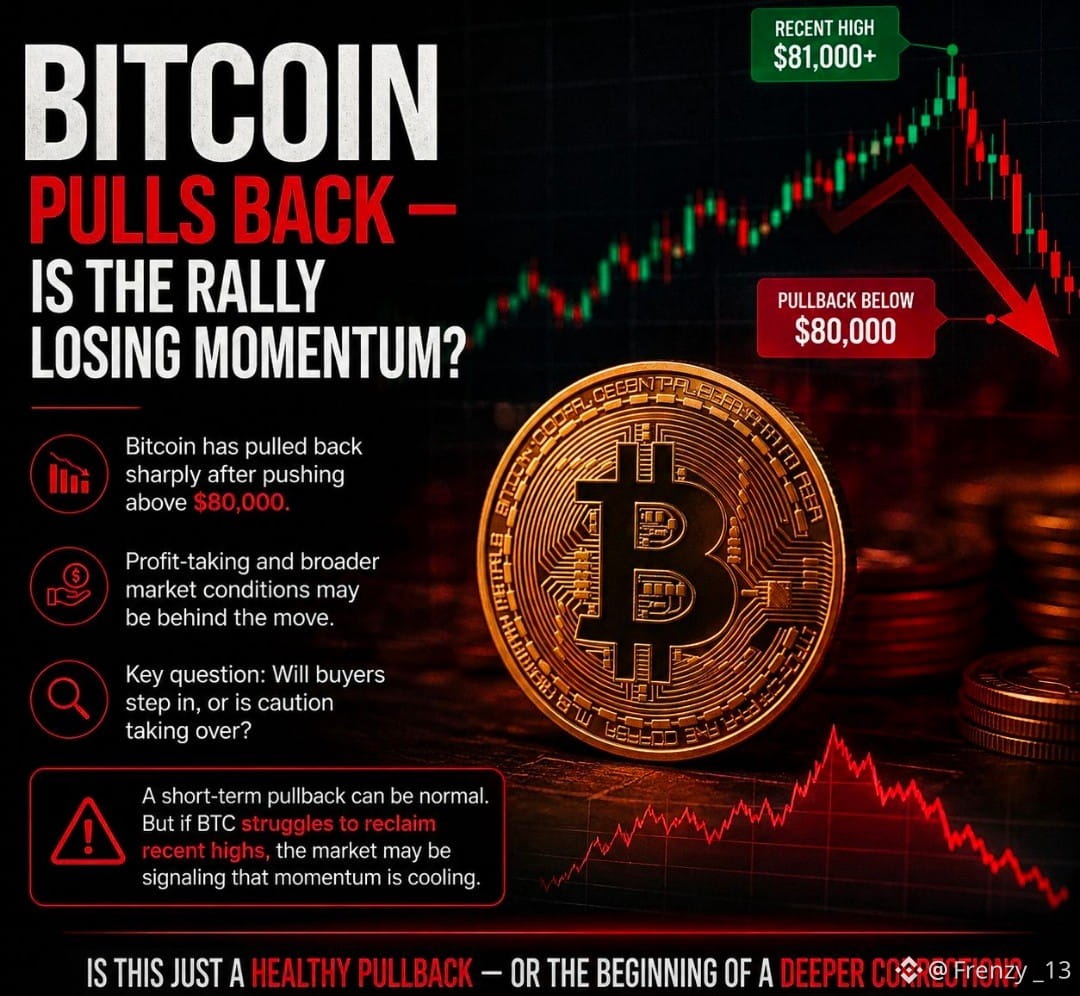
BTCが3.4%下落して$77,383に 📉
ここでビットコインはかなり大きな打撃を受けていて、この動きは確かに目を引きました。ですが、今すぐこれを反転だと断定するつもりはありません。私にとって今重要なのは、BTCがこれらの水準あたりでサポートを見つけられるか、それとも売り手がさらに押し下げ続けるかという点です。ボラティリティが上がっているので、次の判断をする前に値動きを注意深く見ています。$BTC
{future}(BTCUSDT)
こんにちは、クリプト仲間のみなさん ✨
BTCが3.4%下落して$77,383に 📉
ここでビットコインはかなり大きな打撃を受けていて、この動きは確かに目を引きました。ですが、今すぐこれを反転だと断定するつもりはありません。私にとって今重要なのは、BTCがこれらの水準あたりでサポートを見つけられるか、それとも売り手がさらに押し下げ続けるかという点です。ボラティリティが上がっているので、次の判断をする前に値動きを注意深く見ています。$BTC
BTCが3.4%下落して$77,383に 📉
ここでビットコインはかなり大きな打撃を受けていて、この動きは確かに目を引きました。ですが、今すぐこれを反転だと断定するつもりはありません。私にとって今重要なのは、BTCがこれらの水準あたりでサポートを見つけられるか、それとも売り手がさらに押し下げ続けるかという点です。ボラティリティが上がっているので、次の判断をする前に値動きを注意深く見ています。$BTC
2
162
ログインして、さらにコンテンツを読む
厳選トピックで世界の暗号資産トレーダーの仲間入り
⚡️ 暗号資産に関する最新かつ有益な情報が見つかります。
💬 世界最大の暗号資産取引所から信頼されています。
👍 認証を受けたクリエイターから、有益なインサイトを得られます。
メール / 電話番号
トレンドトピック
BinanceLaunchesBinanceIntelligence
閲覧回数 411,112
3,112人が討論中
#BinanceLaunchesBinanceIntelligence
⚡ AIと暗号資産取引が融合:Binance Intelligenceが稼働開始!⚡
Binanceの新しいAIスイートで、取引が大きく進化しました:
1️⃣ Binance AI:パーソナライズされた市場ダッシュボードと、4時間ごとのマクロ市場音声ブリーフィング。
2️⃣ Binance AI Pro:自然な言葉で指示するだけで、自動売買戦略を構築・実行。
3️⃣ Binance Agent OS:自律型金融AIエージェント向けの開発者フレームワーク。
戦略を説明 ➔ ペーパーテスト ➔ 24時間365日実行。
AIを活用して、次の取引戦略を作っていますか?ぜひ下のコメント欄で教えてください!👇
#BinanceLaunchesBinanceIntelligence #BinanceSquare #CryptoAI #Trading $EDEN
Hazi BNB
·いいね:1件
·閲覧回数 896
BitcoinTargets2026OpenAt$87570
閲覧回数 2,492
76人が討論中
BitcoinRejectedAt$87KThirdTime
閲覧回数 2,460
62人が討論中