

Franklin_LFR
118 投稿

Franklin_LFR
報告
ユーザーをブロック
取引を発注
3.2か月
49 フォロー
8 フォロワー
54 いいね
投稿
ポートフォリオ
·
--
$イーサリアムは強さの兆しを示している。ブルが$2,480ゾーンを守る
イーサリアムは現在およそ$2,484で取引されており、直近の相場変動の後も比較的安定した値動きの構造を示しています。チャートからは、買い手がまだ活発であることがうかがえます。ETHは$2,480の水準を上回った状態を保ち、$2,477付近のMA60水準よりも十分に上に位置しています。
短期のモメンタムも興味深い状況です。MACDはわずかにプラス圏にとどまっており、買い圧力が完全に失われたわけではないことを示唆しています。イーサリアムは最近$2,487付近まで上昇しています。一方で24時間の高値はおよそ$2,506です。
今の焦点は、ETHが$2,480〜$2,477のサポートゾーンの上方を維持できるかどうかです。$2,500を上回る状態が継続すれば、新たにトレーダーの注目を集め、より高い水準への道が開ける可能性があります。
現時点では、イーサリアムは「待つことが重要な局面」に見えます。次の動きは、出来高とモメンタムがどのように発展するかによって、よりはっきりしてくるかもしれません。
イーサリアムは踏ん張っています。そして次のブレイクアウトは、注意深く見守る価値がありそうです。
#SaudiHaltsSouthernEnergySitesAfterAttacks
#YenBreaks155NearingYearHigh
#USIranTradeTankerStrikesEscalate
#CanadaTariffsOnUSTakeEffect
#ZcashRises45%WeeklyToHighestSince2016
$イーサリアムは強さの兆しを示している。ブルが$2,480ゾーンを守る
イーサリアムは現在およそ$2,484で取引されており、直近の相場変動の後も比較的安定した値動きの構造を示しています。チャートからは、買い手がまだ活発であることがうかがえます。ETHは$2,480の水準を上回った状態を保ち、$2,477付近のMA60水準よりも十分に上に位置しています。
短期のモメンタムも興味深い状況です。MACDはわずかにプラス圏にとどまっており、買い圧力が完全に失われたわけではないことを示唆しています。イーサリアムは最近$2,487付近まで上昇しています。一方で24時間の高値はおよそ$2,506です。
今の焦点は、ETHが$2,480〜$2,477のサポートゾーンの上方を維持できるかどうかです。$2,500を上回る状態が継続すれば、新たにトレーダーの注目を集め、より高い水準への道が開ける可能性があります。
現時点では、イーサリアムは「待つことが重要な局面」に見えます。次の動きは、出来高とモメンタムがどのように発展するかによって、よりはっきりしてくるかもしれません。
イーサリアムは踏ん張っています。そして次のブレイクアウトは、注意深く見守る価値がありそうです。
#SaudiHaltsSouthernEnergySitesAfterAttacks
#YenBreaks155NearingYearHigh
#USIranTradeTankerStrikesEscalate
#CanadaTariffsOnUSTakeEffect
#ZcashRises45%WeeklyToHighestSince2016
イーサリアムは現在およそ$2,484で取引されており、直近の相場変動の後も比較的安定した値動きの構造を示しています。チャートからは、買い手がまだ活発であることがうかがえます。ETHは$2,480の水準を上回った状態を保ち、$2,477付近のMA60水準よりも十分に上に位置しています。
短期のモメンタムも興味深い状況です。MACDはわずかにプラス圏にとどまっており、買い圧力が完全に失われたわけではないことを示唆しています。イーサリアムは最近$2,487付近まで上昇しています。一方で24時間の高値はおよそ$2,506です。
今の焦点は、ETHが$2,480〜$2,477のサポートゾーンの上方を維持できるかどうかです。$2,500を上回る状態が継続すれば、新たにトレーダーの注目を集め、より高い水準への道が開ける可能性があります。
現時点では、イーサリアムは「待つことが重要な局面」に見えます。次の動きは、出来高とモメンタムがどのように発展するかによって、よりはっきりしてくるかもしれません。
イーサリアムは踏ん張っています。そして次のブレイクアウトは、注意深く見守る価値がありそうです。
#SaudiHaltsSouthernEnergySitesAfterAttacks
#YenBreaks155NearingYearHigh
#USIranTradeTankerStrikesEscalate
#CanadaTariffsOnUSTakeEffect
#ZcashRises45%WeeklyToHighestSince2016
1
61
·
--
$ドージコインは現在約$0.09026で取引されており、このセッションで1.32%の上昇を示しています。チャートでは、DOGEが$0.08994のMA60(移動平均)を上回って推移していることが示されており、短期的な市場の強さにとって前向きなサインです。
24時間の取引レンジはおよそ$0.08851〜$0.09180で、取引高は$41.5百万を超えています。価格は現在、より高い水準を試した後、$0.090付近で横ばい(調整)状態にあります。
MACDはまだわずかにマイナスなので、より強い強気モメンタムの確認が重要です。$0.09180のレジスタンス帯を持続的に上回る動きがあれば、さらなる上値余地につながる可能性があります。一方で、$0.08990〜$0.09000のゾーンを維持できれば、短期の構造は比較的ポジティブなまま保たれます。
トレーダーにとってのポイントは、小さな値上がりだけを理由にエントリーするのではなく、出来高とモメンタムを注視することです。DOGEは非常にボラティリティの高い資産のため、適切なリスク管理と規律あるエントリーが不可欠です。
DOGEは強さを見せていますが、次のブレイクアウトには確認が必要です。
#USIranTradeTankerStrikesEscalate
#CanadaToImpose15%To50%TariffsOnUSGoods
#ZcashRises45%WeeklyToHighestSince2016
#IMFSaysElSalvadorBTCNoPublicFunds
#SideSwapSuspendsLiquidServices
$ドージコインは現在約$0.09026で取引されており、このセッションで1.32%の上昇を示しています。チャートでは、DOGEが$0.08994のMA60(移動平均)を上回って推移していることが示されており、短期的な市場の強さにとって前向きなサインです。
24時間の取引レンジはおよそ$0.08851〜$0.09180で、取引高は$41.5百万を超えています。価格は現在、より高い水準を試した後、$0.090付近で横ばい(調整)状態にあります。
MACDはまだわずかにマイナスなので、より強い強気モメンタムの確認が重要です。$0.09180のレジスタンス帯を持続的に上回る動きがあれば、さらなる上値余地につながる可能性があります。一方で、$0.08990〜$0.09000のゾーンを維持できれば、短期の構造は比較的ポジティブなまま保たれます。
トレーダーにとってのポイントは、小さな値上がりだけを理由にエントリーするのではなく、出来高とモメンタムを注視することです。DOGEは非常にボラティリティの高い資産のため、適切なリスク管理と規律あるエントリーが不可欠です。
DOGEは強さを見せていますが、次のブレイクアウトには確認が必要です。
#USIranTradeTankerStrikesEscalate
#CanadaToImpose15%To50%TariffsOnUSGoods
#ZcashRises45%WeeklyToHighestSince2016
#IMFSaysElSalvadorBTCNoPublicFunds
#SideSwapSuspendsLiquidServices
24時間の取引レンジはおよそ$0.08851〜$0.09180で、取引高は$41.5百万を超えています。価格は現在、より高い水準を試した後、$0.090付近で横ばい(調整)状態にあります。
MACDはまだわずかにマイナスなので、より強い強気モメンタムの確認が重要です。$0.09180のレジスタンス帯を持続的に上回る動きがあれば、さらなる上値余地につながる可能性があります。一方で、$0.08990〜$0.09000のゾーンを維持できれば、短期の構造は比較的ポジティブなまま保たれます。
トレーダーにとってのポイントは、小さな値上がりだけを理由にエントリーするのではなく、出来高とモメンタムを注視することです。DOGEは非常にボラティリティの高い資産のため、適切なリスク管理と規律あるエントリーが不可欠です。
DOGEは強さを見せていますが、次のブレイクアウトには確認が必要です。
#USIranTradeTankerStrikesEscalate
#CanadaToImpose15%To50%TariffsOnUSGoods
#ZcashRises45%WeeklyToHighestSince2016
#IMFSaysElSalvadorBTCNoPublicFunds
#SideSwapSuspendsLiquidServices
98
·
--
$UNIUSD CM Perp: モメンタムのスナップショット
UNIのパーペチュアル契約は6.293で取引されており、当日比1.57%高、マーク価格は6.288です。24時間レンジは高値6.511、安値6.013と堅調なボラティリティを示しており、出来高は740,059契約(約$7.40M)で、参加者の厚みを示しています。
4時間足チャートでは、価格はMA60(6.210)のすぐ上で推移しており、短期的なサポートを示唆しています。MACDの数値(DIF: 0.022、DEA: 0.013、ヒストグラム: 0.009)は強気のモメンタムを示していますが、直近の6.242–6.292の持ち合いは、今後の上放れか押し戻しの可能性を示しています。
トレーダーは6.30の水準を注視しています。ここを明確に上抜ければ24時間高値への道が開ける一方、6.25を下回ると売り圧力が高まる可能性があります。出来高は安定しており、指標も前向きであることから、UNIは今後のセッションで要注目の銘柄です。
規律を守り、リスクを管理し、チャートに次の一手を導かせましょう。
#LululemonTumbles20%OnWeakGuidance
#BitcoinETFsBiggestDailyInflowSinceJanuary
#USAugustAvgHourlyEarningsRise3.1%
#BitcoinEthereumHitMultiMonthHighs
#AdobeSharesFall3%OnCEOTransition
$UNIUSD CM Perp: モメンタムのスナップショット
UNIのパーペチュアル契約は6.293で取引されており、当日比1.57%高、マーク価格は6.288です。24時間レンジは高値6.511、安値6.013と堅調なボラティリティを示しており、出来高は740,059契約(約$7.40M)で、参加者の厚みを示しています。
4時間足チャートでは、価格はMA60(6.210)のすぐ上で推移しており、短期的なサポートを示唆しています。MACDの数値(DIF: 0.022、DEA: 0.013、ヒストグラム: 0.009)は強気のモメンタムを示していますが、直近の6.242–6.292の持ち合いは、今後の上放れか押し戻しの可能性を示しています。
トレーダーは6.30の水準を注視しています。ここを明確に上抜ければ24時間高値への道が開ける一方、6.25を下回ると売り圧力が高まる可能性があります。出来高は安定しており、指標も前向きであることから、UNIは今後のセッションで要注目の銘柄です。
規律を守り、リスクを管理し、チャートに次の一手を導かせましょう。
#LululemonTumbles20%OnWeakGuidance
#BitcoinETFsBiggestDailyInflowSinceJanuary
#USAugustAvgHourlyEarningsRise3.1%
#BitcoinEthereumHitMultiMonthHighs
#AdobeSharesFall3%OnCEOTransition
UNIのパーペチュアル契約は6.293で取引されており、当日比1.57%高、マーク価格は6.288です。24時間レンジは高値6.511、安値6.013と堅調なボラティリティを示しており、出来高は740,059契約(約$7.40M)で、参加者の厚みを示しています。
4時間足チャートでは、価格はMA60(6.210)のすぐ上で推移しており、短期的なサポートを示唆しています。MACDの数値(DIF: 0.022、DEA: 0.013、ヒストグラム: 0.009)は強気のモメンタムを示していますが、直近の6.242–6.292の持ち合いは、今後の上放れか押し戻しの可能性を示しています。
トレーダーは6.30の水準を注視しています。ここを明確に上抜ければ24時間高値への道が開ける一方、6.25を下回ると売り圧力が高まる可能性があります。出来高は安定しており、指標も前向きであることから、UNIは今後のセッションで要注目の銘柄です。
規律を守り、リスクを管理し、チャートに次の一手を導かせましょう。
#LululemonTumbles20%OnWeakGuidance
#BitcoinETFsBiggestDailyInflowSinceJanuary
#USAugustAvgHourlyEarningsRise3.1%
#BitcoinEthereumHitMultiMonthHighs
#AdobeSharesFall3%OnCEOTransition
125
·
--
$ビットコインは$77,800付近で推移、トレーダーは重要な移動平均線に注目
ビットコインのパーペチュアル契約(BTCUSD CM Perp)は、2026年9月3日12:32 UTC時点で**$77,797.2**で取引されており、前セッション比では小幅な+0.34%の上昇を示している。現在のマーク価格は$77,824.5付近で、スプレッドはややタイトで、資金調達条件(ファンディング)は比較的安定している。
15分足チャートでは、価格はMA60(現在$77,820.3)と、直近セッションの高値付近である約$77,949.1の間に収まったままだ。売り手は繰り返し$77,900ゾーンを防衛している一方で、買い手は$77,785.8付近に入り込んでおり、日中の値動きは狭いレンジになっている。$77,950を上抜けると$78,000の節目に向けた展開の可能性があるが、$77,750を下抜けると$77,500のサポートエリアが試されるかもしれない。
モメンタム指標は混在したシグナルを点灯させている。MACDヒストグラムはマイナスの-13.2を表示し、DIFライン(-3.9)はDEA(9.3)を下回っており、短期的な弱気圧力を示唆している。ただし、移動平均線の傾きがなだらかになっていることは、売りモメンタムの失速(売りの勢いの尽き)を示している可能性がある。トレーダーは、動的なサポートとしてMA60が維持できるかを注視している。特に、過去数本の15分足でロング側の出来高が増えている点に注目だ。
注文板では、ロングとショートのポジションの偏りが均衡しており、市場の迷いを反映している。一方で、4時間足と1日足は上向きに傾いており、より広い構造では「高値更新」と「安値切り上げ」がまだ保たれている。
ニューヨーク・セッションが近づくにつれ、流動性が薄れる見通しで、ボラティリティが増幅される可能性がある。注目すべき主な水準は次の通り:レジスタンスは$77,950および$78,100、サポートは$77,750および$77,500。出来高を伴ってMA60を維持し続ける上昇が確認できれば、強気の継続を裏付ける。一方で、現在の水準を維持できなければ、短期的な押し戻しが引き起こされる恐れがある。
BTCがこの重要な局面をどう切り抜けていくのか、引き続き価格変動に注目しよう。
#US10YearTreasuryYieldHitsHighestSinceNov2023
#IranStrikesUSBaseInKuwait
#OilSteadiesAfterThreeDayRally
#SolanaFallsOver3%
#SolanaFallsOver3%
$ビットコインは$77,800付近で推移、トレーダーは重要な移動平均線に注目
ビットコインのパーペチュアル契約(BTCUSD CM Perp)は、2026年9月3日12:32 UTC時点で**$77,797.2**で取引されており、前セッション比では小幅な+0.34%の上昇を示している。現在のマーク価格は$77,824.5付近で、スプレッドはややタイトで、資金調達条件(ファンディング)は比較的安定している。
15分足チャートでは、価格はMA60(現在$77,820.3)と、直近セッションの高値付近である約$77,949.1の間に収まったままだ。売り手は繰り返し$77,900ゾーンを防衛している一方で、買い手は$77,785.8付近に入り込んでおり、日中の値動きは狭いレンジになっている。$77,950を上抜けると$78,000の節目に向けた展開の可能性があるが、$77,750を下抜けると$77,500のサポートエリアが試されるかもしれない。
モメンタム指標は混在したシグナルを点灯させている。MACDヒストグラムはマイナスの-13.2を表示し、DIFライン(-3.9)はDEA(9.3)を下回っており、短期的な弱気圧力を示唆している。ただし、移動平均線の傾きがなだらかになっていることは、売りモメンタムの失速(売りの勢いの尽き)を示している可能性がある。トレーダーは、動的なサポートとしてMA60が維持できるかを注視している。特に、過去数本の15分足でロング側の出来高が増えている点に注目だ。
注文板では、ロングとショートのポジションの偏りが均衡しており、市場の迷いを反映している。一方で、4時間足と1日足は上向きに傾いており、より広い構造では「高値更新」と「安値切り上げ」がまだ保たれている。
ニューヨーク・セッションが近づくにつれ、流動性が薄れる見通しで、ボラティリティが増幅される可能性がある。注目すべき主な水準は次の通り:レジスタンスは$77,950および$78,100、サポートは$77,750および$77,500。出来高を伴ってMA60を維持し続ける上昇が確認できれば、強気の継続を裏付ける。一方で、現在の水準を維持できなければ、短期的な押し戻しが引き起こされる恐れがある。
BTCがこの重要な局面をどう切り抜けていくのか、引き続き価格変動に注目しよう。
#US10YearTreasuryYieldHitsHighestSinceNov2023
#IranStrikesUSBaseInKuwait
#OilSteadiesAfterThreeDayRally
#SolanaFallsOver3%
#SolanaFallsOver3%
ビットコインのパーペチュアル契約(BTCUSD CM Perp)は、2026年9月3日12:32 UTC時点で**$77,797.2**で取引されており、前セッション比では小幅な+0.34%の上昇を示している。現在のマーク価格は$77,824.5付近で、スプレッドはややタイトで、資金調達条件(ファンディング)は比較的安定している。
15分足チャートでは、価格はMA60(現在$77,820.3)と、直近セッションの高値付近である約$77,949.1の間に収まったままだ。売り手は繰り返し$77,900ゾーンを防衛している一方で、買い手は$77,785.8付近に入り込んでおり、日中の値動きは狭いレンジになっている。$77,950を上抜けると$78,000の節目に向けた展開の可能性があるが、$77,750を下抜けると$77,500のサポートエリアが試されるかもしれない。
モメンタム指標は混在したシグナルを点灯させている。MACDヒストグラムはマイナスの-13.2を表示し、DIFライン(-3.9)はDEA(9.3)を下回っており、短期的な弱気圧力を示唆している。ただし、移動平均線の傾きがなだらかになっていることは、売りモメンタムの失速(売りの勢いの尽き)を示している可能性がある。トレーダーは、動的なサポートとしてMA60が維持できるかを注視している。特に、過去数本の15分足でロング側の出来高が増えている点に注目だ。
注文板では、ロングとショートのポジションの偏りが均衡しており、市場の迷いを反映している。一方で、4時間足と1日足は上向きに傾いており、より広い構造では「高値更新」と「安値切り上げ」がまだ保たれている。
ニューヨーク・セッションが近づくにつれ、流動性が薄れる見通しで、ボラティリティが増幅される可能性がある。注目すべき主な水準は次の通り:レジスタンスは$77,950および$78,100、サポートは$77,750および$77,500。出来高を伴ってMA60を維持し続ける上昇が確認できれば、強気の継続を裏付ける。一方で、現在の水準を維持できなければ、短期的な押し戻しが引き起こされる恐れがある。
BTCがこの重要な局面をどう切り抜けていくのか、引き続き価格変動に注目しよう。
#US10YearTreasuryYieldHitsHighestSinceNov2023
#IranStrikesUSBaseInKuwait
#OilSteadiesAfterThreeDayRally
#SolanaFallsOver3%
#SolanaFallsOver3%
100
·
--
<0>ファイルコイン(FIL)はBinanceで強いモメンタムを示している</0>
ファイルコイン(FIL)はBinanceのパーペチュアル市場で強い動きを見せており、現在の価格は約$0.774で、過去24時間で約10.89%上昇しています。
チャートでは、日中安値付近の$0.689からの急回復後、買い手が主導権を維持していることが分かります。FILは現在、MA60(約$0.772)を上回って取引されており、MACDヒストグラムがプラスに転じていることから、短期的なモメンタムの改善が示唆されています。
注目すべき重要な水準は$0.775です。ここを明確にブレイクして定着すれば、さらなる買いの関心を引き付ける可能性があります。一方で跳ね返される場合は、次の動きの前に短期的な押し戻しにつながるかもしれません。
現時点では、FILは目立ったモメンタムを示しているコインの1つであり、今後数本のローソク足が、この強さが継続するかどうかを判断する上で重要になりそうです。
#SaudiSaysIranAttackedShipInHormuz
#OpenAISaysAstraFindsFlawsAutonomously
#HangSengCloses18PointsLower
#IRGCSaysTwoTankersHitByMinesInHormuz
#DellRisesNearly9%GitLabJumps20%AfterHours
<0>ファイルコイン(FIL)はBinanceで強いモメンタムを示している</0>
ファイルコイン(FIL)はBinanceのパーペチュアル市場で強い動きを見せており、現在の価格は約$0.774で、過去24時間で約10.89%上昇しています。
チャートでは、日中安値付近の$0.689からの急回復後、買い手が主導権を維持していることが分かります。FILは現在、MA60(約$0.772)を上回って取引されており、MACDヒストグラムがプラスに転じていることから、短期的なモメンタムの改善が示唆されています。
注目すべき重要な水準は$0.775です。ここを明確にブレイクして定着すれば、さらなる買いの関心を引き付ける可能性があります。一方で跳ね返される場合は、次の動きの前に短期的な押し戻しにつながるかもしれません。
現時点では、FILは目立ったモメンタムを示しているコインの1つであり、今後数本のローソク足が、この強さが継続するかどうかを判断する上で重要になりそうです。
#SaudiSaysIranAttackedShipInHormuz
#OpenAISaysAstraFindsFlawsAutonomously
#HangSengCloses18PointsLower
#IRGCSaysTwoTankersHitByMinesInHormuz
#DellRisesNearly9%GitLabJumps20%AfterHours
ファイルコイン(FIL)はBinanceのパーペチュアル市場で強い動きを見せており、現在の価格は約$0.774で、過去24時間で約10.89%上昇しています。
チャートでは、日中安値付近の$0.689からの急回復後、買い手が主導権を維持していることが分かります。FILは現在、MA60(約$0.772)を上回って取引されており、MACDヒストグラムがプラスに転じていることから、短期的なモメンタムの改善が示唆されています。
注目すべき重要な水準は$0.775です。ここを明確にブレイクして定着すれば、さらなる買いの関心を引き付ける可能性があります。一方で跳ね返される場合は、次の動きの前に短期的な押し戻しにつながるかもしれません。
現時点では、FILは目立ったモメンタムを示しているコインの1つであり、今後数本のローソク足が、この強さが継続するかどうかを判断する上で重要になりそうです。
#SaudiSaysIranAttackedShipInHormuz
#OpenAISaysAstraFindsFlawsAutonomously
#HangSengCloses18PointsLower
#IRGCSaysTwoTankersHitByMinesInHormuz
#DellRisesNearly9%GitLabJumps20%AfterHours
1
126
·
--
$FIL/USDT 市場アップデート
FIL/USDTは15分足チャートで強い勢いを見せています。現在の価格は約0.791 USDTで、過去24時間でほぼ14%上昇しており、24時間の値幅は0.689–0.810 USDTです。
チャートでは価格が0.787のMA60を上回って推移しており、MACDはプラスのまま、緑色のヒストグラムが上昇しています。これは短期的な買い圧力がまだ存在していることを示唆しています。
注目すべき重要なエリアは0.800–0.810 USDT付近です。このゾーンを強く上抜けると、さらなる関心を集める可能性があります。一方で、跳ね返される場合は、0.787–0.780あたりへの短期的な押し戻しにつながるかもしれません。
現時点ではFILはチャート上で注目すべき値動きの1つですが、トレーダーは判断を下す前に出来高と価格の確認(コンファメーション)を見ておくべきです。
#HangSengCloses18PointsLower
#IRGCSaysTwoTankersHitByMinesInHormuz
#KuwaitAirDefensesRespondToIranianDroneAttacks
#FedHikeOddsRiseTo68%
#ExplosionsAtUSBasesInKuwait
$FIL/USDT 市場アップデート
FIL/USDTは15分足チャートで強い勢いを見せています。現在の価格は約0.791 USDTで、過去24時間でほぼ14%上昇しており、24時間の値幅は0.689–0.810 USDTです。
チャートでは価格が0.787のMA60を上回って推移しており、MACDはプラスのまま、緑色のヒストグラムが上昇しています。これは短期的な買い圧力がまだ存在していることを示唆しています。
注目すべき重要なエリアは0.800–0.810 USDT付近です。このゾーンを強く上抜けると、さらなる関心を集める可能性があります。一方で、跳ね返される場合は、0.787–0.780あたりへの短期的な押し戻しにつながるかもしれません。
現時点ではFILはチャート上で注目すべき値動きの1つですが、トレーダーは判断を下す前に出来高と価格の確認(コンファメーション)を見ておくべきです。
#HangSengCloses18PointsLower
#IRGCSaysTwoTankersHitByMinesInHormuz
#KuwaitAirDefensesRespondToIranianDroneAttacks
#FedHikeOddsRiseTo68%
#ExplosionsAtUSBasesInKuwait
FIL/USDTは15分足チャートで強い勢いを見せています。現在の価格は約0.791 USDTで、過去24時間でほぼ14%上昇しており、24時間の値幅は0.689–0.810 USDTです。
チャートでは価格が0.787のMA60を上回って推移しており、MACDはプラスのまま、緑色のヒストグラムが上昇しています。これは短期的な買い圧力がまだ存在していることを示唆しています。
注目すべき重要なエリアは0.800–0.810 USDT付近です。このゾーンを強く上抜けると、さらなる関心を集める可能性があります。一方で、跳ね返される場合は、0.787–0.780あたりへの短期的な押し戻しにつながるかもしれません。
現時点ではFILはチャート上で注目すべき値動きの1つですが、トレーダーは判断を下す前に出来高と価格の確認(コンファメーション)を見ておくべきです。
#HangSengCloses18PointsLower
#IRGCSaysTwoTankersHitByMinesInHormuz
#KuwaitAirDefensesRespondToIranianDroneAttacks
#FedHikeOddsRiseTo68%
#ExplosionsAtUSBasesInKuwait
147
·
--
$ポルカドット(DOT)は強さの兆しを見せる
DOTは現在約$0.880で取引されており、過去24時間で3.4%以上上昇しています。
15分足チャートでは、価格が$0.877付近のMA60を上回った状態を維持しながら、緩やかな回復が見られます。MACDのモメンタムもわずかにプラスに転じており、買い手が市場に戻りつつあることを示唆しています。
注目すべき重要水準は、現在の24時間高値である$0.883です。このレジスタンスを明確に上抜ければ、より強い強気のモメンタムにつながる可能性があります。一方で、$0.877〜$0.875は依然として重要なサポートエリアです。
現時点では、DOTは興味深い短期的なセットアップを示しています。次の動きが決定的になるかもしれません。👀
DOTを注意深く見守りましょう。動きはまだ始まったばかりかもしれません。
#FedHikeOddsRiseTo68%
#ExplosionsAtUSBasesInKuwait
#G20StatementCitesDigitalAssets
#USStrikesTwoIranianTankers
#SECProposesRuleForBlockchainAndTokenizedSecurities
$ポルカドット(DOT)は強さの兆しを見せる
DOTは現在約$0.880で取引されており、過去24時間で3.4%以上上昇しています。
15分足チャートでは、価格が$0.877付近のMA60を上回った状態を維持しながら、緩やかな回復が見られます。MACDのモメンタムもわずかにプラスに転じており、買い手が市場に戻りつつあることを示唆しています。
注目すべき重要水準は、現在の24時間高値である$0.883です。このレジスタンスを明確に上抜ければ、より強い強気のモメンタムにつながる可能性があります。一方で、$0.877〜$0.875は依然として重要なサポートエリアです。
現時点では、DOTは興味深い短期的なセットアップを示しています。次の動きが決定的になるかもしれません。👀
DOTを注意深く見守りましょう。動きはまだ始まったばかりかもしれません。
#FedHikeOddsRiseTo68%
#ExplosionsAtUSBasesInKuwait
#G20StatementCitesDigitalAssets
#USStrikesTwoIranianTankers
#SECProposesRuleForBlockchainAndTokenizedSecurities
DOTは現在約$0.880で取引されており、過去24時間で3.4%以上上昇しています。
15分足チャートでは、価格が$0.877付近のMA60を上回った状態を維持しながら、緩やかな回復が見られます。MACDのモメンタムもわずかにプラスに転じており、買い手が市場に戻りつつあることを示唆しています。
注目すべき重要水準は、現在の24時間高値である$0.883です。このレジスタンスを明確に上抜ければ、より強い強気のモメンタムにつながる可能性があります。一方で、$0.877〜$0.875は依然として重要なサポートエリアです。
現時点では、DOTは興味深い短期的なセットアップを示しています。次の動きが決定的になるかもしれません。👀
DOTを注意深く見守りましょう。動きはまだ始まったばかりかもしれません。
#FedHikeOddsRiseTo68%
#ExplosionsAtUSBasesInKuwait
#G20StatementCitesDigitalAssets
#USStrikesTwoIranianTankers
#SECProposesRuleForBlockchainAndTokenizedSecurities
1
2
300
·
--
$ビットコイン(BTC)は、まったく異なる局面に入ろうとしているかもしれません。
2025年のATH(約$126K)からおよそ53%下落しているのは大きな動きですが、それでも過去のサイクルにおける深い下落局面ほどの強さではありません。
ETFと企業によるBTCの積み増しは、状況を変えているのでしょうか?
私はまだ底打ちを断言できる段階ではありません。今後数週間が重要な鍵になる可能性があります。
BTCUSDT パーペチュアル — $77.1K
#ARBRises30%OnRobinhoodChainRevenue
#WTIOilRisesAsOpenInterestShrinks
#HangSengFalls1%
#GoldFalls5.5%From3MonthHigh
#Japan10YYieldHits3%FirstSince1996
$ビットコイン(BTC)は、まったく異なる局面に入ろうとしているかもしれません。
2025年のATH(約$126K)からおよそ53%下落しているのは大きな動きですが、それでも過去のサイクルにおける深い下落局面ほどの強さではありません。
ETFと企業によるBTCの積み増しは、状況を変えているのでしょうか?
私はまだ底打ちを断言できる段階ではありません。今後数週間が重要な鍵になる可能性があります。
BTCUSDT パーペチュアル — $77.1K
#ARBRises30%OnRobinhoodChainRevenue
#WTIOilRisesAsOpenInterestShrinks
#HangSengFalls1%
#GoldFalls5.5%From3MonthHigh
#Japan10YYieldHits3%FirstSince1996
2025年のATH(約$126K)からおよそ53%下落しているのは大きな動きですが、それでも過去のサイクルにおける深い下落局面ほどの強さではありません。
ETFと企業によるBTCの積み増しは、状況を変えているのでしょうか?
私はまだ底打ちを断言できる段階ではありません。今後数週間が重要な鍵になる可能性があります。
BTCUSDT パーペチュアル — $77.1K
#ARBRises30%OnRobinhoodChainRevenue
#WTIOilRisesAsOpenInterestShrinks
#HangSengFalls1%
#GoldFalls5.5%From3MonthHigh
#Japan10YYieldHits3%FirstSince1996
1
108
·
--
$BNBUSDT マーケットアップデート
BNBは現在約$679.72で取引されており、過去24時間で約2.11%下落しています。最近の下落にもかかわらず、短期チャートでは買いの動きが見られ、価格が一時的に$680の水準を上回った後、押し戻されました。
24時間の値動きは$674.60から$694.83の範囲にあり、比較的活発な取引セッションを示しています。チャートではBNBがMA60である$679.16付近で取引されており、現在のゾーンは注目すべき重要なエリアです。
モメンタム面では、MACDはわずかにプラスの状態が続いており、DIFは0.45、DEAは0.43、MACDは0.02です。これは強気の勢いがまだ残っていることを示唆しますが、価格がレンジで推移する中で勢いは弱まりつつあるように見えます。
トレーダーにとっての重要な論点は、BNBが$680〜$685のエリアを取り戻して維持できるかどうかです。このゾーンを上抜ける強い動きがあれば、再び強気の関心を呼び込む可能性があります。一方で、現在の水準を維持できなければ、下側のサポートエリアをもう一度試しに行くことにつながるかもしれません。
BNBは興味深い分岐点にあります——次の動きが短期の方向性を決める可能性があります。
#ARBRises30%OnRobinhoodChainRevenue
#Japan10YYieldHits3%FirstSince1996
#WTIOilRisesAsOpenInterestShrinks
#EtherETFsExtendInflowStreakTo11Days
#XRPRises40%InTwoWeeksAsOpenInterestFalls
$BNBUSDT マーケットアップデート
BNBは現在約$679.72で取引されており、過去24時間で約2.11%下落しています。最近の下落にもかかわらず、短期チャートでは買いの動きが見られ、価格が一時的に$680の水準を上回った後、押し戻されました。
24時間の値動きは$674.60から$694.83の範囲にあり、比較的活発な取引セッションを示しています。チャートではBNBがMA60である$679.16付近で取引されており、現在のゾーンは注目すべき重要なエリアです。
モメンタム面では、MACDはわずかにプラスの状態が続いており、DIFは0.45、DEAは0.43、MACDは0.02です。これは強気の勢いがまだ残っていることを示唆しますが、価格がレンジで推移する中で勢いは弱まりつつあるように見えます。
トレーダーにとっての重要な論点は、BNBが$680〜$685のエリアを取り戻して維持できるかどうかです。このゾーンを上抜ける強い動きがあれば、再び強気の関心を呼び込む可能性があります。一方で、現在の水準を維持できなければ、下側のサポートエリアをもう一度試しに行くことにつながるかもしれません。
BNBは興味深い分岐点にあります——次の動きが短期の方向性を決める可能性があります。
#ARBRises30%OnRobinhoodChainRevenue
#Japan10YYieldHits3%FirstSince1996
#WTIOilRisesAsOpenInterestShrinks
#EtherETFsExtendInflowStreakTo11Days
#XRPRises40%InTwoWeeksAsOpenInterestFalls
BNBは現在約$679.72で取引されており、過去24時間で約2.11%下落しています。最近の下落にもかかわらず、短期チャートでは買いの動きが見られ、価格が一時的に$680の水準を上回った後、押し戻されました。
24時間の値動きは$674.60から$694.83の範囲にあり、比較的活発な取引セッションを示しています。チャートではBNBがMA60である$679.16付近で取引されており、現在のゾーンは注目すべき重要なエリアです。
モメンタム面では、MACDはわずかにプラスの状態が続いており、DIFは0.45、DEAは0.43、MACDは0.02です。これは強気の勢いがまだ残っていることを示唆しますが、価格がレンジで推移する中で勢いは弱まりつつあるように見えます。
トレーダーにとっての重要な論点は、BNBが$680〜$685のエリアを取り戻して維持できるかどうかです。このゾーンを上抜ける強い動きがあれば、再び強気の関心を呼び込む可能性があります。一方で、現在の水準を維持できなければ、下側のサポートエリアをもう一度試しに行くことにつながるかもしれません。
BNBは興味深い分岐点にあります——次の動きが短期の方向性を決める可能性があります。
#ARBRises30%OnRobinhoodChainRevenue
#Japan10YYieldHits3%FirstSince1996
#WTIOilRisesAsOpenInterestShrinks
#EtherETFsExtendInflowStreakTo11Days
#XRPRises40%InTwoWeeksAsOpenInterestFalls
1
96
·
--
$UNI/USDT 市場アップデート:ユニスワップにとっての重要な局面
ユニスワップ(UNI)は現在約 $5.72 で取引されており、過去24時間で +10.12% の大幅な上昇を示しています。トークンは24時間高値の $5.956、安値の $5.175 に到達しており、大きな値動きと活発な市場参加がうかがえます。
チャートを見ると、UNIは直近で $5.75〜$5.76 の水準を試した後、急激に押し戻されています。現在の価格も $5.738 のMA60をわずかに下回っており、MACDは依然としてわずかにマイナスです。これは、直近のリラリー後に短期の勢いが弱まっていることを示唆します。
ただし、より広い目線での24時間のパフォーマンスは依然として見事です。買い手が戻ってきて、UNIが $5.74 を奪回し、その後 $5.75〜$5.76 のレジスタンス帯を突破できれば、次に $5.90〜$5.95 へ向けたもう一段の試みが面白くなってくる可能性があります。
下方向では、トレーダーはまず $5.72、次いで重要な領域として $5.70〜$5.68 を注視するかもしれません。これらの水準を継続的に下回る動きが出れば、売り手がより強い主導権を握っていることを示すサインとなり得ます。
現時点では、UNIは重要な短期の判断ポイントにいるようです。買い手が現在の水準を防衛してMA60を上回る方向へ押し戻せるのか、それともこの押し戻しがより深い調整へ発展するのか——その分岐点が見えてきています。
今後の数本の足が、UNIの次の動きに関する重要な手がかりを与える可能性があります。
以下は、提示されたチャートに基づく市場分析であり、金融アドバイスではありません。
#ARBRises30%OnRobinhoodChainRevenue
#Japan10YYieldHits3%FirstSince1996
#EtherETFsExtendInflowStreakTo11Days
#GoldFalls5.5%From3MonthHigh
#HangSengFalls1%
$UNI/USDT 市場アップデート:ユニスワップにとっての重要な局面
ユニスワップ(UNI)は現在約 $5.72 で取引されており、過去24時間で +10.12% の大幅な上昇を示しています。トークンは24時間高値の $5.956、安値の $5.175 に到達しており、大きな値動きと活発な市場参加がうかがえます。
チャートを見ると、UNIは直近で $5.75〜$5.76 の水準を試した後、急激に押し戻されています。現在の価格も $5.738 のMA60をわずかに下回っており、MACDは依然としてわずかにマイナスです。これは、直近のリラリー後に短期の勢いが弱まっていることを示唆します。
ただし、より広い目線での24時間のパフォーマンスは依然として見事です。買い手が戻ってきて、UNIが $5.74 を奪回し、その後 $5.75〜$5.76 のレジスタンス帯を突破できれば、次に $5.90〜$5.95 へ向けたもう一段の試みが面白くなってくる可能性があります。
下方向では、トレーダーはまず $5.72、次いで重要な領域として $5.70〜$5.68 を注視するかもしれません。これらの水準を継続的に下回る動きが出れば、売り手がより強い主導権を握っていることを示すサインとなり得ます。
現時点では、UNIは重要な短期の判断ポイントにいるようです。買い手が現在の水準を防衛してMA60を上回る方向へ押し戻せるのか、それともこの押し戻しがより深い調整へ発展するのか——その分岐点が見えてきています。
今後の数本の足が、UNIの次の動きに関する重要な手がかりを与える可能性があります。
以下は、提示されたチャートに基づく市場分析であり、金融アドバイスではありません。
#ARBRises30%OnRobinhoodChainRevenue
#Japan10YYieldHits3%FirstSince1996
#EtherETFsExtendInflowStreakTo11Days
#GoldFalls5.5%From3MonthHigh
#HangSengFalls1%
ユニスワップ(UNI)は現在約 $5.72 で取引されており、過去24時間で +10.12% の大幅な上昇を示しています。トークンは24時間高値の $5.956、安値の $5.175 に到達しており、大きな値動きと活発な市場参加がうかがえます。
チャートを見ると、UNIは直近で $5.75〜$5.76 の水準を試した後、急激に押し戻されています。現在の価格も $5.738 のMA60をわずかに下回っており、MACDは依然としてわずかにマイナスです。これは、直近のリラリー後に短期の勢いが弱まっていることを示唆します。
ただし、より広い目線での24時間のパフォーマンスは依然として見事です。買い手が戻ってきて、UNIが $5.74 を奪回し、その後 $5.75〜$5.76 のレジスタンス帯を突破できれば、次に $5.90〜$5.95 へ向けたもう一段の試みが面白くなってくる可能性があります。
下方向では、トレーダーはまず $5.72、次いで重要な領域として $5.70〜$5.68 を注視するかもしれません。これらの水準を継続的に下回る動きが出れば、売り手がより強い主導権を握っていることを示すサインとなり得ます。
現時点では、UNIは重要な短期の判断ポイントにいるようです。買い手が現在の水準を防衛してMA60を上回る方向へ押し戻せるのか、それともこの押し戻しがより深い調整へ発展するのか——その分岐点が見えてきています。
今後の数本の足が、UNIの次の動きに関する重要な手がかりを与える可能性があります。
以下は、提示されたチャートに基づく市場分析であり、金融アドバイスではありません。
#ARBRises30%OnRobinhoodChainRevenue
#Japan10YYieldHits3%FirstSince1996
#EtherETFsExtendInflowStreakTo11Days
#GoldFalls5.5%From3MonthHigh
#HangSengFalls1%
684
·
--
$ビットコインは強いリカバリーの勢いを見せています
ビットコインは現在、$78,929前後で取引されており、弱含みの局面の後に15分足で明確な回復が見られます。
チャートでは、BTCが$78,728.9のMA60を再び上回って動いており、短期的に心強いシグナルです。同時にMACDはプラスに転じており、DIFは30.1、DEAは19.4、MACDは10.7です。緑色のヒストグラムも、強気のモメンタムが強まっていることを示唆しています。
ビットコインの24時間の値幅は$76,930.8〜$79,134.9の間にあり、現在の価格は日中の高値に比較的近い位置にあります。次に注目すべき重要な水準は、$79,000〜$79,135あたりで、買い手が抵抗に直面する可能性があります。
もしBTCがこの勢いを維持し、強い力で24時間高値を上抜けられれば、さらなる買い需要を呼び込むことができます。ただし、短期のモメンタムは変化が早く、主要なレジスタンス付近では特に注意が必要です。
現時点では、チャートは買い手と売り手の興味深い攻防を示しており、短期的には強気派(ブル)が優勢に見えます。
#RussiaStartsLargeScaleDigitalRubleRolloutSep1
#SaylorHintsStrategyBitcoinBuy
#IranStrikesUSBasesInJordan
#TankerHitsMinesInStraitOfHormuz
#USCanadaTradeWarDeepens
$ビットコインは強いリカバリーの勢いを見せています
ビットコインは現在、$78,929前後で取引されており、弱含みの局面の後に15分足で明確な回復が見られます。
チャートでは、BTCが$78,728.9のMA60を再び上回って動いており、短期的に心強いシグナルです。同時にMACDはプラスに転じており、DIFは30.1、DEAは19.4、MACDは10.7です。緑色のヒストグラムも、強気のモメンタムが強まっていることを示唆しています。
ビットコインの24時間の値幅は$76,930.8〜$79,134.9の間にあり、現在の価格は日中の高値に比較的近い位置にあります。次に注目すべき重要な水準は、$79,000〜$79,135あたりで、買い手が抵抗に直面する可能性があります。
もしBTCがこの勢いを維持し、強い力で24時間高値を上抜けられれば、さらなる買い需要を呼び込むことができます。ただし、短期のモメンタムは変化が早く、主要なレジスタンス付近では特に注意が必要です。
現時点では、チャートは買い手と売り手の興味深い攻防を示しており、短期的には強気派(ブル)が優勢に見えます。
#RussiaStartsLargeScaleDigitalRubleRolloutSep1
#SaylorHintsStrategyBitcoinBuy
#IranStrikesUSBasesInJordan
#TankerHitsMinesInStraitOfHormuz
#USCanadaTradeWarDeepens
ビットコインは現在、$78,929前後で取引されており、弱含みの局面の後に15分足で明確な回復が見られます。
チャートでは、BTCが$78,728.9のMA60を再び上回って動いており、短期的に心強いシグナルです。同時にMACDはプラスに転じており、DIFは30.1、DEAは19.4、MACDは10.7です。緑色のヒストグラムも、強気のモメンタムが強まっていることを示唆しています。
ビットコインの24時間の値幅は$76,930.8〜$79,134.9の間にあり、現在の価格は日中の高値に比較的近い位置にあります。次に注目すべき重要な水準は、$79,000〜$79,135あたりで、買い手が抵抗に直面する可能性があります。
もしBTCがこの勢いを維持し、強い力で24時間高値を上抜けられれば、さらなる買い需要を呼び込むことができます。ただし、短期のモメンタムは変化が早く、主要なレジスタンス付近では特に注意が必要です。
現時点では、チャートは買い手と売り手の興味深い攻防を示しており、短期的には強気派(ブル)が優勢に見えます。
#RussiaStartsLargeScaleDigitalRubleRolloutSep1
#SaylorHintsStrategyBitcoinBuy
#IranStrikesUSBasesInJordan
#TankerHitsMinesInStraitOfHormuz
#USCanadaTradeWarDeepens
1
103
·
--
$TRX/USDC 先物(パーペチュアル)市場アップデート
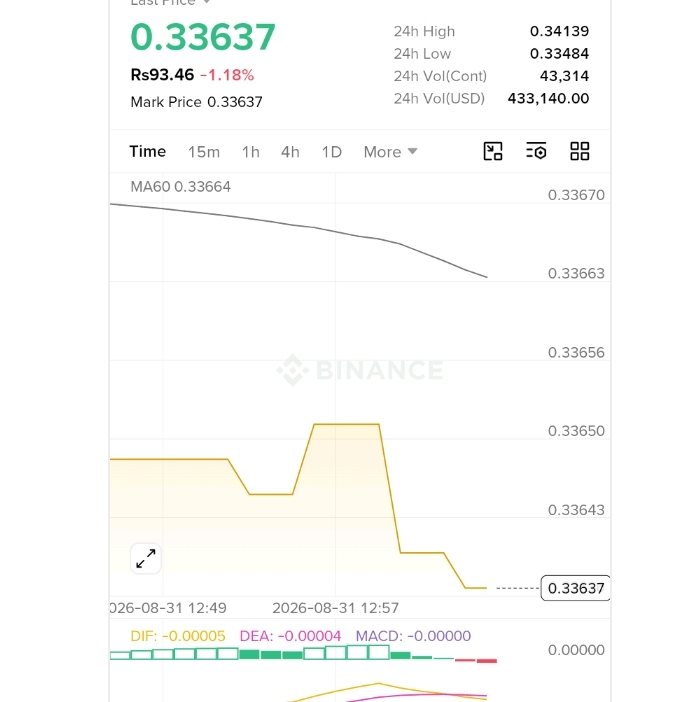
現在、TRX/USDCは0.33637前後で推移しており、短期ではやや弱気なムードが見られます。価格は24時間で約1.18%下落しています。
24時間の取引レンジは0.33484〜0.34139で、ボラティリティが依然として存在することを示しています。チャート上ではMA60が約0.33664で、現在値はこの水準をわずかに下回っており、短期的なモメンタムにはある程度の圧力がかかっていることを示唆します。
MACDも弱いマイナスの状態を示しており、ヒストグラムがわずかにマイナス方向へ転じています。これは売り手が現時点で小さな優位を持っていることを示しますが、単独では大きなトレンド転換を確認できるほどの強さではありません。
注目すべき重要な水準は0.3360〜0.3365のエリアです。このゾーンを上回って維持できれば、TRXが0.3370〜0.3410の範囲へ向けて回復を試みる可能性があります。逆に、直近安値である約0.33484を下回る動きが継続すれば、売り圧力が強まる可能性があります。
全体として、TRX/USDCは現在、慎重かつ短期的にやや弱気なセットアップです。トレーダーは単一の指標に頼るのではなく、値動き・出来高・MACDをあわせて確認しましょう。
#SKHynixStudiesJapanMemoryChipVenture
#KospiDrops3.6%AsSamsungSKHynixWeaken
#UKReleasesFirstCryptoGainsTaxStats
#YenBreaks160AgainstDollar
#USStrikesIranianRocketLaunchers
$TRX/USDC 先物(パーペチュアル)市場アップデート
現在、TRX/USDCは0.33637前後で推移しており、短期ではやや弱気なムードが見られます。価格は24時間で約1.18%下落しています。
24時間の取引レンジは0.33484〜0.34139で、ボラティリティが依然として存在することを示しています。チャート上ではMA60が約0.33664で、現在値はこの水準をわずかに下回っており、短期的なモメンタムにはある程度の圧力がかかっていることを示唆します。
MACDも弱いマイナスの状態を示しており、ヒストグラムがわずかにマイナス方向へ転じています。これは売り手が現時点で小さな優位を持っていることを示しますが、単独では大きなトレンド転換を確認できるほどの強さではありません。
注目すべき重要な水準は0.3360〜0.3365のエリアです。このゾーンを上回って維持できれば、TRXが0.3370〜0.3410の範囲へ向けて回復を試みる可能性があります。逆に、直近安値である約0.33484を下回る動きが継続すれば、売り圧力が強まる可能性があります。
全体として、TRX/USDCは現在、慎重かつ短期的にやや弱気なセットアップです。トレーダーは単一の指標に頼るのではなく、値動き・出来高・MACDをあわせて確認しましょう。
#SKHynixStudiesJapanMemoryChipVenture
#KospiDrops3.6%AsSamsungSKHynixWeaken
#UKReleasesFirstCryptoGainsTaxStats
#YenBreaks160AgainstDollar
#USStrikesIranianRocketLaunchers
現在、TRX/USDCは0.33637前後で推移しており、短期ではやや弱気なムードが見られます。価格は24時間で約1.18%下落しています。
24時間の取引レンジは0.33484〜0.34139で、ボラティリティが依然として存在することを示しています。チャート上ではMA60が約0.33664で、現在値はこの水準をわずかに下回っており、短期的なモメンタムにはある程度の圧力がかかっていることを示唆します。
MACDも弱いマイナスの状態を示しており、ヒストグラムがわずかにマイナス方向へ転じています。これは売り手が現時点で小さな優位を持っていることを示しますが、単独では大きなトレンド転換を確認できるほどの強さではありません。
注目すべき重要な水準は0.3360〜0.3365のエリアです。このゾーンを上回って維持できれば、TRXが0.3370〜0.3410の範囲へ向けて回復を試みる可能性があります。逆に、直近安値である約0.33484を下回る動きが継続すれば、売り圧力が強まる可能性があります。
全体として、TRX/USDCは現在、慎重かつ短期的にやや弱気なセットアップです。トレーダーは単一の指標に頼るのではなく、値動き・出来高・MACDをあわせて確認しましょう。
#SKHynixStudiesJapanMemoryChipVenture
#KospiDrops3.6%AsSamsungSKHynixWeaken
#UKReleasesFirstCryptoGainsTaxStats
#YenBreaks160AgainstDollar
#USStrikesIranianRocketLaunchers
93
·
--
🚨 トランプが勢いを増している 👀📈
トランプは大きく踏み込み、取引量が急増する中で24時間で約23%上昇しました。
今、注目は $2.90 に集まっています。🔥
この水準を明確にブレイクし、上で維持できれば、短期的に $3.60〜$3.68 へ向かう道が開ける可能性があります。
ただし $2.16〜$2.19 も要注意です。ここを失うと強気の構造が弱まり、$2.00 が再び焦点となるかもしれません。
現時点では、重要なのは $2.90 です。👀
#AntiQuantumBitcoinTransactionMinedOnMainnet
#BitcoinSpotETFEnds9DayInflowStreak
#YenPasses160PerDollarToOneMonthLow
#SchwabPlansToAddSOLAVAXLINKTrading
#USShortTermTreasuryYieldsJump
🚨 トランプが勢いを増している 👀📈
トランプは大きく踏み込み、取引量が急増する中で24時間で約23%上昇しました。
今、注目は $2.90 に集まっています。🔥
この水準を明確にブレイクし、上で維持できれば、短期的に $3.60〜$3.68 へ向かう道が開ける可能性があります。
ただし $2.16〜$2.19 も要注意です。ここを失うと強気の構造が弱まり、$2.00 が再び焦点となるかもしれません。
現時点では、重要なのは $2.90 です。👀
#AntiQuantumBitcoinTransactionMinedOnMainnet
#BitcoinSpotETFEnds9DayInflowStreak
#YenPasses160PerDollarToOneMonthLow
#SchwabPlansToAddSOLAVAXLINKTrading
#USShortTermTreasuryYieldsJump
トランプは大きく踏み込み、取引量が急増する中で24時間で約23%上昇しました。
今、注目は $2.90 に集まっています。🔥
この水準を明確にブレイクし、上で維持できれば、短期的に $3.60〜$3.68 へ向かう道が開ける可能性があります。
ただし $2.16〜$2.19 も要注意です。ここを失うと強気の構造が弱まり、$2.00 が再び焦点となるかもしれません。
現時点では、重要なのは $2.90 です。👀
#AntiQuantumBitcoinTransactionMinedOnMainnet
#BitcoinSpotETFEnds9DayInflowStreak
#YenPasses160PerDollarToOneMonthLow
#SchwabPlansToAddSOLAVAXLINKTrading
#USShortTermTreasuryYieldsJump
1
106
·
--
🚨 $DOGE シグナル更新 — 可能性のあるロング・セットアップ
🐕 ペア:DOGE/USDT
📊 バイアス:強気 / ロング
💰 エントリー・ゾーン:$0.0855 – $0.0881
🎯 想定ターゲット:
• TP1:$0.0900
• TP2:$0.0920
• TP3:$0.0950
🛡️ リスク・レベル:
ストップロス:$0.0810
無効化ライン:$0.0830 未満
📈 市場インサイト:
DOGEは現在のサポート付近から回復の兆しを見せています。$0.0855–$0.0881のゾーンは、価格がサポート上で維持され続けるなら、買い手にとって重要なエリアになる可能性があります。
$0.0900に向けた持続的な動きがあれば、$0.0920への道が開かれるかもしれません。一方で、より強い強気モメンタムがDOGEを$0.0950へ押し上げる可能性もあります。
⚡ トレード・プラン:
急な値動きを追いかけるのではなく、エントリー・ゾーン周辺での確認を待ちましょう。各ターゲットで部分利確を検討し、リスク管理を慎重に行ってください。
DOGEは、買い圧が高まるなら特に注視すべきコインです。
必ずDYOR(調査)し、リスク管理を行いましょう。
NFA — 投資助言ではありません。
#AntiQuantumBitcoinTransactionMinedOnMainnet
#BitcoinSpotETFEnds9DayInflowStreak
#YenPasses160PerDollarToOneMonthLow
#SchwabPlansToAddSOLAVAXLINKTrading
#TrumpSaysUSReachedVenezuelaOilDeal
🚨 $DOGE シグナル更新 — 可能性のあるロング・セットアップ
🐕 ペア:DOGE/USDT
📊 バイアス:強気 / ロング
💰 エントリー・ゾーン:$0.0855 – $0.0881
🎯 想定ターゲット:
• TP1:$0.0900
• TP2:$0.0920
• TP3:$0.0950
🛡️ リスク・レベル:
ストップロス:$0.0810
無効化ライン:$0.0830 未満
📈 市場インサイト:
DOGEは現在のサポート付近から回復の兆しを見せています。$0.0855–$0.0881のゾーンは、価格がサポート上で維持され続けるなら、買い手にとって重要なエリアになる可能性があります。
$0.0900に向けた持続的な動きがあれば、$0.0920への道が開かれるかもしれません。一方で、より強い強気モメンタムがDOGEを$0.0950へ押し上げる可能性もあります。
⚡ トレード・プラン:
急な値動きを追いかけるのではなく、エントリー・ゾーン周辺での確認を待ちましょう。各ターゲットで部分利確を検討し、リスク管理を慎重に行ってください。
DOGEは、買い圧が高まるなら特に注視すべきコインです。
必ずDYOR(調査)し、リスク管理を行いましょう。
NFA — 投資助言ではありません。
#AntiQuantumBitcoinTransactionMinedOnMainnet
#BitcoinSpotETFEnds9DayInflowStreak
#YenPasses160PerDollarToOneMonthLow
#SchwabPlansToAddSOLAVAXLINKTrading
#TrumpSaysUSReachedVenezuelaOilDeal
🐕 ペア:DOGE/USDT
📊 バイアス:強気 / ロング
💰 エントリー・ゾーン:$0.0855 – $0.0881
🎯 想定ターゲット:
• TP1:$0.0900
• TP2:$0.0920
• TP3:$0.0950
🛡️ リスク・レベル:
ストップロス:$0.0810
無効化ライン:$0.0830 未満
📈 市場インサイト:
DOGEは現在のサポート付近から回復の兆しを見せています。$0.0855–$0.0881のゾーンは、価格がサポート上で維持され続けるなら、買い手にとって重要なエリアになる可能性があります。
$0.0900に向けた持続的な動きがあれば、$0.0920への道が開かれるかもしれません。一方で、より強い強気モメンタムがDOGEを$0.0950へ押し上げる可能性もあります。
⚡ トレード・プラン:
急な値動きを追いかけるのではなく、エントリー・ゾーン周辺での確認を待ちましょう。各ターゲットで部分利確を検討し、リスク管理を慎重に行ってください。
DOGEは、買い圧が高まるなら特に注視すべきコインです。
必ずDYOR(調査)し、リスク管理を行いましょう。
NFA — 投資助言ではありません。
#AntiQuantumBitcoinTransactionMinedOnMainnet
#BitcoinSpotETFEnds9DayInflowStreak
#YenPasses160PerDollarToOneMonthLow
#SchwabPlansToAddSOLAVAXLINKTrading
#TrumpSaysUSReachedVenezuelaOilDeal
77
·
--
🚨 $UNI シグナル更新
取引ペア: UNI/USDT パーペチュアル
現在価格: 4.422
24時間変化: -2.34%
24時間高値: 4.844
24時間安値: 4.399
24時間出来高: 4.39M USD
主要レベル
🔴 レジスタンス: 4.463 – 4.506
🟢 サポート: 4.399 – 4.404
指標
📊 MA60: 4.506 — 現在価格はMA60を下回っており、短期的な弱さを示しています。
📈 MACD: 0.001 — モメンタムは小さく回復しているものの、まだ確認が必要です。
見通し:
UNIは2.34%下落の後、24時間安値付近で取引されています。MACDのわずかなプラス表示は売り圧力が和らいでいる可能性を示唆しますが、より強い上昇の判断には、4.463–4.506ゾーンを取り戻す必要があります。
戦略:
✅ スキャルピング・ロング: 4.404–4.422付近での確定した反発を待つ。
✅ ブレイクアウト・ロング: 4.463を上抜けた後の確定を検討。次の重要レベルは4.506。
⚠️ ベアシナリオ: 4.399を明確に下抜けると、さらなる下落の可能性が示唆されます。
時間軸: 15m – 1H | 短期セットアップ
必ずDYORを行い、リスク管理を慎重に。
NFA(投資助言ではありません)。
#WarshSaysInflationIsFedTopFocus
#SOLJumps20%OnTheWeek
#CaliforniaBillWouldBarOfficialMemeCoins
#TRONMainnetActivatesTVMPragueOsaka
#USCorporateProfitsHitRecordHigh
🚨 $UNI シグナル更新
取引ペア: UNI/USDT パーペチュアル
現在価格: 4.422
24時間変化: -2.34%
24時間高値: 4.844
24時間安値: 4.399
24時間出来高: 4.39M USD
主要レベル
🔴 レジスタンス: 4.463 – 4.506
🟢 サポート: 4.399 – 4.404
指標
📊 MA60: 4.506 — 現在価格はMA60を下回っており、短期的な弱さを示しています。
📈 MACD: 0.001 — モメンタムは小さく回復しているものの、まだ確認が必要です。
見通し:
UNIは2.34%下落の後、24時間安値付近で取引されています。MACDのわずかなプラス表示は売り圧力が和らいでいる可能性を示唆しますが、より強い上昇の判断には、4.463–4.506ゾーンを取り戻す必要があります。
戦略:
✅ スキャルピング・ロング: 4.404–4.422付近での確定した反発を待つ。
✅ ブレイクアウト・ロング: 4.463を上抜けた後の確定を検討。次の重要レベルは4.506。
⚠️ ベアシナリオ: 4.399を明確に下抜けると、さらなる下落の可能性が示唆されます。
時間軸: 15m – 1H | 短期セットアップ
必ずDYORを行い、リスク管理を慎重に。
NFA(投資助言ではありません)。
#WarshSaysInflationIsFedTopFocus
#SOLJumps20%OnTheWeek
#CaliforniaBillWouldBarOfficialMemeCoins
#TRONMainnetActivatesTVMPragueOsaka
#USCorporateProfitsHitRecordHigh
取引ペア: UNI/USDT パーペチュアル
現在価格: 4.422
24時間変化: -2.34%
24時間高値: 4.844
24時間安値: 4.399
24時間出来高: 4.39M USD
主要レベル
🔴 レジスタンス: 4.463 – 4.506
🟢 サポート: 4.399 – 4.404
指標
📊 MA60: 4.506 — 現在価格はMA60を下回っており、短期的な弱さを示しています。
📈 MACD: 0.001 — モメンタムは小さく回復しているものの、まだ確認が必要です。
見通し:
UNIは2.34%下落の後、24時間安値付近で取引されています。MACDのわずかなプラス表示は売り圧力が和らいでいる可能性を示唆しますが、より強い上昇の判断には、4.463–4.506ゾーンを取り戻す必要があります。
戦略:
✅ スキャルピング・ロング: 4.404–4.422付近での確定した反発を待つ。
✅ ブレイクアウト・ロング: 4.463を上抜けた後の確定を検討。次の重要レベルは4.506。
⚠️ ベアシナリオ: 4.399を明確に下抜けると、さらなる下落の可能性が示唆されます。
時間軸: 15m – 1H | 短期セットアップ
必ずDYORを行い、リスク管理を慎重に。
NFA(投資助言ではありません)。
#WarshSaysInflationIsFedTopFocus
#SOLJumps20%OnTheWeek
#CaliforniaBillWouldBarOfficialMemeCoins
#TRONMainnetActivatesTVMPragueOsaka
#USCorporateProfitsHitRecordHigh
1
72
·
--
🚨 $AAVE シグナル更新
現在、AAVEは約$125.57で取引されており、直近24時間で約0.32%下落しています。チャートでは短期的な弱さが見られ、価格は$125.79付近のMA60を下回って推移しており、MACDはわずかにマイナスの状態を維持しています。
ペア:AAVE/USDT パーペチュアル
現在価格:$125.57
24h 高値:$131.68
24h 安値:$123.93
24h 出来高:$1.36M
主要レベル
レジスタンス:$125.79 – $126.18
サポート:$125.49、次に $123.93
インジケーター
MACD:-0.05
DIF:-0.10
DEA:-0.05
価格はMA60を下回ったままであり、短期の勢いは慎重に見ておく必要があります。
見解:
AAVEは急激な日中下落を経験しており、現在は$125.49のあたりから小さく回復しつつあります。重要なポイントは、買い手が$125.79–$126.18を取り戻せるかどうかです。このゾーンを強く上抜ける動きが出れば短期見通しは改善し得ますが、そこで跳ね返されるとサポートの再テストにつながる可能性があります。
戦略:
✅ 強気(ブル)セットアップ:$125.79–$126.18を確定的にブレイクし、維持した後にロングのみを検討。
✅ 弱気(ベア)セットアップ:レジスタンス付近での拒否(リジェクト)は、$125.49へ再度向かう動き、場合によっては$123.93までの下落を後押しする可能性。
⚠️ リスクは管理し、急な値動きを追いかけないようにしましょう。
時間軸:15m – 1H
常にDYOR(自己調査)を行い、リスク管理を慎重に。
NFA(投資助言ではありません)。
#CaliforniaBillWouldBarOfficialMemeCoins
#TRONMainnetActivatesTVMPragueOsaka
#GoldRisesAbout14%InAugust
#KospiFallsAsAITradingEuphoriaCools
#USCorporateProfitsHitRecordHigh
🚨 $AAVE シグナル更新
現在、AAVEは約$125.57で取引されており、直近24時間で約0.32%下落しています。チャートでは短期的な弱さが見られ、価格は$125.79付近のMA60を下回って推移しており、MACDはわずかにマイナスの状態を維持しています。
ペア:AAVE/USDT パーペチュアル
現在価格:$125.57
24h 高値:$131.68
24h 安値:$123.93
24h 出来高:$1.36M
主要レベル
レジスタンス:$125.79 – $126.18
サポート:$125.49、次に $123.93
インジケーター
MACD:-0.05
DIF:-0.10
DEA:-0.05
価格はMA60を下回ったままであり、短期の勢いは慎重に見ておく必要があります。
見解:
AAVEは急激な日中下落を経験しており、現在は$125.49のあたりから小さく回復しつつあります。重要なポイントは、買い手が$125.79–$126.18を取り戻せるかどうかです。このゾーンを強く上抜ける動きが出れば短期見通しは改善し得ますが、そこで跳ね返されるとサポートの再テストにつながる可能性があります。
戦略:
✅ 強気(ブル)セットアップ:$125.79–$126.18を確定的にブレイクし、維持した後にロングのみを検討。
✅ 弱気(ベア)セットアップ:レジスタンス付近での拒否(リジェクト)は、$125.49へ再度向かう動き、場合によっては$123.93までの下落を後押しする可能性。
⚠️ リスクは管理し、急な値動きを追いかけないようにしましょう。
時間軸:15m – 1H
常にDYOR(自己調査)を行い、リスク管理を慎重に。
NFA(投資助言ではありません)。
#CaliforniaBillWouldBarOfficialMemeCoins
#TRONMainnetActivatesTVMPragueOsaka
#GoldRisesAbout14%InAugust
#KospiFallsAsAITradingEuphoriaCools
#USCorporateProfitsHitRecordHigh
現在、AAVEは約$125.57で取引されており、直近24時間で約0.32%下落しています。チャートでは短期的な弱さが見られ、価格は$125.79付近のMA60を下回って推移しており、MACDはわずかにマイナスの状態を維持しています。
ペア:AAVE/USDT パーペチュアル
現在価格:$125.57
24h 高値:$131.68
24h 安値:$123.93
24h 出来高:$1.36M
主要レベル
レジスタンス:$125.79 – $126.18
サポート:$125.49、次に $123.93
インジケーター
MACD:-0.05
DIF:-0.10
DEA:-0.05
価格はMA60を下回ったままであり、短期の勢いは慎重に見ておく必要があります。
見解:
AAVEは急激な日中下落を経験しており、現在は$125.49のあたりから小さく回復しつつあります。重要なポイントは、買い手が$125.79–$126.18を取り戻せるかどうかです。このゾーンを強く上抜ける動きが出れば短期見通しは改善し得ますが、そこで跳ね返されるとサポートの再テストにつながる可能性があります。
戦略:
✅ 強気(ブル)セットアップ:$125.79–$126.18を確定的にブレイクし、維持した後にロングのみを検討。
✅ 弱気(ベア)セットアップ:レジスタンス付近での拒否(リジェクト)は、$125.49へ再度向かう動き、場合によっては$123.93までの下落を後押しする可能性。
⚠️ リスクは管理し、急な値動きを追いかけないようにしましょう。
時間軸:15m – 1H
常にDYOR(自己調査)を行い、リスク管理を慎重に。
NFA(投資助言ではありません)。
#CaliforniaBillWouldBarOfficialMemeCoins
#TRONMainnetActivatesTVMPragueOsaka
#GoldRisesAbout14%InAugust
#KospiFallsAsAITradingEuphoriaCools
#USCorporateProfitsHitRecordHigh
1
90
·
--
🚨 $XRP シグナル更新
ペア:XRP/USDT
現在価格:1.4260
24h 変化:+0.80%
24h 高値:1.4774
24h 安値:1.4146
24h 出来高:757,140 USDT
重要レベル
レジスタンス:1.4269 → 1.4275
サポート:1.4250 → 1.4243
インジケーター
MACD:0.0002 — 強気のモメンタムが改善していることを示しています。
DIF:0.0001|DEA:-0.0001
MA60:1.4258
見解:
XRPは現在、MA60をわずかに上回って取引されており、MACDヒストグラムが緑に反転しています。これは短期の買いモメンタムが強まり始めていることを示唆します。1.4269〜1.4275を明確にブレイクし、維持できれば、さらなる上昇の扉が開く可能性があります。一方で、1.4250を維持できなければ、サポートの再テストが起こるかもしれません。
戦略:
✅ スキャルピング ロング:1.4269の上で確定した維持を監視し、目標は1.4275+
✅ 押し目エントリー:サポートが維持されるなら、1.4250〜1.4243のゾーンを検討
⚠️ 無効化:1.4243を決定的に下抜けると、強気のシナリオが弱まります。
時間軸:15分〜1時間
XRPは短期の強さの初期サインを示していますが、確認が重要です。規律を持って取引し、リスク管理を行い、急な値動きを追いかけないでください。
必ずDYOR(自己調査)し、リスク管理を行ってください。NFA(投資助言ではありません)。
#GoldRisesAbout14%InAugust
#KospiFallsAsAITradingEuphoriaCools
#TaiwanTAIEXRetakes46500OnChipRally
#CentralBanksBuy289TonsGoldInQ2
#SP500Rises0.7%TechSectorGains3.3%
🚨 $XRP シグナル更新
ペア:XRP/USDT
現在価格:1.4260
24h 変化:+0.80%
24h 高値:1.4774
24h 安値:1.4146
24h 出来高:757,140 USDT
重要レベル
レジスタンス:1.4269 → 1.4275
サポート:1.4250 → 1.4243
インジケーター
MACD:0.0002 — 強気のモメンタムが改善していることを示しています。
DIF:0.0001|DEA:-0.0001
MA60:1.4258
見解:
XRPは現在、MA60をわずかに上回って取引されており、MACDヒストグラムが緑に反転しています。これは短期の買いモメンタムが強まり始めていることを示唆します。1.4269〜1.4275を明確にブレイクし、維持できれば、さらなる上昇の扉が開く可能性があります。一方で、1.4250を維持できなければ、サポートの再テストが起こるかもしれません。
戦略:
✅ スキャルピング ロング:1.4269の上で確定した維持を監視し、目標は1.4275+
✅ 押し目エントリー:サポートが維持されるなら、1.4250〜1.4243のゾーンを検討
⚠️ 無効化:1.4243を決定的に下抜けると、強気のシナリオが弱まります。
時間軸:15分〜1時間
XRPは短期の強さの初期サインを示していますが、確認が重要です。規律を持って取引し、リスク管理を行い、急な値動きを追いかけないでください。
必ずDYOR(自己調査)し、リスク管理を行ってください。NFA(投資助言ではありません)。
#GoldRisesAbout14%InAugust
#KospiFallsAsAITradingEuphoriaCools
#TaiwanTAIEXRetakes46500OnChipRally
#CentralBanksBuy289TonsGoldInQ2
#SP500Rises0.7%TechSectorGains3.3%
ペア:XRP/USDT
現在価格:1.4260
24h 変化:+0.80%
24h 高値:1.4774
24h 安値:1.4146
24h 出来高:757,140 USDT
重要レベル
レジスタンス:1.4269 → 1.4275
サポート:1.4250 → 1.4243
インジケーター
MACD:0.0002 — 強気のモメンタムが改善していることを示しています。
DIF:0.0001|DEA:-0.0001
MA60:1.4258
見解:
XRPは現在、MA60をわずかに上回って取引されており、MACDヒストグラムが緑に反転しています。これは短期の買いモメンタムが強まり始めていることを示唆します。1.4269〜1.4275を明確にブレイクし、維持できれば、さらなる上昇の扉が開く可能性があります。一方で、1.4250を維持できなければ、サポートの再テストが起こるかもしれません。
戦略:
✅ スキャルピング ロング:1.4269の上で確定した維持を監視し、目標は1.4275+
✅ 押し目エントリー:サポートが維持されるなら、1.4250〜1.4243のゾーンを検討
⚠️ 無効化:1.4243を決定的に下抜けると、強気のシナリオが弱まります。
時間軸:15分〜1時間
XRPは短期の強さの初期サインを示していますが、確認が重要です。規律を持って取引し、リスク管理を行い、急な値動きを追いかけないでください。
必ずDYOR(自己調査)し、リスク管理を行ってください。NFA(投資助言ではありません)。
#GoldRisesAbout14%InAugust
#KospiFallsAsAITradingEuphoriaCools
#TaiwanTAIEXRetakes46500OnChipRally
#CentralBanksBuy289TonsGoldInQ2
#SP500Rises0.7%TechSectorGains3.3%
79
·
--
🚨 XRPシグナル更新
取引ペア:XRP/USD CM
現在価格:$1.4800
24時間変化:+5.15%
24時間高値:$1.4950
24時間安値:$1.3987
主要レベル
レジスタンス:$1.4950 → $1.5000
サポート:$1.4500 → $1.4000
インジケーター:
MA60:1.4882
MACD:0.0002
DIF:-0.0017
DEA:-0.0018
XRPは、過去24時間で5%以上上昇した後、強い短期モメンタムを見せています。現在価格は$1.48付近で推移しており、$1.4950〜$1.5000のゾーンが重要なレジスタンスとして機能しています。
MACDヒストグラムはわずかにプラスに転じており、モメンタムの改善を示唆しています。一方で、XRPはまだMA60のすぐ下で取引されています。$1.50を明確に上抜けして維持できれば強気のセットアップが強まる可能性がありますが、レジスタンス付近で跳ね返されると、$1.45または$1.40のサポートゾーンに向けて押し戻されるかもしれません。
戦略:$1.50のブレイクを注意深く監視しましょう。急な値動きを追いかけず、確認を待ちます。
時間軸:短期 / デイトレ
見通し:XRPは重要な意思決定ゾーンに接近しています。$1.50付近での次の動きが、この上昇が継続するのか、冷却局面に入るのかを左右する可能性があります。
DYOR — NFA。責任を持って取引し、リスクを管理してください。
#OktaCrowdStrikeSurgeOnEarningsBeat
#ChinaOpposesUSProposed7.5%Tariff
#ChinaOpposesUSProposed7.5%Tariff
#XRPLeadsCryptoPullbackDropsNearly7%
#DollarPostsBiggestGainInNearlyFourWeeks
🚨 XRPシグナル更新
取引ペア:XRP/USD CM
現在価格:$1.4800
24時間変化:+5.15%
24時間高値:$1.4950
24時間安値:$1.3987
主要レベル
レジスタンス:$1.4950 → $1.5000
サポート:$1.4500 → $1.4000
インジケーター:
MA60:1.4882
MACD:0.0002
DIF:-0.0017
DEA:-0.0018
XRPは、過去24時間で5%以上上昇した後、強い短期モメンタムを見せています。現在価格は$1.48付近で推移しており、$1.4950〜$1.5000のゾーンが重要なレジスタンスとして機能しています。
MACDヒストグラムはわずかにプラスに転じており、モメンタムの改善を示唆しています。一方で、XRPはまだMA60のすぐ下で取引されています。$1.50を明確に上抜けして維持できれば強気のセットアップが強まる可能性がありますが、レジスタンス付近で跳ね返されると、$1.45または$1.40のサポートゾーンに向けて押し戻されるかもしれません。
戦略:$1.50のブレイクを注意深く監視しましょう。急な値動きを追いかけず、確認を待ちます。
時間軸:短期 / デイトレ
見通し:XRPは重要な意思決定ゾーンに接近しています。$1.50付近での次の動きが、この上昇が継続するのか、冷却局面に入るのかを左右する可能性があります。
DYOR — NFA。責任を持って取引し、リスクを管理してください。
#OktaCrowdStrikeSurgeOnEarningsBeat
#ChinaOpposesUSProposed7.5%Tariff
#ChinaOpposesUSProposed7.5%Tariff
#XRPLeadsCryptoPullbackDropsNearly7%
#DollarPostsBiggestGainInNearlyFourWeeks
取引ペア:XRP/USD CM
現在価格:$1.4800
24時間変化:+5.15%
24時間高値:$1.4950
24時間安値:$1.3987
主要レベル
レジスタンス:$1.4950 → $1.5000
サポート:$1.4500 → $1.4000
インジケーター:
MA60:1.4882
MACD:0.0002
DIF:-0.0017
DEA:-0.0018
XRPは、過去24時間で5%以上上昇した後、強い短期モメンタムを見せています。現在価格は$1.48付近で推移しており、$1.4950〜$1.5000のゾーンが重要なレジスタンスとして機能しています。
MACDヒストグラムはわずかにプラスに転じており、モメンタムの改善を示唆しています。一方で、XRPはまだMA60のすぐ下で取引されています。$1.50を明確に上抜けして維持できれば強気のセットアップが強まる可能性がありますが、レジスタンス付近で跳ね返されると、$1.45または$1.40のサポートゾーンに向けて押し戻されるかもしれません。
戦略:$1.50のブレイクを注意深く監視しましょう。急な値動きを追いかけず、確認を待ちます。
時間軸:短期 / デイトレ
見通し:XRPは重要な意思決定ゾーンに接近しています。$1.50付近での次の動きが、この上昇が継続するのか、冷却局面に入るのかを左右する可能性があります。
DYOR — NFA。責任を持って取引し、リスクを管理してください。
#OktaCrowdStrikeSurgeOnEarningsBeat
#ChinaOpposesUSProposed7.5%Tariff
#ChinaOpposesUSProposed7.5%Tariff
#XRPLeadsCryptoPullbackDropsNearly7%
#DollarPostsBiggestGainInNearlyFourWeeks
1
108
·
--
🚨 $SOLANA (SOL) シグナル更新
ペア: SOL/USD
現在価格: $108.34
24時間変化: +11.06%
24時間高値: $109.99
24時間安値: $96.76
24時間出来高: $266.64K
主要レベル
レジスタンス: $109.24 – $109.99
サポート: $108.00 – $108.34
主要サポート: $96.76
インジケーター:
MACDはまだわずかにマイナスですが、ヒストグラムが回復の兆しを見せており、売り圧力が弱まっている可能性を示唆しています。
マーケット洞察:
SOLは過去24時間で強い11%超の値動きを見せており、いま重要な$110のレジスタンスゾーンに接近しています。このエリアを明確にブレイクして維持できれば、強気の布陣が強まる可能性があります。一方で、跳ね返されると短期的な押し戻しがサポート方向に起きるかもしれません。
戦略:
レジスタンス付近で追いかけてエントリーするのは避けましょう。確認を待ち、リスク管理を慎重に行い、$110付近の出来高に注目してください。
時間軸: 短期 / デイトレ
DYOR。NFA。責任ある取引を。
#OktaCrowdStrikeSurgeOnEarningsBeat
#BestBuyQ2RevenueTopsEstimatesLiftsOutlook
#KospiClosesAtRecordHigh
#ChinaOpposesUSProposed7.5%Tariff #BankOfKoreaHikesRatesTo3%
🚨 $SOLANA (SOL) シグナル更新
ペア: SOL/USD
現在価格: $108.34
24時間変化: +11.06%
24時間高値: $109.99
24時間安値: $96.76
24時間出来高: $266.64K
主要レベル
レジスタンス: $109.24 – $109.99
サポート: $108.00 – $108.34
主要サポート: $96.76
インジケーター:
MACDはまだわずかにマイナスですが、ヒストグラムが回復の兆しを見せており、売り圧力が弱まっている可能性を示唆しています。
マーケット洞察:
SOLは過去24時間で強い11%超の値動きを見せており、いま重要な$110のレジスタンスゾーンに接近しています。このエリアを明確にブレイクして維持できれば、強気の布陣が強まる可能性があります。一方で、跳ね返されると短期的な押し戻しがサポート方向に起きるかもしれません。
戦略:
レジスタンス付近で追いかけてエントリーするのは避けましょう。確認を待ち、リスク管理を慎重に行い、$110付近の出来高に注目してください。
時間軸: 短期 / デイトレ
DYOR。NFA。責任ある取引を。
#OktaCrowdStrikeSurgeOnEarningsBeat
#BestBuyQ2RevenueTopsEstimatesLiftsOutlook
#KospiClosesAtRecordHigh
#ChinaOpposesUSProposed7.5%Tariff #BankOfKoreaHikesRatesTo3%
ペア: SOL/USD
現在価格: $108.34
24時間変化: +11.06%
24時間高値: $109.99
24時間安値: $96.76
24時間出来高: $266.64K
主要レベル
レジスタンス: $109.24 – $109.99
サポート: $108.00 – $108.34
主要サポート: $96.76
インジケーター:
MACDはまだわずかにマイナスですが、ヒストグラムが回復の兆しを見せており、売り圧力が弱まっている可能性を示唆しています。
マーケット洞察:
SOLは過去24時間で強い11%超の値動きを見せており、いま重要な$110のレジスタンスゾーンに接近しています。このエリアを明確にブレイクして維持できれば、強気の布陣が強まる可能性があります。一方で、跳ね返されると短期的な押し戻しがサポート方向に起きるかもしれません。
戦略:
レジスタンス付近で追いかけてエントリーするのは避けましょう。確認を待ち、リスク管理を慎重に行い、$110付近の出来高に注目してください。
時間軸: 短期 / デイトレ
DYOR。NFA。責任ある取引を。
#OktaCrowdStrikeSurgeOnEarningsBeat
#BestBuyQ2RevenueTopsEstimatesLiftsOutlook
#KospiClosesAtRecordHigh
#ChinaOpposesUSProposed7.5%Tariff #BankOfKoreaHikesRatesTo3%
1
107
·
--
🚨 $BTCUSD CM — ビットコイン市場シグナル更新
ビットコインは現在約 $80,694.2 で取引されており、過去24時間で +1.26% の上昇となっています。値動きは依然として不安定で、24時間のレンジは $78,855.2 から $81,787.1 です。
主要レベル 抵抗: $80,851 – $80,881
大きな抵抗: $81,787
サポート: $80,648
大きなサポート: $78,855
テクニカル見解
現在の価格は $80,851.1 の MA60 をまだ下回っており、説得力のある強気の継続に向けて短期モメンタムが強まる必要があることを示唆しています。
MACD は -3.9 と依然マイナスですが、ヒストグラムはゼロラインに向けて改善しています。これは、売り圧が徐々に弱まっており、買い手が入れば短期的なリカバリーが進む可能性があることを示します。
市場インサイト
ビットコインは重要な意思決定ゾーンに位置しています。$80,851–$80,881 を持続的に上抜けられれば、$81,787 へ向かう道が開けるかもしれません。一方で、MA60 エリアを奪還できない場合は BTC が圧迫され、$80,648 のサポートが試される可能性があります。
現時点での重要シグナルはシンプルです: $80,850 のエリアを注意深く監視してください。強い出来高を伴うブレイクアウトがあれば、強気の見立てはより説得力を増します。
時間軸: 短期
バイアス: サポート上で中立〜やや強気
常にリスクを慎重に管理し、自分で調査してください。これは市場分析であり、金融アドバイスではありません。NFA/DYOR。
#KospiClosesAtRecordHigh
#ChinaOpposesUSProposed7.5%Tariff
#BankOfKoreaHikesRatesTo3%
#DollarPostsBiggestGainInNearlyFourWeeks
#SECSendsCryptoCustodyRuleToWhiteHouse
🚨 $BTCUSD CM — ビットコイン市場シグナル更新
ビットコインは現在約 $80,694.2 で取引されており、過去24時間で +1.26% の上昇となっています。値動きは依然として不安定で、24時間のレンジは $78,855.2 から $81,787.1 です。
主要レベル 抵抗: $80,851 – $80,881
大きな抵抗: $81,787
サポート: $80,648
大きなサポート: $78,855
テクニカル見解
現在の価格は $80,851.1 の MA60 をまだ下回っており、説得力のある強気の継続に向けて短期モメンタムが強まる必要があることを示唆しています。
MACD は -3.9 と依然マイナスですが、ヒストグラムはゼロラインに向けて改善しています。これは、売り圧が徐々に弱まっており、買い手が入れば短期的なリカバリーが進む可能性があることを示します。
市場インサイト
ビットコインは重要な意思決定ゾーンに位置しています。$80,851–$80,881 を持続的に上抜けられれば、$81,787 へ向かう道が開けるかもしれません。一方で、MA60 エリアを奪還できない場合は BTC が圧迫され、$80,648 のサポートが試される可能性があります。
現時点での重要シグナルはシンプルです: $80,850 のエリアを注意深く監視してください。強い出来高を伴うブレイクアウトがあれば、強気の見立てはより説得力を増します。
時間軸: 短期
バイアス: サポート上で中立〜やや強気
常にリスクを慎重に管理し、自分で調査してください。これは市場分析であり、金融アドバイスではありません。NFA/DYOR。
#KospiClosesAtRecordHigh
#ChinaOpposesUSProposed7.5%Tariff
#BankOfKoreaHikesRatesTo3%
#DollarPostsBiggestGainInNearlyFourWeeks
#SECSendsCryptoCustodyRuleToWhiteHouse
ビットコインは現在約 $80,694.2 で取引されており、過去24時間で +1.26% の上昇となっています。値動きは依然として不安定で、24時間のレンジは $78,855.2 から $81,787.1 です。
主要レベル 抵抗: $80,851 – $80,881
大きな抵抗: $81,787
サポート: $80,648
大きなサポート: $78,855
テクニカル見解
現在の価格は $80,851.1 の MA60 をまだ下回っており、説得力のある強気の継続に向けて短期モメンタムが強まる必要があることを示唆しています。
MACD は -3.9 と依然マイナスですが、ヒストグラムはゼロラインに向けて改善しています。これは、売り圧が徐々に弱まっており、買い手が入れば短期的なリカバリーが進む可能性があることを示します。
市場インサイト
ビットコインは重要な意思決定ゾーンに位置しています。$80,851–$80,881 を持続的に上抜けられれば、$81,787 へ向かう道が開けるかもしれません。一方で、MA60 エリアを奪還できない場合は BTC が圧迫され、$80,648 のサポートが試される可能性があります。
現時点での重要シグナルはシンプルです: $80,850 のエリアを注意深く監視してください。強い出来高を伴うブレイクアウトがあれば、強気の見立てはより説得力を増します。
時間軸: 短期
バイアス: サポート上で中立〜やや強気
常にリスクを慎重に管理し、自分で調査してください。これは市場分析であり、金融アドバイスではありません。NFA/DYOR。
#KospiClosesAtRecordHigh
#ChinaOpposesUSProposed7.5%Tariff
#BankOfKoreaHikesRatesTo3%
#DollarPostsBiggestGainInNearlyFourWeeks
#SECSendsCryptoCustodyRuleToWhiteHouse
1
71
ログインして、さらにコンテンツを読む
厳選トピックで世界の暗号資産トレーダーの仲間入り
⚡️ 暗号資産に関する最新かつ有益な情報が見つかります。
💬 世界最大の暗号資産取引所から信頼されています。
👍 認証を受けたクリエイターから、有益なインサイトを得られます。
メール / 電話番号
トレンドトピック
EthereumValidatorExitQueueJumps392%
閲覧回数 5
16人が討論中
#ethereumvalidatorexitqueuejumps392% 🚨🚨🚨🚨🚨🚨🚨🚨🚨🚨🚨🚨🚨🚨🚨✅イーサリアム・バリデーター退出キューが392%ジャンプ!😳
$ETHは、ステーキング関連の大きな動きに直面しています。イーサリアムのバリデーター退出キューが約392%急増し、バリデータセットを退出するのを待つETHが約85万ETHに達しました。📊
⏳ 推定の退出待ち時間は約14.7日まで上昇しており、今年これまでで最大のイーサリアム退出キューとなっています。(KuCoin)
🔍 急増の背景は?
主な要因の1つは、最近のMetaMaskのステーキングに関するセキュリティ・インシデントです。報道によると、MetaMaskは約17,000のバリデーターに対して予防的な退出を開始したとされています。これはおよそ523,000 ETHに相当します。(KuCoin)
⚠️ つまりETHは下落(ダンプ)するということ?
必ずしもそうではありません。
キューに積まれているETHは、ステーキング総額のごく一部に過ぎず、バリデーターの退出は一度に市場へドンと投げ込まれるのではなく、段階的に処理されます。
とはいえ、退出が継続して増え続けるなら、短期的な売り圧力が追加で発生する可能性があるため、トレーダーは状況を注意深く見守るべきです。
📌 私の見解:
これはイーサリアムにとっての長期的な弱気シグナルというより、短期的なリスクの警告サインです。
今の重要なポイントは、MetaMask関連の退出が処理された後に、退出キューが縮小し始めるかどうかです。
🔥 $ETHをしっかり見よう!
そして、この3つのコインもチェック:
🔹 $BTC — 市場リーダー&流動性ドライバー
🔹 $SOL — 注目すべきハイベータのレイヤー1
🔹 $ZEC — 強いボラティリティ+モメンタム重視
DYOR。
#Ethereum #ETH #Crypto #Bitcoin #SOL #ZEC
owhggwiohsjowve
·いいね:0件
·閲覧回数 5
IMFApprovesElSalvador$138MWithBitcoinWaiver
閲覧回数 0
3人が討論中
SECHaltsCryptoETFReviewsAmidFundingLapse
閲覧回数 119,960
988人が討論中