

Researcher_Crypto
8 投稿

Researcher_Crypto
報告
ユーザーをブロック
16 フォロー
5 フォロワー
0 いいね
投稿
すべて
引用
記事
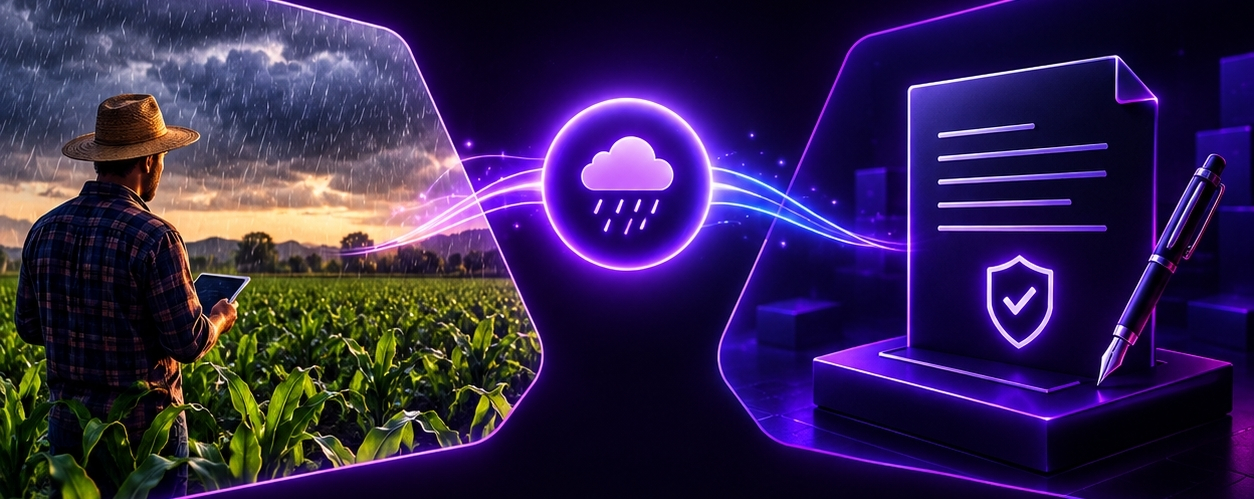
🔗 ブロックチェーン・オラクルは実際どう動くの?そしてLINKはどこに入るの?では、現実の例を見てみましょう。
農家が、次のようなシンプルな条件で作物保険を買うとしましょう:
🌾 「生育期間中の降雨量が50mmを下回る場合、農家にはRs.100,000が支払われる。」
スマートコントラクトは、保険のルールと支払いを処理できますが、1つ問題があります:
ブロックチェーンは、実際にどれくらい雨が降ったのかをどうやって知るのでしょう?
単に外を見て天気を確認することはできません。
そこでオラクルの出番です。
🌧️ オラクルはブロックチェーンの外部から情報を取得し、その情報をスマートコントラクトが利用できるようにします。
🔗 ブロックチェーン・オラクルは実際どう動くの?そしてLINKはどこに入るの?
では、現実の例を見てみましょう。
農家が、次のようなシンプルな条件で作物保険を買うとしましょう:
🌾 「生育期間中の降雨量が50mmを下回る場合、農家にはRs.100,000が支払われる。」
スマートコントラクトは、保険のルールと支払いを処理できますが、1つ問題があります:
ブロックチェーンは、実際にどれくらい雨が降ったのかをどうやって知るのでしょう?
単に外を見て天気を確認することはできません。
そこでオラクルの出番です。
🌧️ オラクルはブロックチェーンの外部から情報を取得し、その情報をスマートコントラクトが利用できるようにします。
農家が、次のようなシンプルな条件で作物保険を買うとしましょう:
🌾 「生育期間中の降雨量が50mmを下回る場合、農家にはRs.100,000が支払われる。」
スマートコントラクトは、保険のルールと支払いを処理できますが、1つ問題があります:
ブロックチェーンは、実際にどれくらい雨が降ったのかをどうやって知るのでしょう?
単に外を見て天気を確認することはできません。
そこでオラクルの出番です。
🌧️ オラクルはブロックチェーンの外部から情報を取得し、その情報をスマートコントラクトが利用できるようにします。
97
翻訳参照
⚙️ Solana: More Than a token $Sol⚙️ What actually happens when you send a transaction on Solana?
When you press “Send” in a Solana wallet, several backend processes happen before the transaction becomes finalized.
1️⃣ Transaction is created
Your wallet creates and signs a transaction containing:
• Instructions
• Accounts involved
• Recent blockhash
• Cryptographic signature
The signed transaction is then ready to enter the Solana network.
2️⃣ Transaction enters the network
The transaction is sent to a Solana RPC node, which forwards it through the network toward the currently scheduled leader.
The RPC node is mainly the gateway between your wallet/application and the blockchain network.
3️⃣ The Leader processes it
Solana uses a scheduled Proof-of-Stake validator as the leader for a short period.
The leader receives transactions, executes their instructions and checks things such as:
✔️ Signature validity
✔️ Account state
✔️ Program instructions
✔️ Required transaction fees
✔️ Account permissions
The resulting data is then propagated to other validators.
4️⃣ Proof of History records the sequence
This is where Proof of History (PoH) becomes important.
PoH continuously generates a sequence of cryptographic hashes:
H0 → H1 → H2 → H3 → H4 → H5 → ...
Because each hash depends on the previous one, the sequence provides a verifiable record of the order in which events occurred.
A transaction can be incorporated at a specific point in this sequence.
So:
PoH = cryptographic clock + verifiable ordering
PoH itself, however, does not finalize the transaction.
5️⃣ Validators verify the data
Other Solana validators receive the leader's data.
They independently verify the transactions, execute the relevant programs and check whether the resulting account state is valid.
If the data is valid, validators can vote for that chain.
6️⃣ Tower BFT reaches consensus
This is where Tower BFT comes into play.
Tower BFT is Solana's BFT-style consensus mechanism built on Proof of Stake.
Validators vote on the chain they consider valid, and their voting power is weighted by their delegated stake.
A key part of Tower BFT is the concept of lockouts.
When a validator votes for a block, that vote creates a temporary commitment to that chain. If the validator continues voting for descendants of that block, the lockout becomes progressively longer.
In simple terms:
Validator receives block
↓
Verifies it
↓
Votes for it
↓
Vote creates a lockout
↓
Continued votes increase commitment
↓
Validators converge on one chain
This makes repeatedly switching between competing forks increasingly difficult and helps the network converge on a single history.
7️⃣ Confirmation → Finalization
As more validators vote for the chain, the transaction moves through Solana's confirmation stages.
Eventually, enough stake has voted for the relevant chain that the block reaches finalized status.
At that point, the transaction is considered finalized by the network.
🔗 The complete backend flow
Wallet
↓
Sign Transaction
↓
RPC Node
↓
Current Leader
↓
Transaction Execution
↓
PoH Ordering / Cryptographic Clock
↓
Validator Verification
↓
Tower BFT + Stake-Weighted Votes
↓
Lockouts & Supermajority Agreement
↓
🔒 Finalized on Solana
The important distinction
PoH → establishes a verifiable sequence of time and events
Proof of Stake → determines validator voting weight
Tower BFT → uses validator votes and lockouts to reach consensus
So when you simply press “Send SOL”, the backend involves much more than transferring coins from one wallet to another.
It involves transaction execution, cryptographic ordering, validator verification, stake-weighted voting and consensus before that transaction becomes finalized on the Solana blockchain.
#Solana #SOL #ProofOfHistory #TowerBFT #ProofOfStake #Blockchain #Web3 #CryptoTechnology #BlockchainBackend
⚙️ Solana: More Than a token $Sol
⚙️ What actually happens when you send a transaction on Solana?
When you press “Send” in a Solana wallet, several backend processes happen before the transaction becomes finalized.
1️⃣ Transaction is created
Your wallet creates and signs a transaction containing:
• Instructions
• Accounts involved
• Recent blockhash
• Cryptographic signature
The signed transaction is then ready to enter the Solana network.
2️⃣ Transaction enters the network
The transaction is sent to a Solana RPC node, which forwards it through the network toward the currently scheduled leader.
The RPC node is mainly the gateway between your wallet/application and the blockchain network.
3️⃣ The Leader processes it
Solana uses a scheduled Proof-of-Stake validator as the leader for a short period.
The leader receives transactions, executes their instructions and checks things such as:
✔️ Signature validity
✔️ Account state
✔️ Program instructions
✔️ Required transaction fees
✔️ Account permissions
The resulting data is then propagated to other validators.
4️⃣ Proof of History records the sequence
This is where Proof of History (PoH) becomes important.
PoH continuously generates a sequence of cryptographic hashes:
H0 → H1 → H2 → H3 → H4 → H5 → ...
Because each hash depends on the previous one, the sequence provides a verifiable record of the order in which events occurred.
A transaction can be incorporated at a specific point in this sequence.
So:
PoH = cryptographic clock + verifiable ordering
PoH itself, however, does not finalize the transaction.
5️⃣ Validators verify the data
Other Solana validators receive the leader's data.
They independently verify the transactions, execute the relevant programs and check whether the resulting account state is valid.
If the data is valid, validators can vote for that chain.
6️⃣ Tower BFT reaches consensus
This is where Tower BFT comes into play.
Tower BFT is Solana's BFT-style consensus mechanism built on Proof of Stake.
Validators vote on the chain they consider valid, and their voting power is weighted by their delegated stake.
A key part of Tower BFT is the concept of lockouts.
When a validator votes for a block, that vote creates a temporary commitment to that chain. If the validator continues voting for descendants of that block, the lockout becomes progressively longer.
In simple terms:
Validator receives block
↓
Verifies it
↓
Votes for it
↓
Vote creates a lockout
↓
Continued votes increase commitment
↓
Validators converge on one chain
This makes repeatedly switching between competing forks increasingly difficult and helps the network converge on a single history.
7️⃣ Confirmation → Finalization
As more validators vote for the chain, the transaction moves through Solana's confirmation stages.
Eventually, enough stake has voted for the relevant chain that the block reaches finalized status.
At that point, the transaction is considered finalized by the network.
🔗 The complete backend flow
Wallet
↓
Sign Transaction
↓
RPC Node
↓
Current Leader
↓
Transaction Execution
↓
PoH Ordering / Cryptographic Clock
↓
Validator Verification
↓
Tower BFT + Stake-Weighted Votes
↓
Lockouts & Supermajority Agreement
↓
🔒 Finalized on Solana
The important distinction
PoH → establishes a verifiable sequence of time and events
Proof of Stake → determines validator voting weight
Tower BFT → uses validator votes and lockouts to reach consensus
So when you simply press “Send SOL”, the backend involves much more than transferring coins from one wallet to another.
It involves transaction execution, cryptographic ordering, validator verification, stake-weighted voting and consensus before that transaction becomes finalized on the Solana blockchain.
#Solana #SOL #ProofOfHistory #TowerBFT #ProofOfStake #Blockchain #Web3 #CryptoTechnology #BlockchainBackend
When you press “Send” in a Solana wallet, several backend processes happen before the transaction becomes finalized.
1️⃣ Transaction is created
Your wallet creates and signs a transaction containing:
• Instructions
• Accounts involved
• Recent blockhash
• Cryptographic signature
The signed transaction is then ready to enter the Solana network.
2️⃣ Transaction enters the network
The transaction is sent to a Solana RPC node, which forwards it through the network toward the currently scheduled leader.
The RPC node is mainly the gateway between your wallet/application and the blockchain network.
3️⃣ The Leader processes it
Solana uses a scheduled Proof-of-Stake validator as the leader for a short period.
The leader receives transactions, executes their instructions and checks things such as:
✔️ Signature validity
✔️ Account state
✔️ Program instructions
✔️ Required transaction fees
✔️ Account permissions
The resulting data is then propagated to other validators.
4️⃣ Proof of History records the sequence
This is where Proof of History (PoH) becomes important.
PoH continuously generates a sequence of cryptographic hashes:
H0 → H1 → H2 → H3 → H4 → H5 → ...
Because each hash depends on the previous one, the sequence provides a verifiable record of the order in which events occurred.
A transaction can be incorporated at a specific point in this sequence.
So:
PoH = cryptographic clock + verifiable ordering
PoH itself, however, does not finalize the transaction.
5️⃣ Validators verify the data
Other Solana validators receive the leader's data.
They independently verify the transactions, execute the relevant programs and check whether the resulting account state is valid.
If the data is valid, validators can vote for that chain.
6️⃣ Tower BFT reaches consensus
This is where Tower BFT comes into play.
Tower BFT is Solana's BFT-style consensus mechanism built on Proof of Stake.
Validators vote on the chain they consider valid, and their voting power is weighted by their delegated stake.
A key part of Tower BFT is the concept of lockouts.
When a validator votes for a block, that vote creates a temporary commitment to that chain. If the validator continues voting for descendants of that block, the lockout becomes progressively longer.
In simple terms:
Validator receives block
↓
Verifies it
↓
Votes for it
↓
Vote creates a lockout
↓
Continued votes increase commitment
↓
Validators converge on one chain
This makes repeatedly switching between competing forks increasingly difficult and helps the network converge on a single history.
7️⃣ Confirmation → Finalization
As more validators vote for the chain, the transaction moves through Solana's confirmation stages.
Eventually, enough stake has voted for the relevant chain that the block reaches finalized status.
At that point, the transaction is considered finalized by the network.
🔗 The complete backend flow
Wallet
↓
Sign Transaction
↓
RPC Node
↓
Current Leader
↓
Transaction Execution
↓
PoH Ordering / Cryptographic Clock
↓
Validator Verification
↓
Tower BFT + Stake-Weighted Votes
↓
Lockouts & Supermajority Agreement
↓
🔒 Finalized on Solana
The important distinction
PoH → establishes a verifiable sequence of time and events
Proof of Stake → determines validator voting weight
Tower BFT → uses validator votes and lockouts to reach consensus
So when you simply press “Send SOL”, the backend involves much more than transferring coins from one wallet to another.
It involves transaction execution, cryptographic ordering, validator verification, stake-weighted voting and consensus before that transaction becomes finalized on the Solana blockchain.
#Solana #SOL #ProofOfHistory #TowerBFT #ProofOfStake #Blockchain #Web3 #CryptoTechnology #BlockchainBackend
109
もし$ZEC 回目のヒットと$BTC 回目のすべての時間の最高値が$126000だったら?zcashはビットコインに勝てると思う?$ZECをいくらか保有すべき?返信は必ず
もし$ZEC 回目のヒットと$BTC 回目のすべての時間の最高値が$126000だったら?zcashはビットコインに勝てると思う?$ZEC をいくらか保有すべき?返信は必ず
249
翻訳参照
what do you guys think about the future price of $ZEC . reply with your price target prediction!
what do you guys think about the future price of $ZEC . reply with your price target prediction!
Researcher_Crypto
·
--
$BITCOIN vs $ZCASH — 違いは何? 🔐
$Bitcoin(BTC)と$Zcash(ZEC)はいずれも分散型の暗号通貨で、最大供給量は2,100万、Proof-of-Work(PoW)マイニングであり、ネットワークを管理する中央銀行はありません。
しかし、Zcashを際立たせる大きな違いが1つあります。それは、プライバシーです。
🟠 ビットコイン(BTC)
ビットコインは、中央の権限なしで動作する分散型デジタルマネーとして作られました。
ビットコインの取引は公開ブロックチェーンに記録されるため、誰でも取引履歴、ウォレットアドレス、金額、コインの移動を確認できます。
しかし、Zcashを際立たせる大きな違いが1つあります。それは、プライバシーです。
🟠 ビットコイン(BTC)
ビットコインは、中央の権限なしで動作する分散型デジタルマネーとして作られました。
ビットコインの取引は公開ブロックチェーンに記録されるため、誰でも取引履歴、ウォレットアドレス、金額、コインの移動を確認できます。
64
$BITCOIN vs $ZCASH — 違いは何? 🔐$Bitcoin(BTC)と$Zcash(ZEC)はいずれも分散型の暗号通貨で、最大供給量は2,100万、Proof-of-Work(PoW)マイニングであり、ネットワークを管理する中央銀行はありません。
しかし、Zcashを際立たせる大きな違いが1つあります。それは、プライバシーです。
🟠 ビットコイン(BTC)
ビットコインは、中央の権限なしで動作する分散型デジタルマネーとして作られました。
ビットコインの取引は公開ブロックチェーンに記録されるため、誰でも取引履歴、ウォレットアドレス、金額、コインの移動を確認できます。
$BITCOIN vs $ZCASH — 違いは何? 🔐
$Bitcoin(BTC)と$Zcash(ZEC)はいずれも分散型の暗号通貨で、最大供給量は2,100万、Proof-of-Work(PoW)マイニングであり、ネットワークを管理する中央銀行はありません。
しかし、Zcashを際立たせる大きな違いが1つあります。それは、プライバシーです。
🟠 ビットコイン(BTC)
ビットコインは、中央の権限なしで動作する分散型デジタルマネーとして作られました。
ビットコインの取引は公開ブロックチェーンに記録されるため、誰でも取引履歴、ウォレットアドレス、金額、コインの移動を確認できます。
しかし、Zcashを際立たせる大きな違いが1つあります。それは、プライバシーです。
🟠 ビットコイン(BTC)
ビットコインは、中央の権限なしで動作する分散型デジタルマネーとして作られました。
ビットコインの取引は公開ブロックチェーンに記録されるため、誰でも取引履歴、ウォレットアドレス、金額、コインの移動を確認できます。
1
159
翻訳参照
JUST IN: 🇷🇺 Russia's largest bank Sberbank plans to accept Bitcoin, Ethereum and USDT as collateral for loans, subject to regulatory approval.
#BTC
JUST IN: 🇷🇺 Russia's largest bank Sberbank plans to accept Bitcoin, Ethereum and USDT as collateral for loans, subject to regulatory approval.
#BTC
#BTC
72
翻訳参照
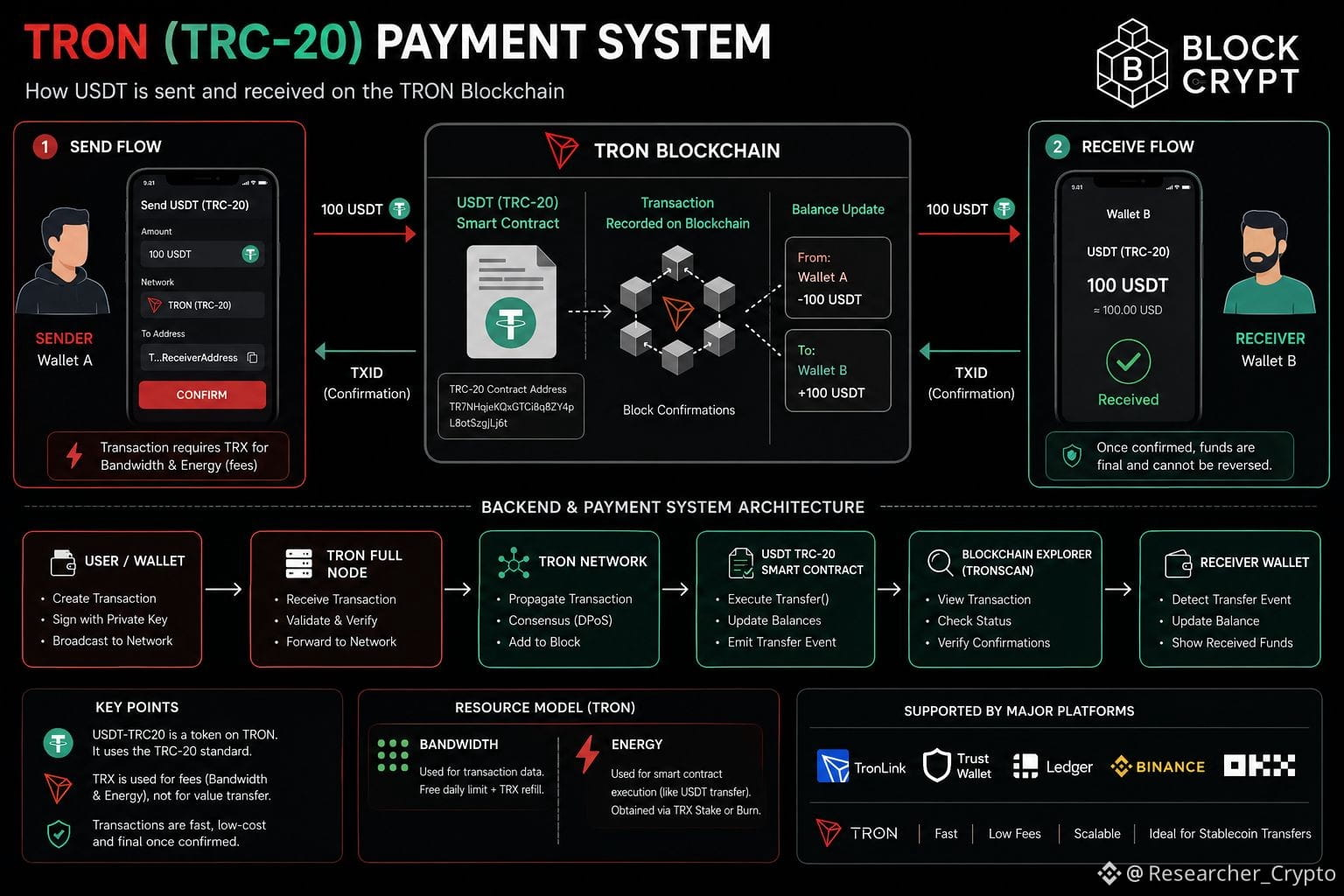
🟢 TRON, TRX & TRC-20 Explained — And How USDT Moves on the TRON Blockchain
Note: "Don't forget to like, share and follow our page to learn crypto and blockchain"
Now to the topic:
If you've ever sent or received USDT and seen options like ERC-20, TRC-20, BEP-20 or Solana, you may have wondered:
👉 What exactly is TRON?
👉 What is TRC-20?
👉 Why is TRX needed when sending USDT?
👉 How does USDT actually move from one wallet to another?
Let's break it all down. 👇
---
🔹 What is TRON?
TRON is a blockchain network designed to support digital assets, smart contracts and decentralized applications.
Its native cryptocurrency is TRX.
TRX is used within the TRON ecosystem for network activity, staking, governance and paying for blockchain resources.
Think of TRON as a road or payment network on which digital assets can move.
TRON = Blockchain/network
TRX = Native cryptocurrency of the network
---
🔹 What is TRC-20?
One of the most important things to understand is:
TRC-20 is NOT a cryptocurrency.
TRC-20 is a token standard on the TRON blockchain.
It defines technical rules that fungible tokens can follow, including functions for transferring tokens, checking balances and approving other addresses or smart contracts.
If you've heard of ERC-20 on Ethereum, TRC-20 is a similar concept on TRON.
For example:
Ethereum → ERC-20 → USDT
while:
TRON → TRC-20 → USDT
Therefore, when an exchange says:
USDT — TRC-20
it means:
«USDT is being transferred using the TRON blockchain.»
---
🔹 What is USDT-TRC20?
USDT is the stablecoin issued by Tether.
Tether has issued USDT on multiple blockchain networks.
One of those networks is TRON.
Therefore:
USDT-TRC20 = USDT running as a TRC-20 token on the TRON blockchain.
This is different from:
USDT-ERC20 = USDT on Ethereum
and other versions of USDT that exist on different supported networks.
The underlying idea is the same—USDT represents a dollar-denominated stablecoin—but the blockchain network carrying the token is different.
🟢 TRON, TRX & TRC-20 Explained — And How USDT Moves on the TRON Blockchain
Note: "Don't forget to like, share and follow our page to learn crypto and blockchain"
Now to the topic:
If you've ever sent or received USDT and seen options like ERC-20, TRC-20, BEP-20 or Solana, you may have wondered:
👉 What exactly is TRON?
👉 What is TRC-20?
👉 Why is TRX needed when sending USDT?
👉 How does USDT actually move from one wallet to another?
Let's break it all down. 👇
---
🔹 What is TRON?
TRON is a blockchain network designed to support digital assets, smart contracts and decentralized applications.
Its native cryptocurrency is TRX.
TRX is used within the TRON ecosystem for network activity, staking, governance and paying for blockchain resources.
Think of TRON as a road or payment network on which digital assets can move.
TRON = Blockchain/network
TRX = Native cryptocurrency of the network
---
🔹 What is TRC-20?
One of the most important things to understand is:
TRC-20 is NOT a cryptocurrency.
TRC-20 is a token standard on the TRON blockchain.
It defines technical rules that fungible tokens can follow, including functions for transferring tokens, checking balances and approving other addresses or smart contracts.
If you've heard of ERC-20 on Ethereum, TRC-20 is a similar concept on TRON.
For example:
Ethereum → ERC-20 → USDT
while:
TRON → TRC-20 → USDT
Therefore, when an exchange says:
USDT — TRC-20
it means:
«USDT is being transferred using the TRON blockchain.»
---
🔹 What is USDT-TRC20?
USDT is the stablecoin issued by Tether.
Tether has issued USDT on multiple blockchain networks.
One of those networks is TRON.
Therefore:
USDT-TRC20 = USDT running as a TRC-20 token on the TRON blockchain.
This is different from:
USDT-ERC20 = USDT on Ethereum
and other versions of USDT that exist on different supported networks.
The underlying idea is the same—USDT represents a dollar-denominated stablecoin—but the blockchain network carrying the token is different.
Note: "Don't forget to like, share and follow our page to learn crypto and blockchain"
Now to the topic:
If you've ever sent or received USDT and seen options like ERC-20, TRC-20, BEP-20 or Solana, you may have wondered:
👉 What exactly is TRON?
👉 What is TRC-20?
👉 Why is TRX needed when sending USDT?
👉 How does USDT actually move from one wallet to another?
Let's break it all down. 👇
---
🔹 What is TRON?
TRON is a blockchain network designed to support digital assets, smart contracts and decentralized applications.
Its native cryptocurrency is TRX.
TRX is used within the TRON ecosystem for network activity, staking, governance and paying for blockchain resources.
Think of TRON as a road or payment network on which digital assets can move.
TRON = Blockchain/network
TRX = Native cryptocurrency of the network
---
🔹 What is TRC-20?
One of the most important things to understand is:
TRC-20 is NOT a cryptocurrency.
TRC-20 is a token standard on the TRON blockchain.
It defines technical rules that fungible tokens can follow, including functions for transferring tokens, checking balances and approving other addresses or smart contracts.
If you've heard of ERC-20 on Ethereum, TRC-20 is a similar concept on TRON.
For example:
Ethereum → ERC-20 → USDT
while:
TRON → TRC-20 → USDT
Therefore, when an exchange says:
USDT — TRC-20
it means:
«USDT is being transferred using the TRON blockchain.»
---
🔹 What is USDT-TRC20?
USDT is the stablecoin issued by Tether.
Tether has issued USDT on multiple blockchain networks.
One of those networks is TRON.
Therefore:
USDT-TRC20 = USDT running as a TRC-20 token on the TRON blockchain.
This is different from:
USDT-ERC20 = USDT on Ethereum
and other versions of USDT that exist on different supported networks.
The underlying idea is the same—USDT represents a dollar-denominated stablecoin—but the blockchain network carrying the token is different.
77
本人確認中
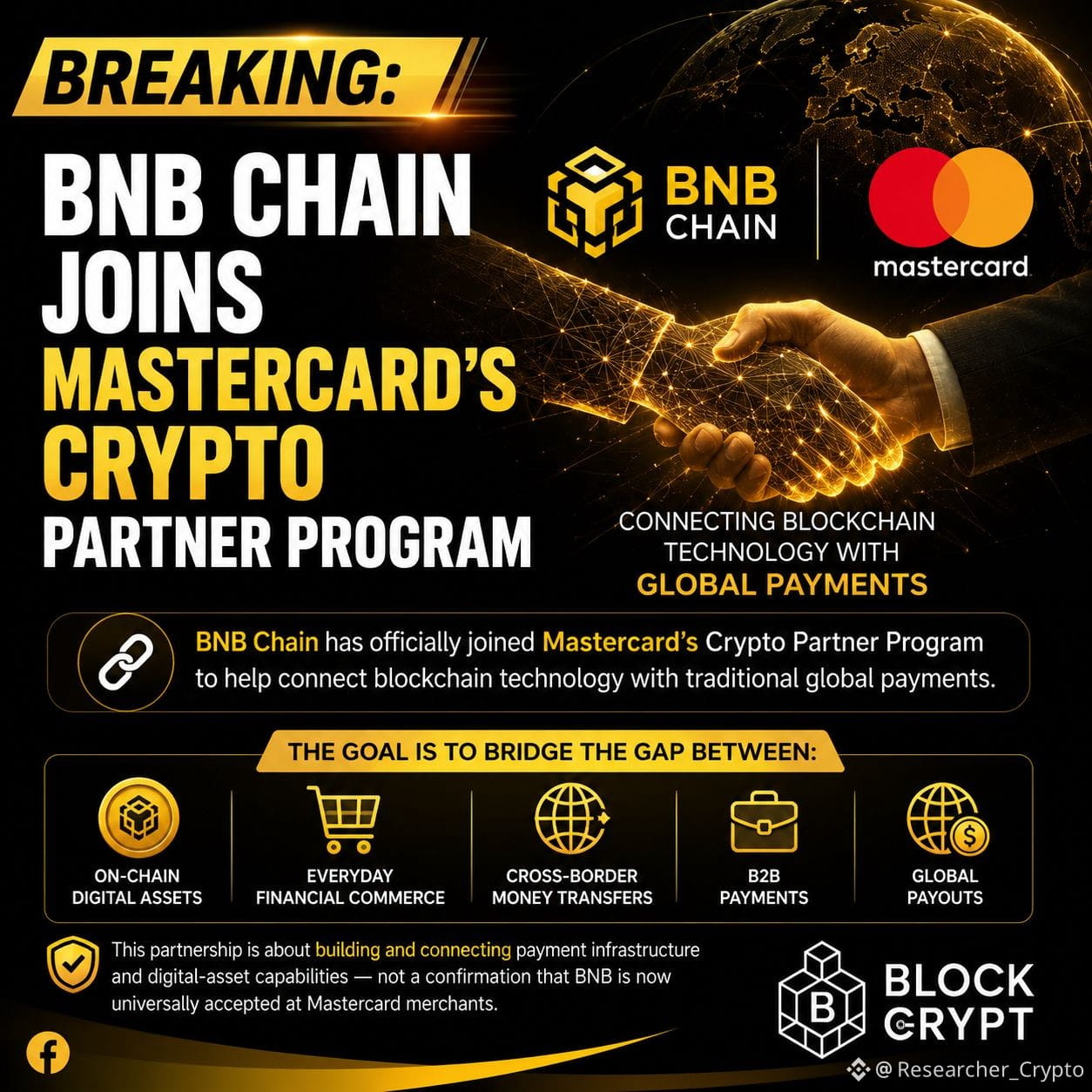
【速報】BNBチェーンがマスターカードの暗号資産パートナープログラムに参加
BNBチェーンはマスターカードのCrypto Partner Programに参加し、ブロックチェーン技術を従来のグローバル決済エコシステムにつなぐためのさらなる一歩を刻みました。
この協業は、次のギャップを埋めることを目指しています:
🔹 オンチェーンのデジタル資産
🔹 日常の金融取引(コマース)
🔹 国境を越えた資金移転
🔹 B2B決済
🔹 グローバル送金(支払い)
🔹 ブロックチェーンを基盤とする決済インフラ
マスターカードのデジタル資産エコシステムはBNBチェーンを含む複数のブロックチェーンネットワークをサポートしており、オンチェーン資産と従来の決済基盤をつなぐ可能性のある道筋が生まれます。
⚠️重要:これにより、BNBがマスターカードの加盟店で広く普遍的に受け入れられるようになったという意味ではありません。今回の提携は、決済インフラとデジタル資産の機能を構築し、接続することを目的としています。
🌐 ブロックチェーン × 従来の金融 = 急速に進化する決済エコシステム。
#BNBChain #Mastercard #Crypto #Blockchain #DigitalAssets #Payments #Web3 #BNB #FinTech #Cryptocurrency
【速報】BNBチェーンがマスターカードの暗号資産パートナープログラムに参加
BNBチェーンはマスターカードのCrypto Partner Programに参加し、ブロックチェーン技術を従来のグローバル決済エコシステムにつなぐためのさらなる一歩を刻みました。
この協業は、次のギャップを埋めることを目指しています:
🔹 オンチェーンのデジタル資産
🔹 日常の金融取引(コマース)
🔹 国境を越えた資金移転
🔹 B2B決済
🔹 グローバル送金(支払い)
🔹 ブロックチェーンを基盤とする決済インフラ
マスターカードのデジタル資産エコシステムはBNBチェーンを含む複数のブロックチェーンネットワークをサポートしており、オンチェーン資産と従来の決済基盤をつなぐ可能性のある道筋が生まれます。
⚠️重要:これにより、BNBがマスターカードの加盟店で広く普遍的に受け入れられるようになったという意味ではありません。今回の提携は、決済インフラとデジタル資産の機能を構築し、接続することを目的としています。
🌐 ブロックチェーン × 従来の金融 = 急速に進化する決済エコシステム。
#BNBChain #Mastercard #Crypto #Blockchain #DigitalAssets #Payments #Web3 #BNB #FinTech #Cryptocurrency
BNBチェーンはマスターカードのCrypto Partner Programに参加し、ブロックチェーン技術を従来のグローバル決済エコシステムにつなぐためのさらなる一歩を刻みました。
この協業は、次のギャップを埋めることを目指しています:
🔹 オンチェーンのデジタル資産
🔹 日常の金融取引(コマース)
🔹 国境を越えた資金移転
🔹 B2B決済
🔹 グローバル送金(支払い)
🔹 ブロックチェーンを基盤とする決済インフラ
マスターカードのデジタル資産エコシステムはBNBチェーンを含む複数のブロックチェーンネットワークをサポートしており、オンチェーン資産と従来の決済基盤をつなぐ可能性のある道筋が生まれます。
⚠️重要:これにより、BNBがマスターカードの加盟店で広く普遍的に受け入れられるようになったという意味ではありません。今回の提携は、決済インフラとデジタル資産の機能を構築し、接続することを目的としています。
🌐 ブロックチェーン × 従来の金融 = 急速に進化する決済エコシステム。
#BNBChain #Mastercard #Crypto #Blockchain #DigitalAssets #Payments #Web3 #BNB #FinTech #Cryptocurrency
53
ログインして、さらにコンテンツを読む
厳選トピックで世界の暗号資産トレーダーの仲間入り
⚡️ 暗号資産に関する最新かつ有益な情報が見つかります。
💬 世界最大の暗号資産取引所から信頼されています。
👍 認証を受けたクリエイターから、有益なインサイトを得られます。
メール / 電話番号
トレンドトピック
CircleMints500MUSDCOnSolana
閲覧回数 104,893
2,214人が討論中
#circlemints500musdconsolana
🚨 ソラナ上でUSDCが5億MINT!💵🔥
Circleのトレジャリーがソラナ上で5億USDCを新規発行し、全世界の総供給量を752億ドルまで押し上げました!📈✨
💡 すぐに現実を確認:
🔹 ミント=新しい在庫(フレッシュな供給)の作成(即時の購買力ではありません!🛒
🔹 真の引き金=DeFi・取引所・各種プールへの資本投入!🌐🚀
🎯 注目コイン:
⚡ $SOL — ネットワーク活動が活況で、フレッシュな流動性がエコシステムの成長をさらに後押ししています!
💎 $RARE — 高ボラティリティなアルトコインで、新しい市場の流動性やセンチメントに素早く反応します!🪐
💥 あなたは今積み増し中ですか?それとも資本投入が完了するのを待っていますか?下にあなたの考えをコメントしてください!👇✨
#CircleMints500MUSDCOnSolana
#PolymarketBankFailureBetsDrawFDICConcern
#BlackRockBuildsTokenizedPortfoliosForOndo
#BitwiseFilesToListNEARETFOnNYSEArca
Hifza Rubab
·いいね:4件
·閲覧回数 4.6k
PolymarketBankFailureBetsDrawFDICConcern
閲覧回数 100,922
1,934人が討論中
BlackRockBuildsTokenizedPortfoliosForOndo
閲覧回数 95,491
1,379人が討論中