

Pi Updates
61 投稿

Pi Updates
報告
ユーザーをブロック
Independent Pi Network updates & news | Not affiliated with Pi Network.
取引を発注
7.8年
6 フォロー
20.4K+ フォロワー
2.5K+ いいね
投稿
ポートフォリオ
·
--
記事
翻訳参照
Pi Launchpad Allocates SLICE Test Tokens and Unveils Liquidity Pool Valuation ChartsPi Launchpad Allocates SLICE Test Tokens and Unveils Liquidity Pool Valuation Charts
The Pi Launchpad has finalized the rollout of its second testnet-based asset, SLICE.
These trial distributions are designed to familiarize Pioneers with emerging ecosystem token models and provide hands-on experience with decentralized finance (DeFi) protocols. Through these simulations, users can deepen their understanding of liquidity pools, token swaps, and automated market valuation. Furthermore, this trial phase delivers critical metrics and community insights that enable the core team to enhance and optimize the platform prior to its full Mainnet deployment. Between June 11 and June 28, more than 242,000 community members pledged an aggregate of 15.92 million Test-Pi to secure a share of the 10 million SLICE test allocation. Distinguishing itself from the initial pilot run, SLICE is integrated into an active third-party gaming platform, Slice of Pi. This integration allowed the network to evaluate engagement-linked incentives using a fully functional application rather than an artificial prototype, offering sharper insights for future iterations. It also reinforces the principle that Pi ecosystem assets are built primarily to drive real-world utility, onboard users, and encourage activity, rather than simply raise funding. For this distribution, the platform streamlined the user journey around the total Test-Pi committed. The system independently determined the appropriate fair-distribution reserve and structured user participation rewards as a percentage uplift on awarded SLICE tokens. Following the distribution, participants can review their post-allocation dashboards, which feature personalized allocation summaries, baseline and effective conversion rates, direct entry to the SLICE trading pool, and an interactive chart displaying the value fluctuations of SLICE against Test-Pi.
How the SLICE Liquidity Pool Works
Under the Pi Launchpad framework, developers release tokens primarily to onboard users into their applications and embed those assets directly into core operations, including in-app payments, access tiers, governance, and user incentives. Rather than retaining the collected Pi as capital, all proceeds generated from the rollout are directed into a shared liquidity pool alongside the native application token, securing a stable liquidity base from day one. In this test case, the resulting pool is composed of both SLICE and Test-Pi. Beyond conventional peer-to-peer trade matching on the Pi decentralized exchange, the system utilizes an automated market maker (AMM) mechanism to determine real-time conversion rates based on the asset ratio in the pool. When a user trades Test-Pi for SLICE, Test-Pi enters the reserve while SLICE is withdrawn. As a result, the pool holds a higher volume of Test-Pi and fewer SLICE tokens, driving up the quoted valuation of the remaining SLICE. Conversely, trading SLICE back into Test-Pi reverses the dynamic: SLICE supplies rise in the pool while Test-Pi reserves shrink, pushing down the displayed valuation. These trades are governed by a constant-product model, which continuously recalibrates token quantities so that the total product of the paired reserves remains steady throughout the transaction, exclusive of network fees.
Simplified Liquidity Pool Example
Consider a baseline pool supplied with 10 SLICE and 10 Test-Pi. Applying the standard constant-product logic: SLICE reserve × Test-Pi reserve = invariant value. The baseline calculation stands at: 10 SLICE × 10 Test-Pi = 100. If a participant extracts 5 SLICE from the pool, the remaining supply drops to 5 SLICE. To preserve the constant product target of 100: 5 SLICE × updated Test-Pi reserve = 100. Consequently: updated Test-Pi reserve = 100 ÷ 5 = 20 Test-Pi. Since the pool initially contained 10 Test-Pi, the trader must deposit an additional 10 Test-Pi into the contract (disregarding transaction charges). The pool balance then adjusts to 20 Test-Pi and 5 SLICE, establishing a noticeably higher market price for SLICE. This scenario illustrates how trading pressure instantly shifts internal pool ratios and influences the prevailing asset price. Pioneers can track these market dynamics in real time using the updated price tracking interface and observe how test swaps impact values across the network.
Explore SLICE in the Pi Launchpad App
Although SLICE is confined strictly to the Testnet environment and will not transition to the Mainnet, it serves as an educational sandbox for Pioneers to master launchpad operations, liquidity provision, automated swaps, and valuation mechanics. At the same time, this active user engagement generates valuable behavioral data and community feedback necessary to refine the platform before live Mainnet implementations.
Pi Launchpad Allocates SLICE Test Tokens and Unveils Liquidity Pool Valuation Charts
Pi Launchpad Allocates SLICE Test Tokens and Unveils Liquidity Pool Valuation Charts
The Pi Launchpad has finalized the rollout of its second testnet-based asset, SLICE.
These trial distributions are designed to familiarize Pioneers with emerging ecosystem token models and provide hands-on experience with decentralized finance (DeFi) protocols. Through these simulations, users can deepen their understanding of liquidity pools, token swaps, and automated market valuation. Furthermore, this trial phase delivers critical metrics and community insights that enable the core team to enhance and optimize the platform prior to its full Mainnet deployment. Between June 11 and June 28, more than 242,000 community members pledged an aggregate of 15.92 million Test-Pi to secure a share of the 10 million SLICE test allocation. Distinguishing itself from the initial pilot run, SLICE is integrated into an active third-party gaming platform, Slice of Pi. This integration allowed the network to evaluate engagement-linked incentives using a fully functional application rather than an artificial prototype, offering sharper insights for future iterations. It also reinforces the principle that Pi ecosystem assets are built primarily to drive real-world utility, onboard users, and encourage activity, rather than simply raise funding. For this distribution, the platform streamlined the user journey around the total Test-Pi committed. The system independently determined the appropriate fair-distribution reserve and structured user participation rewards as a percentage uplift on awarded SLICE tokens. Following the distribution, participants can review their post-allocation dashboards, which feature personalized allocation summaries, baseline and effective conversion rates, direct entry to the SLICE trading pool, and an interactive chart displaying the value fluctuations of SLICE against Test-Pi.
How the SLICE Liquidity Pool Works
Under the Pi Launchpad framework, developers release tokens primarily to onboard users into their applications and embed those assets directly into core operations, including in-app payments, access tiers, governance, and user incentives. Rather than retaining the collected Pi as capital, all proceeds generated from the rollout are directed into a shared liquidity pool alongside the native application token, securing a stable liquidity base from day one. In this test case, the resulting pool is composed of both SLICE and Test-Pi. Beyond conventional peer-to-peer trade matching on the Pi decentralized exchange, the system utilizes an automated market maker (AMM) mechanism to determine real-time conversion rates based on the asset ratio in the pool. When a user trades Test-Pi for SLICE, Test-Pi enters the reserve while SLICE is withdrawn. As a result, the pool holds a higher volume of Test-Pi and fewer SLICE tokens, driving up the quoted valuation of the remaining SLICE. Conversely, trading SLICE back into Test-Pi reverses the dynamic: SLICE supplies rise in the pool while Test-Pi reserves shrink, pushing down the displayed valuation. These trades are governed by a constant-product model, which continuously recalibrates token quantities so that the total product of the paired reserves remains steady throughout the transaction, exclusive of network fees.
Simplified Liquidity Pool Example
Consider a baseline pool supplied with 10 SLICE and 10 Test-Pi. Applying the standard constant-product logic: SLICE reserve × Test-Pi reserve = invariant value. The baseline calculation stands at: 10 SLICE × 10 Test-Pi = 100. If a participant extracts 5 SLICE from the pool, the remaining supply drops to 5 SLICE. To preserve the constant product target of 100: 5 SLICE × updated Test-Pi reserve = 100. Consequently: updated Test-Pi reserve = 100 ÷ 5 = 20 Test-Pi. Since the pool initially contained 10 Test-Pi, the trader must deposit an additional 10 Test-Pi into the contract (disregarding transaction charges). The pool balance then adjusts to 20 Test-Pi and 5 SLICE, establishing a noticeably higher market price for SLICE. This scenario illustrates how trading pressure instantly shifts internal pool ratios and influences the prevailing asset price. Pioneers can track these market dynamics in real time using the updated price tracking interface and observe how test swaps impact values across the network.
Explore SLICE in the Pi Launchpad App
Although SLICE is confined strictly to the Testnet environment and will not transition to the Mainnet, it serves as an educational sandbox for Pioneers to master launchpad operations, liquidity provision, automated swaps, and valuation mechanics. At the same time, this active user engagement generates valuable behavioral data and community feedback necessary to refine the platform before live Mainnet implementations.
The Pi Launchpad has finalized the rollout of its second testnet-based asset, SLICE.
These trial distributions are designed to familiarize Pioneers with emerging ecosystem token models and provide hands-on experience with decentralized finance (DeFi) protocols. Through these simulations, users can deepen their understanding of liquidity pools, token swaps, and automated market valuation. Furthermore, this trial phase delivers critical metrics and community insights that enable the core team to enhance and optimize the platform prior to its full Mainnet deployment. Between June 11 and June 28, more than 242,000 community members pledged an aggregate of 15.92 million Test-Pi to secure a share of the 10 million SLICE test allocation. Distinguishing itself from the initial pilot run, SLICE is integrated into an active third-party gaming platform, Slice of Pi. This integration allowed the network to evaluate engagement-linked incentives using a fully functional application rather than an artificial prototype, offering sharper insights for future iterations. It also reinforces the principle that Pi ecosystem assets are built primarily to drive real-world utility, onboard users, and encourage activity, rather than simply raise funding. For this distribution, the platform streamlined the user journey around the total Test-Pi committed. The system independently determined the appropriate fair-distribution reserve and structured user participation rewards as a percentage uplift on awarded SLICE tokens. Following the distribution, participants can review their post-allocation dashboards, which feature personalized allocation summaries, baseline and effective conversion rates, direct entry to the SLICE trading pool, and an interactive chart displaying the value fluctuations of SLICE against Test-Pi.
How the SLICE Liquidity Pool Works
Under the Pi Launchpad framework, developers release tokens primarily to onboard users into their applications and embed those assets directly into core operations, including in-app payments, access tiers, governance, and user incentives. Rather than retaining the collected Pi as capital, all proceeds generated from the rollout are directed into a shared liquidity pool alongside the native application token, securing a stable liquidity base from day one. In this test case, the resulting pool is composed of both SLICE and Test-Pi. Beyond conventional peer-to-peer trade matching on the Pi decentralized exchange, the system utilizes an automated market maker (AMM) mechanism to determine real-time conversion rates based on the asset ratio in the pool. When a user trades Test-Pi for SLICE, Test-Pi enters the reserve while SLICE is withdrawn. As a result, the pool holds a higher volume of Test-Pi and fewer SLICE tokens, driving up the quoted valuation of the remaining SLICE. Conversely, trading SLICE back into Test-Pi reverses the dynamic: SLICE supplies rise in the pool while Test-Pi reserves shrink, pushing down the displayed valuation. These trades are governed by a constant-product model, which continuously recalibrates token quantities so that the total product of the paired reserves remains steady throughout the transaction, exclusive of network fees.
Simplified Liquidity Pool Example
Consider a baseline pool supplied with 10 SLICE and 10 Test-Pi. Applying the standard constant-product logic: SLICE reserve × Test-Pi reserve = invariant value. The baseline calculation stands at: 10 SLICE × 10 Test-Pi = 100. If a participant extracts 5 SLICE from the pool, the remaining supply drops to 5 SLICE. To preserve the constant product target of 100: 5 SLICE × updated Test-Pi reserve = 100. Consequently: updated Test-Pi reserve = 100 ÷ 5 = 20 Test-Pi. Since the pool initially contained 10 Test-Pi, the trader must deposit an additional 10 Test-Pi into the contract (disregarding transaction charges). The pool balance then adjusts to 20 Test-Pi and 5 SLICE, establishing a noticeably higher market price for SLICE. This scenario illustrates how trading pressure instantly shifts internal pool ratios and influences the prevailing asset price. Pioneers can track these market dynamics in real time using the updated price tracking interface and observe how test swaps impact values across the network.
Explore SLICE in the Pi Launchpad App
Although SLICE is confined strictly to the Testnet environment and will not transition to the Mainnet, it serves as an educational sandbox for Pioneers to master launchpad operations, liquidity provision, automated swaps, and valuation mechanics. At the same time, this active user engagement generates valuable behavioral data and community feedback necessary to refine the platform before live Mainnet implementations.
656
·
--
本人確認中

記事
Pi App Studio 料金アップデート:新モデルは有用性と実在ユーザーに重点を置くPi Network は、Pi App Studio の改訂された料金モデルを導入する準備を進めており、変更は2026年8月24日から適用される予定です。
新しい方針は、アプリの作成・編集に対するクリエイターの請求方法を変える一方で、アプリが実際の有用性を示し、実在のユーザーを引き付けるクリエイターには補助付きの料金提供を継続します。
App Studio の料金がどのように変わるか
App Studio が初期に展開されて以来、Pi Network は AI を活用したアプリ作成・編集のコストを大幅に補助してきました。
Pi App Studio 料金アップデート:新モデルは有用性と実在ユーザーに重点を置く
Pi Network は、Pi App Studio の改訂された料金モデルを導入する準備を進めており、変更は2026年8月24日から適用される予定です。
新しい方針は、アプリの作成・編集に対するクリエイターの請求方法を変える一方で、アプリが実際の有用性を示し、実在のユーザーを引き付けるクリエイターには補助付きの料金提供を継続します。
App Studio の料金がどのように変わるか
App Studio が初期に展開されて以来、Pi Network は AI を活用したアプリ作成・編集のコストを大幅に補助してきました。
新しい方針は、アプリの作成・編集に対するクリエイターの請求方法を変える一方で、アプリが実際の有用性を示し、実在のユーザーを引き付けるクリエイターには補助付きの料金提供を継続します。
App Studio の料金がどのように変わるか
App Studio が初期に展開されて以来、Pi Network は AI を活用したアプリ作成・編集のコストを大幅に補助してきました。
1
569
·
--
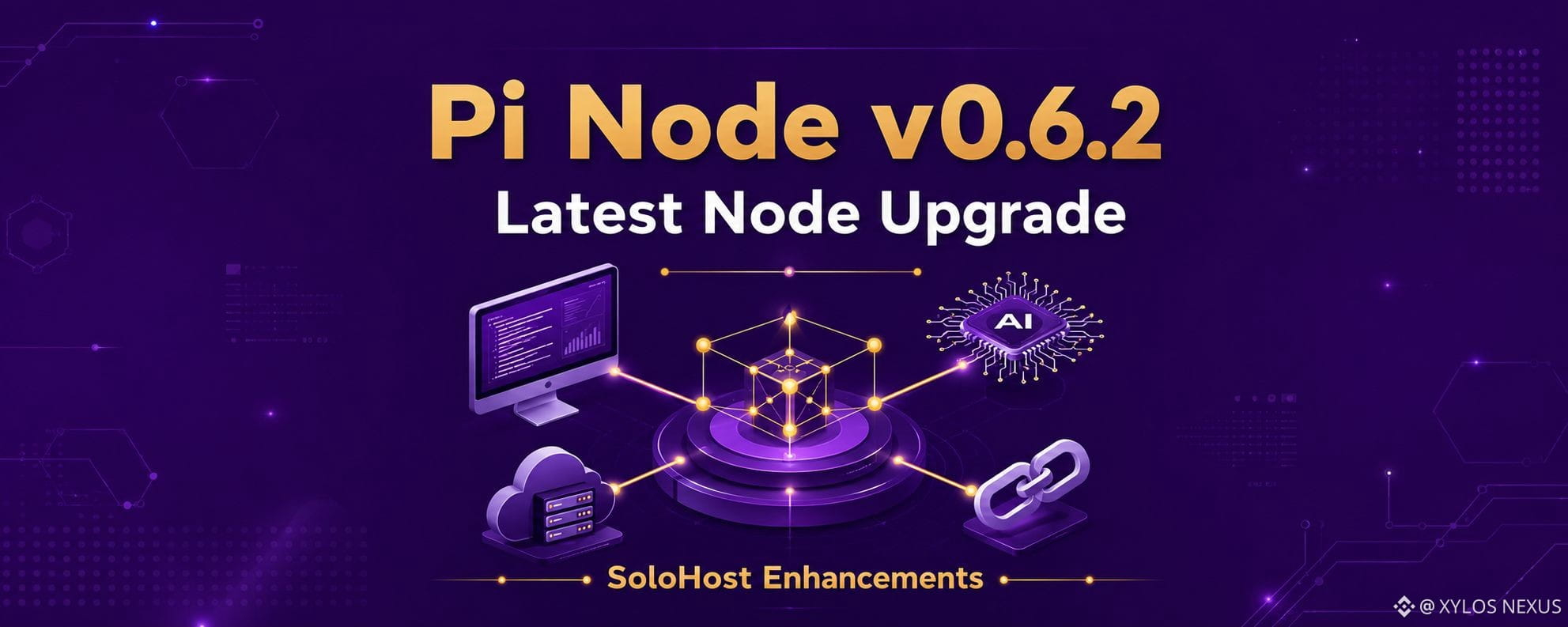
🚀 Pi Node 0.6.2:Pi Node と SoloHost の新たな一歩
Pi Network は Node v0.6.2 をリリースし、Node の接続性、SoloHost の機能、Pi Desktop の体験に焦点を当てた複数の更新を提供します。
🔹 UPnP 対応による、より簡単なポート設定
🔹 SoloHost アプリ向けの下書き・非公開・公開オプション
🔹 アプリのステータス追跡とナビゲーションの改善
🔹 新しい注目の SoloHost アプリ
🔹 ボランティア 5 名の Node オペレーターによる分散コンピューティングの初期テスト
分散コンピューティングのテストでは、計算タスクを参加している Node に送信し、処理し、SoloHost アプリを通じて返す方法を実証することに成功しました。
この開発は、Pi Network が AI、分散コンピューティング、その他の計算負荷の高いアプリケーションに Node リソースを活用することを継続的に探っていることを示しています。
⚠️ 情報提供のみ。これは金融または投資助言ではありません。DYOR(自己調査)を行い、重要な更新は公式情報を通じて確認してください。
#PiNetwork #PiNode #PiNetworkNews #SoloHost #Blockchain #DistributedComputing #AI
🚀 Pi Node 0.6.2:Pi Node と SoloHost の新たな一歩
Pi Network は Node v0.6.2 をリリースし、Node の接続性、SoloHost の機能、Pi Desktop の体験に焦点を当てた複数の更新を提供します。
🔹 UPnP 対応による、より簡単なポート設定
🔹 SoloHost アプリ向けの下書き・非公開・公開オプション
🔹 アプリのステータス追跡とナビゲーションの改善
🔹 新しい注目の SoloHost アプリ
🔹 ボランティア 5 名の Node オペレーターによる分散コンピューティングの初期テスト
分散コンピューティングのテストでは、計算タスクを参加している Node に送信し、処理し、SoloHost アプリを通じて返す方法を実証することに成功しました。
この開発は、Pi Network が AI、分散コンピューティング、その他の計算負荷の高いアプリケーションに Node リソースを活用することを継続的に探っていることを示しています。
⚠️ 情報提供のみ。これは金融または投資助言ではありません。DYOR(自己調査)を行い、重要な更新は公式情報を通じて確認してください。
#PiNetwork #PiNode #PiNetworkNews #SoloHost #Blockchain #DistributedComputing #AI
Pi Network は Node v0.6.2 をリリースし、Node の接続性、SoloHost の機能、Pi Desktop の体験に焦点を当てた複数の更新を提供します。
🔹 UPnP 対応による、より簡単なポート設定
🔹 SoloHost アプリ向けの下書き・非公開・公開オプション
🔹 アプリのステータス追跡とナビゲーションの改善
🔹 新しい注目の SoloHost アプリ
🔹 ボランティア 5 名の Node オペレーターによる分散コンピューティングの初期テスト
分散コンピューティングのテストでは、計算タスクを参加している Node に送信し、処理し、SoloHost アプリを通じて返す方法を実証することに成功しました。
この開発は、Pi Network が AI、分散コンピューティング、その他の計算負荷の高いアプリケーションに Node リソースを活用することを継続的に探っていることを示しています。
⚠️ 情報提供のみ。これは金融または投資助言ではありません。DYOR(自己調査)を行い、重要な更新は公式情報を通じて確認してください。
#PiNetwork #PiNode #PiNetworkNews #SoloHost #Blockchain #DistributedComputing #AI
1
320
·
--

記事
Pi Node 0.6.2:より簡単な接続と拡張されたSolo Host機能をもたらす新しいアップデートPi NetworkはNodeバージョン0.6.2を導入し、Node接続性、SoloHostアプリ管理、そして全体的なPi Desktop体験の改善を目的としたいくつかの変更をもたらしました。
より注目すべき進展の一つは、SoloHostと分散型コンピューティングをめぐる進捗であり、Pi Nodesの潜在的な有用性が、Piブロックチェーンを支える役割を超えて広がる可能性があります。
Pi Node 0.6.2で新しくなったことは?
最新バージョンでは、Nodeオペレーターや開発者向けにいくつかの実用的な改善が導入されました。
より簡単なポート設定
Pi Node 0.6.2:より簡単な接続と拡張されたSolo Host機能をもたらす新しいアップデート
Pi NetworkはNodeバージョン0.6.2を導入し、Node接続性、SoloHostアプリ管理、そして全体的なPi Desktop体験の改善を目的としたいくつかの変更をもたらしました。
より注目すべき進展の一つは、SoloHostと分散型コンピューティングをめぐる進捗であり、Pi Nodesの潜在的な有用性が、Piブロックチェーンを支える役割を超えて広がる可能性があります。
Pi Node 0.6.2で新しくなったことは?
最新バージョンでは、Nodeオペレーターや開発者向けにいくつかの実用的な改善が導入されました。
より簡単なポート設定
より注目すべき進展の一つは、SoloHostと分散型コンピューティングをめぐる進捗であり、Pi Nodesの潜在的な有用性が、Piブロックチェーンを支える役割を超えて広がる可能性があります。
Pi Node 0.6.2で新しくなったことは?
最新バージョンでは、Nodeオペレーターや開発者向けにいくつかの実用的な改善が導入されました。
より簡単なポート設定
215
·
--
記事
Piコインのオープンネットワークがライブ!Piコインオープンネットワークの正式な立ち上げにより、Piコミュニティはグローバルに接続できるようになりました。 このマイルストーンは、エコシステム、アプリケーション、ピアツーピアネットワークがより大きなブロックチェーンの世界とインターフェースできるようにすることで、包括的で有用な暗号通貨を開発するというPiの目標をサポートします。
1. 外部接続性と取引 パイオニアは、Piを使用して、制限されたエコシステムの外で他の互換性のあるネットワークやシステムと取引を行うことができるようになりました。 これは、現実の世界でのPiの有用性を向上させます。
Piコインのオープンネットワークがライブ!
Piコインオープンネットワークの正式な立ち上げにより、Piコミュニティはグローバルに接続できるようになりました。 このマイルストーンは、エコシステム、アプリケーション、ピアツーピアネットワークがより大きなブロックチェーンの世界とインターフェースできるようにすることで、包括的で有用な暗号通貨を開発するというPiの目標をサポートします。
1. 外部接続性と取引 パイオニアは、Piを使用して、制限されたエコシステムの外で他の互換性のあるネットワークやシステムと取引を行うことができるようになりました。 これは、現実の世界でのPiの有用性を向上させます。
1. 外部接続性と取引 パイオニアは、Piを使用して、制限されたエコシステムの外で他の互換性のあるネットワークやシステムと取引を行うことができるようになりました。 これは、現実の世界でのPiの有用性を向上させます。
1
1
22
4.9k
·
--

記事
メインネットネットワークがPiコインのエコシステムインターフェース拡張の中心に最初の20のメインネットネットワークの波が稼働を開始し、将来の拡張の基盤を築き、Piエコシステムの広大な可能性を示しています。Piコインは、Piブラウザを通じてアクセスできるメインネットPiアプリを含むエコシステムインターフェースへの革命的なアップデートを発表しました。この開発は、メインネットPiを使用した実世界の取引を可能にすることで、パイオニアと開発者を支援するというPiの使命における重要なマイルストーンを示しています。
この最新のアップデートは、パイオニアが本物のPiを使用して商品やサービスを交換するためのメインネットネットワークにアクセスできるようになったという点で、オープンネットワークへの重要なマイルストーンを示しています。以前は、エコシステムインターフェースはテストネットネットワークに制限されており、開発者が自分の作品を洗練させ、パイオニアが制御された環境で新しい機能を探求することを可能にしていました。
メインネットネットワークがPiコインのエコシステムインターフェース拡張の中心に
最初の20のメインネットネットワークの波が稼働を開始し、将来の拡張の基盤を築き、Piエコシステムの広大な可能性を示しています。Piコインは、Piブラウザを通じてアクセスできるメインネットPiアプリを含むエコシステムインターフェースへの革命的なアップデートを発表しました。この開発は、メインネットPiを使用した実世界の取引を可能にすることで、パイオニアと開発者を支援するというPiの使命における重要なマイルストーンを示しています。
この最新のアップデートは、パイオニアが本物のPiを使用して商品やサービスを交換するためのメインネットネットワークにアクセスできるようになったという点で、オープンネットワークへの重要なマイルストーンを示しています。以前は、エコシステムインターフェースはテストネットネットワークに制限されており、開発者が自分の作品を洗練させ、パイオニアが制御された環境で新しい機能を探求することを可能にしていました。
この最新のアップデートは、パイオニアが本物のPiを使用して商品やサービスを交換するためのメインネットネットワークにアクセスできるようになったという点で、オープンネットワークへの重要なマイルストーンを示しています。以前は、エコシステムインターフェースはテストネットネットワークに制限されており、開発者が自分の作品を洗練させ、パイオニアが制御された環境で新しい機能を探求することを可能にしていました。
11
5
127
7.5k
·
--
記事
Piノード: 最新の更新とオープンネットワークの準備インターネットに接続されたコンピュータを持つパイオニアは誰でも参加でき、PiノードはPiブロックチェーンの分散化の基盤として機能します。Piコインがオープンネットワークのマイルストーンに近づく中、彼らの進展は重要です。ブロックチェーンを支える能力に加えて、Piノードは大規模コンピューティング作業に対して膨大な可能性を秘めており、創造的なアプリケーションやコミュニティの有用性につながる可能性があります。
Piの分散型ネットワークは100万以上のCPUを運用でき、現在200,000以上のノードがテストネットで稼働しています。その結果、Piノードは世界で最大の分散システムの1つにランクされています。こうした処理能力によって、巨大なオープンソースAIモデルのトレーニングが可能になるという革命的な可能性が開かれています。分散型コンピューティング活動を促進しながら、これらの機会はノードオペレーターが将来的により多くのPiコインを稼ぐ可能性を開く扉を開きます。
Piノード: 最新の更新とオープンネットワークの準備
インターネットに接続されたコンピュータを持つパイオニアは誰でも参加でき、PiノードはPiブロックチェーンの分散化の基盤として機能します。Piコインがオープンネットワークのマイルストーンに近づく中、彼らの進展は重要です。ブロックチェーンを支える能力に加えて、Piノードは大規模コンピューティング作業に対して膨大な可能性を秘めており、創造的なアプリケーションやコミュニティの有用性につながる可能性があります。
Piの分散型ネットワークは100万以上のCPUを運用でき、現在200,000以上のノードがテストネットで稼働しています。その結果、Piノードは世界で最大の分散システムの1つにランクされています。こうした処理能力によって、巨大なオープンソースAIモデルのトレーニングが可能になるという革命的な可能性が開かれています。分散型コンピューティング活動を促進しながら、これらの機会はノードオペレーターが将来的により多くのPiコインを稼ぐ可能性を開く扉を開きます。
Piの分散型ネットワークは100万以上のCPUを運用でき、現在200,000以上のノードがテストネットで稼働しています。その結果、Piノードは世界で最大の分散システムの1つにランクされています。こうした処理能力によって、巨大なオープンソースAIモデルのトレーニングが可能になるという革命的な可能性が開かれています。分散型コンピューティング活動を促進しながら、これらの機会はノードオペレーターが将来的により多くのPiコインを稼ぐ可能性を開く扉を開きます。
2
1
60
4.7k
·
--
記事
新しいPiコインウォレットのオンチェーンロックアップ:マイニングレートを増加させよう!新しいPi Walletのオンチェーンロックアップ:マイニングレートを増加させよう!
メインネットに成功裏に移行したパイオニアは、Pi2Dayの発表で言及されたように、最近追加されたオンチェーンロックアップ機能の恩恵を受けることができます。パイオニアは、移行後や初期ロックアップの期限切れ後でも、メインネットブロックチェーン上でPiをロックアップすることができませんでした。このアップデートにより、移行したパイオニアは新しいロックアップを生成し、利用可能なPiを使用してより多くのマイニング報酬を得ることができます。
新しいPiコインウォレットのオンチェーンロックアップ:マイニングレートを増加させよう!
新しいPi Walletのオンチェーンロックアップ:マイニングレートを増加させよう!
メインネットに成功裏に移行したパイオニアは、Pi2Dayの発表で言及されたように、最近追加されたオンチェーンロックアップ機能の恩恵を受けることができます。パイオニアは、移行後や初期ロックアップの期限切れ後でも、メインネットブロックチェーン上でPiをロックアップすることができませんでした。このアップデートにより、移行したパイオニアは新しいロックアップを生成し、利用可能なPiを使用してより多くのマイニング報酬を得ることができます。
メインネットに成功裏に移行したパイオニアは、Pi2Dayの発表で言及されたように、最近追加されたオンチェーンロックアップ機能の恩恵を受けることができます。パイオニアは、移行後や初期ロックアップの期限切れ後でも、メインネットブロックチェーン上でPiをロックアップすることができませんでした。このアップデートにより、移行したパイオニアは新しいロックアップを生成し、利用可能なPiを使用してより多くのマイニング報酬を得ることができます。
3
3
47
3k
·
--
記事
オープンネットワークチャレンジの成果を称えるオープンネットワークチャレンジの成果を称える
Pi2Day Progress to Open Network Challengeは、Piコインコミュニティの情熱とコミットメントが結集したことを示しました。KYCやメインネットチェックリストのような必要な作業をパイオニアに促し、ソーシャルプロフィールやオンチェーンロックアップのような新しい機能と交流することで、このイベントはオープンネットワークへの移行を加速させることを目的としました。
チャレンジのハイライト
世界中から約450万人のパイオニアが参加したPi2Day Challengeは大成功でした。その中で140万人以上のパイオニアがチャレンジの5つのステップを完了し、以下のような特典を受け取りました:
オープンネットワークチャレンジの成果を称える
オープンネットワークチャレンジの成果を称える
Pi2Day Progress to Open Network Challengeは、Piコインコミュニティの情熱とコミットメントが結集したことを示しました。KYCやメインネットチェックリストのような必要な作業をパイオニアに促し、ソーシャルプロフィールやオンチェーンロックアップのような新しい機能と交流することで、このイベントはオープンネットワークへの移行を加速させることを目的としました。
チャレンジのハイライト
世界中から約450万人のパイオニアが参加したPi2Day Challengeは大成功でした。その中で140万人以上のパイオニアがチャレンジの5つのステップを完了し、以下のような特典を受け取りました:
Pi2Day Progress to Open Network Challengeは、Piコインコミュニティの情熱とコミットメントが結集したことを示しました。KYCやメインネットチェックリストのような必要な作業をパイオニアに促し、ソーシャルプロフィールやオンチェーンロックアップのような新しい機能と交流することで、このイベントはオープンネットワークへの移行を加速させることを目的としました。
チャレンジのハイライト
世界中から約450万人のパイオニアが参加したPi2Day Challengeは大成功でした。その中で140万人以上のパイオニアがチャレンジの5つのステップを完了し、以下のような特典を受け取りました:
30
2.4k
·
--
記事
Pi Coin : 創設者の最新情報メインネットには 1,800 万人を超える KYC 認証済みメンバーと 800 万人の移行済みユーザーがおり、Pi Coin コミュニティは重要なマイルストーンを達成しました。2025 年第 1 四半期は、Open Network の予定開始日です。この期間には、より多くのユーザーが移行を完了できるようにすることで、メインネットに正常に移行したメンバーと KYC 認証済みのメンバーとの間のギャップを埋めることを目指しています。
アクセシビリティと包括性の価値を強調しました。オープン ネットワークにパイオニアがさらに加わることで、エコシステムへの参加と安定性が向上します。発表の主な特徴は次のとおりです。ネットワーク アップデートの開始 2025 年第 1 四半期に開始されるオープン ネットワークは、次の目標を掲げています。
Pi Coin : 創設者の最新情報
メインネットには 1,800 万人を超える KYC 認証済みメンバーと 800 万人の移行済みユーザーがおり、Pi Coin コミュニティは重要なマイルストーンを達成しました。2025 年第 1 四半期は、Open Network の予定開始日です。この期間には、より多くのユーザーが移行を完了できるようにすることで、メインネットに正常に移行したメンバーと KYC 認証済みのメンバーとの間のギャップを埋めることを目指しています。
アクセシビリティと包括性の価値を強調しました。オープン ネットワークにパイオニアがさらに加わることで、エコシステムへの参加と安定性が向上します。発表の主な特徴は次のとおりです。ネットワーク アップデートの開始 2025 年第 1 四半期に開始されるオープン ネットワークは、次の目標を掲げています。
アクセシビリティと包括性の価値を強調しました。オープン ネットワークにパイオニアがさらに加わることで、エコシステムへの参加と安定性が向上します。発表の主な特徴は次のとおりです。ネットワーク アップデートの開始 2025 年第 1 四半期に開始されるオープン ネットワークは、次の目標を掲げています。
9
5
56
12k
·
--
記事
Pi Commerce ハッカソンの受賞者と佳作を発表!2024 年の Pi Commerce ハッカソンが終了し、コア チームは 2 名の受賞者と 2 名の佳作を発表できることを嬉しく思います。受賞アプリである Map of Pi と PyNook は、以前 Pi Day で発表されましたが、今日では City for Pi と Easy Goods も表彰されます。
Pi Commerce ハッカソンの目的は、コミュニティ開発者を集めて、世界中のローカル Pi コマースをサポートするアプリを作成することでした。このようなアプリの必要性は、昨年 12 月の PiFest 中に Pioneer コミュニティによって強調されました。 Pi Network の最初の PiFest イベントでは、企業と顧客が世界規模で Pi Commerce に広く関与していることが示され、155 の国と地域のパイオニアから 21,000 を超える回答がありました。
Pi Commerce ハッカソンの受賞者と佳作を発表!
2024 年の Pi Commerce ハッカソンが終了し、コア チームは 2 名の受賞者と 2 名の佳作を発表できることを嬉しく思います。受賞アプリである Map of Pi と PyNook は、以前 Pi Day で発表されましたが、今日では City for Pi と Easy Goods も表彰されます。
Pi Commerce ハッカソンの目的は、コミュニティ開発者を集めて、世界中のローカル Pi コマースをサポートするアプリを作成することでした。このようなアプリの必要性は、昨年 12 月の PiFest 中に Pioneer コミュニティによって強調されました。 Pi Network の最初の PiFest イベントでは、企業と顧客が世界規模で Pi Commerce に広く関与していることが示され、155 の国と地域のパイオニアから 21,000 を超える回答がありました。
Pi Commerce ハッカソンの目的は、コミュニティ開発者を集めて、世界中のローカル Pi コマースをサポートするアプリを作成することでした。このようなアプリの必要性は、昨年 12 月の PiFest 中に Pioneer コミュニティによって強調されました。 Pi Network の最初の PiFest イベントでは、企業と顧客が世界規模で Pi Commerce に広く関与していることが示され、155 の国と地域のパイオニアから 21,000 を超える回答がありました。
130
15
418
6.8k
·
--

記事
パイオニア: 第 1 回 Pi ハッカソン優勝者第 1 回 Pi ハッカソンが終わりに近づき、私たちの旅における重要なマイルストーンを迎えました。このイベントの主な目的は、コミュニティの参加を促進し、Pi アプリの開発を促進し、Pi ブロックチェーンの可能性を示すエコシステムを育成することでした。この大規模なオンラインハッカソンを大成功に導くために貢献してくれたすべての参加者、コミュニティレビュー担当者、モデレータに心からの感謝の意を表します。
ハッカソンのこの章は終わりを迎えますが、これは活気ある Pi エコシステムを育成するための私たちの取り組みの始まりに過ぎません。コア チームは#buildPi2getherハッカソンの優勝者を以下に発表できることを嬉しく思います。優勝者と佳作に選ばれたすべての方に心からお祝い申し上げます。
パイオニア: 第 1 回 Pi ハッカソン優勝者
第 1 回 Pi ハッカソンが終わりに近づき、私たちの旅における重要なマイルストーンを迎えました。このイベントの主な目的は、コミュニティの参加を促進し、Pi アプリの開発を促進し、Pi ブロックチェーンの可能性を示すエコシステムを育成することでした。この大規模なオンラインハッカソンを大成功に導くために貢献してくれたすべての参加者、コミュニティレビュー担当者、モデレータに心からの感謝の意を表します。
ハッカソンのこの章は終わりを迎えますが、これは活気ある Pi エコシステムを育成するための私たちの取り組みの始まりに過ぎません。コア チームは#buildPi2getherハッカソンの優勝者を以下に発表できることを嬉しく思います。優勝者と佳作に選ばれたすべての方に心からお祝い申し上げます。
ハッカソンのこの章は終わりを迎えますが、これは活気ある Pi エコシステムを育成するための私たちの取り組みの始まりに過ぎません。コア チームは#buildPi2getherハッカソンの優勝者を以下に発表できることを嬉しく思います。優勝者と佳作に選ばれたすべての方に心からお祝い申し上げます。
36
2
223
4.8k
·
--
記事
Pi Coinのプラットフォームレベルでユーティリティを構築するPi Coin は、モバイル マイニングや大規模なコミュニティに対する独自のアプローチだけでなく、そのエコシステム内で実用的なユーティリティを作成するという深い取り組みでも、暗号通貨革命の最前線に立っています。
このネットワークは、モバイル マイニングというシンプルで強力な型破りな発明により、暗号通貨へのユニバーサル アクセスを拡大する先駆者となりました。その後、4,700 万人を超える熱心なメンバーからなるコミュニティが成長しました。アクセシビリティと並んで、ユーティリティもネットワークの基本的な目的です。アクセシビリティは、「世界中の人々が、経済状況や知識の壁に関係なく、実際に仮想通貨を所有することで、どのようにして仮想通貨革命にアクセスできるのか?」という質問に答えます。 Utility は、「仮想通貨は実際にどのようにして日常の人々の生活に前向きな変化をもたらすことができるのか?」という質問に答えます。または、「仮想通貨は取引や金融目的以外に何に使用できますか?」
Pi Coinのプラットフォームレベルでユーティリティを構築する
Pi Coin は、モバイル マイニングや大規模なコミュニティに対する独自のアプローチだけでなく、そのエコシステム内で実用的なユーティリティを作成するという深い取り組みでも、暗号通貨革命の最前線に立っています。
このネットワークは、モバイル マイニングというシンプルで強力な型破りな発明により、暗号通貨へのユニバーサル アクセスを拡大する先駆者となりました。その後、4,700 万人を超える熱心なメンバーからなるコミュニティが成長しました。アクセシビリティと並んで、ユーティリティもネットワークの基本的な目的です。アクセシビリティは、「世界中の人々が、経済状況や知識の壁に関係なく、実際に仮想通貨を所有することで、どのようにして仮想通貨革命にアクセスできるのか?」という質問に答えます。 Utility は、「仮想通貨は実際にどのようにして日常の人々の生活に前向きな変化をもたらすことができるのか?」という質問に答えます。または、「仮想通貨は取引や金融目的以外に何に使用できますか?」
このネットワークは、モバイル マイニングというシンプルで強力な型破りな発明により、暗号通貨へのユニバーサル アクセスを拡大する先駆者となりました。その後、4,700 万人を超える熱心なメンバーからなるコミュニティが成長しました。アクセシビリティと並んで、ユーティリティもネットワークの基本的な目的です。アクセシビリティは、「世界中の人々が、経済状況や知識の壁に関係なく、実際に仮想通貨を所有することで、どのようにして仮想通貨革命にアクセスできるのか?」という質問に答えます。 Utility は、「仮想通貨は実際にどのようにして日常の人々の生活に前向きな変化をもたらすことができるのか?」という質問に答えます。または、「仮想通貨は取引や金融目的以外に何に使用できますか?」
1
3
169
2.8k
·
--
記事
2024年のパイデー:パイエコシステムが一つに集まる2024年のパイデーは、ネットワークの5周年を公式に迎えるものであり、オープンネットワークの準備を進めている重要な時期にあたります。
本日、私たちは新しい製品を発表し、私たちの共同作業がパイネットワークのエコシステムビジョンをどのように構築しているかを探求できることを誇りに思います。また、KYC、移行、Piノード、エコシステムインフラおよびプログラムなど、オープンネットワーク計画の条件に向けたネットワークの進捗も共有します。この計画は、2023年12月27日にリリースされたもので、新しい1000万人へのKYCイベントを含んでおり、成功したKYCを共有してコミュニティのさらなる努力を促すことができます。これにより、他のパイオニアがKYCを取得するのを助けます!
2024年のパイデー:パイエコシステムが一つに集まる
2024年のパイデーは、ネットワークの5周年を公式に迎えるものであり、オープンネットワークの準備を進めている重要な時期にあたります。
本日、私たちは新しい製品を発表し、私たちの共同作業がパイネットワークのエコシステムビジョンをどのように構築しているかを探求できることを誇りに思います。また、KYC、移行、Piノード、エコシステムインフラおよびプログラムなど、オープンネットワーク計画の条件に向けたネットワークの進捗も共有します。この計画は、2023年12月27日にリリースされたもので、新しい1000万人へのKYCイベントを含んでおり、成功したKYCを共有してコミュニティのさらなる努力を促すことができます。これにより、他のパイオニアがKYCを取得するのを助けます!
本日、私たちは新しい製品を発表し、私たちの共同作業がパイネットワークのエコシステムビジョンをどのように構築しているかを探求できることを誇りに思います。また、KYC、移行、Piノード、エコシステムインフラおよびプログラムなど、オープンネットワーク計画の条件に向けたネットワークの進捗も共有します。この計画は、2023年12月27日にリリースされたもので、新しい1000万人へのKYCイベントを含んでおり、成功したKYCを共有してコミュニティのさらなる努力を促すことができます。これにより、他のパイオニアがKYCを取得するのを助けます!
16
2
172
4.5k
·
--
記事
PiFest が大成功で終了Pi コマースを祝う、待望のグローバル イベントである PiFest が、先日大成功を収めて終了しました。この成功は、グローバル コミュニティの積極的な参加の結果であるだけでなく、地元の商店主の懸命な努力の証でもあります。このブログ投稿では、PiFest の主なハイライトを詳しく取り上げ、Pi コマースのグローバルな広がり、コミュニティの関与、そして有望な将来性について紹介します。
グローバルな参加
PiFest は国境を越え、世界 155 の国と地域から参加者が記録されました。このイベントのグローバルな規模は、Pi コマースの普遍性と、企業と消費者を真に国際的なレベルで結びつける可能性を反映しています。6 大陸から参加者が集まり、世界中から幅広く参加がありましたが、PiFest アンケートへの回答が最も多かった地域が 1 つありました。インドネシアです。PiFest に集まったインドネシアと、献身的な地元企業およびパイオニアの皆さん、おめでとうございます。
PiFest が大成功で終了
Pi コマースを祝う、待望のグローバル イベントである PiFest が、先日大成功を収めて終了しました。この成功は、グローバル コミュニティの積極的な参加の結果であるだけでなく、地元の商店主の懸命な努力の証でもあります。このブログ投稿では、PiFest の主なハイライトを詳しく取り上げ、Pi コマースのグローバルな広がり、コミュニティの関与、そして有望な将来性について紹介します。
グローバルな参加
PiFest は国境を越え、世界 155 の国と地域から参加者が記録されました。このイベントのグローバルな規模は、Pi コマースの普遍性と、企業と消費者を真に国際的なレベルで結びつける可能性を反映しています。6 大陸から参加者が集まり、世界中から幅広く参加がありましたが、PiFest アンケートへの回答が最も多かった地域が 1 つありました。インドネシアです。PiFest に集まったインドネシアと、献身的な地元企業およびパイオニアの皆さん、おめでとうございます。
グローバルな参加
PiFest は国境を越え、世界 155 の国と地域から参加者が記録されました。このイベントのグローバルな規模は、Pi コマースの普遍性と、企業と消費者を真に国際的なレベルで結びつける可能性を反映しています。6 大陸から参加者が集まり、世界中から幅広く参加がありましたが、PiFest アンケートへの回答が最も多かった地域が 1 つありました。インドネシアです。PiFest に集まったインドネシアと、献身的な地元企業およびパイオニアの皆さん、おめでとうございます。
1
2
126
2.1k
·
--

記事
ネットワーク発表: Pi のオープン ネットワーク プラン以下の 3 つの条件が満たされれば、2024 年にメインネットのオープン ネットワーク期間に移行する予定であることをお知らせします。具体的な日付は設定されていません。これらの 3 つの重要な条件は、制御できない外部要因に加えて、パイオニア、コミュニティ開発者、コア チームの共同の努力に依存します。
これらの条件は、Pi Network の長期的な目標と戦略に基づいており、2024 年内の達成可能性を考慮に入れています。
ネットワーク発表: Pi のオープン ネットワーク プラン
以下の 3 つの条件が満たされれば、2024 年にメインネットのオープン ネットワーク期間に移行する予定であることをお知らせします。具体的な日付は設定されていません。これらの 3 つの重要な条件は、制御できない外部要因に加えて、パイオニア、コミュニティ開発者、コア チームの共同の努力に依存します。
これらの条件は、Pi Network の長期的な目標と戦略に基づいており、2024 年内の達成可能性を考慮に入れています。
これらの条件は、Pi Network の長期的な目標と戦略に基づいており、2024 年内の達成可能性を考慮に入れています。
1
1
126
1.8k
·
--

記事
Pi Coin KYCとは何ですか?Pi Coin または「Know Your Customer」は、最初にパイオニアの身元を特定して検証し、規制に準拠し、グローバル Pi エコシステム内のパイオニアが実際の個人であることを確認する手順です。
Pi Coin のビジョンは、すべてのパイオニアのために包括的で最も広く配布されるデジタル通貨とエコシステムを構築することです。Pi Network のマイニング メカニズムはソーシャル ネットワークに基づいており、実際のパイオニアの貢献に依存しています。そのため、Pi では 1 人につき 1 つのアカウントという厳格なポリシーを採用しています。
Pi Coin KYCとは何ですか?
Pi Coin または「Know Your Customer」は、最初にパイオニアの身元を特定して検証し、規制に準拠し、グローバル Pi エコシステム内のパイオニアが実際の個人であることを確認する手順です。
Pi Coin のビジョンは、すべてのパイオニアのために包括的で最も広く配布されるデジタル通貨とエコシステムを構築することです。Pi Network のマイニング メカニズムはソーシャル ネットワークに基づいており、実際のパイオニアの貢献に依存しています。そのため、Pi では 1 人につき 1 つのアカウントという厳格なポリシーを採用しています。
Pi Coin のビジョンは、すべてのパイオニアのために包括的で最も広く配布されるデジタル通貨とエコシステムを構築することです。Pi Network のマイニング メカニズムはソーシャル ネットワークに基づいており、実際のパイオニアの貢献に依存しています。そのため、Pi では 1 人につき 1 つのアカウントという厳格なポリシーを採用しています。
14
101
1.4k
·
--
記事
Piコマースハッカソンのお知らせPiは、PiコミュニティがPiを受け入れる地元のビジネスを簡単に見つけるアプリを作成するPiコマースハッカソンの開始を発表できることに興奮しています。
2023年12月のPiFestイベントの成功を受けて、155カ国から数千人のパイオニアが参加しました。Piコミュニティ、すなわち商人と顧客の両方が、自分たちの地域でPi取引に関与することに熱心であることが明らかになりました。しかし、これらのビジネスや顧客には、お互いを発見し、商取引を行うためのプラットフォームが必要です。すべての取引はPiを使用して行われます。
Piコマースハッカソンのお知らせ
Piは、PiコミュニティがPiを受け入れる地元のビジネスを簡単に見つけるアプリを作成するPiコマースハッカソンの開始を発表できることに興奮しています。
2023年12月のPiFestイベントの成功を受けて、155カ国から数千人のパイオニアが参加しました。Piコミュニティ、すなわち商人と顧客の両方が、自分たちの地域でPi取引に関与することに熱心であることが明らかになりました。しかし、これらのビジネスや顧客には、お互いを発見し、商取引を行うためのプラットフォームが必要です。すべての取引はPiを使用して行われます。
2023年12月のPiFestイベントの成功を受けて、155カ国から数千人のパイオニアが参加しました。Piコミュニティ、すなわち商人と顧客の両方が、自分たちの地域でPi取引に関与することに熱心であることが明らかになりました。しかし、これらのビジネスや顧客には、お互いを発見し、商取引を行うためのプラットフォームが必要です。すべての取引はPiを使用して行われます。
1
87
1.4k
·
--
記事
パイオニアのためのKYCプロセスの更新
2023年12月27日の最近のオープンネットワーク計画の発表において、私たちは2024年にメインネットのオープンネットワーク期間に入る意図とその重要な3つの条件を共有しました。特に、条件1および2のマイルストーンは、パイオニア、コミュニティ開発者、コアチームの分散型の努力に依存しています。本日、KYCプロセスという重要な指標における最近の進展についての更新を提供したいと思います。KYCのマイルストーンは、オープンネットワークとエコシステムの成功に不可欠であり、Piのビジョンに沿って、世界で最も包括的なピアツーピアエコシステムと本物のオンライン体験を構築するためのものです。
2023年12月27日の最近のオープンネットワーク計画の発表において、私たちは2024年にメインネットのオープンネットワーク期間に入る意図とその重要な3つの条件を共有しました。特に、条件1および2のマイルストーンは、パイオニア、コミュニティ開発者、コアチームの分散型の努力に依存しています。本日、KYCプロセスという重要な指標における最近の進展についての更新を提供したいと思います。KYCのマイルストーンは、オープンネットワークとエコシステムの成功に不可欠であり、Piのビジョンに沿って、世界で最も包括的なピアツーピアエコシステムと本物のオンライン体験を構築するためのものです。
パイオニアのためのKYCプロセスの更新
2023年12月27日の最近のオープンネットワーク計画の発表において、私たちは2024年にメインネットのオープンネットワーク期間に入る意図とその重要な3つの条件を共有しました。特に、条件1および2のマイルストーンは、パイオニア、コミュニティ開発者、コアチームの分散型の努力に依存しています。本日、KYCプロセスという重要な指標における最近の進展についての更新を提供したいと思います。KYCのマイルストーンは、オープンネットワークとエコシステムの成功に不可欠であり、Piのビジョンに沿って、世界で最も包括的なピアツーピアエコシステムと本物のオンライン体験を構築するためのものです。
10
82
1.2k
·
--
Piコイン:重要な更新と今後の計画
Piコインコミュニティは、1800万人のKYC認証メンバーと800万人のユーザーがメインネットに移行するなど、主要なマイルストーンを達成しました。オープンネットワークは2025年第1四半期に立ち上げる予定で、アクセシビリティとインクルーシビティに重点を置いています。ハイライト:
1. オープンネットワークの立ち上げ:目標は1000万人の移行を早期に達成すること メインネットに移行したユーザーとKYC認証ユーザーのギャップを埋める エコシステムのエンゲージメントと参加を強化。
2. 移行の進捗:毎日200,000件の移行を処理 バランスを確保するために2025年1月31日までの猶予期間を延長 残高のために二次移行を可能に。
3. KYCの成果:1800万人以上のユーザーが認証され、初期目標を超えました 未解決のケースを解決するためのプロセスを改善。
4. メインネットアプリエコシステム:Piブラウザを通じて80以上のメインネット対応アプリが利用可能 開発者はアプリの互換性を準備するよう奨励されています。
移行をサポートする方法:パイオニア:KYCとメインネット移行を完了してください。
店舗経営者:ビジネスのためのPi統合を検討してください。
開発者:メインネットエコシステム向けにアプリを最終化してください。
オープンネットワークの立ち上げは、Piコインの旅にとって重要なステップです。成功を確実にするために一緒に取り組みましょう!
Piコイン:重要な更新と今後の計画
Piコインコミュニティは、1800万人のKYC認証メンバーと800万人のユーザーがメインネットに移行するなど、主要なマイルストーンを達成しました。オープンネットワークは2025年第1四半期に立ち上げる予定で、アクセシビリティとインクルーシビティに重点を置いています。ハイライト:
1. オープンネットワークの立ち上げ:目標は1000万人の移行を早期に達成すること メインネットに移行したユーザーとKYC認証ユーザーのギャップを埋める エコシステムのエンゲージメントと参加を強化。
2. 移行の進捗:毎日200,000件の移行を処理 バランスを確保するために2025年1月31日までの猶予期間を延長 残高のために二次移行を可能に。
3. KYCの成果:1800万人以上のユーザーが認証され、初期目標を超えました 未解決のケースを解決するためのプロセスを改善。
4. メインネットアプリエコシステム:Piブラウザを通じて80以上のメインネット対応アプリが利用可能 開発者はアプリの互換性を準備するよう奨励されています。
移行をサポートする方法:パイオニア:KYCとメインネット移行を完了してください。
店舗経営者:ビジネスのためのPi統合を検討してください。
開発者:メインネットエコシステム向けにアプリを最終化してください。
オープンネットワークの立ち上げは、Piコインの旅にとって重要なステップです。成功を確実にするために一緒に取り組みましょう!
Piコインコミュニティは、1800万人のKYC認証メンバーと800万人のユーザーがメインネットに移行するなど、主要なマイルストーンを達成しました。オープンネットワークは2025年第1四半期に立ち上げる予定で、アクセシビリティとインクルーシビティに重点を置いています。ハイライト:
1. オープンネットワークの立ち上げ:目標は1000万人の移行を早期に達成すること メインネットに移行したユーザーとKYC認証ユーザーのギャップを埋める エコシステムのエンゲージメントと参加を強化。
2. 移行の進捗:毎日200,000件の移行を処理 バランスを確保するために2025年1月31日までの猶予期間を延長 残高のために二次移行を可能に。
3. KYCの成果:1800万人以上のユーザーが認証され、初期目標を超えました 未解決のケースを解決するためのプロセスを改善。
4. メインネットアプリエコシステム:Piブラウザを通じて80以上のメインネット対応アプリが利用可能 開発者はアプリの互換性を準備するよう奨励されています。
移行をサポートする方法:パイオニア:KYCとメインネット移行を完了してください。
店舗経営者:ビジネスのためのPi統合を検討してください。
開発者:メインネットエコシステム向けにアプリを最終化してください。
オープンネットワークの立ち上げは、Piコインの旅にとって重要なステップです。成功を確実にするために一緒に取り組みましょう!
6
101
1.1k
ログインして、さらにコンテンツを読む
厳選トピックで世界の暗号資産トレーダーの仲間入り
⚡️ 暗号資産に関する最新かつ有益な情報が見つかります。
💬 世界最大の暗号資産取引所から信頼されています。
👍 認証を受けたクリエイターから、有益なインサイトを得られます。
メール / 電話番号
トレンドトピック
FedMinutesFocusOnOctoberPause
閲覧回数 26,988
522人が討論中
#fedminutesfocusonoctoberpause
🚨 10月のFRB利上げ確率が21.6%に急落… $BTC は反応する? 👀
FRBは市場に、もう一つ重要な手がかりを与えようとしています。
投資家は本日のFOMC議事要旨を待っています。最大の疑問は、10月に再び利上げがあるのか、それとも一時停止となるのかです。
現時点で、10月に25ベーシスポイントの利上げが行われる確率は、わずか21.6%まで低下しました。
これは予想の大きな変化です。
しかし、興味深いのはここからです… 👀
FRBは9月に金利を3.75%~4.00%に引き上げましたが、雇用統計の最近の弱さとインフレの鈍化により、すぐに再利上げが行われる可能性は低くなっています。
そして、暗号資産にとってこれは重要です。
FRBが利上げを一時停止すれば、金融環境への圧力が和らぎ、リスク選好が改善する可能性があります。
それはBTCにとって追い風になるかもしれません。
ただし、注意点もあります…
ドルと米国債利回りが上昇するなか、ビットコインはすでに圧力を受けています。
そのため、今夜の議事要旨が相場変動の引き金になる可能性があります。
ハト派のFRB → 流動性への期待 → 強気のBTCシナリオ?
タカ派のFRB → 高金利への懸念 → リスク資産へのさらなる圧力?
本当の疑問はこうです。
10月はビットコイン強気派が待ち望んでいた利上げ一時停止となるのでしょうか…それともFRBが再び市場を驚かせるのでしょうか? 👀
BTC、FRBの政策見通し、米国債利回りを注意深く見守りましょう。
#FederalReserve #Fed #Crypto #InterestRates
$ETH
$SOL
Shae Cassler Sw9r
·いいね:17件
·閲覧回数 35.4k
BinanceLaunchesBinanceIntelligence
閲覧回数 948,717
5,780人が討論中
EvernorthDelaysNasdaqDebutToOct12
閲覧回数 106
32人が討論中