

Blessy Green
9.6k 投稿

Blessy Green
報告
ユーザーをブロック
取引を発注

PUMPホルダー
超高頻度トレーダー
2.5年
740 フォロー
100 フォロワー
16 いいね
投稿
ポートフォリオ
すべて
引用
·
--


Binance Square Official
·
--
金融のあらゆる領域に新たな知性の層を。
Binance Intelligenceのローンチ・ライブ配信に参加して、私たちが構築してきたものをいち早くご覧ください。
🗓 10月5日 | 12:00(UTC)
📍 Binance Square 公式
この投稿をリポストし、<t-2/> @Binance Square Official をタグ付けして、Binance Intelligenceに対するあなたのビジョンを共有してください。20 USDCの報酬を獲得するチャンスとして、選考で5名の方が選ばれます。
Binance Intelligenceのローンチ・ライブ配信に参加して、私たちが構築してきたものをいち早くご覧ください。
🗓 10月5日 | 12:00(UTC)
📍 Binance Square 公式
この投稿をリポストし、<t-2/> @Binance Square Official をタグ付けして、Binance Intelligenceに対するあなたのビジョンを共有してください。20 USDCの報酬を獲得するチャンスとして、選考で5名の方が選ばれます。
·
--
翻訳参照
Binance Square Official
·
--
金融のあらゆる領域に新たな知性の層を。
Binance Intelligenceのローンチ・ライブ配信に参加して、私たちが構築してきたものをいち早くご覧ください。
🗓 10月5日 | 12:00(UTC)
📍 Binance Square 公式
この投稿をリポストし、<t-2/> @Binance Square Official をタグ付けして、Binance Intelligenceに対するあなたのビジョンを共有してください。20 USDCの報酬を獲得するチャンスとして、選考で5名の方が選ばれます。
Binance Intelligenceのローンチ・ライブ配信に参加して、私たちが構築してきたものをいち早くご覧ください。
🗓 10月5日 | 12:00(UTC)
📍 Binance Square 公式
この投稿をリポストし、<t-2/> @Binance Square Official をタグ付けして、Binance Intelligenceに対するあなたのビジョンを共有してください。20 USDCの報酬を獲得するチャンスとして、選考で5名の方が選ばれます。
1
·
--
翻訳参照
I plan to watch the livestream "Binance Intelligence: Product Launch Event | 5,000 USDC Giveaway" at Binance Square, come join me
[https://app.binance.com/uni-qr/cspa/46535546592409?r=UCIPZ4L0&l=en&source=share&uc=app_square_share_link&us=more](https://app.binance.com/uni-qr/cspa/46535546592409?r=UCIPZ4L0&l=en&source=share&uc=app_square_share_link&us=more)
I plan to watch the livestream "Binance Intelligence: Product Launch Event | 5,000 USDC Giveaway" at Binance Square, come join me
https://app.binance.com/uni-qr/cspa/46535546592409?r=UCIPZ4L0&l=en&source=share&uc=app_square_share_link&us=more
https://app.binance.com/uni-qr/cspa/46535546592409?r=UCIPZ4L0&l=en&source=share&uc=app_square_share_link&us=more
19
·
--
翻訳参照
FET$FET —the token associated with the Artificial Superintelligence Alliance (ASI)—is entering an interesting phase because its story has evolved far beyond the original Fetch.ai narrative. As of October 5, 2026, FET is around $0.26, with roughly $585 million market capitalization and about $236 million in 24-hour volume. CoinGecko's recent data shows it rising from about $0.158 on September 16 to $0.253 on October 4, roughly a 60% move in less than three weeks. That combination of relatively small valuation and very large trading activity makes #FET a token worth watching—but the interesting question is whether the momentum is being supported by actual development.
The bigger story is the AI infrastructure thesis. The ASI Alliance brings together Fetch.ai, SingularityNET and CUDOS under FET governance, with the goal of building decentralized AI infrastructure rather than simply launching another AI-themed token. Its current ecosystem includes ASI:Chain, ASI:Cloud, ASI-1 Mini, ASI:Create and ASI Compute, covering areas such as AI agents, decentralized computing, AI models and infrastructure. If AI agents increasingly need their own identity, payments, computation and decentralized coordination, the ASI thesis is that blockchain could become part of that underlying economic layer.
What makes the current moment particularly curious is that the project is moving from an idea toward products. ASI:Create entered closed beta in June 2026, while the Alliance is developing an AI-native Layer-1 and infrastructure for agentic AI and decentralized computing. This creates a fascinating research question: Are these products actually gaining developers and users, or is the market simply pricing in the future potential of decentralized AI? Those are two very different situations, and separating them is where serious research begins.
There is also an important risk hidden inside the bullish story: the Alliance itself has changed over time. Ocean Protocol withdrew from the Alliance in October 2025, while the current ASI structure centers on Fetch.ai, SingularityNET and CUDOS. That means anyone researching FET should not blindly rely on older descriptions of the merger. They should investigate the current organization, current token economics, circulating supply, governance, network activity, AI products, developer adoption and whether FET actually captures value from the growing ecosystem.
And that is what makes FET interesting right now: the market is beginning to ask whether decentralized AI can become a real economic sector rather than merely a crypto narrative. The recent price and volume expansion show renewed attention, but they don't prove long-term success. The compelling research question is therefore not “How high can FET go?” but “If AI agents become a major part of the digital economy, could ASI become infrastructure those agents actually use—and would FET capture meaningful value from that activity?” That question makes FET worth researching carefully, while remembering that a rapidly rising token can also carry substantial downside risk.
$FET
#FET
FET
$FET —the token associated with the Artificial Superintelligence Alliance (ASI)—is entering an interesting phase because its story has evolved far beyond the original Fetch.ai narrative. As of October 5, 2026, FET is around $0.26, with roughly $585 million market capitalization and about $236 million in 24-hour volume. CoinGecko's recent data shows it rising from about $0.158 on September 16 to $0.253 on October 4, roughly a 60% move in less than three weeks. That combination of relatively small valuation and very large trading activity makes #FET a token worth watching—but the interesting question is whether the momentum is being supported by actual development.
The bigger story is the AI infrastructure thesis. The ASI Alliance brings together Fetch.ai, SingularityNET and CUDOS under FET governance, with the goal of building decentralized AI infrastructure rather than simply launching another AI-themed token. Its current ecosystem includes ASI:Chain, ASI:Cloud, ASI-1 Mini, ASI:Create and ASI Compute, covering areas such as AI agents, decentralized computing, AI models and infrastructure. If AI agents increasingly need their own identity, payments, computation and decentralized coordination, the ASI thesis is that blockchain could become part of that underlying economic layer.
What makes the current moment particularly curious is that the project is moving from an idea toward products. ASI:Create entered closed beta in June 2026, while the Alliance is developing an AI-native Layer-1 and infrastructure for agentic AI and decentralized computing. This creates a fascinating research question: Are these products actually gaining developers and users, or is the market simply pricing in the future potential of decentralized AI? Those are two very different situations, and separating them is where serious research begins.
There is also an important risk hidden inside the bullish story: the Alliance itself has changed over time. Ocean Protocol withdrew from the Alliance in October 2025, while the current ASI structure centers on Fetch.ai, SingularityNET and CUDOS. That means anyone researching FET should not blindly rely on older descriptions of the merger. They should investigate the current organization, current token economics, circulating supply, governance, network activity, AI products, developer adoption and whether FET actually captures value from the growing ecosystem.
And that is what makes FET interesting right now: the market is beginning to ask whether decentralized AI can become a real economic sector rather than merely a crypto narrative. The recent price and volume expansion show renewed attention, but they don't prove long-term success. The compelling research question is therefore not “How high can FET go?” but “If AI agents become a major part of the digital economy, could ASI become infrastructure those agents actually use—and would FET capture meaningful value from that activity?” That question makes FET worth researching carefully, while remembering that a rapidly rising token can also carry substantial downside risk.
$FET
#FET
The bigger story is the AI infrastructure thesis. The ASI Alliance brings together Fetch.ai, SingularityNET and CUDOS under FET governance, with the goal of building decentralized AI infrastructure rather than simply launching another AI-themed token. Its current ecosystem includes ASI:Chain, ASI:Cloud, ASI-1 Mini, ASI:Create and ASI Compute, covering areas such as AI agents, decentralized computing, AI models and infrastructure. If AI agents increasingly need their own identity, payments, computation and decentralized coordination, the ASI thesis is that blockchain could become part of that underlying economic layer.
What makes the current moment particularly curious is that the project is moving from an idea toward products. ASI:Create entered closed beta in June 2026, while the Alliance is developing an AI-native Layer-1 and infrastructure for agentic AI and decentralized computing. This creates a fascinating research question: Are these products actually gaining developers and users, or is the market simply pricing in the future potential of decentralized AI? Those are two very different situations, and separating them is where serious research begins.
There is also an important risk hidden inside the bullish story: the Alliance itself has changed over time. Ocean Protocol withdrew from the Alliance in October 2025, while the current ASI structure centers on Fetch.ai, SingularityNET and CUDOS. That means anyone researching FET should not blindly rely on older descriptions of the merger. They should investigate the current organization, current token economics, circulating supply, governance, network activity, AI products, developer adoption and whether FET actually captures value from the growing ecosystem.
And that is what makes FET interesting right now: the market is beginning to ask whether decentralized AI can become a real economic sector rather than merely a crypto narrative. The recent price and volume expansion show renewed attention, but they don't prove long-term success. The compelling research question is therefore not “How high can FET go?” but “If AI agents become a major part of the digital economy, could ASI become infrastructure those agents actually use—and would FET capture meaningful value from that activity?” That question makes FET worth researching carefully, while remembering that a rapidly rising token can also carry substantial downside risk.
$FET
#FET
91
·
--
$NIL (Nillion)は、プライバシー、AI、ブロックチェーンインフラが交差する分野に位置しているため、特に注目すべきプロジェクトになりつつあります。2026年10月5日時点で、NILは約0.09ドル、時価総額は約4,500万ドル、24時間の取引高は約1,680万ドルです。しかし、特に興味深いのは最近のボラティリティです。NILは9月16日に約0.040ドルで取引され、9月23日には約0.127ドルまで上昇した後、約0.089ドルまで値を戻しました。
この規模のプロジェクトとしては非常に大きな値動きです。だからこそ、NILは価格の動きだけを追うのではなく、調べてみる価値があります。
#NIL $NIL
{spot}(NILUSDT)
$NIL (Nillion)は、プライバシー、AI、ブロックチェーンインフラが交差する分野に位置しているため、特に注目すべきプロジェクトになりつつあります。2026年10月5日時点で、NILは約0.09ドル、時価総額は約4,500万ドル、24時間の取引高は約1,680万ドルです。しかし、特に興味深いのは最近のボラティリティです。NILは9月16日に約0.040ドルで取引され、9月23日には約0.127ドルまで上昇した後、約0.089ドルまで値を戻しました。
この規模のプロジェクトとしては非常に大きな値動きです。だからこそ、NILは価格の動きだけを追うのではなく、調べてみる価値があります。
#NIL $NIL
この規模のプロジェクトとしては非常に大きな値動きです。だからこそ、NILは価格の動きだけを追うのではなく、調べてみる価値があります。
#NIL $NIL
179
·
--
ブリッシュ
翻訳参照
#NillionCoin
$NIL
NIL one of the more curious small-cap projects to research right now. A roughly $45M market cap is tiny compared with the potential markets of AI, confidential computing and blockchain infrastructure, while the token has already demonstrated that relatively small amounts of capital can produce enormous price swings.
The research questions are therefore fascinating: How much real computation is happening on Nillion? How quickly are developers adopting it? Does staking create sustainable NIL demand? Can Covenants gain real users? How much supply is circulating, and what future emissions/unlocks matter? The bullish thesis is potentially powerful, but so is the risk. NIL is best viewed as a high-volatility infrastructure experiment whose future depends on whether Nillion can turn impressive privacy technology into widespread real-world usage.$NIL
{spot}(NILUSDT)
#NillionCoin
$NIL
NIL one of the more curious small-cap projects to research right now. A roughly $45M market cap is tiny compared with the potential markets of AI, confidential computing and blockchain infrastructure, while the token has already demonstrated that relatively small amounts of capital can produce enormous price swings.
The research questions are therefore fascinating: How much real computation is happening on Nillion? How quickly are developers adopting it? Does staking create sustainable NIL demand? Can Covenants gain real users? How much supply is circulating, and what future emissions/unlocks matter? The bullish thesis is potentially powerful, but so is the risk. NIL is best viewed as a high-volatility infrastructure experiment whose future depends on whether Nillion can turn impressive privacy technology into widespread real-world usage.$NIL
$NIL
NIL one of the more curious small-cap projects to research right now. A roughly $45M market cap is tiny compared with the potential markets of AI, confidential computing and blockchain infrastructure, while the token has already demonstrated that relatively small amounts of capital can produce enormous price swings.
The research questions are therefore fascinating: How much real computation is happening on Nillion? How quickly are developers adopting it? Does staking create sustainable NIL demand? Can Covenants gain real users? How much supply is circulating, and what future emissions/unlocks matter? The bullish thesis is potentially powerful, but so is the risk. NIL is best viewed as a high-volatility infrastructure experiment whose future depends on whether Nillion can turn impressive privacy technology into widespread real-world usage.$NIL
170
·
--
mubarak$MUBARAK はBNB Chainのミームコインの中でも特に興味深い事例の一つですが、何を調べているのかを理解しておくことが重要です。これは主にコミュニティと注目度に支えられたミーム資産であり、#Sui 、#Near 、#Qnt のようなコインを支える種類の基盤インフラを持つプロジェクトではありません。この点から重要なことが分かります。#MUBARAK は、その規模に比して、短期的に非常に大きな注目を集める可能性があります。
物語が始まったのは2025年3月、$MUBARAK がFour.Memeを通じてBNB Chain上でローンチされたときです。アラビア語の「ムバラク」は「祝福された」という意味で、このトークンはBinance創業者のChangpeng Zhao(CZ)がMUBARAKを約1 BNB分、公に購入したことをきっかけに、彼との結びつきを強めました。この出来事は大きな注目を集める波を生み、さらにBinance Alphaへの登場によって流動性と認知度が一段と高まりました。
mubarak
$MUBARAK はBNB Chainのミームコインの中でも特に興味深い事例の一つですが、何を調べているのかを理解しておくことが重要です。これは主にコミュニティと注目度に支えられたミーム資産であり、#Sui 、#Near 、#Qnt のようなコインを支える種類の基盤インフラを持つプロジェクトではありません。この点から重要なことが分かります。#MUBARAK は、その規模に比して、短期的に非常に大きな注目を集める可能性があります。
物語が始まったのは2025年3月、$MUBARAK がFour.Memeを通じてBNB Chain上でローンチされたときです。アラビア語の「ムバラク」は「祝福された」という意味で、このトークンはBinance創業者のChangpeng Zhao(CZ)がMUBARAKを約1 BNB分、公に購入したことをきっかけに、彼との結びつきを強めました。この出来事は大きな注目を集める波を生み、さらにBinance Alphaへの登場によって流動性と認知度が一段と高まりました。
物語が始まったのは2025年3月、$MUBARAK がFour.Memeを通じてBNB Chain上でローンチされたときです。アラビア語の「ムバラク」は「祝福された」という意味で、このトークンはBinance創業者のChangpeng Zhao(CZ)がMUBARAKを約1 BNB分、公に購入したことをきっかけに、彼との結びつきを強めました。この出来事は大きな注目を集める波を生み、さらにBinance Alphaへの登場によって流動性と認知度が一段と高まりました。
258
·
--
翻訳参照
What’s Trending in New Crypto? 🔎
September 2026 has seen several newer assets attract attention around the Binance ecosystem. Binance’s official announcements show recent listings including MARSCOIN, while BNCB was listed on September 14. Binance Alpha is also designed to showcase early-stage Web3 projects, although appearing on Alpha does not guarantee a future Binance exchange listing.
Why do new coins attract attention? 🚀
New listings can generate strong trading activity because traders are discovering a project for the first time. But a new listing does not automatically mean strong fundamentals. Important things to research include market capitalization, circulating supply, token unlocks, liquidity, trading volume, utility, team transparency, and whether real users are adopting the project.
One interesting current theme is the growing connection between Web3 infrastructure, tokenized assets, and new blockchain applications. Binance’s September announcements also include several tokenized-stock products, showing that crypto markets are increasingly experimenting with bringing traditional assets onto blockchain infrastructure.
DYOR is more important than hype. 📊 A coin trending today can lose attention tomorrow. Instead of judging a project only by price or social-media activity, look at its technology, tokenomics, supply distribution, liquidity, development activity, and real-world use. Trending does not mean guaranteed success—and crypto assets can be extremely volatile.
#Binance #BNCB #MARSCOİN #dyor #ALPHA
What’s Trending in New Crypto? 🔎
September 2026 has seen several newer assets attract attention around the Binance ecosystem. Binance’s official announcements show recent listings including MARSCOIN, while BNCB was listed on September 14. Binance Alpha is also designed to showcase early-stage Web3 projects, although appearing on Alpha does not guarantee a future Binance exchange listing.
Why do new coins attract attention? 🚀
New listings can generate strong trading activity because traders are discovering a project for the first time. But a new listing does not automatically mean strong fundamentals. Important things to research include market capitalization, circulating supply, token unlocks, liquidity, trading volume, utility, team transparency, and whether real users are adopting the project.
One interesting current theme is the growing connection between Web3 infrastructure, tokenized assets, and new blockchain applications. Binance’s September announcements also include several tokenized-stock products, showing that crypto markets are increasingly experimenting with bringing traditional assets onto blockchain infrastructure.
DYOR is more important than hype. 📊 A coin trending today can lose attention tomorrow. Instead of judging a project only by price or social-media activity, look at its technology, tokenomics, supply distribution, liquidity, development activity, and real-world use. Trending does not mean guaranteed success—and crypto assets can be extremely volatile.
#Binance #BNCB #MARSCOİN #dyor #ALPHA
September 2026 has seen several newer assets attract attention around the Binance ecosystem. Binance’s official announcements show recent listings including MARSCOIN, while BNCB was listed on September 14. Binance Alpha is also designed to showcase early-stage Web3 projects, although appearing on Alpha does not guarantee a future Binance exchange listing.
Why do new coins attract attention? 🚀
New listings can generate strong trading activity because traders are discovering a project for the first time. But a new listing does not automatically mean strong fundamentals. Important things to research include market capitalization, circulating supply, token unlocks, liquidity, trading volume, utility, team transparency, and whether real users are adopting the project.
One interesting current theme is the growing connection between Web3 infrastructure, tokenized assets, and new blockchain applications. Binance’s September announcements also include several tokenized-stock products, showing that crypto markets are increasingly experimenting with bringing traditional assets onto blockchain infrastructure.
DYOR is more important than hype. 📊 A coin trending today can lose attention tomorrow. Instead of judging a project only by price or social-media activity, look at its technology, tokenomics, supply distribution, liquidity, development activity, and real-world use. Trending does not mean guaranteed success—and crypto assets can be extremely volatile.
#Binance #BNCB #MARSCOİN #dyor #ALPHA
536
·
--
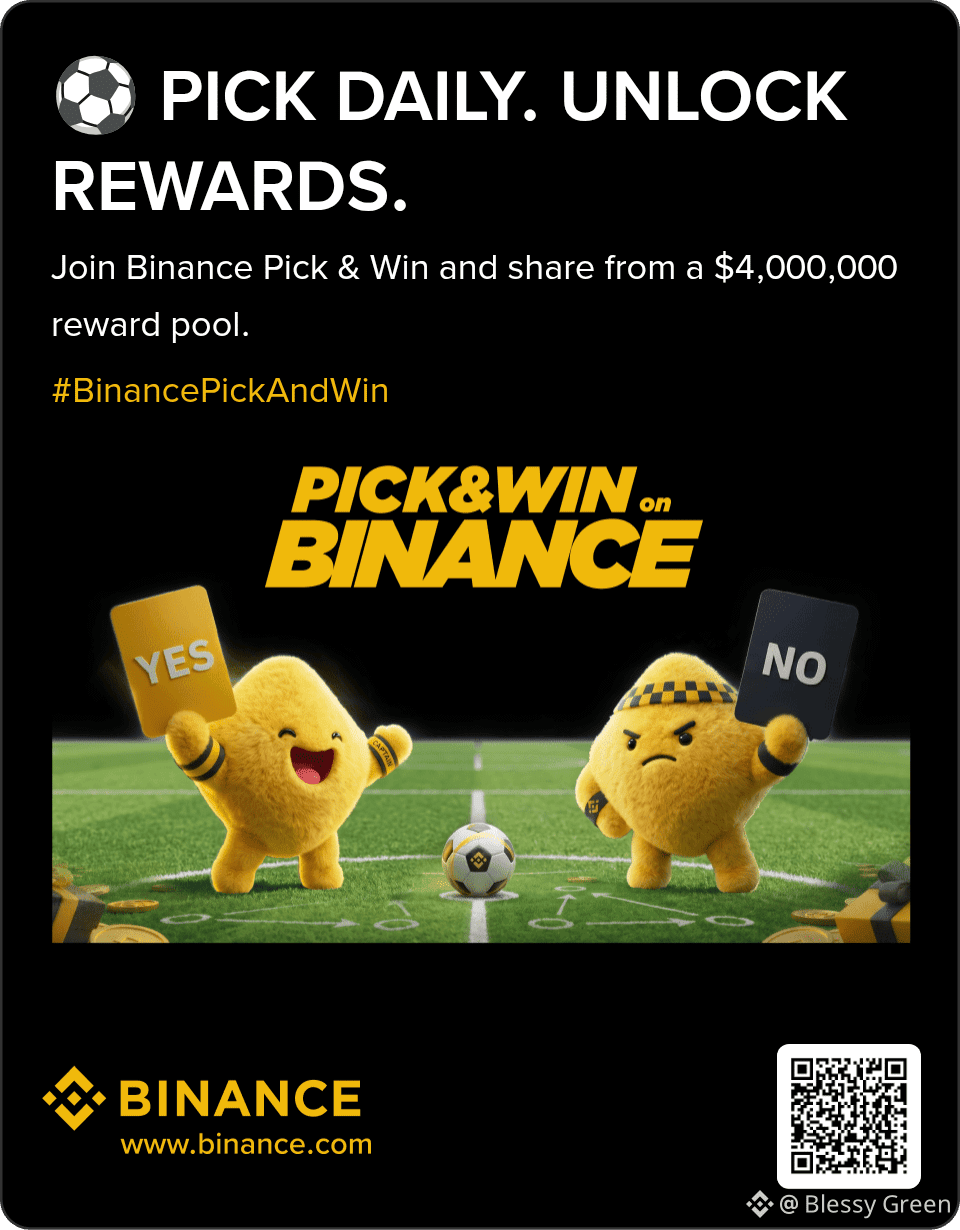
#BinancePickAndWin
フットボールは才能だけではありません。大切なのは人としての在り方です。私たちを最も鼓舞するのは、勝利の後も謙虚でいられること、すべての相手を尊重すること、そして試合終了のホイッスルまで戦い続けること。その真のチャンピオンは、ゴールだけでなく規律によって築かれます。
どの試合も、チームワークが利己心に勝り、継続が言い訳に勝ち、レジリエンスが挫折を逆転へ変えることを思い出させてくれます。最強の選手はプレッシャーを恐れません。むしろそれを糧にして強くなり、模範を示して導きます。
情熱を持ってプレーし、誠実さをもって競い、あなたの人柄がスコアボードよりもさらに輝くようにしましょう。素晴らしいフットボールは忘れられない瞬間を生みますが、偉大な人間性は永く語り継がれる伝説を生みます。 ⚽🔥#FOOTBALLCHALLANGE2026 #BinancePickAndWin
#BinancePickAndWin
フットボールは才能だけではありません。大切なのは人としての在り方です。私たちを最も鼓舞するのは、勝利の後も謙虚でいられること、すべての相手を尊重すること、そして試合終了のホイッスルまで戦い続けること。その真のチャンピオンは、ゴールだけでなく規律によって築かれます。
どの試合も、チームワークが利己心に勝り、継続が言い訳に勝ち、レジリエンスが挫折を逆転へ変えることを思い出させてくれます。最強の選手はプレッシャーを恐れません。むしろそれを糧にして強くなり、模範を示して導きます。
情熱を持ってプレーし、誠実さをもって競い、あなたの人柄がスコアボードよりもさらに輝くようにしましょう。素晴らしいフットボールは忘れられない瞬間を生みますが、偉大な人間性は永く語り継がれる伝説を生みます。 ⚽🔥#FOOTBALLCHALLANGE2026 #BinancePickAndWin
フットボールは才能だけではありません。大切なのは人としての在り方です。私たちを最も鼓舞するのは、勝利の後も謙虚でいられること、すべての相手を尊重すること、そして試合終了のホイッスルまで戦い続けること。その真のチャンピオンは、ゴールだけでなく規律によって築かれます。
どの試合も、チームワークが利己心に勝り、継続が言い訳に勝ち、レジリエンスが挫折を逆転へ変えることを思い出させてくれます。最強の選手はプレッシャーを恐れません。むしろそれを糧にして強くなり、模範を示して導きます。
情熱を持ってプレーし、誠実さをもって競い、あなたの人柄がスコアボードよりもさらに輝くようにしましょう。素晴らしいフットボールは忘れられない瞬間を生みますが、偉大な人間性は永く語り継がれる伝説を生みます。 ⚽🔥#FOOTBALLCHALLANGE2026 #BinancePickAndWin
70
·
--
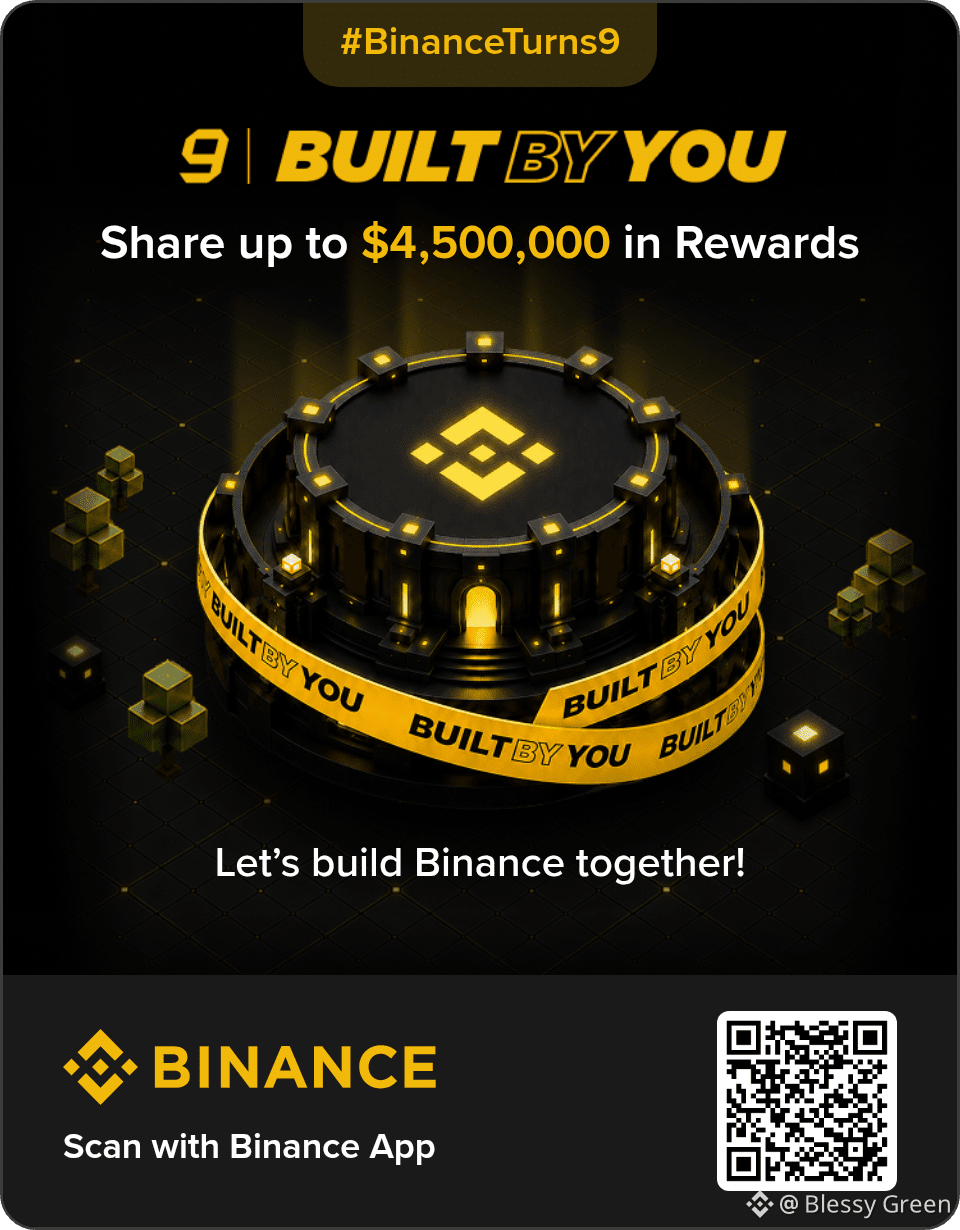
#BinanceTurns9 Binance、9周年—あなたと共に
Binance 9周年おめでとう!🎉 Binanceコミュニティ全体が、革新・セキュリティ・成長・繁栄をさらに続けていけることを願っています。世界中の何百万人もの人々に力を与えてくれてありがとう。これからも成功を重ねる多くの年に乾杯!🚀 #BinanceTurns9
#BinanceTurns9 Binance、9周年—あなたと共に
Binance 9周年おめでとう!🎉 Binanceコミュニティ全体が、革新・セキュリティ・成長・繁栄をさらに続けていけることを願っています。世界中の何百万人もの人々に力を与えてくれてありがとう。これからも成功を重ねる多くの年に乾杯!🚀 #BinanceTurns9
Binance 9周年おめでとう!🎉 Binanceコミュニティ全体が、革新・セキュリティ・成長・繁栄をさらに続けていけることを願っています。世界中の何百万人もの人々に力を与えてくれてありがとう。これからも成功を重ねる多くの年に乾杯!🚀 #BinanceTurns9
2
·
--
#BinancePickAndWin Footballはゴールやトロフィー以上のもの——それは人間性を問うテストだ。偉大な選手は、その才能だけでなく、逆境に直面したときの規律、謙虚さ、そして揺るがぬ決意によって記憶される。真のチャンピオンは、誰も見ていないときも努力を続け、周りが諦めても集中を保つ。 ⚽🔥#BinancePickAndAndWin
すべての試合が教訓を与えてくれる。利己心よりもチームワーク、言い訳よりも粘り強さ、恐れよりも勇気だ。勝っていても負けていても、あなたの姿勢があなた自身を決める。サッカーと同じように、人生の成功は継続的な努力、失敗からの学び、そして向上を求める歩みを止めないことから生まれる。 🏆💪
偉大さへの道は、1回のトレーニング、1つの課題、そして1つの勝利を積み重ねて作られる。目標にコミットし、プロセスを信じ、前へ進み続けよう。人間性こそが、可能性を達成へと変え、夢を現実にする。 🌟⚽ #BinancePickAndAndWin
#BinancePickAndWin Footballはゴールやトロフィー以上のもの——それは人間性を問うテストだ。偉大な選手は、その才能だけでなく、逆境に直面したときの規律、謙虚さ、そして揺るがぬ決意によって記憶される。真のチャンピオンは、誰も見ていないときも努力を続け、周りが諦めても集中を保つ。 ⚽🔥#BinancePickAndAndWin
すべての試合が教訓を与えてくれる。利己心よりもチームワーク、言い訳よりも粘り強さ、恐れよりも勇気だ。勝っていても負けていても、あなたの姿勢があなた自身を決める。サッカーと同じように、人生の成功は継続的な努力、失敗からの学び、そして向上を求める歩みを止めないことから生まれる。 🏆💪
偉大さへの道は、1回のトレーニング、1つの課題、そして1つの勝利を積み重ねて作られる。目標にコミットし、プロセスを信じ、前へ進み続けよう。人間性こそが、可能性を達成へと変え、夢を現実にする。 🌟⚽ #BinancePickAndAndWin
すべての試合が教訓を与えてくれる。利己心よりもチームワーク、言い訳よりも粘り強さ、恐れよりも勇気だ。勝っていても負けていても、あなたの姿勢があなた自身を決める。サッカーと同じように、人生の成功は継続的な努力、失敗からの学び、そして向上を求める歩みを止めないことから生まれる。 🏆💪
偉大さへの道は、1回のトレーニング、1つの課題、そして1つの勝利を積み重ねて作られる。目標にコミットし、プロセスを信じ、前へ進み続けよう。人間性こそが、可能性を達成へと変え、夢を現実にする。 🌟⚽ #BinancePickAndAndWin
5
·
--
#BinancePickAndWin フットボールはゴールやトロフィー以上のもの——それは「人間性」のゲームだ。偉大な選手は、誰も見ていないときに規律を示し、勝利のときには謙虚さを持ち、敗北のときには粘り強さを見せる。才能は試合を勝たせることがあっても、人間性がレガシーを築き、世界中のファンの世代にまで感動と刺激を与える。⚽🔥
すべてのトレーニング、すべての挫折、そしてすべてのカムバックが、選手のマインドセットを形づくる。私たちが称えるチャンピオンとは、しばしば、条件が不利なときでも決して諦めない人たちだ。ピッチでの成功は、コミットメント、継続性、そして毎日改善し続ける勇気から始まる。
あなたがサッカーファンでも、選手でも、投資家でも、教訓は同じだ——長い目で状況を見つめよう。スキルを磨き、プロセスを信じ、学びを止めないこと。偉大な達成は、一歩ずつ積み重ねてこそ手に入る。🌍🏆
#BinancePickAndWin
#BinancePickAndWin フットボールはゴールやトロフィー以上のもの——それは「人間性」のゲームだ。偉大な選手は、誰も見ていないときに規律を示し、勝利のときには謙虚さを持ち、敗北のときには粘り強さを見せる。才能は試合を勝たせることがあっても、人間性がレガシーを築き、世界中のファンの世代にまで感動と刺激を与える。⚽🔥
すべてのトレーニング、すべての挫折、そしてすべてのカムバックが、選手のマインドセットを形づくる。私たちが称えるチャンピオンとは、しばしば、条件が不利なときでも決して諦めない人たちだ。ピッチでの成功は、コミットメント、継続性、そして毎日改善し続ける勇気から始まる。
あなたがサッカーファンでも、選手でも、投資家でも、教訓は同じだ——長い目で状況を見つめよう。スキルを磨き、プロセスを信じ、学びを止めないこと。偉大な達成は、一歩ずつ積み重ねてこそ手に入る。🌍🏆
#BinancePickAndWin
すべてのトレーニング、すべての挫折、そしてすべてのカムバックが、選手のマインドセットを形づくる。私たちが称えるチャンピオンとは、しばしば、条件が不利なときでも決して諦めない人たちだ。ピッチでの成功は、コミットメント、継続性、そして毎日改善し続ける勇気から始まる。
あなたがサッカーファンでも、選手でも、投資家でも、教訓は同じだ——長い目で状況を見つめよう。スキルを磨き、プロセスを信じ、学びを止めないこと。偉大な達成は、一歩ずつ積み重ねてこそ手に入る。🌍🏆
#BinancePickAndWin
7
·
--
暗号資産業界は、単なる取引や投機の枠を超えて進化し続けており、AIを活用したエコシステムはWeb3における最も強力な物語のひとつになりつつあります。エコシステムの成長、提携、そしてコミュニティの採用がどのように広がっていくのかを見守るのは、今後数年で大変楽しみです。強いコミュニティと継続的なビルダーは、ブロックチェーン分野で最大の長期的インパクトを生み出すことが多いのです。
暗号資産業界は、単なる取引や投機の枠を超えて進化し続けており、AIを活用したエコシステムはWeb3における最も強力な物語のひとつになりつつあります。エコシステムの成長、提携、そしてコミュニティの採用がどのように広がっていくのかを見守るのは、今後数年で大変楽しみです。強いコミュニティと継続的なビルダーは、ブロックチェーン分野で最大の長期的インパクトを生み出すことが多いのです。
143
·
--
#openledger $OPEN Binance Squareで、3つの段落に分けてオリジナルのコンテンツを少なくとも1つ投稿してください。投稿ではプロジェクトアカウント @Openledger に言及する必要があります
AIの未来は、エコシステムに実データ、知性、価値を提供する人々に報酬を与えるプロジェクトが担うでしょう。@Openledger は、分散型AIとデータ所有を共に機能させることで、コミュニティの参加を増やし、すべてを中央集権的なプラットフォームに委ねないための興味深い土台を築いています。ユーザーがネットワークそのものの一部になるほど、イノベーションはより速く成長します。
@Openledger の際立つ点の1つは、AI開発のためのオープンなインフラを作ることにあり、透明性と貢献に基づく成長を後押ししていることです。AIの導入が世界的に広がるにつれ、分散型システムは、公平性、スケーラビリティ、そして長期的な持続可能性にとって欠かせないものになるかもしれません。この領域で早期に取り組むプロジェクトは、次世代のデジタル経済を形作る可能性があります。$OPEN
#openledger $OPEN Binance Squareで、3つの段落に分けてオリジナルのコンテンツを少なくとも1つ投稿してください。投稿ではプロジェクトアカウント @OpenLedger に言及する必要があります
AIの未来は、エコシステムに実データ、知性、価値を提供する人々に報酬を与えるプロジェクトが担うでしょう。@OpenLedger は、分散型AIとデータ所有を共に機能させることで、コミュニティの参加を増やし、すべてを中央集権的なプラットフォームに委ねないための興味深い土台を築いています。ユーザーがネットワークそのものの一部になるほど、イノベーションはより速く成長します。
@OpenLedger の際立つ点の1つは、AI開発のためのオープンなインフラを作ることにあり、透明性と貢献に基づく成長を後押ししていることです。AIの導入が世界的に広がるにつれ、分散型システムは、公平性、スケーラビリティ、そして長期的な持続可能性にとって欠かせないものになるかもしれません。この領域で早期に取り組むプロジェクトは、次世代のデジタル経済を形作る可能性があります。$OPEN
AIの未来は、エコシステムに実データ、知性、価値を提供する人々に報酬を与えるプロジェクトが担うでしょう。@OpenLedger は、分散型AIとデータ所有を共に機能させることで、コミュニティの参加を増やし、すべてを中央集権的なプラットフォームに委ねないための興味深い土台を築いています。ユーザーがネットワークそのものの一部になるほど、イノベーションはより速く成長します。
@OpenLedger の際立つ点の1つは、AI開発のためのオープンなインフラを作ることにあり、透明性と貢献に基づく成長を後押ししていることです。AIの導入が世界的に広がるにつれ、分散型システムは、公平性、スケーラビリティ、そして長期的な持続可能性にとって欠かせないものになるかもしれません。この領域で早期に取り組むプロジェクトは、次世代のデジタル経済を形作る可能性があります。$OPEN
82
·
--
#openledger $OPEN 分散型AIの台頭が、ブロックチェーン業界全体に新たなイノベーションの波を生み出しており、@Openledger は世界中の開発者やWeb3コミュニティから注目を集めるプロジェクトの1つになりつつあります。AIインフラと分散型の透明性を組み合わせることに重点を置くことで、エコシステムには強い長期ビジョンがあります。$OPEN
信頼できるAIシステムへの需要が高まり続ける中、オープンで検証可能、かつコミュニティ主導のデータネットワークを提供できるプロジェクトは、技術の未来において大きな役割を果たす可能性があります。@Openledger は、ブロックチェーンのユーティリティとインテリジェントなデータソリューション、そしてスケーラブルなインフラをつなぐことで、その方向性に取り組んでいます。
現在、多くのクリプトユーザーが誇大宣伝を超えて、実用的なユースケースと持続可能なエコシステムを備えたプロジェクトに注目しています。分散型AIやデータの所有権に対する関心が高まる中、@Openledger は Web3 開発の次の段階に、意味のある貢献を果たし得るプロジェクトとして位置づけられています。$OPEN
#openledger
#openledger $OPEN 分散型AIの台頭が、ブロックチェーン業界全体に新たなイノベーションの波を生み出しており、@OpenLedger は世界中の開発者やWeb3コミュニティから注目を集めるプロジェクトの1つになりつつあります。AIインフラと分散型の透明性を組み合わせることに重点を置くことで、エコシステムには強い長期ビジョンがあります。$OPEN
信頼できるAIシステムへの需要が高まり続ける中、オープンで検証可能、かつコミュニティ主導のデータネットワークを提供できるプロジェクトは、技術の未来において大きな役割を果たす可能性があります。@OpenLedger は、ブロックチェーンのユーティリティとインテリジェントなデータソリューション、そしてスケーラブルなインフラをつなぐことで、その方向性に取り組んでいます。
現在、多くのクリプトユーザーが誇大宣伝を超えて、実用的なユースケースと持続可能なエコシステムを備えたプロジェクトに注目しています。分散型AIやデータの所有権に対する関心が高まる中、@OpenLedger は Web3 開発の次の段階に、意味のある貢献を果たし得るプロジェクトとして位置づけられています。$OPEN
#openledger
信頼できるAIシステムへの需要が高まり続ける中、オープンで検証可能、かつコミュニティ主導のデータネットワークを提供できるプロジェクトは、技術の未来において大きな役割を果たす可能性があります。@OpenLedger は、ブロックチェーンのユーティリティとインテリジェントなデータソリューション、そしてスケーラブルなインフラをつなぐことで、その方向性に取り組んでいます。
現在、多くのクリプトユーザーが誇大宣伝を超えて、実用的なユースケースと持続可能なエコシステムを備えたプロジェクトに注目しています。分散型AIやデータの所有権に対する関心が高まる中、@OpenLedger は Web3 開発の次の段階に、意味のある貢献を果たし得るプロジェクトとして位置づけられています。$OPEN
#openledger
74
·
--
PIXEL$PIXEL #pixel
1. Pixelsエコシステムの強みは、そのゲームだけではありません。積み重なった経済圏です。ファーミング、クエスト、土地の活用、プレイヤーの所有権、そしてトークンのインセンティブを、ひとつの“生きているデジタルな世界”として統合しています。
2. Pixelsが唯一無二なのは、エコシステムの循環設計にあります。リソースは集められ、クラフトされ、取引され、再投資されます。孤立したゲーム報酬ではなく、経済的なループが生まれます。
3. PIXELトークンは単なる報酬資産以上の役割を果たします。ガバナンス、ユーティリティ、アップグレード、そしてエコシステム内でのより深い参加を支え、プロジェクトにより強固な長期的な構造をもたらします。
PIXEL
$PIXEL #pixel
1. Pixelsエコシステムの強みは、そのゲームだけではありません。積み重なった経済圏です。ファーミング、クエスト、土地の活用、プレイヤーの所有権、そしてトークンのインセンティブを、ひとつの“生きているデジタルな世界”として統合しています。
2. Pixelsが唯一無二なのは、エコシステムの循環設計にあります。リソースは集められ、クラフトされ、取引され、再投資されます。孤立したゲーム報酬ではなく、経済的なループが生まれます。
3. PIXELトークンは単なる報酬資産以上の役割を果たします。ガバナンス、ユーティリティ、アップグレード、そしてエコシステム内でのより深い参加を支え、プロジェクトにより強固な長期的な構造をもたらします。
1. Pixelsエコシステムの強みは、そのゲームだけではありません。積み重なった経済圏です。ファーミング、クエスト、土地の活用、プレイヤーの所有権、そしてトークンのインセンティブを、ひとつの“生きているデジタルな世界”として統合しています。
2. Pixelsが唯一無二なのは、エコシステムの循環設計にあります。リソースは集められ、クラフトされ、取引され、再投資されます。孤立したゲーム報酬ではなく、経済的なループが生まれます。
3. PIXELトークンは単なる報酬資産以上の役割を果たします。ガバナンス、ユーティリティ、アップグレード、そしてエコシステム内でのより深い参加を支え、プロジェクトにより強固な長期的な構造をもたらします。
56
·
--
#pixel $PIXEL @pixels の強さは、ゲームプレイだけではありません。リソース・ループ、土地の利便性、プレイヤーが所有する経済圏、そしてトークンのインセンティブを通じて、エコシステムが価値を積み重ね続ける仕組みにあります。 $pixelは、ファーミング、クラフティング、ガバナンスの可能性、そしてエコシステムへの参加を、多くのGameFiプロジェクトがまだ実現できていない形でつなげます。 #pixel
注目すべきは、@pixels が、ユーザーが単なるプレイヤーではなく、ネットワーク活動への貢献者にもなるような“積み重ね型の経済”を継続的に構築している点です。採用が広がるにつれ、$pixelは、デジタル所有、進行、そしてトークン需要が交差する領域で、積み重ねられたエコシステム全体にユーティリティを拡張することで恩恵を受ける可能性があります。 #pixel
私は@pixels をゲームの物語以上のものとして見ています。つまり、エンゲージメント、生産性、そしてコミュニティが互いを強化し合う発展中のオンチェーン・エコシステムを示しています。この“積み重ね型”のモデルが複利のように伸び続けるなら、$PIXEL lはブロックチェーン・ゲームにおけるより強力なエコシステム・トークンの1つになるかもしれません。 $PIXEL #pixel
#pixel $PIXEL @Pixels の強さは、ゲームプレイだけではありません。リソース・ループ、土地の利便性、プレイヤーが所有する経済圏、そしてトークンのインセンティブを通じて、エコシステムが価値を積み重ね続ける仕組みにあります。 $pixelは、ファーミング、クラフティング、ガバナンスの可能性、そしてエコシステムへの参加を、多くのGameFiプロジェクトがまだ実現できていない形でつなげます。 #pixel
注目すべきは、@Pixels が、ユーザーが単なるプレイヤーではなく、ネットワーク活動への貢献者にもなるような“積み重ね型の経済”を継続的に構築している点です。採用が広がるにつれ、$pixelは、デジタル所有、進行、そしてトークン需要が交差する領域で、積み重ねられたエコシステム全体にユーティリティを拡張することで恩恵を受ける可能性があります。 #pixel
私は@Pixels をゲームの物語以上のものとして見ています。つまり、エンゲージメント、生産性、そしてコミュニティが互いを強化し合う発展中のオンチェーン・エコシステムを示しています。この“積み重ね型”のモデルが複利のように伸び続けるなら、$PIXEL lはブロックチェーン・ゲームにおけるより強力なエコシステム・トークンの1つになるかもしれません。 $PIXEL #pixel
注目すべきは、@Pixels が、ユーザーが単なるプレイヤーではなく、ネットワーク活動への貢献者にもなるような“積み重ね型の経済”を継続的に構築している点です。採用が広がるにつれ、$pixelは、デジタル所有、進行、そしてトークン需要が交差する領域で、積み重ねられたエコシステム全体にユーティリティを拡張することで恩恵を受ける可能性があります。 #pixel
私は@Pixels をゲームの物語以上のものとして見ています。つまり、エンゲージメント、生産性、そしてコミュニティが互いを強化し合う発展中のオンチェーン・エコシステムを示しています。この“積み重ね型”のモデルが複利のように伸び続けるなら、$PIXEL lはブロックチェーン・ゲームにおけるより強力なエコシステム・トークンの1つになるかもしれません。 $PIXEL #pixel
75
·
--
#pixel $PIXEL 農業ゲームから多層的なエコシステムへと進化している@pixels Watchingのは、私が $pixels に注目している理由です。ゲームプレイ、資源経済、プレイヤー所有の進行、そしてエコシステム拡張の融合によって、Pixels は典型的な GameFi プロジェクトよりも深みを持っています。ユーティリティ、コミュニティ、そして持続可能なトークン設計がともに成長するとき、真の価値が生まれる可能性があります。#pixel $PIXEL
もうひとつ、私が @pixels is $pixel に強気な理由は、その多層的なエコシステムが単なるゲームプレイループではなく、参加を通じて拡張できるデジタル経済だからです。プレイヤーが生産、取引、進行に貢献すると、エコシステムはより強固になります。@pixels is は $pixel を単なるトークン以上のものとして位置づけています—成長するメタバース型経済全体をつなぐ調整レイヤーになり得ます。
注目すべきなのは、@pixels が単一機能の製品ではなく、相互につながった世界を作り続けている点です—土地、クラフト、ソーシャル層、そしてトークンのユーティリティが互いに補強し合う構図です。採用が続き、エコシステムが複利的に拡大すれば、$pixel は多くの人が早い段階で見落としがちなネットワーク効果の恩恵を受けるかもしれません。#pixel $PIXEL
#pixel $PIXEL 農業ゲームから多層的なエコシステムへと進化している@Pixels Watchingのは、私が $pixels に注目している理由です。ゲームプレイ、資源経済、プレイヤー所有の進行、そしてエコシステム拡張の融合によって、Pixels は典型的な GameFi プロジェクトよりも深みを持っています。ユーティリティ、コミュニティ、そして持続可能なトークン設計がともに成長するとき、真の価値が生まれる可能性があります。#pixel $PIXEL
もうひとつ、私が @Pixels is $pixel に強気な理由は、その多層的なエコシステムが単なるゲームプレイループではなく、参加を通じて拡張できるデジタル経済だからです。プレイヤーが生産、取引、進行に貢献すると、エコシステムはより強固になります。@Pixels is は $pixel を単なるトークン以上のものとして位置づけています—成長するメタバース型経済全体をつなぐ調整レイヤーになり得ます。
注目すべきなのは、@Pixels が単一機能の製品ではなく、相互につながった世界を作り続けている点です—土地、クラフト、ソーシャル層、そしてトークンのユーティリティが互いに補強し合う構図です。採用が続き、エコシステムが複利的に拡大すれば、$pixel は多くの人が早い段階で見落としがちなネットワーク効果の恩恵を受けるかもしれません。#pixel $PIXEL
もうひとつ、私が @Pixels is $pixel に強気な理由は、その多層的なエコシステムが単なるゲームプレイループではなく、参加を通じて拡張できるデジタル経済だからです。プレイヤーが生産、取引、進行に貢献すると、エコシステムはより強固になります。@Pixels is は $pixel を単なるトークン以上のものとして位置づけています—成長するメタバース型経済全体をつなぐ調整レイヤーになり得ます。
注目すべきなのは、@Pixels が単一機能の製品ではなく、相互につながった世界を作り続けている点です—土地、クラフト、ソーシャル層、そしてトークンのユーティリティが互いに補強し合う構図です。採用が続き、エコシステムが複利的に拡大すれば、$pixel は多くの人が早い段階で見落としがちなネットワーク効果の恩恵を受けるかもしれません。#pixel $PIXEL
72
·
--
記事
PIXELトークン
#PİXEL
The Pixelsエコシステムは、従来型のWeb3ゲームの枠を大きく超えて進化し、あらゆる行動に価値・意味・影響が宿る、フルスタックのデジタル経済へと変わりつつあります。この仕組みの中心にあるのが@pixelsであり、プレイヤーが単に遊ぶだけでなく、探検、創造、所有、ガバナンスを通じて経済を能動的に形作れるような、相互につながった世界を構築しています。
最も興味深い点:
Web3ゲームの未来は、楽しさと財務的ロジックの両方を維持できるプロジェクトに属していきます。@undefined は、アクセスしやすさと奥深さを組み合わせることで、カジュアルなプレイヤーから真剣にエコシステムへ参加する層まで惹きつける存在としてすでにその姿を見せています。
PIXEL
トークン
#PİXEL
The Pixelsエコシステムは、従来型のWeb3ゲームの枠を大きく超えて進化し、あらゆる行動に価値・意味・影響が宿る、フルスタックのデジタル経済へと変わりつつあります。この仕組みの中心にあるのが@pixelsであり、プレイヤーが単に遊ぶだけでなく、探検、創造、所有、ガバナンスを通じて経済を能動的に形作れるような、相互につながった世界を構築しています。
最も興味深い点:
Web3ゲームの未来は、楽しさと財務的ロジックの両方を維持できるプロジェクトに属していきます。@undefined は、アクセスしやすさと奥深さを組み合わせることで、カジュアルなプレイヤーから真剣にエコシステムへ参加する層まで惹きつける存在としてすでにその姿を見せています。
#PİXEL
The Pixelsエコシステムは、従来型のWeb3ゲームの枠を大きく超えて進化し、あらゆる行動に価値・意味・影響が宿る、フルスタックのデジタル経済へと変わりつつあります。この仕組みの中心にあるのが@pixelsであり、プレイヤーが単に遊ぶだけでなく、探検、創造、所有、ガバナンスを通じて経済を能動的に形作れるような、相互につながった世界を構築しています。
最も興味深い点:
Web3ゲームの未来は、楽しさと財務的ロジックの両方を維持できるプロジェクトに属していきます。@undefined は、アクセスしやすさと奥深さを組み合わせることで、カジュアルなプレイヤーから真剣にエコシステムへ参加する層まで惹きつける存在としてすでにその姿を見せています。
·
--
#pixel $PIXEL @pixels が単なるゲーム以上のものを作っていることを探る――農業、プレイヤー所有の経済、ギルドの連携、そしてトークンの実用性が $PIXEL を通じてつながる、積み重なったエコシステムを構築している。#pixel の長期的な強さは、単なる誇大宣伝ではなく、エコシステムの深さから生まれるのかもしれない。ゲーム内での実需と持続可能な循環を備えた Web3 プロジェクトは際立っている。
@pixels の面白い点は、$PIXEL がゲームプレイの報酬、土地の生産性、クラフトの循環、そしてコミュニティ参加をひとつの経済層に結びつけていることだ。普及が続き、より強い実用性とともに積み重なったエコシステムが拡大すれば、#pixel は投機を超えて実際のデジタル経済へと向かうブロックチェーンゲームの強力な例となるかもしれない。
#pixel $PIXEL @pixels が単なるゲーム以上のものを作っていることを探る――農業、プレイヤー所有の経済、ギルドの連携、そしてトークンの実用性が $PIXEL を通じてつながる、積み重なったエコシステムを構築している。#pixel の長期的な強さは、単なる誇大宣伝ではなく、エコシステムの深さから生まれるのかもしれない。ゲーム内での実需と持続可能な循環を備えた Web3 プロジェクトは際立っている。
@pixels の面白い点は、$PIXEL がゲームプレイの報酬、土地の生産性、クラフトの循環、そしてコミュニティ参加をひとつの経済層に結びつけていることだ。普及が続き、より強い実用性とともに積み重なったエコシステムが拡大すれば、#pixel は投機を超えて実際のデジタル経済へと向かうブロックチェーンゲームの強力な例となるかもしれない。
@pixels の面白い点は、$PIXEL がゲームプレイの報酬、土地の生産性、クラフトの循環、そしてコミュニティ参加をひとつの経済層に結びつけていることだ。普及が続き、より強い実用性とともに積み重なったエコシステムが拡大すれば、#pixel は投機を超えて実際のデジタル経済へと向かうブロックチェーンゲームの強力な例となるかもしれない。
36
ログインして、さらにコンテンツを読む
厳選トピックで世界の暗号資産トレーダーの仲間入り
⚡️ 暗号資産に関する最新かつ有益な情報が見つかります。
💬 世界最大の暗号資産取引所から信頼されています。
👍 認証を受けたクリエイターから、有益なインサイトを得られます。
メール / 電話番号