
Muhammad Amir Hamza 1122
37 投稿

Muhammad Amir Hamza 1122
報告
ユーザーをブロック
取引を発注
超高頻度トレーダー
5.4年
206 フォロー
33 フォロワー
10 いいね
投稿
ポートフォリオ
すべて
引用
ライブ
記事
翻訳参照
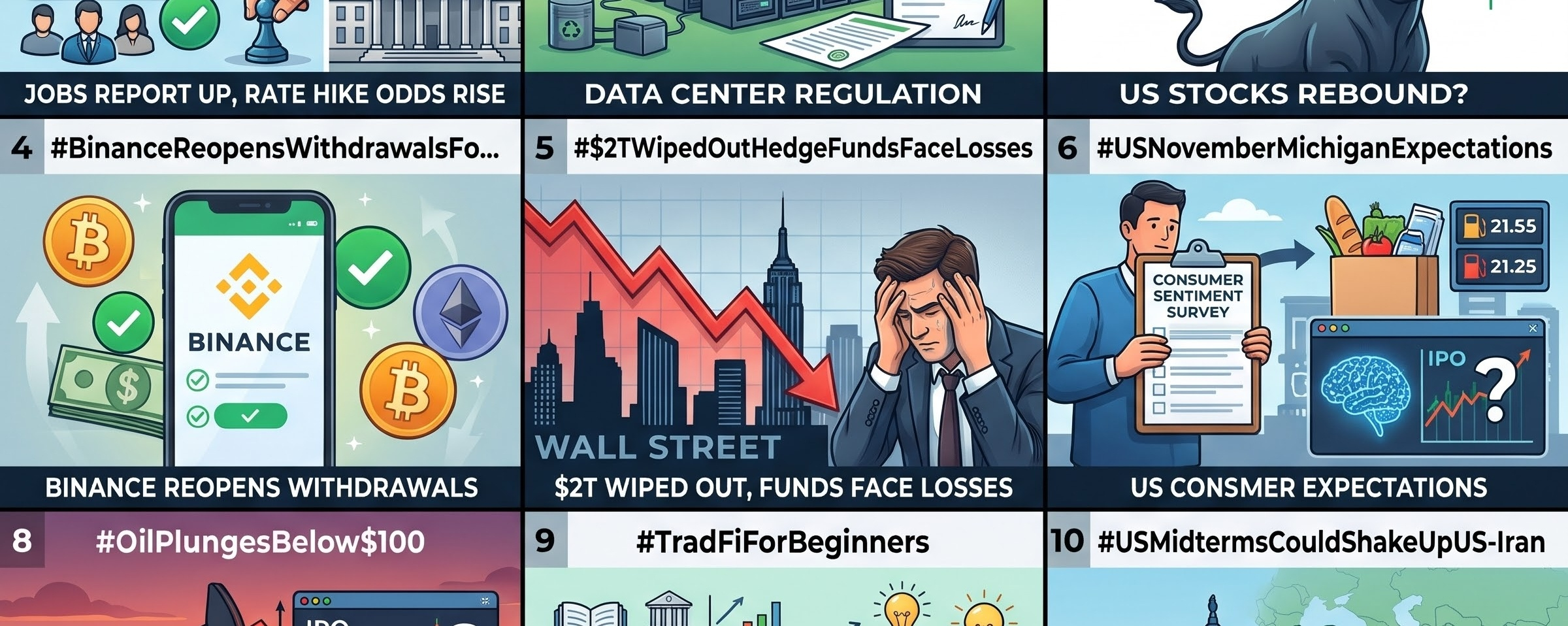
Job Report#JobsReportRaisesHikeOdds
Meaning & Context: A stronger-than-expected US Non-Farm Payrolls (NFP) or employment report suggests the labor market remains hot. When job growth and wages exceed forecasts, it raises inflation concerns, leading financial markets to price in higher odds of interest rate hikes (or delayed rate cuts) by the Federal Reserve.
Job Report
#JobsReportRaisesHikeOdds
Meaning & Context: A stronger-than-expected US Non-Farm Payrolls (NFP) or employment report suggests the labor market remains hot. When job growth and wages exceed forecasts, it raises inflation concerns, leading financial markets to price in higher odds of interest rate hikes (or delayed rate cuts) by the Federal Reserve.
Meaning & Context: A stronger-than-expected US Non-Farm Payrolls (NFP) or employment report suggests the labor market remains hot. When job growth and wages exceed forecasts, it raises inflation concerns, leading financial markets to price in higher odds of interest rate hikes (or delayed rate cuts) by the Federal Reserve.
48

記事
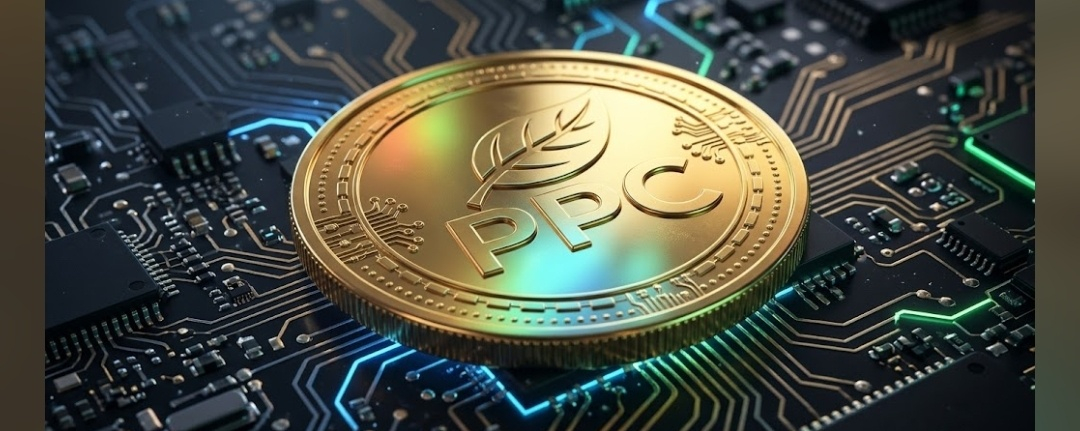
PPCコインの発行現在はPeercoinとして広く知られ、ティッカーシンボルPPCで取引されているPPCoinは、ブロックチェーンの歴史において基盤となる存在です。2012年8月、ペンネームで活動する開発者Sunny KingとScott Nadalが画期的な論文「PPCoin: Peer-to-Peer Crypto-Currency with Proof-of-Stake」を通じて発表し、プルーフ・オブ・ステーク(PoS)コンセンサスを実装した世界初の暗号資産となりました。
ビットコインはプルーフ・オブ・ワーク(PoW)を用いた分散型通貨の先駆けとなりましたが、膨大なエネルギー消費やハッシュパワーの集中に対する脆弱性への懸念を引き起こしました。PPCoinはハイブリッドモデルを考案してこうした欠点に対処し、EthereumやCardanoのような現代のエネルギー効率に優れたネットワークの青写真を築きました。
PPCコインの発行
現在はPeercoinとして広く知られ、ティッカーシンボルPPCで取引されているPPCoinは、ブロックチェーンの歴史において基盤となる存在です。2012年8月、ペンネームで活動する開発者Sunny KingとScott Nadalが画期的な論文「PPCoin: Peer-to-Peer Crypto-Currency with Proof-of-Stake」を通じて発表し、プルーフ・オブ・ステーク(PoS)コンセンサスを実装した世界初の暗号資産となりました。
ビットコインはプルーフ・オブ・ワーク(PoW)を用いた分散型通貨の先駆けとなりましたが、膨大なエネルギー消費やハッシュパワーの集中に対する脆弱性への懸念を引き起こしました。PPCoinはハイブリッドモデルを考案してこうした欠点に対処し、EthereumやCardanoのような現代のエネルギー効率に優れたネットワークの青写真を築きました。
ビットコインはプルーフ・オブ・ワーク(PoW)を用いた分散型通貨の先駆けとなりましたが、膨大なエネルギー消費やハッシュパワーの集中に対する脆弱性への懸念を引き起こしました。PPCoinはハイブリッドモデルを考案してこうした欠点に対処し、EthereumやCardanoのような現代のエネルギー効率に優れたネットワークの青写真を築きました。
70
·
--
ブリッシュ
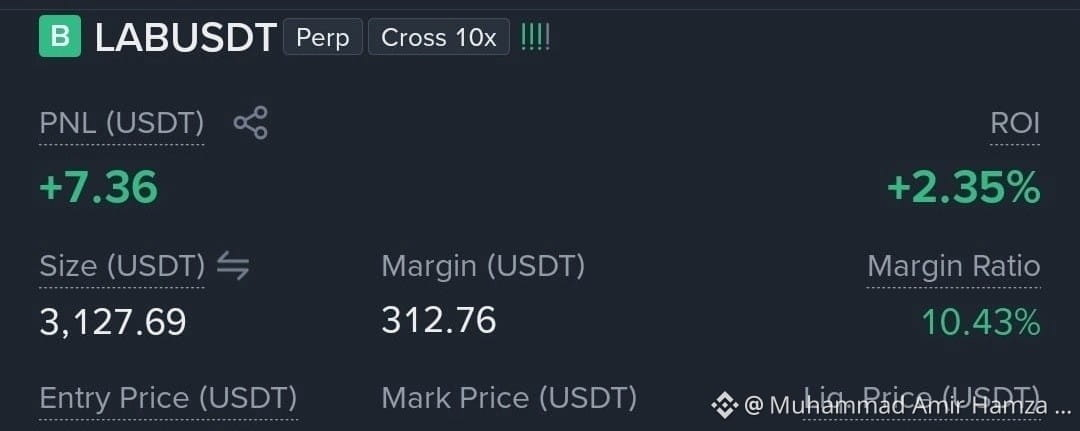
LAB Coin($LAB)を理解する:アーキテクチャ、エコシステム、市場での役割
$LABトークンは、分散型金融(DeFi)トレーダー向けに設計された、オールインワンのマルチチェーン取引インフラプラットフォームであるLABエコシステムの中核となるユーティリティおよびガバナンス資産です。分散型取引所(DEX)のアグリゲーション、高速執行ツール、ソーシャルトレード機能を統一されたインターフェースに集約することで、LABは断片化したブロックチェーンネットワーク間で一般的に生じる摩擦の解消を目指しています。
1. LABプラットフォームとは?
従来のオンチェーン取引では、チャート分析、スワップのアグリゲーション、ブリッジ、コピートレードのために、ユーザーが別々の分散型アプリケーション(dApps)を使い分ける必要があることが少なくありません。LABは、機関投資家向けの高度な取引ツールを、一般ユーザーにも使いやすい形で提供することで、この断片化に対処します。
1秒未満の執行:取引のルーティングを最適化し、スリッページ、フロントランニング、最大抽出可能価値(MEV)を利用した攻撃を最小限に抑えます。
オムニチャネルアクセス:ブラウザー拡張機能、モバイルアプリ、高速なTelegram取引ボットなど、複数のフロントエンドから利用できます。
クロスチェーン相互運用性:BNB Smart Chain(BSC)、Ethereumをはじめとする主要なエコシステムや、その他の主要なレイヤー1およびレイヤー2ネットワーク間で流動性をつなぎます。
2. トークンのユーティリティと経済設計
$LABトークンは、取引エコシステム全体の経済的なエンジンであると同時に、関係者の利害を一致させる仕組みとして機能します。
手数料の割引:$LABを保有またはステーキングすると、取引オーバーレイやボット環境での取引手数料およびスワップ手数料が割引されます。
インセンティブと拡散の仕組み:ユーザーは、取引量の達成目標、紹介ネットワーク、エコシステムへの参加キャンペーンを通じて報酬を獲得できます。
プラットフォームのガバナンス:トークン保有者は、サポート対象チェーン、収益分配、手数料体系など、プロトコルに関する意思決定に参加できます。
プレミアムツールへのアクセス:自動スナイパーボット、コピートレードの追跡、スマートマネーのウォレットに関するリアルタイムアラートなど、高度な取引機能を優先的に利用できます。
30
記事
LABコインLAB Coin($LAB)を理解する:アーキテクチャ、エコシステム、市場での役割
LABトークン($LAB)は、分散型金融(DeFi)トレーダー向けに設計された、オールインワンのマルチチェーン取引インフラプラットフォームであるLABエコシステムの中核を担うユーティリティ兼ガバナンス資産です。分散型取引所(DEX)のアグリゲーション、高速な取引執行ツール、ソーシャルトレードの仕組みを統一されたインターフェースに集約することで、LABは分断されたブロックチェーンネットワーク間でよく生じる摩擦の解消を目指しています。
LABコイン
LAB Coin($LAB )を理解する:アーキテクチャ、エコシステム、市場での役割
LABトークン($LAB )は、分散型金融(DeFi)トレーダー向けに設計された、オールインワンのマルチチェーン取引インフラプラットフォームであるLABエコシステムの中核を担うユーティリティ兼ガバナンス資産です。分散型取引所(DEX)のアグリゲーション、高速な取引執行ツール、ソーシャルトレードの仕組みを統一されたインターフェースに集約することで、LABは分断されたブロックチェーンネットワーク間でよく生じる摩擦の解消を目指しています。
LABトークン($LAB )は、分散型金融(DeFi)トレーダー向けに設計された、オールインワンのマルチチェーン取引インフラプラットフォームであるLABエコシステムの中核を担うユーティリティ兼ガバナンス資産です。分散型取引所(DEX)のアグリゲーション、高速な取引執行ツール、ソーシャルトレードの仕組みを統一されたインターフェースに集約することで、LABは分断されたブロックチェーンネットワーク間でよく生じる摩擦の解消を目指しています。
1.2k
記事
翻訳参照
BNB Good crypto AssetsBeyond the Exchange: Why BNB Remains Crypto’s Premier Utility Powerhouse
BNB has undergone one of the most remarkable evolutions in digital asset history. Originally launched in 2017 as a simple platform token providing trading fee discounts on Binance, it has matured into the operational lifeblood of a multi-chain decentralized computing network and a staple top-tier cryptocurrency by market capitalization.
While many altcoins struggle to maintain continuous on-chain usage outside of speculative market cycles, BNB is backed by organic, daily economic demand. The long-term bullish investment thesis for BNB rests on five foundational pillars: robust supply deflation, dual-engine utility, technical scalability, ecosystem expansion, and institutional integration.
1. Deflationary Supply Architecture
BNB operates under one of the most rigorous and automated token burn models in the blockchain sector:
Quarterly Auto-Burn: Rather than relying on arbitrary administrative decisions, BNB employs an objective, transparent algorithm that calculates quarterly burns based on real-time token pricing and network block production. The target is fixed: systematically reduce the circulating supply from its original 200 million down to a hard ceiling of 100 million.
BEP-95 Real-Time Burns: Similar to Ethereum’s EIP-1559, a portion of all gas fees spent on BNB Smart Chain (BSC) is permanently removed from circulation in real time.
As network usage and transaction volumes grow, supply contracts faster—creating a classic economic supply squeeze.
2. The Dual-Engine Utility Flywheel
Unlike pure Layer-1 assets that depend solely on DeFi activity or pure exchange tokens dependent on centralized order books, BNB commands deep utility across both domains:
Centralized Finance (CeFi) Dominance: Holders receive reduced spot and futures trading fees, elevated VIP tier privileges, and exclusive staking yields via Binance Launchpool and Megadrop campaigns. This incentivizes long-term holders to lock up BNB, significantly thinning liquid market supply.
Decentralized Finance (DeFi) & Web3 Fuel: BNB powers transaction execution across BNB Smart Chain, the high-speed opBNB Layer-2 rollup, and Greenfield decentralized storage. Every smart contract execution, swap on protocols like PancakeSwap, or NFT transfer requires BNB for gas.
3. Continuous Infrastructure Upgrades
Rather than resting on its throughput advantage, BNB Chain continues to execute aggressive technological roadmaps:
The Pasteur Hard Fork & Scalability: Upgrades like BEP-675 (block production optimization), BEP-682 (enhanced cross-chain bridge security), and BEP-695 (validator governance safeguards) have bolstered network integrity and resistance against systemic exploits.
opBNB Layer 2: Built on the Optimism OP Stack, opBNB delivers sub-cent gas fees and thousands of transactions per second (TPS), making the ecosystem uniquely suited for micro-transactions, on-chain gaming, and social applications.
4. Convergence with AI and Real-World Assets (RWAs)
BNB Chain has strategically positioned itself at the cutting edge of machine-to-machine commerce and traditional asset integration:
AI Agent Tooling: Through developer tools like the BNBAgent SDK and Machine Payments Protocol (MPP), autonomous AI agents can natively settle micro-invoices and access Web3 infrastructure using BNB and network stablecoins.
Tokenized RWAs: From tokenized precious metals like Tether Gold (XAU₮) to on-chain credit and money-market instruments, BNB Chain's minimal transfer costs have made it a preferred venue for scalable asset settlement.
5. Institutional Legitimacy and Market Resilience
BNB has demonstrated historical resilience during market downturns, consistently recovering faster than most large-cap alternatives due to sustained exchange volumes and burn rates. With regulatory clarity improving globally and institutional investment managers expanding structured products beyond Bitcoin and Ethereum, BNB remains at the forefront of diversified institutional altcoin demand.
Key Takeaway
BNB is not merely a speculative asset; it is an active engine of crypto commerce. Supported by a shrinking circulating supply, multi-chain transaction demand, and unmatched exchange integration, BNB continues to solidify its position as one of the most enduring, value-capturing assets in the digital economy. $BNB $
BNB Good crypto Assets
Beyond the Exchange: Why BNB Remains Crypto’s Premier Utility Powerhouse
BNB has undergone one of the most remarkable evolutions in digital asset history. Originally launched in 2017 as a simple platform token providing trading fee discounts on Binance, it has matured into the operational lifeblood of a multi-chain decentralized computing network and a staple top-tier cryptocurrency by market capitalization.
While many altcoins struggle to maintain continuous on-chain usage outside of speculative market cycles, BNB is backed by organic, daily economic demand. The long-term bullish investment thesis for BNB rests on five foundational pillars: robust supply deflation, dual-engine utility, technical scalability, ecosystem expansion, and institutional integration.
1. Deflationary Supply Architecture
BNB operates under one of the most rigorous and automated token burn models in the blockchain sector:
Quarterly Auto-Burn: Rather than relying on arbitrary administrative decisions, BNB employs an objective, transparent algorithm that calculates quarterly burns based on real-time token pricing and network block production. The target is fixed: systematically reduce the circulating supply from its original 200 million down to a hard ceiling of 100 million.
BEP-95 Real-Time Burns: Similar to Ethereum’s EIP-1559, a portion of all gas fees spent on BNB Smart Chain (BSC) is permanently removed from circulation in real time.
As network usage and transaction volumes grow, supply contracts faster—creating a classic economic supply squeeze.
2. The Dual-Engine Utility Flywheel
Unlike pure Layer-1 assets that depend solely on DeFi activity or pure exchange tokens dependent on centralized order books, BNB commands deep utility across both domains:
Centralized Finance (CeFi) Dominance: Holders receive reduced spot and futures trading fees, elevated VIP tier privileges, and exclusive staking yields via Binance Launchpool and Megadrop campaigns. This incentivizes long-term holders to lock up BNB, significantly thinning liquid market supply.
Decentralized Finance (DeFi) & Web3 Fuel: BNB powers transaction execution across BNB Smart Chain, the high-speed opBNB Layer-2 rollup, and Greenfield decentralized storage. Every smart contract execution, swap on protocols like PancakeSwap, or NFT transfer requires BNB for gas.
3. Continuous Infrastructure Upgrades
Rather than resting on its throughput advantage, BNB Chain continues to execute aggressive technological roadmaps:
The Pasteur Hard Fork & Scalability: Upgrades like BEP-675 (block production optimization), BEP-682 (enhanced cross-chain bridge security), and BEP-695 (validator governance safeguards) have bolstered network integrity and resistance against systemic exploits.
opBNB Layer 2: Built on the Optimism OP Stack, opBNB delivers sub-cent gas fees and thousands of transactions per second (TPS), making the ecosystem uniquely suited for micro-transactions, on-chain gaming, and social applications.
4. Convergence with AI and Real-World Assets (RWAs)
BNB Chain has strategically positioned itself at the cutting edge of machine-to-machine commerce and traditional asset integration:
AI Agent Tooling: Through developer tools like the BNBAgent SDK and Machine Payments Protocol (MPP), autonomous AI agents can natively settle micro-invoices and access Web3 infrastructure using BNB and network stablecoins.
Tokenized RWAs: From tokenized precious metals like Tether Gold (XAU₮) to on-chain credit and money-market instruments, BNB Chain's minimal transfer costs have made it a preferred venue for scalable asset settlement.
5. Institutional Legitimacy and Market Resilience
BNB has demonstrated historical resilience during market downturns, consistently recovering faster than most large-cap alternatives due to sustained exchange volumes and burn rates. With regulatory clarity improving globally and institutional investment managers expanding structured products beyond Bitcoin and Ethereum, BNB remains at the forefront of diversified institutional altcoin demand.
Key Takeaway
BNB is not merely a speculative asset; it is an active engine of crypto commerce. Supported by a shrinking circulating supply, multi-chain transaction demand, and unmatched exchange integration, BNB continues to solidify its position as one of the most enduring, value-capturing assets in the digital economy. $BNB $
1
·
--
ブリッシュ
翻訳参照
The Maturing Giant: Why the Long-Term Case for Cryptocurrency Has Never Been Stronger
The cryptocurrency ecosystem is undergoing a fundamental transformation: shifting away from short-term retail hype toward durable, utility-driven financial infrastructure. What began as an experimental digital currency movement has rapidly evolved into an institutional-grade asset class backed by technological innovation, regulatory maturity, and real-world utility.
1. From Speculation to Institutional Legitimacy
For years, skeptics questioned whether digital assets could sit comfortably alongside equities, real estate, and government bonds. Today, that debate is settling. The widespread adoption of spot exchange-traded funds (ETFs) and regulated investment products has opened the floodgates for sovereign wealth funds, pension funds, and asset managers.
Institutional participation has permanently altered market mechanics. Rather than relying solely on momentum-driven retail trading, the market now benefits from deep custodial solutions, structured liquidity, and rigorous risk frameworks that provide long-term stability and resilience.
2. The Tokenization of Real-World Assets (RWAs)
One of the most powerful bullish tailwinds for blockchain technology is Real-World Asset (RWA) tokenization. Major global financial institutions are moving beyond pilot programs to bring traditional financial instruments directly onto distributed ledgers:
Treasuries & Bonds: Multi-billion-dollar sovereign debt issuances are being settled on-chain to slash transaction costs and eliminate clearing delays.
Private Credit & Real Estate: Tokenized shares of illiquid assets provide fractional ownership, giving investors global liquidity without traditional intermediaries.
Capital Efficiency: By moving assets onto programmable smart contract rails, 24/7 instant settlement replaces archaic two-day (T+2) clearing cycles.
Blockchain is no longer competing with traditional finance—it is becoming its operating layer.
3. Clearer Regulatory Frameworks Replace Uncertainty
Early cryptocurrency cycles were
67
🎙️ 税币时代来临,抓住BSC蝴蝶平台的红利。马斯克火星狗狗币Marvin,燃烧=投资建厂,永久性收益分红,跟上这波热度起飞🛫
終了
02 時間 22 分 45 秒
3.6k
7
25
#BinancePick 世界でも非常に優れた制作です。暗号資産についてさらに多くのことを知ることができます ❤️
#BinancePick 世界でも非常に優れた制作です。暗号資産についてさらに多くのことを知ることができます ❤️
64
記事
情熱があれば、Binaceで毎回大きな未受領ギフトを手に入れられます#SwedishCentralBankUrgesEKronaReview とても素晴らしいプロジェクト
情熱があれば、Binaceで毎回大きな未受領ギフトを手に入れられます
#SwedishCentralBankUrgesEKronaReview とても素晴らしいプロジェクト
431
翻訳参照
Good
Good


Kripto Kurdu
·
--
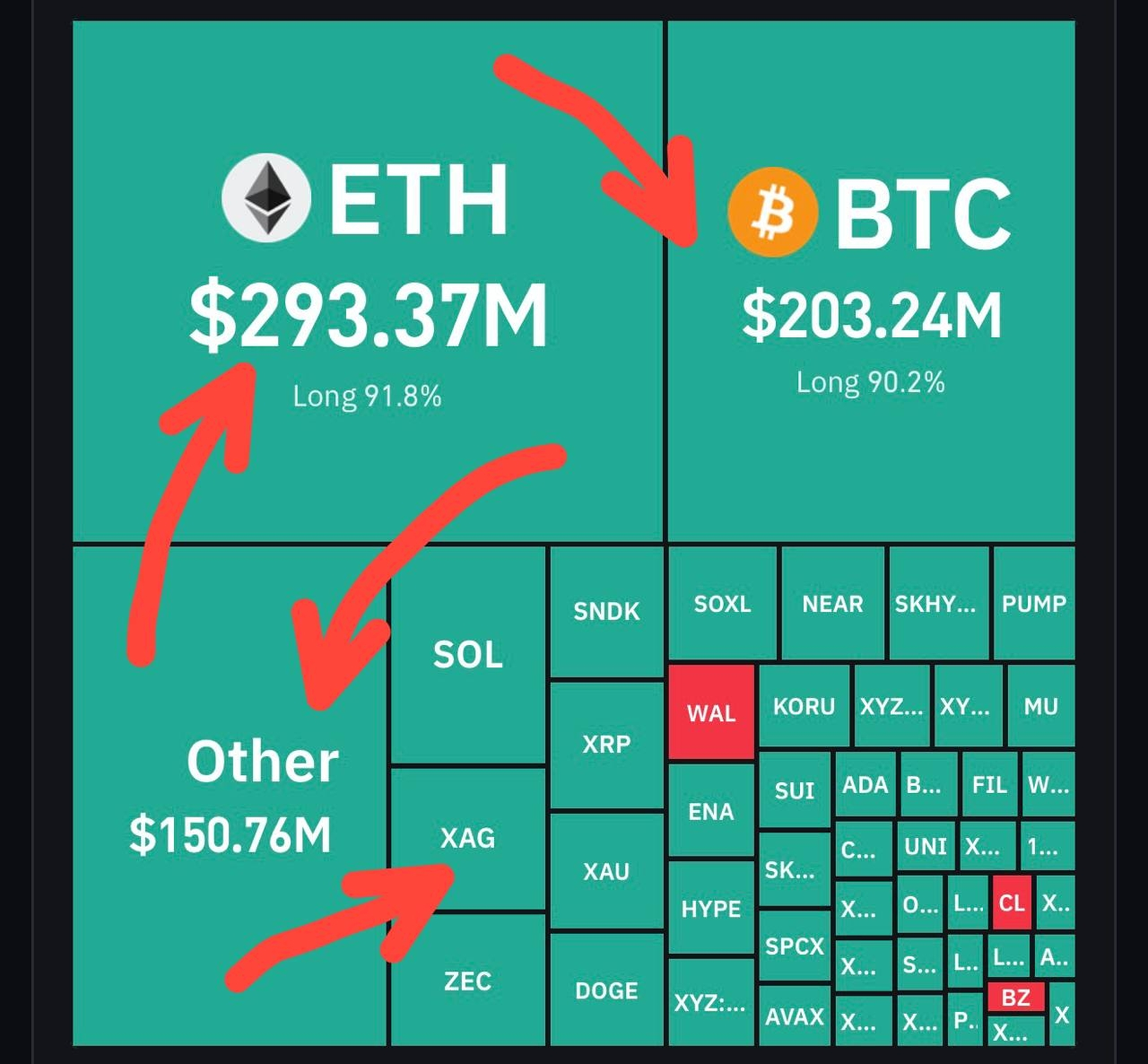
$BTC が急落、清算額は10億ドル超!
ここ数時間で、#Bitcoin は約8万3,000ドルから8万700ドルまで下落しました。米国のインフレ関連データが、この下落に大きく影響したようです。
NASDAQの下落も暗号資産市場に大きな影響を与えています。ただし、ここでのデータは少し異例です。$ETH ではビットコインとほぼ同規模の清算が発生しており、さまざまなアルトコインの上昇に備えてポジションを取る人が依然として多いことを示しています。
この1か月ほど、私たちはこの水準付近で上下を繰り返しており、そのたびに大規模な清算が発生しています。さらに意外なことに、$XAG (銀)でも大規模な清算が起き始めています。
今後もこうした往来相場が続くため、慎重に行動するのが賢明です。清算主導の値動きなので、リスク管理を徹底しましょう。DYOR(ご自身で調査してください)!
·
--
弱気相場
翻訳参照
All Scam newer trust 😭 i loss my All Assets
All Scam newer trust 😭 i loss my All Assets
2
ログインして、さらにコンテンツを読む
厳選トピックで世界の暗号資産トレーダーの仲間入り
⚡️ 暗号資産に関する最新かつ有益な情報が見つかります。
💬 世界最大の暗号資産取引所から信頼されています。
👍 認証を受けたクリエイターから、有益なインサイトを得られます。
メール / 電話番号