

Oluwatosinsneh
47 投稿
Oluwatosinsneh
報告
ユーザーをブロック
BP-54BA64DE3F41
59 フォロー
33 フォロワー
90 いいね
投稿
すべて
引用
本人確認中
$INJ は Solana 上のネイティブ SPL トークンとして今ライブになりました。つまり、Raydium、Jupiter、Pump.fun、そして Solana の他のリテール向けの仕組みが、ブリッジなしでそれに触れられるということです。
そのうえで、$INJ は Pump.fun、LaunchOnSF、Meteora にまたがるローンチペアリング・アセットとして作られました。新しいトークン、ミーム、さらにはトークン化された株式までもが、INJ とペアでローンチできます。
これは直接的で、繰り返し発生する需要の吸収(デマンド・シンク)です。
$INJ は私にとって、いまでも $8 で過小評価されています
$INJ は Solana 上のネイティブ SPL トークンとして今ライブになりました。つまり、Raydium、Jupiter、Pump.fun、そして Solana の他のリテール向けの仕組みが、ブリッジなしでそれに触れられるということです。
そのうえで、$INJ は Pump.fun、LaunchOnSF、Meteora にまたがるローンチペアリング・アセットとして作られました。新しいトークン、ミーム、さらにはトークン化された株式までもが、INJ とペアでローンチできます。
これは直接的で、繰り返し発生する需要の吸収(デマンド・シンク)です。
$INJ は私にとって、いまでも $8 で過小評価されています
そのうえで、$INJ は Pump.fun、LaunchOnSF、Meteora にまたがるローンチペアリング・アセットとして作られました。新しいトークン、ミーム、さらにはトークン化された株式までもが、INJ とペアでローンチできます。
これは直接的で、繰り返し発生する需要の吸収(デマンド・シンク)です。
$INJ は私にとって、いまでも $8 で過小評価されています
Oluwatosinsneh
·
--
The Fed just delivered its first rate hike since 2023.
On September 16, the FOMC voted 12-0 to raise the federal funds target range by 25 basis points to 3.75%–4.00%. That follows a long pause: rates were held at 3.50%–3.75% through the June and July meetings (and earlier 2026 meetings as well). Markets had largely priced the move in.
The statement was short and pointed. Activity is expanding at a solid pace, the labor market is holding up, productivity and investment look strong—but inflation remains elevated. The Committee said the hike is meant to support a more timely return to the 2% goal and added, “The Committee will deliver price stability.”
This is the first major policy move under Chair Kevin Warsh. The updated dot plot shows most participants seeing at least one more increase by year-end, with a minority open to two. That is the new reference point: after an extended hold, the Fed is willing to tighten again while the economy still has room and inflation has not rolled over.
Will further hikes materialize? The data will decide. Resilient demand and still-high inflation give the Committee cover to stay restrictive. A sharper slowdown in jobs or a clear cooling in prices would quickly reopen the debate. The October and December meetings are now live.
For markets, the message is straightforward: the pause is over, and the path of least resistance for policy is no longer “hold and hope.”
On September 16, the FOMC voted 12-0 to raise the federal funds target range by 25 basis points to 3.75%–4.00%. That follows a long pause: rates were held at 3.50%–3.75% through the June and July meetings (and earlier 2026 meetings as well). Markets had largely priced the move in.
The statement was short and pointed. Activity is expanding at a solid pace, the labor market is holding up, productivity and investment look strong—but inflation remains elevated. The Committee said the hike is meant to support a more timely return to the 2% goal and added, “The Committee will deliver price stability.”
This is the first major policy move under Chair Kevin Warsh. The updated dot plot shows most participants seeing at least one more increase by year-end, with a minority open to two. That is the new reference point: after an extended hold, the Fed is willing to tighten again while the economy still has room and inflation has not rolled over.
Will further hikes materialize? The data will decide. Resilient demand and still-high inflation give the Committee cover to stay restrictive. A sharper slowdown in jobs or a clear cooling in prices would quickly reopen the debate. The October and December meetings are now live.
For markets, the message is straightforward: the pause is over, and the path of least resistance for policy is no longer “hold and hope.”
1
2
171
翻訳参照
The Fed just delivered its first rate hike since 2023.
On September 16, the FOMC voted 12-0 to raise the federal funds target range by 25 basis points to 3.75%–4.00%. That follows a long pause: rates were held at 3.50%–3.75% through the June and July meetings (and earlier 2026 meetings as well). Markets had largely priced the move in.
The statement was short and pointed. Activity is expanding at a solid pace, the labor market is holding up, productivity and investment look strong—but inflation remains elevated. The Committee said the hike is meant to support a more timely return to the 2% goal and added, “The Committee will deliver price stability.”
This is the first major policy move under Chair Kevin Warsh. The updated dot plot shows most participants seeing at least one more increase by year-end, with a minority open to two. That is the new reference point: after an extended hold, the Fed is willing to tighten again while the economy still has room and inflation has not rolled over.
Will further hikes materialize? The data will decide. Resilient demand and still-high inflation give the Committee cover to stay restrictive. A sharper slowdown in jobs or a clear cooling in prices would quickly reopen the debate. The October and December meetings are now live.
For markets, the message is straightforward: the pause is over, and the path of least resistance for policy is no longer “hold and hope.”
The Fed just delivered its first rate hike since 2023.
On September 16, the FOMC voted 12-0 to raise the federal funds target range by 25 basis points to 3.75%–4.00%. That follows a long pause: rates were held at 3.50%–3.75% through the June and July meetings (and earlier 2026 meetings as well). Markets had largely priced the move in.
The statement was short and pointed. Activity is expanding at a solid pace, the labor market is holding up, productivity and investment look strong—but inflation remains elevated. The Committee said the hike is meant to support a more timely return to the 2% goal and added, “The Committee will deliver price stability.”
This is the first major policy move under Chair Kevin Warsh. The updated dot plot shows most participants seeing at least one more increase by year-end, with a minority open to two. That is the new reference point: after an extended hold, the Fed is willing to tighten again while the economy still has room and inflation has not rolled over.
Will further hikes materialize? The data will decide. Resilient demand and still-high inflation give the Committee cover to stay restrictive. A sharper slowdown in jobs or a clear cooling in prices would quickly reopen the debate. The October and December meetings are now live.
For markets, the message is straightforward: the pause is over, and the path of least resistance for policy is no longer “hold and hope.”
On September 16, the FOMC voted 12-0 to raise the federal funds target range by 25 basis points to 3.75%–4.00%. That follows a long pause: rates were held at 3.50%–3.75% through the June and July meetings (and earlier 2026 meetings as well). Markets had largely priced the move in.
The statement was short and pointed. Activity is expanding at a solid pace, the labor market is holding up, productivity and investment look strong—but inflation remains elevated. The Committee said the hike is meant to support a more timely return to the 2% goal and added, “The Committee will deliver price stability.”
This is the first major policy move under Chair Kevin Warsh. The updated dot plot shows most participants seeing at least one more increase by year-end, with a minority open to two. That is the new reference point: after an extended hold, the Fed is willing to tighten again while the economy still has room and inflation has not rolled over.
Will further hikes materialize? The data will decide. Resilient demand and still-high inflation give the Committee cover to stay restrictive. A sharper slowdown in jobs or a clear cooling in prices would quickly reopen the debate. The October and December meetings are now live.
For markets, the message is straightforward: the pause is over, and the path of least resistance for policy is no longer “hold and hope.”
1
1
76
𝗪𝗵𝗶𝗹𝗲 𝗕𝗶𝘁𝗰𝗼𝗶𝗻 𝗯𝗲𝗻𝗲𝗳𝗶𝘁𝘀 𝗳𝗿𝗼𝗺 𝗶𝗻𝘀𝘁𝗶𝘁𝘂𝘁𝗶𝗼𝗻𝗮𝗹 𝗿𝗲𝗰𝗼𝗴𝗻𝗶𝘁𝗶𝗼𝗻 𝘂𝗻𝗱𝗲𝗿 𝘁𝗵𝗲 𝗖𝗟𝗔𝗥𝗜𝗧𝗬 𝗔𝗰𝘁’𝘀 𝗰𝗹𝗲𝗮𝗿 𝗿𝗲𝗴𝘂𝗹𝗮𝘁𝗼𝗿𝘆 𝗯𝗼𝘂𝗻𝗱𝗮𝗿𝗶𝗲𝘀, 𝘁𝗵𝗲 𝗹𝗲𝗴𝗶𝘀𝗹𝗮𝘁𝗶𝗼𝗻 𝗰𝗮𝗻 𝗼𝗳𝗳𝗲𝗿 𝗮𝗻 𝗲𝘃𝗲𝗻 𝗺𝗼𝗿𝗲 𝗲𝘅𝗽𝗹𝗼𝘀𝗶𝘃𝗲 𝘀𝘁𝗿𝘂𝗰𝘁𝘂𝗿𝗮𝗹 𝘁𝗮𝗶𝗹𝘄𝗶𝗻𝗱 𝗳𝗼𝗿 𝗮𝗻 𝗮𝗹𝘁𝗰𝗼𝗶𝗻 𝗲𝗰𝗼𝘀𝘆𝘀𝘁𝗲𝗺 𝗹𝗶𝗸𝗲 𝗜𝗻𝗷𝗲𝗰𝘁𝗶𝘃𝗲 $INJ 𝗳𝗼𝗿 𝘀𝗲𝘃𝗲𝗿𝗮𝗹 𝗸𝗲𝘆 𝗿𝗲𝗮𝘀𝗼𝗻𝘀:
𝗟𝗲𝗴𝗮𝗹 𝗦𝗮𝗳𝗲 𝗛𝗮𝗿𝗯𝗼𝗿𝘀 𝗳𝗼𝗿 𝗗𝗲𝗙𝗶
The bill incorporates the Blockchain Regulatory Certainty Act, protecting non-custodial developers, open-source code, and decentralized applications.
This shields $INJ ’s underlying infrastructure and on-chain builders from retroactive enforcement actions.
𝗨𝗻𝗹𝗼𝗰𝗸𝗶𝗻𝗴 𝗜𝗻𝘀𝘁𝗶𝘁𝘂𝘁𝗶𝗼𝗻𝗮𝗹 𝗗𝗲𝗿𝗶𝘃𝗮𝘁𝗶𝘃𝗲𝘀 & 𝗥𝗲𝗮𝗹-𝗪𝗼𝗿𝗹𝗱 𝗔𝘀𝘀𝗲𝘁𝘀 (𝗥𝗪𝗔𝘀)
{spot}(INJUSDT)
As an interoperable layer-one optimized for finance and high-speed Web3 modules, regulatory green-lights for decentralized exchanges, advanced order books, and tokenized securities clear the path for heavy institutional capital deployment directly into $INJ -based protocols.
𝗖𝗹𝗲𝗮𝗿𝗶𝗻𝗴 𝘁𝗵𝗲 “𝗗𝗜𝗡𝗢” 𝗜𝗺𝗽𝗮𝘀𝘀𝗲
By setting strict criteria for genuine decentralization, the legislation validates true smart-contract networks, allowing utility-driven tokens with established on-chain economies to transition out of regulatory limbo faster than centralized alternatives.
𝗪𝗵𝗶𝗹𝗲 𝗕𝗶𝘁𝗰𝗼𝗶𝗻 𝗯𝗲𝗻𝗲𝗳𝗶𝘁𝘀 𝗳𝗿𝗼𝗺 𝗶𝗻𝘀𝘁𝗶𝘁𝘂𝘁𝗶𝗼𝗻𝗮𝗹 𝗿𝗲𝗰𝗼𝗴𝗻𝗶𝘁𝗶𝗼𝗻 𝘂𝗻𝗱𝗲𝗿 𝘁𝗵𝗲 𝗖𝗟𝗔𝗥𝗜𝗧𝗬 𝗔𝗰𝘁’𝘀 𝗰𝗹𝗲𝗮𝗿 𝗿𝗲𝗴𝘂𝗹𝗮𝘁𝗼𝗿𝘆 𝗯𝗼𝘂𝗻𝗱𝗮𝗿𝗶𝗲𝘀, 𝘁𝗵𝗲 𝗹𝗲𝗴𝗶𝘀𝗹𝗮𝘁𝗶𝗼𝗻 𝗰𝗮𝗻 𝗼𝗳𝗳𝗲𝗿 𝗮𝗻 𝗲𝘃𝗲𝗻 𝗺𝗼𝗿𝗲 𝗲𝘅𝗽𝗹𝗼𝘀𝗶𝘃𝗲 𝘀𝘁𝗿𝘂𝗰𝘁𝘂𝗿𝗮𝗹 𝘁𝗮𝗶𝗹𝘄𝗶𝗻𝗱 𝗳𝗼𝗿 𝗮𝗻 𝗮𝗹𝘁𝗰𝗼𝗶𝗻 𝗲𝗰𝗼𝘀𝘆𝘀𝘁𝗲𝗺 𝗹𝗶𝗸𝗲 𝗜𝗻𝗷𝗲𝗰𝘁𝗶𝘃𝗲 $INJ 𝗳𝗼𝗿 𝘀𝗲𝘃𝗲𝗿𝗮𝗹 𝗸𝗲𝘆 𝗿𝗲𝗮𝘀𝗼𝗻𝘀:
𝗟𝗲𝗴𝗮𝗹 𝗦𝗮𝗳𝗲 𝗛𝗮𝗿𝗯𝗼𝗿𝘀 𝗳𝗼𝗿 𝗗𝗲𝗙𝗶
The bill incorporates the Blockchain Regulatory Certainty Act, protecting non-custodial developers, open-source code, and decentralized applications.
This shields $INJ ’s underlying infrastructure and on-chain builders from retroactive enforcement actions.
𝗨𝗻𝗹𝗼𝗰𝗸𝗶𝗻𝗴 𝗜𝗻𝘀𝘁𝗶𝘁𝘂𝘁𝗶𝗼𝗻𝗮𝗹 𝗗𝗲𝗿𝗶𝘃𝗮𝘁𝗶𝘃𝗲𝘀 & 𝗥𝗲𝗮𝗹-𝗪𝗼𝗿𝗹𝗱 𝗔𝘀𝘀𝗲𝘁𝘀 (𝗥𝗪𝗔𝘀)
As an interoperable layer-one optimized for finance and high-speed Web3 modules, regulatory green-lights for decentralized exchanges, advanced order books, and tokenized securities clear the path for heavy institutional capital deployment directly into $INJ -based protocols.
𝗖𝗹𝗲𝗮𝗿𝗶𝗻𝗴 𝘁𝗵𝗲 “𝗗𝗜𝗡𝗢” 𝗜𝗺𝗽𝗮𝘀𝘀𝗲
By setting strict criteria for genuine decentralization, the legislation validates true smart-contract networks, allowing utility-driven tokens with established on-chain economies to transition out of regulatory limbo faster than centralized alternatives.
𝗟𝗲𝗴𝗮𝗹 𝗦𝗮𝗳𝗲 𝗛𝗮𝗿𝗯𝗼𝗿𝘀 𝗳𝗼𝗿 𝗗𝗲𝗙𝗶
The bill incorporates the Blockchain Regulatory Certainty Act, protecting non-custodial developers, open-source code, and decentralized applications.
This shields $INJ ’s underlying infrastructure and on-chain builders from retroactive enforcement actions.
𝗨𝗻𝗹𝗼𝗰𝗸𝗶𝗻𝗴 𝗜𝗻𝘀𝘁𝗶𝘁𝘂𝘁𝗶𝗼𝗻𝗮𝗹 𝗗𝗲𝗿𝗶𝘃𝗮𝘁𝗶𝘃𝗲𝘀 & 𝗥𝗲𝗮𝗹-𝗪𝗼𝗿𝗹𝗱 𝗔𝘀𝘀𝗲𝘁𝘀 (𝗥𝗪𝗔𝘀)
As an interoperable layer-one optimized for finance and high-speed Web3 modules, regulatory green-lights for decentralized exchanges, advanced order books, and tokenized securities clear the path for heavy institutional capital deployment directly into $INJ -based protocols.
𝗖𝗹𝗲𝗮𝗿𝗶𝗻𝗴 𝘁𝗵𝗲 “𝗗𝗜𝗡𝗢” 𝗜𝗺𝗽𝗮𝘀𝘀𝗲
By setting strict criteria for genuine decentralization, the legislation validates true smart-contract networks, allowing utility-driven tokens with established on-chain economies to transition out of regulatory limbo faster than centralized alternatives.


Binance News
·
--
アナリスト「CLARITY法案の成立でビットコインは20万ドルも」ただし7つの壁が残る
一部のアナリストは、CLARITY法案が成立すればビットコインが20万ドルに到達し得ると言うが、法案が上院での採決に至るまでには7つの障害がまだ残っている。BeInCryptoによると、FM Intelligenceは、ビルが11月の中間選挙前に署名されれば、今後1年でBTCは13万5,000ドルから20万ドルの範囲に入ると見ている。一方でベースケースは9万5,000ドルから13万ドルとなっている。
ビットコインは64,671ドルで取引されており、この日は0.48%高だった。記事では、この法案が米国のどの機関が暗号資産を取り締まるのかを決めることになると述べている。法案は6月1日から上院の審議リストに載っているが、採決は行われていない。
ビットコインは64,671ドルで取引されており、この日は0.48%高だった。記事では、この法案が米国のどの機関が暗号資産を取り締まるのかを決めることになると述べている。法案は6月1日から上院の審議リストに載っているが、採決は行われていない。
1
3
139
どこも赤いけど$INJ は緑💚
{spot}(INJUSDT)
買い戻しがもうすぐだからね 😉
どこも赤いけど$INJ は緑💚
買い戻しがもうすぐだからね 😉
買い戻しがもうすぐだからね 😉
1
89
🚀 $INJ /USDT 強気の継続セットアップ! 📈🔥
買い手が踏み込み、重要な節目を権威をもって防衛しています! 現在の15分足のチャート構造を見ると、$INJ はローカル安値の$5.078から強く跳ね返り、上方向に加速中です。現在は$5.429のレジスタンス帯を堅い勢い(+6.64%)でテストしています。
値動き:より低い時間軸でクリーンに切り上がる安値が着実に形成されており、短期移動平均(EMA20 & EMA50)をきれいに上抜けています。
{spot}(INJUSDT)
出来高&モメンタム:買いの圧力が供給をきれいに吸収しており、この足では強気派が強く支配していることを示しています。
注目すべき主要水準:
サポート:$5.25 - $5.33 のゾーンが強く維持。
直近の目標:$5.45をきれいに上抜ければ、次の爆発的な上方への伸びの道が開けます。
この勢いで押し目がこれほどまでに買われ続けるなら、さらに強い継続高が見られるかもしれません! 🚀
常にリスク管理を行い、必ず自己判断(DYOR)してください!
🚀 $INJ /USDT 強気の継続セットアップ! 📈🔥
買い手が踏み込み、重要な節目を権威をもって防衛しています! 現在の15分足のチャート構造を見ると、$INJ はローカル安値の$5.078から強く跳ね返り、上方向に加速中です。現在は$5.429のレジスタンス帯を堅い勢い(+6.64%)でテストしています。
値動き:より低い時間軸でクリーンに切り上がる安値が着実に形成されており、短期移動平均(EMA20 & EMA50)をきれいに上抜けています。
出来高&モメンタム:買いの圧力が供給をきれいに吸収しており、この足では強気派が強く支配していることを示しています。
注目すべき主要水準:
サポート:$5.25 - $5.33 のゾーンが強く維持。
直近の目標:$5.45をきれいに上抜ければ、次の爆発的な上方への伸びの道が開けます。
この勢いで押し目がこれほどまでに買われ続けるなら、さらに強い継続高が見られるかもしれません! 🚀
常にリスク管理を行い、必ず自己判断(DYOR)してください!
買い手が踏み込み、重要な節目を権威をもって防衛しています! 現在の15分足のチャート構造を見ると、$INJ はローカル安値の$5.078から強く跳ね返り、上方向に加速中です。現在は$5.429のレジスタンス帯を堅い勢い(+6.64%)でテストしています。
値動き:より低い時間軸でクリーンに切り上がる安値が着実に形成されており、短期移動平均(EMA20 & EMA50)をきれいに上抜けています。
出来高&モメンタム:買いの圧力が供給をきれいに吸収しており、この足では強気派が強く支配していることを示しています。
注目すべき主要水準:
サポート:$5.25 - $5.33 のゾーンが強く維持。
直近の目標:$5.45をきれいに上抜ければ、次の爆発的な上方への伸びの道が開けます。
この勢いで押し目がこれほどまでに買われ続けるなら、さらに強い継続高が見られるかもしれません! 🚀
常にリスク管理を行い、必ず自己判断(DYOR)してください!
1
115
$INJ は強気派(ブルズ)のための本格的な根拠を積み上げています!🚀
日足チャートを見ると、構造が非常に建設的に見えます。
{spot}(INJUSDT)
一貫して高値更新・安値切り上げを伴う、典型的で健全な上昇トレンドが形成されつつあります。これは、持続可能なモメンタムを追う上でまさに理想的な形です。
あの青いトレンドラインがまさに北極星のように機能しているのを見てください。価格は上向きのサポートを一貫して尊重しており、強気派がより高い水準で介入してトレンドを守り、前進を押し進めていることを示しています。
しかし、根拠はチャートだけではありません。ファンダメンタルもこの動きを後押ししています:
➢ Injectiveは最近、SECのトランスファー・エージェント登録のために申請を行いました。トークン化された証券の公式な保有記録を、オンチェーン上で直接管理するための大きな一手です。
➢ $INJ isは現在、@RobinhoodApp に正式に上場されており、個人投資家がエコシステムへのエクスポージャーを得るための門戸が大幅に広がっています。
➢ これらの米国での進展に加え、チームは同時に欧州での規制順守も推進しており、@injective を機関投資家や規制市場にとっての最高峰のインフラとして位置付けています。
私たちは目線を$5.16付近で維持しています。この構造的な健全性が保たれ、さらに採用のマイルストーンが積み上がっていく限り、最も抵抗の少ない道は上向きのトレンドになるように見えます。
All 👀 on $INJ ! 📈
$INJ は強気派(ブルズ)のための本格的な根拠を積み上げています!🚀
日足チャートを見ると、構造が非常に建設的に見えます。
一貫して高値更新・安値切り上げを伴う、典型的で健全な上昇トレンドが形成されつつあります。これは、持続可能なモメンタムを追う上でまさに理想的な形です。
あの青いトレンドラインがまさに北極星のように機能しているのを見てください。価格は上向きのサポートを一貫して尊重しており、強気派がより高い水準で介入してトレンドを守り、前進を押し進めていることを示しています。
しかし、根拠はチャートだけではありません。ファンダメンタルもこの動きを後押ししています:
➢ Injectiveは最近、SECのトランスファー・エージェント登録のために申請を行いました。トークン化された証券の公式な保有記録を、オンチェーン上で直接管理するための大きな一手です。
➢ $INJ isは現在、@RobinhoodApp に正式に上場されており、個人投資家がエコシステムへのエクスポージャーを得るための門戸が大幅に広がっています。
➢ これらの米国での進展に加え、チームは同時に欧州での規制順守も推進しており、@injective を機関投資家や規制市場にとっての最高峰のインフラとして位置付けています。
私たちは目線を$5.16付近で維持しています。この構造的な健全性が保たれ、さらに採用のマイルストーンが積み上がっていく限り、最も抵抗の少ない道は上向きのトレンドになるように見えます。
All 👀 on $INJ ! 📈
日足チャートを見ると、構造が非常に建設的に見えます。
一貫して高値更新・安値切り上げを伴う、典型的で健全な上昇トレンドが形成されつつあります。これは、持続可能なモメンタムを追う上でまさに理想的な形です。
あの青いトレンドラインがまさに北極星のように機能しているのを見てください。価格は上向きのサポートを一貫して尊重しており、強気派がより高い水準で介入してトレンドを守り、前進を押し進めていることを示しています。
しかし、根拠はチャートだけではありません。ファンダメンタルもこの動きを後押ししています:
➢ Injectiveは最近、SECのトランスファー・エージェント登録のために申請を行いました。トークン化された証券の公式な保有記録を、オンチェーン上で直接管理するための大きな一手です。
➢ $INJ isは現在、@RobinhoodApp に正式に上場されており、個人投資家がエコシステムへのエクスポージャーを得るための門戸が大幅に広がっています。
➢ これらの米国での進展に加え、チームは同時に欧州での規制順守も推進しており、@injective を機関投資家や規制市場にとっての最高峰のインフラとして位置付けています。
私たちは目線を$5.16付近で維持しています。この構造的な健全性が保たれ、さらに採用のマイルストーンが積み上がっていく限り、最も抵抗の少ない道は上向きのトレンドになるように見えます。
All 👀 on $INJ ! 📈
1
116
誇大広告の向こう側:なぜ$BNB チェーンはミームコイン開発者の「鎧」なのか 🛡️
ミームコインの状況は変わりつつあります。注目はしばしばSolanaの高速な速度に集まりますが、BNBチェーンでは静かな革命が進行中です。
それは単なるスピードの話ではありません。サステナビリティの話です。
2026年において、なぜBNBチェーンが本気のミームコイン・プロジェクトの第一選択になりつつあるのか?シンプルです。チェーンが実際に開発者を支えているからです。 🧵👇
1️⃣ 眠らないインフラ
$SOL は「ワイルド・ウェスト」ですが、BNBチェーンは「市民センター」を築いています。Four.memeのようなツールと、Binanceエコシステムへのシームレスな統合により、開発者は単にトークンを発行するのではなく、グローバルな流動性ブリッジへと資産を送り出しているのです。
2️⃣ 流動性の優位性
他のチェーンがプロジェクトを放置する一方で、BNBチェーンの流動性支援プログラム(ミームコイン・デイリー・エアドロップ・シリーズなど)は、ショックアブソーバーの役割を果たします。これは単なる「支援」ではなく、ボラティリティを安定させ、実際の投資家の信頼を築く土台です。
3️⃣ 「ジョーク」物語の先へ
BNB上の最高のプロジェクトは進化しています。「ミーム×ユーティリティ」へのシフトが見えてきます。AIエージェント、予測市場、そしてDeFiリワードを統合しているのです(あなたのことです、$MT!)。これで、24時間のポンプを24か月のプロジェクトに変えるんです。
4️⃣ シナジー > 競争
SolanaのスピードとBNBの安定性のどちらかを選ぶ必要はありません。どちらも別の役割を担っています。Solanaは高頻度の個人投機の熱狂向け。BNBチェーンは、生き残り、スケールし、世界最大級のCEXへブリッジする可能性まで見据えるプロジェクト向けです。
結論:
一過性のトレンド以上を求めるビルダーやトレーダーなら、「BNBエフェクト」は本物です。コミュニティのために自らの重みを投じるチェーンであり、次の波のバイラルトークンに向けて、より安全で、より機関投資家レベルの遊び場を生み出しています。 🚀
あなたはどう思いますか?ミームの未来は純粋な投機だけなのでしょうか、それとも「BNBサポーティブ・モデル」が新たな標準になるのでしょうか。話しましょう。 👇
#BNBChain
誇大広告の向こう側:なぜ$BNB チェーンはミームコイン開発者の「鎧」なのか 🛡️
ミームコインの状況は変わりつつあります。注目はしばしばSolanaの高速な速度に集まりますが、BNBチェーンでは静かな革命が進行中です。
それは単なるスピードの話ではありません。サステナビリティの話です。
2026年において、なぜBNBチェーンが本気のミームコイン・プロジェクトの第一選択になりつつあるのか?シンプルです。チェーンが実際に開発者を支えているからです。 🧵👇
1️⃣ 眠らないインフラ
$SOL は「ワイルド・ウェスト」ですが、BNBチェーンは「市民センター」を築いています。Four.memeのようなツールと、Binanceエコシステムへのシームレスな統合により、開発者は単にトークンを発行するのではなく、グローバルな流動性ブリッジへと資産を送り出しているのです。
2️⃣ 流動性の優位性
他のチェーンがプロジェクトを放置する一方で、BNBチェーンの流動性支援プログラム(ミームコイン・デイリー・エアドロップ・シリーズなど)は、ショックアブソーバーの役割を果たします。これは単なる「支援」ではなく、ボラティリティを安定させ、実際の投資家の信頼を築く土台です。
3️⃣ 「ジョーク」物語の先へ
BNB上の最高のプロジェクトは進化しています。「ミーム×ユーティリティ」へのシフトが見えてきます。AIエージェント、予測市場、そしてDeFiリワードを統合しているのです(あなたのことです、$MT!)。これで、24時間のポンプを24か月のプロジェクトに変えるんです。
4️⃣ シナジー > 競争
SolanaのスピードとBNBの安定性のどちらかを選ぶ必要はありません。どちらも別の役割を担っています。Solanaは高頻度の個人投機の熱狂向け。BNBチェーンは、生き残り、スケールし、世界最大級のCEXへブリッジする可能性まで見据えるプロジェクト向けです。
結論:
一過性のトレンド以上を求めるビルダーやトレーダーなら、「BNBエフェクト」は本物です。コミュニティのために自らの重みを投じるチェーンであり、次の波のバイラルトークンに向けて、より安全で、より機関投資家レベルの遊び場を生み出しています。 🚀
あなたはどう思いますか?ミームの未来は純粋な投機だけなのでしょうか、それとも「BNBサポーティブ・モデル」が新たな標準になるのでしょうか。話しましょう。 👇
#BNBChain
ミームコインの状況は変わりつつあります。注目はしばしばSolanaの高速な速度に集まりますが、BNBチェーンでは静かな革命が進行中です。
それは単なるスピードの話ではありません。サステナビリティの話です。
2026年において、なぜBNBチェーンが本気のミームコイン・プロジェクトの第一選択になりつつあるのか?シンプルです。チェーンが実際に開発者を支えているからです。 🧵👇
1️⃣ 眠らないインフラ
$SOL は「ワイルド・ウェスト」ですが、BNBチェーンは「市民センター」を築いています。Four.memeのようなツールと、Binanceエコシステムへのシームレスな統合により、開発者は単にトークンを発行するのではなく、グローバルな流動性ブリッジへと資産を送り出しているのです。
2️⃣ 流動性の優位性
他のチェーンがプロジェクトを放置する一方で、BNBチェーンの流動性支援プログラム(ミームコイン・デイリー・エアドロップ・シリーズなど)は、ショックアブソーバーの役割を果たします。これは単なる「支援」ではなく、ボラティリティを安定させ、実際の投資家の信頼を築く土台です。
3️⃣ 「ジョーク」物語の先へ
BNB上の最高のプロジェクトは進化しています。「ミーム×ユーティリティ」へのシフトが見えてきます。AIエージェント、予測市場、そしてDeFiリワードを統合しているのです(あなたのことです、$MT!)。これで、24時間のポンプを24か月のプロジェクトに変えるんです。
4️⃣ シナジー > 競争
SolanaのスピードとBNBの安定性のどちらかを選ぶ必要はありません。どちらも別の役割を担っています。Solanaは高頻度の個人投機の熱狂向け。BNBチェーンは、生き残り、スケールし、世界最大級のCEXへブリッジする可能性まで見据えるプロジェクト向けです。
結論:
一過性のトレンド以上を求めるビルダーやトレーダーなら、「BNBエフェクト」は本物です。コミュニティのために自らの重みを投じるチェーンであり、次の波のバイラルトークンに向けて、より安全で、より機関投資家レベルの遊び場を生み出しています。 🚀
あなたはどう思いますか?ミームの未来は純粋な投機だけなのでしょうか、それとも「BNBサポーティブ・モデル」が新たな標準になるのでしょうか。話しましょう。 👇
#BNBChain
1
85
落ち着いたまま待機中です。市場全体が非常にボラティリティが高く、極度の恐怖へ落ち込んでいる一方で、$SEI は静かにプレッシャーを吸収し、確かな基盤を築いています。
{spot}(SEIUSDT)
次の上昇局面に向けた直近の目標:
0.06000:これはチャート右側にある最初のローカルピークです。これをクリアすれば、短期トレンドは強気(ブル)が主導権を握り始めます。
0.07200〜0.07500:これは主要なブレイクアウトゾーンで、以前に左側で2度跳ね返されて止まった場所です。このエリアを突き抜けることが、次の大きな上昇局面を引き起こします。
注目すべき下限:
0.04500:これはチャート上で示されている強い下値(ハードボトム)です。下落局面で買い手が大きく入ってきたポイントでもあります。この水準を上回っている限り、上昇に向けた仕込みは完全にそのまま維持されます。
落ち着いたまま待機中です。市場全体が非常にボラティリティが高く、極度の恐怖へ落ち込んでいる一方で、$SEI は静かにプレッシャーを吸収し、確かな基盤を築いています。
次の上昇局面に向けた直近の目標:
0.06000:これはチャート右側にある最初のローカルピークです。これをクリアすれば、短期トレンドは強気(ブル)が主導権を握り始めます。
0.07200〜0.07500:これは主要なブレイクアウトゾーンで、以前に左側で2度跳ね返されて止まった場所です。このエリアを突き抜けることが、次の大きな上昇局面を引き起こします。
注目すべき下限:
0.04500:これはチャート上で示されている強い下値(ハードボトム)です。下落局面で買い手が大きく入ってきたポイントでもあります。この水準を上回っている限り、上昇に向けた仕込みは完全にそのまま維持されます。
次の上昇局面に向けた直近の目標:
0.06000:これはチャート右側にある最初のローカルピークです。これをクリアすれば、短期トレンドは強気(ブル)が主導権を握り始めます。
0.07200〜0.07500:これは主要なブレイクアウトゾーンで、以前に左側で2度跳ね返されて止まった場所です。このエリアを突き抜けることが、次の大きな上昇局面を引き起こします。
注目すべき下限:
0.04500:これはチャート上で示されている強い下値(ハードボトム)です。下落局面で買い手が大きく入ってきたポイントでもあります。この水準を上回っている限り、上昇に向けた仕込みは完全にそのまま維持されます。
1
188
【短期目標(今後数週間:$INJ )】
$5.50:これは最初の実質的な障壁です。価格がこれを突破し、その上に維持される必要があります。そうすることで、買い手が完全に主導権を握っていることを示せます。
$6.43:$5.50の後ろに置き去りにできるなら、これが主な目標です。これは過去の高値地点であり、それを上抜けることで、より大きな上昇の扉が開きます。
【より大きな全体像の目標(モメンタムが維持される場合)】
$7.00〜$7.35:より広い暗号資産市場が恐怖から脱して買いが入り始めるなら、このゾーンに引き寄せられていく可能性が高いです。今年の初めに、市場が一息つく前に、これらの水準に到達できることを実証していました。
【注目すべき下値ライン】
$4.45:急落が起きても、この水準を上回ったまま維持できる限り、それ以上の高い目標に向かう道は大きく開かれます。
【短期目標(今後数週間:$INJ )】
$5.50:これは最初の実質的な障壁です。価格がこれを突破し、その上に維持される必要があります。そうすることで、買い手が完全に主導権を握っていることを示せます。
$6.43:$5.50の後ろに置き去りにできるなら、これが主な目標です。これは過去の高値地点であり、それを上抜けることで、より大きな上昇の扉が開きます。
【より大きな全体像の目標(モメンタムが維持される場合)】
$7.00〜$7.35:より広い暗号資産市場が恐怖から脱して買いが入り始めるなら、このゾーンに引き寄せられていく可能性が高いです。今年の初めに、市場が一息つく前に、これらの水準に到達できることを実証していました。
【注目すべき下値ライン】
$4.45:急落が起きても、この水準を上回ったまま維持できる限り、それ以上の高い目標に向かう道は大きく開かれます。
$5.50:これは最初の実質的な障壁です。価格がこれを突破し、その上に維持される必要があります。そうすることで、買い手が完全に主導権を握っていることを示せます。
$6.43:$5.50の後ろに置き去りにできるなら、これが主な目標です。これは過去の高値地点であり、それを上抜けることで、より大きな上昇の扉が開きます。
【より大きな全体像の目標(モメンタムが維持される場合)】
$7.00〜$7.35:より広い暗号資産市場が恐怖から脱して買いが入り始めるなら、このゾーンに引き寄せられていく可能性が高いです。今年の初めに、市場が一息つく前に、これらの水準に到達できることを実証していました。
【注目すべき下値ライン】
$4.45:急落が起きても、この水準を上回ったまま維持できる限り、それ以上の高い目標に向かう道は大きく開かれます。
133
過去1週間ずっと写真をアップロードできませんでした 😕 私だけこの問題に遭遇しているのですか?それとも何か間違った操作をしているのでしょうか 🤔
過去1週間ずっと写真をアップロードできませんでした 😕 私だけこの問題に遭遇しているのですか?それとも何か間違った操作をしているのでしょうか 🤔
3
·
--
ブリッシュ
一部該当
主要なメジャーが目を覚まし、昨日の真っ赤なサガの後に再び支配力を主張しています。
$BTC
{spot}(BTCUSDT)
は快適に$61,900の上で保持されており、$ETH は$1,630をクリアするために強い4.5%の押し上げで即座に突進しています。$SOL
は$64.82で並走しており、堅実な4.5%の日次利益を上げています。さらに$BNB
{spot}(BNBUSDT)
と$XRP
{spot}(XRPUSDT)
も強力なポジティブムーブで火を燃やしています。
ホットセクションがこのように点灯すると、流動性がエコシステムに戻ってきており、上昇トレンドがコントロールを取り戻している明確なサインです。蓄積フェーズでの忍耐がようやく実を結び始めています。
ポジショニングが鍵で、モメンタムは固定されており、市場は巨大な強さを示しています。
私たちは完全に戻ってきました!
主要なメジャーが目を覚まし、昨日の真っ赤なサガの後に再び支配力を主張しています。
$BTC
は快適に$61,900の上で保持されており、$ETH は$1,630をクリアするために強い4.5%の押し上げで即座に突進しています。$SOL
は$64.82で並走しており、堅実な4.5%の日次利益を上げています。さらに$BNB
と$XRP
も強力なポジティブムーブで火を燃やしています。
ホットセクションがこのように点灯すると、流動性がエコシステムに戻ってきており、上昇トレンドがコントロールを取り戻している明確なサインです。蓄積フェーズでの忍耐がようやく実を結び始めています。
ポジショニングが鍵で、モメンタムは固定されており、市場は巨大な強さを示しています。
私たちは完全に戻ってきました!
$BTC
は快適に$61,900の上で保持されており、$ETH は$1,630をクリアするために強い4.5%の押し上げで即座に突進しています。$SOL
は$64.82で並走しており、堅実な4.5%の日次利益を上げています。さらに$BNB
と$XRP
も強力なポジティブムーブで火を燃やしています。
ホットセクションがこのように点灯すると、流動性がエコシステムに戻ってきており、上昇トレンドがコントロールを取り戻している明確なサインです。蓄積フェーズでの忍耐がようやく実を結び始めています。
ポジショニングが鍵で、モメンタムは固定されており、市場は巨大な強さを示しています。
私たちは完全に戻ってきました!
156
·
--
ブリッシュ
#genius $GENIUS
$GENIUS のチャートはクラシックなセットアップを示しています。価格がこの重要な0.40サポートレベルに達するたびに、バイヤーが出てきて、オーダーブックに需要が押し寄せ、積極的な反転が見られます。
私たちはこのパターンが5月と6月にどのように展開されたかを見てきました。そして、現在$GENIUS は0.4033の歴史的な蓄積フロアに直接座っています。このゾーンは、主要なリリーフラリーやトレンドの反転のための発射台として一貫して機能しています。
オーダーフローとプライスアクションを見ている人にとって、ここがリスク対リワードが非常に魅力的になる正確な地域です。ベアは息切れを起こしていて、歴史は次に何が来るかを教えてくれます。
フロアは維持されています。リサーチを行い、ここからの反応を見守ってください。
@GeniusOfficial
{spot}(GENIUSUSDT)
#genius $GENIUS
$GENIUS のチャートはクラシックなセットアップを示しています。価格がこの重要な0.40サポートレベルに達するたびに、バイヤーが出てきて、オーダーブックに需要が押し寄せ、積極的な反転が見られます。
私たちはこのパターンが5月と6月にどのように展開されたかを見てきました。そして、現在$GENIUS は0.4033の歴史的な蓄積フロアに直接座っています。このゾーンは、主要なリリーフラリーやトレンドの反転のための発射台として一貫して機能しています。
オーダーフローとプライスアクションを見ている人にとって、ここがリスク対リワードが非常に魅力的になる正確な地域です。ベアは息切れを起こしていて、歴史は次に何が来るかを教えてくれます。
フロアは維持されています。リサーチを行い、ここからの反応を見守ってください。
@GeniusOfficial
$GENIUS のチャートはクラシックなセットアップを示しています。価格がこの重要な0.40サポートレベルに達するたびに、バイヤーが出てきて、オーダーブックに需要が押し寄せ、積極的な反転が見られます。
私たちはこのパターンが5月と6月にどのように展開されたかを見てきました。そして、現在$GENIUS は0.4033の歴史的な蓄積フロアに直接座っています。このゾーンは、主要なリリーフラリーやトレンドの反転のための発射台として一貫して機能しています。
オーダーフローとプライスアクションを見ている人にとって、ここがリスク対リワードが非常に魅力的になる正確な地域です。ベアは息切れを起こしていて、歴史は次に何が来るかを教えてくれます。
フロアは維持されています。リサーチを行い、ここからの反応を見守ってください。
@GeniusOfficial
90
·
--
ブリッシュ
痛みはリアルだが、信念は変わっていない 📉🚀
今は甘く見てはいけない:$SEI は短期的なブル構造を完全に失った。マーケットはフラッシュしていて、ローカル構造は壊れており、外のセンチメントは純粋なパニックだ。見た目は悪いし、赤が積み上がるのを見るのは決して楽しくない。
しかし、クリプトに長くいるなら、ここが弱い手が振り落とされる場所だと知っているはずだ。
なぜ私は心配していないのか:
マーケット全体のノイズ:短期チャートはフラッシュ中は残酷に見えるが、ネットワークのファンダメンタルの強さの全体像を語ることは稀だ。
ロングゲーム:ファンダメンタルズは悪い売り圧力の波によって消えることはない。
これはただのリセットだ。テクノロジーはまだそこにあり、スピードもまだあり、コミュニティはどこにも行かない。今は見ているのが痛いが、私たちは戻ってくると知っている。
画面の血を拭い、ズームアウトして、辛抱強く待て。カムバックはディップよりも甘いものになるだろう。
#cryptouniverseofficial
{spot}(SEIUSDT)
痛みはリアルだが、信念は変わっていない 📉🚀
今は甘く見てはいけない:$SEI は短期的なブル構造を完全に失った。マーケットはフラッシュしていて、ローカル構造は壊れており、外のセンチメントは純粋なパニックだ。見た目は悪いし、赤が積み上がるのを見るのは決して楽しくない。
しかし、クリプトに長くいるなら、ここが弱い手が振り落とされる場所だと知っているはずだ。
なぜ私は心配していないのか:
マーケット全体のノイズ:短期チャートはフラッシュ中は残酷に見えるが、ネットワークのファンダメンタルの強さの全体像を語ることは稀だ。
ロングゲーム:ファンダメンタルズは悪い売り圧力の波によって消えることはない。
これはただのリセットだ。テクノロジーはまだそこにあり、スピードもまだあり、コミュニティはどこにも行かない。今は見ているのが痛いが、私たちは戻ってくると知っている。
画面の血を拭い、ズームアウトして、辛抱強く待て。カムバックはディップよりも甘いものになるだろう。
#cryptouniverseofficial
今は甘く見てはいけない:$SEI は短期的なブル構造を完全に失った。マーケットはフラッシュしていて、ローカル構造は壊れており、外のセンチメントは純粋なパニックだ。見た目は悪いし、赤が積み上がるのを見るのは決して楽しくない。
しかし、クリプトに長くいるなら、ここが弱い手が振り落とされる場所だと知っているはずだ。
なぜ私は心配していないのか:
マーケット全体のノイズ:短期チャートはフラッシュ中は残酷に見えるが、ネットワークのファンダメンタルの強さの全体像を語ることは稀だ。
ロングゲーム:ファンダメンタルズは悪い売り圧力の波によって消えることはない。
これはただのリセットだ。テクノロジーはまだそこにあり、スピードもまだあり、コミュニティはどこにも行かない。今は見ているのが痛いが、私たちは戻ってくると知っている。
画面の血を拭い、ズームアウトして、辛抱強く待て。カムバックはディップよりも甘いものになるだろう。
#cryptouniverseofficial
1
236
·
--
ブリッシュ
🧠 戦略的保護の時代: なぜ$GENIUS とGenius Terminalが重要なのか 🚀
オンチェーンの風景が成熟する中で、競争優位の定義が変わりつつあります。ブロックチェーン技術の中心的な焦点は、長年にわたり絶対的な公開透明性でした。
透明性は基本的な信頼の問題を解決しましたが、同時に高度なトレーダーにとって新たな課題を生み出しました。競争するシステムやボットにすべての動きが瞬時に見える中で、どうやってハイレベルな戦略を実行するのか?
{spot}(GENIUSUSDT)
これこそが@GeniusOfficial がパラダイムを変える理由です。
Genius Terminalは、UXの摩擦や戦略的露出を伴わないDeFiの自由を求めるユーザーのために特別に設計されたオペレーティングシステムとして機能します。プライベートで最終的なオンチェーン端末として機能することで、標準的なアグリゲーターをはるかに超える構造的な利点をもたらします:
戦略としてのプライバシー: 洗練された市場参加者が、管理されたウォレットを通じてユーザー主導の注文分割を利用し、大規模なポジション集中を控えめに管理することを可能にします。
シームレスなマルチチェインインフラ: このプラットフォームは、数百のDEXと複数の主要チェーン全体で流動性を集約することにより、手動でのブリッジやネットワーク切り替えの常時気晴らしを排除します。
真の資本効率: 異なるチェーン間での取引の不安や常時ガス管理を排除することで、即時の意図に合わせて実行を維持することが可能になります。
$GENIUS トークンは、このユーティリティエコシステムの中心に位置しています。しばしば騒音で saturate される市場において、運用の摩擦を減少させ、構造的なプライバシーを確保することに重点を置いたプロジェクトは、長期的に構築しています。表面的な騒音を超えて、アーキテクチャを見つめ、リサーチを行うことを忘れないでください。
#genius $GENIUS @GeniusOfficial
🧠 戦略的保護の時代: なぜ$GENIUS とGenius Terminalが重要なのか 🚀
オンチェーンの風景が成熟する中で、競争優位の定義が変わりつつあります。ブロックチェーン技術の中心的な焦点は、長年にわたり絶対的な公開透明性でした。
透明性は基本的な信頼の問題を解決しましたが、同時に高度なトレーダーにとって新たな課題を生み出しました。競争するシステムやボットにすべての動きが瞬時に見える中で、どうやってハイレベルな戦略を実行するのか?
これこそが@GeniusOfficial がパラダイムを変える理由です。
Genius Terminalは、UXの摩擦や戦略的露出を伴わないDeFiの自由を求めるユーザーのために特別に設計されたオペレーティングシステムとして機能します。プライベートで最終的なオンチェーン端末として機能することで、標準的なアグリゲーターをはるかに超える構造的な利点をもたらします:
戦略としてのプライバシー: 洗練された市場参加者が、管理されたウォレットを通じてユーザー主導の注文分割を利用し、大規模なポジション集中を控えめに管理することを可能にします。
シームレスなマルチチェインインフラ: このプラットフォームは、数百のDEXと複数の主要チェーン全体で流動性を集約することにより、手動でのブリッジやネットワーク切り替えの常時気晴らしを排除します。
真の資本効率: 異なるチェーン間での取引の不安や常時ガス管理を排除することで、即時の意図に合わせて実行を維持することが可能になります。
$GENIUS トークンは、このユーティリティエコシステムの中心に位置しています。しばしば騒音で saturate される市場において、運用の摩擦を減少させ、構造的なプライバシーを確保することに重点を置いたプロジェクトは、長期的に構築しています。表面的な騒音を超えて、アーキテクチャを見つめ、リサーチを行うことを忘れないでください。
#genius $GENIUS @GeniusOfficial
オンチェーンの風景が成熟する中で、競争優位の定義が変わりつつあります。ブロックチェーン技術の中心的な焦点は、長年にわたり絶対的な公開透明性でした。
透明性は基本的な信頼の問題を解決しましたが、同時に高度なトレーダーにとって新たな課題を生み出しました。競争するシステムやボットにすべての動きが瞬時に見える中で、どうやってハイレベルな戦略を実行するのか?
これこそが@GeniusOfficial がパラダイムを変える理由です。
Genius Terminalは、UXの摩擦や戦略的露出を伴わないDeFiの自由を求めるユーザーのために特別に設計されたオペレーティングシステムとして機能します。プライベートで最終的なオンチェーン端末として機能することで、標準的なアグリゲーターをはるかに超える構造的な利点をもたらします:
戦略としてのプライバシー: 洗練された市場参加者が、管理されたウォレットを通じてユーザー主導の注文分割を利用し、大規模なポジション集中を控えめに管理することを可能にします。
シームレスなマルチチェインインフラ: このプラットフォームは、数百のDEXと複数の主要チェーン全体で流動性を集約することにより、手動でのブリッジやネットワーク切り替えの常時気晴らしを排除します。
真の資本効率: 異なるチェーン間での取引の不安や常時ガス管理を排除することで、即時の意図に合わせて実行を維持することが可能になります。
$GENIUS トークンは、このユーティリティエコシステムの中心に位置しています。しばしば騒音で saturate される市場において、運用の摩擦を減少させ、構造的なプライバシーを確保することに重点を置いたプロジェクトは、長期的に構築しています。表面的な騒音を超えて、アーキテクチャを見つめ、リサーチを行うことを忘れないでください。
#genius $GENIUS @GeniusOfficial
66
·
--
ブリッシュ
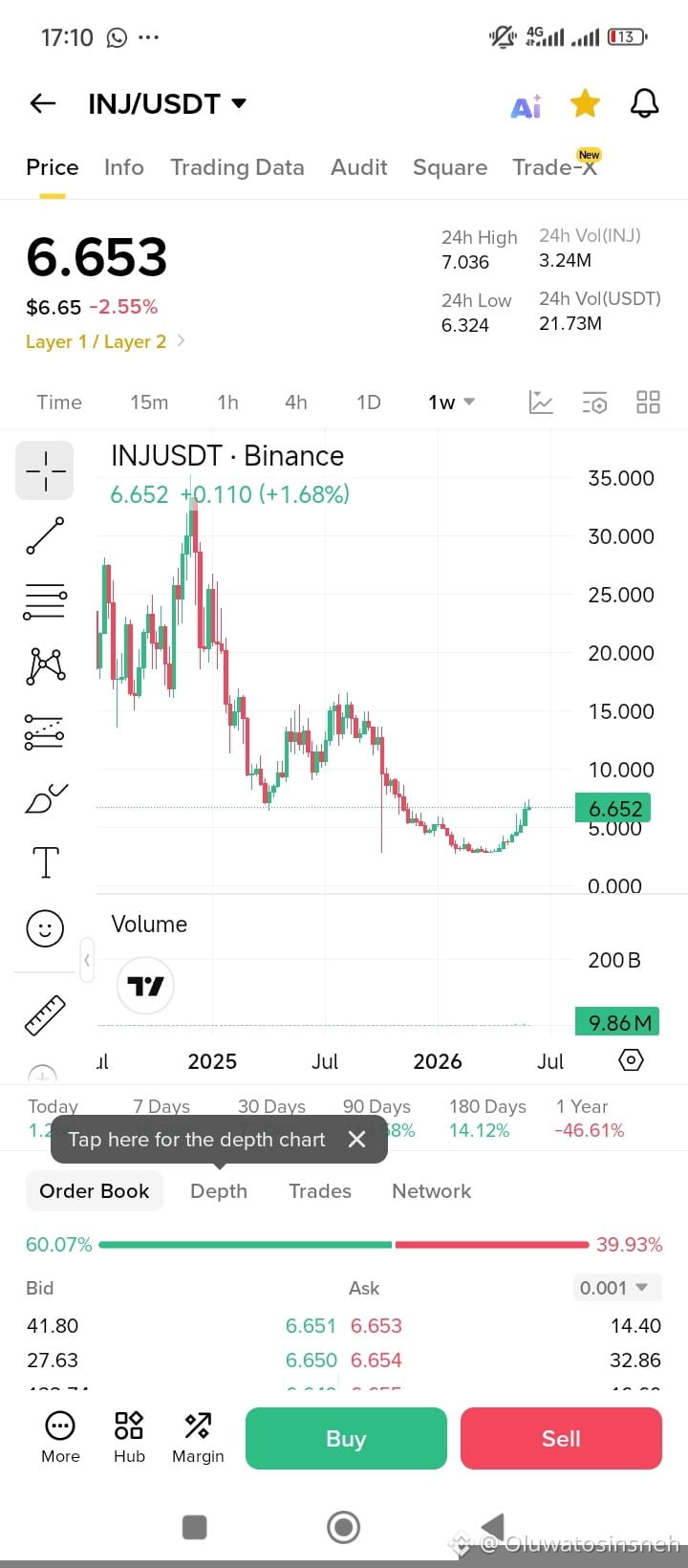
最新のInjectiveコミュニティの買戻しは、絶対的に巨大な強気のモメンタムを示しています。
6月の$INJ
{spot}(INJUSDT)
コミュニティの買戻しがライブで開始され、35万ドル以上の巨大な価値を持っていました。コミュニティからの需要は非常に強烈で、全ての買戻しが10分も経たずに完了し、速度と全体の参加人数の両方で新たな記録を樹立しました。
スポットの配分は雷のような速さで満たされ、コミュニティがこのイベントに対して持つ強烈な飢餓感を示しています。わずか7日間で、$INJ が流通から永久に消えることになり、エコシステムのデフレーションメカニズムと供給ショックをさらに推進します。
このラウンドが確保されるまでの速度は、コミュニティの需要がこれまで以上に強いことを証明しています。永久供給バURNへのカウントダウンが正式に始まりました。
最新のInjectiveコミュニティの買戻しは、絶対的に巨大な強気のモメンタムを示しています。
6月の$INJ
コミュニティの買戻しがライブで開始され、35万ドル以上の巨大な価値を持っていました。コミュニティからの需要は非常に強烈で、全ての買戻しが10分も経たずに完了し、速度と全体の参加人数の両方で新たな記録を樹立しました。
スポットの配分は雷のような速さで満たされ、コミュニティがこのイベントに対して持つ強烈な飢餓感を示しています。わずか7日間で、$INJ が流通から永久に消えることになり、エコシステムのデフレーションメカニズムと供給ショックをさらに推進します。
このラウンドが確保されるまでの速度は、コミュニティの需要がこれまで以上に強いことを証明しています。永久供給バURNへのカウントダウンが正式に始まりました。
6月の$INJ
コミュニティの買戻しがライブで開始され、35万ドル以上の巨大な価値を持っていました。コミュニティからの需要は非常に強烈で、全ての買戻しが10分も経たずに完了し、速度と全体の参加人数の両方で新たな記録を樹立しました。
スポットの配分は雷のような速さで満たされ、コミュニティがこのイベントに対して持つ強烈な飢餓感を示しています。わずか7日間で、$INJ が流通から永久に消えることになり、エコシステムのデフレーションメカニズムと供給ショックをさらに推進します。
このラウンドが確保されるまでの速度は、コミュニティの需要がこれまで以上に強いことを証明しています。永久供給バURNへのカウントダウンが正式に始まりました。
1
1
259
·
--
ブリッシュ
本人確認中
$SEI のためのさらに強気なニュース。今、$SEI の勢いが完全に手に負えなくなっている!🔥
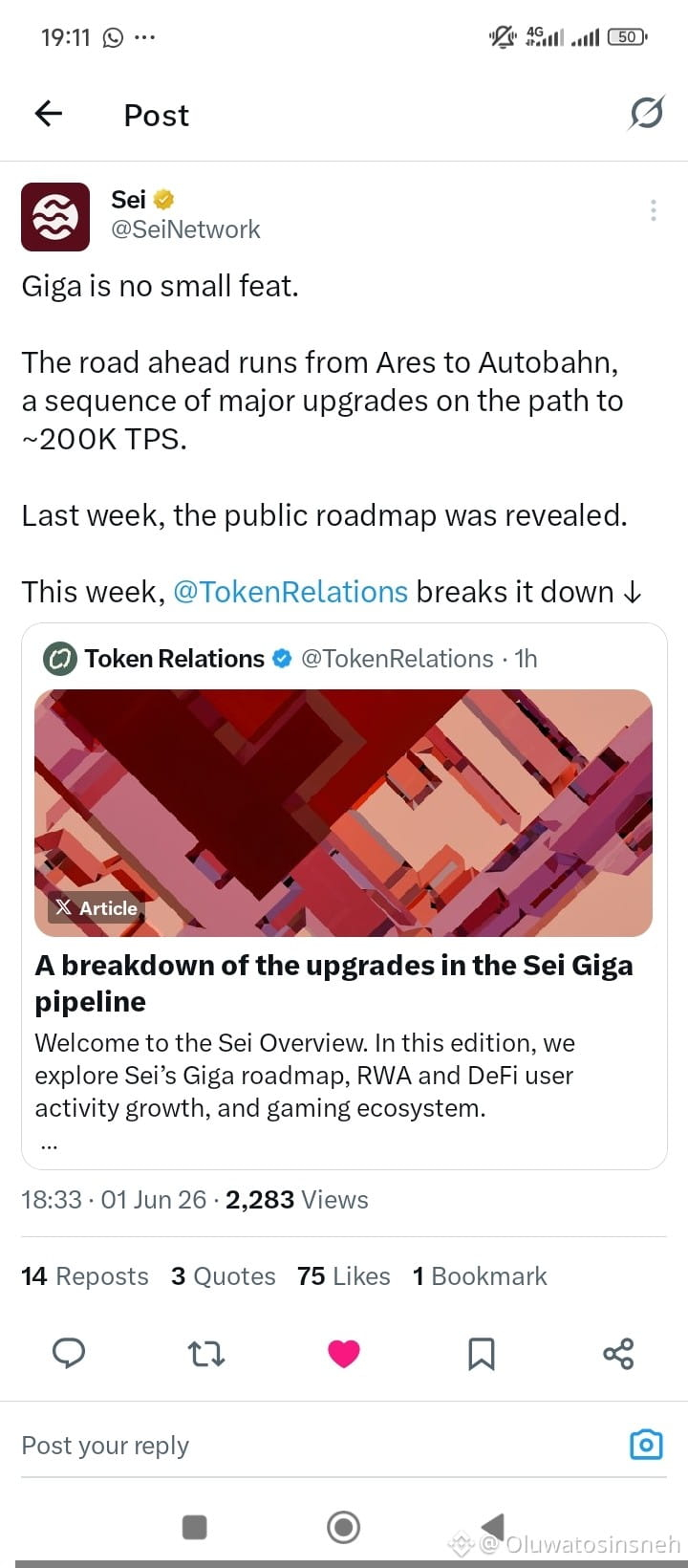
エコシステムの活動の大規模な急増の間に、Seiは公式に競争に対してハンマーを落としています。トークン関係のブレークダウンを見てください。Gigaアップグレードのロードマップが正式に出ました!
{spot}(SEIUSDT)
我々は、AresからAutobahnへ直通する巨大で超高速なパイプラインについて話しています。これは驚異的な約200K TPSを処理でき、最終決定までの遅延は400ms未満です。🏎️💨
この技術は比類がなく、公開されたロードマップは明らかです。市場の他の部分が眠っている間に、$SEI は存在する中で最も速い実行レイヤーを構築しています。我々はただ送信しているだけではありません;完全にGigaモードに入っています!🌊🚀
$SEI のためのさらに強気なニュース。今、$SEI の勢いが完全に手に負えなくなっている!🔥
エコシステムの活動の大規模な急増の間に、Seiは公式に競争に対してハンマーを落としています。トークン関係のブレークダウンを見てください。Gigaアップグレードのロードマップが正式に出ました!
我々は、AresからAutobahnへ直通する巨大で超高速なパイプラインについて話しています。これは驚異的な約200K TPSを処理でき、最終決定までの遅延は400ms未満です。🏎️💨
この技術は比類がなく、公開されたロードマップは明らかです。市場の他の部分が眠っている間に、$SEI は存在する中で最も速い実行レイヤーを構築しています。我々はただ送信しているだけではありません;完全にGigaモードに入っています!🌊🚀
エコシステムの活動の大規模な急増の間に、Seiは公式に競争に対してハンマーを落としています。トークン関係のブレークダウンを見てください。Gigaアップグレードのロードマップが正式に出ました!
我々は、AresからAutobahnへ直通する巨大で超高速なパイプラインについて話しています。これは驚異的な約200K TPSを処理でき、最終決定までの遅延は400ms未満です。🏎️💨
この技術は比類がなく、公開されたロードマップは明らかです。市場の他の部分が眠っている間に、$SEI は存在する中で最も速い実行レイヤーを構築しています。我々はただ送信しているだけではありません;完全にGigaモードに入っています!🌊🚀
11
31
23.9k
広範なWeb3スペースが短期的なナラティブサイクルに気を取られている間、@injectiveは機関投資家のキャプチャにおけるマスタークラスを実行しています。
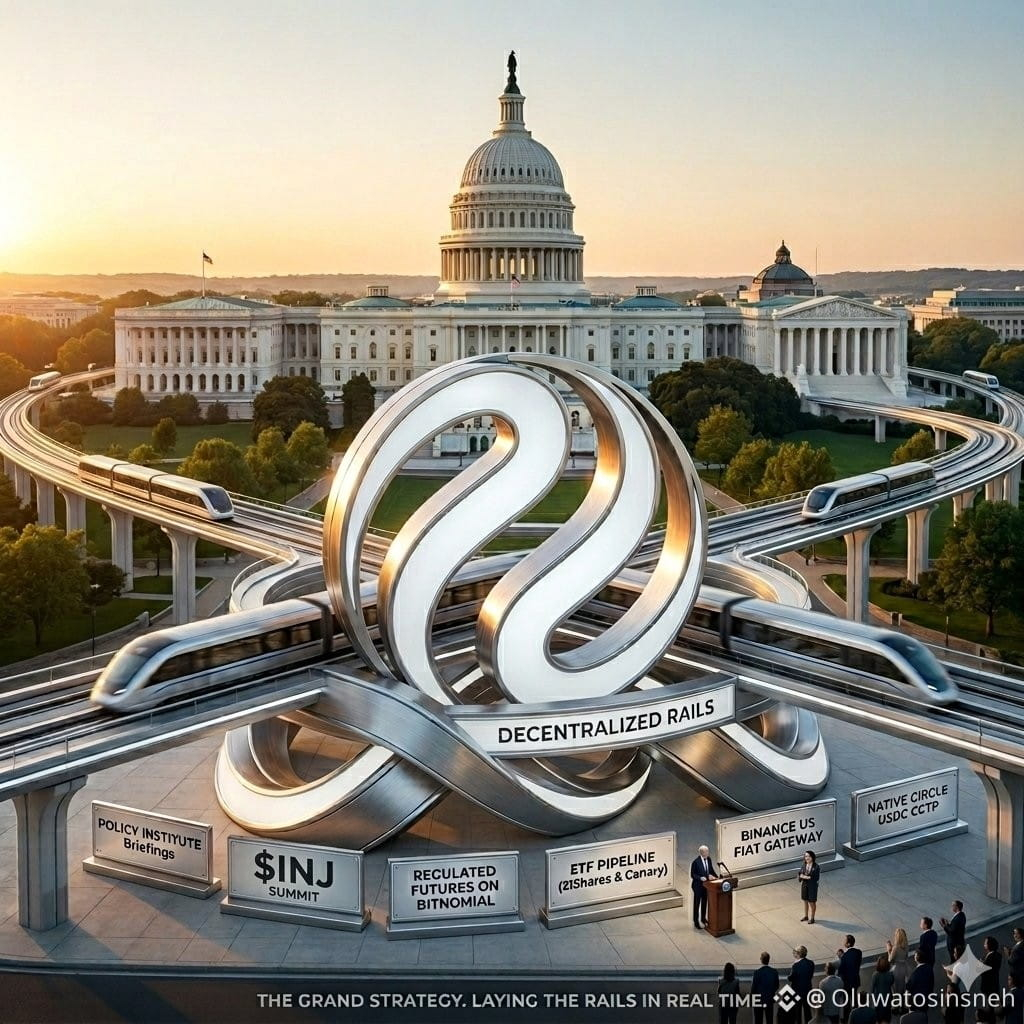
彼らは単に別の高スループットネットワークを構築しているのではなく、ウォール街を分散型レールに接続するために必要な規制と金融の配管を体系的に設置しています。
構造的なマイルストーンがロックインされるのを追跡すると、壮大な戦略が明らかになります:
◾ ポリシーナラティブの形成
Injective Policy Instituteを通じて、エコシステムはキャピトルヒルの立法者を積極的に教育しています。
この直接的な関与は、表面的なロビー活動を超えて、米国のデジタル資産法の未来の設計者との基盤となる関係を築いています。
すべては、7月16日にワシントンD.C.で開催されるInjective Summitに向けて進んでおり、巨大な政治的アライメントを引き寄せています。
米国下院議員ウィリアム・ティモンズ(@RepTimmons)やハリエット・ハゲマン(@RepHageman)、議員ゲイブ・エバンス(@repgabeevans)などと共に、公式にこのイベントに参加しています。
エバンスは特にCLARITY法案や反CBDC監視国家法案を支持しており、ネットワークに集まる高レベルの規制の頭脳を強調しています。
◾ 機関投資家のオンランプの確保
米国規制のInjective先物のBitnomialでの最近のローンチは、巨大な構造的変化を示しています。
CFTC規制の取引所での取引は、必要な機関投資家のヘッジ機構を導入し、SECの一般的な上場基準に必要な規制トラックレコードを引き起こします。
これは、21 SharesやCanary Capitalのようなヘビー級発行者から現在進行中のスポットETFの申請に向けた技術的な基盤を築きます。
◾ 流動性摩擦の排除
深い資本は、コンプライアンスのある摩擦のないアクセスを必要とします。
@BinanceUSと統合することで、ネイティブステーキングおよびスポットペアのための明確な国内のフィアットゲートウェイが確立されます。
広範なWeb3スペースが短期的なナラティブサイクルに気を取られている間、@injectiveは機関投資家のキャプチャにおけるマスタークラスを実行しています。
彼らは単に別の高スループットネットワークを構築しているのではなく、ウォール街を分散型レールに接続するために必要な規制と金融の配管を体系的に設置しています。
構造的なマイルストーンがロックインされるのを追跡すると、壮大な戦略が明らかになります:
◾ ポリシーナラティブの形成
Injective Policy Instituteを通じて、エコシステムはキャピトルヒルの立法者を積極的に教育しています。
この直接的な関与は、表面的なロビー活動を超えて、米国のデジタル資産法の未来の設計者との基盤となる関係を築いています。
すべては、7月16日にワシントンD.C.で開催されるInjective Summitに向けて進んでおり、巨大な政治的アライメントを引き寄せています。
米国下院議員ウィリアム・ティモンズ(@RepTimmons)やハリエット・ハゲマン(@RepHageman)、議員ゲイブ・エバンス(@repgabeevans)などと共に、公式にこのイベントに参加しています。
エバンスは特にCLARITY法案や反CBDC監視国家法案を支持しており、ネットワークに集まる高レベルの規制の頭脳を強調しています。
◾ 機関投資家のオンランプの確保
米国規制のInjective先物のBitnomialでの最近のローンチは、巨大な構造的変化を示しています。
CFTC規制の取引所での取引は、必要な機関投資家のヘッジ機構を導入し、SECの一般的な上場基準に必要な規制トラックレコードを引き起こします。
これは、21 SharesやCanary Capitalのようなヘビー級発行者から現在進行中のスポットETFの申請に向けた技術的な基盤を築きます。
◾ 流動性摩擦の排除
深い資本は、コンプライアンスのある摩擦のないアクセスを必要とします。
@BinanceUSと統合することで、ネイティブステーキングおよびスポットペアのための明確な国内のフィアットゲートウェイが確立されます。
彼らは単に別の高スループットネットワークを構築しているのではなく、ウォール街を分散型レールに接続するために必要な規制と金融の配管を体系的に設置しています。
構造的なマイルストーンがロックインされるのを追跡すると、壮大な戦略が明らかになります:
◾ ポリシーナラティブの形成
Injective Policy Instituteを通じて、エコシステムはキャピトルヒルの立法者を積極的に教育しています。
この直接的な関与は、表面的なロビー活動を超えて、米国のデジタル資産法の未来の設計者との基盤となる関係を築いています。
すべては、7月16日にワシントンD.C.で開催されるInjective Summitに向けて進んでおり、巨大な政治的アライメントを引き寄せています。
米国下院議員ウィリアム・ティモンズ(@RepTimmons)やハリエット・ハゲマン(@RepHageman)、議員ゲイブ・エバンス(@repgabeevans)などと共に、公式にこのイベントに参加しています。
エバンスは特にCLARITY法案や反CBDC監視国家法案を支持しており、ネットワークに集まる高レベルの規制の頭脳を強調しています。
◾ 機関投資家のオンランプの確保
米国規制のInjective先物のBitnomialでの最近のローンチは、巨大な構造的変化を示しています。
CFTC規制の取引所での取引は、必要な機関投資家のヘッジ機構を導入し、SECの一般的な上場基準に必要な規制トラックレコードを引き起こします。
これは、21 SharesやCanary Capitalのようなヘビー級発行者から現在進行中のスポットETFの申請に向けた技術的な基盤を築きます。
◾ 流動性摩擦の排除
深い資本は、コンプライアンスのある摩擦のないアクセスを必要とします。
@BinanceUSと統合することで、ネイティブステーキングおよびスポットペアのための明確な国内のフィアットゲートウェイが確立されます。
1
206
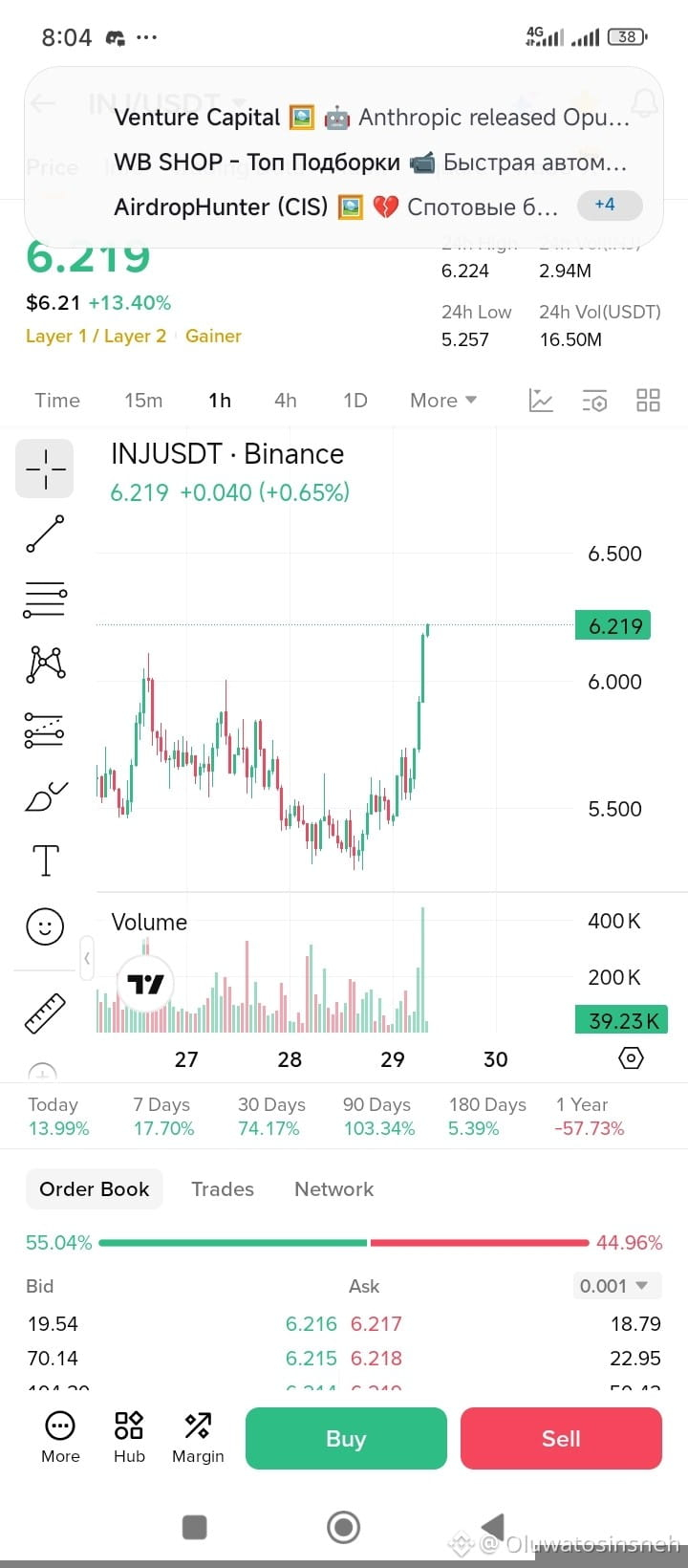
ハイパフォーマンスのレイヤー1が爆発的なテクニカルパターンとデフレーショナルな供給ショックを組み合わせると、その結果としての市場拡大は偶然ではなく、メカニズムによるものです。
@injective $INJ は最近、マーケットモメンタムのマスタークラスを披露し、重い買い需要が非常に流動性の低い循環供給と衝突したときに何が起こるかを証明しました。
重要なラリーの背後には、テクニカルパターン、市場心理、コアトークノミクスの組み合わせがあります。これらの要素を理解することで、急激な市場拡大を引き起こすものを明確にする手助けとなり、最近の上昇トレンドをケーススタディとして利用できます。
🔹V字回復の力
強い市場需要のクラシックなサインはV字回復です。
これは、資産が短期間の統合または下押しを経て、ローカルフロアに達し、すぐにアグレッシブな上昇モメンタムで反発する時に発生します。
強力なエコシステムでは、これらの急速な逆転は通常、買い手が低い価格ポイントで資産を蓄積するのを熱心に待っていることを示し、さらなる下落を防ぐ強いフロアを作り出します。
🔹移動平均クラスタのクリア
テクニカル分析では、指数移動平均(EMA)は特定の期間(7、14、28インターバルなど)にわたる資産の価格トレンドを追跡します。
資産が統合されると、これらのラインは一緒に集まり、抵抗の天井として機能します。
❖ 注: 価格アクションがこれらの集まったEMAを一度の動きでアグレッシブにクリアする場合、非常に強気なシグナルが発生します。
❖ バンド拡張: これらの平均を超えることは、資産が上部ボリンジャーバンドを突き破ることを強制し、静かな統合フェーズから高ボラティリティの拡張へ移行することを示します。
🔹ボリュームバリデーション
価格上昇は市場の確信なしにはほとんど意味がありません。
ブレイクアウトが持続可能と見なされるためには、買いボリュームの急増を伴わなければなりません。
取引ボリュームが上昇価格とともに大きくスパイクすると、その動きが薄い流動性の変動ではなく、実際の資本投入によって裏付けられていることを確認します。
ハイパフォーマンスのレイヤー1が爆発的なテクニカルパターンとデフレーショナルな供給ショックを組み合わせると、その結果としての市場拡大は偶然ではなく、メカニズムによるものです。
@injective $INJ は最近、マーケットモメンタムのマスタークラスを披露し、重い買い需要が非常に流動性の低い循環供給と衝突したときに何が起こるかを証明しました。
重要なラリーの背後には、テクニカルパターン、市場心理、コアトークノミクスの組み合わせがあります。これらの要素を理解することで、急激な市場拡大を引き起こすものを明確にする手助けとなり、最近の上昇トレンドをケーススタディとして利用できます。
🔹V字回復の力
強い市場需要のクラシックなサインはV字回復です。
これは、資産が短期間の統合または下押しを経て、ローカルフロアに達し、すぐにアグレッシブな上昇モメンタムで反発する時に発生します。
強力なエコシステムでは、これらの急速な逆転は通常、買い手が低い価格ポイントで資産を蓄積するのを熱心に待っていることを示し、さらなる下落を防ぐ強いフロアを作り出します。
🔹移動平均クラスタのクリア
テクニカル分析では、指数移動平均(EMA)は特定の期間(7、14、28インターバルなど)にわたる資産の価格トレンドを追跡します。
資産が統合されると、これらのラインは一緒に集まり、抵抗の天井として機能します。
❖ 注: 価格アクションがこれらの集まったEMAを一度の動きでアグレッシブにクリアする場合、非常に強気なシグナルが発生します。
❖ バンド拡張: これらの平均を超えることは、資産が上部ボリンジャーバンドを突き破ることを強制し、静かな統合フェーズから高ボラティリティの拡張へ移行することを示します。
🔹ボリュームバリデーション
価格上昇は市場の確信なしにはほとんど意味がありません。
ブレイクアウトが持続可能と見なされるためには、買いボリュームの急増を伴わなければなりません。
取引ボリュームが上昇価格とともに大きくスパイクすると、その動きが薄い流動性の変動ではなく、実際の資本投入によって裏付けられていることを確認します。
@injective $INJ は最近、マーケットモメンタムのマスタークラスを披露し、重い買い需要が非常に流動性の低い循環供給と衝突したときに何が起こるかを証明しました。
重要なラリーの背後には、テクニカルパターン、市場心理、コアトークノミクスの組み合わせがあります。これらの要素を理解することで、急激な市場拡大を引き起こすものを明確にする手助けとなり、最近の上昇トレンドをケーススタディとして利用できます。
🔹V字回復の力
強い市場需要のクラシックなサインはV字回復です。
これは、資産が短期間の統合または下押しを経て、ローカルフロアに達し、すぐにアグレッシブな上昇モメンタムで反発する時に発生します。
強力なエコシステムでは、これらの急速な逆転は通常、買い手が低い価格ポイントで資産を蓄積するのを熱心に待っていることを示し、さらなる下落を防ぐ強いフロアを作り出します。
🔹移動平均クラスタのクリア
テクニカル分析では、指数移動平均(EMA)は特定の期間(7、14、28インターバルなど)にわたる資産の価格トレンドを追跡します。
資産が統合されると、これらのラインは一緒に集まり、抵抗の天井として機能します。
❖ 注: 価格アクションがこれらの集まったEMAを一度の動きでアグレッシブにクリアする場合、非常に強気なシグナルが発生します。
❖ バンド拡張: これらの平均を超えることは、資産が上部ボリンジャーバンドを突き破ることを強制し、静かな統合フェーズから高ボラティリティの拡張へ移行することを示します。
🔹ボリュームバリデーション
価格上昇は市場の確信なしにはほとんど意味がありません。
ブレイクアウトが持続可能と見なされるためには、買いボリュームの急増を伴わなければなりません。
取引ボリュームが上昇価格とともに大きくスパイクすると、その動きが薄い流動性の変動ではなく、実際の資本投入によって裏付けられていることを確認します。
2
236
本人確認中
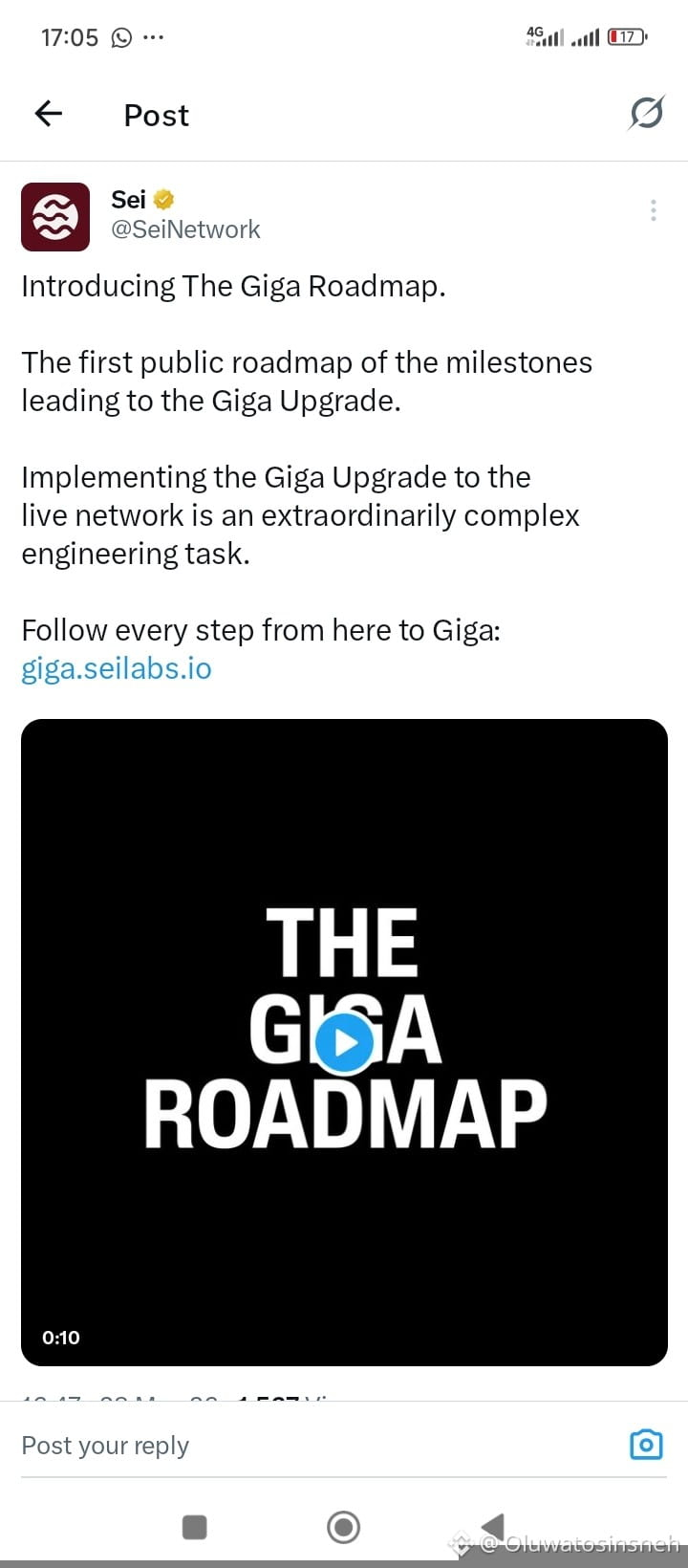
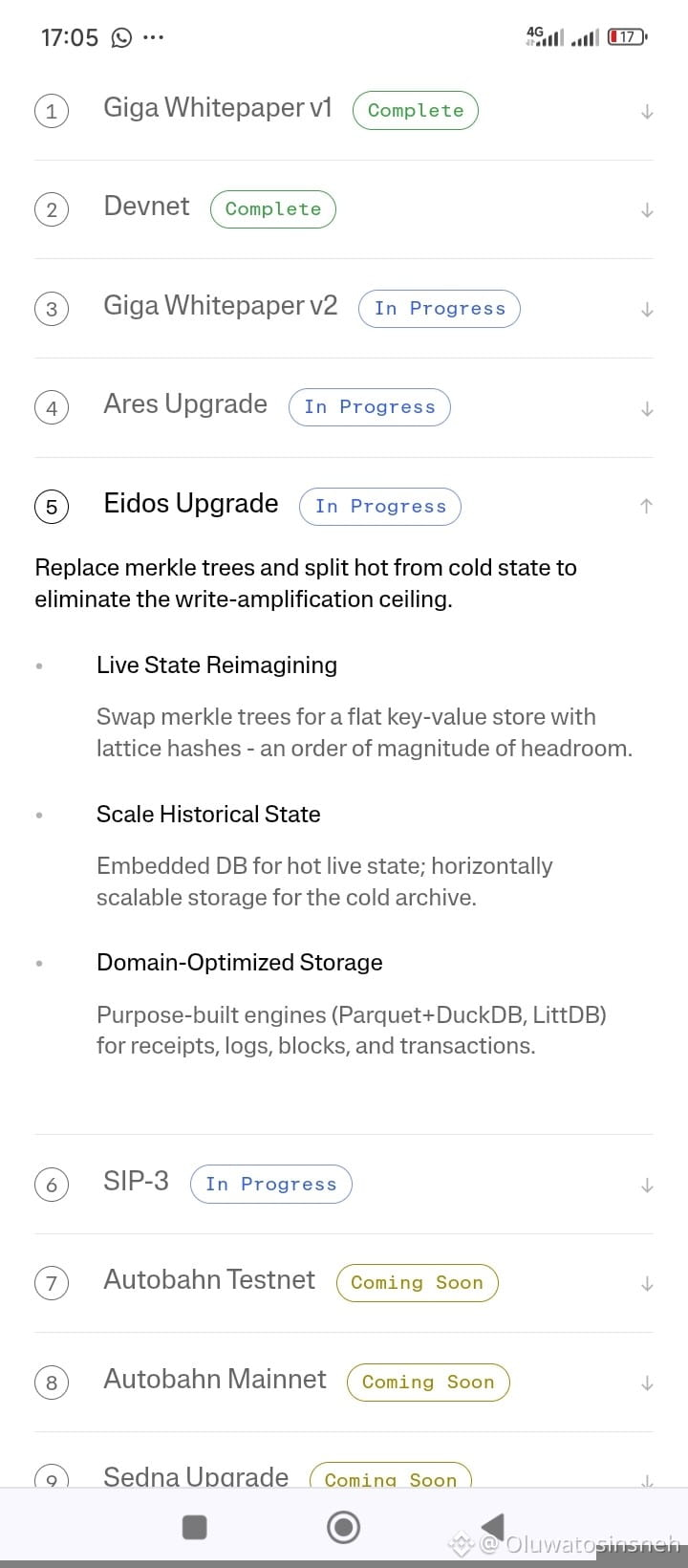
次世代の高性能EVMのためのエンジニアリングブループリントが正式に展開されます。
$SEI ギガアップグレードは単なる小さなパッチではなく、レガシーの重荷を取り除き、パブリックレジャー上でWeb2レベルのスケールを解放するために設計された基盤的なアーキテクチャのシフトです。
年間を通じてのギガロードマップの展開は、従来のスケーラビリティの限界からの大きな移行ポイントを示し、大規模な採用のために構築された高最適化、高スループットの環境を確立します。
次世代の高性能EVMのためのエンジニアリングブループリントが正式に展開されます。
$SEI ギガアップグレードは単なる小さなパッチではなく、レガシーの重荷を取り除き、パブリックレジャー上でWeb2レベルのスケールを解放するために設計された基盤的なアーキテクチャのシフトです。
年間を通じてのギガロードマップの展開は、従来のスケーラビリティの限界からの大きな移行ポイントを示し、大規模な採用のために構築された高最適化、高スループットの環境を確立します。
$SEI ギガアップグレードは単なる小さなパッチではなく、レガシーの重荷を取り除き、パブリックレジャー上でWeb2レベルのスケールを解放するために設計された基盤的なアーキテクチャのシフトです。
年間を通じてのギガロードマップの展開は、従来のスケーラビリティの限界からの大きな移行ポイントを示し、大規模な採用のために構築された高最適化、高スループットの環境を確立します。
7
1k
ログインして、さらにコンテンツを読む
厳選トピックで世界の暗号資産トレーダーの仲間入り
⚡️ 暗号資産に関する最新かつ有益な情報が見つかります。
💬 世界最大の暗号資産取引所から信頼されています。
👍 認証を受けたクリエイターから、有益なインサイトを得られます。
メール / 電話番号