
Aqsa_26
47 投稿
Aqsa_26
10 フォロー
1.5K+ フォロワー
174 いいね
投稿
すべて
引用
ライブ
PINNED

翻訳参照
don sheen


Shaheen 69
·
--
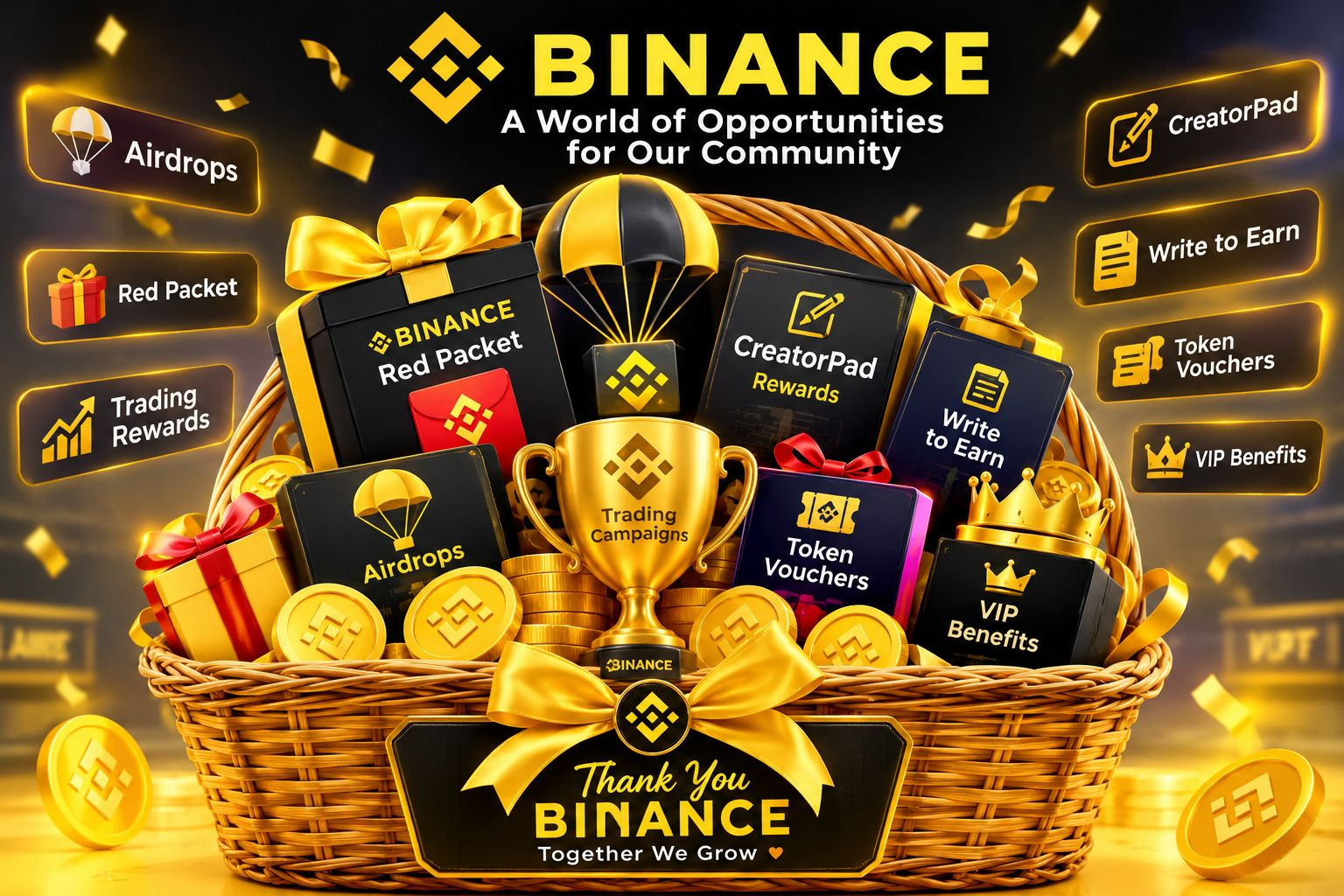
🎁 BINANCEがすべてのギフトを1つのバスケットに集めた!🟡
エアドロップ、レッドパケット、取引報酬、トークンバウチャー、CreatorPadの報酬、Write-to-Earnのチャンス、そしてVIP特典まで詰まった1つのバスケットを想像してみてください。🚀
それがバイナンス・エコシステムをワクワクさせる理由です――取引だけではなく、新しい機会を見つけたり、キャンペーンに参加したり、コミュニティと報酬を分かち合ったりできるからです。
そして今日は、Shaheen69があなたのためにギフトバスケットを開けます!🎉
日頃の応援と愛に対するささやかなお礼として、皆さんにレッドパケットの報酬をお届けします。❤️
みなさん頑張ってください!🍀
誰が報酬を手に入れるのでしょう?👀
#Binance #BNB #redpacket
エアドロップ、レッドパケット、取引報酬、トークンバウチャー、CreatorPadの報酬、Write-to-Earnのチャンス、そしてVIP特典まで詰まった1つのバスケットを想像してみてください。🚀
それがバイナンス・エコシステムをワクワクさせる理由です――取引だけではなく、新しい機会を見つけたり、キャンペーンに参加したり、コミュニティと報酬を分かち合ったりできるからです。
そして今日は、Shaheen69があなたのためにギフトバスケットを開けます!🎉
日頃の応援と愛に対するささやかなお礼として、皆さんにレッドパケットの報酬をお届けします。❤️
みなさん頑張ってください!🍀
誰が報酬を手に入れるのでしょう?👀
#Binance #BNB #redpacket
翻訳参照
don

MJ ALI_BNB
·
--
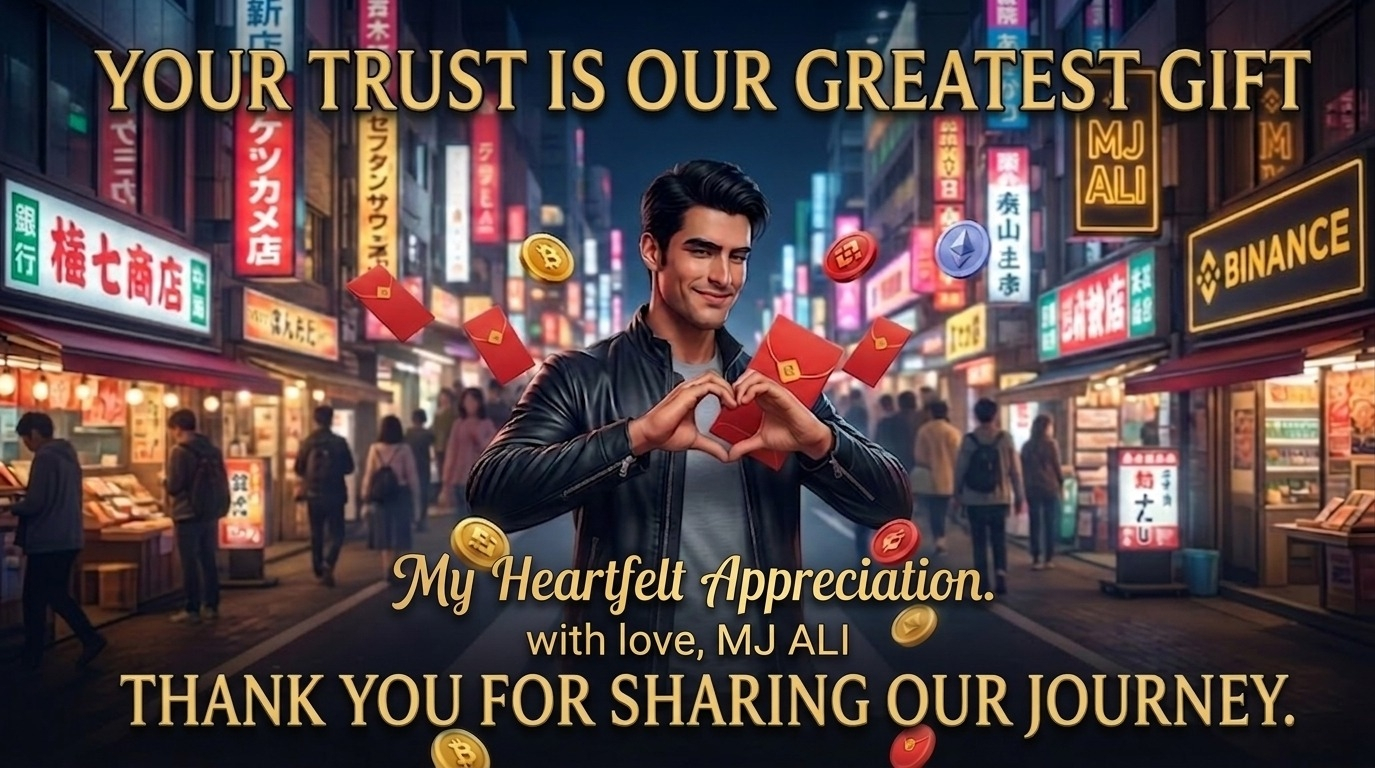
🎁 給付(レッドパケット)アラート!クリプト仲間に大感謝!❤️
みなさん、こんにちは!MJ Aliです。
ちょっと立ち止まって、振り返りつつ、皆さん一人ひとりに心からの **ありがとう** を伝えたくて、短い時間をいただきました。毎日のマーケット情報を読んでくれている方も、コメントで交流してくれている方も、絶え間ないサポートとそのエネルギーが、私にとってこの上ない宝物です。このクリプトの旅で一緒に築き、育てていくことこそが、このコミュニティを生き生きと保ってくれています!
愛と感謝の小さな印として、あなたのために特別な **レッドパケットギフト** を用意しました!🔻✨
レッドパケットの受け取り方法:🤔💖
ステップ1:この投稿を **いいね** して、愛を届けてください。❤️
ステップ2:**リポスト** して、ギフトをコミュニティのみんなに共有しましょう。🔄
ステップ3:プロフィールを **フォロー** して、毎日の更新&今後のプレゼントを見逃さないでください!🚀
一緒に学び、成長し、勝ち取りましょう。受け取ったら下にコメントをお願いします。今日どんなコインを見ているのかも教えてください!
祝福を受け取り続けて、常に一歩先へ。ハッピー・トレーディング!🙏✨
#BinanceSquareFamily #RedPacketMission
#BTC #cryptouniverseofficial #Binance
$BTC
$BNB
$ASTER
みなさん、こんにちは!MJ Aliです。
ちょっと立ち止まって、振り返りつつ、皆さん一人ひとりに心からの **ありがとう** を伝えたくて、短い時間をいただきました。毎日のマーケット情報を読んでくれている方も、コメントで交流してくれている方も、絶え間ないサポートとそのエネルギーが、私にとってこの上ない宝物です。このクリプトの旅で一緒に築き、育てていくことこそが、このコミュニティを生き生きと保ってくれています!
愛と感謝の小さな印として、あなたのために特別な **レッドパケットギフト** を用意しました!🔻✨
レッドパケットの受け取り方法:🤔💖
ステップ1:この投稿を **いいね** して、愛を届けてください。❤️
ステップ2:**リポスト** して、ギフトをコミュニティのみんなに共有しましょう。🔄
ステップ3:プロフィールを **フォロー** して、毎日の更新&今後のプレゼントを見逃さないでください!🚀
一緒に学び、成長し、勝ち取りましょう。受け取ったら下にコメントをお願いします。今日どんなコインを見ているのかも教えてください!
祝福を受け取り続けて、常に一歩先へ。ハッピー・トレーディング!🙏✨
#BinanceSquareFamily #RedPacketMission
#BTC #cryptouniverseofficial #Binance
$BTC
$BNB
$ASTER
翻訳参照
go
引用されたコンテンツは削除されました
翻訳参照
A well-written explanation of why real settlement is more than just moving an asset on-chain. Delivery-versus-Payment helps ensure that both the asset and payment settle together, making tokenized markets more reliable and transparent. #DUSK #Tokenization #Blockchain

HadiaBTC
·
--
#dusk $DUSK @Dusk I used to think a financial trade was basically complete once the asset reached the buyer. But when I started looking at what actually happens during settlement, that definition began to feel too simple.
Imagine buying a tokenized security. The asset can be delivered to the buyer, while the corresponding payment is still waiting to settle. Now there are two parts of the same transaction moving through the system at different points in time. That creates a coordination problem that does not disappear simply because the asset itself is already on-chain.
This is where Delivery-versus-Payment, or DvP, becomes interesting. The basic idea is to connect the asset leg with the payment leg so that settlement is treated as one coordinated financial event rather than two unrelated transfers. Dusk specifically identifies DvP settlement as a use case for its deterministic settlement infrastructure.
That made me look at tokenized markets differently. Tokenization can give an asset a digital representation, and blockchain can make that asset transferable. But financial infrastructure has to deal with what happens around that transfer too. The payment needs to correspond to the delivery, the settlement state needs to be clear, and the participants need to know when the transaction can actually be treated as complete.
This is where deterministic settlement becomes important to me. In a financial workflow, it is not enough to know that a transaction was processed quickly. Participants need confidence about the point at which the resulting state is final and can be relied upon by the next step in the workflow.
So the question I find more useful is not simply:
“Can the asset and its payment settle together in a way that participants can reliably treat as complete?”
In financial markets, that distinction matters.And that is why DvP feels to me like a much deeper use case for blockchain infrastructure than simply moving an asset from one address to another.
When is a financial trade truly settled?
Imagine buying a tokenized security. The asset can be delivered to the buyer, while the corresponding payment is still waiting to settle. Now there are two parts of the same transaction moving through the system at different points in time. That creates a coordination problem that does not disappear simply because the asset itself is already on-chain.
This is where Delivery-versus-Payment, or DvP, becomes interesting. The basic idea is to connect the asset leg with the payment leg so that settlement is treated as one coordinated financial event rather than two unrelated transfers. Dusk specifically identifies DvP settlement as a use case for its deterministic settlement infrastructure.
That made me look at tokenized markets differently. Tokenization can give an asset a digital representation, and blockchain can make that asset transferable. But financial infrastructure has to deal with what happens around that transfer too. The payment needs to correspond to the delivery, the settlement state needs to be clear, and the participants need to know when the transaction can actually be treated as complete.
This is where deterministic settlement becomes important to me. In a financial workflow, it is not enough to know that a transaction was processed quickly. Participants need confidence about the point at which the resulting state is final and can be relied upon by the next step in the workflow.
So the question I find more useful is not simply:
“Can the asset and its payment settle together in a way that participants can reliably treat as complete?”
In financial markets, that distinction matters.And that is why DvP feels to me like a much deeper use case for blockchain infrastructure than simply moving an asset from one address to another.
When is a financial trade truly settled?
翻訳参照
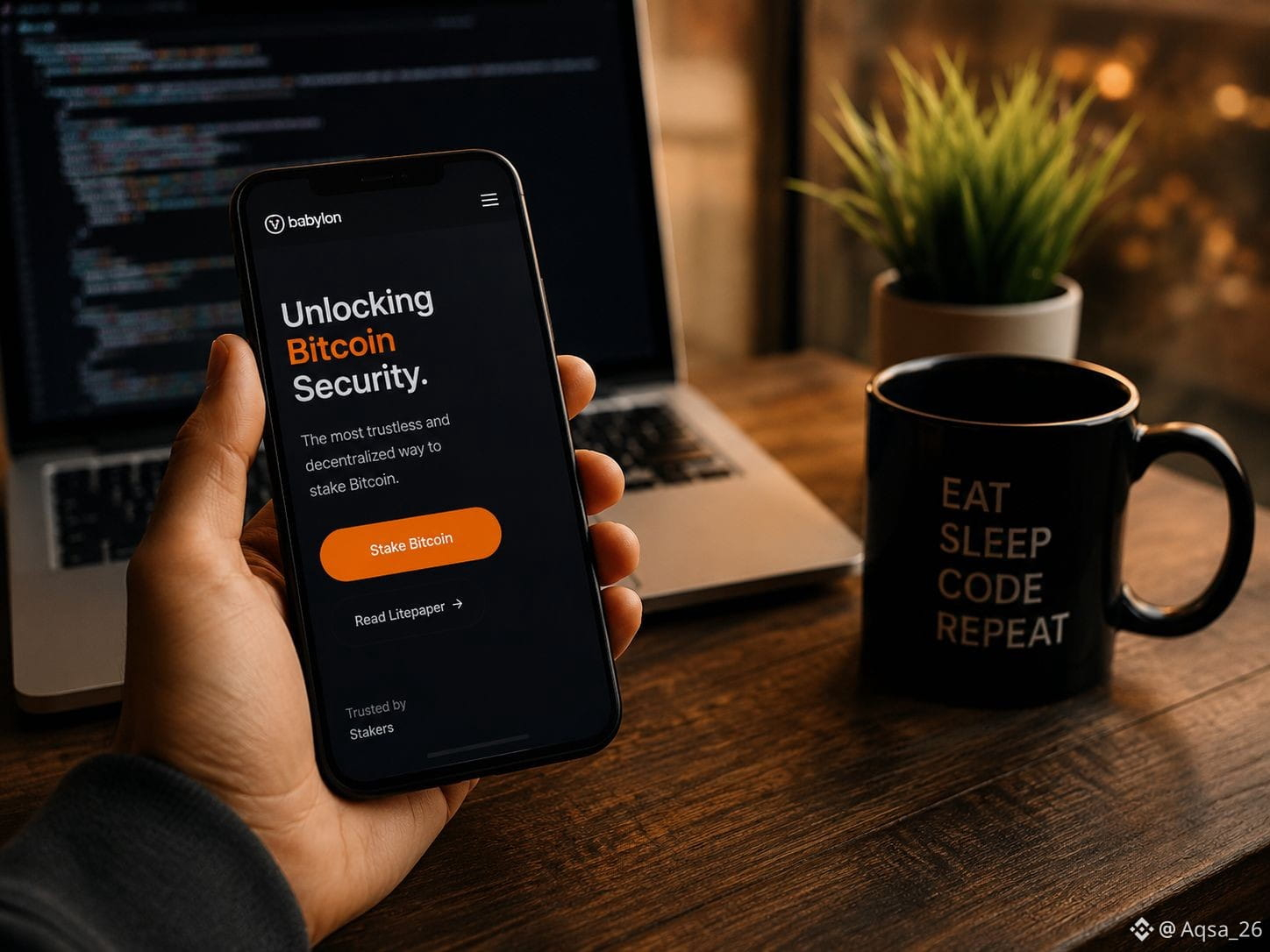
One thing I find interesting about @BabylonLabs_io is its focus on creating a stronger ecosystem instead of just launching another blockchain product. Sustainable growth in Web3 depends on infrastructure that developers can actually build on, and Babylon seems to be moving in that direction.
What stands out is the emphasis on expanding real utility for Bitcoin rather than treating it only as a store of value. As more builders experiment with Bitcoin-backed infrastructure, we could see entirely new applications emerge that were difficult to imagine a few years ago.
Projects that invest in long-term ecosystem development often have a greater impact than those focused only on short-term attention. Looking forward to seeing how Babylon's ecosystem evolves and what developers create on top of it.
#BabylonLabs #Bitcoin #Web3 #Innovation #baby $BABY
What stands out is the emphasis on expanding real utility for Bitcoin rather than treating it only as a store of value. As more builders experiment with Bitcoin-backed infrastructure, we could see entirely new applications emerge that were difficult to imagine a few years ago.
Projects that invest in long-term ecosystem development often have a greater impact than those focused only on short-term attention. Looking forward to seeing how Babylon's ecosystem evolves and what developers create on top of it.
#BabylonLabs #Bitcoin #Web3 #Innovation #baby $BABY
翻訳参照
claim Reward 🎁
Follow me
Follow me

翻訳参照
go
引用されたコンテンツは削除されました
翻訳参照
gooo
引用されたコンテンツは削除されました
翻訳参照
go
king Gulfam
·
--
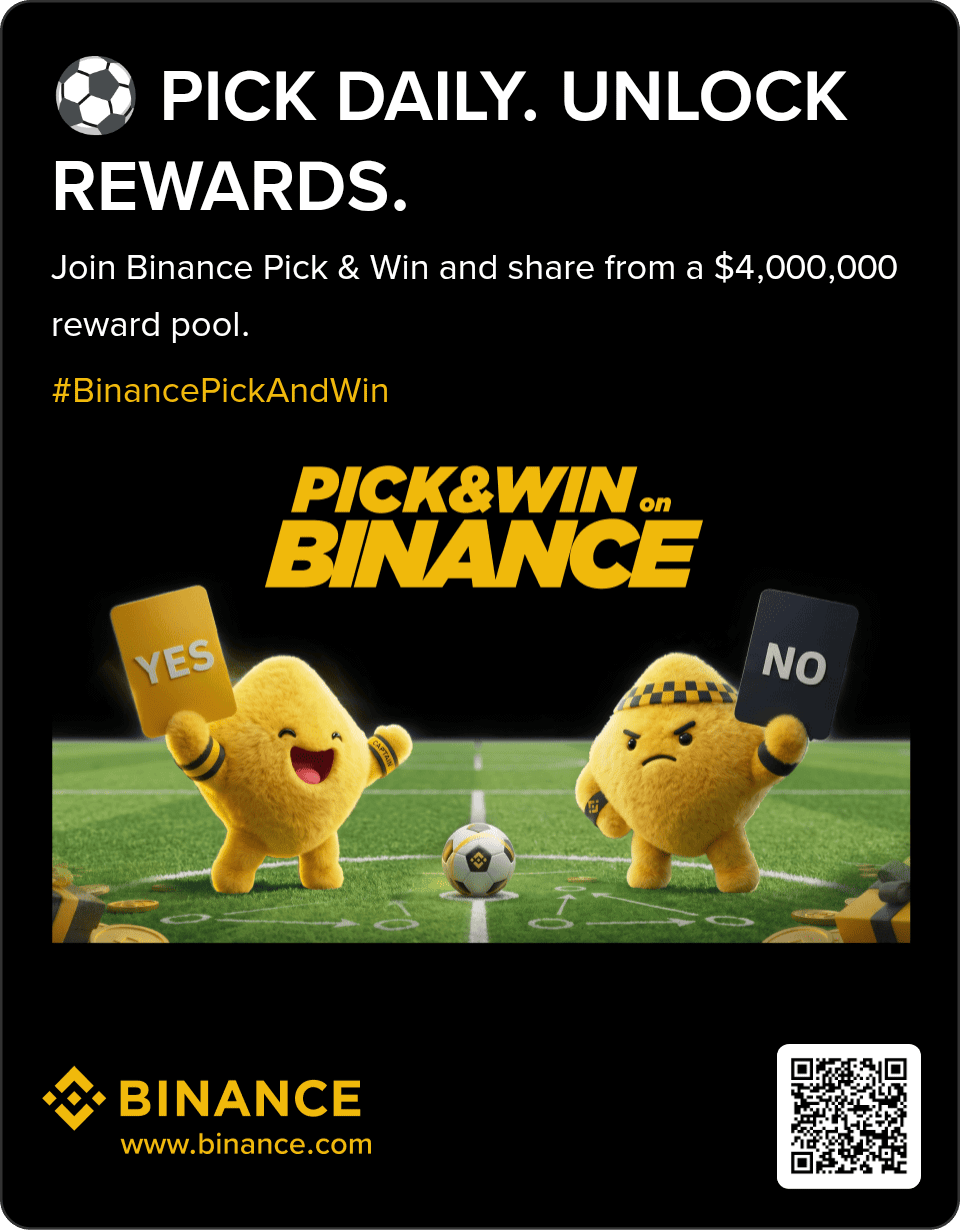
#BinancePickAndWin
https://www.binance.com/activity/pick-and-win/2026-football-challenge?ref=49235444👉🏻 Click this link Fast claim rewards 🎁
💎💎💎💎💎💎💎💎💎💎💎💎💎💎
$NVDAB $NVDA
https://www.binance.com/activity/pick-and-win/2026-football-challenge?ref=49235444👉🏻 Click this link Fast claim rewards 🎁
💎💎💎💎💎💎💎💎💎💎💎💎💎💎
$NVDAB $NVDA
翻訳参照
gooo
引用されたコンテンツは削除されました
翻訳参照
goo
引用されたコンテンツは削除されました
翻訳参照
goo
Tapu13
·
--
Click & Claim Exclusive Today Reward 🎁❤️💫
Click & Claim Today Big Reward 🎁🎁❤️❤️💫
Click & Claim Today Big Reward 🎁🎁❤️❤️💫

みなさんおはようございます
報酬を獲得 🎁
フォローしてください
ありがとうございます
報酬を獲得 🎁
フォローしてください
ありがとうございます

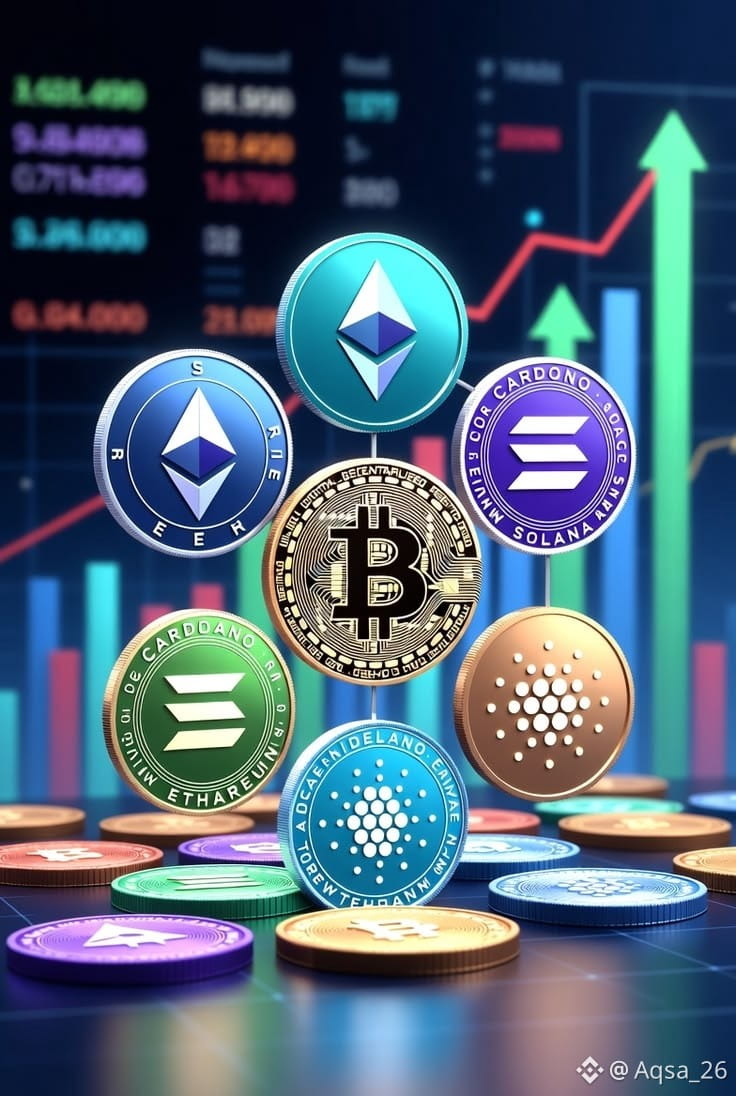
🚨 暗号資産市場アップデート | 2026年7月8日
ビットコイン($BTC ):世界的な地政学的緊張の高まりによりボラティリティが増し、市場は依然として圧迫されています。
イーサリアム($ETH ):トレーダーは重要なサポート水準を注視しており、エコシステムは成長を続けています。
ソラナ($SOL ):強いオンチェーン活動が、相場の弱さにもかかわらずソラナを最も注目されるネットワークの一つに保っています。
XRP:投資家は重要な$1のサポート水準に注目しており、近いうちに大きな値動きが来るとの期待があります。
📌 短期的なボラティリティがノイズを生みますが、長期のイノベーションが暗号資産の未来を形作り続けています。
#BTC #ETH #sol #MarketUpdate
ビットコイン($BTC ):世界的な地政学的緊張の高まりによりボラティリティが増し、市場は依然として圧迫されています。
イーサリアム($ETH ):トレーダーは重要なサポート水準を注視しており、エコシステムは成長を続けています。
ソラナ($SOL ):強いオンチェーン活動が、相場の弱さにもかかわらずソラナを最も注目されるネットワークの一つに保っています。
XRP:投資家は重要な$1のサポート水準に注目しており、近いうちに大きな値動きが来るとの期待があります。
📌 短期的なボラティリティがノイズを生みますが、長期のイノベーションが暗号資産の未来を形作り続けています。
#BTC #ETH #sol #MarketUpdate
ログインして、さらにコンテンツを読む