
JANNAT BM_
2.5k 投稿

JANNAT BM_
報告
ユーザーをブロック
Alhamdulillah for everything.
144 フォロー
10.8K+ フォロワー
4.9K+ いいね
投稿
すべて
引用
動画
·
--

記事
翻訳参照
CAP/USDT — Strong Momentum, But Is a Pullback Coming?$CAP is having an interesting session right now. Price is trading around $0.09773, up approximately 23.33%, and the 15-minute chart shows a strong upward move from the $0.07251 area. What caught my atention is the rising trendline. Buyers have been defending this upward structure, and price has managed to recover after a sharp rejection from the recent highs.
But let's not get too excited just yet.
The major resistance is sitting around $0.10016. Price has already tested this region, but it hasn't established a clean breakout above it. That's the level I'm watching closely. On the downside, $0.09357 is the first important support area. If price loses that level, the next zones to watch are $0.08674 and $0.07996. There is also a deeper level around $0.07374, close to the previous swing-low region.
My thinking is simple: CAP still has positive short-term momentum, but after a move of more than 23%, some cooling off wouldn't be surprising.
Personally, I wouldn't want to chase a green candle near resistance. I'd rather watch how price reacts at support and whether buyers can defend the rising structure.
DCA strategy: Instead of entering the entire position at once, a staggered aproach around the marked support levels could help manage entry risk. These are observation levels, not guaranteed bounce zones.
If $0.10016 gets broken and holds on a retest, that would make the bullish structure more interesting. Until then, resistance is still resistance. Let's see whether buyers can push through that $0.10 area or whether the market decides to take a breather first.
DCA 1: $0.08674
DCA 2: $0.07996
DCA 3: $0.07374
Trading Setup – CAP/USDT 🔴
Entry: $0.09773 – $0.10000
TP1: $0.09357
TP2: $0.08674
TP3: $0.07996
TP4: $0.07374
Stop Loss: $0.10050
Remember, these DCA levels are potential support zones, not automatic buy signals. A breakdown can always extend further, so position sizing and risk management matter.
#BinanceReopensWithdrawalsForMoreAssets #BTCRebounds80K #ADPUSPrivateEmployersAdd86000JobsInOctober
CAP/USDT — Strong Momentum, But Is a Pullback Coming?
$CAP is having an interesting session right now. Price is trading around $0.09773, up approximately 23.33%, and the 15-minute chart shows a strong upward move from the $0.07251 area. What caught my atention is the rising trendline. Buyers have been defending this upward structure, and price has managed to recover after a sharp rejection from the recent highs.
But let's not get too excited just yet.
The major resistance is sitting around $0.10016. Price has already tested this region, but it hasn't established a clean breakout above it. That's the level I'm watching closely. On the downside, $0.09357 is the first important support area. If price loses that level, the next zones to watch are $0.08674 and $0.07996. There is also a deeper level around $0.07374, close to the previous swing-low region.
My thinking is simple: CAP still has positive short-term momentum, but after a move of more than 23%, some cooling off wouldn't be surprising.
Personally, I wouldn't want to chase a green candle near resistance. I'd rather watch how price reacts at support and whether buyers can defend the rising structure.
DCA strategy: Instead of entering the entire position at once, a staggered aproach around the marked support levels could help manage entry risk. These are observation levels, not guaranteed bounce zones.
If $0.10016 gets broken and holds on a retest, that would make the bullish structure more interesting. Until then, resistance is still resistance. Let's see whether buyers can push through that $0.10 area or whether the market decides to take a breather first.
DCA 1: $0.08674
DCA 2: $0.07996
DCA 3: $0.07374
Trading Setup – CAP/USDT 🔴
Entry: $0.09773 – $0.10000
TP1: $0.09357
TP2: $0.08674
TP3: $0.07996
TP4: $0.07374
Stop Loss: $0.10050
Remember, these DCA levels are potential support zones, not automatic buy signals. A breakdown can always extend further, so position sizing and risk management matter.
#BinanceReopensWithdrawalsForMoreAssets #BTCRebounds80K #ADPUSPrivateEmployersAdd86000JobsInOctober
3
399
·
--
記事
翻訳参照
HYPE IS PULLING BACK BUT IS THIS A POTENTIAL LONG OPPORTUNITY ?Okay, let's talk about $HYPE for a moment because the 1-hour chart is getting interesting.
HYPE is currently trading around $82.424, down approximately 5.22%. After making a strong upward move from the lower price region and pushing toward the $95–$97 area, the price has started correcting. And honestly, that's not particularly surprising. After a strong raly, some profit-taking is normal. The important question now is whether buyers can defend the current support area. Looking at the chart, $82.40 is an important level to watch. Price is currently testing this region, and I want to see whether buyers can step in and create some fresh momentum.
But there's something else worth noticing.
The order book currently shows approximately 15% buying pressure versus 85% selling pressure. That's a noticeable imbalance, so I wouldn't blindly jump into a long position just because the price is approaching support. Still, I don't think we should ignore the potential opportunity either.
My approach here would be a patient LONG setup with DCA rather than entering the entire position at once.
My HYPE Long Trading Plan: 🟢🚀
Entry Zone: $81.50 – $82.50
DCA 1: $80.50
DCA 2: $79.90
TP1: $86.329
TP2: $91.460
TP3: $97.141
Stop Loss: $77.80
Why am I watching these levels?
The first upside target is $86.329. If HYPE manages to reclaim this level and hold above it, that could be an encouraging sign for buyers.
Next, I'm watching $91.460. This would be another important area where selling pressure could appear.
And if momentum genuinely returns, the $97.141 region becomes the bigger target on my chart.
On the downside, the $79.90 area deserves attention because it's close to the visible support region. If buyers fail to defend it, the chart could become weaker before any meaningful recovery happens.
My DCA Strategy:
I'm not interested in buying everything at one price. I'd rather divide the planned position into smaller portions.
For example, I could allocate 40% to the initial entry, 30% to the first DCA level, and the remaining 30% to the second DCA level.
Of course, DCA doesn't mean continuously buying while the market is falling. If the setup becomes invalid, protecting capital matters more than defending a trade. One thing I also want to make clear: the screenshot doesn't provide fresh information about HYPE's token burns, partnerships, development updates, or ecosystem growth, so I'm keeping this analysis focused on the actual price action.
For now, I'm cautiously interested in a long position, but confirmation from buyers would make the setup more convining. No need to chase every candle. Sometimes patience is the best position.
What's your view on $HYPE?
Are we preparing for another recovery toward $90+, or could sellers push the price lower first?
#BinanceReopensWithdrawalsForMoreAssets #BTCRebounds80K #ADPUSPrivateEmployersAdd86000JobsInOctober
HYPE IS PULLING BACK BUT IS THIS A POTENTIAL LONG OPPORTUNITY ?
Okay, let's talk about $HYPE for a moment because the 1-hour chart is getting interesting.
HYPE is currently trading around $82.424, down approximately 5.22%. After making a strong upward move from the lower price region and pushing toward the $95–$97 area, the price has started correcting. And honestly, that's not particularly surprising. After a strong raly, some profit-taking is normal. The important question now is whether buyers can defend the current support area. Looking at the chart, $82.40 is an important level to watch. Price is currently testing this region, and I want to see whether buyers can step in and create some fresh momentum.
But there's something else worth noticing.
The order book currently shows approximately 15% buying pressure versus 85% selling pressure. That's a noticeable imbalance, so I wouldn't blindly jump into a long position just because the price is approaching support. Still, I don't think we should ignore the potential opportunity either.
My approach here would be a patient LONG setup with DCA rather than entering the entire position at once.
My HYPE Long Trading Plan: 🟢🚀
Entry Zone: $81.50 – $82.50
DCA 1: $80.50
DCA 2: $79.90
TP1: $86.329
TP2: $91.460
TP3: $97.141
Stop Loss: $77.80
Why am I watching these levels?
The first upside target is $86.329. If HYPE manages to reclaim this level and hold above it, that could be an encouraging sign for buyers.
Next, I'm watching $91.460. This would be another important area where selling pressure could appear.
And if momentum genuinely returns, the $97.141 region becomes the bigger target on my chart.
On the downside, the $79.90 area deserves attention because it's close to the visible support region. If buyers fail to defend it, the chart could become weaker before any meaningful recovery happens.
My DCA Strategy:
I'm not interested in buying everything at one price. I'd rather divide the planned position into smaller portions.
For example, I could allocate 40% to the initial entry, 30% to the first DCA level, and the remaining 30% to the second DCA level.
Of course, DCA doesn't mean continuously buying while the market is falling. If the setup becomes invalid, protecting capital matters more than defending a trade. One thing I also want to make clear: the screenshot doesn't provide fresh information about HYPE's token burns, partnerships, development updates, or ecosystem growth, so I'm keeping this analysis focused on the actual price action.
For now, I'm cautiously interested in a long position, but confirmation from buyers would make the setup more convining. No need to chase every candle. Sometimes patience is the best position.
What's your view on $HYPE ?
Are we preparing for another recovery toward $90+, or could sellers push the price lower first?
#BinanceReopensWithdrawalsForMoreAssets #BTCRebounds80K #ADPUSPrivateEmployersAdd86000JobsInOctober
4
516
·
--
記事
アルトコイン、まもなく到来?次のアルトコインシーズンは大きく様変わりするかもしれない理由
次のアルトコインシーズンでは、誰もが大金持ちになれるわけではないとしたら?
無数の無名トークンが一斉に急騰するのではなく、実際に役立つものを提供できる一握りの分野やプロジェクトにだけ、資金が流れ始めるとしたら?
うーん、🤔
2026年の暗号資産市場を考えるうえで、これは重要な可能性だと思います。トレーダーたちは長年、ある一定の市場パターンに慣れ親しんできました。まずビットコインが動き、次にイーサリアムが続き、やがて資金が時価総額の小さいアルトコインへと流れ始める。そして突然、ほとんどすべてが動き出します。ファンダメンタルズに疑問のあるプロジェクトでさえ、大きく上昇することがあります。しかし、次のサイクルもまったく同じ展開になるとは限りません。暗号資産市場では選別が進んでおり、それによって次の大きな資金ローテーションの展開が変わる可能性があります。金融環境全体で何が起きているのかを考えてみてください。政治的な決定、連邦準備制度の政策、規制の動向、そして世界的な流動性の状況は、いずれも投資家のリスクへの向き合い方に影響を与えます。
アルトコイン、まもなく到来?
次のアルトコインシーズンは大きく様変わりするかもしれない理由
次のアルトコインシーズンでは、誰もが大金持ちになれるわけではないとしたら?
無数の無名トークンが一斉に急騰するのではなく、実際に役立つものを提供できる一握りの分野やプロジェクトにだけ、資金が流れ始めるとしたら?
うーん、🤔
2026年の暗号資産市場を考えるうえで、これは重要な可能性だと思います。トレーダーたちは長年、ある一定の市場パターンに慣れ親しんできました。まずビットコインが動き、次にイーサリアムが続き、やがて資金が時価総額の小さいアルトコインへと流れ始める。そして突然、ほとんどすべてが動き出します。ファンダメンタルズに疑問のあるプロジェクトでさえ、大きく上昇することがあります。しかし、次のサイクルもまったく同じ展開になるとは限りません。暗号資産市場では選別が進んでおり、それによって次の大きな資金ローテーションの展開が変わる可能性があります。金融環境全体で何が起きているのかを考えてみてください。政治的な決定、連邦準備制度の政策、規制の動向、そして世界的な流動性の状況は、いずれも投資家のリスクへの向き合い方に影響を与えます。
6
318
·
--

記事
CAPが目を覚ます、約27%上昇——まだ上昇の余地はある?つまり……
さて、今$CAP で何やら興味深いことが起きています。
1時間足のチャートを見ていたのですが、正直、この値動きが気になりました。CAP/USDTは現在約0.09428ドルで取引されており、+26.96%という目覚ましい上昇を見せています。
これは小さな値動きではありません 🟢
このチャートが興味深いのは、直近の急騰前に価格がどのように動いていたかです。CAPは0.072~0.076ドル付近でしばらく横ばいでした。買い手は目立った値動きを起こせず、市場は比較的静かな様子でした。
CAPが目を覚ます、約27%上昇——まだ上昇の余地はある?
つまり……
さて、今$CAP で何やら興味深いことが起きています。
1時間足のチャートを見ていたのですが、正直、この値動きが気になりました。CAP/USDTは現在約0.09428ドルで取引されており、+26.96%という目覚ましい上昇を見せています。
これは小さな値動きではありません 🟢
このチャートが興味深いのは、直近の急騰前に価格がどのように動いていたかです。CAPは0.072~0.076ドル付近でしばらく横ばいでした。買い手は目立った値動きを起こせず、市場は比較的静かな様子でした。
さて、今$CAP で何やら興味深いことが起きています。
1時間足のチャートを見ていたのですが、正直、この値動きが気になりました。CAP/USDTは現在約0.09428ドルで取引されており、+26.96%という目覚ましい上昇を見せています。
これは小さな値動きではありません 🟢
このチャートが興味深いのは、直近の急騰前に価格がどのように動いていたかです。CAPは0.072~0.076ドル付近でしばらく横ばいでした。買い手は目立った値動きを起こせず、市場は比較的静かな様子でした。
5
268
·
--

記事
PUMPについに動きが!これは大きな回復の始まり?よし、$PUMP また面白くなってきましたね。
現在の価格は約$0.004410で、約12.04%上昇しています。下降トレンドラインの下で何度か苦戦した後だけに、なかなかの値動きです。うーん、でも私の目を引いたのはここです。1時間足チャートでは、直近の安値から目立った回復が見られます。買い手が入ってきているようで、価格は現在、以前に売り圧力に直面した重要なエリアに近づいています。
今は、緑のローソク足が出るたびにブレイクアウトだとは言いたくありません。暗号資産の世界では、期待がどれほどあっという間に消えてしまうか、誰もが見てきました。😂
PUMPについに動きが!これは大きな回復の始まり?
よし、$PUMP また面白くなってきましたね。
現在の価格は約$0.004410で、約12.04%上昇しています。下降トレンドラインの下で何度か苦戦した後だけに、なかなかの値動きです。うーん、でも私の目を引いたのはここです。1時間足チャートでは、直近の安値から目立った回復が見られます。買い手が入ってきているようで、価格は現在、以前に売り圧力に直面した重要なエリアに近づいています。
今は、緑のローソク足が出るたびにブレイクアウトだとは言いたくありません。暗号資産の世界では、期待がどれほどあっという間に消えてしまうか、誰もが見てきました。😂
現在の価格は約$0.004410で、約12.04%上昇しています。下降トレンドラインの下で何度か苦戦した後だけに、なかなかの値動きです。うーん、でも私の目を引いたのはここです。1時間足チャートでは、直近の安値から目立った回復が見られます。買い手が入ってきているようで、価格は現在、以前に売り圧力に直面した重要なエリアに近づいています。
今は、緑のローソク足が出るたびにブレイクアウトだとは言いたくありません。暗号資産の世界では、期待がどれほどあっという間に消えてしまうか、誰もが見てきました。😂
5
1.2k
·
--
記事
ビットコインの次の底値:米国の中間選挙は全体像の一部となるのか?うーん、つまり……
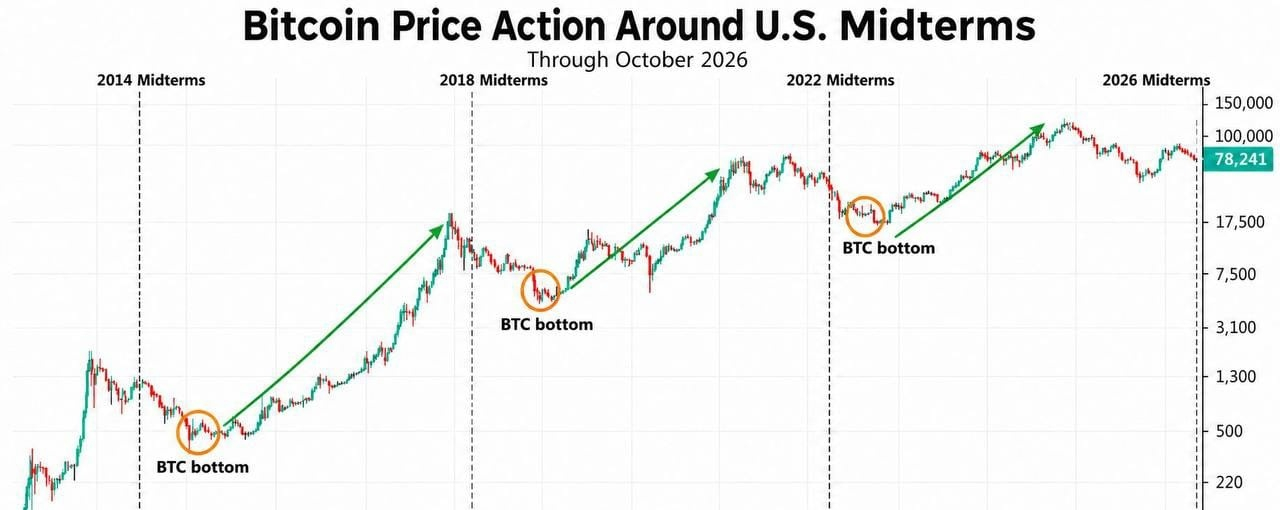
時として、最も興味深い市場のシグナルは、指標や移動平均線、複雑な取引モデルの中には見つかりません。多くの人がほとんど注意を払わないパターンの中に現れることがあります。そして、ビットコインをめぐる歴史的なパターンの中に、もう少し詳しく見てみる価値のあるものがあります。過去3回の市場サイクルでは、ビットコインの主要な底値は、米国の中間選挙の直後に現れました。市場がすでに再び不確実な時期を迎えている今、このタイミングは興味深いものです。
ビットコインの次の底値:米国の中間選挙は全体像の一部となるのか?
うーん、つまり……
時として、最も興味深い市場のシグナルは、指標や移動平均線、複雑な取引モデルの中には見つかりません。多くの人がほとんど注意を払わないパターンの中に現れることがあります。そして、ビットコインをめぐる歴史的なパターンの中に、もう少し詳しく見てみる価値のあるものがあります。過去3回の市場サイクルでは、ビットコインの主要な底値は、米国の中間選挙の直後に現れました。市場がすでに再び不確実な時期を迎えている今、このタイミングは興味深いものです。
時として、最も興味深い市場のシグナルは、指標や移動平均線、複雑な取引モデルの中には見つかりません。多くの人がほとんど注意を払わないパターンの中に現れることがあります。そして、ビットコインをめぐる歴史的なパターンの中に、もう少し詳しく見てみる価値のあるものがあります。過去3回の市場サイクルでは、ビットコインの主要な底値は、米国の中間選挙の直後に現れました。市場がすでに再び不確実な時期を迎えている今、このタイミングは興味深いものです。
2
203
·
--
記事
ビットコインが重要な水準を割り込む。だが、下落はどこまで続くのか?いや、実際のところ……
市場の方向が一瞬で変わることはめったにありません。むしろ、警戒すべき兆候は徐々に現れ、投資家がその重要性に気づくのは、すでにトレンドが転換した後ということがよくあります。
ビットコインは今、警戒すべき兆候の一つを示しています。
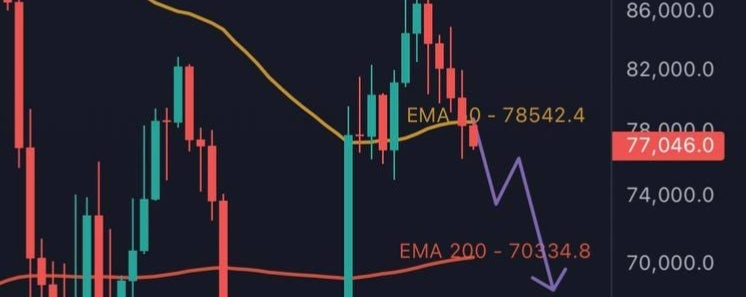
50週EMAを割り込んだことは注目に値します。この移動平均線は、より大きな視点で強気相場か弱気相場かを判断する指標として、よく見られているからです。チャート上の単なる短期的なサポート水準ではありません。ビットコインが長期的に強さを保っているのか、それとも上昇の勢いを失い始めているのかを、トレーダーが判断する助けになります。そして、この水準を割り込むと、市場は不安定な状況に置かれます。強い強気相場で投資家がどう振る舞うかを考えてみてください。自信が高まり、買い手はより積極的になり、一時的な調整も買いの好機と見なされることがよくあります。しかし、ビットコインが重要な週足の水準を割り始めると、その自信も揺らぎかねません。
ビットコインが重要な水準を割り込む。だが、下落はどこまで続くのか?
いや、実際のところ……
市場の方向が一瞬で変わることはめったにありません。むしろ、警戒すべき兆候は徐々に現れ、投資家がその重要性に気づくのは、すでにトレンドが転換した後ということがよくあります。
ビットコインは今、警戒すべき兆候の一つを示しています。
50週EMAを割り込んだことは注目に値します。この移動平均線は、より大きな視点で強気相場か弱気相場かを判断する指標として、よく見られているからです。チャート上の単なる短期的なサポート水準ではありません。ビットコインが長期的に強さを保っているのか、それとも上昇の勢いを失い始めているのかを、トレーダーが判断する助けになります。そして、この水準を割り込むと、市場は不安定な状況に置かれます。強い強気相場で投資家がどう振る舞うかを考えてみてください。自信が高まり、買い手はより積極的になり、一時的な調整も買いの好機と見なされることがよくあります。しかし、ビットコインが重要な週足の水準を割り始めると、その自信も揺らぎかねません。
3
313
·
--
記事
翻訳参照
Nvidia UPDATEI would like to discuss a particular matter, as I believe Nvidia’s recent decision carries significant implications not just for the AI industry, but also for the future of technology and international business.
As we know, there is a global race underway in the field of AI—a competition that is becoming increasingly complex, particularly between the United States and China. Key points of debate include which nation can develop more powerful AI, who will possess the most advnced GPUs, and who will ultimately control the AI infrastructure of the future. Against this backdrop, Nvidia’s latest move appears highly consequential.
According to reports from the Financial Times and Reuters, Nvidia has instructed its global data center and cloud partners to adhere to new restrictions when conducting business with Chinese clients.
The most notable aspect of this is the "51% rule."
To put it simply, Nvidia has verbally informed its cloud server partners that at least 51% of their total cloud or data center capacity must be allocated to non-Chinese entities. In other words, a data center cannot lease more than 49% of its total capacity to Chinese customers. It is worth noting that, according to the reports, this rule applies to new agreements; existing contracts are not immediately subject to these new terms.
The question arises: why has Nvidia taken such a decision now?
In my view, the core issue concerns U.S. national security and control over AI technology. For some time, the United States has sought to limit the supply of advanced AI chips and processors to China. However, in the world of technology, not everything is handled through direct sales.
For instance, even if a Chinese organization cannot purchase advanced Nvidia chips directly, it might still be able to lease computing power from a cloud server or data center located in another country. In this way, they can gain access to the technical resources necessary to develop or train AI models without needing to acquire the chips themselves.
This is precisely where the U.S. concern lies. In other words, controlling chip exports alone is not enough to prevent all forms of indirect use. There is also the possibility of circumventing such restrictions by leveraging cloud infrastructure located abroad. Nvidia’s new terms can be seen as an effort to limit such workarounds.
However, to me, the most significant point is that the AI race is no longer just about who develops the best technology. It has evolved into a broader issue concerning who can access that technology, where they can secure computing power, and the extent to which entities from different nations can benefit. One thing is clear: Nvidia is no longer merely a chip manufacturer; it has become a critical component of the global AI infrastructure. Consequently, its busines decisions can directly influence international technological competition.
Ultimately, only time will reveal how effective these regulations will be and what their long-term impact on the cloud computing sector will entail.
In my view, competition within the AI industry will not be confined solely to the development of new models. Controlling access to computing power, chip supplies, and the technology itself will become equally, if not more, important.
$NVDAB
{spot}(NVDABUSDT)
$TSMB
{spot}(TSMBUSDT)
$SPCXB
{spot}(SPCXBUSDT)
#USMidtermElections #USOctoberNFP-AreRateCutsStillPossible #AppleReportsMixedResults
Nvidia UPDATE
I would like to discuss a particular matter, as I believe Nvidia’s recent decision carries significant implications not just for the AI industry, but also for the future of technology and international business.
As we know, there is a global race underway in the field of AI—a competition that is becoming increasingly complex, particularly between the United States and China. Key points of debate include which nation can develop more powerful AI, who will possess the most advnced GPUs, and who will ultimately control the AI infrastructure of the future. Against this backdrop, Nvidia’s latest move appears highly consequential.
According to reports from the Financial Times and Reuters, Nvidia has instructed its global data center and cloud partners to adhere to new restrictions when conducting business with Chinese clients.
The most notable aspect of this is the "51% rule."
To put it simply, Nvidia has verbally informed its cloud server partners that at least 51% of their total cloud or data center capacity must be allocated to non-Chinese entities. In other words, a data center cannot lease more than 49% of its total capacity to Chinese customers. It is worth noting that, according to the reports, this rule applies to new agreements; existing contracts are not immediately subject to these new terms.
The question arises: why has Nvidia taken such a decision now?
In my view, the core issue concerns U.S. national security and control over AI technology. For some time, the United States has sought to limit the supply of advanced AI chips and processors to China. However, in the world of technology, not everything is handled through direct sales.
For instance, even if a Chinese organization cannot purchase advanced Nvidia chips directly, it might still be able to lease computing power from a cloud server or data center located in another country. In this way, they can gain access to the technical resources necessary to develop or train AI models without needing to acquire the chips themselves.
This is precisely where the U.S. concern lies. In other words, controlling chip exports alone is not enough to prevent all forms of indirect use. There is also the possibility of circumventing such restrictions by leveraging cloud infrastructure located abroad. Nvidia’s new terms can be seen as an effort to limit such workarounds.
However, to me, the most significant point is that the AI race is no longer just about who develops the best technology. It has evolved into a broader issue concerning who can access that technology, where they can secure computing power, and the extent to which entities from different nations can benefit. One thing is clear: Nvidia is no longer merely a chip manufacturer; it has become a critical component of the global AI infrastructure. Consequently, its busines decisions can directly influence international technological competition.
Ultimately, only time will reveal how effective these regulations will be and what their long-term impact on the cloud computing sector will entail.
In my view, competition within the AI industry will not be confined solely to the development of new models. Controlling access to computing power, chip supplies, and the technology itself will become equally, if not more, important.
$NVDAB
$TSMB
$SPCXB
#USMidtermElections #USOctoberNFP-AreRateCutsStillPossible #AppleReportsMixedResults
4
356
·
--
記事
これほど多くのサポート水準があるのに、BTCは弱気派の最後のあがきなのか?本当に……という意味です。
ひとつの考えが何度も頭をよぎります……ビットコインは本当に弱まっているのでしょうか。それとも市場は再び、多くの人が恐怖に駆られてポジションを手放す局面に差しかかっているのでしょうか。
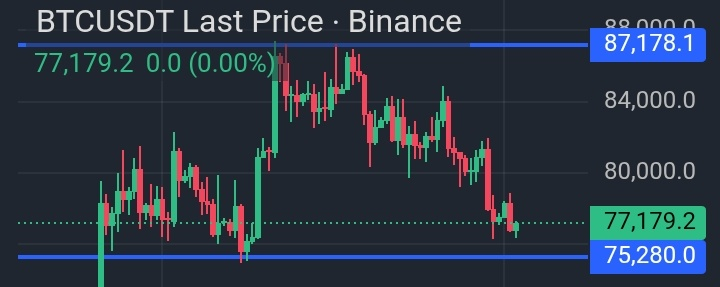
しばらくチャートを見ています。87,383ドルに近づいた後、$BTC は徐々に下落してきました。価格は現在77,083ドル付近で推移しています。あまり気持ちのよい光景ではありません。特に、より高い水準でエントリーした人にとっては。
でも、ここが重要なところです。
価格が下落するなか、ビットコインはいくつかの重要なサポート水準に近づいています。私にとって、かなり興味深いゾーンです。
これほど多くのサポート水準があるのに、BTCは弱気派の最後のあがきなのか?
本当に……という意味です。
ひとつの考えが何度も頭をよぎります……ビットコインは本当に弱まっているのでしょうか。それとも市場は再び、多くの人が恐怖に駆られてポジションを手放す局面に差しかかっているのでしょうか。
しばらくチャートを見ています。87,383ドルに近づいた後、$BTC は徐々に下落してきました。価格は現在77,083ドル付近で推移しています。あまり気持ちのよい光景ではありません。特に、より高い水準でエントリーした人にとっては。
でも、ここが重要なところです。
価格が下落するなか、ビットコインはいくつかの重要なサポート水準に近づいています。私にとって、かなり興味深いゾーンです。
ひとつの考えが何度も頭をよぎります……ビットコインは本当に弱まっているのでしょうか。それとも市場は再び、多くの人が恐怖に駆られてポジションを手放す局面に差しかかっているのでしょうか。
しばらくチャートを見ています。87,383ドルに近づいた後、$BTC は徐々に下落してきました。価格は現在77,083ドル付近で推移しています。あまり気持ちのよい光景ではありません。特に、より高い水準でエントリーした人にとっては。
でも、ここが重要なところです。
価格が下落するなか、ビットコインはいくつかの重要なサポート水準に近づいています。私にとって、かなり興味深いゾーンです。
5
143
·
--
ビットコインは10月を7.32%の下落で終えました。しかし、11月には歴史的に見てまったく異なるストーリーがあります。
ビットコイン市場に対する人々の反応には、興味深いところがあります。月間の終値がマイナスになると、雰囲気が一変することがよくあります。トレーダーは急に慎重になり、投資家は自分のポジションに疑問を持ち始め、議論の焦点は市場がさらにどれほど下落する可能性があるかへと移ります。しかし、市場の歴史は、短期的なパフォーマンスと市場全体の動きが、必ずしも同じことを示しているわけではないと思い出させてくれます。
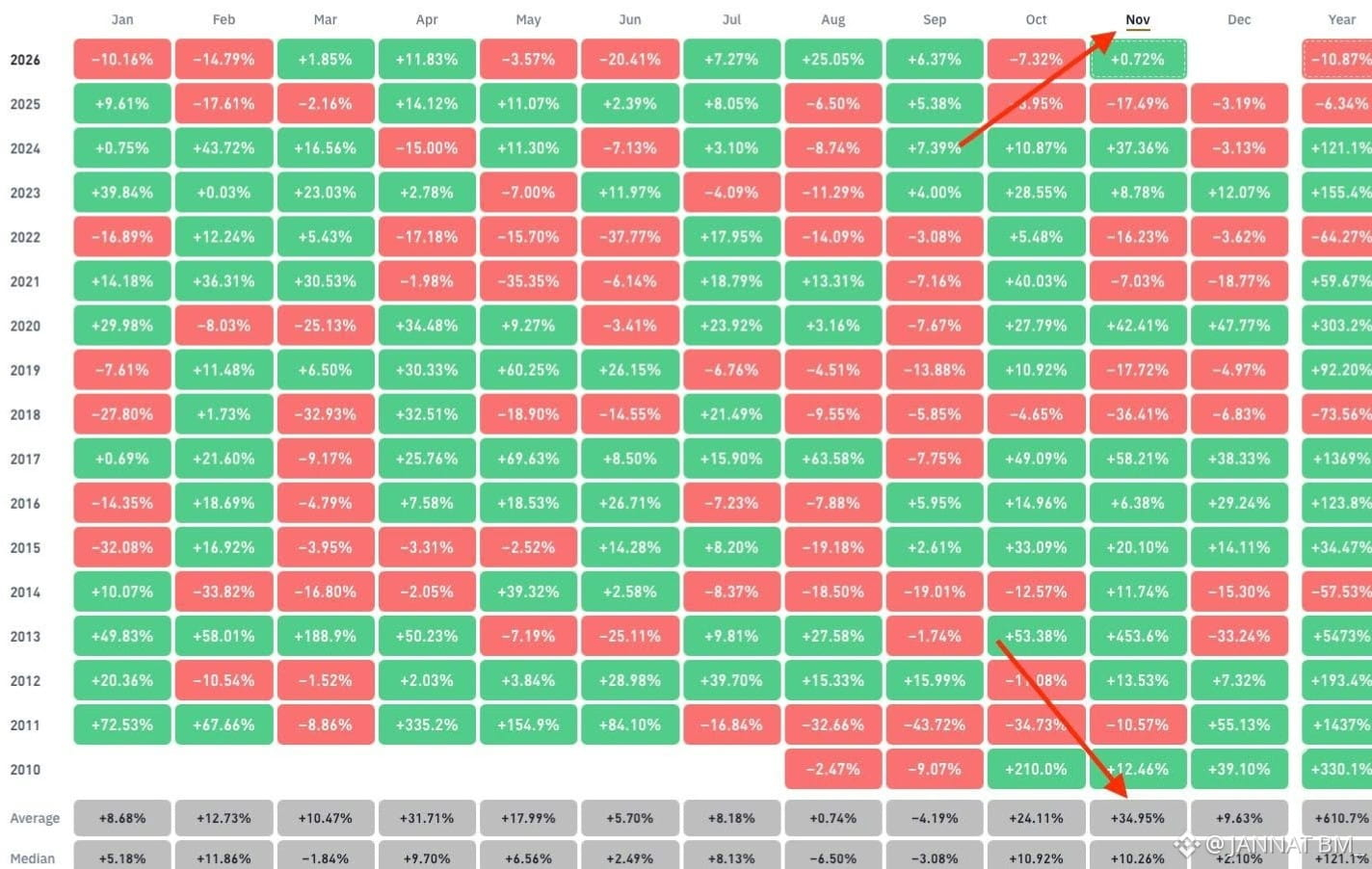
10月は$BTCが-7.32%のリターンで終わりました。強気派が望んでいたような月間の終値とは言い難いでしょう。特に、力強い上昇が続くと期待して市場に参入した人々にとっては、不確実性が生まれます。
しかし、11月は歴史的に異なる評価を受けてきました。
ビットコインの11月の平均リターンは、約+34.95%です。
この数字は注目に値しますが、背景も踏まえて考える必要があります。
平均リターンは約束ではありません。今月、ビットコインが自動的に34.95%上昇するという意味ではありません。過去のパフォーマンスは興味深い視点を与えてくれますが、市場は決まったカレンダーどおりに動くわけではありません。
それでも、10月と11月の対比は議論する価値があると思います。ある月はマイナス圏で終わり、次の月は歴史的に高い平均リターンを伴って始まります。そこから自然と、ひとつの疑問が生まれます。ビットコインが再び勢いを取り戻す機会が訪れているのでしょうか。それとも、市場は期待が危険になり得る局面に入ろうとしているのでしょうか。
ここでより大きな問題となるのは、市場参加者が過去のデータをどう解釈するかです。
季節的な平均リターンが高いと知ると、すぐに楽観的になるトレーダーもいます。一方で、過去の実績は将来の結果を保証しないとして、完全に無視する人もいます。
個人的には、どちらの反応も重要な点を見落としていると思います。
過去のデータが役立つのは、市場の動きを理解する助けになるときです。次に何が起こるかを正確に予測するために使うときではありません。
#BinanceReopensWithdrawalsForMoreAssets #AppleReportsMixedResults #BinanceHourlyDepositsExceedWithdrawals $BTC
{future}(BTCUSDT)
ビットコインは10月を7.32%の下落で終えました。しかし、11月には歴史的に見てまったく異なるストーリーがあります。
ビットコイン市場に対する人々の反応には、興味深いところがあります。月間の終値がマイナスになると、雰囲気が一変することがよくあります。トレーダーは急に慎重になり、投資家は自分のポジションに疑問を持ち始め、議論の焦点は市場がさらにどれほど下落する可能性があるかへと移ります。しかし、市場の歴史は、短期的なパフォーマンスと市場全体の動きが、必ずしも同じことを示しているわけではないと思い出させてくれます。
10月は$BTC が-7.32%のリターンで終わりました。強気派が望んでいたような月間の終値とは言い難いでしょう。特に、力強い上昇が続くと期待して市場に参入した人々にとっては、不確実性が生まれます。
しかし、11月は歴史的に異なる評価を受けてきました。
ビットコインの11月の平均リターンは、約+34.95%です。
この数字は注目に値しますが、背景も踏まえて考える必要があります。
平均リターンは約束ではありません。今月、ビットコインが自動的に34.95%上昇するという意味ではありません。過去のパフォーマンスは興味深い視点を与えてくれますが、市場は決まったカレンダーどおりに動くわけではありません。
それでも、10月と11月の対比は議論する価値があると思います。ある月はマイナス圏で終わり、次の月は歴史的に高い平均リターンを伴って始まります。そこから自然と、ひとつの疑問が生まれます。ビットコインが再び勢いを取り戻す機会が訪れているのでしょうか。それとも、市場は期待が危険になり得る局面に入ろうとしているのでしょうか。
ここでより大きな問題となるのは、市場参加者が過去のデータをどう解釈するかです。
季節的な平均リターンが高いと知ると、すぐに楽観的になるトレーダーもいます。一方で、過去の実績は将来の結果を保証しないとして、完全に無視する人もいます。
個人的には、どちらの反応も重要な点を見落としていると思います。
過去のデータが役立つのは、市場の動きを理解する助けになるときです。次に何が起こるかを正確に予測するために使うときではありません。
#BinanceReopensWithdrawalsForMoreAssets #AppleReportsMixedResults #BinanceHourlyDepositsExceedWithdrawals $BTC
4
92
·
--
$RUNE 強気のモメンタム🟢
$RUNE は、現在かなり興味深い強さを見せています。1時間足チャートでは、価格は約0.5814ドルで取引されており、約13.35%上昇しています。率直に言って、注目に値する動きです。
0.4933ドル付近まで下落した後、RUNEは回復し始め、徐々に上昇の勢いを強めました。私が注目したのは、直近で下降トレンドラインを上抜けた動きです。これは買い手が主導権を握りつつある初期の兆候かもしれませんが、本格的なトレンド転換と判断する前に、やはり確認を待ちたいところです。目先の課題は0.5963ドル付近で、現在の24時間高値に近い水準です。買い手が十分な出来高を伴ってこの抵抗線を突破できれば、次に注目すべき重要な水準は0.6082ドル付近です。
0.6082ドルを明確に上抜ければ、0.6739ドルの抵抗線を目指す展開が開ける可能性があります。ここからさらに面白い動きになるかもしれません。
ただし、短期的な押し戻しの可能性も無視できません。13%以上上昇した後に、利益確定の売りが出るのはごく自然なことです。強気の形を保つには、ブレイクアウトした水準を維持し、安値を切り上げていくことが重要です。
RUNEが0.58~0.60ドルのゾーンでどのように動くかに注目しています。緑色のローソク足をむやみに追いかける必要はありません。適切なリテストを待つほうが賢明な場合もあります。
取引プラン:
コイン:$RUNE / USDT
モメンタム:強気の回復、下降トレンドラインのブレイクアウトを試す展開。
エントリー:0.5720~0.5820ドル
利確1:0.6082ドル
利確2:0.6739ドル
損切り:0.5480ドル
これらはチャート上で確認できる値動きの構造に基づく想定水準であり、目標達成を保証するものではありません。価格がブレイクアウトの形を崩した場合は、強気の取引プランを見直す必要があります。
買い手がこの勢いを維持できるか見ていきましょう。力強いローソク足が1本出るのは興味深いですが、本当に重要なのは、その後も一貫して上昇が続くことです。
市場は変動が大きいため、ご自身でリスクを管理してください。
#BinanceReopensWithdrawalsForMoreAssets #AppleReportsMixedResults
3
207
·
--
本人確認中
#BinanceReopensWithdrawalsForMoreAssets
Binanceからの出金に関する重要なお知らせです。
朗報として、ETHおよびSOLネットワーク上の複数の資産について、出金が再開されました。ETHネットワークでは、ENA、USDE、PENDLE、WLD、SHIB、LINK、ONDO、NIL、BTC、STRK、POL、BLUR、ETHFIなどの資産の出金が再び可能になりました。同様に、SOLネットワークでは、USD1、PUMP、RENDER、RAY、TRUMP、PENGU、JUP、PYTH、BONK、WIF、JTO、BOMEなどの資産の出金が再開されました。
また、ETHネットワーク上のRLUSD、USD1、TUSD、FDUSD、XUSDについては、すでに出金が可能でした。
最も注目すべき点は、Binanceが一斉にではなく、段階的に出金サービスを復旧させていることです。Binanceによると、残りの資産やネットワークについても、セキュリティチェックの完了後、順次利用可能になるとのことです。
すべてが通常どおりに戻ったと判断するには時期尚早ですが、サービスが段階的に復旧していることは、間違いなく歓迎すべき動きです。今後の最新情報については、Binanceの公式チャンネルを確認することをおすすめします。
@Binance_Announcement #Binance #BinanceHourlyDepositsExceedWithdrawals #Verify1to1BinanceReserves #BinanceRestores28FiatWithdrawals
#BinanceReopensWithdrawalsForMoreAssets
Binanceからの出金に関する重要なお知らせです。
朗報として、ETHおよびSOLネットワーク上の複数の資産について、出金が再開されました。ETHネットワークでは、ENA、USDE、PENDLE、WLD、SHIB、LINK、ONDO、NIL、BTC、STRK、POL、BLUR、ETHFIなどの資産の出金が再び可能になりました。同様に、SOLネットワークでは、USD1、PUMP、RENDER、RAY、TRUMP、PENGU、JUP、PYTH、BONK、WIF、JTO、BOMEなどの資産の出金が再開されました。
また、ETHネットワーク上のRLUSD、USD1、TUSD、FDUSD、XUSDについては、すでに出金が可能でした。
最も注目すべき点は、Binanceが一斉にではなく、段階的に出金サービスを復旧させていることです。Binanceによると、残りの資産やネットワークについても、セキュリティチェックの完了後、順次利用可能になるとのことです。
すべてが通常どおりに戻ったと判断するには時期尚早ですが、サービスが段階的に復旧していることは、間違いなく歓迎すべき動きです。今後の最新情報については、Binanceの公式チャンネルを確認することをおすすめします。
@Binance Announcement #Binance #BinanceHourlyDepositsExceedWithdrawals #Verify1to1BinanceReserves #BinanceRestores28FiatWithdrawals
1
3
1.5k
·
--
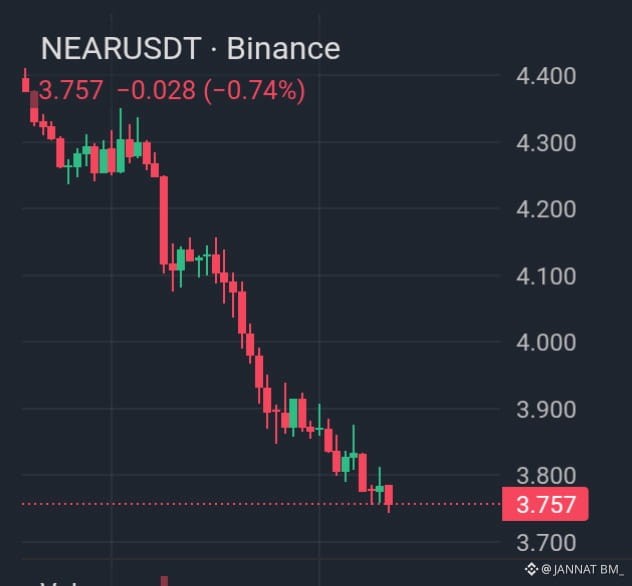
$NEAR は売り圧力に直面していますが、買い手はこのサポートを守れるでしょうか?
{future}(NEARUSDT)
現在、$NEAR をめぐって興味深い動きが起きています。市場は明らかに弱気に転じており、1時間足チャートからは、モメンタムがいかに急速に買い手に不利な方向へ傾いたかが分かります。NEAR Protocolは現在、約3.7510ドルで取引されており、約8.55%下落しています。確認できるチャートを見ると、以前は4.50~4.80ドル付近で取引されていた価格が、その後下落しています。何度か反発を試みたものの、より力強い上昇基調を確立できず、売り手が徐々に価格を現在のサポートゾーンまで押し下げました。
私が注目しているのは3.7460ドルの水準です。ここは現在、確認できる24時間の安値であり、価格はそのすぐ近くで推移しています。そのため、このゾーンは特に注視すべきです。買い手がこの水準を守り、意味のある反発を生み出せれば、短期的に失った値を取り戻す動きが見られるかもしれません。
ただし、まだ反転と判断するのは早いでしょう。1時間足の全体的な構造は依然として弱く見えます。一時的な反発があったからといって、必ずしも売り圧力が収まったとは限りません。回復への確信を強める前に、買い手が近くのレジスタンス水準を奪回し、その勢いを維持するのを見たいところです。もう一つ興味深い点は、報告されている24時間の売買高が約2億1,768万ドルに達していることです。取引はかなり活発ですが、価格の方向性は依然としてマイナスです。市場が活発だからといって、必ずしも買い手が主導権を握っているわけではないことを示しています。
より広い視点で見ると、NEAR Protocolの長期的な重要性は、その技術、エコシステムの発展、開発者の活動、そして実際のネットワーク利用状況を通じて評価すべきプロジェクトです。短期的な価格下落によって、根底にあるプロジェクトの投資テーマが自動的に変わるわけではありません。同様に、急な反発があったからといって、長期的な需要が戻った証明になるわけでもありません。
現時点で私が注目しているのは、3.7460ドルを維持できるかどうかです。この水準を割り込めば、さらなる売り圧力につながる可能性があります。一方、持続的に回復すれば、市場が弱気のモメンタムを再評価するきっかけになるでしょう。
$NEAR は売り圧力に直面していますが、買い手はこのサポートを守れるでしょうか?
現在、$NEAR をめぐって興味深い動きが起きています。市場は明らかに弱気に転じており、1時間足チャートからは、モメンタムがいかに急速に買い手に不利な方向へ傾いたかが分かります。NEAR Protocolは現在、約3.7510ドルで取引されており、約8.55%下落しています。確認できるチャートを見ると、以前は4.50~4.80ドル付近で取引されていた価格が、その後下落しています。何度か反発を試みたものの、より力強い上昇基調を確立できず、売り手が徐々に価格を現在のサポートゾーンまで押し下げました。
私が注目しているのは3.7460ドルの水準です。ここは現在、確認できる24時間の安値であり、価格はそのすぐ近くで推移しています。そのため、このゾーンは特に注視すべきです。買い手がこの水準を守り、意味のある反発を生み出せれば、短期的に失った値を取り戻す動きが見られるかもしれません。
ただし、まだ反転と判断するのは早いでしょう。1時間足の全体的な構造は依然として弱く見えます。一時的な反発があったからといって、必ずしも売り圧力が収まったとは限りません。回復への確信を強める前に、買い手が近くのレジスタンス水準を奪回し、その勢いを維持するのを見たいところです。もう一つ興味深い点は、報告されている24時間の売買高が約2億1,768万ドルに達していることです。取引はかなり活発ですが、価格の方向性は依然としてマイナスです。市場が活発だからといって、必ずしも買い手が主導権を握っているわけではないことを示しています。
より広い視点で見ると、NEAR Protocolの長期的な重要性は、その技術、エコシステムの発展、開発者の活動、そして実際のネットワーク利用状況を通じて評価すべきプロジェクトです。短期的な価格下落によって、根底にあるプロジェクトの投資テーマが自動的に変わるわけではありません。同様に、急な反発があったからといって、長期的な需要が戻った証明になるわけでもありません。
現時点で私が注目しているのは、3.7460ドルを維持できるかどうかです。この水準を割り込めば、さらなる売り圧力につながる可能性があります。一方、持続的に回復すれば、市場が弱気のモメンタムを再評価するきっかけになるでしょう。

1
3
243
·
--
記事
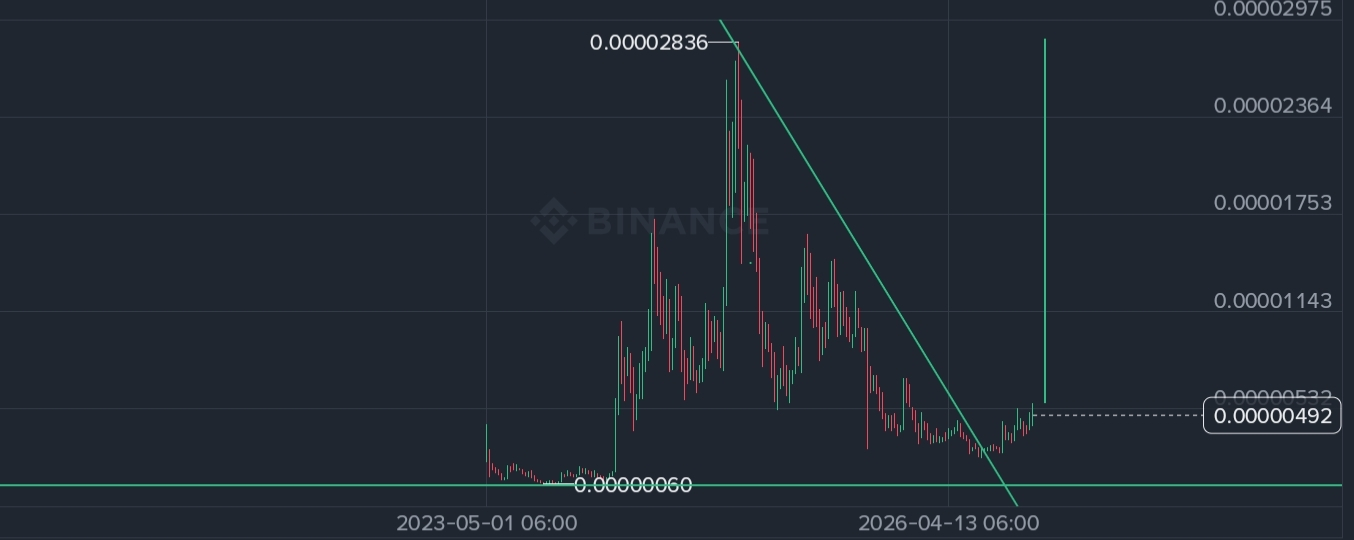
PEPE 現物/先物 買いエントリー 🟢🚀$PEPE 長期的なトレンド転換は、ついに形になりつつあるのでしょうか?
PEPEの週足チャートで興味深い動きが見られます。長期にわたる売り圧力の後、価格は歴史的な安値圏付近で安定の兆しを見せ始めています。ただし、トレンド転換が確認されたと判断するには、まだ早すぎると思います。
現在、PEPEは約0.000004916ドルで取引されています。週足の値動きを見ると、大局的には依然として弱気です。長期の下降トレンドラインが長い間相場を抑えており、それに沿って価格は高値を切り下げています。ただし、注目すべき点もあります。長い間安値圏で推移した後、PEPEは直近の持ち合いの範囲から小幅な回復を見せています。売り圧力はそれまでの下落局面に比べて弱まっているようで、買い手も関心を示し始めています。
PEPE 現物/先物 買いエントリー 🟢🚀
$PEPE 長期的なトレンド転換は、ついに形になりつつあるのでしょうか?
PEPEの週足チャートで興味深い動きが見られます。長期にわたる売り圧力の後、価格は歴史的な安値圏付近で安定の兆しを見せ始めています。ただし、トレンド転換が確認されたと判断するには、まだ早すぎると思います。
現在、PEPEは約0.000004916ドルで取引されています。週足の値動きを見ると、大局的には依然として弱気です。長期の下降トレンドラインが長い間相場を抑えており、それに沿って価格は高値を切り下げています。ただし、注目すべき点もあります。長い間安値圏で推移した後、PEPEは直近の持ち合いの範囲から小幅な回復を見せています。売り圧力はそれまでの下落局面に比べて弱まっているようで、買い手も関心を示し始めています。
1
20
4.1k
·
--
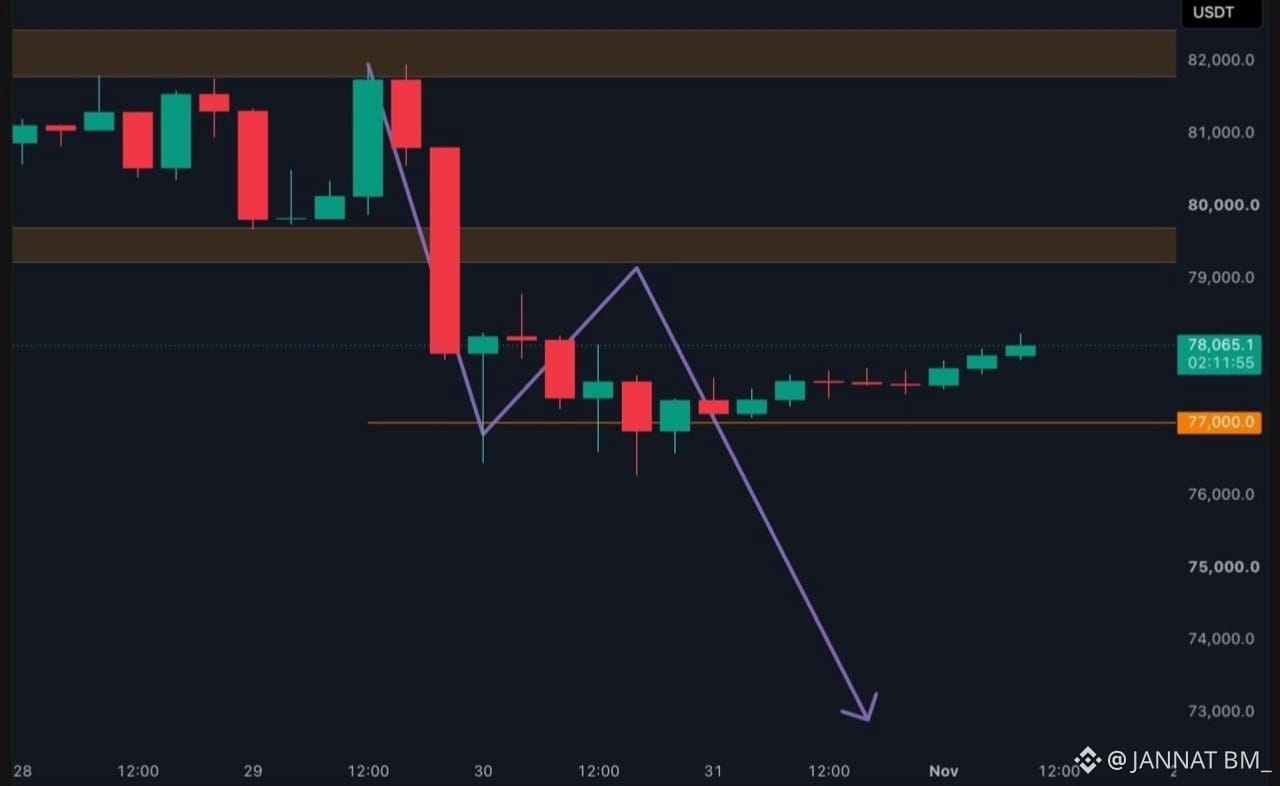
$BTC はすでに、想定していた82K~77Kの下値目標に到達しており、値動きはほぼ予想どおりに展開しています。77Kに達した後、BTCは78.5K~79.5Kのゾーンまで反発しましたが、その回復を維持できませんでした。現在は76Kに向けて下落しています。
今後については、売り手が再び動き出す前に、もう一度自律反発し、78K~79.5Kのレジスタンスエリアを試す展開になっても不思議ではありません。
その水準で反落すれば、次に注目すべき下値は75Kとなる可能性があります。今のところ、レジスタンス付近で価格がどう反応するかを注視しています。
{future}(BTCUSDT)
#BinanceUpdatesProofofReservesAddresses #BinanceRestoresWithdrawalsForXRP&BaseNetworks #BinanceSAFUFundTransferCompleted7499BTC
$BTC はすでに、想定していた82K~77Kの下値目標に到達しており、値動きはほぼ予想どおりに展開しています。77Kに達した後、BTCは78.5K~79.5Kのゾーンまで反発しましたが、その回復を維持できませんでした。現在は76Kに向けて下落しています。
今後については、売り手が再び動き出す前に、もう一度自律反発し、78K~79.5Kのレジスタンスエリアを試す展開になっても不思議ではありません。
その水準で反落すれば、次に注目すべき下値は75Kとなる可能性があります。今のところ、レジスタンス付近で価格がどう反応するかを注視しています。
#BinanceUpdatesProofofReservesAddresses #BinanceRestoresWithdrawalsForXRP&BaseNetworks #BinanceSAFUFundTransferCompleted7499BTC
今後については、売り手が再び動き出す前に、もう一度自律反発し、78K~79.5Kのレジスタンスエリアを試す展開になっても不思議ではありません。
その水準で反落すれば、次に注目すべき下値は75Kとなる可能性があります。今のところ、レジスタンス付近で価格がどう反応するかを注視しています。
#BinanceUpdatesProofofReservesAddresses #BinanceRestoresWithdrawalsForXRP&BaseNetworks #BinanceSAFUFundTransferCompleted7499BTC
5
384
·
--

記事
ビットコインの81.5Kドルからの反発:強気の続伸は来る?うーん……
ビットコインの最近の値動きを見ていたところ、気になる点がありました。BTCは同水準の安値を下抜けた後、81.5Kドル付近にある重要な下位時間足のサポートから反発しました。同水準の安値の下にあった流動性はすでに吸収されているため、これは興味深い反応です。さらに下落するのではなく、買い手が入り、価格を押し上げました。これだけで完全な反転が起きるとは限りませんが、強気派にとっては追い風となる材料です。
次に注目しているのは、強気フラッグの形成です。
ビットコインの81.5Kドルからの反発:強気の続伸は来る?
うーん……
ビットコインの最近の値動きを見ていたところ、気になる点がありました。BTCは同水準の安値を下抜けた後、81.5Kドル付近にある重要な下位時間足のサポートから反発しました。同水準の安値の下にあった流動性はすでに吸収されているため、これは興味深い反応です。さらに下落するのではなく、買い手が入り、価格を押し上げました。これだけで完全な反転が起きるとは限りませんが、強気派にとっては追い風となる材料です。
次に注目しているのは、強気フラッグの形成です。
ビットコインの最近の値動きを見ていたところ、気になる点がありました。BTCは同水準の安値を下抜けた後、81.5Kドル付近にある重要な下位時間足のサポートから反発しました。同水準の安値の下にあった流動性はすでに吸収されているため、これは興味深い反応です。さらに下落するのではなく、買い手が入り、価格を押し上げました。これだけで完全な反転が起きるとは限りませんが、強気派にとっては追い風となる材料です。
次に注目しているのは、強気フラッグの形成です。
4
274
·
--
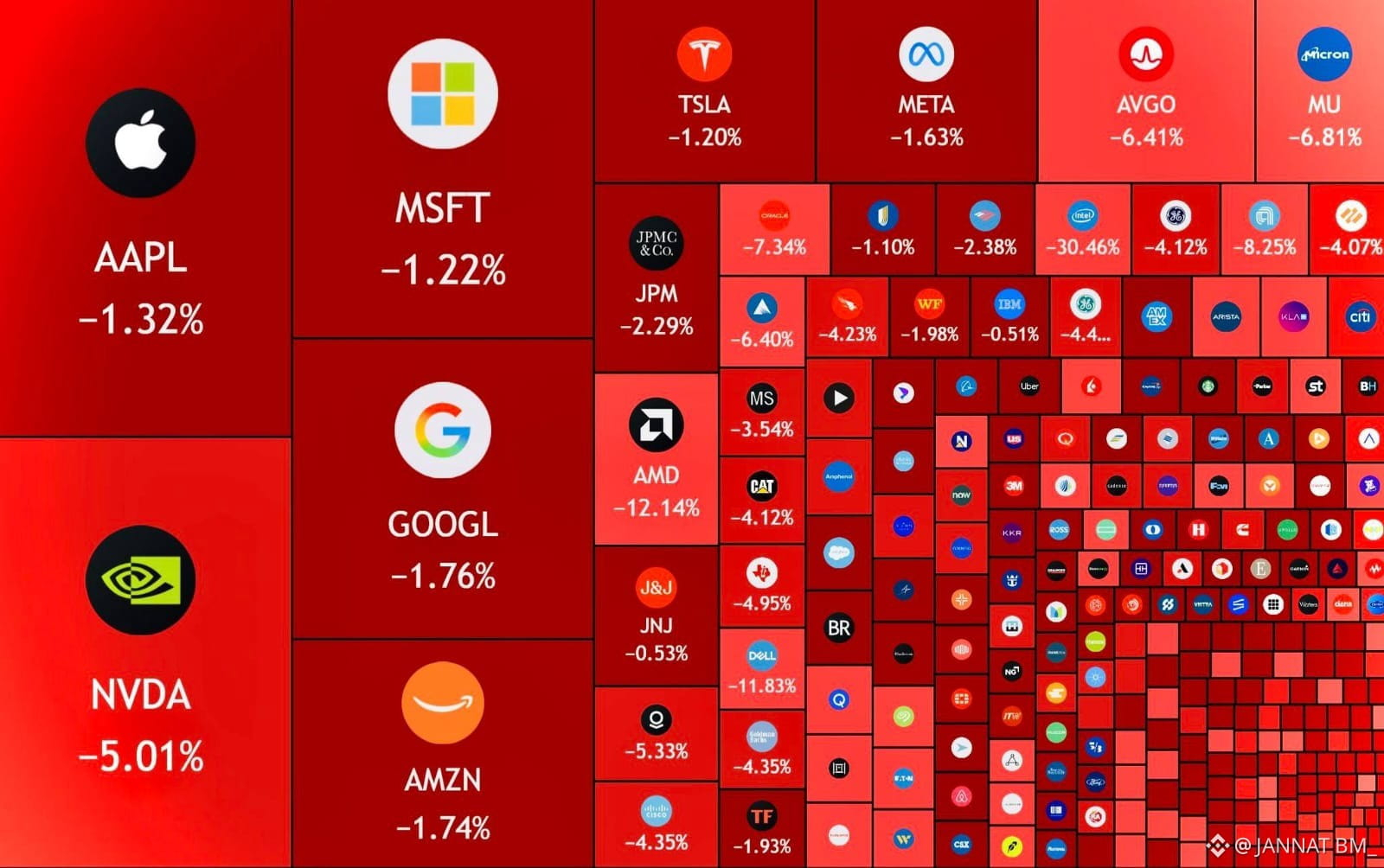
今日の米国株式市場の状況は、本当に懸念されます。時価総額が1日で約1.8兆ドル失われたというニュースがありました。これほどの大幅な下落は、投資家の間に新たな不安を生む可能性があります。今後、この圧力が株式市場にとどまるのか、それとも暗号資産市場にも影響が広がるのか、注目されます。現在の状況では、リスク選好が非常に重要だからです。
#USDCCirculationFallsAbout800MInSevenDays #ASICHasReceivedNoPredictionMarketApplications #IntelHasItsWorstDaySince1974 $AMZNB
{spot}(AMZNBUSDT)
$TSLAB
{spot}(TSLABUSDT)
$LLYB
{spot}(LLYBUSDT)
今日の米国株式市場の状況は、本当に懸念されます。時価総額が1日で約1.8兆ドル失われたというニュースがありました。これほどの大幅な下落は、投資家の間に新たな不安を生む可能性があります。今後、この圧力が株式市場にとどまるのか、それとも暗号資産市場にも影響が広がるのか、注目されます。現在の状況では、リスク選好が非常に重要だからです。
#USDCCirculationFallsAbout800MInSevenDays #ASICHasReceivedNoPredictionMarketApplications #IntelHasItsWorstDaySince1974 $AMZNB
$TSLAB
$LLYB
#USDCCirculationFallsAbout800MInSevenDays #ASICHasReceivedNoPredictionMarketApplications #IntelHasItsWorstDaySince1974 $AMZNB
$TSLAB
$LLYB
3
359
·
--
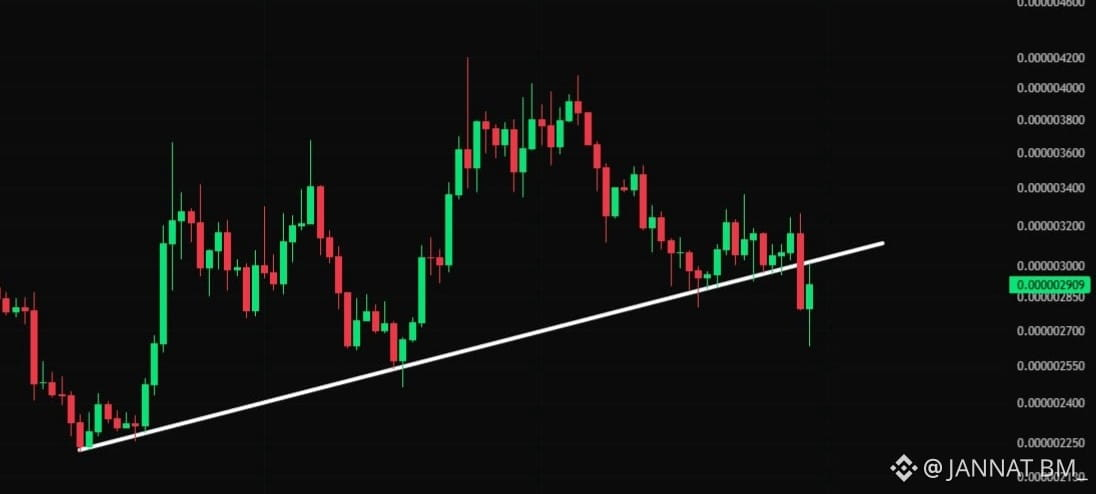
$BONK は現在、上昇トレンドライン付近のレジスタンスゾーンを試しています。次の反応が短期的な方向性を示す手がかりとなる可能性があるため、注目すべき興味深いエリアです。明確に上抜ければ強気の勢いが強まる可能性がありますが、再び拒まれれば、さらに持ち合いが続く可能性があります。価格がどう反応するか見ていきましょう。
{spot}(BONKUSDT)
$BONK は現在、上昇トレンドライン付近のレジスタンスゾーンを試しています。次の反応が短期的な方向性を示す手がかりとなる可能性があるため、注目すべき興味深いエリアです。明確に上抜ければ強気の勢いが強まる可能性がありますが、再び拒まれれば、さらに持ち合いが続く可能性があります。価格がどう反応するか見ていきましょう。
5
511
ログインして、さらにコンテンツを読む
厳選トピックで世界の暗号資産トレーダーの仲間入り
⚡️ 暗号資産に関する最新かつ有益な情報が見つかります。
💬 世界最大の暗号資産取引所から信頼されています。
👍 認証を受けたクリエイターから、有益なインサイトを得られます。
メール / 電話番号
トレンドトピック
KeplrAdvisesSocialLoginUsersToTransferAssets
閲覧回数 574
50人が討論中
#KeplrAdvisesSocialLoginUsersToTransferAssets
KEPLR セキュリティ警告 — ソーシャルログインを利用した方はお読みください!
Keplrは、ソーシャルログイン(Google/Apple/メール)でウォレットを作成したユーザーに対し、リカバリーフレーズで保護されたウォレット、またはハードウェアウォレットに資産を移すよう推奨したと報じられています。
なぜでしょうか?
ソーシャルログイン=ウォレットへのアクセスを第三者に依存します。
リカバリーフレーズ/ハードウェアウォレット=自分自身で直接管理できます。
ソーシャルログインのウォレットを使っている場合は、今すぐ次のことをしてください。
1. リカバリーフレーズ付きの新しいウォレットを作成するか、Ledgerなどのハードウェアウォレットを接続します。
2. 送金前に、送金先アドレスとネットワークを慎重に確認します。ネットワークを間違えると、資金を失います。
3. まず少額のテスト送金をします。1~5ドルを送り、着金を確認してから、残高全額を移します。
4. リカバリーフレーズは紙に書き、オフラインで保管します。写真、クラウド、メモ、メッセージには絶対に保存しないでください。
5. シードフレーズは絶対に誰にも教えないでください。Keplrのサポートが尋ねることは絶対にありません。
6. 利用できる場合は、2要素認証を有効にします。
7. 偽のウォレットサポートメッセージやフィッシングサイトに注意してください。keplr.appのみを利用してください。
これはセキュリティ上の予防措置であり、価格についての意見ではありません。
偽の「Keplrサポート」からのDMで、すべてを失った人をあまりにも多く見てきました。次の被害者にならないでください。
KeplrはGoogleログインとシードフレーズのどちらで作成しましたか?
すでにハードウェアウォレットに移した方は、「保護済み」とコメントしてください。
#Keplr #CryptoSafety #SeedPhrase #Cosmos
$ATOM $OSMO $TIA
missCryptopkTrader-pk
·いいね:0件
·閲覧回数 13
TetherPlans€28.8MForJuventusCapitalIncrease
閲覧回数 604
54人が討論中
JobsReportRaisesHikeOdds
閲覧回数 630,917
3,896人が討論中