

mdshojib
37 投稿

mdshojib
報告
ユーザーをブロック
Alhamdulillah for everything
51 フォロー
22 フォロワー
25 いいね
投稿
すべて
引用
·
--
TermMax: DeFiにもたらす予測可能性とよりスマートなレバレッジ
DeFiは、貸付、借入、取引、そしてイールド戦略をオンチェーンで利用可能にすることで、金融市場を変革してきました。にもかかわらず、主要な課題が残っています。それは不確実性です。変動金利、清算リスク、複雑な多段階戦略は、DeFiの利用を難しくすることがあります。TermMaxは別のアプローチを構築しています——固定金利の市場、予測可能な借入コスト、そして構造化された機会を、単一のDeFiエコシステムへと統合することです。
TermMaxの中核は、固定金利の貸付と借入に焦点を当てた分散型プロトコルです。ユーザーが常に変動する金利にさらされる代わりに、TermMaxは参加者が、定められた期間についてあらかじめ見込める借入コスト、または貸付収益を把握できるようにします。これにより、資本に対してより高いコントロールを求めるユーザーにとって、より予測可能な環境が生まれます。
プロジェクトの最も興味深い機能の一つが、ワンクリックのレバレッジ基盤です。従来のレバレッジ戦略は、複数のトランザクションと継続的な監視を必要とする場合があります。TermMaxは、固定金利の借入とレバレッジの仕組みを組み合わせることで、このプロセスを簡素化し、通常は伴う複雑さを抑えながらレバレッジされたイールド戦略を追求できるようにすることを目指しています。
またTermMaxは、オプションのようなロング/ショートへのエクスポージャーを軸に設計されたプロダクト群、TermMax Alphaも導入します。ユーザーはコール型のエクスポージャーで強気(ブル)ポジションを取ることも、プット型のエクスポージャーで弱気(ベア)ポジションを取ることもできます。重要な点として、最大コストはプレミアムとして事前に確定するため、従来型のパーペチュアル・レバレッジのような形でユーザーが通常の証拠金(マージン)コールにさらされることはありません。
AlphaエコシステムにはDual Investmentも含まれており、流動性プロバイダーが実質的にロング/ショートの各ポジションのカウンターパーティとして機能します。これにより、取引エコシステムへ流動性を供給しながら、別のイールド獲得源が生まれる可能性があります。TermMaxの現在のプラットフォーム資料によれば、AlphaプロダクトはBNB Chain上で稼働しています。
@termmax #TermMax
TermMax: DeFiにもたらす予測可能性とよりスマートなレバレッジ
DeFiは、貸付、借入、取引、そしてイールド戦略をオンチェーンで利用可能にすることで、金融市場を変革してきました。にもかかわらず、主要な課題が残っています。それは不確実性です。変動金利、清算リスク、複雑な多段階戦略は、DeFiの利用を難しくすることがあります。TermMaxは別のアプローチを構築しています——固定金利の市場、予測可能な借入コスト、そして構造化された機会を、単一のDeFiエコシステムへと統合することです。
TermMaxの中核は、固定金利の貸付と借入に焦点を当てた分散型プロトコルです。ユーザーが常に変動する金利にさらされる代わりに、TermMaxは参加者が、定められた期間についてあらかじめ見込める借入コスト、または貸付収益を把握できるようにします。これにより、資本に対してより高いコントロールを求めるユーザーにとって、より予測可能な環境が生まれます。
プロジェクトの最も興味深い機能の一つが、ワンクリックのレバレッジ基盤です。従来のレバレッジ戦略は、複数のトランザクションと継続的な監視を必要とする場合があります。TermMaxは、固定金利の借入とレバレッジの仕組みを組み合わせることで、このプロセスを簡素化し、通常は伴う複雑さを抑えながらレバレッジされたイールド戦略を追求できるようにすることを目指しています。
またTermMaxは、オプションのようなロング/ショートへのエクスポージャーを軸に設計されたプロダクト群、TermMax Alphaも導入します。ユーザーはコール型のエクスポージャーで強気(ブル)ポジションを取ることも、プット型のエクスポージャーで弱気(ベア)ポジションを取ることもできます。重要な点として、最大コストはプレミアムとして事前に確定するため、従来型のパーペチュアル・レバレッジのような形でユーザーが通常の証拠金(マージン)コールにさらされることはありません。
AlphaエコシステムにはDual Investmentも含まれており、流動性プロバイダーが実質的にロング/ショートの各ポジションのカウンターパーティとして機能します。これにより、取引エコシステムへ流動性を供給しながら、別のイールド獲得源が生まれる可能性があります。TermMaxの現在のプラットフォーム資料によれば、AlphaプロダクトはBNB Chain上で稼働しています。
@TermMax #TermMax
DeFiは、貸付、借入、取引、そしてイールド戦略をオンチェーンで利用可能にすることで、金融市場を変革してきました。にもかかわらず、主要な課題が残っています。それは不確実性です。変動金利、清算リスク、複雑な多段階戦略は、DeFiの利用を難しくすることがあります。TermMaxは別のアプローチを構築しています——固定金利の市場、予測可能な借入コスト、そして構造化された機会を、単一のDeFiエコシステムへと統合することです。
TermMaxの中核は、固定金利の貸付と借入に焦点を当てた分散型プロトコルです。ユーザーが常に変動する金利にさらされる代わりに、TermMaxは参加者が、定められた期間についてあらかじめ見込める借入コスト、または貸付収益を把握できるようにします。これにより、資本に対してより高いコントロールを求めるユーザーにとって、より予測可能な環境が生まれます。
プロジェクトの最も興味深い機能の一つが、ワンクリックのレバレッジ基盤です。従来のレバレッジ戦略は、複数のトランザクションと継続的な監視を必要とする場合があります。TermMaxは、固定金利の借入とレバレッジの仕組みを組み合わせることで、このプロセスを簡素化し、通常は伴う複雑さを抑えながらレバレッジされたイールド戦略を追求できるようにすることを目指しています。
またTermMaxは、オプションのようなロング/ショートへのエクスポージャーを軸に設計されたプロダクト群、TermMax Alphaも導入します。ユーザーはコール型のエクスポージャーで強気(ブル)ポジションを取ることも、プット型のエクスポージャーで弱気(ベア)ポジションを取ることもできます。重要な点として、最大コストはプレミアムとして事前に確定するため、従来型のパーペチュアル・レバレッジのような形でユーザーが通常の証拠金(マージン)コールにさらされることはありません。
AlphaエコシステムにはDual Investmentも含まれており、流動性プロバイダーが実質的にロング/ショートの各ポジションのカウンターパーティとして機能します。これにより、取引エコシステムへ流動性を供給しながら、別のイールド獲得源が生まれる可能性があります。TermMaxの現在のプラットフォーム資料によれば、AlphaプロダクトはBNB Chain上で稼働しています。
@TermMax #TermMax
1
62
·
--
#termmax @termmax
DeFiは強力な金融ツールを生み出しましたが、残る課題の一つが「不確実性」です。
金利は急速に動く可能性があり、借り入れ・貸し出しの戦略を予測しにくくなります。
TermMaxは、この問題に別の角度から取り組んでいます。
その中核は、固定金利の借り入れ・貸し出しマーケットプレイスに加え、ループ戦略と次世代のAMMインフラを組み合わせたことです。
コンセプトはシンプルですが、意味のあるものです。分散型環境の中で、より予測可能な金融状況を作り出すことです。
またTermMaxは、Binance Wallet上のBoosterプログラムのようなキャンペーンを通じてコミュニティの関与を高めています。
いつものことですが、参加する際は調査が欠かせません。ユーザーは、関わる前にプロトコル、リスク、流動性、インセンティブ、トークンの仕組みを理解しておく必要があります。
それでも、TermMaxの背景にある考え方には追う価値があります。
固定金利のマーケットが今後も勢いを増すなら、TermMaxのようなプロジェクトは、DeFiレンディングの進化において面白い役割を果たし得るでしょう。
固定金利は、次のDeFiサイクルにおける重要な要素になるかもしれません。
TermMaxはこの考え方を軸に、ユーザーが固定金利の借り入れ・貸し出しにアクセスできるマーケットプレイスを構築しています。
借り手にとっては、予測可能な金利により計画が立てやすくなります。貸し手にとっては、固定期間が、分散型金融に参加するためのより構造化された方法を提供する可能性があります。
さらにTermMaxは、ループ戦略も取り入れることで、ユーザーが資本を運用する手段の幅を広げています。
技術面だけでなく、コミュニティの成長もプロジェクトにおける重要な要素です。Binance Wallet上のBoosterキャンペーンは、より多くのユーザーをエコシステムに紹介するのに役立っています。
ただし、本当の試金石になるのは実行力です。
強固なセキュリティ、深い流動性、透明性のある仕組み、持続可能なインセンティブは、短期的な注目以上に重要になるはずです。
固定金利DeFiが発展していく中で、TermMaxは注目に値するプロジェクトです。
#termmax @TermMax
DeFiは強力な金融ツールを生み出しましたが、残る課題の一つが「不確実性」です。
金利は急速に動く可能性があり、借り入れ・貸し出しの戦略を予測しにくくなります。
TermMaxは、この問題に別の角度から取り組んでいます。
その中核は、固定金利の借り入れ・貸し出しマーケットプレイスに加え、ループ戦略と次世代のAMMインフラを組み合わせたことです。
コンセプトはシンプルですが、意味のあるものです。分散型環境の中で、より予測可能な金融状況を作り出すことです。
またTermMaxは、Binance Wallet上のBoosterプログラムのようなキャンペーンを通じてコミュニティの関与を高めています。
いつものことですが、参加する際は調査が欠かせません。ユーザーは、関わる前にプロトコル、リスク、流動性、インセンティブ、トークンの仕組みを理解しておく必要があります。
それでも、TermMaxの背景にある考え方には追う価値があります。
固定金利のマーケットが今後も勢いを増すなら、TermMaxのようなプロジェクトは、DeFiレンディングの進化において面白い役割を果たし得るでしょう。
固定金利は、次のDeFiサイクルにおける重要な要素になるかもしれません。
TermMaxはこの考え方を軸に、ユーザーが固定金利の借り入れ・貸し出しにアクセスできるマーケットプレイスを構築しています。
借り手にとっては、予測可能な金利により計画が立てやすくなります。貸し手にとっては、固定期間が、分散型金融に参加するためのより構造化された方法を提供する可能性があります。
さらにTermMaxは、ループ戦略も取り入れることで、ユーザーが資本を運用する手段の幅を広げています。
技術面だけでなく、コミュニティの成長もプロジェクトにおける重要な要素です。Binance Wallet上のBoosterキャンペーンは、より多くのユーザーをエコシステムに紹介するのに役立っています。
ただし、本当の試金石になるのは実行力です。
強固なセキュリティ、深い流動性、透明性のある仕組み、持続可能なインセンティブは、短期的な注目以上に重要になるはずです。
固定金利DeFiが発展していく中で、TermMaxは注目に値するプロジェクトです。
DeFiは強力な金融ツールを生み出しましたが、残る課題の一つが「不確実性」です。
金利は急速に動く可能性があり、借り入れ・貸し出しの戦略を予測しにくくなります。
TermMaxは、この問題に別の角度から取り組んでいます。
その中核は、固定金利の借り入れ・貸し出しマーケットプレイスに加え、ループ戦略と次世代のAMMインフラを組み合わせたことです。
コンセプトはシンプルですが、意味のあるものです。分散型環境の中で、より予測可能な金融状況を作り出すことです。
またTermMaxは、Binance Wallet上のBoosterプログラムのようなキャンペーンを通じてコミュニティの関与を高めています。
いつものことですが、参加する際は調査が欠かせません。ユーザーは、関わる前にプロトコル、リスク、流動性、インセンティブ、トークンの仕組みを理解しておく必要があります。
それでも、TermMaxの背景にある考え方には追う価値があります。
固定金利のマーケットが今後も勢いを増すなら、TermMaxのようなプロジェクトは、DeFiレンディングの進化において面白い役割を果たし得るでしょう。
固定金利は、次のDeFiサイクルにおける重要な要素になるかもしれません。
TermMaxはこの考え方を軸に、ユーザーが固定金利の借り入れ・貸し出しにアクセスできるマーケットプレイスを構築しています。
借り手にとっては、予測可能な金利により計画が立てやすくなります。貸し手にとっては、固定期間が、分散型金融に参加するためのより構造化された方法を提供する可能性があります。
さらにTermMaxは、ループ戦略も取り入れることで、ユーザーが資本を運用する手段の幅を広げています。
技術面だけでなく、コミュニティの成長もプロジェクトにおける重要な要素です。Binance Wallet上のBoosterキャンペーンは、より多くのユーザーをエコシステムに紹介するのに役立っています。
ただし、本当の試金石になるのは実行力です。
強固なセキュリティ、深い流動性、透明性のある仕組み、持続可能なインセンティブは、短期的な注目以上に重要になるはずです。
固定金利DeFiが発展していく中で、TermMaxは注目に値するプロジェクトです。
64
·
--
#termmax @termmax
DeFiの貸付ポジションに参入する際、金利がどのように見えるのか、より明確なイメージを持てたらと想像してみてください。
それがTermMaxが探っている方向性です。
TermMaxは、より予測可能なDeFiポジションを中心に設計された固定金利の借り入れ・貸し付けマーケットプレイスを構築しています。また、ループ戦略にも対応しており、資本効率について別の考え方をユーザーに提供します。
このプロジェクトが興味深いのは、固定金利という概念だけではなく、それを現代的なAMM基盤と組み合わせようとしている点にあります。
さらに、Binance WalletでのBoosterキャンペーンのような取り組みを通じて、エコシステムはコミュニティを拡大しています。
まだ注視すべき点は多くあります。プロトコルのセキュリティ、流動性、採用、そして長期的な持続可能性です。
しかし革新は、新しい金融のプリミティブから始まります。
TermMaxは、DeFiが成熟するにつれてますます重要になり得るものを、確実に実験しています。
#termmax @TermMax
DeFiの貸付ポジションに参入する際、金利がどのように見えるのか、より明確なイメージを持てたらと想像してみてください。
それがTermMaxが探っている方向性です。
TermMaxは、より予測可能なDeFiポジションを中心に設計された固定金利の借り入れ・貸し付けマーケットプレイスを構築しています。また、ループ戦略にも対応しており、資本効率について別の考え方をユーザーに提供します。
このプロジェクトが興味深いのは、固定金利という概念だけではなく、それを現代的なAMM基盤と組み合わせようとしている点にあります。
さらに、Binance WalletでのBoosterキャンペーンのような取り組みを通じて、エコシステムはコミュニティを拡大しています。
まだ注視すべき点は多くあります。プロトコルのセキュリティ、流動性、採用、そして長期的な持続可能性です。
しかし革新は、新しい金融のプリミティブから始まります。
TermMaxは、DeFiが成熟するにつれてますます重要になり得るものを、確実に実験しています。
DeFiの貸付ポジションに参入する際、金利がどのように見えるのか、より明確なイメージを持てたらと想像してみてください。
それがTermMaxが探っている方向性です。
TermMaxは、より予測可能なDeFiポジションを中心に設計された固定金利の借り入れ・貸し付けマーケットプレイスを構築しています。また、ループ戦略にも対応しており、資本効率について別の考え方をユーザーに提供します。
このプロジェクトが興味深いのは、固定金利という概念だけではなく、それを現代的なAMM基盤と組み合わせようとしている点にあります。
さらに、Binance WalletでのBoosterキャンペーンのような取り組みを通じて、エコシステムはコミュニティを拡大しています。
まだ注視すべき点は多くあります。プロトコルのセキュリティ、流動性、採用、そして長期的な持続可能性です。
しかし革新は、新しい金融のプリミティブから始まります。
TermMaxは、DeFiが成熟するにつれてますます重要になり得るものを、確実に実験しています。
69
·
--
#termmax @termmax
DeFiにまだ必要なことの1つは、より高い予測可能性です。
TermMaxは、固定金利での借り入れと貸し付けのためのマーケットプレイスを作ることで、その目標に取り組んでいます。
なぜ重要なのでしょうか?
変動金利は急に変わりうるため、ユーザーがポジションを計画しにくくなります。固定金利の市場は、借り手と貸し手の双方にとって、より明確な枠組みを提供できる可能性があります。
TermMaxは、単なる貸し付けを超えて、ループ型の戦略やAMMベースのインフラストラクチャを導入しています。
また、このプロジェクトはBinance WalletのBoosterプログラムなどのキャンペーンを通じて、コミュニティとの積極的な関わりも行っています。
もちろん、すべてのDeFiプロトコルは、誇大な話題ではなくファンダメンタルズによって評価されるべきです。セキュリティ、流動性、透明性、そして持続可能なトークン経済は重要な要素となります。
それでも、TermMaxは次世代のDeFiレンディングに向けた興味深いビジョンを提示しています。
固定金利という物語には、注目する価値があります。
#termmax @TermMax
DeFiにまだ必要なことの1つは、より高い予測可能性です。
TermMaxは、固定金利での借り入れと貸し付けのためのマーケットプレイスを作ることで、その目標に取り組んでいます。
なぜ重要なのでしょうか?
変動金利は急に変わりうるため、ユーザーがポジションを計画しにくくなります。固定金利の市場は、借り手と貸し手の双方にとって、より明確な枠組みを提供できる可能性があります。
TermMaxは、単なる貸し付けを超えて、ループ型の戦略やAMMベースのインフラストラクチャを導入しています。
また、このプロジェクトはBinance WalletのBoosterプログラムなどのキャンペーンを通じて、コミュニティとの積極的な関わりも行っています。
もちろん、すべてのDeFiプロトコルは、誇大な話題ではなくファンダメンタルズによって評価されるべきです。セキュリティ、流動性、透明性、そして持続可能なトークン経済は重要な要素となります。
それでも、TermMaxは次世代のDeFiレンディングに向けた興味深いビジョンを提示しています。
固定金利という物語には、注目する価値があります。
DeFiにまだ必要なことの1つは、より高い予測可能性です。
TermMaxは、固定金利での借り入れと貸し付けのためのマーケットプレイスを作ることで、その目標に取り組んでいます。
なぜ重要なのでしょうか?
変動金利は急に変わりうるため、ユーザーがポジションを計画しにくくなります。固定金利の市場は、借り手と貸し手の双方にとって、より明確な枠組みを提供できる可能性があります。
TermMaxは、単なる貸し付けを超えて、ループ型の戦略やAMMベースのインフラストラクチャを導入しています。
また、このプロジェクトはBinance WalletのBoosterプログラムなどのキャンペーンを通じて、コミュニティとの積極的な関わりも行っています。
もちろん、すべてのDeFiプロトコルは、誇大な話題ではなくファンダメンタルズによって評価されるべきです。セキュリティ、流動性、透明性、そして持続可能なトークン経済は重要な要素となります。
それでも、TermMaxは次世代のDeFiレンディングに向けた興味深いビジョンを提示しています。
固定金利という物語には、注目する価値があります。
57
·
--
#termmax
DeFiにまだ必要なことの1つは、より高い予測可能性です。
TermMaxは、固定金利の借り入れ・貸し付けのためのマーケットプレイスを作ることで、その目標に取り組んでいます。
なぜ重要なのでしょうか?
変動金利は急に変わり得るため、ユーザーが自分のポジションを計画するのが難しくなります。固定金利の市場は、借り手と貸し手の双方にとって、より明確な枠組みを提供できる可能性があります。
TermMaxは、単なる貸し出しにとどまらず、ループ戦略やAMMベースのインフラを導入しています。
また、このプロジェクトはBinance Wallet上でのBoosterプログラムのようなキャンペーンを通じて、コミュニティと積極的に関わっています。
もちろん、すべてのDeFiプロトコルは、誇大宣伝よりもファンダメンタルズによって評価されるべきです。セキュリティ、流動性、透明性、そして持続可能なトークン経済が重要な要素になります。
それでもTermMaxは、次世代のDeFiレンディングに向けた興味深いビジョンを提示しています。
固定金利という物語は注目に値します。
#termmax
DeFiにまだ必要なことの1つは、より高い予測可能性です。
TermMaxは、固定金利の借り入れ・貸し付けのためのマーケットプレイスを作ることで、その目標に取り組んでいます。
なぜ重要なのでしょうか?
変動金利は急に変わり得るため、ユーザーが自分のポジションを計画するのが難しくなります。固定金利の市場は、借り手と貸し手の双方にとって、より明確な枠組みを提供できる可能性があります。
TermMaxは、単なる貸し出しにとどまらず、ループ戦略やAMMベースのインフラを導入しています。
また、このプロジェクトはBinance Wallet上でのBoosterプログラムのようなキャンペーンを通じて、コミュニティと積極的に関わっています。
もちろん、すべてのDeFiプロトコルは、誇大宣伝よりもファンダメンタルズによって評価されるべきです。セキュリティ、流動性、透明性、そして持続可能なトークン経済が重要な要素になります。
それでもTermMaxは、次世代のDeFiレンディングに向けた興味深いビジョンを提示しています。
固定金利という物語は注目に値します。
DeFiにまだ必要なことの1つは、より高い予測可能性です。
TermMaxは、固定金利の借り入れ・貸し付けのためのマーケットプレイスを作ることで、その目標に取り組んでいます。
なぜ重要なのでしょうか?
変動金利は急に変わり得るため、ユーザーが自分のポジションを計画するのが難しくなります。固定金利の市場は、借り手と貸し手の双方にとって、より明確な枠組みを提供できる可能性があります。
TermMaxは、単なる貸し出しにとどまらず、ループ戦略やAMMベースのインフラを導入しています。
また、このプロジェクトはBinance Wallet上でのBoosterプログラムのようなキャンペーンを通じて、コミュニティと積極的に関わっています。
もちろん、すべてのDeFiプロトコルは、誇大宣伝よりもファンダメンタルズによって評価されるべきです。セキュリティ、流動性、透明性、そして持続可能なトークン経済が重要な要素になります。
それでもTermMaxは、次世代のDeFiレンディングに向けた興味深いビジョンを提示しています。
固定金利という物語は注目に値します。
70
·
--
#termmax
DeFiの貸付環境は変化しており、TermMaxは別のルートを選んでいます。
変動金利の市場だけに注目するのではなく、TermMaxは、DeFiにさらなる予測可能性をもたらすことを目的とした固定金利の借入・貸付マーケットプレイスを構築しています。
このシンプルな発想は、強力になり得ます。
借り手は自分の金利に関してより明確な見通しを持てる一方、貸し手は定型化された固定金利の機会を探れます。さらにTermMaxはループ戦略を取り入れており、資本効率のための追加の可能性も生み出します。
暗号資産エコシステムの著名な名前からの支援と、拡大するコミュニティの存在を背景に、TermMaxは間違いなく注目しておく価値のあるプロジェクトです。
Binance Walletで実施中の現在のBoosterキャンペーンは、コミュニティの成長に向けたもう一つの興味深い一歩です。
DeFiは革新のすべてであり、TermMaxはその重要な一部分である「予測可能な金利」を探求しています。
@termmax #TermMax
#termmax
DeFiの貸付環境は変化しており、TermMaxは別のルートを選んでいます。
変動金利の市場だけに注目するのではなく、TermMaxは、DeFiにさらなる予測可能性をもたらすことを目的とした固定金利の借入・貸付マーケットプレイスを構築しています。
このシンプルな発想は、強力になり得ます。
借り手は自分の金利に関してより明確な見通しを持てる一方、貸し手は定型化された固定金利の機会を探れます。さらにTermMaxはループ戦略を取り入れており、資本効率のための追加の可能性も生み出します。
暗号資産エコシステムの著名な名前からの支援と、拡大するコミュニティの存在を背景に、TermMaxは間違いなく注目しておく価値のあるプロジェクトです。
Binance Walletで実施中の現在のBoosterキャンペーンは、コミュニティの成長に向けたもう一つの興味深い一歩です。
DeFiは革新のすべてであり、TermMaxはその重要な一部分である「予測可能な金利」を探求しています。
@TermMax #TermMax
DeFiの貸付環境は変化しており、TermMaxは別のルートを選んでいます。
変動金利の市場だけに注目するのではなく、TermMaxは、DeFiにさらなる予測可能性をもたらすことを目的とした固定金利の借入・貸付マーケットプレイスを構築しています。
このシンプルな発想は、強力になり得ます。
借り手は自分の金利に関してより明確な見通しを持てる一方、貸し手は定型化された固定金利の機会を探れます。さらにTermMaxはループ戦略を取り入れており、資本効率のための追加の可能性も生み出します。
暗号資産エコシステムの著名な名前からの支援と、拡大するコミュニティの存在を背景に、TermMaxは間違いなく注目しておく価値のあるプロジェクトです。
Binance Walletで実施中の現在のBoosterキャンペーンは、コミュニティの成長に向けたもう一つの興味深い一歩です。
DeFiは革新のすべてであり、TermMaxはその重要な一部分である「予測可能な金利」を探求しています。
@TermMax #TermMax
71
·
--
#grvt
GRVTは、暗号資産・金・株・FXを1つの残高から取引するという考え方が、私がすでに市場を見ている方法と一致しているからです。
私はビットコインを単独で見ることはほとんどありません。暗号資産が下がったら、金がどう動いているかを知りたいです。株が動いたら、ドルを確認します。暗号資産のセットアップに対する最善の対応が、別の暗号資産トレードとは限りません。
そこで、GRVTの方向性が私には納得できるものになっています。
多くのプラットフォームでは、すべての市場がそれぞれ別の箱に入っています。資金は異なる口座に置かれ、その間の移動には時間がかかります。すべてが移されて換金される頃には、取引の理由がすでに失われているかもしれません。
GRVTは、そのギャップを埋めようとしています。プロジェクトのビジョンは、トレーダーが移動できるようにすることです
#grvt
GRVTは、暗号資産・金・株・FXを1つの残高から取引するという考え方が、私がすでに市場を見ている方法と一致しているからです。
私はビットコインを単独で見ることはほとんどありません。暗号資産が下がったら、金がどう動いているかを知りたいです。株が動いたら、ドルを確認します。暗号資産のセットアップに対する最善の対応が、別の暗号資産トレードとは限りません。
そこで、GRVTの方向性が私には納得できるものになっています。
多くのプラットフォームでは、すべての市場がそれぞれ別の箱に入っています。資金は異なる口座に置かれ、その間の移動には時間がかかります。すべてが移されて換金される頃には、取引の理由がすでに失われているかもしれません。
GRVTは、そのギャップを埋めようとしています。プロジェクトのビジョンは、トレーダーが移動できるようにすることです
GRVTは、暗号資産・金・株・FXを1つの残高から取引するという考え方が、私がすでに市場を見ている方法と一致しているからです。
私はビットコインを単独で見ることはほとんどありません。暗号資産が下がったら、金がどう動いているかを知りたいです。株が動いたら、ドルを確認します。暗号資産のセットアップに対する最善の対応が、別の暗号資産トレードとは限りません。
そこで、GRVTの方向性が私には納得できるものになっています。
多くのプラットフォームでは、すべての市場がそれぞれ別の箱に入っています。資金は異なる口座に置かれ、その間の移動には時間がかかります。すべてが移されて換金される頃には、取引の理由がすでに失われているかもしれません。
GRVTは、そのギャップを埋めようとしています。プロジェクトのビジョンは、トレーダーが移動できるようにすることです
84
·
--
記事
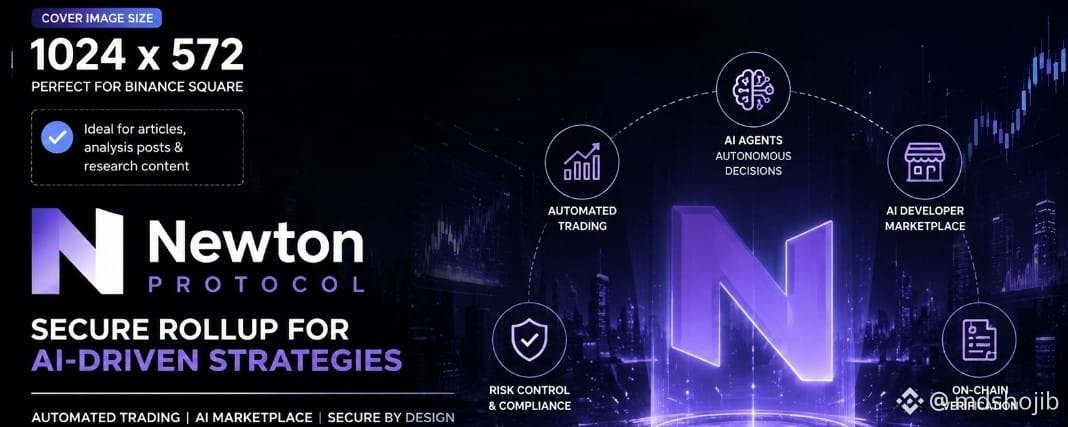
Newton Protocol..暗号は何年もの間、人々を金融取引から遠ざけようとしてきました。スマートコントラクトが仲介者を置き換え、自動マーケットメーカーが従来の取引所への依存を減らしました。ボットは、人間には到底かなわない速度で戦略を実行し始めました。今、別の変化が静かに芽生えています。問題は「ソフトウェアが資金を動かせるかどうか」ではなくなりました。真の問題は、「ソフトウェアが、その資金をどこへ送るべきかを判断することを信頼できるかどうか」です。
これは意外にも難しい問題です。AIエージェントは24時間体制で市場を監視し、数千ものシグナルを数秒で分析し、躊躇なく取引を実行できます。しかし、知能だけでは十分ではありません。ソフトウェアに与える権限が大きくなるほど、その境界を定義することの重要性は増します。制御のないスピードは、単により大規模な規模でミスを生み出すだけです。従来のブロックチェーン基盤は、この種の課題のために設計されたものではありません。スマートコントラクトは記述どおりに指示を実行しますが、行うべき/行うべきでない理由を理解することはほとんどありません。ウォレットの権限はしばしば広範で固定され、一度付与すると適応が難しくなります。今日のセキュリティの多くは、ユーザーが取引を手作業で確認すること、または資金が動く前に不審な活動をブロックするために中央集権的なサービスに依存することに留まっています。
Newton Protocol..
暗号は何年もの間、人々を金融取引から遠ざけようとしてきました。スマートコントラクトが仲介者を置き換え、自動マーケットメーカーが従来の取引所への依存を減らしました。ボットは、人間には到底かなわない速度で戦略を実行し始めました。今、別の変化が静かに芽生えています。問題は「ソフトウェアが資金を動かせるかどうか」ではなくなりました。真の問題は、「ソフトウェアが、その資金をどこへ送るべきかを判断することを信頼できるかどうか」です。
これは意外にも難しい問題です。AIエージェントは24時間体制で市場を監視し、数千ものシグナルを数秒で分析し、躊躇なく取引を実行できます。しかし、知能だけでは十分ではありません。ソフトウェアに与える権限が大きくなるほど、その境界を定義することの重要性は増します。制御のないスピードは、単により大規模な規模でミスを生み出すだけです。従来のブロックチェーン基盤は、この種の課題のために設計されたものではありません。スマートコントラクトは記述どおりに指示を実行しますが、行うべき/行うべきでない理由を理解することはほとんどありません。ウォレットの権限はしばしば広範で固定され、一度付与すると適応が難しくなります。今日のセキュリティの多くは、ユーザーが取引を手作業で確認すること、または資金が動く前に不審な活動をブロックするために中央集権的なサービスに依存することに留まっています。
これは意外にも難しい問題です。AIエージェントは24時間体制で市場を監視し、数千ものシグナルを数秒で分析し、躊躇なく取引を実行できます。しかし、知能だけでは十分ではありません。ソフトウェアに与える権限が大きくなるほど、その境界を定義することの重要性は増します。制御のないスピードは、単により大規模な規模でミスを生み出すだけです。従来のブロックチェーン基盤は、この種の課題のために設計されたものではありません。スマートコントラクトは記述どおりに指示を実行しますが、行うべき/行うべきでない理由を理解することはほとんどありません。ウォレットの権限はしばしば広範で固定され、一度付与すると適応が難しくなります。今日のセキュリティの多くは、ユーザーが取引を手作業で確認すること、または資金が動く前に不審な活動をブロックするために中央集権的なサービスに依存することに留まっています。
49
·
--
#newt $NEWT
ニュートン・プロトコル:誇大宣伝よりも、より多くのコントロールを
暗号資産は、あらゆる新しいプロジェクトがすべてを救うはずだというように振る舞い続けています。多くの場合、そうではありません。単にノイズがもう一層増えるだけです。ニュートン・プロトコルは違います。実在する問題を解決しようとしているからです。AIエージェントが資金を動かしたり、取引したり、コントラクトに触れたりするなら、行動する前にルールが必要です。行動した後ではありません。後は遅すぎます。
それがすべての要点です。取引の前にチェックを入れます。上限を設定します。悪い行為をブロックします。エージェントが実際の資金で愚かなことをしないようにします。簡単に聞こえるのは、それが本当に簡単だからです。そしてそれが重要なのです。
これは誇大宣伝の話ではありません。コントロールの話です。暗号資産には、これ以上スローガンは必要ありません。お金が本当に絡むときに機能するシステムが必要です。ニュートンは基本的に、「ガードレールのない自律性はトラブルを招くだけだ」と言っているのです。それは筋の通った指摘です。この分野でおそらく最も正直な見解でしょう。
#newt $NEWT
ニュートン・プロトコル:誇大宣伝よりも、より多くのコントロールを
暗号資産は、あらゆる新しいプロジェクトがすべてを救うはずだというように振る舞い続けています。多くの場合、そうではありません。単にノイズがもう一層増えるだけです。ニュートン・プロトコルは違います。実在する問題を解決しようとしているからです。AIエージェントが資金を動かしたり、取引したり、コントラクトに触れたりするなら、行動する前にルールが必要です。行動した後ではありません。後は遅すぎます。
それがすべての要点です。取引の前にチェックを入れます。上限を設定します。悪い行為をブロックします。エージェントが実際の資金で愚かなことをしないようにします。簡単に聞こえるのは、それが本当に簡単だからです。そしてそれが重要なのです。
これは誇大宣伝の話ではありません。コントロールの話です。暗号資産には、これ以上スローガンは必要ありません。お金が本当に絡むときに機能するシステムが必要です。ニュートンは基本的に、「ガードレールのない自律性はトラブルを招くだけだ」と言っているのです。それは筋の通った指摘です。この分野でおそらく最も正直な見解でしょう。
ニュートン・プロトコル:誇大宣伝よりも、より多くのコントロールを
暗号資産は、あらゆる新しいプロジェクトがすべてを救うはずだというように振る舞い続けています。多くの場合、そうではありません。単にノイズがもう一層増えるだけです。ニュートン・プロトコルは違います。実在する問題を解決しようとしているからです。AIエージェントが資金を動かしたり、取引したり、コントラクトに触れたりするなら、行動する前にルールが必要です。行動した後ではありません。後は遅すぎます。
それがすべての要点です。取引の前にチェックを入れます。上限を設定します。悪い行為をブロックします。エージェントが実際の資金で愚かなことをしないようにします。簡単に聞こえるのは、それが本当に簡単だからです。そしてそれが重要なのです。
これは誇大宣伝の話ではありません。コントロールの話です。暗号資産には、これ以上スローガンは必要ありません。お金が本当に絡むときに機能するシステムが必要です。ニュートンは基本的に、「ガードレールのない自律性はトラブルを招くだけだ」と言っているのです。それは筋の通った指摘です。この分野でおそらく最も正直な見解でしょう。
58
·
--
#grvt GRVTと暗号摩擦の終焉
暗号資産はうるさいほどの大げさな約束であふれているのに、実際の進捗はあまりありません。これが問題です。多すぎるプラットフォームが、単純なことを面倒にしています。資金をここへ。そこへブリッジ。ロックして待つ。何も壊れないことを祈る。すぐにうんざりします。
GRVTは、取引・収益・カストディ(保管)を1つの場所にまとめることで、それを解決しようとしています。1つの残高。自己カストディ。オンチェーンでの決済。考え方はシンプルです。あなたのお金が、面倒な手順を踏む間に何もせず放置されるべきではありません。ちゃんと機能すべきです。
その点は理にかなっています。しかし暗号資産は人々を十分に裏切ってきたので、誰もが疑ってしまうのも無理はありません。重要なのは、プラットフォームが何と言っているかではなく、実際のユーザーが資金を投入したときに、本当に「簡単」「速い」「安全」を感じられるかどうかです。
#grvt GRVTと暗号摩擦の終焉
暗号資産はうるさいほどの大げさな約束であふれているのに、実際の進捗はあまりありません。これが問題です。多すぎるプラットフォームが、単純なことを面倒にしています。資金をここへ。そこへブリッジ。ロックして待つ。何も壊れないことを祈る。すぐにうんざりします。
GRVTは、取引・収益・カストディ(保管)を1つの場所にまとめることで、それを解決しようとしています。1つの残高。自己カストディ。オンチェーンでの決済。考え方はシンプルです。あなたのお金が、面倒な手順を踏む間に何もせず放置されるべきではありません。ちゃんと機能すべきです。
その点は理にかなっています。しかし暗号資産は人々を十分に裏切ってきたので、誰もが疑ってしまうのも無理はありません。重要なのは、プラットフォームが何と言っているかではなく、実際のユーザーが資金を投入したときに、本当に「簡単」「速い」「安全」を感じられるかどうかです。
暗号資産はうるさいほどの大げさな約束であふれているのに、実際の進捗はあまりありません。これが問題です。多すぎるプラットフォームが、単純なことを面倒にしています。資金をここへ。そこへブリッジ。ロックして待つ。何も壊れないことを祈る。すぐにうんざりします。
GRVTは、取引・収益・カストディ(保管)を1つの場所にまとめることで、それを解決しようとしています。1つの残高。自己カストディ。オンチェーンでの決済。考え方はシンプルです。あなたのお金が、面倒な手順を踏む間に何もせず放置されるべきではありません。ちゃんと機能すべきです。
その点は理にかなっています。しかし暗号資産は人々を十分に裏切ってきたので、誰もが疑ってしまうのも無理はありません。重要なのは、プラットフォームが何と言っているかではなく、実際のユーザーが資金を投入したときに、本当に「簡単」「速い」「安全」を感じられるかどうかです。
61
·
--
#pixel $PIXEL
私はたまたま驚くべきものを見つけました。Pixelsはもともと、ブロックチェーン上のシンプルなバイラル系の育成ゲームとして始まりました。プレイヤーは作物を育てて収穫し、報酬を受け取り、ちいさなバーチャル農場を作りました。とにかく速攻で大きく広がりました。楽しいのに、同時にリアルな感覚もあったからです。
今日のPixelsは、もっとずっと大きなものへと成長しています。プレイして稼ぐ仕組みに、真の所有(オーナーシップ)を組み合わせることで、ゲームの未来を形作っています。ゲーマーは土地を所有し、レアアイテムを集め、そして楽しみながら実際に稼げます。もう、ペイ・トゥ・ウィンのくだらない話は終わり。誰もが公平なチャンスを得られます。
特別なのは、体験全体がいかにスムーズでワクワクするかです。コミュニティは強く、チームはプレイヤーを何時間も夢中にさせ続ける新機能を次々と追加しています。#PIXEL/USDT
#pixel $PIXEL
私はたまたま驚くべきものを見つけました。Pixelsはもともと、ブロックチェーン上のシンプルなバイラル系の育成ゲームとして始まりました。プレイヤーは作物を育てて収穫し、報酬を受け取り、ちいさなバーチャル農場を作りました。とにかく速攻で大きく広がりました。楽しいのに、同時にリアルな感覚もあったからです。
今日のPixelsは、もっとずっと大きなものへと成長しています。プレイして稼ぐ仕組みに、真の所有(オーナーシップ)を組み合わせることで、ゲームの未来を形作っています。ゲーマーは土地を所有し、レアアイテムを集め、そして楽しみながら実際に稼げます。もう、ペイ・トゥ・ウィンのくだらない話は終わり。誰もが公平なチャンスを得られます。
特別なのは、体験全体がいかにスムーズでワクワクするかです。コミュニティは強く、チームはプレイヤーを何時間も夢中にさせ続ける新機能を次々と追加しています。#PIXEL/USDT
私はたまたま驚くべきものを見つけました。Pixelsはもともと、ブロックチェーン上のシンプルなバイラル系の育成ゲームとして始まりました。プレイヤーは作物を育てて収穫し、報酬を受け取り、ちいさなバーチャル農場を作りました。とにかく速攻で大きく広がりました。楽しいのに、同時にリアルな感覚もあったからです。
今日のPixelsは、もっとずっと大きなものへと成長しています。プレイして稼ぐ仕組みに、真の所有(オーナーシップ)を組み合わせることで、ゲームの未来を形作っています。ゲーマーは土地を所有し、レアアイテムを集め、そして楽しみながら実際に稼げます。もう、ペイ・トゥ・ウィンのくだらない話は終わり。誰もが公平なチャンスを得られます。
特別なのは、体験全体がいかにスムーズでワクワクするかです。コミュニティは強く、チームはプレイヤーを何時間も夢中にさせ続ける新機能を次々と追加しています。#PIXEL/USDT
2
·
--
#AltcoinBreakout
ADA価格は強いテクニカル指標を示しており、アナリストは「まもなく$1を上抜けるブレイクアウト」に注目しています。とはいえ、今年は別のアルトコインがアナリストのレーダーに入り、「差し迫った価格爆発」が取り沙汰されています。
現在のテクニカルなブレイクアウトでは、ADA価格が長く続いてきた下落トレンドをクリアし、直近では$0.80のサポート上で再テストに成功しています。この新たなブレイクアウトは、ADA価格チャートにおける“定番の強気反転シグナル”が最終確認になる可能性も。さらに、継続して強い機関投資家の買い需要があることで、ADA価格は今月中に$1成長が近づいているかもしれません。
🔥なぜクジラはRemittixを次の暗号資産“100倍ブレイクアウト”に賭けているのか
1) 予備販売(プレセール)での到達後、取引所に上場してから10倍急騰の専門家予測
2) 専用ウォレットの近日ローンチ。普及を後押しする可能性
3) PayFiソリューションにより、国境を越えて銀行口座へ即時に暗号資産→法定通貨の支払いが可能
4) 事業者向けのマーチャントAPIにより、市場全体での受け入れが広がる可能性
#AltcoinBreakout
ADA価格は強いテクニカル指標を示しており、アナリストは「まもなく$1を上抜けるブレイクアウト」に注目しています。とはいえ、今年は別のアルトコインがアナリストのレーダーに入り、「差し迫った価格爆発」が取り沙汰されています。
現在のテクニカルなブレイクアウトでは、ADA価格が長く続いてきた下落トレンドをクリアし、直近では$0.80のサポート上で再テストに成功しています。この新たなブレイクアウトは、ADA価格チャートにおける“定番の強気反転シグナル”が最終確認になる可能性も。さらに、継続して強い機関投資家の買い需要があることで、ADA価格は今月中に$1成長が近づいているかもしれません。
🔥なぜクジラはRemittixを次の暗号資産“100倍ブレイクアウト”に賭けているのか
1) 予備販売(プレセール)での到達後、取引所に上場してから10倍急騰の専門家予測
2) 専用ウォレットの近日ローンチ。普及を後押しする可能性
3) PayFiソリューションにより、国境を越えて銀行口座へ即時に暗号資産→法定通貨の支払いが可能
4) 事業者向けのマーチャントAPIにより、市場全体での受け入れが広がる可能性
ADA価格は強いテクニカル指標を示しており、アナリストは「まもなく$1を上抜けるブレイクアウト」に注目しています。とはいえ、今年は別のアルトコインがアナリストのレーダーに入り、「差し迫った価格爆発」が取り沙汰されています。
現在のテクニカルなブレイクアウトでは、ADA価格が長く続いてきた下落トレンドをクリアし、直近では$0.80のサポート上で再テストに成功しています。この新たなブレイクアウトは、ADA価格チャートにおける“定番の強気反転シグナル”が最終確認になる可能性も。さらに、継続して強い機関投資家の買い需要があることで、ADA価格は今月中に$1成長が近づいているかもしれません。
🔥なぜクジラはRemittixを次の暗号資産“100倍ブレイクアウト”に賭けているのか
1) 予備販売(プレセール)での到達後、取引所に上場してから10倍急騰の専門家予測
2) 専用ウォレットの近日ローンチ。普及を後押しする可能性
3) PayFiソリューションにより、国境を越えて銀行口座へ即時に暗号資産→法定通貨の支払いが可能
4) 事業者向けのマーチャントAPIにより、市場全体での受け入れが広がる可能性
2
·
--
#MyStrategyEvolution
仮想通貨を始めた当初は、友だちが話していたものをそのまま買っているだけで、ただの強い焦り(FOMO)でした!上がる(ムーンする)ことを期待して持ち続けていましたが、だいたいお金を失っていました。そこで少し賢くなって、ニュースや話題を見ながら、その波に乗ろうとするようになりました。とはいえ、依然としてかなりリスクは高いです。今は、コインの背後にある技術や、実際にどんな課題を解決しているのかを理解することにずっと力を入れています。現実世界での実用性があり、チームがしっかりしているプロジェクトに注目していて、分散投資もかなり増やしました。短期間で一気に金持ちになることよりも、着実な長期成長と、市場のサイクルを理解することが大切だと思っています。
#MyStrategyEvolution
仮想通貨を始めた当初は、友だちが話していたものをそのまま買っているだけで、ただの強い焦り(FOMO)でした!上がる(ムーンする)ことを期待して持ち続けていましたが、だいたいお金を失っていました。そこで少し賢くなって、ニュースや話題を見ながら、その波に乗ろうとするようになりました。とはいえ、依然としてかなりリスクは高いです。今は、コインの背後にある技術や、実際にどんな課題を解決しているのかを理解することにずっと力を入れています。現実世界での実用性があり、チームがしっかりしているプロジェクトに注目していて、分散投資もかなり増やしました。短期間で一気に金持ちになることよりも、着実な長期成長と、市場のサイクルを理解することが大切だと思っています。
仮想通貨を始めた当初は、友だちが話していたものをそのまま買っているだけで、ただの強い焦り(FOMO)でした!上がる(ムーンする)ことを期待して持ち続けていましたが、だいたいお金を失っていました。そこで少し賢くなって、ニュースや話題を見ながら、その波に乗ろうとするようになりました。とはいえ、依然としてかなりリスクは高いです。今は、コインの背後にある技術や、実際にどんな課題を解決しているのかを理解することにずっと力を入れています。現実世界での実用性があり、チームがしっかりしているプロジェクトに注目していて、分散投資もかなり増やしました。短期間で一気に金持ちになることよりも、着実な長期成長と、市場のサイクルを理解することが大切だと思っています。
6
·
--
#TradingStrategyMistakes
暗号資産の保有額が1,000ドル未満なら、これが本音です:
20種類ものコインはいりません。
すべての上昇(グリーンのろうそく)を追いかける必要もありません。
必要なのは「集中」です。
📌 確かなプロジェクトを2〜3個選びましょう。
📌 リサーチしてください。
📌 自信を持って保有しましょう。
毎週のようにコインを乗り換えるのが、ほとんどの人がやられてしまう理由です。
確信を育ててください。焦らず、戦略に呼吸をさせましょう。
この市場は、落ち着いている人に報酬を与えます。ほかの人がパニックになるときほど、その差が出ます。
保有するコインの数の話ではありません。大事なのは、どれだけ上手く保有するかです。
#TradingStrategyMistakes
暗号資産の保有額が1,000ドル未満なら、これが本音です:
20種類ものコインはいりません。
すべての上昇(グリーンのろうそく)を追いかける必要もありません。
必要なのは「集中」です。
📌 確かなプロジェクトを2〜3個選びましょう。
📌 リサーチしてください。
📌 自信を持って保有しましょう。
毎週のようにコインを乗り換えるのが、ほとんどの人がやられてしまう理由です。
確信を育ててください。焦らず、戦略に呼吸をさせましょう。
この市場は、落ち着いている人に報酬を与えます。ほかの人がパニックになるときほど、その差が出ます。
保有するコインの数の話ではありません。大事なのは、どれだけ上手く保有するかです。
暗号資産の保有額が1,000ドル未満なら、これが本音です:
20種類ものコインはいりません。
すべての上昇(グリーンのろうそく)を追いかける必要もありません。
必要なのは「集中」です。
📌 確かなプロジェクトを2〜3個選びましょう。
📌 リサーチしてください。
📌 自信を持って保有しましょう。
毎週のようにコインを乗り換えるのが、ほとんどの人がやられてしまう理由です。
確信を育ててください。焦らず、戦略に呼吸をさせましょう。
この市場は、落ち着いている人に報酬を与えます。ほかの人がパニックになるときほど、その差が出ます。
保有するコインの数の話ではありません。大事なのは、どれだけ上手く保有するかです。
1
3
·
--
#TrendTradingStrategy
#トレンドトレーディング戦略 についての投稿です:🔥
「トレンドに乗れ! 🚀
トレンド・トレーディング戦略:市場のトレンドを見極めて追随し、利益を最大化します。 🔄
主なポイント:
1. トレンドを見つける:移動平均、RSI、ボリンジャーバンドなどのテクニカル指標を使います。
2. トレンドを確認する:上昇トレンドでは高値が切り上がり安値も切り上がることを確認し、下降トレンドでは高値が切り下がり安値も切り下がることを見ます。
3. 取引に入る:上昇トレンドでは買い、下降トレンドでは売りを行います。
4. ストップロスを設定する:ストップロス注文で想定外の損失を抑えます。
5. トレンドに乗り続ける:トレンドが反転するまで取引を保有します。
規律を保ち、そして粘り強く待つことを忘れないでください。トレンド取引にはタイミングとリスク管理が重要です。 💡
#TrendTradingStrategy
#トレンドトレーディング戦略 についての投稿です:🔥
「トレンドに乗れ! 🚀
トレンド・トレーディング戦略:市場のトレンドを見極めて追随し、利益を最大化します。 🔄
主なポイント:
1. トレンドを見つける:移動平均、RSI、ボリンジャーバンドなどのテクニカル指標を使います。
2. トレンドを確認する:上昇トレンドでは高値が切り上がり安値も切り上がることを確認し、下降トレンドでは高値が切り下がり安値も切り下がることを見ます。
3. 取引に入る:上昇トレンドでは買い、下降トレンドでは売りを行います。
4. ストップロスを設定する:ストップロス注文で想定外の損失を抑えます。
5. トレンドに乗り続ける:トレンドが反転するまで取引を保有します。
規律を保ち、そして粘り強く待つことを忘れないでください。トレンド取引にはタイミングとリスク管理が重要です。 💡
#トレンドトレーディング戦略 についての投稿です:🔥
「トレンドに乗れ! 🚀
トレンド・トレーディング戦略:市場のトレンドを見極めて追随し、利益を最大化します。 🔄
主なポイント:
1. トレンドを見つける:移動平均、RSI、ボリンジャーバンドなどのテクニカル指標を使います。
2. トレンドを確認する:上昇トレンドでは高値が切り上がり安値も切り上がることを確認し、下降トレンドでは高値が切り下がり安値も切り下がることを見ます。
3. 取引に入る:上昇トレンドでは買い、下降トレンドでは売りを行います。
4. ストップロスを設定する:ストップロス注文で想定外の損失を抑えます。
5. トレンドに乗り続ける:トレンドが反転するまで取引を保有します。
規律を保ち、そして粘り強く待つことを忘れないでください。トレンド取引にはタイミングとリスク管理が重要です。 💡
4
·
--
#BreakoutTradingStrategy
私の#BreakoutTradingStrategy は、統合(コンソリデーション)ゾーンを特定し、重要な水準を上抜けるときに強い出来高を伴うブレイクアウトに基づいてエントリーすることです。ブレイクアウトの妥当性を確認するためにボリンジャーバンドとボリューム・オシレーターを使用します。レジスタンス水準にアラートを設定し、エントリー前に確認を待ちます。ブレイクアウトが確認できたら、少額のポジションでエントリーし、段階的に増し玉(スケールイン)します。ストップロスは、誤ったブレイクアウトを避けるためにブレイクアウトゾーンの直下に置きます。この戦略は高ボラティリティの局面でよく機能します。短期の利益を狙い、主要なフィボナッチ水準で部分的に利確します。失敗したブレイクアウトによる大きな損失を防ぐため、リスク管理が最重要です。
#BreakoutTradingStrategy
私の#BreakoutTradingStrategy は、統合(コンソリデーション)ゾーンを特定し、重要な水準を上抜けるときに強い出来高を伴うブレイクアウトに基づいてエントリーすることです。ブレイクアウトの妥当性を確認するためにボリンジャーバンドとボリューム・オシレーターを使用します。レジスタンス水準にアラートを設定し、エントリー前に確認を待ちます。ブレイクアウトが確認できたら、少額のポジションでエントリーし、段階的に増し玉(スケールイン)します。ストップロスは、誤ったブレイクアウトを避けるためにブレイクアウトゾーンの直下に置きます。この戦略は高ボラティリティの局面でよく機能します。短期の利益を狙い、主要なフィボナッチ水準で部分的に利確します。失敗したブレイクアウトによる大きな損失を防ぐため、リスク管理が最重要です。
私の#BreakoutTradingStrategy は、統合(コンソリデーション)ゾーンを特定し、重要な水準を上抜けるときに強い出来高を伴うブレイクアウトに基づいてエントリーすることです。ブレイクアウトの妥当性を確認するためにボリンジャーバンドとボリューム・オシレーターを使用します。レジスタンス水準にアラートを設定し、エントリー前に確認を待ちます。ブレイクアウトが確認できたら、少額のポジションでエントリーし、段階的に増し玉(スケールイン)します。ストップロスは、誤ったブレイクアウトを避けるためにブレイクアウトゾーンの直下に置きます。この戦略は高ボラティリティの局面でよく機能します。短期の利益を狙い、主要なフィボナッチ水準で部分的に利確します。失敗したブレイクアウトによる大きな損失を防ぐため、リスク管理が最重要です。
3
·
--
#DayTradingStrategy
挑戦の準備はできていますか? 💹🔥
デイトレードは、1日の中で複数の取引を行う、スピード感のあるエネルギッシュな取引スタイルです。成功するには、次のことが必要です:
✅ 優れたテクニカル分析スキル
✅ 市場トレンドの理解
✅ 迅速な判断力
✅ しっかりしたリスク管理
なぜデイトレードを考えるの?
💰 高いリターンの可能性
⚡ 変化し続ける市場への適応力
📚 学び続け、スキルを磨き続けること
ただし覚えておいてください—高い報酬には高いリスクが伴います。規律がカギです。
👉 デイトレードを試したことはありますか? コメント欄でコツや学びを共有してください!
#DayTradingStrategy
挑戦の準備はできていますか? 💹🔥
デイトレードは、1日の中で複数の取引を行う、スピード感のあるエネルギッシュな取引スタイルです。成功するには、次のことが必要です:
✅ 優れたテクニカル分析スキル
✅ 市場トレンドの理解
✅ 迅速な判断力
✅ しっかりしたリスク管理
なぜデイトレードを考えるの?
💰 高いリターンの可能性
⚡ 変化し続ける市場への適応力
📚 学び続け、スキルを磨き続けること
ただし覚えておいてください—高い報酬には高いリスクが伴います。規律がカギです。
👉 デイトレードを試したことはありますか? コメント欄でコツや学びを共有してください!
挑戦の準備はできていますか? 💹🔥
デイトレードは、1日の中で複数の取引を行う、スピード感のあるエネルギッシュな取引スタイルです。成功するには、次のことが必要です:
✅ 優れたテクニカル分析スキル
✅ 市場トレンドの理解
✅ 迅速な判断力
✅ しっかりしたリスク管理
なぜデイトレードを考えるの?
💰 高いリターンの可能性
⚡ 変化し続ける市場への適応力
📚 学び続け、スキルを磨き続けること
ただし覚えておいてください—高い報酬には高いリスクが伴います。規律がカギです。
👉 デイトレードを試したことはありますか? コメント欄でコツや学びを共有してください!
7
·
--
#HODLTradingStrategy
HODL投資戦略「投資戦略とは、投資家が特定の資産(株式、債券、または暗号通貨など)を一定期間保有し、短期的な市場変動があっても売却しない」
🚀特徴:
長期的な視点:
ホールド戦略は通常、投資を長期間(数か月または数年)保有することを重視します。
🚀取引頻度が低い:
このアプローチでは、トレーダーは頻繁に売買する必要がなく、時間とお金を節約できます。
🚀市場変動を無視する:
ホールド戦略は、短期的な市場の変化(下落やボラティリティなど)にあまり注意を払わず、長期的な市場成長に焦点を当てます。
🚀パッシブ投資:
これはパッシブな投資アプローチで、市場がそれ自身のペースで動くのに任せます。
#HODLTradingStrategy
HODL投資戦略「投資戦略とは、投資家が特定の資産(株式、債券、または暗号通貨など)を一定期間保有し、短期的な市場変動があっても売却しない」
🚀特徴:
長期的な視点:
ホールド戦略は通常、投資を長期間(数か月または数年)保有することを重視します。
🚀取引頻度が低い:
このアプローチでは、トレーダーは頻繁に売買する必要がなく、時間とお金を節約できます。
🚀市場変動を無視する:
ホールド戦略は、短期的な市場の変化(下落やボラティリティなど)にあまり注意を払わず、長期的な市場成長に焦点を当てます。
🚀パッシブ投資:
これはパッシブな投資アプローチで、市場がそれ自身のペースで動くのに任せます。
HODL投資戦略「投資戦略とは、投資家が特定の資産(株式、債券、または暗号通貨など)を一定期間保有し、短期的な市場変動があっても売却しない」
🚀特徴:
長期的な視点:
ホールド戦略は通常、投資を長期間(数か月または数年)保有することを重視します。
🚀取引頻度が低い:
このアプローチでは、トレーダーは頻繁に売買する必要がなく、時間とお金を節約できます。
🚀市場変動を無視する:
ホールド戦略は、短期的な市場の変化(下落やボラティリティなど)にあまり注意を払わず、長期的な市場成長に焦点を当てます。
🚀パッシブ投資:
これはパッシブな投資アプローチで、市場がそれ自身のペースで動くのに任せます。
2
·
--
$BNB 2017年、クリプトは大胆な実験のように感じられていました。ビットコインは20Kドルに到達し、誰もがICO(新規コイン公開)について話題にしていました。でも、ほとんどの人はまだそれを理解できていませんでした。数千のトークンがあるだけで、取引はニッチなプラットフォームに限られていました。普及は遅く、多くの人が「バブルだ」と呼んでいました。
2025年に話が進むと、状況は大きく変わり、120Kドルに到達。クリプトはもはやテック好きのためだけのものではありません。大企業が受け入れ、各国政府が規制し、何百万人もの人が毎日利用しています。トークンの数は200万を超えました。取引量は今や月間で数兆ドル規模に達し、ブロックチェーンは金融やゲームなど、さまざまな分野の一部になっています。
この投稿は、クリプトがここまでどれほど進化してきたかを一目でわかるクイックガイドです!
#BinanceTurns8 #BinanceTurns8 のお祝いに参加して、最大 $888,888 相当のBNBを手に入れよう! 👉 こちら
#bnb $BNB
$BNB 2017年、クリプトは大胆な実験のように感じられていました。ビットコインは20Kドルに到達し、誰もがICO(新規コイン公開)について話題にしていました。でも、ほとんどの人はまだそれを理解できていませんでした。数千のトークンがあるだけで、取引はニッチなプラットフォームに限られていました。普及は遅く、多くの人が「バブルだ」と呼んでいました。
2025年に話が進むと、状況は大きく変わり、120Kドルに到達。クリプトはもはやテック好きのためだけのものではありません。大企業が受け入れ、各国政府が規制し、何百万人もの人が毎日利用しています。トークンの数は200万を超えました。取引量は今や月間で数兆ドル規模に達し、ブロックチェーンは金融やゲームなど、さまざまな分野の一部になっています。
この投稿は、クリプトがここまでどれほど進化してきたかを一目でわかるクイックガイドです!
#BinanceTurns8 #BinanceTurns8 のお祝いに参加して、最大 $888,888 相当のBNBを手に入れよう! 👉 こちら
#bnb $BNB
2025年に話が進むと、状況は大きく変わり、120Kドルに到達。クリプトはもはやテック好きのためだけのものではありません。大企業が受け入れ、各国政府が規制し、何百万人もの人が毎日利用しています。トークンの数は200万を超えました。取引量は今や月間で数兆ドル規模に達し、ブロックチェーンは金融やゲームなど、さまざまな分野の一部になっています。
この投稿は、クリプトがここまでどれほど進化してきたかを一目でわかるクイックガイドです!
#BinanceTurns8 #BinanceTurns8 のお祝いに参加して、最大 $888,888 相当のBNBを手に入れよう! 👉 こちら
#bnb $BNB
3
·
--
#BinanceTurns8
バイナンスは8周年を迎えます——世界をリードする暗号資産取引所の大きな節目です!過去8年間で、バイナンスはスタートアップからグローバルなエコシステムへと成長し、ブロックチェーンと暗号資産の革新によって何百万人もの人々を力づけてきました。最先端のテクノロジー、強いコミュニティの支援、セキュリティと透明性への取り組みにより、バイナンスはこれからの金融の未来を引き続き形作っています。 この記念すべき日に、これからも多くの前進、成長、そしてチャンスが訪れることを楽しみにしています。バイナンス8周年おめでとうございます——共に、より包括的で分散化された未来を築いていきましょう。
#BinanceTurns8
バイナンスは8周年を迎えます——世界をリードする暗号資産取引所の大きな節目です!過去8年間で、バイナンスはスタートアップからグローバルなエコシステムへと成長し、ブロックチェーンと暗号資産の革新によって何百万人もの人々を力づけてきました。最先端のテクノロジー、強いコミュニティの支援、セキュリティと透明性への取り組みにより、バイナンスはこれからの金融の未来を引き続き形作っています。 この記念すべき日に、これからも多くの前進、成長、そしてチャンスが訪れることを楽しみにしています。バイナンス8周年おめでとうございます——共に、より包括的で分散化された未来を築いていきましょう。
バイナンスは8周年を迎えます——世界をリードする暗号資産取引所の大きな節目です!過去8年間で、バイナンスはスタートアップからグローバルなエコシステムへと成長し、ブロックチェーンと暗号資産の革新によって何百万人もの人々を力づけてきました。最先端のテクノロジー、強いコミュニティの支援、セキュリティと透明性への取り組みにより、バイナンスはこれからの金融の未来を引き続き形作っています。 この記念すべき日に、これからも多くの前進、成長、そしてチャンスが訪れることを楽しみにしています。バイナンス8周年おめでとうございます——共に、より包括的で分散化された未来を築いていきましょう。
2
ログインして、さらにコンテンツを読む
厳選トピックで世界の暗号資産トレーダーの仲間入り
⚡️ 暗号資産に関する最新かつ有益な情報が見つかります。
💬 世界最大の暗号資産取引所から信頼されています。
👍 認証を受けたクリエイターから、有益なインサイトを得られます。
メール / 電話番号
トレンドトピック
ChainlinkLaunchesCCIP2WithEnterpriseVerification
閲覧回数 19
40人が討論中
#chainlinklaunchesccip2withenterpriseverification CHAINLINK NÂNG CẤP CCIP 2
ChainlinkがCCIP 2を発表し、セキュリティを重視したクロスチェーン・システムをアップグレードしました。
注目すべき点は、企業が自社で独自のバリデータを追加できるようになったこと、またはInfosysやNethermindのような第三者に取引を検証してもらうことが可能になった点です。
それ以前には、Kelp DAOが約2.92億USD相当のrsETHをハッキングされていました。この事故を受けてKelpはrsETHをChainlinkへ移行しました。
ただ、ここでMâyが皆さんに注意してほしいことがあります:
新しいバリデータを追加しない場合、CCIP 2のユーザーは現在、以前のような2層ではなく1つの検証ネットワークにだけ依存しています。
つまり、クロスチェーンの話はスピードや取引手数料だけではありません。
長期的に追うべきなのは新しいセキュリティです。
Mâyは、大手組織が独自のバリデータを追加導入するかどうかを見ていきます。 👀
毎日、より多くの暗号ニュースを更新するためにMâyをフォローしてください。
DYOR(自己で調査)し、常に資金を管理しましょう。
Mây Làm Crypto
·いいね:0件
·閲覧回数 136
GoldFallsTo$4144
閲覧回数 1,870
62人が討論中
QNTFallsOver40%FromMorningHigh
閲覧回数 15,897
516人が討論中