
chingcbn
20 投稿
chingcbn
報告
ユーザーをブロック
0 フォロー
1 フォロワー
2 いいね
投稿
·
--
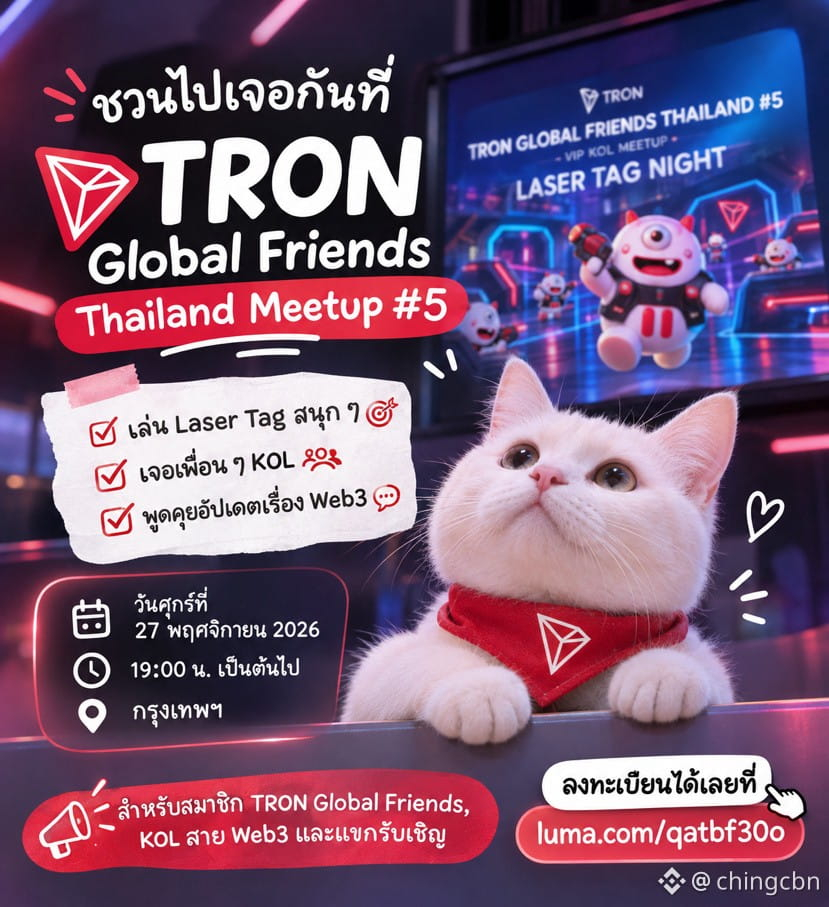
🔥 バンコクのWeb3仲間のみなさん、また集まる時がやってきました!
TRON Global Friends Thailandがミートアップ第5回を開催します。今回は、楽しいレーザータグナイトをご用意しました! 🎯💚
チームを組んでレーザータグを楽しみ、KOLの仲間と出会い、Web3コミュニティとつながりながら、みんなで会話を楽しみましょう。 ✨
📅 2026年11月27日(金)
⏰ 19:00〜
📍 タイ・バンコク
TRON Global Friendsのメンバー、Web3 KOLの方、ご招待したゲストが参加できます。
📌 席数に限りがあります!
今すぐ登録 👇
https://luma.com/qatbf30o
会場でお会いしましょう! 🐱🚀
@justinsuntron @trondao @TronDao_THA #TRONGlobalFriends #TGF
2
1
275
·
--
TRONは第3四半期に、前四半期比5.1%増となる2.21兆ドルのステーブルコイン決済を処理しました。ネットワーク上の累計取引高も30兆ドルを超えました。👀
この数字からは、ネットワーク上に保有されているトークンの供給量を測るだけでなく、価値を移動させる手段としてのステーブルコインの役割が見えてきます。Nansenのレポートによると、同四半期の1日あたりの成功取引件数は平均約1,170万件でした。
第3四半期には機関投資家向けの動きもあり、米国でのCanary Staked TRX ETFのローンチや、Anchorage DigitalによるTRXのステーキングおよびTRC-20資産のカストディ対応が発表されました。
決済額が大きいことだけでは、誰が取引しているのか、個々の送金が何を意味するのかまでは正確にわかりません。それでも、ステーブルコインの利用においてネットワークが果たす役割を測るうえで、有用な指標の一つです。🐱❤️
#TRONGlobalFriends #TGF
@trondao @TronDao_THA @justinsuntron
171
·
--
翻訳参照
A notable figure from CoinDesk Research’s Q3 2026 report 👀
TRON accounted for about 73% of stablecoin transfer volume in the dataset covered by the report, while Ethereum represented roughly 15%.
One distinction matters here: the 73% figure refers to transfer volume, not the total value of stablecoins held on the network. Those metrics answer different questions.
For context, the same report put TRON’s USDT market cap at about $92.7 billion, or roughly 30.2% of the USDT market at quarter-end. That is a different measure from its 73% share of transfer volume.
To understand network activity more fully, it helps to look at transfer volume, stablecoin value on the network, and user activity together.
#TRONGlobalFriends #TGF
@trondao @TronDao_THA @justinsuntron
93
·
--
翻訳参照
Love creating Web3 content? Come join us! 👀❤️
TRON Global Friends Thailand Season 16 is open for applications. 🇹🇭 If you follow TRON or have ideas you’d like to share in your own style, come be part of it!
💰 Total prize pool: 9,000 USDT
🗓️ Campaign period: October 1–31, 2026
Let’s share news, exchange ideas, and create content together. 🐱✨
#TRONGlobalFriends #TGF
@trondao @TronDao_THA @justinsuntron
76
·
--
翻訳参照
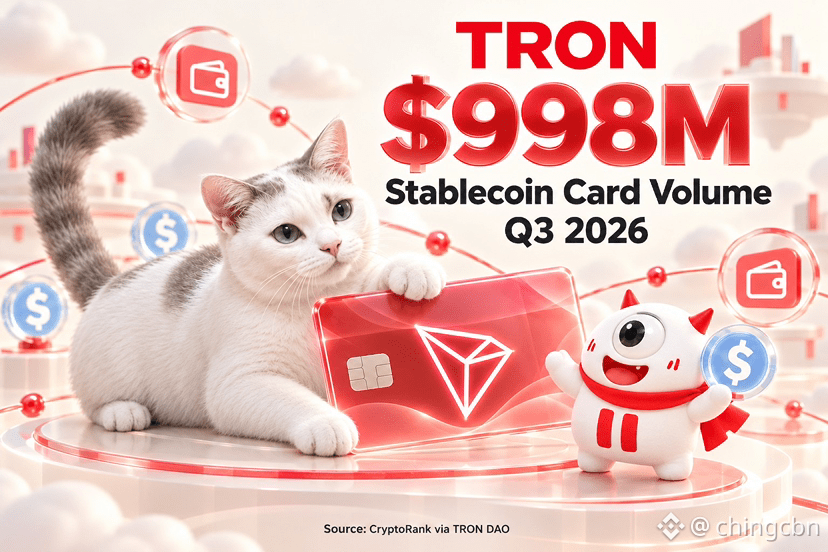
There’s another figure worth watching on TRON’s stablecoin side—this time involving cards. 💳👀
TRON DAO shared CryptoRank data showing approximately $998 million in stablecoin card volume on TRON in Q3 2026, nearly $1 billion and up 12.4% from the previous quarter.
TRON accounted for 23.2% of the reported total, the largest share in this dataset. Overall stablecoin card volume reached $4.31 billion, rising roughly 33% from Q2.
If you’re new to the concept, stablecoin-linked cards offer a way to use stablecoin balances through card payment systems. How funds are converted and payments are settled depends on the provider.
What interests me is that the experience can look like a familiar card or app, while blockchain works behind the scenes. Users may care most about where they can pay, what it costs, and whether it’s convenient.
For this figure, I’m keeping the source’s term “stablecoin card volume.” The post doesn’t explain which top-ups or merchant purchases are included, so we can’t conclude that the entire $998 million represents direct spending at stores.
What I’d like to follow next is how often people return to these cards and whether the services make stablecoins easier to use in everyday life. It’s another useful angle to watch alongside on-chain transfers. 🐱❤️
#TRONGlobalFriends #TGF
@trondao @TronDao_THA @justinsuntron
88
·
--
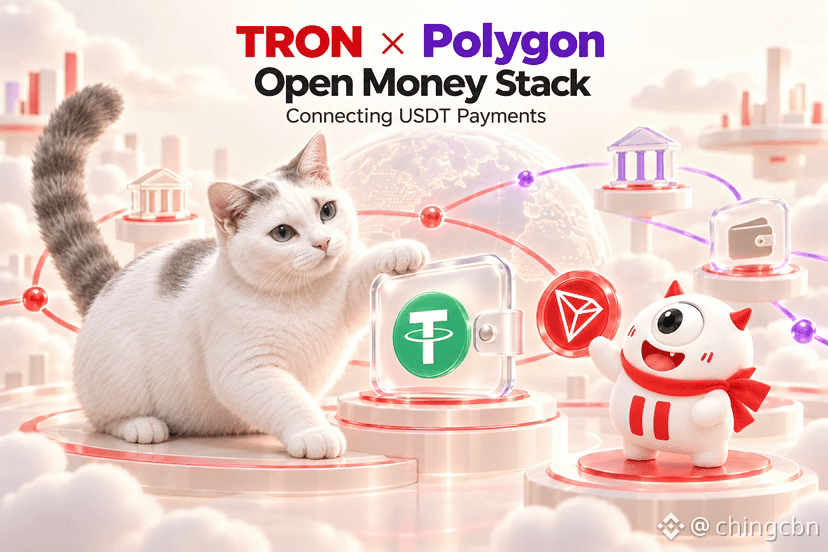
日常生活でステーブルコインを使うのは、ただ「送信」を押すだけではありません。👀
TRON DAOによると、Polygon Open Money Stackが新たにTRONに対応し、フィンテック企業や送金サービス事業者がUSDTの決済や送金を導入しやすくなりました。
初めて聞く方のために説明すると、Open Money Stack(OMS)は企業向けの決済インフラをまとめたもので、入金、ウォレット、クロスチェーン送金、出金をひとつの連携で利用できます。
Polygonが挙げている例には、銀行口座への入金をTRON上のUSDTに変換するケースや、USDTの残高から銀行口座へ出金するケースがあります。利用できる方法は、地域やサービスの要件によって異なります。
私が気になるのは、ユーザー体験です。送金アプリを開いた人が知りたいのは、たいてい次のことです。受取人はいくら受け取れるのか?いつ届くのか?手続きは何段階あるのか?その体験を支えるシステムをつなぐのが、アプリ提供者の役割です。
こうしたツールによってその作業が簡単になれば、開発チームは、手数料の明確さ、送金状況の追跡、決済が滞ったときのサポートなど、ユーザーに直接影響する細部により多くの時間を割けるかもしれません。
このTRON連携をどのサービスが活用するのか、そして日常の決済がどれほど簡単になるのか、ぜひ見てみたいです。ステーブルコインの実用面で、今後も注目したい動きのひとつです。🐱❤️
#TRONGlobalFriends #TGF
@trondao @TronDao_THA @justinsuntron
115
·
--
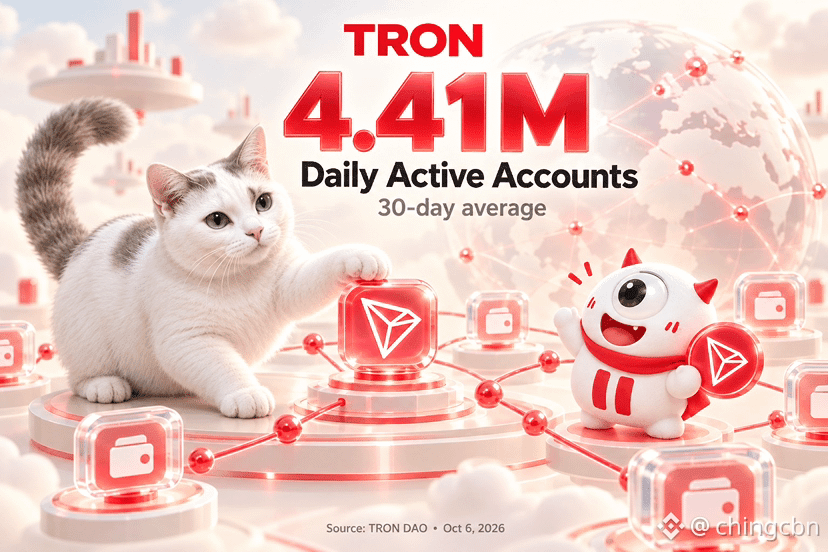
TRON DAOの投稿で言及された30日間において、TRONの1日あたりのアクティブアカウント数は平均441万件でした。👀
この数字を共有し、デイリーアクティブアカウントから実際に何がわかるのか、もう少し詳しく見てみたいと思います。
この指標を初めて知る方のために説明すると、データ提供元の基準に基づいて毎日の活動が確認されたアカウント数を集計し、指定期間の日次件数を平均したものです。作成されたアカウントの総数に加えて、ネットワークの活動状況を別の角度から見ることができます。
ただし、441万件のアカウントがあるからといって、441万人の個人がいるという意味ではありません。1人が複数のアカウントを持つこともあれば、サービスや自動化システムがアカウントを保有している場合もあります。また、毎日441万人の新規ユーザーが参加しているという意味でもありません。
「30日間の平均」という点も重要です。期間全体の傾向はわかりますが、活動がどれほど安定していたかを理解するには、日ごとの数値を見る必要があります。平均値だけでは、毎日ほぼ同じ水準で活動があったかどうかはわかりません。
次に注目したいのは、これらのアカウントが何をしているのか、どれくらいの頻度で戻ってくるのか、そしてネットワーク上の活動がトークンの送金とアプリケーションの利用にどう分かれているのかです。
アクティブアカウント数を、トランザクション数、活動の種類、リピート利用とあわせて見ることで、TRONがどのように利用されているのか、より明確に把握できるでしょう。今後も注目していきたい指標です。🐱❤️
#TRONGlobalFriends #TGF
@trondao @TronDao_THA @justinsuntron
130
·
--
翻訳参照
When we talk about blockchain, we often think about sending tokens. But transparency, privacy, and security are just as interesting to follow. 👀
TRON DAO shared that John Hurston, General Counsel at TRON, joined the 5th INTERPOL New Technologies Forum in Vienna to discuss the future of decentralized ledgers and their impact on law enforcement.
The conversation covered blockchain transparency, privacy tradeoffs, and compliance.
Think about it from a user’s perspective: we want transactions to be traceable when something goes wrong, while also wanting our personal information protected. Designing systems that address both needs takes careful work.
Another topic was preparation for future quantum-computing risks. According to the press release, TRON has introduced post-quantum digital signature support on its Nile testnet—a network used for testing.
If you’re new to the term, digital signatures help verify that transactions were authorized by the relevant key holder. Post-quantum approaches are designed to resist attacks from future quantum computers. Testing is a step toward readiness, rather than proof that the main network is already protected against every risk.
What interests me is that wider everyday blockchain use also makes the work behind security and user protection more important. It’s another side of TRON worth following. 🐱❤️
#TRONGlobalFriends #TGF
@trondao @TronDao_THA @justinsuntron

75
·
--
翻訳参照
What could finance look like if more familiar assets became accessible through blockchain? 👀
TRON DAO shared this discussion from Korea Blockchain Week, where its Research Manager, Sam Reynolds, moderated a panel with representatives from Tether, PancakeSwap, and Jito Foundation on RWAs and how tokenization could expand financial access across borders.
If you’re new to the topic, RWA stands for Real-World Assets. Tokenization means creating blockchain tokens that represent an asset or related rights. A token backed by gold is one way to picture it.
However, holding a token doesn’t mean you have the same direct ownership rights across every project. It matters what the token actually represents and what backs it.
What interests me is the possibility of making assets easier to access and transfer, potentially giving people in different countries more financial options. Actual access still depends on each service’s terms and eligibility requirements.
That leaves a few things worth watching: Will these products be easy for everyday users to navigate? Will people understand their rights? And will there be enough liquidity when they want to trade?
This update covers a panel discussion, rather than the launch of a new RWA product. Still, it’s an interesting topic to follow as blockchain becomes more connected to everyday finance. 🐱❤️
#TRONGlobalFriends #TGF
@trondao @TronDao_THA @justinsuntron
65
·
--
翻訳参照
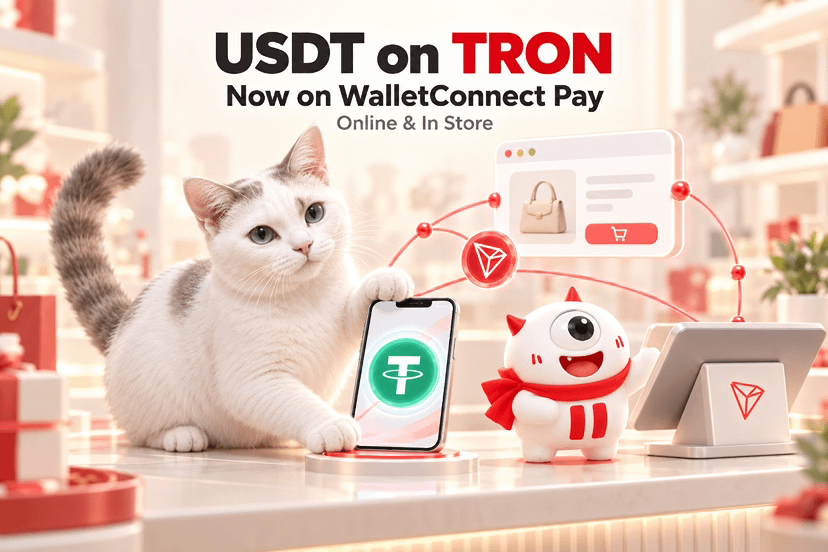
Another way to spend USDT on TRON—this time through WalletConnect Pay 👀
TRON DAO shared that merchants and payment service providers can now accept USDT on TRON both online and in store through a single integration.
Think of a business with both a website and a physical checkout counter. Supporting both channels gives that business another option for accepting digital asset payments.
What interests me is that stablecoin payments need both sides: people holding the tokens and merchants able to accept them. This update gives merchants another way to connect with USDT on TRON.
“Single integration” refers to the setup for merchants and payment providers. It doesn’t mean every shop already accepts it—you still need to check whether a particular merchant supports this payment option.
To me, this is another piece of how stablecoins could fit into everyday life: moving from a balance in a wallet to an option at checkout, whether online or in person.
I’m curious to see which merchants adopt it and how convenient the payment experience turns out to be 🐱❤️
#TRONGlobalFriends #TGF
@trondao @TronDao_THA @justinsuntron
70
·
--
翻訳参照
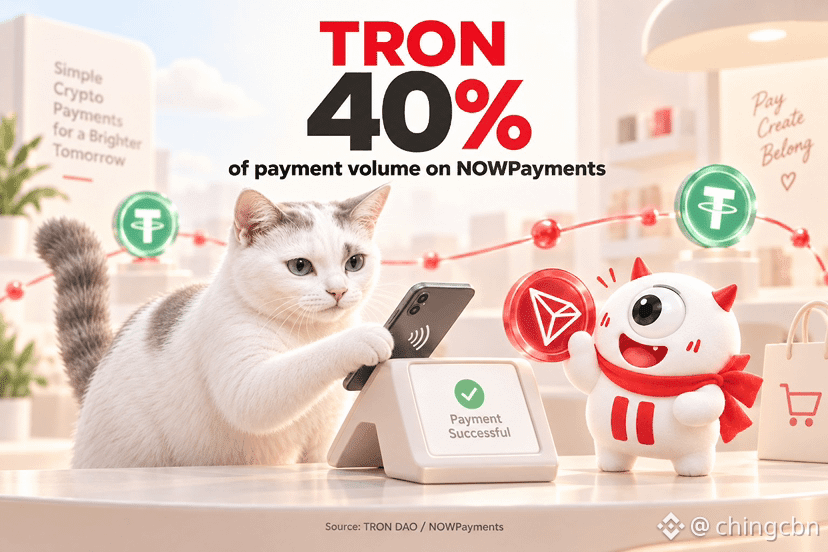
Another update from the payments side of TRON 👀
TRON DAO shared that 40% of the payment volume processed through NOWPayments runs on the TRON network.
If you’re unfamiliar with the names, NOWPayments is a crypto payment service, while NOW Wallet, also mentioned in the post, is a wallet for managing digital assets. Together, these types of services help connect holding crypto with using it.
What caught my attention is that this figure comes from a payment service. It offers another view of TRON’s role in moving value for payments.
The 40% figure applies specifically to NOWPayments—not the entire global crypto payments market. The post also doesn’t specify the measurement period, so it doesn’t tell us how much that share has grown.
The post highlights USDT on TRON and access through NOW Wallet too. To me, a network, an easy-to-use wallet, and payment services are all pieces that can bring stablecoins closer to everyday use.
Ultimately, people want to know whether their payment arrives, where they can spend, and how many steps it takes. 🐱❤️
#TRONGlobalFriends #TGF
@trondao @TronDao_THA @justinsuntron
69
·
--
TRONの開発者側からのちょっとしたアップデート 👀
TRON DAOは、OpenZeppelinのContractsライブラリおよび開発スタックがTRONで利用可能になったと共有しました。これにより、開発者はより多くのツールを使ってスマートコントラクトを構築・アップグレード・セキュアにすることができます。
これが初めての方へ:スマートコントラクトは、ブロックチェーン上で動作し、そのコードに書かれたルールに従うプログラムです。ライブラリは、開発者がその上に構築できる再利用可能な部品を提供するため、すべてをゼロから書く必要がありません。
OpenZeppelinの発表では、Contracts WizardやAIアシスタントから始められること、Hardhat、Foundry、TronBoxのようなツールとの連携、パスキーでのサインイン対応が注目ポイントです。
もう一つの機能は、正しく設計しアップグレードすることで、既存の状態を保持したまま稼働中のスマートコントラクトをアップグレードできることです。これは、アプリに新しい機能を追加しつつ、既存のデータはそのまま維持するイメージです。
私が気になるのは、私たちが将来的に使うかもしれないアプリの裏で進んでいる取り組みです。よりすぐに使えるツールが増えれば、反復的な開発作業が減り、チームが機能やユーザー体験により多くの時間を使えるようになるでしょう。
セキュリティツールは、各プロジェクトのコードをテストしレビューすることとセットである必要があります。これはTRONの開発者にとって追いかける価値のある、もう一つの開発です 🐱❤️
#TRONGlobalFriends #TGF
@trondao @TronDao_THA @justinsuntron
70
·
--
TRONでUSDTを使っている方への小さなアップデートです👀
Justin Sunが、TRON上でのUSDTおよびその他のTRC-20トークンの送金について、9月23日から12月22日、TRON DAOの支援のもとで「ゼロガス手数料」プロモーションを行うというBinance Walletの発表を共有しました。
初めての方へ:ガスは、トランザクションを処理するためのネットワーク手数料です。TRC-20はTRON上のトークン規格で、このネットワーク上のUSDTなどのトークンに使われています。
ただし、無料送金枠には限りがあります。発表では、その後は1回のトランザクションにつき割引後の手数料が1 USDT適用されるとのことなので、確定する前にアプリに表示される手数料を確認してください。
注意して見てほしいポイントの1つは、トランザクションに署名するときに「Network Fee Payer」を開き、発表内の手順に従ってネットワーク手数料をUSDTで支払うよう選択することです。
面白いのは、これが日常的な使い勝手にかなり直結する点です。少額を送るときでも送金手数料は影響します。そのコストが下がれば、ユーザーにとって送金がより現実的になるかもしれません。
Binance Walletを使っている場合は、アプリ内でこのプロモーションの利用可能状況と条件を確認してください。このオファーは指定された送金方法に適用されます。つまり、TRON上のすべての取引が無料になるわけではありません🐱❤️
#TRONGlobalFriends #TGF
@trondao @TronDao_THA @justinsuntron
1
1
82
·
--
USDTのTRONでのもう一つの使い方を共有したいと思います。今回は「使う」ことについてです 👀
TRON DAOは、プラットフォームの決済データによると、TRONネットワーク上のUSDTがCoinsBeeで最も利用されているオンチェーン決済オプションだと共有しています。
CoinsBeeをご存じでない方のために説明すると、暗号資産を使ってギフトカード、ゲームクレジット、モバイル端末へのチャージを購入できるプラットフォームです。つまり、デジタル資産を日常で使うものに結びつける別のチャネルでもあります。
2026年6月4日から9月1日までの90日データでは、CoinsBeeで「正常に支払い・配信された」項目を数えると、TRON上のUSDTによる支払いは、ビットコインの約1.8倍になっています。※支払われた全金額の価値ではありません。
この観点では、より多くの「使われ方」が見えてきます。ポケットにステーブルコインがあることで、さまざまなカードやクレジットを通じて商品やサービスを購入できるようになります。ただし、すべてのブランドがUSDTを直接受け付けているわけではありません。
CoinsBeeアプリを使っている方には、対象ユーザー向けの2%割引キャンペーンがあり、2026年9月21日〜10月5日の間にTRON上のUSDTで支払うと適用されます。キャンペーンの条件に従い、ユーザーごとにUSDT-TRCコードを1回使用してください。
これは、日常にもっと近い形でステーブルコインを使う別の例です。ぜひ取り上げて、皆さんにお伝えしたいと思います。 🐱❤️
#TRONGlobalFriends #TGF
@Trondao
@TronDao_THA
@Justinsuntron
289
·
--
最近、TRONのステーブルコイン側にも“追っておくべき”ことが起きています 👀
Token Terminalによると、90日間でネットワーク上のステーブルコインの価値は約48億ドル増加し、トップ10の他の9つのチェーンの増加分を合計したものよりも大きいとのことです。
数字を見たので、共有したいと思いました。これは「より大きなチェーンになった」という以上に見どころがある物語だからです。
もしまだご存じない方のために説明すると、ステーブルコインは、USDTのようにドルなどの資産を元に価値を保つことを目的としたコインです。1枚のコインが、ほぼ1ドルの価値になるよう設計されています。TRONは、こうしたコインの送金を支えるネットワークです。
チェーン上でのステーブルコインの価値が増えるということは、ネットワーク上のさまざまなアプリで「送る・取引する・使う」準備ができているコインの土台(ベース)も、同時に大きくなっていることを示します。
つまり、システムの中に“お金”が増えたと考えられます。では、そのお金は何に使われるのか?どれくらいの頻度で循環しているのか?——それはまた追いかけるべきテーマです。
ただし、ステーブルコインが増えたからといって、利用量が同じだけ増えたとは限りません。48億ドルの増加分が、そのすべてが新規ユーザーのお金だとは言えませんし、またコインがどれだけ移動し、ネットワーク間でどう配分されているのかも不明です。
だからこそ、TRON上で成長しているステーブルコインの“ベース”が、ユーザー数やネットワーク上の活動の増加と一緒にどうつながってくるのかを追いかけたいです。私たちが一緒に成長すれば、利用のイメージがよりはっきり見えてくるはず。 🐱❤️
#TRONGlobalFriends #TGF @trondao @TronDao_THA @justinsuntron
82
·
--
大学受験の準備をしていた頃、私たちは大量の問題を解く練習をしないといけなかったんだ 🧠
懐かしく感じた人いる?今日はあなたにチャレンジを用意したよ!
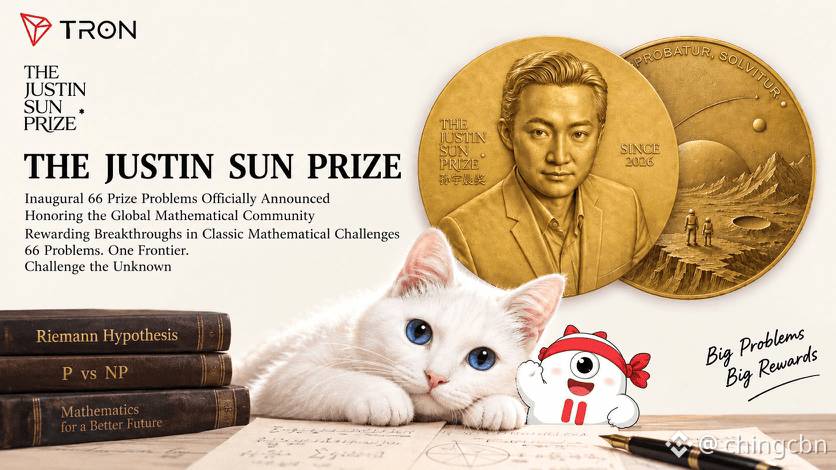
Justin Sun が「Justin Sun Prize」👀 をローンチしました。古典的な数学の問題を解き、解答を形式的に検証できる人を対象としています。
最高賞金は 💰 1,000,000ドル
そしてそう — 人間+AIのチームでも参加できます!
現在の「Pinnacle Problems(頂点級の問題)」には次のものが含まれます:
• リーマン予想
• P 対 NP 問題
自分にはできると思う? 🔥
ぜひ挑戦してみて!
もし先にどれか解けたら、解答を共有しに戻ってきてね 👀
@justinsuntron @trondao
@TronDao_THA
#TRONGlobalFriends #TGF
73
·
--
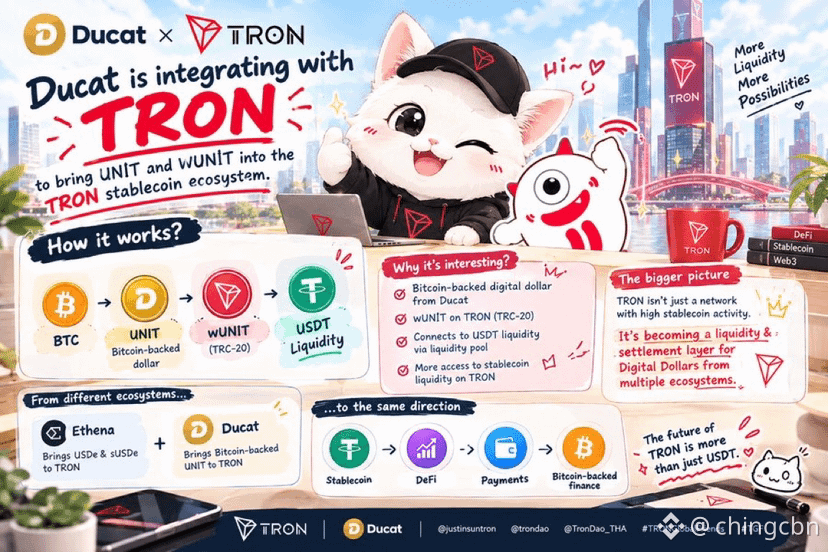
DucatはTRONと統合し、UNITおよびwUNITをTRONのステーブルコイン・エコシステムに接続しようとしています。
では、どこが面白いのでしょうか?
UNITは、Bitcoinを裏付けとするDucatのデジタル・ドルです。
一方、wUNITはTRON上でのTRC-20形式のバージョンです。
TRONに展開されると、wUNITは流動性プールを通じてUSDTと接続でき、Bitcoinを裏付けとするドルがTRON上のより安定したステーブルコインの流動性へアクセスできるようになります。
簡単な図は以下の通りです:
BTC
↓
UNIT — Bitcoinを裏付けとするドル
↓
wUNIT — TRON
↓
USDTの流動性
面白いのは、TRONが巨大なステーブルコインの活動を持つだけでなく、複数のエコシステムからのデジタル・ドル資産の別のブリッジ拠点になりつつあることです。
これまで、EthenaがUSDeとsUSDeをTRONに持ち込むのを見てきました。
そして今、DucatがBitcoinを裏付けとするUNITをTRONに接続しようとしています。
この2つのプロジェクトはモデルが異なりますが、大きな全体像は同じです:
ドル建ての資産を
TRON上の流動性と利用に接続する
ステーブルコイン → DeFi → 決済 → Bitcoinを裏付けとする金融
TRONの物語は、「大量のUSDTがあるネットワーク」から、さまざまな形式のデジタル・ドルに対する流動性&決済レイヤーへと変わってきているように思えます。
@justinsuntron @TRONDAO @TronDao_THA #TRONGlobalFriends #TGF
DucatはTRONと統合し、UNITおよびwUNITをTRONのステーブルコイン・エコシステムに接続しようとしています。
では、どこが面白いのでしょうか?
UNITは、Bitcoinを裏付けとするDucatのデジタル・ドルです。
一方、wUNITはTRON上でのTRC-20形式のバージョンです。
TRONに展開されると、wUNITは流動性プールを通じてUSDTと接続でき、Bitcoinを裏付けとするドルがTRON上のより安定したステーブルコインの流動性へアクセスできるようになります。
簡単な図は以下の通りです:
BTC
↓
UNIT — Bitcoinを裏付けとするドル
↓
wUNIT — TRON
↓
USDTの流動性
面白いのは、TRONが巨大なステーブルコインの活動を持つだけでなく、複数のエコシステムからのデジタル・ドル資産の別のブリッジ拠点になりつつあることです。
これまで、EthenaがUSDeとsUSDeをTRONに持ち込むのを見てきました。
そして今、DucatがBitcoinを裏付けとするUNITをTRONに接続しようとしています。
この2つのプロジェクトはモデルが異なりますが、大きな全体像は同じです:
ドル建ての資産を
TRON上の流動性と利用に接続する
ステーブルコイン → DeFi → 決済 → Bitcoinを裏付けとする金融
TRONの物語は、「大量のUSDTがあるネットワーク」から、さまざまな形式のデジタル・ドルに対する流動性&決済レイヤーへと変わってきているように思えます。
@justinsuntron @TRON DAO @TronDao_THA #TRONGlobalFriends #TGF
87
·
--
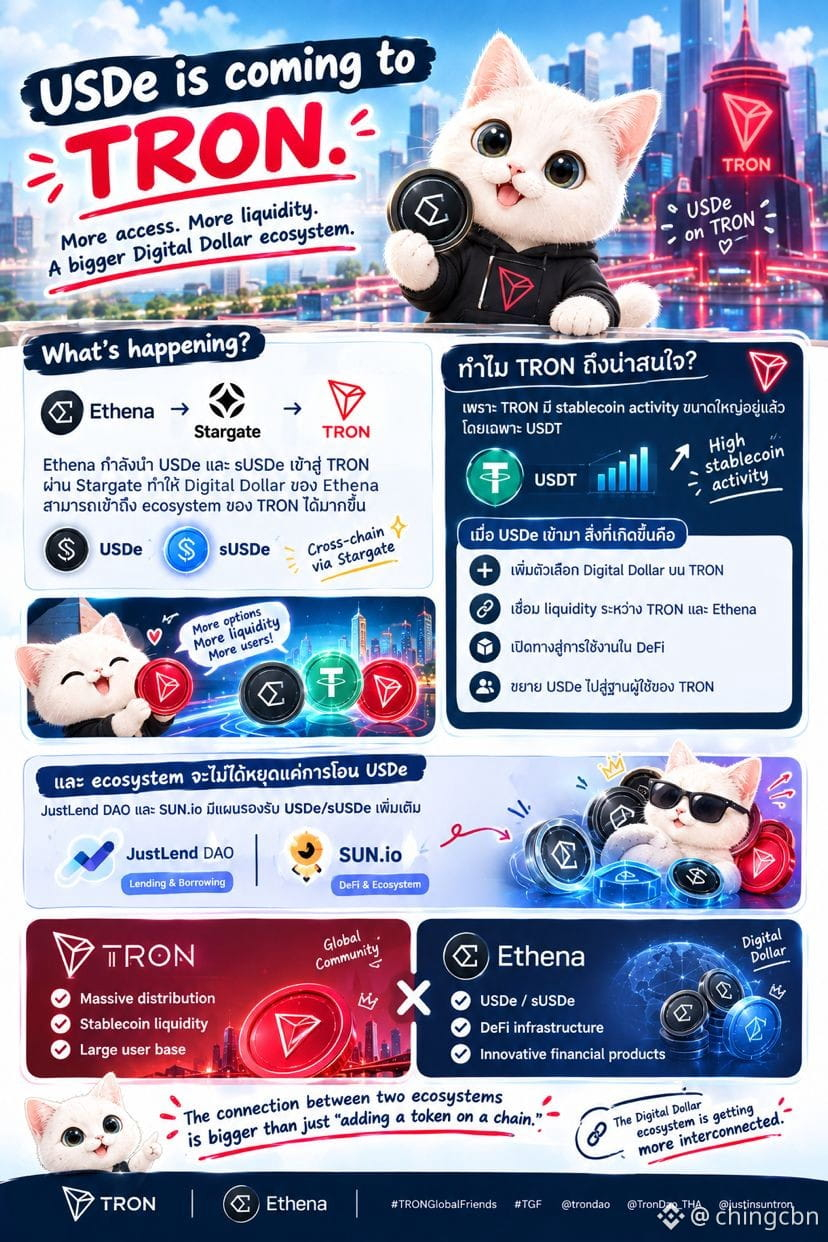
エテナはStargateを通じてUSDeとsUSDeをTRONに導入し、TRONエコシステム内でエテナのデジタル・ドルをより利用しやすくしています。
なぜTRONが注目されるのですか?
TRONは、特にUSDTを中心に、すでに大規模なステーブルコインの取引・活発な利用があるからです。
USDeが入ってくると、何が起きるのかというと:
→ TRON上で利用できるデジタル・ドルの選択肢が増える
→ TRONとエテナの間で流動性をつなぐ
→ DeFiの利用への扉を開く
→ TRONのユーザーベースへUSDeを拡大する
そして、そのエコシステムはUSDeの単なる移転にとどまりません。
JustLend DAOとSUN.ioには、USDe/sUSDeを支援するための追加計画があります。
簡単に言うと:
TRONには流通(ディストリビューション)+ステーブルコインの流動性がある
エテナにはUSDe+DeFiのインフラがある
この2つのエコシステムのつながりは、通常のやり方で「チェーンにトークンを追加する」以上に、はるかに面白いものになっています。
デジタル・ドルのエコシステムが、より相互に結びついてきています。 🔗
#TRONGlobalFriends #TGF @trondao @TronDao_THA @justinsuntron
125
·
--
@justinsuntron の Justin Sun Prize に関する発表からの要点まとめ:
▪️ ノーベルを超えて:純粋な論理と理論数学に焦点を当てます。
▪️ 官僚主義なし:コンピュータで検証されれば=即時支払い。
▪️ 人間×AI:AI検証のために、証明者とコードの形式化担当の両方に報酬。
▪️ オンチェーン保証:分散型ブロックチェーン上で、公開的に資金をロック。
これは間違いなく注目すべき案件です—分散型の懸賞に向けたブロックチェーンの素晴らしい活用! 👏
@justinsuntron @TRONDAO
@TronDao_THA
#TRONGlobalFriends #TGF
@justinsuntron の Justin Sun Prize に関する発表からの要点まとめ:
▪️ ノーベルを超えて:純粋な論理と理論数学に焦点を当てます。
▪️ 官僚主義なし:コンピュータで検証されれば=即時支払い。
▪️ 人間×AI:AI検証のために、証明者とコードの形式化担当の両方に報酬。
▪️ オンチェーン保証:分散型ブロックチェーン上で、公開的に資金をロック。
これは間違いなく注目すべき案件です—分散型の懸賞に向けたブロックチェーンの素晴らしい活用! 👏
@justinsuntron @TRON DAO
@TronDao_THA
#TRONGlobalFriends #TGF
▪️ ノーベルを超えて:純粋な論理と理論数学に焦点を当てます。
▪️ 官僚主義なし:コンピュータで検証されれば=即時支払い。
▪️ 人間×AI:AI検証のために、証明者とコードの形式化担当の両方に報酬。
▪️ オンチェーン保証:分散型ブロックチェーン上で、公開的に資金をロック。
これは間違いなく注目すべき案件です—分散型の懸賞に向けたブロックチェーンの素晴らしい活用! 👏
@justinsuntron @TRON DAO
@TronDao_THA
#TRONGlobalFriends #TGF
188
ログインして、さらにコンテンツを読む
厳選トピックで世界の暗号資産トレーダーの仲間入り
⚡️ 暗号資産に関する最新かつ有益な情報が見つかります。
💬 世界最大の暗号資産取引所から信頼されています。
👍 認証を受けたクリエイターから、有益なインサイトを得られます。
メール / 電話番号