

YógäD
9k 投稿

YógäD
1.1K+ フォロー
297 フォロワー
471 いいね
投稿
すべて
引用
ライブ
PINNED
翻訳参照

Best Wishes!
送り主:YógäD
翻訳参照
Network Error
送り主:YógäD
翻訳参照
ProTraderSS
·
--
📖 記事全文を読み、$BTC のチャートを確認し、取引することを決めたら、Binanceのトレーディングウィジェットから直接取引できます。
取引の前に必ず自己調査を行ってください。⚠️
🔥 BTC 市場チェック:ビットコインを取引する前に何を見るべき?
Bitcoin($BTC )は暗号資産の中でも最も注目されている資産の1つですが、すべてのトレーダーが理解すべきことは、価格がどちらの方向にも素早く動き得るという点です。
取引に入る前に、私は個人的に次の3つを確認するのが好きです:
📊 1. トレンド — BTCは高値更新と安値更新を作っているのか、それとも安値更新やより低い高値なのか?
📈 2. 出来高 — 出来高が増えた状態で強い値動きが出ていれば、市場参加の情報としてより多くを示せます。
🧠 3. リスク管理 — 価格が動いているからといって、決して単に取引に入らないでください。エントリー、無効(インバリデーション)の水準、そして最初にどれだけリスクを取る意思があるかを把握しましょう。
チャートが完璧に見えても、あなたに不利な方向へ動くことはあります。そのため、ランダムなシグナルを追いかけるよりも、プライスアクションの読み方を学ぶことの方が重要です。
今、$BTC で何を見ていますか—トレンド、サポート/レジスタンス、出来高、またはFVGs?👇
Bitcoin #BTC #crypto #trading #BinanceSquare #viralpost
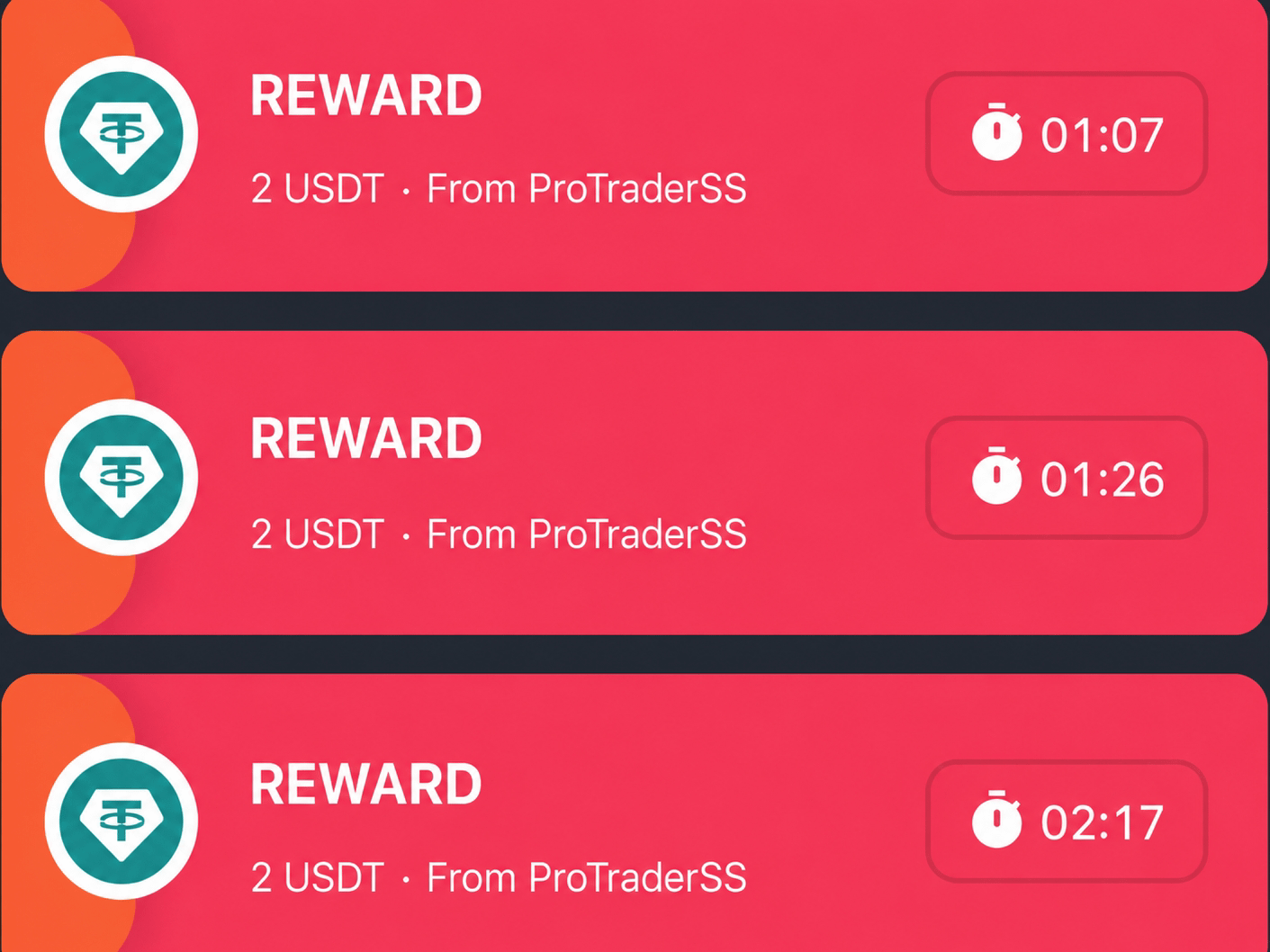
私のグループ ProTraderSS に参加してタスクをこなし、報酬を受け取ろう
ここをクリックして取引👇
そして確実に100%利益を得る 🔥
取引の前に必ず自己調査を行ってください。⚠️
🔥 BTC 市場チェック:ビットコインを取引する前に何を見るべき?
Bitcoin($BTC )は暗号資産の中でも最も注目されている資産の1つですが、すべてのトレーダーが理解すべきことは、価格がどちらの方向にも素早く動き得るという点です。
取引に入る前に、私は個人的に次の3つを確認するのが好きです:
📊 1. トレンド — BTCは高値更新と安値更新を作っているのか、それとも安値更新やより低い高値なのか?
📈 2. 出来高 — 出来高が増えた状態で強い値動きが出ていれば、市場参加の情報としてより多くを示せます。
🧠 3. リスク管理 — 価格が動いているからといって、決して単に取引に入らないでください。エントリー、無効(インバリデーション)の水準、そして最初にどれだけリスクを取る意思があるかを把握しましょう。
チャートが完璧に見えても、あなたに不利な方向へ動くことはあります。そのため、ランダムなシグナルを追いかけるよりも、プライスアクションの読み方を学ぶことの方が重要です。
今、$BTC で何を見ていますか—トレンド、サポート/レジスタンス、出来高、またはFVGs?👇
Bitcoin #BTC #crypto #trading #BinanceSquare #viralpost
私のグループ ProTraderSS に参加してタスクをこなし、報酬を受け取ろう
ここをクリックして取引👇
そして確実に100%利益を得る 🔥
翻訳参照
YógäD
·
--
https://app.binance.com/uni-qr/cart/361868709984542?r=BKQ4IPMJ&l=en&uco=C-pgRZpgi1LeNaMQb4xt2A&uc=app_square_share_link&us=copylink
翻訳参照
翻訳参照
YógäD
·
--
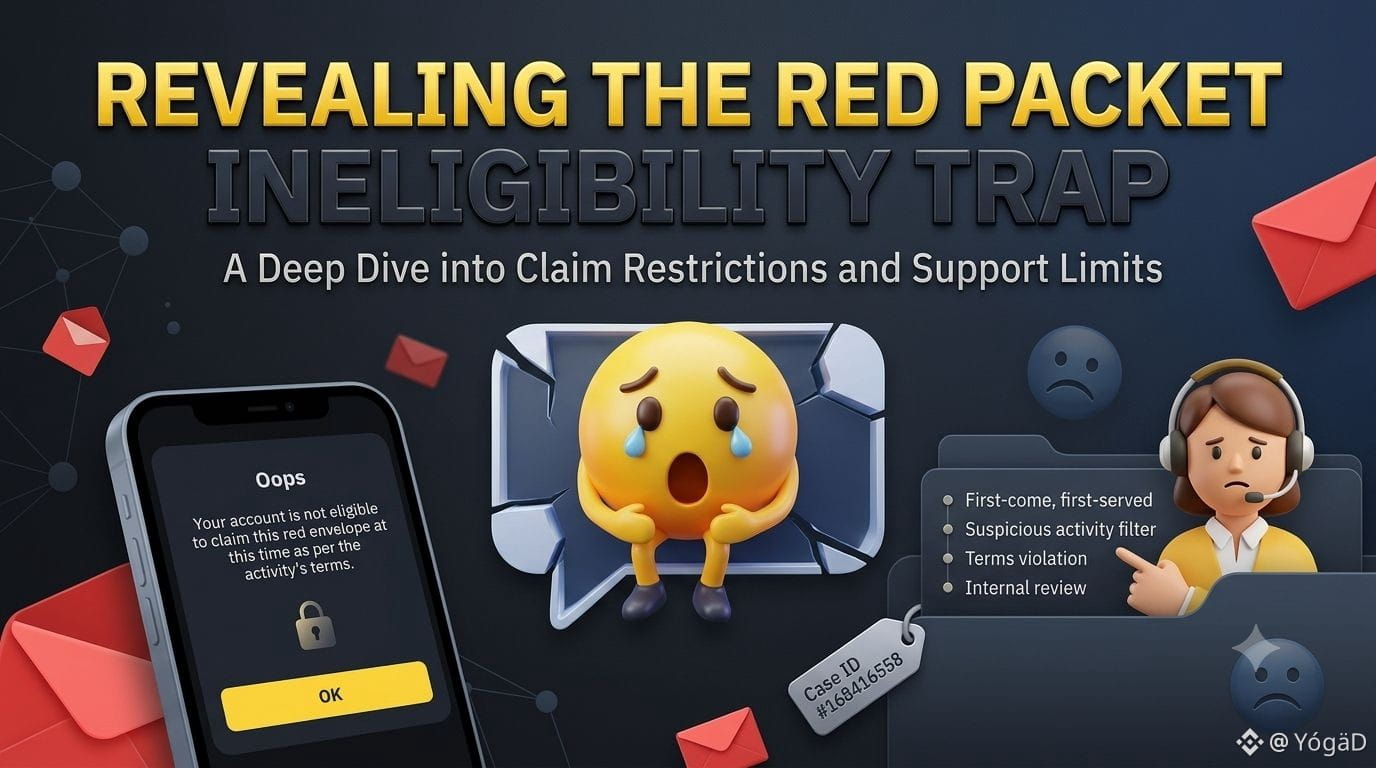
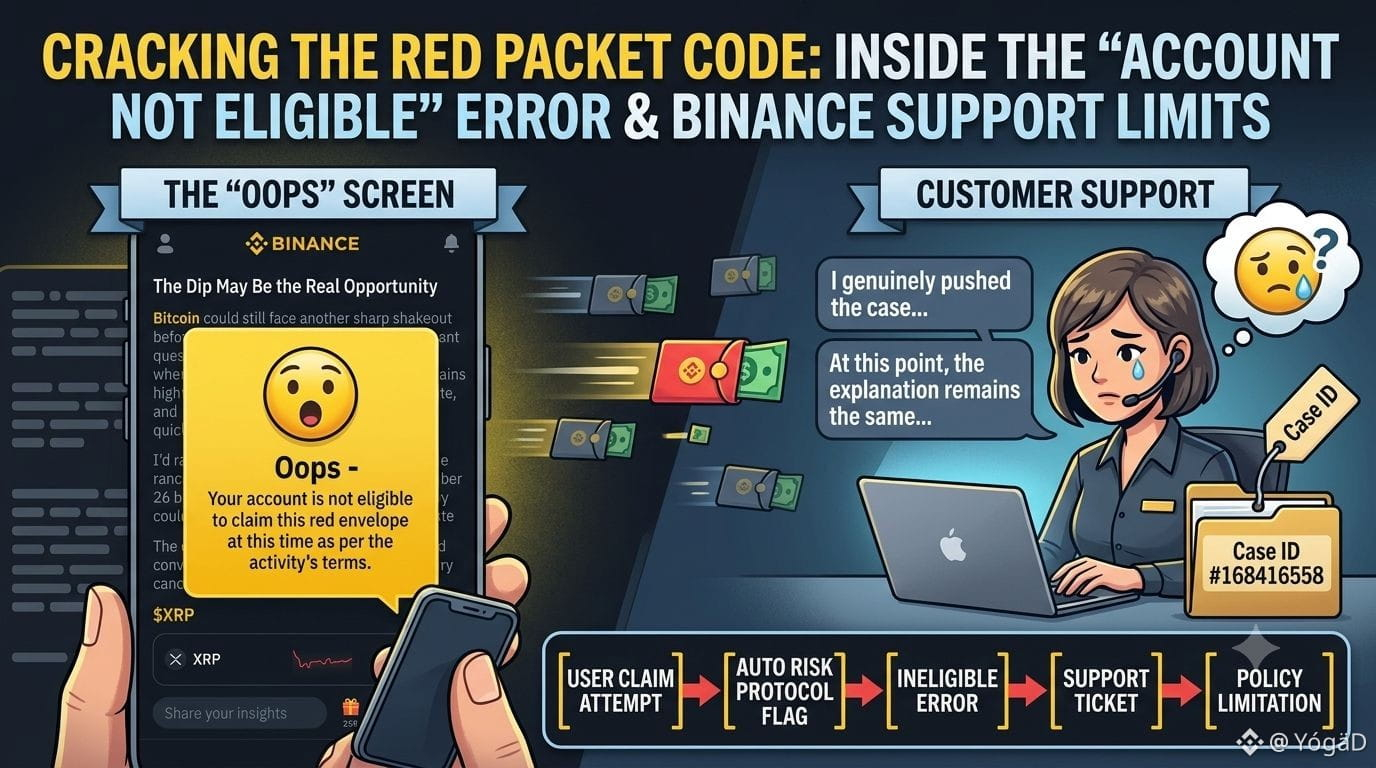
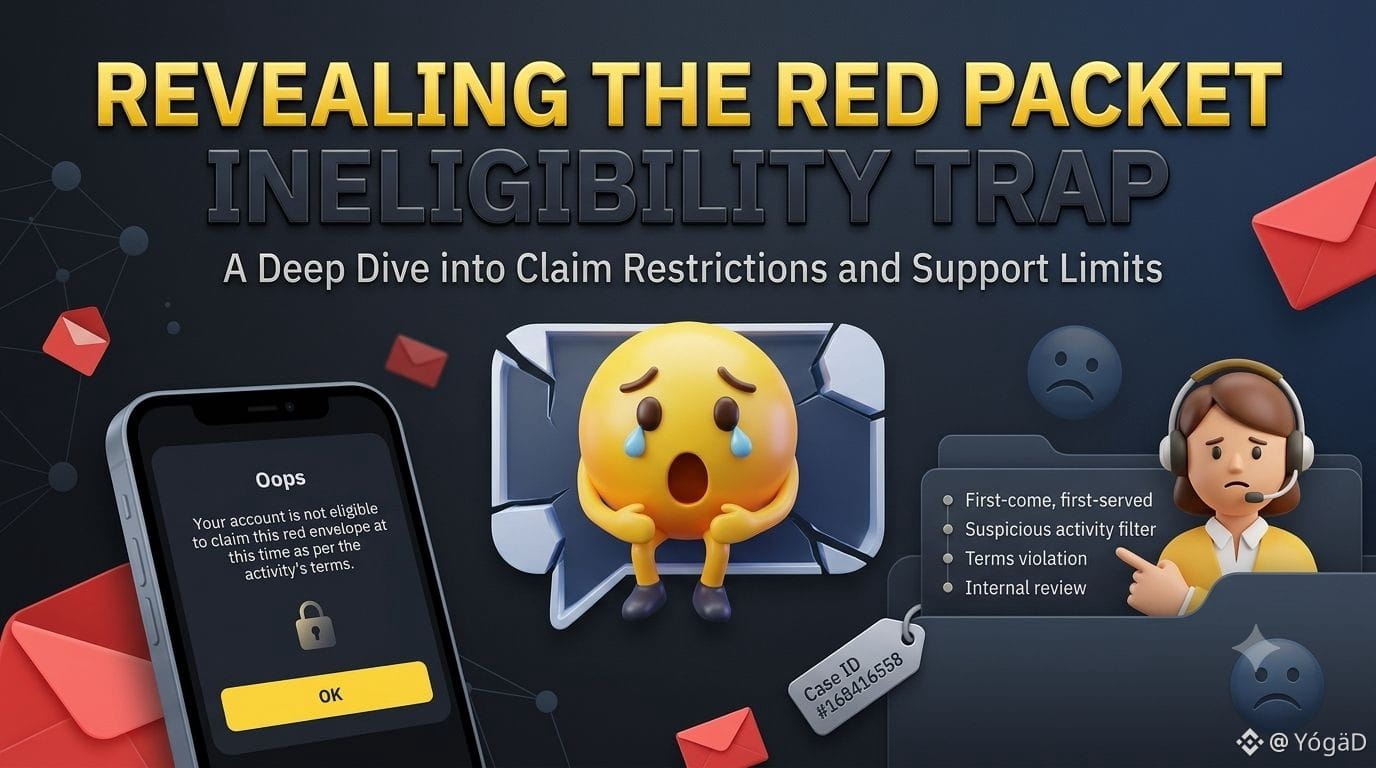
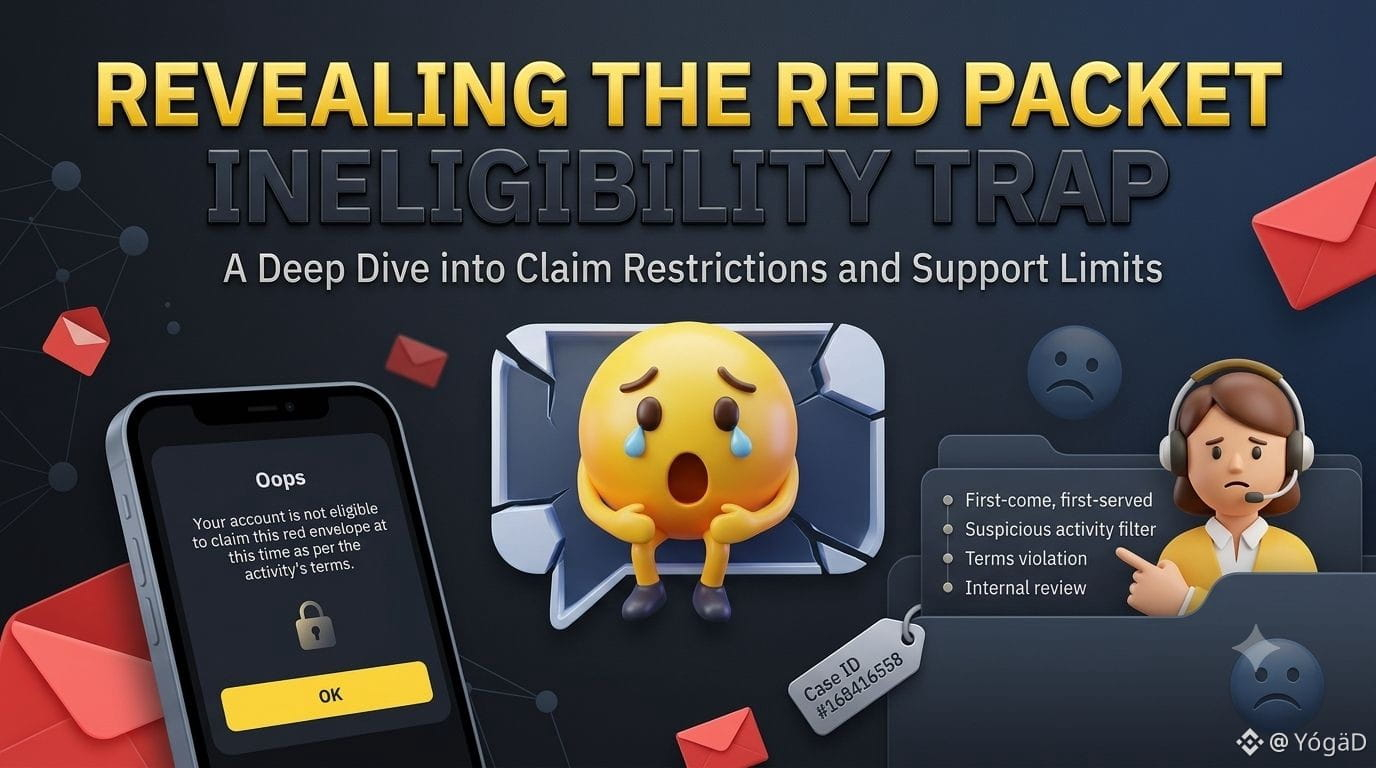
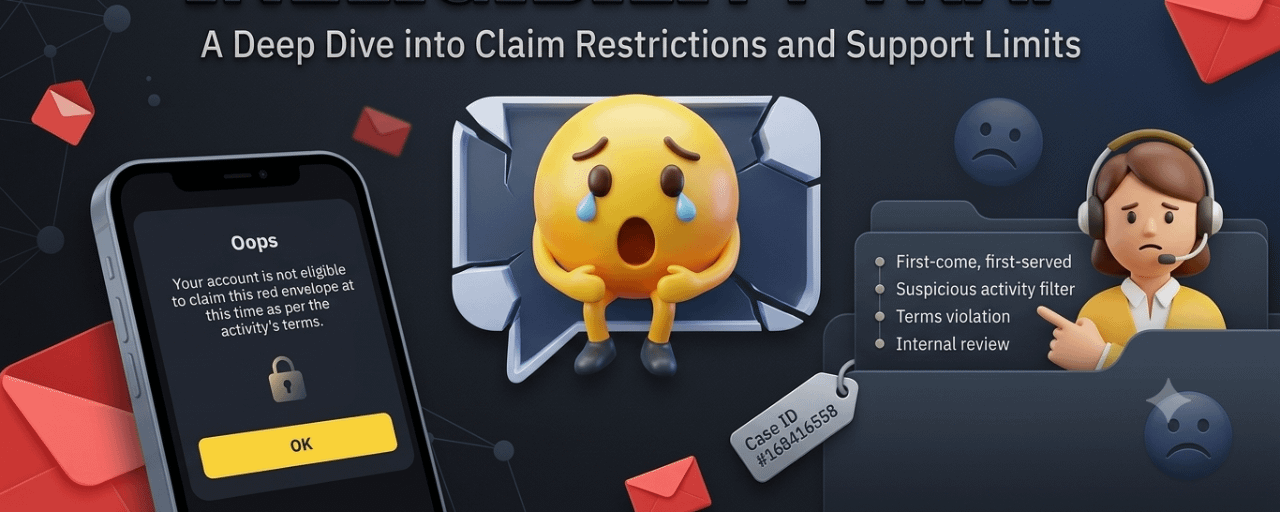
なぜBinanceはエラーハンドリングとポリシーを更新すべきか
$
ユーザーの信頼とプラットフォームの分かりやすさを高めるため、Binanceは以下のような重要な調整を検討できます:
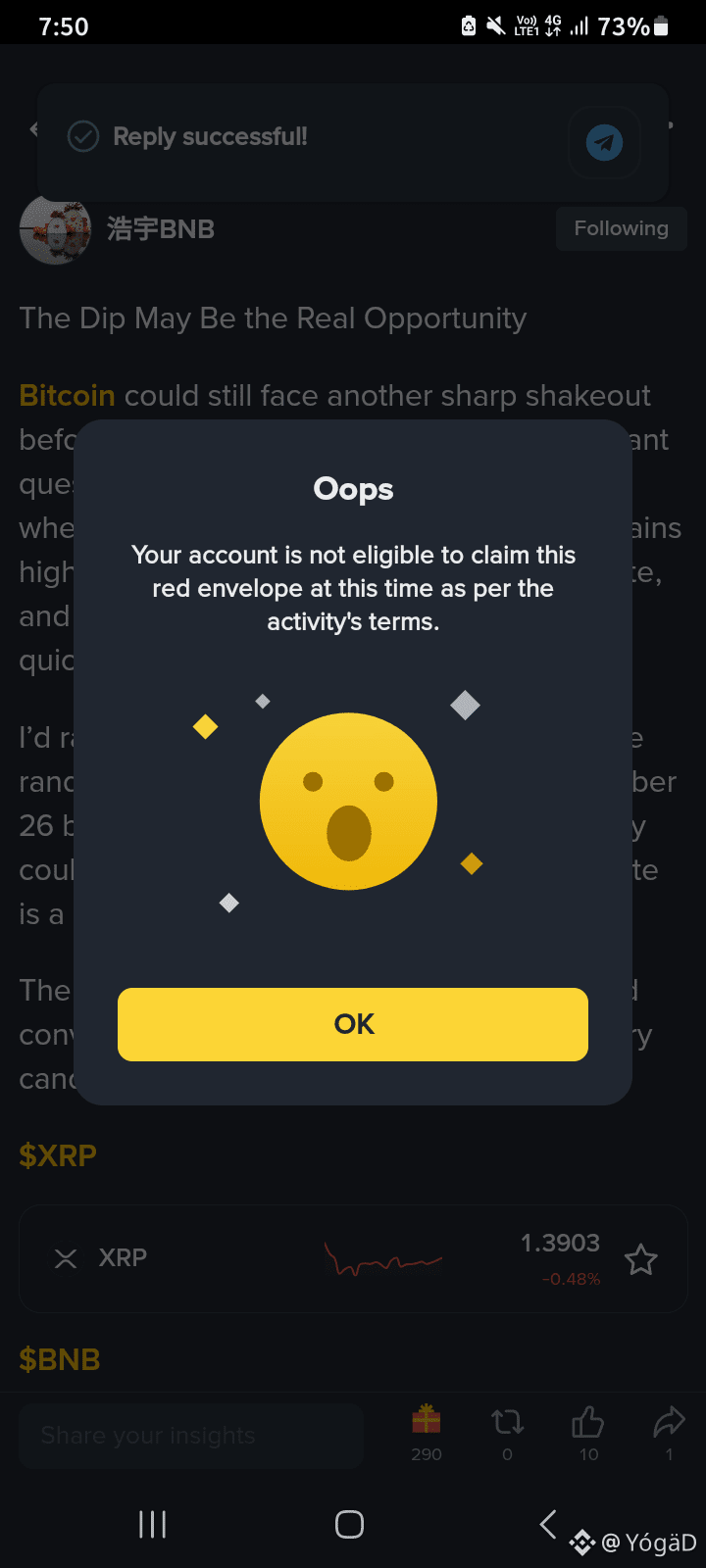
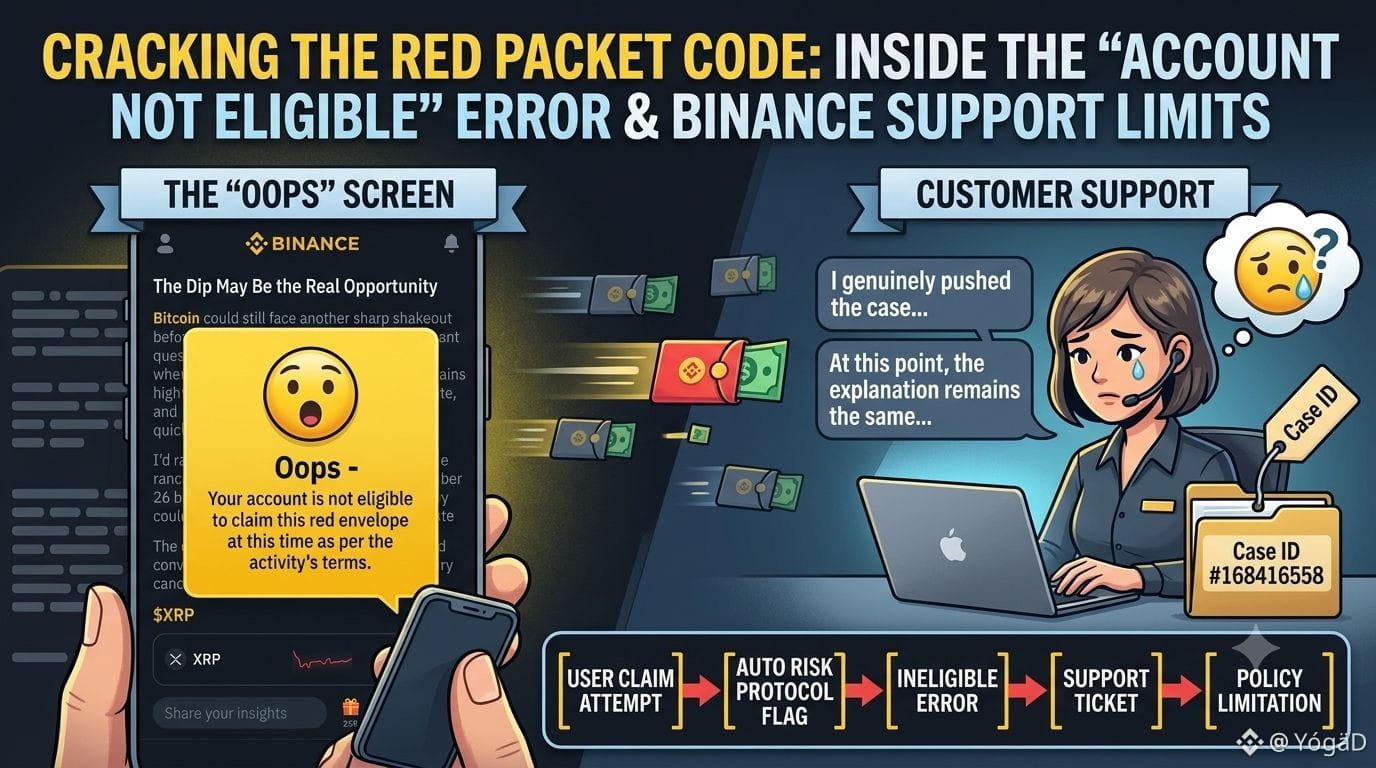
アカウントフラグとネットワークエラーを区別する:すべての失敗した試行に対して一律の「アカウントが対象外です」という包括的なメッセージを表示するのではなく、真のセキュリティ制限と単なるネットワークタイムアウトを明確に切り分けるべきです(例:「ネットワーク接続が遅延しています。安定した接続で再度お試しください。」)。
アカウントステータスの明確な表示:ユーザーには、アカウントの状態が健全であることを確認できる明確なダッシュボード表示が必要です。これにより、「レッドパケット申請の失敗」が、恒久的なアカウントの記録や制限と誤認されないようにします。
ユーザーの信頼とプラットフォームの分かりやすさを高めるため、Binanceは以下のような重要な調整を検討できます:
アカウントフラグとネットワークエラーを区別する:すべての失敗した試行に対して一律の「アカウントが対象外です」という包括的なメッセージを表示するのではなく、真のセキュリティ制限と単なるネットワークタイムアウトを明確に切り分けるべきです(例:「ネットワーク接続が遅延しています。安定した接続で再度お試しください。」)。
アカウントステータスの明確な表示:ユーザーには、アカウントの状態が健全であることを確認できる明確なダッシュボード表示が必要です。これにより、「レッドパケット申請の失敗」が、恒久的なアカウントの記録や制限と誤認されないようにします。
YógäD
·
--
なぜBinanceはエラーハンドリングとポリシーを更新すべきか
$
ユーザーの信頼とプラットフォームの分かりやすさを高めるため、Binanceは以下のような重要な調整を検討できます:
アカウントフラグとネットワークエラーを区別する:すべての失敗した試行に対して一律の「アカウントが対象外です」という包括的なメッセージを表示するのではなく、真のセキュリティ制限と単なるネットワークタイムアウトを明確に切り分けるべきです(例:「ネットワーク接続が遅延しています。安定した接続で再度お試しください。」)。
アカウントステータスの明確な表示:ユーザーには、アカウントの状態が健全であることを確認できる明確なダッシュボード表示が必要です。これにより、「レッドパケット申請の失敗」が、恒久的なアカウントの記録や制限と誤認されないようにします。
ユーザーの信頼とプラットフォームの分かりやすさを高めるため、Binanceは以下のような重要な調整を検討できます:
アカウントフラグとネットワークエラーを区別する:すべての失敗した試行に対して一律の「アカウントが対象外です」という包括的なメッセージを表示するのではなく、真のセキュリティ制限と単なるネットワークタイムアウトを明確に切り分けるべきです(例:「ネットワーク接続が遅延しています。安定した接続で再度お試しください。」)。
アカウントステータスの明確な表示:ユーザーには、アカウントの状態が健全であることを確認できる明確なダッシュボード表示が必要です。これにより、「レッドパケット申請の失敗」が、恒久的なアカウントの記録や制限と誤認されないようにします。
翻訳参照

Khalifa Al Jabri
·
--
エスプレッソは、複数のブロックチェーン間で同時に取引を整理し、効率化するために設計された分散型ネットワークです。
これらのブロックチェーンは、努力の島のように機能し、流動性が断片化され、中央集権的なチェーンを持っています。エスプレッソは、これらの境界間に橋を架けることを含む取引のための統一レイヤーとして機能します。
ESPトークンを請求することで、ネットワークが確保され(保存を通じて)、将来のアップデートに対する投票が可能になります。
これらのブロックチェーンは、努力の島のように機能し、流動性が断片化され、中央集権的なチェーンを持っています。エスプレッソは、これらの境界間に橋を架けることを含む取引のための統一レイヤーとして機能します。
ESPトークンを請求することで、ネットワークが確保され(保存を通じて)、将来のアップデートに対する投票が可能になります。

ログインして、さらにコンテンツを読む