
Hashini19719
80 投稿

Hashini19719
報告
ユーザーをブロック
13 フォロー
4 フォロワー
68 いいね
投稿
すべて
引用
·
--
GoogleGOOG株がサポートラインを割り込む、決算を前にAI支出への懸念が重しとなり、MetaやTeslaに続く
AlphabetのGOOGL株は2週間にわたる下落の末、330ドルを下回りました。投資家は、加速するクラウド事業の成長や決算発表を、法的な不透明感、インフラ投資の増加、テクノロジー投資のリターンに対する懐疑的な見方の広がりと比較検討しています。
概要
投資家が法的な不透明感や、決算発表を前にしたインフラコストの上昇を意識するなか、AlphabetのGOOGL株は330ドルを下回りました。Google
GOOG株がサポートラインを割り込む、決算を前にAI支出への懸念が重しとなり、MetaやTeslaに続く
AlphabetのGOOGL株は2週間にわたる下落の末、330ドルを下回りました。投資家は、加速するクラウド事業の成長や決算発表を、法的な不透明感、インフラ投資の増加、テクノロジー投資のリターンに対する懐疑的な見方の広がりと比較検討しています。
概要
投資家が法的な不透明感や、決算発表を前にしたインフラコストの上昇を意識するなか、AlphabetのGOOGL株は330ドルを下回りました。
AlphabetのGOOGL株は2週間にわたる下落の末、330ドルを下回りました。投資家は、加速するクラウド事業の成長や決算発表を、法的な不透明感、インフラ投資の増加、テクノロジー投資のリターンに対する懐疑的な見方の広がりと比較検討しています。
概要
投資家が法的な不透明感や、決算発表を前にしたインフラコストの上昇を意識するなか、AlphabetのGOOGL株は330ドルを下回りました。
2
198
·
--
記事
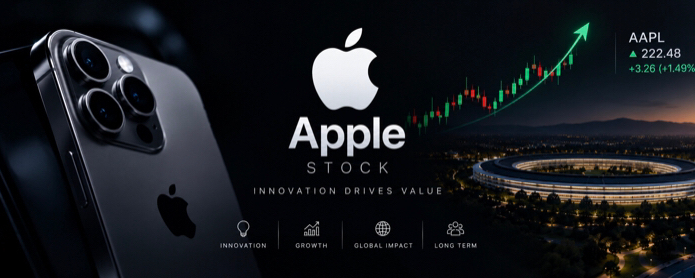
AppleApple Inc.(AAPL)はNASDAQで343.46ドルで取引されており、前日比1.46ドル(+0.43%)上昇しています。Yahoo Financeでリアルタイムの市場動向や詳細を確認できます:AAPL。
株価スナップショット
現在価格:343.46米ドル
日中の値幅:340.46~347.82
前日終値:342.00始値:346.085時価総額:5.013兆ドル52週間の値幅:243.42~348.15(52週間の高値は2026年10月13日に記録)株価収益率(P/E):約39.37配当利回り:0.31%(1株当たり四半期配当0.27ドル)主な市場情報過去最高値:スマートホーム向けおよびAIを統合した新しいハードウェア製品の展開を受け、Apple株は最近、過去最高値を更新しました。
Apple
Apple Inc.(AAPL)はNASDAQで343.46ドルで取引されており、前日比1.46ドル(+0.43%)上昇しています。Yahoo Financeでリアルタイムの市場動向や詳細を確認できます:AAPL。
株価スナップショット
現在価格:343.46米ドル
日中の値幅:340.46~347.82
前日終値:342.00始値:346.085時価総額:5.013兆ドル52週間の値幅:243.42~348.15(52週間の高値は2026年10月13日に記録)株価収益率(P/E):約39.37配当利回り:0.31%(1株当たり四半期配当0.27ドル)主な市場情報過去最高値:スマートホーム向けおよびAIを統合した新しいハードウェア製品の展開を受け、Apple株は最近、過去最高値を更新しました。
株価スナップショット
現在価格:343.46米ドル
日中の値幅:340.46~347.82
前日終値:342.00始値:346.085時価総額:5.013兆ドル52週間の値幅:243.42~348.15(52週間の高値は2026年10月13日に記録)株価収益率(P/E):約39.37配当利回り:0.31%(1株当たり四半期配当0.27ドル)主な市場情報過去最高値:スマートホーム向けおよびAIを統合した新しいハードウェア製品の展開を受け、Apple株は最近、過去最高値を更新しました。
2
448
·
--

記事
翻訳参照
KGST COINTECHNOLOGY
STACK
KGST is issued on the BNB Chain, which uses the Proof of Staked Authority (PoSA) consensus for transaction finality, immutability, and transparency. This enables fast, trustless, and low-friction settlements, supporting broad integration into decentralized applications and financial services.
MEET KGST
KGST is a fully-backed stablecoin pegged 1:1 to the Kyrgyz Som (KGS), designed to provide a secure, transparent, and efficient digital currency solution for Kyrgyzstan and the broader Central Asian region. KGST leverages blockchain technology to enable fast, low-cost payments, cross-border remittances, and financial inclusion, while maintaining strict regulatory compliance and robust reserve management.
By combining the stability of the national currency with the benefits of blockchain, KGST addresses the volatility challenges of cryptocurrencies and supports Kyrgyzstan's digital economy ambitions. KGST is positioned to become the digital currency of choice for individuals, businesses, and financial institutions in the region.
CORE ADVANTAGES
Legal Compliance
KGST is fully grounded in Kyrgyzstan's 2022 "On Virtual Assets" law, ensuring a clear and regulated framework for issuance and use.
Fiat-Backed Stability
KGST is a fully collateralized stablecoin backed by KGS fiat reserves held securely in licensed Kyrgyz banks, providing price stability and trust.
Regulatory Oversight
The token issuance and operations are subject to strict regulatory supervision, including mandatory registration, audits, and ongoing compliance with financial authorities.
User-Friendly Access
KGST aims to offer seamless and secure user experiences through integration with popular wallets, payment platforms, and exchanges, lowering barriers for both local and international users.
Transparency and Security
Regular audits, secure custody of reserves, and adherence to regulatory standards ensure transparency and protect user interests.
Integration with Existing Payment Platforms
Integrate KGST with Kyrgyzstan's existing financial and payment infrastructure.
Access to Liquidity Venus
KGST enables cost-effective, near-instant on-chain transfers, reducing reliance on expensive intermediaries.
Financial Inclusion
By providing digital access to the national currency, KGST empowers unbanked populations to participate in the digital economy through mobile wallets and decentralized finance (DeFi) platforms.
Integration with DeFi and Digital Services
KGST's BEP-20 token standard allows integration with DeFi protocols, enabling lending, borrowing, and yield farming opportunities denominated in KGST.
{spot}(KGSTUSDT)
KGST COIN
TECHNOLOGY
STACK
KGST is issued on the BNB Chain, which uses the Proof of Staked Authority (PoSA) consensus for transaction finality, immutability, and transparency. This enables fast, trustless, and low-friction settlements, supporting broad integration into decentralized applications and financial services.
MEET KGST
KGST is a fully-backed stablecoin pegged 1:1 to the Kyrgyz Som (KGS), designed to provide a secure, transparent, and efficient digital currency solution for Kyrgyzstan and the broader Central Asian region. KGST leverages blockchain technology to enable fast, low-cost payments, cross-border remittances, and financial inclusion, while maintaining strict regulatory compliance and robust reserve management.
By combining the stability of the national currency with the benefits of blockchain, KGST addresses the volatility challenges of cryptocurrencies and supports Kyrgyzstan's digital economy ambitions. KGST is positioned to become the digital currency of choice for individuals, businesses, and financial institutions in the region.
CORE ADVANTAGES
Legal Compliance
KGST is fully grounded in Kyrgyzstan's 2022 "On Virtual Assets" law, ensuring a clear and regulated framework for issuance and use.
Fiat-Backed Stability
KGST is a fully collateralized stablecoin backed by KGS fiat reserves held securely in licensed Kyrgyz banks, providing price stability and trust.
Regulatory Oversight
The token issuance and operations are subject to strict regulatory supervision, including mandatory registration, audits, and ongoing compliance with financial authorities.
User-Friendly Access
KGST aims to offer seamless and secure user experiences through integration with popular wallets, payment platforms, and exchanges, lowering barriers for both local and international users.
Transparency and Security
Regular audits, secure custody of reserves, and adherence to regulatory standards ensure transparency and protect user interests.
Integration with Existing Payment Platforms
Integrate KGST with Kyrgyzstan's existing financial and payment infrastructure.
Access to Liquidity Venus
KGST enables cost-effective, near-instant on-chain transfers, reducing reliance on expensive intermediaries.
Financial Inclusion
By providing digital access to the national currency, KGST empowers unbanked populations to participate in the digital economy through mobile wallets and decentralized finance (DeFi) platforms.
Integration with DeFi and Digital Services
KGST's BEP-20 token standard allows integration with DeFi protocols, enabling lending, borrowing, and yield farming opportunities denominated in KGST.
1
248
·
--

記事
SPCXSpace Exploration Technologies Corp.(SpaceX)は、宇宙、コネクティビティ、AIの各分野において、未来を支える統合ハードウェアおよびソフトウェアのインフラを構築しています。同社は先進的なロケットや宇宙船の設計、製造、打ち上げ、運用を行い、高速かつ低遅延のグローバルなブロードバンドデータ・通信ネットワークであるStarlinkを運営しています。また、xAIの買収後、同社は最先端モデルのGrok、消費者向けおよび企業向けAIアプリケーション、AI計算インフラにまたがる、高度に垂直統合されたAIプラットフォームも運営しています。SPCXの上場銘柄名はSpace Exploration Technologies Corp. Class A Common Stockです。
SPCX
Space Exploration Technologies Corp.(SpaceX)は、宇宙、コネクティビティ、AIの各分野において、未来を支える統合ハードウェアおよびソフトウェアのインフラを構築しています。同社は先進的なロケットや宇宙船の設計、製造、打ち上げ、運用を行い、高速かつ低遅延のグローバルなブロードバンドデータ・通信ネットワークであるStarlinkを運営しています。また、xAIの買収後、同社は最先端モデルのGrok、消費者向けおよび企業向けAIアプリケーション、AI計算インフラにまたがる、高度に垂直統合されたAIプラットフォームも運営しています。SPCXの上場銘柄名はSpace Exploration Technologies Corp. Class A Common Stockです。
1
2
779

·
--
翻訳参照
AMDAMD's market value surpasses Intel's by 60%, reversing a decade-old 28x gap.
Ten years ago, Intel's market value was about 28 times greater than AMD's. Today, AMD's market value has grown significantly and is now approximately 60% higher than Intel's. This dramatic shift highlights AMD's rise in the semiconductor industry and Intel's relative decline. The change could influence investor strategies and market dynamics in the tech sector going forward.
AMD's market cap milestone is the focus here, with Pluang's Technology sector showing a balanced market breadth of 75 stocks up and 74 down among 150 tradable US stocks as of Oct 04, 2026 18:01 WIB. Notable movers include NTAP rising 5.22% to USD 226.27 with a typical hold time of 57 days and a strong sell bias of 84%, ARM up 5.18% at USD 307.49 with a shorter hold time of 27 days and 67% sell activity, contrasting with EXFY which fell 5.06% to USD 2.25 over a 41-day hold period
{stock_us}(AMD.US)
AMD
AMD's market value surpasses Intel's by 60%, reversing a decade-old 28x gap.
Ten years ago, Intel's market value was about 28 times greater than AMD's. Today, AMD's market value has grown significantly and is now approximately 60% higher than Intel's. This dramatic shift highlights AMD's rise in the semiconductor industry and Intel's relative decline. The change could influence investor strategies and market dynamics in the tech sector going forward.
AMD's market cap milestone is the focus here, with Pluang's Technology sector showing a balanced market breadth of 75 stocks up and 74 down among 150 tradable US stocks as of Oct 04, 2026 18:01 WIB. Notable movers include NTAP rising 5.22% to USD 226.27 with a typical hold time of 57 days and a strong sell bias of 84%, ARM up 5.18% at USD 307.49 with a shorter hold time of 27 days and 67% sell activity, contrasting with EXFY which fell 5.06% to USD 2.25 over a 41-day hold period
1
246
·
--


2
3
·
--
strc戦略は、STRCを$100付近に戻すために日次の配当を提案しています
STRCは、12%の配当利回りと、優先株の自社株買いとして約10億ドルを計上しているにもかかわらず、5月以来$100を下回ったままです。
表示
戦略は、米国上場の優先株4銘柄について日次配当を株主に承認するよう求めており、投票は10月28日に予定されています。
戦略は、MSTR$157.14·マーケット終了が、米国上場の優先株4銘柄(STRF、STRC、STRK、STRD)すべてについて日次配当を承認するよう株主に求めています。
ビットコインBTC$84,117.13の最大の法人保有者は、配当は週末や祝日を含む暦日ごとに発生し、翌営業日に支払われることを提案しました。
strc
戦略は、STRCを$100付近に戻すために日次の配当を提案しています
STRCは、12%の配当利回りと、優先株の自社株買いとして約10億ドルを計上しているにもかかわらず、5月以来$100を下回ったままです。
表示
戦略は、米国上場の優先株4銘柄について日次配当を株主に承認するよう求めており、投票は10月28日に予定されています。
戦略は、MSTR$157.14·マーケット終了が、米国上場の優先株4銘柄(STRF、STRC、STRK、STRD)すべてについて日次配当を承認するよう株主に求めています。
ビットコインBTC$84,117.13の最大の法人保有者は、配当は週末や祝日を含む暦日ごとに発生し、翌営業日に支払われることを提案しました。
STRCは、12%の配当利回りと、優先株の自社株買いとして約10億ドルを計上しているにもかかわらず、5月以来$100を下回ったままです。
表示
戦略は、米国上場の優先株4銘柄について日次配当を株主に承認するよう求めており、投票は10月28日に予定されています。
戦略は、MSTR$157.14·マーケット終了が、米国上場の優先株4銘柄(STRF、STRC、STRK、STRD)すべてについて日次配当を承認するよう株主に求めています。
ビットコインBTC$84,117.13の最大の法人保有者は、配当は週末や祝日を含む暦日ごとに発生し、翌営業日に支払われることを提案しました。
1
1
270
·
--
ブリッシュ
翻訳参照
Plume coin $
{spot}(PLUMEUSDT)
Good to buy look like to bullish
Plume gave a earned air drop for bnb coin
{spot}(BNBUSDT)
Bnb is a good coin
Plume coin $
Good to buy look like to bullish
Plume gave a earned air drop for bnb coin
Bnb is a good coin
Good to buy look like to bullish
Plume gave a earned air drop for bnb coin
Bnb is a good coin
3
289
·
--
翻訳参照
CPI overviewConsumer Price Indexes Overview
Data available
Price indexes are available for the U.S., the four Census regions, nine Census divisions, two size of city classes, eight cross-classifications of regions and size-classes, and for 23 local areas. Indexes are available for major groups of consumer expenditures (food and beverages, housing, apparel, transportation, medical care, recreation, education and communications, and other goods and services), for items within each group, and for special categories, such as services.Monthly indexes are available for the U.S., the four Census regions, the nine Census divisions, and some local areas. More detailed item indexes are available for the U.S. than for regions, divisions, and local areas.Indexes are available for two population groups: a CPI for All Urban Consumers (CPI-U) which covers over 90 percent of the total population and a CPI for Urban Wage Earners and Clerical Workers (CPI-W) which covers approximately 30 percent of the population.Some series, such as the U.S. City Average all itemsindex, begin as early as 1913.
Coverage
The CPI represents changes in prices of all goods and services purchased for consumption by urban households. User fees (such as water and sewer service) and sales and excise taxes paid by the consumer are also included. Income taxes and investment items (like stocks, bonds, and life insurance) are not included.The CPI-U includes expenditures by urban wage earners and clerical workers, professional, managerial, and technical workers, the self-employed, short-term workers, the unemployed, retirees and others not in the labor force. The CPI-W includes only expenditures by those in hourly wage earning or clerical jobs.
Sources of data
Prices for the goods and services used to calculate the CPI are collected in 75 urban areas throughout the country and from about 23,000 retail and service establishments. Data on rents are collected from about 50,000 landlords or tenants.The weight for an item is derived from reported expenditures on that item as estimated by the Consumer Expenditure Survey.
Reference period
Prices are taken throughout the month.
Uses
As an economic indicator. As the most widely used measure of inflation, the CPI is an indicator of the effectiveness of government policy. In addition, business executives, labor leaders and other private citizens use the index as a guide in making economic decisions.As a deflator of other economic series. The CPI and its components are used to adjust other economic series for price change and to translate these series into inflation-free dollars.As a means for adjusting dollar values. The CPI is often used to adjust consumers' income payments (for example, Social Security), to adjust income eligibility levels for government assistance, and to automatically provide cost-of-living wage adjustments to millions of American workers. The index affects the income of more than 108 million people because of statutory action: over 67 million Social Security beneficiaries and over 41 million Supplemental Nutrition Assistance Program (SNAP) recipients (formerly food stamps), among other programs.
Another example of how dollar values may be adjusted is the use of the CPI to adjust the Federal income tax structure. These adjustments prevent inflation-induced increases in tax rates. In addition, eligibility criteria for millions of food stamp recipients, and children who eat lunch at school are affected by changes in the CPI. Some private firms and individuals use the CPI to keep rents, royalties, alimony payments and child support payments in line with changing prices. Many collective bargaining agreements also tie wage increases to the CPI.
CPI overview
Consumer Price Indexes Overview
Data available
Price indexes are available for the U.S., the four Census regions, nine Census divisions, two size of city classes, eight cross-classifications of regions and size-classes, and for 23 local areas. Indexes are available for major groups of consumer expenditures (food and beverages, housing, apparel, transportation, medical care, recreation, education and communications, and other goods and services), for items within each group, and for special categories, such as services.Monthly indexes are available for the U.S., the four Census regions, the nine Census divisions, and some local areas. More detailed item indexes are available for the U.S. than for regions, divisions, and local areas.Indexes are available for two population groups: a CPI for All Urban Consumers (CPI-U) which covers over 90 percent of the total population and a CPI for Urban Wage Earners and Clerical Workers (CPI-W) which covers approximately 30 percent of the population.Some series, such as the U.S. City Average all itemsindex, begin as early as 1913.
Coverage
The CPI represents changes in prices of all goods and services purchased for consumption by urban households. User fees (such as water and sewer service) and sales and excise taxes paid by the consumer are also included. Income taxes and investment items (like stocks, bonds, and life insurance) are not included.The CPI-U includes expenditures by urban wage earners and clerical workers, professional, managerial, and technical workers, the self-employed, short-term workers, the unemployed, retirees and others not in the labor force. The CPI-W includes only expenditures by those in hourly wage earning or clerical jobs.
Sources of data
Prices for the goods and services used to calculate the CPI are collected in 75 urban areas throughout the country and from about 23,000 retail and service establishments. Data on rents are collected from about 50,000 landlords or tenants.The weight for an item is derived from reported expenditures on that item as estimated by the Consumer Expenditure Survey.
Reference period
Prices are taken throughout the month.
Uses
As an economic indicator. As the most widely used measure of inflation, the CPI is an indicator of the effectiveness of government policy. In addition, business executives, labor leaders and other private citizens use the index as a guide in making economic decisions.As a deflator of other economic series. The CPI and its components are used to adjust other economic series for price change and to translate these series into inflation-free dollars.As a means for adjusting dollar values. The CPI is often used to adjust consumers' income payments (for example, Social Security), to adjust income eligibility levels for government assistance, and to automatically provide cost-of-living wage adjustments to millions of American workers. The index affects the income of more than 108 million people because of statutory action: over 67 million Social Security beneficiaries and over 41 million Supplemental Nutrition Assistance Program (SNAP) recipients (formerly food stamps), among other programs.
Another example of how dollar values may be adjusted is the use of the CPI to adjust the Federal income tax structure. These adjustments prevent inflation-induced increases in tax rates. In addition, eligibility criteria for millions of food stamp recipients, and children who eat lunch at school are affected by changes in the CPI. Some private firms and individuals use the CPI to keep rents, royalties, alimony payments and child support payments in line with changing prices. Many collective bargaining agreements also tie wage increases to the CPI.
1
2
47
·
--
翻訳参照
Labor Day is a federal holiday in the United States celebrated on the first Monday of September to honor and recognize the American labor movement and the works and contributions of laborers to the development and achievements in the United States.
Beginning in the late 19th century, as the trade union and labor movements grew, trade unionists proposed that a day be set aside to celebrate labor. "Labor Day" was promoted by the Central Labor Union and the Knights of Labor, which organized the first parade in New York City. By the time it became an official federal holiday in 1894, thirty states in the U.S. officially celebrated Labor Day.
Canada's Labour Day is also celebrated on the first Monday of September. More than 150 other countries celebrate International Workers' Day on May 1, the European holiday of May Day. May Day was chosen by the Second International of socialist and communist parties to commemorate the general labor strike in the United States and events leading to the Haymarket affair, which occurred in Chicago, Illinois, from May 1 – May 4, 1886.
2
3
·
--
ブリッシュ
翻訳参照
Google LLC is an American multinational technology corporation focused on information technology, online advertising, search engine technology, email, cloud computing, software, quantum computing, e-commerce, consumer electronics, and artificial intelligence (AI).[9] It has been referred to as "the most powerful company in the world" by the BBC,[10] and is one of the world's most valuable brands.[11][12][13] Google's parent company Alphabet Inc. has been described as a Big Tech company.
$GOOGL.US
Google LLC
$GOOGL.US
Google LLC
2
79
ログインして、さらにコンテンツを読む
厳選トピックで世界の暗号資産トレーダーの仲間入り
⚡️ 暗号資産に関する最新かつ有益な情報が見つかります。
💬 世界最大の暗号資産取引所から信頼されています。
👍 認証を受けたクリエイターから、有益なインサイトを得られます。
メール / 電話番号