
babulivo
145 投稿

babulivo
45 フォロー
48 フォロワー
190 いいね
投稿
すべて
引用
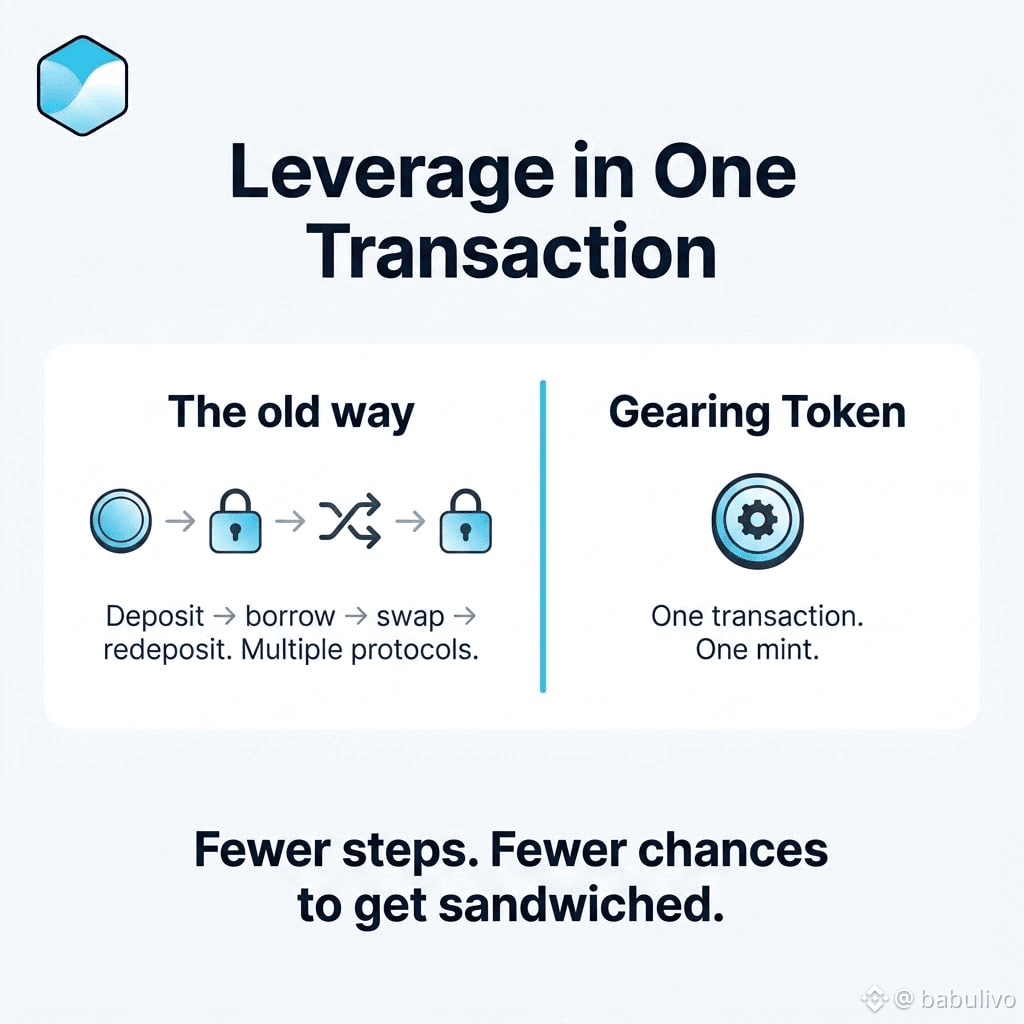
DeFiでレバレッジを効かせたエクスポージャーを得るというのは、通常、手作業の一連の手順のことです:担保を預ける、そこに対して借り入れる、借りた資産をスワップする、再預け入れする。場合によっては、1つのレバレッジポジションを開くために、2つか3つの異なるプロトコルにまたがって行うこともあります。
TermMaxは、その一連の流れを「Gearing Token」と呼ばれるものにまとめます。1回のトランザクションで、複数のステップを要していたレバレッジ手続き(そして、何かをミスしたり挟み撃ちに遭ったりするチャンスが複数回ある)を、単一のトークン発行として実行できます。
人々があまり語らないような、オペレーショナルリスクをこっそり大幅に減らしてくれるタイプのものだと感じます。レバレッジループの中で手作業のステップが増えるほど、ポジションを開く前にスリッページや失敗したトランザクションによって壊されてしまう可能性がまた1箇所増えるからです。
ここで実際に、複数のプロトコルにまたがって昔ながらの手作業でレバレッジポジションを作った方はいらっしゃいますか?これと比べて実際どれくらい大変だったのか気になります。
#termmax @TermMax
TermMaxは、その一連の流れを「Gearing Token」と呼ばれるものにまとめます。1回のトランザクションで、複数のステップを要していたレバレッジ手続き(そして、何かをミスしたり挟み撃ちに遭ったりするチャンスが複数回ある)を、単一のトークン発行として実行できます。
人々があまり語らないような、オペレーショナルリスクをこっそり大幅に減らしてくれるタイプのものだと感じます。レバレッジループの中で手作業のステップが増えるほど、ポジションを開く前にスリッページや失敗したトランザクションによって壊されてしまう可能性がまた1箇所増えるからです。
ここで実際に、複数のプロトコルにまたがって昔ながらの手作業でレバレッジポジションを作った方はいらっしゃいますか?これと比べて実際どれくらい大変だったのか気になります。
#termmax @TermMax
確認済み
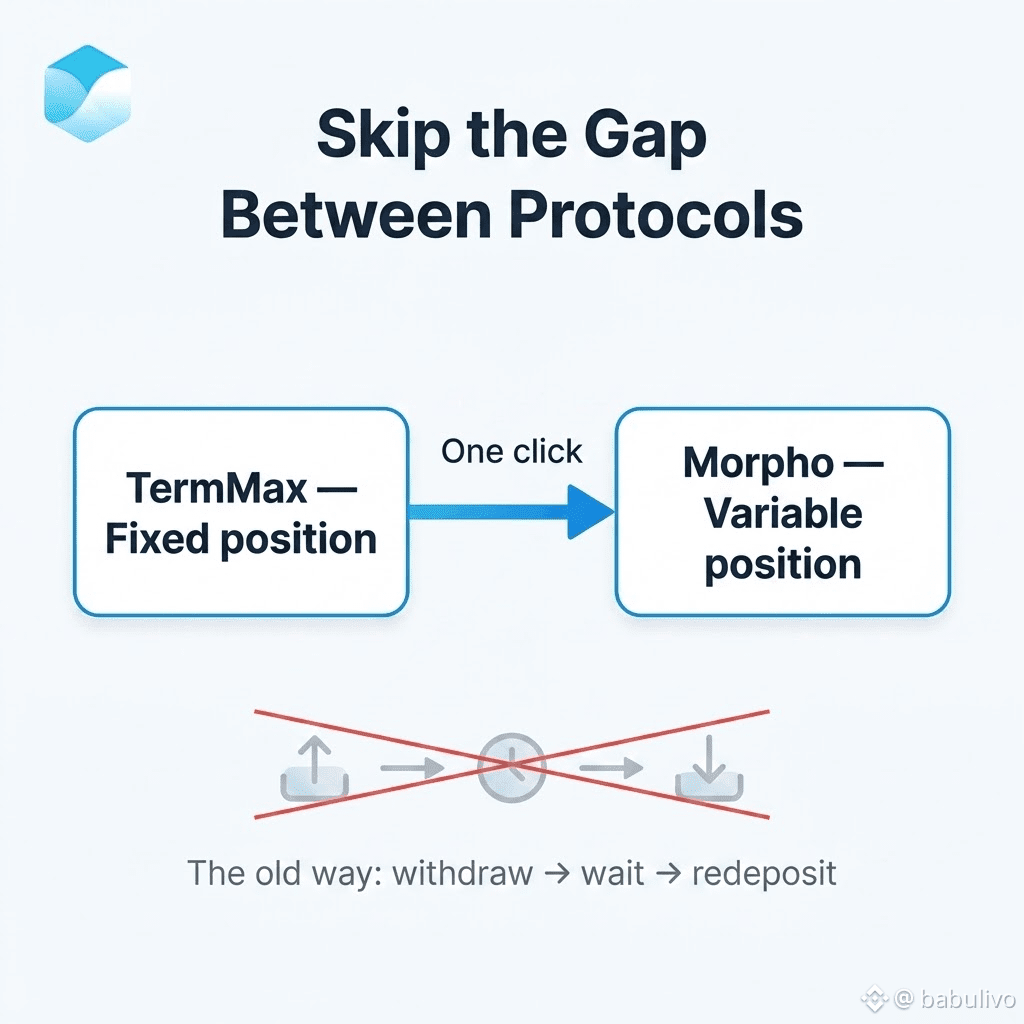
通常、あるプロトコルから別のプロトコルへポジションをロールするというのは、以下の流れを意味します:引き出す、待つ、ブリッジするかもしれない、再度預ける、そして途中で何も壊れないことを祈る。それがここ数年のDeFiのやり方でした
TermMaxはこの特定の動きでは、そのすべてをスキップします。TermMax上で固定ポジションを、そのままMorpho上の変動ポジションに固定でロールできます。ワンクリックで、途中に手動の引き出し・再預けのサイクルは不要です。早めに抜けたいなら満期前に終了することもできます
これは小さなUXの違いのように感じるかもしれませんが、プロトコル間のそのギャップで通常どれだけスリッページ/ガス/ダウンタイムが発生するかを思い出せば話は別です。これによってそのギャップがなくなります
実際にこのロールオーバーをもう使った人はいますか?それとも、いまだに昔ながらの手動方式でやっていますか?
#termmax @TermMax
TermMaxはこの特定の動きでは、そのすべてをスキップします。TermMax上で固定ポジションを、そのままMorpho上の変動ポジションに固定でロールできます。ワンクリックで、途中に手動の引き出し・再預けのサイクルは不要です。早めに抜けたいなら満期前に終了することもできます
これは小さなUXの違いのように感じるかもしれませんが、プロトコル間のそのギャップで通常どれだけスリッページ/ガス/ダウンタイムが発生するかを思い出せば話は別です。これによってそのギャップがなくなります
実際にこのロールオーバーをもう使った人はいますか?それとも、いまだに昔ながらの手動方式でやっていますか?
#termmax @TermMax
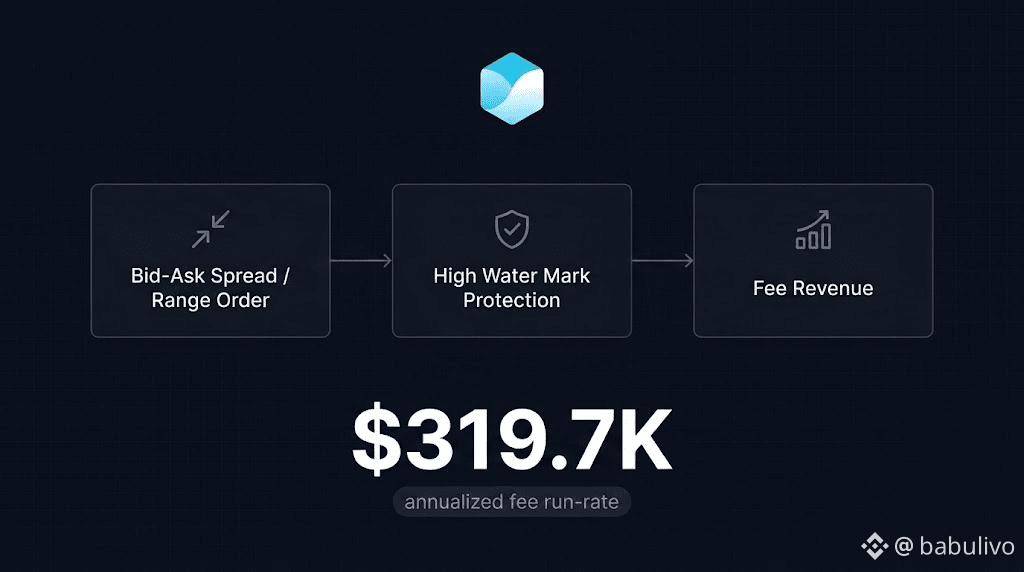
TermMaxのキュレーター・モデルは「誰かが金庫を管理する」だけではありません。キュレーターは、レンジ・オーダーを通じて固定期間ローンのビッド・アスク・スプレッドを能動的に設定し、基本的には債券トレーダーとして異なる満期の価格付けを行っています。
それはリスク管理に取り付けられたマーケットメイキングの役割で、これをこの形で直接組み合わせているのを他では見たことがありません。
私が実際に気に入っている点は、パフォーマンスフィーはハイ・ウォーターマークを超えた場合にのみ発生し、キュレーターはまず以前の損失を相殺しない限り、利益を回収できないことです。ボラティリティにただ乗りすることはできません。
年換算で$319.7Kのフィー・ランレート、TVLが$34Mしかない状況で、ここでのテイクレートは、その規模の10倍に近い多くのプロトコルよりも1ドルあたりの仕事量が大きいようです。TVLが現在の集中(イーサリアム上での集中)を超えて拡大したとき、この比率が維持されるのか気になります。
#termmax @TermMax
それはリスク管理に取り付けられたマーケットメイキングの役割で、これをこの形で直接組み合わせているのを他では見たことがありません。
私が実際に気に入っている点は、パフォーマンスフィーはハイ・ウォーターマークを超えた場合にのみ発生し、キュレーターはまず以前の損失を相殺しない限り、利益を回収できないことです。ボラティリティにただ乗りすることはできません。
年換算で$319.7Kのフィー・ランレート、TVLが$34Mしかない状況で、ここでのテイクレートは、その規模の10倍に近い多くのプロトコルよりも1ドルあたりの仕事量が大きいようです。TVLが現在の集中(イーサリアム上での集中)を超えて拡大したとき、この比率が維持されるのか気になります。
#termmax @TermMax
確認済み
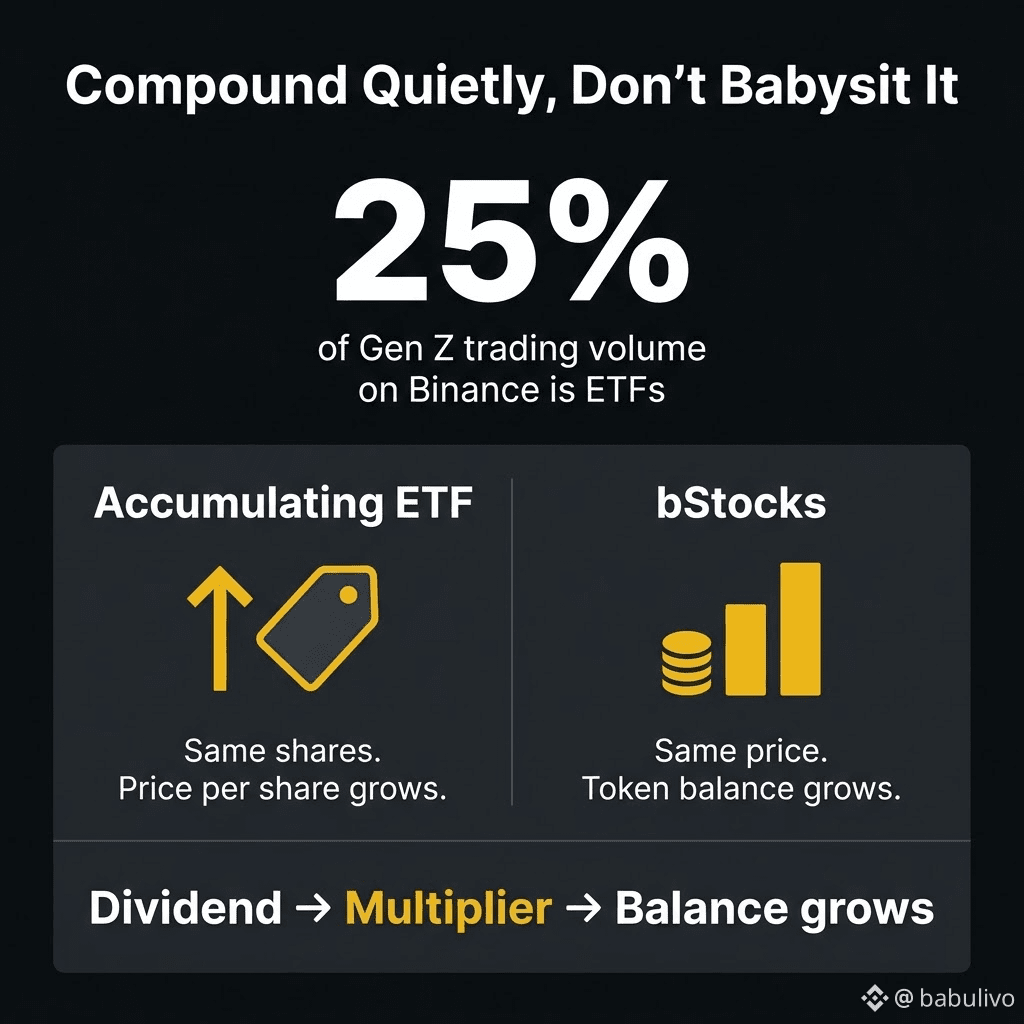
今、BinanceでのGen Zの取引量の25%はETFです。個別株ではなくETF
そしてbStocksがSPY[ $SPYB ]のようなものの配当をどう扱っているかを見ると、なぜそうなるのかがわかってきます。TradFiでETFを積み上げても現金配当は出ません。ファンド内で再投資され、1株あたりの価格が上がっていくのです
bStocksも同じ考え方を別の形で実現しています。価格が動くのではなく、マルチプライヤーによってトークン残高が増えます。請求できる配当はなく、アクティブな運用も不要で、勝手にどんどん複利で積み上がります
このGen ZのETFシフトが、もう10倍を追いかけるというよりは、ただ静かに複利で増えていく“何か”を作っているだけなのでは、と思ってしまいます。アクティブ運用は不要。これが理由だとは断言できませんが、同年代の多くの人が「他の場所で将来の長期的な支援はあてにしない」と話す内容と一致しています
本当にその考え方なのか、それともこの1つのデータが私を考えすぎにさせているだけですか?
#bstockscis @BinanceCIS
そしてbStocksがSPY[ $SPYB ]のようなものの配当をどう扱っているかを見ると、なぜそうなるのかがわかってきます。TradFiでETFを積み上げても現金配当は出ません。ファンド内で再投資され、1株あたりの価格が上がっていくのです
bStocksも同じ考え方を別の形で実現しています。価格が動くのではなく、マルチプライヤーによってトークン残高が増えます。請求できる配当はなく、アクティブな運用も不要で、勝手にどんどん複利で積み上がります
このGen ZのETFシフトが、もう10倍を追いかけるというよりは、ただ静かに複利で増えていく“何か”を作っているだけなのでは、と思ってしまいます。アクティブ運用は不要。これが理由だとは断言できませんが、同年代の多くの人が「他の場所で将来の長期的な支援はあてにしない」と話す内容と一致しています
本当にその考え方なのか、それともこの1つのデータが私を考えすぎにさせているだけですか?
#bstockscis @BinanceCIS
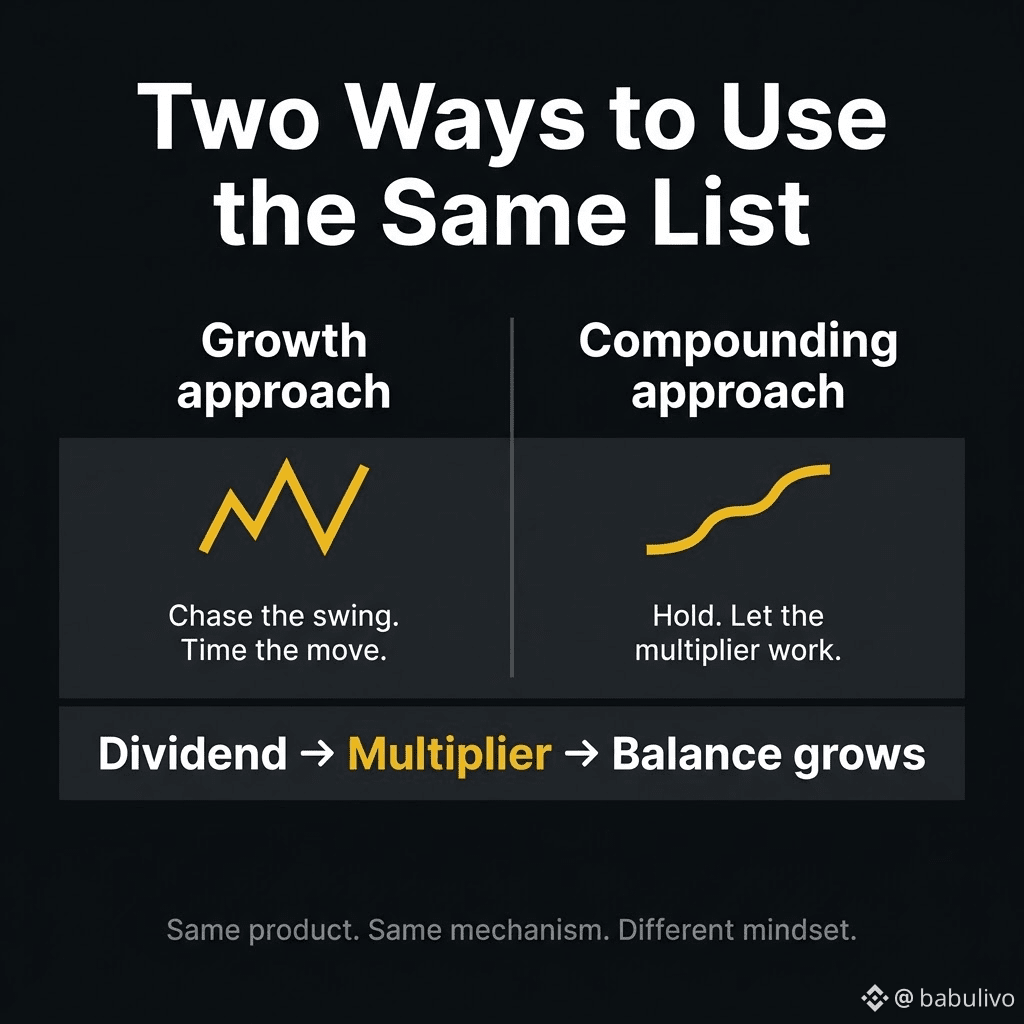
人々は通常、bStocksを「テスラを買って、エヌビディアを買って、次の10倍を追いかける」みたいな商品だと思っています。そして、確かにそれが市場の大部分のボリュームを占めています。でも、同じリストを使う“別の方法”があって、それはほとんど語られていません
たとえば、そこにあるIBM[ $IBMB ]みたいな銘柄は、成長株というわけではありません。安定した配当を出す銘柄です。そして、マルチプライヤー(倍率)機構の仕組み上、その配当は、あなたが受け取るのを待って“止まっている”わけではなく、bStockの残高に自動でそのまま積み上がります。送金も、手動の再投資も不要です。あなたが見ていようが見ていまいが、バックグラウンドでどんどん複利で増えていきます
その結果、まったく同じリストの上に、まったく別の2つの戦略が同居することになります。1つは「値動きの激しい銘柄を買って、スイングをタイミングよく狙う」。もう1つは「退屈な銘柄を買って何もしない。倍率が静かにあなたのために株数を積み上げてくれるのを任せる」です
同じ商品、同じ仕組み、でも真逆の考え方
あなたはどっちの陣営ですか? スイングを追いかける側、それとも“退屈なもの”を置いて複利に任せる側?
ちなみに僕はスイング派です :)
#bstockscis @BinanceCIS
たとえば、そこにあるIBM[ $IBMB ]みたいな銘柄は、成長株というわけではありません。安定した配当を出す銘柄です。そして、マルチプライヤー(倍率)機構の仕組み上、その配当は、あなたが受け取るのを待って“止まっている”わけではなく、bStockの残高に自動でそのまま積み上がります。送金も、手動の再投資も不要です。あなたが見ていようが見ていまいが、バックグラウンドでどんどん複利で増えていきます
その結果、まったく同じリストの上に、まったく別の2つの戦略が同居することになります。1つは「値動きの激しい銘柄を買って、スイングをタイミングよく狙う」。もう1つは「退屈な銘柄を買って何もしない。倍率が静かにあなたのために株数を積み上げてくれるのを任せる」です
同じ商品、同じ仕組み、でも真逆の考え方
あなたはどっちの陣営ですか? スイングを追いかける側、それとも“退屈なもの”を置いて複利に任せる側?
ちなみに僕はスイング派です :)
#bstockscis @BinanceCIS
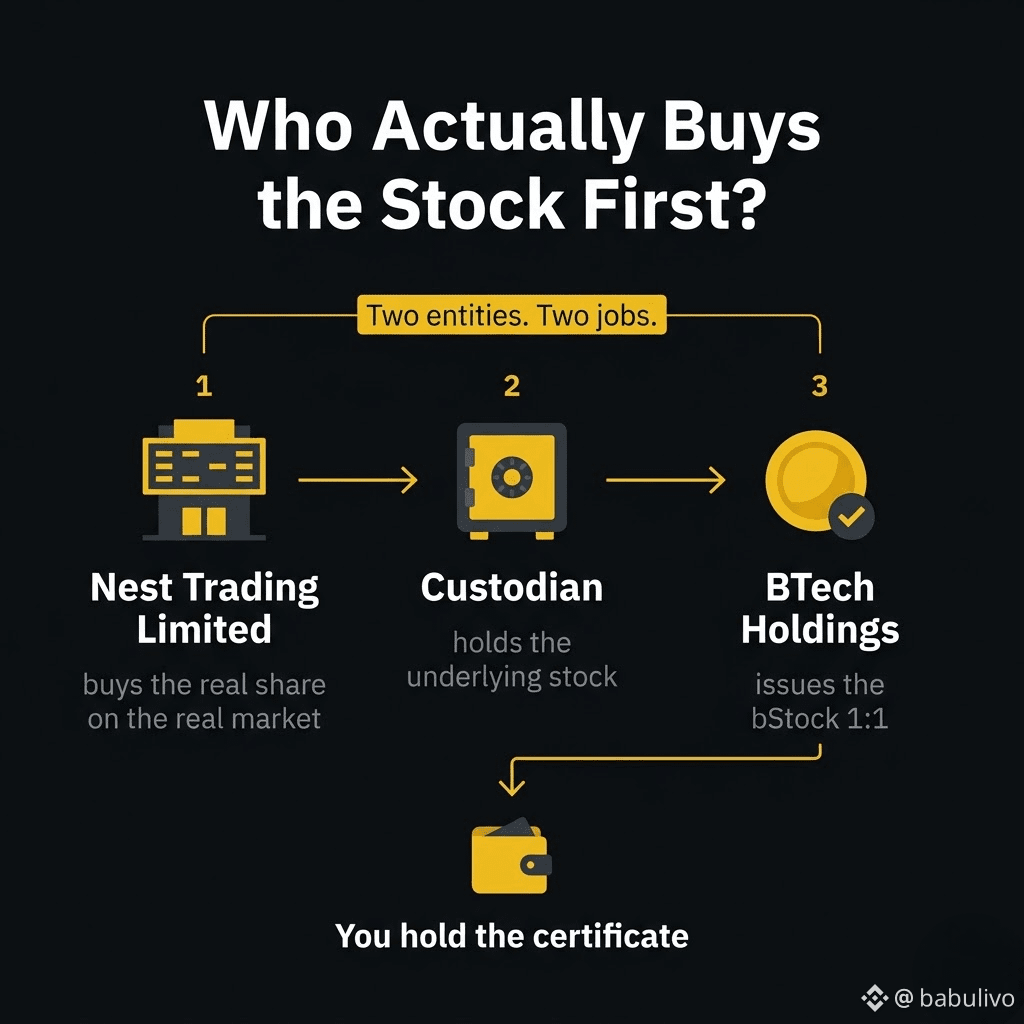
これは、このキャンペーン全体で誰も一度も口にしたことがない名前で、理由もわかります。たまたま見つけただけです(笑)
bStockが存在する前に、まず誰かが実際の株を買わないといけません。その相手は「Nest Trading Limited」というブローカー・ディーラーです。Nvidiaの[ $NVDAB ]、Teslaの[ $TSLAB ]など、元となる銘柄に応じて、実際の市場でそれを購入し、カストディアンのもとで保有します。そして、その後にBTech Holdingsがそれに対してトークンを発行する、という流れです。
完全に別々の2つの主体が、まったく別の仕事をしています。ひとつは現実の取引所で本物の取引を実行する側。もうひとつは、あなたが「あなたのbStockが何を発行しているか」を確認したときに表示される名前です。
ここにいる誰か、この名前を今まで実際に知ってました?
#bstockscis @BinanceCIS
bStockが存在する前に、まず誰かが実際の株を買わないといけません。その相手は「Nest Trading Limited」というブローカー・ディーラーです。Nvidiaの[ $NVDAB ]、Teslaの[ $TSLAB ]など、元となる銘柄に応じて、実際の市場でそれを購入し、カストディアンのもとで保有します。そして、その後にBTech Holdingsがそれに対してトークンを発行する、という流れです。
完全に別々の2つの主体が、まったく別の仕事をしています。ひとつは現実の取引所で本物の取引を実行する側。もうひとつは、あなたが「あなたのbStockが何を発行しているか」を確認したときに表示される名前です。
ここにいる誰か、この名前を今まで実際に知ってました?
#bstockscis @BinanceCIS
正直に聞いてます。誰かに何かを売りつけるつもりとかじゃなくて……あなたは実際に、自分のお金で、実物の株式でもトークン化された株式でも買ったことありますか?プロモーション目的とかじゃなくて。
というのも今は、株の方が本当に多くの仮想通貨より変動が大きくて、見ていて面白いんですよね(笑)。テスラ [ $TSLAB ] やエヌビディア [ $NVDAB ] が1日で10%動くのと、$BTC が1週間何もせずにいるのを眺めるのとでは、インパクトが違う。
でも正直、弱気相場でやられてしまった人が多くて……次の資産クラスに回すだけの資金がもう残ってないんですよね(笑)。仮想通貨の方に入金が全部吸われた。
ちなみに、bStocksユーザーの約4人に1人が初めてTradFiに触れた人だという事実があって、それが「株への本物の好奇心」なのか、それとも弱気相場の後の“月まで届く一発”を狙うための別の挑戦なのか、気になってしまいます……
#bstockscis @BinanceCIS
というのも今は、株の方が本当に多くの仮想通貨より変動が大きくて、見ていて面白いんですよね(笑)。テスラ [ $TSLAB ] やエヌビディア [ $NVDAB ] が1日で10%動くのと、$BTC が1週間何もせずにいるのを眺めるのとでは、インパクトが違う。
でも正直、弱気相場でやられてしまった人が多くて……次の資産クラスに回すだけの資金がもう残ってないんですよね(笑)。仮想通貨の方に入金が全部吸われた。
ちなみに、bStocksユーザーの約4人に1人が初めてTradFiに触れた人だという事実があって、それが「株への本物の好奇心」なのか、それとも弱気相場の後の“月まで届く一発”を狙うための別の挑戦なのか、気になってしまいます……
#bstockscis @BinanceCIS
buy mostly spot
100%
trade mostly futures
0%
promo only or not interested
0%
2 投票 • 投票は終了しました
今週のバイナンスのデータから1つの数字を見て、計算を2回も確認しました。
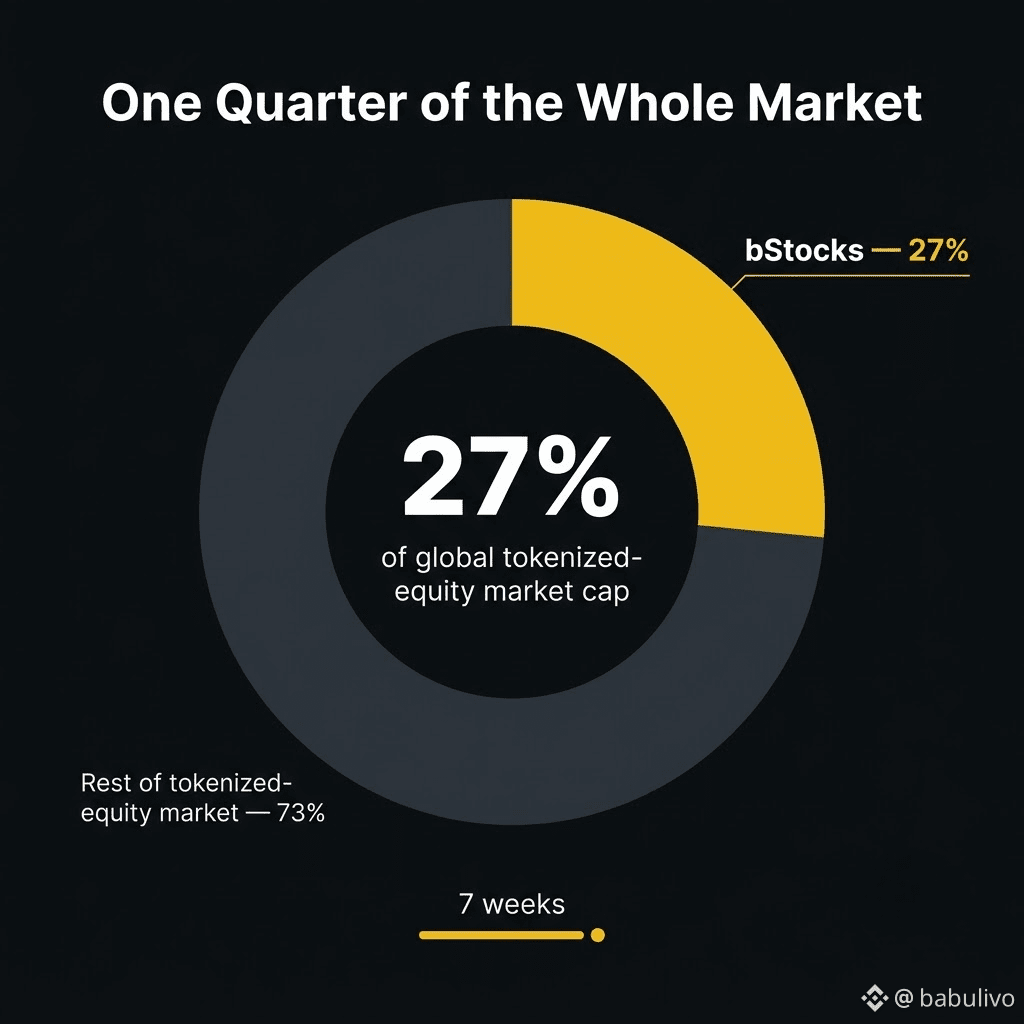
bStocks単体で、現在、世界のトークン化株式市場全体の27%を占めています。バイナンスのRWAラインナップの27%ではありません。存在するあらゆるチェーン、あらゆる発行体にまたがる、トークン化株式の27%が合計でこれだけ、ということです!
7週間前から始まったばかりなのに、すでに何年も運用されているプロジェクトも含む市場の4分の1超を押さえています。単体の$TSLAB は、おそらく、競合するトークン化株式プラットフォームの大半を合わせた場合よりも、毎日動く取引量を動かしているでしょう。
取引所発行のトークン化資産に対する定番の反論は「強固な競争の塁(モート)がない。誰でもコピーできる」です。たしかに。でも、トークン構造をコピーするのは難しいことではありません。問題は、それを初日から、すでに資金を持った何百万もの口座へ配布することです。そこが、他の誰にもできていない部分なんです。
この先、27%はどこまで伸びるのでしょう?
#bstockscis @BinanceCIS
bStocks単体で、現在、世界のトークン化株式市場全体の27%を占めています。バイナンスのRWAラインナップの27%ではありません。存在するあらゆるチェーン、あらゆる発行体にまたがる、トークン化株式の27%が合計でこれだけ、ということです!
7週間前から始まったばかりなのに、すでに何年も運用されているプロジェクトも含む市場の4分の1超を押さえています。単体の$TSLAB は、おそらく、競合するトークン化株式プラットフォームの大半を合わせた場合よりも、毎日動く取引量を動かしているでしょう。
取引所発行のトークン化資産に対する定番の反論は「強固な競争の塁(モート)がない。誰でもコピーできる」です。たしかに。でも、トークン構造をコピーするのは難しいことではありません。問題は、それを初日から、すでに資金を持った何百万もの口座へ配布することです。そこが、他の誰にもできていない部分なんです。
この先、27%はどこまで伸びるのでしょう?
#bstockscis @BinanceCIS
ほとんどの人が(平日の株式トレードをしていても)考えないことを確認しました。つまり、「市場が2日連続で閉まっている間、株価はどうなるのか?」
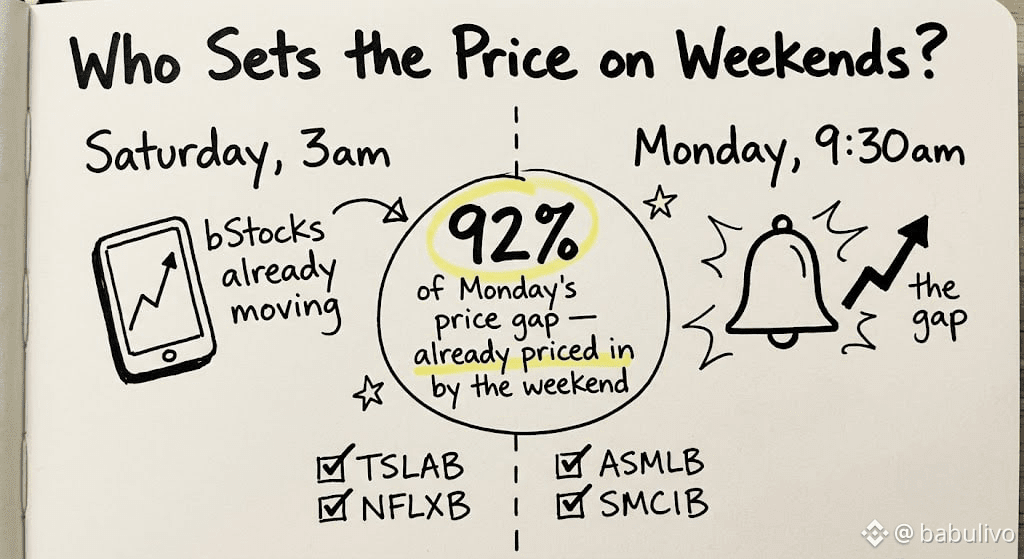
すると bStocks がすでに答えを出していました。Binance は今週、週末の bStocks の価格が、NASDAQ がまだ開いていない段階で、翌月曜の価格ギャップの中央値 92% をすでに織り込んでいたと述べています。
翻訳:そのトークンは単に株価に連動しているだけではありません。市場の“オープン”そのものに先回りして、ニュース、決算、週末の見出しといったものを、すべて前倒しで価格に織り込んでいます。本来それらは、月曜の寄り付きのチャイムが鳴って初めて目に見える差として現れ、誰もが反応に追われるギャップを作るのに対し、ここではそれより前に反映されているということです。
もし、日曜の夜の時点でトークンが月曜の値動きの 92% をすでに価格に織り込んでいるなら、いったい誰が価格を決めているのでしょうか。NASDAQ なのか、それとも土曜の3時に $TSLAB と $NFLXB を取引している人たちなのか :
#bstockscis @BinanceCIS
すると bStocks がすでに答えを出していました。Binance は今週、週末の bStocks の価格が、NASDAQ がまだ開いていない段階で、翌月曜の価格ギャップの中央値 92% をすでに織り込んでいたと述べています。
翻訳:そのトークンは単に株価に連動しているだけではありません。市場の“オープン”そのものに先回りして、ニュース、決算、週末の見出しといったものを、すべて前倒しで価格に織り込んでいます。本来それらは、月曜の寄り付きのチャイムが鳴って初めて目に見える差として現れ、誰もが反応に追われるギャップを作るのに対し、ここではそれより前に反映されているということです。
もし、日曜の夜の時点でトークンが月曜の値動きの 92% をすでに価格に織り込んでいるなら、いったい誰が価格を決めているのでしょうか。NASDAQ なのか、それとも土曜の3時に $TSLAB と $NFLXB を取引している人たちなのか :
#bstockscis @BinanceCIS
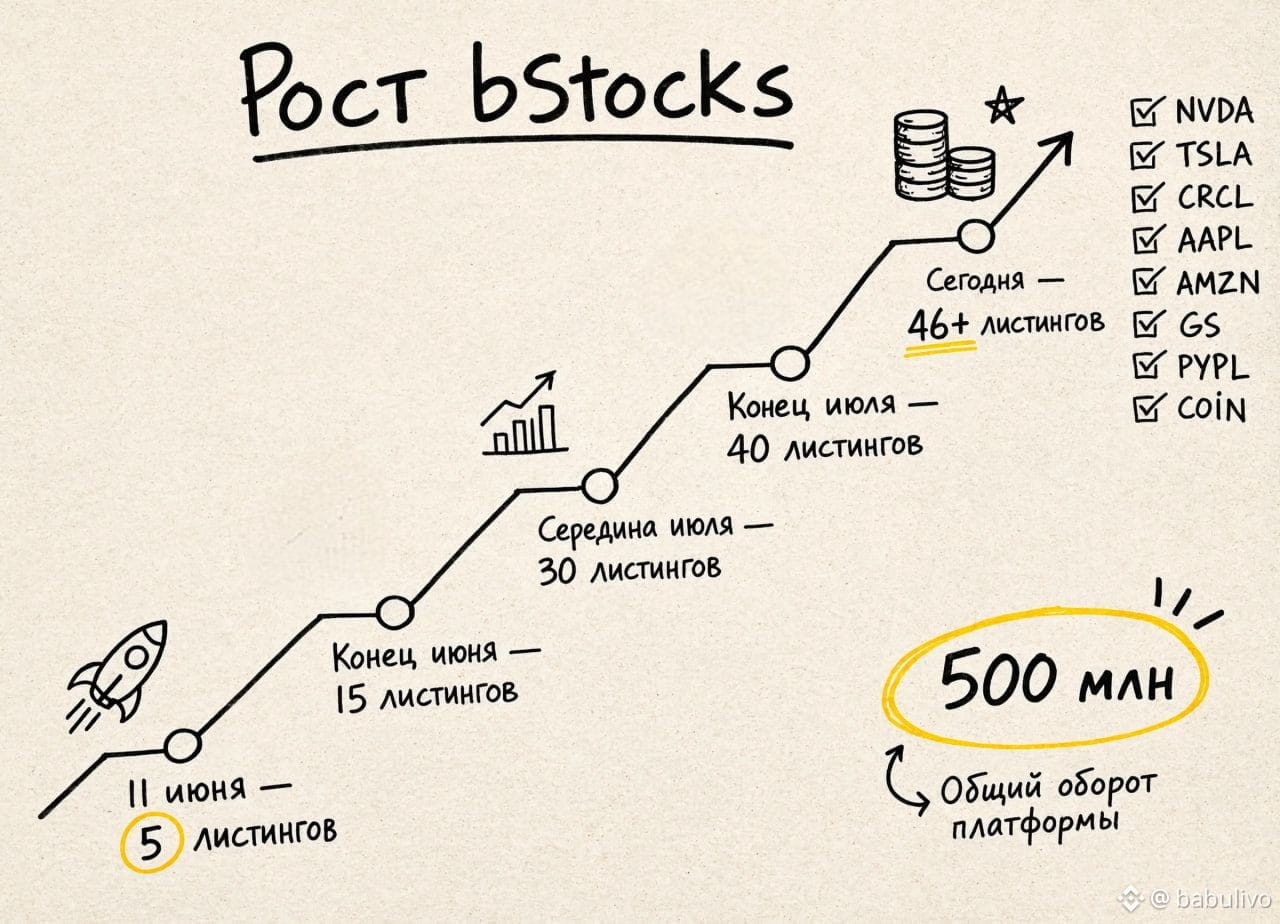
起動してからbStocksが何件追加されたかを数え直してみたら、その数字に驚きました。
6月11日:5ティッカーでスタート:Nvidia、Tesla、Circle、Micron、Sandisk。
今日:46+(Apple、Amazon、Goldman Sachs、Coinbase、Alphabet、Robinhoodを含む)。
ほとんどのBinanceのプロダクトは、同じ期間にこのような拡大スピードを見せていませんでした。
このトレンドが続けば、数は間もなく数百に達しそうです。次にどの銘柄を追加してほしいですか?
@BinanceCIS #bStocksCIS
6月11日:5ティッカーでスタート:Nvidia、Tesla、Circle、Micron、Sandisk。
今日:46+(Apple、Amazon、Goldman Sachs、Coinbase、Alphabet、Robinhoodを含む)。
ほとんどのBinanceのプロダクトは、同じ期間にこのような拡大スピードを見せていませんでした。
このトレンドが続けば、数は間もなく数百に達しそうです。次にどの銘柄を追加してほしいですか?
@BinanceCIS #bStocksCIS
閉じない市場?
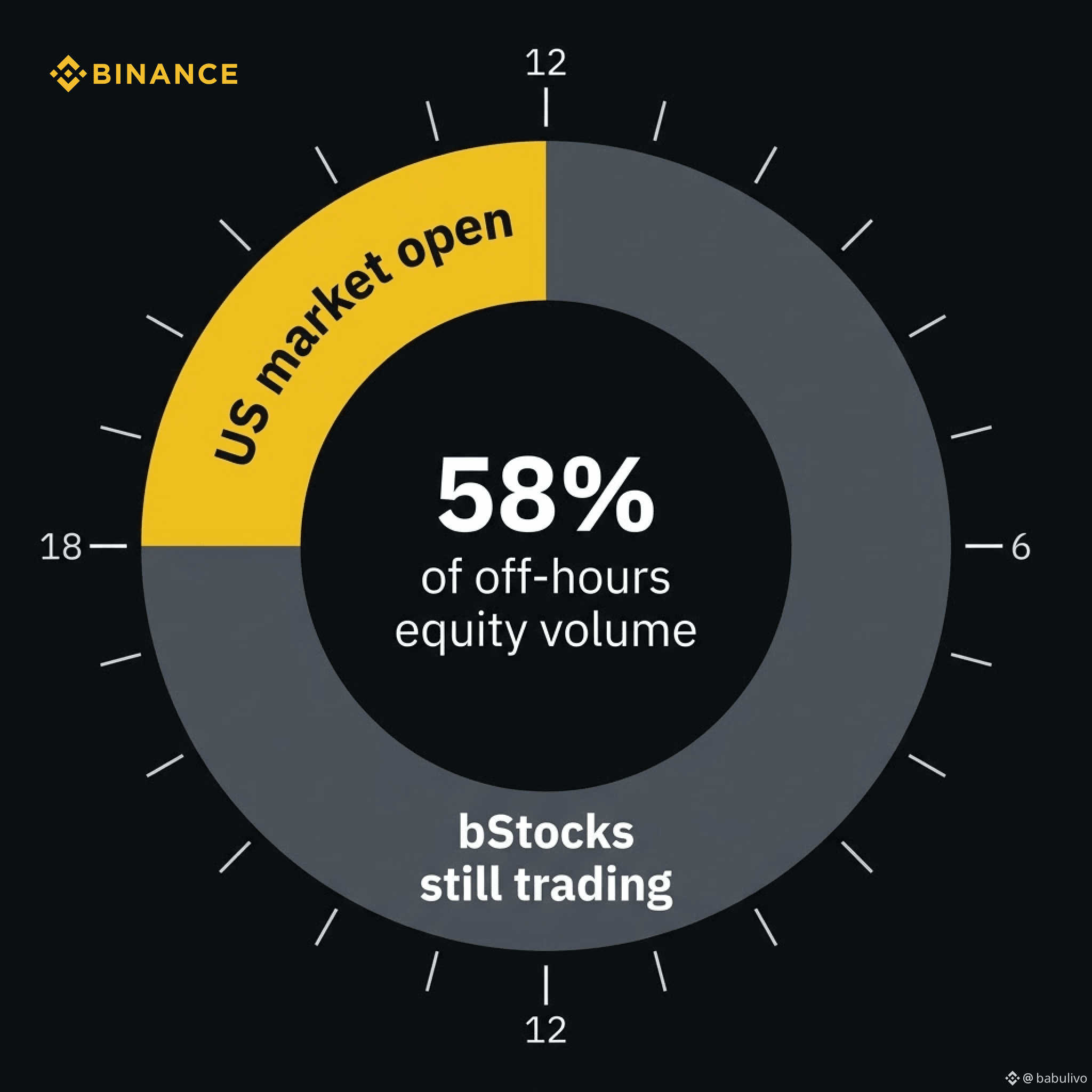
バイナンスの株式連動型取引量のうち、米国の市場時間外に占める58%はbStocksです。
ナスダックは東部時間の午前9時30分に開き、午後4時に閉まります。ほとんどの国にとって、それは真夜中か、勤務日のど真ん中です。
トークン化されたテスラ [ $TSLAB ] やゴールドマン・サックス [ $GSB ] には関係ありません。実際の取引所が暗くなっていても、取引は続きます。
これは単なる付加機能ではありません。製品が存在する全理由です。CISのタイムゾーンはほとんどの場合でウォール街のスケジュールと合わず、しかも今はもう合わなくてもいいのです。
@BinanceCIS #bStocksCIS
バイナンスの株式連動型取引量のうち、米国の市場時間外に占める58%はbStocksです。
ナスダックは東部時間の午前9時30分に開き、午後4時に閉まります。ほとんどの国にとって、それは真夜中か、勤務日のど真ん中です。
トークン化されたテスラ [ $TSLAB ] やゴールドマン・サックス [ $GSB ] には関係ありません。実際の取引所が暗くなっていても、取引は続きます。
これは単なる付加機能ではありません。製品が存在する全理由です。CISのタイムゾーンはほとんどの場合でウォール街のスケジュールと合わず、しかも今はもう合わなくてもいいのです。
@BinanceCIS #bStocksCIS
トークン化された株を本当に買っているのは誰?
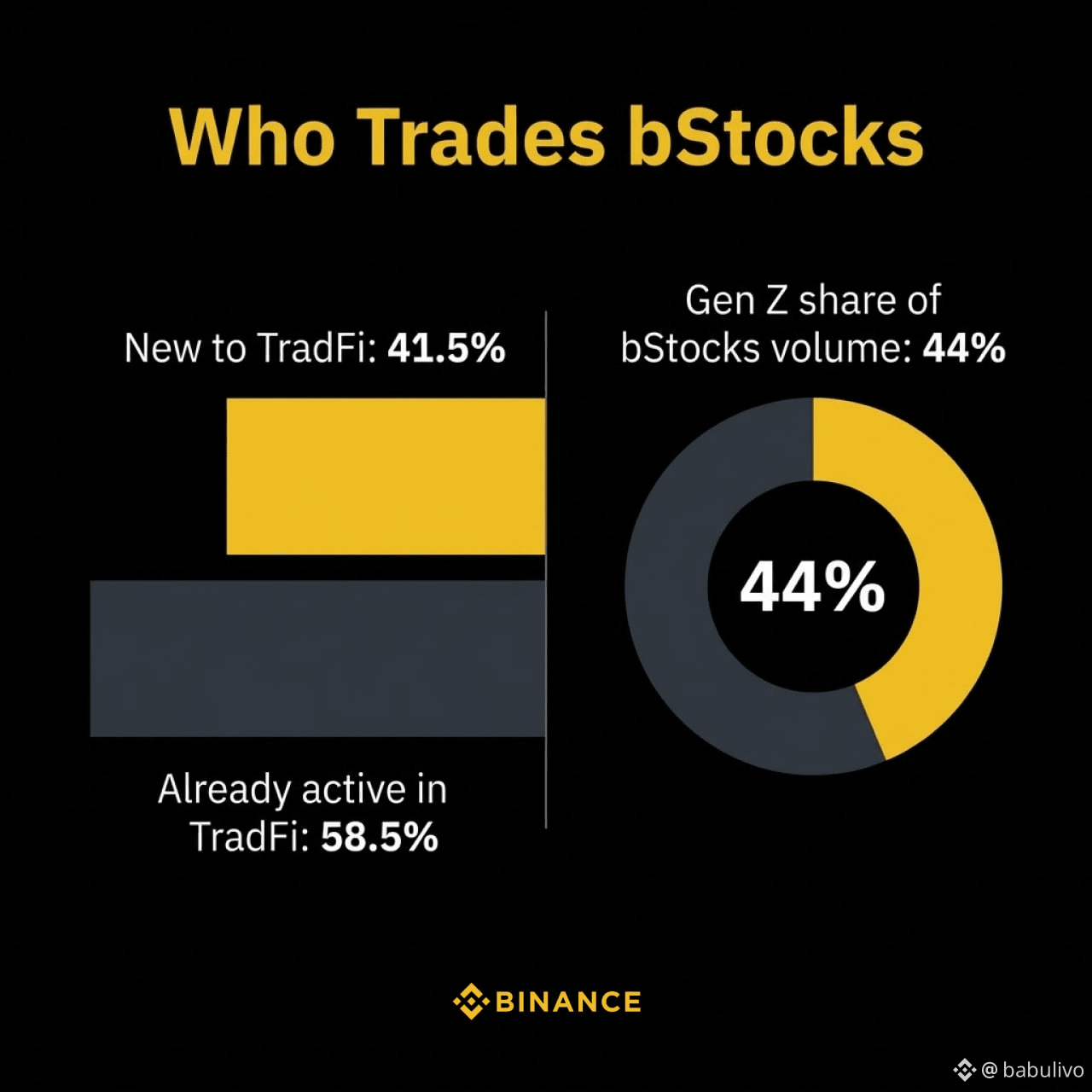
bStocksユーザーの41.5%は、それまで従来の金融に一度も触れたことがありませんでした。TradFi(伝統的な金融)から移行してきたトレーダーというより、暗号ネイティブのユーザーです。彼らの最初の「Apple [ $AAPLB ] 」「Nvidia [ $NVDAB ]」への投資は、Binance上のトークンでした。さらに、Z世代だけでbStocksの総取引量の44%を占めています。
CIS(独立国家共同体)では、bStocksは「TradFiへの入口」として機能しており、その逆ではありません。
@BinanceCIS #bStocksCIS
bStocksユーザーの41.5%は、それまで従来の金融に一度も触れたことがありませんでした。TradFi(伝統的な金融)から移行してきたトレーダーというより、暗号ネイティブのユーザーです。彼らの最初の「Apple [ $AAPLB ] 」「Nvidia [ $NVDAB ]」への投資は、Binance上のトークンでした。さらに、Z世代だけでbStocksの総取引量の44%を占めています。
CIS(独立国家共同体)では、bStocksは「TradFiへの入口」として機能しており、その逆ではありません。
@BinanceCIS #bStocksCIS
大量導入はすでにここに来ています。
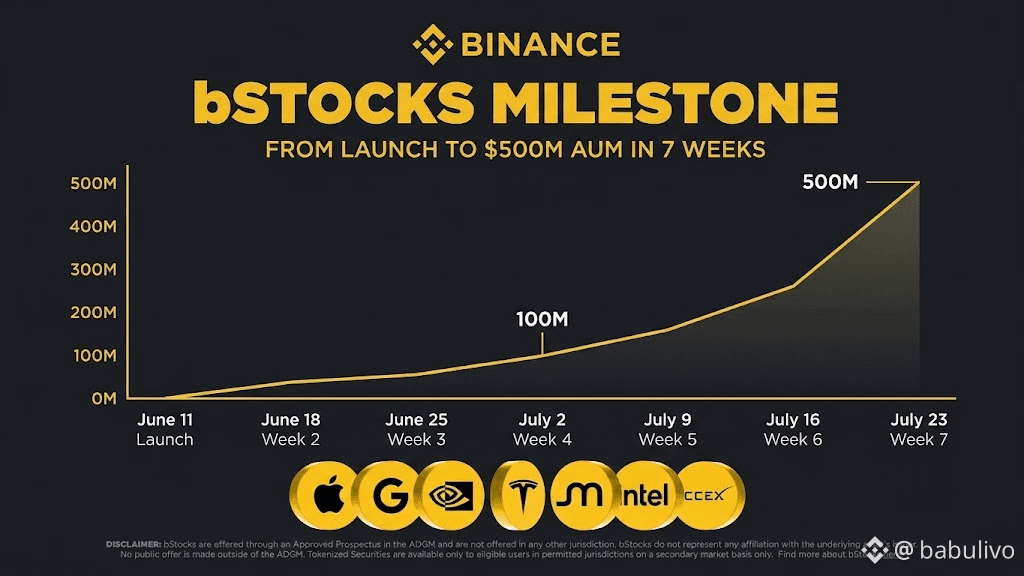
bStocksは15日でAUM 1億ドルに到達し、7週間で5億ドルに達しました。一方で、他のプラットフォームでの多くのトークン化株式は、$5000Mではなく、たとえ$50Mの流動性に到達するまでに数か月かかります。マーケティングが理由ではありません。本当の優位性は、bStockと基礎となる株式の間で双方向のゼロ手数料変換が可能なことです。
@BinanceCIS #bStocksCIS
bStocksは15日でAUM 1億ドルに到達し、7週間で5億ドルに達しました。一方で、他のプラットフォームでの多くのトークン化株式は、$5000Mではなく、たとえ$50Mの流動性に到達するまでに数か月かかります。マーケティングが理由ではありません。本当の優位性は、bStockと基礎となる株式の間で双方向のゼロ手数料変換が可能なことです。
@BinanceCIS #bStocksCIS

更新された@Plume - RWA Chain 💥の見通し
PLUMEは最近荒れています。価格は数時間で$0.10から$0.03に変動し、現在は約$0.088(-11.8% 24時間)。完全な混乱です。
しかし、その変動の裏には – 実際の動きがあります。
✅ 登録転送エージェントとしてのSEC承認 – これは大規模な規制の勝利であり、基本的にはトークン化された証券のための黄金のチケットです。
✅ 完璧なRWAナラティブ – このセクターは急成長しており、Plumeはその中心にいます。
✅ テクノロジーのロードマップ – BTC支援の安全網 + ネイティブUSDCサポート = 機関投資家の魅力。
⚠️ しかし、いくつかの赤信号があります:41% (!) インサイダー割当、静かなGitHub、および重いボラティリティ。
私の見解:高リスク・高リターンのプレイですが、ファンダメンタルズ、タイミング、および規制の勢いが$PLUME この数少ない#RWA プロジェクトの一つを注視すべきです。
#Plume – 現実世界の金融がオンチェーンで進行する背骨。
PLUMEは最近荒れています。価格は数時間で$0.10から$0.03に変動し、現在は約$0.088(-11.8% 24時間)。完全な混乱です。
しかし、その変動の裏には – 実際の動きがあります。
✅ 登録転送エージェントとしてのSEC承認 – これは大規模な規制の勝利であり、基本的にはトークン化された証券のための黄金のチケットです。
✅ 完璧なRWAナラティブ – このセクターは急成長しており、Plumeはその中心にいます。
✅ テクノロジーのロードマップ – BTC支援の安全網 + ネイティブUSDCサポート = 機関投資家の魅力。
⚠️ しかし、いくつかの赤信号があります:41% (!) インサイダー割当、静かなGitHub、および重いボラティリティ。
私の見解:高リスク・高リターンのプレイですが、ファンダメンタルズ、タイミング、および規制の勢いが$PLUME この数少ない#RWA プロジェクトの一つを注視すべきです。
#Plume – 現実世界の金融がオンチェーンで進行する背骨。
ログインして、さらにコンテンツを読む