
heidr- 786
24 投稿

heidr- 786
4 フォロー
9 フォロワー
44 いいね
投稿
すべて
引用
翻訳参照

Yamin Mansoob
·
--
#baby $BABY ここからBabyLoanが面白くなります。
プレッシャーの中でポジションを決済する代わりに、
その代わりとして@BabylonLabs_io を借りるのです。
簡単そうに聞こえますが—
実際には行動が変わります。
プレッシャーが減ると、
より良い判断につながることも…
あるいは、より長い誤りになることもあります。
$BABY を保有していることは、
常に強さとは限りません。
単に認識が遅れているだけのこともあります。 #bab
だから本当の問いはこうです:
より時間があると賢くなるのか—
それとも、間違いでいることに
doきれいに慣れるだけなのか?
プレッシャーの中でポジションを決済する代わりに、
その代わりとして@BabylonLabs_io を借りるのです。
簡単そうに聞こえますが—
実際には行動が変わります。
プレッシャーが減ると、
より良い判断につながることも…
あるいは、より長い誤りになることもあります。
$BABY を保有していることは、
常に強さとは限りません。
単に認識が遅れているだけのこともあります。 #bab
だから本当の問いはこうです:
より時間があると賢くなるのか—
それとも、間違いでいることに
doきれいに慣れるだけなのか?


Azqa Noor
·
--
彼らはチャートが理解できない。しかし、借りた資本が行動をどう変えるかを理解していないからだ。お金が完全に自分のものではなくなる瞬間、それはすぐに表れる
翻訳参照
Yamin Mansoob
·
--
#baby $BABY こちらが本日のBinance Squareの投稿です👇
多くのトレーダーが失敗するのは、分析が悪いからではありません。失敗するのは「プレッシャー」のせいです。
良いポジション、明確な計画、そして忍耐があっても――現実は待ってくれません。$BABY 緊急の出費や突発的な用事が、トレードを早めにクローズさせてしまうのです。暗号資産での見えにくい問題は、戦略ではなく「タイミングの悪いときの流動性」。
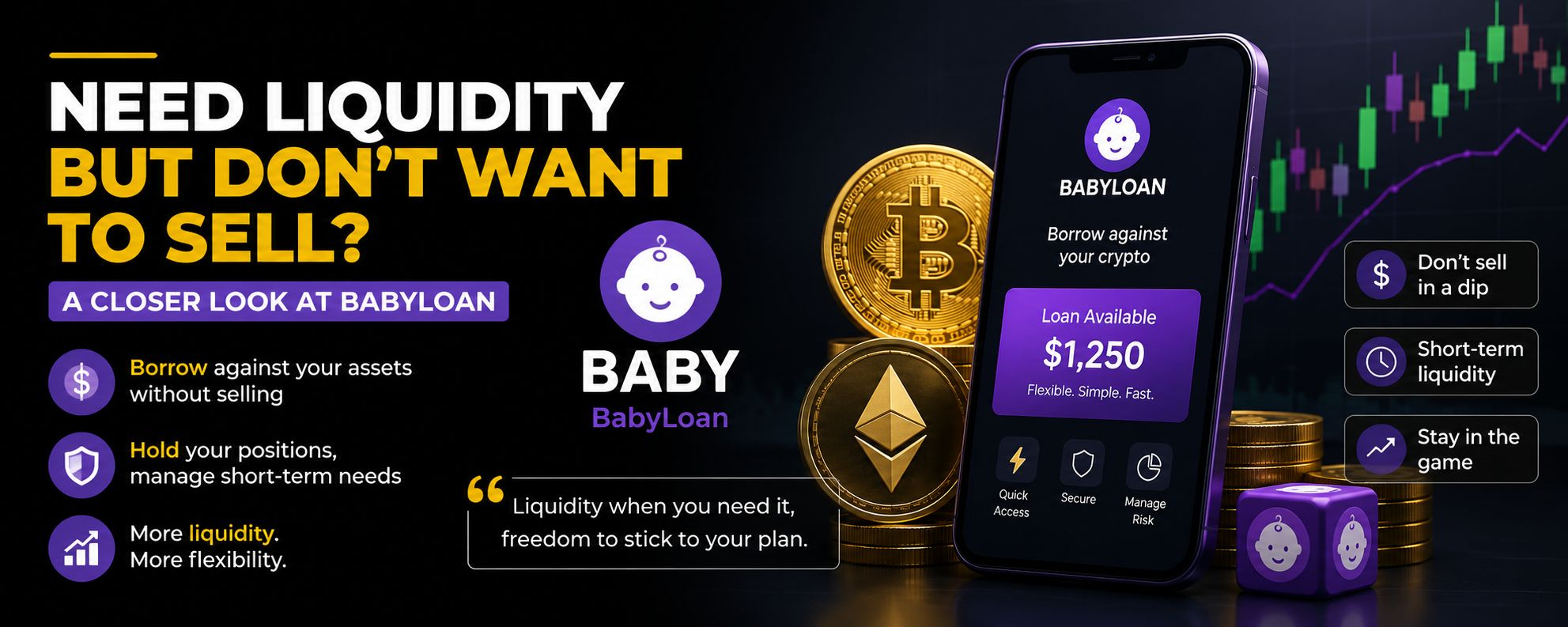
そんな中で、#BabyLoan が私の注目を集めました。
大手プレイヤーや複雑なDeFi構造にばかり目を向けるのではなく、もっとシンプルな問いを見ているようです。つまり、「一時的な流動性が必要なだけで、保有ポジションを手放したくない小規模ユーザーはどうなるのか?」ということ。これは多くの人が直面している、とても現実的な状況なのに、あまり語られません。
理論上は、自分の資産を担保に借り入れるのは有用に見えます。資金繰りの余裕ができます。下落局面で売らなくて済むし、計画も崩しにくい。ですが、実際はそんなに単純ではありません。ボラティリティは、あなたの意図なんて気にしません。$BABY の小さな借入でも、市場が逆に動けば、すぐに危険なポジションへと変わり得ます。
だから私は @BabylonLabs_io BabyLoan を解決策とは見ていません。ユーザー行動に関する「実験」として捉えています。ローンへのアクセスが楽になると、トレーダーは本当に規律を保てるようになるのでしょうか?それとも、すでにそういう面で苦労している人たちに、静かにリスクを増やしてしまうのでしょうか?
多くのトレーダーが失敗するのは、分析が悪いからではありません。失敗するのは「プレッシャー」のせいです。
良いポジション、明確な計画、そして忍耐があっても――現実は待ってくれません。$BABY 緊急の出費や突発的な用事が、トレードを早めにクローズさせてしまうのです。暗号資産での見えにくい問題は、戦略ではなく「タイミングの悪いときの流動性」。
そんな中で、#BabyLoan が私の注目を集めました。
大手プレイヤーや複雑なDeFi構造にばかり目を向けるのではなく、もっとシンプルな問いを見ているようです。つまり、「一時的な流動性が必要なだけで、保有ポジションを手放したくない小規模ユーザーはどうなるのか?」ということ。これは多くの人が直面している、とても現実的な状況なのに、あまり語られません。
理論上は、自分の資産を担保に借り入れるのは有用に見えます。資金繰りの余裕ができます。下落局面で売らなくて済むし、計画も崩しにくい。ですが、実際はそんなに単純ではありません。ボラティリティは、あなたの意図なんて気にしません。$BABY の小さな借入でも、市場が逆に動けば、すぐに危険なポジションへと変わり得ます。
だから私は @BabylonLabs_io BabyLoan を解決策とは見ていません。ユーザー行動に関する「実験」として捉えています。ローンへのアクセスが楽になると、トレーダーは本当に規律を保てるようになるのでしょうか?それとも、すでにそういう面で苦労している人たちに、静かにリスクを増やしてしまうのでしょうか?
翻訳参照
Yamin Mansoob
·
--
Most people still think Bitcoin’s biggest strength is transparency.
And for a long time, I agreed.
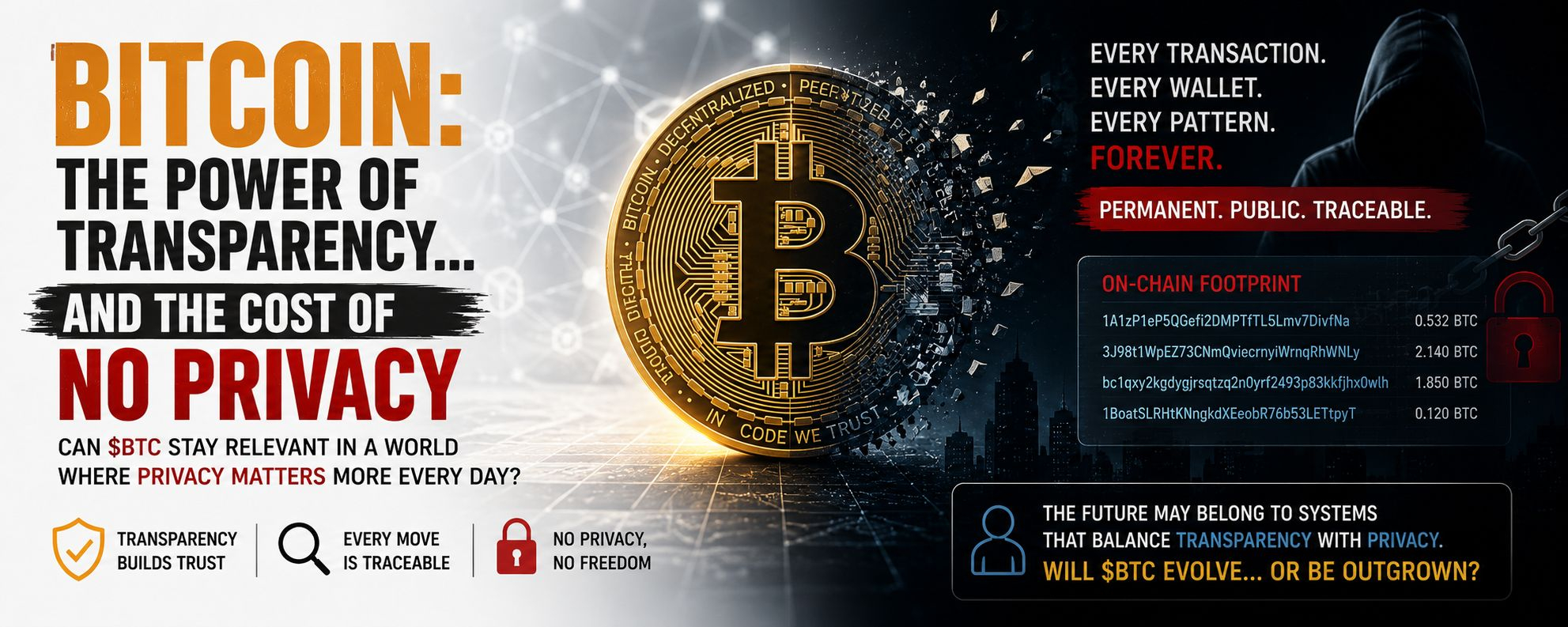
The idea that every transaction, every wallet movement, every piece of activity is publicly verifiable—it created a kind of trust that traditional systems never could. No hidden ledgers. No silent manipulation. Just open data.
But after years in this space, I’m starting to see the other side of that equation.
Because transparency, at this level, doesn’t just build trust—it also removes privacy entirely.
Every serious user—whether it’s an institution, a business, or even a disciplined trader—eventually runs into the$BITCOIN same quiet discomfort: everything you do is traceable. Not just now, but permanently. Patterns, behaviors, positions… all sitting on-chain for anyone patient enough to analyze.
That’s not a small trade-off.
It raises a bigger question: can a system like @Bitcoin truly scale into real-world usage where confidentiality actually matters?
We’re starting to see new models (#btc70k $) experimenting with something different—where users can control what they expose, monetize their data, and still participate without putting everything on display. It’s not about removing transparency, but about reshaping it.
Still, I remain cautious.
Because in crypto, good ideas don’t always translate @Bitcoin into real adoption. Complexity, friction, and user behavior tend to decide outcomes—not philosophy.
Bitcoin has survived because it stayed simple.
But as expectations evolve, I can’t help but wonder:
Will $BTC C remain relevant as-is, or will transparency itself quietly become its biggest limitation?
And for a long time, I agreed.
The idea that every transaction, every wallet movement, every piece of activity is publicly verifiable—it created a kind of trust that traditional systems never could. No hidden ledgers. No silent manipulation. Just open data.
But after years in this space, I’m starting to see the other side of that equation.
Because transparency, at this level, doesn’t just build trust—it also removes privacy entirely.
Every serious user—whether it’s an institution, a business, or even a disciplined trader—eventually runs into the$BITCOIN same quiet discomfort: everything you do is traceable. Not just now, but permanently. Patterns, behaviors, positions… all sitting on-chain for anyone patient enough to analyze.
That’s not a small trade-off.
It raises a bigger question: can a system like @Bitcoin truly scale into real-world usage where confidentiality actually matters?
We’re starting to see new models (#btc70k $) experimenting with something different—where users can control what they expose, monetize their data, and still participate without putting everything on display. It’s not about removing transparency, but about reshaping it.
Still, I remain cautious.
Because in crypto, good ideas don’t always translate @Bitcoin into real adoption. Complexity, friction, and user behavior tend to decide outcomes—not philosophy.
Bitcoin has survived because it stayed simple.
But as expectations evolve, I can’t help but wonder:
Will $BTC C remain relevant as-is, or will transparency itself quietly become its biggest limitation?
Yamin Mansoob
·
--
#baby $BABY 多くのトレーダーは、「取引」から「流動性を追いかけること」へ線を越えた瞬間に気づいていない。
たいていは小さなことから始まる。見逃したエントリー、遅れて入ったポジション、追加証拠金がすぐに必要になること。そこから習慣が形づくられていく。素早く資金にアクセスできることが、バックアッププランではなく戦略の一部になってしまうのだ。その変化は微妙だが、すべてを変えてしまう。
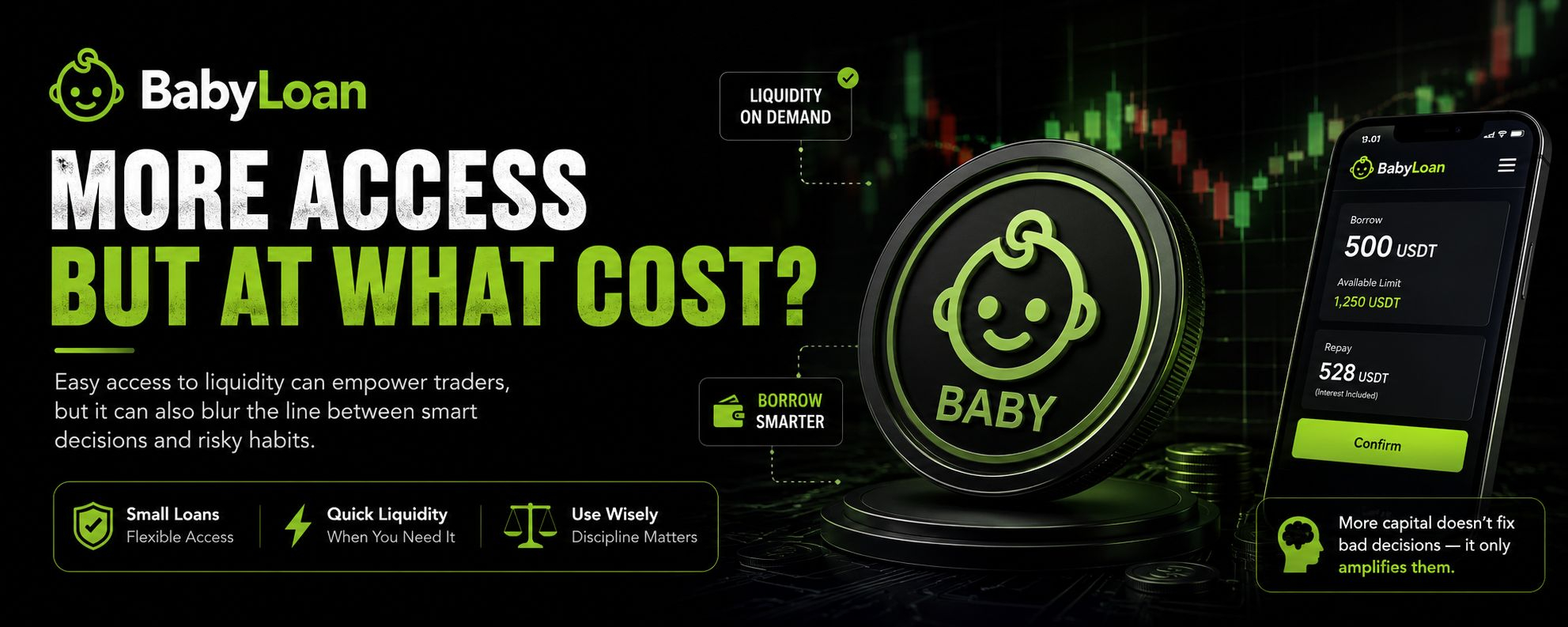
BabyLoan($BABY )を見ていると、まさにその領域にあるように感じる。DeFiレンディングを作り変えようとしているわけではない。もっとシンプルなものに寄っている。複雑な仕組みを望まない一般ユーザー向けに、迅速で小規模な資金アクセスを提供することだ。
そのシンプルさは、強みでもありリスクでもある。
一方では、摩擦を減らすことでツールはより使いやすくなる。他方では、トレーダーがポジションを取る前に本来必要な“間”を奪ってしまうこともある。私の経験では、その“間”――ためらいの瞬間――こそが、悪い取引を防いでいることが多い。
だから、#BabyLoan に関する問いは、単なる普及の話ではない。行動の話なのだ。
ユーザーはこれを安全網として扱うのか、それとも衝動的な意思決定の一部になっていくのか。というのも、ツールはそれ自体で@BabylonLabs_io 結果を変えるわけではない。ただ、人々がプレッシャーの中でどう行動するかを形づくるだけだ。
私はこのアイデアを否定しているわけではない。こうしたアクセスへの需要が明確にあるのは確かだ。だが、需要があるだけでは持続可能にはならない。
だから私が考え続けているのはこういうことだ。BabyLoanは有益な形で摩擦を減らしているのか、それともトレーダーが生き残るために頼っている規律を静かに取り除いているのか?
たいていは小さなことから始まる。見逃したエントリー、遅れて入ったポジション、追加証拠金がすぐに必要になること。そこから習慣が形づくられていく。素早く資金にアクセスできることが、バックアッププランではなく戦略の一部になってしまうのだ。その変化は微妙だが、すべてを変えてしまう。
BabyLoan($BABY )を見ていると、まさにその領域にあるように感じる。DeFiレンディングを作り変えようとしているわけではない。もっとシンプルなものに寄っている。複雑な仕組みを望まない一般ユーザー向けに、迅速で小規模な資金アクセスを提供することだ。
そのシンプルさは、強みでもありリスクでもある。
一方では、摩擦を減らすことでツールはより使いやすくなる。他方では、トレーダーがポジションを取る前に本来必要な“間”を奪ってしまうこともある。私の経験では、その“間”――ためらいの瞬間――こそが、悪い取引を防いでいることが多い。
だから、#BabyLoan に関する問いは、単なる普及の話ではない。行動の話なのだ。
ユーザーはこれを安全網として扱うのか、それとも衝動的な意思決定の一部になっていくのか。というのも、ツールはそれ自体で@BabylonLabs_io 結果を変えるわけではない。ただ、人々がプレッシャーの中でどう行動するかを形づくるだけだ。
私はこのアイデアを否定しているわけではない。こうしたアクセスへの需要が明確にあるのは確かだ。だが、需要があるだけでは持続可能にはならない。
だから私が考え続けているのはこういうことだ。BabyLoanは有益な形で摩擦を減らしているのか、それともトレーダーが生き残るために頼っている規律を静かに取り除いているのか?
Yamin Mansoob
·
--
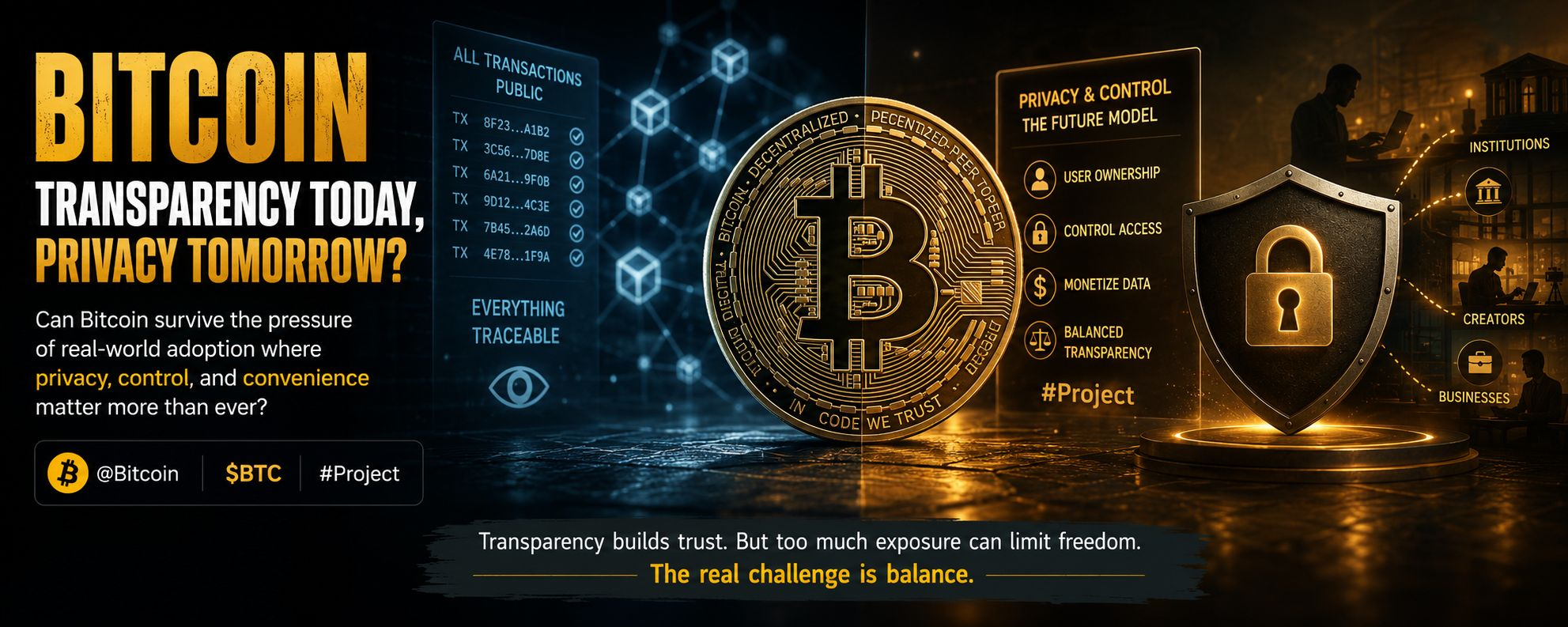
変化する暗号資産の世界におけるビットコイン:透明性 vs プライバシー
私は、ビットコインが「業界」というより「実験」のように感じられていた時代を覚えているくらいには長く関わってきました。当時の会話はもっとシンプルでした。ピアツーピアの仕組み。仲介者はいない。誰でも検証できる台帳。約束はほとんど哲学的で、「信頼」と「支配」の境界線を描き直そうとする試みのようでした。
それから何年も経つと、そのシンプルさは最大の強みであると同時に、静かな限界でもあるように感じられるようになります。
ビットコイン、つまり今では人々が何気なく $BTC と呼ぶものは、他のほとんどのプロトコルがそうではなかった形で耐え抜いてきました。自信に満ちたロードマップ、生き生きとしたコミュニティ、そして未来についての攻勢的な語りを掲げて立ち上がった数え切れないプロジェクトを見てきました。けれど、時間をかけてゆっくりと沈黙の中へ溶けていきます。対照的にビットコインは、ほとんど頑固なほど変わらないまま残っています。「流行」を追いかけることを拒むような仕組みで、代わりに、時間そのものがその存在を正当化すると信じているのです。
それから何年も経つと、そのシンプルさは最大の強みであると同時に、静かな限界でもあるように感じられるようになります。
ビットコイン、つまり今では人々が何気なく $BTC と呼ぶものは、他のほとんどのプロトコルがそうではなかった形で耐え抜いてきました。自信に満ちたロードマップ、生き生きとしたコミュニティ、そして未来についての攻勢的な語りを掲げて立ち上がった数え切れないプロジェクトを見てきました。けれど、時間をかけてゆっくりと沈黙の中へ溶けていきます。対照的にビットコインは、ほとんど頑固なほど変わらないまま残っています。「流行」を追いかけることを拒むような仕組みで、代わりに、時間そのものがその存在を正当化すると信じているのです。
翻訳参照

Crypto_ jessica
·
--
バイナンスで1日$5〜$7稼ごう — 完全無料!🚨
私はゼロから始めただけで楽しかった…今では一切のルピーを使わずに月に$150以上稼いでいます。💸
無料の暗号通貨を得る3つの簡単な方法:
1️⃣ 学ぶ & 稼ぐ → 3〜5のクイズに答えて即座に$USDTをゲット。
2️⃣ Web3ウォレットミッション → 隠されたタスクを完了 — 昨日だけで$4を稼ぎました。
3️⃣ Write2Earn & イベント → 投稿を共有し、コメントし、最大$10の神秘的な箱を開けよう🎁
💡 収入を維持するためのヒント:
✅ タスクセンターを毎日チェック
✅ 提供が消える前に請求
✅ 一貫性を保つ → 月に$100〜$200は非常に実現可能
クレジットカードは不要。投資も不要。ただのあなたの時間 + 一貫性 = 毎日無料の暗号通貨🚀
#BinanceSquare #LearnAndEarn #CryptoFreebies #BinanceEarnings #Web3Missions #Write2Earn #CryptoTips #USDT #PassiveIncomeTrick #cryptohacks #CryptoCommunity #BinanceAlpha
私はゼロから始めただけで楽しかった…今では一切のルピーを使わずに月に$150以上稼いでいます。💸
無料の暗号通貨を得る3つの簡単な方法:
1️⃣ 学ぶ & 稼ぐ → 3〜5のクイズに答えて即座に$USDTをゲット。
2️⃣ Web3ウォレットミッション → 隠されたタスクを完了 — 昨日だけで$4を稼ぎました。
3️⃣ Write2Earn & イベント → 投稿を共有し、コメントし、最大$10の神秘的な箱を開けよう🎁
💡 収入を維持するためのヒント:
✅ タスクセンターを毎日チェック
✅ 提供が消える前に請求
✅ 一貫性を保つ → 月に$100〜$200は非常に実現可能
クレジットカードは不要。投資も不要。ただのあなたの時間 + 一貫性 = 毎日無料の暗号通貨🚀
#BinanceSquare #LearnAndEarn #CryptoFreebies #BinanceEarnings #Web3Missions #Write2Earn #CryptoTips #USDT #PassiveIncomeTrick #cryptohacks #CryptoCommunity #BinanceAlpha

ログインして、さらにコンテンツを読む