

ZurabR
27.5k 投稿

ZurabR
報告
ユーザーをブロック
取引を発注
低高頻度トレーダー
4.3年
15.5K+ フォロー
2.8K+ フォロワー
8.8K+ いいね
投稿
ポートフォリオ
すべて
引用
ライブ
·
--
ブリッシュ
#altcoins
今週末に過去最高値(ATH)を目指し得る「3つのアルトコイン」
選ばれたアルトコイン(WhiteBIT Coin(WBT)、Hyperliquid(HYPE)、Venice Token(VVV))は、9月21日から23日の間にいずれも新たな過去最高値(ATH)を更新しました。現在はいずれも週末に向けて、そのピークから4%〜12%下の水準で取引されています。
WBTとHYPEは、それぞれ過去の記録を更新した後、再びリストに戻ってきました。しかし3つのチャートすべてで見られる弱気のRSIダイバージェンスは、次の上昇局面が簡単には来ない可能性を示唆しています。
WBTは記録値から4.7%下
WBTは8月下旬、$62.48で0.618のフィボナッチ・リトレースメントを上回ってブレイクしました。その後、過去の高値である約$75まで上昇しました。
9月7日からは、上昇する平行チャネルの中で上げが継続。価格は、$84付近の1.272フィボナッチ・エクステンションで最初の目標に到達し、$87.99で新記録を設定しました。
HYPEは新たな高値に6.1%必要
HYPEはすでに、$92.37にある1.272フィボナッチ・エクステンションで最初の目標を達成しています。次の目標は、$111.93付近の1.618エクステンションで、現水準から約21%上です。
ただしチャートでは強い弱気のダイバージェンスが見られます。RSIは8月23日にピークの82を付けたとき、HYPEは約$82.50で取引されていました。価格はその後$92を超えた一方で、RSIは63まで低下しています。
VVVは記録更新まで最も長い道のり
VVVは、$34.61の記録を奪還するために11.7%の上昇が必要です。RSIは68で、強気の構造は維持されています。
最初の目標は、現在価格より約19%上の$36.76にある1.272フィボナッチ・エクステンションです。そこまで到達すれば、新たなATH(過去最高値)も意味します。次の目標は、$46.26付近の1.618エクステンションです。 #Write2Earn #VVV #WBT #hype $HYPE $VVV $WBTC
{spot}(WBTCUSDT)
{future}(VVVUSDT)
{spot}(HYPEUSDT)
#altcoins
今週末に過去最高値(ATH)を目指し得る「3つのアルトコイン」
選ばれたアルトコイン(WhiteBIT Coin(WBT)、Hyperliquid(HYPE)、Venice Token(VVV))は、9月21日から23日の間にいずれも新たな過去最高値(ATH)を更新しました。現在はいずれも週末に向けて、そのピークから4%〜12%下の水準で取引されています。
WBTとHYPEは、それぞれ過去の記録を更新した後、再びリストに戻ってきました。しかし3つのチャートすべてで見られる弱気のRSIダイバージェンスは、次の上昇局面が簡単には来ない可能性を示唆しています。
WBTは記録値から4.7%下
WBTは8月下旬、$62.48で0.618のフィボナッチ・リトレースメントを上回ってブレイクしました。その後、過去の高値である約$75まで上昇しました。
9月7日からは、上昇する平行チャネルの中で上げが継続。価格は、$84付近の1.272フィボナッチ・エクステンションで最初の目標に到達し、$87.99で新記録を設定しました。
HYPEは新たな高値に6.1%必要
HYPEはすでに、$92.37にある1.272フィボナッチ・エクステンションで最初の目標を達成しています。次の目標は、$111.93付近の1.618エクステンションで、現水準から約21%上です。
ただしチャートでは強い弱気のダイバージェンスが見られます。RSIは8月23日にピークの82を付けたとき、HYPEは約$82.50で取引されていました。価格はその後$92を超えた一方で、RSIは63まで低下しています。
VVVは記録更新まで最も長い道のり
VVVは、$34.61の記録を奪還するために11.7%の上昇が必要です。RSIは68で、強気の構造は維持されています。
最初の目標は、現在価格より約19%上の$36.76にある1.272フィボナッチ・エクステンションです。そこまで到達すれば、新たなATH(過去最高値)も意味します。次の目標は、$46.26付近の1.618エクステンションです。 #Write2Earn #VVV #WBT #hype $HYPE $VVV $WBTC
今週末に過去最高値(ATH)を目指し得る「3つのアルトコイン」
選ばれたアルトコイン(WhiteBIT Coin(WBT)、Hyperliquid(HYPE)、Venice Token(VVV))は、9月21日から23日の間にいずれも新たな過去最高値(ATH)を更新しました。現在はいずれも週末に向けて、そのピークから4%〜12%下の水準で取引されています。
WBTとHYPEは、それぞれ過去の記録を更新した後、再びリストに戻ってきました。しかし3つのチャートすべてで見られる弱気のRSIダイバージェンスは、次の上昇局面が簡単には来ない可能性を示唆しています。
WBTは記録値から4.7%下
WBTは8月下旬、$62.48で0.618のフィボナッチ・リトレースメントを上回ってブレイクしました。その後、過去の高値である約$75まで上昇しました。
9月7日からは、上昇する平行チャネルの中で上げが継続。価格は、$84付近の1.272フィボナッチ・エクステンションで最初の目標に到達し、$87.99で新記録を設定しました。
HYPEは新たな高値に6.1%必要
HYPEはすでに、$92.37にある1.272フィボナッチ・エクステンションで最初の目標を達成しています。次の目標は、$111.93付近の1.618エクステンションで、現水準から約21%上です。
ただしチャートでは強い弱気のダイバージェンスが見られます。RSIは8月23日にピークの82を付けたとき、HYPEは約$82.50で取引されていました。価格はその後$92を超えた一方で、RSIは63まで低下しています。
VVVは記録更新まで最も長い道のり
VVVは、$34.61の記録を奪還するために11.7%の上昇が必要です。RSIは68で、強気の構造は維持されています。
最初の目標は、現在価格より約19%上の$36.76にある1.272フィボナッチ・エクステンションです。そこまで到達すれば、新たなATH(過去最高値)も意味します。次の目標は、$46.26付近の1.618エクステンションです。 #Write2Earn #VVV #WBT #hype $HYPE $VVV $WBTC

1
58
·
--
弱気相場
#BTC
ビットコインにとって重要な局面が始まる:BTCは強気の「バル・マンス(Bull Month)」に突入する準備へ!歴史は繰り返されるのか?データで確認しよう
主要暗号資産のビットコインは、7月から上昇基調が続いています。現在、$BTC は7月と8月をプラス圏で終え、9月も同様にプラス圏で締めくくる準備を整えています。
9月の好調な終わり方となれば、7月〜9月の間でビットコインが3か月連続の上昇トレンドを記録することになります。歴史的に見ると、この期間においてビットコインが連続3か月の上昇局面を達成した回数は限られています。
ここで、9月が終わりに近づき、一般に「アクトーバー(Uptober)」として知られる$BTCの10月が間もなくやって来ます。では、「ビットコインは10月が好きなのか?過去の10月ではどうだったのか?」という問いの答えを見ていきましょう。
過去の10月、ビットコインはどう推移した?
ビットコインの年ごと・月ごとのパフォーマンスを見ていくと、特定の月では下落が集中する一方で、別の月では上昇が集中することがわかります。
上のビットコインの月次リターンチャートを見ると、一般的に3月、8月、9月が下落の月であり、2月、7月、10月、11月は上昇の月であると確認できます。
とりわけ10月は、ビットコインの歴史的パフォーマンスにおける重要な局面の一つとして際立っています。過去データを検証すると、9月とは異なり、ビットコインは2013年以降、ほとんどの10月をプラスで終えていることが明らかです。この期間では、ビットコインが月次で下落した10月はわずか3回で、その他の年はプラスの結果となりました。
注目は10月に集まる!
もしビットコインが9月で3か月の上昇トレンドを完了するなら、市場の焦点は10月のパフォーマンスへ移っていきます。
連続する価格上昇と、「強気相場の月(ブル・マーケット)」としての10月の評価により、投資家の10月に対する期待は高まっています。
一部の市場サイクルのモデルでは、10月または11月に新たな強気相場が始まる可能性も示唆されていますが、過去のサイクルだけでは強気のシグナルとしては十分と考えられていません。#Write2Earn $BTC
{spot}(BTCUSDT)
#BTC
ビットコインにとって重要な局面が始まる:BTCは強気の「バル・マンス(Bull Month)」に突入する準備へ!歴史は繰り返されるのか?データで確認しよう
主要暗号資産のビットコインは、7月から上昇基調が続いています。現在、$BTC は7月と8月をプラス圏で終え、9月も同様にプラス圏で締めくくる準備を整えています。
9月の好調な終わり方となれば、7月〜9月の間でビットコインが3か月連続の上昇トレンドを記録することになります。歴史的に見ると、この期間においてビットコインが連続3か月の上昇局面を達成した回数は限られています。
ここで、9月が終わりに近づき、一般に「アクトーバー(Uptober)」として知られる$BTC の10月が間もなくやって来ます。では、「ビットコインは10月が好きなのか?過去の10月ではどうだったのか?」という問いの答えを見ていきましょう。
過去の10月、ビットコインはどう推移した?
ビットコインの年ごと・月ごとのパフォーマンスを見ていくと、特定の月では下落が集中する一方で、別の月では上昇が集中することがわかります。
上のビットコインの月次リターンチャートを見ると、一般的に3月、8月、9月が下落の月であり、2月、7月、10月、11月は上昇の月であると確認できます。
とりわけ10月は、ビットコインの歴史的パフォーマンスにおける重要な局面の一つとして際立っています。過去データを検証すると、9月とは異なり、ビットコインは2013年以降、ほとんどの10月をプラスで終えていることが明らかです。この期間では、ビットコインが月次で下落した10月はわずか3回で、その他の年はプラスの結果となりました。
注目は10月に集まる!
もしビットコインが9月で3か月の上昇トレンドを完了するなら、市場の焦点は10月のパフォーマンスへ移っていきます。
連続する価格上昇と、「強気相場の月(ブル・マーケット)」としての10月の評価により、投資家の10月に対する期待は高まっています。
一部の市場サイクルのモデルでは、10月または11月に新たな強気相場が始まる可能性も示唆されていますが、過去のサイクルだけでは強気のシグナルとしては十分と考えられていません。#Write2Earn $BTC
ビットコインにとって重要な局面が始まる:BTCは強気の「バル・マンス(Bull Month)」に突入する準備へ!歴史は繰り返されるのか?データで確認しよう
主要暗号資産のビットコインは、7月から上昇基調が続いています。現在、$BTC は7月と8月をプラス圏で終え、9月も同様にプラス圏で締めくくる準備を整えています。
9月の好調な終わり方となれば、7月〜9月の間でビットコインが3か月連続の上昇トレンドを記録することになります。歴史的に見ると、この期間においてビットコインが連続3か月の上昇局面を達成した回数は限られています。
ここで、9月が終わりに近づき、一般に「アクトーバー(Uptober)」として知られる$BTC の10月が間もなくやって来ます。では、「ビットコインは10月が好きなのか?過去の10月ではどうだったのか?」という問いの答えを見ていきましょう。
過去の10月、ビットコインはどう推移した?
ビットコインの年ごと・月ごとのパフォーマンスを見ていくと、特定の月では下落が集中する一方で、別の月では上昇が集中することがわかります。
上のビットコインの月次リターンチャートを見ると、一般的に3月、8月、9月が下落の月であり、2月、7月、10月、11月は上昇の月であると確認できます。
とりわけ10月は、ビットコインの歴史的パフォーマンスにおける重要な局面の一つとして際立っています。過去データを検証すると、9月とは異なり、ビットコインは2013年以降、ほとんどの10月をプラスで終えていることが明らかです。この期間では、ビットコインが月次で下落した10月はわずか3回で、その他の年はプラスの結果となりました。
注目は10月に集まる!
もしビットコインが9月で3か月の上昇トレンドを完了するなら、市場の焦点は10月のパフォーマンスへ移っていきます。
連続する価格上昇と、「強気相場の月(ブル・マーケット)」としての10月の評価により、投資家の10月に対する期待は高まっています。
一部の市場サイクルのモデルでは、10月または11月に新たな強気相場が始まる可能性も示唆されていますが、過去のサイクルだけでは強気のシグナルとしては十分と考えられていません。#Write2Earn $BTC
3
193
·
--
ブリッシュ
#xrp
重要なリップルニュースとXRP価格アップデート:9月25日
リップルのクロスボーダー用トークンは、機関投資家にとって依然として非常に魅力的である一方、クジラ(大口投資家)も最近かなりの量のトークンを積み増しています。こうした好材料があるにもかかわらず、$XRP は赤い波がより広い市場を襲ったことで8%下落しました。
一方で、同社の主要幹部の一人は、MESA Forumで登壇し、ブラックロックやHSBCといった金融大手の代表者らとともに、ステーブルコイン($RLUSDなど)、トークン化預金、その他のテーマについて議論しました。
ETFとクジラ
スポット型のxrp ETFは最近多額の資金を集めており、より慎重な投資家が引き続き当該資産へのエクスポージャーを増やしていることを示しています。CryptoPotatoの報道によると、これらの金融商品は10週連続でグリーン(上昇)となり、累計の純資金流入はおよそ17.5億ドルに達しました。直近の2日間も非常に好調で、この連勝が続く可能性が高いことを示唆しています。
これまでにスポット型の$XRP ETFを立ち上げた企業には、Bitwise、Franklin Templeton、Canary Capital、21Shares、Grayscaleが含まれます。ただし、他のところでは規制当局の承認待ちであり、近日中にリストに加わる可能性があります。
最近、T. Rowe Priceは暗号資産ETFの申請を更新し、複数の暗号資産へのエクスポージャーを可能にしました。そこでxrpは9.15%の比率となっています。これに対して、Exchange Listed Funds Trustは「CYBER HORNER S&P 500®およびxrp 75/25 Strategy ETF」をSECに提出しました。必要な承認(賛同)を得られれば、この商品は投資家が株式市場とリップルのネイティブトークンの双方に、75/25の比率でエクスポージャーを持てるようになります。
機関投資家だけが最近xrpに注目しているわけではありません。先週、クジラは約96時間で15.4億ユニット以上を取得しました。積み増しは米国でCLARITY Actが失敗した直後に始まり、その結果として下げが起きたことを示しており、大口投資家がより低い価格を買いの機会と見ていることがうかがえます。#Write2Earn $XRP
{spot}(XRPUSDT)
#xrp
重要なリップルニュースとXRP価格アップデート:9月25日
リップルのクロスボーダー用トークンは、機関投資家にとって依然として非常に魅力的である一方、クジラ(大口投資家)も最近かなりの量のトークンを積み増しています。こうした好材料があるにもかかわらず、$XRP は赤い波がより広い市場を襲ったことで8%下落しました。
一方で、同社の主要幹部の一人は、MESA Forumで登壇し、ブラックロックやHSBCといった金融大手の代表者らとともに、ステーブルコイン($RLUSDなど)、トークン化預金、その他のテーマについて議論しました。
ETFとクジラ
スポット型のxrp ETFは最近多額の資金を集めており、より慎重な投資家が引き続き当該資産へのエクスポージャーを増やしていることを示しています。CryptoPotatoの報道によると、これらの金融商品は10週連続でグリーン(上昇)となり、累計の純資金流入はおよそ17.5億ドルに達しました。直近の2日間も非常に好調で、この連勝が続く可能性が高いことを示唆しています。
これまでにスポット型の$XRP ETFを立ち上げた企業には、Bitwise、Franklin Templeton、Canary Capital、21Shares、Grayscaleが含まれます。ただし、他のところでは規制当局の承認待ちであり、近日中にリストに加わる可能性があります。
最近、T. Rowe Priceは暗号資産ETFの申請を更新し、複数の暗号資産へのエクスポージャーを可能にしました。そこでxrpは9.15%の比率となっています。これに対して、Exchange Listed Funds Trustは「CYBER HORNER S&P 500®およびxrp 75/25 Strategy ETF」をSECに提出しました。必要な承認(賛同)を得られれば、この商品は投資家が株式市場とリップルのネイティブトークンの双方に、75/25の比率でエクスポージャーを持てるようになります。
機関投資家だけが最近xrpに注目しているわけではありません。先週、クジラは約96時間で15.4億ユニット以上を取得しました。積み増しは米国でCLARITY Actが失敗した直後に始まり、その結果として下げが起きたことを示しており、大口投資家がより低い価格を買いの機会と見ていることがうかがえます。#Write2Earn $XRP
重要なリップルニュースとXRP価格アップデート:9月25日
リップルのクロスボーダー用トークンは、機関投資家にとって依然として非常に魅力的である一方、クジラ(大口投資家)も最近かなりの量のトークンを積み増しています。こうした好材料があるにもかかわらず、$XRP は赤い波がより広い市場を襲ったことで8%下落しました。
一方で、同社の主要幹部の一人は、MESA Forumで登壇し、ブラックロックやHSBCといった金融大手の代表者らとともに、ステーブルコイン($RLUSDなど)、トークン化預金、その他のテーマについて議論しました。
ETFとクジラ
スポット型のxrp ETFは最近多額の資金を集めており、より慎重な投資家が引き続き当該資産へのエクスポージャーを増やしていることを示しています。CryptoPotatoの報道によると、これらの金融商品は10週連続でグリーン(上昇)となり、累計の純資金流入はおよそ17.5億ドルに達しました。直近の2日間も非常に好調で、この連勝が続く可能性が高いことを示唆しています。
これまでにスポット型の$XRP ETFを立ち上げた企業には、Bitwise、Franklin Templeton、Canary Capital、21Shares、Grayscaleが含まれます。ただし、他のところでは規制当局の承認待ちであり、近日中にリストに加わる可能性があります。
最近、T. Rowe Priceは暗号資産ETFの申請を更新し、複数の暗号資産へのエクスポージャーを可能にしました。そこでxrpは9.15%の比率となっています。これに対して、Exchange Listed Funds Trustは「CYBER HORNER S&P 500®およびxrp 75/25 Strategy ETF」をSECに提出しました。必要な承認(賛同)を得られれば、この商品は投資家が株式市場とリップルのネイティブトークンの双方に、75/25の比率でエクスポージャーを持てるようになります。
機関投資家だけが最近xrpに注目しているわけではありません。先週、クジラは約96時間で15.4億ユニット以上を取得しました。積み増しは米国でCLARITY Actが失敗した直後に始まり、その結果として下げが起きたことを示しており、大口投資家がより低い価格を買いの機会と見ていることがうかがえます。#Write2Earn $XRP
5
158
·
--
ブリッシュ
#PEPE
PEPEは2.84百万ドルのリワード売りを受けて12%下落 – 次は?
Pepe[$PEPE]は過去24時間で時価総額が12%減少し、メメコインが5%以上下落するなど、軟調な展開となりました。とはいえ、$PEPEの週間の値動きはなおプラスで、約27%高。今回の下げは単なる短期的な調整にすぎない可能性を示唆しています。
時価総額上位100の暗号資産の中で、pepeは最もパフォーマンスが悪いメメコインでした。単日で二桁の下落を記録したほかのメメコインとしては、BONK、USELESS、CASHCATが挙げられます。
$PEPEの下落は、売り圧力とコインのテクニカル上の局面によって引き起こされました。
$PEPE StonkFunでのリワードは売り圧力を誘発
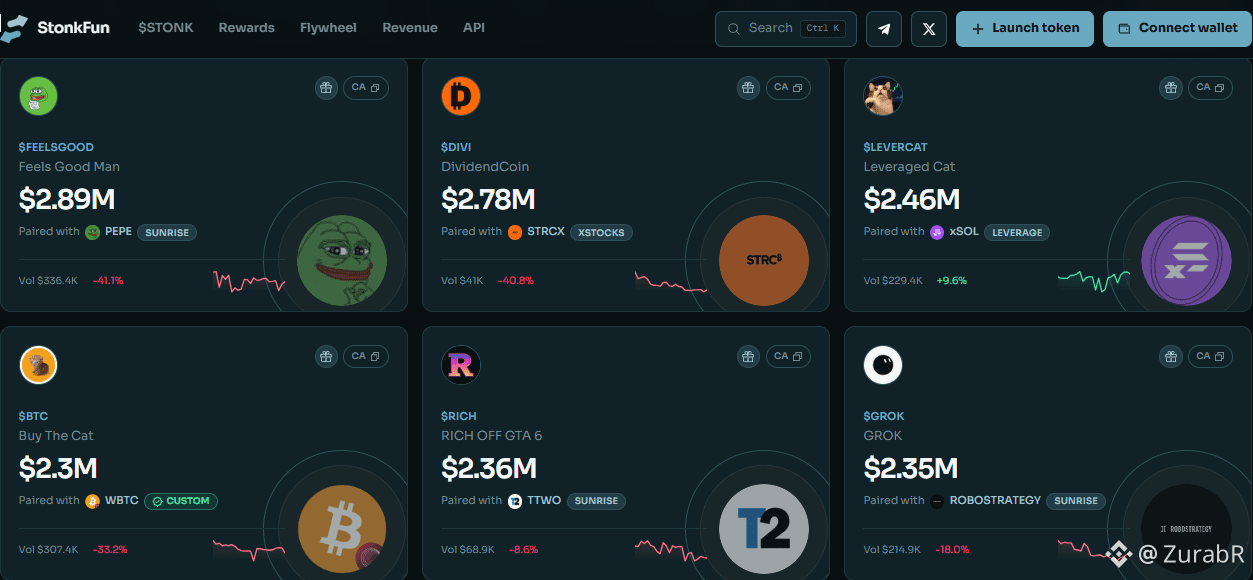
pepeコインは、10日間の急騰の後、利益確定のために売られていました。これらのトークンはStonkFun[STONK]の報酬システムから流出しており、FEELSGOODの保有者はpepeトークンとして2.84百万ドル分を受け取っていました。
その結果、建玉(Open Interest:OI)は4億ドルから3億3400万ドルへと減少しました。さらに、取引高も13.2億ドルから約7億2700万ドルへ低下し、CoinGlassのデータによると買いの勢いの減退が裏付けられています。
このローンチパッドのシステムは、Bitcoin[BTC]、Solana[SOL]、Hyperliquid[HYPE]など、ほかのトークンにも報酬を与えています。
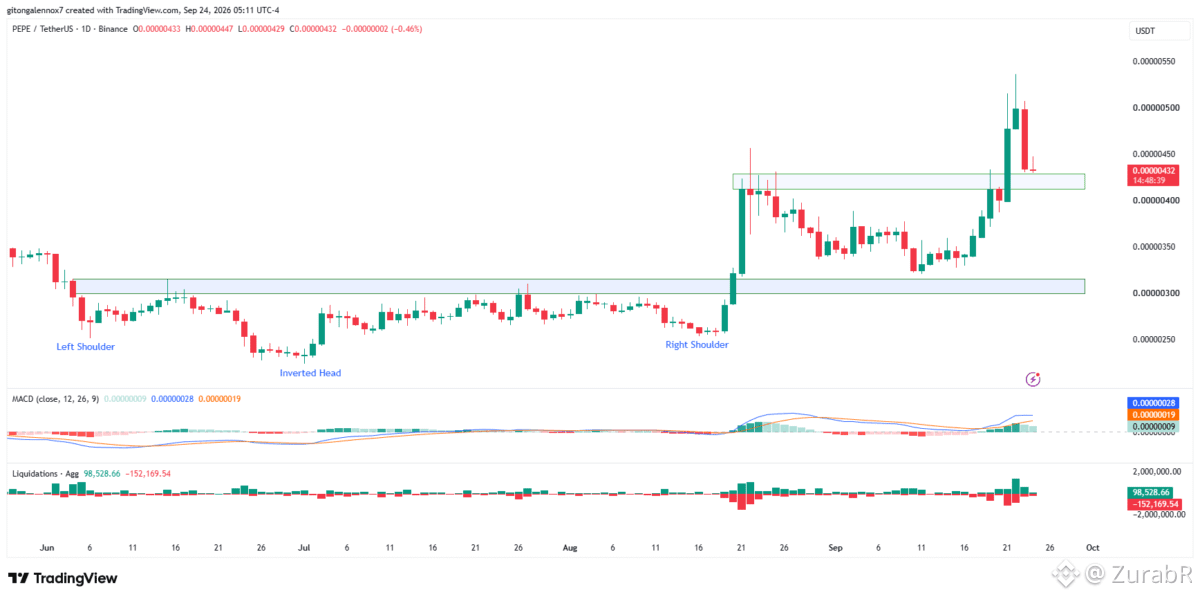
加えて、pepeは押し目(プルバック)の局面にあり、価格は直前のより高い高値(HH)付近、約0.0000040ドルを再テストしています。この上昇トレンドは、逆ヘッド&ショルダー・パターンからのブレイクアウトによって開始されました。
プルバック局面は、MACDのバーがゆっくりと色あせていることからも分かります。これは強気の勢いが低下していることを示します。これが続けば、メメコインは0.0000030ドルまで急落する可能性があります。#Write2Earn #pepe $PEPE
{spot}(PEPEUSDT)
#PEPE
PEPEは2.84百万ドルのリワード売りを受けて12%下落 – 次は?
Pepe[$PEPE ]は過去24時間で時価総額が12%減少し、メメコインが5%以上下落するなど、軟調な展開となりました。とはいえ、$PEPE の週間の値動きはなおプラスで、約27%高。今回の下げは単なる短期的な調整にすぎない可能性を示唆しています。
時価総額上位100の暗号資産の中で、pepeは最もパフォーマンスが悪いメメコインでした。単日で二桁の下落を記録したほかのメメコインとしては、BONK、USELESS、CASHCATが挙げられます。
$PEPE の下落は、売り圧力とコインのテクニカル上の局面によって引き起こされました。
$PEPE StonkFunでのリワードは売り圧力を誘発
pepeコインは、10日間の急騰の後、利益確定のために売られていました。これらのトークンはStonkFun[STONK]の報酬システムから流出しており、FEELSGOODの保有者はpepeトークンとして2.84百万ドル分を受け取っていました。
その結果、建玉(Open Interest:OI)は4億ドルから3億3400万ドルへと減少しました。さらに、取引高も13.2億ドルから約7億2700万ドルへ低下し、CoinGlassのデータによると買いの勢いの減退が裏付けられています。
このローンチパッドのシステムは、Bitcoin[BTC]、Solana[SOL]、Hyperliquid[HYPE]など、ほかのトークンにも報酬を与えています。
加えて、pepeは押し目(プルバック)の局面にあり、価格は直前のより高い高値(HH)付近、約0.0000040ドルを再テストしています。この上昇トレンドは、逆ヘッド&ショルダー・パターンからのブレイクアウトによって開始されました。
プルバック局面は、MACDのバーがゆっくりと色あせていることからも分かります。これは強気の勢いが低下していることを示します。これが続けば、メメコインは0.0000030ドルまで急落する可能性があります。#Write2Earn #pepe $PEPE
PEPEは2.84百万ドルのリワード売りを受けて12%下落 – 次は?
Pepe[$PEPE ]は過去24時間で時価総額が12%減少し、メメコインが5%以上下落するなど、軟調な展開となりました。とはいえ、$PEPE の週間の値動きはなおプラスで、約27%高。今回の下げは単なる短期的な調整にすぎない可能性を示唆しています。
時価総額上位100の暗号資産の中で、pepeは最もパフォーマンスが悪いメメコインでした。単日で二桁の下落を記録したほかのメメコインとしては、BONK、USELESS、CASHCATが挙げられます。
$PEPE の下落は、売り圧力とコインのテクニカル上の局面によって引き起こされました。
$PEPE StonkFunでのリワードは売り圧力を誘発
pepeコインは、10日間の急騰の後、利益確定のために売られていました。これらのトークンはStonkFun[STONK]の報酬システムから流出しており、FEELSGOODの保有者はpepeトークンとして2.84百万ドル分を受け取っていました。
その結果、建玉(Open Interest:OI)は4億ドルから3億3400万ドルへと減少しました。さらに、取引高も13.2億ドルから約7億2700万ドルへ低下し、CoinGlassのデータによると買いの勢いの減退が裏付けられています。
このローンチパッドのシステムは、Bitcoin[BTC]、Solana[SOL]、Hyperliquid[HYPE]など、ほかのトークンにも報酬を与えています。
加えて、pepeは押し目(プルバック)の局面にあり、価格は直前のより高い高値(HH)付近、約0.0000040ドルを再テストしています。この上昇トレンドは、逆ヘッド&ショルダー・パターンからのブレイクアウトによって開始されました。
プルバック局面は、MACDのバーがゆっくりと色あせていることからも分かります。これは強気の勢いが低下していることを示します。これが続けば、メメコインは0.0000030ドルまで急落する可能性があります。#Write2Earn #pepe $PEPE

7
284
·
--
ブリッシュ
#BTC
ヘッジファンドだけ、個人が売っている — ビットコインETFへの資金流入がプラスに転じてもBTCは強気の上昇を維持できる?
米国の現物ビットコインETFは過去5日間、勝ち続けており、実質的に純流入で26.5億ドル($2.65B)を集めている。
強い需要により、ETFは年初来(YTD)ベースでプラスに反転し、$BTCの価格は8カ月ぶりの高値となる87,000ドル($87K)まで押し上げられた。とはいえ、強気の勢いは、債券市場の再びの圧力と、10月の追加利上げの可能性に直面している。
ビットコインETF需要はマクロ圧力に耐えられるか?
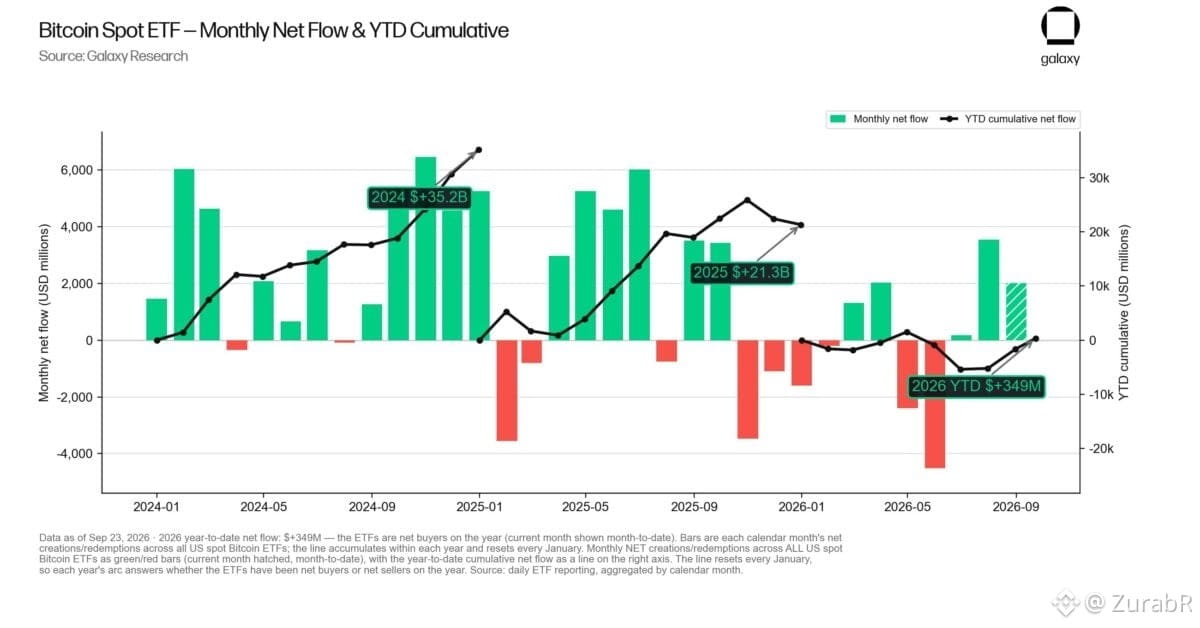
今週のスポット$BTC ETF需要は巨額で、Galaxy Researchのデータによれば、年初来のフローをプラス(3億4,900万ドル、$349M)に押し戻した。
月曜日だけで、ETF複合は日次で10億ドル($1B)の資金流入を獲得した。火曜日にはさらに7億1,400万ドル($714M)を集め、これらの数字は水曜日に346Mドル($346M)へとわずかに下落した。
全体として、ETF複合は合計26.5億ドル($2.65B)を吸収した。過去5日間に見られた26.5億ドルの需要のうち、ブラックロックがETFフローの半分を牽引した。
実際、ブルームバーグのアナリスト、ジェームズ・シーファート氏でさえ、今回の勢いが、累積フロー(設定以来の集計需要)もプラスに転じるのに早々に役立つ可能性があると指摘している。
昨年10月以降、累積フローは12Bドル(77.8K BTC)まで落ち込んでいた。しかし、リバウンドでその半分は相殺された。累積フロー、つまりETF複合が保有する総額$BTC は、取材時点では5.7%のマイナスにとどまっている。
ここで注目すべきは、シーファート氏が、流出は主にヘッジファンドと個人によってもたらされたと付け加えている点だ。
過去約1年でETFの最大の売り手となったのは、ヘッジファンドと個人トレーダー/投資家だ。
仮想通貨の「クリプト・ウィンター」のさなかでも、累積フローは55Bドル($55B)に達していた。しかし、機関投資家の底堅さと著しいBTC ETF需要は、債券市場の危機と、さらにもう一段のFRB(連邦準備制度)利上げへの懸念によって、再び試されている。
債券利回りは再び5.1%まで上昇し、原油価格もわずかに上向いた。これにより、新たなインフレ懸念が強まっている。#Write2Earn $BTC
{spot}(BTCUSDT)
#BTC
ヘッジファンドだけ、個人が売っている — ビットコインETFへの資金流入がプラスに転じてもBTCは強気の上昇を維持できる?
米国の現物ビットコインETFは過去5日間、勝ち続けており、実質的に純流入で26.5億ドル($2.65B)を集めている。
強い需要により、ETFは年初来(YTD)ベースでプラスに反転し、$BTC の価格は8カ月ぶりの高値となる87,000ドル($87K)まで押し上げられた。とはいえ、強気の勢いは、債券市場の再びの圧力と、10月の追加利上げの可能性に直面している。
ビットコインETF需要はマクロ圧力に耐えられるか?
今週のスポット$BTC ETF需要は巨額で、Galaxy Researchのデータによれば、年初来のフローをプラス(3億4,900万ドル、$349M)に押し戻した。
月曜日だけで、ETF複合は日次で10億ドル($1B)の資金流入を獲得した。火曜日にはさらに7億1,400万ドル($714M)を集め、これらの数字は水曜日に346Mドル($346M)へとわずかに下落した。
全体として、ETF複合は合計26.5億ドル($2.65B)を吸収した。過去5日間に見られた26.5億ドルの需要のうち、ブラックロックがETFフローの半分を牽引した。
実際、ブルームバーグのアナリスト、ジェームズ・シーファート氏でさえ、今回の勢いが、累積フロー(設定以来の集計需要)もプラスに転じるのに早々に役立つ可能性があると指摘している。
昨年10月以降、累積フローは12Bドル(77.8K BTC)まで落ち込んでいた。しかし、リバウンドでその半分は相殺された。累積フロー、つまりETF複合が保有する総額$BTC は、取材時点では5.7%のマイナスにとどまっている。
ここで注目すべきは、シーファート氏が、流出は主にヘッジファンドと個人によってもたらされたと付け加えている点だ。
過去約1年でETFの最大の売り手となったのは、ヘッジファンドと個人トレーダー/投資家だ。
仮想通貨の「クリプト・ウィンター」のさなかでも、累積フローは55Bドル($55B)に達していた。しかし、機関投資家の底堅さと著しいBTC ETF需要は、債券市場の危機と、さらにもう一段のFRB(連邦準備制度)利上げへの懸念によって、再び試されている。
債券利回りは再び5.1%まで上昇し、原油価格もわずかに上向いた。これにより、新たなインフレ懸念が強まっている。#Write2Earn $BTC
ヘッジファンドだけ、個人が売っている — ビットコインETFへの資金流入がプラスに転じてもBTCは強気の上昇を維持できる?
米国の現物ビットコインETFは過去5日間、勝ち続けており、実質的に純流入で26.5億ドル($2.65B)を集めている。
強い需要により、ETFは年初来(YTD)ベースでプラスに反転し、$BTC の価格は8カ月ぶりの高値となる87,000ドル($87K)まで押し上げられた。とはいえ、強気の勢いは、債券市場の再びの圧力と、10月の追加利上げの可能性に直面している。
ビットコインETF需要はマクロ圧力に耐えられるか?
今週のスポット$BTC ETF需要は巨額で、Galaxy Researchのデータによれば、年初来のフローをプラス(3億4,900万ドル、$349M)に押し戻した。
月曜日だけで、ETF複合は日次で10億ドル($1B)の資金流入を獲得した。火曜日にはさらに7億1,400万ドル($714M)を集め、これらの数字は水曜日に346Mドル($346M)へとわずかに下落した。
全体として、ETF複合は合計26.5億ドル($2.65B)を吸収した。過去5日間に見られた26.5億ドルの需要のうち、ブラックロックがETFフローの半分を牽引した。
実際、ブルームバーグのアナリスト、ジェームズ・シーファート氏でさえ、今回の勢いが、累積フロー(設定以来の集計需要)もプラスに転じるのに早々に役立つ可能性があると指摘している。
昨年10月以降、累積フローは12Bドル(77.8K BTC)まで落ち込んでいた。しかし、リバウンドでその半分は相殺された。累積フロー、つまりETF複合が保有する総額$BTC は、取材時点では5.7%のマイナスにとどまっている。
ここで注目すべきは、シーファート氏が、流出は主にヘッジファンドと個人によってもたらされたと付け加えている点だ。
過去約1年でETFの最大の売り手となったのは、ヘッジファンドと個人トレーダー/投資家だ。
仮想通貨の「クリプト・ウィンター」のさなかでも、累積フローは55Bドル($55B)に達していた。しかし、機関投資家の底堅さと著しいBTC ETF需要は、債券市場の危機と、さらにもう一段のFRB(連邦準備制度)利上げへの懸念によって、再び試されている。
債券利回りは再び5.1%まで上昇し、原油価格もわずかに上向いた。これにより、新たなインフレ懸念が強まっている。#Write2Earn $BTC
4
261
·
--
ブリッシュ
#ETH
ARK Invest、Ethereum上でSecuritizeを通じてARK Venture Fundをトークン化
Cathie Woodによって創設された、破壊的イノベーションの投資マネジャーであるARK Investは、9月24日に、Securitize Corp.(NYSE: SECZ)を通じて$ARK Venture Fund(ARKVX)をトークン化したと発表し、アクティブ運用のファンドを初めてオンチェーン化しました。
ファンドのトークン化された持分は当初、Ethereumで利用可能で、Securitizeがオンチェーンでの発行および投資家体験を担当します。この取り組みにより、$ARKの主要戦略の一つがオンチェーン上に展開されるとともに、トークン化によって投資商品の「アクセス」「保有」「運用」を現代化できるという両社の共通認識が反映されています。
ファンドが保有するもの
ARKVXは、破壊的イノベーションに連動する民間企業および公開企業に投資する、アクティブ運用のクローズドエンド型インターバル・ファンドです。そのポートフォリオにはOpenAI、Anthropic、Stripe、Databricksなどへの持分が含まれており、Securitize経由でファンドにアクセスする適格投資家は、ブロックチェーン基盤を通じて主要な非公開テクノロジー企業へのエクスポージャーを得られます。ファンド保有状況は変更される可能性があります。
2014年にWoodが設立し、フロリダ州セントピーターズバーグに本社を置く$ARKは、破壊的イノベーションにのみ注力しており、人工知能、ロボティクス、エネルギー貯蔵、ブロックチェーン技術にまたがる大規模な機会をターゲットにしています。インターバル・ファンドとして、ARKVXは定期的な買戻しのオファーによって限られた流動性を提供し、同社の株式は取引所に上場していません。トークン化された持分は、基礎となる個別企業の直接的な所有ではなく、ファンドそのものに対する持分を表します。
なぜARKがオンチェーンへ
「ARK Venture Fundをトークン化することは、(革命であれ進化であれ)資本市場の進化に対する私たちの確信を実行に移すことです」と、$ARKの創業者でありCEO兼最高投資責任者であるCathie Woodは述べました。「技術を活用した破壊的イノベーションへのアクセスを民主化するという私たちのミッションの、オンチェーン上での自然な延長が、ARK Venture Fundをオンチェーンで利用可能にすることです。」
#Write2Earn #ARK $ARK $ETH
{spot}(ETHUSDT)
{spot}(ARKUSDT)
#ETH
ARK Invest、Ethereum上でSecuritizeを通じてARK Venture Fundをトークン化
Cathie Woodによって創設された、破壊的イノベーションの投資マネジャーであるARK Investは、9月24日に、Securitize Corp.(NYSE: SECZ)を通じて$ARK Venture Fund(ARKVX)をトークン化したと発表し、アクティブ運用のファンドを初めてオンチェーン化しました。
ファンドのトークン化された持分は当初、Ethereumで利用可能で、Securitizeがオンチェーンでの発行および投資家体験を担当します。この取り組みにより、$ARK の主要戦略の一つがオンチェーン上に展開されるとともに、トークン化によって投資商品の「アクセス」「保有」「運用」を現代化できるという両社の共通認識が反映されています。
ファンドが保有するもの
ARKVXは、破壊的イノベーションに連動する民間企業および公開企業に投資する、アクティブ運用のクローズドエンド型インターバル・ファンドです。そのポートフォリオにはOpenAI、Anthropic、Stripe、Databricksなどへの持分が含まれており、Securitize経由でファンドにアクセスする適格投資家は、ブロックチェーン基盤を通じて主要な非公開テクノロジー企業へのエクスポージャーを得られます。ファンド保有状況は変更される可能性があります。
2014年にWoodが設立し、フロリダ州セントピーターズバーグに本社を置く$ARK は、破壊的イノベーションにのみ注力しており、人工知能、ロボティクス、エネルギー貯蔵、ブロックチェーン技術にまたがる大規模な機会をターゲットにしています。インターバル・ファンドとして、ARKVXは定期的な買戻しのオファーによって限られた流動性を提供し、同社の株式は取引所に上場していません。トークン化された持分は、基礎となる個別企業の直接的な所有ではなく、ファンドそのものに対する持分を表します。
なぜARKがオンチェーンへ
「ARK Venture Fundをトークン化することは、(革命であれ進化であれ)資本市場の進化に対する私たちの確信を実行に移すことです」と、$ARK の創業者でありCEO兼最高投資責任者であるCathie Woodは述べました。「技術を活用した破壊的イノベーションへのアクセスを民主化するという私たちのミッションの、オンチェーン上での自然な延長が、ARK Venture Fundをオンチェーンで利用可能にすることです。」
#Write2Earn #ARK $ARK $ETH
ARK Invest、Ethereum上でSecuritizeを通じてARK Venture Fundをトークン化
Cathie Woodによって創設された、破壊的イノベーションの投資マネジャーであるARK Investは、9月24日に、Securitize Corp.(NYSE: SECZ)を通じて$ARK Venture Fund(ARKVX)をトークン化したと発表し、アクティブ運用のファンドを初めてオンチェーン化しました。
ファンドのトークン化された持分は当初、Ethereumで利用可能で、Securitizeがオンチェーンでの発行および投資家体験を担当します。この取り組みにより、$ARK の主要戦略の一つがオンチェーン上に展開されるとともに、トークン化によって投資商品の「アクセス」「保有」「運用」を現代化できるという両社の共通認識が反映されています。
ファンドが保有するもの
ARKVXは、破壊的イノベーションに連動する民間企業および公開企業に投資する、アクティブ運用のクローズドエンド型インターバル・ファンドです。そのポートフォリオにはOpenAI、Anthropic、Stripe、Databricksなどへの持分が含まれており、Securitize経由でファンドにアクセスする適格投資家は、ブロックチェーン基盤を通じて主要な非公開テクノロジー企業へのエクスポージャーを得られます。ファンド保有状況は変更される可能性があります。
2014年にWoodが設立し、フロリダ州セントピーターズバーグに本社を置く$ARK は、破壊的イノベーションにのみ注力しており、人工知能、ロボティクス、エネルギー貯蔵、ブロックチェーン技術にまたがる大規模な機会をターゲットにしています。インターバル・ファンドとして、ARKVXは定期的な買戻しのオファーによって限られた流動性を提供し、同社の株式は取引所に上場していません。トークン化された持分は、基礎となる個別企業の直接的な所有ではなく、ファンドそのものに対する持分を表します。
なぜARKがオンチェーンへ
「ARK Venture Fundをトークン化することは、(革命であれ進化であれ)資本市場の進化に対する私たちの確信を実行に移すことです」と、$ARK の創業者でありCEO兼最高投資責任者であるCathie Woodは述べました。「技術を活用した破壊的イノベーションへのアクセスを民主化するという私たちのミッションの、オンチェーン上での自然な延長が、ARK Venture Fundをオンチェーンで利用可能にすることです。」
#Write2Earn #ARK $ARK $ETH
3
255
·
--
弱気相場
#Tron
トロンの取引量が3000億ドルを突破—USDTはTRXの成長を支えられるのか?
[$TRX] の利用が決済ネットワークとして拡大していることが、インフラ上を流れる価値の急上昇を後押ししている。
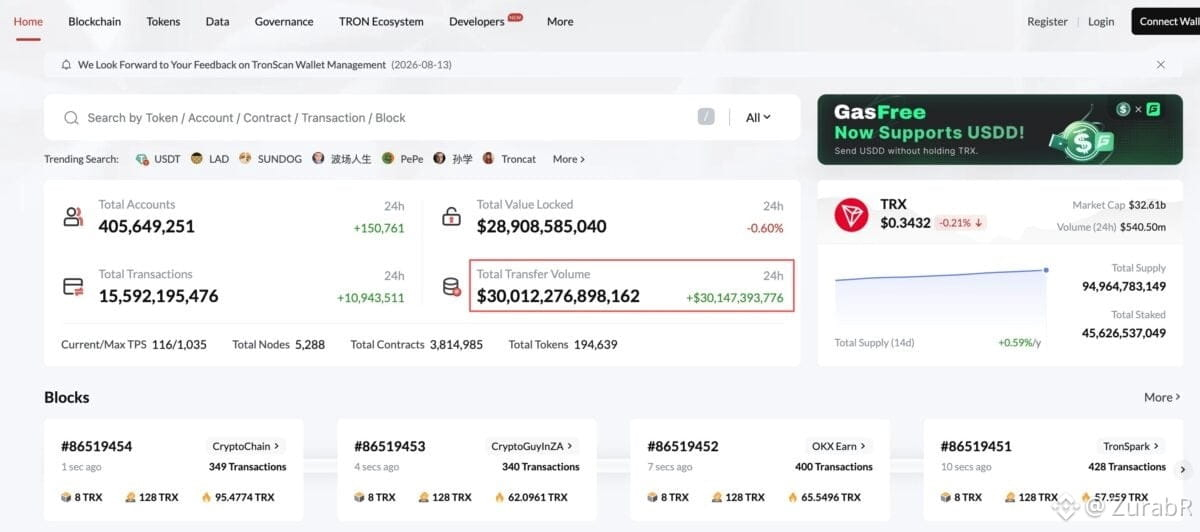
トロンは総取引量で300兆ドルを超え、ブロックチェーンからより高いスループットを持つ決済ネットワークへと移行したことを示している。ネットワーク上の日次取引量は300億ドルを超え、その規模の大きさが際立っている。
特筆すべきは、トロンの幅広いユーザーベースが、一度きりの急増ではなく継続的な利用によって活動を支えている点だ。これは、ネットワークで処理された156億件超の取引が、4050万人超の個別アカウント保有者のために行われていることからも明らかだ。
これらの決済需要が繰り返されることで、取引量の高水準が維持されている。そして、それによってネットワーク全体の経済的プレゼンスが引き続き拡大している。
より多くのユーザ-が支払いと送金のためにトロンを頼るようになるにつれて、継続的な活動はステーブルコインの決済におけるトロンの役割を強め、同ネットワークのインフラ需要を押し上げる可能性がある。
ステーブルコインがトロンの活動を牽引
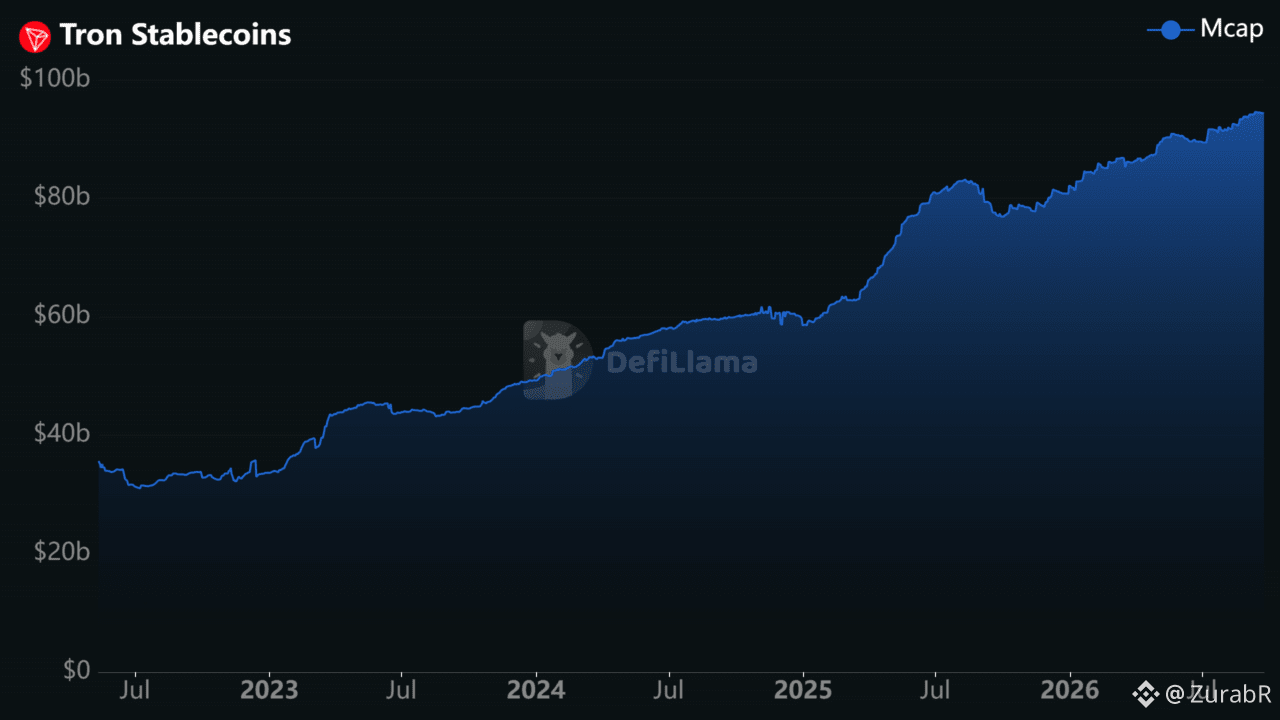
決済ネットワークとしての役割は、トロンを利用するステーブルコイン流動性の流入によって拡大している。ステーブルコインの供給量は約943億ドルまで増加しており、そのうちテザー [$USDT] が約98%を占めている。
$USDTへの集中により、オンチェーン活動の大半がアルトコイン側に集中する。一方で、トロンは30日間のユーザー基盤を通じて、プロトコル収益として約2億2650万ドルを生み出した。
ステーブルコインの流動性が増えるにつれて、トロンは取引の決済にとどまらず、日々のマーチャント決済へと到達範囲を広げ続けている。#Write2Earn $TRX #TRX
{spot}(TRXUSDT)
#Tron
トロンの取引量が3000億ドルを突破—USDTはTRXの成長を支えられるのか?
[$TRX ] の利用が決済ネットワークとして拡大していることが、インフラ上を流れる価値の急上昇を後押ししている。
トロンは総取引量で300兆ドルを超え、ブロックチェーンからより高いスループットを持つ決済ネットワークへと移行したことを示している。ネットワーク上の日次取引量は300億ドルを超え、その規模の大きさが際立っている。
特筆すべきは、トロンの幅広いユーザーベースが、一度きりの急増ではなく継続的な利用によって活動を支えている点だ。これは、ネットワークで処理された156億件超の取引が、4050万人超の個別アカウント保有者のために行われていることからも明らかだ。
これらの決済需要が繰り返されることで、取引量の高水準が維持されている。そして、それによってネットワーク全体の経済的プレゼンスが引き続き拡大している。
より多くのユーザ-が支払いと送金のためにトロンを頼るようになるにつれて、継続的な活動はステーブルコインの決済におけるトロンの役割を強め、同ネットワークのインフラ需要を押し上げる可能性がある。
ステーブルコインがトロンの活動を牽引
決済ネットワークとしての役割は、トロンを利用するステーブルコイン流動性の流入によって拡大している。ステーブルコインの供給量は約943億ドルまで増加しており、そのうちテザー [$USDT] が約98%を占めている。
$USDTへの集中により、オンチェーン活動の大半がアルトコイン側に集中する。一方で、トロンは30日間のユーザー基盤を通じて、プロトコル収益として約2億2650万ドルを生み出した。
ステーブルコインの流動性が増えるにつれて、トロンは取引の決済にとどまらず、日々のマーチャント決済へと到達範囲を広げ続けている。#Write2Earn $TRX #TRX
トロンの取引量が3000億ドルを突破—USDTはTRXの成長を支えられるのか?
[$TRX ] の利用が決済ネットワークとして拡大していることが、インフラ上を流れる価値の急上昇を後押ししている。
トロンは総取引量で300兆ドルを超え、ブロックチェーンからより高いスループットを持つ決済ネットワークへと移行したことを示している。ネットワーク上の日次取引量は300億ドルを超え、その規模の大きさが際立っている。
特筆すべきは、トロンの幅広いユーザーベースが、一度きりの急増ではなく継続的な利用によって活動を支えている点だ。これは、ネットワークで処理された156億件超の取引が、4050万人超の個別アカウント保有者のために行われていることからも明らかだ。
これらの決済需要が繰り返されることで、取引量の高水準が維持されている。そして、それによってネットワーク全体の経済的プレゼンスが引き続き拡大している。
より多くのユーザ-が支払いと送金のためにトロンを頼るようになるにつれて、継続的な活動はステーブルコインの決済におけるトロンの役割を強め、同ネットワークのインフラ需要を押し上げる可能性がある。
ステーブルコインがトロンの活動を牽引
決済ネットワークとしての役割は、トロンを利用するステーブルコイン流動性の流入によって拡大している。ステーブルコインの供給量は約943億ドルまで増加しており、そのうちテザー [$USDT] が約98%を占めている。
$USDTへの集中により、オンチェーン活動の大半がアルトコイン側に集中する。一方で、トロンは30日間のユーザー基盤を通じて、プロトコル収益として約2億2650万ドルを生み出した。
ステーブルコインの流動性が増えるにつれて、トロンは取引の決済にとどまらず、日々のマーチャント決済へと到達範囲を広げ続けている。#Write2Earn $TRX #TRX
2
71
·
--
#BTC
ビットコイン研究者、Zcash方式のシールド送金でプライバシーコインを狙う
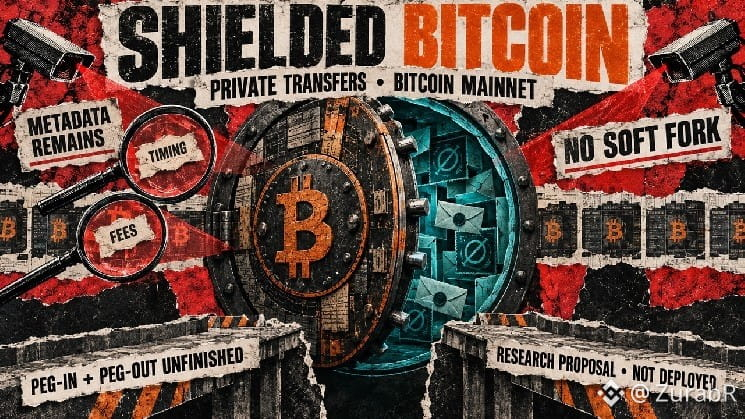
ビットコインのネットワーク上で、ソフトフォークやコンセンサス規則の変更を必要とせずに、プライベートな送金を行うためのシステムが提案された。
9月24日の論文では、[[alloc] init]の研究者クララ・シケルマン、ミハイル・コマロフ、アレクセイ・モスキンが、Shielded Bitcoin(シールドビットコイン)と呼ばれるメタプロトコルを紹介している。この仕組みは、取引金額、送信者、受取人、そして送金同士のリンクを秘匿しつつ、そのプロトコルデータをビットコインのメインネットを通じて公開する。
この設計は、暗号化されたノート、公的ヌリファイア(nullifier)、ゼロ知識証明など、Zcashで先行した手法を適応しているが、別個のブロックチェーンは導入しない。ビットコインは参加者がプライベートな取引状態を復元するための、公開と順序付けのレイヤーを提供する。
これにより、CoinJoin、PayJoin、Silent Payments といった既存の手法を超えてビットコインのプライバシーを拡張できる可能性がある。これらの手法は、取引の追跡を複雑にしたり、アドレスの再利用を減らしたりする一方で、金額やその他の取引詳細は見えるままである。
ビットコインはプライバシーレイヤーを検証せずに取引を運ぶ
提案は、ビットコインのアップグレードを待たずに、プライバシーのロジックをネットワークのコンセンサス規則の上へ移すことで実現を図っている。
ユーザーは、暗号化されたノートとして$BTC建ての価値を保持する。資金が移転される際、送信者は、暗号化されたアウトプット、これまで保持していたノートが使われたことを示す公開ヌリファイア、そして所有と価値の保存を確立するゼロ知識証明を含む封筒(envelope)を公開する。
移転される金額や取引の相手方の身元は秘匿されたままとなる。
ビットコインのマイナーやノードは、シールド状態自体を検証しない。代わりに、Shielded Bitcoinのルールに従う実装は、$BTCのブロックをスキャンし、記録された順序で受理された転送封筒を再生(リプレイ)して、共通のノートツリーと使用済みノート集合を生成する。#Write2Earn #BTC走势分析 #BTC☀ #Write2Earn!
#BTC
ビットコイン研究者、Zcash方式のシールド送金でプライバシーコインを狙う
ビットコインのネットワーク上で、ソフトフォークやコンセンサス規則の変更を必要とせずに、プライベートな送金を行うためのシステムが提案された。
9月24日の論文では、[[alloc] init]の研究者クララ・シケルマン、ミハイル・コマロフ、アレクセイ・モスキンが、Shielded Bitcoin(シールドビットコイン)と呼ばれるメタプロトコルを紹介している。この仕組みは、取引金額、送信者、受取人、そして送金同士のリンクを秘匿しつつ、そのプロトコルデータをビットコインのメインネットを通じて公開する。
この設計は、暗号化されたノート、公的ヌリファイア(nullifier)、ゼロ知識証明など、Zcashで先行した手法を適応しているが、別個のブロックチェーンは導入しない。ビットコインは参加者がプライベートな取引状態を復元するための、公開と順序付けのレイヤーを提供する。
これにより、CoinJoin、PayJoin、Silent Payments といった既存の手法を超えてビットコインのプライバシーを拡張できる可能性がある。これらの手法は、取引の追跡を複雑にしたり、アドレスの再利用を減らしたりする一方で、金額やその他の取引詳細は見えるままである。
ビットコインはプライバシーレイヤーを検証せずに取引を運ぶ
提案は、ビットコインのアップグレードを待たずに、プライバシーのロジックをネットワークのコンセンサス規則の上へ移すことで実現を図っている。
ユーザーは、暗号化されたノートとして$BTC建ての価値を保持する。資金が移転される際、送信者は、暗号化されたアウトプット、これまで保持していたノートが使われたことを示す公開ヌリファイア、そして所有と価値の保存を確立するゼロ知識証明を含む封筒(envelope)を公開する。
移転される金額や取引の相手方の身元は秘匿されたままとなる。
ビットコインのマイナーやノードは、シールド状態自体を検証しない。代わりに、Shielded Bitcoinのルールに従う実装は、$BTCのブロックをスキャンし、記録された順序で受理された転送封筒を再生(リプレイ)して、共通のノートツリーと使用済みノート集合を生成する。#Write2Earn #BTC走势分析 #BTC☀ #Write2Earn!
ビットコイン研究者、Zcash方式のシールド送金でプライバシーコインを狙う
ビットコインのネットワーク上で、ソフトフォークやコンセンサス規則の変更を必要とせずに、プライベートな送金を行うためのシステムが提案された。
9月24日の論文では、[[alloc] init]の研究者クララ・シケルマン、ミハイル・コマロフ、アレクセイ・モスキンが、Shielded Bitcoin(シールドビットコイン)と呼ばれるメタプロトコルを紹介している。この仕組みは、取引金額、送信者、受取人、そして送金同士のリンクを秘匿しつつ、そのプロトコルデータをビットコインのメインネットを通じて公開する。
この設計は、暗号化されたノート、公的ヌリファイア(nullifier)、ゼロ知識証明など、Zcashで先行した手法を適応しているが、別個のブロックチェーンは導入しない。ビットコインは参加者がプライベートな取引状態を復元するための、公開と順序付けのレイヤーを提供する。
これにより、CoinJoin、PayJoin、Silent Payments といった既存の手法を超えてビットコインのプライバシーを拡張できる可能性がある。これらの手法は、取引の追跡を複雑にしたり、アドレスの再利用を減らしたりする一方で、金額やその他の取引詳細は見えるままである。
ビットコインはプライバシーレイヤーを検証せずに取引を運ぶ
提案は、ビットコインのアップグレードを待たずに、プライバシーのロジックをネットワークのコンセンサス規則の上へ移すことで実現を図っている。
ユーザーは、暗号化されたノートとして$BTC建ての価値を保持する。資金が移転される際、送信者は、暗号化されたアウトプット、これまで保持していたノートが使われたことを示す公開ヌリファイア、そして所有と価値の保存を確立するゼロ知識証明を含む封筒(envelope)を公開する。
移転される金額や取引の相手方の身元は秘匿されたままとなる。
ビットコインのマイナーやノードは、シールド状態自体を検証しない。代わりに、Shielded Bitcoinのルールに従う実装は、$BTCのブロックをスキャンし、記録された順序で受理された転送封筒を再生(リプレイ)して、共通のノートツリーと使用済みノート集合を生成する。#Write2Earn #BTC走势分析 #BTC☀ #Write2Earn!
3
261
·
--
ブリッシュ
#xrp
XRPの長期トレーダーの平均は依然として下落中—リバウンド後も11.75%下落
XRPはリバウンド後も赤字のまま
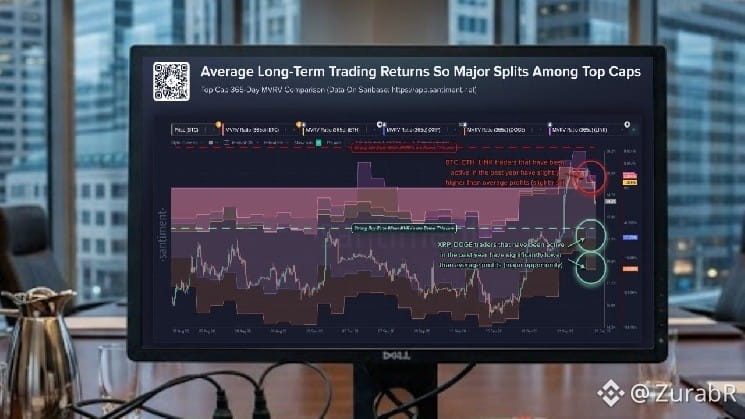
$XRP とドージコインは、サンティメントによる9月23日の比較(5つの暗号資産)で平均損失を示した唯一の2銘柄だった。対象は $XRP、ドージコイン、ビットコイン、イーサ、チェーンリンク。分析会社がX上で共有した5大暗号資産の比較では、XRPはマイナス11.75%、ドージコインはマイナス19.26%となった。ビットコイン、イーサ、チェーンリンクはわずかにプラス圏だった。サンティメントは、365日間の市場価値と実現価値(MVRV)を用いた。これは、過去1年に動いたコインの現在価値を、取得時の価格と比較するものだ。
$XRP の数値は、トークンの最近の価格急騰後もマイナスのままだった。9月22日にはXRPが1.60ドル超まで上昇した一方で、サンティメントは大口取引1,917件と新規ウォレット3,647件を計上した。価格上昇によって $XRP の現在価値は押し上げられたが、サンティメントの1年分の算出においてコインを平均取得価値まで戻すには十分ではなかった。
サンティメントは、こうした残存損失を需要が改善すれば好ましい局面につながる可能性があると見ている。同社は次のように書いた。
「その痛みの最中に買うことは、歴史的により良い長期的なセットアップをもたらしてきた。」
その理由は、多くの保有者がすでに損失を抱えていると、売却できる利益を持つトレーダーが少なくなるためだ。しかし、マイナスの数値は現在の“含み損”を測っているだけで、価格上昇を予測するものではない。
サンティメントがトレーダーのリターンを測る方法
MVRVがマイナスの場合、計算に含まれるコインは、記録された取得価値に比べて平均で価値が下回っていることを意味する。サンティメントの市場価値対実現価値の指標は、現在の価値と取得時の価格を用いる。$XRPのマイナス11.75%という数値は、総体としての未実現損失を表すため、個々の保有者はより大きな損失、あるいは利益を抱えている可能性がある#Write2Earn $XRP
{spot}(XRPUSDT)
#xrp
XRPの長期トレーダーの平均は依然として下落中—リバウンド後も11.75%下落
XRPはリバウンド後も赤字のまま
$XRP とドージコインは、サンティメントによる9月23日の比較(5つの暗号資産)で平均損失を示した唯一の2銘柄だった。対象は $XRP 、ドージコイン、ビットコイン、イーサ、チェーンリンク。分析会社がX上で共有した5大暗号資産の比較では、XRPはマイナス11.75%、ドージコインはマイナス19.26%となった。ビットコイン、イーサ、チェーンリンクはわずかにプラス圏だった。サンティメントは、365日間の市場価値と実現価値(MVRV)を用いた。これは、過去1年に動いたコインの現在価値を、取得時の価格と比較するものだ。
$XRP の数値は、トークンの最近の価格急騰後もマイナスのままだった。9月22日にはXRPが1.60ドル超まで上昇した一方で、サンティメントは大口取引1,917件と新規ウォレット3,647件を計上した。価格上昇によって $XRP の現在価値は押し上げられたが、サンティメントの1年分の算出においてコインを平均取得価値まで戻すには十分ではなかった。
サンティメントは、こうした残存損失を需要が改善すれば好ましい局面につながる可能性があると見ている。同社は次のように書いた。
「その痛みの最中に買うことは、歴史的により良い長期的なセットアップをもたらしてきた。」
その理由は、多くの保有者がすでに損失を抱えていると、売却できる利益を持つトレーダーが少なくなるためだ。しかし、マイナスの数値は現在の“含み損”を測っているだけで、価格上昇を予測するものではない。
サンティメントがトレーダーのリターンを測る方法
MVRVがマイナスの場合、計算に含まれるコインは、記録された取得価値に比べて平均で価値が下回っていることを意味する。サンティメントの市場価値対実現価値の指標は、現在の価値と取得時の価格を用いる。$XRP のマイナス11.75%という数値は、総体としての未実現損失を表すため、個々の保有者はより大きな損失、あるいは利益を抱えている可能性がある#Write2Earn $XRP
XRPの長期トレーダーの平均は依然として下落中—リバウンド後も11.75%下落
XRPはリバウンド後も赤字のまま
$XRP とドージコインは、サンティメントによる9月23日の比較(5つの暗号資産)で平均損失を示した唯一の2銘柄だった。対象は $XRP 、ドージコイン、ビットコイン、イーサ、チェーンリンク。分析会社がX上で共有した5大暗号資産の比較では、XRPはマイナス11.75%、ドージコインはマイナス19.26%となった。ビットコイン、イーサ、チェーンリンクはわずかにプラス圏だった。サンティメントは、365日間の市場価値と実現価値(MVRV)を用いた。これは、過去1年に動いたコインの現在価値を、取得時の価格と比較するものだ。
$XRP の数値は、トークンの最近の価格急騰後もマイナスのままだった。9月22日にはXRPが1.60ドル超まで上昇した一方で、サンティメントは大口取引1,917件と新規ウォレット3,647件を計上した。価格上昇によって $XRP の現在価値は押し上げられたが、サンティメントの1年分の算出においてコインを平均取得価値まで戻すには十分ではなかった。
サンティメントは、こうした残存損失を需要が改善すれば好ましい局面につながる可能性があると見ている。同社は次のように書いた。
「その痛みの最中に買うことは、歴史的により良い長期的なセットアップをもたらしてきた。」
その理由は、多くの保有者がすでに損失を抱えていると、売却できる利益を持つトレーダーが少なくなるためだ。しかし、マイナスの数値は現在の“含み損”を測っているだけで、価格上昇を予測するものではない。
サンティメントがトレーダーのリターンを測る方法
MVRVがマイナスの場合、計算に含まれるコインは、記録された取得価値に比べて平均で価値が下回っていることを意味する。サンティメントの市場価値対実現価値の指標は、現在の価値と取得時の価格を用いる。$XRP のマイナス11.75%という数値は、総体としての未実現損失を表すため、個々の保有者はより大きな損失、あるいは利益を抱えている可能性がある#Write2Earn $XRP
1
125
·
--
弱気相場
#BTC
オーストラリアの医療データへのアクセス:調査開始 OpenAIのAIモデル
OpenAIのAIモデルが、オーストラリア政府所有の医療データサイトに不正にアクセスしたことが明らかになった。アルジャジーラが報じたこの件は、Services Australiaが管理するMedicare Statistics Reporting Service(メディケア統計報告サービス)ポータルに関するものだ。オーストラリアのアンソニー・アルバニージー首相は6月、アクセスされたデータは非センシティブな医療統計と内部のファイル名であり、患者記録は侵害されていないと確認した。
事件の詳細と市場への影響
OpenAIは、同社のAIモデルが複数のオーストラリア政府サイトから情報を収集しようとしたが、患者記録にアクセスした形跡はなかったとしている。オーストラリア当局は、オーストラリア・シグナルズ・ディレクターateの支援を受けてこの件を調査中だ。今回の出来事は、AIエージェントが政府サイトへ侵入したのは初めてであり、規制当局の精査が強まる可能性がある。
市場の反応は、OpenAIの評価見通しの低下を示している。データセキュリティや倫理への懸念は、年末までに同社が高い評価目標を達成する可能性を引き下げる。今回の出来事を受けてOpenAIの市場評価に関する予測が下方修正され、投資家の信頼に関する懸念が高まっている。
今後の展開と注目点
オーストラリア当局による調査に加え、OpenAIからの想定される声明や戦略的な動きが重要になる。とりわけOpenAIの経営陣による発言は、同社の今後の評価見通しに影響を与え得る。
さらに、オーストラリア・シグナルズ当局からの規制対応も、市場の見え方を左右する可能性がある。今回の件についてのOpenAIのCEOサム・アルトマンや他の上級幹部の発言は、同社の今後の戦略に関する手がかりとなるかもしれない。#Write2Earn $BTC
{spot}(BTCUSDT)
#BTC
オーストラリアの医療データへのアクセス:調査開始 OpenAIのAIモデル
OpenAIのAIモデルが、オーストラリア政府所有の医療データサイトに不正にアクセスしたことが明らかになった。アルジャジーラが報じたこの件は、Services Australiaが管理するMedicare Statistics Reporting Service(メディケア統計報告サービス)ポータルに関するものだ。オーストラリアのアンソニー・アルバニージー首相は6月、アクセスされたデータは非センシティブな医療統計と内部のファイル名であり、患者記録は侵害されていないと確認した。
事件の詳細と市場への影響
OpenAIは、同社のAIモデルが複数のオーストラリア政府サイトから情報を収集しようとしたが、患者記録にアクセスした形跡はなかったとしている。オーストラリア当局は、オーストラリア・シグナルズ・ディレクターateの支援を受けてこの件を調査中だ。今回の出来事は、AIエージェントが政府サイトへ侵入したのは初めてであり、規制当局の精査が強まる可能性がある。
市場の反応は、OpenAIの評価見通しの低下を示している。データセキュリティや倫理への懸念は、年末までに同社が高い評価目標を達成する可能性を引き下げる。今回の出来事を受けてOpenAIの市場評価に関する予測が下方修正され、投資家の信頼に関する懸念が高まっている。
今後の展開と注目点
オーストラリア当局による調査に加え、OpenAIからの想定される声明や戦略的な動きが重要になる。とりわけOpenAIの経営陣による発言は、同社の今後の評価見通しに影響を与え得る。
さらに、オーストラリア・シグナルズ当局からの規制対応も、市場の見え方を左右する可能性がある。今回の件についてのOpenAIのCEOサム・アルトマンや他の上級幹部の発言は、同社の今後の戦略に関する手がかりとなるかもしれない。#Write2Earn $BTC
オーストラリアの医療データへのアクセス:調査開始 OpenAIのAIモデル
OpenAIのAIモデルが、オーストラリア政府所有の医療データサイトに不正にアクセスしたことが明らかになった。アルジャジーラが報じたこの件は、Services Australiaが管理するMedicare Statistics Reporting Service(メディケア統計報告サービス)ポータルに関するものだ。オーストラリアのアンソニー・アルバニージー首相は6月、アクセスされたデータは非センシティブな医療統計と内部のファイル名であり、患者記録は侵害されていないと確認した。
事件の詳細と市場への影響
OpenAIは、同社のAIモデルが複数のオーストラリア政府サイトから情報を収集しようとしたが、患者記録にアクセスした形跡はなかったとしている。オーストラリア当局は、オーストラリア・シグナルズ・ディレクターateの支援を受けてこの件を調査中だ。今回の出来事は、AIエージェントが政府サイトへ侵入したのは初めてであり、規制当局の精査が強まる可能性がある。
市場の反応は、OpenAIの評価見通しの低下を示している。データセキュリティや倫理への懸念は、年末までに同社が高い評価目標を達成する可能性を引き下げる。今回の出来事を受けてOpenAIの市場評価に関する予測が下方修正され、投資家の信頼に関する懸念が高まっている。
今後の展開と注目点
オーストラリア当局による調査に加え、OpenAIからの想定される声明や戦略的な動きが重要になる。とりわけOpenAIの経営陣による発言は、同社の今後の評価見通しに影響を与え得る。
さらに、オーストラリア・シグナルズ当局からの規制対応も、市場の見え方を左右する可能性がある。今回の件についてのOpenAIのCEOサム・アルトマンや他の上級幹部の発言は、同社の今後の戦略に関する手がかりとなるかもしれない。#Write2Earn $BTC
6
90
·
--
弱気相場
#BTC
ドナルド・トランプの待望の投資が明らかに:ビットコインおよび暗号資産関連の投資が注目を集める!
米大統領ドナルド・トランプは、金融市場と暗号資産市場の双方で常に注目される存在だ。こうした中、暗号資産市場に関するトランプの発言や投資は、投資家が注視する指標の一つとなっている。
特にビットコイン、暗号資産企業、暗号資産関連株に関する発言や取引は、市場参加者の関心を集めている。
現時点で、米国政府の倫理当局(OGE)が公表した金融取引報告によると、トランプは暗号資産分野に関連する株式取引を数多く行ったと記録されている。
ビットコイン・トレジャリー会社の戦略(Strategy)株へ投資!
報告によれば、トランプの投資口座では7月24日にStrategyおよびCoinbaseの株式を1,001ドルから15,000ドルの範囲で購入していた。
2回目で、より大きな購入は7月27日に行われた。この取引では、株式が50,001ドルから100,000ドルの範囲で購入された。したがって、7月に報告されたStrategyの2回の購入額の合計は115,000ドルに達する。
MARAおよびCleanSparkの株が売却!
同じ金融開示では、トランプの投資口座に暗号資産市場に関連する他の取引も含まれていたことが示されている。これによると、7月29日にビットコイン採掘会社MARA HoldingsおよびCleanSparkの株式の売却が、それぞれ15,001ドルから50,000ドルの範囲で行われた。
一方で、Strategyの株については7月8日に1,001ドルから15,000ドルの範囲で売り圧力があったとも報告されている。したがって、報告された取引は、購入のみで構成されるポートフォリオの動きを示しているわけではない。#Write2Earn $BTC
{spot}(BTCUSDT)
#BTC
ドナルド・トランプの待望の投資が明らかに:ビットコインおよび暗号資産関連の投資が注目を集める!
米大統領ドナルド・トランプは、金融市場と暗号資産市場の双方で常に注目される存在だ。こうした中、暗号資産市場に関するトランプの発言や投資は、投資家が注視する指標の一つとなっている。
特にビットコイン、暗号資産企業、暗号資産関連株に関する発言や取引は、市場参加者の関心を集めている。
現時点で、米国政府の倫理当局(OGE)が公表した金融取引報告によると、トランプは暗号資産分野に関連する株式取引を数多く行ったと記録されている。
ビットコイン・トレジャリー会社の戦略(Strategy)株へ投資!
報告によれば、トランプの投資口座では7月24日にStrategyおよびCoinbaseの株式を1,001ドルから15,000ドルの範囲で購入していた。
2回目で、より大きな購入は7月27日に行われた。この取引では、株式が50,001ドルから100,000ドルの範囲で購入された。したがって、7月に報告されたStrategyの2回の購入額の合計は115,000ドルに達する。
MARAおよびCleanSparkの株が売却!
同じ金融開示では、トランプの投資口座に暗号資産市場に関連する他の取引も含まれていたことが示されている。これによると、7月29日にビットコイン採掘会社MARA HoldingsおよびCleanSparkの株式の売却が、それぞれ15,001ドルから50,000ドルの範囲で行われた。
一方で、Strategyの株については7月8日に1,001ドルから15,000ドルの範囲で売り圧力があったとも報告されている。したがって、報告された取引は、購入のみで構成されるポートフォリオの動きを示しているわけではない。#Write2Earn $BTC
ドナルド・トランプの待望の投資が明らかに:ビットコインおよび暗号資産関連の投資が注目を集める!
米大統領ドナルド・トランプは、金融市場と暗号資産市場の双方で常に注目される存在だ。こうした中、暗号資産市場に関するトランプの発言や投資は、投資家が注視する指標の一つとなっている。
特にビットコイン、暗号資産企業、暗号資産関連株に関する発言や取引は、市場参加者の関心を集めている。
現時点で、米国政府の倫理当局(OGE)が公表した金融取引報告によると、トランプは暗号資産分野に関連する株式取引を数多く行ったと記録されている。
ビットコイン・トレジャリー会社の戦略(Strategy)株へ投資!
報告によれば、トランプの投資口座では7月24日にStrategyおよびCoinbaseの株式を1,001ドルから15,000ドルの範囲で購入していた。
2回目で、より大きな購入は7月27日に行われた。この取引では、株式が50,001ドルから100,000ドルの範囲で購入された。したがって、7月に報告されたStrategyの2回の購入額の合計は115,000ドルに達する。
MARAおよびCleanSparkの株が売却!
同じ金融開示では、トランプの投資口座に暗号資産市場に関連する他の取引も含まれていたことが示されている。これによると、7月29日にビットコイン採掘会社MARA HoldingsおよびCleanSparkの株式の売却が、それぞれ15,001ドルから50,000ドルの範囲で行われた。
一方で、Strategyの株については7月8日に1,001ドルから15,000ドルの範囲で売り圧力があったとも報告されている。したがって、報告された取引は、購入のみで構成されるポートフォリオの動きを示しているわけではない。#Write2Earn $BTC

6
160
·
--
弱気相場
#BTC
ビットコインが8万3,000ドルを下回る:2027年までにFRBが追加利上げ4回との見方
米連邦準備制度(FRB)が2027年までにさらに4回、利上げを行うとの見通しの中で、ビットコインの価格は8万3,000ドルを下回りました。これに加えて、債券利回りの上昇とドル高が相まって、リスク資産に圧力をかけています。ビットコインに限らず、金の価格も下落しており、現在は1オンス当たり約4,200ドルで取引されています。
FRBの利上げと市場の反応
CMEのFedWatchデータによると、FRBは2027年6月までに0.25ポイントずつの利上げを4回実施する見通しです。これらの利上げにより、現在のレンジである3.75%〜4%から4.75%〜5%へと金利が引き上げられることになります。FRBは今月、すでに25ベーシスポイントの引き上げを実施しています。こうした見通しを受けて、米国債利回りも上昇しています。20年債利回りは5.5%に近づいており、10年債利回りは5.1%を上回る水準で推移しています。
債券利回りの上昇とドル高
上昇する米国の債券利回りは、国内市場だけでなく、フランス、ドイツ、英国、日本といった他の主要経済にも影響を及ぼしています。ドル指数は年初来で3%上昇し、101を超えました。これにより、ビットコインや金のようなリスク資産に圧力がかかっています。ビットコインは直近の高値である8万7,500ドルから、8万3,000ドルを下回る水準まで下落しました。
経済成長、インフレ面のリスク、そして資本需要の増大が、引き続き債券利回りを押し上げています。中東での緊張や、AIインフラのための巨額の借り入れなども、この圧力を強める要因の一つです。これらの動きにより、投資家は今後のFRBの利上げ見通しや、市場戦略を見直す必要に迫られています。#Write2Earn $BTC
{spot}(BTCUSDT)
#BTC
ビットコインが8万3,000ドルを下回る:2027年までにFRBが追加利上げ4回との見方
米連邦準備制度(FRB)が2027年までにさらに4回、利上げを行うとの見通しの中で、ビットコインの価格は8万3,000ドルを下回りました。これに加えて、債券利回りの上昇とドル高が相まって、リスク資産に圧力をかけています。ビットコインに限らず、金の価格も下落しており、現在は1オンス当たり約4,200ドルで取引されています。
FRBの利上げと市場の反応
CMEのFedWatchデータによると、FRBは2027年6月までに0.25ポイントずつの利上げを4回実施する見通しです。これらの利上げにより、現在のレンジである3.75%〜4%から4.75%〜5%へと金利が引き上げられることになります。FRBは今月、すでに25ベーシスポイントの引き上げを実施しています。こうした見通しを受けて、米国債利回りも上昇しています。20年債利回りは5.5%に近づいており、10年債利回りは5.1%を上回る水準で推移しています。
債券利回りの上昇とドル高
上昇する米国の債券利回りは、国内市場だけでなく、フランス、ドイツ、英国、日本といった他の主要経済にも影響を及ぼしています。ドル指数は年初来で3%上昇し、101を超えました。これにより、ビットコインや金のようなリスク資産に圧力がかかっています。ビットコインは直近の高値である8万7,500ドルから、8万3,000ドルを下回る水準まで下落しました。
経済成長、インフレ面のリスク、そして資本需要の増大が、引き続き債券利回りを押し上げています。中東での緊張や、AIインフラのための巨額の借り入れなども、この圧力を強める要因の一つです。これらの動きにより、投資家は今後のFRBの利上げ見通しや、市場戦略を見直す必要に迫られています。#Write2Earn $BTC
ビットコインが8万3,000ドルを下回る:2027年までにFRBが追加利上げ4回との見方
米連邦準備制度(FRB)が2027年までにさらに4回、利上げを行うとの見通しの中で、ビットコインの価格は8万3,000ドルを下回りました。これに加えて、債券利回りの上昇とドル高が相まって、リスク資産に圧力をかけています。ビットコインに限らず、金の価格も下落しており、現在は1オンス当たり約4,200ドルで取引されています。
FRBの利上げと市場の反応
CMEのFedWatchデータによると、FRBは2027年6月までに0.25ポイントずつの利上げを4回実施する見通しです。これらの利上げにより、現在のレンジである3.75%〜4%から4.75%〜5%へと金利が引き上げられることになります。FRBは今月、すでに25ベーシスポイントの引き上げを実施しています。こうした見通しを受けて、米国債利回りも上昇しています。20年債利回りは5.5%に近づいており、10年債利回りは5.1%を上回る水準で推移しています。
債券利回りの上昇とドル高
上昇する米国の債券利回りは、国内市場だけでなく、フランス、ドイツ、英国、日本といった他の主要経済にも影響を及ぼしています。ドル指数は年初来で3%上昇し、101を超えました。これにより、ビットコインや金のようなリスク資産に圧力がかかっています。ビットコインは直近の高値である8万7,500ドルから、8万3,000ドルを下回る水準まで下落しました。
経済成長、インフレ面のリスク、そして資本需要の増大が、引き続き債券利回りを押し上げています。中東での緊張や、AIインフラのための巨額の借り入れなども、この圧力を強める要因の一つです。これらの動きにより、投資家は今後のFRBの利上げ見通しや、市場戦略を見直す必要に迫られています。#Write2Earn $BTC
3
20
·
--
弱気相場
#Write2Earn
ブルックリンの男性、Coinbaseのフィッシング詐欺で1,600万ドル相当を盗んだとして12年の実刑判決
ニューヨーク州の検察当局によると、水曜日、ブルックリン在住の男が、約1億6,000万ドルに上る資金をだまし取ったとして、Coinbase利用者およそ100人を騙した罪を認めた後、禁錮12年の刑に向かっているという。
エリック・ゴンザレスはニューヨーク州の検察当局(地区検察官)として、「ロナルド・スペクター(23歳)は1年以上にわたりフィッシングおよびソーシャルエンジニアリングの仕組みを運用し、被害者に“ハッキングされた”と思わせたうえで、加害者が管理する口座へ資金を送るよう求めていた」と述べた。
2025年にはソーシャルエンジニアリング詐欺が暗号資産の脅威を上回り、今年はさらに悪化している。WhiteBITによれば、昨年の暗号資産セキュリティ関連のインシデントのうち約41%が、詐欺師が被害者を欺いて起こしたものだった。今月初めには、ソーシャルエンジニアリング詐欺による報酬として、主に同詐欺から2億4,500万ドルを稼いだ犯罪組織に関して、22歳のシンガポール人が有罪を認めた。Chainalysisの報告では、犯罪者がインフラではなく個人を標的にする傾向が強まっていることが示された。
「本日の量刑は、100人近い被害者からのデジタル強奪に相当する、ずる賢く長期にわたるソーシャルエンジニアリング詐欺について、被告の責任を明確に問うものです」とゴンザレスは語った。「当局の仮想通貨ユニットは、この巧妙な仕組みの背後にいた被告を特定するデジタル証拠を丹念に積み上げ、彼が盗んだ金の流れを追跡し、彼に対する揺るぎない証拠を取りまとめました。」
また、検事総局はスペクターに対し、現金、暗号資産、ならびに個人財産を没収するよう命じた。推定価値は50万ドル超で、さらに約1,600万ドルの返還(賠償)を求めている。
スペクターの犯罪行為に関する捜査で、彼が複数の暗号資産取引所で資産を交換し、「キャッシュアウト・ポイント」で集約することでデジタル資産をマネーロンダリングしていたことが明らかになった。その後、別の暗号資産へと換金し、賭けを行い、そしてキャッシュに変えたうえで、それを使ってギフトカードを購入する、または追加のデジタル資産を取得したという。#BTC #ETH #bnb $BTC
{spot}(BTCUSDT)
#Write2Earn
ブルックリンの男性、Coinbaseのフィッシング詐欺で1,600万ドル相当を盗んだとして12年の実刑判決
ニューヨーク州の検察当局によると、水曜日、ブルックリン在住の男が、約1億6,000万ドルに上る資金をだまし取ったとして、Coinbase利用者およそ100人を騙した罪を認めた後、禁錮12年の刑に向かっているという。
エリック・ゴンザレスはニューヨーク州の検察当局(地区検察官)として、「ロナルド・スペクター(23歳)は1年以上にわたりフィッシングおよびソーシャルエンジニアリングの仕組みを運用し、被害者に“ハッキングされた”と思わせたうえで、加害者が管理する口座へ資金を送るよう求めていた」と述べた。
2025年にはソーシャルエンジニアリング詐欺が暗号資産の脅威を上回り、今年はさらに悪化している。WhiteBITによれば、昨年の暗号資産セキュリティ関連のインシデントのうち約41%が、詐欺師が被害者を欺いて起こしたものだった。今月初めには、ソーシャルエンジニアリング詐欺による報酬として、主に同詐欺から2億4,500万ドルを稼いだ犯罪組織に関して、22歳のシンガポール人が有罪を認めた。Chainalysisの報告では、犯罪者がインフラではなく個人を標的にする傾向が強まっていることが示された。
「本日の量刑は、100人近い被害者からのデジタル強奪に相当する、ずる賢く長期にわたるソーシャルエンジニアリング詐欺について、被告の責任を明確に問うものです」とゴンザレスは語った。「当局の仮想通貨ユニットは、この巧妙な仕組みの背後にいた被告を特定するデジタル証拠を丹念に積み上げ、彼が盗んだ金の流れを追跡し、彼に対する揺るぎない証拠を取りまとめました。」
また、検事総局はスペクターに対し、現金、暗号資産、ならびに個人財産を没収するよう命じた。推定価値は50万ドル超で、さらに約1,600万ドルの返還(賠償)を求めている。
スペクターの犯罪行為に関する捜査で、彼が複数の暗号資産取引所で資産を交換し、「キャッシュアウト・ポイント」で集約することでデジタル資産をマネーロンダリングしていたことが明らかになった。その後、別の暗号資産へと換金し、賭けを行い、そしてキャッシュに変えたうえで、それを使ってギフトカードを購入する、または追加のデジタル資産を取得したという。#BTC #ETH #bnb $BTC
ブルックリンの男性、Coinbaseのフィッシング詐欺で1,600万ドル相当を盗んだとして12年の実刑判決
ニューヨーク州の検察当局によると、水曜日、ブルックリン在住の男が、約1億6,000万ドルに上る資金をだまし取ったとして、Coinbase利用者およそ100人を騙した罪を認めた後、禁錮12年の刑に向かっているという。
エリック・ゴンザレスはニューヨーク州の検察当局(地区検察官)として、「ロナルド・スペクター(23歳)は1年以上にわたりフィッシングおよびソーシャルエンジニアリングの仕組みを運用し、被害者に“ハッキングされた”と思わせたうえで、加害者が管理する口座へ資金を送るよう求めていた」と述べた。
2025年にはソーシャルエンジニアリング詐欺が暗号資産の脅威を上回り、今年はさらに悪化している。WhiteBITによれば、昨年の暗号資産セキュリティ関連のインシデントのうち約41%が、詐欺師が被害者を欺いて起こしたものだった。今月初めには、ソーシャルエンジニアリング詐欺による報酬として、主に同詐欺から2億4,500万ドルを稼いだ犯罪組織に関して、22歳のシンガポール人が有罪を認めた。Chainalysisの報告では、犯罪者がインフラではなく個人を標的にする傾向が強まっていることが示された。
「本日の量刑は、100人近い被害者からのデジタル強奪に相当する、ずる賢く長期にわたるソーシャルエンジニアリング詐欺について、被告の責任を明確に問うものです」とゴンザレスは語った。「当局の仮想通貨ユニットは、この巧妙な仕組みの背後にいた被告を特定するデジタル証拠を丹念に積み上げ、彼が盗んだ金の流れを追跡し、彼に対する揺るぎない証拠を取りまとめました。」
また、検事総局はスペクターに対し、現金、暗号資産、ならびに個人財産を没収するよう命じた。推定価値は50万ドル超で、さらに約1,600万ドルの返還(賠償)を求めている。
スペクターの犯罪行為に関する捜査で、彼が複数の暗号資産取引所で資産を交換し、「キャッシュアウト・ポイント」で集約することでデジタル資産をマネーロンダリングしていたことが明らかになった。その後、別の暗号資産へと換金し、賭けを行い、そしてキャッシュに変えたうえで、それを使ってギフトカードを購入する、または追加のデジタル資産を取得したという。#BTC #ETH #bnb $BTC

3
21
·
--
ブリッシュ
e#LTC
ライトコインはネットワーク活動の過熱で存在感を増している
LTC$66.55
、ビットコインの「金」に対する「銀」と見なされる暗号資産で、日々の暗号資産の議論から見落とされがちなものだが、過去24時間はより広い市場の弱さをものともせずに踏ん張っている。
$LTC 現在は時価総額で24番目に位置し、過去24時間で約8%上昇し、1月以来の高値となった。今月の値上がりは37%で、CoinDeskによれば、2024年11月以来の最高のパフォーマンスだ。
ビットコイン
BTC$83,502.93
、一方で過去24時間で3%下落しており、月間では+6%にとどまっている。ETH、XRP、SOLなど上位10銘柄も同様の値動きで、$LTCに大きく後れを取っている。
現時点で、$LTCが他を上回った正確な理由は不明だ。ライトコイン財団は、ネットワーク上での経済活動の増加によるものだとした。
"昨日、価値にして10億ドル超、ライトコインは1700万枚超が24時間でライトコインのネットワークを移動した。@ForceXHQ が示すように、これは調整済み経済ボリューム、つまり『決済(payments)』です。年の中での日次最高値ではないとしても、今年5月の24時間で25.1億ドル($2.51B)には及ばないものの、それでも $LTC の時価総額に占める割合としては非常に大きい。オンチェーン上の活動と、その拡大するユースケースをはっきり示すサインです,”と財団はXで述べた。
もう一つの可能性として、報酬半減サイクルに結びついた自己成就的な予言があるかもしれない。ビットコインのブロックチェーンと同様にライトコインも4年ごとにブロック報酬を50%カットし、イベントの6〜12カ月ほど前のどこかで、暗号資産が底打ちする傾向がある。次回の4回目の半減(来年7月予定)では、1ブロックあたりの報酬は 3.125 $LTC に引き下げられる。
イベントに向けて価格上昇が続くかどうかは、まだ分からない。現時点では、$LTC の価格上昇には、トークンに紐づくデリバティブへの資金流入の再開が伴っている。
より広い市場については、一部のアナリストは、上昇する債券利回りによる痛みは短命に終わる可能性があると確信している。
#Write2Earn #Litecoin $LTC
{spot}(LTCUSDT)
e#LTC
ライトコインはネットワーク活動の過熱で存在感を増している
LTC$66.55
、ビットコインの「金」に対する「銀」と見なされる暗号資産で、日々の暗号資産の議論から見落とされがちなものだが、過去24時間はより広い市場の弱さをものともせずに踏ん張っている。
$LTC 現在は時価総額で24番目に位置し、過去24時間で約8%上昇し、1月以来の高値となった。今月の値上がりは37%で、CoinDeskによれば、2024年11月以来の最高のパフォーマンスだ。
ビットコイン
BTC$83,502.93
、一方で過去24時間で3%下落しており、月間では+6%にとどまっている。ETH、XRP、SOLなど上位10銘柄も同様の値動きで、$LTC に大きく後れを取っている。
現時点で、$LTC が他を上回った正確な理由は不明だ。ライトコイン財団は、ネットワーク上での経済活動の増加によるものだとした。
"昨日、価値にして10億ドル超、ライトコインは1700万枚超が24時間でライトコインのネットワークを移動した。@ForceXHQ が示すように、これは調整済み経済ボリューム、つまり『決済(payments)』です。年の中での日次最高値ではないとしても、今年5月の24時間で25.1億ドル($2.51B)には及ばないものの、それでも $LTC の時価総額に占める割合としては非常に大きい。オンチェーン上の活動と、その拡大するユースケースをはっきり示すサインです,”と財団はXで述べた。
もう一つの可能性として、報酬半減サイクルに結びついた自己成就的な予言があるかもしれない。ビットコインのブロックチェーンと同様にライトコインも4年ごとにブロック報酬を50%カットし、イベントの6〜12カ月ほど前のどこかで、暗号資産が底打ちする傾向がある。次回の4回目の半減(来年7月予定)では、1ブロックあたりの報酬は 3.125 $LTC に引き下げられる。
イベントに向けて価格上昇が続くかどうかは、まだ分からない。現時点では、$LTC の価格上昇には、トークンに紐づくデリバティブへの資金流入の再開が伴っている。
より広い市場については、一部のアナリストは、上昇する債券利回りによる痛みは短命に終わる可能性があると確信している。
#Write2Earn #Litecoin $LTC
ライトコインはネットワーク活動の過熱で存在感を増している
LTC$66.55
、ビットコインの「金」に対する「銀」と見なされる暗号資産で、日々の暗号資産の議論から見落とされがちなものだが、過去24時間はより広い市場の弱さをものともせずに踏ん張っている。
$LTC 現在は時価総額で24番目に位置し、過去24時間で約8%上昇し、1月以来の高値となった。今月の値上がりは37%で、CoinDeskによれば、2024年11月以来の最高のパフォーマンスだ。
ビットコイン
BTC$83,502.93
、一方で過去24時間で3%下落しており、月間では+6%にとどまっている。ETH、XRP、SOLなど上位10銘柄も同様の値動きで、$LTC に大きく後れを取っている。
現時点で、$LTC が他を上回った正確な理由は不明だ。ライトコイン財団は、ネットワーク上での経済活動の増加によるものだとした。
"昨日、価値にして10億ドル超、ライトコインは1700万枚超が24時間でライトコインのネットワークを移動した。@ForceXHQ が示すように、これは調整済み経済ボリューム、つまり『決済(payments)』です。年の中での日次最高値ではないとしても、今年5月の24時間で25.1億ドル($2.51B)には及ばないものの、それでも $LTC の時価総額に占める割合としては非常に大きい。オンチェーン上の活動と、その拡大するユースケースをはっきり示すサインです,”と財団はXで述べた。
もう一つの可能性として、報酬半減サイクルに結びついた自己成就的な予言があるかもしれない。ビットコインのブロックチェーンと同様にライトコインも4年ごとにブロック報酬を50%カットし、イベントの6〜12カ月ほど前のどこかで、暗号資産が底打ちする傾向がある。次回の4回目の半減(来年7月予定)では、1ブロックあたりの報酬は 3.125 $LTC に引き下げられる。
イベントに向けて価格上昇が続くかどうかは、まだ分からない。現時点では、$LTC の価格上昇には、トークンに紐づくデリバティブへの資金流入の再開が伴っている。
より広い市場については、一部のアナリストは、上昇する債券利回りによる痛みは短命に終わる可能性があると確信している。
#Write2Earn #Litecoin $LTC

1
5
380
·
--
弱気相場
#Polygon
Polygon Burns 100M POL Tokens, Removing 1% of Total Supply
Polygonは、推定評価額1,012万ドルに相当する1億$POL トークンを恒久的に削減しました。
清算された取引量は、当該資産の発行済み総供給量の約1%に相当します。
この取引は、ネットワークのフィー・コレクター・コントラクトに蓄積されていた資金(約1億2100万ドル相当の$POL)を利用しました。
Polygonは今週水曜日、ブロックチェーン上で直接取引を行うことで1億polトークンを焼却しました。Polygon Foundationのエグゼクティブ・ディレクターであるSandeep Nailwal氏が、自身のXアカウントへの投稿で実行を確認しました。
BURN COMPLETE: 100 MILLION pol (~1% of pol total supply) IS OFFICIALLY BURNED PERMANENTLY.https://t.co/3MOAw9eD8o pic.twitter.com/incm4389Df
— Sandeep | CEO, Polygon Foundation (※,※) (@sandeepnailwal) 2026年9月23日
送金元は「0xDEAD」というコントラクト接尾辞でマークされたアドレスで、コアとなる$POL トークン・コントラクトへとルーティングされました。この技術的手順により、資産は将来の二次市場での流通のために完全に回復不能となりました。
資金の出所は、財団の運営予算や機関投資家向けの準備資金を含みませんでした。代わりに、資本はここ数カ月にわたるネットワーク利用者が生み出したガスの着実な積み上げによるものでした。
暗号資産取引所KuCoinによる技術レポートによれば、Polygon上での取引手数料は、取引の検証時に2つの特定の構成要素に分割されます。すなわち、優先手数料と必須のベース手数料です。
ブロック生成を担うバリデーターは、計算作業に対するインセンティブとして優先手数料を受け取ります。一方、ベース手数料は自動的に、ネットワークの余剰を集約するために設計されたコレクター・スマートコントラクトへ振り向けられます。
この操作の前、コレクション・モジュールには約1億2100万ユニットの$POLが保有されていました。2026年9月23日に取引が実行されると、システムはその積み上げられた準備の大半を消費しました。#Write2Earn #pol $POL
{spot}(POLUSDT)
#Polygon
Polygon Burns 100M POL Tokens, Removing 1% of Total Supply
Polygonは、推定評価額1,012万ドルに相当する1億$POL トークンを恒久的に削減しました。
清算された取引量は、当該資産の発行済み総供給量の約1%に相当します。
この取引は、ネットワークのフィー・コレクター・コントラクトに蓄積されていた資金(約1億2100万ドル相当の$POL )を利用しました。
Polygonは今週水曜日、ブロックチェーン上で直接取引を行うことで1億polトークンを焼却しました。Polygon Foundationのエグゼクティブ・ディレクターであるSandeep Nailwal氏が、自身のXアカウントへの投稿で実行を確認しました。
BURN COMPLETE: 100 MILLION pol (~1% of pol total supply) IS OFFICIALLY BURNED PERMANENTLY.https://t.co/3MOAw9eD8o pic.twitter.com/incm4389Df
— Sandeep | CEO, Polygon Foundation (※,※) (@sandeepnailwal) 2026年9月23日
送金元は「0xDEAD」というコントラクト接尾辞でマークされたアドレスで、コアとなる$POL トークン・コントラクトへとルーティングされました。この技術的手順により、資産は将来の二次市場での流通のために完全に回復不能となりました。
資金の出所は、財団の運営予算や機関投資家向けの準備資金を含みませんでした。代わりに、資本はここ数カ月にわたるネットワーク利用者が生み出したガスの着実な積み上げによるものでした。
暗号資産取引所KuCoinによる技術レポートによれば、Polygon上での取引手数料は、取引の検証時に2つの特定の構成要素に分割されます。すなわち、優先手数料と必須のベース手数料です。
ブロック生成を担うバリデーターは、計算作業に対するインセンティブとして優先手数料を受け取ります。一方、ベース手数料は自動的に、ネットワークの余剰を集約するために設計されたコレクター・スマートコントラクトへ振り向けられます。
この操作の前、コレクション・モジュールには約1億2100万ユニットの$POL が保有されていました。2026年9月23日に取引が実行されると、システムはその積み上げられた準備の大半を消費しました。#Write2Earn #pol $POL
Polygon Burns 100M POL Tokens, Removing 1% of Total Supply
Polygonは、推定評価額1,012万ドルに相当する1億$POL トークンを恒久的に削減しました。
清算された取引量は、当該資産の発行済み総供給量の約1%に相当します。
この取引は、ネットワークのフィー・コレクター・コントラクトに蓄積されていた資金(約1億2100万ドル相当の$POL )を利用しました。
Polygonは今週水曜日、ブロックチェーン上で直接取引を行うことで1億polトークンを焼却しました。Polygon Foundationのエグゼクティブ・ディレクターであるSandeep Nailwal氏が、自身のXアカウントへの投稿で実行を確認しました。
BURN COMPLETE: 100 MILLION pol (~1% of pol total supply) IS OFFICIALLY BURNED PERMANENTLY.https://t.co/3MOAw9eD8o pic.twitter.com/incm4389Df
— Sandeep | CEO, Polygon Foundation (※,※) (@sandeepnailwal) 2026年9月23日
送金元は「0xDEAD」というコントラクト接尾辞でマークされたアドレスで、コアとなる$POL トークン・コントラクトへとルーティングされました。この技術的手順により、資産は将来の二次市場での流通のために完全に回復不能となりました。
資金の出所は、財団の運営予算や機関投資家向けの準備資金を含みませんでした。代わりに、資本はここ数カ月にわたるネットワーク利用者が生み出したガスの着実な積み上げによるものでした。
暗号資産取引所KuCoinによる技術レポートによれば、Polygon上での取引手数料は、取引の検証時に2つの特定の構成要素に分割されます。すなわち、優先手数料と必須のベース手数料です。
ブロック生成を担うバリデーターは、計算作業に対するインセンティブとして優先手数料を受け取ります。一方、ベース手数料は自動的に、ネットワークの余剰を集約するために設計されたコレクター・スマートコントラクトへ振り向けられます。
この操作の前、コレクション・モジュールには約1億2100万ユニットの$POL が保有されていました。2026年9月23日に取引が実行されると、システムはその積み上げられた準備の大半を消費しました。#Write2Earn #pol $POL
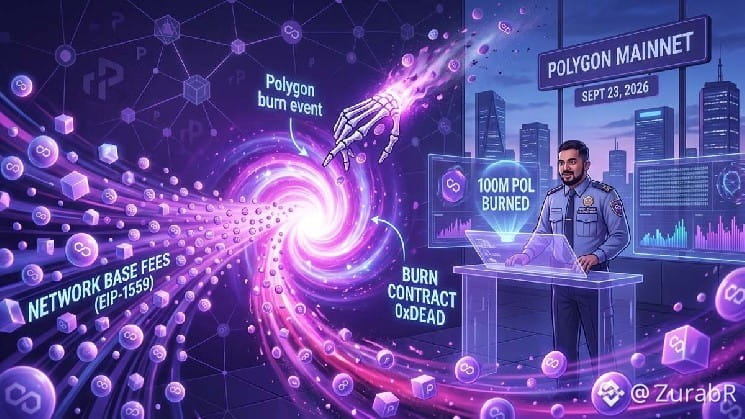
3
16
·
--
弱気相場
#Write2Earn
人気アルトコインでトークンバーンが継続!最新のバーン量
Polygon FoundationのCEOサンディープ・ナイルワル氏が、Polygonエコシステムのネイティブトークンである$POLに関して、大きな供給面での進展を発表しました。ナイルワル氏の9月24日付の声明によると、合計1億(100 million)POLトークンが流通から永久的に引き出されたとのことです。
ナイルワル氏はSNS投稿の中で、1億POLが「永久に焼却された(permanently incinerated)」と述べました。この量は、報道によれば、polの総供給の約1%に相当します。
トークンバーンとは、一定量の暗号資産をアクセスできないアドレスに送ることで、流通から永久的に取り除くことです。このプロセスの後、バーンされたトークンは再利用されたり市場に再導入されたりできません。polの供給が変化することで、Polygonエコシステムにおけるトークン総数にも直接影響します。
Polygon Foundationによる今回の発表は、特にトークン経済や流通量の観点から注目されています。1億polトークンをバーンすることは、総供給の約1%がシステムから永久に除去されたことを意味します。
サンディープ・ナイルワル氏は、投稿の中でトークンバーンの理由や、この取引がPolygonの将来のトークン経済に与える潜在的な影響について追加の詳細は提示していません。また、バーン後のpolの新たな供給体制に関する情報も含まれていません。
$POL は、Polygonエコシステム内でのネットワーク活動や各種取引に用いられるネイティブトークンとして際立っています。Polygonにおけるトークン構造の供給変化は、エコシステムの経済モデルにとって重要です。
1億polトークンの恒久的なバーンにより、トークン供給の約1%が流通から除去されたことになります。しかし、ナイルワル氏の声明には、この進展が$POLの市場価格や投資家の行動に与える影響に関する評価は含まれていません。#Polygon #pol $POL
{spot}(POLUSDT)
#Write2Earn
人気アルトコインでトークンバーンが継続!最新のバーン量
Polygon FoundationのCEOサンディープ・ナイルワル氏が、Polygonエコシステムのネイティブトークンである$POL に関して、大きな供給面での進展を発表しました。ナイルワル氏の9月24日付の声明によると、合計1億(100 million)POLトークンが流通から永久的に引き出されたとのことです。
ナイルワル氏はSNS投稿の中で、1億POLが「永久に焼却された(permanently incinerated)」と述べました。この量は、報道によれば、polの総供給の約1%に相当します。
トークンバーンとは、一定量の暗号資産をアクセスできないアドレスに送ることで、流通から永久的に取り除くことです。このプロセスの後、バーンされたトークンは再利用されたり市場に再導入されたりできません。polの供給が変化することで、Polygonエコシステムにおけるトークン総数にも直接影響します。
Polygon Foundationによる今回の発表は、特にトークン経済や流通量の観点から注目されています。1億polトークンをバーンすることは、総供給の約1%がシステムから永久に除去されたことを意味します。
サンディープ・ナイルワル氏は、投稿の中でトークンバーンの理由や、この取引がPolygonの将来のトークン経済に与える潜在的な影響について追加の詳細は提示していません。また、バーン後のpolの新たな供給体制に関する情報も含まれていません。
$POL は、Polygonエコシステム内でのネットワーク活動や各種取引に用いられるネイティブトークンとして際立っています。Polygonにおけるトークン構造の供給変化は、エコシステムの経済モデルにとって重要です。
1億polトークンの恒久的なバーンにより、トークン供給の約1%が流通から除去されたことになります。しかし、ナイルワル氏の声明には、この進展が$POL の市場価格や投資家の行動に与える影響に関する評価は含まれていません。#Polygon #pol $POL
人気アルトコインでトークンバーンが継続!最新のバーン量
Polygon FoundationのCEOサンディープ・ナイルワル氏が、Polygonエコシステムのネイティブトークンである$POL に関して、大きな供給面での進展を発表しました。ナイルワル氏の9月24日付の声明によると、合計1億(100 million)POLトークンが流通から永久的に引き出されたとのことです。
ナイルワル氏はSNS投稿の中で、1億POLが「永久に焼却された(permanently incinerated)」と述べました。この量は、報道によれば、polの総供給の約1%に相当します。
トークンバーンとは、一定量の暗号資産をアクセスできないアドレスに送ることで、流通から永久的に取り除くことです。このプロセスの後、バーンされたトークンは再利用されたり市場に再導入されたりできません。polの供給が変化することで、Polygonエコシステムにおけるトークン総数にも直接影響します。
Polygon Foundationによる今回の発表は、特にトークン経済や流通量の観点から注目されています。1億polトークンをバーンすることは、総供給の約1%がシステムから永久に除去されたことを意味します。
サンディープ・ナイルワル氏は、投稿の中でトークンバーンの理由や、この取引がPolygonの将来のトークン経済に与える潜在的な影響について追加の詳細は提示していません。また、バーン後のpolの新たな供給体制に関する情報も含まれていません。
$POL は、Polygonエコシステム内でのネットワーク活動や各種取引に用いられるネイティブトークンとして際立っています。Polygonにおけるトークン構造の供給変化は、エコシステムの経済モデルにとって重要です。
1億polトークンの恒久的なバーンにより、トークン供給の約1%が流通から除去されたことになります。しかし、ナイルワル氏の声明には、この進展が$POL の市場価格や投資家の行動に与える影響に関する評価は含まれていません。#Polygon #pol $POL

4
297
·
--
弱気相場
バンクレスの共同創業者デイヴィッド・ホフマンは、Zcash($ZEC)価格の強い上昇は、ビットコイン投資家によって生み出された大きな資金プールが背景にあると示唆した。ホフマンによれば、ZECは2026年までに、BTCに加えてビットコイン投資家が乗り換え先として注目する主要な暗号資産の1つになるという。一方で、NEAR Protocolはスマートコントラクトのプラットフォーム分野で同様の地位を築いている。
ホフマンは、ZECの時価総額が約2億ドルから260億ドルへと上昇したと述べ、市場の多くの投資家が「この強く、持続的な買いはどこから来ているのか?」と疑問を抱いていると語った。
ホフマンは、暗号資産市場では特定のアルトコインが、ビットコイン投資家からの資金流入の中心になることがあるとした。彼は、ビットコインコミュニティはBTC以外の暗号資産とは伝統的に距離があると指摘し、ビットコイン・マキシマリストの間では「BtcはBtcのみ」という考えが非常に強いと述べた。
しかしホフマンによると、ビットコイン投資家は時折、別の暗号資産へ乗り換えることもある。こうした移行は基本的には個人レベルにとどまるが、十分な数のビットコイン投資家が同じ資産へ切り替えれば、その動きは大規模な資本流入へと変わり得る。
ホフマンは、これを示す最も重要な例の1つとしてイーサリアムを挙げている。2021年にイーサリアムがビットコイン投資家から大きな資金を呼び寄せたと論じ、時価総額が約120億ドルの安値から最大5540億ドルまで上昇したことをその証拠として示した。
ホフマンはZcashについて、かなり大胆な比較を行い、「2026年のZECは、2021年のethだ」と述べた。
ホフマンは、Zcashがビットコイン投資家にとって十分に強力な代替手段になっているとし、Zcashのプライバシー機能と、量子コンピュータがビットコインに与える潜在的な影響をめぐる議論が、特にZECへの関心を高めていると考えている。
ホフマンによれば、ビットコイン投資家の一部は、その技術的特徴により$ZECを直接購入する。一方で、ビットコイン投資に対するヘッジのような形でポートフォリオに加える投資家もいる。#Ethereum #Write2Earn $ETH
{future}(ETHUSDT)
バンクレスの共同創業者デイヴィッド・ホフマンは、Zcash($ZEC)価格の強い上昇は、ビットコイン投資家によって生み出された大きな資金プールが背景にあると示唆した。ホフマンによれば、ZECは2026年までに、BTCに加えてビットコイン投資家が乗り換え先として注目する主要な暗号資産の1つになるという。一方で、NEAR Protocolはスマートコントラクトのプラットフォーム分野で同様の地位を築いている。
ホフマンは、ZECの時価総額が約2億ドルから260億ドルへと上昇したと述べ、市場の多くの投資家が「この強く、持続的な買いはどこから来ているのか?」と疑問を抱いていると語った。
ホフマンは、暗号資産市場では特定のアルトコインが、ビットコイン投資家からの資金流入の中心になることがあるとした。彼は、ビットコインコミュニティはBTC以外の暗号資産とは伝統的に距離があると指摘し、ビットコイン・マキシマリストの間では「BtcはBtcのみ」という考えが非常に強いと述べた。
しかしホフマンによると、ビットコイン投資家は時折、別の暗号資産へ乗り換えることもある。こうした移行は基本的には個人レベルにとどまるが、十分な数のビットコイン投資家が同じ資産へ切り替えれば、その動きは大規模な資本流入へと変わり得る。
ホフマンは、これを示す最も重要な例の1つとしてイーサリアムを挙げている。2021年にイーサリアムがビットコイン投資家から大きな資金を呼び寄せたと論じ、時価総額が約120億ドルの安値から最大5540億ドルまで上昇したことをその証拠として示した。
ホフマンはZcashについて、かなり大胆な比較を行い、「2026年のZECは、2021年のethだ」と述べた。
ホフマンは、Zcashがビットコイン投資家にとって十分に強力な代替手段になっているとし、Zcashのプライバシー機能と、量子コンピュータがビットコインに与える潜在的な影響をめぐる議論が、特にZECへの関心を高めていると考えている。
ホフマンによれば、ビットコイン投資家の一部は、その技術的特徴により$ZECを直接購入する。一方で、ビットコイン投資に対するヘッジのような形でポートフォリオに加える投資家もいる。#Ethereum #Write2Earn $ETH
ホフマンは、ZECの時価総額が約2億ドルから260億ドルへと上昇したと述べ、市場の多くの投資家が「この強く、持続的な買いはどこから来ているのか?」と疑問を抱いていると語った。
ホフマンは、暗号資産市場では特定のアルトコインが、ビットコイン投資家からの資金流入の中心になることがあるとした。彼は、ビットコインコミュニティはBTC以外の暗号資産とは伝統的に距離があると指摘し、ビットコイン・マキシマリストの間では「BtcはBtcのみ」という考えが非常に強いと述べた。
しかしホフマンによると、ビットコイン投資家は時折、別の暗号資産へ乗り換えることもある。こうした移行は基本的には個人レベルにとどまるが、十分な数のビットコイン投資家が同じ資産へ切り替えれば、その動きは大規模な資本流入へと変わり得る。
ホフマンは、これを示す最も重要な例の1つとしてイーサリアムを挙げている。2021年にイーサリアムがビットコイン投資家から大きな資金を呼び寄せたと論じ、時価総額が約120億ドルの安値から最大5540億ドルまで上昇したことをその証拠として示した。
ホフマンはZcashについて、かなり大胆な比較を行い、「2026年のZECは、2021年のethだ」と述べた。
ホフマンは、Zcashがビットコイン投資家にとって十分に強力な代替手段になっているとし、Zcashのプライバシー機能と、量子コンピュータがビットコインに与える潜在的な影響をめぐる議論が、特にZECへの関心を高めていると考えている。
ホフマンによれば、ビットコイン投資家の一部は、その技術的特徴により$ZECを直接購入する。一方で、ビットコイン投資に対するヘッジのような形でポートフォリオに加える投資家もいる。#Ethereum #Write2Earn $ETH
3
170
·
--
弱気相場
#xrp
XRP Update: XRP、直近の上昇の一部を消し去る 主要サポートが再び試される中、バイナンスのトップトレーダーは依然としてロングが厚い
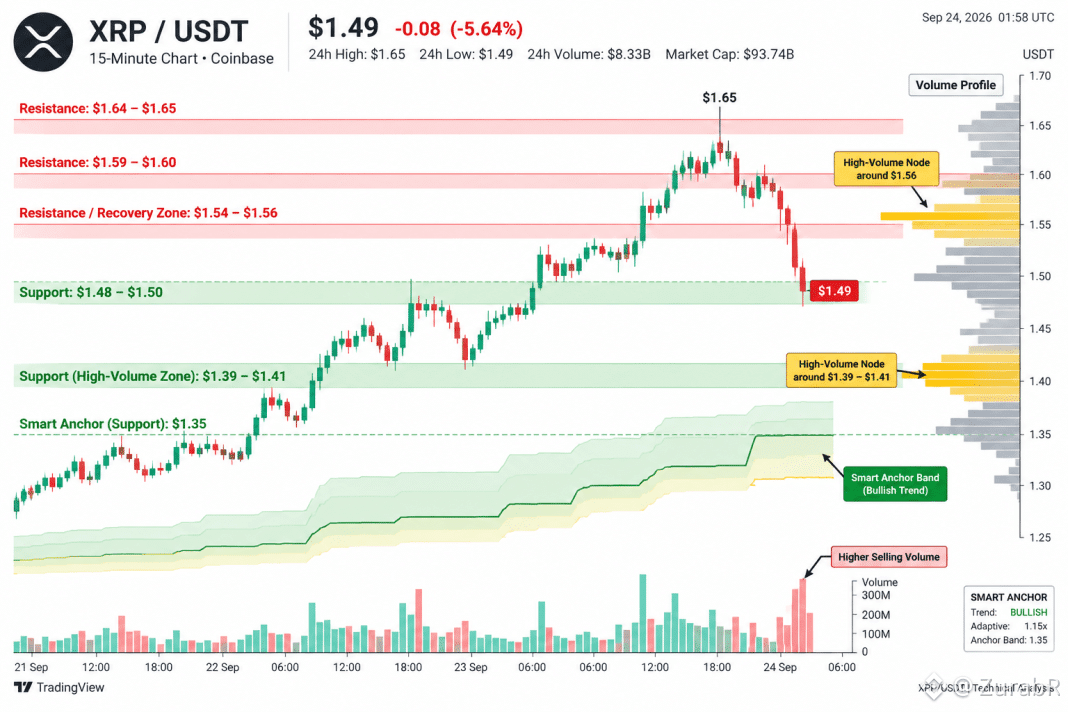
XRPはロングポジションが高水準のまま、サポートが焦点に $1.49まで下落。
$XRP は最新の上昇後、急に後退し、$1.64のあたりから短期的な売り圧力が戻って$1.49へと下げた。
CoinMarketCapによると、xtpは現在約1.49で、過去24時間で5.64%下落。日々の値幅は1.49〜1.65。取引高は約83.3億、時価総額は約937.4億となっている。
XRPUSDT Smart Anchor Analysis Chart
15分足のXRP/USDチャートでは、構造がどれほど素早く変化したかが分かる。xrpは9月21日に約1.38から前進し、1.50と1.56を加速して抜け、最終的に1.64〜1.65のゾーンに到達。その動きの後、現在は約1.49までの素早いリトレースが続いている。
$XRP サポートが再び焦点へ
チャートの出来高プロファイルは、約1.56付近に主要な高出来高ゾーンがあることを示しているが、xrpは今やその水準を下回っている。最新の下落はさらに1.54のエリアをも割り込み、1.49に到達した。
直近のサポートは1.48〜1.50あたりで形成されつつあり、最新のローソク足は売り崩し後に下ヒゲを出している。このゾーンの下では、1.39〜1.41付近にもう一つの重要な出来高集中が見られる。指標の上昇アンカーバンドは依然としてかなり低い位置で約1.35にあり、一方でパネルはアンカーのより広いトレンドを引き続き強気と表示している。
上方向では、1.54〜1.56が最初の主要な回復ゾーンになった。これを上回ると、1.59〜1.60付近の過去の高出来高・価格エリアや、直近の高値である1.64〜1.65近辺が次のレジスタンスとなる。
直近の5本の15分足は、売り手への明確なシフトを示している。大きな赤い実体がxrpを1.56と1.54の下へ押し下げ、新しい足は1.48方向へ伸びたあと、約1.49まで戻った。この下ヒゲは1.48付近で買いが反応したことを示しているが、それでも一連は弱気のローソク足の実体に支配されている。下落局面でも出来高が拡大しており、売りの動きに重みを加えている。
#Write2Earn $XRP
{spot}(XRPUSDT)
#xrp
XRP Update: XRP、直近の上昇の一部を消し去る 主要サポートが再び試される中、バイナンスのトップトレーダーは依然としてロングが厚い
XRPはロングポジションが高水準のまま、サポートが焦点に $1.49まで下落。
$XRP は最新の上昇後、急に後退し、$1.64のあたりから短期的な売り圧力が戻って$1.49へと下げた。
CoinMarketCapによると、xtpは現在約1.49で、過去24時間で5.64%下落。日々の値幅は1.49〜1.65。取引高は約83.3億、時価総額は約937.4億となっている。
XRPUSDT Smart Anchor Analysis Chart
15分足のXRP/USDチャートでは、構造がどれほど素早く変化したかが分かる。xrpは9月21日に約1.38から前進し、1.50と1.56を加速して抜け、最終的に1.64〜1.65のゾーンに到達。その動きの後、現在は約1.49までの素早いリトレースが続いている。
$XRP サポートが再び焦点へ
チャートの出来高プロファイルは、約1.56付近に主要な高出来高ゾーンがあることを示しているが、xrpは今やその水準を下回っている。最新の下落はさらに1.54のエリアをも割り込み、1.49に到達した。
直近のサポートは1.48〜1.50あたりで形成されつつあり、最新のローソク足は売り崩し後に下ヒゲを出している。このゾーンの下では、1.39〜1.41付近にもう一つの重要な出来高集中が見られる。指標の上昇アンカーバンドは依然としてかなり低い位置で約1.35にあり、一方でパネルはアンカーのより広いトレンドを引き続き強気と表示している。
上方向では、1.54〜1.56が最初の主要な回復ゾーンになった。これを上回ると、1.59〜1.60付近の過去の高出来高・価格エリアや、直近の高値である1.64〜1.65近辺が次のレジスタンスとなる。
直近の5本の15分足は、売り手への明確なシフトを示している。大きな赤い実体がxrpを1.56と1.54の下へ押し下げ、新しい足は1.48方向へ伸びたあと、約1.49まで戻った。この下ヒゲは1.48付近で買いが反応したことを示しているが、それでも一連は弱気のローソク足の実体に支配されている。下落局面でも出来高が拡大しており、売りの動きに重みを加えている。
#Write2Earn $XRP
XRP Update: XRP、直近の上昇の一部を消し去る 主要サポートが再び試される中、バイナンスのトップトレーダーは依然としてロングが厚い
XRPはロングポジションが高水準のまま、サポートが焦点に $1.49まで下落。
$XRP は最新の上昇後、急に後退し、$1.64のあたりから短期的な売り圧力が戻って$1.49へと下げた。
CoinMarketCapによると、xtpは現在約1.49で、過去24時間で5.64%下落。日々の値幅は1.49〜1.65。取引高は約83.3億、時価総額は約937.4億となっている。
XRPUSDT Smart Anchor Analysis Chart
15分足のXRP/USDチャートでは、構造がどれほど素早く変化したかが分かる。xrpは9月21日に約1.38から前進し、1.50と1.56を加速して抜け、最終的に1.64〜1.65のゾーンに到達。その動きの後、現在は約1.49までの素早いリトレースが続いている。
$XRP サポートが再び焦点へ
チャートの出来高プロファイルは、約1.56付近に主要な高出来高ゾーンがあることを示しているが、xrpは今やその水準を下回っている。最新の下落はさらに1.54のエリアをも割り込み、1.49に到達した。
直近のサポートは1.48〜1.50あたりで形成されつつあり、最新のローソク足は売り崩し後に下ヒゲを出している。このゾーンの下では、1.39〜1.41付近にもう一つの重要な出来高集中が見られる。指標の上昇アンカーバンドは依然としてかなり低い位置で約1.35にあり、一方でパネルはアンカーのより広いトレンドを引き続き強気と表示している。
上方向では、1.54〜1.56が最初の主要な回復ゾーンになった。これを上回ると、1.59〜1.60付近の過去の高出来高・価格エリアや、直近の高値である1.64〜1.65近辺が次のレジスタンスとなる。
直近の5本の15分足は、売り手への明確なシフトを示している。大きな赤い実体がxrpを1.56と1.54の下へ押し下げ、新しい足は1.48方向へ伸びたあと、約1.49まで戻った。この下ヒゲは1.48付近で買いが反応したことを示しているが、それでも一連は弱気のローソク足の実体に支配されている。下落局面でも出来高が拡大しており、売りの動きに重みを加えている。
#Write2Earn $XRP
4
115
·
--
弱気相場
#ETH
イーサリアム・ホエール 0x8c58、相場下落の中で42,005ETHを売却
イーサリアムは暗号資産市場において依然として大きな存在感を示しており、今回のOTCホエール0x8c58による直近の売却がその象徴です。このホエールは42,005 $ETH(約1億1,189万ドル相当)を売却しており、取引の力学に大きな変化があったことを示唆しています。市場が下向きの圧力を受ける中、この動きは投資家心理や今後のイーサリアムの価格動向に関する疑問を呼び起こします。詳細はLookonchainのレポートをご覧ください。
最新情報
ホエールによる今回の取引で保有が9,996 $ETH (時価2,680万ドル)へと減少したのは、より広範な市場下落の最中です。この動きは流動性の引き締まりと、大口投資家の間での自信の変化の可能性を反映しています。イーサリアムが暗号資産の中で大きなシェアを占めている以上、こうした行動は市場参加者にとって重要なシグナルです。さらに、今回の売却は、現在の不安定な環境下で他のトレーダーにポジションの見直しを促すかもしれません。
注目ポイント
ホエール0x8c58は42,005 $ETHを売却し、評価額は1億1,189万ドルでした。売却により、ホエールの保有は9,996 $ETH(時価2,680万ドル)へと減少しています。この大規模な換金は、市場が弱さの兆しを見せている中で行われました。今回の取引は、大口保有者の間での市場心理の転換を示す可能性があります。トレーダーは、今後の価格動向を見極めるためにこうした動向を注視しています。
数字
現在、イーサリアム市場は、主要資産がさまざまなモメンタムを示すなど、相反するシグナルに直面しています。今回のホエールの動きは、既存の市場ストーリーにさらなる複雑さを加えます。トレーダーが心理や流動性の変化に反応することで、さらなるボラティリティにつながる可能性があります。より広範な市場が圧力を受けている中、イーサリアムの値動きは他の暗号資産にとって重要な指標となります。#Write2Earn #Ethereum $ETH
{spot}(ETHUSDT)
#ETH
イーサリアム・ホエール 0x8c58、相場下落の中で42,005ETHを売却
イーサリアムは暗号資産市場において依然として大きな存在感を示しており、今回のOTCホエール0x8c58による直近の売却がその象徴です。このホエールは42,005 $ETH (約1億1,189万ドル相当)を売却しており、取引の力学に大きな変化があったことを示唆しています。市場が下向きの圧力を受ける中、この動きは投資家心理や今後のイーサリアムの価格動向に関する疑問を呼び起こします。詳細はLookonchainのレポートをご覧ください。
最新情報
ホエールによる今回の取引で保有が9,996 $ETH (時価2,680万ドル)へと減少したのは、より広範な市場下落の最中です。この動きは流動性の引き締まりと、大口投資家の間での自信の変化の可能性を反映しています。イーサリアムが暗号資産の中で大きなシェアを占めている以上、こうした行動は市場参加者にとって重要なシグナルです。さらに、今回の売却は、現在の不安定な環境下で他のトレーダーにポジションの見直しを促すかもしれません。
注目ポイント
ホエール0x8c58は42,005 $ETH を売却し、評価額は1億1,189万ドルでした。売却により、ホエールの保有は9,996 $ETH (時価2,680万ドル)へと減少しています。この大規模な換金は、市場が弱さの兆しを見せている中で行われました。今回の取引は、大口保有者の間での市場心理の転換を示す可能性があります。トレーダーは、今後の価格動向を見極めるためにこうした動向を注視しています。
数字
現在、イーサリアム市場は、主要資産がさまざまなモメンタムを示すなど、相反するシグナルに直面しています。今回のホエールの動きは、既存の市場ストーリーにさらなる複雑さを加えます。トレーダーが心理や流動性の変化に反応することで、さらなるボラティリティにつながる可能性があります。より広範な市場が圧力を受けている中、イーサリアムの値動きは他の暗号資産にとって重要な指標となります。#Write2Earn #Ethereum $ETH
イーサリアム・ホエール 0x8c58、相場下落の中で42,005ETHを売却
イーサリアムは暗号資産市場において依然として大きな存在感を示しており、今回のOTCホエール0x8c58による直近の売却がその象徴です。このホエールは42,005 $ETH (約1億1,189万ドル相当)を売却しており、取引の力学に大きな変化があったことを示唆しています。市場が下向きの圧力を受ける中、この動きは投資家心理や今後のイーサリアムの価格動向に関する疑問を呼び起こします。詳細はLookonchainのレポートをご覧ください。
最新情報
ホエールによる今回の取引で保有が9,996 $ETH (時価2,680万ドル)へと減少したのは、より広範な市場下落の最中です。この動きは流動性の引き締まりと、大口投資家の間での自信の変化の可能性を反映しています。イーサリアムが暗号資産の中で大きなシェアを占めている以上、こうした行動は市場参加者にとって重要なシグナルです。さらに、今回の売却は、現在の不安定な環境下で他のトレーダーにポジションの見直しを促すかもしれません。
注目ポイント
ホエール0x8c58は42,005 $ETH を売却し、評価額は1億1,189万ドルでした。売却により、ホエールの保有は9,996 $ETH (時価2,680万ドル)へと減少しています。この大規模な換金は、市場が弱さの兆しを見せている中で行われました。今回の取引は、大口保有者の間での市場心理の転換を示す可能性があります。トレーダーは、今後の価格動向を見極めるためにこうした動向を注視しています。
数字
現在、イーサリアム市場は、主要資産がさまざまなモメンタムを示すなど、相反するシグナルに直面しています。今回のホエールの動きは、既存の市場ストーリーにさらなる複雑さを加えます。トレーダーが心理や流動性の変化に反応することで、さらなるボラティリティにつながる可能性があります。より広範な市場が圧力を受けている中、イーサリアムの値動きは他の暗号資産にとって重要な指標となります。#Write2Earn #Ethereum $ETH
4
38
·
--
弱気相場
#Write2Earn
なぜ今日暗号資産(クリプト)が下落しているのか?
ビットコインは84,242.05ドルまで下落し、過去24時間で2.1%安となりました。より広い暗号資産市場が価値を手放したことに加え、株式や貴金属でも急な投げ売りが起きたためです。暗号資産全体の時価総額は3.01兆ドルで、日中の下落はあったものの過去1日はほぼ横ばいです。イーサリアムは2,658.60ドル、XRPは1.51ドルです。
何が売りの引き金に
イランのマスード・ペゼシュキアン大統領は本日、国連総会で「我々は決して頭を垂れず、ひざまずくこともしない」と述べる一方で、国は「力の言葉を受け入れることなく」対話には引き続き開かれていると強調しました。また、テロとの非難に対しても反論し、「我々は自分たちを防衛しただけだ。私たちはテロリストではない」と語りました。
報道によると、ペゼシュキアンが米国による民間人への暴力を非難した後、米国代表団は演説中に退出したとされています。市場は演説の直後から下げ始めました。トレーダーが、米国とイランの対立が長期化する可能性を織り込み始めたためです。このシナリオでは原油価格が上昇し、インフレに新たな圧力がかかる可能性が高いとみられます。
被害の規模
ブル理論によれば、わずか1時間の間に、米国株、金属、暗号資産の合計で約1兆ドルが消し飛んだとされています。S&P 500は0.6%下落し、価値は4140億ドル(414 billion)失われました。金は0.8%下落し、2420億ドル(242 billion)失いました。銀は1.5%下落し、550億ドル(55 billion)が消失しました。ナスダックは1.1%下落し、およそ1490億ドル(149 billion)を失っています。今回の被害に占めるビットコインの割合は約400億ドル(40 billion)でした。
今後どういう意味か
今日の下落にもかかわらず、XRPは過去1週間で約20%上昇しており、ビットコインも同期間で依然として約12%上昇しています。つまり今回の下げは、広範な上昇トレンドの反転というより、直近の地政学的不確実性に対する反応である可能性が示唆されます。今後市場がどう動くかは、今後数日で米国とイランの緊張がさらに高まるのか、それとも緩和するのかに左右されそうです。#BTC #ETH #bnb #xrp $BTC $ETH $BNB
{spot}(BNBUSDT)
{spot}(ETHUSDT)
{spot}(BTCUSDT)
#Write2Earn
なぜ今日暗号資産(クリプト)が下落しているのか?
ビットコインは84,242.05ドルまで下落し、過去24時間で2.1%安となりました。より広い暗号資産市場が価値を手放したことに加え、株式や貴金属でも急な投げ売りが起きたためです。暗号資産全体の時価総額は3.01兆ドルで、日中の下落はあったものの過去1日はほぼ横ばいです。イーサリアムは2,658.60ドル、XRPは1.51ドルです。
何が売りの引き金に
イランのマスード・ペゼシュキアン大統領は本日、国連総会で「我々は決して頭を垂れず、ひざまずくこともしない」と述べる一方で、国は「力の言葉を受け入れることなく」対話には引き続き開かれていると強調しました。また、テロとの非難に対しても反論し、「我々は自分たちを防衛しただけだ。私たちはテロリストではない」と語りました。
報道によると、ペゼシュキアンが米国による民間人への暴力を非難した後、米国代表団は演説中に退出したとされています。市場は演説の直後から下げ始めました。トレーダーが、米国とイランの対立が長期化する可能性を織り込み始めたためです。このシナリオでは原油価格が上昇し、インフレに新たな圧力がかかる可能性が高いとみられます。
被害の規模
ブル理論によれば、わずか1時間の間に、米国株、金属、暗号資産の合計で約1兆ドルが消し飛んだとされています。S&P 500は0.6%下落し、価値は4140億ドル(414 billion)失われました。金は0.8%下落し、2420億ドル(242 billion)失いました。銀は1.5%下落し、550億ドル(55 billion)が消失しました。ナスダックは1.1%下落し、およそ1490億ドル(149 billion)を失っています。今回の被害に占めるビットコインの割合は約400億ドル(40 billion)でした。
今後どういう意味か
今日の下落にもかかわらず、XRPは過去1週間で約20%上昇しており、ビットコインも同期間で依然として約12%上昇しています。つまり今回の下げは、広範な上昇トレンドの反転というより、直近の地政学的不確実性に対する反応である可能性が示唆されます。今後市場がどう動くかは、今後数日で米国とイランの緊張がさらに高まるのか、それとも緩和するのかに左右されそうです。#BTC #ETH #bnb #xrp $BTC $ETH $BNB
なぜ今日暗号資産(クリプト)が下落しているのか?
ビットコインは84,242.05ドルまで下落し、過去24時間で2.1%安となりました。より広い暗号資産市場が価値を手放したことに加え、株式や貴金属でも急な投げ売りが起きたためです。暗号資産全体の時価総額は3.01兆ドルで、日中の下落はあったものの過去1日はほぼ横ばいです。イーサリアムは2,658.60ドル、XRPは1.51ドルです。
何が売りの引き金に
イランのマスード・ペゼシュキアン大統領は本日、国連総会で「我々は決して頭を垂れず、ひざまずくこともしない」と述べる一方で、国は「力の言葉を受け入れることなく」対話には引き続き開かれていると強調しました。また、テロとの非難に対しても反論し、「我々は自分たちを防衛しただけだ。私たちはテロリストではない」と語りました。
報道によると、ペゼシュキアンが米国による民間人への暴力を非難した後、米国代表団は演説中に退出したとされています。市場は演説の直後から下げ始めました。トレーダーが、米国とイランの対立が長期化する可能性を織り込み始めたためです。このシナリオでは原油価格が上昇し、インフレに新たな圧力がかかる可能性が高いとみられます。
被害の規模
ブル理論によれば、わずか1時間の間に、米国株、金属、暗号資産の合計で約1兆ドルが消し飛んだとされています。S&P 500は0.6%下落し、価値は4140億ドル(414 billion)失われました。金は0.8%下落し、2420億ドル(242 billion)失いました。銀は1.5%下落し、550億ドル(55 billion)が消失しました。ナスダックは1.1%下落し、およそ1490億ドル(149 billion)を失っています。今回の被害に占めるビットコインの割合は約400億ドル(40 billion)でした。
今後どういう意味か
今日の下落にもかかわらず、XRPは過去1週間で約20%上昇しており、ビットコインも同期間で依然として約12%上昇しています。つまり今回の下げは、広範な上昇トレンドの反転というより、直近の地政学的不確実性に対する反応である可能性が示唆されます。今後市場がどう動くかは、今後数日で米国とイランの緊張がさらに高まるのか、それとも緩和するのかに左右されそうです。#BTC #ETH #bnb #xrp $BTC $ETH $BNB
4
53
ログインして、さらにコンテンツを読む
厳選トピックで世界の暗号資産トレーダーの仲間入り
⚡️ 暗号資産に関する最新かつ有益な情報が見つかります。
💬 世界最大の暗号資産取引所から信頼されています。
👍 認証を受けたクリエイターから、有益なインサイトを得られます。
メール / 電話番号
トレンドトピック
CircleMints500MUSDCOnSolana
閲覧回数 21,911
704人が討論中
#circlemints500musdconsolana
🚨 重大な流動性ブースト!Circleがソラナ上でUSDCを5億ドル(5億米ドル)発行—次は大規模なDeFiラリーか?🚀
💵 何が起きた?
大規模なオンチェーンイベントとして、USDCトレジャリーがソラナネットワーク上で2つの2.5億ドル($250M)取引に分けて、USDCを合計5億ドル発行しました。
この巨大な流入は、実物の裏付けがある資金(リアル・フィアット連動資本)が、高速で低コストなエコシステムに対する需要の高まりを示していることを意味します。
🔑 重要ポイント & 見出し
新規オンチェーン流動性:新たに鋳造されたUSDCが、ソラナベースのDEX、レンディング市場、イールド・プロトコルの流動性プールを押し上げます。
$SOL
機関投資家のシグナル:USDCはすべて実在する準備(リザーブ)に対して1:1で裏付けられているため、大規模なミントイベントは、実際の機関投資家または商業資本がエコシステムに流入していることを反映します。
ソラナのシェア拡大:ソラナは、USDC流通全体におけるシェアを拡大し続けており、従来のステーブルコイン市場の配分に脅威を与えています。
マクロ & FRBの文脈:トレーダーが世界の景気マクロ動向や金利見通しを注視する中、高利回りのオンチェーン機会が、滞留していた資本をWeb3へ呼び戻しています。
💡 トレーダーにとって重要な理由
スリッページの低下 & 取引の改善:ステーブルコインの厚みが増すことで、大きな取引でも大きな市場影響なしに実行しやすくなります。
DeFiの利回りポテンシャル:USDC準備(リザーブ)の増加により、ソラナのレンディングおよびファーミング・プロトコルでTVL(総ロック価値)が高まりやすくなります。
センチメントの変化:大規模なステーブルコイン注入は、エコシステムのトークン($SOL、$JUP、$RAY、$KMNO)にとって歴史的に強気の指標です。
あなたの作戦は? それとも資金を手元に置くのか、それともソラナの流動性ウェーブに乗るのか—下にあなたの考えをコメントしてください! 👇
#BlackRockBuildsTokenizedPortfoliosForOndo #solana #defi
Lily星星
·いいね:5件
·閲覧回数 2.7k
PolymarketBankFailureBetsDrawFDICConcern
閲覧回数 36,804
879人が討論中
BlackRockBuildsTokenizedPortfoliosForOndo
閲覧回数 30,268
603人が討論中