
Bit Trader Mark
8 投稿

Bit Trader Mark
2 フォロー
22 フォロワー
21 いいね
投稿
翻訳参照
$BTC $ETH $RAVE
The current situation between the United States and Iran is at a critical, fragile juncture following a major military conflict earlier this year. As of April 21, 2026, the two nations are in a state of "cold" hostilities marked by a shaky ceasefire, naval blockades, and stalled diplomatic efforts.
The Trump administration demands the immediate reopening of the Strait of Hormuz and a permanent end to Iran’s uranium enrichment as "threshold conditions."
Cryptocurrency $WLFI
In late 2024, the Trump family launched World Liberty Financial, a decentralized finance (DeFi) platform.
The Coin: The native token is $WLFI.
The IAEA recently declared Iran in breach of its non-proliferation obligations. While strikes damaged several fuel cycle sites, intelligence reports suggest that Iran still possesses significant stockpiles of highly enriched uranium and that approximately half of its missile launchers remain operational.
Price Swings: Oil prices have been seeing "intraday swings" of $10 or more. For example, on April 20, prices jumped 5% (to roughly $95/barrel) simply because the U.S.
#KelpDAOExploitFreeze
#JointEscapeHatchforAaveETHLenders
#MarketRebound
The current situation between the United States and Iran is at a critical, fragile juncture following a major military conflict earlier this year. As of April 21, 2026, the two nations are in a state of "cold" hostilities marked by a shaky ceasefire, naval blockades, and stalled diplomatic efforts.
The Trump administration demands the immediate reopening of the Strait of Hormuz and a permanent end to Iran’s uranium enrichment as "threshold conditions."
Cryptocurrency $WLFI
In late 2024, the Trump family launched World Liberty Financial, a decentralized finance (DeFi) platform.
The Coin: The native token is $WLFI.
The IAEA recently declared Iran in breach of its non-proliferation obligations. While strikes damaged several fuel cycle sites, intelligence reports suggest that Iran still possesses significant stockpiles of highly enriched uranium and that approximately half of its missile launchers remain operational.
Price Swings: Oil prices have been seeing "intraday swings" of $10 or more. For example, on April 20, prices jumped 5% (to roughly $95/barrel) simply because the U.S.
#KelpDAOExploitFreeze
#JointEscapeHatchforAaveETHLenders
#MarketRebound
翻訳参照
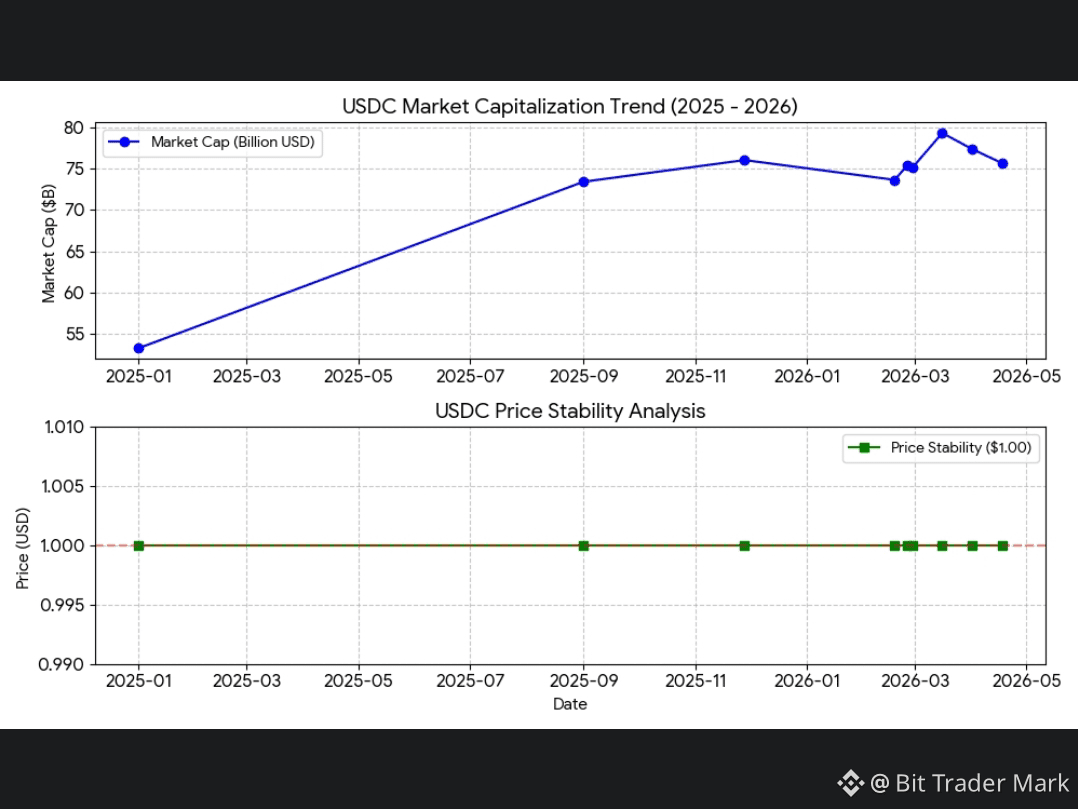
$USDC has seen a substantial increase in circulating supply, growing from approximately \$53.3 billion in January 2025 to a peak of nearly \$79.29 billion in March 2026. This 48\% growth reflects a strong return of liquidity to the decentralized finance (DeFi) ecosystem and increased institutional reliance on $USDC for cross-border settlements.
Price Stability (The "Peg"): True to its design,USDC has maintained a rock-solid peg to the US Dollar. Throughout 2025 and 2026, price fluctuations remained within a tight band of \$0.9936 to \$1.0028, demonstrating the market's high confidence in the transparency and liquidity of Circle’s reserves.
Key Insights & Current Trends
Regulatory Advantage: With the full enforcement of the MiCA (Markets in Crypto-Assets) regulation in the EU and tightening oversight in the US, USDC has emerged as the "safe haven" for regulated entities. It is now the preferred choice for exchanges and institutional platforms prioritizing compliance.
Expanding Utility (cirBTC): In April 2026, Circle announced plans to launch cirBTC, a wrapped version of Bitcoin. This move is expected to further integrate USDC into the Bitcoin ecosystem, allowing for more seamless collateralized lending and institutional trading.
Cross-Border Dominance: Roughly 12\% of all stablecoin volume in 2025 originated from cross-border swaps using USDC. Its usage in North America and Asia remains particularly dominant, with over 5.2 million active wallets utilizing the asset.
Institutional Adoption: Surveys in early 2026 indicate that over 59\% of institutional investors plan to allocate more than 5\% of their portfolios to stablecoin-linked products, with USDC being the top candidate due to its audited reserve transparency.
USD1: The "Trump-linked" stablecoin which saw explosive growth to \$4.69 billion market cap within its first year.
#ARKInvestReducedPositionsinCircleandBullish #Kalshi’sDisputewithNevada
#AltcoinRecoverySignals?
Price Stability (The "Peg"): True to its design,USDC has maintained a rock-solid peg to the US Dollar. Throughout 2025 and 2026, price fluctuations remained within a tight band of \$0.9936 to \$1.0028, demonstrating the market's high confidence in the transparency and liquidity of Circle’s reserves.
Key Insights & Current Trends
Regulatory Advantage: With the full enforcement of the MiCA (Markets in Crypto-Assets) regulation in the EU and tightening oversight in the US, USDC has emerged as the "safe haven" for regulated entities. It is now the preferred choice for exchanges and institutional platforms prioritizing compliance.
Expanding Utility (cirBTC): In April 2026, Circle announced plans to launch cirBTC, a wrapped version of Bitcoin. This move is expected to further integrate USDC into the Bitcoin ecosystem, allowing for more seamless collateralized lending and institutional trading.
Cross-Border Dominance: Roughly 12\% of all stablecoin volume in 2025 originated from cross-border swaps using USDC. Its usage in North America and Asia remains particularly dominant, with over 5.2 million active wallets utilizing the asset.
Institutional Adoption: Surveys in early 2026 indicate that over 59\% of institutional investors plan to allocate more than 5\% of their portfolios to stablecoin-linked products, with USDC being the top candidate due to its audited reserve transparency.
USD1: The "Trump-linked" stablecoin which saw explosive growth to \$4.69 billion market cap within its first year.
#ARKInvestReducedPositionsinCircleandBullish #Kalshi’sDisputewithNevada
#AltcoinRecoverySignals?
$ETH は分散型経済の基盤であり続けていますが、過去1年間の市場パフォーマンスは大きなボラティリティによって特徴づけられています。以下は現在のトレンドとネットワークメトリクスの分析です。
価格分析(2025年4月 - 2026年4月)
イーサリアム市場は「放物線的」なフェーズを経験した後、急激な修正と最近の回復を見せました:
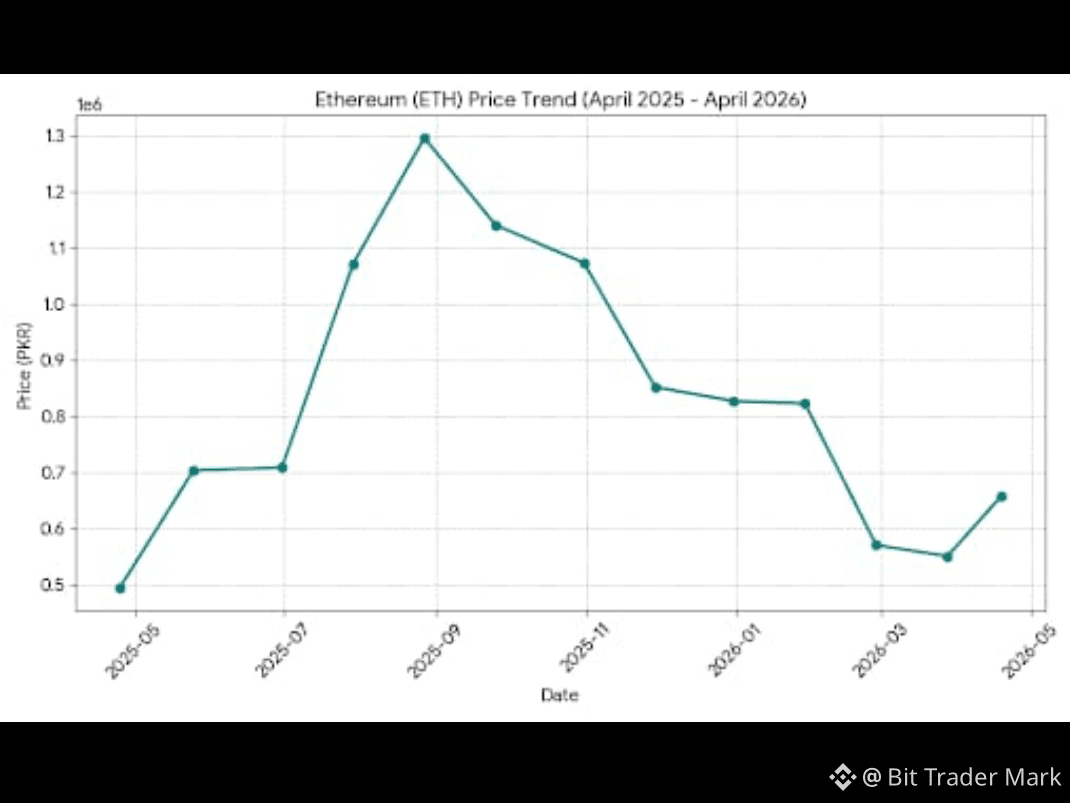
2025年のブルラン:2025年4月から8月の間に、イーサリアムは攻撃的な急騰を見せ、約493,953 PKRからほぼ1,300,000 PKR(約\$4,600–\$4,900 USD)まで上昇しました。これは、機関投資家のETF流入と高いエコシステム活動によって駆動されました。
現在の状況:2026年4月19日現在、イーサリアムはリバウンドの兆しを示しており、現在657,622 PKRで取引されています。
重要なネットワークメトリクス&トレンド
レイヤー2の支配: 「Dencun」アップグレードは、$ETH の活動の大部分をArbitrumやOptimismなどのレイヤー2(L2)ソリューションに移行することに成功しました。L2は現在、すべての取引スループットの約95%を占めており、エコシステムはこれまで以上にスケーラブルになっています。
劇的な手数料の削減:平均ガス価格は急落しました。以前のピーク時にはユーザーが単純なスワップに対して\$50以上を支払っていたにもかかわらず、メインネットの手数料は95%以上減少し、L2の取引はしばしば\$0.01未満で済むことが多いです。
ネットワークの有用性:価格の変動にもかかわらず、ネットワークは約600,000のデイリーアクティブアドレスで非常に活発なままです。AaveやCompoundのようなDeFiプロトコルにおけるロックされた総価値(TVL)は堅調で、ネットワークの基本的な価値を安定させています。市場の感情
イーサリアムは2026年の第一四半期に困難な状況に直面しましたが、L2のための「決済レイヤー」への構造的移行は完了しました。現在の分析は、市場が新しい低手数料環境と規制されたETFを通じた機関投資家の参加の増加に適応するにつれて、蓄積の期間を示唆しています。
#KelpDAOFacesAttack
#IranRejectsSecondRoundTalks
#AltcoinRecoverySignals?
#Kalshi’sDisputewithNevada
#CharlesSchwabtoRollOutSpotCryptoTrading
価格分析(2025年4月 - 2026年4月)
イーサリアム市場は「放物線的」なフェーズを経験した後、急激な修正と最近の回復を見せました:
2025年のブルラン:2025年4月から8月の間に、イーサリアムは攻撃的な急騰を見せ、約493,953 PKRからほぼ1,300,000 PKR(約\$4,600–\$4,900 USD)まで上昇しました。これは、機関投資家のETF流入と高いエコシステム活動によって駆動されました。
現在の状況:2026年4月19日現在、イーサリアムはリバウンドの兆しを示しており、現在657,622 PKRで取引されています。
重要なネットワークメトリクス&トレンド
レイヤー2の支配: 「Dencun」アップグレードは、$ETH の活動の大部分をArbitrumやOptimismなどのレイヤー2(L2)ソリューションに移行することに成功しました。L2は現在、すべての取引スループットの約95%を占めており、エコシステムはこれまで以上にスケーラブルになっています。
劇的な手数料の削減:平均ガス価格は急落しました。以前のピーク時にはユーザーが単純なスワップに対して\$50以上を支払っていたにもかかわらず、メインネットの手数料は95%以上減少し、L2の取引はしばしば\$0.01未満で済むことが多いです。
ネットワークの有用性:価格の変動にもかかわらず、ネットワークは約600,000のデイリーアクティブアドレスで非常に活発なままです。AaveやCompoundのようなDeFiプロトコルにおけるロックされた総価値(TVL)は堅調で、ネットワークの基本的な価値を安定させています。市場の感情
イーサリアムは2026年の第一四半期に困難な状況に直面しましたが、L2のための「決済レイヤー」への構造的移行は完了しました。現在の分析は、市場が新しい低手数料環境と規制されたETFを通じた機関投資家の参加の増加に適応するにつれて、蓄積の期間を示唆しています。
#KelpDAOFacesAttack
#IranRejectsSecondRoundTalks
#AltcoinRecoverySignals?
#Kalshi’sDisputewithNevada
#CharlesSchwabtoRollOutSpotCryptoTrading
翻訳参照
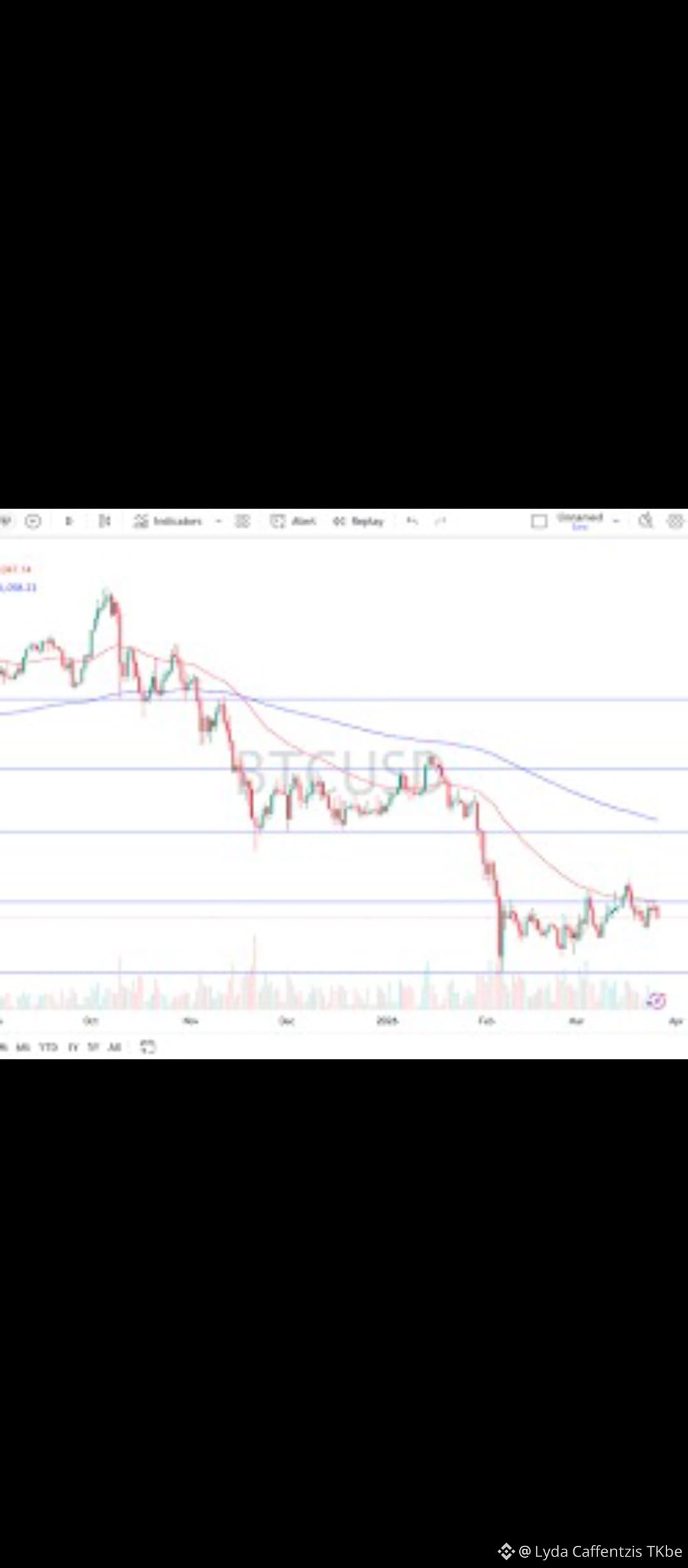
$BTC
Market Analysis
Bitcoin continues to exhibit significant volatility as it tests critical resistance levels. After a period of consolidation, market sentiment remains cautiously optimistic, driven by several key factors:
Technical Outlook: BTC is currently hovering around a major psychological level. Analysts are watching the 200-day Moving Average and the Relative Strength Index (RSI) for signs of overbought conditions or a potential breakout. A sustained close above recent resistance could pave the way for a move toward yearly highs.
Institutional Interest: The ongoing accumulation by spot ETF issuers continues to provide a "floor" for the price, reducing the impact of liquidations during flash crashes.
Macro Environment: Investors are closely monitoring upcoming CPI data and Federal Reserve commentary. A shift toward a more dovish monetary policy is generally seen as a bullish catalyst for "risk-on" assets like Bitcoin.
Key Levels to Watch:
Support: If the price dips, strong buy-side liquidity is expected at the $60,000 - $62,000 zone.
Resistance: A clean break above $68,000 could trigger a short squeeze, propelling the price back toward the $70k+ range.
#AltcoinRecoverySignals? #BitcoinPriceTrends
Market Analysis
Bitcoin continues to exhibit significant volatility as it tests critical resistance levels. After a period of consolidation, market sentiment remains cautiously optimistic, driven by several key factors:
Technical Outlook: BTC is currently hovering around a major psychological level. Analysts are watching the 200-day Moving Average and the Relative Strength Index (RSI) for signs of overbought conditions or a potential breakout. A sustained close above recent resistance could pave the way for a move toward yearly highs.
Institutional Interest: The ongoing accumulation by spot ETF issuers continues to provide a "floor" for the price, reducing the impact of liquidations during flash crashes.
Macro Environment: Investors are closely monitoring upcoming CPI data and Federal Reserve commentary. A shift toward a more dovish monetary policy is generally seen as a bullish catalyst for "risk-on" assets like Bitcoin.
Key Levels to Watch:
Support: If the price dips, strong buy-side liquidity is expected at the $60,000 - $62,000 zone.
Resistance: A clean break above $68,000 could trigger a short squeeze, propelling the price back toward the $70k+ range.
#AltcoinRecoverySignals? #BitcoinPriceTrends
ログインして、さらにコンテンツを読む