

Coin_Edianvoice
218 投稿
Coin_Edianvoice
go for hunt
33 フォロー
89 フォロワー
141 いいね
投稿
すべて
引用
動画
翻訳参照


阿豪先生
·
--
$BTR 庄没力气了 干他

Asadul1
·
--
#termmax @TermMax TermMaxは、オンチェーンの固定期間リクイディティおよび金利市場に向けた新しいアプローチを構築しており、DeFiユーザーに利回りと満期を管理するためのより多くのツールを提供します。私はプロジェクトの開発とエコシステムを注意深く見守っています。@TermMax #TermMax TERM
Asadul1
·
--
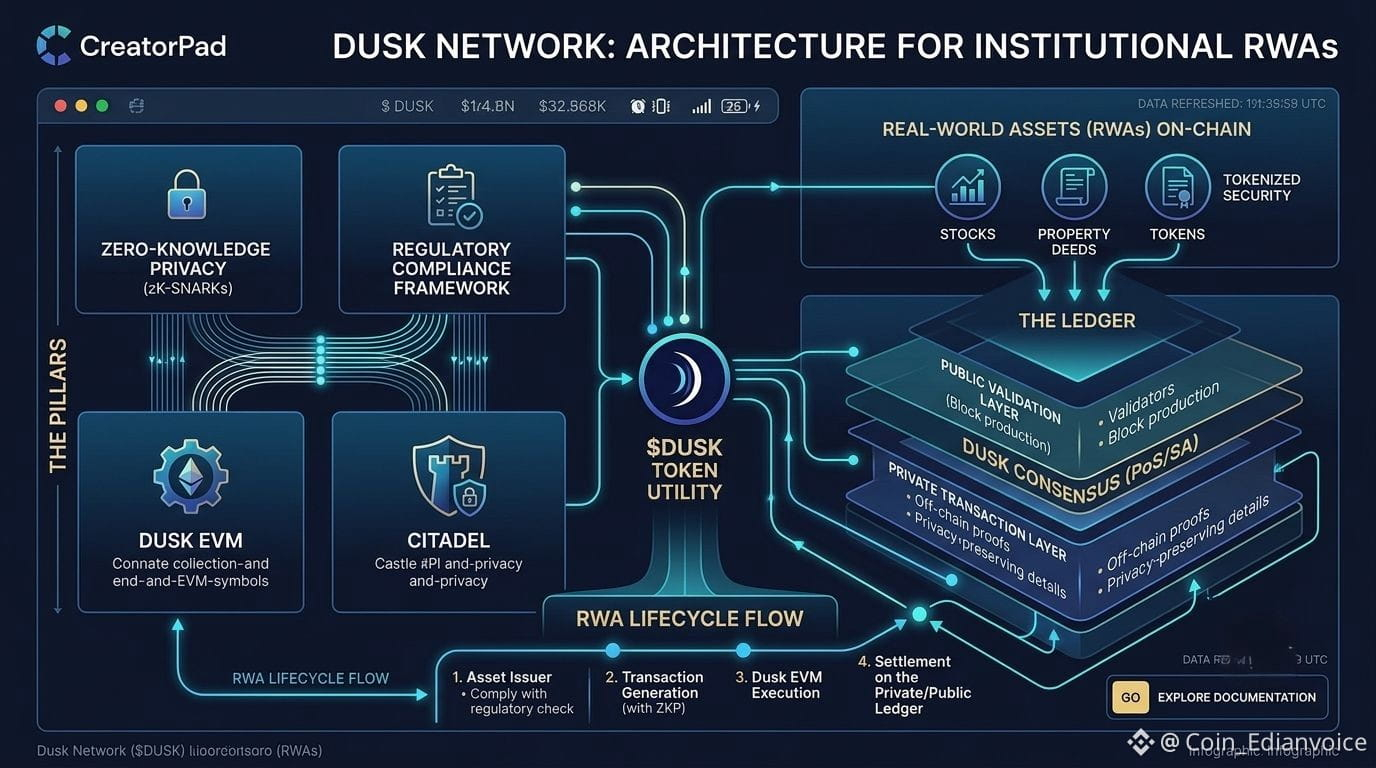
#dusk $DUSK @Dusk ダスクは、受け入れられた金融用途向けに設計された、プライバシー重視のブロックチェーン基盤を構築しています。機密取引やコンプライアンスに準拠したデジタル資産に重点を置いています。私は、ダスクのエコシステムがどのように発展していくのか、そして $DUSK がそのネットワークをどのように支えているのかを見守っています。@Dusk #dusk
Asadul1
·
--
新たな統合による興奮
Asadul1
·
--
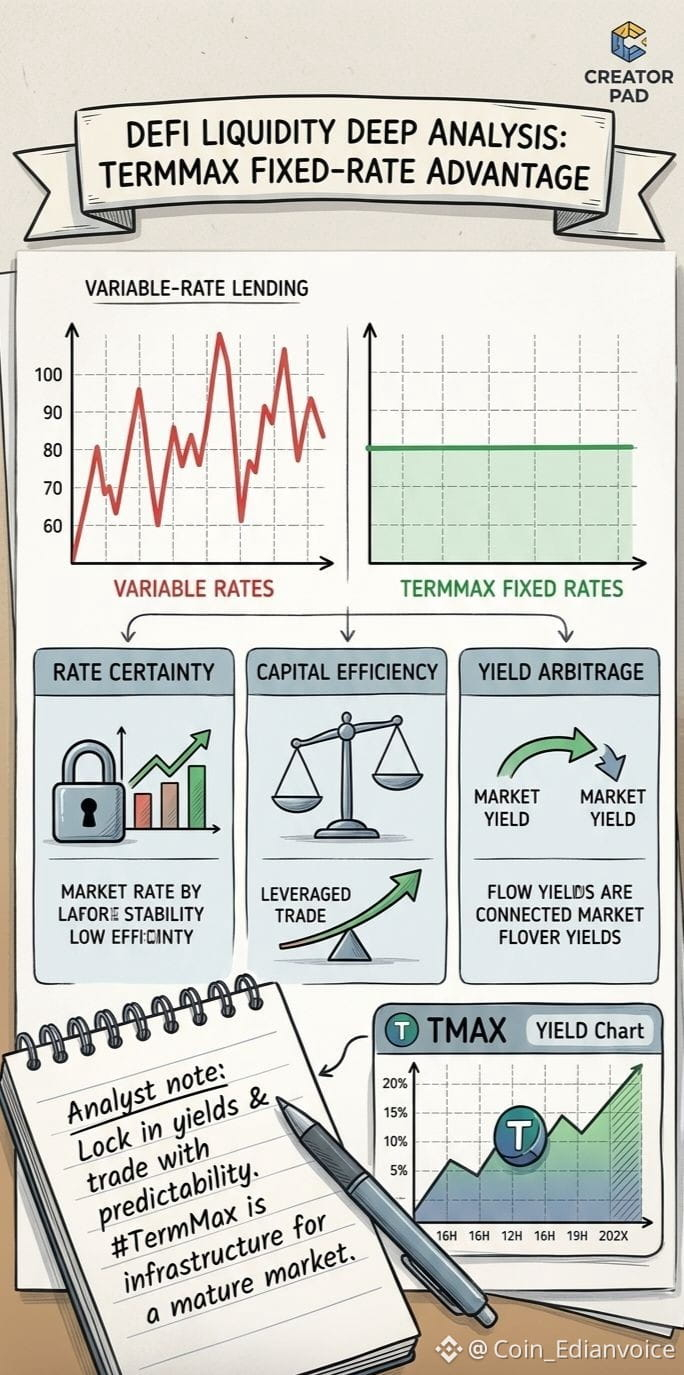
@TermMaxは、予測可能な固定金利の借入・貸付と、カスタマイズ可能なAMMの価格カーブを組み合わせることで問題を解決します。
Asadul1
·
--
#termmax @TermMax DeFi分野で<@TermMax >が構築しているものを探るのがとても楽しみです!このプロジェクトは暗号資産ユーザーに新しいアイデアを届けており、エコシステムがどのように発展していくのかを見守るのが楽しみです。学び続け、調査を続け、次のチャンスの波に乗り遅れないでください!🔥 #TermMax #DeFi #Crypto
Asadul1
·
--
#termmax @TermMax TermMaxは、固定金利および固定期間のレンディング/ボローイングによってDeFiに新しいアプローチをもたらします。予測可能な期間に焦点を当てることで、このプロトコルはDeFi戦略においてより明確さを求めるユーザーにとって魅力的です。エコシステムを追いかけ、$TMXがどのように発展していくか楽しみにしています。@TermMax #TermMax
Asadul1
·
--
#dusk $DUSK @Dusk Duskは、現実の金融アプリケーションに強く焦点を当て、コンプライアンスに配慮したオンチェーン市場にも対応しながら、プライバシー重視のインフラを構築しています。@Dusk がどのようにプライバシーと透明性を前進させ続けているのかを見守っています。$DUSK #dusk
Asadul1
·
--
TMX Binanceのイベントが近づいてきており、機運が高まっています。🔥
TMXコミュニティの一員なら、今こそアクティブに動き、アップデートをフォローし、次に何が来るのかに注目するのに最適なタイミングです。
大きなイベントは、小さな一歩から始まることがよくあります。👀
TMX × Binance——次に何が起こるのか見ていきましょう。💙
#TMX #Binance #Web3
#TMXCommunity #TMXBooster
API: 56c5a18e13064beeb9782e8292143a5b
TMXコミュニティの一員なら、今こそアクティブに動き、アップデートをフォローし、次に何が来るのかに注目するのに最適なタイミングです。
大きなイベントは、小さな一歩から始まることがよくあります。👀
TMX × Binance——次に何が起こるのか見ていきましょう。💙
#TMX #Binance #Web3
#TMXCommunity #TMXBooster
API: 56c5a18e13064beeb9782e8292143a5b
Asadul1
·
--
#dusk $DUSK @Dusk 私がDuskについて際立っていると感じるのは、プライバシーを単なる後付けとして扱わずに、規制された金融をオンチェーンにもたらすことに重点を置いている点です。ゼロ知識技術、選択的開示、決定論的な決済によって、@Dusk は現実世界の金融資産のためのインフラを構築しています。 $DUSK #dusk
Asadul1
·
--
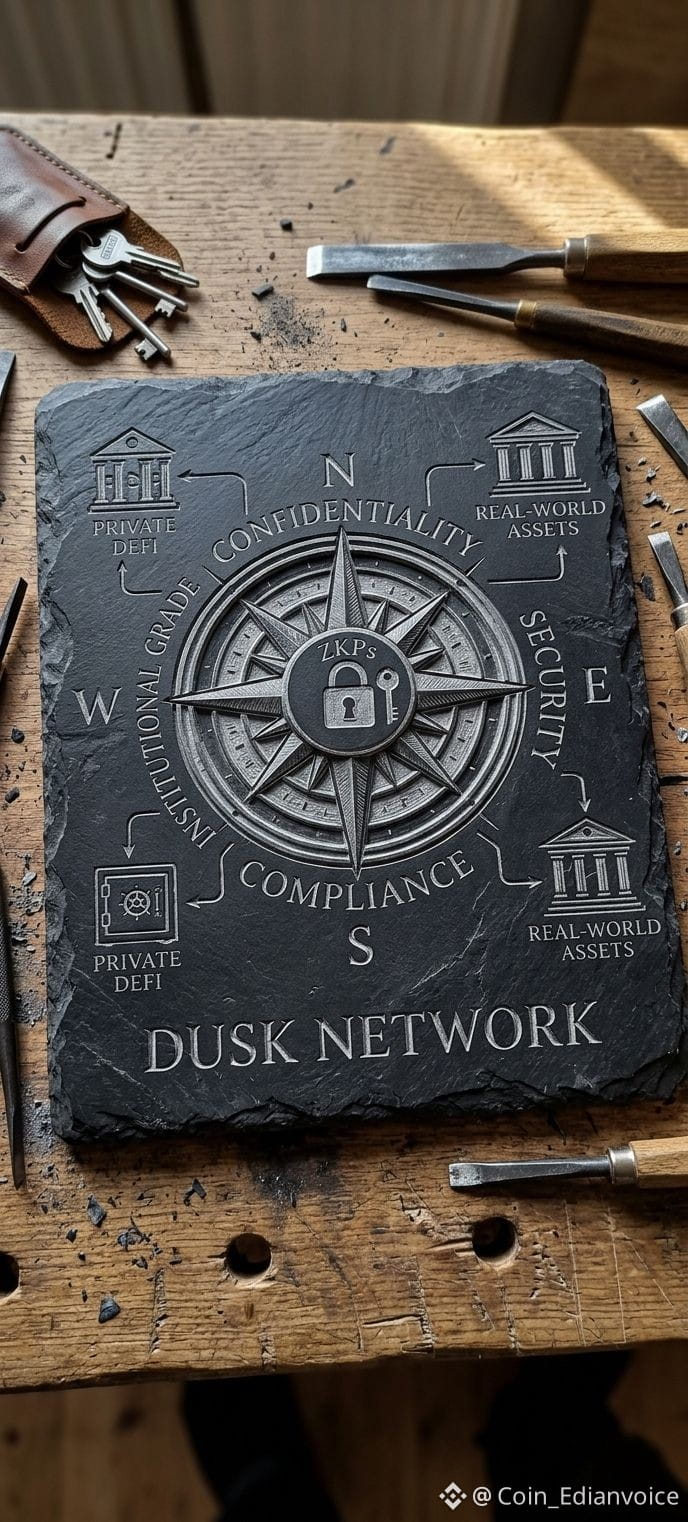
#termmax @TermMax TermMaxは、オンチェーンの金融商品や利回り戦略の新たな可能性を解き放つことに焦点を当てた革新的なDeFiエコシステムを構築しています。プロジェクトがビジョンを進化させ、拡大していくにつれて、私は@TermMax を注視しています。#TermMax $TMX

一部該当
ログインして、さらにコンテンツを読む