

jiso Kimi
17.5k 投稿

jiso Kimi
報告
ユーザーをブロック
Crypto Expert - Sharing Market Insight, Signal ll Web3
取引を発注
低高頻度トレーダー
1.2年
151 フォロー
2.1K+ フォロワー
11.9K+ いいね
投稿
ポートフォリオ
すべて
引用
ライブ
·
--
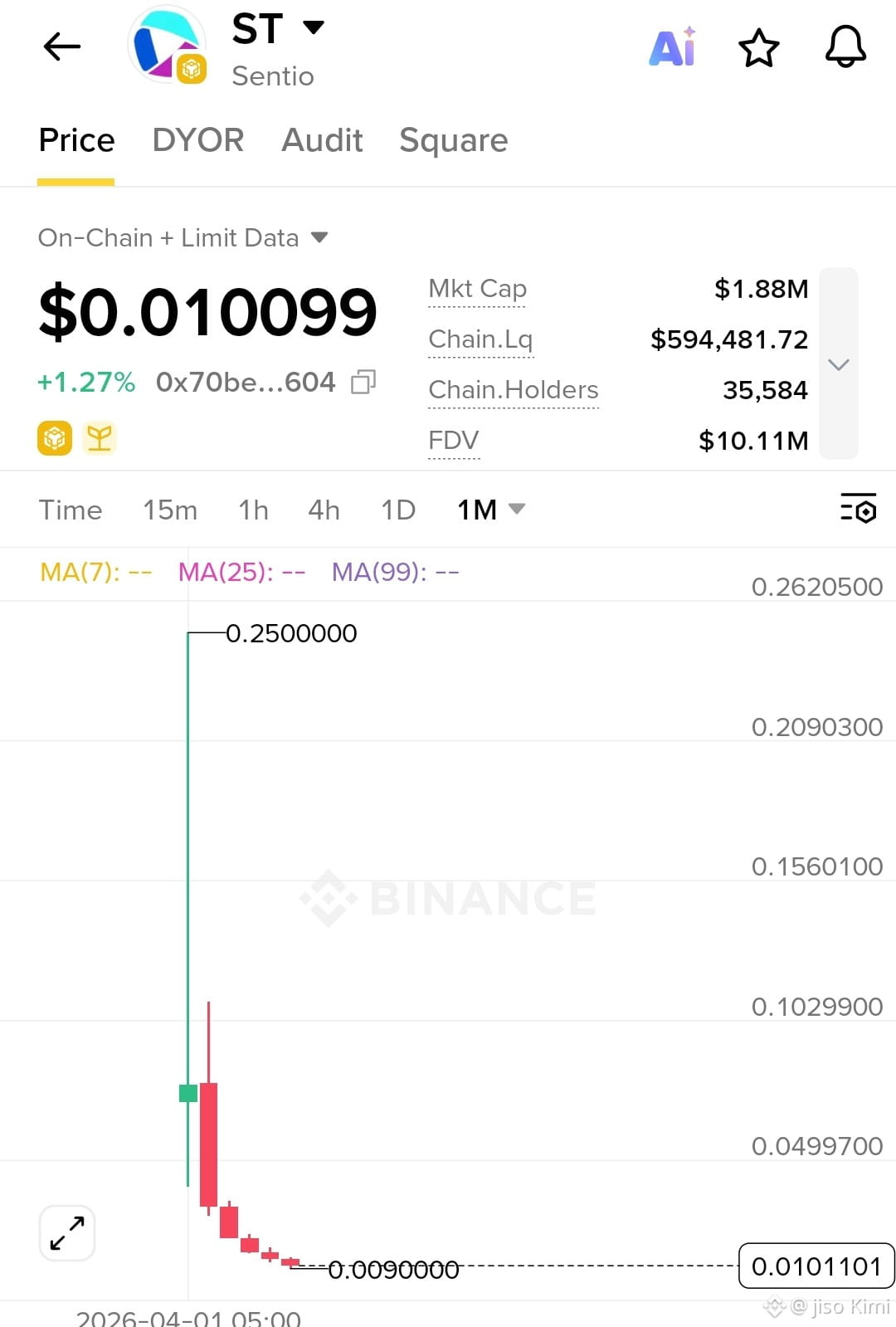
$ST
きっと確実に $0.10 を当てにいく ⚡🚀🚀
もうすぐだ 🚀🚀
{alpha}(560x70be40667385500c5da7f108a022e21b606045dd)
$ST
きっと確実に $0.10 を当てにいく ⚡🚀🚀
もうすぐだ 🚀🚀
きっと確実に $0.10 を当てにいく ⚡🚀🚀
もうすぐだ 🚀🚀
1
177
·
--
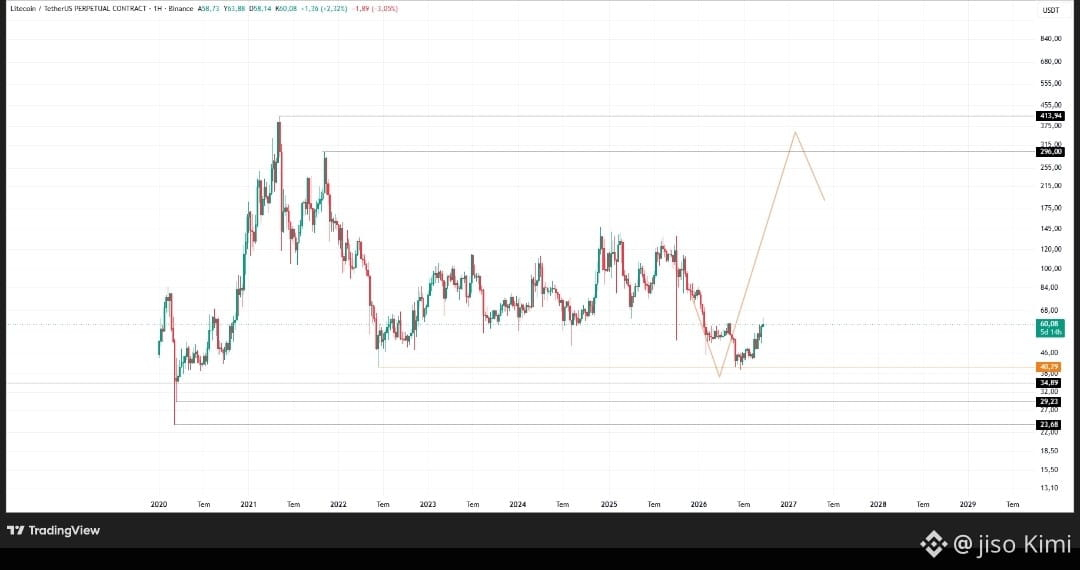
$LTC は Fly 💸 について 準備 できています
強気派は 実行のためのサポートを受けています 💪 LONG BUY NOW ✅ .. .. .
目標 🎯
68$ 🎯 84$ 🎯 100$ 🎯 296$
{future}(LTCUSDT)
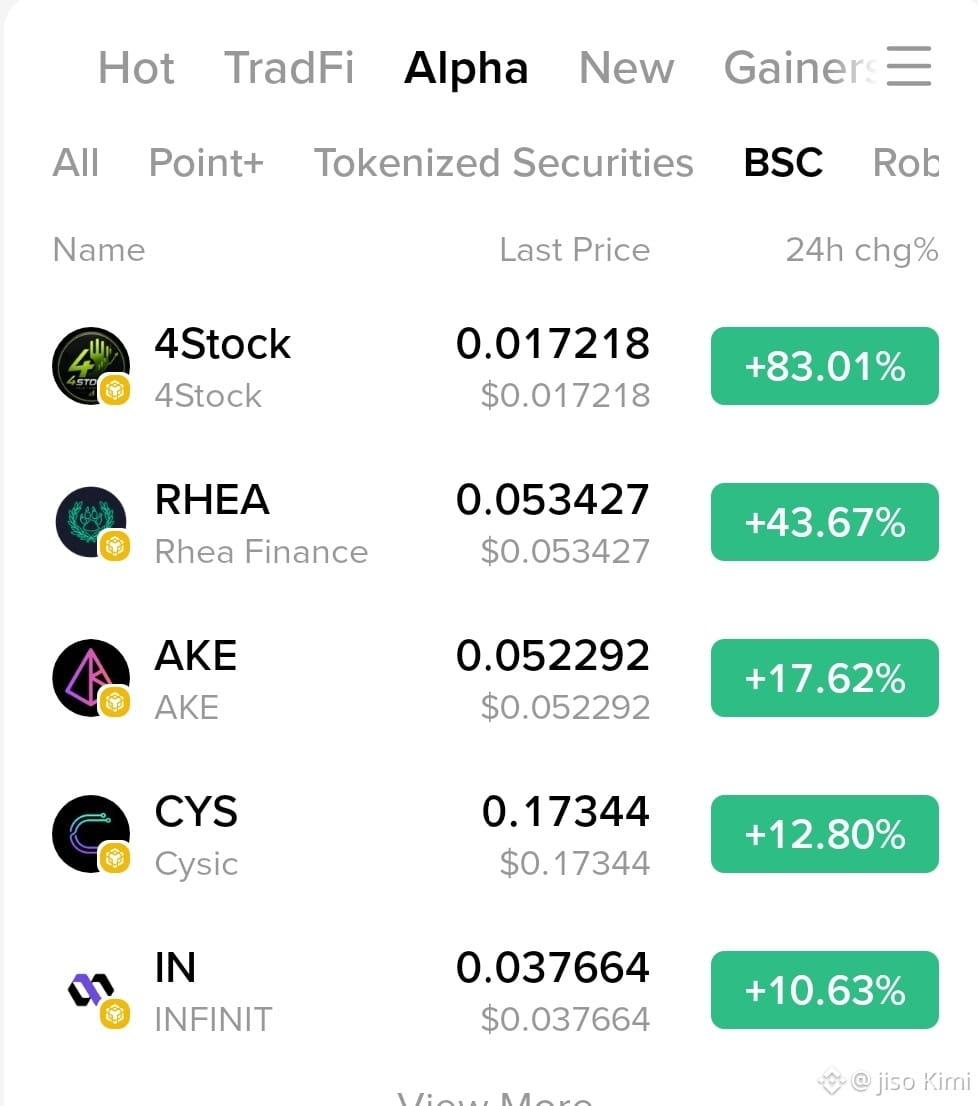
$4Stock
{alpha}(560xd270d4e1ec6e6e0d28c0ecb8be966ec75997ffff)
$ST
{alpha}(560x70be40667385500c5da7f108a022e21b606045dd)
$LTC は Fly 💸 について 準備 できています
強気派は 実行のためのサポートを受けています 💪 LONG BUY NOW ✅ .. .. .
目標 🎯
68$ 🎯 84$ 🎯 100$ 🎯 296$
$4Stock
$ST
強気派は 実行のためのサポートを受けています 💪 LONG BUY NOW ✅ .. .. .
目標 🎯
68$ 🎯 84$ 🎯 100$ 🎯 296$
$4Stock
$ST
602
·
--
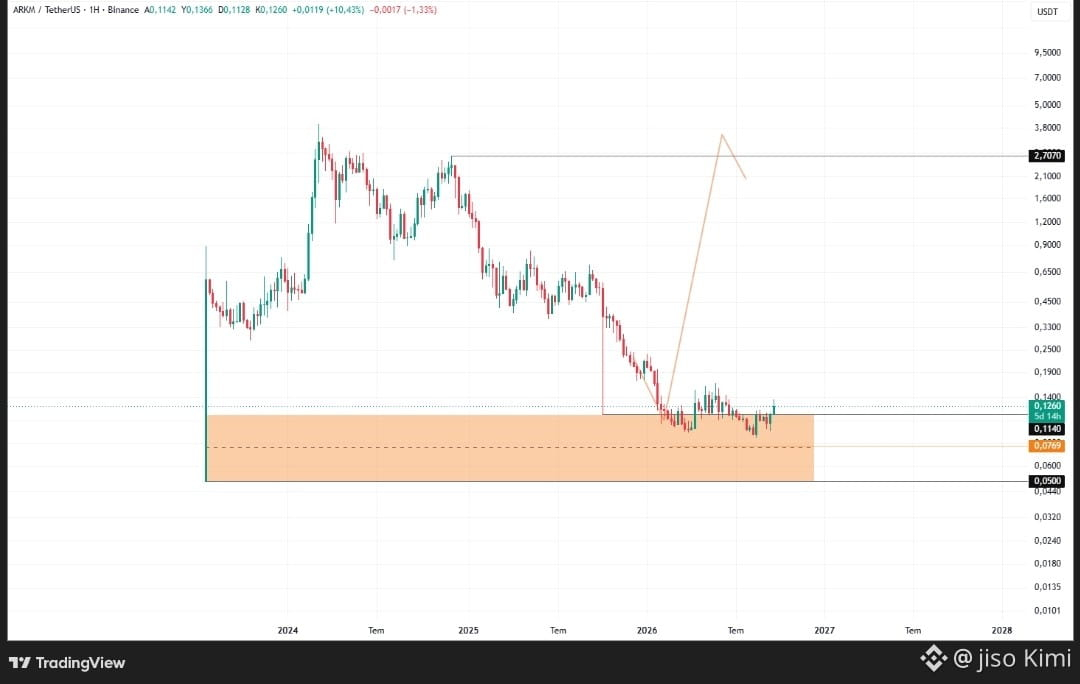
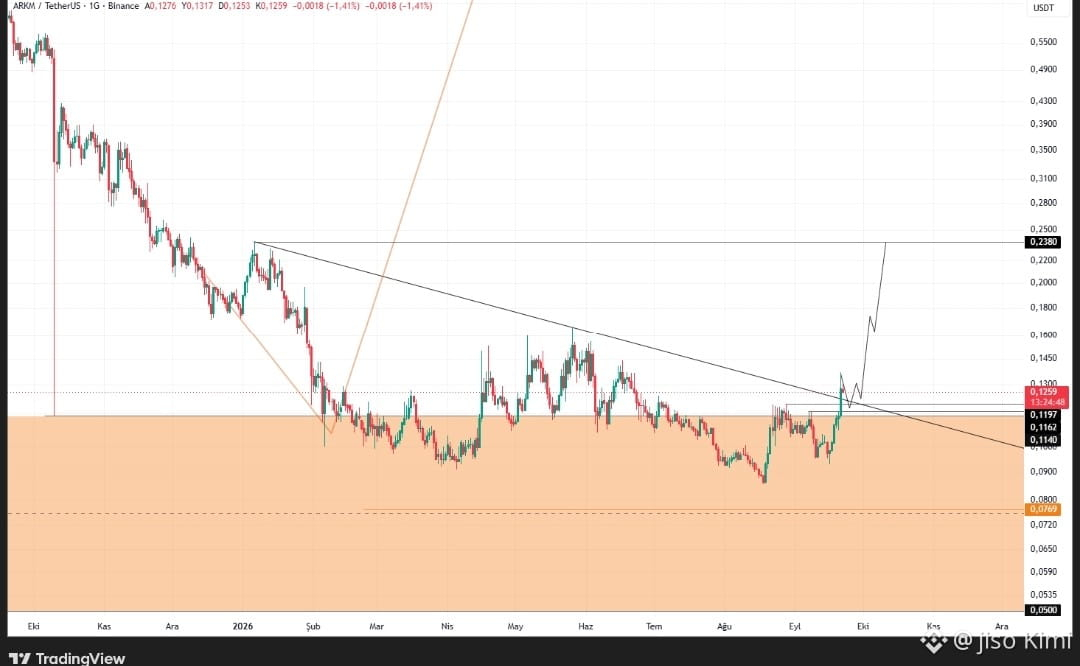
$ARKM 最良の機会:買い時……
0.1197〜0.1162のサポートレベル付近で
次の一手は大きく動く可能性があります 🚀 🚀
このお宝💎を見逃さないでください
{future}(ARKMUSDT)
$ARKM 最良の機会:買い時……
0.1197〜0.1162のサポートレベル付近で
次の一手は大きく動く可能性があります 🚀 🚀
このお宝💎を見逃さないでください
0.1197〜0.1162のサポートレベル付近で
次の一手は大きく動く可能性があります 🚀 🚀
このお宝💎を見逃さないでください
122
·
--
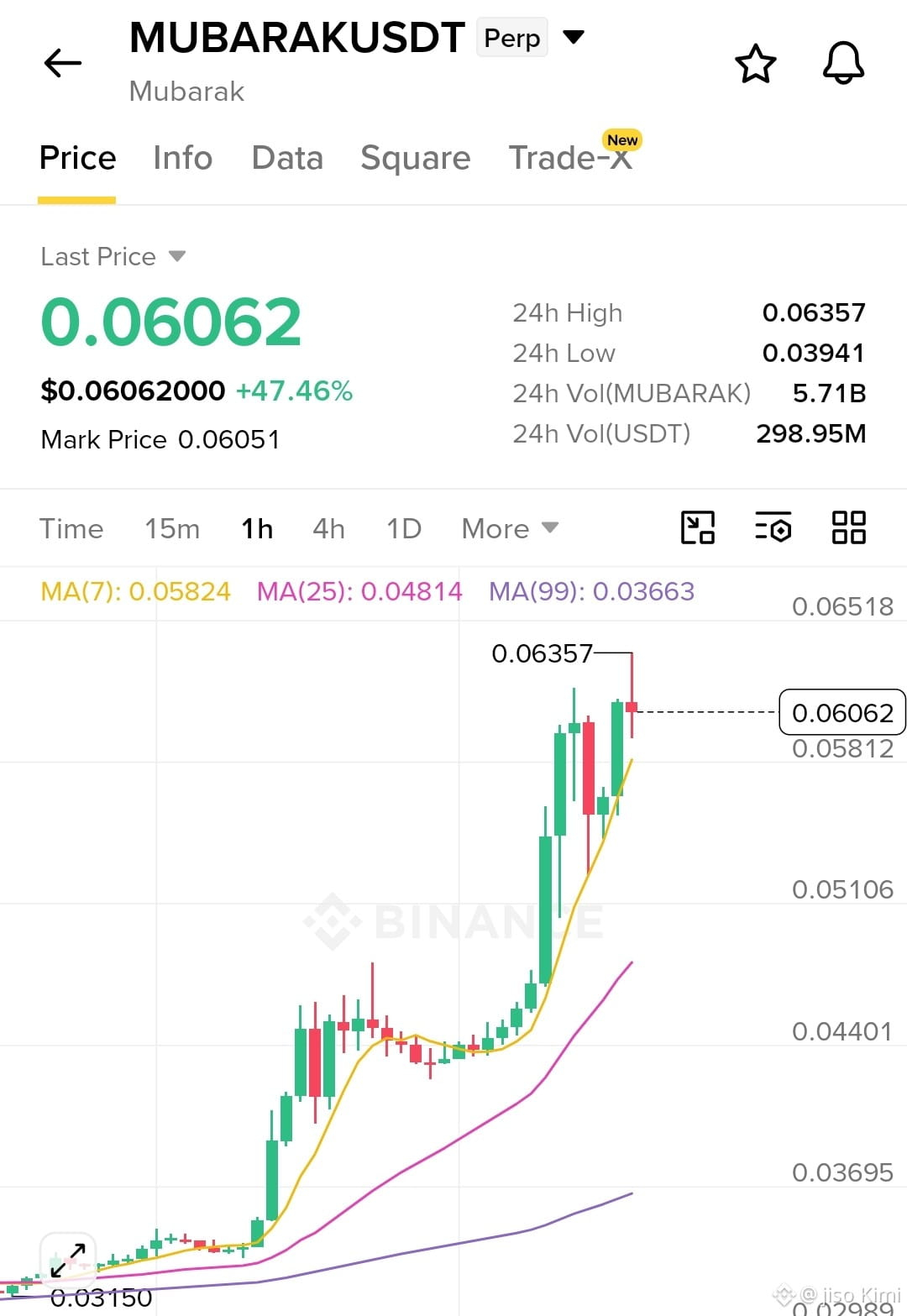
注目トピック....$MUBARAK IS 火花発射 🔥
ターゲット 🎯
🎯0.064$ 🔥0.070$ 🎯0.072$
SL 🔹 0.058$
注目トピック....$MUBARAK IS 火花発射 🔥
ターゲット 🎯
🎯0.064$ 🔥0.070$ 🎯0.072$
SL 🔹 0.058$
ターゲット 🎯
🎯0.064$ 🔥0.070$ 🎯0.072$
SL 🔹 0.058$
114
·
--
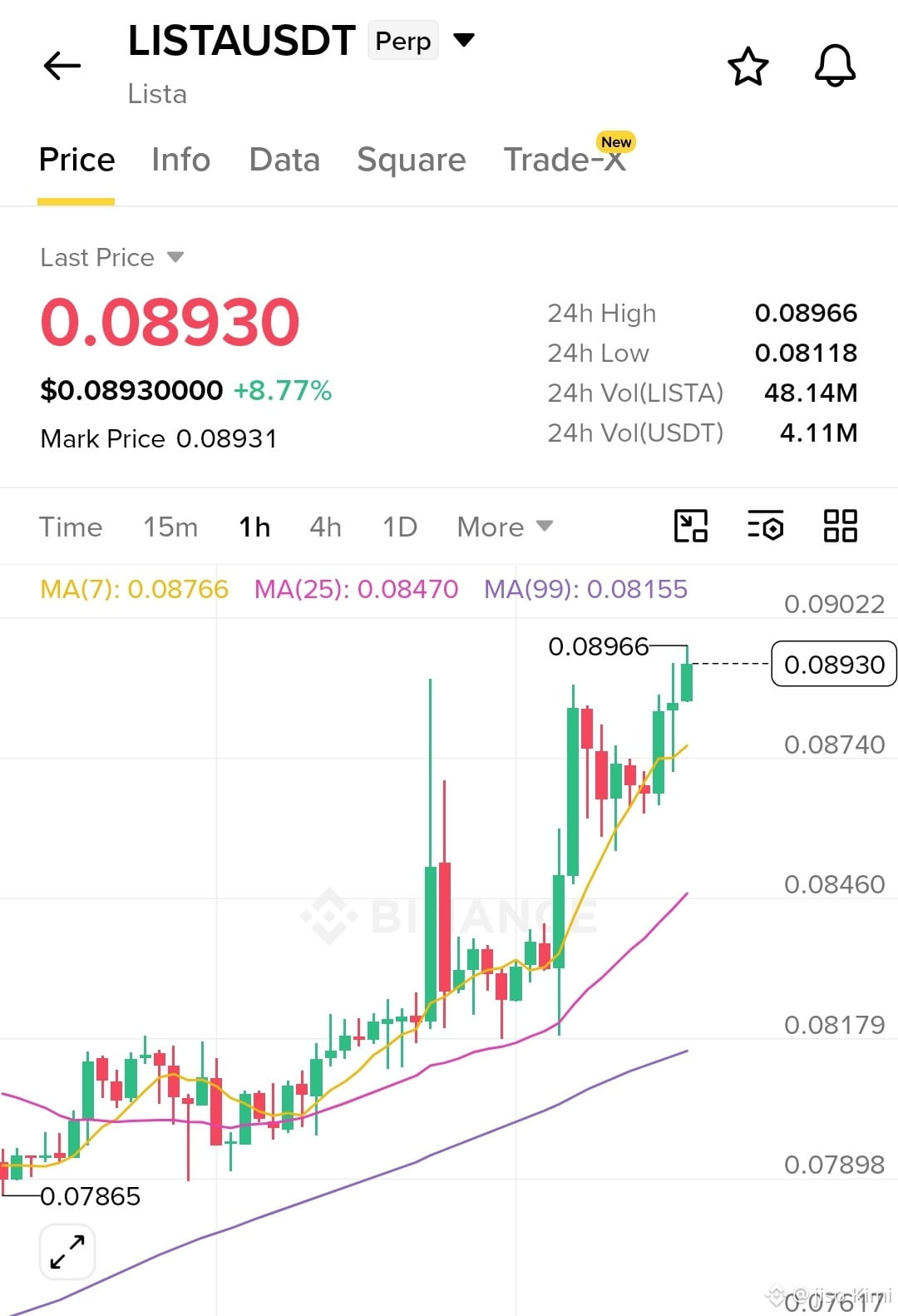
$LISTA BULLS ARE GEARING UP FOR EXPLOSIVE MOVE 👀
TARGETS 🎯
🎯0.092$ 🎯0.094$ 🎯0.096$
SL 🔸 0.087$
$LISTA BULLS ARE GEARING UP FOR EXPLOSIVE MOVE 👀
TARGETS 🎯
🎯0.092$ 🎯0.094$ 🎯0.096$
SL 🔸 0.087$
TARGETS 🎯
🎯0.092$ 🎯0.094$ 🎯0.096$
SL 🔸 0.087$
35
·
--
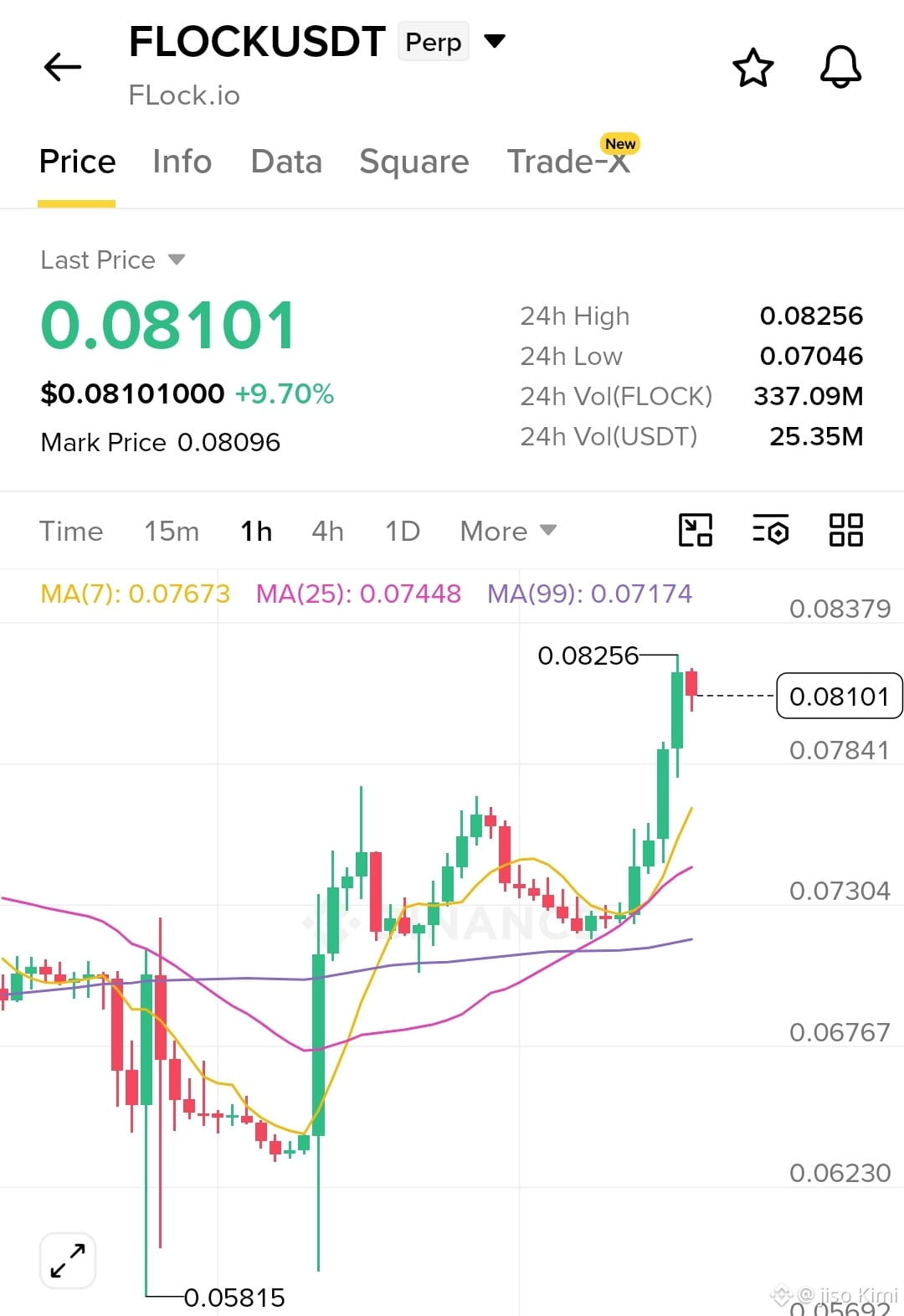
$FLOCK 強気 💥 の継続
ターゲット 🎯
🎯0.083ドル 🎯0.086ドル 🎯0.090ドル
SL 🔹 0.079ドル
$FLOCK 強気 💥 の継続
ターゲット 🎯
🎯0.083ドル 🎯0.086ドル 🎯0.090ドル
SL 🔹 0.079ドル
ターゲット 🎯
🎯0.083ドル 🎯0.086ドル 🎯0.090ドル
SL 🔹 0.079ドル
83
·
--
$RUNE UNSTOPPABLE BULISH START 💹
目標 🎯
🎯0.66ドル 🎯0.68ドル 🎯0.70ドル
S/L 🔸 0.62ドル
$RUNE UNSTOPPABLE BULISH START 💹
目標 🎯
🎯0.66ドル 🎯0.68ドル 🎯0.70ドル
S/L 🔸 0.62ドル
目標 🎯
🎯0.66ドル 🎯0.68ドル 🎯0.70ドル
S/L 🔸 0.62ドル
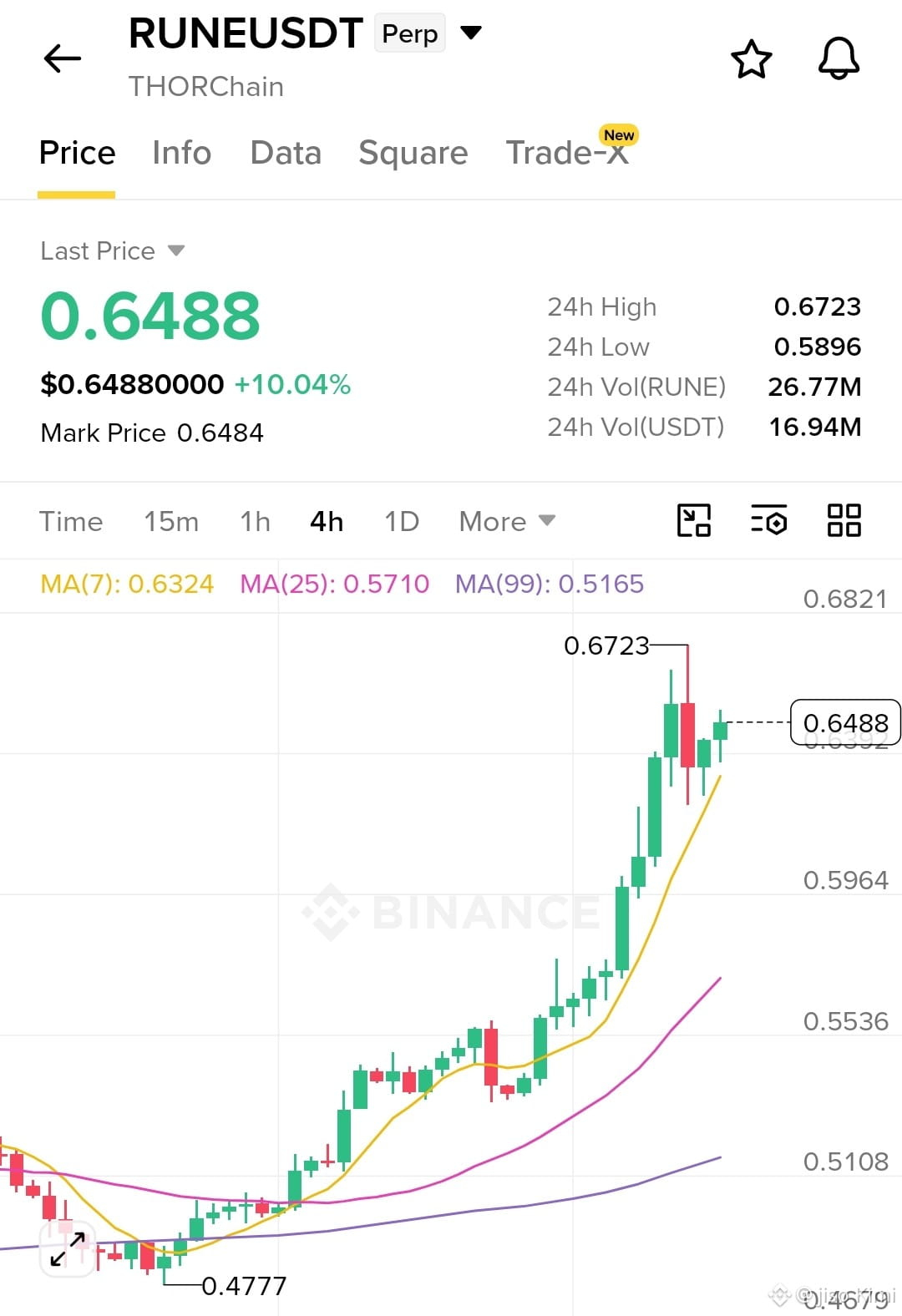
57
·
--
$FET / USDT -ロング取引シグナル 🟢
ターゲット 🎯
🎯0.22$ 🎯0.24$ 🎯0.26$
SL 🔹 0.18$
$FET / USDT -ロング取引シグナル 🟢
ターゲット 🎯
🎯0.22$ 🎯0.24$ 🎯0.26$
SL 🔹 0.18$
ターゲット 🎯
🎯0.22$ 🎯0.24$ 🎯0.26$
SL 🔹 0.18$
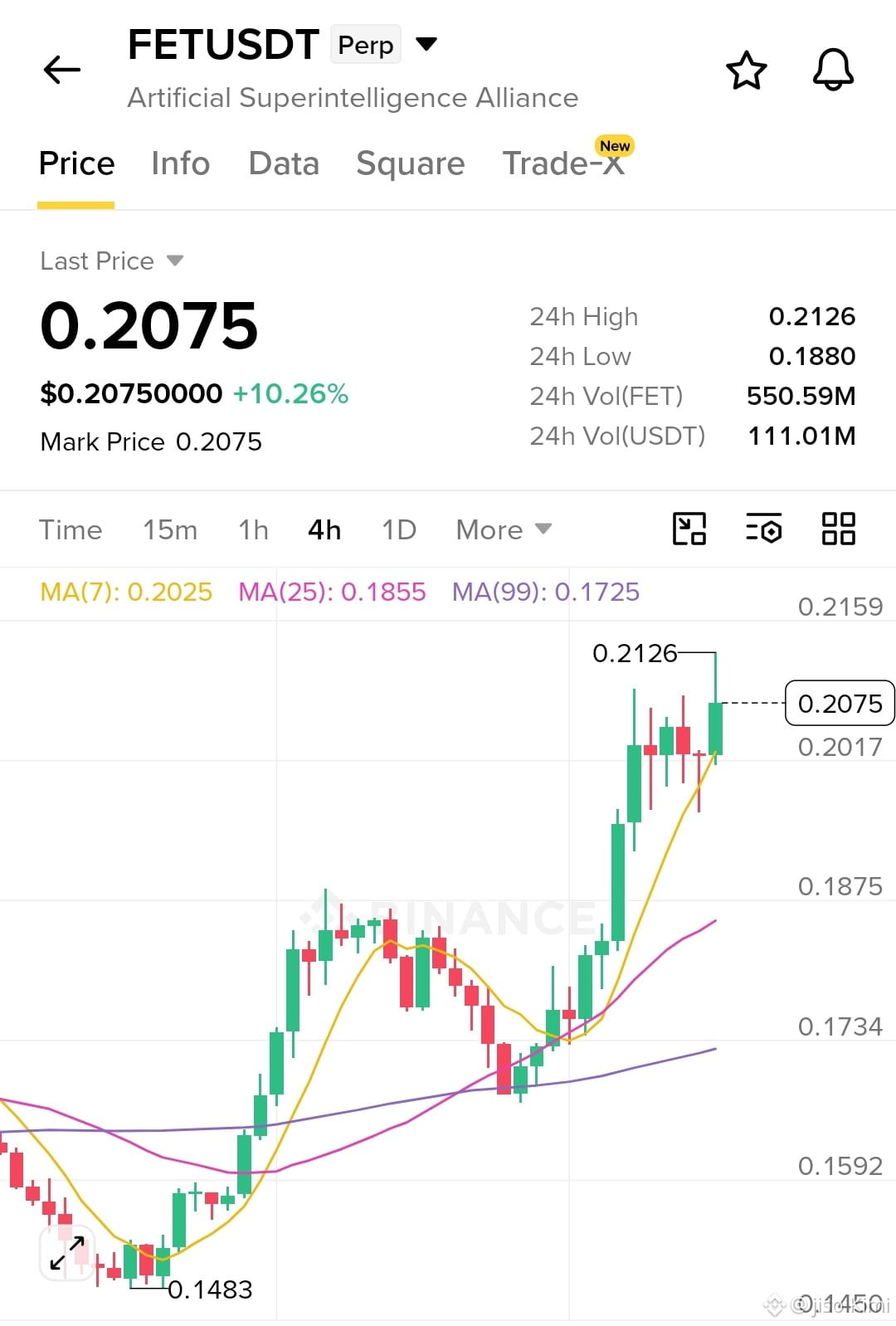
73
·
--
あなたは信じますか⁉️🤔 $MARSCOIN はすぐに$1.. ..に到達するのでしょうか ✅💹⚡🥂💥
あなたは信じますか⁉️🤔 $MARSCOIN はすぐに$1.. ..に到達するのでしょうか ✅💹⚡🥂💥
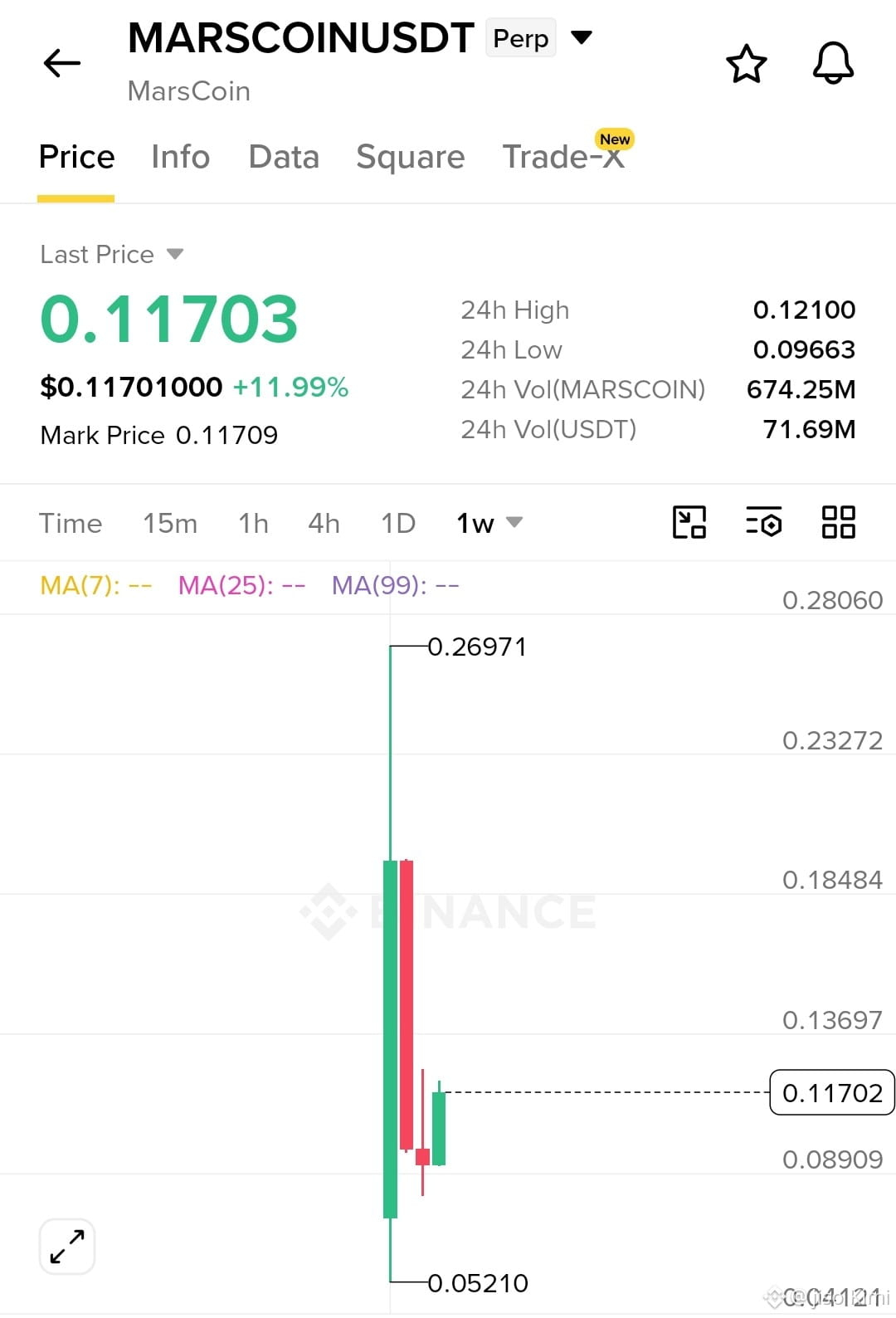
4
1
168
·
--
みんな....$TST 続き(Bulishの)
目標 🎯
🎯0.020$ 🎯0.022$ 🎯0.024$
SL 🔹 0.016$
みんな....$TST 続き(Bulishの)
目標 🎯
🎯0.020$ 🎯0.022$ 🎯0.024$
SL 🔹 0.016$
目標 🎯
🎯0.020$ 🎯0.022$ 🎯0.024$
SL 🔹 0.016$
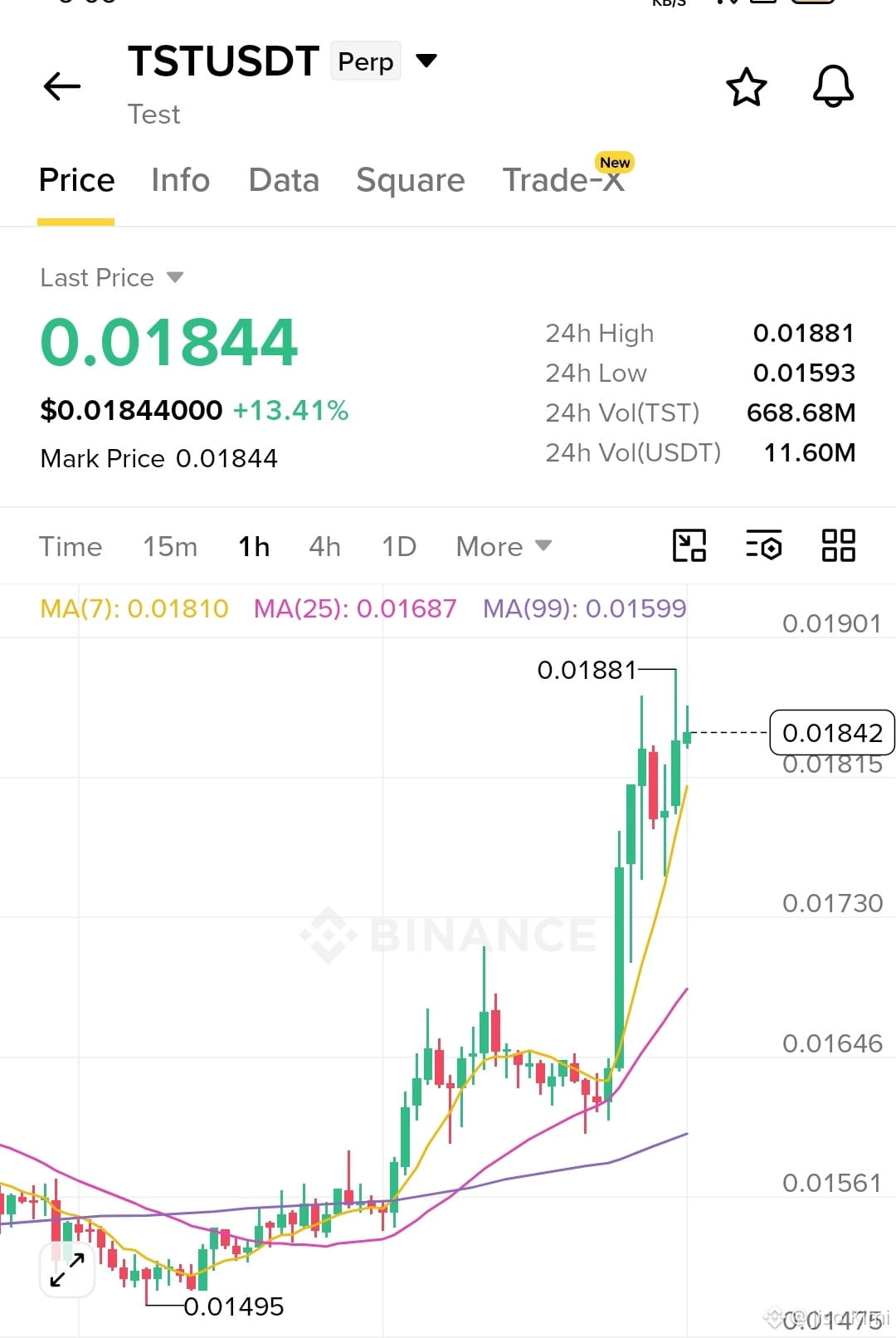
63
·
--
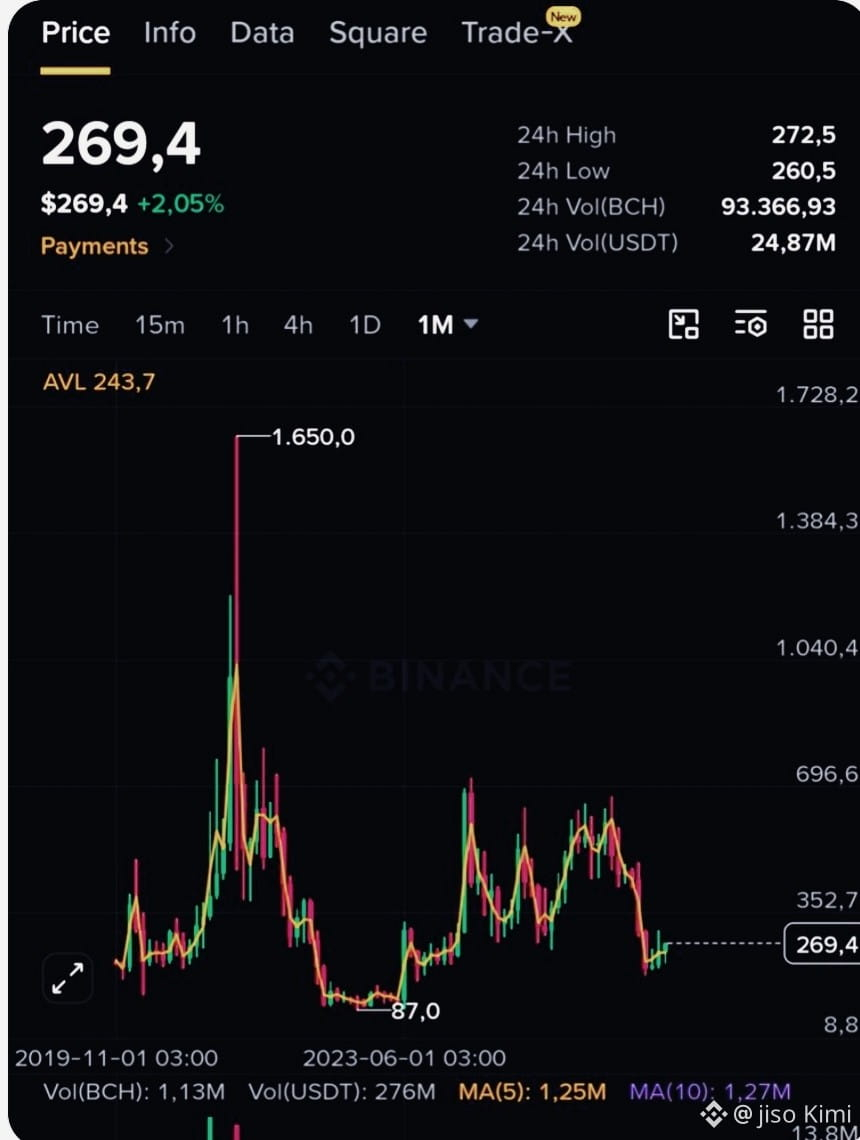
$BCH to $700を一瞬で 👀
長めのトレードセットアップ ⚡
目標 🎯 274$ 🎯 278$ 🎯280$
損切り 🔸 268$
{future}(BCHUSDT)
$BCH to $700を一瞬で 👀
長めのトレードセットアップ ⚡
目標 🎯 274$ 🎯 278$ 🎯280$
損切り 🔸 268$
長めのトレードセットアップ ⚡
目標 🎯 274$ 🎯 278$ 🎯280$
損切り 🔸 268$
46
·
--
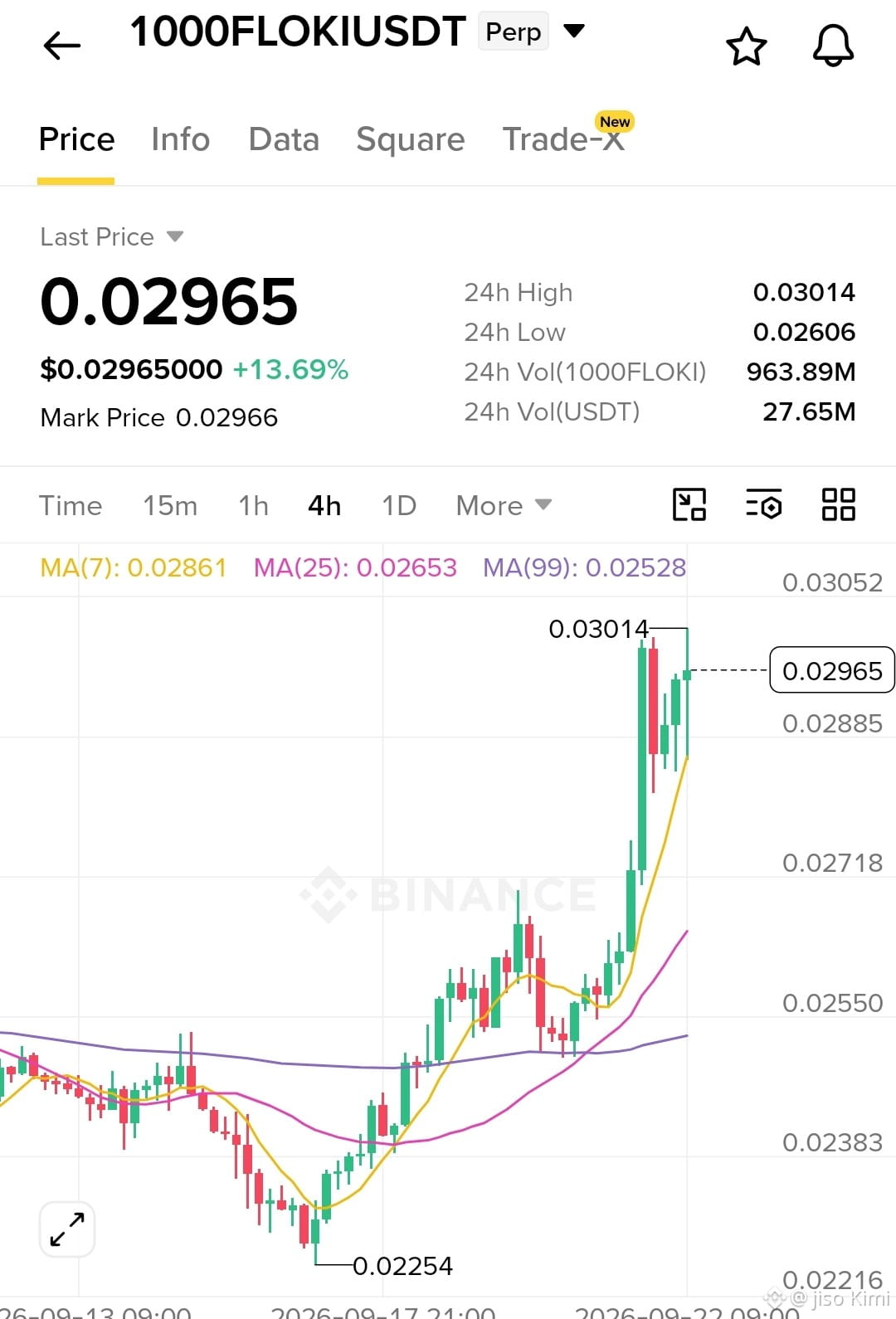
$1000FLOKI 止められないブルラン 。
ターゲット 🎯
🎯0.031$ 🎯0.033$ 🎯0.036$
SL 🔹 0.027$
$1000FLOKI 止められないブルラン 。
ターゲット 🎯
🎯0.031$ 🎯0.033$ 🎯0.036$
SL 🔹 0.027$
ターゲット 🎯
🎯0.031$ 🎯0.033$ 🎯0.036$
SL 🔹 0.027$
46
·
--
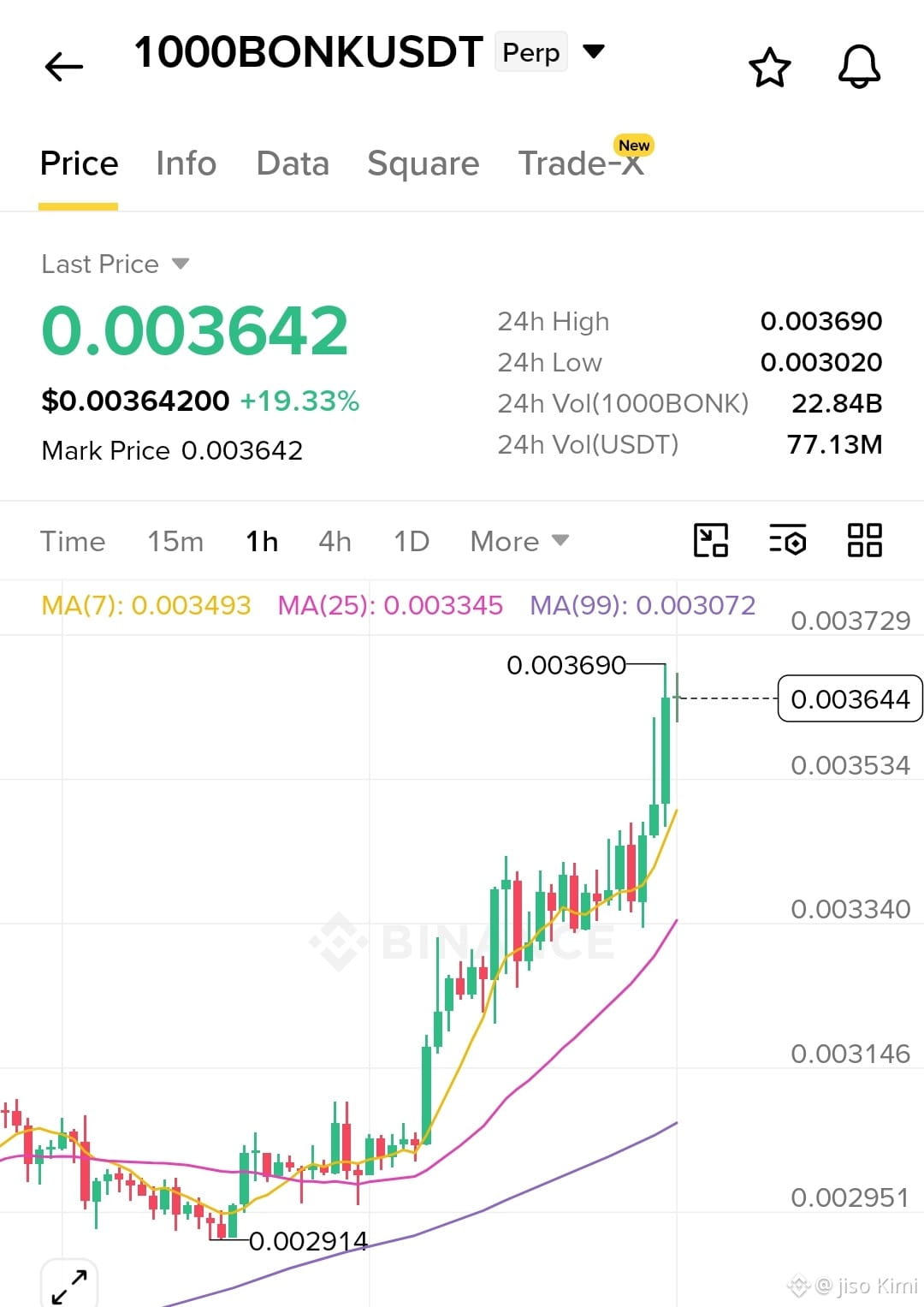
$1000BONK FULLY PUMPING MODE ON .
TARGETS 🎯
🎯0.0038$ 🎯 0.0040$ 🎯0.0042$
SL 🔸 0.00034$
$KERNEL
$1000BONK FULLY PUMPING MODE ON .
TARGETS 🎯
🎯0.0038$ 🎯 0.0040$ 🎯0.0042$
SL 🔸 0.00034$
$KERNEL
TARGETS 🎯
🎯0.0038$ 🎯 0.0040$ 🎯0.0042$
SL 🔸 0.00034$
$KERNEL
113
·
--
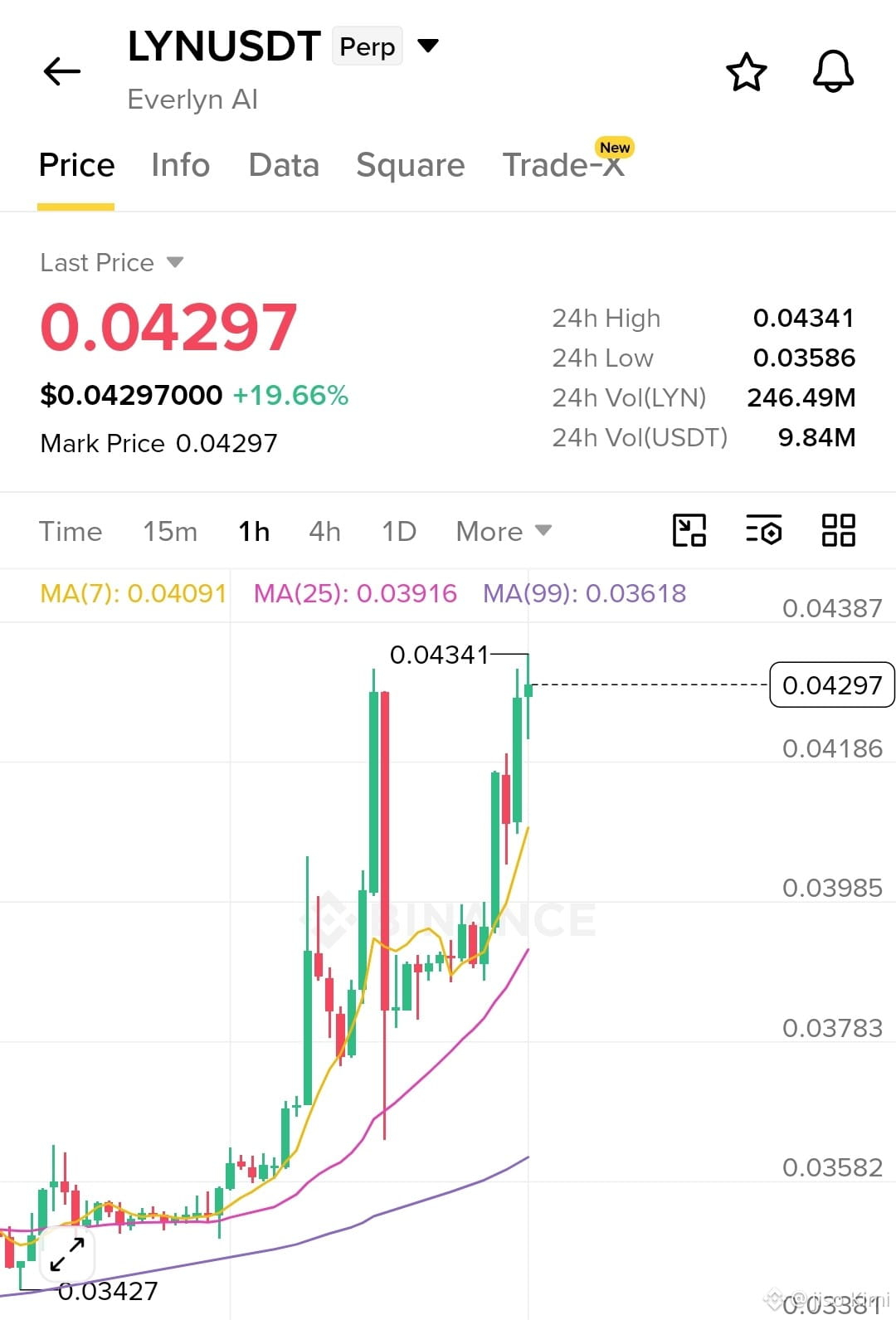
$LYN BULLS は 爆発的な値動きに向けて準備を進めています。
目標 🎯
🎯0.044$ 🎯0.046$ 🎯0.048$
SL 🔹 0.040$
$LYN BULLS は 爆発的な値動きに向けて準備を進めています。
目標 🎯
🎯0.044$ 🎯0.046$ 🎯0.048$
SL 🔹 0.040$
目標 🎯
🎯0.044$ 🎯0.046$ 🎯0.048$
SL 🔹 0.040$
128
·
--
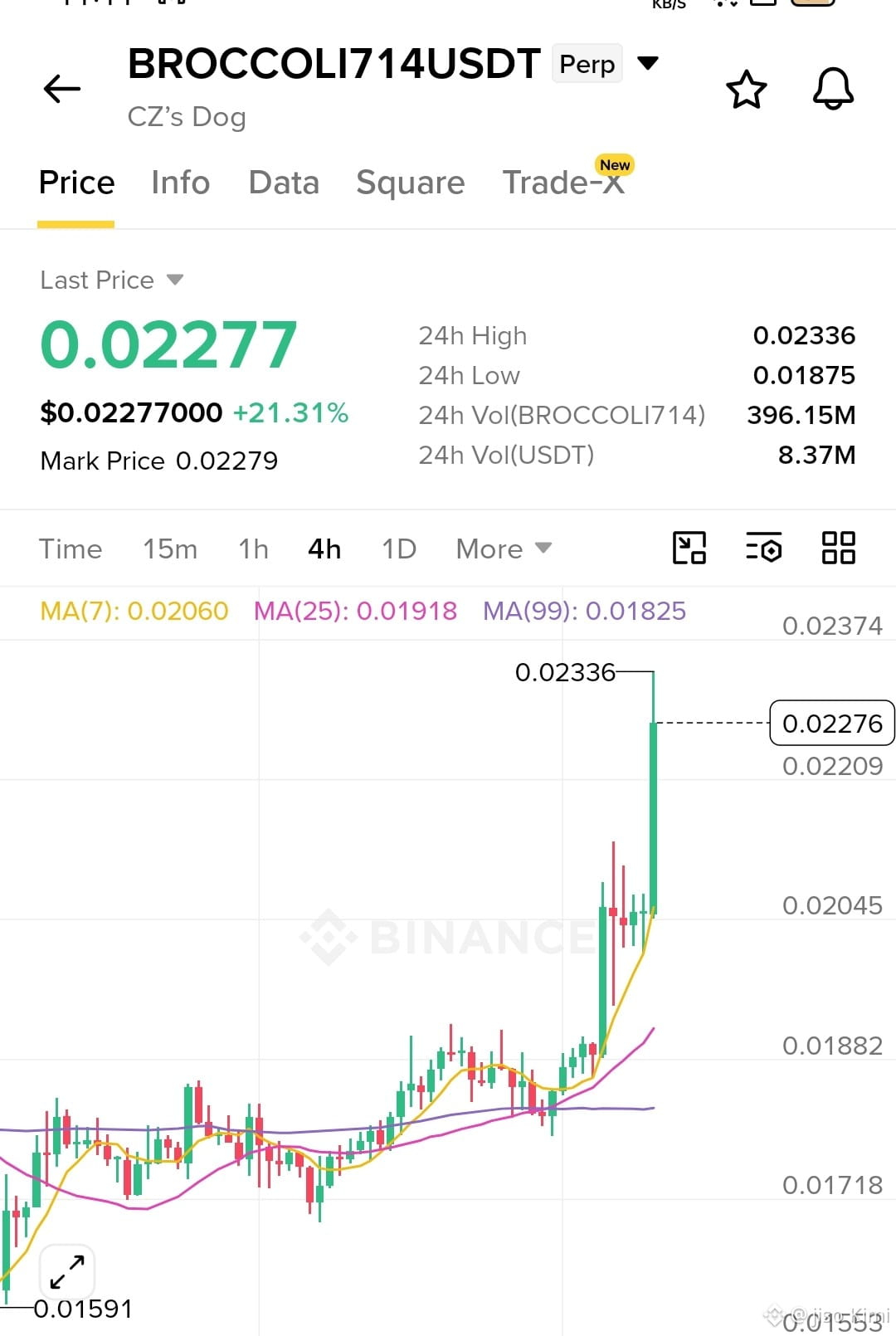
BILLS.....$BROCCOLI714 OPEN BIG LONG NOW With MAX 3x
TARGETS 🎯
🎯0.024$ 🎯0.026$ 🎯0.030$
SL 🔸 0.020$
BILLS.....$BROCCOLI714 OPEN BIG LONG NOW With MAX 3x
TARGETS 🎯
🎯0.024$ 🎯0.026$ 🎯0.030$
SL 🔸 0.020$
TARGETS 🎯
🎯0.024$ 🎯0.026$ 🎯0.030$
SL 🔸 0.020$
45
·
--
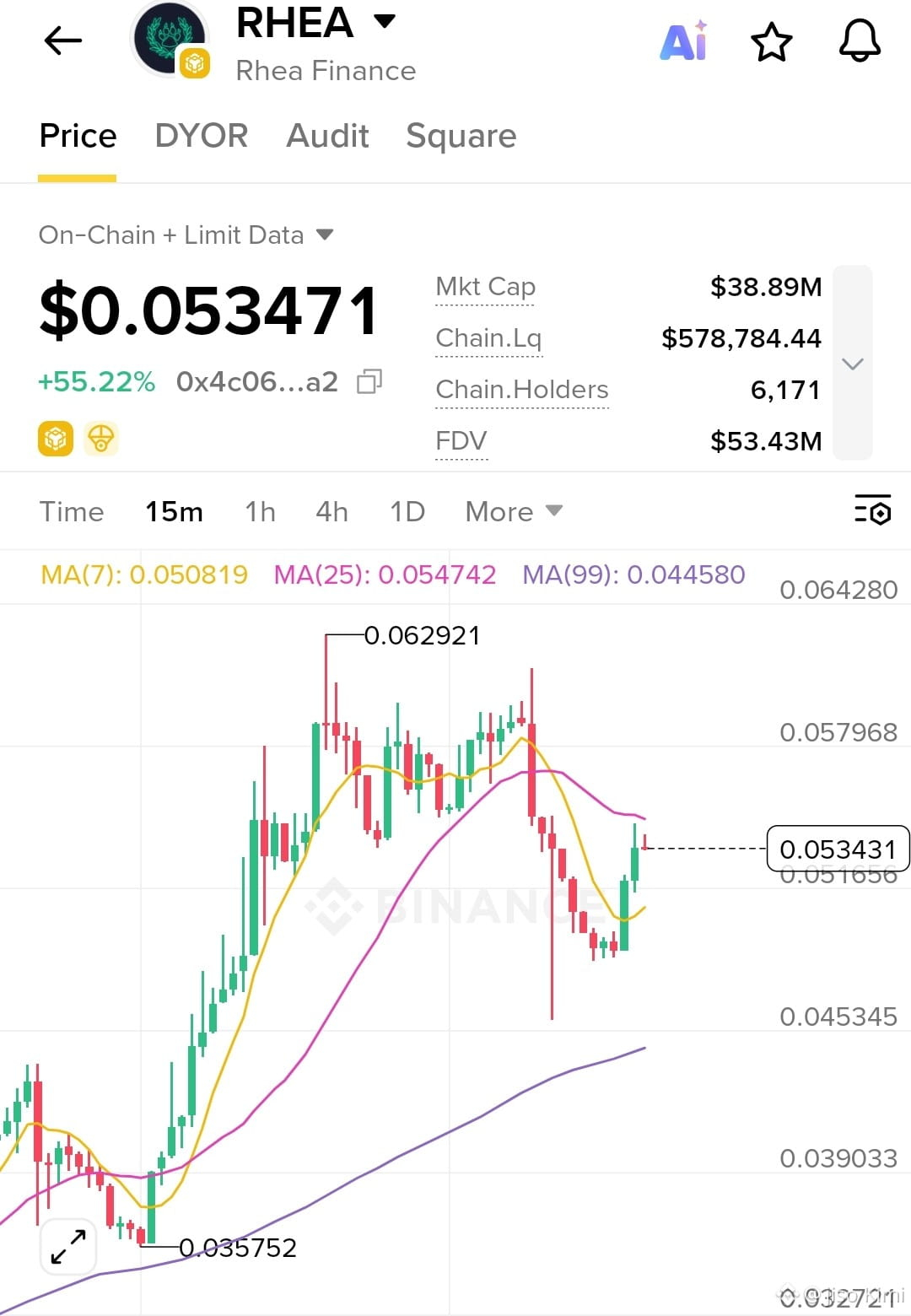
$RHEA BULLS は再び . に参入しています。
ターゲット 🎯
🎯0.055$ 🎯0.057$ 🎯0.060$
SL 🔹 0.051$
$RHEA BULLS は再び . に参入しています。
ターゲット 🎯
🎯0.055$ 🎯0.057$ 🎯0.060$
SL 🔹 0.051$
ターゲット 🎯
🎯0.055$ 🎯0.057$ 🎯0.060$
SL 🔹 0.051$
19
·
--
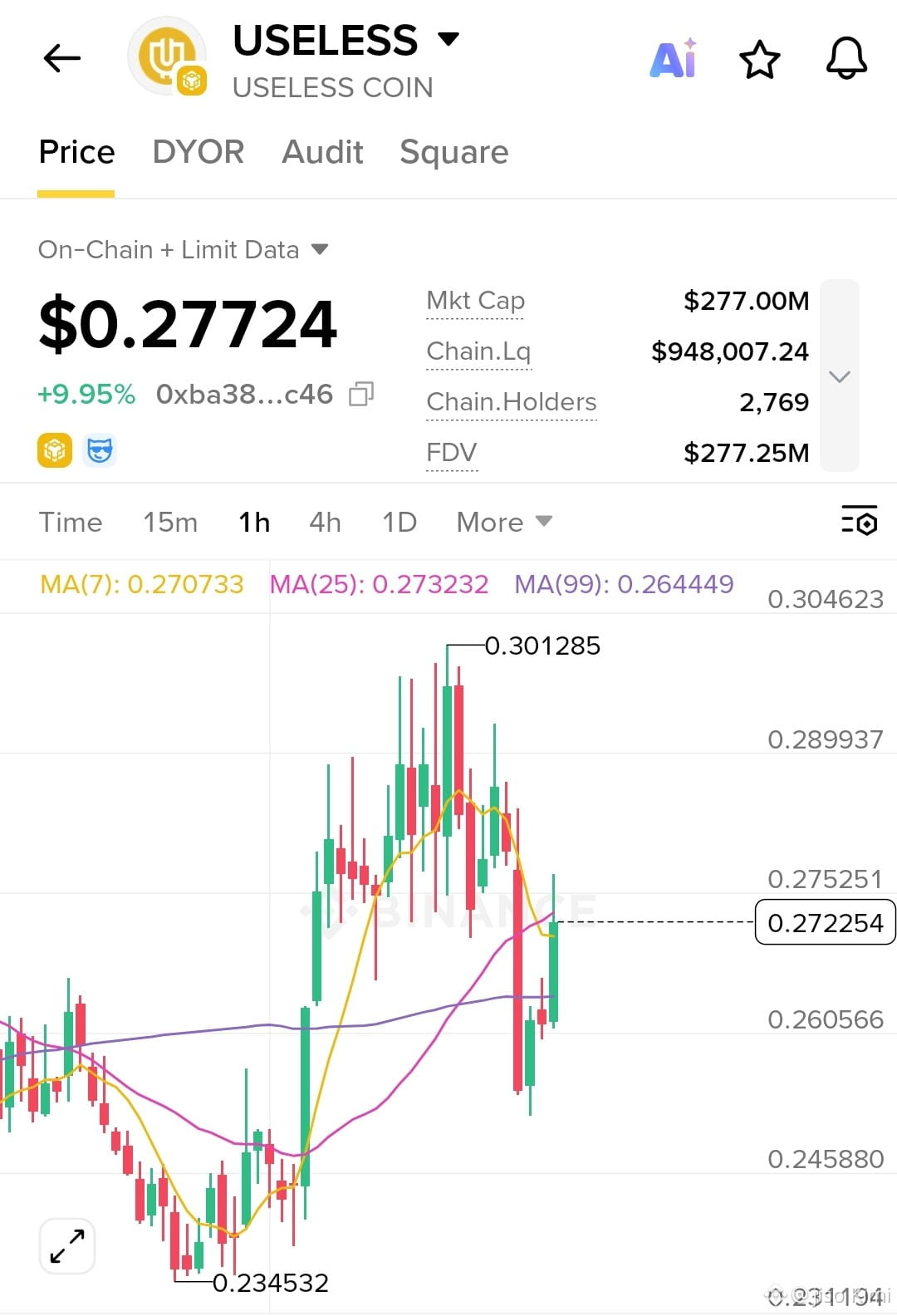
$USELESS 強い回復の兆候を示しています。
ターゲット 🎯
🎯0.30$ 🎯0.34$ 🎯0.36$
SL 🔸 0.25$
$USELESS 強い回復の兆候を示しています。
ターゲット 🎯
🎯0.30$ 🎯0.34$ 🎯0.36$
SL 🔸 0.25$
ターゲット 🎯
🎯0.30$ 🎯0.34$ 🎯0.36$
SL 🔸 0.25$
97
ログインして、さらにコンテンツを読む
厳選トピックで世界の暗号資産トレーダーの仲間入り
⚡️ 暗号資産に関する最新かつ有益な情報が見つかります。
💬 世界最大の暗号資産取引所から信頼されています。
👍 認証を受けたクリエイターから、有益なインサイトを得られます。
メール / 電話番号
トレンドトピック
EthereumDropsBelow$2300
閲覧回数 1,722
75人が討論中
#EthereumDropsBelow$2300 📉 イーサリアム、価格が2,300ドルを下回り重要なサポートを試す
時価総額で2番目に大きい暗号資産が、テクニカル面で重要な局面を迎えています。今回の価格変動が、イーサリアムのエコシステム全体やデジタル資産市場に何を意味するのかを見ていきましょう。
📰 主なニュース
イーサリアム(ETH)は最近、2,300ドルの価格水準を下回りました。この動きには、市場全体のボラティリティ、通常の利益確定、そしてデジタル資産の評価に影響を与え続けているマクロ経済に対するセンチメントの変化が複合的に反映されています。
📊 市場への影響
• アルトコインのセンチメント 市場をけん引する主要銘柄であるETHの値動きは、レイヤー2のスケーリングソリューションや分散型金融(DeFi)トークンを含む、アルトコイン市場全体の方向性を決めることがよくあります。
• テクニカル水準 2,300ドルは、心理的にも過去の値動きから見ても重要なサポートゾーンです。市場参加者は、この水準が維持されるのか、それとも短期的にさらなる値固めが起こるのかを注意深く見守っています。
• ネットワークの基礎的要素 短期的な価格変動がある一方で、ステーキングへの参加状況、バリデーターの増加、継続的なネットワーク開発など、イーサリアムの基盤となるオンチェーン指標は、日々の市場チャートとは独立して進展を続けています。
💬 議論に参加しましょう
現在のイーサリアムの価格水準をどう見ていますか?注目すべき重要なサポートゾーンだと思いますか?それとも、市場はさらに値固めが進むと予想しますか?ぜひ、分析や考えをコメントで共有してください!👇
#Ethereum #ETH #CryptoMarket #DeFi #Web3
本情報は教育目的のみで提供されています。金融アドバイスではありません(NFA)。必ずご自身で調査・判断してください(DYOR)。
$HUMA $BANK $ETH
User-4d6a0d2
·いいね:0件
·閲覧回数 133
BitcoinSlipsBelow$80KAgain
閲覧回数 4,213
44人が討論中
ThailandLaunchesWORPTStablecoinToQRPaymentApp
閲覧回数 6,020
152人が討論中