

MkSingh2845
1k 投稿
MkSingh2845
報告
ユーザーをブロック
Hello Friend's this is good platform ,And Binance Square ,write to earn, learn to earn, he is good reward for binance, Love you binance
取引を発注
高頻度トレーダー
3.7年
257 フォロー
118 フォロワー
109 いいね
投稿
ポートフォリオ
すべて
引用
動画
·
--
記事
翻訳参照
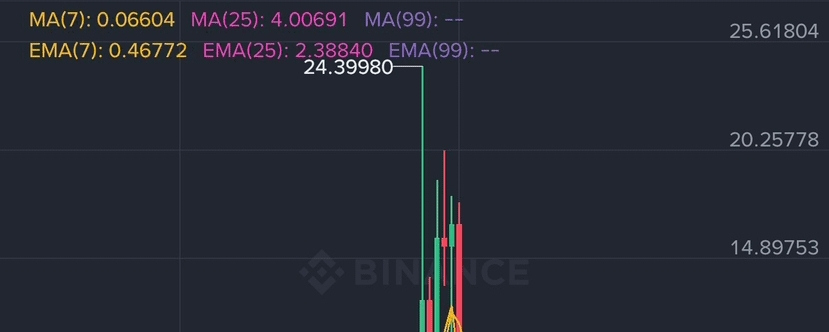
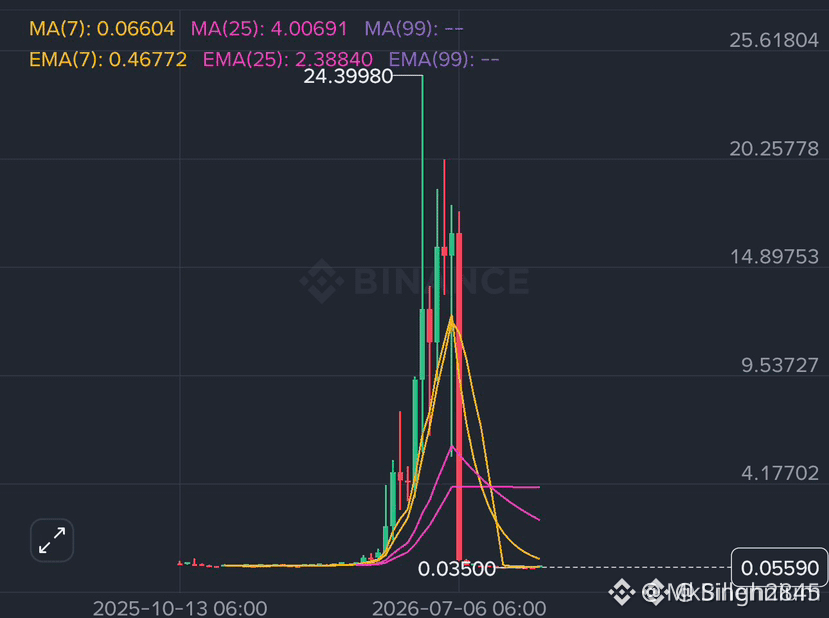
$LAB was pumping like crazyI have a friend who’s an investigator and a big influencer.
A couple of months ago, when $LAB was pumping like crazy and everyone thought it could go above $50, he told me to watch for a short between $20–$25.
$LAB reached around $24 and then dumped hard.
So what now?
Recently, he shared a few coins with me that he believes could have a similar setup to what happened with $LAB . One of them was $AKE , and he shared around 5–6 tokens with me in total.
I’ve already shared 1–2 of them with my community, and soon I’ll share the rest.
But I’m not going to announce all of them publicly at once. With low-liquidity tokens, a large public audience can itself move the market, so timing and risk management matter.
I’ll share more when the time is right. 👀
$LAB
{future}(LABUSDT)
$LAB was pumping like crazy
I have a friend who’s an investigator and a big influencer.
A couple of months ago, when $LAB was pumping like crazy and everyone thought it could go above $50, he told me to watch for a short between $20–$25.
$LAB reached around $24 and then dumped hard.
So what now?
Recently, he shared a few coins with me that he believes could have a similar setup to what happened with $LAB . One of them was $AKE , and he shared around 5–6 tokens with me in total.
I’ve already shared 1–2 of them with my community, and soon I’ll share the rest.
But I’m not going to announce all of them publicly at once. With low-liquidity tokens, a large public audience can itself move the market, so timing and risk management matter.
I’ll share more when the time is right. 👀
$LAB
A couple of months ago, when $LAB was pumping like crazy and everyone thought it could go above $50, he told me to watch for a short between $20–$25.
$LAB reached around $24 and then dumped hard.
So what now?
Recently, he shared a few coins with me that he believes could have a similar setup to what happened with $LAB . One of them was $AKE , and he shared around 5–6 tokens with me in total.
I’ve already shared 1–2 of them with my community, and soon I’ll share the rest.
But I’m not going to announce all of them publicly at once. With low-liquidity tokens, a large public audience can itself move the market, so timing and risk management matter.
I’ll share more when the time is right. 👀
$LAB
30
·
--
翻訳参照
I have a friend who’s an investigator and a big influencer.
A couple of months ago, when lab was pumping like crazy and everyone thought it could go above $50, he told me to watch for a short between $20–$25.LAB
reached around $24 and then dumped hard.
So what now?
Recently, he shared a few coins with me that he believes could have a similar setup to what happened with . One of them was $AKE , and he shared around 5–6 tokens with me in total.
I’ve already shared 1–2 of them with my community, and soon I’ll share the rest.
But I’m not going to announce all of them publicly at once. With low-liquidity tokens, a large public audience can itself move the market, so timing and risk management matter.
I’ll share more when the time is right. 👀
$LAB $NVDA.US $BNB
{future}(BNBUSDT)
{stock_us}(NVDA.US)
{future}(LABUSDT)
#QNTRises39% #BitgetBreachForgedRequestsNotStolenKeys #CFTCUpdatesGuidanceOnTokenizedAssets 🤑🤑
I have a friend who’s an investigator and a big influencer.
A couple of months ago, when lab was pumping like crazy and everyone thought it could go above $50, he told me to watch for a short between $20–$25.LAB
reached around $24 and then dumped hard.
So what now?
Recently, he shared a few coins with me that he believes could have a similar setup to what happened with . One of them was $AKE , and he shared around 5–6 tokens with me in total.
I’ve already shared 1–2 of them with my community, and soon I’ll share the rest.
But I’m not going to announce all of them publicly at once. With low-liquidity tokens, a large public audience can itself move the market, so timing and risk management matter.
I’ll share more when the time is right. 👀
$LAB $NVDA.US $BNB
#QNTRises39% #BitgetBreachForgedRequestsNotStolenKeys #CFTCUpdatesGuidanceOnTokenizedAssets 🤑🤑
A couple of months ago, when lab was pumping like crazy and everyone thought it could go above $50, he told me to watch for a short between $20–$25.LAB
reached around $24 and then dumped hard.
So what now?
Recently, he shared a few coins with me that he believes could have a similar setup to what happened with . One of them was $AKE , and he shared around 5–6 tokens with me in total.
I’ve already shared 1–2 of them with my community, and soon I’ll share the rest.
But I’m not going to announce all of them publicly at once. With low-liquidity tokens, a large public audience can itself move the market, so timing and risk management matter.
I’ll share more when the time is right. 👀
$LAB $NVDA.US $BNB
#QNTRises39% #BitgetBreachForgedRequestsNotStolenKeys #CFTCUpdatesGuidanceOnTokenizedAssets 🤑🤑
49
·
--
翻訳参照
Important Data for $BTC and Altcoins!Important Data for $BTC and Altcoins!
This[ ](https://www.binance.com/square/hashtag/Bitcoin)chart you see is a bit different from the usual liquidation maps. First of all, the bubbles here represent real people.
So the term “popping the bubble” actually comes to life here. Although it may not be very visible in the upper region, we saw that there is still a high degree of liquidation as evidenced by the $1.3 billion in liquidations that occurred alongside the $5,000 rally the other day.
At the slightest price increase, people immediately start looking for short positions. Both global markets and negative data are major factors here, but I’ve been saying the same thing from the very beginning.
The market moves against the crowd. That’s why retail investors will continue to be targeted. A rise to the $90,000 level seems much more likely to me. That’s when all those bubbles. DYOR$BTC
{future}(BTCUSDT)
$ETH
{spot}(ETHUSDT)
$NVDAB
{spot}(NVDABUSDT)
#BitcoinSpotETFsNetInflow$191M #BinanceWillListHyperliquid(HYPE) #EthereumBreaksAbove$2700
Important Data for $BTC and Altcoins!
Important Data for $BTC and Altcoins!
This chart you see is a bit different from the usual liquidation maps. First of all, the bubbles here represent real people.
So the term “popping the bubble” actually comes to life here. Although it may not be very visible in the upper region, we saw that there is still a high degree of liquidation as evidenced by the $1.3 billion in liquidations that occurred alongside the $5,000 rally the other day.
At the slightest price increase, people immediately start looking for short positions. Both global markets and negative data are major factors here, but I’ve been saying the same thing from the very beginning.
The market moves against the crowd. That’s why retail investors will continue to be targeted. A rise to the $90,000 level seems much more likely to me. That’s when all those bubbles. DYOR$BTC
$ETH
$NVDAB
#BitcoinSpotETFsNetInflow$191M #BinanceWillListHyperliquid(HYPE) #EthereumBreaksAbove$2700
This chart you see is a bit different from the usual liquidation maps. First of all, the bubbles here represent real people.
So the term “popping the bubble” actually comes to life here. Although it may not be very visible in the upper region, we saw that there is still a high degree of liquidation as evidenced by the $1.3 billion in liquidations that occurred alongside the $5,000 rally the other day.
At the slightest price increase, people immediately start looking for short positions. Both global markets and negative data are major factors here, but I’ve been saying the same thing from the very beginning.
The market moves against the crowd. That’s why retail investors will continue to be targeted. A rise to the $90,000 level seems much more likely to me. That’s when all those bubbles. DYOR$BTC
$ETH
$NVDAB
#BitcoinSpotETFsNetInflow$191M #BinanceWillListHyperliquid(HYPE) #EthereumBreaksAbove$2700
71
·
--
ブリッシュ
バイナンスが「Together Initiative」(総額4億ドル)を発表 - 業界の回復と信頼回復のための計画
2025-10-14 20:47に公開
これは一般的な告知です。ここで言及される製品およびサービスは、お住まいの地域で利用できない場合があります。
Binanceの皆さんへ
ここ数日、世界の暗号資産市場は大きなボラティリティ(変動)を経験しており、ユーザー、機関、そして業界全体に影響が及びました。多くの方にとって、マクロ経済の低迷による影響は、私たちの誕生したばかりの業界にとって痛手であり、資産価格だけでなくユーザーの信頼にも影響しています。
バイナンスもまた課題に直面してきました。そして、業界内外の双方から厳しい目を向けられてきました。業界のリーダーとして、ある程度の精査があることは想定しています—それが公平であれ不公平であれ。とはいえ、私たちにとって常に最優先なのはユーザーです。それが私たちの存在意義です。ユーザーのサポートがなければ、そこにバイナンスはありません。
これまでに発表した補償計画の具体化に引き続き取り組む一方で、私たちはこの困難な時期をともに乗り越えるための、ユーザーおよび業界向けの追加支援策を以下のように策定しました。今日、バイナンスは「Together Initiative」を正式に立ち上げました。
$NVDAB
{spot}(NVDABUSDT)
$NVDA.US
{stock_us}(NVDA.US)
$USDT
#CFTCUpdatesGuidanceOnTokenizedAssets #BinanceWillListHyperliquid(HYPE) #FedOctoberRateHikeOddsRiseTo69.7% #OndoFinanceSoughtSaleAfterFoundersDeath
バイナンスが「Together Initiative」(総額4億ドル)を発表 - 業界の回復と信頼回復のための計画
2025-10-14 20:47に公開
これは一般的な告知です。ここで言及される製品およびサービスは、お住まいの地域で利用できない場合があります。
Binanceの皆さんへ
ここ数日、世界の暗号資産市場は大きなボラティリティ(変動)を経験しており、ユーザー、機関、そして業界全体に影響が及びました。多くの方にとって、マクロ経済の低迷による影響は、私たちの誕生したばかりの業界にとって痛手であり、資産価格だけでなくユーザーの信頼にも影響しています。
バイナンスもまた課題に直面してきました。そして、業界内外の双方から厳しい目を向けられてきました。業界のリーダーとして、ある程度の精査があることは想定しています—それが公平であれ不公平であれ。とはいえ、私たちにとって常に最優先なのはユーザーです。それが私たちの存在意義です。ユーザーのサポートがなければ、そこにバイナンスはありません。
これまでに発表した補償計画の具体化に引き続き取り組む一方で、私たちはこの困難な時期をともに乗り越えるための、ユーザーおよび業界向けの追加支援策を以下のように策定しました。今日、バイナンスは「Together Initiative」を正式に立ち上げました。
$NVDAB
$NVDA.US
$USDT
#CFTCUpdatesGuidanceOnTokenizedAssets #BinanceWillListHyperliquid(HYPE) #FedOctoberRateHikeOddsRiseTo69.7% #OndoFinanceSoughtSaleAfterFoundersDeath
2025-10-14 20:47に公開
これは一般的な告知です。ここで言及される製品およびサービスは、お住まいの地域で利用できない場合があります。
Binanceの皆さんへ
ここ数日、世界の暗号資産市場は大きなボラティリティ(変動)を経験しており、ユーザー、機関、そして業界全体に影響が及びました。多くの方にとって、マクロ経済の低迷による影響は、私たちの誕生したばかりの業界にとって痛手であり、資産価格だけでなくユーザーの信頼にも影響しています。
バイナンスもまた課題に直面してきました。そして、業界内外の双方から厳しい目を向けられてきました。業界のリーダーとして、ある程度の精査があることは想定しています—それが公平であれ不公平であれ。とはいえ、私たちにとって常に最優先なのはユーザーです。それが私たちの存在意義です。ユーザーのサポートがなければ、そこにバイナンスはありません。
これまでに発表した補償計画の具体化に引き続き取り組む一方で、私たちはこの困難な時期をともに乗り越えるための、ユーザーおよび業界向けの追加支援策を以下のように策定しました。今日、バイナンスは「Together Initiative」を正式に立ち上げました。
$NVDAB
$NVDA.US
$USDT
#CFTCUpdatesGuidanceOnTokenizedAssets #BinanceWillListHyperliquid(HYPE) #FedOctoberRateHikeOddsRiseTo69.7% #OndoFinanceSoughtSaleAfterFoundersDeath
77
·
--
翻訳参照
Nvidia CEO Puts Trump on the Phone Onstage While Playing Down AI RisksArticle
Nvidia CEO Puts Trump on the Phone Onstage While Playing Down AI Risks
[Binance News](https://www.binance.com/en-IN/square/profile/binance_news)
13h
・Verified Binance official account
[Nvidia](https://www.binance.com/stocks/EQ_NVDA) Chief Executive Officer Jensen Huang took a live phone call from President Donald Trump during a panel discussion on Monday, letting the US leader dismiss the dangers of artificial intelligence as a "hoax," according to Bloomberg. Huang received the call on stage at the All-In Summit in Los Angeles, where Trump criticized the push to slow AI development as politically motivated or a Chinese scheme. The pushback is "just playing right into the hands of a lot of people that don't want to see it happen," Trump said. "And that could [be](https://www.binance.com/stocks/EQ_BE) political people. It could also be China." Huang agreed, saying the president had seen through the complexities of the issue.
Even while downplaying the risks, Huang praised an [Anthropic](https://www.binance.com/en-IN/futures/ANTHROPICUSDT?contentId=366758410832375) researcher who resigned over AI fears, calling employee Jacob Coxon courageous for voicing his concerns and saying whistleblowers should be taken seriously inside organizations. Still, Huang argued the panic has created a false choice between fast innovation and AI safety. The debate over AI's potential danger to humanity has intensified: after Coxon quit, saying Anthropic and [OpenAI](https://www.binance.com/en-IN/futures/OPENAIUSDT?contentId=366758410832375) were "gambling with our lives," calls to curb the pace of development have grown, and on Saturday Anthropic CEO Dario Amodei published a 3,800-word essay proposing a slowdown, later endorsed by OpenAI's Sam Altman and [SpaceX](https://www.binance.com/stocks/EQ_SPCX)'s Elon Musk.
US tech stocks slumped Monday on concern about a potential deceleration in spending, with [Nvidia](https://www.binance.com/stocks/EQ_NVDA) — the world's most valuable company — falling 3.4%. Nvidia, whose chips help run AI models, has been the top beneficiary of a massive AI infrastructure build-out, while Trump has become a fierce advocate for data-center construction despite growing opposition. He criticized US states for refusing permits for new data centers, saying such facilities make people and states wealthy. "It's the oil of the next 20, 25 years," he said. "It's bigger than the internet."
Nvidia CEO Puts Trump on the Phone Onstage While Playing Down AI Risks
Article
Nvidia CEO Puts Trump on the Phone Onstage While Playing Down AI Risks
Binance News
13h
・Verified Binance official account
Nvidia Chief Executive Officer Jensen Huang took a live phone call from President Donald Trump during a panel discussion on Monday, letting the US leader dismiss the dangers of artificial intelligence as a "hoax," according to Bloomberg. Huang received the call on stage at the All-In Summit in Los Angeles, where Trump criticized the push to slow AI development as politically motivated or a Chinese scheme. The pushback is "just playing right into the hands of a lot of people that don't want to see it happen," Trump said. "And that could be political people. It could also be China." Huang agreed, saying the president had seen through the complexities of the issue.
Even while downplaying the risks, Huang praised an Anthropic researcher who resigned over AI fears, calling employee Jacob Coxon courageous for voicing his concerns and saying whistleblowers should be taken seriously inside organizations. Still, Huang argued the panic has created a false choice between fast innovation and AI safety. The debate over AI's potential danger to humanity has intensified: after Coxon quit, saying Anthropic and OpenAI were "gambling with our lives," calls to curb the pace of development have grown, and on Saturday Anthropic CEO Dario Amodei published a 3,800-word essay proposing a slowdown, later endorsed by OpenAI's Sam Altman and SpaceX's Elon Musk.
US tech stocks slumped Monday on concern about a potential deceleration in spending, with Nvidia — the world's most valuable company — falling 3.4%. Nvidia, whose chips help run AI models, has been the top beneficiary of a massive AI infrastructure build-out, while Trump has become a fierce advocate for data-center construction despite growing opposition. He criticized US states for refusing permits for new data centers, saying such facilities make people and states wealthy. "It's the oil of the next 20, 25 years," he said. "It's bigger than the internet."
Nvidia CEO Puts Trump on the Phone Onstage While Playing Down AI Risks
Binance News
13h
・Verified Binance official account
Nvidia Chief Executive Officer Jensen Huang took a live phone call from President Donald Trump during a panel discussion on Monday, letting the US leader dismiss the dangers of artificial intelligence as a "hoax," according to Bloomberg. Huang received the call on stage at the All-In Summit in Los Angeles, where Trump criticized the push to slow AI development as politically motivated or a Chinese scheme. The pushback is "just playing right into the hands of a lot of people that don't want to see it happen," Trump said. "And that could be political people. It could also be China." Huang agreed, saying the president had seen through the complexities of the issue.
Even while downplaying the risks, Huang praised an Anthropic researcher who resigned over AI fears, calling employee Jacob Coxon courageous for voicing his concerns and saying whistleblowers should be taken seriously inside organizations. Still, Huang argued the panic has created a false choice between fast innovation and AI safety. The debate over AI's potential danger to humanity has intensified: after Coxon quit, saying Anthropic and OpenAI were "gambling with our lives," calls to curb the pace of development have grown, and on Saturday Anthropic CEO Dario Amodei published a 3,800-word essay proposing a slowdown, later endorsed by OpenAI's Sam Altman and SpaceX's Elon Musk.
US tech stocks slumped Monday on concern about a potential deceleration in spending, with Nvidia — the world's most valuable company — falling 3.4%. Nvidia, whose chips help run AI models, has been the top beneficiary of a massive AI infrastructure build-out, while Trump has become a fierce advocate for data-center construction despite growing opposition. He criticized US states for refusing permits for new data centers, saying such facilities make people and states wealthy. "It's the oil of the next 20, 25 years," he said. "It's bigger than the internet."
67
·
--


X mucaN
·
--
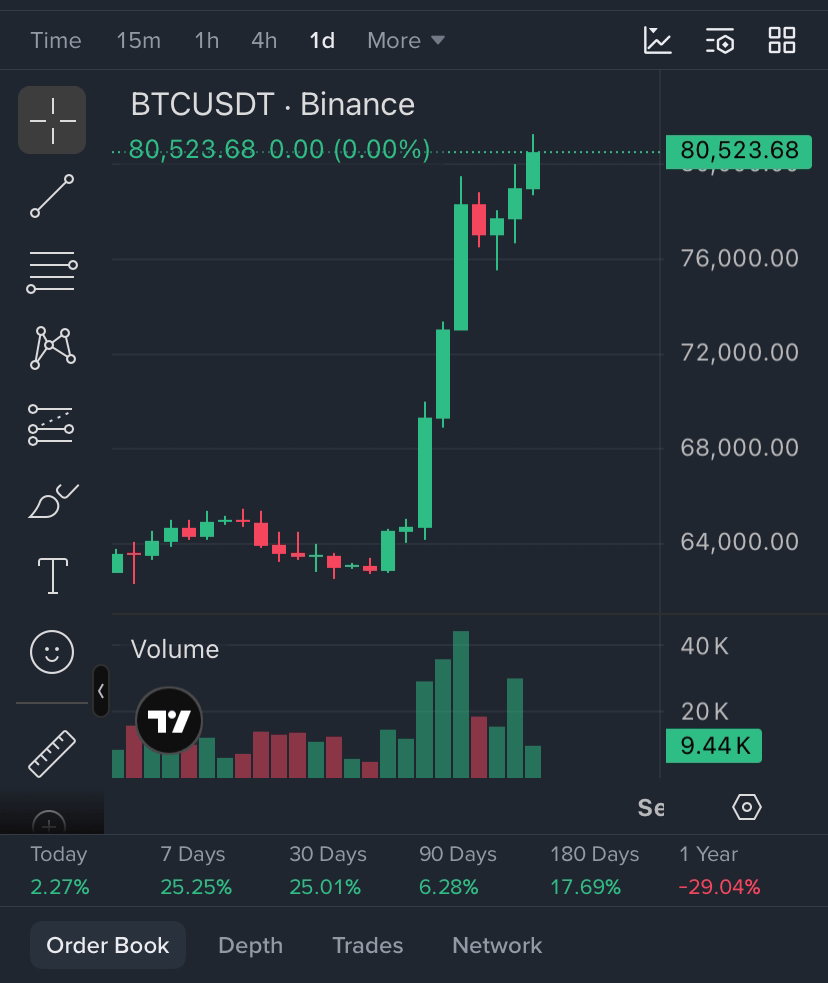
$BTC を$80,000で見て、$ETH を$2,500で見て、$SOL を$100で見ていると、人々がこの価格で買うことが心配になります。これは強気相場ではありません。つい数週間前にCZが、もしかすると弱気相場に入っているかもしれないと言っていましたし、さらにこのAIの波が仮想通貨市場にどう影響しているのかについても話していました。
このすべてのポンプは、トランプが仮想通貨について強気のコメントをしてから始まりました。そしてほとんどの仮想通貨投資家は感情的になって、市場にお金を注ぎ込んで買い、ポンプし始めたのです。
今お金を稼いでいる主な人たちは、そのスピーチの前にポジションを取っていた人たちで、彼らは長く持っていません。すぐに売ります。みんなが「ブルランだ」と叫んでいる最中に、私たちはまた$60Kの地域に戻るでしょう。
私の保有分も上がっていて、このくらい高いところまで市場がポンプしているのを見るのは嬉しいです。ただし、この価格ではどのコインも買っていません。
このすべてのポンプは、トランプが仮想通貨について強気のコメントをしてから始まりました。そしてほとんどの仮想通貨投資家は感情的になって、市場にお金を注ぎ込んで買い、ポンプし始めたのです。
今お金を稼いでいる主な人たちは、そのスピーチの前にポジションを取っていた人たちで、彼らは長く持っていません。すぐに売ります。みんなが「ブルランだ」と叫んでいる最中に、私たちはまた$60Kの地域に戻るでしょう。
私の保有分も上がっていて、このくらい高いところまで市場がポンプしているのを見るのは嬉しいです。ただし、この価格ではどのコインも買っていません。
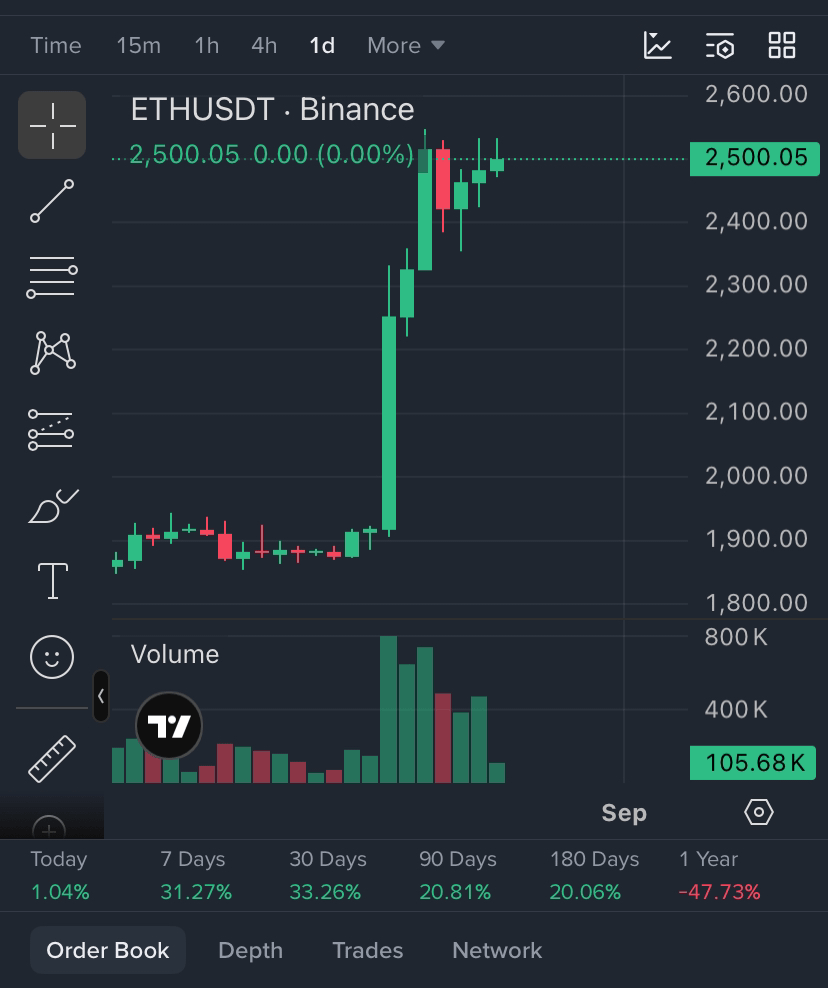
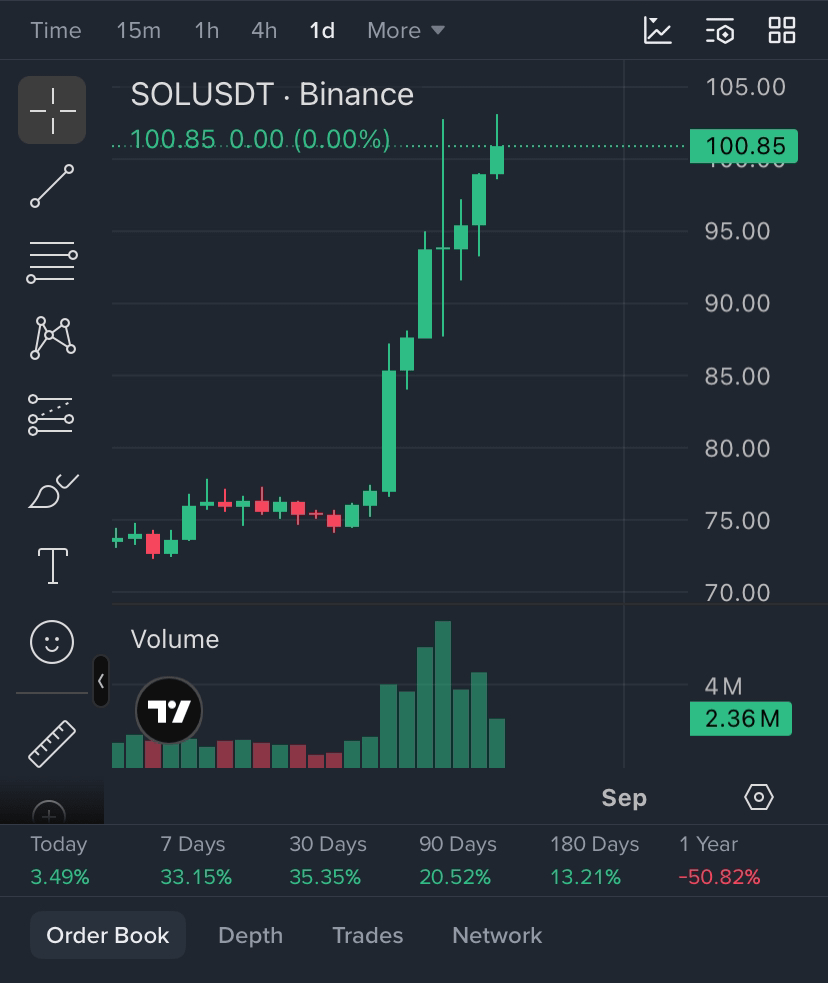
1
385
·
--
ブリッシュ
X mucaN
·
--
$BTC を$80,000で見て、$ETH を$2,500で見て、$SOL を$100で見ていると、人々がこの価格で買うことが心配になります。これは強気相場ではありません。つい数週間前にCZが、もしかすると弱気相場に入っているかもしれないと言っていましたし、さらにこのAIの波が仮想通貨市場にどう影響しているのかについても話していました。
このすべてのポンプは、トランプが仮想通貨について強気のコメントをしてから始まりました。そしてほとんどの仮想通貨投資家は感情的になって、市場にお金を注ぎ込んで買い、ポンプし始めたのです。
今お金を稼いでいる主な人たちは、そのスピーチの前にポジションを取っていた人たちで、彼らは長く持っていません。すぐに売ります。みんなが「ブルランだ」と叫んでいる最中に、私たちはまた$60Kの地域に戻るでしょう。
私の保有分も上がっていて、このくらい高いところまで市場がポンプしているのを見るのは嬉しいです。ただし、この価格ではどのコインも買っていません。
このすべてのポンプは、トランプが仮想通貨について強気のコメントをしてから始まりました。そしてほとんどの仮想通貨投資家は感情的になって、市場にお金を注ぎ込んで買い、ポンプし始めたのです。
今お金を稼いでいる主な人たちは、そのスピーチの前にポジションを取っていた人たちで、彼らは長く持っていません。すぐに売ります。みんなが「ブルランだ」と叫んでいる最中に、私たちはまた$60Kの地域に戻るでしょう。
私の保有分も上がっていて、このくらい高いところまで市場がポンプしているのを見るのは嬉しいです。ただし、この価格ではどのコインも買っていません。
1
472
·
--
水曜の寄り付きでストレージが米国市場をリードした。ウェスタン・デジタルは3.16%高、シーゲートは2.35%高、SKハイニックスは0.51%高、マイクロンは0.33%高だった。BITの市場データによると、ネオクラウド株は逆の動きで、ギャラクシー・デジタルが3.93%下落、IRENが3.13%下落、サイファー・マイニングが2.76%下落、アプライド・デジタルが2.63%下落した。
ウェスタン・デジタルとシーゲートがストレージ優位の流れをけん引
ストレージの買いが、概ね下落した半導体セクターに対して際立っている。マーベルは1.29%下落、アプライド・マテリアルズは1.16%下落、KLAは1.06%下落、エヌビディアは0.92%下落。例外はAMDで0.93%高だった。光通信はまちまちで、シエナは2.45%上昇、ルメントムは1.02%上昇、アスター・ラボズは0.71%上昇。一方、ノキアは1.59%下落、マーベルは下落した。
半導体よりもストレージが上回るのは、AI複合(エコシステム)の中での資金の回転であって、セクターに対する方向性の強気/弱気というよりはそうした動きだ。ストレージ需要はデータ量に連動し、AIの導入が進む限り、そのコストが短期で資本コストを回収できるかどうかにかかわらず増える。半導体銘柄はより直接的に設備投資(capex)のタイミング判断の影響を受ける。エナジー・グループ・キャピタルのアマンダ・ライオンズが示した論点は、AI需要が存在するかどうかから、インフラ構築が十分な経済的リターンを生み続けられるのかどうかへと議論が移ったことにある。
ギャラクシー・デジタルとIRENが主導し、ネオクラウド株は下落
これらの銘柄には、契約済みのAI計算(コンピュート)収益に基づくバリュエーションが織り込まれている。IRENはマイクロソフト、Nvidia、Perplexity、Figure AIにまたがる契約を28億ドル保有している。アプライド・デジタル、サイファー・マイニング、ギャラクシー・デジタルはいずれもデータセンターの増強(ビルドアウト)をめぐる論拠が同程度だ。このグループは、AIインフラ需要が現行ペースで継続するというレバレッジ(てこの作用の効いた)エクスポージャーとして取引されているため、それを供給する半導体メーカーよりも、上にも下にも振れやすい。
ギャラクシー・デジタルの3.93%下落は注目に値する。なぜなら、その事業は$NVDA.US
{stock_us}(NVDA.US)
$IREN
{future}(IRENUSDT)
$NVDAB
{spot}(NVDABUSDT)
#IranSaysHormuzOmanDealNotFinalized #IranSaysHormuzOmanDealNotFinalized #XRPRallies44%InAWeek 🤑🤑
水曜の寄り付きでストレージが米国市場をリードした。ウェスタン・デジタルは3.16%高、シーゲートは2.35%高、SKハイニックスは0.51%高、マイクロンは0.33%高だった。BITの市場データによると、ネオクラウド株は逆の動きで、ギャラクシー・デジタルが3.93%下落、IRENが3.13%下落、サイファー・マイニングが2.76%下落、アプライド・デジタルが2.63%下落した。
ウェスタン・デジタルとシーゲートがストレージ優位の流れをけん引
ストレージの買いが、概ね下落した半導体セクターに対して際立っている。マーベルは1.29%下落、アプライド・マテリアルズは1.16%下落、KLAは1.06%下落、エヌビディアは0.92%下落。例外はAMDで0.93%高だった。光通信はまちまちで、シエナは2.45%上昇、ルメントムは1.02%上昇、アスター・ラボズは0.71%上昇。一方、ノキアは1.59%下落、マーベルは下落した。
半導体よりもストレージが上回るのは、AI複合(エコシステム)の中での資金の回転であって、セクターに対する方向性の強気/弱気というよりはそうした動きだ。ストレージ需要はデータ量に連動し、AIの導入が進む限り、そのコストが短期で資本コストを回収できるかどうかにかかわらず増える。半導体銘柄はより直接的に設備投資(capex)のタイミング判断の影響を受ける。エナジー・グループ・キャピタルのアマンダ・ライオンズが示した論点は、AI需要が存在するかどうかから、インフラ構築が十分な経済的リターンを生み続けられるのかどうかへと議論が移ったことにある。
ギャラクシー・デジタルとIRENが主導し、ネオクラウド株は下落
これらの銘柄には、契約済みのAI計算(コンピュート)収益に基づくバリュエーションが織り込まれている。IRENはマイクロソフト、Nvidia、Perplexity、Figure AIにまたがる契約を28億ドル保有している。アプライド・デジタル、サイファー・マイニング、ギャラクシー・デジタルはいずれもデータセンターの増強(ビルドアウト)をめぐる論拠が同程度だ。このグループは、AIインフラ需要が現行ペースで継続するというレバレッジ(てこの作用の効いた)エクスポージャーとして取引されているため、それを供給する半導体メーカーよりも、上にも下にも振れやすい。
ギャラクシー・デジタルの3.93%下落は注目に値する。なぜなら、その事業は$NVDA.US
$IREN
$NVDAB
#IranSaysHormuzOmanDealNotFinalized #IranSaysHormuzOmanDealNotFinalized #XRPRallies44%InAWeek 🤑🤑
ウェスタン・デジタルとシーゲートがストレージ優位の流れをけん引
ストレージの買いが、概ね下落した半導体セクターに対して際立っている。マーベルは1.29%下落、アプライド・マテリアルズは1.16%下落、KLAは1.06%下落、エヌビディアは0.92%下落。例外はAMDで0.93%高だった。光通信はまちまちで、シエナは2.45%上昇、ルメントムは1.02%上昇、アスター・ラボズは0.71%上昇。一方、ノキアは1.59%下落、マーベルは下落した。
半導体よりもストレージが上回るのは、AI複合(エコシステム)の中での資金の回転であって、セクターに対する方向性の強気/弱気というよりはそうした動きだ。ストレージ需要はデータ量に連動し、AIの導入が進む限り、そのコストが短期で資本コストを回収できるかどうかにかかわらず増える。半導体銘柄はより直接的に設備投資(capex)のタイミング判断の影響を受ける。エナジー・グループ・キャピタルのアマンダ・ライオンズが示した論点は、AI需要が存在するかどうかから、インフラ構築が十分な経済的リターンを生み続けられるのかどうかへと議論が移ったことにある。
ギャラクシー・デジタルとIRENが主導し、ネオクラウド株は下落
これらの銘柄には、契約済みのAI計算(コンピュート)収益に基づくバリュエーションが織り込まれている。IRENはマイクロソフト、Nvidia、Perplexity、Figure AIにまたがる契約を28億ドル保有している。アプライド・デジタル、サイファー・マイニング、ギャラクシー・デジタルはいずれもデータセンターの増強(ビルドアウト)をめぐる論拠が同程度だ。このグループは、AIインフラ需要が現行ペースで継続するというレバレッジ(てこの作用の効いた)エクスポージャーとして取引されているため、それを供給する半導体メーカーよりも、上にも下にも振れやすい。
ギャラクシー・デジタルの3.93%下落は注目に値する。なぜなら、その事業は$NVDA.US
$IREN
$NVDAB
#IranSaysHormuzOmanDealNotFinalized #IranSaysHormuzOmanDealNotFinalized #XRPRallies44%InAWeek 🤑🤑
340
·
--
トロンニュース:ガスレス取引がメインネットで開始される中、TRX価格はブレイクアウトを狙うトロンニュース:TRX価格、メインネットでガスレス取引が開始される中でブレイクアウトを狙う
[Frost Monarch 冰皇](https://www.binance.com/en-IN/square/profile/frost_monarch)
11 Aug$TRX
この記事の内容が正しいか確認してください
トロンの暗号資産、8月初めに強い収益を投稿
トロンのネットワーク上で堅調な稼働が示された新しいデータを受けて、TRXの価格には新たな注目が集まりました。オンチェーン・レンズが共有したデータによると、トロンは8月最初の5日間にプロトコル収益として3,778万ドルを生み出しました。ネットワークは8月1日に700万ドル、8月2日に652万ドル、8月3日に814万ドル、8月4日に797万ドル、8月5日に814万ドルを稼ぎました。
トロンニュース:ガスレス取引がメインネットで開始される中、TRX価格はブレイクアウトを狙う
トロンニュース:TRX価格、メインネットでガスレス取引が開始される中でブレイクアウトを狙う
Frost Monarch 冰皇
11 Aug$TRX
この記事の内容が正しいか確認してください
トロンの暗号資産、8月初めに強い収益を投稿
トロンのネットワーク上で堅調な稼働が示された新しいデータを受けて、TRXの価格には新たな注目が集まりました。オンチェーン・レンズが共有したデータによると、トロンは8月最初の5日間にプロトコル収益として3,778万ドルを生み出しました。ネットワークは8月1日に700万ドル、8月2日に652万ドル、8月3日に814万ドル、8月4日に797万ドル、8月5日に814万ドルを稼ぎました。
Frost Monarch 冰皇
11 Aug$TRX
この記事の内容が正しいか確認してください
トロンの暗号資産、8月初めに強い収益を投稿
トロンのネットワーク上で堅調な稼働が示された新しいデータを受けて、TRXの価格には新たな注目が集まりました。オンチェーン・レンズが共有したデータによると、トロンは8月最初の5日間にプロトコル収益として3,778万ドルを生み出しました。ネットワークは8月1日に700万ドル、8月2日に652万ドル、8月3日に814万ドル、8月4日に797万ドル、8月5日に814万ドルを稼ぎました。
83
·
--
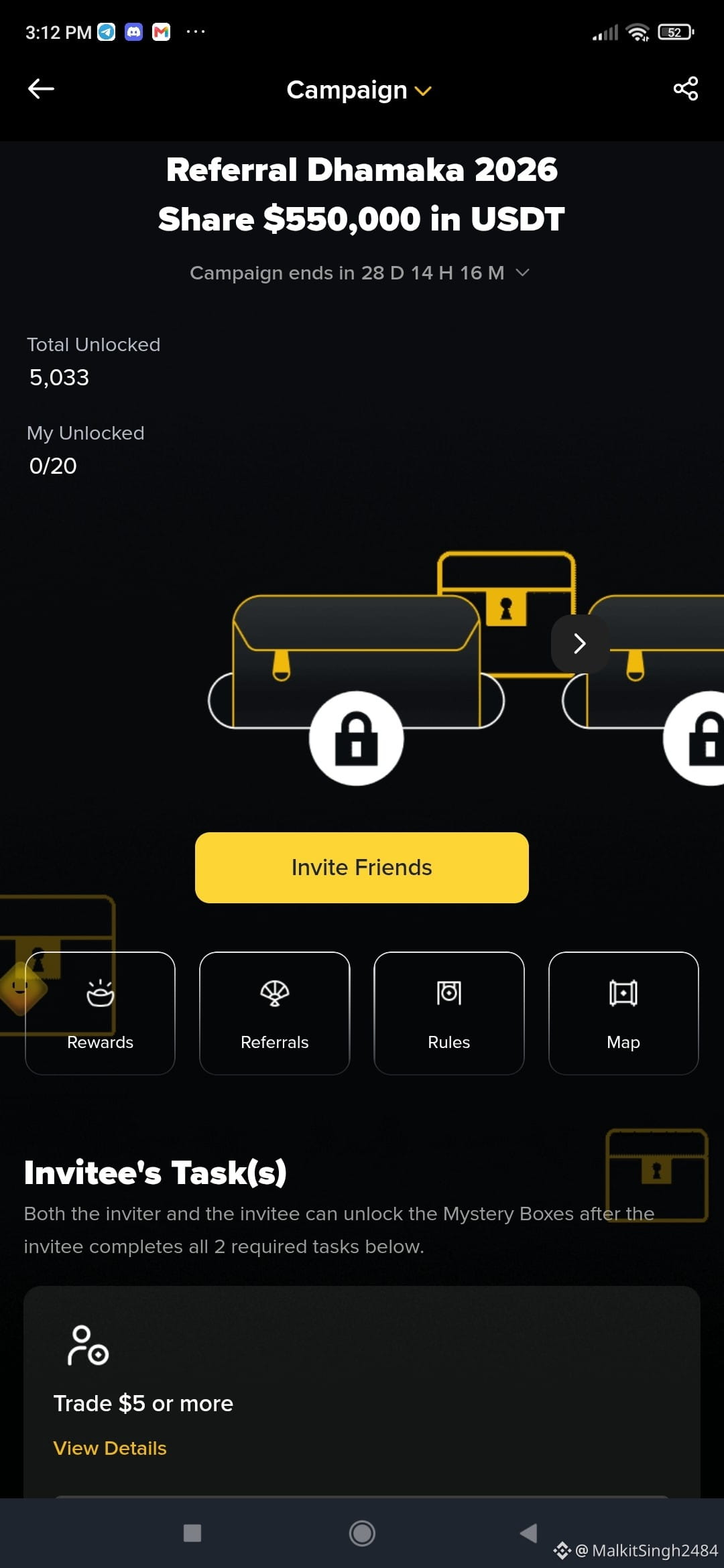
[https://www.binance.com/referral/mystery-box/referral-dhamaka-2026/claim?ref=GRO_100017456_HJWC7&utm_medium=web_share_copy](https://www.binance.com/referral/mystery-box/referral-dhamaka-2026/claim?ref=GRO_100017456_HJWC7&utm_medium=web_share_copy) 新しいダマカ 無料 $25 招待して友達を追加して
https://www.binance.com/referral/mystery-box/referral-dhamaka-2026/claim?ref=GRO_100017456_HJWC7&utm_medium=web_share_copy 新しいダマカ 無料 $25 招待して友達を追加して
82
·
--
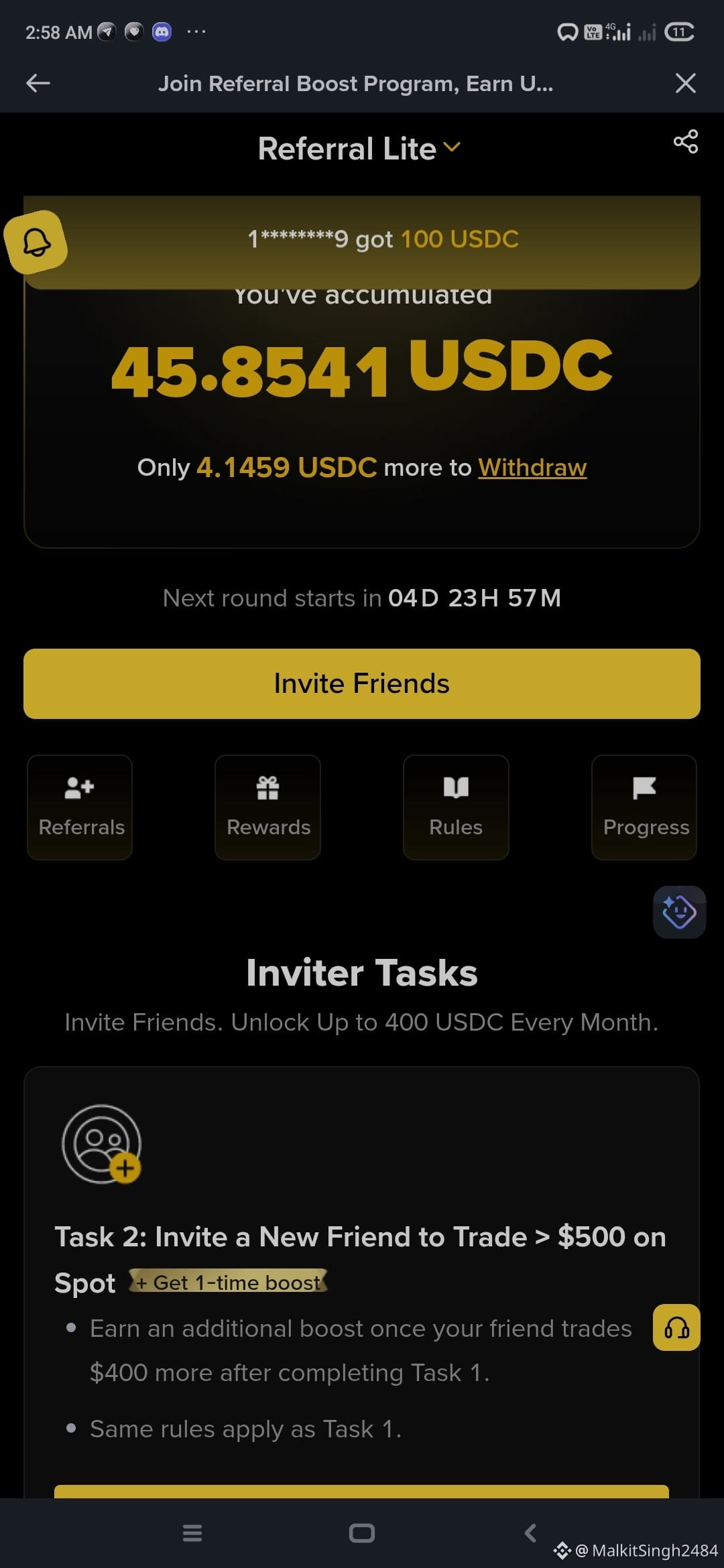
[https://www.binance.com/referral/earn-together/refer2earn-usdc/claim?hl=en&ref=GRO_28502_OX52D](https://www.binance.com/referral/earn-together/refer2earn-usdc/claim?hl=en&ref=GRO_28502_OX52D)
新しい紹介特典で無料の50 USDCを請求
https://www.binance.com/referral/earn-together/refer2earn-usdc/claim?hl=en&ref=GRO_28502_OX52D
新しい紹介特典で無料の50 USDCを請求
新しい紹介特典で無料の50 USDCを請求
7
·
--
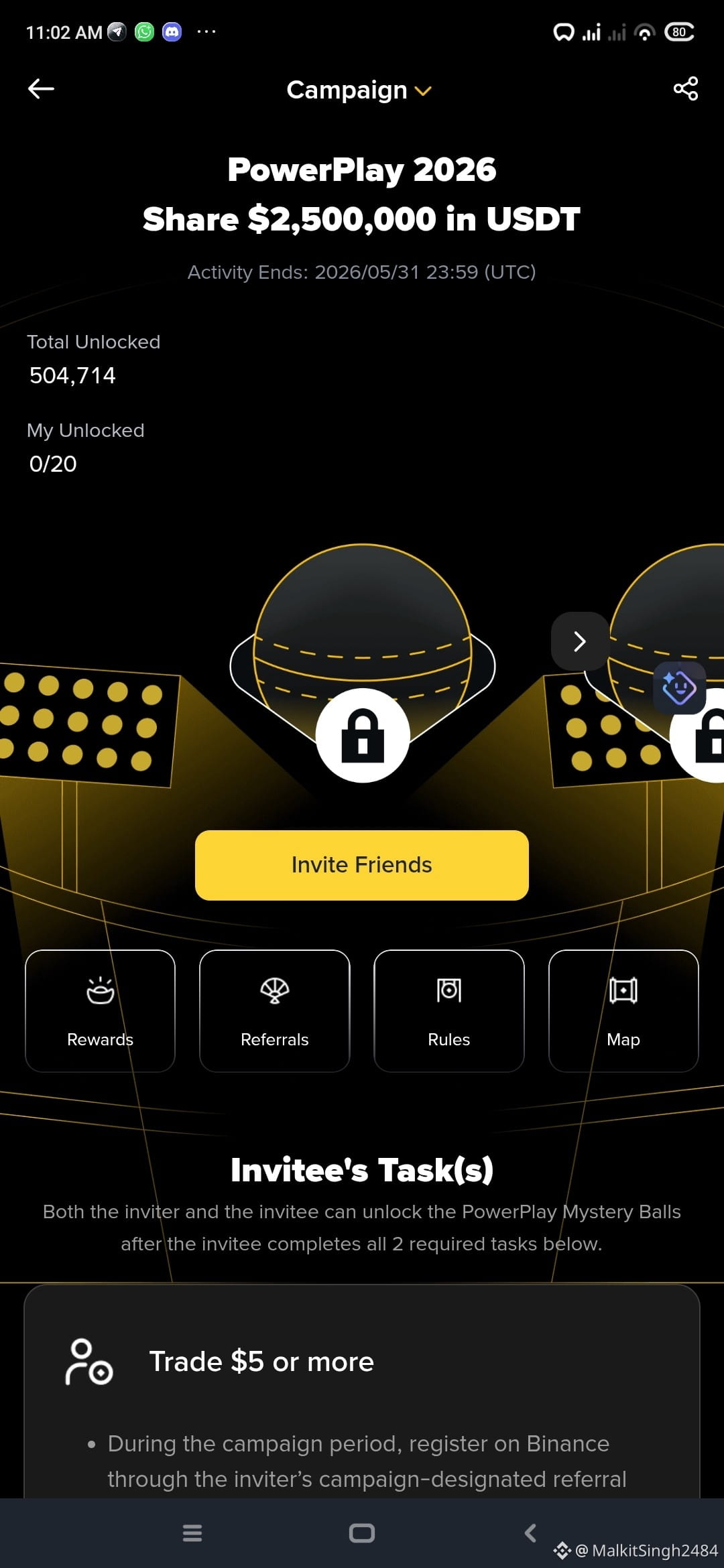
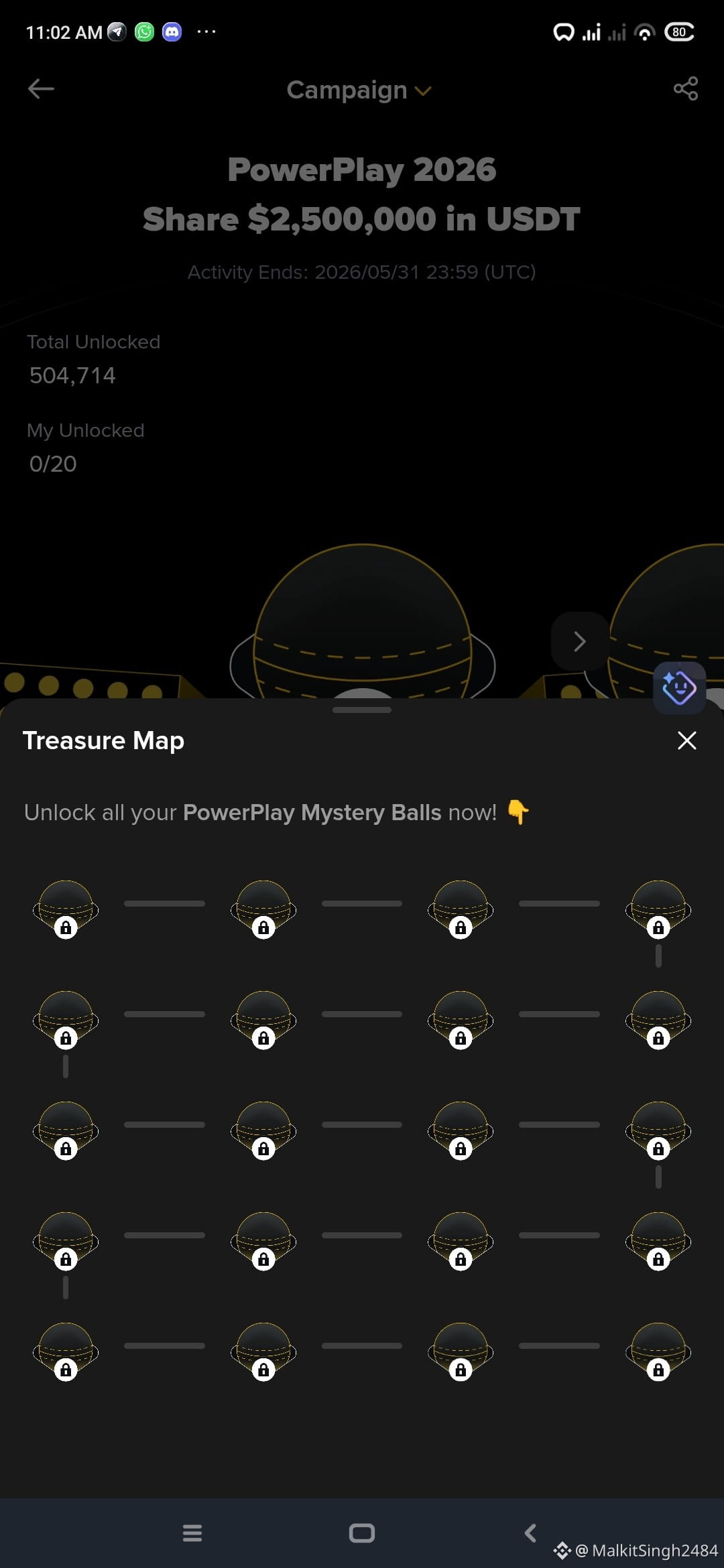
[https://www.binance.com/referral/mystery-box/powerplay-2026/claim?ref=563502065](https://www.binance.com/referral/mystery-box/powerplay-2026/claim?ref=563502065)
バイナンスの新しいイベント(5日間のみ)、「無料エアドロップで25ドルを獲得」
私は10ドルを受け取りました
$USDC
{spot}(USDCUSDT)
#SECDelaysEventContractETFs
https://www.binance.com/referral/mystery-box/powerplay-2026/claim?ref=563502065
バイナンスの新しいイベント(5日間のみ)、「無料エアドロップで25ドルを獲得」
私は10ドルを受け取りました
$USDC
#SECDelaysEventContractETFs
バイナンスの新しいイベント(5日間のみ)、「無料エアドロップで25ドルを獲得」
私は10ドルを受け取りました
$USDC
#SECDelaysEventContractETFs
5
·
--
XRPレジャーのノード、修正案有効化をめぐるアップグレード期限に直面
Binance News
1h
・
Verified Binance official account
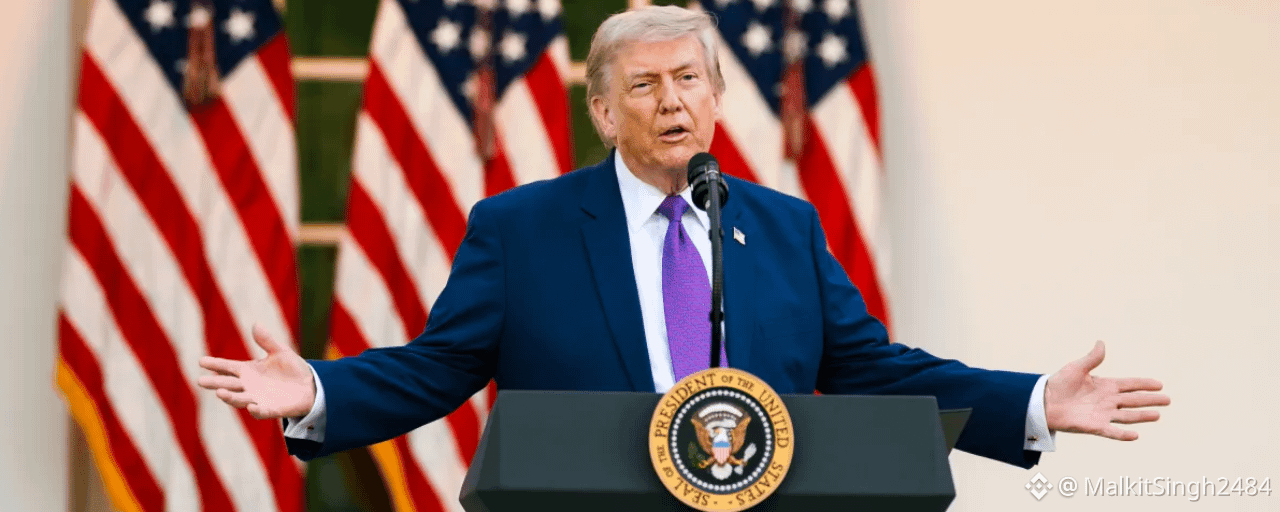
2025年5月19日時点で、修正案「fixCleanup3_1_3」が5月27日に有効化されるよう設定されているにもかかわらず、XRPレジャーのノードのうちアップグレードを完了したのは約46%にとどまった。NS3.AIによると、デビッド・シュワルツ氏は、ハードフォークには機能する一意のノード一覧を確立するために双方に十分なバリデータが必要であり、対立的な分裂が起きる可能性を最小化する必要があると述べた。XRPレジャー財団のリリースノートでは、サーバー運用者に対しバージョン3.1.3へ直ちにアップグレードするよう助言し、アップグレードに失敗したノードは修正案によるブロック対象になり得ると警告した。$XRP
{spot}(XRPUSDT)
$BNB
{spot}(BNBUSDT)
$BTC
{spot}(BTCUSDT)
#SECPausesNewETFApplicationReview #OpenAIToConfidentiallyFileForIPO #AtlantaFedGDPNowForecastsQ2GrowthAt4.3% #VitalikButerinDetailsEthereumPrivacyUpgrades #VitalikButerinDetailsEthereumPrivacyUpgrades
XRPレジャーのノード、修正案有効化をめぐるアップグレード期限に直面
Binance News
1h
・
Verified Binance official account
2025年5月19日時点で、修正案「fixCleanup3_1_3」が5月27日に有効化されるよう設定されているにもかかわらず、XRPレジャーのノードのうちアップグレードを完了したのは約46%にとどまった。NS3.AIによると、デビッド・シュワルツ氏は、ハードフォークには機能する一意のノード一覧を確立するために双方に十分なバリデータが必要であり、対立的な分裂が起きる可能性を最小化する必要があると述べた。XRPレジャー財団のリリースノートでは、サーバー運用者に対しバージョン3.1.3へ直ちにアップグレードするよう助言し、アップグレードに失敗したノードは修正案によるブロック対象になり得ると警告した。$XRP
$BNB
$BTC
#SECPausesNewETFApplicationReview #OpenAIToConfidentiallyFileForIPO #AtlantaFedGDPNowForecastsQ2GrowthAt4.3% #VitalikButerinDetailsEthereumPrivacyUpgrades #VitalikButerinDetailsEthereumPrivacyUpgrades
Binance News
1h
・
Verified Binance official account
2025年5月19日時点で、修正案「fixCleanup3_1_3」が5月27日に有効化されるよう設定されているにもかかわらず、XRPレジャーのノードのうちアップグレードを完了したのは約46%にとどまった。NS3.AIによると、デビッド・シュワルツ氏は、ハードフォークには機能する一意のノード一覧を確立するために双方に十分なバリデータが必要であり、対立的な分裂が起きる可能性を最小化する必要があると述べた。XRPレジャー財団のリリースノートでは、サーバー運用者に対しバージョン3.1.3へ直ちにアップグレードするよう助言し、アップグレードに失敗したノードは修正案によるブロック対象になり得ると警告した。$XRP
$BNB
$BTC
#SECPausesNewETFApplicationReview #OpenAIToConfidentiallyFileForIPO #AtlantaFedGDPNowForecastsQ2GrowthAt4.3% #VitalikButerinDetailsEthereumPrivacyUpgrades #VitalikButerinDetailsEthereumPrivacyUpgrades
32
·
--
連邦準備制度(FRB)が「スキニー」マスター口座を提案、仮想通貨企業に決済レールを開放へ


Binance News
20h・Verified Binance公式アカウント
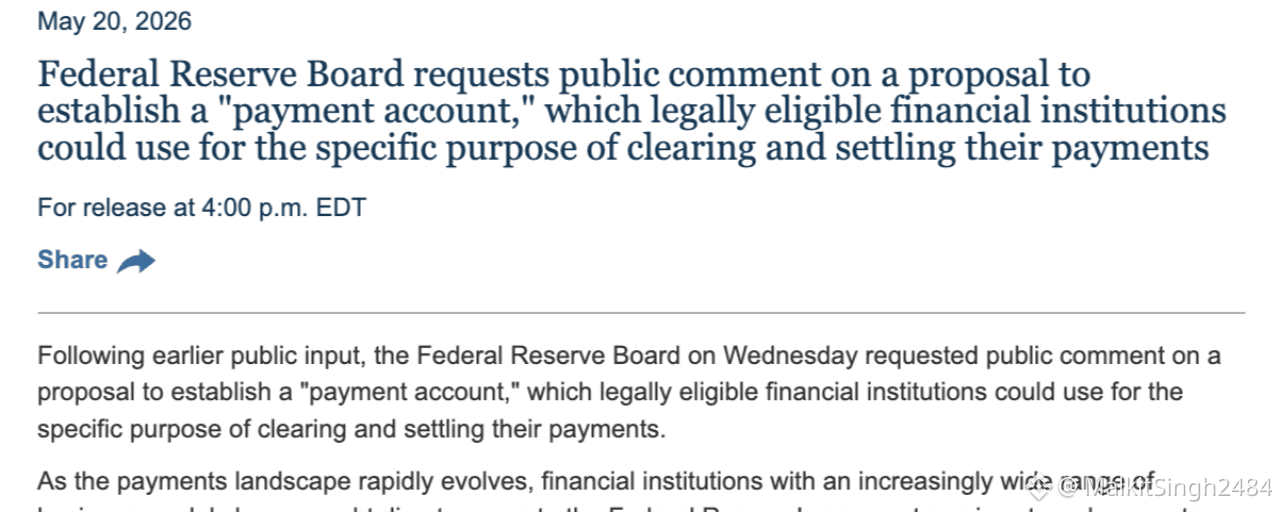
CoinDeskによると、米連邦準備制度は水曜、限定的な支払い口座のための枠組みを定める改訂案を発表した。これは一般に「スキニー」と呼ばれるマスター口座で、非銀行企業(仮想通貨企業を含む)がFRBのレールを通じて決済の清算・決済を行えるようにするものだ。支払い口座の保有者は日中の信用(インターデイ・クレジット)やディスカウント・ウィンドウへのアクセス、残高への利息を受け取らず、自動化された統制により当座貸越を防ぐ。現在、60日間の意見募集期間に入っているこの提案は、2025年12月の情報提供要請を受けており、想定される支払い活動に基づいて最大のクローズ残高の上限も引き上げている。FRBはまた、最終規則の策定中は地域銀行に対し、特定の申請の検討を一時停止するよう求めた。これは、トランプ大統領が仮想通貨企業のFRB決済レールへのアクセスを見直すよう指示する大統領令を出した翌日だ。
$BNB #OpenAIToConfidentiallyFileForIPO #OpenAIToConfidentiallyFileForIPO
連邦準備制度(FRB)が「スキニー」マスター口座を提案、仮想通貨企業に決済レールを開放へ


Binance News
20h・Verified Binance公式アカウント
CoinDeskによると、米連邦準備制度は水曜、限定的な支払い口座のための枠組みを定める改訂案を発表した。これは一般に「スキニー」と呼ばれるマスター口座で、非銀行企業(仮想通貨企業を含む)がFRBのレールを通じて決済の清算・決済を行えるようにするものだ。支払い口座の保有者は日中の信用(インターデイ・クレジット)やディスカウント・ウィンドウへのアクセス、残高への利息を受け取らず、自動化された統制により当座貸越を防ぐ。現在、60日間の意見募集期間に入っているこの提案は、2025年12月の情報提供要請を受けており、想定される支払い活動に基づいて最大のクローズ残高の上限も引き上げている。FRBはまた、最終規則の策定中は地域銀行に対し、特定の申請の検討を一時停止するよう求めた。これは、トランプ大統領が仮想通貨企業のFRB決済レールへのアクセスを見直すよう指示する大統領令を出した翌日だ。
$BNB #OpenAIToConfidentiallyFileForIPO #OpenAIToConfidentiallyFileForIPO


Binance News
20h・Verified Binance公式アカウント
CoinDeskによると、米連邦準備制度は水曜、限定的な支払い口座のための枠組みを定める改訂案を発表した。これは一般に「スキニー」と呼ばれるマスター口座で、非銀行企業(仮想通貨企業を含む)がFRBのレールを通じて決済の清算・決済を行えるようにするものだ。支払い口座の保有者は日中の信用(インターデイ・クレジット)やディスカウント・ウィンドウへのアクセス、残高への利息を受け取らず、自動化された統制により当座貸越を防ぐ。現在、60日間の意見募集期間に入っているこの提案は、2025年12月の情報提供要請を受けており、想定される支払い活動に基づいて最大のクローズ残高の上限も引き上げている。FRBはまた、最終規則の策定中は地域銀行に対し、特定の申請の検討を一時停止するよう求めた。これは、トランプ大統領が仮想通貨企業のFRB決済レールへのアクセスを見直すよう指示する大統領令を出した翌日だ。
$BNB #OpenAIToConfidentiallyFileForIPO #OpenAIToConfidentiallyFileForIPO
30
·
--
ビットコインが約7%下落し、76,000ドルに 保有者の損失が6億1600万ドルに到達


バイナンス・ニュース
3時間・Verified(バイナンス公式アカウント)
ビットコインは大幅に下落し、82,800ドルから76,000ドルまで約7%下落しました。NS3.AIによると、保有者間での集計された実現損失は6億1600万ドルに達しました。Glassnodeのデータでは、保有者の行動が積み増しから分配へとシフトし、大口(ホエール)の吸収が-151%の過去最低を記録したことが示されています。
#BTC
$BTC #SECPausesNewETFApplicationReview #MoonPayLaunchesBankTokenizedAssetPlatform #AtlantaFedGDPNowForecastsQ2GrowthAt4.3% #VitalikButerinDetailsEthereumPrivacyUpgrades #SecuritizePlansNasdaqSPACListing
ビットコインが約7%下落し、76,000ドルに 保有者の損失が6億1600万ドルに到達


バイナンス・ニュース
3時間・Verified(バイナンス公式アカウント)
ビットコインは大幅に下落し、82,800ドルから76,000ドルまで約7%下落しました。NS3.AIによると、保有者間での集計された実現損失は6億1600万ドルに達しました。Glassnodeのデータでは、保有者の行動が積み増しから分配へとシフトし、大口(ホエール)の吸収が-151%の過去最低を記録したことが示されています。
#BTC
$BTC #SECPausesNewETFApplicationReview #MoonPayLaunchesBankTokenizedAssetPlatform #AtlantaFedGDPNowForecastsQ2GrowthAt4.3% #VitalikButerinDetailsEthereumPrivacyUpgrades #SecuritizePlansNasdaqSPACListing


バイナンス・ニュース
3時間・Verified(バイナンス公式アカウント)
ビットコインは大幅に下落し、82,800ドルから76,000ドルまで約7%下落しました。NS3.AIによると、保有者間での集計された実現損失は6億1600万ドルに達しました。Glassnodeのデータでは、保有者の行動が積み増しから分配へとシフトし、大口(ホエール)の吸収が-151%の過去最低を記録したことが示されています。
#BTC
$BTC #SECPausesNewETFApplicationReview #MoonPayLaunchesBankTokenizedAssetPlatform #AtlantaFedGDPNowForecastsQ2GrowthAt4.3% #VitalikButerinDetailsEthereumPrivacyUpgrades #SecuritizePlansNasdaqSPACListing
43
·
--
HYPE、みんなあなたたちは賭けているHYPE、みんなBNBの次になると賭けてるのは、分散型取引所のトークンだからだ。でもdydx、aster、hypeでの過去の教訓を見ると、あれらはBNB、SOL、Doge、BCH(ビットコインキャッシュ)、LTC、そしてUNIと比べればゴミです。
正直に言うと、完全に無規制の取引所なんて存在しません。特に、分散型だと主張しているのに、キャッシュフローに対するKYCがない場合はなおさらです。これは規制上のリスクで、将来的にかなり深刻な反発を受ける可能性すらあります。彼らは屠る前に豚を太らせます。だから、今スポットを保有しているなら、ちょうど50U+のレジスタンスゾーンに到達したところで、逃げる最後のチャンスです。#HYPE
HYPE、みんなあなたたちは賭けている
HYPE、みんなBNBの次になると賭けてるのは、分散型取引所のトークンだからだ。でもdydx、aster、hypeでの過去の教訓を見ると、あれらはBNB、SOL、Doge、BCH(ビットコインキャッシュ)、LTC、そしてUNIと比べればゴミです。
正直に言うと、完全に無規制の取引所なんて存在しません。特に、分散型だと主張しているのに、キャッシュフローに対するKYCがない場合はなおさらです。これは規制上のリスクで、将来的にかなり深刻な反発を受ける可能性すらあります。彼らは屠る前に豚を太らせます。だから、今スポットを保有しているなら、ちょうど50U+のレジスタンスゾーンに到達したところで、逃げる最後のチャンスです。#HYPE
正直に言うと、完全に無規制の取引所なんて存在しません。特に、分散型だと主張しているのに、キャッシュフローに対するKYCがない場合はなおさらです。これは規制上のリスクで、将来的にかなり深刻な反発を受ける可能性すらあります。彼らは屠る前に豚を太らせます。だから、今スポットを保有しているなら、ちょうど50U+のレジスタンスゾーンに到達したところで、逃げる最後のチャンスです。#HYPE
58

·
--
市場のクラッシュ中にBinanceの暗号資産取引所でビットコインを買うためのノートパソコンとスマホ。取引、現物、ステーキング。フリーランスのワークスペース、キーボードの上の女性の手$BTC $ETH $USDC #USGOPSeeksPermanentCBDCBan #SolanaAIAgentEconomicImpact Ecoprotocol$76.7MHack#SECTokenizedStockExemption #RussiaDumaCryptoMonitoringBill #RussiaDumaCryptoMonitoringBill
市場のクラッシュ中にBinanceの暗号資産取引所でビットコインを買うためのノートパソコンとスマホ。取引、現物、ステーキング。フリーランスのワークスペース、キーボードの上の女性の手$BTC $ETH $USDC #USGOPSeeksPermanentCBDCBan #SolanaAIAgentEconomicImpact Ecoprotocol$76.7MHack#SECTokenizedStockExemption #RussiaDumaCryptoMonitoringBill #RussiaDumaCryptoMonitoringBill
21
·
--
ビットコインの米ドル為替価格チャート画面$BTC $ETH #USGOPSeeksPermanentCBDCBan #SolanaAIAgentEconomicImpact Ecoprotocol$76.7MHack#SECTokenizedStockExemption #RussiaDumaCryptoMonitoringBill #SpaceXEyes2TIPO $BNB
ビットコインの米ドル為替価格チャート画面$BTC $ETH #USGOPSeeksPermanentCBDCBan #SolanaAIAgentEconomicImpact Ecoprotocol$76.7MHack#SECTokenizedStockExemption #RussiaDumaCryptoMonitoringBill #SpaceXEyes2TIPO $BNB
25
ログインして、さらにコンテンツを読む
厳選トピックで世界の暗号資産トレーダーの仲間入り
⚡️ 暗号資産に関する最新かつ有益な情報が見つかります。
💬 世界最大の暗号資産取引所から信頼されています。
👍 認証を受けたクリエイターから、有益なインサイトを得られます。
メール / 電話番号
トレンドトピック
SECHaltsCryptoETFReviewsAmidFundingLapse
閲覧回数 65,033
720人が討論中
🚨🔥速報:米SECの資金凍結が新しい暗号資産ETFの審査を停止! 🇺🇸
⚠️ 10月1日の米会計年度開始後、連邦資金の一時的な滞りによりSECの業務が中断されています。
📄 資金の混乱の間、新たな暗号資産ETFの登録届出書に関する審査および有効化・承認が一時停止されていると報じられています。
👀 ETF承認は保留中 — 暗号市場を注視!
🚀 次の波の暗号資産ETFに大幅な遅れを招くのでしょうか?
💬 暗号資産に強気?弱気?あなたの見解をコメント! 👇
🔔 SEC、ETF、暗号資産の最新速報をフォロー!
$AIN $BEAMX $GLMR
#SECHaltsCryptoETFReviewsAmidFundingLapse
Salotra Crypto
·いいね:0件
·閲覧回数 98
ZcashETFPostsFirstWeeklyOutflow$93.6M
閲覧回数 66,242
204人が討論中
GreekPoliceBustCryptoScamRingArrest17
閲覧回数 220,990
1,561人が討論中