
Sigma Mind
4.5k 投稿

Sigma Mind
報告
ユーザーをブロック
取引を発注
高頻度トレーダー
11.2か月
355 フォロー
13.3K+ フォロワー
4.1K+ いいね
投稿
ポートフォリオ
すべて
引用
ライブ
·
--
🔥お金を稼ぐのは大変で、愚かなやり方で失うのはさらに大変です。
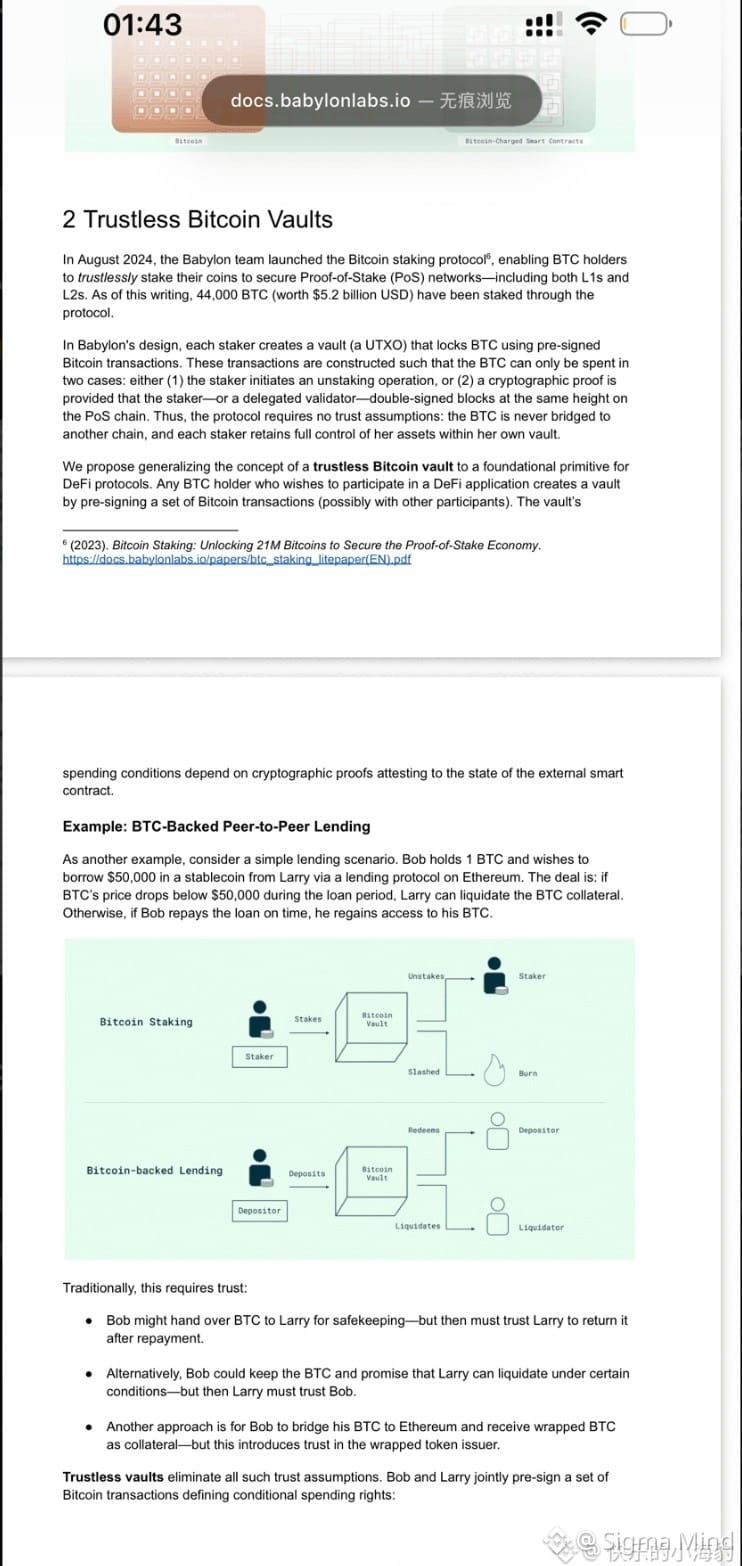
まだ多くの人が気づいていないことがあります。ビットコインは常に「外部世界に対して盲目」であり「聾(ろう)」であるという点です。外部の状態を容易に参照できず、そのプログラマビリティも非常に限られています。そのため、イーサリアムではBTCを担保に借り入れたり、価格変動に基づいて自動的にポジションを清算したりといったことが当たり前ですが、ビットコインではほぼ不可能です。
この眠っている「ゴールドマウンテン」を目覚めさせるために、BitVMが作られました。
2023年にRobin Linusが提案した最初のBitVMは、サトシの当初の設計を壊さずに、ビットコインに一部のオフチェーン計算を検証させようとしました。しかし、マルチパーティ署名と常時オンラインのチャレンジャーに依存していたため、実運用ではまだゴチャつきがありました。
BitVM2ではゼロ知識証明をビットコインへ直接載せようとしましたが、そのコストが極端になりました。1回の検証が数万ドルかかることがあり、一般ユーザーにとっては現実的ではありませんでした。
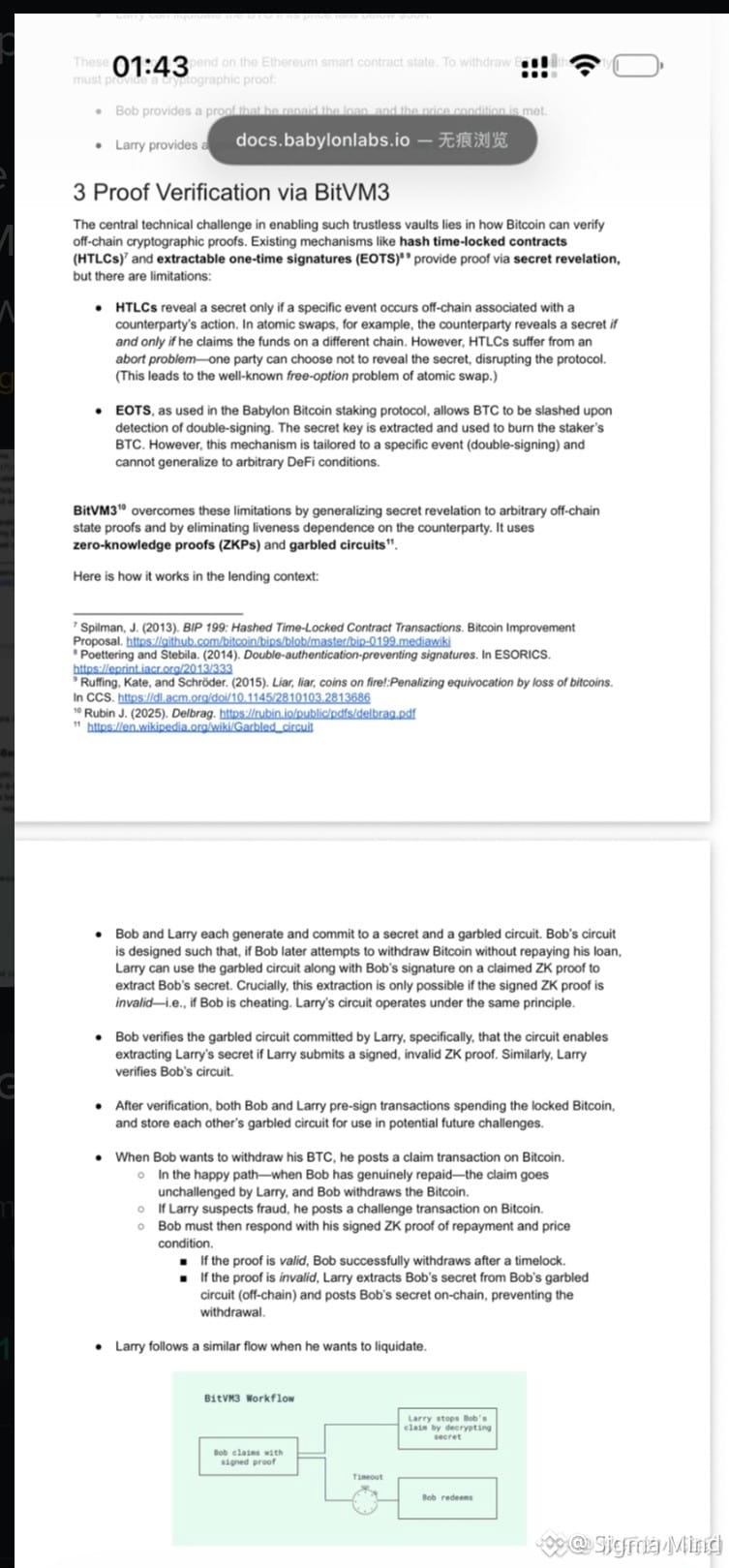
そして登場したのがBitVM3です。@BabylonLabs_io $BABY Trustless Bitcoin Vaults(TBV)が採用しているバージョンで、ここで設計が一気に現実的になりました。ほとんどの検証はオフチェーンで行われ、ビットコインは必要なときにごく少量のオンチェーン作業をするだけです。これにより、チャレンジにかかるコストが1万ドル超から、おおむね数十ドル、もしくは数百ドル程度へと削減されます。さらに、チャレンジャーが常にオンラインで待機する必要も減ります。
では、チャレンジの仕組みとは何でしょうか。TBVの貸金庫にBTCをロックし、その後「ローンを返済したのでBTCを返してほしい」と主張してBTCの回収を請求すると、他の人がその主張に対してチャレンジできます。「証明を見せて」。有効なゼロ知識証明を提示できなければ、ビットコインは返ってきません。これが反不正のレイヤーです。
BitVM3を通じて、TBVは、ブリッジせず、仲介者に管理権を渡すこともなく、ネイティブBTCを貸し借りや担保化されたDeFiに参加させます。
冷たいゴールドマウンテンが、ようやく目覚めるかもしれません。
@babylonlabs_io #baby $BABY
🔥お金を稼ぐのは大変で、愚かなやり方で失うのはさらに大変です。
まだ多くの人が気づいていないことがあります。ビットコインは常に「外部世界に対して盲目」であり「聾(ろう)」であるという点です。外部の状態を容易に参照できず、そのプログラマビリティも非常に限られています。そのため、イーサリアムではBTCを担保に借り入れたり、価格変動に基づいて自動的にポジションを清算したりといったことが当たり前ですが、ビットコインではほぼ不可能です。
この眠っている「ゴールドマウンテン」を目覚めさせるために、BitVMが作られました。
2023年にRobin Linusが提案した最初のBitVMは、サトシの当初の設計を壊さずに、ビットコインに一部のオフチェーン計算を検証させようとしました。しかし、マルチパーティ署名と常時オンラインのチャレンジャーに依存していたため、実運用ではまだゴチャつきがありました。
BitVM2ではゼロ知識証明をビットコインへ直接載せようとしましたが、そのコストが極端になりました。1回の検証が数万ドルかかることがあり、一般ユーザーにとっては現実的ではありませんでした。
そして登場したのがBitVM3です。@BabylonLabs_io $BABY Trustless Bitcoin Vaults(TBV)が採用しているバージョンで、ここで設計が一気に現実的になりました。ほとんどの検証はオフチェーンで行われ、ビットコインは必要なときにごく少量のオンチェーン作業をするだけです。これにより、チャレンジにかかるコストが1万ドル超から、おおむね数十ドル、もしくは数百ドル程度へと削減されます。さらに、チャレンジャーが常にオンラインで待機する必要も減ります。
では、チャレンジの仕組みとは何でしょうか。TBVの貸金庫にBTCをロックし、その後「ローンを返済したのでBTCを返してほしい」と主張してBTCの回収を請求すると、他の人がその主張に対してチャレンジできます。「証明を見せて」。有効なゼロ知識証明を提示できなければ、ビットコインは返ってきません。これが反不正のレイヤーです。
BitVM3を通じて、TBVは、ブリッジせず、仲介者に管理権を渡すこともなく、ネイティブBTCを貸し借りや担保化されたDeFiに参加させます。
冷たいゴールドマウンテンが、ようやく目覚めるかもしれません。
@BabylonLabs_io #baby $BABY
まだ多くの人が気づいていないことがあります。ビットコインは常に「外部世界に対して盲目」であり「聾(ろう)」であるという点です。外部の状態を容易に参照できず、そのプログラマビリティも非常に限られています。そのため、イーサリアムではBTCを担保に借り入れたり、価格変動に基づいて自動的にポジションを清算したりといったことが当たり前ですが、ビットコインではほぼ不可能です。
この眠っている「ゴールドマウンテン」を目覚めさせるために、BitVMが作られました。
2023年にRobin Linusが提案した最初のBitVMは、サトシの当初の設計を壊さずに、ビットコインに一部のオフチェーン計算を検証させようとしました。しかし、マルチパーティ署名と常時オンラインのチャレンジャーに依存していたため、実運用ではまだゴチャつきがありました。
BitVM2ではゼロ知識証明をビットコインへ直接載せようとしましたが、そのコストが極端になりました。1回の検証が数万ドルかかることがあり、一般ユーザーにとっては現実的ではありませんでした。
そして登場したのがBitVM3です。@BabylonLabs_io $BABY Trustless Bitcoin Vaults(TBV)が採用しているバージョンで、ここで設計が一気に現実的になりました。ほとんどの検証はオフチェーンで行われ、ビットコインは必要なときにごく少量のオンチェーン作業をするだけです。これにより、チャレンジにかかるコストが1万ドル超から、おおむね数十ドル、もしくは数百ドル程度へと削減されます。さらに、チャレンジャーが常にオンラインで待機する必要も減ります。
では、チャレンジの仕組みとは何でしょうか。TBVの貸金庫にBTCをロックし、その後「ローンを返済したのでBTCを返してほしい」と主張してBTCの回収を請求すると、他の人がその主張に対してチャレンジできます。「証明を見せて」。有効なゼロ知識証明を提示できなければ、ビットコインは返ってきません。これが反不正のレイヤーです。
BitVM3を通じて、TBVは、ブリッジせず、仲介者に管理権を渡すこともなく、ネイティブBTCを貸し借りや担保化されたDeFiに参加させます。
冷たいゴールドマウンテンが、ようやく目覚めるかもしれません。
@BabylonLabs_io #baby $BABY
6
135
·
--
ブラザーズ・ビッグ・マオが今日ここに来た #ALPHA どうやら、今夜6時に新しいコインのエアドロップがあるらしい ただ、いまの市場感だと、今すぐ出品したい人はたぶん単純な話ではない だから大局観を持とう
今日は $BSB の取引量を66000で確認してみたら、結局約3ドルの損失になった
バビロンのホワイトペーパーを読み直して、これは単にBTCに投資の入口を用意したり、ステーキング報酬に焦点を当てることが目的ではないと思った もっと深い問題は、ビットコインのセキュリティ能力を有効化することだ
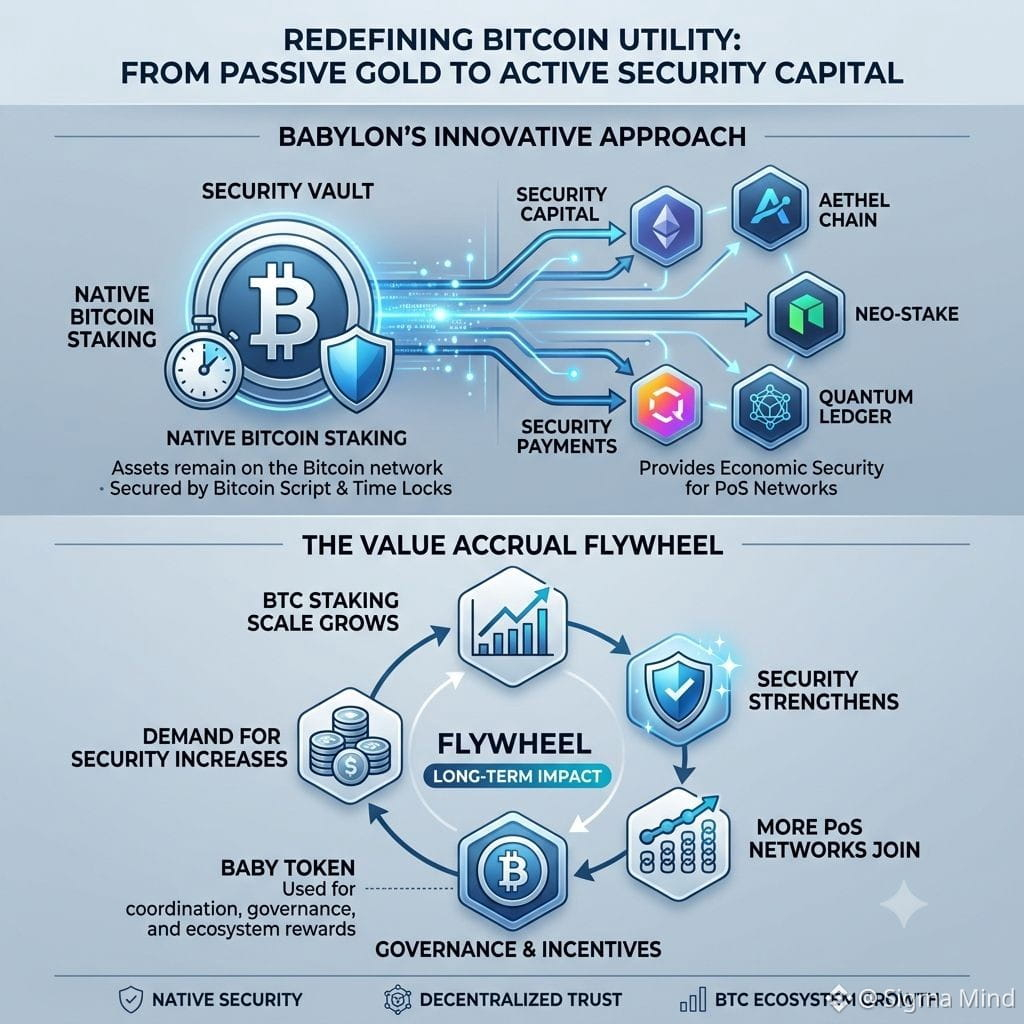
バビロンの核となる考えは、ネイティブなビットコイン・ステーキング ビットコインはビットコインのネットワークから離れないし、クロスチェーン・ブリッジにも依存しない ビットコイン・スクリプト、UTXOモデル、タイムロックの仕組みによって、ユーザーはBTCを直接ロックしてPoSネットワークに経済的なセキュリティを提供する
ラップ資産にBTCを移し、ブリッジ経由でDeFiを行う従来のBTCFiと違って、バビロンはBTCをビットコインのルールの中に保持し、セキュリティ・サービスのための暗号学的な仕組みを使う
バビロンは別のモデルも提示する——BTCを安全な資本として、PoSチェーンのセキュリティに対価を支払う
BABYトークンの総供給量は100億で、主にガバナンスのエコシステムのインセンティブや参加者の連携に使われる
仕組みはシンプルだ BTCステーキングが増えてセキュリティが強化され、より多くのPoSネットワークが参加する セキュリティ需要が増えれば、より多くのBTCが参加する
次に重要なのは、BTCステーキングのスケール、接続されるネットワーク数、バリデータ・エコシステムの規模だ
リスクは依然として存在するが、ホワイトペーパーに基づくとバビロンは短期の物語に賭けているわけではない バビロンは、BTCがデジタル・ゴールドであるだけでなく、より広いブロックチェーンの世界におけるセキュリティ担保資産になれると賭けている
この方向性が保たれるなら、バビロンは今後何十年もの間にわたってBTCの使われ方を変える可能性がある @babylonlabs_io #baby $BABY
ブラザーズ・ビッグ・マオが今日ここに来た #ALPHA どうやら、今夜6時に新しいコインのエアドロップがあるらしい ただ、いまの市場感だと、今すぐ出品したい人はたぶん単純な話ではない だから大局観を持とう
今日は $BSB の取引量を66000で確認してみたら、結局約3ドルの損失になった
バビロンのホワイトペーパーを読み直して、これは単にBTCに投資の入口を用意したり、ステーキング報酬に焦点を当てることが目的ではないと思った もっと深い問題は、ビットコインのセキュリティ能力を有効化することだ
バビロンの核となる考えは、ネイティブなビットコイン・ステーキング ビットコインはビットコインのネットワークから離れないし、クロスチェーン・ブリッジにも依存しない ビットコイン・スクリプト、UTXOモデル、タイムロックの仕組みによって、ユーザーはBTCを直接ロックしてPoSネットワークに経済的なセキュリティを提供する
ラップ資産にBTCを移し、ブリッジ経由でDeFiを行う従来のBTCFiと違って、バビロンはBTCをビットコインのルールの中に保持し、セキュリティ・サービスのための暗号学的な仕組みを使う
バビロンは別のモデルも提示する——BTCを安全な資本として、PoSチェーンのセキュリティに対価を支払う
BABYトークンの総供給量は100億で、主にガバナンスのエコシステムのインセンティブや参加者の連携に使われる
仕組みはシンプルだ BTCステーキングが増えてセキュリティが強化され、より多くのPoSネットワークが参加する セキュリティ需要が増えれば、より多くのBTCが参加する
次に重要なのは、BTCステーキングのスケール、接続されるネットワーク数、バリデータ・エコシステムの規模だ
リスクは依然として存在するが、ホワイトペーパーに基づくとバビロンは短期の物語に賭けているわけではない バビロンは、BTCがデジタル・ゴールドであるだけでなく、より広いブロックチェーンの世界におけるセキュリティ担保資産になれると賭けている
この方向性が保たれるなら、バビロンは今後何十年もの間にわたってBTCの使われ方を変える可能性がある @BabylonLabs_io #baby $BABY
今日は $BSB の取引量を66000で確認してみたら、結局約3ドルの損失になった
バビロンのホワイトペーパーを読み直して、これは単にBTCに投資の入口を用意したり、ステーキング報酬に焦点を当てることが目的ではないと思った もっと深い問題は、ビットコインのセキュリティ能力を有効化することだ
バビロンの核となる考えは、ネイティブなビットコイン・ステーキング ビットコインはビットコインのネットワークから離れないし、クロスチェーン・ブリッジにも依存しない ビットコイン・スクリプト、UTXOモデル、タイムロックの仕組みによって、ユーザーはBTCを直接ロックしてPoSネットワークに経済的なセキュリティを提供する
ラップ資産にBTCを移し、ブリッジ経由でDeFiを行う従来のBTCFiと違って、バビロンはBTCをビットコインのルールの中に保持し、セキュリティ・サービスのための暗号学的な仕組みを使う
バビロンは別のモデルも提示する——BTCを安全な資本として、PoSチェーンのセキュリティに対価を支払う
BABYトークンの総供給量は100億で、主にガバナンスのエコシステムのインセンティブや参加者の連携に使われる
仕組みはシンプルだ BTCステーキングが増えてセキュリティが強化され、より多くのPoSネットワークが参加する セキュリティ需要が増えれば、より多くのBTCが参加する
次に重要なのは、BTCステーキングのスケール、接続されるネットワーク数、バリデータ・エコシステムの規模だ
リスクは依然として存在するが、ホワイトペーパーに基づくとバビロンは短期の物語に賭けているわけではない バビロンは、BTCがデジタル・ゴールドであるだけでなく、より広いブロックチェーンの世界におけるセキュリティ担保資産になれると賭けている
この方向性が保たれるなら、バビロンは今後何十年もの間にわたってBTCの使われ方を変える可能性がある @BabylonLabs_io #baby $BABY
3
244
·
--
確認済み
本当の物語が何なのかを理解してみよう
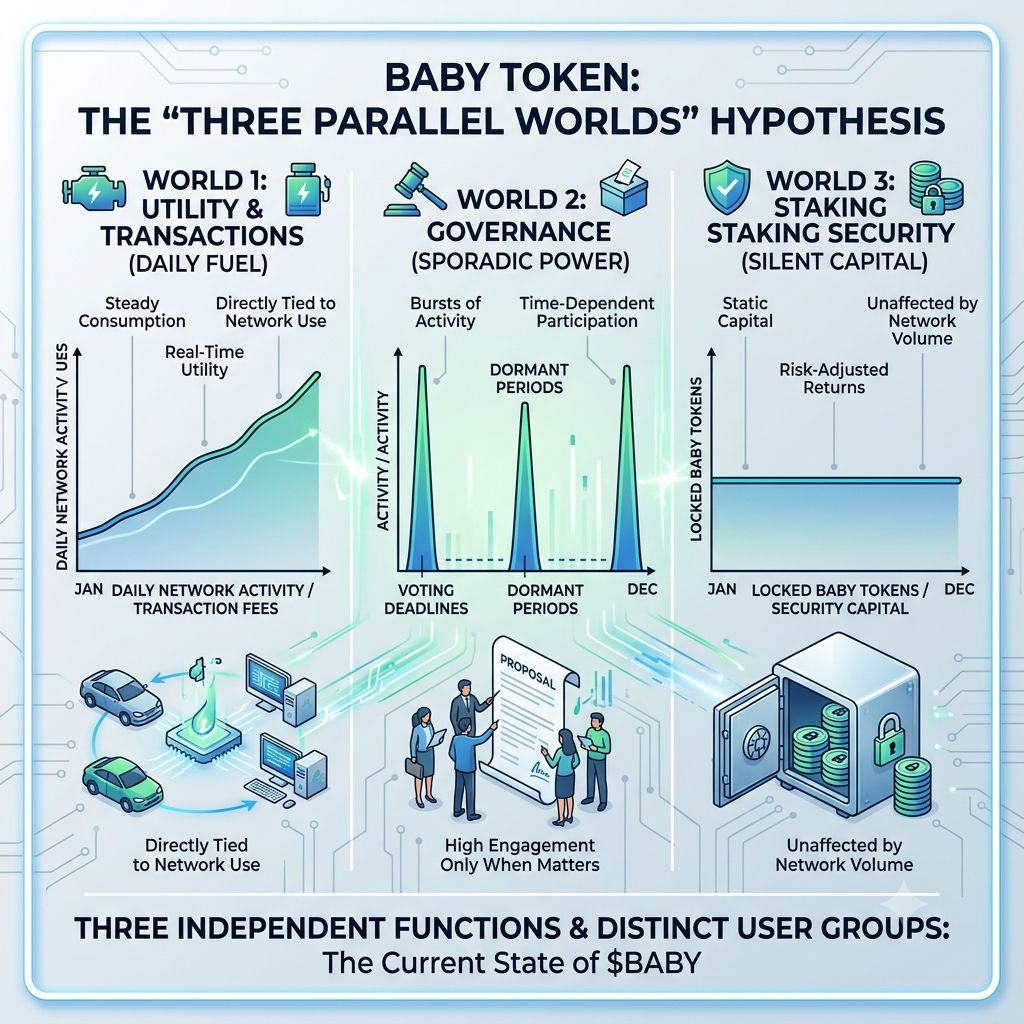
トークンは、しばしば「まとまりのあるシステム」として設計されます。つまり、手数料を支払うためにそれを使う人は、ガバナンスにも使いたがる可能性が高く、さらにセキュリティ関連のリターンを得るためにステーキングにも回しやすい、ということです。この3つの機能は互いに強化し合い、閉じたループを形成します。私は当初、BABYも同じロジックに従っているのだと思っていました—しかし、その3つの用途(ネットワーク取引のための燃料、プロトコルのガバナンス、そしてBitcoinステーキングのセキュリティ)を見てみると、全くそうではないと気づきました。
私の見立てでは、この3つのパートの活発なリズムは独立して動いています。日常的な取引消費は、ネットワークの実際の活動とほぼ直結しており、機械的で安定した曲線に沿って推移します。ガバナンス活動は、提案の投票期限が近づく時期にだけ跳ね上がり、それ以外ではほとんど動きません。そして、ステーキングによるセキュリティのためにロックされたトークンの部分は、最初の2つの変動とは本質的に無関係で、そこに静かに留まるだけです。この3つの曲線はほとんど重ならず、同じトークン保有者の集団が3つすべてに深く参加することも稀です。
私の見方はこうです。これは必ずしも設計上の欠陥ではないかもしれません。むしろ初期段階では、ユーティリティが自然に3つの異なるユーザー層へ分かれていく—「利便性だけを求めるユーザーは取引にだけ使う」「意見を反映したいユーザーはガバナンスに参加する」「安定した、リスク調整後のリターンを求めるユーザーはステークする」—という形になり得るのです。この「それぞれが自分の戦いをしている」状態は、短期的にはプロトコルの通常の運用を邪魔しません。しかし長期的に、他の2つの層も同時に惹きつけるほど強いユースケースが生まれないなら、トークンの価値捕捉能力は、この分断によって薄まってしまう可能性があります。さらに、評価ロジックも複雑になります。単純に「総供給量×ある特定の用途」で綺麗に計算できるようなものではなくなるでしょう。
@babylonlabs_io #baby $BABY
あなたは、トークンの複数の用途は最終的に協調したシステムへ収束すると思いますか?それとも3つの並行世界のまま残るのでしょうか?
本当の物語が何なのかを理解してみよう
トークンは、しばしば「まとまりのあるシステム」として設計されます。つまり、手数料を支払うためにそれを使う人は、ガバナンスにも使いたがる可能性が高く、さらにセキュリティ関連のリターンを得るためにステーキングにも回しやすい、ということです。この3つの機能は互いに強化し合い、閉じたループを形成します。私は当初、BABYも同じロジックに従っているのだと思っていました—しかし、その3つの用途(ネットワーク取引のための燃料、プロトコルのガバナンス、そしてBitcoinステーキングのセキュリティ)を見てみると、全くそうではないと気づきました。
私の見立てでは、この3つのパートの活発なリズムは独立して動いています。日常的な取引消費は、ネットワークの実際の活動とほぼ直結しており、機械的で安定した曲線に沿って推移します。ガバナンス活動は、提案の投票期限が近づく時期にだけ跳ね上がり、それ以外ではほとんど動きません。そして、ステーキングによるセキュリティのためにロックされたトークンの部分は、最初の2つの変動とは本質的に無関係で、そこに静かに留まるだけです。この3つの曲線はほとんど重ならず、同じトークン保有者の集団が3つすべてに深く参加することも稀です。
私の見方はこうです。これは必ずしも設計上の欠陥ではないかもしれません。むしろ初期段階では、ユーティリティが自然に3つの異なるユーザー層へ分かれていく—「利便性だけを求めるユーザーは取引にだけ使う」「意見を反映したいユーザーはガバナンスに参加する」「安定した、リスク調整後のリターンを求めるユーザーはステークする」—という形になり得るのです。この「それぞれが自分の戦いをしている」状態は、短期的にはプロトコルの通常の運用を邪魔しません。しかし長期的に、他の2つの層も同時に惹きつけるほど強いユースケースが生まれないなら、トークンの価値捕捉能力は、この分断によって薄まってしまう可能性があります。さらに、評価ロジックも複雑になります。単純に「総供給量×ある特定の用途」で綺麗に計算できるようなものではなくなるでしょう。
@BabylonLabs_io #baby $BABY
あなたは、トークンの複数の用途は最終的に協調したシステムへ収束すると思いますか?それとも3つの並行世界のまま残るのでしょうか?
トークンは、しばしば「まとまりのあるシステム」として設計されます。つまり、手数料を支払うためにそれを使う人は、ガバナンスにも使いたがる可能性が高く、さらにセキュリティ関連のリターンを得るためにステーキングにも回しやすい、ということです。この3つの機能は互いに強化し合い、閉じたループを形成します。私は当初、BABYも同じロジックに従っているのだと思っていました—しかし、その3つの用途(ネットワーク取引のための燃料、プロトコルのガバナンス、そしてBitcoinステーキングのセキュリティ)を見てみると、全くそうではないと気づきました。
私の見立てでは、この3つのパートの活発なリズムは独立して動いています。日常的な取引消費は、ネットワークの実際の活動とほぼ直結しており、機械的で安定した曲線に沿って推移します。ガバナンス活動は、提案の投票期限が近づく時期にだけ跳ね上がり、それ以外ではほとんど動きません。そして、ステーキングによるセキュリティのためにロックされたトークンの部分は、最初の2つの変動とは本質的に無関係で、そこに静かに留まるだけです。この3つの曲線はほとんど重ならず、同じトークン保有者の集団が3つすべてに深く参加することも稀です。
私の見方はこうです。これは必ずしも設計上の欠陥ではないかもしれません。むしろ初期段階では、ユーティリティが自然に3つの異なるユーザー層へ分かれていく—「利便性だけを求めるユーザーは取引にだけ使う」「意見を反映したいユーザーはガバナンスに参加する」「安定した、リスク調整後のリターンを求めるユーザーはステークする」—という形になり得るのです。この「それぞれが自分の戦いをしている」状態は、短期的にはプロトコルの通常の運用を邪魔しません。しかし長期的に、他の2つの層も同時に惹きつけるほど強いユースケースが生まれないなら、トークンの価値捕捉能力は、この分断によって薄まってしまう可能性があります。さらに、評価ロジックも複雑になります。単純に「総供給量×ある特定の用途」で綺麗に計算できるようなものではなくなるでしょう。
@BabylonLabs_io #baby $BABY
あなたは、トークンの複数の用途は最終的に協調したシステムへ収束すると思いますか?それとも3つの並行世界のまま残るのでしょうか?
1
3
804
·
--
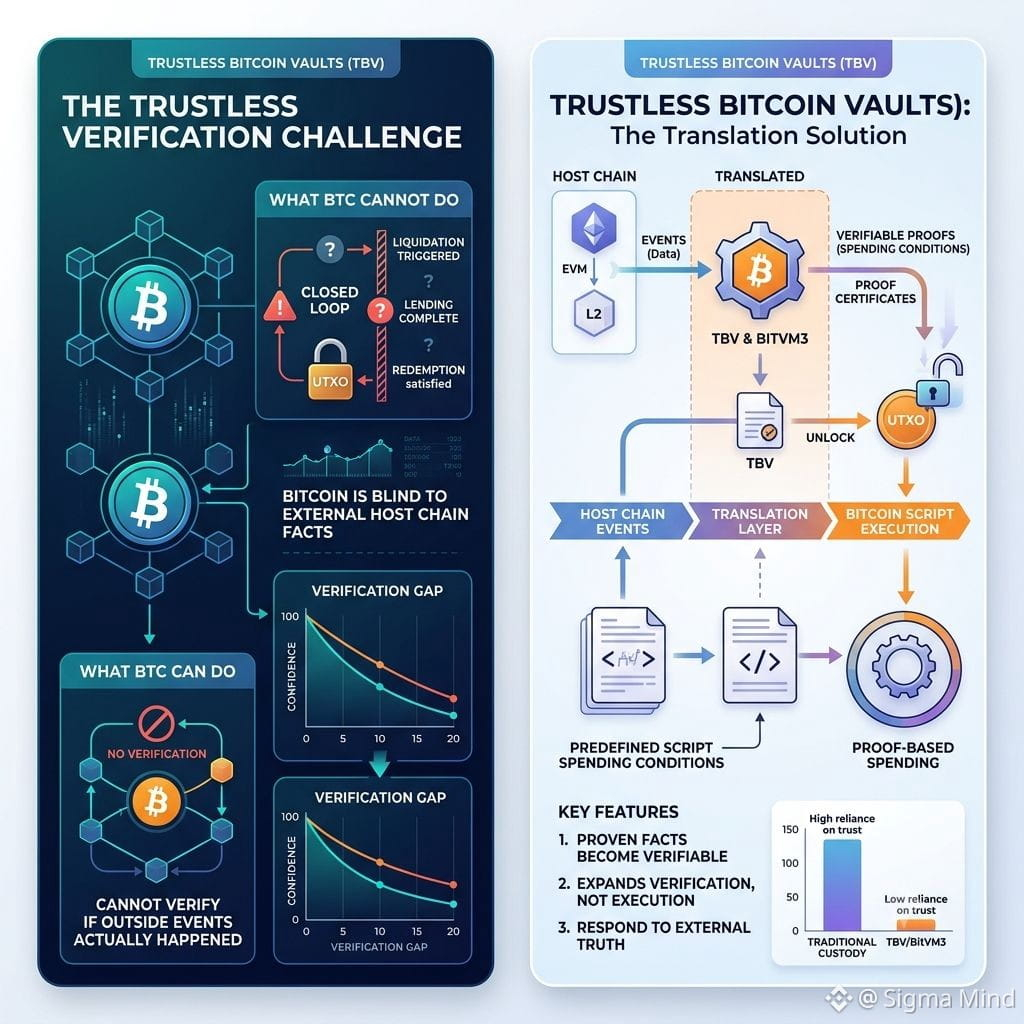
#baby $BABY 過去数日間、Trustless Bitcoin Vaults(TBV)に関する技術ドキュメントを@babylonlabs_io から再読しました。最初は償還(レデンプション)の手順を確認したいと思っていましたが、「translation(翻訳)」という言葉でずっと引っかかってしまいました。BitVM3と公式のフローチャートに立ち返って考えた結果、重要なことに気づきました。出典が言う「translation」は、データ送信そのものを変更するものではありません。それは、外部の出来事が実際に起きたことを、ビットコインがどう検証するかを変えるのです。
以前は、BTCをより金融的な用途に広げる際の最大の障害は、チェーン間の相互運用性やカストディだと思っていました。調べるほど、問題を取り違えていたことに気づきました。ビットコインができないのは、外部情報を受け取らないことではありません。ビットコインができないのは、ホストチェーン上で既に起きた出来事が、本当に真実なのかを検証することです。貸付が完了したか、清算が発動されたか、償還条件が満たされたか、といったことはすべて、ビットコインのコンセンサスの外で起こります。
だからこそTBVが私にとって重要なのです。TBVは、BTCを別のシステムへ移すものではありません。すでに証明済みのホストチェーン上の出来事を、ビットコインが検証できるプローフ(証明)へ変換し、あらかじめ定義されたScriptの支出条件を満たせるようにします。ビットコインはコンセンサス規則を変更しません。単に、検証できるプローフをチェックしたうえで、UTXOを支出できるかどうかを判断するだけです。
そして、@BabylonLabs_io が BitVM3 の周りにTBVを構築していることにも納得がいきます。それはビットコインをスマートコントラクト・プラットフォームにしようとしているわけではありません。初めて、外部によって検証された出来事に基づいてネイティブBTCの支出にビットコインが応答できるようにすることを可能にしています。TBVはビットコインの実行能力を拡張するのではなく、外部の事実を検証し、それに応答するビットコインの能力を拡張します。
#baby $BABY 過去数日間、Trustless Bitcoin Vaults(TBV)に関する技術ドキュメントを@BabylonLabs_io から再読しました。最初は償還(レデンプション)の手順を確認したいと思っていましたが、「translation(翻訳)」という言葉でずっと引っかかってしまいました。BitVM3と公式のフローチャートに立ち返って考えた結果、重要なことに気づきました。出典が言う「translation」は、データ送信そのものを変更するものではありません。それは、外部の出来事が実際に起きたことを、ビットコインがどう検証するかを変えるのです。
以前は、BTCをより金融的な用途に広げる際の最大の障害は、チェーン間の相互運用性やカストディだと思っていました。調べるほど、問題を取り違えていたことに気づきました。ビットコインができないのは、外部情報を受け取らないことではありません。ビットコインができないのは、ホストチェーン上で既に起きた出来事が、本当に真実なのかを検証することです。貸付が完了したか、清算が発動されたか、償還条件が満たされたか、といったことはすべて、ビットコインのコンセンサスの外で起こります。
だからこそTBVが私にとって重要なのです。TBVは、BTCを別のシステムへ移すものではありません。すでに証明済みのホストチェーン上の出来事を、ビットコインが検証できるプローフ(証明)へ変換し、あらかじめ定義されたScriptの支出条件を満たせるようにします。ビットコインはコンセンサス規則を変更しません。単に、検証できるプローフをチェックしたうえで、UTXOを支出できるかどうかを判断するだけです。
そして、@BabylonLabs_io が BitVM3 の周りにTBVを構築していることにも納得がいきます。それはビットコインをスマートコントラクト・プラットフォームにしようとしているわけではありません。初めて、外部によって検証された出来事に基づいてネイティブBTCの支出にビットコインが応答できるようにすることを可能にしています。TBVはビットコインの実行能力を拡張するのではなく、外部の事実を検証し、それに応答するビットコインの能力を拡張します。
以前は、BTCをより金融的な用途に広げる際の最大の障害は、チェーン間の相互運用性やカストディだと思っていました。調べるほど、問題を取り違えていたことに気づきました。ビットコインができないのは、外部情報を受け取らないことではありません。ビットコインができないのは、ホストチェーン上で既に起きた出来事が、本当に真実なのかを検証することです。貸付が完了したか、清算が発動されたか、償還条件が満たされたか、といったことはすべて、ビットコインのコンセンサスの外で起こります。
だからこそTBVが私にとって重要なのです。TBVは、BTCを別のシステムへ移すものではありません。すでに証明済みのホストチェーン上の出来事を、ビットコインが検証できるプローフ(証明)へ変換し、あらかじめ定義されたScriptの支出条件を満たせるようにします。ビットコインはコンセンサス規則を変更しません。単に、検証できるプローフをチェックしたうえで、UTXOを支出できるかどうかを判断するだけです。
そして、@BabylonLabs_io が BitVM3 の周りにTBVを構築していることにも納得がいきます。それはビットコインをスマートコントラクト・プラットフォームにしようとしているわけではありません。初めて、外部によって検証された出来事に基づいてネイティブBTCの支出にビットコインが応答できるようにすることを可能にしています。TBVはビットコインの実行能力を拡張するのではなく、外部の事実を検証し、それに応答するビットコインの能力を拡張します。
4
2
166
·
--
@BabylonLabs_io の「Trustless Bitcoin Vaults(TBV)」に関する技術資料に目を通したとき、最初は別の BTC カストディ設計だと捉えました。しかし「各 Vault が独立した UTXO に対応している」という発想によって、この仕組みが解こうとしている問題を考え直すことになりました。
ビットコインがより多くの金融ユースケースに入っていくにつれ、本当の課題は BTC に価値があるかどうかではなく、ビットコインの制約の範囲内で、より豊かな制御ロジックをどう支えられるかです。多くの BTCFi 設計は、ブリッジやラップドアセット、カストディシステムを通じて BTC を別の実行環境に移すことで機能を増やそうとします。それにより利便性は拡大しますが、新たな信頼の前提も追加されます。
TBV について私が特に注目したのは、BTC を別の場所へ移さないことです。代わりに、ビットコイン本来のルールの中で Vault を作り直しています。各 Vault は独立した UTXO に対応するため、BTC は共有プールに入ることはありません。所有権の状態はビットコイン自身の上に維持されるため、これはビットコインの中核となる資産モデルを保持するという点で重要だと感じました。
TBV は、BTC の状態遷移の仕方も変えます。マネージャーに依存するのではなく、償還(レデンプション)にはターゲットチェーンの状態に関する証明が必要で、不正な状態に対してはチャレンジ期間が設けられます。私にとって TBV の本当の価値は、ビットコイン既存のルールのもとで実現されるネイティブな制御にあります。
@babylonlabs_io #baby $BABY
@BabylonLabs_io の「Trustless Bitcoin Vaults(TBV)」に関する技術資料に目を通したとき、最初は別の BTC カストディ設計だと捉えました。しかし「各 Vault が独立した UTXO に対応している」という発想によって、この仕組みが解こうとしている問題を考え直すことになりました。
ビットコインがより多くの金融ユースケースに入っていくにつれ、本当の課題は BTC に価値があるかどうかではなく、ビットコインの制約の範囲内で、より豊かな制御ロジックをどう支えられるかです。多くの BTCFi 設計は、ブリッジやラップドアセット、カストディシステムを通じて BTC を別の実行環境に移すことで機能を増やそうとします。それにより利便性は拡大しますが、新たな信頼の前提も追加されます。
TBV について私が特に注目したのは、BTC を別の場所へ移さないことです。代わりに、ビットコイン本来のルールの中で Vault を作り直しています。各 Vault は独立した UTXO に対応するため、BTC は共有プールに入ることはありません。所有権の状態はビットコイン自身の上に維持されるため、これはビットコインの中核となる資産モデルを保持するという点で重要だと感じました。
TBV は、BTC の状態遷移の仕方も変えます。マネージャーに依存するのではなく、償還(レデンプション)にはターゲットチェーンの状態に関する証明が必要で、不正な状態に対してはチャレンジ期間が設けられます。私にとって TBV の本当の価値は、ビットコイン既存のルールのもとで実現されるネイティブな制御にあります。
@BabylonLabs_io #baby $BABY
ビットコインがより多くの金融ユースケースに入っていくにつれ、本当の課題は BTC に価値があるかどうかではなく、ビットコインの制約の範囲内で、より豊かな制御ロジックをどう支えられるかです。多くの BTCFi 設計は、ブリッジやラップドアセット、カストディシステムを通じて BTC を別の実行環境に移すことで機能を増やそうとします。それにより利便性は拡大しますが、新たな信頼の前提も追加されます。
TBV について私が特に注目したのは、BTC を別の場所へ移さないことです。代わりに、ビットコイン本来のルールの中で Vault を作り直しています。各 Vault は独立した UTXO に対応するため、BTC は共有プールに入ることはありません。所有権の状態はビットコイン自身の上に維持されるため、これはビットコインの中核となる資産モデルを保持するという点で重要だと感じました。
TBV は、BTC の状態遷移の仕方も変えます。マネージャーに依存するのではなく、償還(レデンプション)にはターゲットチェーンの状態に関する証明が必要で、不正な状態に対してはチャレンジ期間が設けられます。私にとって TBV の本当の価値は、ビットコイン既存のルールのもとで実現されるネイティブな制御にあります。
@BabylonLabs_io #baby $BABY
1 UTXO = 1 Vault (No pooling)
33%
Native state verification
0%
Self-custody / No wrapping
67%
Eliminates bridge risk
0%
3 投票 • 投票は終了しました
2
141
·
--
本当の物語が何なのか理解しようとしてみましょう
#baby $BABY 「Trustless Bitcoin Vaults(信頼不要のビットコイン・ボールト)を改めて検討するとき」、@babylonlabs_io 同じ疑問がいまも頭の中で回り続けています。ビットコインがより多くの金融シナリオに入っていく中で、本当に制約されているのは流動性なのか、それとも、また誰かを全面的に信じ直す必要のない、使い方の見落としがあるのか。
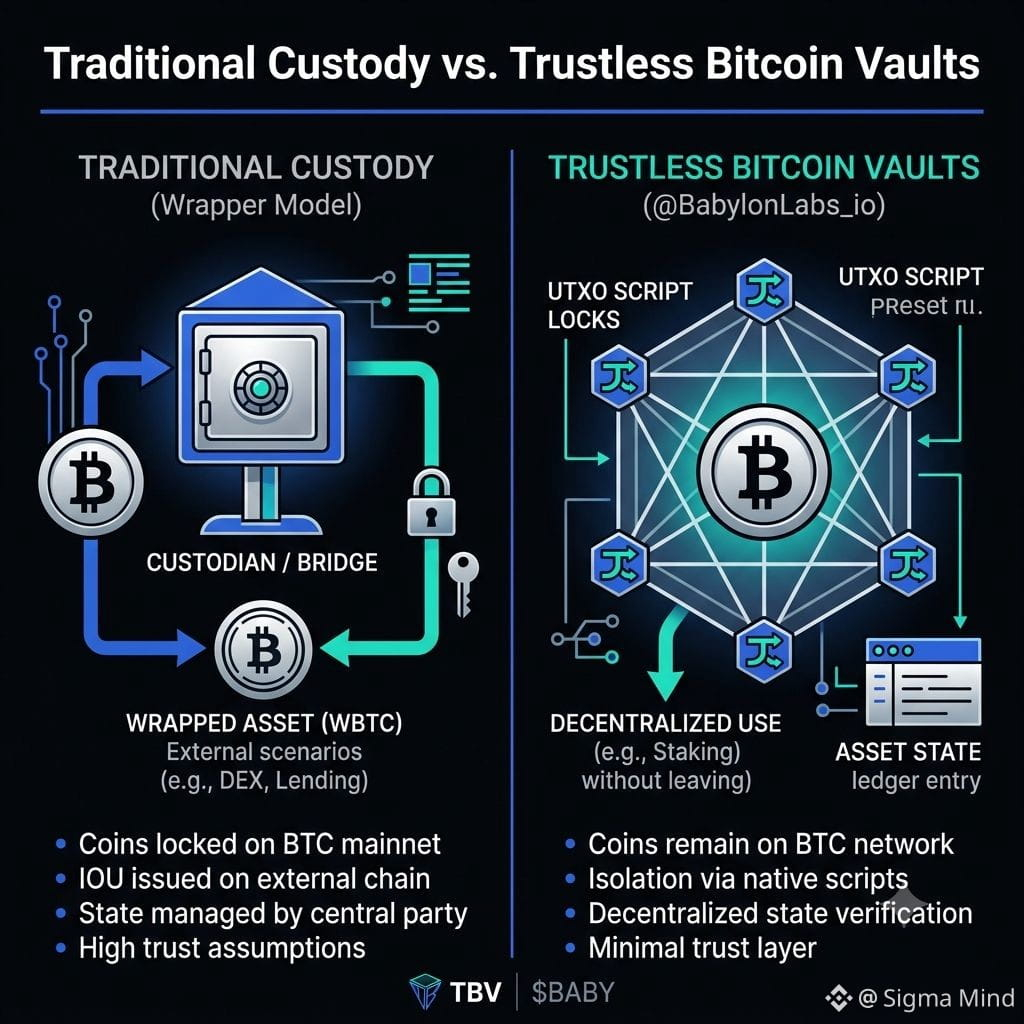
今のところ、(正直に言うと)ほとんどのアプローチは、結局のところコインを別のシステムへ移すところから始まります。ブリッジ、ラッパー、カストディ——結局誰かが「コインはまだそこにある」と証明しなければならない。ゲームは多様になってきていますが、同時にもう一つの信頼の層をこっそり追加してしまっている。私は以前、似たようなことを経験しました。後になって、依存のこの層がいつもそこにぶら下がっていたのだと、徐々に気づきました。 #baby
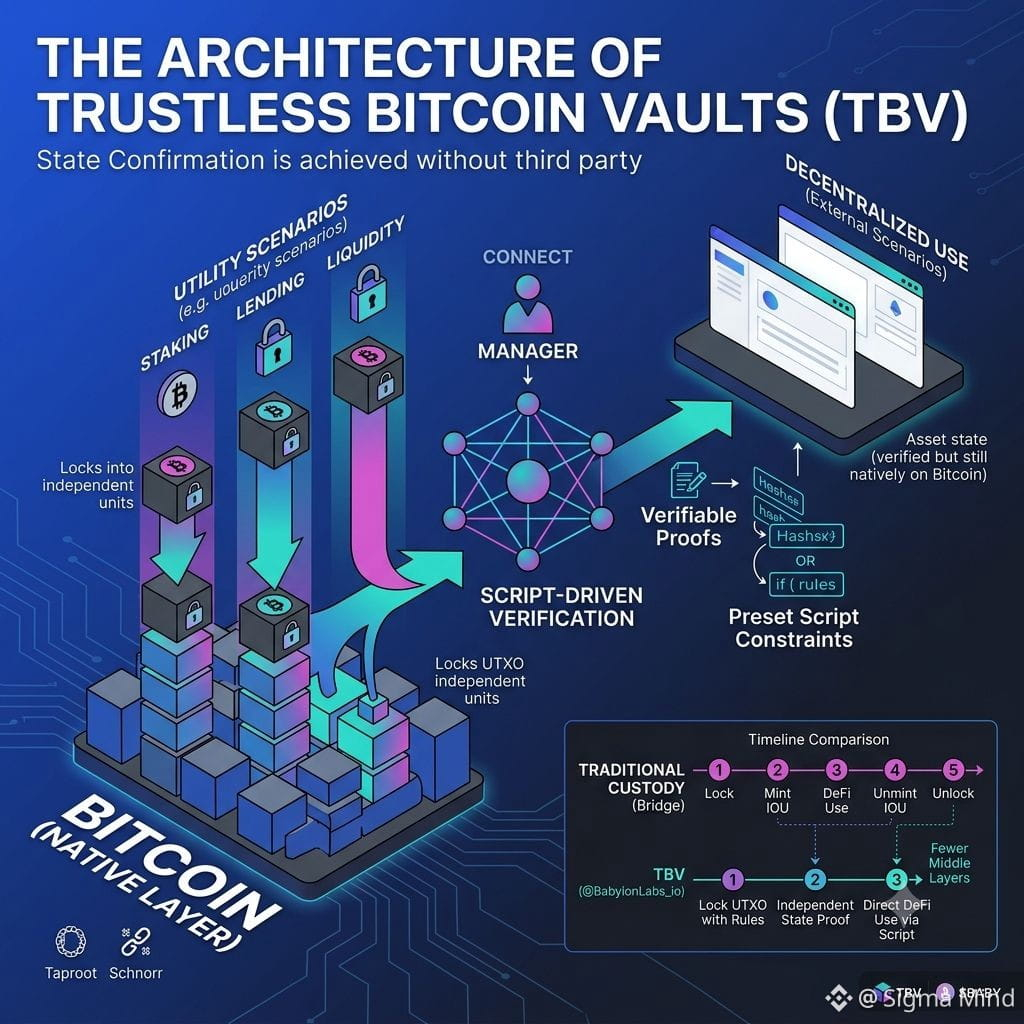
BabylonのTBVで私が立ち止まってもっと注意深く見たのは、コインの置き場所を急いで変えたからではなく、状態をどう確認すべきかを再考したからです。コインはビットコインネットワーク上にそのまま残り、スクリプトとTaprootによって独立したUTXOロックされたユニットに変換されます。それらは互いに隔離され、共有プールには入りません。さらに重要なのは、状態の変更が単一の管理主体によって決められるのではなく、事前に定められたルール、スクリプトの制約、検証可能な証明によって駆動されることです。外部アプリケーションは、誰かの約束ではなく、独立して検証できる状態を見ることができます。自分でモデル化してみたとき、あの中間の層がかなり減らされていると実感しました。 $BABY
もちろん、効率性、統合コスト、そしてチャレンジウィンドウのレイテンシー——こうした摩擦は、まだ市場がゆっくりと削り取っていく必要があります。現時点では、すでにすべて解決したというより、問題をよりクリーンな層へ押し込んでいるようなものです。ですが、長期的に見守る価値のある核心の論点はあると思います。つまり、中央集権的な仕組みに制御をまた握り返されないようにしながら、利用シナリオを広げることはできるのか。答えには時間がかかるでしょう。でも少なくとも、私はその方向性を真剣に考え始めています。
本当の物語が何なのか理解しようとしてみましょう
#baby $BABY 「Trustless Bitcoin Vaults(信頼不要のビットコイン・ボールト)を改めて検討するとき」、@BabylonLabs_io 同じ疑問がいまも頭の中で回り続けています。ビットコインがより多くの金融シナリオに入っていく中で、本当に制約されているのは流動性なのか、それとも、また誰かを全面的に信じ直す必要のない、使い方の見落としがあるのか。
今のところ、(正直に言うと)ほとんどのアプローチは、結局のところコインを別のシステムへ移すところから始まります。ブリッジ、ラッパー、カストディ——結局誰かが「コインはまだそこにある」と証明しなければならない。ゲームは多様になってきていますが、同時にもう一つの信頼の層をこっそり追加してしまっている。私は以前、似たようなことを経験しました。後になって、依存のこの層がいつもそこにぶら下がっていたのだと、徐々に気づきました。 #baby
BabylonのTBVで私が立ち止まってもっと注意深く見たのは、コインの置き場所を急いで変えたからではなく、状態をどう確認すべきかを再考したからです。コインはビットコインネットワーク上にそのまま残り、スクリプトとTaprootによって独立したUTXOロックされたユニットに変換されます。それらは互いに隔離され、共有プールには入りません。さらに重要なのは、状態の変更が単一の管理主体によって決められるのではなく、事前に定められたルール、スクリプトの制約、検証可能な証明によって駆動されることです。外部アプリケーションは、誰かの約束ではなく、独立して検証できる状態を見ることができます。自分でモデル化してみたとき、あの中間の層がかなり減らされていると実感しました。 $BABY
もちろん、効率性、統合コスト、そしてチャレンジウィンドウのレイテンシー——こうした摩擦は、まだ市場がゆっくりと削り取っていく必要があります。現時点では、すでにすべて解決したというより、問題をよりクリーンな層へ押し込んでいるようなものです。ですが、長期的に見守る価値のある核心の論点はあると思います。つまり、中央集権的な仕組みに制御をまた握り返されないようにしながら、利用シナリオを広げることはできるのか。答えには時間がかかるでしょう。でも少なくとも、私はその方向性を真剣に考え始めています。
#baby $BABY 「Trustless Bitcoin Vaults(信頼不要のビットコイン・ボールト)を改めて検討するとき」、@BabylonLabs_io 同じ疑問がいまも頭の中で回り続けています。ビットコインがより多くの金融シナリオに入っていく中で、本当に制約されているのは流動性なのか、それとも、また誰かを全面的に信じ直す必要のない、使い方の見落としがあるのか。
今のところ、(正直に言うと)ほとんどのアプローチは、結局のところコインを別のシステムへ移すところから始まります。ブリッジ、ラッパー、カストディ——結局誰かが「コインはまだそこにある」と証明しなければならない。ゲームは多様になってきていますが、同時にもう一つの信頼の層をこっそり追加してしまっている。私は以前、似たようなことを経験しました。後になって、依存のこの層がいつもそこにぶら下がっていたのだと、徐々に気づきました。 #baby
BabylonのTBVで私が立ち止まってもっと注意深く見たのは、コインの置き場所を急いで変えたからではなく、状態をどう確認すべきかを再考したからです。コインはビットコインネットワーク上にそのまま残り、スクリプトとTaprootによって独立したUTXOロックされたユニットに変換されます。それらは互いに隔離され、共有プールには入りません。さらに重要なのは、状態の変更が単一の管理主体によって決められるのではなく、事前に定められたルール、スクリプトの制約、検証可能な証明によって駆動されることです。外部アプリケーションは、誰かの約束ではなく、独立して検証できる状態を見ることができます。自分でモデル化してみたとき、あの中間の層がかなり減らされていると実感しました。 $BABY
もちろん、効率性、統合コスト、そしてチャレンジウィンドウのレイテンシー——こうした摩擦は、まだ市場がゆっくりと削り取っていく必要があります。現時点では、すでにすべて解決したというより、問題をよりクリーンな層へ押し込んでいるようなものです。ですが、長期的に見守る価値のある核心の論点はあると思います。つまり、中央集権的な仕組みに制御をまた握り返されないようにしながら、利用シナリオを広げることはできるのか。答えには時間がかかるでしょう。でも少なくとも、私はその方向性を真剣に考え始めています。
9
5
163
·
--
本当のストーリーが何なのか理解してみよう
私はBTCの貸し借り(レンディング/ボローイング)ソリューションを調べていて、ずっと目立つ問題があります。つまり、ビットコインをDeFiに参加させて利回りを得たい場合、多くの選択肢は結局、資産のコントロールを手放すことが求められます。カストディ(預託)リスクは避けにくいのです。
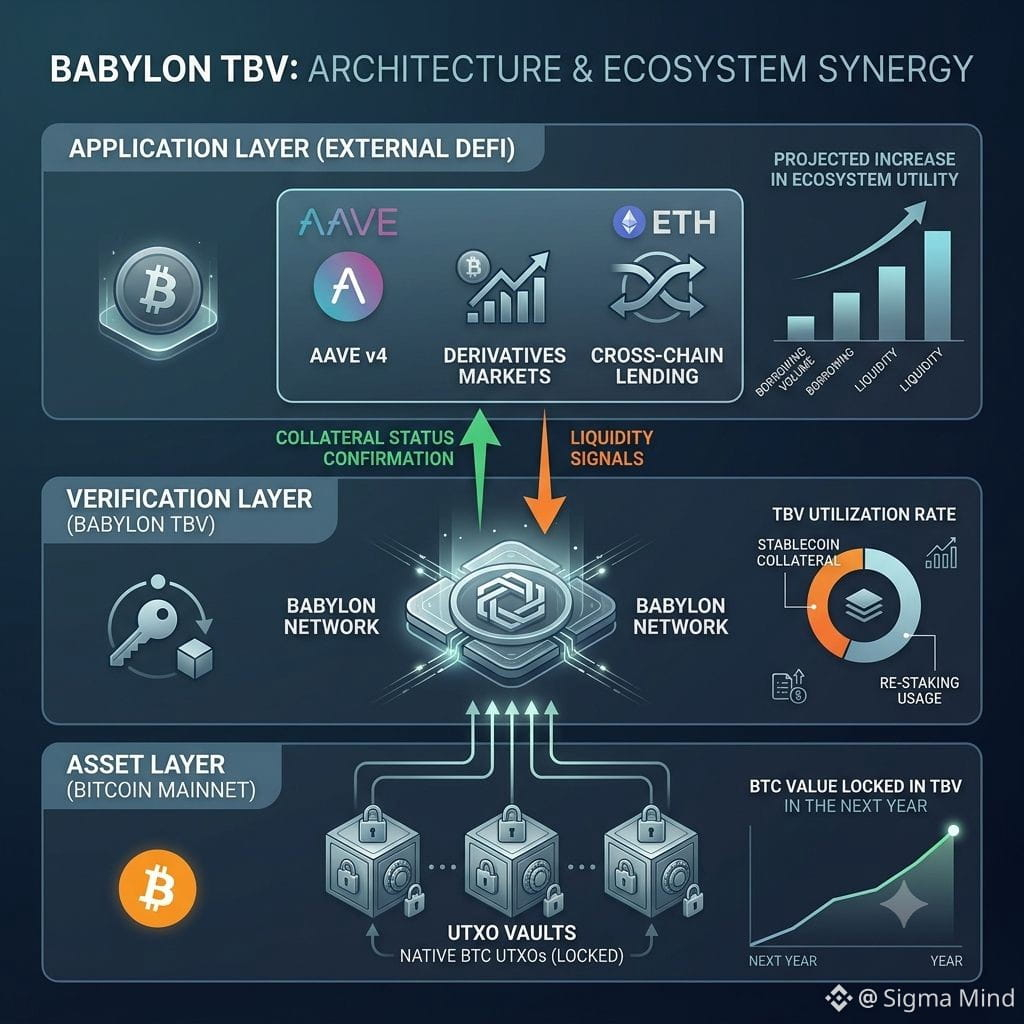
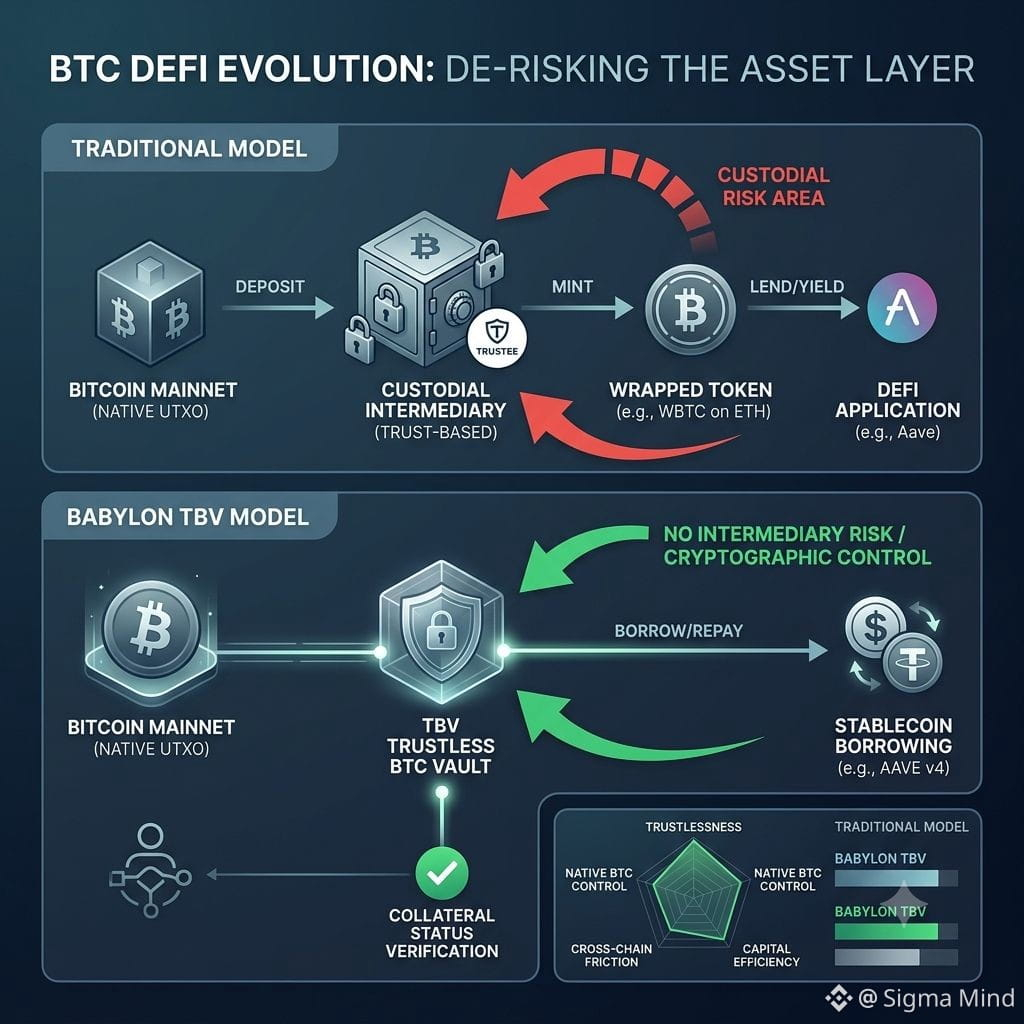
@BabylonLabs_ioのTBV(信託レスなビットコイン・ボールト)を調べたところ、別のアプローチが見えてきました。TBVは、ラップトトークン、クロスチェーンのカストディ、あるいは第三者が秘密鍵を保有することに依存しません。代わりに、ユーザーは暗号学的に制御されたUTXOのボールトにBTCをロックしますが、資産はビットコインのメインネット上にそのまま残ります。この仕組みにより、ユーザーはBTCを担保として預け、EthereumのAave v4でステーブルコインを借り入れできます。さらに、デリバティブやクロスチェーン・レンディングへと拡張する余地もあります。
このアーキテクチャは、アセット層(資産)、検証層、アプリケーション層を分離しています。Babylonが担保の状態を検証し、Aaveがレンディングのロジックを扱います。仮にどこか1つのコンポーネントに問題があっても、それが自動的に連鎖的なリスクを生むわけではありません。ここでの主なイノベーションは、信頼の置き換えです。つまり、中間業者を排除し、中央集権的なカストディではなく、暗号と経済的なコンセンサスに依拠することで信頼を再構成しています。
私の見立てでは、これは単なる新しいプロトコル以上のものです。ネイティブのBTCが、自身のエコシステムから離れたり第三者を信頼したりすることなく、DeFiの担保ベースレイヤーとして機能できるようになります。そうしたビットコインネイティブな金融チャネルは、多くのL2のスケーリング手法よりも、より長期的な可能性を秘めているかもしれません。$BABY
もちろん、優れた設計はスムーズな導入を保証しません。資本効率、エコシステム統合、そして極端なケースでの耐障害性については、長期的なオンチェーン検証がまだ必要です。
気になっているのは1つの点です。@BabylonLabs_ioのこのTBVは、本当にBTCFiにおける長年のカストディ・ボトルネックを打破できるのでしょうか?話しましょう—あなたは、TBVのモデルが今後1年でエコシステムの成長につながると思いますか?
@babylonlabs_io #baby $BABY
本当のストーリーが何なのか理解してみよう
私はBTCの貸し借り(レンディング/ボローイング)ソリューションを調べていて、ずっと目立つ問題があります。つまり、ビットコインをDeFiに参加させて利回りを得たい場合、多くの選択肢は結局、資産のコントロールを手放すことが求められます。カストディ(預託)リスクは避けにくいのです。
@BabylonLabs_ioのTBV(信託レスなビットコイン・ボールト)を調べたところ、別のアプローチが見えてきました。TBVは、ラップトトークン、クロスチェーンのカストディ、あるいは第三者が秘密鍵を保有することに依存しません。代わりに、ユーザーは暗号学的に制御されたUTXOのボールトにBTCをロックしますが、資産はビットコインのメインネット上にそのまま残ります。この仕組みにより、ユーザーはBTCを担保として預け、EthereumのAave v4でステーブルコインを借り入れできます。さらに、デリバティブやクロスチェーン・レンディングへと拡張する余地もあります。
このアーキテクチャは、アセット層(資産)、検証層、アプリケーション層を分離しています。Babylonが担保の状態を検証し、Aaveがレンディングのロジックを扱います。仮にどこか1つのコンポーネントに問題があっても、それが自動的に連鎖的なリスクを生むわけではありません。ここでの主なイノベーションは、信頼の置き換えです。つまり、中間業者を排除し、中央集権的なカストディではなく、暗号と経済的なコンセンサスに依拠することで信頼を再構成しています。
私の見立てでは、これは単なる新しいプロトコル以上のものです。ネイティブのBTCが、自身のエコシステムから離れたり第三者を信頼したりすることなく、DeFiの担保ベースレイヤーとして機能できるようになります。そうしたビットコインネイティブな金融チャネルは、多くのL2のスケーリング手法よりも、より長期的な可能性を秘めているかもしれません。$BABY
もちろん、優れた設計はスムーズな導入を保証しません。資本効率、エコシステム統合、そして極端なケースでの耐障害性については、長期的なオンチェーン検証がまだ必要です。
気になっているのは1つの点です。@BabylonLabs_ioのこのTBVは、本当にBTCFiにおける長年のカストディ・ボトルネックを打破できるのでしょうか?話しましょう—あなたは、TBVのモデルが今後1年でエコシステムの成長につながると思いますか?
@BabylonLabs_io #baby $BABY
私はBTCの貸し借り(レンディング/ボローイング)ソリューションを調べていて、ずっと目立つ問題があります。つまり、ビットコインをDeFiに参加させて利回りを得たい場合、多くの選択肢は結局、資産のコントロールを手放すことが求められます。カストディ(預託)リスクは避けにくいのです。
@BabylonLabs_ioのTBV(信託レスなビットコイン・ボールト)を調べたところ、別のアプローチが見えてきました。TBVは、ラップトトークン、クロスチェーンのカストディ、あるいは第三者が秘密鍵を保有することに依存しません。代わりに、ユーザーは暗号学的に制御されたUTXOのボールトにBTCをロックしますが、資産はビットコインのメインネット上にそのまま残ります。この仕組みにより、ユーザーはBTCを担保として預け、EthereumのAave v4でステーブルコインを借り入れできます。さらに、デリバティブやクロスチェーン・レンディングへと拡張する余地もあります。
このアーキテクチャは、アセット層(資産)、検証層、アプリケーション層を分離しています。Babylonが担保の状態を検証し、Aaveがレンディングのロジックを扱います。仮にどこか1つのコンポーネントに問題があっても、それが自動的に連鎖的なリスクを生むわけではありません。ここでの主なイノベーションは、信頼の置き換えです。つまり、中間業者を排除し、中央集権的なカストディではなく、暗号と経済的なコンセンサスに依拠することで信頼を再構成しています。
私の見立てでは、これは単なる新しいプロトコル以上のものです。ネイティブのBTCが、自身のエコシステムから離れたり第三者を信頼したりすることなく、DeFiの担保ベースレイヤーとして機能できるようになります。そうしたビットコインネイティブな金融チャネルは、多くのL2のスケーリング手法よりも、より長期的な可能性を秘めているかもしれません。$BABY
もちろん、優れた設計はスムーズな導入を保証しません。資本効率、エコシステム統合、そして極端なケースでの耐障害性については、長期的なオンチェーン検証がまだ必要です。
気になっているのは1つの点です。@BabylonLabs_ioのこのTBVは、本当にBTCFiにおける長年のカストディ・ボトルネックを打破できるのでしょうか?話しましょう—あなたは、TBVのモデルが今後1年でエコシステムの成長につながると思いますか?
@BabylonLabs_io #baby $BABY
2
1
262
·
--
何が本当の物語なのかを理解してみよう
ここに、最も刺さるデータ比較があります。ビットコインの時価総額は1.8兆ドル。しかし、安全にDeFiへ参加できるネイティブBTCは1%未満です。
ブリッジには秘密鍵が必要ですが、ラップド資産はカストディアンに依存しています。これは、依然として「信頼ゲーム」です。暗号資産で十分な時間を過ごした人なら誰でも知っている通り、「信じてくれ」といった仕組みで作られたシステムは、いずれターゲットになります。
BabylonのTBVソリューションをテストした後、ついにこのアプローチは変わるかもしれないと感じました。
@BabylonLabs_io は、BTCをそのままの場所に保ちながら、外部チェーン向けにプログラム可能な担保にします。クロスチェーン送金も、ラップド資産もありません。BitVM3はロジックをビットコインに組み込み、BABEはゼロ知識証明を使って、担保が受け入れられる前にBTCが本当にロックされていることを検証します。
カストディアン、ブリッジ、マルチシグを信頼する代わりに、検証の比重を数学へと移します。
$BABY
とはいえ、私は依然として小さなポジションしか保有していません。
暗号学的な証明が完璧でも、清算と実行は結局、外部チェーンのシーケンサーに依存します。ボラティリティの高い局面でシーケンサーが止まれば、実行される前に価格が清算のしきい値を超える可能性があります。証明は正しいのに、弱点はタイミングになります。
当面、分散型のBTCファイナンスは「時間」という名の敵と戦わなければなりません。
ZKロールアップが、いずれこの摩擦をなくせると思いますか?コメントで議論しましょう。
@babylonlabs_io #baby $BABY
何が本当の物語なのかを理解してみよう
ここに、最も刺さるデータ比較があります。ビットコインの時価総額は1.8兆ドル。しかし、安全にDeFiへ参加できるネイティブBTCは1%未満です。
ブリッジには秘密鍵が必要ですが、ラップド資産はカストディアンに依存しています。これは、依然として「信頼ゲーム」です。暗号資産で十分な時間を過ごした人なら誰でも知っている通り、「信じてくれ」といった仕組みで作られたシステムは、いずれターゲットになります。
BabylonのTBVソリューションをテストした後、ついにこのアプローチは変わるかもしれないと感じました。
@BabylonLabs_io は、BTCをそのままの場所に保ちながら、外部チェーン向けにプログラム可能な担保にします。クロスチェーン送金も、ラップド資産もありません。BitVM3はロジックをビットコインに組み込み、BABEはゼロ知識証明を使って、担保が受け入れられる前にBTCが本当にロックされていることを検証します。
カストディアン、ブリッジ、マルチシグを信頼する代わりに、検証の比重を数学へと移します。
$BABY
とはいえ、私は依然として小さなポジションしか保有していません。
暗号学的な証明が完璧でも、清算と実行は結局、外部チェーンのシーケンサーに依存します。ボラティリティの高い局面でシーケンサーが止まれば、実行される前に価格が清算のしきい値を超える可能性があります。証明は正しいのに、弱点はタイミングになります。
当面、分散型のBTCファイナンスは「時間」という名の敵と戦わなければなりません。
ZKロールアップが、いずれこの摩擦をなくせると思いますか?コメントで議論しましょう。
@BabylonLabs_io #baby $BABY
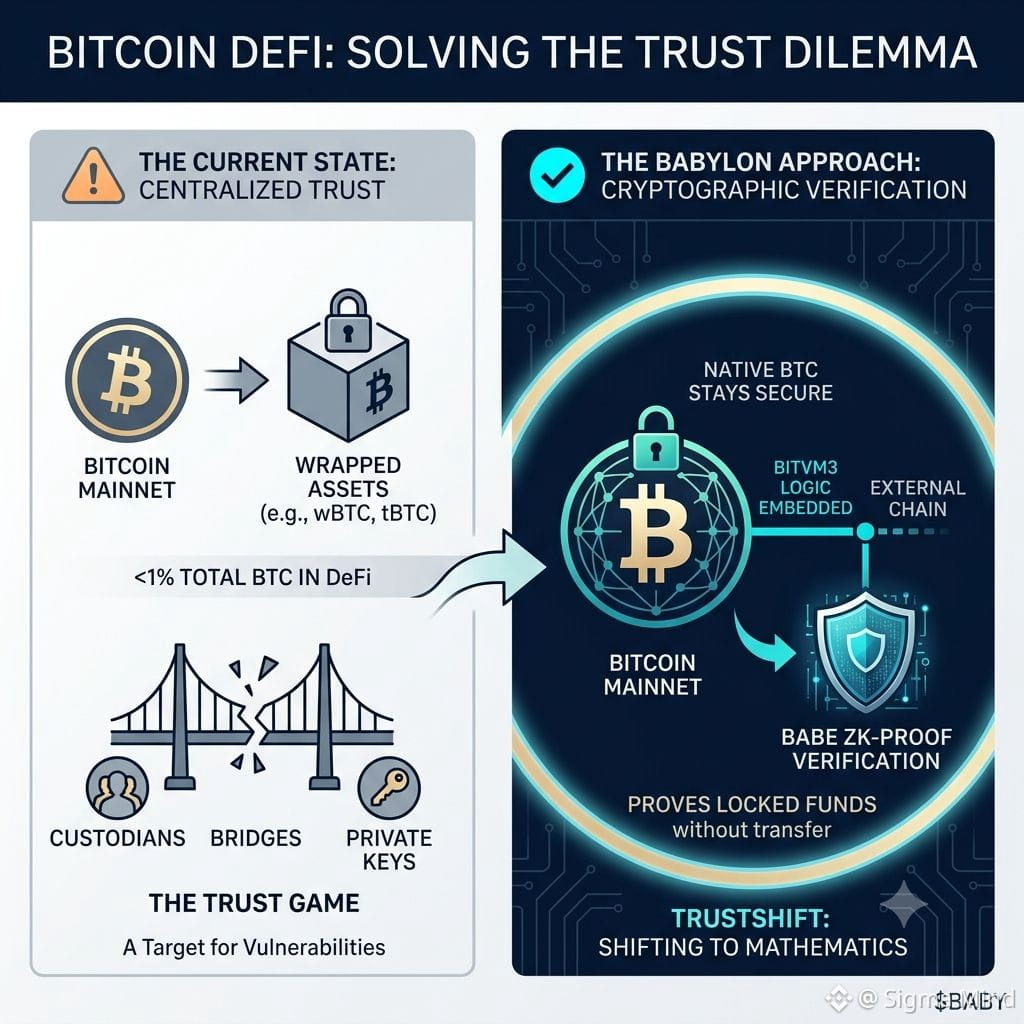
ここに、最も刺さるデータ比較があります。ビットコインの時価総額は1.8兆ドル。しかし、安全にDeFiへ参加できるネイティブBTCは1%未満です。
ブリッジには秘密鍵が必要ですが、ラップド資産はカストディアンに依存しています。これは、依然として「信頼ゲーム」です。暗号資産で十分な時間を過ごした人なら誰でも知っている通り、「信じてくれ」といった仕組みで作られたシステムは、いずれターゲットになります。
BabylonのTBVソリューションをテストした後、ついにこのアプローチは変わるかもしれないと感じました。
@BabylonLabs_io は、BTCをそのままの場所に保ちながら、外部チェーン向けにプログラム可能な担保にします。クロスチェーン送金も、ラップド資産もありません。BitVM3はロジックをビットコインに組み込み、BABEはゼロ知識証明を使って、担保が受け入れられる前にBTCが本当にロックされていることを検証します。
カストディアン、ブリッジ、マルチシグを信頼する代わりに、検証の比重を数学へと移します。
$BABY
とはいえ、私は依然として小さなポジションしか保有していません。
暗号学的な証明が完璧でも、清算と実行は結局、外部チェーンのシーケンサーに依存します。ボラティリティの高い局面でシーケンサーが止まれば、実行される前に価格が清算のしきい値を超える可能性があります。証明は正しいのに、弱点はタイミングになります。
当面、分散型のBTCファイナンスは「時間」という名の敵と戦わなければなりません。
ZKロールアップが、いずれこの摩擦をなくせると思いますか?コメントで議論しましょう。
@BabylonLabs_io #baby $BABY
2
2
164
·
--
$BANK
{spot}(BANKUSDT)
強力なポンプ(急騰)ほど、最も難しい判断を迫ってきます。大規模なラリーの後に最初の鋭い押し目が来ると、いつも同じ疑問が浮かびます。これは健全な調整なのか、それとももっと深い下落の始まりなのか?
私はこのパターンを、さまざまなコインで何度も見てきました。時には価格が、上がり始めたあとで遅れて買った人を一度振るい落としてからさらに上昇を続けますが、別のときはこの押し目が完全なトレンド反転に変わることもあります。
今のところ、ポジションに飛び込むつもりはありません。感情に任せて取引するより、確認を待ちたいのです。
あなたはどう思いますか? ここからまだ大きく下がり得るのでしょうか、それとも次の上昇の前にトレーダーを怖がらせるためのただの罠なのでしょうか?
コメントであなたの見解を聞かせてください。
#FootballSeason2026
#BrentCrudeUp4.6%
#CaspianPipelineHaltsOilLoadings
#CLARITYActAwaitsSenateProgress
#TokenizedStocksSeeRisingOnchainUse
$BANK
強力なポンプ(急騰)ほど、最も難しい判断を迫ってきます。大規模なラリーの後に最初の鋭い押し目が来ると、いつも同じ疑問が浮かびます。これは健全な調整なのか、それとももっと深い下落の始まりなのか?
私はこのパターンを、さまざまなコインで何度も見てきました。時には価格が、上がり始めたあとで遅れて買った人を一度振るい落としてからさらに上昇を続けますが、別のときはこの押し目が完全なトレンド反転に変わることもあります。
今のところ、ポジションに飛び込むつもりはありません。感情に任せて取引するより、確認を待ちたいのです。
あなたはどう思いますか? ここからまだ大きく下がり得るのでしょうか、それとも次の上昇の前にトレーダーを怖がらせるためのただの罠なのでしょうか?
コメントであなたの見解を聞かせてください。
#FootballSeason2026
#BrentCrudeUp4.6%
#CaspianPipelineHaltsOilLoadings
#CLARITYActAwaitsSenateProgress
#TokenizedStocksSeeRisingOnchainUse
強力なポンプ(急騰)ほど、最も難しい判断を迫ってきます。大規模なラリーの後に最初の鋭い押し目が来ると、いつも同じ疑問が浮かびます。これは健全な調整なのか、それとももっと深い下落の始まりなのか?
私はこのパターンを、さまざまなコインで何度も見てきました。時には価格が、上がり始めたあとで遅れて買った人を一度振るい落としてからさらに上昇を続けますが、別のときはこの押し目が完全なトレンド反転に変わることもあります。
今のところ、ポジションに飛び込むつもりはありません。感情に任せて取引するより、確認を待ちたいのです。
あなたはどう思いますか? ここからまだ大きく下がり得るのでしょうか、それとも次の上昇の前にトレーダーを怖がらせるためのただの罠なのでしょうか?
コメントであなたの見解を聞かせてください。
#FootballSeason2026
#BrentCrudeUp4.6%
#CaspianPipelineHaltsOilLoadings
#CLARITYActAwaitsSenateProgress
#TokenizedStocksSeeRisingOnchainUse
Just a healthy correction 🚀
52%
Beginning of a deeper drop 📉
24%
Sideways chop/crab market 🦀
10%
Waiting for confirmation 🛑
14%
29 投票 • 投票は終了しました
1
2
1.7k
·
--
記事
AI取引の誇大広告フィルターを剥がせ!ニュートンの本当の切り札――90%の人が誤解している最近、業界の誰もがニュートンを持ち上げています。語り口はいつも同じです。AIによるスマート取引、自動リバランス、完全自動のオンチェーン資産運用。正直なところ、そうした仕掛けは魅力的に聞こえますが、私が実際の取引で何度も検証し、根底にあるロジックを分解した結果、一つだけはっきり言いたい真実があります。みんな表面的なことに夢中で、誰も本当の核心価値を見ていないということです。
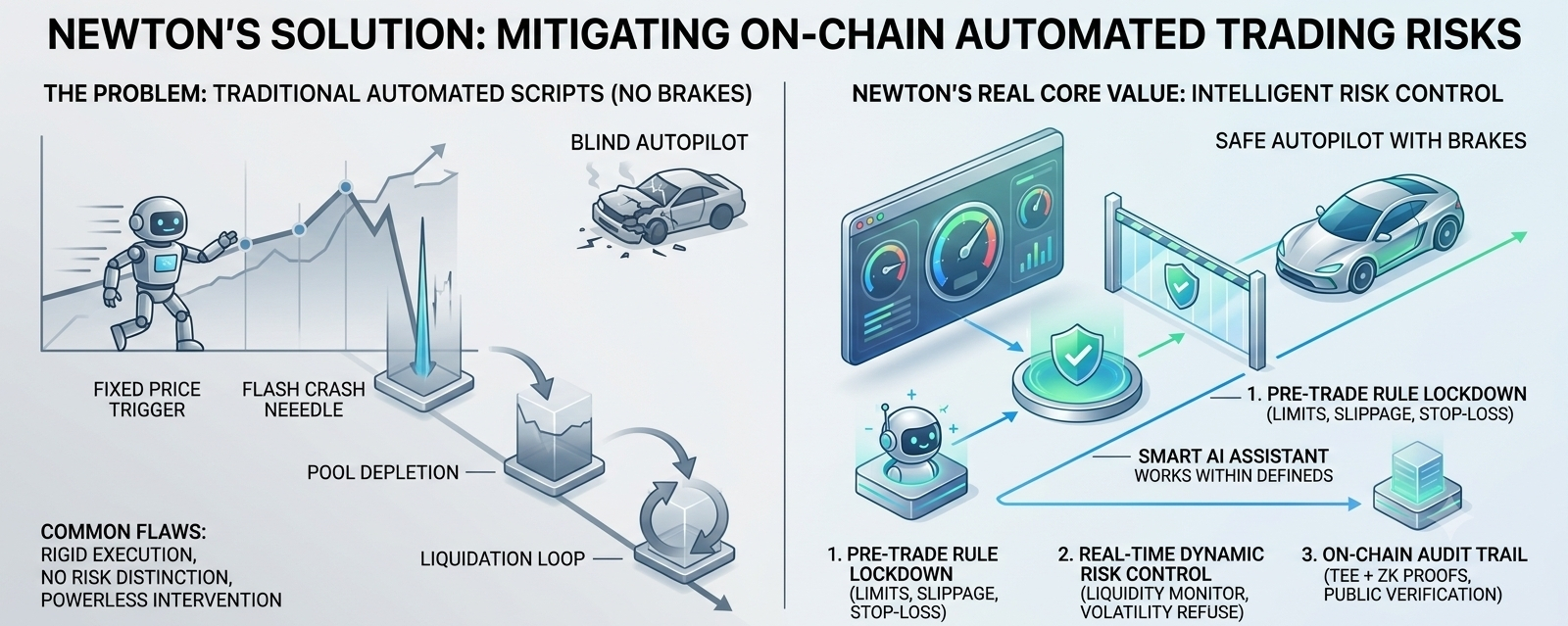
@NewtonProtocol AI DeFiブームの中でそれが立ち上がっている理由は、速いとか攻撃的にコインを自動売買するといったことではありません。そうではなく、オンチェーン業界が何年も抱え続けてきた最大の痛点を解決しているからです。自動取引にはブレーキがない。市場が極端に動いた瞬間、元本は単純に守れないのです。
AI取引の誇大広告フィルターを剥がせ!ニュートンの本当の切り札――90%の人が誤解している
最近、業界の誰もがニュートンを持ち上げています。語り口はいつも同じです。AIによるスマート取引、自動リバランス、完全自動のオンチェーン資産運用。正直なところ、そうした仕掛けは魅力的に聞こえますが、私が実際の取引で何度も検証し、根底にあるロジックを分解した結果、一つだけはっきり言いたい真実があります。みんな表面的なことに夢中で、誰も本当の核心価値を見ていないということです。
@NewtonProtocol AI DeFiブームの中でそれが立ち上がっている理由は、速いとか攻撃的にコインを自動売買するといったことではありません。そうではなく、オンチェーン業界が何年も抱え続けてきた最大の痛点を解決しているからです。自動取引にはブレーキがない。市場が極端に動いた瞬間、元本は単純に守れないのです。
@NewtonProtocol AI DeFiブームの中でそれが立ち上がっている理由は、速いとか攻撃的にコインを自動売買するといったことではありません。そうではなく、オンチェーン業界が何年も抱え続けてきた最大の痛点を解決しているからです。自動取引にはブレーキがない。市場が極端に動いた瞬間、元本は単純に守れないのです。
2
2
198
·
--
昔は節約していた頃、金庫の扉が十分に頑丈かどうか、そして警備員が足りているかどうかをいつも心配していました。ですが今思うと、大きなトラブルが起きるのは、扉が蹴破られるからではないことが多い。カギを管理している“男”が悪に転じてしまうからです!多くのシステムにはデフォルトの前提があります――「お金を扱う人は善人だ」という考えです。この発想が崩れると、数億単位のお金が水の泡になります。💸
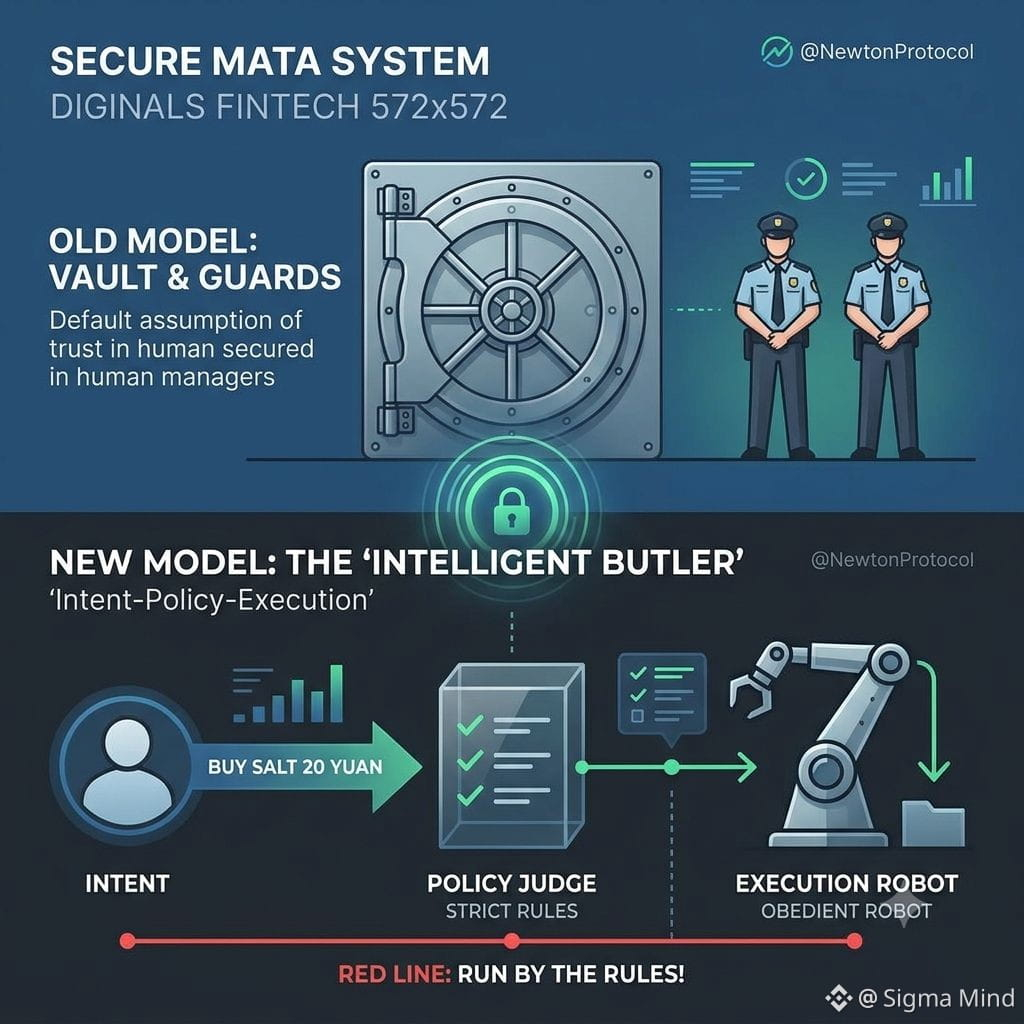
最近、@NewtonProtocol のメインネットコードを掘り下げていたところ、この問題に対する、驚くほど賢い解決策を見つけました。お金を「知的な執事」で梱包するような感じです。
この執事には3つの“技”があります:
まず、行きたい場所(=Intent)だけを伝えます。
次に、「Policy」という厳格な判事がルールを定めます――例外を作ることは許されません。
そして最後に、実際に作業を行う「execution layer(実行レイヤー)」は、ただ言うことを聞くロボットです。判事からの承認の“許可証”がない限り、誰もお金に触れられません。
たとえば、母さんに塩を買ってきてと言われて、「20元」と書かれたメモを渡されるようなものです。店に行くと、店員(execution layer)はメモを確認するだけ。おもちゃを買いたい?メモにそれが書いてなければ売ってくれません。“ルールがすべてに優先する”ってこういうことです。
昔のコードでは、ルールが業務ロジックと絡み合っていました。ちょっとした変更で全部が壊れうるので、誰も触れたがらなかったのです。今、Newton はそれらを分離しています。ルールはそれ自体で切り出されます。後でビジネスが成長しても、ルールが変わらない限り、誰も好き勝手はできない。
ただ、盲目的に煽りはしません。良いかどうかは、今後の人々がルールを守れるかにかかっています。とはいえ、自動化されたロボットが至る所にいるようになるこれからの時代に、私たちが最も恐れるのは遅さではありません。混乱と、誰もが支配権を奪いに来ることです。Newton のロジックは、こうしたロボットに対して基本的に“赤い線”を引くものです。走っていい、でもルールに従って走れ!
@NewtonProtocol #newt $NEWT
昔は節約していた頃、金庫の扉が十分に頑丈かどうか、そして警備員が足りているかどうかをいつも心配していました。ですが今思うと、大きなトラブルが起きるのは、扉が蹴破られるからではないことが多い。カギを管理している“男”が悪に転じてしまうからです!多くのシステムにはデフォルトの前提があります――「お金を扱う人は善人だ」という考えです。この発想が崩れると、数億単位のお金が水の泡になります。💸
最近、@NewtonProtocol のメインネットコードを掘り下げていたところ、この問題に対する、驚くほど賢い解決策を見つけました。お金を「知的な執事」で梱包するような感じです。
この執事には3つの“技”があります:
まず、行きたい場所(=Intent)だけを伝えます。
次に、「Policy」という厳格な判事がルールを定めます――例外を作ることは許されません。
そして最後に、実際に作業を行う「execution layer(実行レイヤー)」は、ただ言うことを聞くロボットです。判事からの承認の“許可証”がない限り、誰もお金に触れられません。
たとえば、母さんに塩を買ってきてと言われて、「20元」と書かれたメモを渡されるようなものです。店に行くと、店員(execution layer)はメモを確認するだけ。おもちゃを買いたい?メモにそれが書いてなければ売ってくれません。“ルールがすべてに優先する”ってこういうことです。
昔のコードでは、ルールが業務ロジックと絡み合っていました。ちょっとした変更で全部が壊れうるので、誰も触れたがらなかったのです。今、Newton はそれらを分離しています。ルールはそれ自体で切り出されます。後でビジネスが成長しても、ルールが変わらない限り、誰も好き勝手はできない。
ただ、盲目的に煽りはしません。良いかどうかは、今後の人々がルールを守れるかにかかっています。とはいえ、自動化されたロボットが至る所にいるようになるこれからの時代に、私たちが最も恐れるのは遅さではありません。混乱と、誰もが支配権を奪いに来ることです。Newton のロジックは、こうしたロボットに対して基本的に“赤い線”を引くものです。走っていい、でもルールに従って走れ!
@NewtonProtocol #newt $NEWT
最近、@NewtonProtocol のメインネットコードを掘り下げていたところ、この問題に対する、驚くほど賢い解決策を見つけました。お金を「知的な執事」で梱包するような感じです。
この執事には3つの“技”があります:
まず、行きたい場所(=Intent)だけを伝えます。
次に、「Policy」という厳格な判事がルールを定めます――例外を作ることは許されません。
そして最後に、実際に作業を行う「execution layer(実行レイヤー)」は、ただ言うことを聞くロボットです。判事からの承認の“許可証”がない限り、誰もお金に触れられません。
たとえば、母さんに塩を買ってきてと言われて、「20元」と書かれたメモを渡されるようなものです。店に行くと、店員(execution layer)はメモを確認するだけ。おもちゃを買いたい?メモにそれが書いてなければ売ってくれません。“ルールがすべてに優先する”ってこういうことです。
昔のコードでは、ルールが業務ロジックと絡み合っていました。ちょっとした変更で全部が壊れうるので、誰も触れたがらなかったのです。今、Newton はそれらを分離しています。ルールはそれ自体で切り出されます。後でビジネスが成長しても、ルールが変わらない限り、誰も好き勝手はできない。
ただ、盲目的に煽りはしません。良いかどうかは、今後の人々がルールを守れるかにかかっています。とはいえ、自動化されたロボットが至る所にいるようになるこれからの時代に、私たちが最も恐れるのは遅さではありません。混乱と、誰もが支配権を奪いに来ることです。Newton のロジックは、こうしたロボットに対して基本的に“赤い線”を引くものです。走っていい、でもルールに従って走れ!
@NewtonProtocol #newt $NEWT
2
198
·
--
私はいつものルーティンをこなしている最中に、ふとGRVTについての考えが頭の中に何度もよみがえってくるのを感じました。その好奇心がきっかけで、そのアーキテクチャについて調べる時間を費やしました。そして掘り下げるほど、次々と疑問が湧いてきました。最終的に、私はこの投稿を書くことになりました。
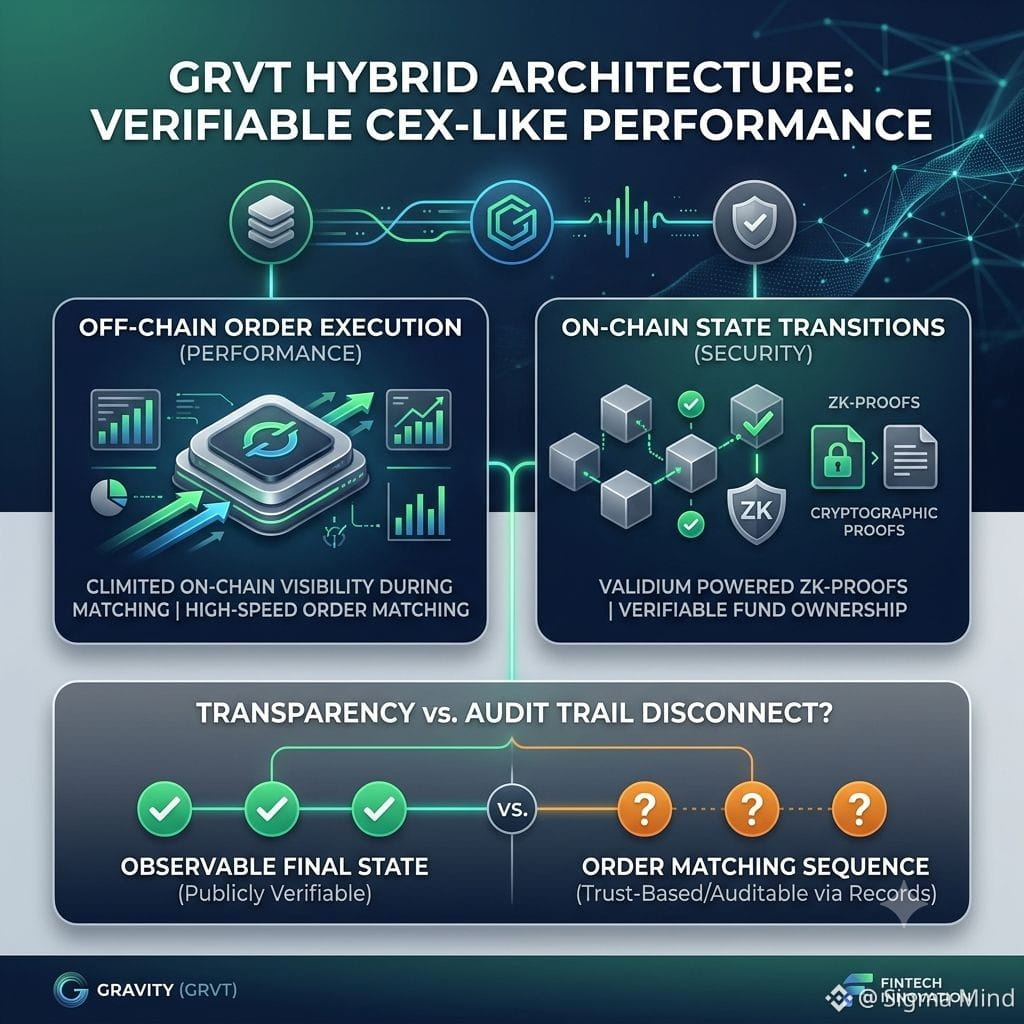
GRVTについて私の注目を引き続けるのは、資金調達でもロードマップでも、ましてや今後予定されているTGEでもありません。関心の中心は、そのハイブリッドモデルの背後にあるアーキテクチャ上の選択です。この設計は、スマートコントラクトによってユーザーが資産の管理を維持できる一方で、中央集権型取引所に近い取引体験を提供することを明確に目指しています。しかし、約定の実行速度を向上させれば、必ず透明性の一部を犠牲にすることになるのでしょうか?
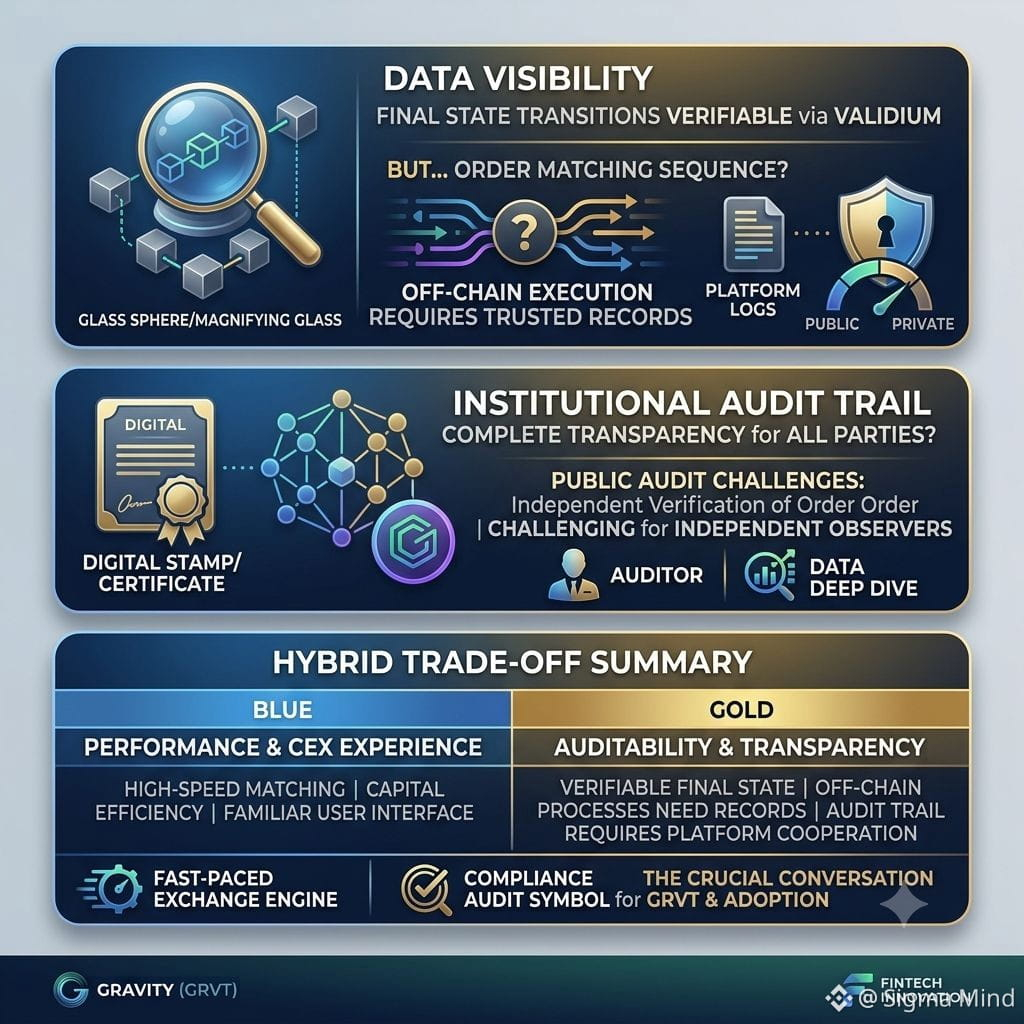
GRVTはValidiumとゼロ知識証明に依存しています。つまり、資金の保有と状態遷移が検証可能なままです。これは安心できるように思えます。ですが、次に自然と浮かぶ疑問があります。最終状態が検証できるなら、注文の約定プロセス全体も同様に自動的に透明性が高まるのでしょうか?
この違いは重要だと感じます。外部の観測者は資金が最終的にどこへ行き着いたかは検証できます。しかし、実行がオフチェーンで行われた後は、照合(マッチング)の完全なシーケンスを再構築することは、はるかに難しくなるように思われます。もし2つの注文がほぼ同時にエンジンへ到達した場合、公的に利用可能なデータだけで、正確な実行順序を第三者が独立して確認できるのでしょうか。それとも、プラットフォームの記録を信頼する必要があるのでしょうか?
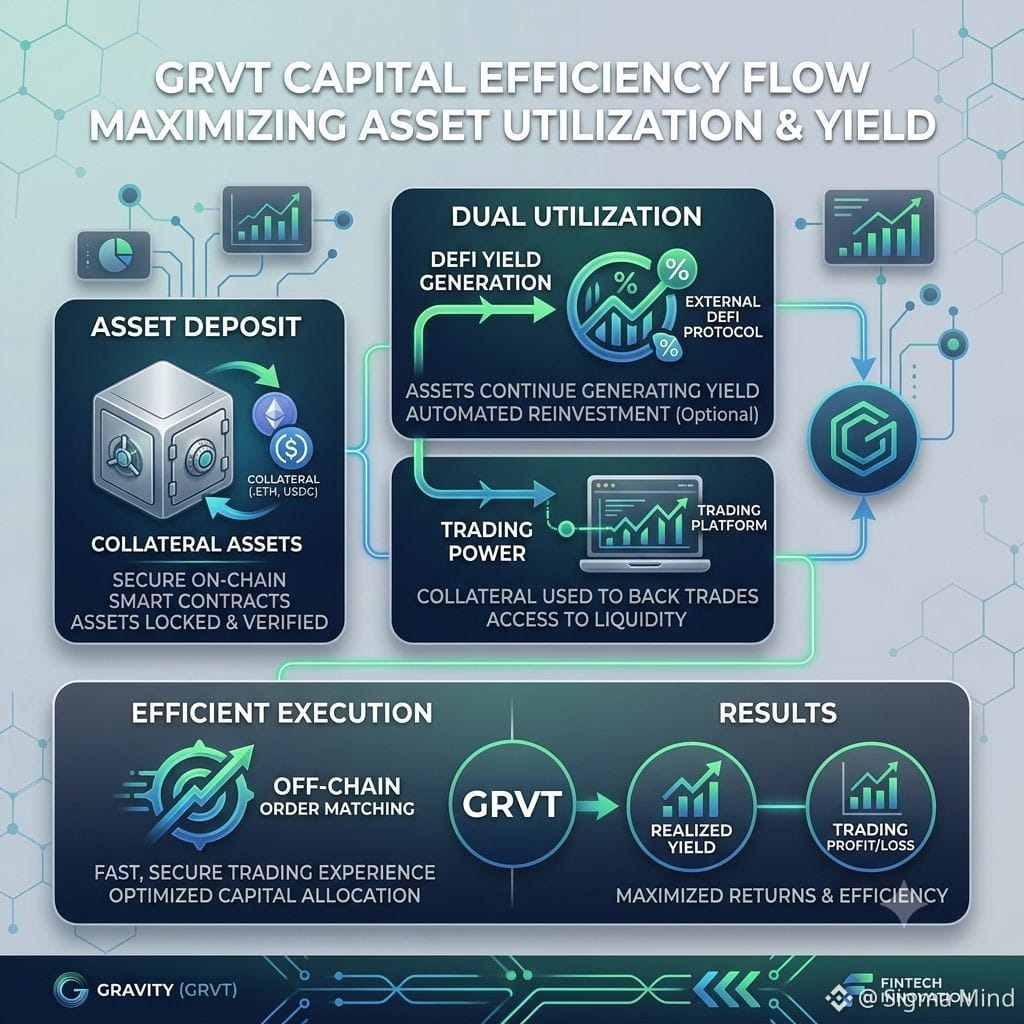
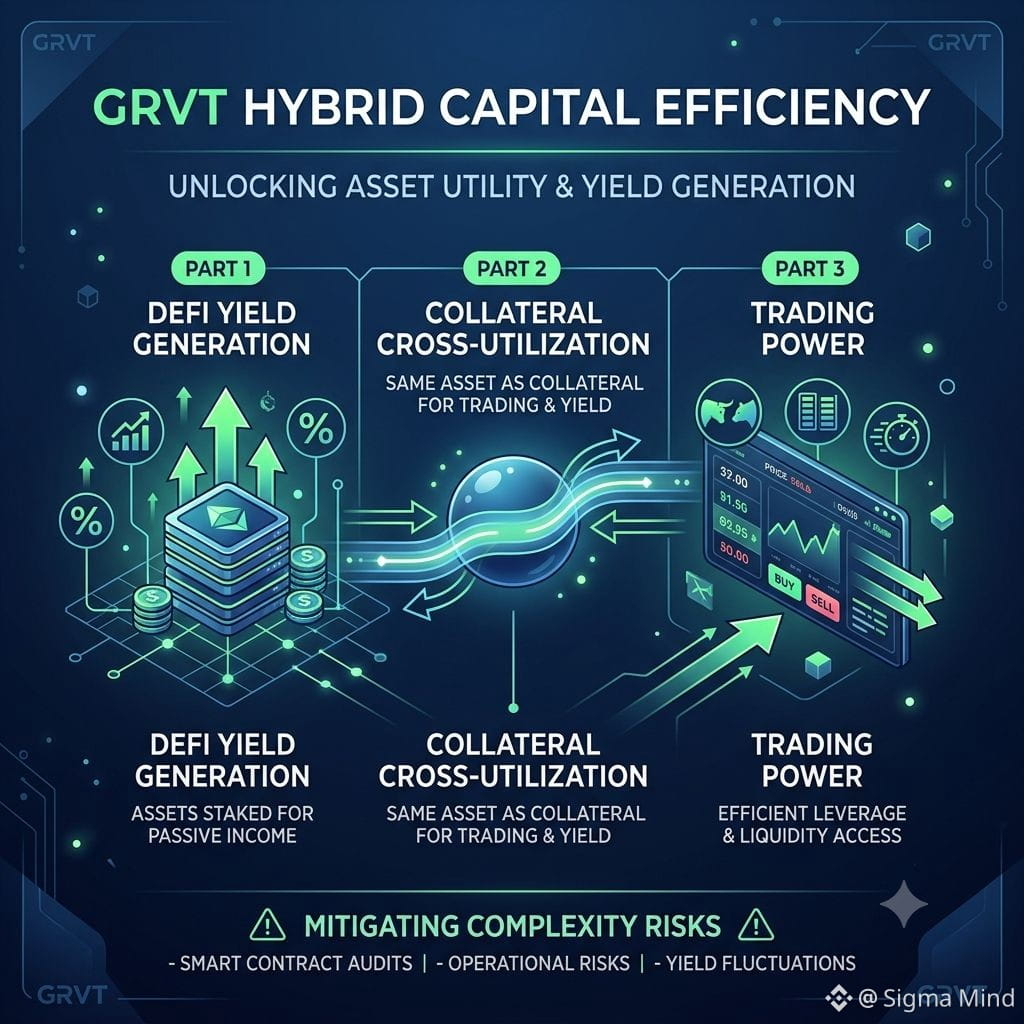
その資本効率のモデルについても触れておく価値があります。担保をDeFiの利回り生成に引き続き活用しつつ、取引にも使える状態のままにするというのは興味深いアプローチです。それでも、効率を最大化することで、ユーザーが過小評価しがちな追加の複雑さが生まれることはないのでしょうか?
これらは批判ではありません。ハイブリッドなアーキテクチャを学ぶ中で自然に浮かんでくる疑問です。おそらく、このトレードオフは多くのトレーダーにとって十分に妥当なものなのでしょう。より大きな論点は、完全な監査証跡を求める機関に対して、同じレベルの可視性が満たされるのかどうかです。これこそが、今日のGRVTをめぐる中でも最も興味深い議論の一つになるかもしれません。
@grvt_io #grvt
私はいつものルーティンをこなしている最中に、ふとGRVTについての考えが頭の中に何度もよみがえってくるのを感じました。その好奇心がきっかけで、そのアーキテクチャについて調べる時間を費やしました。そして掘り下げるほど、次々と疑問が湧いてきました。最終的に、私はこの投稿を書くことになりました。
GRVTについて私の注目を引き続けるのは、資金調達でもロードマップでも、ましてや今後予定されているTGEでもありません。関心の中心は、そのハイブリッドモデルの背後にあるアーキテクチャ上の選択です。この設計は、スマートコントラクトによってユーザーが資産の管理を維持できる一方で、中央集権型取引所に近い取引体験を提供することを明確に目指しています。しかし、約定の実行速度を向上させれば、必ず透明性の一部を犠牲にすることになるのでしょうか?
GRVTはValidiumとゼロ知識証明に依存しています。つまり、資金の保有と状態遷移が検証可能なままです。これは安心できるように思えます。ですが、次に自然と浮かぶ疑問があります。最終状態が検証できるなら、注文の約定プロセス全体も同様に自動的に透明性が高まるのでしょうか?
この違いは重要だと感じます。外部の観測者は資金が最終的にどこへ行き着いたかは検証できます。しかし、実行がオフチェーンで行われた後は、照合(マッチング)の完全なシーケンスを再構築することは、はるかに難しくなるように思われます。もし2つの注文がほぼ同時にエンジンへ到達した場合、公的に利用可能なデータだけで、正確な実行順序を第三者が独立して確認できるのでしょうか。それとも、プラットフォームの記録を信頼する必要があるのでしょうか?
その資本効率のモデルについても触れておく価値があります。担保をDeFiの利回り生成に引き続き活用しつつ、取引にも使える状態のままにするというのは興味深いアプローチです。それでも、効率を最大化することで、ユーザーが過小評価しがちな追加の複雑さが生まれることはないのでしょうか?
これらは批判ではありません。ハイブリッドなアーキテクチャを学ぶ中で自然に浮かんでくる疑問です。おそらく、このトレードオフは多くのトレーダーにとって十分に妥当なものなのでしょう。より大きな論点は、完全な監査証跡を求める機関に対して、同じレベルの可視性が満たされるのかどうかです。これこそが、今日のGRVTをめぐる中でも最も興味深い議論の一つになるかもしれません。
@grvt_io #grvt
GRVTについて私の注目を引き続けるのは、資金調達でもロードマップでも、ましてや今後予定されているTGEでもありません。関心の中心は、そのハイブリッドモデルの背後にあるアーキテクチャ上の選択です。この設計は、スマートコントラクトによってユーザーが資産の管理を維持できる一方で、中央集権型取引所に近い取引体験を提供することを明確に目指しています。しかし、約定の実行速度を向上させれば、必ず透明性の一部を犠牲にすることになるのでしょうか?
GRVTはValidiumとゼロ知識証明に依存しています。つまり、資金の保有と状態遷移が検証可能なままです。これは安心できるように思えます。ですが、次に自然と浮かぶ疑問があります。最終状態が検証できるなら、注文の約定プロセス全体も同様に自動的に透明性が高まるのでしょうか?
この違いは重要だと感じます。外部の観測者は資金が最終的にどこへ行き着いたかは検証できます。しかし、実行がオフチェーンで行われた後は、照合(マッチング)の完全なシーケンスを再構築することは、はるかに難しくなるように思われます。もし2つの注文がほぼ同時にエンジンへ到達した場合、公的に利用可能なデータだけで、正確な実行順序を第三者が独立して確認できるのでしょうか。それとも、プラットフォームの記録を信頼する必要があるのでしょうか?
その資本効率のモデルについても触れておく価値があります。担保をDeFiの利回り生成に引き続き活用しつつ、取引にも使える状態のままにするというのは興味深いアプローチです。それでも、効率を最大化することで、ユーザーが過小評価しがちな追加の複雑さが生まれることはないのでしょうか?
これらは批判ではありません。ハイブリッドなアーキテクチャを学ぶ中で自然に浮かんでくる疑問です。おそらく、このトレードオフは多くのトレーダーにとって十分に妥当なものなのでしょう。より大きな論点は、完全な監査証跡を求める機関に対して、同じレベルの可視性が満たされるのかどうかです。これこそが、今日のGRVTをめぐる中でも最も興味深い議論の一つになるかもしれません。
@grvt_io #grvt
1
1
175
·
--
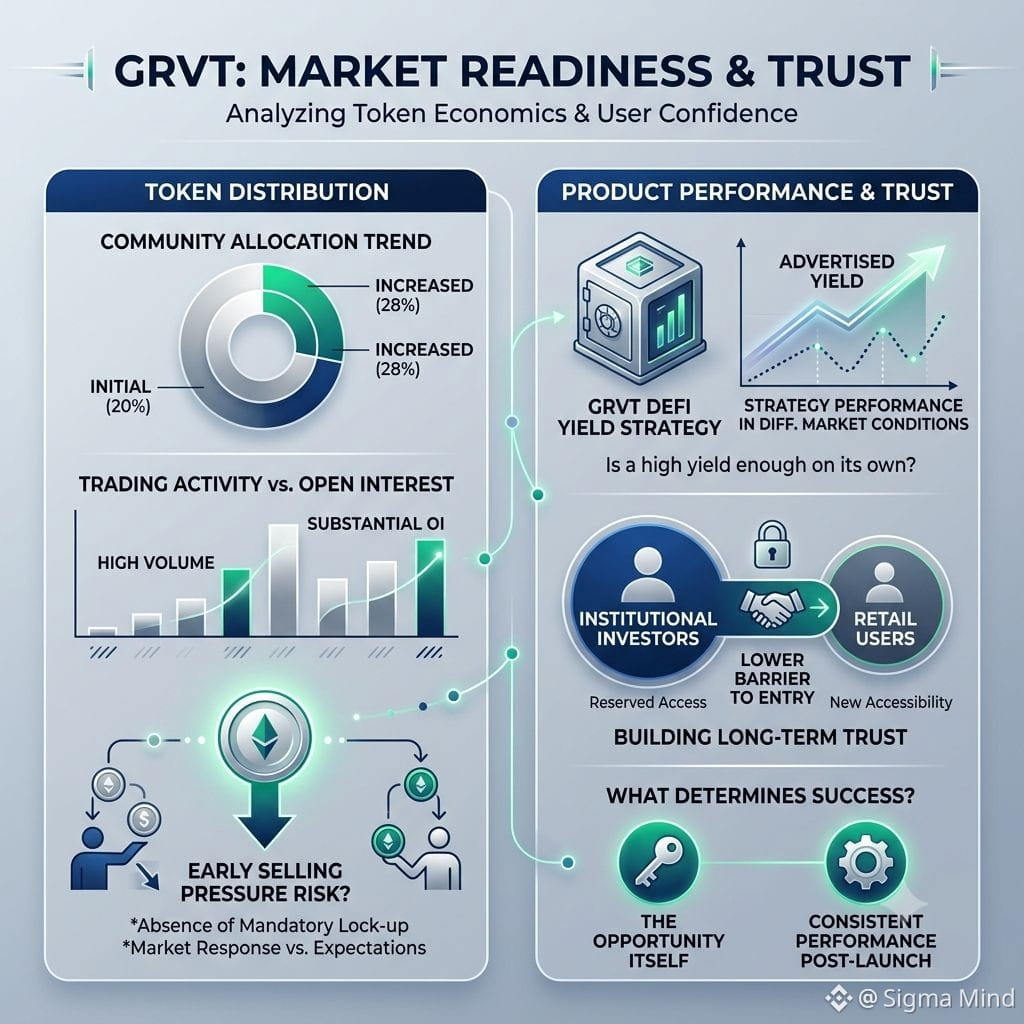
GRVTをめぐる最大の疑問は、プラットフォームに魅力的なビジョンがあるかどうかよりも、市場がそのトークン分配を吸収する準備ができているかどうかかもしれません。コミュニティ向けの配分は20%から28%へと徐々に増えている一方で、取引活動や建玉(オープン・インタレスト)は依然として大きいままです。もしこのように大きな割合のトークンが、必須のロックアップなしでユーザーに届くなら、予想されているよりも早期の売り圧力が強まってしまうのでしょうか?
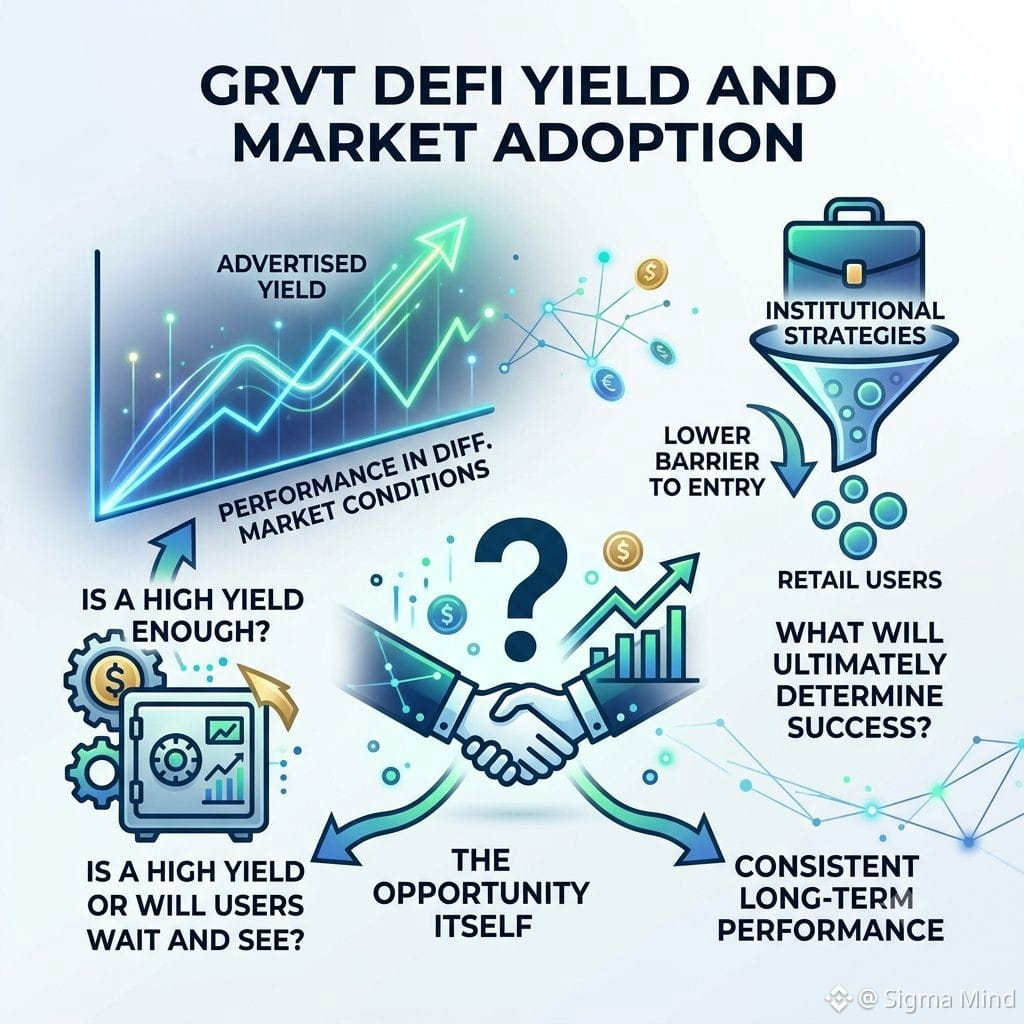
同時に、プロダクトそのものも興味深い考えを提示しています。資金が引き続き利用可能である間に自動的にDeFiの利回りを得られるという機能は、従来の取引所口座ではなかなか匹敵できないことが多いです。しかし、次の疑問も自然に生まれます。宣伝されている利回りが高いだけで十分なのか、それとも、より大きな金額を投入する前に、さまざまな市場環境で戦略がどう機能するのかをユーザーが見極めるのを待つのか。
さらに本プロトコルは、機関投資家向けのような戦略への参入障壁を下げ、より小規模な投資家にもアクセスしやすくしています。しかし、アクセスのしやすさと長期的な信頼は、必ずしも同じではありません。一般のユーザーが、かつては大口投資家だけのために用意されていた商品に今アクセスできるようになったとして、最終的な成功を決めるのは、機会そのものなのか、それともローンチ後にその機会がどれだけ一貫して良好に機能するかなのでしょうか?
@grvt_io #grvt $LAB
GRVTをめぐる最大の疑問は、プラットフォームに魅力的なビジョンがあるかどうかよりも、市場がそのトークン分配を吸収する準備ができているかどうかかもしれません。コミュニティ向けの配分は20%から28%へと徐々に増えている一方で、取引活動や建玉(オープン・インタレスト)は依然として大きいままです。もしこのように大きな割合のトークンが、必須のロックアップなしでユーザーに届くなら、予想されているよりも早期の売り圧力が強まってしまうのでしょうか?
同時に、プロダクトそのものも興味深い考えを提示しています。資金が引き続き利用可能である間に自動的にDeFiの利回りを得られるという機能は、従来の取引所口座ではなかなか匹敵できないことが多いです。しかし、次の疑問も自然に生まれます。宣伝されている利回りが高いだけで十分なのか、それとも、より大きな金額を投入する前に、さまざまな市場環境で戦略がどう機能するのかをユーザーが見極めるのを待つのか。
さらに本プロトコルは、機関投資家向けのような戦略への参入障壁を下げ、より小規模な投資家にもアクセスしやすくしています。しかし、アクセスのしやすさと長期的な信頼は、必ずしも同じではありません。一般のユーザーが、かつては大口投資家だけのために用意されていた商品に今アクセスできるようになったとして、最終的な成功を決めるのは、機会そのものなのか、それともローンチ後にその機会がどれだけ一貫して良好に機能するかなのでしょうか?
@grvt_io #grvt $LAB
同時に、プロダクトそのものも興味深い考えを提示しています。資金が引き続き利用可能である間に自動的にDeFiの利回りを得られるという機能は、従来の取引所口座ではなかなか匹敵できないことが多いです。しかし、次の疑問も自然に生まれます。宣伝されている利回りが高いだけで十分なのか、それとも、より大きな金額を投入する前に、さまざまな市場環境で戦略がどう機能するのかをユーザーが見極めるのを待つのか。
さらに本プロトコルは、機関投資家向けのような戦略への参入障壁を下げ、より小規模な投資家にもアクセスしやすくしています。しかし、アクセスのしやすさと長期的な信頼は、必ずしも同じではありません。一般のユーザーが、かつては大口投資家だけのために用意されていた商品に今アクセスできるようになったとして、最終的な成功を決めるのは、機会そのものなのか、それともローンチ後にその機会がどれだけ一貫して良好に機能するかなのでしょうか?
@grvt_io #grvt $LAB
4
2
97
·
--
Newtonの評価エンジンは、消費するデータと同じくらい信頼できる兄弟たちよ、今朝は紅茶を片手に自分の画面をスクロールしていたとき、@NewtonProtocol のスレッドが目に留まりました。最初に思ったのは、これを「ただの“コンプライアンス・フィルター”」だと説明しているなら、たぶん聞こえるほど単純ではない、ということです。そこで今日は売買コールの話をする代わりに、一晩かけてコードのロジックを掘り下げて、エンジンの中で実際に何が起きているのかを確認することにしました。
兄弟たちよ、今まさにあなたがやっている操作はやめてください。今日は売買のコールをわめき散らしたりしませんし、煙も巻きません。@NewtonProtocolstrategy エンジンの“裏側”を見てみましょう。多くの人はこれをただの「コンプライアンス・フィルター」だと思っています。ブラックリストに通して終わり?甘すぎます。私は一晩かけてコードのロジックを追い、マーケティング文言が聞こえる以上に、エンジンの根幹となる評価メカニズムがはるかに“ガチ”だと分かりました。ただし、それと同時に“データを食う度合い”もより高い。Newtonの評価ロジックはシングルスレッドではありません。エンジンは同時に3つの肉体(情報)を噛み砕きます。まず、あなたが能動的に提供する資格情報(あなたが誰であるかを証明するため)。次に、リアルタイムの価格フィードと外部データソースからの情報(たとえばオラクルデータ)。そして3つ目に、過去の履歴としてのオンチェーン状態(あなたが過去にやったこと)。この3つのデータストリームがエンジン内部で混ぜ合わされた後に、はじめて評価結果が出力されます。ですが問題は「データソース」のほうにあります。想像以上に罠は深い。第一に、ユーザーの資格情報は署名の検証しかできず、意図までは検証できません。プライベートキーが漏れたら、終わりです。第二に、外部データソースは魅力的に見えますが――APIが複数まとめて侵害されていたり、Sybil攻撃に遭ってしまったりすると、エンジンは盲目になります。そして最も危険なのは第三:オンチェーンデータは本来レイテンシーがあるため、MEVアービトラージのボットが付け込む“窓”が生まれます。あなたが自分側で評価を終えた頃には、すでに価格が絞り取られている。リスク管理が“先読み”ではなく“後追いの反省会”になっていませんか?
公式には、評価プロセスは完全に透明で追跡可能だと言っています――それはそれで認めるべきところもあるでしょう。しかし、それでも冷静さは保つ必要があります。評価の天井は、入力データの品質とカバレッジによって常に制限される。ゴミを入れればゴミが出る――これが鉄則です。
私の見解では、Newtonが機関投資家レベルのリスク管理市場を取りに行くなら、今のアーキテクチャだけでは足りません。急務は、データの種類を広げ、情報の盲点を埋めることです。そうしなければ、この一見精密なエンジンも、複雑なオンチェーン環境では「近視眼」になったままです。もう一度言います。小銭テスト、大金待ち。データソースの信頼にまつわる逆説を、本当に解決できるようになったら話しましょう。
この種のマルチソース評価メカニズムは信頼できると思いますか?コメント欄でお会いしましょう。
Newtonの評価エンジンは、消費するデータと同じくらい信頼できる
兄弟たちよ、今朝は紅茶を片手に自分の画面をスクロールしていたとき、@NewtonProtocol のスレッドが目に留まりました。最初に思ったのは、これを「ただの“コンプライアンス・フィルター”」だと説明しているなら、たぶん聞こえるほど単純ではない、ということです。そこで今日は売買コールの話をする代わりに、一晩かけてコードのロジックを掘り下げて、エンジンの中で実際に何が起きているのかを確認することにしました。
兄弟たちよ、今まさにあなたがやっている操作はやめてください。今日は売買のコールをわめき散らしたりしませんし、煙も巻きません。@NewtonProtocolstrategy エンジンの“裏側”を見てみましょう。多くの人はこれをただの「コンプライアンス・フィルター」だと思っています。ブラックリストに通して終わり?甘すぎます。私は一晩かけてコードのロジックを追い、マーケティング文言が聞こえる以上に、エンジンの根幹となる評価メカニズムがはるかに“ガチ”だと分かりました。ただし、それと同時に“データを食う度合い”もより高い。Newtonの評価ロジックはシングルスレッドではありません。エンジンは同時に3つの肉体(情報)を噛み砕きます。まず、あなたが能動的に提供する資格情報(あなたが誰であるかを証明するため)。次に、リアルタイムの価格フィードと外部データソースからの情報(たとえばオラクルデータ)。そして3つ目に、過去の履歴としてのオンチェーン状態(あなたが過去にやったこと)。この3つのデータストリームがエンジン内部で混ぜ合わされた後に、はじめて評価結果が出力されます。ですが問題は「データソース」のほうにあります。想像以上に罠は深い。第一に、ユーザーの資格情報は署名の検証しかできず、意図までは検証できません。プライベートキーが漏れたら、終わりです。第二に、外部データソースは魅力的に見えますが――APIが複数まとめて侵害されていたり、Sybil攻撃に遭ってしまったりすると、エンジンは盲目になります。そして最も危険なのは第三:オンチェーンデータは本来レイテンシーがあるため、MEVアービトラージのボットが付け込む“窓”が生まれます。あなたが自分側で評価を終えた頃には、すでに価格が絞り取られている。リスク管理が“先読み”ではなく“後追いの反省会”になっていませんか?
公式には、評価プロセスは完全に透明で追跡可能だと言っています――それはそれで認めるべきところもあるでしょう。しかし、それでも冷静さは保つ必要があります。評価の天井は、入力データの品質とカバレッジによって常に制限される。ゴミを入れればゴミが出る――これが鉄則です。
私の見解では、Newtonが機関投資家レベルのリスク管理市場を取りに行くなら、今のアーキテクチャだけでは足りません。急務は、データの種類を広げ、情報の盲点を埋めることです。そうしなければ、この一見精密なエンジンも、複雑なオンチェーン環境では「近視眼」になったままです。もう一度言います。小銭テスト、大金待ち。データソースの信頼にまつわる逆説を、本当に解決できるようになったら話しましょう。
この種のマルチソース評価メカニズムは信頼できると思いますか?コメント欄でお会いしましょう。
兄弟たちよ、今まさにあなたがやっている操作はやめてください。今日は売買のコールをわめき散らしたりしませんし、煙も巻きません。@NewtonProtocolstrategy エンジンの“裏側”を見てみましょう。多くの人はこれをただの「コンプライアンス・フィルター」だと思っています。ブラックリストに通して終わり?甘すぎます。私は一晩かけてコードのロジックを追い、マーケティング文言が聞こえる以上に、エンジンの根幹となる評価メカニズムがはるかに“ガチ”だと分かりました。ただし、それと同時に“データを食う度合い”もより高い。Newtonの評価ロジックはシングルスレッドではありません。エンジンは同時に3つの肉体(情報)を噛み砕きます。まず、あなたが能動的に提供する資格情報(あなたが誰であるかを証明するため)。次に、リアルタイムの価格フィードと外部データソースからの情報(たとえばオラクルデータ)。そして3つ目に、過去の履歴としてのオンチェーン状態(あなたが過去にやったこと)。この3つのデータストリームがエンジン内部で混ぜ合わされた後に、はじめて評価結果が出力されます。ですが問題は「データソース」のほうにあります。想像以上に罠は深い。第一に、ユーザーの資格情報は署名の検証しかできず、意図までは検証できません。プライベートキーが漏れたら、終わりです。第二に、外部データソースは魅力的に見えますが――APIが複数まとめて侵害されていたり、Sybil攻撃に遭ってしまったりすると、エンジンは盲目になります。そして最も危険なのは第三:オンチェーンデータは本来レイテンシーがあるため、MEVアービトラージのボットが付け込む“窓”が生まれます。あなたが自分側で評価を終えた頃には、すでに価格が絞り取られている。リスク管理が“先読み”ではなく“後追いの反省会”になっていませんか?
公式には、評価プロセスは完全に透明で追跡可能だと言っています――それはそれで認めるべきところもあるでしょう。しかし、それでも冷静さは保つ必要があります。評価の天井は、入力データの品質とカバレッジによって常に制限される。ゴミを入れればゴミが出る――これが鉄則です。
私の見解では、Newtonが機関投資家レベルのリスク管理市場を取りに行くなら、今のアーキテクチャだけでは足りません。急務は、データの種類を広げ、情報の盲点を埋めることです。そうしなければ、この一見精密なエンジンも、複雑なオンチェーン環境では「近視眼」になったままです。もう一度言います。小銭テスト、大金待ち。データソースの信頼にまつわる逆説を、本当に解決できるようになったら話しましょう。
この種のマルチソース評価メカニズムは信頼できると思いますか?コメント欄でお会いしましょう。
4
2
209
·
--
一部該当
信頼は2層、リスクも2層!NEWTメインネットベータの裏に隠れた2つの論点を解き明かす
Newtonメインネットベータのローンチ発表を読んで、まず目についたのは、最初のデータパートナーがRedStoneとCredoraであることでした。そこで、私は改めてNewtonの「信頼モデル」が実際に何に基づいているのか考え直しました。
Newtonは、オンチェーン取引のための認可レイヤーとして設計されており、決済の前にポリシーを評価します。しかし、ポリシーエンジンがどれほど強力でも、その判断の信頼性は受け取るデータの品質に依存します。価格フィードが操作されていたり、リスクスコアが誤っていたりすれば、完璧なルールがあっても信頼できない結果が生まれます。
技術的には、Newtonにはしっかりした土台があります。EigenLayerのAVSで検証を行い、TEE内でAIモデルを実行し、計算をオンチェーンで検証するためのZK証明を生成します。これらの技術は、計算が正しく実行されたことを証明できますが、入力データそのものが正しいことまでは証明できません。それは別の信頼レイヤーです。
RedStoneとCredoraは高い評価を得ていますが、それでもポリシーエンジンは依然として彼らに大きく依存しています。価格フィードが失敗したり、リスクモデルの精度が低下したりすれば、計算がいかに安全でも意思決定プロセスに影響が及びます。
また、トークン経済性の問題もあります。大きなトークンのアンロックにより、すでに流通供給は増えています。一方で、長期的な価値は、物語だけでなく実際のプロトコル活動に左右されるはずです。
私は@NewtonProtocol を引き続き監視し、$NEWTを調査し続けます。技術的な方向性は有望に見えますが、信頼モデルとトークン経済性はいずれも、時間をかけて本当に機能することを証明する必要があります。
@NewtonProtocol $NEWT #Newt
信頼は2層、リスクも2層!NEWTメインネットベータの裏に隠れた2つの論点を解き明かす
Newtonメインネットベータのローンチ発表を読んで、まず目についたのは、最初のデータパートナーがRedStoneとCredoraであることでした。そこで、私は改めてNewtonの「信頼モデル」が実際に何に基づいているのか考え直しました。
Newtonは、オンチェーン取引のための認可レイヤーとして設計されており、決済の前にポリシーを評価します。しかし、ポリシーエンジンがどれほど強力でも、その判断の信頼性は受け取るデータの品質に依存します。価格フィードが操作されていたり、リスクスコアが誤っていたりすれば、完璧なルールがあっても信頼できない結果が生まれます。
技術的には、Newtonにはしっかりした土台があります。EigenLayerのAVSで検証を行い、TEE内でAIモデルを実行し、計算をオンチェーンで検証するためのZK証明を生成します。これらの技術は、計算が正しく実行されたことを証明できますが、入力データそのものが正しいことまでは証明できません。それは別の信頼レイヤーです。
RedStoneとCredoraは高い評価を得ていますが、それでもポリシーエンジンは依然として彼らに大きく依存しています。価格フィードが失敗したり、リスクモデルの精度が低下したりすれば、計算がいかに安全でも意思決定プロセスに影響が及びます。
また、トークン経済性の問題もあります。大きなトークンのアンロックにより、すでに流通供給は増えています。一方で、長期的な価値は、物語だけでなく実際のプロトコル活動に左右されるはずです。
私は@NewtonProtocol を引き続き監視し、$NEWT を調査し続けます。技術的な方向性は有望に見えますが、信頼モデルとトークン経済性はいずれも、時間をかけて本当に機能することを証明する必要があります。
@NewtonProtocol $NEWT #Newt
Newtonメインネットベータのローンチ発表を読んで、まず目についたのは、最初のデータパートナーがRedStoneとCredoraであることでした。そこで、私は改めてNewtonの「信頼モデル」が実際に何に基づいているのか考え直しました。
Newtonは、オンチェーン取引のための認可レイヤーとして設計されており、決済の前にポリシーを評価します。しかし、ポリシーエンジンがどれほど強力でも、その判断の信頼性は受け取るデータの品質に依存します。価格フィードが操作されていたり、リスクスコアが誤っていたりすれば、完璧なルールがあっても信頼できない結果が生まれます。
技術的には、Newtonにはしっかりした土台があります。EigenLayerのAVSで検証を行い、TEE内でAIモデルを実行し、計算をオンチェーンで検証するためのZK証明を生成します。これらの技術は、計算が正しく実行されたことを証明できますが、入力データそのものが正しいことまでは証明できません。それは別の信頼レイヤーです。
RedStoneとCredoraは高い評価を得ていますが、それでもポリシーエンジンは依然として彼らに大きく依存しています。価格フィードが失敗したり、リスクモデルの精度が低下したりすれば、計算がいかに安全でも意思決定プロセスに影響が及びます。
また、トークン経済性の問題もあります。大きなトークンのアンロックにより、すでに流通供給は増えています。一方で、長期的な価値は、物語だけでなく実際のプロトコル活動に左右されるはずです。
私は@NewtonProtocol を引き続き監視し、$NEWT を調査し続けます。技術的な方向性は有望に見えますが、信頼モデルとトークン経済性はいずれも、時間をかけて本当に機能することを証明する必要があります。
@NewtonProtocol $NEWT #Newt
1
1
1.7k
·
--
本当の物語が何なのか、理解してみよう。
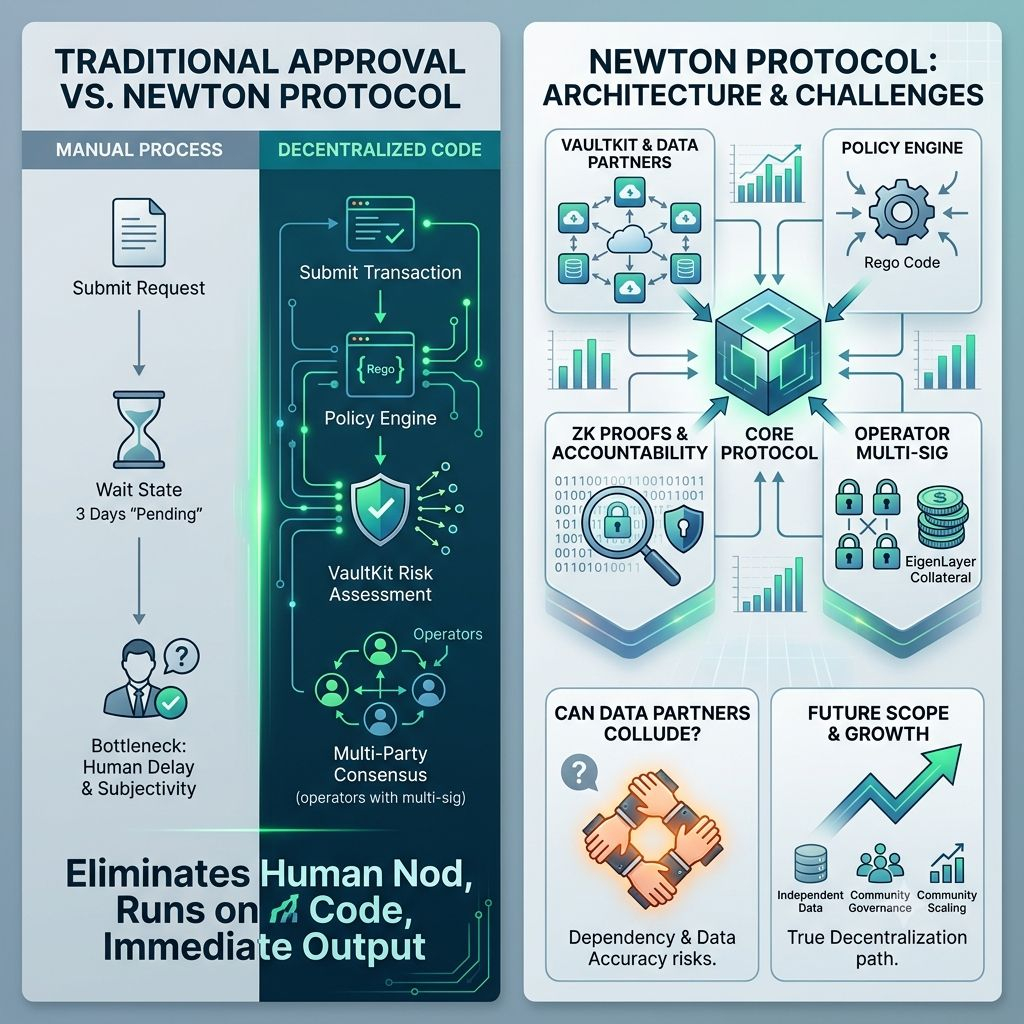
先週、私の精算申請は上司の承認欄に3日間滞留したまま、何も進展がありませんでした。「Pending」という文字を見続けていたところ、ちょうど公開されたばかりのNewton Protocolのmainnet Betaが頭に浮かびました。これは、人間の判断をコードに置き換え、承認の権限をルールとマルチパーティのコンセンサスへ移すことを目指しています。これなら、誰かが承認するのを待つデッドロックを本当に回避できるのでしょうか?
@NewtonProtocolの設計を調べると、VaultKitは5つのデータパートナーと連携してリスクを評価し、Policy EngineはRegoコードでコンプライアンス・ルールを適用し、オペレーターはEigenLayerを通じてマルチシグの担保を拠出し、説明責任はゼロ知識証明で裏付けられているとのことでした。人によって生じる不確実性を明確に減らしているように見えます。けれど、疑問は残ります。オペレーターは依然として許可制です。5つのデータパートナーが集団として失敗する、あるいは不正確なデータを提示した場合、このシステムは崩壊してしまうのでしょうか?それは、私の精算を、全員が誤った結論に到達するような小さな審査グループに預けるのと同じことです。
それでも、従来のDeFiを超える一歩であることには変わりません。多くのプロトコルは依然として管理者権限に依存しており、単一の不具合がシステム停止につながり得ます。Newtonは、その多くをコードとマルチパーティによる検証に置き換えています。次の課題は、データパートナーをより独立させ、コンセンサスの範囲を広げ、最終的にはガバナンスにコミュニティを参加させることです。さもなければ、分散化が別の形の集中化に見えてしまう可能性があります。
メインネットが稼働した今、私は注意深く見守っています。自動監査はどれほど信頼できるのでしょうか。オペレーターは実際に適切に監督されているのでしょうか。極端な市場環境でもシステムは耐えられるのでしょうか。答えられるのは、実運用による実績だけです。
最終的に私の精算は承認されましたが、Newton Protocolに対する私の疑問は残っています。それが本当に信頼の前提をどれだけ減らせるのかは、最終的には実メインネットでのパフォーマンスによって決まるはずです。
#newt $NEWT @NewtonProtocol
本当の物語が何なのか、理解してみよう。
先週、私の精算申請は上司の承認欄に3日間滞留したまま、何も進展がありませんでした。「Pending」という文字を見続けていたところ、ちょうど公開されたばかりのNewton Protocolのmainnet Betaが頭に浮かびました。これは、人間の判断をコードに置き換え、承認の権限をルールとマルチパーティのコンセンサスへ移すことを目指しています。これなら、誰かが承認するのを待つデッドロックを本当に回避できるのでしょうか?
@NewtonProtocolの設計を調べると、VaultKitは5つのデータパートナーと連携してリスクを評価し、Policy EngineはRegoコードでコンプライアンス・ルールを適用し、オペレーターはEigenLayerを通じてマルチシグの担保を拠出し、説明責任はゼロ知識証明で裏付けられているとのことでした。人によって生じる不確実性を明確に減らしているように見えます。けれど、疑問は残ります。オペレーターは依然として許可制です。5つのデータパートナーが集団として失敗する、あるいは不正確なデータを提示した場合、このシステムは崩壊してしまうのでしょうか?それは、私の精算を、全員が誤った結論に到達するような小さな審査グループに預けるのと同じことです。
それでも、従来のDeFiを超える一歩であることには変わりません。多くのプロトコルは依然として管理者権限に依存しており、単一の不具合がシステム停止につながり得ます。Newtonは、その多くをコードとマルチパーティによる検証に置き換えています。次の課題は、データパートナーをより独立させ、コンセンサスの範囲を広げ、最終的にはガバナンスにコミュニティを参加させることです。さもなければ、分散化が別の形の集中化に見えてしまう可能性があります。
メインネットが稼働した今、私は注意深く見守っています。自動監査はどれほど信頼できるのでしょうか。オペレーターは実際に適切に監督されているのでしょうか。極端な市場環境でもシステムは耐えられるのでしょうか。答えられるのは、実運用による実績だけです。
最終的に私の精算は承認されましたが、Newton Protocolに対する私の疑問は残っています。それが本当に信頼の前提をどれだけ減らせるのかは、最終的には実メインネットでのパフォーマンスによって決まるはずです。
#newt $NEWT @NewtonProtocol
先週、私の精算申請は上司の承認欄に3日間滞留したまま、何も進展がありませんでした。「Pending」という文字を見続けていたところ、ちょうど公開されたばかりのNewton Protocolのmainnet Betaが頭に浮かびました。これは、人間の判断をコードに置き換え、承認の権限をルールとマルチパーティのコンセンサスへ移すことを目指しています。これなら、誰かが承認するのを待つデッドロックを本当に回避できるのでしょうか?
@NewtonProtocolの設計を調べると、VaultKitは5つのデータパートナーと連携してリスクを評価し、Policy EngineはRegoコードでコンプライアンス・ルールを適用し、オペレーターはEigenLayerを通じてマルチシグの担保を拠出し、説明責任はゼロ知識証明で裏付けられているとのことでした。人によって生じる不確実性を明確に減らしているように見えます。けれど、疑問は残ります。オペレーターは依然として許可制です。5つのデータパートナーが集団として失敗する、あるいは不正確なデータを提示した場合、このシステムは崩壊してしまうのでしょうか?それは、私の精算を、全員が誤った結論に到達するような小さな審査グループに預けるのと同じことです。
それでも、従来のDeFiを超える一歩であることには変わりません。多くのプロトコルは依然として管理者権限に依存しており、単一の不具合がシステム停止につながり得ます。Newtonは、その多くをコードとマルチパーティによる検証に置き換えています。次の課題は、データパートナーをより独立させ、コンセンサスの範囲を広げ、最終的にはガバナンスにコミュニティを参加させることです。さもなければ、分散化が別の形の集中化に見えてしまう可能性があります。
メインネットが稼働した今、私は注意深く見守っています。自動監査はどれほど信頼できるのでしょうか。オペレーターは実際に適切に監督されているのでしょうか。極端な市場環境でもシステムは耐えられるのでしょうか。答えられるのは、実運用による実績だけです。
最終的に私の精算は承認されましたが、Newton Protocolに対する私の疑問は残っています。それが本当に信頼の前提をどれだけ減らせるのかは、最終的には実メインネットでのパフォーマンスによって決まるはずです。
#newt $NEWT @NewtonProtocol
2
201
·
--
記事
TEEにだまされるな:$NEWTの「絶対的なセキュリティ」という物語が崩れ始めているどんな本当の物語なのかを理解してみよう
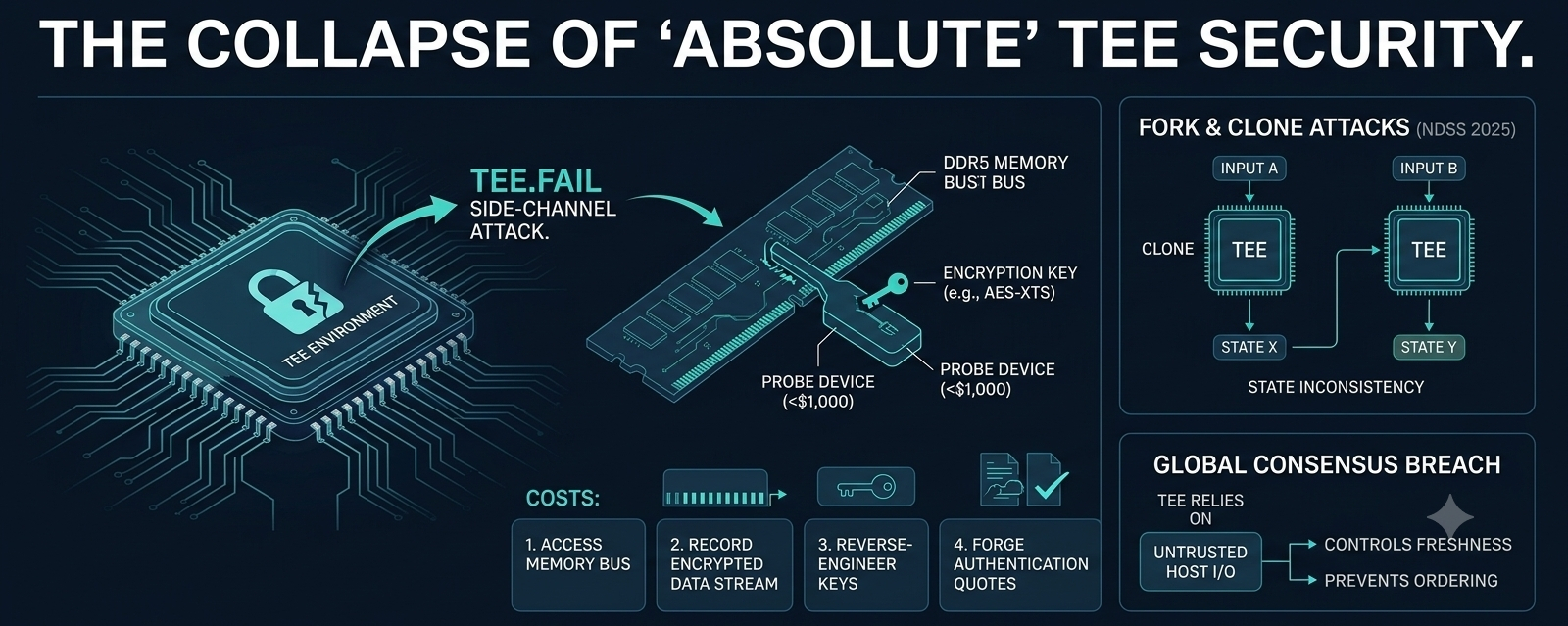
ここ数年、セキュリティの攻防レポートを読みながら、私はある癖が身についてきました。それは「ハードウェアは絶対に安全だ」という考えをあまり信じていないことです。破られないと主張する多くのシステムが結局失敗に終わっているのを見てきました。失敗の根本原因は、攻撃者が特別に天才的だからというよりも、最初から「ハードウェアは裏切らない」という前提となる信頼モデルにあります。この前提が一度でも崩れると、その時点でセキュリティ・アーキテクチャ全体が同時に崩壊してしまいます。
TEEにだまされるな:$NEWTの「絶対的なセキュリティ」という物語が崩れ始めている
どんな本当の物語なのかを理解してみよう
ここ数年、セキュリティの攻防レポートを読みながら、私はある癖が身についてきました。それは「ハードウェアは絶対に安全だ」という考えをあまり信じていないことです。破られないと主張する多くのシステムが結局失敗に終わっているのを見てきました。失敗の根本原因は、攻撃者が特別に天才的だからというよりも、最初から「ハードウェアは裏切らない」という前提となる信頼モデルにあります。この前提が一度でも崩れると、その時点でセキュリティ・アーキテクチャ全体が同時に崩壊してしまいます。
ここ数年、セキュリティの攻防レポートを読みながら、私はある癖が身についてきました。それは「ハードウェアは絶対に安全だ」という考えをあまり信じていないことです。破られないと主張する多くのシステムが結局失敗に終わっているのを見てきました。失敗の根本原因は、攻撃者が特別に天才的だからというよりも、最初から「ハードウェアは裏切らない」という前提となる信頼モデルにあります。この前提が一度でも崩れると、その時点でセキュリティ・アーキテクチャ全体が同時に崩壊してしまいます。
5
2
181
·
--
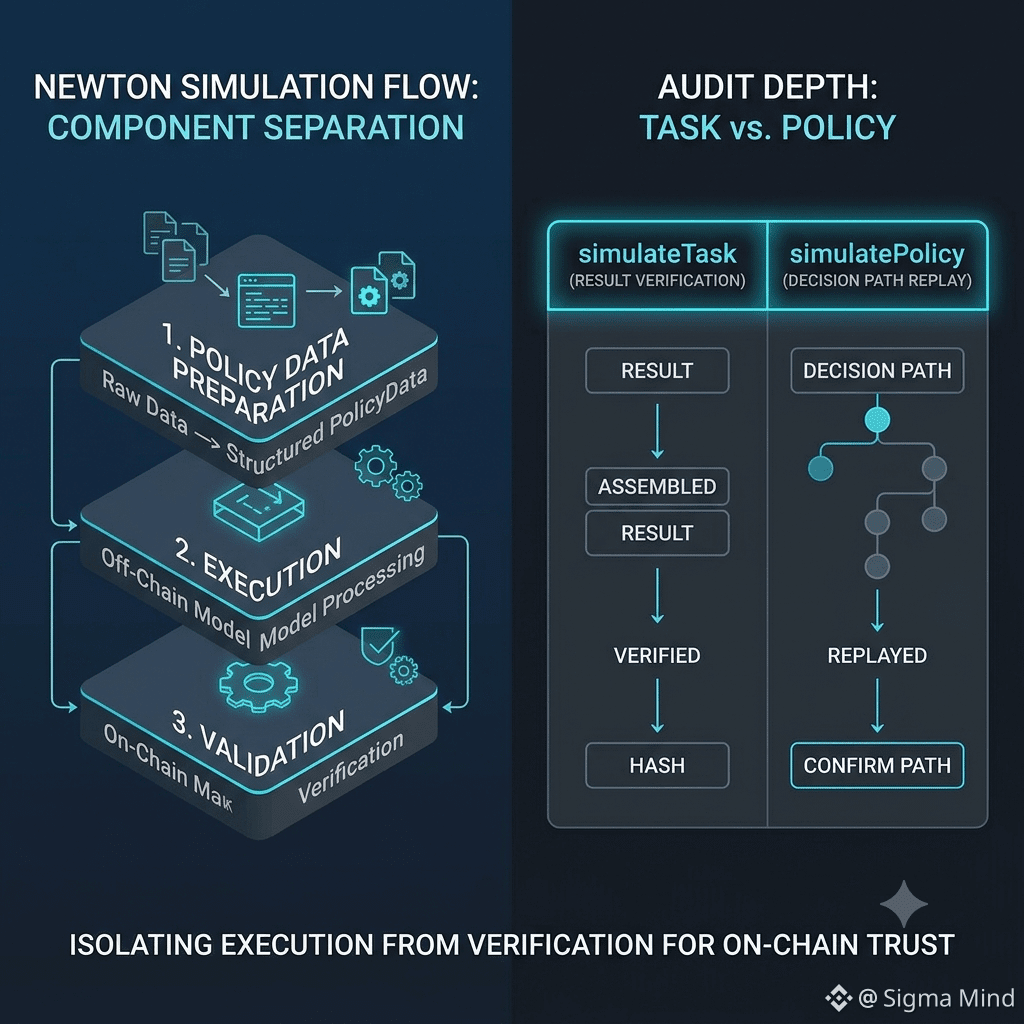
オンチェーンAIをめぐる多くの議論では、モデルが正しい結論に到達するかどうかが焦点になりがちですが、私はもっと大きな問いとして、その結論に至るまでの各ステップが実際に検証できるのかどうかを考え続けています。ニュートンのシミュレーションのフローは、すべてを単一のプロセスに隠すのではなく、ポリシーデータの準備、実行、検証を分離することで、後者の考え方に傾いているように見えます。
ひとつ気になった点があります。simulateTaskは、すでに組み立てられた結果を検証しますが、simulatePolicyは意思決定の経路そのものをたどります。しかし、意思決定を再生することが目的なら、すべての重要なインターフェースが最終的に同じレベルの透明性を提供すべきでしょうか?それとも、いくつかの層が他より抽象的なままでいるには実務上の理由があるのでしょうか?
また、simulatePolicyの使用頻度が低いように見える一方で、PolicyDataの採用が増えているようにも気付きました。これは、開発者が完全な検証の前に軽量な検証を重視しているということなのでしょうか?それとも、完全なリプレイは日常のワークフローではあまりにもコストが高すぎるのでしょうか?
おそらく最も興味深い変化は、信頼が最終出力から離れて、それを生み出した経路のほうへ移りつつあることです。将来、AIエージェントが推論のチェーンをオープンに開示するようになれば、ユーザーは知能だけでなく説明可能性によってシステムを判断し始めるのでしょうか?
@NewtonProtocol #newt $NEWT
オンチェーンAIをめぐる多くの議論では、モデルが正しい結論に到達するかどうかが焦点になりがちですが、私はもっと大きな問いとして、その結論に至るまでの各ステップが実際に検証できるのかどうかを考え続けています。ニュートンのシミュレーションのフローは、すべてを単一のプロセスに隠すのではなく、ポリシーデータの準備、実行、検証を分離することで、後者の考え方に傾いているように見えます。
ひとつ気になった点があります。simulateTaskは、すでに組み立てられた結果を検証しますが、simulatePolicyは意思決定の経路そのものをたどります。しかし、意思決定を再生することが目的なら、すべての重要なインターフェースが最終的に同じレベルの透明性を提供すべきでしょうか?それとも、いくつかの層が他より抽象的なままでいるには実務上の理由があるのでしょうか?
また、simulatePolicyの使用頻度が低いように見える一方で、PolicyDataの採用が増えているようにも気付きました。これは、開発者が完全な検証の前に軽量な検証を重視しているということなのでしょうか?それとも、完全なリプレイは日常のワークフローではあまりにもコストが高すぎるのでしょうか?
おそらく最も興味深い変化は、信頼が最終出力から離れて、それを生み出した経路のほうへ移りつつあることです。将来、AIエージェントが推論のチェーンをオープンに開示するようになれば、ユーザーは知能だけでなく説明可能性によってシステムを判断し始めるのでしょうか?
@NewtonProtocol #newt $NEWT
ひとつ気になった点があります。simulateTaskは、すでに組み立てられた結果を検証しますが、simulatePolicyは意思決定の経路そのものをたどります。しかし、意思決定を再生することが目的なら、すべての重要なインターフェースが最終的に同じレベルの透明性を提供すべきでしょうか?それとも、いくつかの層が他より抽象的なままでいるには実務上の理由があるのでしょうか?
また、simulatePolicyの使用頻度が低いように見える一方で、PolicyDataの採用が増えているようにも気付きました。これは、開発者が完全な検証の前に軽量な検証を重視しているということなのでしょうか?それとも、完全なリプレイは日常のワークフローではあまりにもコストが高すぎるのでしょうか?
おそらく最も興味深い変化は、信頼が最終出力から離れて、それを生み出した経路のほうへ移りつつあることです。将来、AIエージェントが推論のチェーンをオープンに開示するようになれば、ユーザーは知能だけでなく説明可能性によってシステムを判断し始めるのでしょうか?
@NewtonProtocol #newt $NEWT
185
·
--
記事
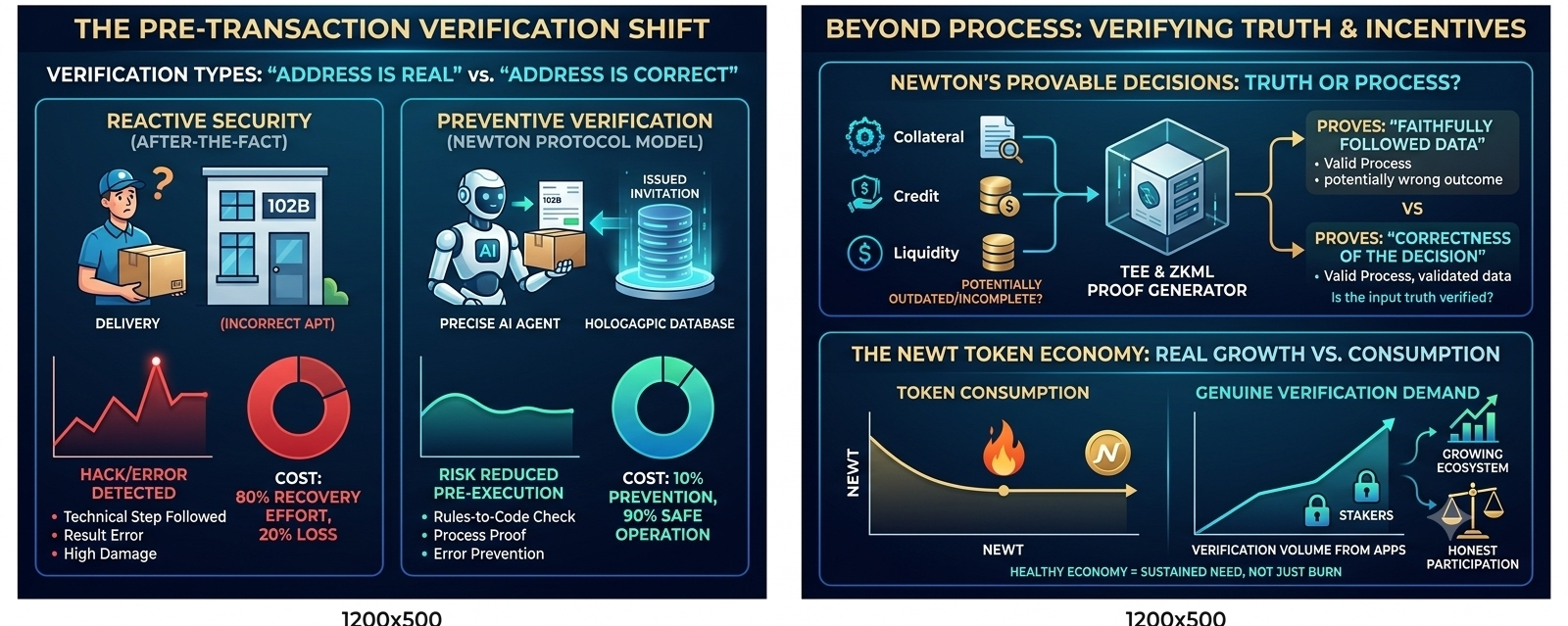
取引の前にセキュリティは始まる。では、私たちは何を本当は検証しているのか?オンチェーンのセキュリティについての会話の多くは、何かがうまくいかなかったあとに始まります。ハッキングされたコントラクト、誤った送金、あるいはAIエージェントが誤った判断を下したことなどが、たいてい「そのシステムは十分に安全だったのか?」と人々が問い始めるきっかけになります。しかし、セキュリティは実行のあとにのみ評価すべきなのでしょうか。それとも、取引がそもそも動くことを許可される前から始まるべきなのでしょうか?
その疑問は、単純な配送ミスについて考えたあとに浮かびました。重要な荷物が、誤った部屋に届いてしまう状況を想像してください。住所は存在し、配送記録も揃っていて、配達員も手順どおりに進めたのに、それでも荷物は別の人のところへ届いてしまう。すべての技術的ステップは正しく踏んだ取引であっても、最初に誤った前提から始まっていたとしたら、システムは本当に何かを守れたと言えるのでしょうか?
取引の前にセキュリティは始まる。では、私たちは何を本当は検証しているのか?
オンチェーンのセキュリティについての会話の多くは、何かがうまくいかなかったあとに始まります。ハッキングされたコントラクト、誤った送金、あるいはAIエージェントが誤った判断を下したことなどが、たいてい「そのシステムは十分に安全だったのか?」と人々が問い始めるきっかけになります。しかし、セキュリティは実行のあとにのみ評価すべきなのでしょうか。それとも、取引がそもそも動くことを許可される前から始まるべきなのでしょうか?
その疑問は、単純な配送ミスについて考えたあとに浮かびました。重要な荷物が、誤った部屋に届いてしまう状況を想像してください。住所は存在し、配送記録も揃っていて、配達員も手順どおりに進めたのに、それでも荷物は別の人のところへ届いてしまう。すべての技術的ステップは正しく踏んだ取引であっても、最初に誤った前提から始まっていたとしたら、システムは本当に何かを守れたと言えるのでしょうか?
その疑問は、単純な配送ミスについて考えたあとに浮かびました。重要な荷物が、誤った部屋に届いてしまう状況を想像してください。住所は存在し、配送記録も揃っていて、配達員も手順どおりに進めたのに、それでも荷物は別の人のところへ届いてしまう。すべての技術的ステップは正しく踏んだ取引であっても、最初に誤った前提から始まっていたとしたら、システムは本当に何かを守れたと言えるのでしょうか?
2
177
·
--
「“速い。”を自動的に信じるわけにはいかない」
スピードは、暗号資産で最も簡単にマーケティングできる要素の一つです。注文は瞬時に約定し、チャートはなめらかに動き、すべてが手間なく感じられます。けれども、そのどれもが、システムが私の信頼に値するかどうかを教えてはくれません。
そこで、GRVTのハイブリッドモデルに注目しました。実行と決済を分離し、オンチェーンでの保管と最終決済を維持しつつ、中央集権型取引所のような応答性を実現しようとしているからです。
私が繰り返し問い続けているのは、これです。パフォーマンスはどこで終わり、透明性はどこから始まるのか?
オフチェーンでマッチングが行われるなら、ユーザーは自分では直接観測できないインフラに信頼を寄せることになります。オンチェーンで決済が行われるなら、重要なのは、その透明性が実際にユーザーを意味のある形で守るのか、それとも結果から見て安心させるだけなのかという点です。
私にとって本当の課題は、取引所をより速く感じさせることではありません。速さと検証可能な信頼を、両立させることです。
速いプロダクトは誰でも作れます。ユーザーが自信を持って検証できるものを作ること——そのハードルの方がはるかに高い。
@grvt_io #grvt
$LAB
{future}(LABUSDT)
「“速い。”を自動的に信じるわけにはいかない」
スピードは、暗号資産で最も簡単にマーケティングできる要素の一つです。注文は瞬時に約定し、チャートはなめらかに動き、すべてが手間なく感じられます。けれども、そのどれもが、システムが私の信頼に値するかどうかを教えてはくれません。
そこで、GRVTのハイブリッドモデルに注目しました。実行と決済を分離し、オンチェーンでの保管と最終決済を維持しつつ、中央集権型取引所のような応答性を実現しようとしているからです。
私が繰り返し問い続けているのは、これです。パフォーマンスはどこで終わり、透明性はどこから始まるのか?
オフチェーンでマッチングが行われるなら、ユーザーは自分では直接観測できないインフラに信頼を寄せることになります。オンチェーンで決済が行われるなら、重要なのは、その透明性が実際にユーザーを意味のある形で守るのか、それとも結果から見て安心させるだけなのかという点です。
私にとって本当の課題は、取引所をより速く感じさせることではありません。速さと検証可能な信頼を、両立させることです。
速いプロダクトは誰でも作れます。ユーザーが自信を持って検証できるものを作ること——そのハードルの方がはるかに高い。
@grvt_io #grvt
$LAB
スピードは、暗号資産で最も簡単にマーケティングできる要素の一つです。注文は瞬時に約定し、チャートはなめらかに動き、すべてが手間なく感じられます。けれども、そのどれもが、システムが私の信頼に値するかどうかを教えてはくれません。
そこで、GRVTのハイブリッドモデルに注目しました。実行と決済を分離し、オンチェーンでの保管と最終決済を維持しつつ、中央集権型取引所のような応答性を実現しようとしているからです。
私が繰り返し問い続けているのは、これです。パフォーマンスはどこで終わり、透明性はどこから始まるのか?
オフチェーンでマッチングが行われるなら、ユーザーは自分では直接観測できないインフラに信頼を寄せることになります。オンチェーンで決済が行われるなら、重要なのは、その透明性が実際にユーザーを意味のある形で守るのか、それとも結果から見て安心させるだけなのかという点です。
私にとって本当の課題は、取引所をより速く感じさせることではありません。速さと検証可能な信頼を、両立させることです。
速いプロダクトは誰でも作れます。ユーザーが自信を持って検証できるものを作ること——そのハードルの方がはるかに高い。
@grvt_io #grvt
$LAB


2
5
314
ログインして、さらにコンテンツを読む
厳選トピックで世界の暗号資産トレーダーの仲間入り
⚡️ 暗号資産に関する最新かつ有益な情報が見つかります。
💬 世界最大の暗号資産取引所から信頼されています。
👍 認証を受けたクリエイターから、有益なインサイトを得られます。
メール / 電話番号
トレンドトピック
USBankCompletesCrossBorderPaymentPilotOnStellar
閲覧回数 7,244
254人が討論中
#usbankcompletescrossborderpaymentpilotonstellar BIG MOVE IN DIGITAL PAYMENTS! 🌍💸
米国の銀行がStellarネットワーク上で越境送金のパイロットを完了し、ブロックチェーン技術が国際送金をどのように変革し得るかを示しました。
⚡ より迅速な決済
🌎 グローバルな到達範囲
💰 コストの潜在的な低下
🔗 ブロックチェーンによるインフラ
これは、従来の金融機関が実世界の送金ユースケースのためにパブリック・ブロックチェーン・ネットワークを検討していることを示す、もう一つの強いシグナルです。#USBankCompletesCrossBorderPaymentPilotOnStellar $MXL.US
$BTC
$ARB
Crypto_With_Kinza
·いいね:0件
·閲覧回数 1k
NvidiaInTalksToInvestUpTo$10BInAnthropicIPO
閲覧回数 372
22人が討論中
EtherRalliesAsBearishBetsLiquidate
閲覧回数 18,586
473人が討論中