Binance Square

Crypto Inside Official

Follow Binance Official Page for the latest Update.
26 フォロー
27 フォロワー
78 いいね
19 共有
投稿
·
--
@Bananas31_bsc #BSCchain 皆さん、こんにちは!🌟 $BANANAS31で素敵なセットアップを見つけました!🍌 0.0139でエントリーしようと思っています。かなり良さそうで、安全のために0.0126でストップを設定しました。📉 ターゲットとしては、すぐに勝つために0.0146を狙っていて、その後は小さな上昇のために0.0157を見ています。そして、もし本当に上昇すれば、0.0167が最後の一押しになるかもしれません!🎉 常に自分自身でリサーチを行い、責任を持って取引してくださいが、私はこの取引に対してポジティブな気持ちです!どうなるか見てみましょう!楽しい取引を!💖🚀 #BTC #ETH #BNB
@BANANAS31 #BSCchain

皆さん、こんにちは!🌟 $BANANAS31で素敵なセットアップを見つけました!🍌
0.0139でエントリーしようと思っています。かなり良さそうで、安全のために0.0126でストップを設定しました。📉
ターゲットとしては、すぐに勝つために0.0146を狙っていて、その後は小さな上昇のために0.0157を見ています。そして、もし本当に上昇すれば、0.0167が最後の一押しになるかもしれません!🎉
常に自分自身でリサーチを行い、責任を持って取引してくださいが、私はこの取引に対してポジティブな気持ちです!どうなるか見てみましょう!楽しい取引を!💖🚀
#BTC #ETH #BNB
@PhalaNetwork #Ethereum Phala Network (PHA) はプライバシーを保護するAIとWeb3インフラストラクチャに焦点を当てた分散型コンピューティングネットワークとして位置付けられており、その未来はAIの採用、TEE(Trusted Execution Environment)技術、エコシステムの成長に結びついています。 最近のニュース(2026年3月)は、37%の急騰と新しいBithumb上場を強調しており、短期的な強気の勢いと流動性の改善を示しています。 PHAの未来の重要な側面: 成長ドライバー: PolkadotからEthereum L2への移行は流動性を増加させることを目指しており、AIエージェントの統合(ベニスのような)やGPUクラウドサービスの拡大はその機密コンピューティング技術への需要を促進する可能性があります。 価格予測(混合): 強気シナリオ: 一部のアナリストは高い成長を示唆しており、2026年には$2.00–$2.50付近での統合の可能性があり、2027年までに高い採用に基づいて$3.00–$4.00への成長が見込まれています。 保守的シナリオ: 他の予測は、2026年の価格が約$0.04から$0.66になる可能性があり、高いボラティリティを示唆しています。 基本的な価値: PHAは分散型コンピューティングサービスの支払いとネットワークガバナンスに使用され、ネットワークの採用がトークンのユーティリティに直接影響を与えることを保証します。 #PHA #BTC #Ethereum
@Phala Network #Ethereum

Phala Network (PHA) はプライバシーを保護するAIとWeb3インフラストラクチャに焦点を当てた分散型コンピューティングネットワークとして位置付けられており、その未来はAIの採用、TEE(Trusted Execution Environment)技術、エコシステムの成長に結びついています。

最近のニュース(2026年3月)は、37%の急騰と新しいBithumb上場を強調しており、短期的な強気の勢いと流動性の改善を示しています。

PHAの未来の重要な側面:

成長ドライバー: PolkadotからEthereum L2への移行は流動性を増加させることを目指しており、AIエージェントの統合(ベニスのような)やGPUクラウドサービスの拡大はその機密コンピューティング技術への需要を促進する可能性があります。

価格予測(混合):

強気シナリオ: 一部のアナリストは高い成長を示唆しており、2026年には$2.00–$2.50付近での統合の可能性があり、2027年までに高い採用に基づいて$3.00–$4.00への成長が見込まれています。

保守的シナリオ: 他の予測は、2026年の価格が約$0.04から$0.66になる可能性があり、高いボラティリティを示唆しています。

基本的な価値: PHAは分散型コンピューティングサービスの支払いとネットワークガバナンスに使用され、ネットワークの採用がトークンのユーティリティに直接影響を与えることを保証します。
#PHA #BTC #Ethereum
翻訳参照
#kat #ETH KATUSDT PRICE PREDICTION * Price: $0.01256 (Listing Phase) * Support: $0.01115 | Resistance: $0.01354 Targets * 24H: $0.0115 – $0.0145 (Volatile) * March: $0.0155 – $0.0180 * Q2: $0.0220 – $0.0300 Bottom Line: Stop-Loss below $0.0110. $BTC $ETH $KAT {spot}(KATUSDT)
#kat #ETH

KATUSDT PRICE PREDICTION

* Price: $0.01256 (Listing Phase)

* Support: $0.01115 | Resistance: $0.01354
Targets

* 24H: $0.0115 – $0.0145 (Volatile)

* March: $0.0155 – $0.0180
* Q2: $0.0220 – $0.0300

Bottom Line: Stop-Loss below $0.0110.

$BTC $ETH $KAT
翻訳参照
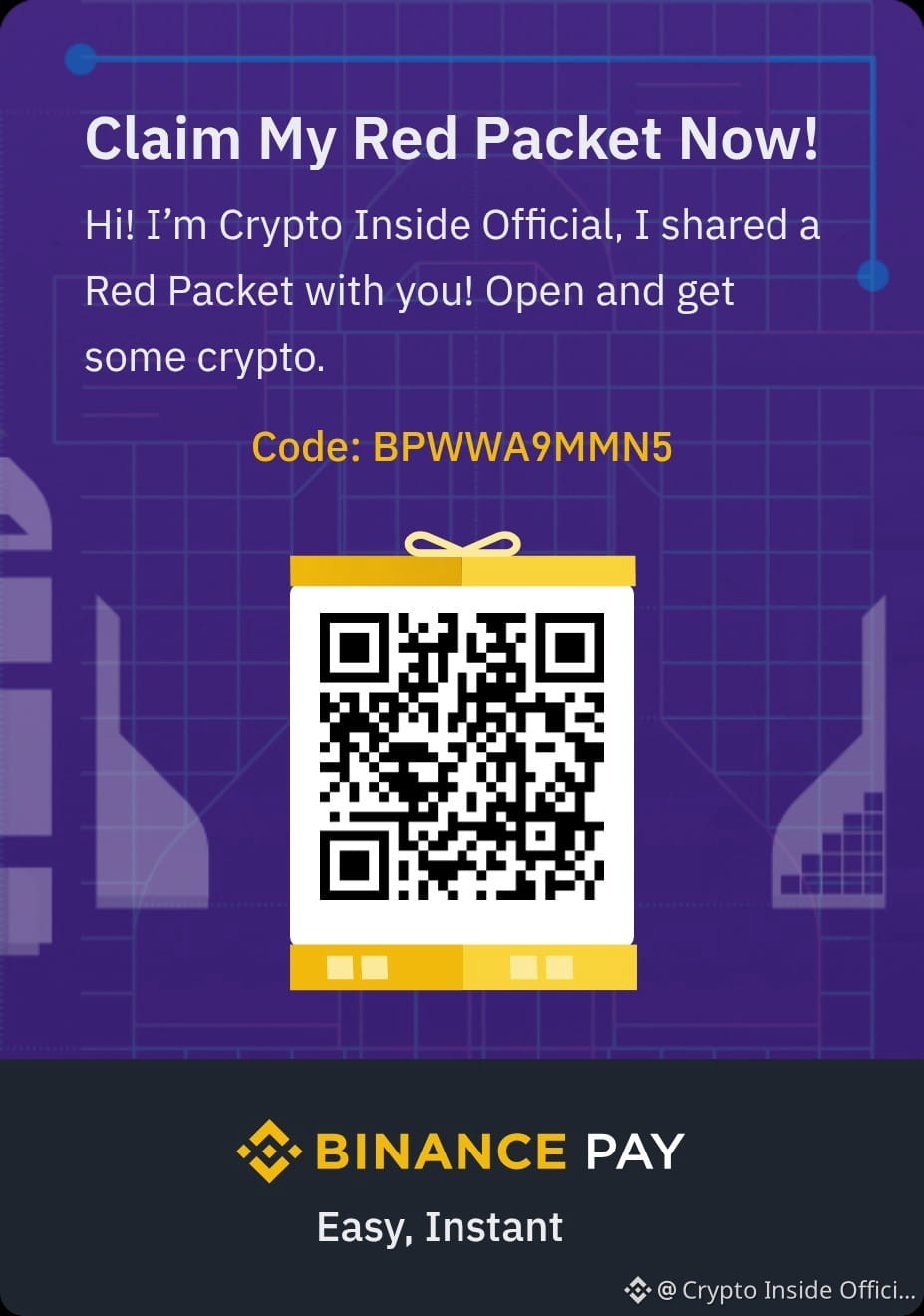
Everyone can claim this and win reward ( BPINFTC9VB ) #BTC #ETH #BNB
Everyone can claim this and win reward

( BPINFTC9VB )

#BTC #ETH #BNB
翻訳参照
$NIGHT #Night @night Midnight (NIGHT) is a data-protection-focused blockchain affiliated with Cardano, aiming to enable private smart contracts and decentralized applications (dApps). Its future hinges on the successful launch of its federated mainnet (expected Q1 2026), adoption of its privacy tools, and navigating significant, scheduled token supply increases through late 2026.  CoinMarketCap +1 Key Future Aspects of Midnight (NIGHT): Utility & Technology: NIGHT acts as the utility token for the network, used for staking, securing the chain via validator rewards (including Cardano SPOs), and interacting with privacy-enhancing dApps. Technical Milestones: The project is progressing towards a federated mainnet with initial privacy-focused "shielded" dApps, which is considered a critical catalyst for adoption. Token Supply Concerns: A large supply of 4.55 billion tokens was released with a 450-day thawing period (quarterly installments) beginning in December 2025. This creates significant selling pressure that could cap price appreciation through late 2026. Market Position: As a privacy coin, its value is often tied to market sentiment surrounding data protection and regulatory compliance. It aim to fill a gap for privacy-focused, compliant decentralized applications
$NIGHT #Night @night

Midnight (NIGHT) is a data-protection-focused blockchain affiliated with Cardano, aiming to enable private smart contracts and decentralized applications (dApps). Its future hinges on the successful launch of its federated mainnet (expected Q1 2026), adoption of its privacy tools, and navigating significant, scheduled token supply increases through late 2026. 

CoinMarketCap +1

Key Future Aspects of Midnight (NIGHT):

Utility & Technology: NIGHT acts as the utility token for the network, used for staking, securing the chain via validator rewards (including Cardano SPOs), and interacting with privacy-enhancing dApps.

Technical Milestones: The project is progressing towards a federated mainnet with initial privacy-focused "shielded" dApps, which is considered a critical catalyst for adoption.

Token Supply Concerns: A large supply of 4.55 billion tokens was released with a 450-day thawing period (quarterly installments) beginning in December 2025. This creates significant selling pressure that could cap price appreciation through late 2026.

Market Position: As a privacy coin, its value is often tied to market sentiment surrounding data protection and regulatory compliance. It aim to fill a gap for privacy-focused, compliant decentralized applications
翻訳参照
@Fabric Fnd $Robo @RoboROBO Coin: Exploring the Future of AI-Driven Blockchain Innovation A rtificial intelligence and blockchain are two technologies that are changing the economy. Artificial intelligence makes things automatic. Helps with decision making. Blockchain makes things transparent and trustworthy. ROBO Coin is a project that combines these two technologies. It wants to create a system where artificial intelligence can work well in a decentralized framework. The Vision Behind ROBO Coin ROBO Coin is about combining intelligence with blockchain. The project wants to support automation and decentralized applications. It also wants to help with robotics. ROBO Coin uses blockchain to make transactions secure and transparent. This reduces the need for middlemen. Increases trust. As more people use intelligence projects that combine artificial intelligence and blockchain are getting attention from investors. Ecosystem Utility and Token Role For a cryptocurrency to be successful it needs to be useful. ROBO Coin is a part of its ecosystem. People can use ROBO Coin to pay for intelligence services. They can also use it to participate in the projects governance. Some possible uses for ROBO Coin include: * Paying for intelligence services * Rewarding people for participating in the project * Encouraging developers to build applications * Participating in governance Technology and Infrastructure Artificial intelligence applications need infrastructure. For ROBO Coin this means transactions, low fees and a reliable network. Smart contracts help automate things and reduce the need for middlemen. A strong technical foundation is important for handling data and keeping the system secure. The project needs to keep updating and improving to stay competitive. Market Opportunity and Narrative Strength Artificial intelligence is a theme in the technology industry. Many projects are combining intelligence and blockchain. ROBO Coin is one of these projects. However having an idea is not enough. The project needs to deliver on its promises and execute its roadmap. It also needs to communicate with its community. Community and Development Impact A strong community is important for a cryptocurrency project. The community helps spread awareness and drive adoption. Developer engagement is also crucial for building applications. The project needs to keep its community updated and be transparent about its plans. This helps build credibility and trust.

@Fabric Fnd $Robo @Robo

ROBO Coin: Exploring the Future of AI-Driven Blockchain Innovation
A
rtificial intelligence and blockchain are two technologies that are changing the economy. Artificial intelligence makes things automatic. Helps with decision making. Blockchain makes things transparent and trustworthy. ROBO Coin is a project that combines these two technologies. It wants to create a system where artificial intelligence can work well in a decentralized framework.

The Vision Behind ROBO Coin
ROBO Coin is about combining intelligence with blockchain. The project wants to support automation and decentralized applications. It also wants to help with robotics. ROBO Coin uses blockchain to make transactions secure and transparent. This reduces the need for middlemen. Increases trust.
As more people use intelligence projects that combine artificial intelligence and blockchain are getting attention from investors.

Ecosystem Utility and Token Role
For a cryptocurrency to be successful it needs to be useful. ROBO Coin is a part of its ecosystem. People can use ROBO Coin to pay for intelligence services. They can also use it to participate in the projects governance.
Some possible uses for ROBO Coin include:
* Paying for intelligence services
* Rewarding people for participating in the project
* Encouraging developers to build applications
* Participating in governance
Technology and Infrastructure
Artificial intelligence applications need infrastructure. For ROBO Coin this means transactions, low fees and a reliable network. Smart contracts help automate things and reduce the need for middlemen.
A strong technical foundation is important for handling data and keeping the system secure. The project needs to keep updating and improving to stay competitive.

Market Opportunity and Narrative Strength
Artificial intelligence is a theme in the technology industry. Many projects are combining intelligence and blockchain. ROBO Coin is one of these projects.
However having an idea is not enough. The project needs to deliver on its promises and execute its roadmap. It also needs to communicate with its community.
Community and Development Impact
A strong community is important for a cryptocurrency project. The community helps spread awareness and drive adoption. Developer engagement is also crucial for building applications.
The project needs to keep its community updated and be transparent about its plans. This helps build credibility and trust.
翻訳参照
#robo $ROBO @Robo The future of ROBO Coin lies in its integration of artificial intelligence (AI), automation, and blockchain technology, aiming to create a decentralized infrastructure for smart robotics. The project faces potential growth if it delivers on its roadmap, though it faces risks related to market volatility and competition.  spects of ROBO Coin's Future: AI-Driven Utility: The project intends to use smart contracts to facilitate decentralized AI operations and robotics, rather than being just a speculative asset. Technological Focus: The infrastructure relies on fast, efficient blockchain networks (such as Ethereum and Base) for handling AI-driven tasks and data. Development Roadmap: The project has planned stages for deploying robot identities, task settlement, and multi-robot workflow support in 2026. Market Position: As an altcoin, ROBO's value is tied to market sentiment and its ability to deliver on technical promises in the AI-blockchain space. Growth Outlook: While some views are cautiously bullish on its potential for a high market cap, the project faces competition and depends on sustained development to succeed.  The project's success is contingent upon executing its development roadmap, increasing adoption, and successfully navigating the volatile crypto market. 
#robo $ROBO @Robo

The future of ROBO Coin lies in its integration of artificial intelligence (AI), automation, and blockchain technology, aiming to create a decentralized infrastructure for smart robotics. The project faces potential growth if it delivers on its roadmap, though it faces risks related to market volatility and competition. 

spects of ROBO Coin's Future:

AI-Driven Utility: The project intends to use smart contracts to facilitate decentralized AI operations and robotics, rather than being just a speculative asset.

Technological Focus: The infrastructure relies on fast, efficient blockchain networks (such as Ethereum and Base) for handling AI-driven tasks and data.

Development Roadmap: The project has planned stages for deploying robot identities, task settlement, and multi-robot workflow support in 2026.

Market Position: As an altcoin, ROBO's value is tied to market sentiment and its ability to deliver on technical promises in the AI-blockchain space.

Growth Outlook: While some views are cautiously bullish on its potential for a high market cap, the project faces competition and depends on sustained development to succeed. 

The project's success is contingent upon executing its development roadmap, increasing adoption, and successfully navigating the volatile crypto market. 
翻訳参照
Today #BTC $USDT StractureAs of March 17, 2026, Bitcoin (BTC) is exhibiting a  bullish, consolidating, or "tight compression" market structure, holding firmly above the $73,000 – $74,000 range after a strong, impulsive upward rally.  Here is the current breakdown of the Bitcoin market structure: 1. Key Price Action & Levels Current Price: Trading around $74,000–$74,500, with a 24-hour high near $75,998. Resistance: Immediate resistance is seen at $75,000 – $76,000. A "fakeout" above $76k is considered possible to trap buyers before a larger move. Support: Strong support is located between $71,000 – $72,000, with significant buying interest in this zone. Structure: The market is experiencing tight range compression, which usually precedes a major, sudden expansion.  2. Market Sentiment Bullish Bias: Despite some cooling, the broader structure remains bullish, with BTC holding near its all-time high of $126,198 (set in Oct 2025). Institutional Strength: Continued ETF inflows and institutional accumulation (notably by MicroStrategy) are providing a strong floor for the price. Liquidity: Upward liquidity has been mostly taken, but significant "stops" (selling pressure) are building below $70,000, suggesting a potential target for a deeper correction.  3. Technical Indicators Moving Averages: Bitcoin is trading above key short-term moving averages, signaling strength. Momentum: The MACD shows a potential "golden cross" configuration, but the RSI suggests the market is nearing or in an overbought state, indicating a potential need for a minor consolidation or pullback. Volatility: Volatility remains elevated due to the tight range, with high liquidity sitting both above highs and below lows.  4. 24-Hour Summary  Performance: Slightly positive (+0.5% to +1.25%) over the last 24 hours, stabilizing after a brief spike toward $76k. Volume: High trading volume ($53B–$56B) indicates active market participation.  Summary: The structure is currently bullish but in a consolidation phase. A break above $76,000 could target $78,000, while a breakdown below $71,000 could lead to a deeper retest of lower support levels. 

Today #BTC $USDT Stracture

As of March 17, 2026, Bitcoin (BTC) is exhibiting a 

bullish, consolidating, or "tight compression" market structure, holding firmly above the $73,000 – $74,000 range after a strong, impulsive upward rally. 

Here is the current breakdown of the Bitcoin market structure:

1. Key Price Action & Levels

Current Price: Trading around $74,000–$74,500, with a 24-hour high near $75,998.

Resistance: Immediate resistance is seen at $75,000 – $76,000. A "fakeout" above $76k is considered possible to trap buyers before a larger move.

Support: Strong support is located between $71,000 – $72,000, with significant buying interest in this zone.

Structure: The market is experiencing tight range compression, which usually precedes a major, sudden expansion. 

2. Market Sentiment

Bullish Bias: Despite some cooling, the broader structure remains bullish, with BTC holding near its all-time high of $126,198 (set in Oct 2025).

Institutional Strength: Continued ETF inflows and institutional accumulation (notably by MicroStrategy) are providing a strong floor for the price.

Liquidity: Upward liquidity has been mostly taken, but significant "stops" (selling pressure) are building below $70,000, suggesting a potential target for a deeper correction. 

3. Technical Indicators

Moving Averages: Bitcoin is trading above key short-term moving averages, signaling strength.

Momentum: The MACD shows a potential "golden cross" configuration, but the RSI suggests the market is nearing or in an overbought state, indicating a potential need for a minor consolidation or pullback.

Volatility: Volatility remains elevated due to the tight range, with high liquidity sitting both above highs and below lows. 

4. 24-Hour Summary 

Performance: Slightly positive (+0.5% to +1.25%) over the last 24 hours, stabilizing after a brief spike toward $76k.

Volume: High trading volume ($53B–$56B) indicates active market participation. 

Summary: The structure is currently bullish but in a consolidation phase. A break above $76,000 could target $78,000, while a breakdown below $71,000 could lead to a deeper retest of lower support levels. 
翻訳参照
#Trade and win $USDC Use my referral link to sign up — complete tasks to unlock a 250 USDC Trial Fund + a 5 USDC airdrop (limited). https://www.binance.com/activity/trading-competition/mar-referral-tournament?ref=946157071
#Trade and win
$USDC

Use my referral link to sign up — complete tasks to unlock a 250 USDC Trial Fund + a 5 USDC airdrop (limited). https://www.binance.com/activity/trading-competition/mar-referral-tournament?ref=946157071
翻訳参照
#CFG USDT Centrifuge (CFG) shows a promising future as a leading infrastructure project bridging Real-World Assets (RWAs) with Decentralized Finance (DeFi), according to analysis in early 2026. The token’s future price trajectory is a "tug-of-war" between strong institutional adoption and the inherent volatility of a mid-cap altcoin .  Key Future Catalysts and Trends (2026-2030): Institutional RWA Adoption: Centrifuge is a top 10 RWA project (as of March 2026). Strategic partnerships, such as those with Janus Henderson and MakerDAO, are driving institutional adoption, with the RWA tokenization market projected to grow significantly. Technological Upgrades (V3/EVM-Native): The shift to an EVM-native token (2025) and the Centrifuge V3 multichain launch allow CFG to operate across major chains (Ethereum, Base, Arbitrum, etc.), significantly expanding its user base. Enhanced Token Utility: Proposals from the Centrifuge Treasury Advisory Group (TAG), such as a "fee switch" (directing protocol revenue to token holders) and new staking models, aim to transform CFG into a yield-generating asset. Exchange Liquidity: Major listings on exchanges like Coinbase (2025) and Upbit (2026) increase liquidity, though they often introduce short-term volatility.  Price Projections (as of March 2026): 2026: Short-term projections indicate high volatility, with predictions ranging from consolidated, lower levels (~$0.12) to potential highs depending on market sentiment. 2030: Long-term models are generally bullish, with average price projections suggesting steady, substantial growth due to increased institutional adoption. 
#CFG USDT

Centrifuge (CFG) shows a promising future as a leading infrastructure project bridging Real-World Assets (RWAs) with Decentralized Finance (DeFi), according to analysis in early 2026. The token’s future price trajectory is a "tug-of-war" between strong institutional adoption and the inherent volatility of a mid-cap altcoin


Key Future Catalysts and Trends (2026-2030):

Institutional RWA Adoption: Centrifuge is a top 10 RWA project (as of March 2026). Strategic partnerships, such as those with Janus Henderson and MakerDAO, are driving institutional adoption, with the RWA tokenization market projected to grow significantly.

Technological Upgrades (V3/EVM-Native): The shift to an EVM-native token (2025) and the Centrifuge V3 multichain launch allow CFG to operate across major chains (Ethereum, Base, Arbitrum, etc.), significantly expanding its user base.

Enhanced Token Utility: Proposals from the Centrifuge Treasury Advisory Group (TAG), such as a "fee switch" (directing protocol revenue to token holders) and new staking models, aim to transform CFG into a yield-generating asset.

Exchange Liquidity: Major listings on exchanges like Coinbase (2025) and Upbit (2026) increase liquidity, though they often introduce short-term volatility. 

Price Projections (as of March 2026):

2026: Short-term projections indicate high volatility, with predictions ranging from consolidated, lower levels (~$0.12) to potential highs depending on market sentiment.

2030: Long-term models are generally bullish, with average price projections suggesting steady, substantial growth due to increased institutional adoption. 
翻訳参照
#BTC The year 2026 marks the end of "regulation by enforcement" and the beginning of the institutional era for $BTC BTC 73,990.75 +3.2% . With the GENIUS Act now in full effect, @Bitcoinworld is no longer just a digital asset; it is the cornerstone of a regulated, transparent financial system. For the first time, major banks are bridging the gap by offering secure #Bitcoin  custody and payment rails under federal oversight, proving that clarity is the ultimate driver of adoption. While some fear that regulation stifles innovation, we see the opposite in the #DePIN  sector. Legislative certainty is allowing decentralized infrastructure to mature from speculation into real-world utility, from energy grids to AI compute. As $BTC eyes the $80,000 milestone, the message for the @BitcoinKE community is clear: compliance is not a hurdle, but the foundation for the next decade of growth. The path toward $100k is being paved with institutional trust and rock-solid frameworks. Stay informed, stay compliant, and stay bullish on a decentralized future. #MetaPlansLayoffs
#BTC

The year 2026 marks the end of "regulation by enforcement" and the beginning of the institutional era for $BTC
BTC
73,990.75
+3.2%
. With the GENIUS Act now in full effect, @Bitcoinworld is no longer just a digital asset; it is the cornerstone of a regulated, transparent financial system. For the first time, major banks are bridging the gap by offering secure #Bitcoin  custody and payment rails under federal oversight, proving that clarity is the ultimate driver of adoption.
While some fear that regulation stifles innovation, we see the opposite in the #DePIN  sector. Legislative certainty is allowing decentralized infrastructure to mature from speculation into real-world utility, from energy grids to AI compute. As $BTC eyes the $80,000 milestone, the message for the @BitcoinKE community is clear: compliance is not a hurdle, but the foundation for the next decade of growth. The path toward $100k is being paved with institutional trust and rock-solid frameworks. Stay informed, stay compliant, and stay bullish on a decentralized future. #MetaPlansLayoffs
翻訳参照
#Binance March Super Airdrop: $50,000 USDT Allocation, Complete Tasks & Farm Points https://www.binance.com/activity/trading-competition/march-super-airdrop-V1?ref=946157071
翻訳参照
#BTC☀️ future By 2030, Bitcoin (BTC) is widely projected to evolve into a mainstream global reserve asset, with price forecasts ranging from $170,000 to over $1 million per coin, driven by institutional adoption, increased regulatory clarity, and its supply-capped nature. Key catalysts include its potential for inclusion in bank portfolios and its adoption as a hedge against inflation.  WisdomTree +4 Key Projections and Drivers (2026–2030): Price Targets: Major projections include a $1 million+ valuation (Ark Invest, 2030), $500,000 (Standard Chartered), and conservative estimates around $300,000–$350,000. Institutional Adoption: Growing integration into banking systems, deeper liquidity, and increased capital flow from traditional finance will likely provide stability. Structural Changes: The establishment of Bitcoin as a strategic reserve asset by governments could significantly drive its value as a secure store of value. Long-Term Thesis: Bitcoin is increasingly seen as a "digital gold" that can act as a hedge during economic stress, with price movements often correlated with inflationary trends. Key Risks: Volatility, technological hurdles, environmental concerns, and regulatory challenges (though potentially fading) could still impact the trajectory.  Yahoo Finance +7 Overall, the 2030 outlook sees Bitcoin maturing from a high-risk asset into a core component of financial portfolios.  Would you like to know more about the projected regulatory changes that could affect BTC's future? $BTC {spot}(BTCUSDT)
#BTC☀️ future

By 2030, Bitcoin (BTC) is widely projected to evolve into a mainstream global reserve asset, with price forecasts ranging from $170,000 to over $1 million per coin, driven by institutional adoption, increased regulatory clarity, and its supply-capped nature. Key catalysts include its potential for inclusion in bank portfolios and its adoption as a hedge against inflation. 

WisdomTree +4

Key Projections and Drivers (2026–2030):

Price Targets: Major projections include a $1 million+ valuation (Ark Invest, 2030), $500,000 (Standard Chartered), and conservative estimates around $300,000–$350,000.

Institutional Adoption: Growing integration into banking systems, deeper liquidity, and increased capital flow from traditional finance will likely provide stability.

Structural Changes: The establishment of Bitcoin as a strategic reserve asset by governments could significantly drive its value as a secure store of value.

Long-Term Thesis: Bitcoin is increasingly seen as a "digital gold" that can act as a hedge during economic stress, with price movements often correlated with inflationary trends.

Key Risks: Volatility, technological hurdles, environmental concerns, and regulatory challenges (though potentially fading) could still impact the trajectory. 

Yahoo Finance +7

Overall, the 2030 outlook sees Bitcoin maturing from a high-risk asset into a core component of financial portfolios. 

Would you like to know more about the projected regulatory changes that could affect BTC's future?

$BTC
#PIXEL/USDT #Ronin ネットワーク ピクセル (PIXEL) は、ロニンネットワーク上に構築されたピクセルのWeb3ファーミングゲームのネイティブエコシステムトークンであり、高速で低コストのゲーム内トランザクションを目的としています。NFTのミント、VIPパスの購入、ゲーム内アップグレードのためのプレミアム通貨として機能します。最大供給量は50億で、PIXELはガバナンスに使用され、保有者がゲームの未来に影響を与えることができます。 ピクセルコインに関する重要な詳細: ユーティリティ: PIXELは、アイテムの購入、能力のアップグレード、VIPパスの取得などのプレミアムなゲーム内アクションに使用されます。 ネットワーク: Web3ゲーム用に特別に設計されたロニンネットワークで運営されています。 エコシステム: トークンは、ソーシャル、カジュアル、およびオープンワールドのゲームプレイに焦点を当てたピクセルファーミングゲームの中心です。 供給: PIXELの総最大供給量は50億トークンです。 パフォーマンス: トークンは著しい価格上昇を経験しており、しばしば広範な暗号市場を上回っていますが、変動性と市場の変動の影響を受けます。 特徴: 将来の開発には、マルチゲームステーキングシステムの導入と、より広範なWeb3エコシステム内でのトークンのユーティリティの拡大に焦点を当てています。 現在の状況: 2026年3月時点で、PIXELはプレイトゥアーンゲーム用のトップクラスのトークンと見なされており、高いユーザーエンゲージメントと活発な開発によって推進されています。しかし、潜在的な投資家は、暗号通貨に関連するリスク、特に市場の変動や予定されたトークンリリースの影響を考慮する必要があります。
#PIXEL/USDT #Ronin ネットワーク

ピクセル (PIXEL) は、ロニンネットワーク上に構築されたピクセルのWeb3ファーミングゲームのネイティブエコシステムトークンであり、高速で低コストのゲーム内トランザクションを目的としています。NFTのミント、VIPパスの購入、ゲーム内アップグレードのためのプレミアム通貨として機能します。最大供給量は50億で、PIXELはガバナンスに使用され、保有者がゲームの未来に影響を与えることができます。

ピクセルコインに関する重要な詳細:

ユーティリティ: PIXELは、アイテムの購入、能力のアップグレード、VIPパスの取得などのプレミアムなゲーム内アクションに使用されます。

ネットワーク: Web3ゲーム用に特別に設計されたロニンネットワークで運営されています。

エコシステム: トークンは、ソーシャル、カジュアル、およびオープンワールドのゲームプレイに焦点を当てたピクセルファーミングゲームの中心です。

供給: PIXELの総最大供給量は50億トークンです。

パフォーマンス: トークンは著しい価格上昇を経験しており、しばしば広範な暗号市場を上回っていますが、変動性と市場の変動の影響を受けます。

特徴: 将来の開発には、マルチゲームステーキングシステムの導入と、より広範なWeb3エコシステム内でのトークンのユーティリティの拡大に焦点を当てています。

現在の状況:
2026年3月時点で、PIXELはプレイトゥアーンゲーム用のトップクラスのトークンと見なされており、高いユーザーエンゲージメントと活発な開発によって推進されています。しかし、潜在的な投資家は、暗号通貨に関連するリスク、特に市場の変動や予定されたトークンリリースの影響を考慮する必要があります。
翻訳参照
@Mira_Network$mira#Mira@Mira_Network$MIRA #Mira What is Mira (MIRA)? By CMC AI 11 March 2026 06:20AM (UTC+6) TLDR Mira Network is a decentralized blockchain protocol that acts as a trust layer for artificial intelligence, verifying the accuracy of AI outputs through collective consensus. Solves AI Reliability – It addresses the core problem of AI "hallucinations" and bias, making AI outputs trustworthy for critical use cases.Consensus-Based Verification – The network breaks down AI answers into claims, which are independently checked by multiple AI models to reach agreement.Token-Secured Network – The native MIRA token is used for staking by node operators, governance, and paying for verification services, aligning economic incentives with honest behavior. Deep Dive 1. Purpose & Value Proposition Mira exists to solve the fundamental issue of trust in artificial intelligence. As AI models become more powerful, they often produce confident but incorrect or biased outputs—a phenomenon known as "hallucination." This unreliability prevents AI from being safely deployed in high-stakes domains like healthcare, finance, and legal services, where accuracy is non-negotiable. Mira's value proposition is to provide a foundational trust layer for AI. It transforms AI from a "trust me" black box into a "verify me" system, enabling autonomous, reliable intelligence that can be audited and proven correct (Mira). 2. Technology & Architecture Mira's core innovation is a decentralized verification process. When an AI model generates an output, Mira's system first breaks it down into discrete, verifiable claims. These claims are then distributed to a network of independent verifier nodes, each running potentially different AI models. These nodes work to reach a consensus on the validity of each claim. Honest verification is incentivized, and malicious behavior is penalized through a cryptoeconomic security model. This approach, which the project describes as a "peer review process for AI," leverages blockchain to create tamper-proof audit trails for every verified inference (ElCryptoDoc). 3. Tokenomics & Governance The MIRA token is the utility and governance backbone of the network. It has a fixed supply of 1 billion tokens. Its primary uses are: Staking & Security: Node operators must stake MIRA tokens to participate in the verification process, risking slashing for dishonest work.Governance: Token holders can vote on protocol upgrades and decisions.Access & Fees: Users pay fees in MIRA to access the network's verification services and APIs. This structure ensures that those securing the network are economically aligned with its goal of producing truthful, verified intelligence (BTCC). Conclusion Mira Network is fundamentally infrastructure designed to make artificial intelligence verifiable and trustworthy by combining decentralized consensus with blockchain-based economic incentives. How will its verification layer enable new, trust-dependent AI applications across finance, healthcare, and beyond?

@Mira_Network$mira#Mira

@Mira_Network$MIRA #Mira
What is Mira (MIRA)?
By CMC AI
11 March 2026 06:20AM (UTC+6)
TLDR
Mira Network is a decentralized blockchain protocol that acts as a trust layer for artificial intelligence, verifying the accuracy of AI outputs through collective consensus.
Solves AI Reliability – It addresses the core problem of AI "hallucinations" and bias, making AI outputs trustworthy for critical use cases.Consensus-Based Verification – The network breaks down AI answers into claims, which are independently checked by multiple AI models to reach agreement.Token-Secured Network – The native MIRA token is used for staking by node operators, governance, and paying for verification services, aligning economic incentives with honest behavior.
Deep Dive
1. Purpose & Value Proposition
Mira exists to solve the fundamental issue of trust in artificial intelligence. As AI models become more powerful, they often produce confident but incorrect or biased outputs—a phenomenon known as "hallucination." This unreliability prevents AI from being safely deployed in high-stakes domains like healthcare, finance, and legal services, where accuracy is non-negotiable. Mira's value proposition is to provide a foundational trust layer for AI. It transforms AI from a "trust me" black box into a "verify me" system, enabling autonomous, reliable intelligence that can be audited and proven correct (Mira).
2. Technology & Architecture
Mira's core innovation is a decentralized verification process. When an AI model generates an output, Mira's system first breaks it down into discrete, verifiable claims. These claims are then distributed to a network of independent verifier nodes, each running potentially different AI models. These nodes work to reach a consensus on the validity of each claim. Honest verification is incentivized, and malicious behavior is penalized through a cryptoeconomic security model. This approach, which the project describes as a "peer review process for AI," leverages blockchain to create tamper-proof audit trails for every verified inference (ElCryptoDoc).
3. Tokenomics & Governance
The MIRA token is the utility and governance backbone of the network. It has a fixed supply of 1 billion tokens. Its primary uses are:
Staking & Security: Node operators must stake MIRA tokens to participate in the verification process, risking slashing for dishonest work.Governance: Token holders can vote on protocol upgrades and decisions.Access & Fees: Users pay fees in MIRA to access the network's verification services and APIs. This structure ensures that those securing the network are economically aligned with its goal of producing truthful, verified intelligence (BTCC).
Conclusion
Mira Network is fundamentally infrastructure designed to make artificial intelligence verifiable and trustworthy by combining decentralized consensus with blockchain-based economic incentives. How will its verification layer enable new, trust-dependent AI applications across finance, healthcare, and beyond?
翻訳参照
@FabricFND $RoBO#RoBO@FabricFnd$ROBO #ROBO ROBO Coin ($ROBO) is the native utility and governance token for the Fabric Protocol, a decentralized, blockchain-based network designed to coordinate, own, and evolve general-purpose robots and AI agents. As of early 2026, it is positioned as an AI-driven cryptocurrency focused on bridging blockchain technology with physical-world robotics. CoinMarketCap +3 Here is a detailed breakdown of the ROBO Coin based on 2026 information: Key Components & Vision Fabric Protocol: The infrastructure layer (operating on Base, with plans to migrate to its own L1) that allows robots to have on-chain identities, hold wallets, and receive payments autonomously.Purpose: The project aims to prevent "winner-takes-all" scenarios where a single company dominates the robotics industry, promoting a decentralized, open-source approach to AI and machine collaboration.Market Position: It is aimed at the intersection of AI, robotics, and decentralized physical infrastructure (DePIN), with applications in logistics, industrial automation, and household robots.CoinMarketCap +3 Token Utility ($ROBO) $ROBO is not merely a speculative token but is designed for operational use within the Fabric ecosystem: Work Bonds: Robot operators must stake $ROBO as a performance bond to register hardware and accept tasks.Transaction Settlement: All network fees, including payments for AI services, data, and compute, are settled in $ROBO.Governance (veROBO): Holders can lock $ROBO to gain voting power (veROBO) on protocol upgrades, fee structures, and network parameters.Incentives: $ROBO is used to reward developers for creating "skill chips" (modular software updates) and to incentivize data/compute contribution.MEXC +2 Tokenomics and Performance Supply: Fixed total supply of 10 billion tokens.Distribution: 29.7% is allocated to the ecosystem and community, with significant portions for investors (24.3%) and the team (20%).Rewards Model: Unlike typical Proof-of-Stake, $ROBO uses a "Proof-of-Contribution" model where rewards are earned through verified work, not passive holding.Listing: $ROBO is traded on major exchanges including MEXC, Binance (Square), and OKX.Recent Activity (Early March 2026): The token experienced high trading volume, with some reports indicating over $190M in 24-hour volume, reflecting high market interest and volatility.CoinGecko +2 Risks and Considerations Early Stage: The project is in its early, active development phase with a roadmap running through 2026.High Volatility: As a new AI-related altcoin, $ROBO is subject to significant price fluctuations.Complex Technology: Combining AI, robotics, and blockchain is technically demanding and faces stiff competition.

@FabricFND $RoBO#RoBO

@FabricFnd$ROBO #ROBO
ROBO Coin ($ROBO ) is the native utility and governance token for the Fabric Protocol, a decentralized, blockchain-based network designed to coordinate, own, and evolve general-purpose robots and AI agents. As of early 2026, it is positioned as an AI-driven cryptocurrency focused on bridging blockchain technology with physical-world robotics.
CoinMarketCap +3
Here is a detailed breakdown of the ROBO Coin based on 2026 information:
Key Components & Vision
Fabric Protocol: The infrastructure layer (operating on Base, with plans to migrate to its own L1) that allows robots to have on-chain identities, hold wallets, and receive payments autonomously.Purpose: The project aims to prevent "winner-takes-all" scenarios where a single company dominates the robotics industry, promoting a decentralized, open-source approach to AI and machine collaboration.Market Position: It is aimed at the intersection of AI, robotics, and decentralized physical infrastructure (DePIN), with applications in logistics, industrial automation, and household robots.CoinMarketCap +3
Token Utility ($ROBO )
$ROBO is not merely a speculative token but is designed for operational use within the Fabric ecosystem:
Work Bonds: Robot operators must stake $ROBO as a performance bond to register hardware and accept tasks.Transaction Settlement: All network fees, including payments for AI services, data, and compute, are settled in $ROBO .Governance (veROBO): Holders can lock $ROBO to gain voting power (veROBO) on protocol upgrades, fee structures, and network parameters.Incentives: $ROBO is used to reward developers for creating "skill chips" (modular software updates) and to incentivize data/compute contribution.MEXC +2
Tokenomics and Performance
Supply: Fixed total supply of 10 billion tokens.Distribution: 29.7% is allocated to the ecosystem and community, with significant portions for investors (24.3%) and the team (20%).Rewards Model: Unlike typical Proof-of-Stake, $ROBO uses a "Proof-of-Contribution" model where rewards are earned through verified work, not passive holding.Listing: $ROBO is traded on major exchanges including MEXC, Binance (Square), and OKX.Recent Activity (Early March 2026): The token experienced high trading volume, with some reports indicating over $190M in 24-hour volume, reflecting high market interest and volatility.CoinGecko +2
Risks and Considerations
Early Stage: The project is in its early, active development phase with a roadmap running through 2026.High Volatility: As a new AI-related altcoin, $ROBO is subject to significant price fluctuations.Complex Technology: Combining AI, robotics, and blockchain is technically demanding and faces stiff competition.
翻訳参照
About mira@mira network $MIRA #Mira {spot}(MIRAUSDT) What is Mira (MIRA)? By CMC AI 11 March 2026 06:20AM (UTC+6) Ask CMC AI See MIRA Price Chart TLDR Mira Network is a decentralized blockchain protocol that acts as a trust layer for artificial intelligence, verifying the accuracy of AI outputs through collective consensus. Solves AI Reliability – It addresses the core problem of AI "hallucinations" and bias, making AI outputs trustworthy for critical use cases.Consensus-Based Verification – The network breaks down AI answers into claims, which are independently checked by multiple AI models to reach agreement.Token-Secured Network – The native MIRA token is used for staking by node operators, governance, and paying for verification services, aligning economic incentives with honest behavior. Deep Dive 1. Purpose & Value Proposition Mira exists to solve the fundamental issue of trust in artificial intelligence. As AI models become more powerful, they often produce confident but incorrect or biased outputs—a phenomenon known as "hallucination." This unreliability prevents AI from being safely deployed in high-stakes domains like healthcare, finance, and legal services, where accuracy is non-negotiable. Mira's value proposition is to provide a foundational trust layer for AI. It transforms AI from a "trust me" black box into a "verify me" system, enabling autonomous, reliable intelligence that can be audited and proven correct (Mira). 2. Technology & Architecture Mira's core innovation is a decentralized verification process. When an AI model generates an output, Mira's system first breaks it down into discrete, verifiable claims. These claims are then distributed to a network of independent verifier nodes, each running potentially different AI models. These nodes work to reach a consensus on the validity of each claim. Honest verification is incentivized, and malicious behavior is penalized through a cryptoeconomic security model. This approach, which the project describes as a "peer review process for AI," leverages blockchain to create tamper-proof audit trails for every verified inference (ElCryptoDoc). 3. Tokenomics & Governance The MIRA token is the utility and governance backbone of the network. It has a fixed supply of 1 billion tokens. Its primary uses are: Staking & Security: Node operators must stake MIRA tokens to participate in the verification process, risking slashing for dishonest work.Governance: Token holders can vote on protocol upgrades and decisions.Access & Fees: Users pay fees in MIRA to access the network's verification services and APIs. This structure ensures that those securing the network are economically aligned with its goal of producing truthful, verified intelligence (BTCC). Conclusion Mira Network is fundamentally infrastructure designed to make artificial intelligence verifiable and trustworthy by combining decentralized consensus with blockchain-based economic incentives. How will its verification layer enable new, trust-dependent AI applications across finance, healthcare, and beyond?

About mira

@mira network $MIRA #Mira
What is Mira (MIRA)?
By CMC AI
11 March 2026 06:20AM (UTC+6)
Ask CMC AI
See MIRA Price Chart
TLDR
Mira Network is a decentralized blockchain protocol that acts as a trust layer for artificial intelligence, verifying the accuracy of AI outputs through collective consensus.
Solves AI Reliability – It addresses the core problem of AI "hallucinations" and bias, making AI outputs trustworthy for critical use cases.Consensus-Based Verification – The network breaks down AI answers into claims, which are independently checked by multiple AI models to reach agreement.Token-Secured Network – The native MIRA token is used for staking by node operators, governance, and paying for verification services, aligning economic incentives with honest behavior.
Deep Dive
1. Purpose & Value Proposition
Mira exists to solve the fundamental issue of trust in artificial intelligence. As AI models become more powerful, they often produce confident but incorrect or biased outputs—a phenomenon known as "hallucination." This unreliability prevents AI from being safely deployed in high-stakes domains like healthcare, finance, and legal services, where accuracy is non-negotiable. Mira's value proposition is to provide a foundational trust layer for AI. It transforms AI from a "trust me" black box into a "verify me" system, enabling autonomous, reliable intelligence that can be audited and proven correct (Mira).
2. Technology & Architecture
Mira's core innovation is a decentralized verification process. When an AI model generates an output, Mira's system first breaks it down into discrete, verifiable claims. These claims are then distributed to a network of independent verifier nodes, each running potentially different AI models. These nodes work to reach a consensus on the validity of each claim. Honest verification is incentivized, and malicious behavior is penalized through a cryptoeconomic security model. This approach, which the project describes as a "peer review process for AI," leverages blockchain to create tamper-proof audit trails for every verified inference (ElCryptoDoc).
3. Tokenomics & Governance
The MIRA token is the utility and governance backbone of the network. It has a fixed supply of 1 billion tokens. Its primary uses are:
Staking & Security: Node operators must stake MIRA tokens to participate in the verification process, risking slashing for dishonest work.Governance: Token holders can vote on protocol upgrades and decisions.Access & Fees: Users pay fees in MIRA to access the network's verification services and APIs. This structure ensures that those securing the network are economically aligned with its goal of producing truthful, verified intelligence (BTCC).
Conclusion
Mira Network is fundamentally infrastructure designed to make artificial intelligence verifiable and trustworthy by combining decentralized consensus with blockchain-based economic incentives. How will its verification layer enable new, trust-dependent AI applications across finance, healthcare, and beyond?
翻訳参照
mira coinWhat is Mira (MIRA)? By CMC AI 11 March 2026 06:20AM (UTC+6) Ask CMC AI See MIRA Price Chart TLDR Mira Network is a decentralized blockchain protocol that acts as a trust layer for artificial intelligence, verifying the accuracy of AI outputs through collective consensus. Solves AI Reliability – It addresses the core problem of AI "hallucinations" and bias, making AI outputs trustworthy for critical use cases.Consensus-Based Verification – The network breaks down AI answers into claims, which are independently checked by multiple AI models to reach agreement.Token-Secured Network – The native MIRA token is used for staking by node operators, governance, and paying for verification services, aligning economic incentives with honest behavior. Deep Dive 1. Purpose & Value Proposition Mira exists to solve the fundamental issue of trust in artificial intelligence. As AI models become more powerful, they often produce confident but incorrect or biased outputs—a phenomenon known as "hallucination." This unreliability prevents AI from being safely deployed in high-stakes domains like healthcare, finance, and legal services, where accuracy is non-negotiable. Mira's value proposition is to provide a foundational trust layer for AI. It transforms AI from a "trust me" black box into a "verify me" system, enabling autonomous, reliable intelligence that can be audited and proven correct (Mira). 2. Technology & Architecture Mira's core innovation is a decentralized verification process. When an AI model generates an output, Mira's system first breaks it down into discrete, verifiable claims. These claims are then distributed to a network of independent verifier nodes, each running potentially different AI models. These nodes work to reach a consensus on the validity of each claim. Honest verification is incentivized, and malicious behavior is penalized through a cryptoeconomic security model. This approach, which the project describes as a "peer review process for AI," leverages blockchain to create tamper-proof audit trails for every verified inference (ElCryptoDoc). 3. Tokenomics & Governance The MIRA token is the utility and governance backbone of the network. It has a fixed supply of 1 billion tokens. Its primary uses are: Staking & Security: Node operators must stake MIRA tokens to participate in the verification process, risking slashing for dishonest work.Governance: Token holders can vote on protocol upgrades and decisions.Access & Fees: Users pay fees in MIRA to access the network's verification services and APIs. This structure ensures that those securing the network are economically aligned with its goal of producing truthful, verified intelligence (BTCC). Conclusion Mira Network is fundamentally infrastructure designed to make artificial intelligence verifiable and trustworthy by combining decentralized consensus with blockchain-based economic incentives. How will its verification layer enable new, trust-dependent AI applications across finance, healthcare, and beyond?

mira coin

What is Mira (MIRA)?
By CMC AI
11 March 2026 06:20AM (UTC+6)
Ask CMC AI
See MIRA Price Chart
TLDR
Mira Network is a decentralized blockchain protocol that acts as a trust layer for artificial intelligence, verifying the accuracy of AI outputs through collective consensus.
Solves AI Reliability – It addresses the core problem of AI "hallucinations" and bias, making AI outputs trustworthy for critical use cases.Consensus-Based Verification – The network breaks down AI answers into claims, which are independently checked by multiple AI models to reach agreement.Token-Secured Network – The native MIRA token is used for staking by node operators, governance, and paying for verification services, aligning economic incentives with honest behavior.
Deep Dive
1. Purpose & Value Proposition
Mira exists to solve the fundamental issue of trust in artificial intelligence. As AI models become more powerful, they often produce confident but incorrect or biased outputs—a phenomenon known as "hallucination." This unreliability prevents AI from being safely deployed in high-stakes domains like healthcare, finance, and legal services, where accuracy is non-negotiable. Mira's value proposition is to provide a foundational trust layer for AI. It transforms AI from a "trust me" black box into a "verify me" system, enabling autonomous, reliable intelligence that can be audited and proven correct (Mira).
2. Technology & Architecture
Mira's core innovation is a decentralized verification process. When an AI model generates an output, Mira's system first breaks it down into discrete, verifiable claims. These claims are then distributed to a network of independent verifier nodes, each running potentially different AI models. These nodes work to reach a consensus on the validity of each claim. Honest verification is incentivized, and malicious behavior is penalized through a cryptoeconomic security model. This approach, which the project describes as a "peer review process for AI," leverages blockchain to create tamper-proof audit trails for every verified inference (ElCryptoDoc).
3. Tokenomics & Governance
The MIRA token is the utility and governance backbone of the network. It has a fixed supply of 1 billion tokens. Its primary uses are:
Staking & Security: Node operators must stake MIRA tokens to participate in the verification process, risking slashing for dishonest work.Governance: Token holders can vote on protocol upgrades and decisions.Access & Fees: Users pay fees in MIRA to access the network's verification services and APIs. This structure ensures that those securing the network are economically aligned with its goal of producing truthful, verified intelligence (BTCC).
Conclusion
Mira Network is fundamentally infrastructure designed to make artificial intelligence verifiable and trustworthy by combining decentralized consensus with blockchain-based economic incentives. How will its verification layer enable new, trust-dependent AI applications across finance, healthcare, and beyond?
翻訳参照
About miraMira (MIRA) is a decentralized blockchain protocol (on Base network) acting as a trust layer for artificial intelligence, designed to verify AI-generated outputs, reduce hallucinations, and enhance reliability. The MIRA token (1 billion total supply) is used for staking, network governance, and paying for AI verification services via the Verified Generate API. CoinMarketCap +4 Key details about the MIRA Network: Purpose: Combats AI errors and bias by using decentralized consensus to verify AI responses, aiming for over 95% accuracy.Mechanism: Independent nodes stake MIRA tokens to validate AI outputs, earning rewards for honest validation and facing penalties for malicious behavior.Utility: MIRA is required to access the Verified Generate API and the Mira Flows marketplace.Ecosystem: Powers applications like [the Klok AI chat app](https://www.binance.com/ar/square/post/296854728532113).Launch & Supply: As of March 2026, about 19-24% of the 1 billion total supply is circulating, with vesting schedules for team and investors.Market Position: It is positioned as a "cryptographic bridge" between AI and Web3, focusing on infrastructure rather than just being a token.CoinMarketCap +7 Note: There was also a separate, earlier philanthropic meme coin launch on Solana (Dec 2024) with the same name, but current mainstream, utility-based project data refers to the AI verification network.

About mira

Mira (MIRA) is a decentralized blockchain protocol (on Base network) acting as a trust layer for artificial intelligence, designed to verify AI-generated outputs, reduce hallucinations, and enhance reliability. The MIRA token (1 billion total supply) is used for staking, network governance, and paying for AI verification services via the Verified Generate API.
CoinMarketCap +4
Key details about the MIRA Network:
Purpose: Combats AI errors and bias by using decentralized consensus to verify AI responses, aiming for over 95% accuracy.Mechanism: Independent nodes stake MIRA tokens to validate AI outputs, earning rewards for honest validation and facing penalties for malicious behavior.Utility: MIRA is required to access the Verified Generate API and the Mira Flows marketplace.Ecosystem: Powers applications like the Klok AI chat app.Launch & Supply: As of March 2026, about 19-24% of the 1 billion total supply is circulating, with vesting schedules for team and investors.Market Position: It is positioned as a "cryptographic bridge" between AI and Web3, focusing on infrastructure rather than just being a token.CoinMarketCap +7
Note: There was also a separate, earlier philanthropic meme coin launch on Solana (Dec 2024) with the same name, but current mainstream, utility-based project data refers to the AI verification network.
翻訳参照
#mira $MIRA @Mira - Trust Layer of AI _network Audit, don’t trust by default. Mira routes AI outputs through independent verifiers and an on-chain record to reduce single-point errors. Data: mainnet live since Sept 4, 2025; processing ~3,000,000,000 verification tokens/day and serving ~4.5M users. Conclusion: verifiable AI at scale is now operational — practical trust you can measure. $MIRA #Mira {spot}(MIRAUSDT)
#mira $MIRA
@Mira - Trust Layer of AI _network
Audit, don’t trust by default.
Mira routes AI outputs through independent verifiers and an on-chain record to reduce single-point errors.
Data: mainnet live since Sept 4, 2025; processing ~3,000,000,000 verification tokens/day and serving ~4.5M users.
Conclusion: verifiable AI at scale is now operational — practical trust you can measure. $MIRA #Mira
さらにコンテンツを探すには、ログインしてください
暗号資産関連最新ニュース総まとめ
⚡️ 暗号資産に関する最新のディスカッションに参加
💬 お気に入りのクリエイターと交流
👍 興味のあるコンテンツがきっと見つかります
メール / 電話番号
サイトマップ
Cookieの設定
プラットフォーム利用規約