

Sharmin586
63 フォロー
44 フォロワー
92 いいね
投稿
すべて
引用
PINNED
PINNED
翻訳参照

Aftabshaon
·
--
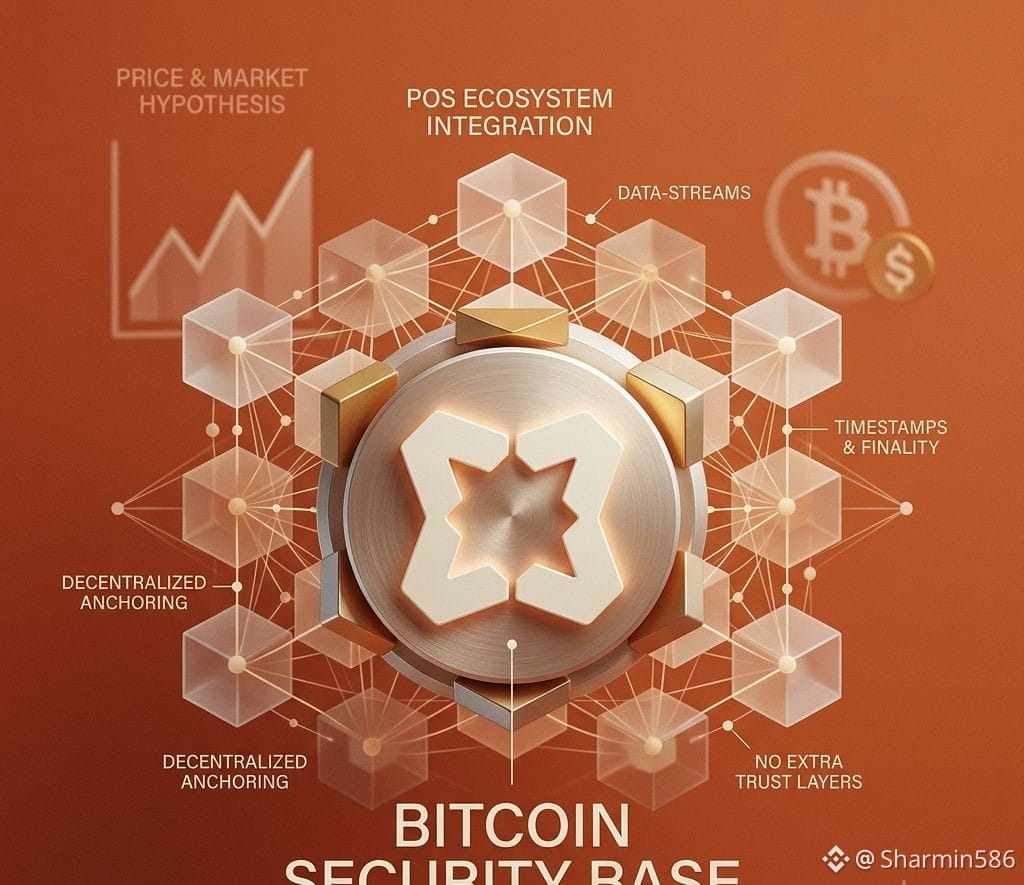
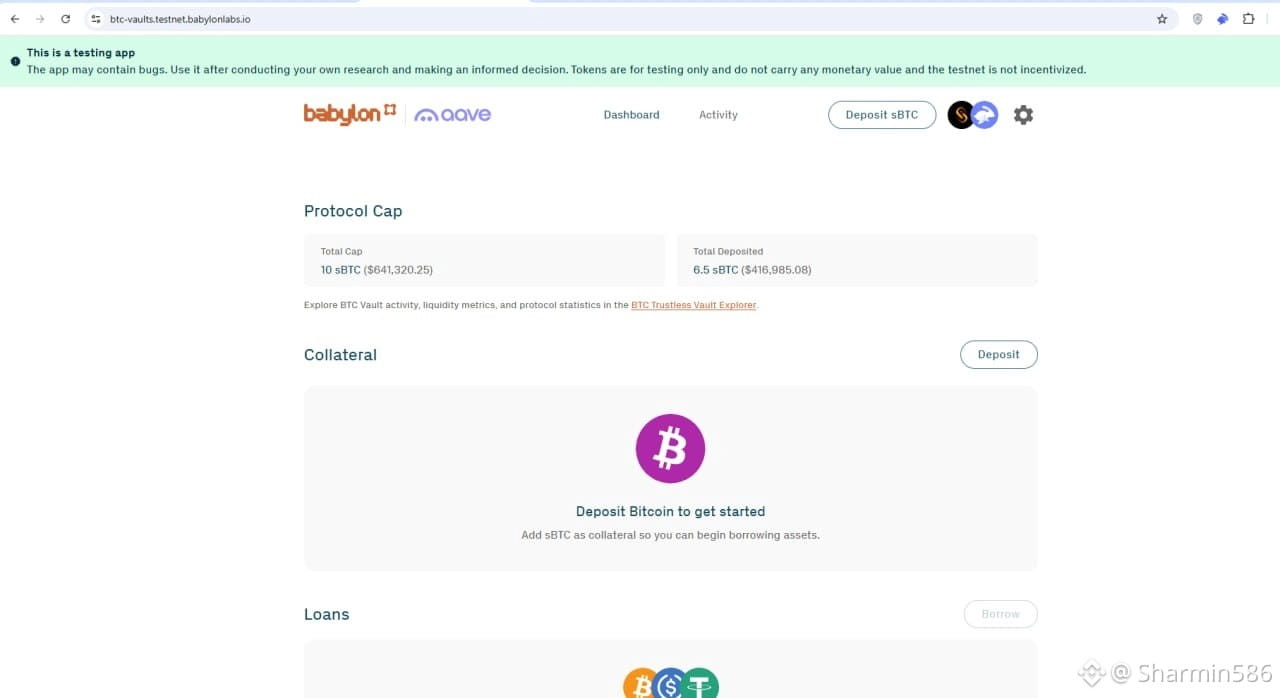
#baby $BABY 信頼不要のビットコイン・ボールト(TBV) @BabylonLabs_io による、休眠資産という概念の再定義。セキュリティを損なうことなくプルーフ・オブ・ステーク・ネットワークを確実に保護できることで、BTCは実際のバランスシート・インフラになります。未来は間違いなく$BABY にとって信頼不要であり、そしてネイティブ・ステーキング。Babylon Trustless Vaults ビットコインの信頼不要ボールト($BTC ) DeFiを解放。
翻訳参照
引用されたコンテンツは削除されました
翻訳参照

pasabd
·
--
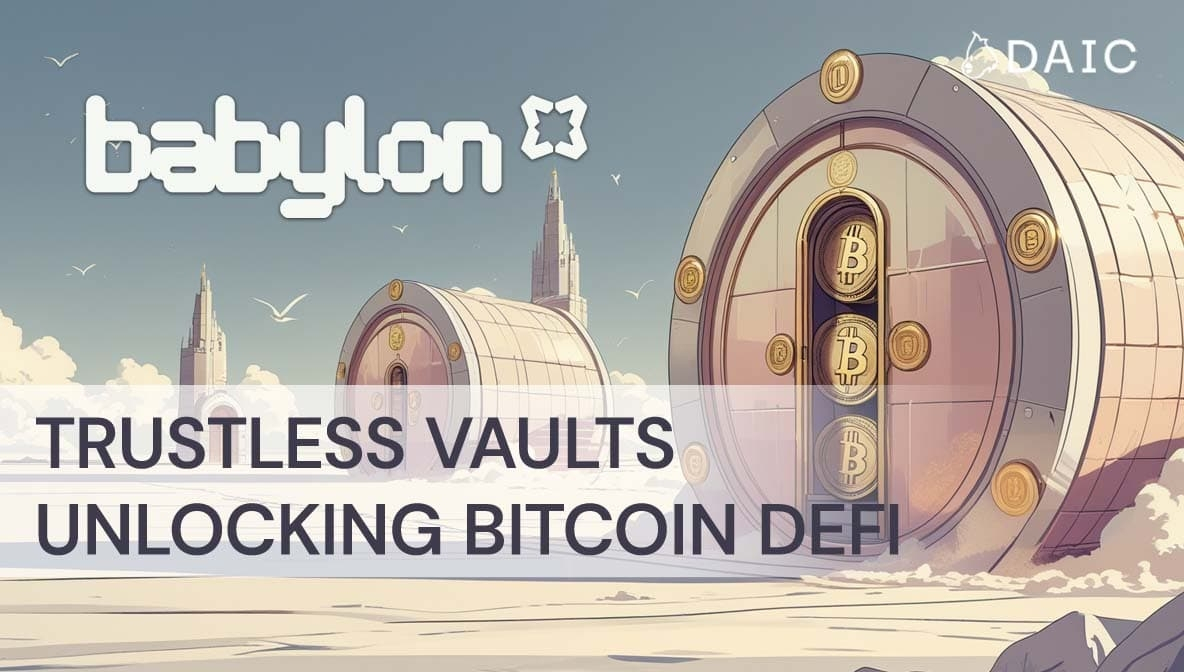
ビットコインをDeFiで利用することは、何年もの間「ラップする」か、第三者に依存するかのいずれかの経験でした。
しかし、@BabylonLabs_io Babylon Trustless Bitcoin Vaults(TBV)は、ラップやブリッジを必要とせずに、ネイティブBTCを担保として持つ選択肢を提供します。Aave v4 のパブリック・テストネットを通じて、ユーザーは鍵の管理権を失うことなくビットコインの借り入れを試すことができます。
利点: • 担保としてのネイティブBTC • セルフカストディ • 信頼不要のソリューション • より高い資本効率。
#baby $BABY
しかし、@BabylonLabs_io Babylon Trustless Bitcoin Vaults(TBV)は、ラップやブリッジを必要とせずに、ネイティブBTCを担保として持つ選択肢を提供します。Aave v4 のパブリック・テストネットを通じて、ユーザーは鍵の管理権を失うことなくビットコインの借り入れを試すことができます。
利点: • 担保としてのネイティブBTC • セルフカストディ • 信頼不要のソリューション • より高い資本効率。
#baby $BABY
翻訳参照

habibk
·
--
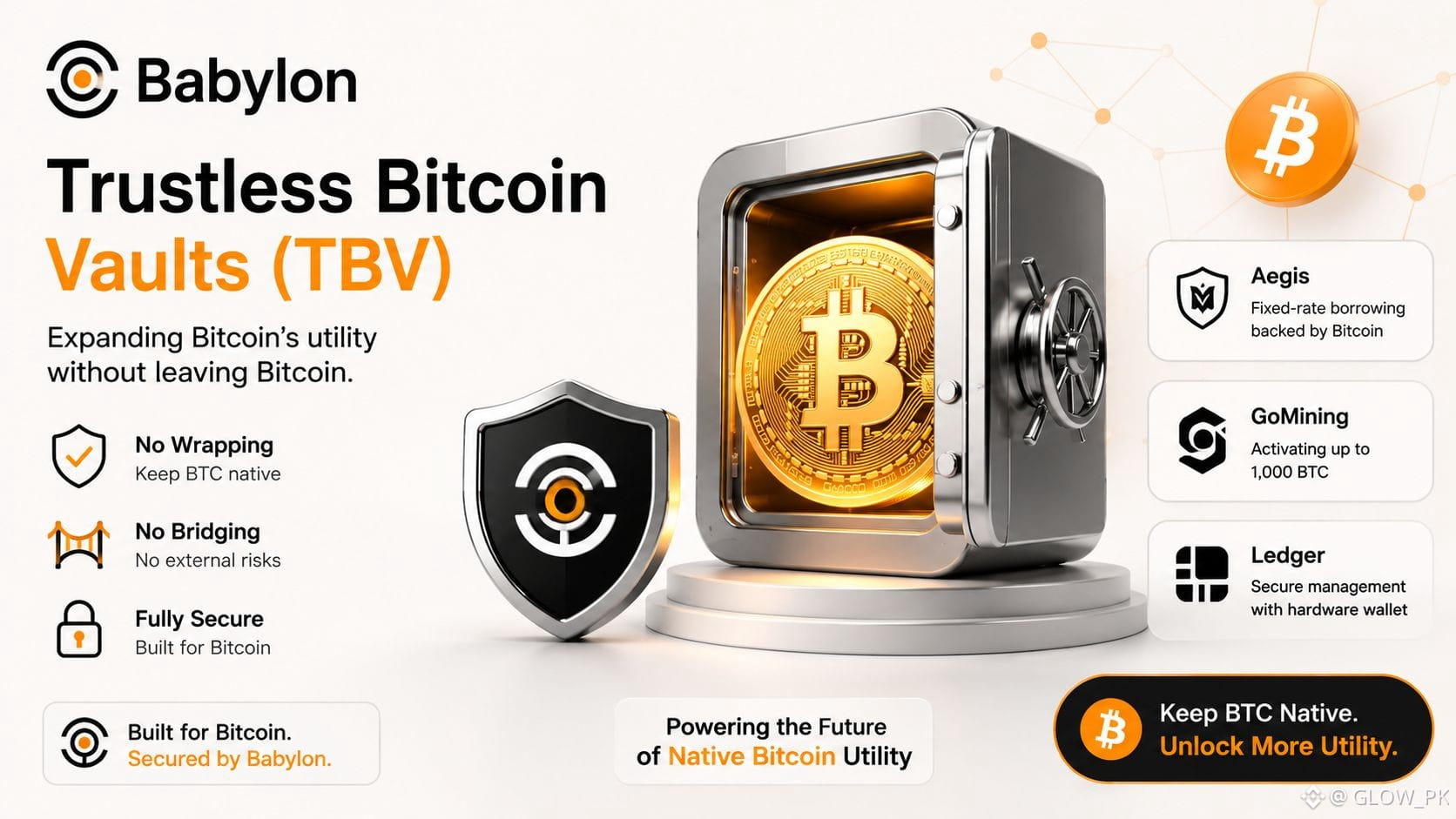
#baby $BABY ビットコインはもう停滞したままでいる必要はありません。ビットコインの比類ないセキュリティとマルチチェーンのプルーフ・オブ・ステークを組み合わせることで、
@BabylonLabs_io がBTC保有者のための新しい時代を切り開いています。トラストレスなビットコイン・ボールト(金庫)は、ビットコインの核となる強みを維持しながら、ステーキングをより安全にします。$BABY がどのようにBTCステーキングを前進させ続けるのか楽しみです。🚀
#baby
@BabylonLabs_io がBTC保有者のための新しい時代を切り開いています。トラストレスなビットコイン・ボールト(金庫)は、ビットコインの核となる強みを維持しながら、ステーキングをより安全にします。$BABY がどのようにBTCステーキングを前進させ続けるのか楽しみです。🚀
#baby
翻訳参照
引用されたコンテンツは削除されました
翻訳参照

0xshorif
·
--
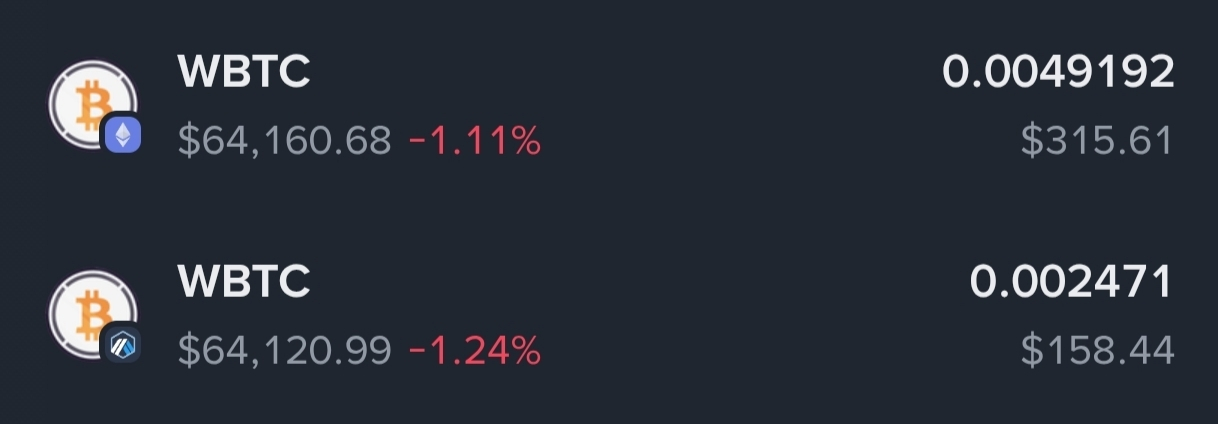
かなり前から、私はウォレットにBTCを預けており、長期的に保有し続けています。とはいえ、自分のウォレットでBTCを保有する主なデメリットは、ウォレットのハッキングや、単純な操作ミスによって失ってしまうリスクです。
私はビットコインを安全に保管できるサイトを探していました。その過程で、@BabylonLabs_io Trustless Bitcoin Vaults (TBV) に出会いました。
TBVの仕組みを理解して、この場所こそBTCを保管すべきだと感じました。去年、うっかり何かをクリックしてしまい、ウォレットが侵害されてETHをすべて失ってしまいました。それ以来、BTCを長期保管することには非常に慎重です。
だからこそ、私は自分のBTCを Trustless Bitcoin Vaults TBV に預けることを選びました。
#baby $BABY
私はビットコインを安全に保管できるサイトを探していました。その過程で、@BabylonLabs_io Trustless Bitcoin Vaults (TBV) に出会いました。
TBVの仕組みを理解して、この場所こそBTCを保管すべきだと感じました。去年、うっかり何かをクリックしてしまい、ウォレットが侵害されてETHをすべて失ってしまいました。それ以来、BTCを長期保管することには非常に慎重です。
だからこそ、私は自分のBTCを Trustless Bitcoin Vaults TBV に預けることを選びました。
#baby $BABY

翻訳参照
0xshorif
·
--
バビロン・プロジェクトに関して、かなり面白い話がいくつかあります。私が最初にバビロンについて知ったとき…
BTCをそこにロックすればポイントがもらえると聞きました。そのポイントは将来のエアドロップにつながる可能性があったので、私はBTCをいくつか買うことに決めました。
当時、価格は$60kを下回っていました。その後しばらくして、$120kでそのBTCを売りました。最初からBTCを買うつもりがあったわけではありませんが、バビロン・プロジェクトのためにそれを購入したことで、大きな利益を得られました。
BTCをバビロンに入金するには長い時間待たなければなりませんでした。入金は常に開いているわけではありませんでしたが、長い待ちがようやく終わり、私は彼らの大切なユーザーの一人でいられることを誇りに思っています。
私は、BTCロックアップ施設によってポイントを稼げる機会があったことから、最初に@BabylonLabs_ioに出会いました。エアドロップの仕組みから、私のビットコインにおける最高の投資まで——ここまで来ました。TBVが、分散化におけるセキュリティの源としてビットコインをどのように強固にしていくのか、楽しみにしています。
#baby $BABY
翻訳参照

Raihan8850
·
--
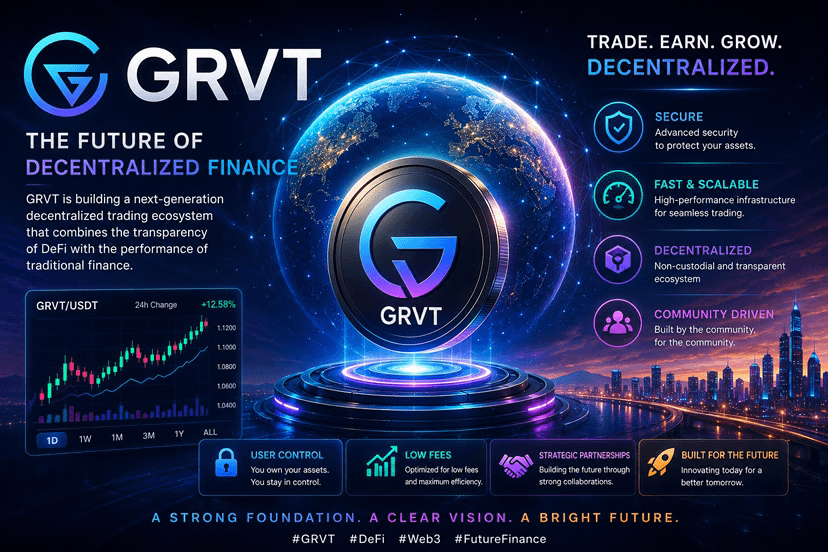
#grvt : 分散型金融の未来を形作る
ブロックチェーン業界は急速に成長しており、革新性・セキュリティ・使いやすさを兼ね備えたプロジェクトは、金融の未来を切り拓く可能性を秘めています。#GRVT は、分散型金融と従来の金融市場の効率性の間にあるギャップを埋めることを目的とした新興の DeFi プラットフォームです。
#grvt は、高いパフォーマンス、透明性、シームレスなユーザー体験に重点を置き、個人ユーザーと機関投資家の双方にとって分散型取引をより身近にします。遅い取引、高い手数料、複雑なインターフェースといった課題に直面している多くの DeFi プラットフォームとは異なり、#grvt は、分散化の中核となる原則を損なうことなく、より速く、よりスケーラブルで、安全な取引環境の提供を目指します。
セキュリティはプロジェクトの主要な優先事項であり続けます。#grvt は、高度なインフラと、デジタル資産に対するユーザーのコントロールを重視することで、より安全で信頼できるエコシステムの構築に役立てています。さらに、このプラットフォームは長期的なビジョンのもとに設計されており、暗号業界の進化するニーズに合わせて継続的に適応しています。
翻訳参照

sate5363
·
--
#grvt 革新を信じ、常に時代の先を行く人たちの未来が訪れます。
分散型ファイナンスが金融の世界を再構築し続ける中で、#grvt この歩みの一員でいられることに誇りを持っています。🌍💎
透明性・セキュリティ・革新を核に、GRVTはブロックチェーン技術の力を信じるトレーダーや投資家のための新しい道を切り拓いています。前進するたびに、より開かれ、誰もがアクセスできる金融エコシステムへと一歩近づきます。📈🔗
Web3の革命は始まったばかりであり、GRVTのようなコミュニティが分散型の未来へと先導しています。次に何が来るのか楽しみで、この素晴らしい旅に参加できてワクワクしています!🔥
運動に参加し、革新を受け入れ、共に未来を築きましょう。🚀✨
#GRVT #Web3 #Blockchain #Crypto #DeFi #Innovation #Trading #FutureOfFinance #CryptoCommunity #Decentralization
翻訳参照
Aftabshaon
·
--
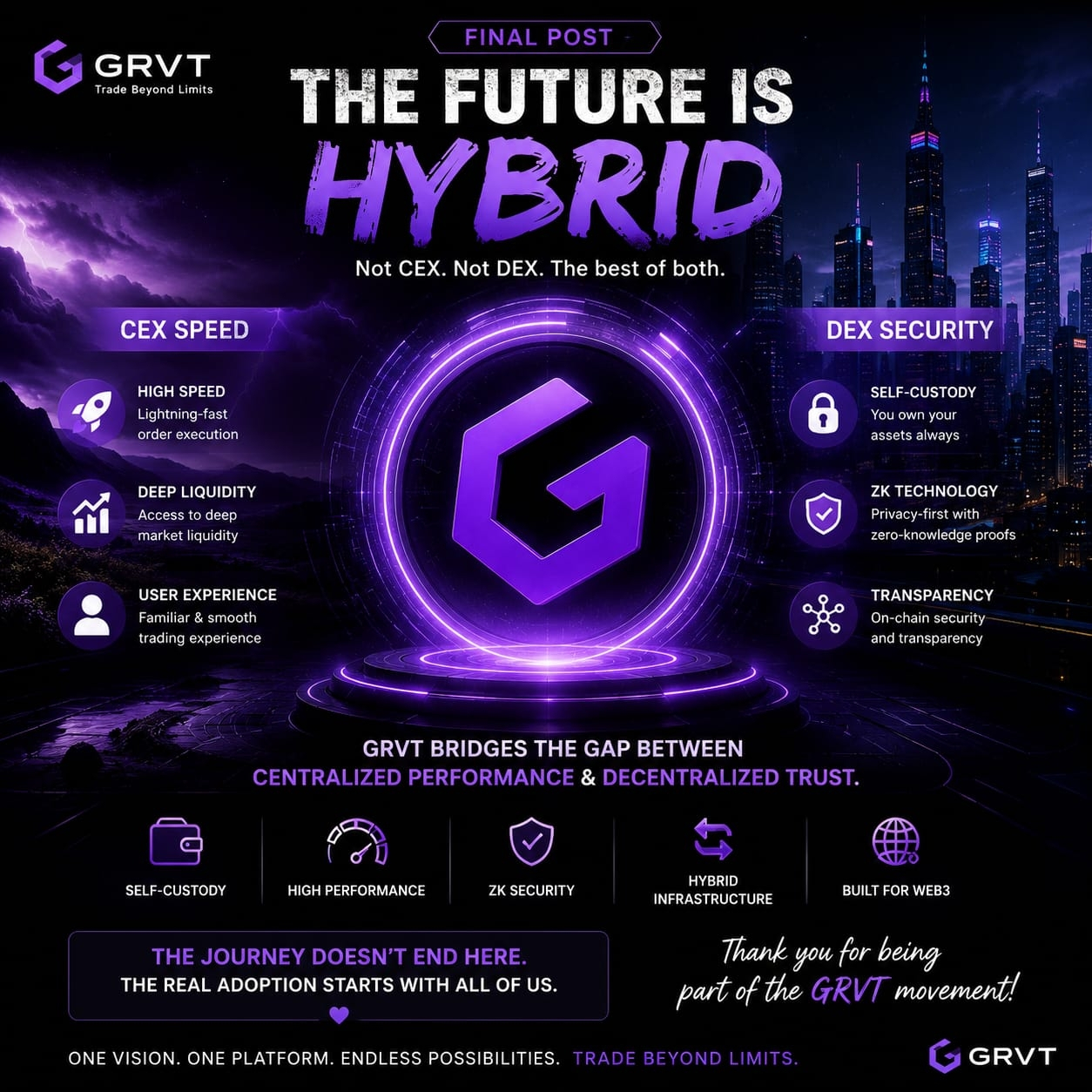
ブリッシュ#grvt 🚀 GRVTに関する最終的な考察
GRVT(@grvt_io )を調査してみて、際立つ点が1つあります:
暗号資産の取引の未来は、「集中化」と「分散化」のどちらかを選ぶことではありません。その双方の最良を組み合わせることです。
@grvt_io は、ハイブリッド取引所モデルの実現に向けて取り組んでいます。そこでは:
🔹 自己保管(セルフカストディ)により、資産の管理を自分で維持できます。
🔹 スピードと効率性を重視した取引体験が得られます。
🔹 ゼロ知識技術が、プライバシーとスケーラビリティを支えます。
🔹 セキュリティと使いやすさを「対立する優先事項」ではなく「補完し合う優先事項」として扱います。
変化の速い業界では、実際のユーザー課題を解決するプロジェクトこそが、長期的なインパクトを最も大きく生み出しやすいのです。
GRVTが大きなプレイヤーになるかどうかは、その実行力と普及度合いにかかっていますが、CEXとDEXのギャップを埋めるというビジョンは注目に値します。
🌍 暗号資産取引の次世代は、あるモデルを別のモデルに置き換えることではなく、双方の強みを“ひとつにする”ことかもしれません。
💬 今日の暗号資産取引所で、1つだけ改善できるとしたら何を改善しますか?
#grvt #Crypto #Web3 #HybridExchange
翻訳参照
Harun402
·
--
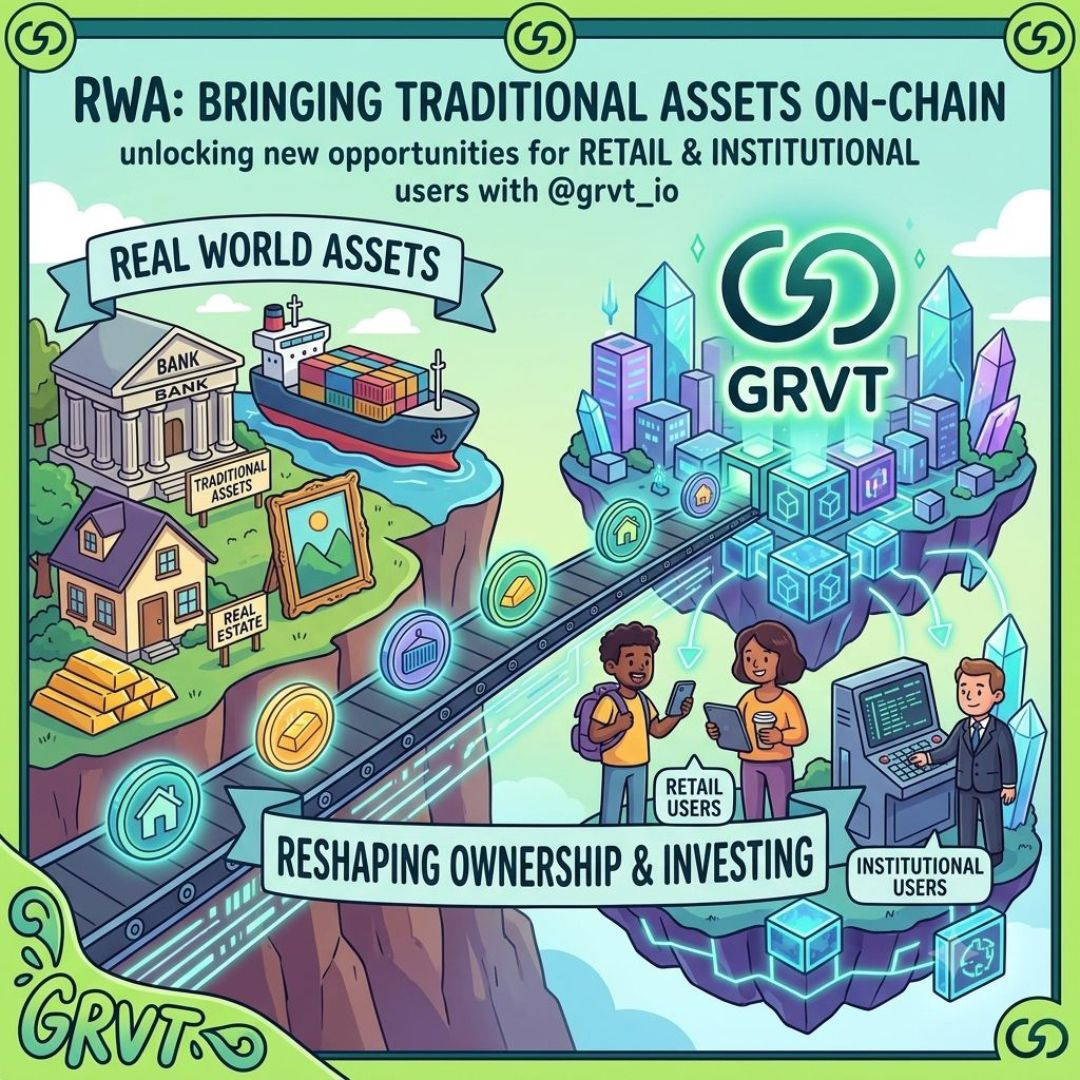
リアルワールドアセット(RWA)はWeb3で最も刺激的な分野の一つになりつつあります。従来の資産をオンチェーン化することで、個人ユーザーと機関投資家の双方に新たな機会をもたらす可能性があります。私は、@grvt_io が短期的なトレンドに追随するのではなく、この方向性を受け入れていることが気に入っています。RWAには、私たちの所有や投資に対する考え方を再構築する可能性があります。#grvt
翻訳参照

AbdulKarim20
·
--
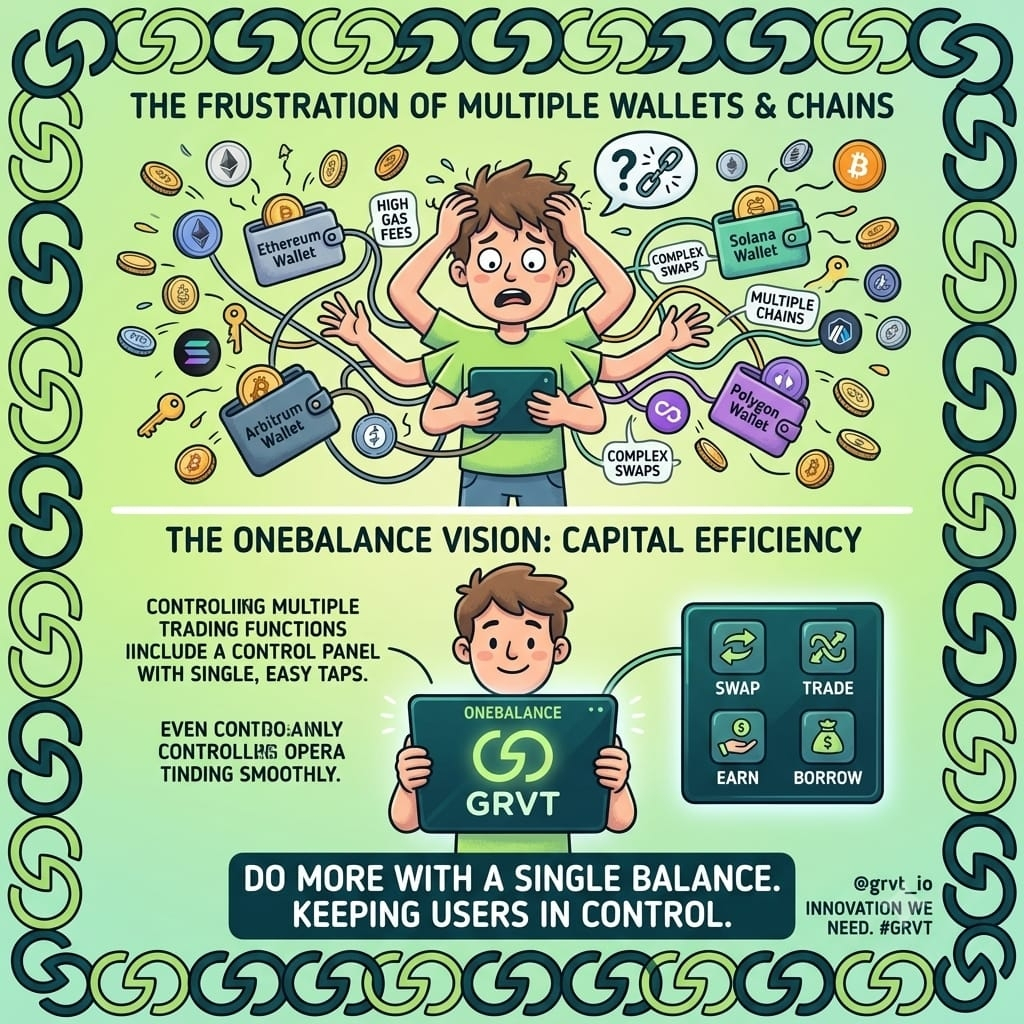
複数のウォレットやチェーンにまたがって資金を管理するのは、つい面倒に感じてしまいます。@grvt_io の OneBalance のビジョンは、ユーザーが単一の残高でより多くのことを実現できるようにして、資本をより効率的にすることを目指しています。ユーザーが主導権を持ったまま、取引体験をシンプルにすること——それこそが Web3 に必要な革新です。#grvt
翻訳参照

Rajeya Begum
·
--
#grvt
Every great innovation begins with a simple question:
**Why choose between speed and security?**
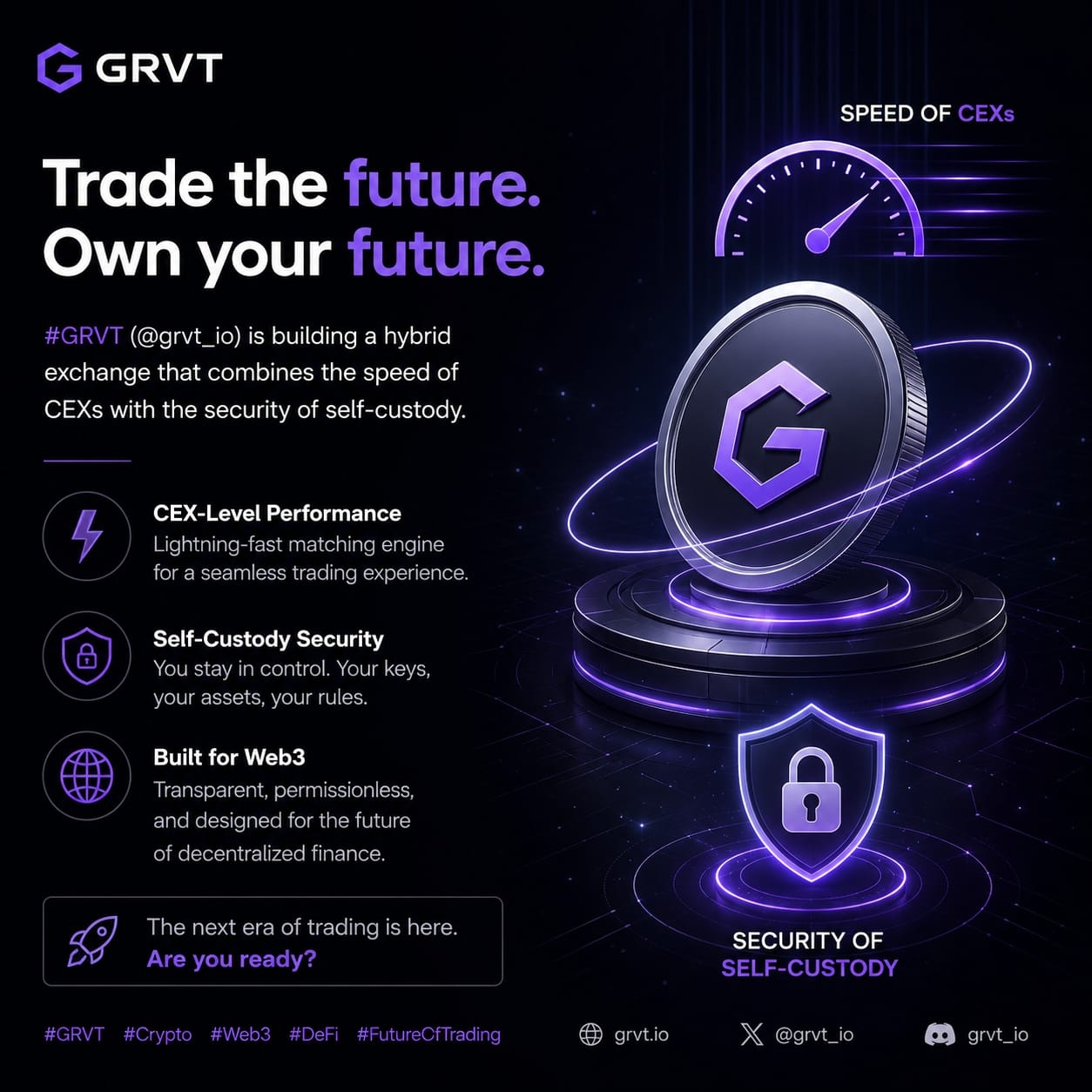
#GRVT (@grvt_io) answers with a hybrid exchange designed for modern traders—delivering seamless execution while empowering users through self-custody.
✨ Faster trades
🛡️ Greater control
🌍 A decentralized future without sacrificing performance
The next chapter of crypto is already being written. Be part of it. 💜🚀
#GRVT #Web3 #Crypto #DeFi #SelfCustody #Blockchain #TradeSmarter
翻訳参照

moin244
·
--
#grvt すべての1ドルは掛け合わせられるべきです。💚
暗号資産の世界では、未使用の資金は実現されていない可能性を意味します。
GRVT.IOは、ユーザーが以下を実現できるシステムを作ることを目指しています:✅ 自由に取引 ✅ 実世界資産(RWA)でのリターンを得る ✅ 効率的な金融商品にアクセスする
ここでの目的は明確です。柔軟性を損なうことなく、すべての1ドルの価値(ユーティリティ)を最大化します。
金融と、成長を続けるエコシステムを効率よく融合させることで、GRVTはWeb3をより効率的な未来へ近づける手助けをしています。
このアイデアがどこへ導いてくれるのかを見るのはわくわくします。特に、Binance Wallet Booster Campaign のような新しい動きに注目すると、なおさらです。
もうGRVTでの旅を始めていますか?
#GRVT #BinanceWallet #RWA #DeFi #Crypto #Web3 #BinanceSquare
ログインして、さらにコンテンツを読む